
Most citizens assume that high-altitude satellites only map broad weather patterns or continental landscapes. We believe our daily backyard activities remain completely hidden from orbiting lenses.
But modern orbital cameras now capture incredibly sharp details on the ground. This constant planetary surveillance is triggering intense debates about the end of personal privacy.
Zooming In From Orbit
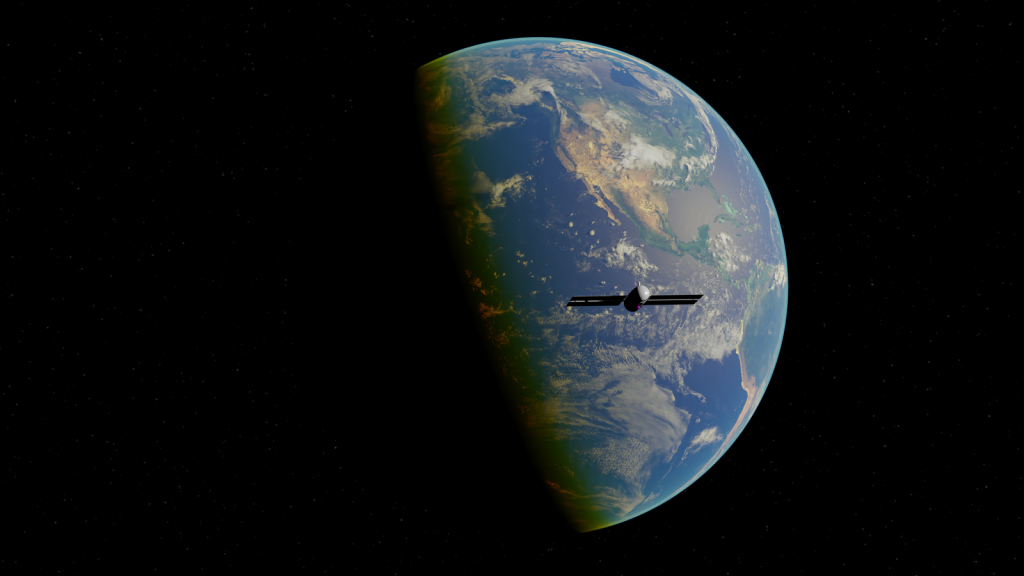
Commercial satellites circling Earth can now capture images sharp enough to identify the make and model of individual vehicles. These lenses see through clouds. Detail is stunning. A report from the Union of Concerned Scientists shows that civilian imaging resolution has improved tenfold over the last decade. But these powerful lenses are only the beginning of what orbiters can track.
Tracking Invisible Heat Signatures
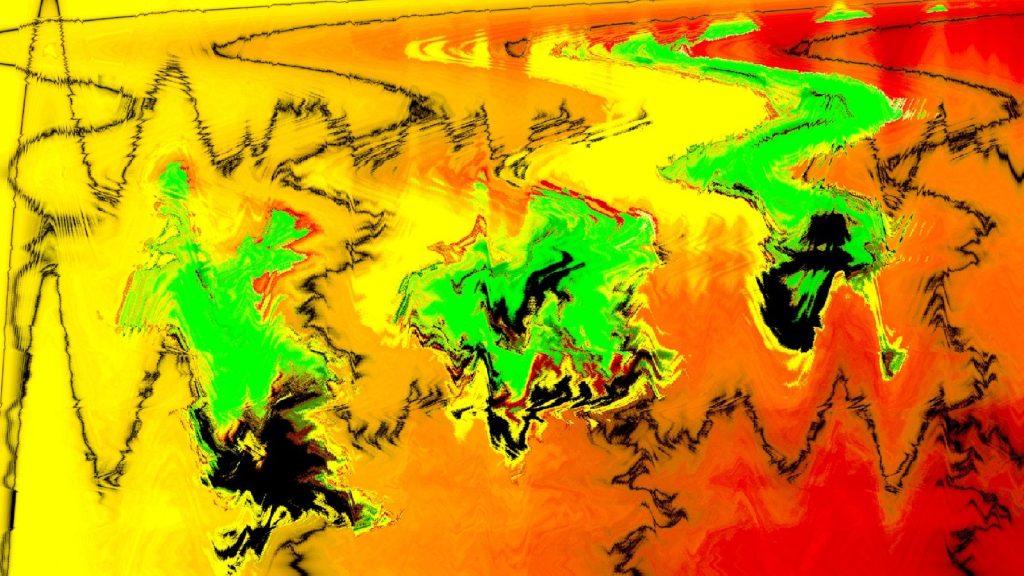
Thermal infrared sensors detect temperature variations on the ground to map industrial activity and residential power usage. They reveal what is happening inside buildings. Heat never lies. Studies from the Federation of American Scientists reveal that temperature mapping can track production levels at factory sites from hundreds of miles away. But this thermal tracking capability is now monitoring individual citizens too.
Listening To Radio Signals
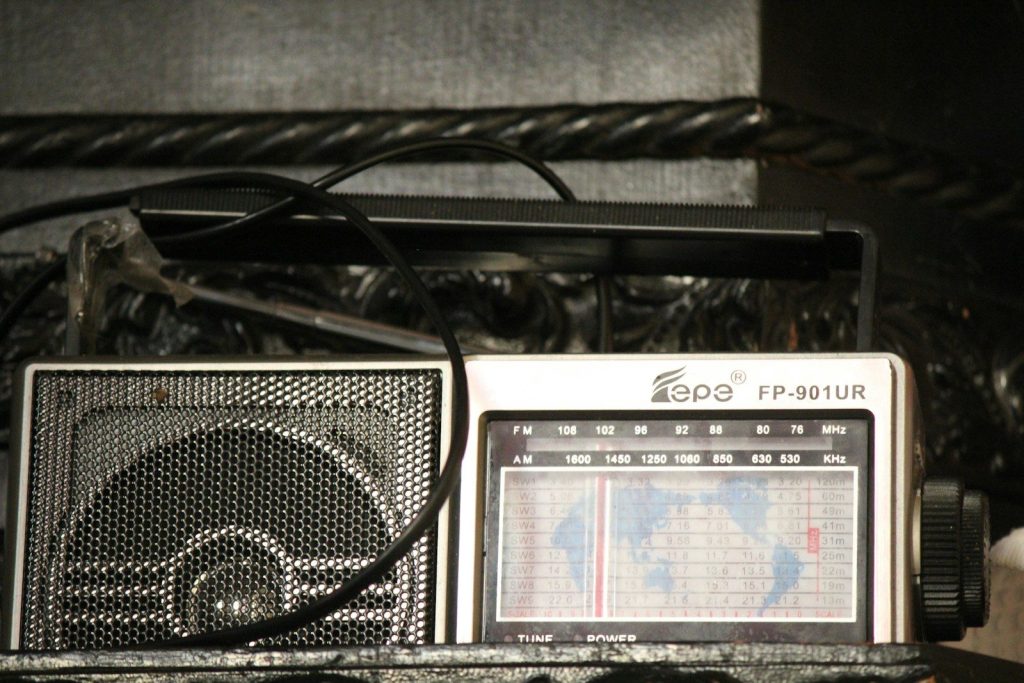
Specialized electronic intelligence satellites capture radio waves and cellular signals leaking from high-security facilities. They intercept private communications effortlessly. Whispers are caught. Documents from the National Security Agency show that orbital antennas map communication networks across entire cities without physical wiretaps. But these signal catchers are about to gain a powerful new partner.
Predicting Your Daily Habits

Artificial intelligence programs scan millions of satellite images daily to map regular commuting habits and traffic flow patterns. Computers spot deviations instantly. Patterns are clear. Research from the European Space Agency indicates that predictive software can forecast shopping surges at local malls by counting parked cars. But this automated predictive tracking raises serious questions about personal freedom.
Peering Through Solid Ground
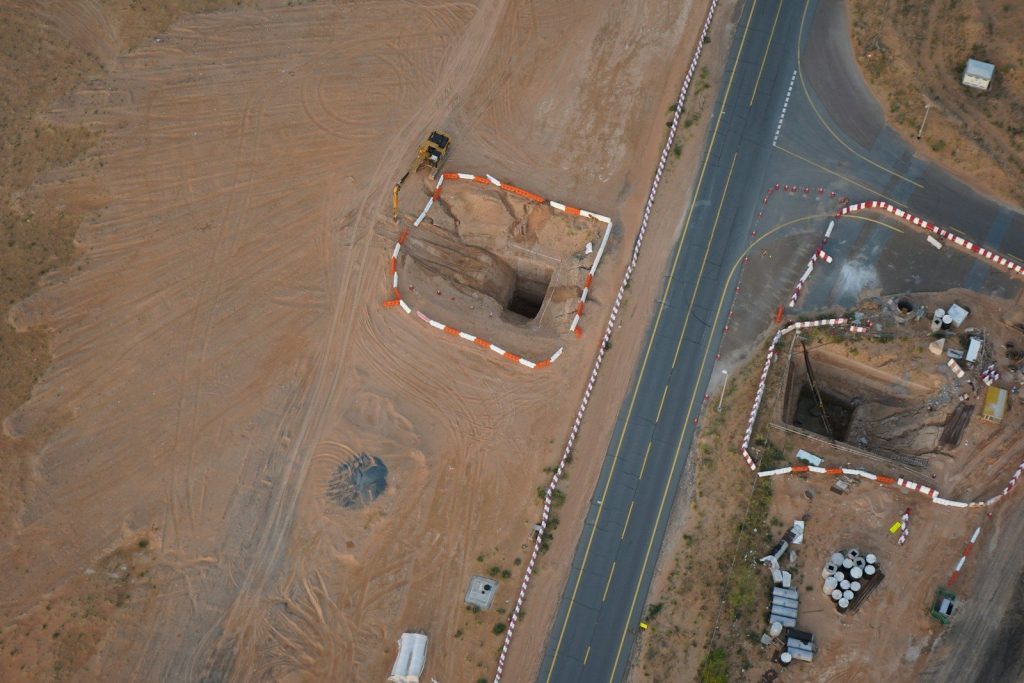
Advanced radar systems bounce microwave pulses off the surface to map buried archaeological structures and underground military bunkers. These waves penetrate solid soil. Earth has secrets. Geophysics reports from the University of Birmingham show that orbital radar can detect movements just millimeters wide beneath the desert sand. But these deep scans are starting to reveal things researchers did not expect.
Eliminating Historic Border Zones

Constant satellite coverage makes secret military troop movements or surprise border operations virtually impossible to execute. Global transparency is absolute. Shadows are gone. Strategic reviews from the International Institute for Strategic Studies show that real-time satellite data has changed modern defense tactics forever. But this absolute visibility is leading to a major pushback from sovereign nations.
Navigating The Transparent World
Living in an age of constant orbital monitoring requires a complete rethink of global privacy laws. Transparent skies offer unmatched security while challenging our expectation of personal secrecy. This is reality. Legal experts at space law panels suggest that international regulations must adapt to these powerful cameras soon. This article is for informational purposes only.
Leave a Reply