
Most people think of Mercury as just a tiny scorched rock orbiting close to the Sun. We assume it is a dead world with very little left to discover.
But planetary probes have revealed a world full of bizarre physics and extreme conditions. What scientists found on its surface shocked planetary experts completely.
Shrinking Fast Over Time
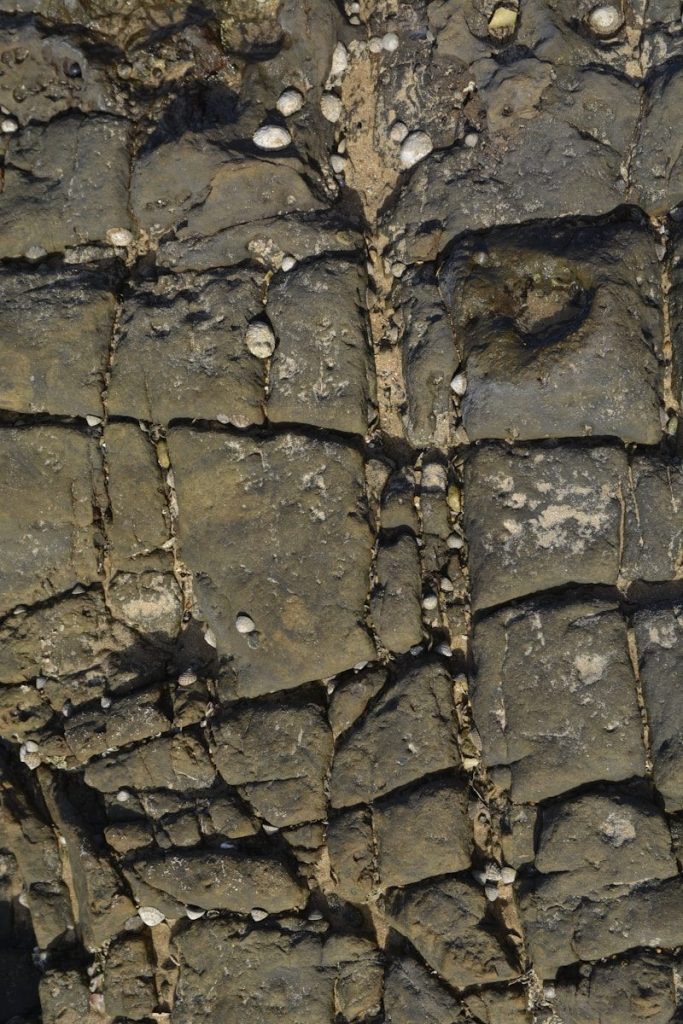
Mercury is actively getting smaller as its molten iron core cools and contracts. Cracks form across land. According to planetary geology imaging from NASA, massive cliff structures stretch hundreds of miles across the surface as the crust buckles. Shrinking has reduced the planet’s radius by several miles over time. But its crazy orbit creates an even wilder phenomenon.
A Sunrise That Moves Backward

Mercury rotates so slowly that one day lasts longer than its entire year. Time feels completely distorted. According to orbital tracking models from ESA, the sun appears to rise, stop, and reverse direction in the sky during certain points in orbit. Strange gravitational speeds cause this baffling solar motion. Yet its extreme temperatures are even more shocking.
Freezing Nights And Burning Days

Without an atmosphere to trap heat, Mercury experiences violent temperature swings. Conditions are absurdly harsh. According to planetary surface sensors, daytime temperatures soar over eight hundred degrees Fahrenheit while nighttime drops to nearly minus three hundred degrees. That intense swing creates a brutal environment. But water ice somehow exists inside this fiery hell.
Hidden Ice In Dark Craters
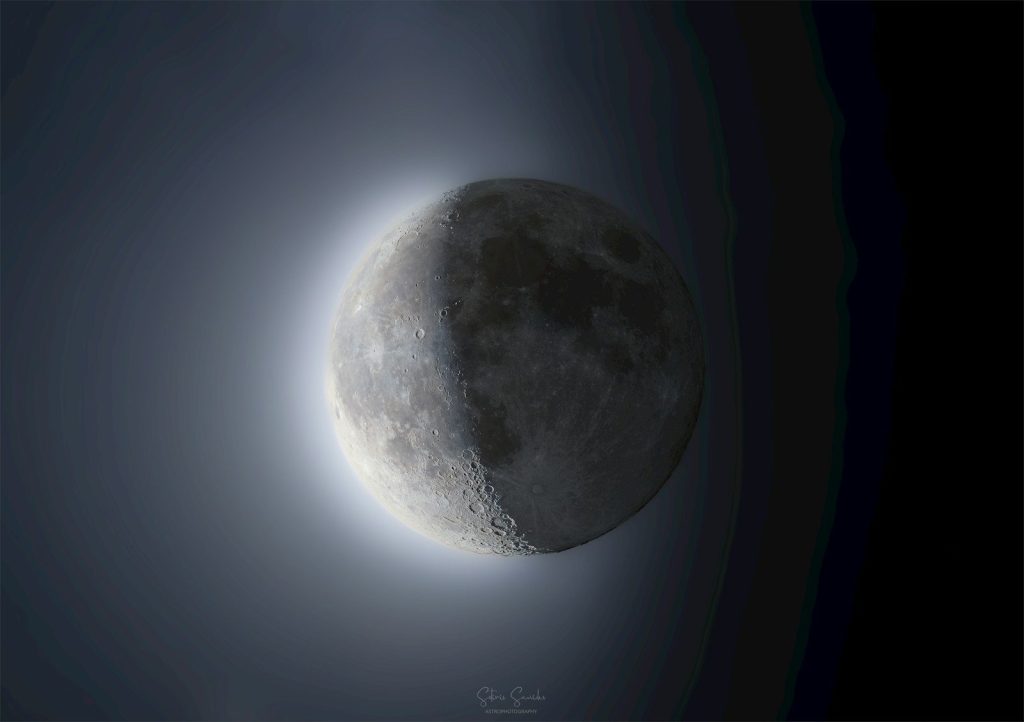
Deep craters at the poles of Mercury never receive sunlight. Darkness covers these spots. According to radar readings from NASA’s Messenger spacecraft, massive deposits of water ice sit preserved inside these permanent polar shadows. Water surviving so close to the Sun seemed impossible. But another surprise lies deep inside its interior core.
A Massive Iron Core Inside

Mercury possesses a metallic core that occupies nearly eighty percent of its total volume. Iron dominates the inside. According to geophysics analyses, ancient cosmic impacts likely stripped away much of its original rocky outer mantle billions of years ago. That leaves a massive iron ball wrapped in a thin crust. But its magnetic field holds one final puzzle.
An Unexplained Magnetic Shield
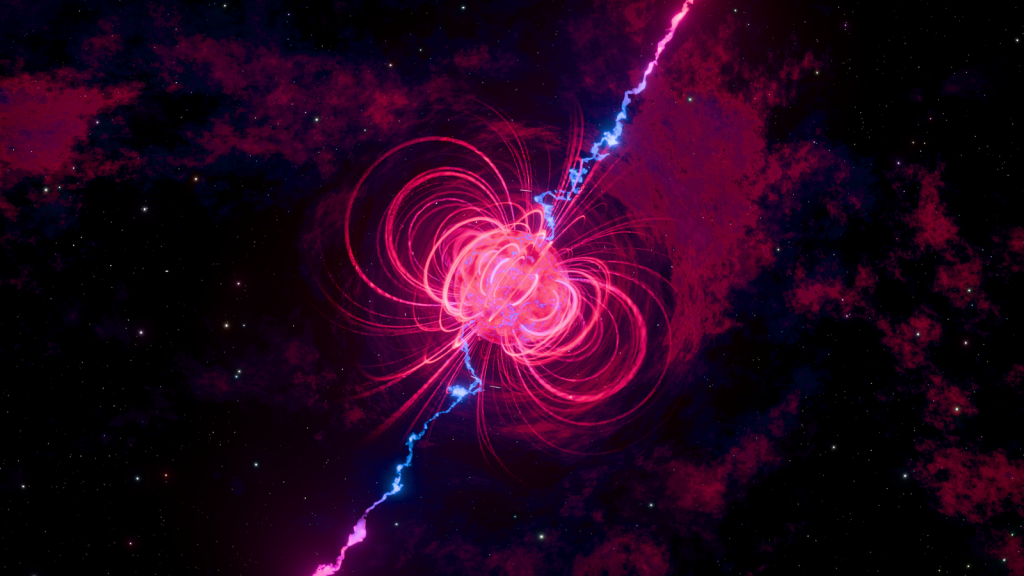
Small worlds usually lose internal heat fast, killing global magnetic fields. Mercury broke that rule. According to magnetic survey data from planetary orbiters, a liquid outer core keeps generating an active magnetic shield today. Scientists are still studying how such a tiny planet kept its core active. That mystery continues to puzzle top researchers.
Unlocking Solar System Secrets
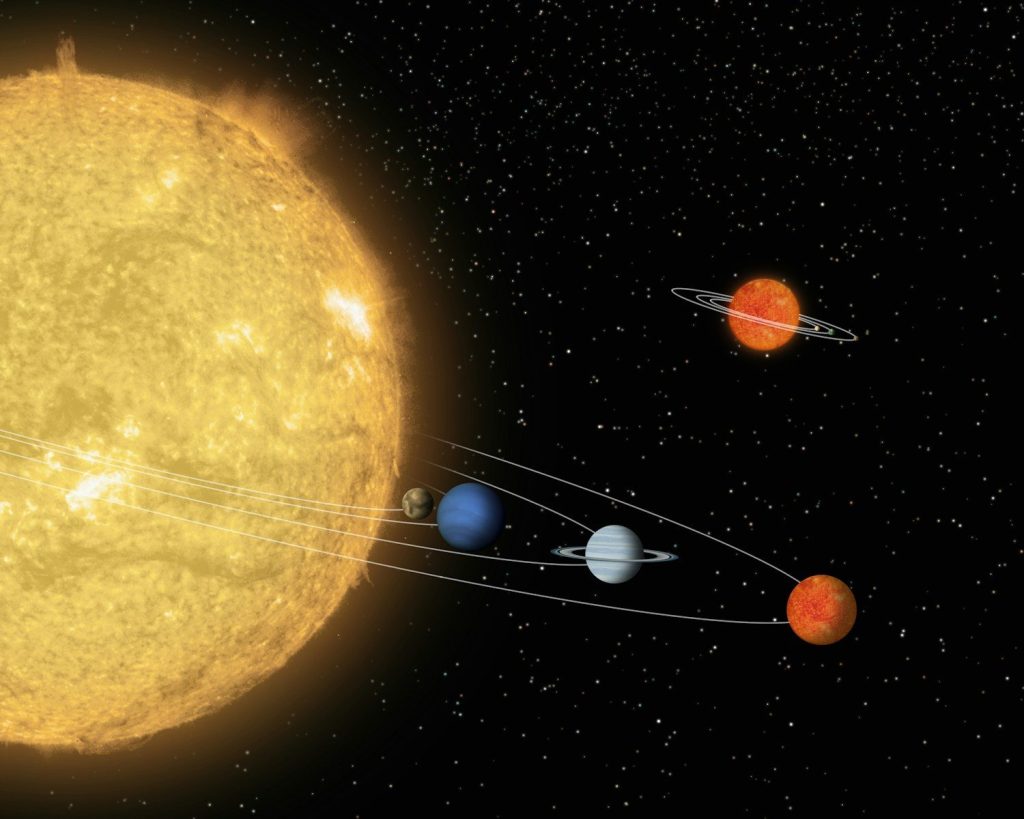
Studying Mercury provides essential clues about how terrestrial planets form under extreme solar conditions. Upcoming missions will reveal even more hidden secrets from this tiny world. According to space agency research teams, exploring Mercury transforms our understanding of rocky worlds. This article is for informational purposes only.
Featured Image: Photo by Carlos Kenobi on Unsplash
Leave a Reply