
For centuries, humans believed the length of a single day was completely constant. We trust our clocks to measure exactly twenty-four hours every single rotation.
But precision atomic clocks show that Earth is actually spinning faster than normal. This mysterious planetary acceleration is puzzling geophysicists around the globe.
Measuring Time With Precision

Before atomic clocks were invented, measuring microscopic shifts in planetary rotation was nearly impossible. Today, atomic timekeeping tracks planetary movement down to milliseconds. Accuracy is absolute now. According to timekeeping data from the International Earth Rotation Service, our planet recently set multiple records for the shortest days ever recorded. Scientists immediately began investigating the root cause.
The Role Of Melting Ice

Massive ice sheets melting at the poles are redistributing weight across the globe. As water shifts toward the equator, Earth changes shape like a spinning ice skater pulling in their arms. The physics is complex. According to oceanographers analyzing satellite imagery, shifting water mass significantly impacts rotational speed. Yet melting ice alone cannot explain the sudden acceleration.
Looking Deep Inside Earth
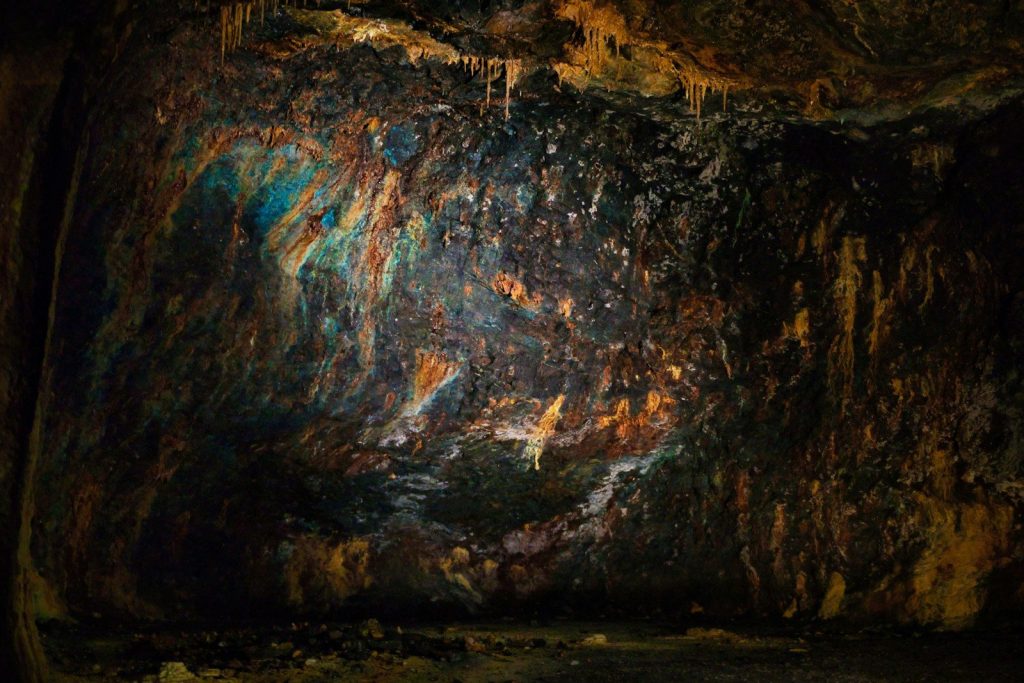
Deep beneath the mantle, Earth’s molten liquid core flows in unpredictable cycles. Swirling liquid metal generates magnetic fields while exchanging momentum with the solid outer crust. Deep forces are working. According to geophysicists studying seismic waves, core motion directly exerts subtle torque forces on the crust above. But atmospheric weather plays an equally powerful role.
How Winds Shift Rotation

High-altitude jet streams and ocean current movements exert friction against the planet’s surface. Strong seasonal winds can speed up or slow down Earth by fractions of a millisecond. Nature works in balance. According to atmospheric researchers, global weather patterns create measurable shifts in planetary momentum throughout the year. However, technology systems are feeling the strain.
Threatening Global Tech Systems

Modern communication systems and financial networks rely on hyper-precise synchronization between satellites and ground servers. Even tiny rotational variances throw off global positioning systems. Seconds matter immensely now. According to computer network engineers, a faster rotation could force tech companies to subtract a leap second from atomic clocks. That proposed fix presents huge technical risks.
The Danger Of Negative Seconds

Subtracting a second from digital clocks has never been attempted on a global scale. Unchecked time changes could crash critical infrastructure and financial trading databases worldwide. The risks are real. According to software security researchers, legacy operating systems might fail completely when processing negative leap seconds. Tech giants are scrambling to prepare solutions.
Adapting To A Shifting Planet

Earth’s dynamic forces will continue shifting day lengths in ways science cannot fully predict. Continuous monitoring ensures global navigation and computing remain aligned with planetary motion. Adaptability keeps us moving. According to geoscientists, understanding our planet’s hidden movements helps safeguard modern technology against future surprises. This article is for informational purposes only.
Leave a Reply