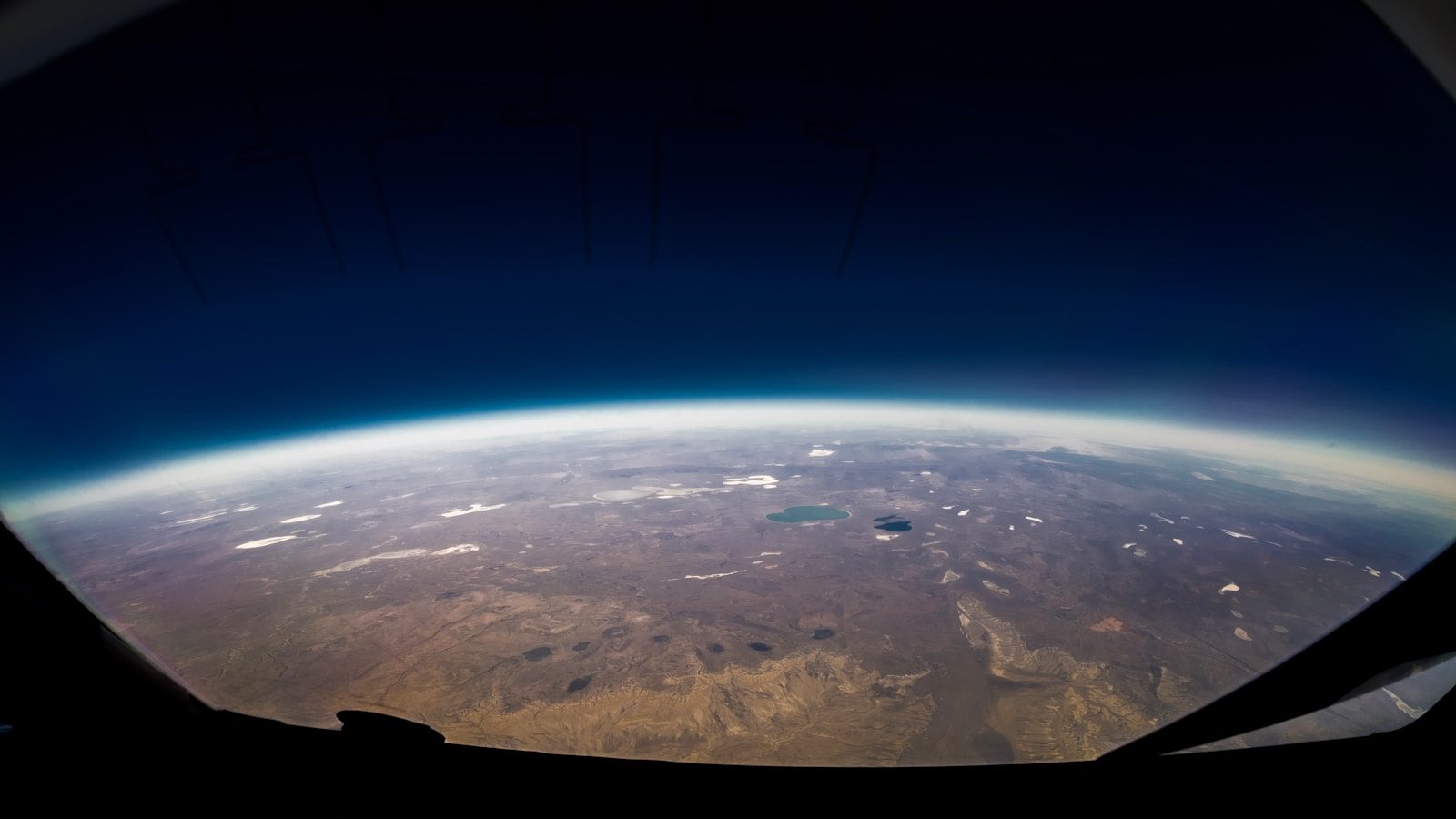
Most people assume that outer space is a completely silent void frozen in time. We learn basic facts in school and never question if they are accurate.
But modern space probes prove that many popular universe beliefs are entirely wrong. Surprising physical realities challenge how we view the solar system.
The Great Wall Myth

Many people believe the Great Wall of China is visible from orbit with naked eyes. Science says otherwise. According to NASA astronaut flight reports, low Earth orbit renders human structures invisible without high-powered camera lenses. Ocean coastlines and mountain ranges stand out clearly instead. But another planet holds an even bigger lie.
Venus Is Hotter Than Mercury
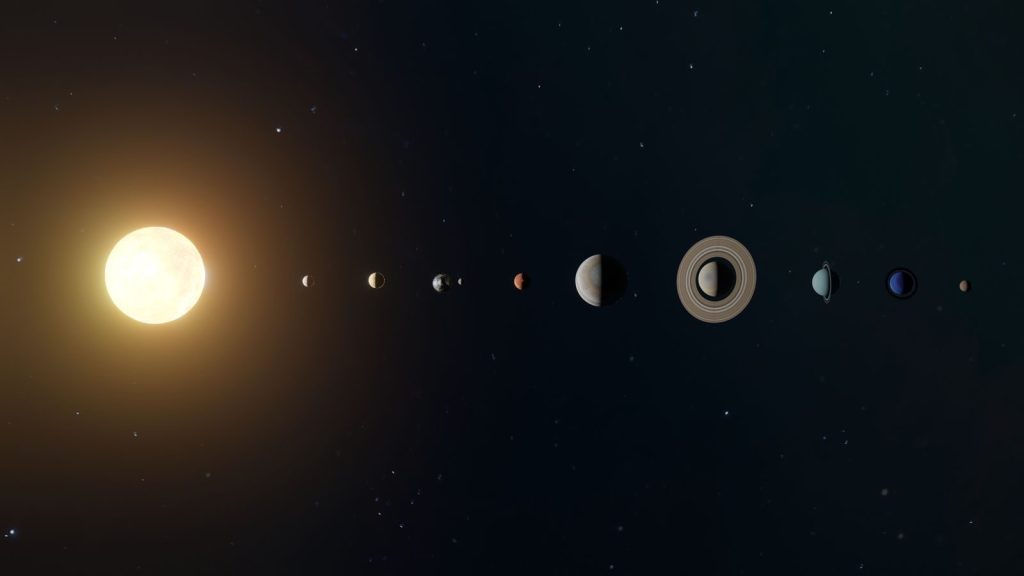
Because Mercury sits closest to the Sun, most assume it must be the hottest planet. That guess is false. According to planetary temperature data from ESA, thick carbon dioxide clouds on Venus trap solar heat through an extreme greenhouse effect. Surface heat on Venus easily melts lead. Yet another common space belief involves gravity.
Gravity Exists In Low Orbit
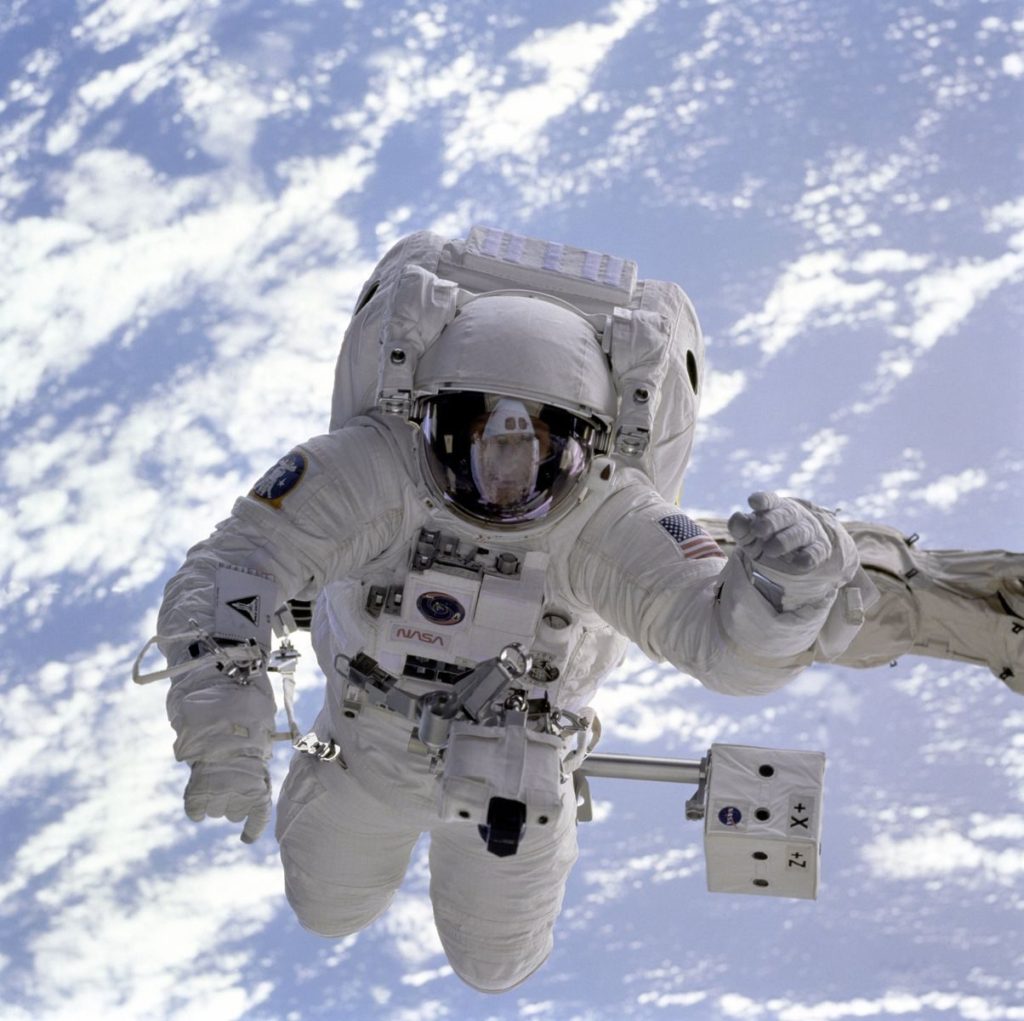
Floating astronauts look completely weightless inside the International Space Station. They are actually falling. According to physics calculations from NASA, Earth gravity at space station altitude remains nearly ninety percent as strong as on the ground. Constant orbital speed creates the illusion of zero gravity. But what happens to the human body in space is equally misunderstood.
Human Bodies Do Not Explode
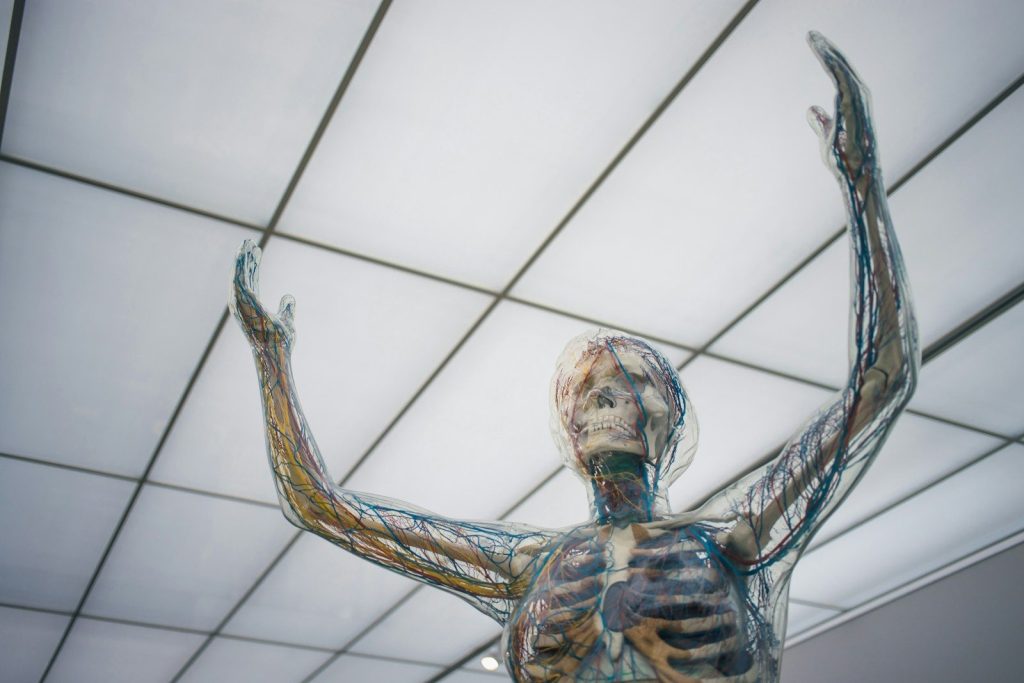
Hollywood movies often show astronauts exploding instantly when exposed to vacuum space. Reality is quite different. According to aerospace medical studies, human skin and blood vessels are strong enough to keep internal pressure intact. Unconsciousness happens fast from lack of oxygen, but tissue remains unharmed. But solar dynamics hide another strange secret.
The Sun Is Actually White

Looking up at noon makes the sun appear brilliant yellow in the sky. Earth’s atmosphere tricks us. According to solar physics observations from space telescopes, our star emits light evenly across all visible wavelengths, making it pure white. Atmospheric scattering filters out blue light to create yellow hues. Yet the asteroid belt holds an even bigger myth.
Asteroid Fields Are Empty

Movies show spacecraft dodging dense swarms of rocky boulders in asteroid belts. Navigating space is easy. According to deep space trajectory calculations from NASA, millions of miles separate individual asteroids from one another. Spacecraft easily sail through the asteroid belt without hitting anything. But unlearning these myths changes our entire perspective.
Rethinking Our Cosmic Understanding
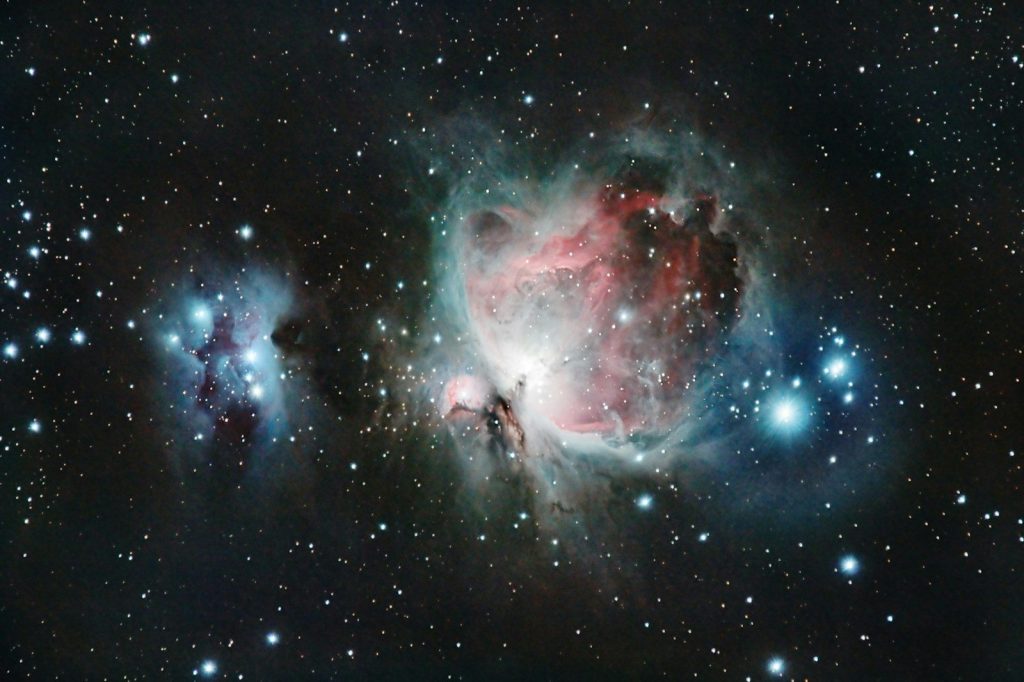
Popular space myths show how easily false ideas replace scientific reality in popular culture. Clearing up these errors helps humanity appreciate the real wonder of our cosmos. According to astronomy educators, looking past pop culture reveals a universe far more fascinating than fiction. This article is for informational purposes only.
Featured Image: Photo by Richard Gatley on Unsplash
Leave a Reply