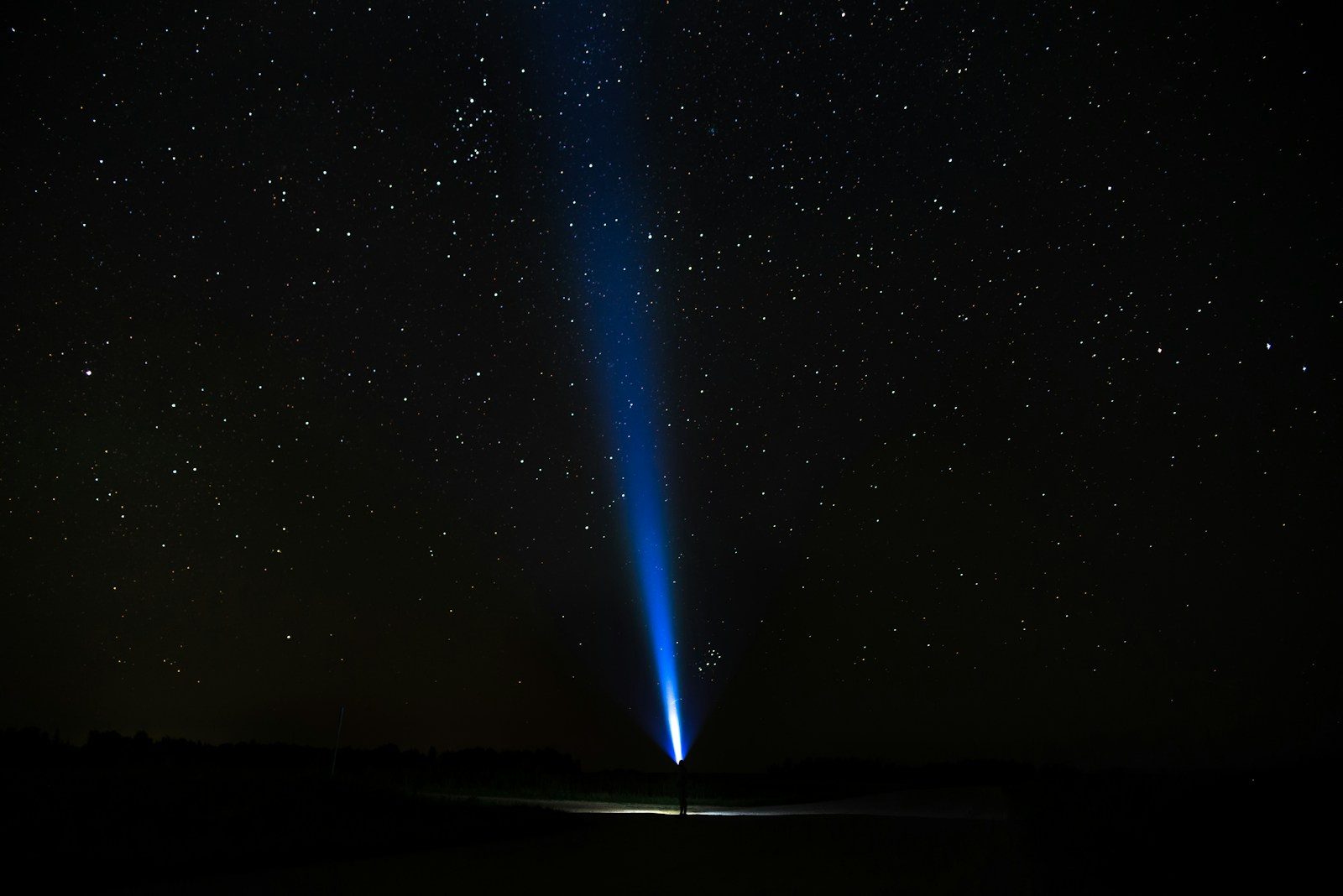
Space enthusiasts assume that massive rockets must carry all their own heavy engines and propellants into orbit to reach deep space. We believe that onboard fuel tanks are the only way to propel spaceships across vast distances.
But a revolutionary beamed energy concept aims to leave the heavy propulsion systems back on Earth. This brilliant laser system pushes lightweight craft across the void at incredible speeds.
Leaving Propellant Behind Forever
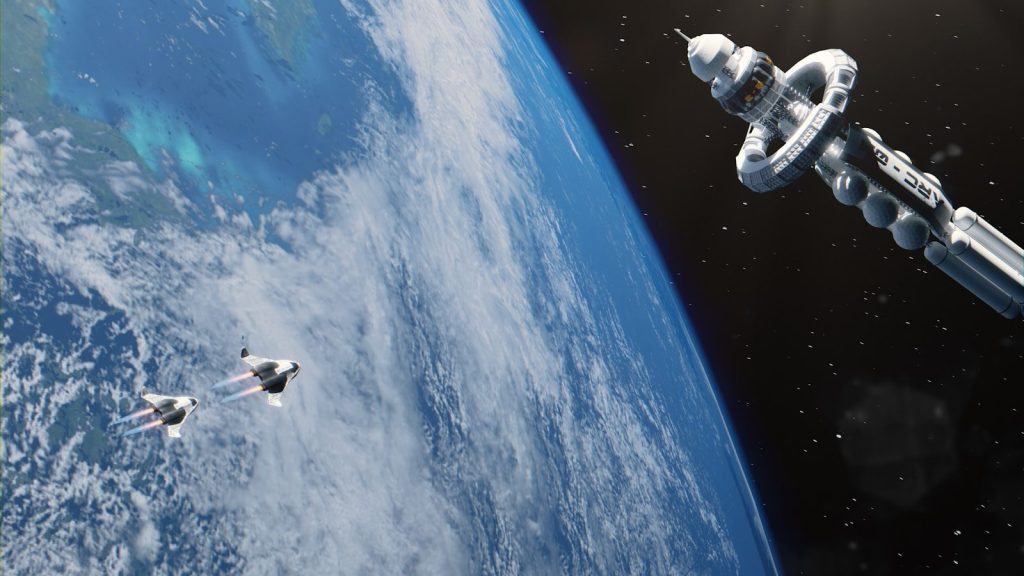
Conventional spacecraft carry massive fuel weight, which decreases total speed and limits payload capacities severely. Beamed propulsion solves this problem by utilizing laser arrays built on Earth or moon bases. Ships fly light. Technical reports from the Breakthrough Starshot initiative show that laser beams can push ultra-thin sails without requiring any onboard fuel. But these sails require incredibly durable materials to survive the heat.
Reflective Sails Absorb Energy
The sails must be incredibly thin and highly reflective to capture laser light without melting under immense thermal stress. Material scientists are testing specialized silicon nitride sheets. Sails are tough. Material studies from the California Institute of Technology show that these micro-thin materials reflect over ninety-nine percent of incoming laser light. But aiming these laser beams precisely across space is a major challenge.
Phased Laser Arrays Focus
Combining thousands of small lasers into a single massive beam allows scientists to focus immense power onto distant sails. This phased light array must track moving targets over millions of miles. Focus must hold. Optical engineering reports from the University of California, Santa Barbara reveal that computer-controlled arrays can maintain tight focus across immense distances. But decelerating these fast ships requires another clever trick.
Magnetic Sails Slow Down
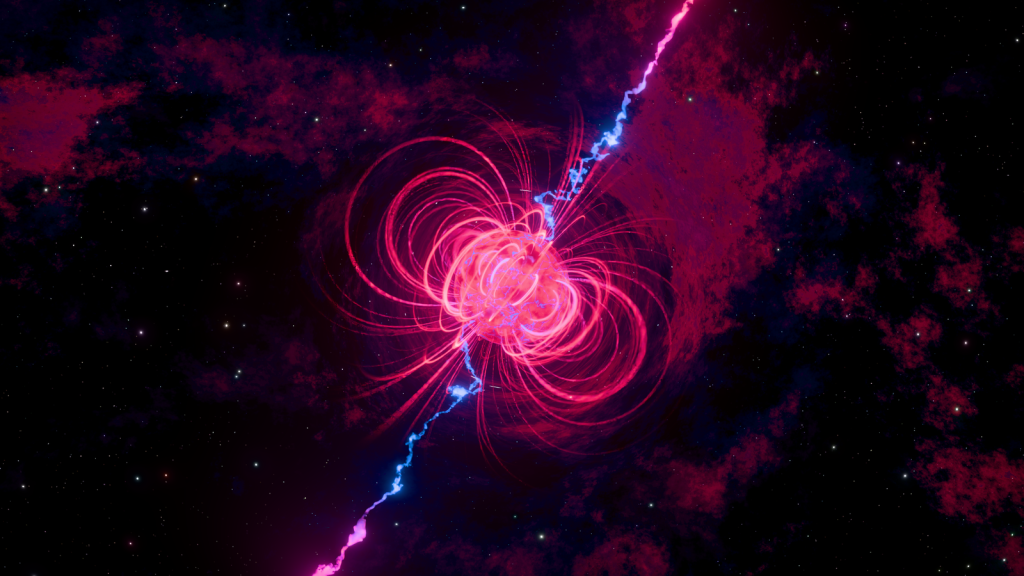
When approaching target planets, spacecraft must slow down to enter orbit safely without crashing. Deploying a secondary magnetic sail allows ships to utilize planetary magnetospheres as natural brakes. Space brakes work. Plasma physics studies from the University of Washington indicate that magnetic fields can capture solar winds to generate decelerating drag forces. But these light craft can carry valuable payloads.
Microchips Carry Science Sensors
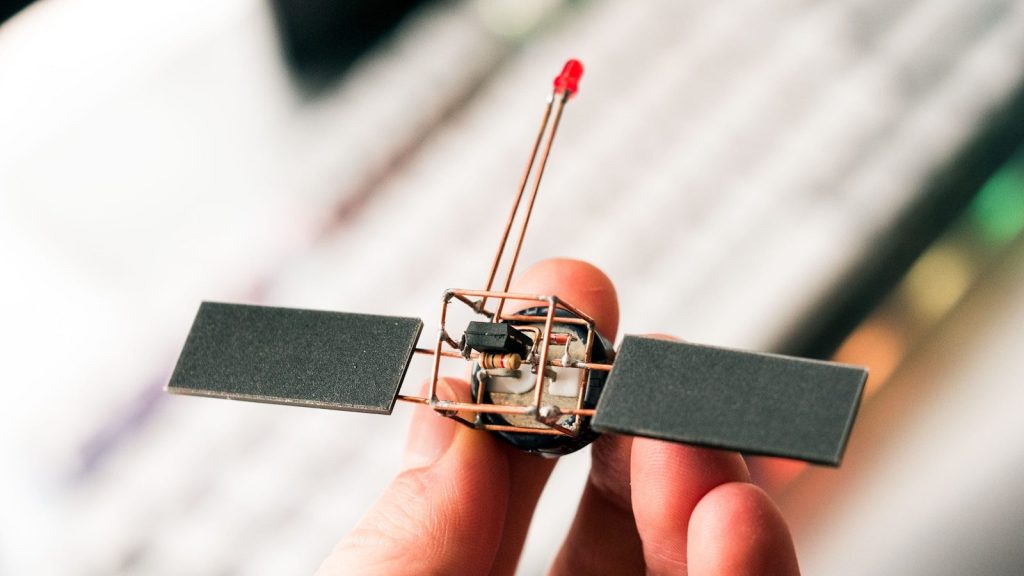
Miniaturized scientific instruments packed onto single silicon wafers can measure cosmic radiation, magnetic fields, and atmospheric chemistry during fast flybys. These tiny probes send data back via laser signals. Micro-tech saves weight. Microelectronics research from Stanford University reveals that advanced chips can package imaging cameras and radio transmitters onto structures weighing under one gram. But launching these continuous laser beams requires a unique planetary vantage point.
Beaming Power From Lunar Bases

Building the massive laser installations on the moon prevents atmospheric interference from scattering or weakening the light beams. Lunar environments offer clear sightlines into deep space. Moon bases help. Aerospace plans from the Lunar Exploration Analysis Group suggest that lunar power grids could drive these beamed energy arrays sustainably. And this radical shift will redefine how far our species can reach.
Accelerating Outer Space Exploration
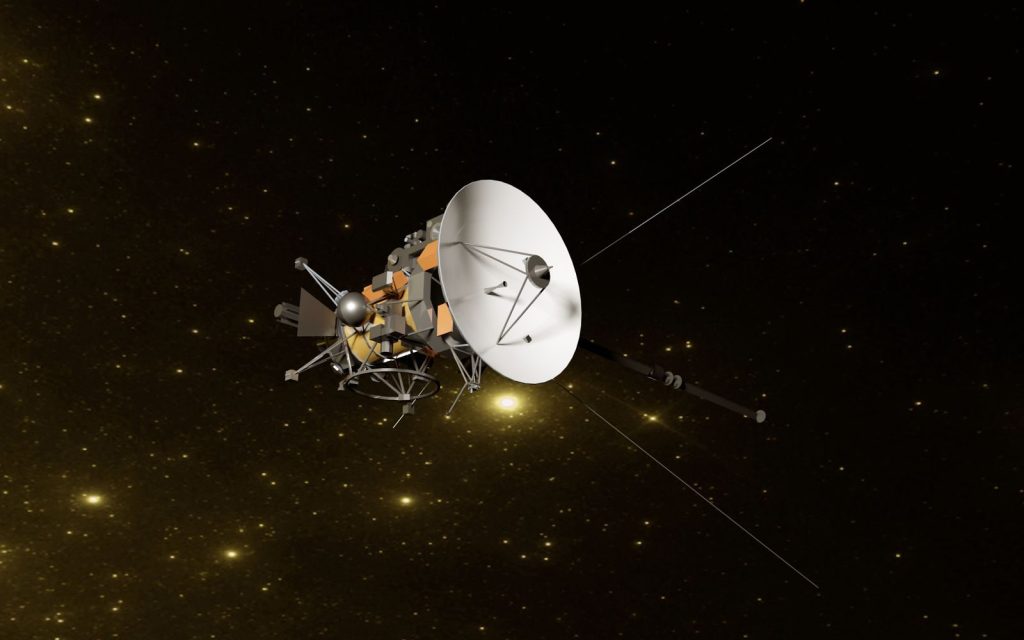
Laser-powered sails represent the most significant paradigm shift in orbital mechanics since the dawn of space travel. This beamed energy approach will allow humanity to explore distant solar systems in fractions of previous timelines. Deep space exploration panels suggest that beamed propulsion is the key to interstellar travel. This article is for informational purposes only.
Featured Image: Photo by Yauheni Hancharenka on Unsplash
Leave a Reply