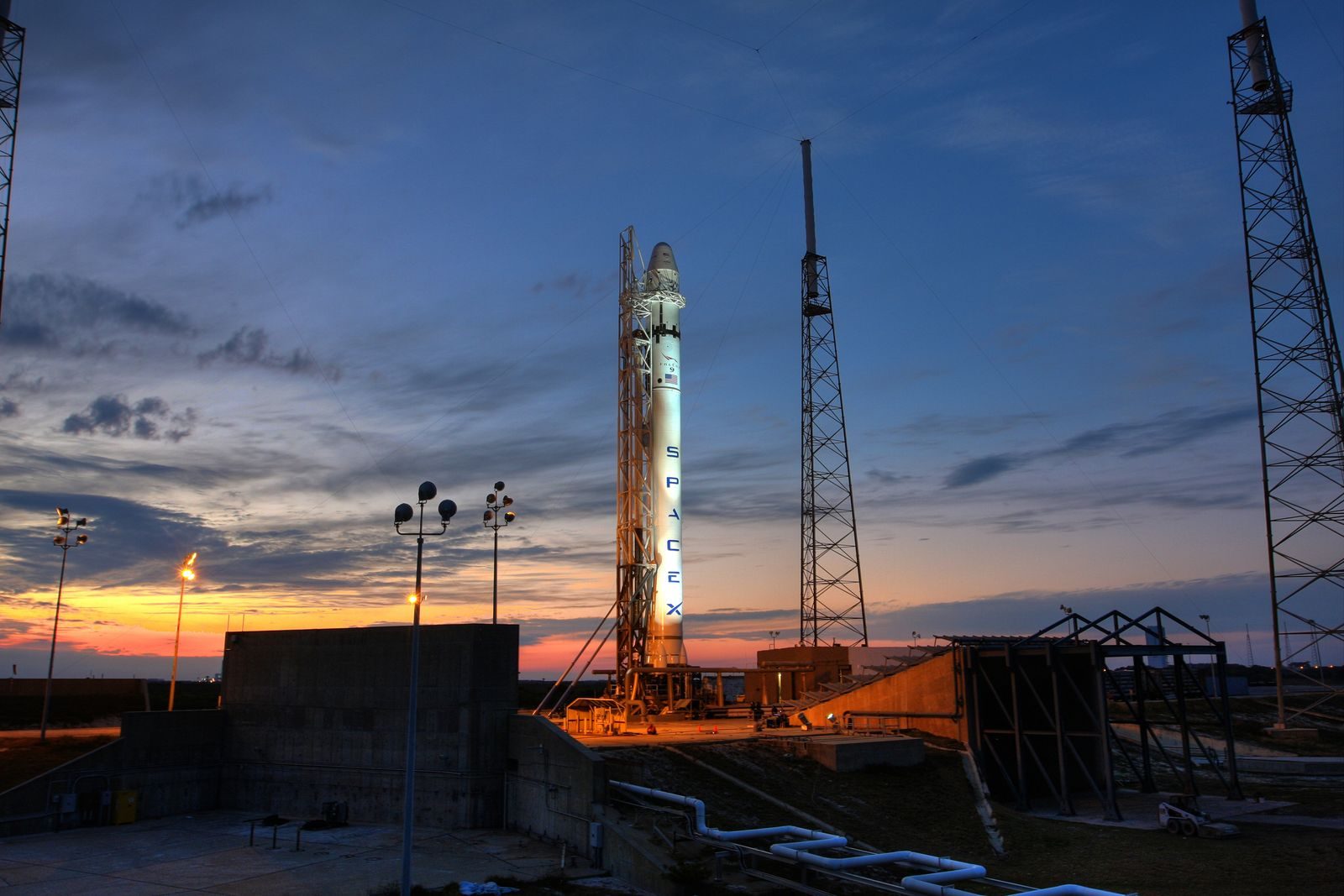
Most people view SpaceX as a company that launches satellites and rockets. We think their primary goal is simply sending astronauts to Mars.
But recent corporate filings show a far more massive expansion taking shape on Earth. Their true plan reaches deep into global communications and transport.
Beyond Reusable Rocket Launches
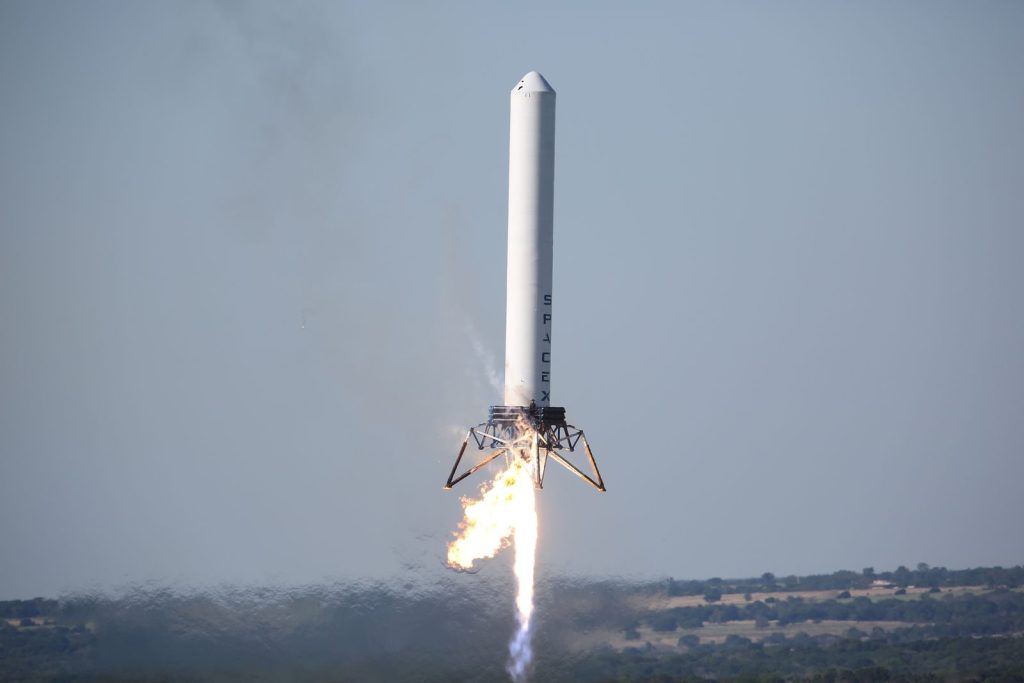
SpaceX transformed aerospace by building rockets that land themselves safely after launch. Innovation moved very fast. According to industry analysts at Bloomberg, satellite launches are merely a small stepping stone toward a broader global ecosystem. The real goal lies in dominating essential worldwide digital services. But orbital internet was only the beginning of this strategy.
Connecting The Entire Planet
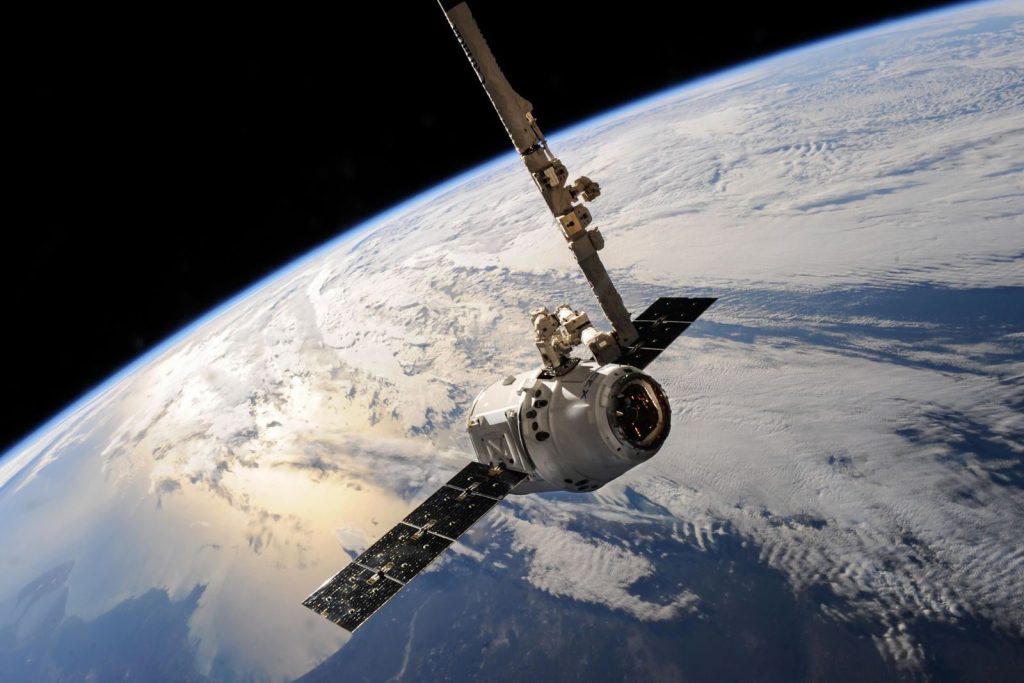
Starlink: thousands of satellites now orbit Earth to beam high-speed internet everywhere. Coverage expanded almost overnight. According to satellite telemetry reports from SpaceX, millions of subscribers now rely on orbital broadband daily. Connecting rural communities provides massive cash flow for future projects. Yet another division is preparing to disrupt Earth transport.
Rethinking Global Cargo Flight
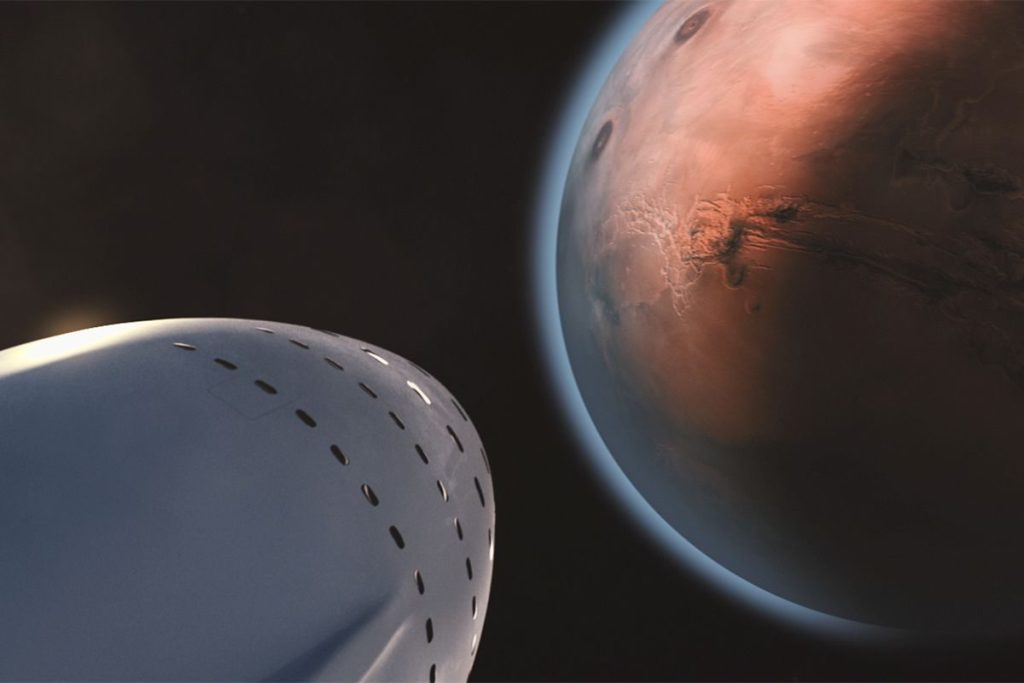
Using massive Starship rockets to fly cargo across continents could revolutionize logistics. Speed changes global trade. According to official defense logistics proposals, military planners are evaluating rocket transport for emergency supply deliveries worldwide. Flying anywhere in under one hour alters world trade completely. But building this global network requires massive infrastructure.
Building Industrial Power Hubs

Launching rockets continuously requires colossal manufacturing facilities and private launch sites. Production never stops working. According to local economic development reports in Texas, Starbase has grown into a self-sufficient industrial city with its own power systems. Controlling supply chains guarantees rapid operational independence. However, competitor tech giants are fighting back fiercely.
Challenging Telecom Industry Giants
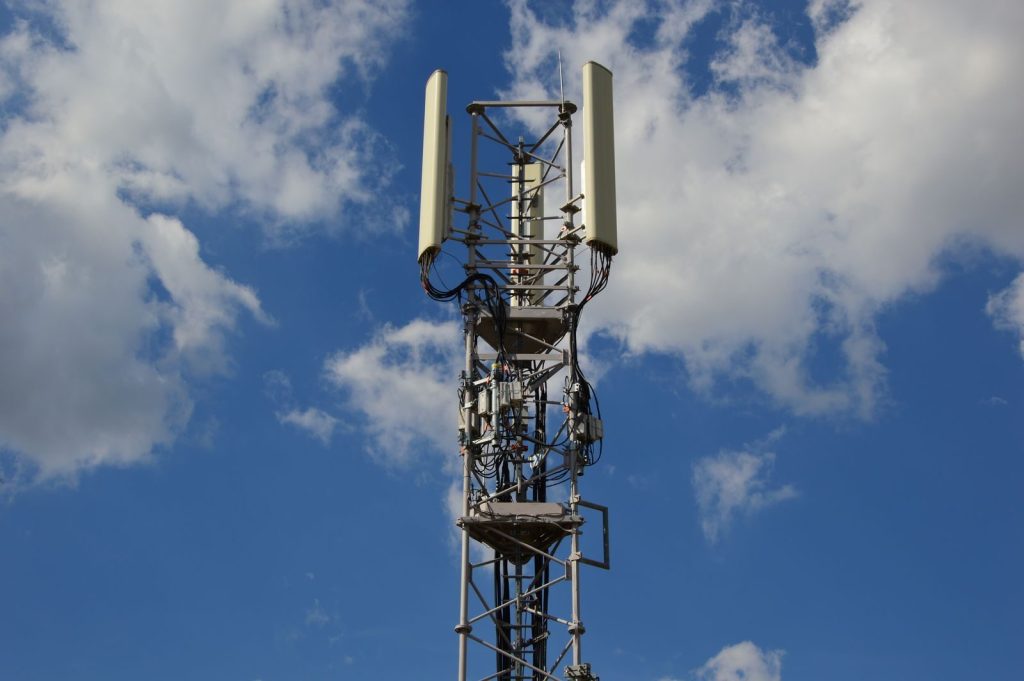
Traditional telecom providers rely on costly ground cables and physical towers to expand. Old hardware limits reach. According to tech industry market studies, satellite direct-to-cell connections could bypass legacy phone networks entirely. Owning the platform gives SpaceX unmatched leverage across markets. Yet national regulators present a massive roadblock.
Navigating Global Government Oversight

Operating a global satellite network means dealing with dozens of foreign governments. Diplomacy matters every day. According to regulatory filings with the FCC, spectrum allocation disputes require endless international negotiation. Securing global licenses determines which countries get connected next. But security agencies see a completely different opportunity.
Powering Next Generation Defense
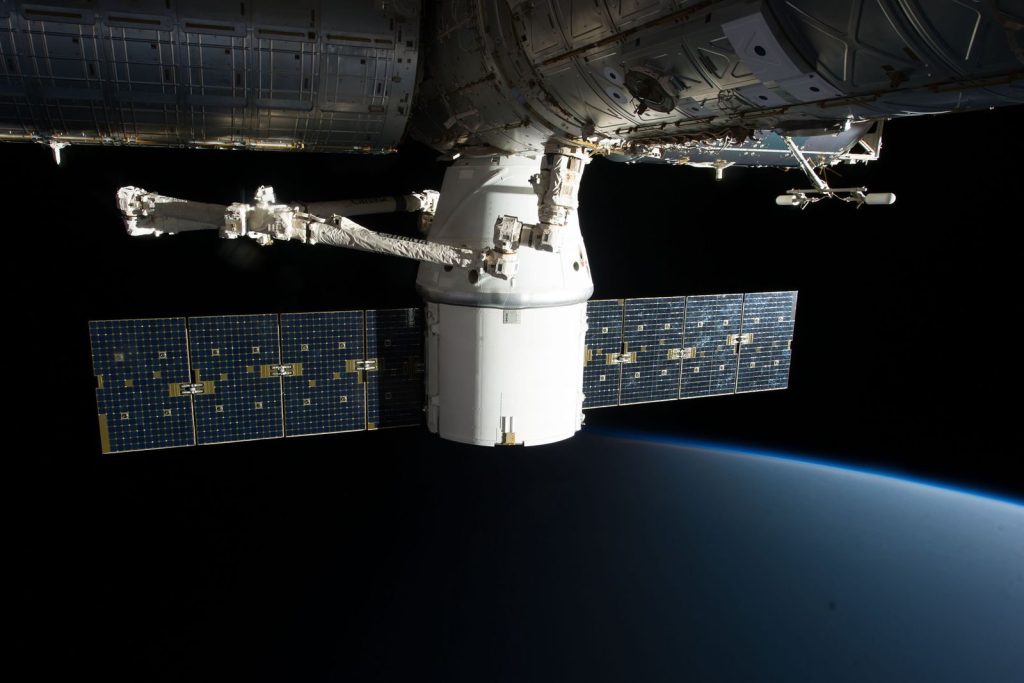
Starshield offers encrypted orbital communication designed specifically for defense applications. Security is top priority. According to military defense contract updates, government agencies rely heavily on private satellite architecture for real-time intelligence gathering. Blending commercial scale with military hardware creates an unbeatable monopoly. That leads to an astonishing long-term transformation.
Shaping The Future Infrastructure

SpaceX is converting rocket success into a massive global utility network that powers communication, logistics, and defense. The company controls critical pathways for modern life. According to aerospace economy projections, private orbital networks will anchor the future global economy. This article is for informational purposes only.
Leave a Reply