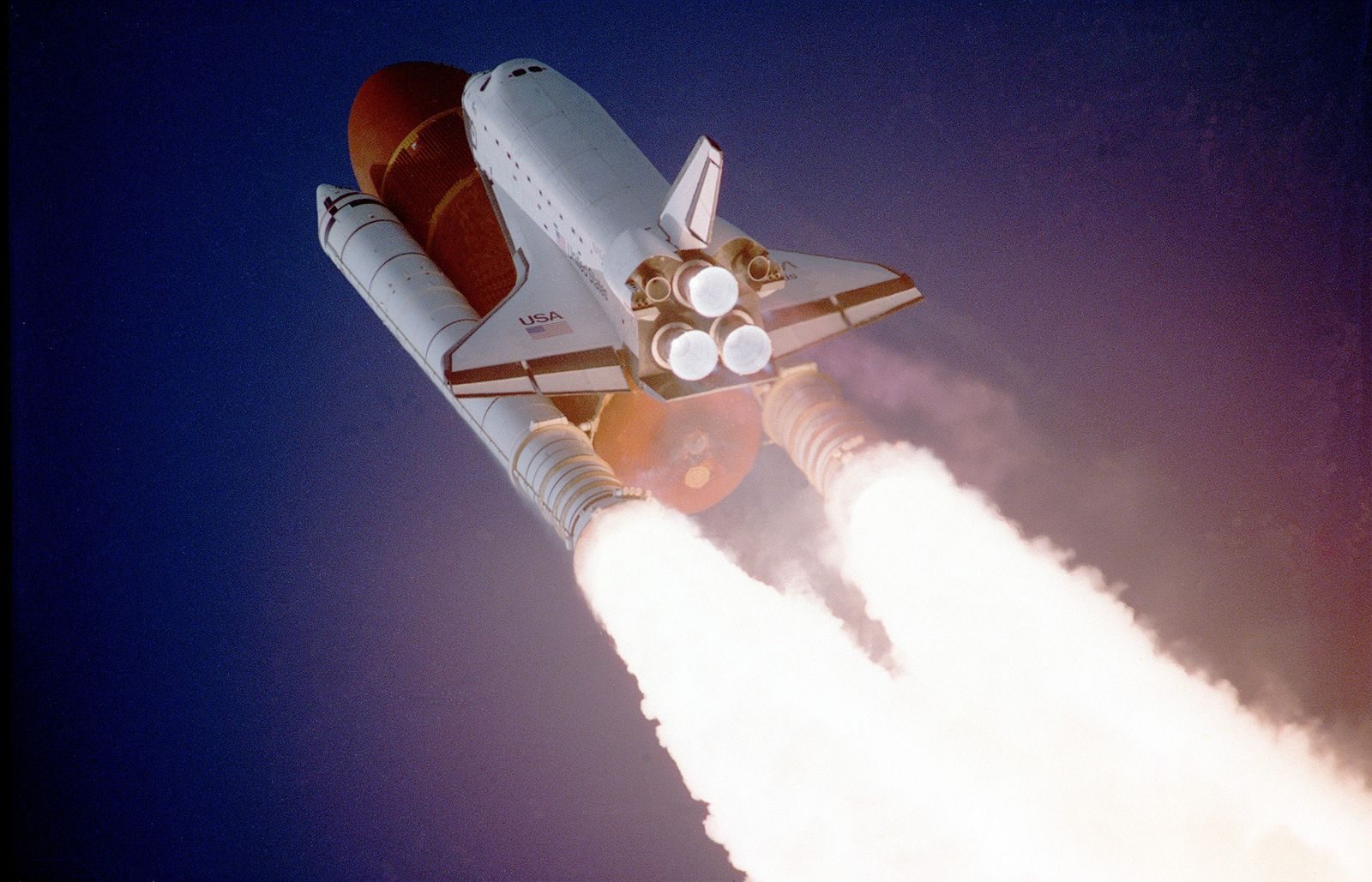
Aerospace engineers always assumed that reaching distant planets like Mars requires multi-year voyages using slow chemical rockets. We accept that crew members must endure dangerous months of cosmic radiation during deep space transit.
But a revolutionary magnetic fusion rocket design promises to cut travel times down to just several days. This advanced propulsion system will completely rewrite our timeline for exploring the solar system.
Blasting Past Chemical Limits
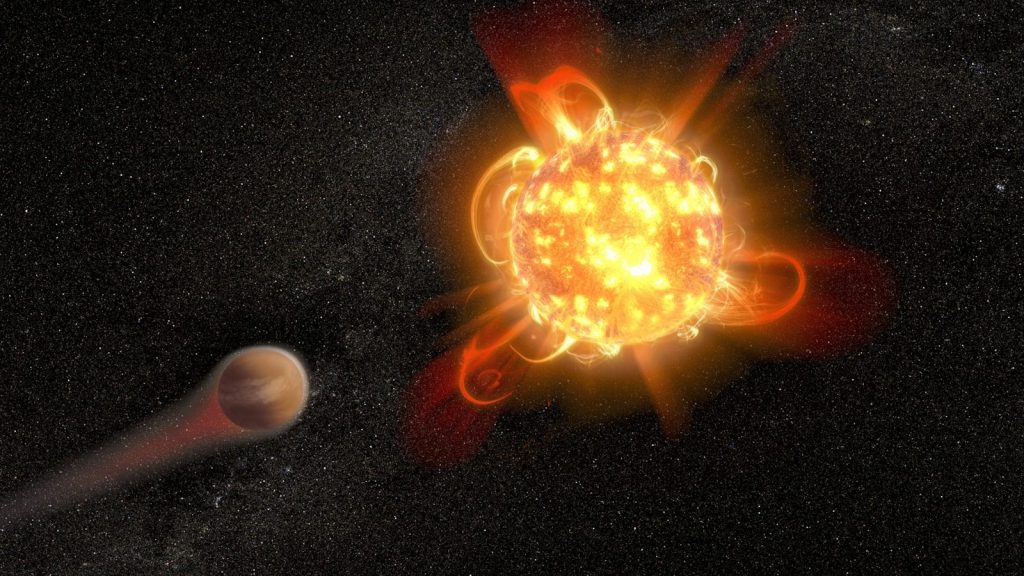
Traditional rockets burn liquid fuel to create thrust, which limits maximum spacecraft speed significantly. Carrying tons of heavy propellant restricts payload capacities severely. Fuels are heavy. Aerospace research logs from Helicity Space show that magnetic fusion engines bypass this physical limitation by heating plasma to millions of degrees. But controlling this superheated plasma requires a brilliant magnetic containment field.
Magnetic Fields Trap Heat
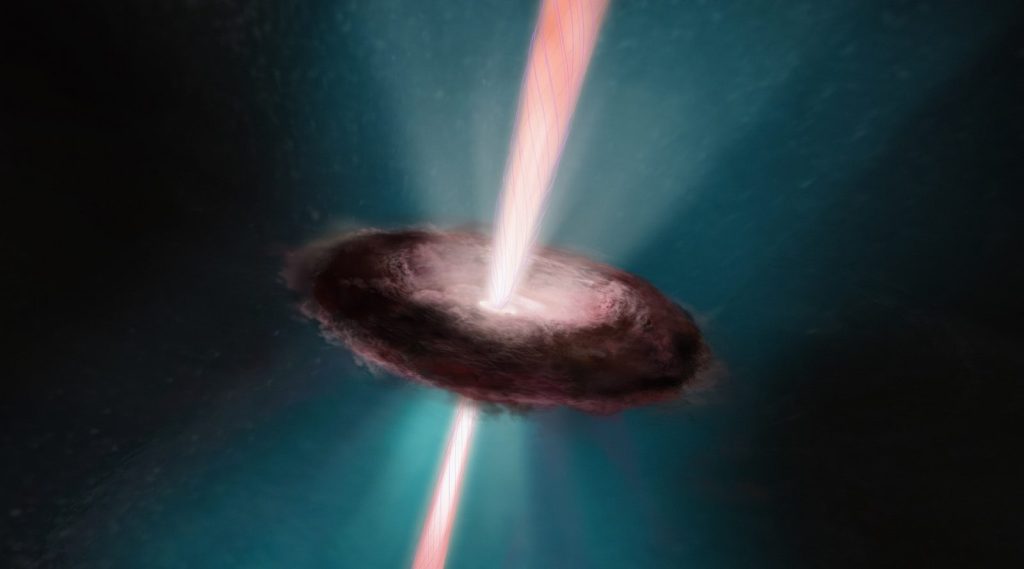
Superheated gas can easily melt standard metal thrusters on contact. Engineers use incredibly strong magnetic nozzles to channel the fiery plasma stream safely through the rocket tail. Magnets protect metal. Design studies from the Princeton Plasma Physics Laboratory indicate that magnetic compression keeps the hot plasma away from interior engine walls. But achieving stable fusion reactions in space requires a unique fuel source.
Helium Isotopes Fuel Thrusters
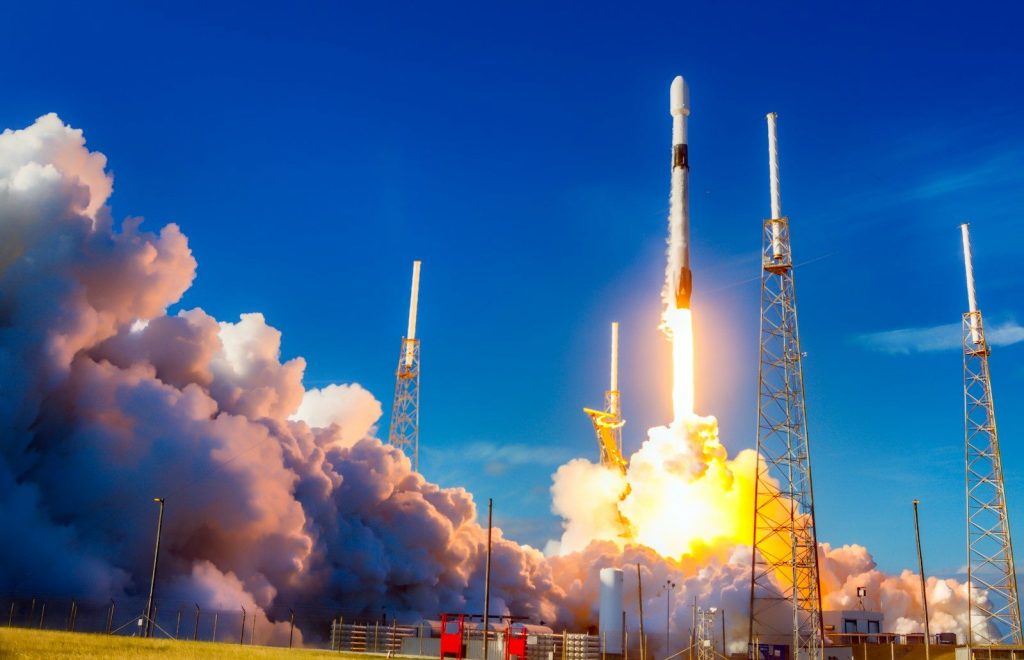
The engine runs on a mixture of deuterium and helium-three to initiate highly efficient aneutronic fusion reactions. This clean reaction releases high-energy protons instead of destructive neutrons. Fuel is rare. Lunar geology reports from the European Space Agency indicate that harvesting these rare isotopes from moon dust could supply future space fleets easily. But keeping astronauts healthy during transit remains the primary goal.
Reducing Lethal Space Radiation

Long voyages through deep space expose crews to dangerous solar winds and galactic cosmic rays. Cutting travel times down to ten days drastically reduces this biological threat. Fast transit saves. Radiation medical studies from the National Institutes of Health show that shorter trips decrease cancer risks significantly for crew members. Yet generating the necessary electricity poses another hurdle.
Superconducting Magnets Charge Up
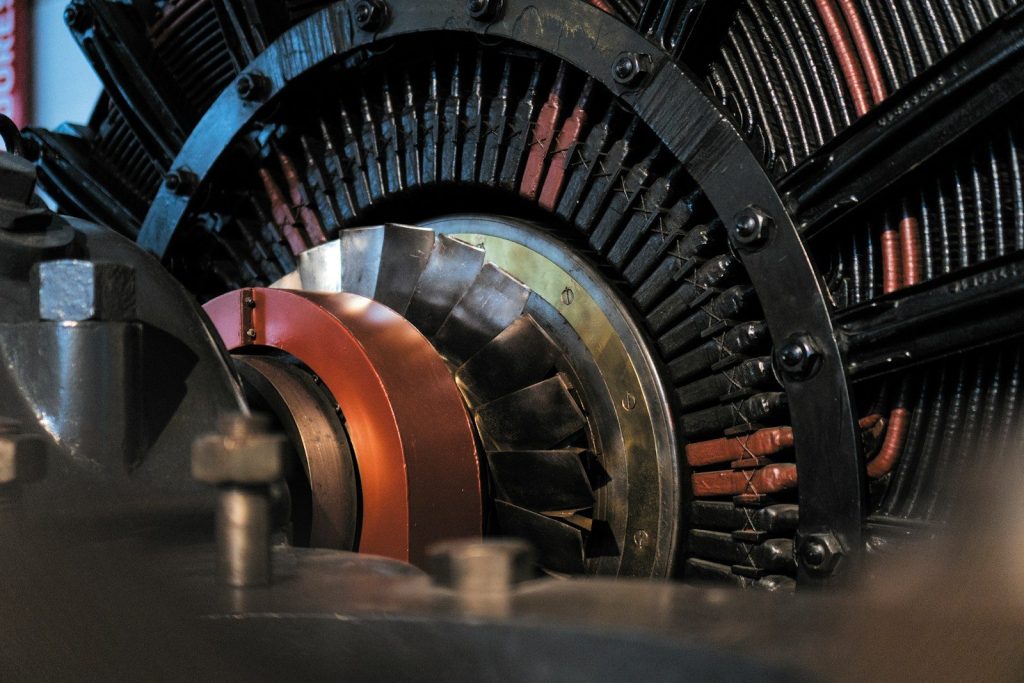
Creating high-strength magnetic fields requires using advanced high-temperature superconducting tapes inside engine coils. These specialized materials run without electrical resistance when cooled to cryo-temperatures. Cooling is critical. Testing reports from Pulsar Fusion show that superconducting magnets reduce overall engine weight while multiplying magnetic containment force. But building these complex engines requires testing them on Earth first.
Ground Testing Facilities Scale
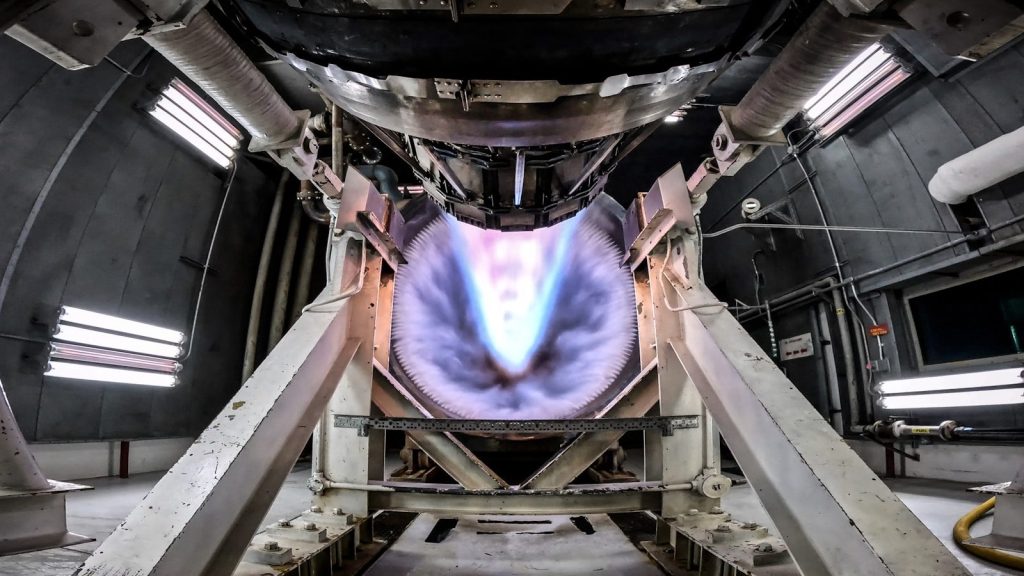
Engineers must build giant vacuum chambers to simulate deep space conditions during test fires on Earth. These facilities must handle extreme plasma pulses lasting several seconds. Safety is paramount. Engineering logs from the UK Atomic Energy Authority show that specialized test rigs can safely contain these mini fusion bursts. But the ultimate destination remains the red planet.
Establishing Fast Mars Highways

Frequent ten-day transit times would allow scientists to establish permanent supply corridors between Earth and Mars. This orbital highway would accelerate colonization efforts and research outpost construction. Cities would grow. Space logistics studies from NASA suggest that rapid transport fleets could ferry vital equipment and passengers with minimal delay. And this planetary bridge will completely alter the future of human exploration.
Conquering The Deep Void

Developing fusion propulsion systems represents the ultimate leap for human spaceflight and cosmic exploration. This engine technology will allow us to explore the outer planets and beyond within our lifetimes. Aerospace research groups suggest that fusion rockets will carry the first human explorers across deep space. This article is for informational purposes only.
Leave a Reply