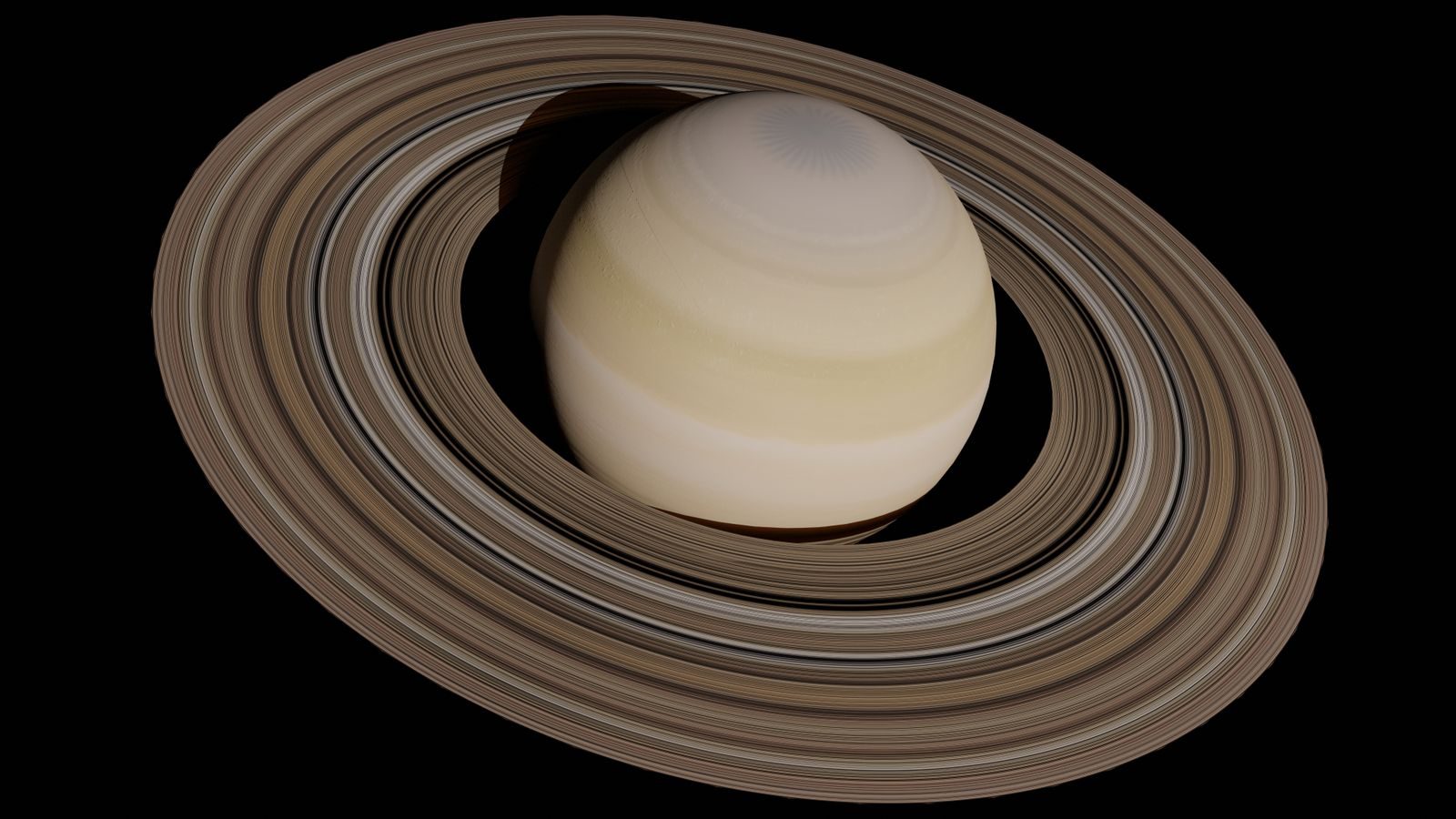
School textbooks teach us that our solar system holds just a few recognizable moons. We memorize familiar names like Titan or Europa and assume the cosmic map is complete.
But astronomers keep finding thousands of tiny worlds hiding in dark planetary rings. These unexpected discoveries are completely changing how we define natural satellites.
Uncovering Tiny Space Rocks
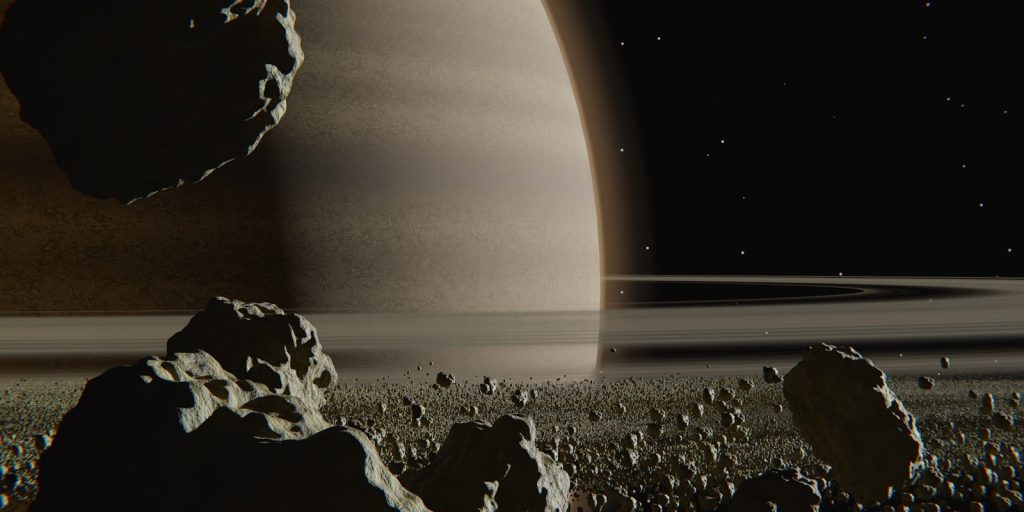
Giant planets like Saturn and Jupiter act as massive gravity traps that capture passing asteroids and lock them into permanent orbit. These tiny captured rocks often measure less than a mile across. They are tiny. Astronomical database reports from the International Astronomical Union confirm that hundreds of these micro-moons hide in dusty rings. But finding these dark satellites requires highly specialized space telescopes.
Peering Into Ring Shadows
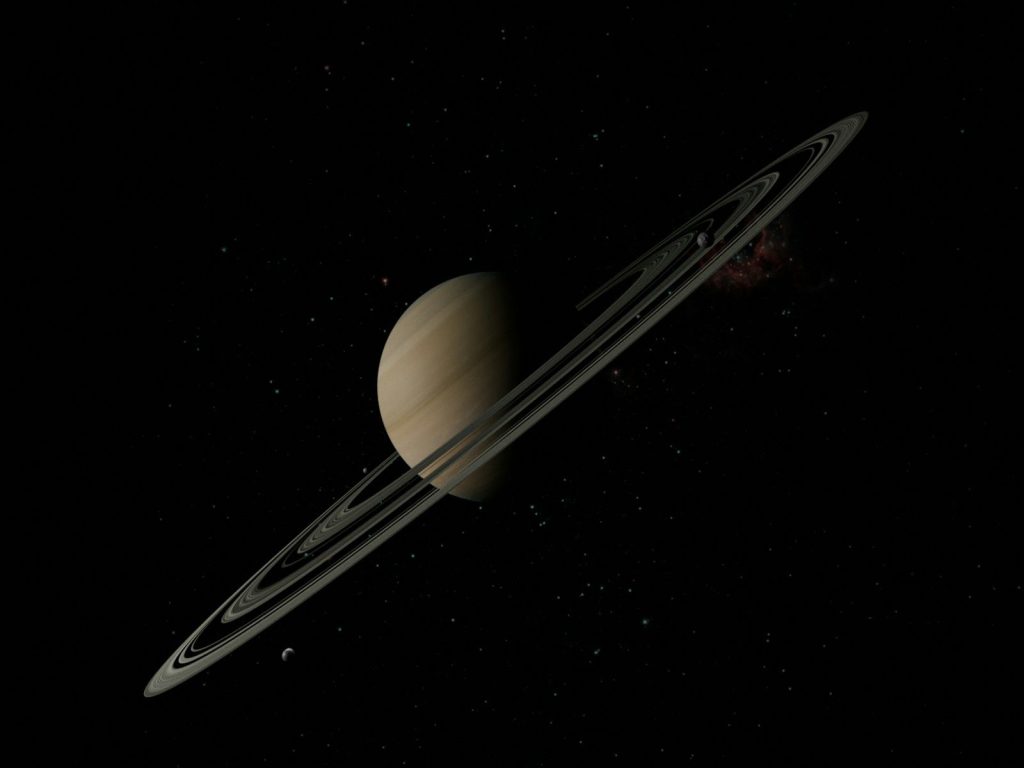
Thick dust rings around giant planets make detecting small satellites incredibly difficult for Earth-based observers. Lenses get blocked. Light is key. Deep space imaging logs from the Cassini spacecraft reveal that miniature moons carve visible waves through planetary ring materials. But these tiny gravity hubs do far more than just float in dust.
Guarding Planetary Ring Paths
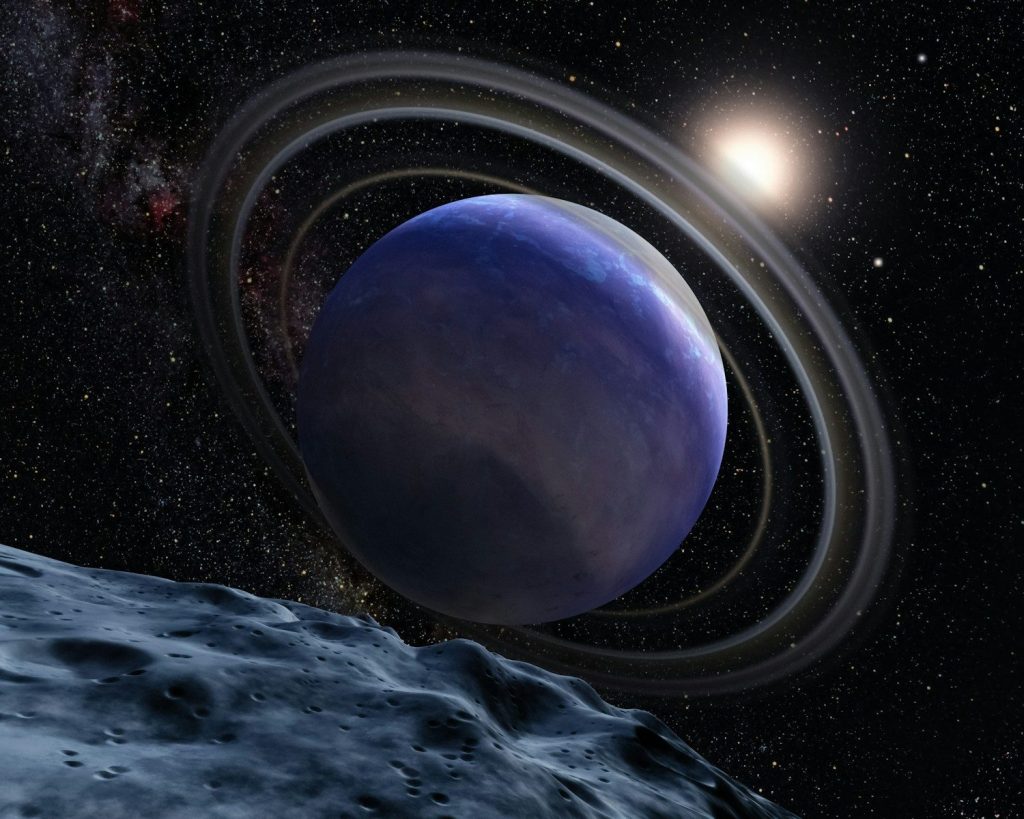
Active shepherd moons use their gentle gravity fields to keep icy ring particles from drifting away into deep space. They preserve planetary rings. Balance is delicate. Orbital physics models from the Jet Propulsion Laboratory show that without these tiny guardians, Saturn’s rings would vanish over millions of years. But some of these tiny worlds hide a surprising liquid secret.
Searching For Hidden Oceans
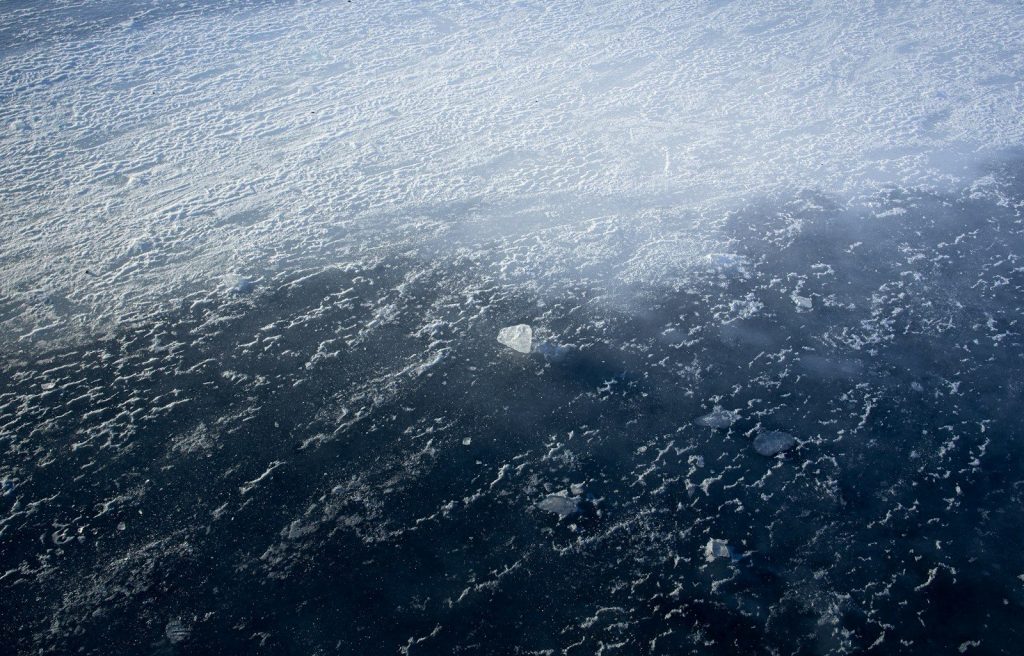
Even minor moons can generate internal heat through tidal stretching as they orbit giant planets. This heat keeps water liquid. Life is possible. Geological studies from NASA suggest that tiny moons like Enceladus blast saltwater plumes through icy crusts into space. But exploring these distant water plumes requires launching highly advanced robotic probes.
Catching Wandering Space Asteroids
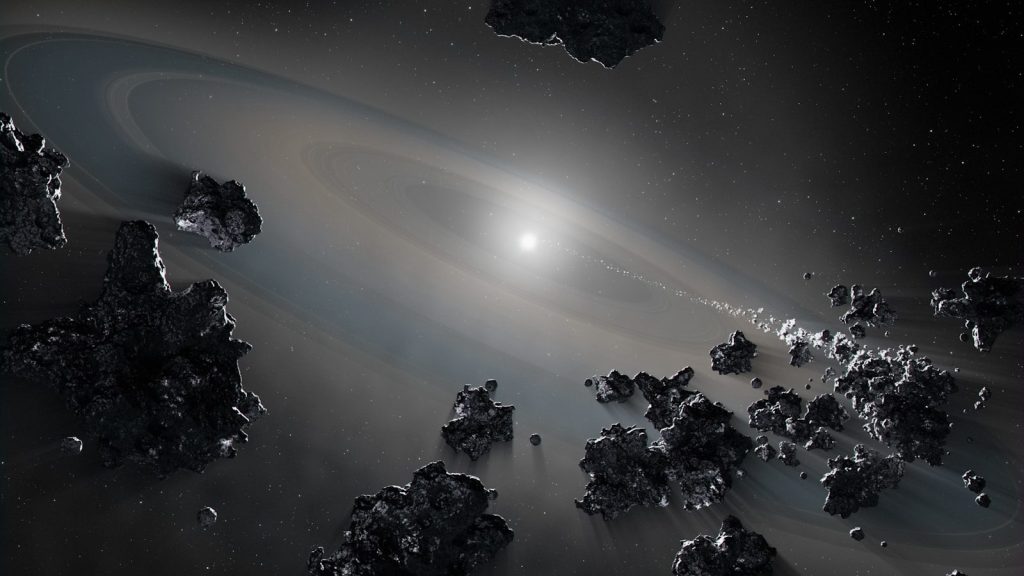
Rocky planets like Mars capture passing space debris from the nearby asteroid belt using their weak gravitational reach. These lumpy rocks look like potatoes. Shapes are wild. Mars exploration reports from the European Space Agency show that Phobos and Deimos are slowly spiraling toward planetary impact. But Earth itself might be capturing similar temporary visitors.
Tracking Earth Ghost Moons
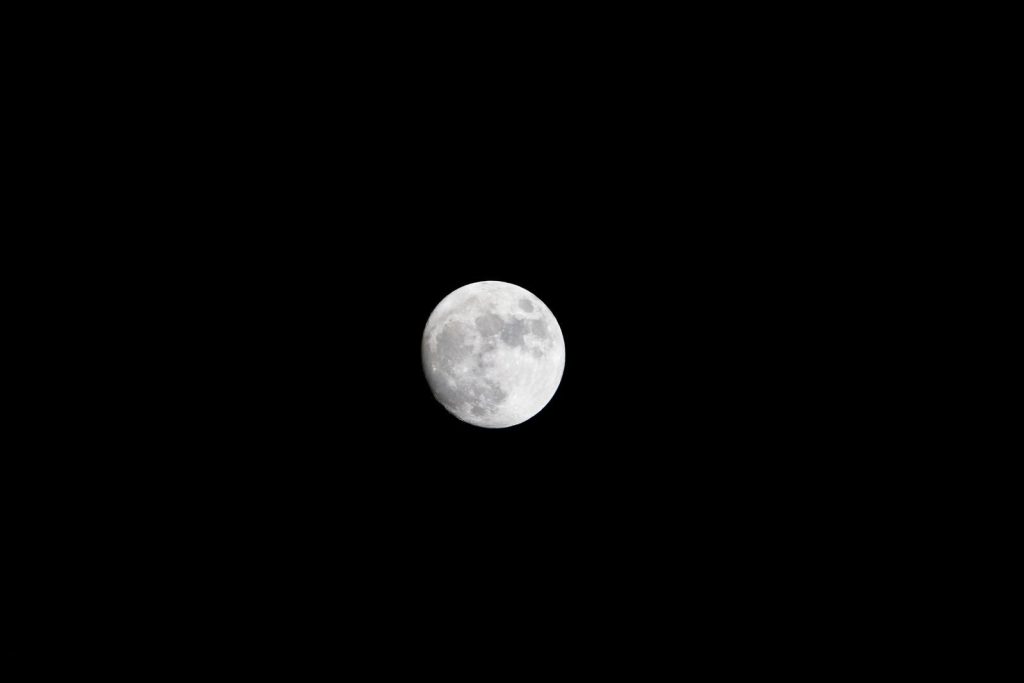
Our planet occasionally captures small passing asteroids that orbit Earth for a few months before drifting back into space. Scientists call these temporary visitors mini-moons. They are fast. Observation records from the Minor Planet Center show that these tiny rocky travelers escape human detection without advanced wide-field telescopes. But tracing these orbiters helps us prepare for future space mining.
Mapping Deep Space Highways
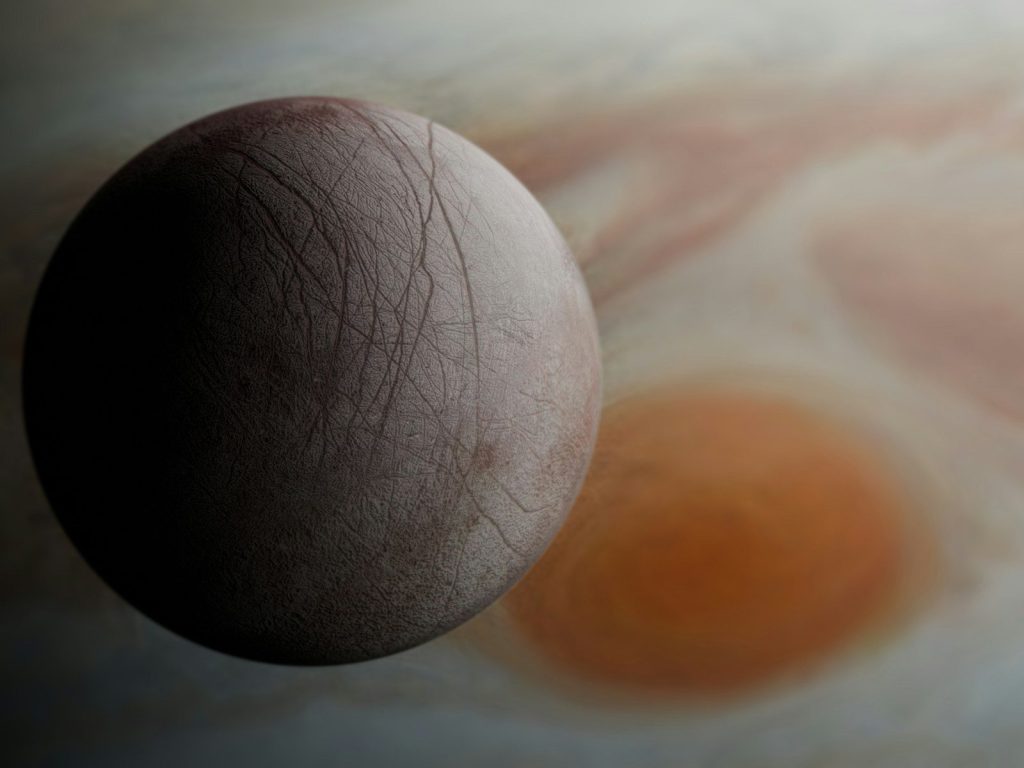
Navigating spacecraft through crowded planetary systems requires precise coordinates for every small orbiting rock to prevent catastrophic collisions. Even tiny fragments pose dangers. Safety is paramount. Flight safety logs from the Planetary Society suggest that future exploration fleets will use micro-moons as natural refueling stations. But our cosmic map still holds millions of unrecorded objects.
Redefining Our Solar Map
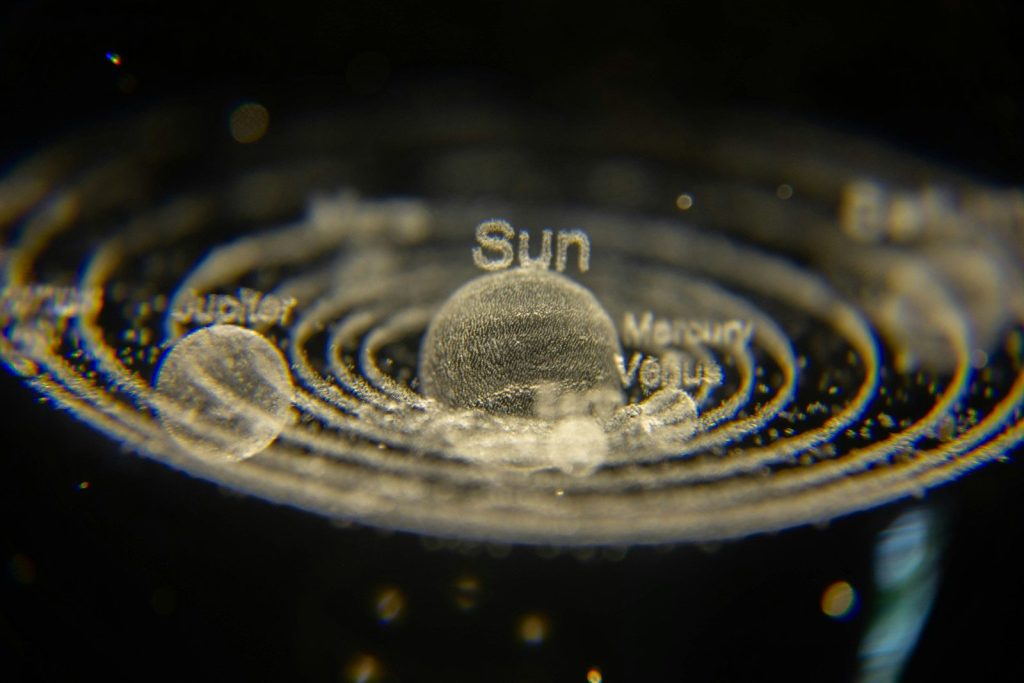
Discovering countless minor moons proves that our solar system is far more crowded and dynamic than older textbooks suggest. Each new rock offers clues about planetary origin stories. Science marches on. Researchers at major astrophysics panels suggest that we have only mapped a fraction of our cosmic neighborhood. This article is for informational purposes only.
Featured Image: Photo by Zelch Csaba on Pexels
Leave a Reply