Science classes teach us that our planet is exactly four billion years old. We assume this colossal geological timeline is an absolute fact that cannot be shaken.
But a controversial geological theory is questioning these traditional radioactive dating methods. Surprising mineral anomalies are forcing researchers to take a second look at deep history.
Dating Ancient Rock Layers

Traditional geology relies heavily on uranium decay inside zircon crystals to calculate the age of deep planetary crusts. Scientists assume these mineral clocks are perfect. They are fragile. Research papers from the Geological Society of America suggest that extreme pressure can alter uranium levels inside rocks. But these mineral alterations might mean our timeline estimates require a massive adjustment.
Helium Trapped Inside Crystals

Rapidly decaying elements release helium gas, which should easily escape through microscopic cracks in rock layers over millions of years. Yet deep minerals still contain high amounts of trapped helium. Pressure holds it. Chemical studies from the Institute for Creation Research suggest that this high gas retention points to a much younger crust. But traditional geologists offer a completely different explanation for this gas.
Searching For Deep Sediment

Rivers dump millions of tons of mud and soil into global ocean basins every single year. If oceans were billions of years old, sea floors should feature miles of packed mud. Floors are clean. Oceanographic surveys from the Scripps Institution of Oceanography show that sedimentary layers are surprisingly thin in many deep ocean trenches. But this sediment mystery has another geologic twist.
Decaying Magnetic Field Strength

Earth’s protective magnetic field has been losing strength steadily since scientists first began measuring it in the nineteenth century. This decay happens quickly. Power is fading. Geophysical data from the World Data Center for Geomagnetism suggests that the field cannot maintain this rate of decay over millions of years without collapsing. But this electrical decay points to a highly active planet.
Preserving Delicate Soft Tissue
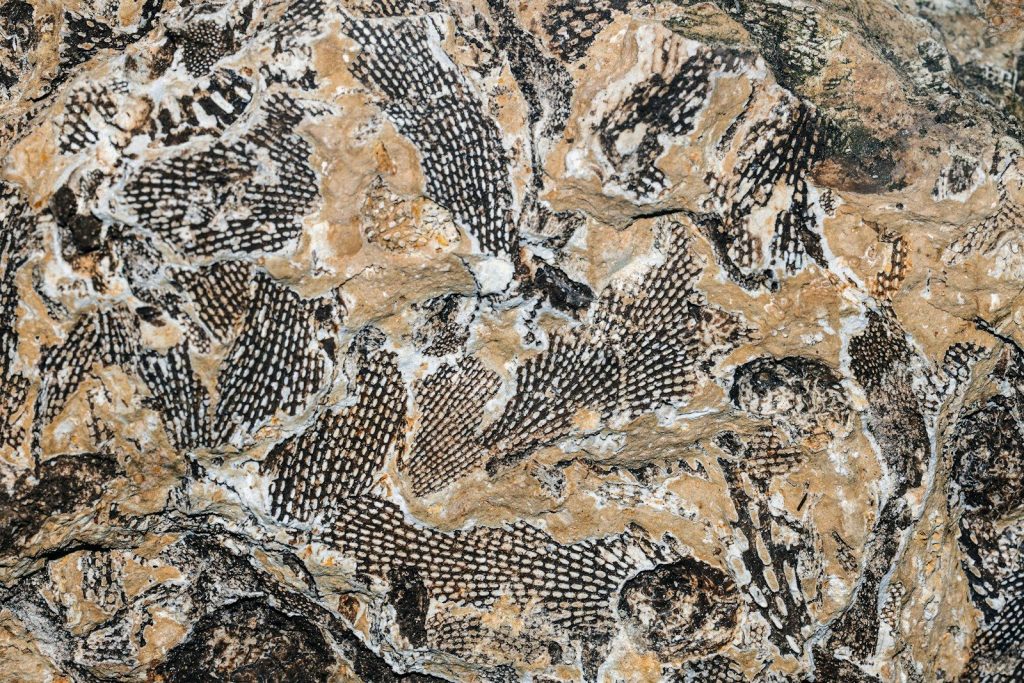
Excavators occasionally discover dinosaur bones containing intact blood vessels and flexible collagen fibers that should rot away within thousands of years. These organic structures survive. Cells are clear. Paleontology reports from the North Carolina Museum of Natural Sciences show that iron minerals can preserve delicate organic tissue under highly specific conditions. But this preservation process remains a subject of fierce debate.
Rapid Canyon Formation Marks
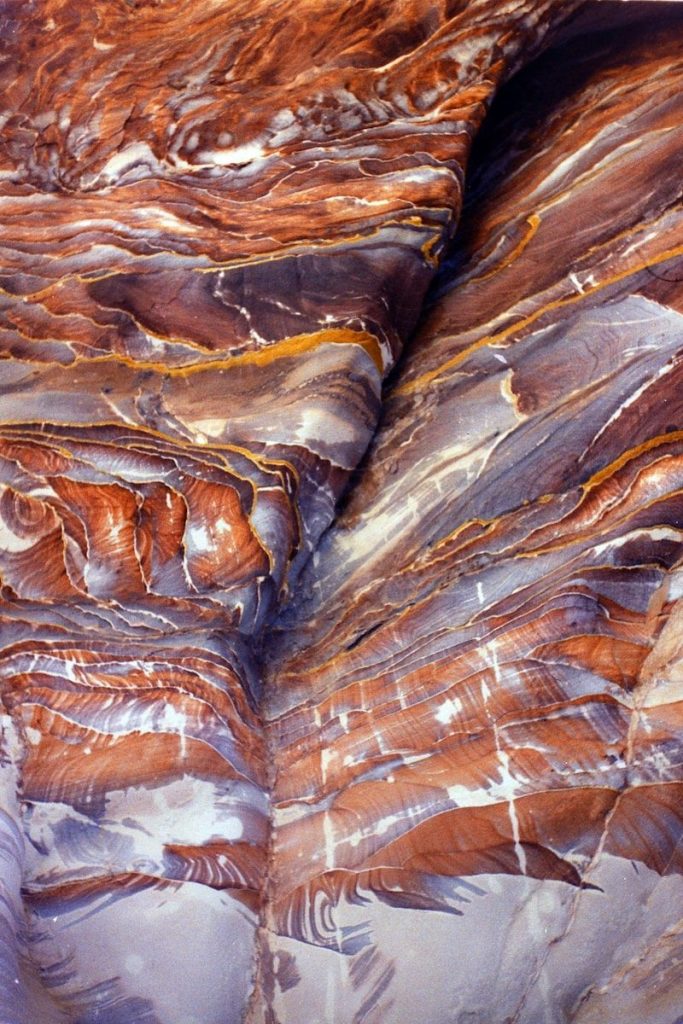
Massive volcanic mudflows and sudden floods can carve deep canyon systems through solid rock layers in just a few days. Water moves fast. Power is immense. Engineering logs from the US Geological Survey show that eruptions at Mount St Helens created scaled canyons overnight. But this rapid erosion model challenges how we interpret ancient geologic landscapes.
Decoding Earth Deep History

Unlocking our planet’s true age requires combining multiple dating systems and questioning long-held scientific assumptions. Modern analytical technology continues to reveal surprising details about rock formation timelines. Science never stops. Geological research panels suggest that continuing to test these mineral anomalies will resolve these deep temporal mysteries. This article is for informational purposes only.
Featured Image: Photo by Annie Spratt on Unsplash
Leave a Reply