Category: Technology

  • Why Traditional Construction is About to Become Obsolete

    Why Traditional Construction is About to Become Obsolete

    For thousands of years, humans have built houses the same way: brick by brick and board by board. But that era is ending. Traditional construction is slow, expensive, and incredibly wasteful. Today, a new wave of technology is making the old ways look like ancient history. We are talking about giant 3D printers that can “print” a whole house in 24 hours. We are talking about robots that never get tired and AI that designs buildings better than humans.
    The construction industry is one of the last to be fully digitized, and the change is happening fast. Companies are already printing low-income housing in Mexico and luxury villas in Dubai. These buildings are stronger, cheaper, and better for the planet. If you think your next house will be made of wood and nails, you might want to think again. The secret to this revolution is a machine that looks more like a toy than a tool.

    Giant 3D Printers That Build Homes In A Day

    brown and white wooden surface
    Photo by Lefteris Stamatelopoulos on Unsplash

    The star of the show is the large-scale 3D printer. It follows a digital blueprint and squeezes out layers of concrete to build walls. It doesn’t need scaffolding, and it doesn’t create any trash. A small crew can oversee the printing of several houses at once. This technology can reduce building costs by up to 50%. It is a total game-changer for the housing crisis. But what happens to the quality when you build that fast?

    Stronger Than Brick And Built To Last

    rain, nature, roof, water, storm, wet, weather, house
    Photo by sandid on Pixabay

    Surprisingly, 3D-printed homes are actually stronger than traditional ones. The concrete layers create a solid, seamless structure that is highly resistant to earthquakes and fire. There are no joints or weak points for the wind to catch. These homes are designed to last for over 100 years with almost no maintenance. They are the ultimate “set it and forget it” buildings. But if you think they look like boring concrete blocks, you haven’t seen the designs yet.

    Architecture Without Any Limits

    a large white building with a curved roof
    Photo by Nag on Unsplash

    Traditional construction hates curves because they are hard and expensive to build. But for a 3D printer, a curve is just as easy as a straight line. This allows architects to design homes with beautiful, organic shapes that look like they grew out of the ground. You can have curved hallways, circular rooms, and intricate patterns built right into the walls. It is art you can live in. But wait, it isn’t just about printing; it is about how we put the pieces together.

    Modular Prefab Is The New LEGO For Adults
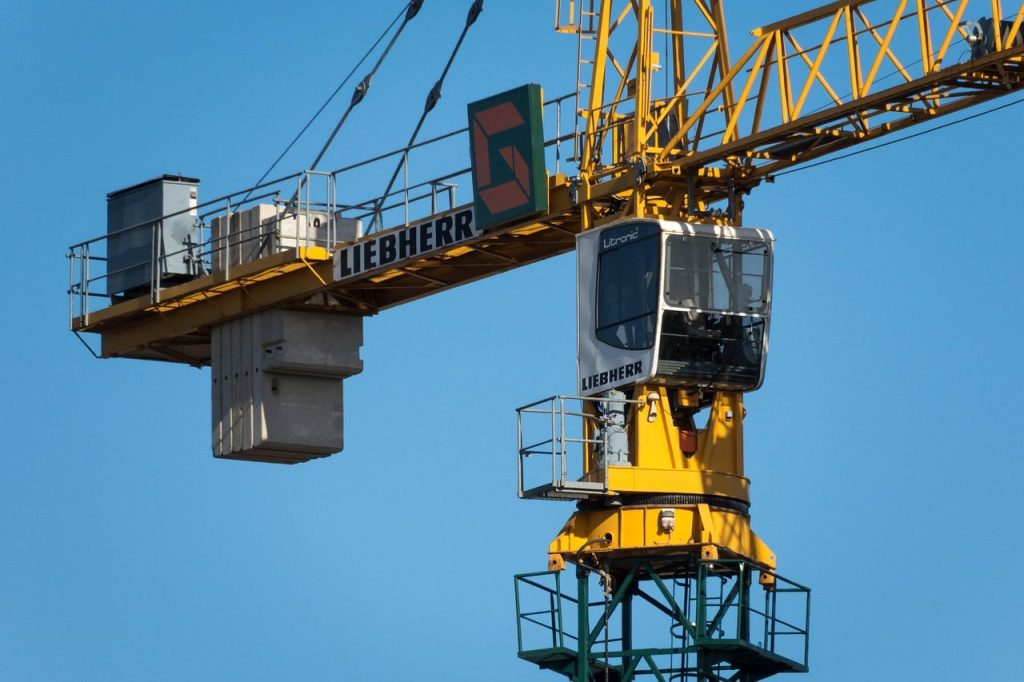
    crane, construction crane, crane driver's cab, to build, construction site, construction work, load crane, lifting crane, work, industry
    Photo by Didgeman on Pixabay

    Another reason traditional building is dying is “modular prefab.” This is where entire rooms are built in a factory and then trucked to the site. It is like playing with giant LEGO blocks. Because they are built indoors, there are no weather delays. A 10-story apartment building can be put together in just a few weeks. This precision prevents mistakes and saves a massive amount of energy. But the real magic happens when the robots start talking to each other.

    The Rise Of The Fully Robotic Construction Site
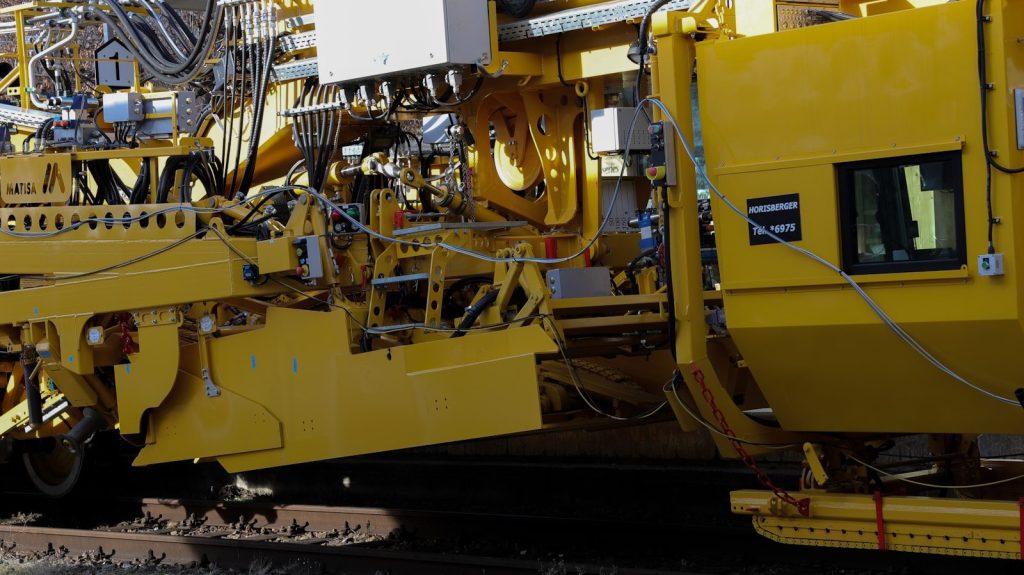
    Yellow construction machinery on train tracks.
    Photo by Valomukitse Arva-Zika on Unsplash

    We are moving toward a future where human workers are the “conductors” of a robotic orchestra. Drones scan the site to create 3D maps, while robotic dogs carry tools to the right location. Autonomous bulldozers move dirt with perfect accuracy. This makes construction sites much safer and faster. The humans stay in a control room, far away from the dangerous heavy lifting. It is a safer, smarter way to build. But there is one more thing that will make traditional building vanish.

    Buildings That Save The Planet

    green leaves, leaves, foliage, close up, plant, nature, leaves, leaves, plant, plant, plant, plant, plant
    Photo by ignartonosbg on Pixabay

    Traditional construction is one of the world’s biggest polluters. But the new methods use carbon-negative materials. Some printers use a mix of soil, straw, and hemp to create walls that actually absorb CO2. Others use recycled plastic from the ocean to make shingles and tiles. We are finally learning how to build without destroying the Earth. The “old way” simply can’t compete with these green alternatives. But how soon will you be living in one?

    A House For Everyone By 2035

    A person is holding a key to a door
    Photo by Jakub Żerdzicki on Unsplash

    By 2035, the “stick and brick” house will be a luxury or a relic of the past. Most new homes will be printed or snapped together in days. This will make homeownership possible for millions who are currently priced out. It is a total reset for the economy and our daily lives. The tools of the past are being put away for good. If you think this change is big, wait until you see how your Amazon packages are about to start flying through the air.

    Featured Image: Photo by PIRO4D on Pixabay

  • 8 Ways Quantum Computers Will Change Your Daily Life by 2030

    8 Ways Quantum Computers Will Change Your Daily Life by 2030

    Quantum computers aren’t just faster versions of your laptop. They are a completely different way of processing information. While a normal computer uses bits (0 or 1), a quantum computer uses qubits, which can be both at the same time. This allows them to solve problems that would take a traditional supercomputer thousands of years. We are talking about a total reset for technology.
    By 2030, you won’t necessarily have a quantum laptop, but the world around you will be “quantum-powered.” From the medicine you take to the way your city moves, everything is about to get an upgrade. Here are the eight ways your life is about to change forever. First up, your morning commute is about to become a lot smoother.

    Traffic Jams Will Become a Thing of the Past

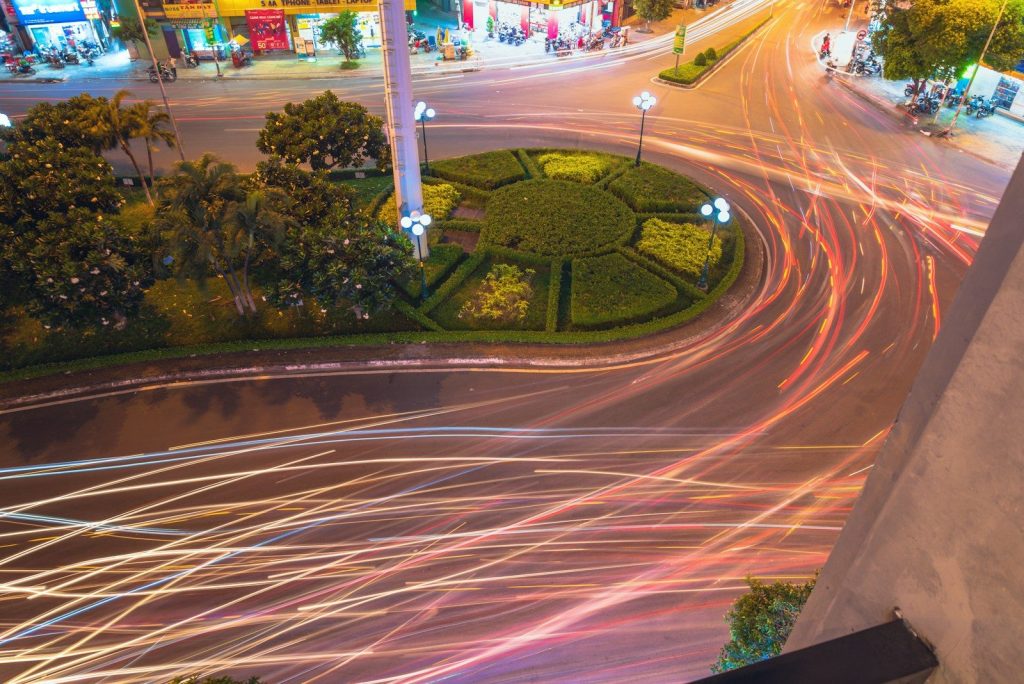
    a city street at night with long exposure
    Photo by Minh Van on Unsplash

    Traffic is a “complex optimization problem.” Traditional computers struggle to manage every car, light, and pedestrian in real-time. Quantum computers can calculate millions of routes simultaneously. In a quantum-powered city, traffic lights will adapt instantly to keep cars moving. Delivery trucks will find the perfect path, reducing costs and emissions. Your 40-minute drive could drop to 15 minutes. But wait, quantum tech is also going to change what is inside your gas tank—or battery.

    Super Batteries That Last for Weeks

    a close up of a razor blade on a table
    Photo by Paul R Design on Unsplash

    Current batteries are limited by our understanding of chemistry at the molecular level. We use “best guesses” to build them. Quantum computers can simulate molecules perfectly. This allows scientists to discover new materials that can store ten times more energy than lithium-ion. Imagine a phone you only charge once a month or an electric car that goes 2,000 miles on one charge. This will finally end our reliance on fossil fuels. But that’s just the start of the “quantum green” revolution.

    Perfect Weather Forecasts Every Single Time

    green yellow and pink abstract painting
    Photo by Brian McGowan on Unsplash

    The weather is notoriously hard to predict because of the sheer number of variables. A small change in the ocean can cause a storm a thousand miles away. Quantum computers can process all of this data at once. We will be able to predict hurricanes weeks in advance with 100% accuracy. This will save thousands of lives and billions of dollars in damage. Farmers will know exactly when to plant and harvest. However, the biggest impact will be on the food you eat.

    Ending World Hunger with Better Fertilizers

    wheat, field, agriculture, farm, nature, farming, landscape, rural, countryside, summer, wheat, wheat, wheat, wheat, wheat
    Photo by JohnNaturePhotos on Pixabay

    Creating fertilizer is currently a massive energy drain, using about 2% of the world’s total energy. This is because we use a 100-year-old process that is very inefficient. Plants do this naturally using enzymes, but we never understood how. Quantum computers can simulate these enzymes for the first time. This will lead to cheap, eco-friendly fertilizer that can grow food anywhere. World hunger could become a solvable problem. But what about the health of the people eating that food?

    Customized Medicine Designed Just for You

    a close up of a pill shaped object on a table
    Photo by Julien Tromeur on Unsplash

    Most drugs today are designed for the “average” person. That is why side effects are so common. Quantum computers will allow doctors to simulate how a drug interacts with your specific DNA. We will enter the era of personalized medicine. You will get a custom-made treatment that is 100% effective with zero side effects. Diseases like cancer and Alzheimer’s could finally be cured using these quantum-designed molecules. But this new power comes with a major security risk.

    The End of Traditional Online Privacy

    black flat screen computer monitor
    Photo by Jake Walker on Unsplash

    Here is the scary part: quantum computers can crack almost every password on earth in seconds. The encryption we use for banking and private messages will be useless. This is why a “quantum race” is happening right now to build new security systems. We will have to update the entire internet to stay safe. If we don’t, your bank account and private data will be open to anyone with a quantum machine. But don’t worry, the financial world is already preparing.

    A Stock Market Without Crashes

    stock trading, investing, stock market, forex, finance, money, crypto, bitcoin, shiba, stock market, stock market, stock market, stock market, stock market, forex, forex, forex, forex, crypto, crypto
    Photo by sergeitokmakov on Pixabay

    The global economy is often driven by panic and bad data. Quantum computers can analyze the entire global market to identify risks before they cause a crash. They can find the perfect balance for investments to ensure stability. This could lead to a world with much less financial volatility. We are looking at a future that is more predictable, healthy, and efficient. Are you ready for the quantum age to begin?

    Featured Image: Photo by TheDigitalArtist on Pixabay

  • The Engineering Behind the World’s First Climate-Resistant Colonies

    The Engineering Behind the World’s First Climate-Resistant Colonies

    As sea levels rise and temperatures soar, humanity is looking for a new place to call home. Engineers are no longer just building houses; they are building climate-resistant colonies. These are self-sustaining communities designed to survive the worst the planet can throw at them. From floating cities in the Pacific to underground bunkers in the desert, the tech is finally here. We are entering an era where our buildings will adapt to the environment instead of fighting it.
    The first of these colonies is already being tested in places like South Korea and the Maldives. They use modular designs that can be expanded as the population grows. These homes don’t just sit on the water; they are anchored to the sea floor with high-tech cables that allow them to rise and fall with the tide. This is the ultimate insurance policy for our coastal cities. But wait until you see how these colonies manage to grow their own food without any soil.

    Floating Cities That Rise With The Tides

    a row of houses on a hill by a body of water
    Photo by Zoe Ansari on Unsplash

    The most famous climate-resistant design is the floating city. These are made of massive hexagonal platforms that connect like LEGO pieces. If a storm is coming, the platforms can be moved or reinforced. They are built to withstand Category 5 hurricanes and even tsunamis. Because they float, they are completely immune to rising sea levels. This isn’t a cruise ship; it is a permanent, stable community. But keeping people safe is only half the battle. How do they stay cool in a warming world?

    Underground Living To Escape Extreme Heat

    Rocky desert canyon with caves and arid landscape
    Photo by Steve Marquez on Unsplash

    In areas where heat is the biggest threat, engineers are going underground. Earth-sheltered homes use the natural temperature of the soil to stay cool. Even if it is 120 degrees outside, it stays a comfortable 70 degrees inside without air conditioning. These “Earthships” are built using recycled materials and are designed to be completely off-grid. They collect their own water and generate their own power. But the real secret to their survival is hidden in the walls themselves.

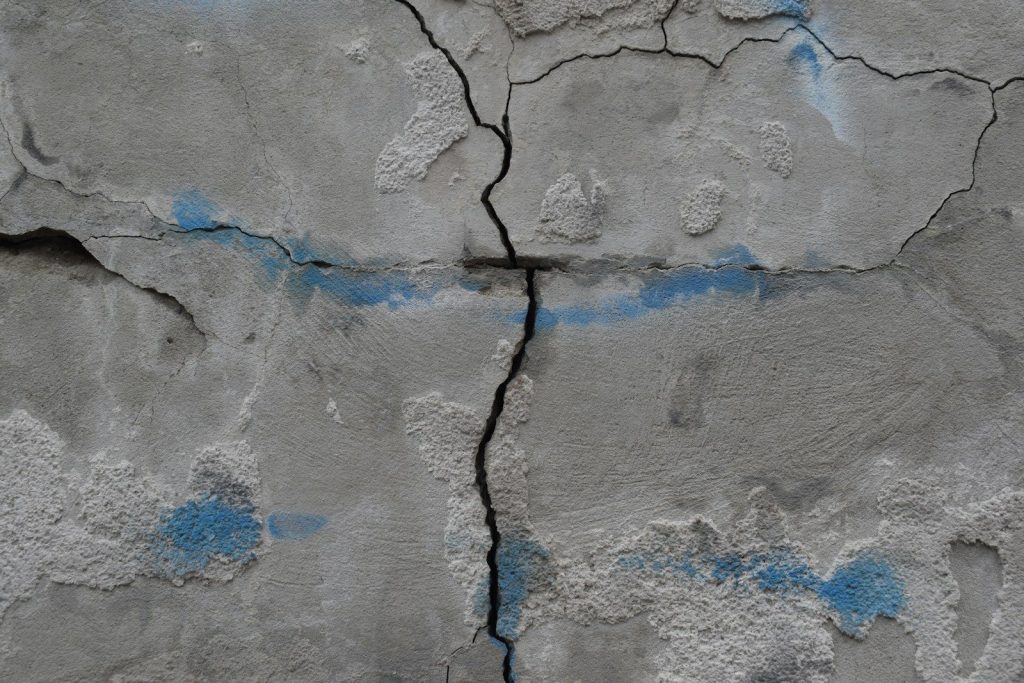
    Self-Healing Concrete That Fixes Its Own Cracks

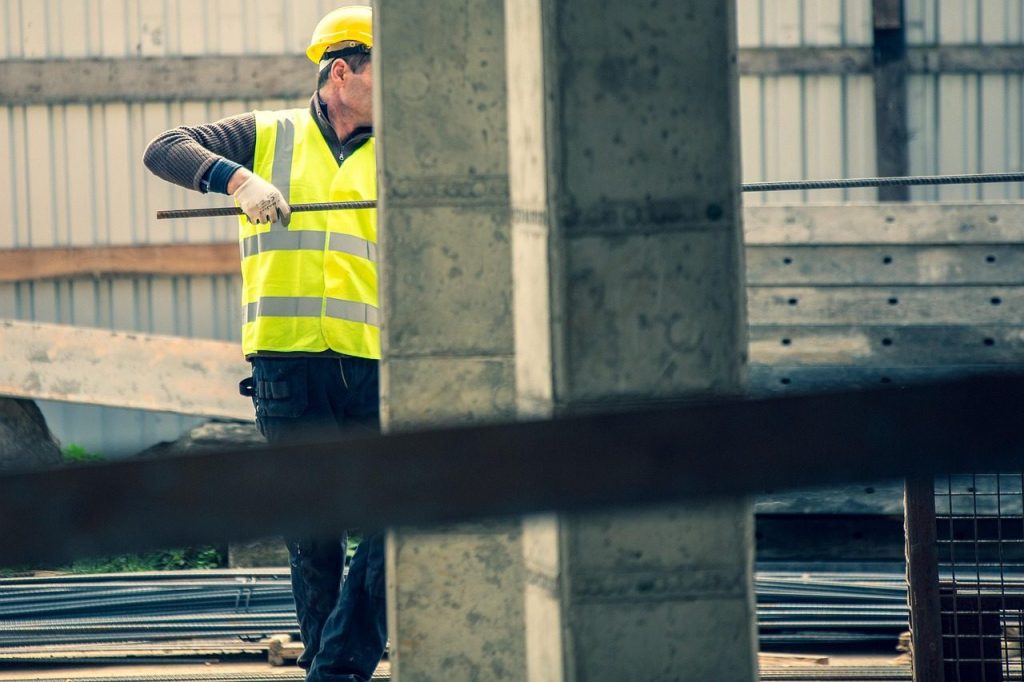
    a cracked concrete wall with blue paint on it
    Photo by Marija Zaric on Unsplash

    In a climate colony, maintenance is a major problem. That is why engineers developed self-healing concrete. This material contains special bacteria that stay dormant until a crack appears. When water enters the crack, the bacteria wake up and produce limestone to fill the gap. This means buildings can last for hundreds of years without needing repairs. It is a living material for a living city. But even the best buildings need food, and these colonies have a plan.

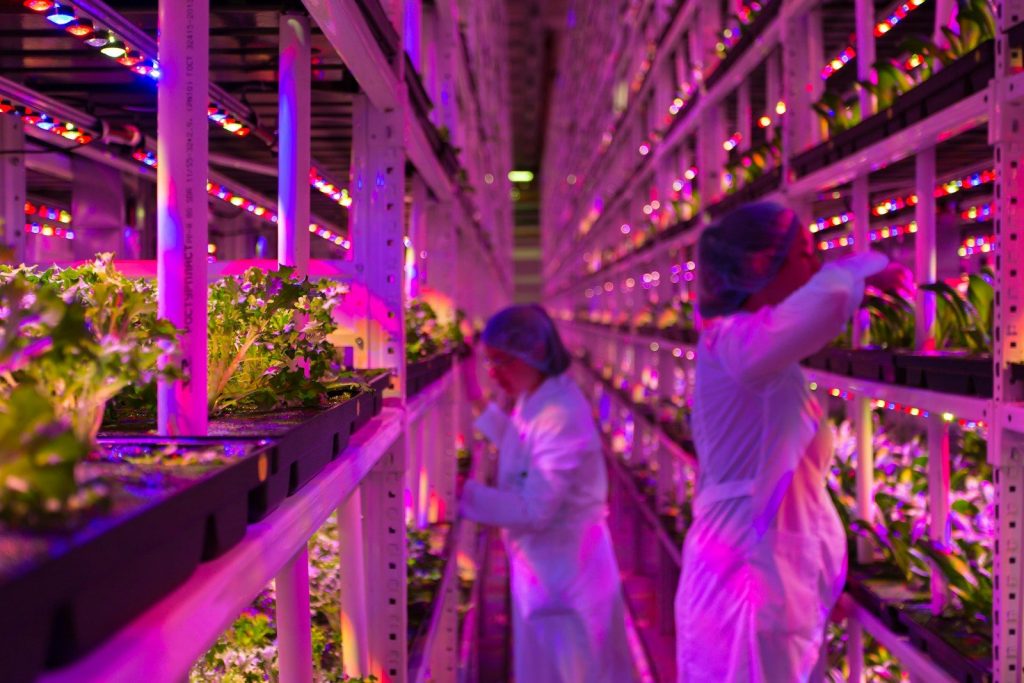
    Vertical Farms Inside High-Tech Silos

    woman in pink dress standing beside man in white dress shirt
    Photo by Petr Magera on Unsplash

    Climate-resistant colonies can’t rely on traditional farming. Instead, they use vertical farms built right into the colony. These farms use 95% less water than traditional agriculture and don’t need pesticides. Everything is grown in nutrient-rich water under LED lights. This ensures a steady food supply regardless of droughts or floods outside. It is the perfect system for a self-contained world. But what powers all these lights and sensors?

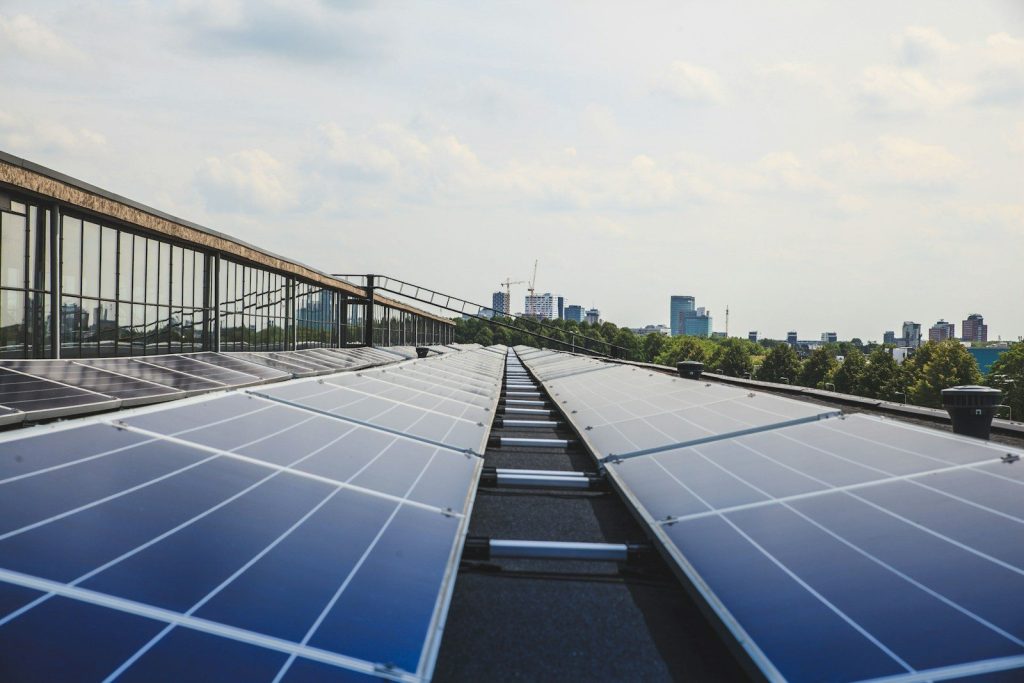
    Microgrids Powered By The Sun And Sea

    black and white solar panels
    Photo by Jeroen van de Water on Unsplash

    Every colony has its own “microgrid.” This is a small, local power system that isn’t connected to the main city. It uses solar panels, wind turbines, and even wave energy to stay running. If one part of the colony loses power, the rest keeps working perfectly. This makes the community incredibly resilient to cyberattacks or natural disasters. They are effectively energy islands. But wait, there is a way these colonies are actually cleaning the planet while they exist.

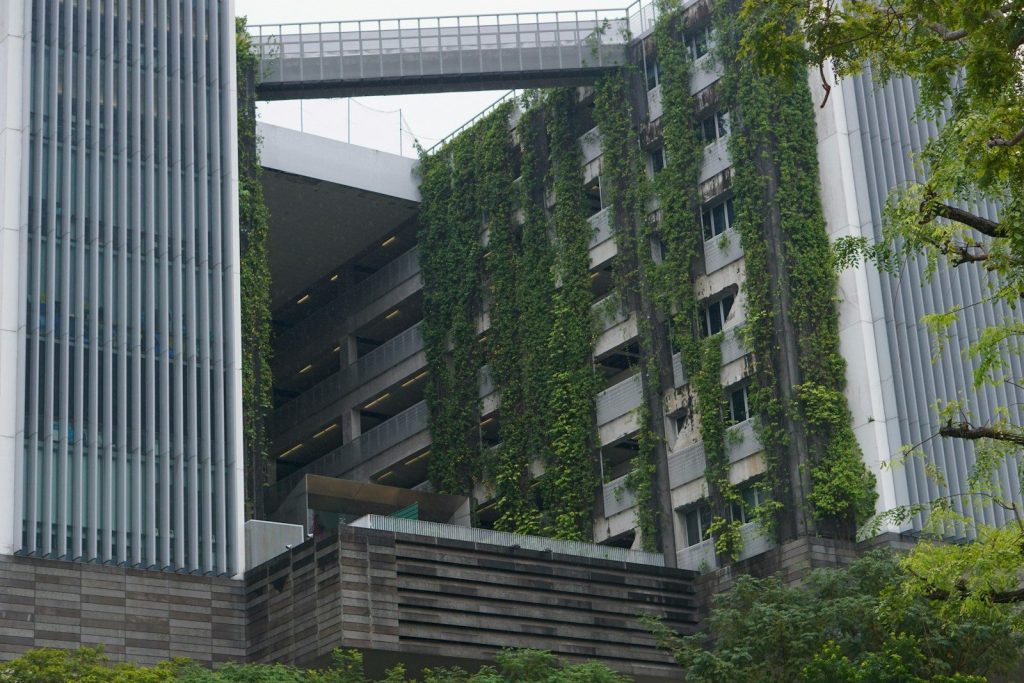
    Buildings That Breathe Like Trees

    Modern building with vertical green gardens and skybridge
    Photo by Alena Yzhanina on Unsplash

    Some climate colonies are being built with “smog-eating” tiles. These surfaces react with sunlight to pull carbon dioxide and pollutants out of the air. A single colony could have the cleaning power of a small forest. This means the more we build, the cleaner the air becomes. It is an engineering solution that turns the problem of pollution into a building material. But are these colonies only for the rich, or can everyone afford them?
    The Future Of Affordable Climate Housing

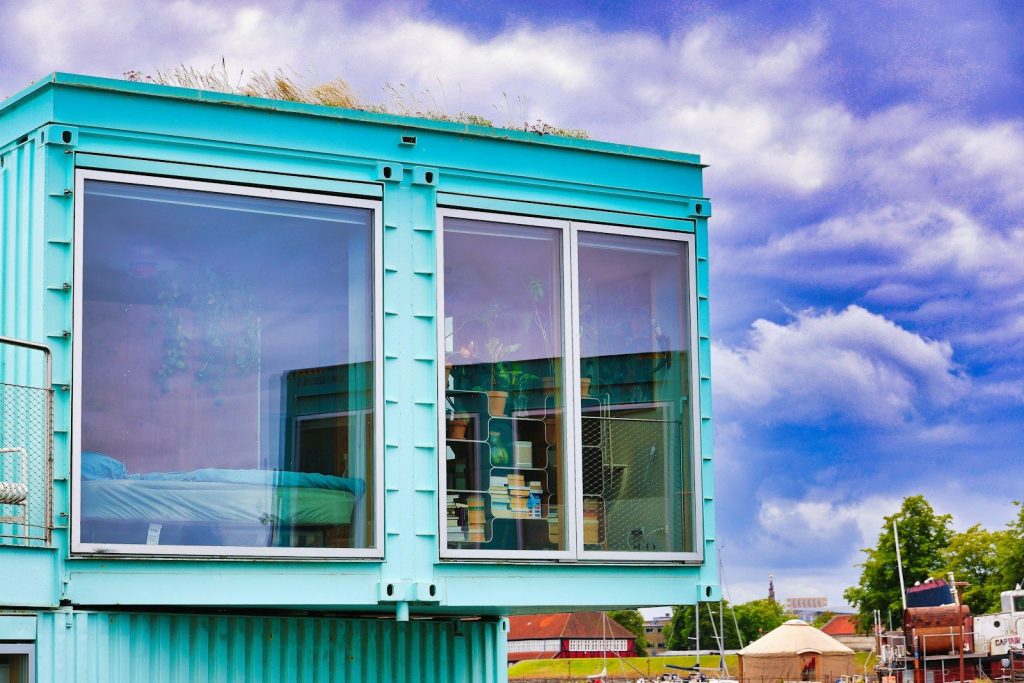
    Modern turquoise shipping container home with large windows.
    Photo by Alain ROUILLER on Unsplash

    The goal for engineers now is to make these colonies cheap. By using 3D printing and recycled materials, the cost of a climate-resistant home is dropping fast. We might soon see entire neighborhoods pop up in just a few days. These structures are the only way we can protect billions of people from the changing world. The age of traditional housing is coming to an end. In fact, the way we build everything is about to change forever.
    Featured Image: Photo by Sergei Gussev on Unsplash

  • 6G Real-World Tests and What They Mean for Your Privacy

    6G Real-World Tests and What They Mean for Your Privacy

    While most of us are still getting used to 5G, the next revolution is already here. Real-world tests for 6G have officially begun, and the speeds are mind-blowing. We are talking about speeds up to 100 times faster than 5G. You could download dozens of high-definition movies in a single second. But this speed comes with a hidden cost that tech giants aren’t talking about much yet. 6G is not just about faster internet; it is about “sensing” the physical world around us.

    The technology uses extremely high-frequency waves that can detect movement with incredible precision. This means the network itself becomes a giant radar system. It can “see” where you are and what you are doing without a single camera. This is where the privacy concerns start to get very real.

    Sensing Humans Through Walls Without Cameras

    silhouette of man inside studio
    Photo by Valentin Ciccarone on Unsplash

    One of the most radical features of 6G is its ability to use radio waves to map environments. These waves can bounce off objects and people to create a digital image. Essentially, the network could track your posture and even your heart rate through walls. This has great potential for healthcare, like monitoring elderly people at home. However, it also means your movements could be tracked in total darkness without your knowledge. But wait, it gets even more invasive when you look at how 6G connects to your brain.

    The Instant Connection Between Devices and Minds

    ai generated, ai brain, neural networks, digital connections, futuristic concepts, artificial intelligence, advanced technology, digital art, technological innovation, ai visualizations, digital images, neural pathways, technological art, ai graphics, digital design, futuristic art, technological concepts, digital brains, neural art, technological visualizations
    Photo by Soul_Canvas on Pixabay

    6G aims to achieve “zero-latency” communication. This is fast enough to support direct brain-computer interfaces on a massive scale. You could potentially control your smart home just by thinking about it. While this sounds like a superpower, it opens a door for hackers to access more than just your emails. If the network is connected to your neural signals, how do you keep your thoughts private? The boundary between your mind and the internet is about to vanish.

    Ubiquitous Tracking in the 6G Era

    people at W36 street near brown buildings during daytime
    Photo by Enrique Alarcon on Unsplash

    With 6G, every single object in your environment will likely be connected to the grid. From your shoes to your coffee cup, everything will broadcast data. This creates a “digital twin” of our physical world that updates in real-time. Advertisers would know exactly when you pick up a product or even how long you look at a billboard. It is a level of tracking that makes current cookies look like child’s play. But there is a way this tech could actually make us safer, if we trust it.

    AI Will Manage the Entire Network

    Glowing ai chip on a circuit board.
    Photo by Immo Wegmann on Unsplash

    A network this fast and complex cannot be managed by humans. AI will be the “brain” behind 6G, making millions of decisions every microsecond. It will optimize signals and predict where you are going before you even move. This AI will know your habits better than you do. The question is, who owns that AI and the data it collects? The power dynamic between citizens and tech companies is shifting dramatically.

    Battery-Free Devices Powered by the Air

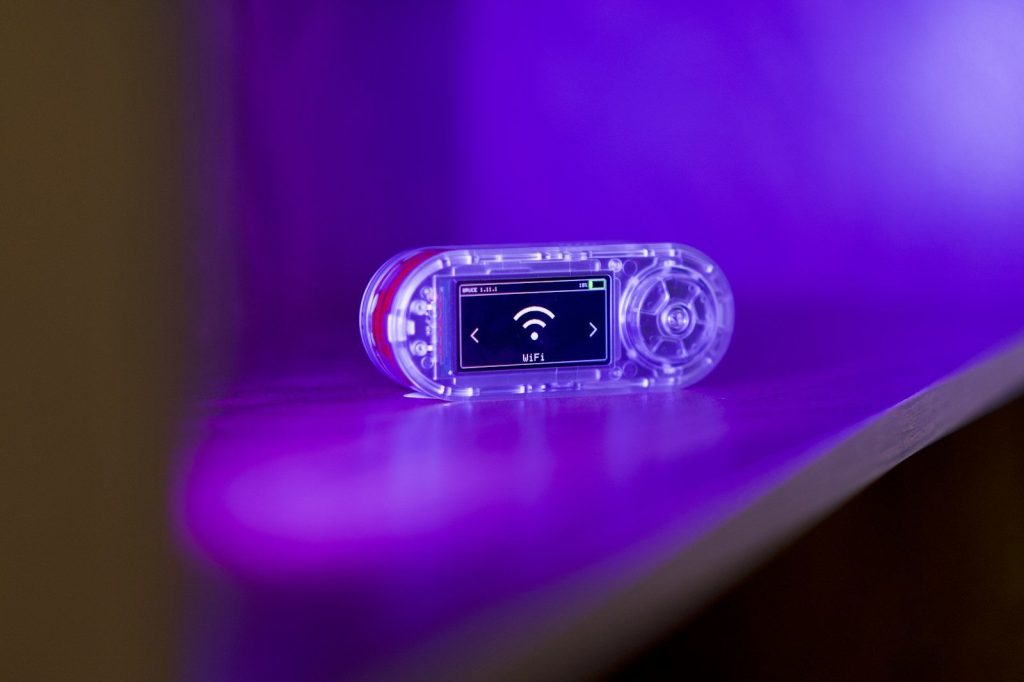
    Transparent device with wifi symbol on screen
    Photo by Amal S on Unsplash

    6G signals are so powerful that they can actually transmit energy. We might see a world where small sensors and devices never need to be charged. They will simply “harvest” power from the 6G waves around them. This is great for the environment, but it also means these trackers can stay active forever. You can’t just “unplug” a device that doesn’t have a plug. Does this mean we are entering an era where we can never truly be offline?

    New Security Protocols for a Faster World

    cyber security, internet, hacking, security, network, information, hacker, code, secure, privacy, safety, crack, padlock, cyber, technology, data, digital, cyber security, cyber security, cyber security, cyber security, cyber security, cyber, cyber
    Photo by TheDigitalArtist on Pixabay

    Standard encryption won’t work in a 6G world because quantum computers could break it easily. Engineers are currently racing to build “quantum-resistant” security for 6G. They want to ensure that even though the network sees everything, only you have the key. However, history shows that every new technology has its flaws. Are we building a secure future, or a playground for high-tech hackers?

    The Timeline for 6G Integration

    a person holding a cell phone in their hand
    Photo by MΛTΞ on Unsplash

    While 5G is still growing, the first 6G networks are expected to launch around 2030. Japan and South Korea are already leading the way with massive government backing. We will start seeing the first compatible devices in just a few years. It will change how we live, work, and perceive reality itself. But if you think 6G is high-tech, wait until you hear about the chips people are putting in their brains without surgery.

    Featured Image: Photo by Andrea De Santis on Unsplash

  • The New Construction Material That Stores Electricity Like a Battery

    The New Construction Material That Stores Electricity Like a Battery

    What if your entire house were one giant battery? Scientists have just achieved a major breakthrough in material science: cement-based batteries. By mixing concrete with carbon fibers and a special chemical coating, they have turned the world’s most common building material into an energy storage device. This means every wall, floor, and driveway could soon store electricity from solar panels. It is a total rethink of how we use the space around us.
    Traditional batteries take up space and use rare metals like lithium. Cement batteries use materials that are cheap and available everywhere. While they can’t store as much energy as a Tesla Powerwall yet, the sheer volume of concrete in a building makes up for it. A single apartment building made with this material could power itself for days. But the real magic happens when you see how it can charge your car while you sleep.

    The Driveway That Charges Your Car Overnight

    wireless charger controller
    Photo by Limor Zellermayer on Unsplash

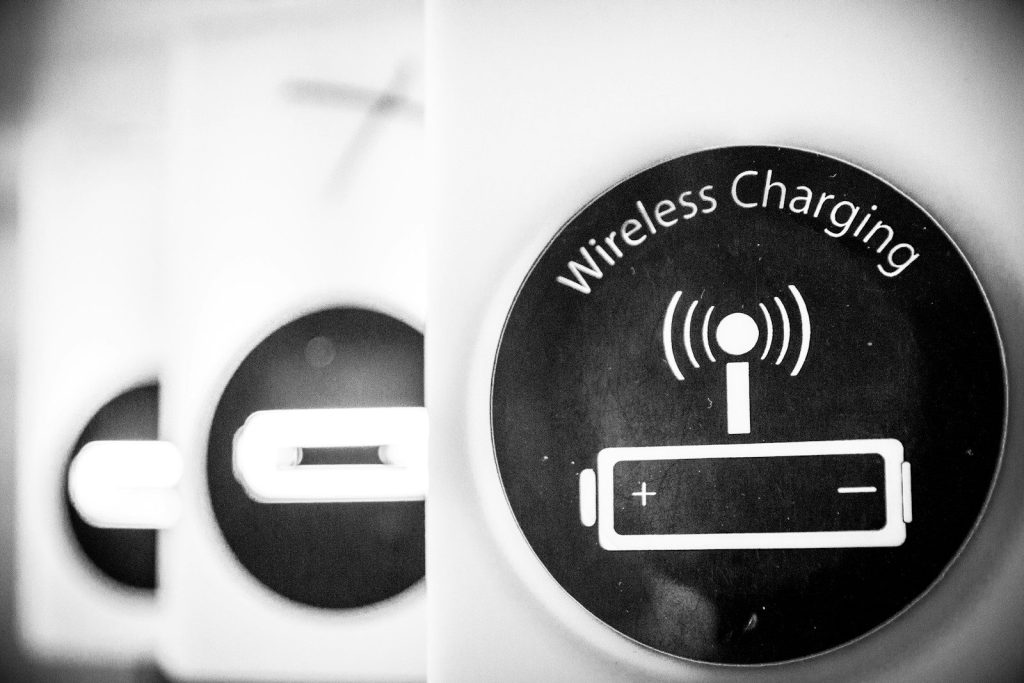
    Imagine never having to plug your car in again. With “battery concrete,” your driveway could use induction to charge your vehicle wirelessly. The energy stored in the concrete during the day is slowly transferred to your car’s battery at night. It turns the road itself into a fueling station. But how do they actually make concrete hold a charge without it being dangerous?

    Turning Cement into a Giant Capacitor

    television tower, berlin, alexanderplatz, sightseeing, landmark, bullet, glittering, building materials, stole, reinforced concrete, heaven, blue, berlin, berlin, berlin, berlin, berlin
    Photo by Couleur on Pixabay

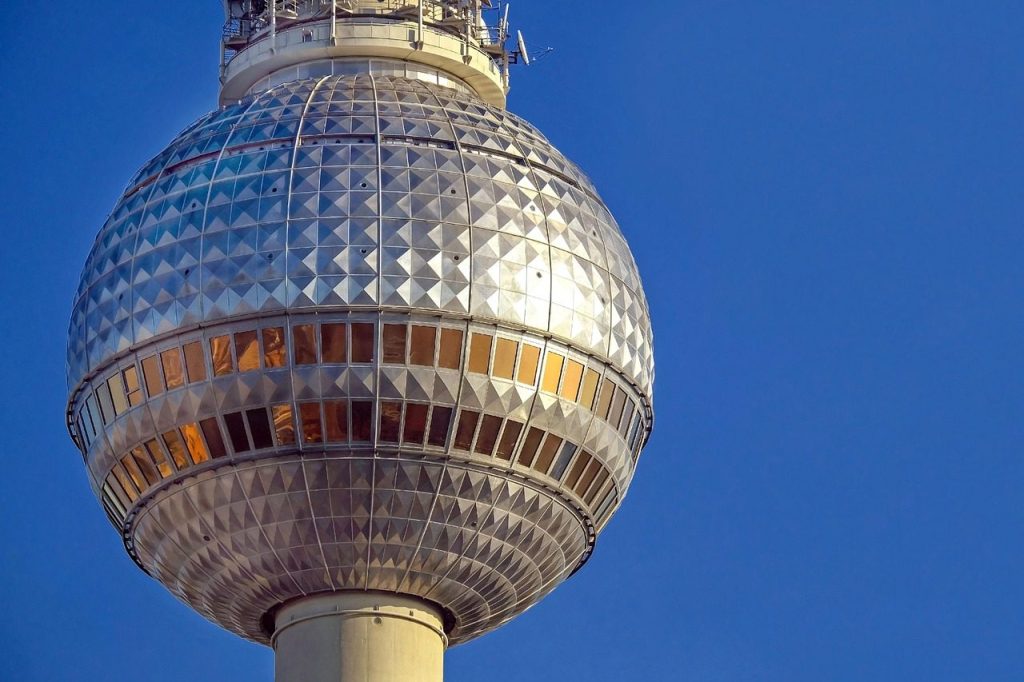
    The secret is “nanocarbon.” Scientists add tiny, conductive carbon particles to the cement mix. These particles create a massive surface area inside the concrete, allowing it to act like a giant “supercapacitor.” It can soak up energy very quickly and release it whenever it’s needed. It is completely safe to touch and can last for decades. But wait until you see how this could save our aging power grids.

    Solving the Energy Crisis with Our Skyscrapers

    skyscrapers, buildings, harbor, skyline, night view, night, city, victoria harbour, hong kong, cityscape, travel, city, city, hong kong, hong kong, hong kong, hong kong, hong kong
    Photo by carloyuen on Pixabay

    Our current power grids are struggling to keep up with demand. If every skyscraper acted as a battery, we wouldn’t need to build massive, ugly battery farms in the countryside. The buildings would absorb energy during the day and feed it back to the city at night. It makes the entire city more resilient to blackouts. But wait, this material can do more than just store energy; it can also sense damage.

    The Wall That Tells You When It Is Breaking

    Dam wall and mountain side.
    Photo by João Rodrigues on Unsplash

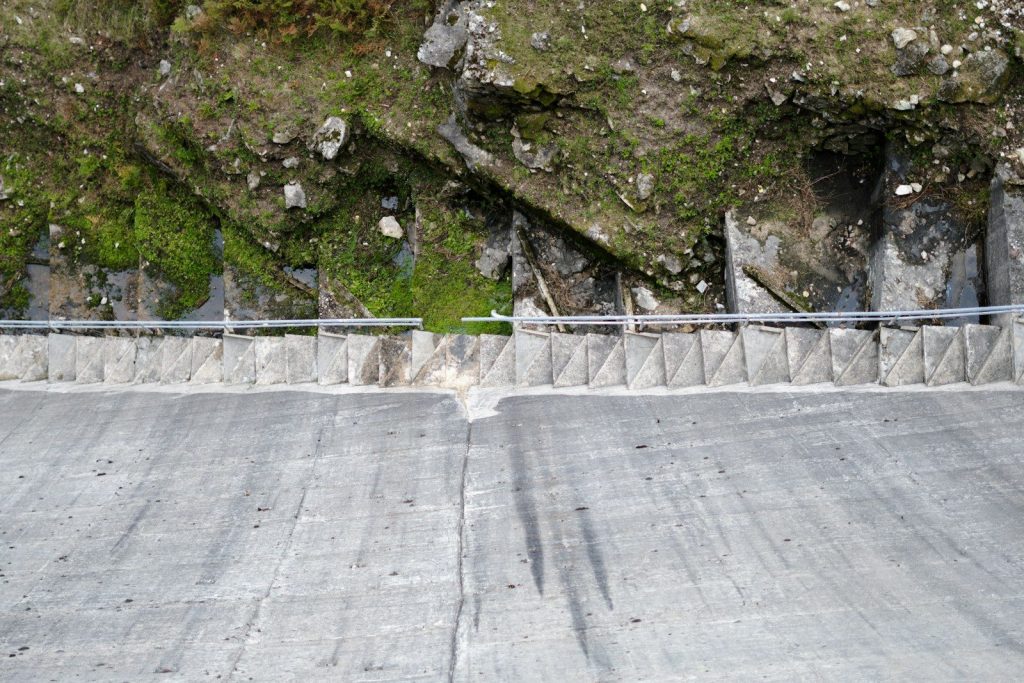
    Because the concrete is conductive, any crack or stress changes the electrical signal. This means the building can “feel” pain. If a bridge is about to fail or a wall is under too much pressure, the concrete will send a signal to a central computer. We could fix problems before they ever become dangerous. But the most exciting use for this tech is happening in our most remote areas.

    Bringing Power to Places Without a Grid

    solar system, roof, power generation, solar power, solar cells, energy, electricity, house, solar energy, solar panel, energy transition, blue, renewable, housetop, technology, environmentally friendly, electricity generation, heaven, nature, clouds, sun, roof tiles, roof panels
    Photo by ulleo on Pixabay

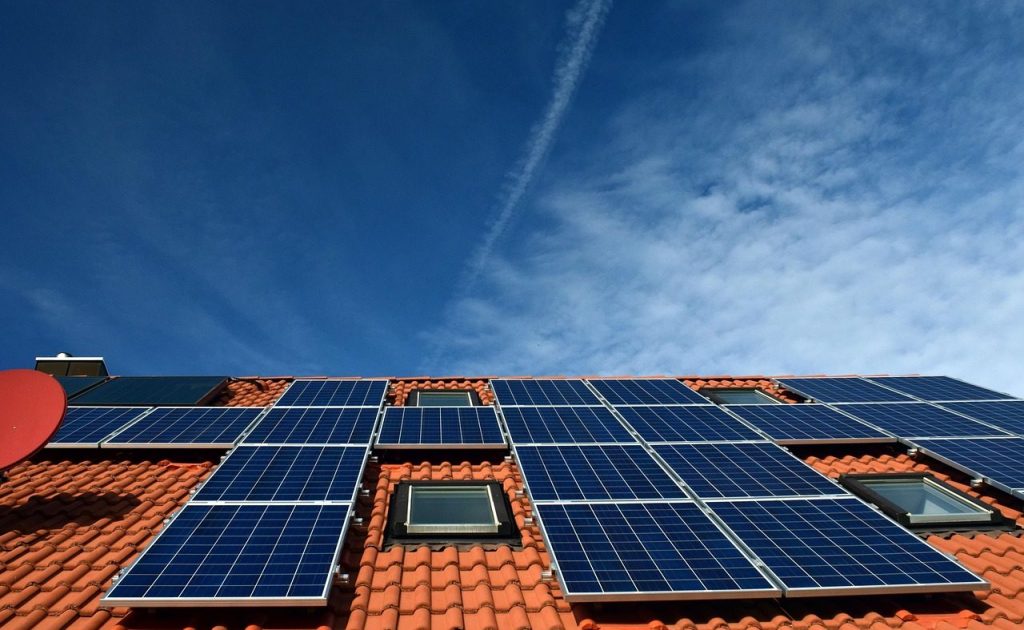
    In developing countries, building a power grid is incredibly expensive. But people still need houses. If those houses are built with battery concrete and a single solar panel, they have an instant, reliable power source. It could bring light and the internet to the most remote corners of the globe for the first time. But how long until this material is at your local hardware store?

    The Race to Commercialize Smart Cement

    construction, construction worker, construction site work, worker, building, construction worker, construction worker, construction worker, construction worker, construction worker
    Photo by phooto on Pixabay

    Major construction companies are already running tests on this material. They are working on making the mix easy for any builder to use. We are only a few years away from the first “battery buildings” being approved. Once it hits the market, the way we design homes will change forever. It is the ultimate merger of infrastructure and technology.

    The End of the Invisible Energy Problem

    a large stone building
    Photo by Alexandr Voronsky on Unsplash

    We are entering an era where our physical world is also our digital world. The walls that protect us will also power our lives. It is a sustainable, clever solution to our biggest problems. The “cement battery” is just the beginning of a materials revolution. From wooden skyscrapers to underwater tunnels, we are rebuilding the world from the ground up.

    Featured Image: Photo by Juan Pablo on Unsplash

  • How AI Finally Translated the World’s Most Mysterious Book

    How AI Finally Translated the World’s Most Mysterious Book

    For over 600 years, the Voynich Manuscript has been the ultimate riddle. It is a handwritten book filled with strange plants, naked figures, and a language that no human has ever been able to read. Code-breakers from both World Wars tried to crack it and failed. But in 2026, an advanced artificial intelligence has done what humans couldn’t.

    By analyzing the “neural patterns” of the script, the AI has successfully translated the first few chapters. It turns out the book isn’t a hoax or an alien message. It is a highly specialized medical and botanical manual written in a lost dialect. We are finally looking at the secrets of a “Ghost Language.” But what exactly was the author trying to hide?

    A Neural Network for Ancient Secrets

    ai generated, neural, network, internet, technology, neuron, computer, tech, data, technology, technology, technology, technology, technology, neuron, neuron, tech, data, data, data, data
    Photo by BrianPenny on Pixabay

    The AI didn’t just look at the letters; it looked at the rhythm of the writing. Humans use patterns when they talk or write, even if they are using a code. The AI compared the Voynich script to thousands of known languages and found a 90 percent match with a rare form of “Proto-Romance.”

    This language was spoken around the Mediterranean but was never written down—except in this book. The AI was able to “fill in the gaps” of the grammar by simulating how the language would have evolved. It was like giving a voice to someone who has been silent for centuries. But what are the strange plants drawn on the pages?

    The Botany of a Lost World

    Pressed leaves and ferns displayed on paper.
    Photo by Nisa Çokokumuş on Unsplash

    The most famous part of the book is the illustrations of plants that don’t seem to exist. The AI translation has revealed that these aren’t “fake” plants. They are actually “compound drawings” showing different parts of various medicinal herbs mixed together.

    The text describes how to mix these plants to create cures for everything from skin infections to stomach pain. The drawings were meant to be a shorthand for doctors who already knew the basic plants. It is an ancient “cheat sheet” for medieval medicine. But can we actually use these recipes today?

    Secrets of the Medieval Spa

    woman, bath, beauty, face, model, milk bath, skincare, bathtub, face, face, skincare, skincare, skincare, skincare, skincare
    Photo by 5882641 on Pixabay

    A large section of the book features groups of women in green baths. People used to think this was a religious cult or something supernatural. The AI has translated these sections as instructions for “hydrotherapy.”

    It details how to use mineral springs and herbal baths to treat female health issues. It is essentially a manual for a high-end medieval health spa. The women in the drawings are simply patients undergoing treatment. It is a fascinating look at how people took care of themselves 600 years ago. But why was it all written in such a hard-to-crack code?

    Protection from the Inquisition

    monastery, church, architecture, abbey, cloister, gang, dark, middle ages, religion, stone, historically, old, gothic, history, church, church, gothic, gothic, gothic, gothic, gothic, history, history, history
    Photo by Tama66 on Pixabay

    The author of the Voynich Manuscript lived in a time when “new” science was often seen as heresy. If you were caught with a book detailing “secret” cures or strange chemicals, you could be in big trouble. The AI believes the code was a safety measure.

    The language was chosen because it was dying out, making it hard for outsiders to read. It allowed the author to share their knowledge with a small circle of students without attracting the attention of the church. It was the “Dark Web” of the 15th century. But who was the genius who wrote it?

    The Hunt for the Anonymous Author:

    a group of white signs on a metal rack
    Photo by Anna Auza on Unsplash

    While AI has solved the puzzle, the name of the author is still a mystery. However, the text has indications about a “scholar from the east” who traveled to Europe. The dialect used in the book suggests a connection with the island of Ischia in Italy.

    Researchers are now using the AI’s translation to search through Italian archives for anyone who matches the description. We are closer than ever to putting a face to the world’s most mysterious handwriting. But is it possible that some parts of the book are still hidden?

    The End of the Voynich Mystery

    home office, person, work, web design, business, workplace, monitor, computer, keyboard, screen, laptop, office work, independent, freelancer, success, graphic designer, designer, digital, nomad, home office, web design, web design, success, success, graphic designer, graphic designer, graphic designer, graphic designer, graphic designer, designer
    Photo by Cocoandwifi on Pixabay

    The success of the AI translation marks the end of one of the world’s greatest puzzles. It proves that technology can unlock the secrets of the past in ways we had never imagined. The Voynich Manuscript is no longer a scary enigma; it is a valuable piece of human history.

    It reminds us that even when things seem impossible to understand, there is always a pattern waiting to be found. The book is now being fully digitized so that anyone can read the “lost” recipes. But are you ready to find out why crabs have been walking sideways for 200 million years?

    Featured Image: Photo by Ruben Gregori on Unsplash

  • The New Bacteria That Can Devour a Water Bottle in 4 Hours

    The New Bacteria That Can Devour a Water Bottle in 4 Hours

    The global plastic crisis has finally met its match in a microscopic monster. For decades, we have watched our oceans and landfills overflow with plastic waste that takes centuries to break down. But in a stunning 2026 breakthrough, scientists have engineered a new strain of bacteria that views a plastic water bottle as a five-star meal. This isn’t just a slow decay. We are talking about a total biological breakdown that happens in under four hours.

    The discovery happened in a lab that was studying deep-sea microbes. Researchers found a unique enzyme that can snap the chemical bonds of PET plastic like they are dry twigs. Once the bacteria are applied to the plastic, they begin to dissolve the material almost instantly. It looks like something out of a horror movie, but for the environment, it is a miracle. We are looking at a future where the word “permanent” no longer applies to our trash. But how did the researchers make these tiny eaters move so fast?

    The Enzyme That Snaps Chemical Bonds

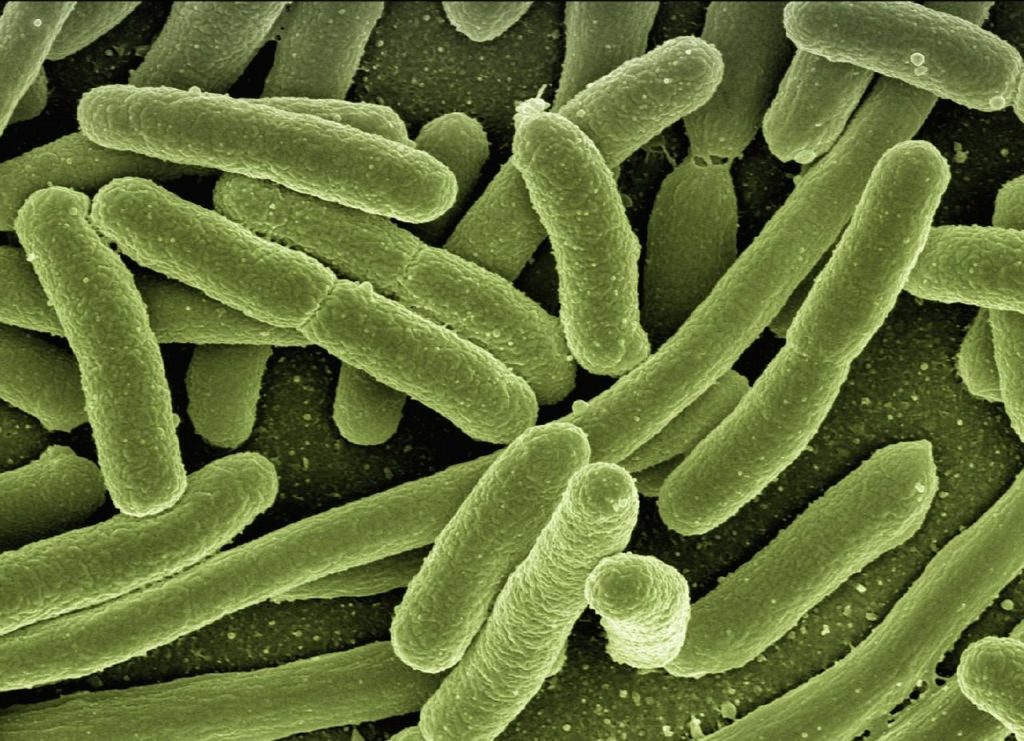
    koli bacteria, escherichia coli, bacteria, disease, pathogens, microscopy, electron microscopy, electron microscope, vaccination, immune system, diseases, vaccine, escherichia, infect, infection, risk of infection, pathogen, viruses, bacteria, bacteria, bacteria, bacteria, bacteria
    Photo by geralt on Pixabay

    The secret to this four-hour feast is a super-charged enzyme called “PETase-X.” Scientists used AI to rewrite the genetic code of a common bacterium, giving it the ability to produce this enzyme in massive quantities. When the bacteria touch plastic, the enzyme immediately goes to work on the polymer chains.

    It breaks them down into their original building blocks, which the bacteria then use as energy. It is a perfect circle of recycling that leaves behind nothing but harmless organic matter. This process is thousands of times faster than anything found in nature. But can this bacterium handle the “dirty” plastic found in the ocean?

    Cleaning the Oceans at Record Speed

    Ocean pollution with plastic debris and seaweed
    Photo by Naja Bertolt Jensen on Unsplash

    Up until now, cleaning the Great Pacific Garbage Patch seemed impossible. There was just too much plastic and not enough time. However, this new bacterium can survive in salt water and handle varying temperatures.

    Scientists are now testing “bio-buoys” that release these bacteria into concentrated areas of ocean plastic. Instead of using nets that trap fish, we are using biology to erase the trash. Within hours, the plastic becomes a nutrient source for the local ecosystem. But what happens to the bacteria once the plastic is all gone?

    The Safety Switch for Biology

    ai generated, molecular, research, dna, sequencing, biology, genomic, test, tube, analysis, science, scientist, genetic, engineering, laboratory, scientific, biological, lab, safety, structures, breakthrough, chemical, experimentation, technology
    Photo by alanajordan on Pixabay

    One of the biggest fears is that these bacteria could escape and start eating things we actually need, like car parts or medical equipment. To prevent a “plastic apocalypse,” the researchers built a “kill switch” into the DNA.

    The bacteria can only survive if they are fed a specific, rare nutrient that doesn’t exist in the wild. If they leave the treatment area, they simply stop functioning and die off. It is a fail-safe system that ensures our technology stays safe while our trash disappears. But is this bacterium expensive to grow?

    A Cost-Effective Solution for Landfills

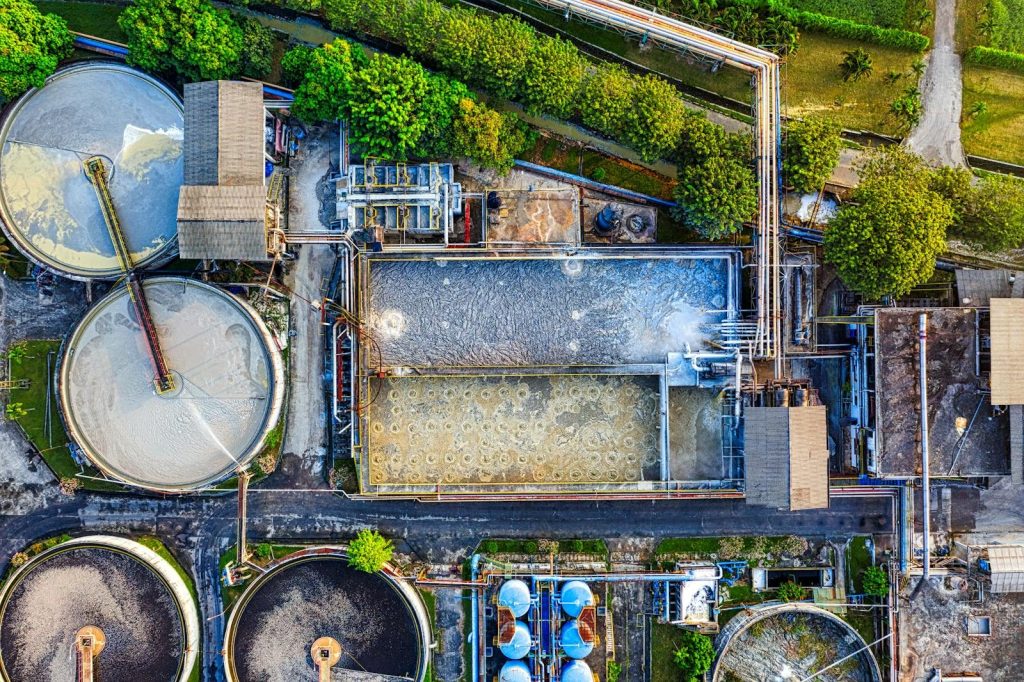
    Top-down view of an industrial waste management facility in Serang, Indonesia, highlighting various processing tanks.
    Photo by Tom Fisk on Pexels

    In the past, high-tech recycling was too expensive for small cities. But growing these bacteria is incredibly cheap. They multiply on their own and only require basic sugar and water to stay active between meals.

    This means even the smallest towns could soon have “bio-digesters” that turn their weekly plastic waste into clean compost. It is a decentralized solution that takes the pressure off global shipping. We are turning a billion-dollar waste problem into a low-cost biological process. But what does the plastic actually turn into?

    Turning Trash Into Clean Energy

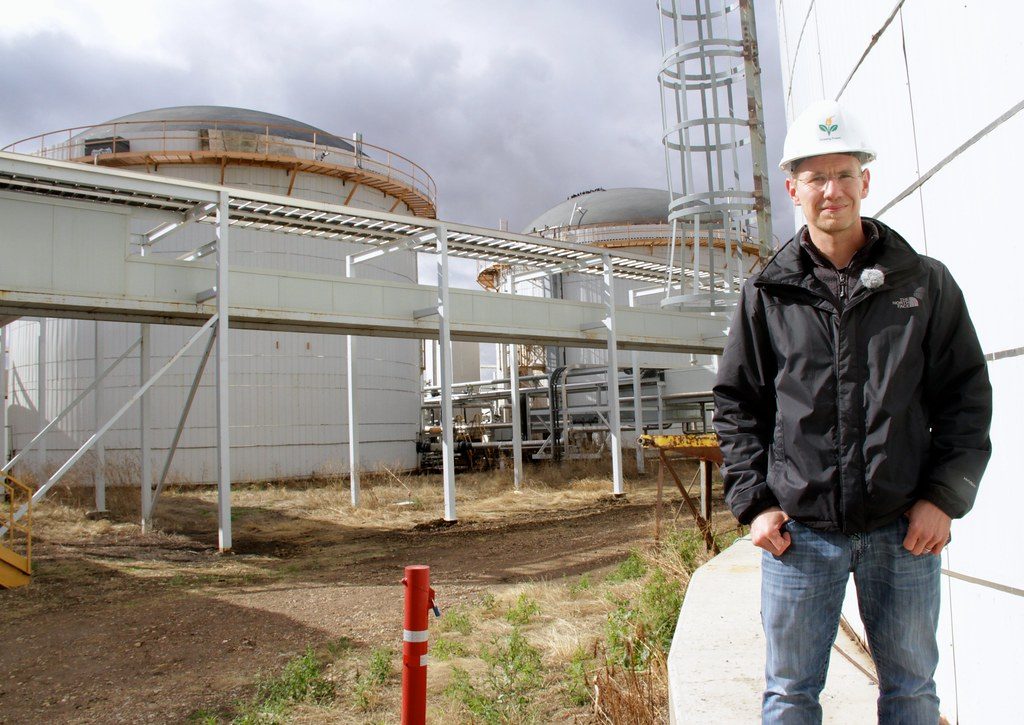
    Trevor Nickel with the Himark Biogas plant” by Green Energy Futures is licensed under CC BY-NC-SA 2.0

    When the bacteria eat the plastic, they release a byproduct that is rich in methane. Smart engineers are already finding ways to capture this gas and turn it into electricity. This means your old water bottles could literally power the lights in your house.

    It is a double win for the planet: we remove the waste and generate green energy at the same time. The first “plastic-to-power” plants are already being designed in Europe. But could these bacteria ever be used on the clothes we wear?

    The End of Microplastics in Our Blood

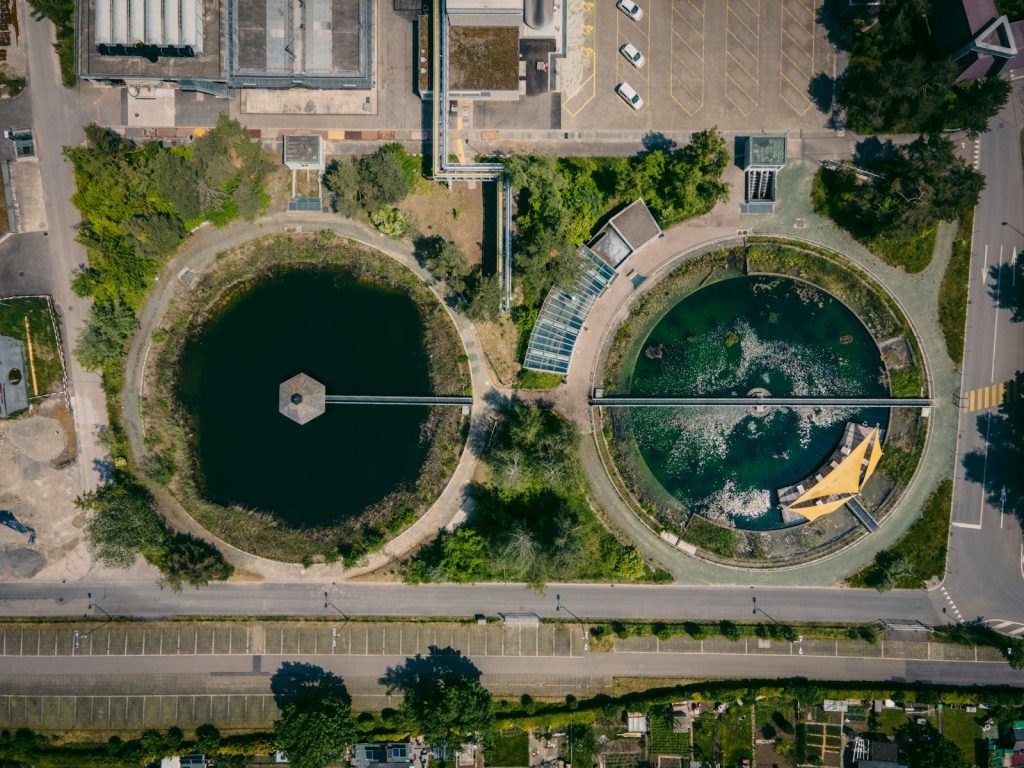
    aerial view of green trees and brown buildings during daytime
    Photo by Patrick Federi on Unsplash

    Perhaps the most important use for this tech is cleaning up microplastics. These tiny particles are now found in our food, our water, and even our bodies. Traditional filters can’t catch them, but the bacteria can.

    New water treatment plants are using “bacterial filters” to ensure that not a single speck of plastic reaches our taps. It is a total reset for human health. We are finally scrubbing the planet clean at the molecular level. But how much further can this “generative biology” go?

    A Future Without Permanent Waste

    woman, nature, waterfront, cleaning, people, beach, shore, sand, wavrs, brown clean
    Photo by Bonsens-Tono on Pixabay

    As we move through 2026, the idea of “throwing something away” is changing. We are realizing that every material we create needs a biological “end of life” plan. This bacteria is just the first step in a new world of self-destructing trash.

    The researchers are now working on a version that can eat old tires and electronic waste. We are building a world that leaves no footprint behind. Are you ready to see how the sky is being watched by things even smaller than these bacteria?

    Featured Image: Photo by Engin Akyurt on Unsplash

  • The Micro-Sensors Currently Floating in the Stratosphere to Track Heat

    The Micro-Sensors Currently Floating in the Stratosphere to Track Heat

    Our atmosphere is changing faster than we can track it from the ground. Traditional weather balloons are too big and too expensive to provide a complete picture of the heat moving around our planet. But in 2026, a new fleet of “Micro-Sensors” has been released into the stratosphere. These devices are the size of a grain of sand and are designed to float on the wind for months at a time.

    They form a massive, invisible “smart net” around the Earth that tracks heat, humidity, and pressure in real-time. This isn’t just about knowing if it will rain tomorrow. This is about understanding the “internal engine” of our climate with perfect precision. These tiny sensors are giving us a front-row seat to the future of our weather. But how do you find a sensor that is smaller than a bug?

    Thousands of Eyes in the Wind

    microscope, slide, research, close-up, test, experiment, micro, microscopy, plate, scrutiny, medical, tool, red, sample, study, laboratory, biotechnology, light, discovery, analysis, technology, equipment, analytical, scientific, drop, lens, blue technology, blue medical, blue light, blue study, blue research, blue tools, blue studying, blue test, blue laboratory, blue closed, blue lights, microscope, microscope, microscope, research, research, research, research, research, medical, medical, medical, laboratory, laboratory, technology, technology, technology, technology
    Photo by PublicDomainPictures on Pixabay

    These sensors are so light that they don’t even fall. They stay aloft by riding the natural currents of the stratosphere. Because they are deployed by the millions, they can cover every square inch of the sky.

    Each sensor “talks” to its neighbors using low-power radio waves, creating a massive mesh network. If one area of the sky gets unusually hot, the entire network knows within seconds. This allows scientists to see heat waves forming before they ever reach the ground. But how does such a tiny thing stay powered?

    Powered by the Sun and the Air

    photovoltaic, photovoltaic system, solar system, solar, solar energy, solar cell, power generation, solar panel, energy transition, energy, electricity, solar power, nature, renewable, solar field, solar cells, sun, heaven, voltage, technology, environment, power supply, light, clouds, renewable energy
    Photo by andreas160578 on Pixabay

    The micro-sensors don’t have batteries. Instead, they are coated in a thin layer of “organic solar cells” that harvest energy from the sun. Even the friction of the wind moving over the sensor provides a tiny bit of power through static electricity.

    It is a masterpiece of energy efficiency that allows them to run indefinitely. They are essentially “living” technology that survives on the elements. This means we can keep them in the sky for years without ever needing to replace them. But are they safe for the airplanes flying through them?

    Invisible to Engines and Radar

    airplane, airport, aircraft, burgas, plane, sky, aviation, nature, clouds
    Photo by Anestiev on Pixabay

    Because the sensors are so small, they are completely harmless to jet engines. A plane could fly through a cloud of a million sensors and not even notice. They are also made of biodegradable materials that break down safely if they eventually fall to the ground.

    They are the ultimate “ghost” technology—always there, but never in the way. This allows scientists to monitor the most dangerous parts of the atmosphere, like the center of a developing hurricane. But can this data actually save lives on the ground?

    Predicting Superstorms Before They Happen

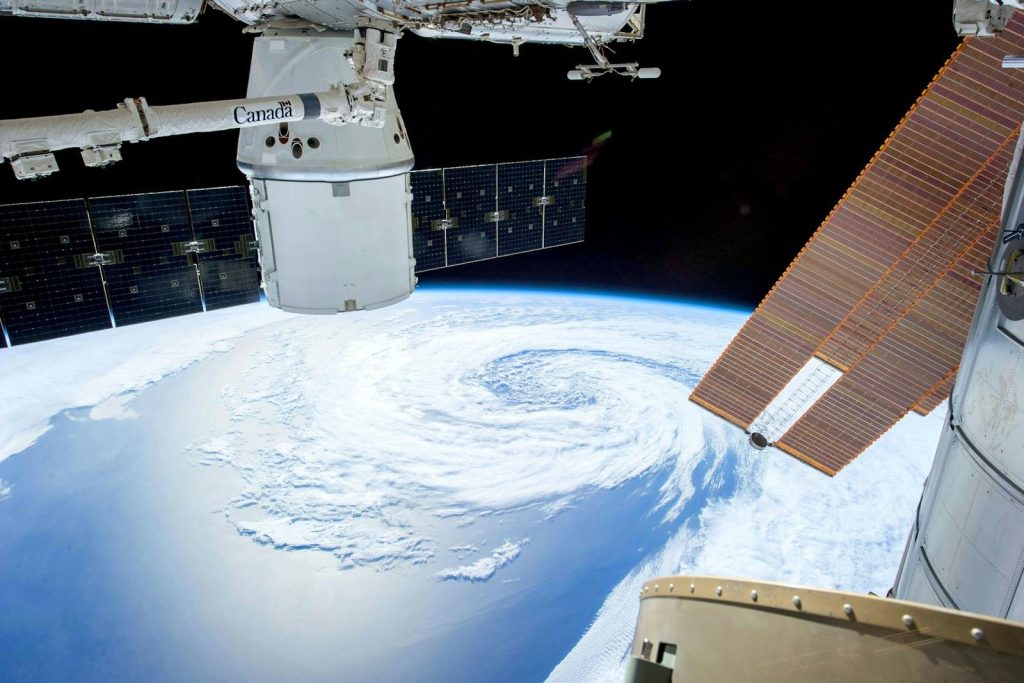
    A mesmerizing view of Earth as seen from a space station with solar panels and satellite modules.
    Photo by SpaceX on Pexels

    The “smart net” provides a level of detail that satellites simply can’t match. Satellites look down from space, but these sensors are inside the weather. They can detect the tiny temperature shifts that trigger a massive storm.

    With this data, we can give cities hours or even days of extra warning before a disaster hits. It is like having a microscope for the entire world’s weather. We are moving from “guessing” the weather to “calculating” it. But does this technology have a role in the ocean?

    Tracking the Ocean Heat Pulse

    a picture of a body of water with algae on it
    Photo by Alexey Demidov on Unsplash

    The stratosphere is directly connected to the temperature of the oceans. By monitoring the air just above the water, the sensors can track the “heat pulse” of the sea. This tells scientists exactly how much energy is being stored in our oceans.

    It is a vital piece of the puzzle for understanding climate change. We are learning that the sky and the sea are in a constant, high-speed conversation. The sensors are the translators that allow us to listen in. But who is paying for all these millions of sensors?

    A Global Collaboration for a Clear Sky

    handshake, business deal, globalization, shaking hands, collaboration, trade, transport, world trade, trade routes, market economy, business, network, technology, communication, contract, agreement, conclusion, handshake, handshake, handshake, handshake, handshake, collaboration, collaboration, collaboration, trade, transport, trade routes, trade routes, trade routes, contract, conclusion
    Photo by geralt on Pixabay

    This project is being funded by a coalition of over 100 countries. Because the weather doesn’t respect borders, the data is shared freely with every nation on Earth. It is a rare moment of global unity in the face of a common threat.

    Every country contributes to the “sensor pool,” and every country benefits from the early warnings. It is proof that we can solve the world’s biggest problems if we work together. But is there a catch to having the sky filled with tiny machines?

    The Future of “Active” Weather Control

    green grass field under blue sky during daytime
    Photo by Zizi zi on Unsplash

    In the future, these sensors could do more than just track the heat. Scientists are looking at using them to “seed” clouds or release cooling agents to stop a heat wave. We are moving toward a world where we don’t just watch the weather; we help manage it.

    The micro-sensors are the first step in a “Living Atmosphere” that works to keep the planet healthy. It is the ultimate insurance policy for our survival. But are you ready to see the massive creature that might be coming back to walk under this new sky?

    Featured Image: Photo by HarmonyCenter on Pixabay

  • How 2026 Architecture is Finally Feeding Our Biggest Cities

    How 2026 Architecture is Finally Feeding Our Biggest Cities

    Our cities have always been consumers of food, never producers. We ship vegetables thousands of miles in trucks, burning fuel and losing nutrients along the way. But in 2026, the very buildings we live in have started to feed us. A new architectural movement called “Agro-Urbanism” is turning skyscrapers into giant vertical farms.

    These buildings are designed with “living walls” that grow fresh produce for the residents inside. This isn’t just a few potted plants; it is a massive, automated system that provides a significant portion of a city’s diet. We are moving toward a world where your salad is grown five floors above your apartment. But how does a building become a farm?

    The Skyscrapers That Function Like Trees

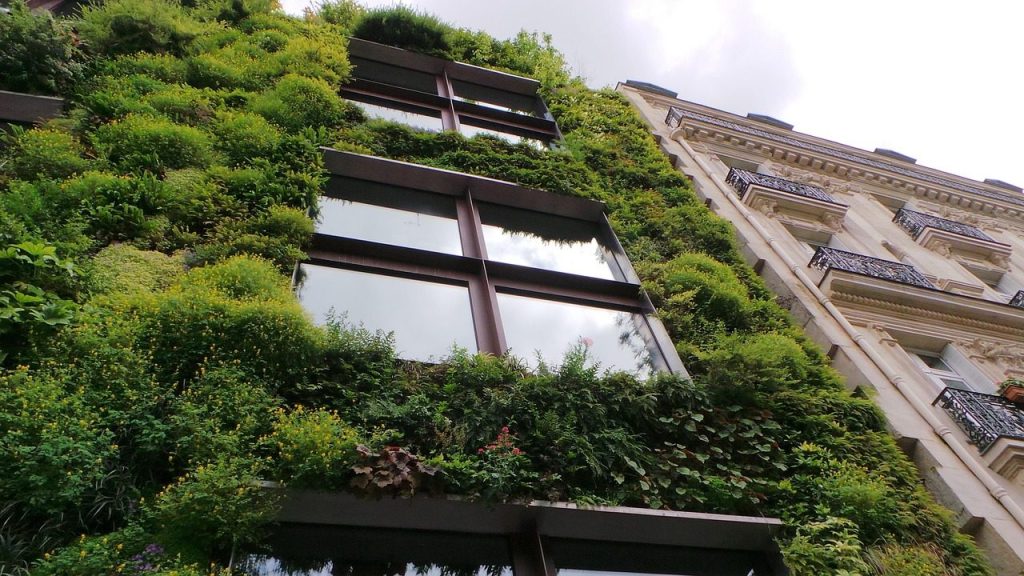
    wall, eco, eco wall, green, nature, building, live wall, facade, vegetation, gardening, plants, decoration, natural, environment, urban, architecture, eco wall, eco wall, eco wall, eco wall, eco wall, live wall
    Photo by naramfigueiredo on Pixabay

    These new buildings are designed to harvest sunlight and water just like a natural plant. They feature “sun-tracking” glass that directs light to the growing areas inside. Specialized pipes collect rainwater from the roof and distribute it through the building’s “veins” to the crops.

    The building is a self-contained ecosystem that minimizes waste and maximizes growth. It is a masterpiece of biomimicry that makes the city feel like a forest. For the first time, our urban centers are helping the planet instead of hurting it. But how do you grow food without any soil?

    The Magic of Hydroponic Walls

    plant, hydroponic, nature, growth
    Photo by cepris on Pixabay

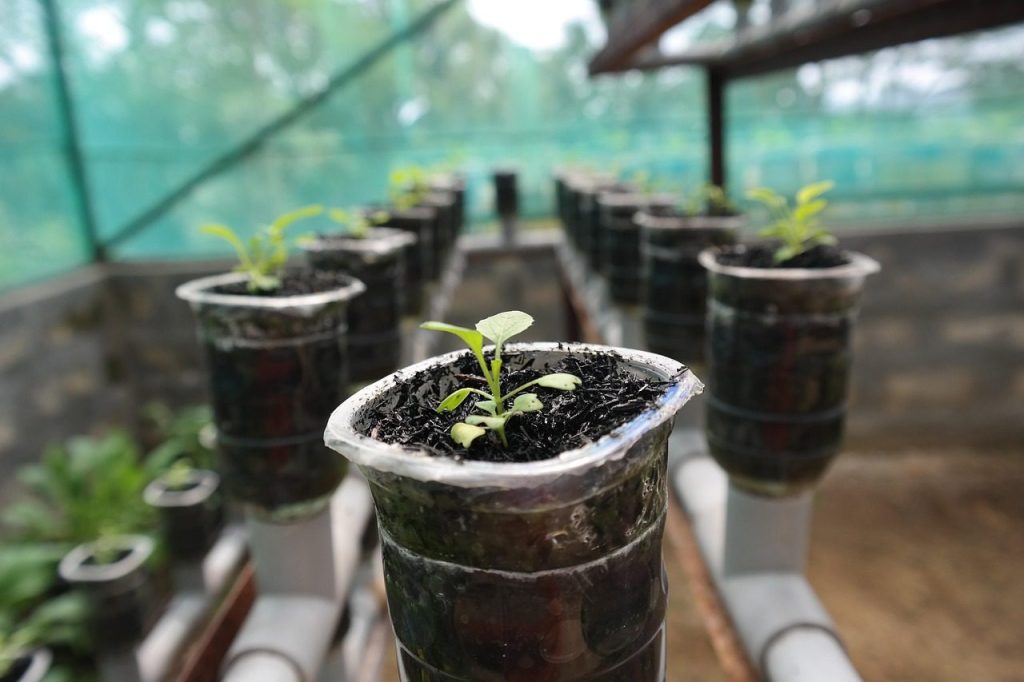
    Instead of heavy dirt, these vertical farms use “Aeroponics” and “Hydroponics.” The roots of the plants hang in the air and are sprayed with a nutrient-rich mist. This allows the plants to grow 50 percent faster while using 90 percent less water than traditional farming.

    Because the environment is controlled, there are no pests, which means zero pesticides. The food is cleaner and healthier than anything you can buy at a traditional store. It is the ultimate “smart” garden for the modern world. But who is actually doing the farming?

    Robotic Harvesters in the Hallways

    a greenhouse with plants
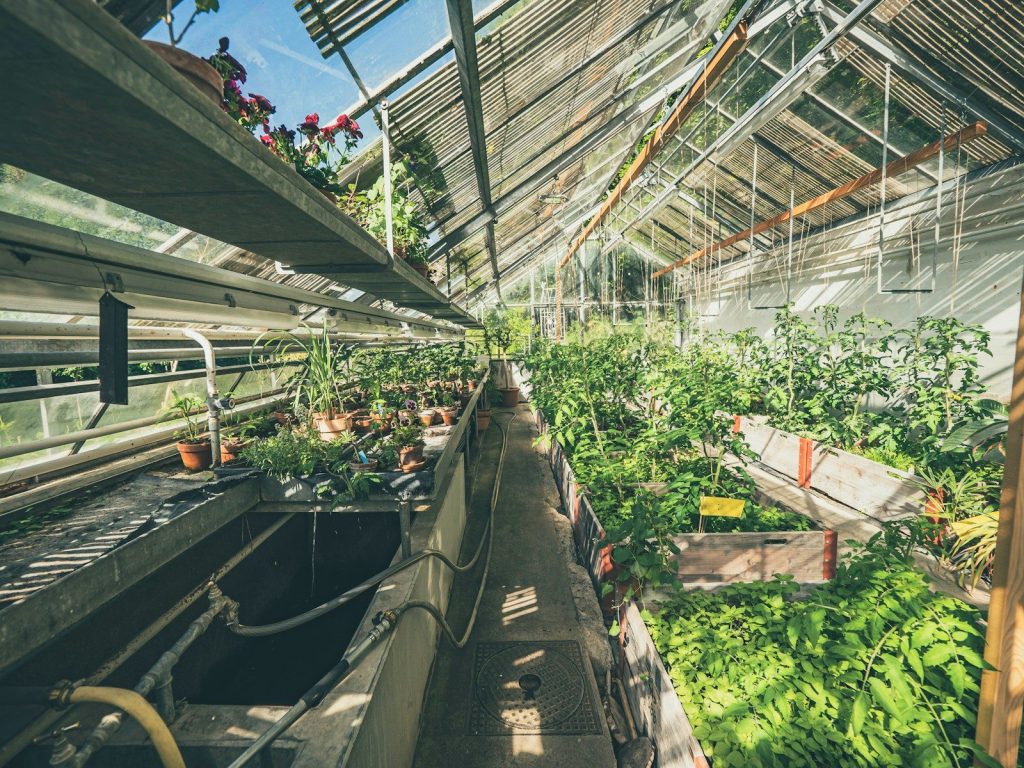
    Photo by neil macc on Unsplash

    You won’t see farmers with tractors in these buildings. Instead, tiny “Agro-Bots” move along tracks built into the walls. They monitor the health of every single plant and harvest them at the exact moment they are ripe.

    The food is then delivered to a centralized “market” in the building’s lobby. Residents can pick up fresh berries and greens on their way home from work. It is a level of convenience and freshness that was never possible before. But is this architecture affordable for everyone?

    Social Housing That Comes with Free Food

    building, facade, blur, balconies, apartment, urban, city, blur, blur, blur, apartment, apartment, apartment, apartment, apartment, city
    Photo by jandobry1 on Pixabay

    Many of these new “Agro-Skyscrapers” are being built as part of public housing projects. By integrating food production into the building, governments are lowering the cost of living for thousands of families.

    It is a revolutionary way to fight hunger and urban poverty. A family living in these buildings doesn’t have to worry about the rising price of groceries. They have a reliable source of nutrition right at their doorstep. It is architecture with a heart. But what happens to the air inside these buildings?

    The Cleanest Air in the World

    ai generated, office, desk, computer, workplace, nature, indoor plants, plants
    Photo by 1tamara2 on Pixabay

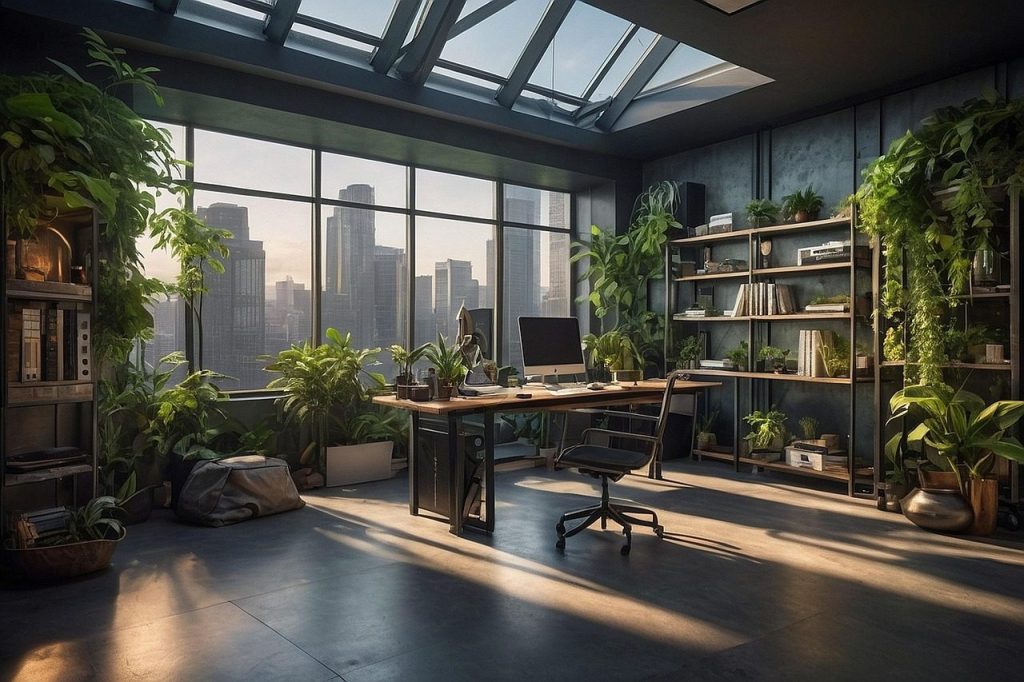
    Because these buildings are filled with millions of plants, the air quality is incredible. The plants act as a natural filter, sucking up CO2 and pumping out fresh oxygen. Walking through the lobby feels like walking through a rainforest.

    Residents report feeling happier, more focused, and less stressed. The “Agro-Urban” movement is a win for both the body and the mind. We are finally building cities that help us breathe. But how much energy does it take to run a farm in a building?

    A Zero-Carbon Urban Future

    low-angle photography of high-rise commercial building during daytime
    Photo by Scott Webb on Unsplash

    These buildings are powered by a combination of transparent solar windows and the methane-capture technology we mentioned earlier. They actually produce more energy than they use. The excess power is sent back to the city grid to help power older buildings.

    It is a total transformation of the urban economy. We are moving from a world of “scarcity” to a world of “abundance.” Our cities are becoming the power plants and the farms of the future. But are you ready to see the island nations that are doing this on a global scale?

    The Blueprint for a Living Planet

    A woman gardener enjoying her time in a lush urban rooftop garden surrounded by skyscrapers.
    Photo by Matheus Bertelli on Pexels

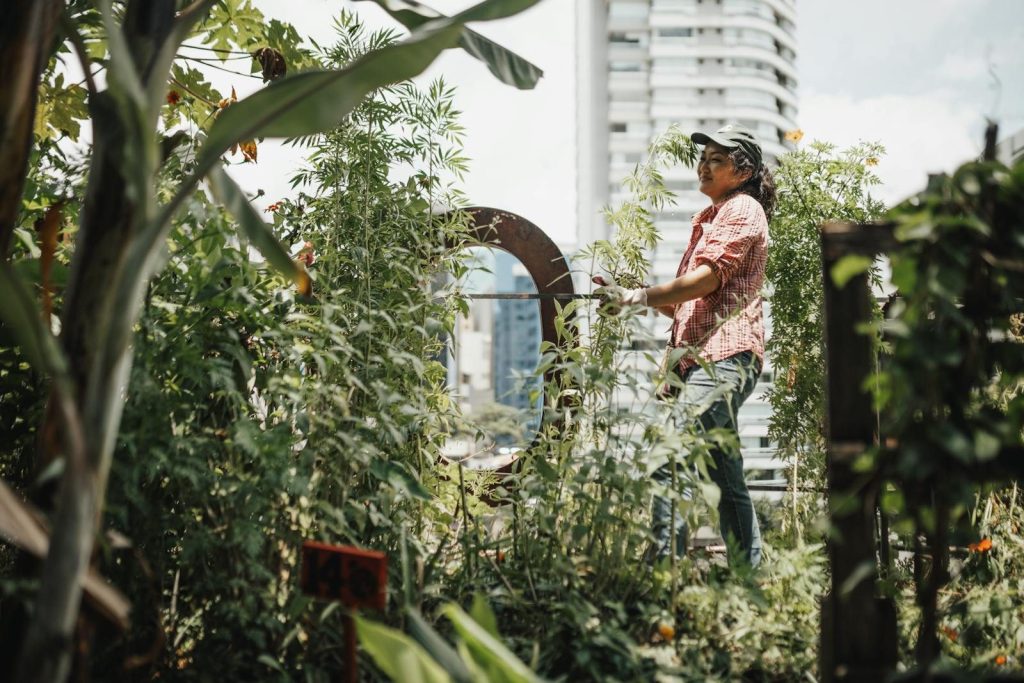
    As we look at the architecture of 2026, we see a bridge between human technology and the natural world. We are no longer building boxes for people to live in; we are building systems that support life. The “Agro-Skyscraper” is the ultimate tool for a growing population on a changing planet.

    It is a future where everyone has a seat at the table. But the most incredible energy breakthrough isn’t happening in the city—it’s happening in the middle of the ocean. Are you ready for the island of the future?

    Featured Image: Photo by WILLIAN REIS on Unsplash

  • The Engineering Secret to Building Wooden Skyscrapers

    The Engineering Secret to Building Wooden Skyscrapers

    For over a century, we believed that the only way to build “up” was with steel and concrete. But those materials are massive carbon emitters. Now, a revolution is happening in the world of engineering: “Mass Timber.” Engineers are now building 25-story towers entirely out of wood. This isn’t the wood you find in a hardware store. It is “Cross-Laminated Timber” (CLT), a material that is as strong as steel but a fraction of the weight.
    The secret lies in the way the wood is layered and glued together. It creates a solid panel that can support incredible weight. These buildings are faster to build, better for the planet, and surprisingly, they are safer in a fire than steel. While a steel beam will melt and buckle in extreme heat, mass timber forms a protective “char” layer that keeps the structure standing. But wait until you see how these buildings are “snapped” together like a giant puzzle.

    The LEGO Blocks of Modern Engineering

    hand, tool, spanner, mechanic, wrench, holding, screw, metal, object, work, equipment, construction, steel, hold, industry, worker, mechanical, hardware, key, industrial, repair, metallic, iron, service, human, occupation, machine, male, men, shiny, spanner, spanner, spanner, spanner, spanner, mechanic, wrench, wrench, wrench
    Photo by artursfoto on Pixabay

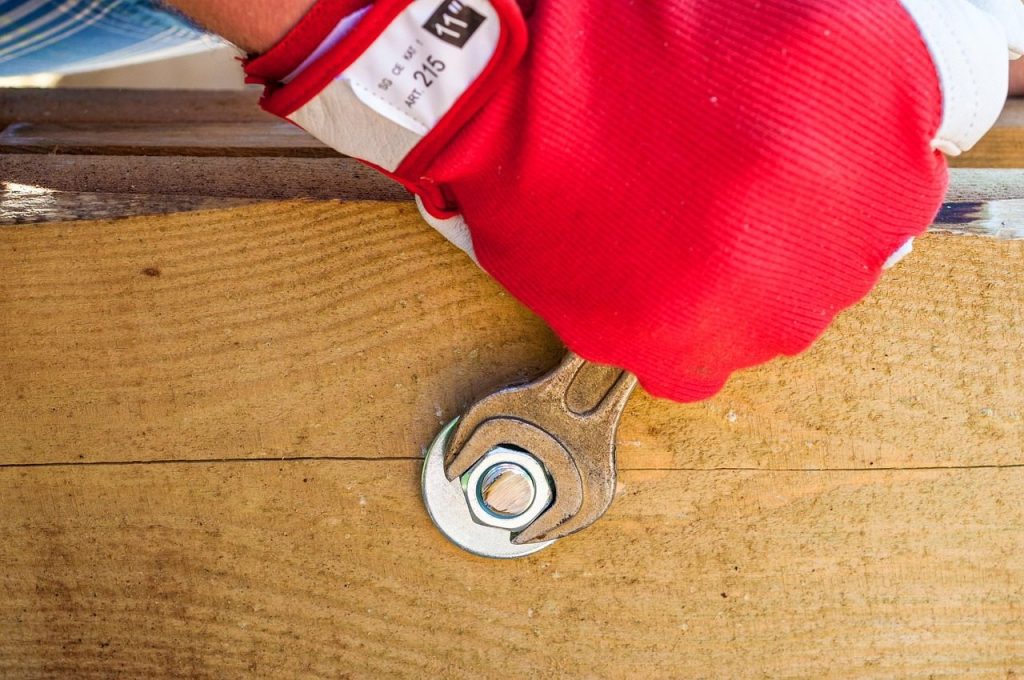
    Wooden skyscrapers are built in a factory before they ever reach the site. Every panel is cut with laser precision to include holes for plumbing and electricity. When they arrive, workers simply bolt them together. This reduces construction noise and cuts the building time by months. It is a cleaner, quieter way to build a city. But how do you stop a wooden tower from swaying in the wind?

    Dampening the Sway of a Giant Tree

    a close-up of a building
    Photo by Daniel Wong on Unsplash

    Wood is naturally flexible, which is great for earthquakes but tricky for high winds. To keep residents from getting seasick, engineers use “tuned mass dampers.” These are giant weights at the top of the building that move in the opposite direction of the wind. They act like a counter-balance, keeping the tower perfectly still. But wait until you see the secret “fire test” that convinced the world wood is safe.

    The Science of Fireproof Wood

    flame, grill, flames, grilling, hot, fire, mood, burn, fireplace, money, wood, embers, yellow, heat, bbq, steak, barbeque, meal, charcoal, fun, rust, grill proof
    Photo by ToNic-Pics on Pixabay

    It sounds impossible, but thick wood is actually very hard to burn. Like a giant log in a fireplace, it takes a long time to catch fire. The outside chars create an insulating layer that protects the internal wood from the heat. In tests, these beams stayed strong for hours while steel beams nearby melted. This discovery changed building codes around the world. But wood isn’t just about safety; it is about saving the atmosphere.

    Buildings That Act Like Giant Carbon Sponges

    green leafed trees surrounded by grass
    Photo by Alejandro Alas on Unsplash

    Every wooden skyscraper is a massive carbon sink. Trees pull CO2 from the air as they grow. When we turn them into a building, that carbon is locked away for a century. Meanwhile, making steel and concrete releases tons of carbon. Switching to wood could be one of our most powerful tools against climate change. But where do we get all this wood without destroying our forests?

    The Rise of Sustainable Mega Forests

    Vibrant young oak sapling thriving in lush green forest under dappled sunlight.
    Photo by Lauri Poldre on Pexels

    We aren’t cutting down old-growth rainforests for these buildings. Instead, engineers use fast-growing pines from managed forests. For every tree cut down, three more are planted. These forests are managed by AI to ensure they stay healthy and diverse. It turns the construction industry into a part of the natural cycle. But wait until you see the “hybrid” towers that use the best of both worlds.

    Merging Wood With the Power of Steel

    clothes, clothing, fashion, store, clothing store, shop, racks, style, female fashion, retail, sale, shopping, clothes, clothes, clothes, clothes, clothes, clothing, clothing, clothing, fashion, store, clothing store, clothing store, shop, retail, retail, shopping, shopping, shopping
    Photo by Pexels on Pixabay

    Some of the tallest wooden towers use “hybrid” designs. They have a concrete core for elevators, but use wood for the floors and walls. This gives the building the strength of concrete but the light weight and environmental benefits of wood. It is the perfect compromise for reaching new heights. But what does it feel like to actually live inside a giant tree?

    The Psychological Power of Living in Wood

    architecture, interior, room, modern, house, furniture, home, contemporary, residence, window, building, estate, comfortable, indoor, floor, design, apartment, visualization, render, brown home, brown house, brown building, brown window, brown room, brown design, brown interior, interior, room, house, home, residence, floor, floor, floor, apartment, apartment, apartment, apartment, apartment
    Photo by ehrendreich on Pixabay

    Studies show that living in wooden buildings reduces stress and lowers heart rates. It is called “biophilic design”—the idea that humans are happier when surrounded by natural materials. These buildings smell like the forest and stay naturally warm in the winter. We are moving away from cold, gray cities toward warm, living ones. But if you think a wooden wall is cool, wait until you see the wall that can charge your phone.

    Featured Image: Photo by Gilley Aguilar on Unsplash