Category: Technology

  • Why cheaper Windows laptops may finally get interesting again

    Why cheaper Windows laptops may finally get interesting again

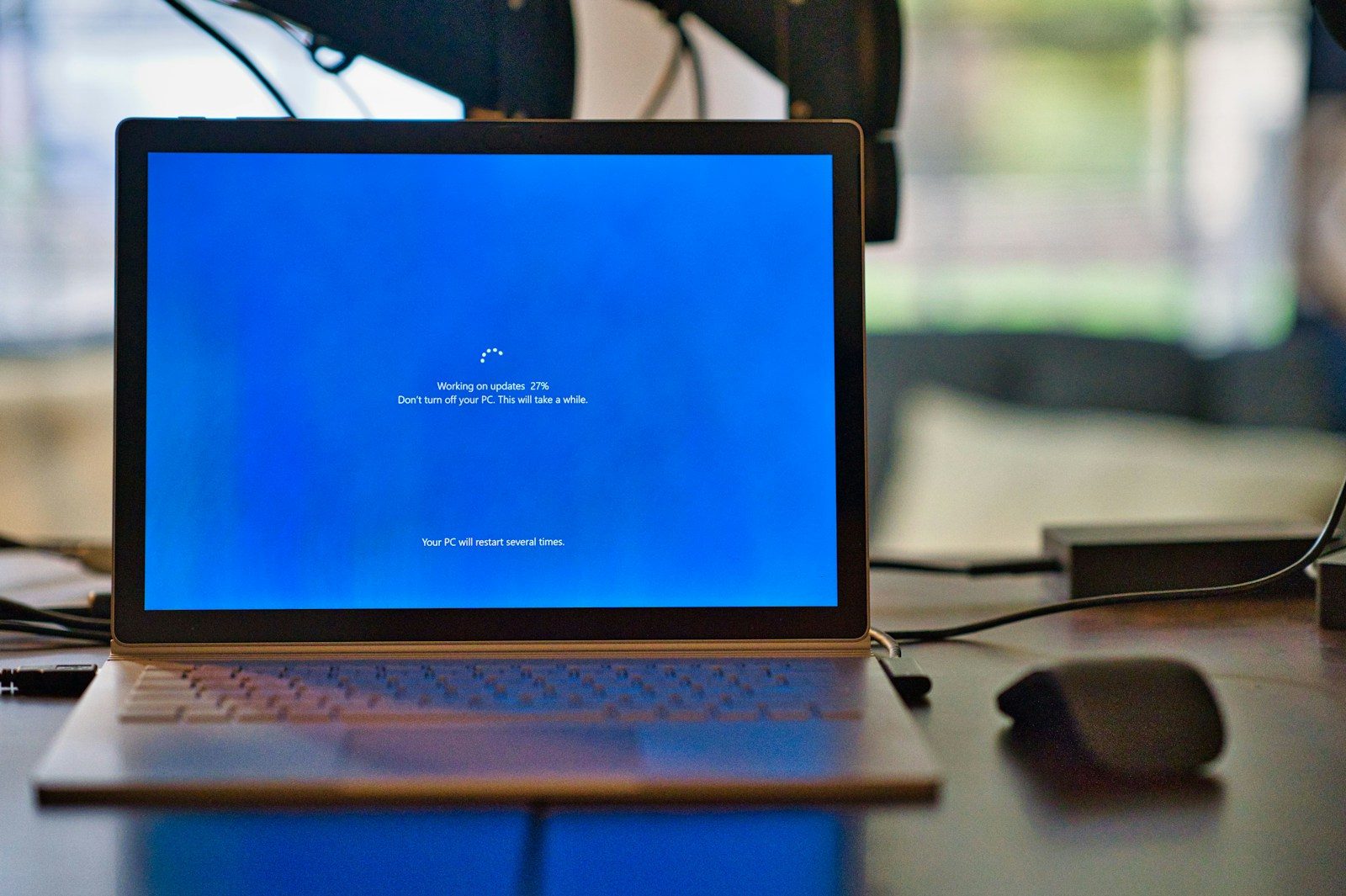
    Cheap Windows laptops have had a rough reputation for years. Many felt slow, looked plain, or cut too many corners just to hit a low price. But that story may be changing as new chips, better battery goals, and the push toward Windows 11 bring fresh pressure to the budget laptop market.

    Microsoft says Windows 10 support ended on October 14, 2025, which means many older PCs are now due for replacement. At the same time, Copilot+ PCs require newer AI hardware, including an NPU capable of 40+ TOPS, pushing chipmakers to bring more modern features into wider price ranges. That could make cheaper Windows laptops feel less like compromises and more like practical everyday machines.

    New chips are changing value
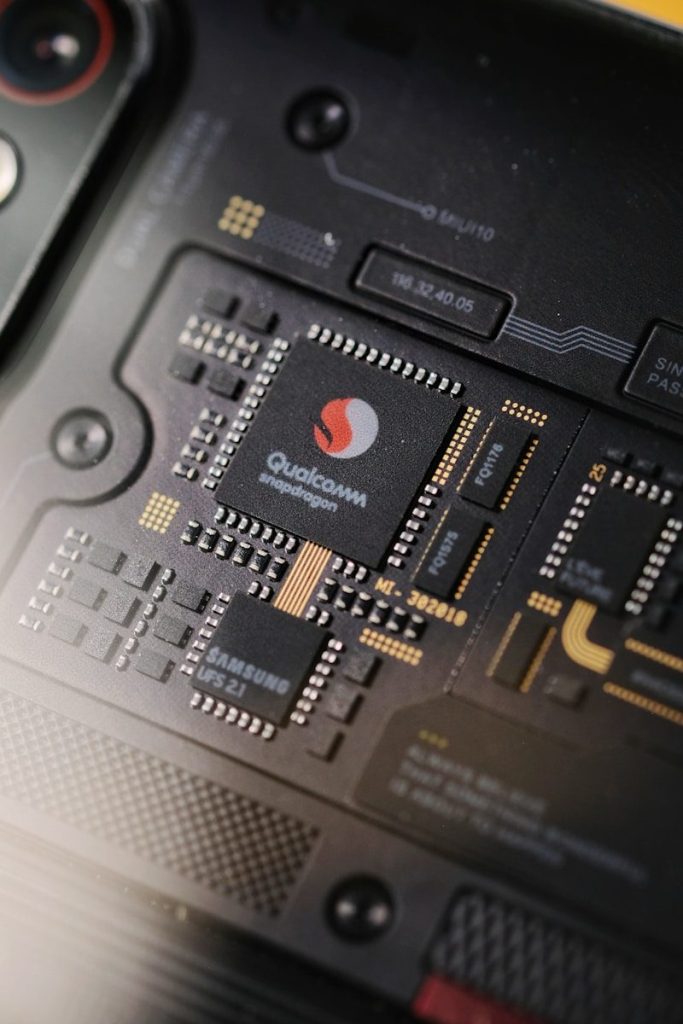
    Close-up of a smartphone's internal qualcomm snapdragon processor.
    Photo by Phước Sang on Unsplash

    Budget laptops used to feel behind the curve quickly. A low price often meant weaker performance, shorter battery life, and a machine that aged fast.

    That may change as newer Intel, AMD, and Qualcomm chips move into more affordable systems. These processors are built with better efficiency in mind, which can help cheaper laptops feel smoother for school, work, streaming, and daily browsing.

    AI features are moving down

    A tall building with a microsoft logo on top of it
    Photo by Simon Ray on Unsplash

    AI PCs are no longer only a premium idea. Microsoft says Copilot+ PCs include a 40+ TOPS NPU, which is designed to handle AI tasks more efficiently on the device.

    That matters because cheaper laptops may start getting features that once sounded high-end. Better video calls, background effects, smarter search, and local AI tools could become part of more everyday machines over time.

    Windows 11 creates demand

    a macbook air laptop in the dark
    Photo by Sunrise King on Unsplash

    Windows 10 support ended on October 14, 2025, so many homes, schools, and small businesses now have a reason to replace older PCs.

    That refresh cycle could make budget Windows laptops more competitive. If millions of people need newer devices, brands have a strong reason to offer better low-cost models instead of saving every good feature for premium laptops.

    Battery life matters more
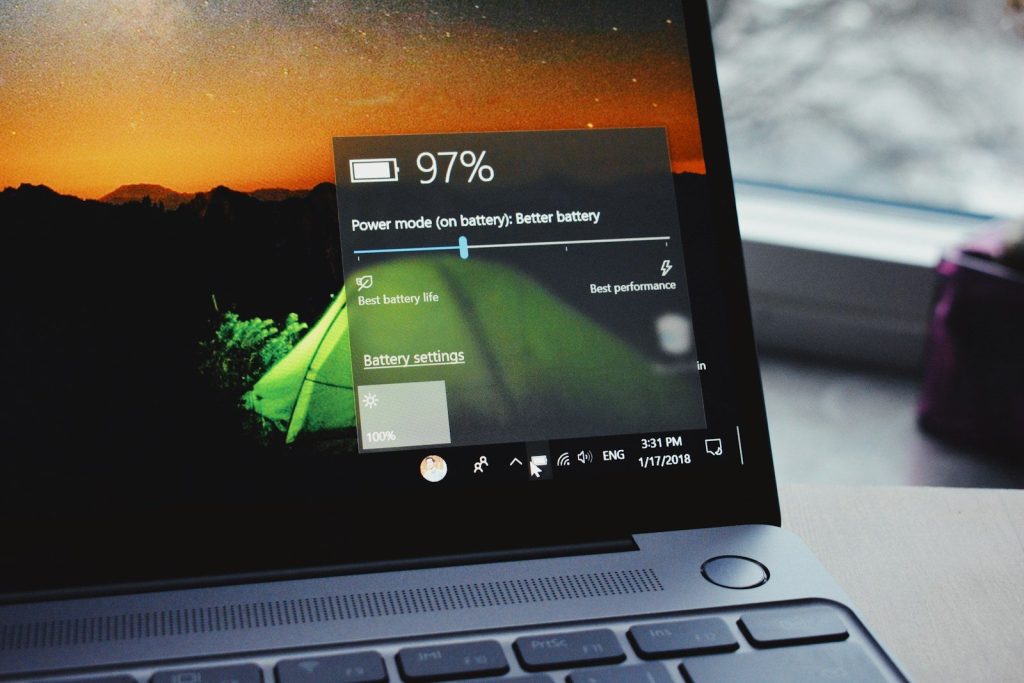
    turn-on laptop displaying 97 percent battery
    Photo by Panos Sakalakis on Unsplash

    A cheap laptop is not very useful if it always needs a charger nearby. That is why battery life has become a bigger part of the value story.

    Qualcomm promotes Snapdragon X Series laptops around long battery life, while Intel also highlights real-world battery efficiency in its Core Ultra systems. If these gains reach lower prices, budget laptops could become much easier to live with.

    Arm laptops add pressure
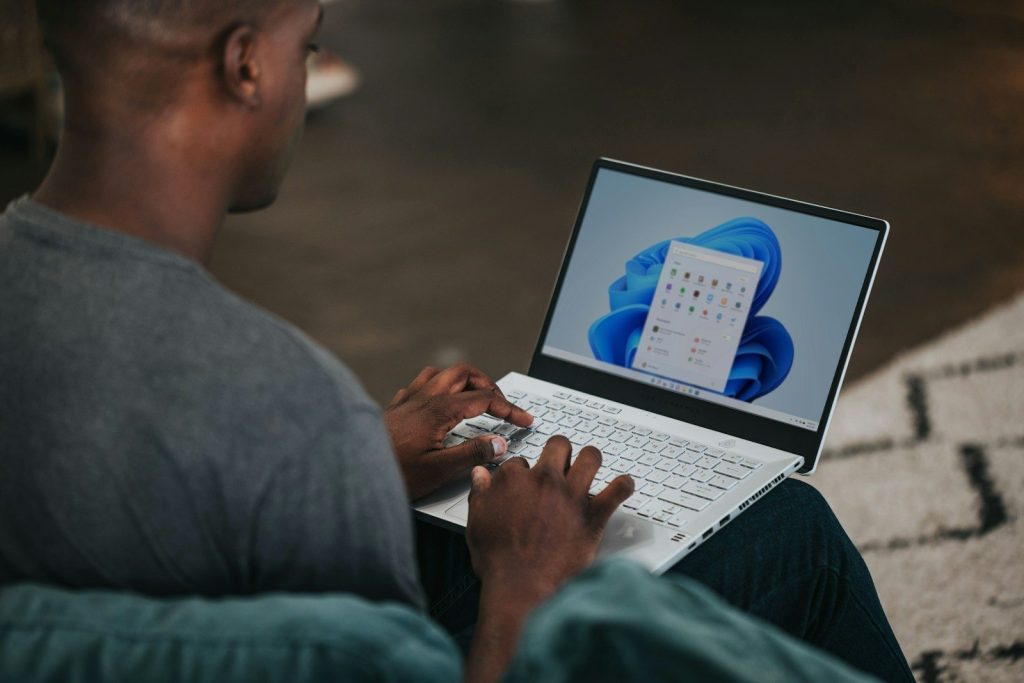
    man in gray long sleeve shirt using Windows 11 computer
    Photo by Windows on Unsplash

    Windows on Arm laptops are helping push the market in a new direction. They focus on long battery life, quiet designs, and efficient performance for everyday tasks.

    App compatibility has also improved. Microsoft says its Prism update helps Windows on Arm run more x86 apps and games on Windows 11 version 24H2 or later, which could make these laptops more practical for more buyers.

    Displays may get better
    a laptop computer sitting on top of a wooden desk
    Photo by Ricardo Resende on Unsplash

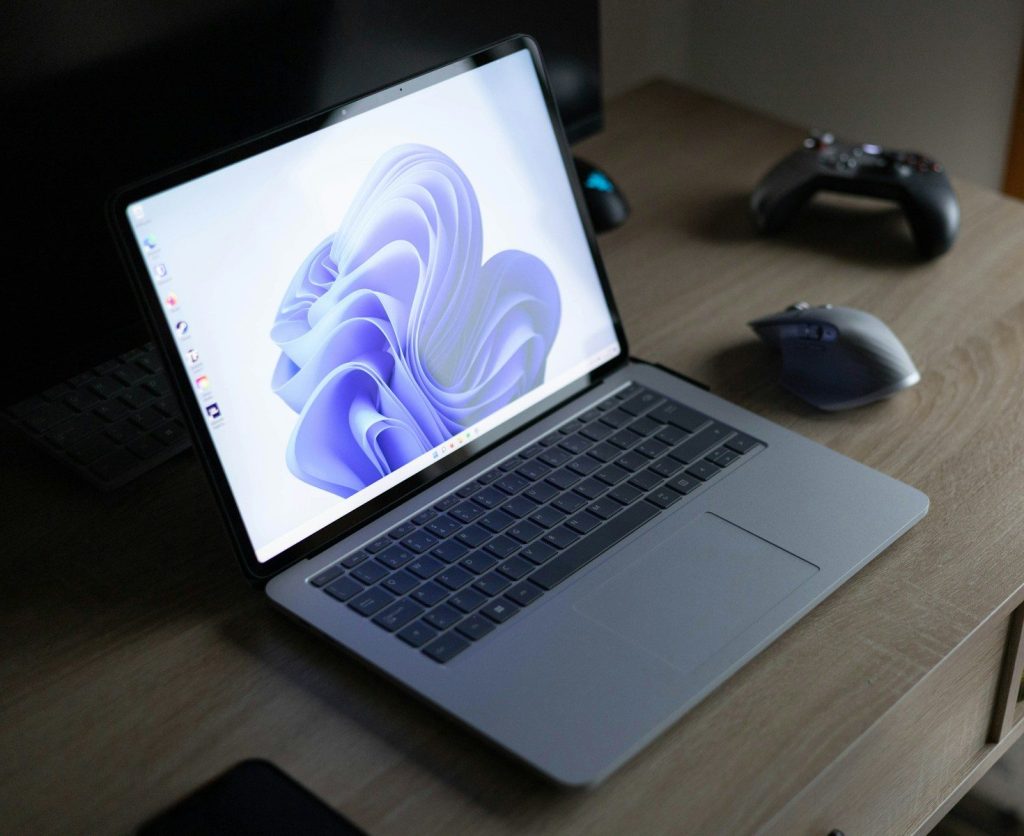
    Cheap laptops have often used dull screens with weak brightness or poor color. That can make even simple work feel less comfortable, especially in bright rooms.

    As competition grows, display quality may become a bigger selling point at lower prices. A sharper, brighter screen can make schoolwork, video calls, streaming, and web browsing feel much better without changing the whole laptop design.

    Memory is the new line
    SODIMM RAM stick
    Photo by Possessed Photography on Unsplash

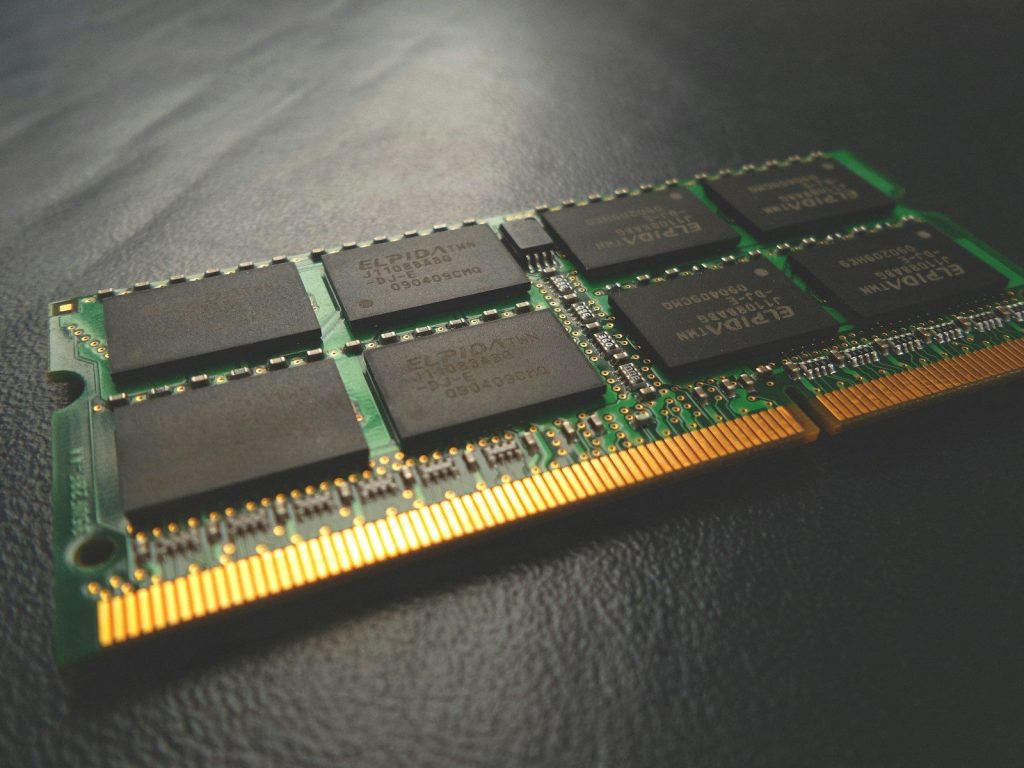
    Price still matters, but memory is becoming harder to ignore. Microsoft’s Copilot+ PC requirements point to newer hardware standards, and many AI-focused PCs now lean on stronger memory and storage setups.

    That could help buyers avoid the weakest budget models. A cheaper laptop with enough RAM and a solid-state drive can feel much more useful than one that only wins on sticker price.

    Competition helps shoppers
    shallow focus photography of person using gray Samsung laptop
    Photo by Brooke Cagle on Unsplash

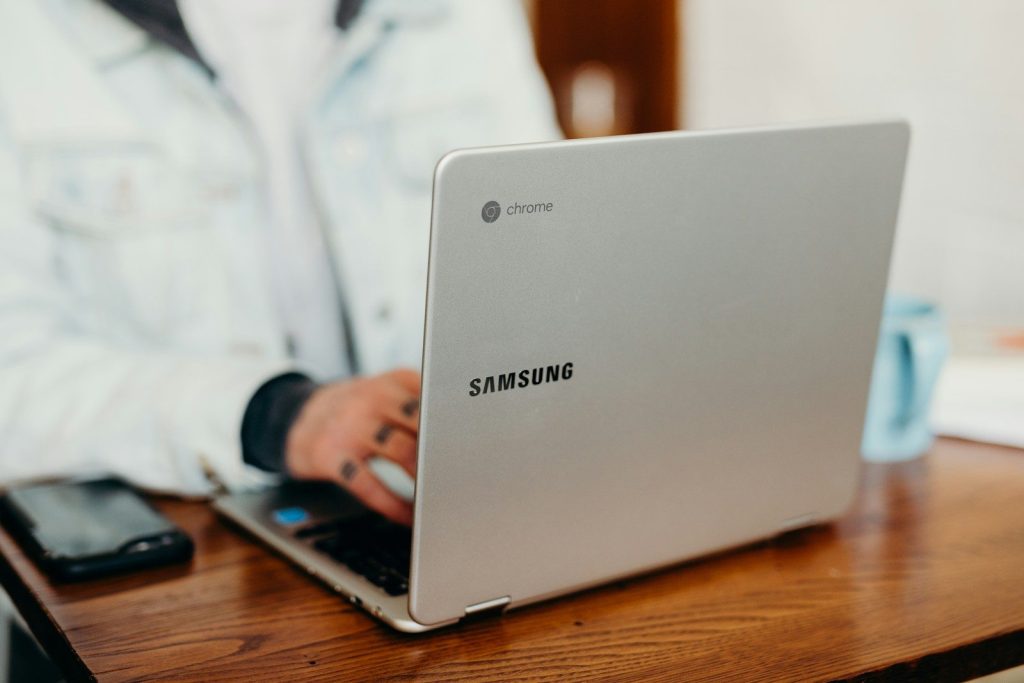
    The budget Windows laptop space is getting pressure from many sides. Chromebooks, tablets, used premium laptops, and affordable MacBooks all make buyers more careful.

    That pressure can be good for shoppers. Windows laptop makers may need to offer better keyboards, longer battery life, sharper screens, and stronger processors at prices that still feel reachable for families, students, and everyday users.

    Cheap may feel capable
    turned on Acer laptop on table near cup
    Photo by Anete Lūsiņa on Unsplash

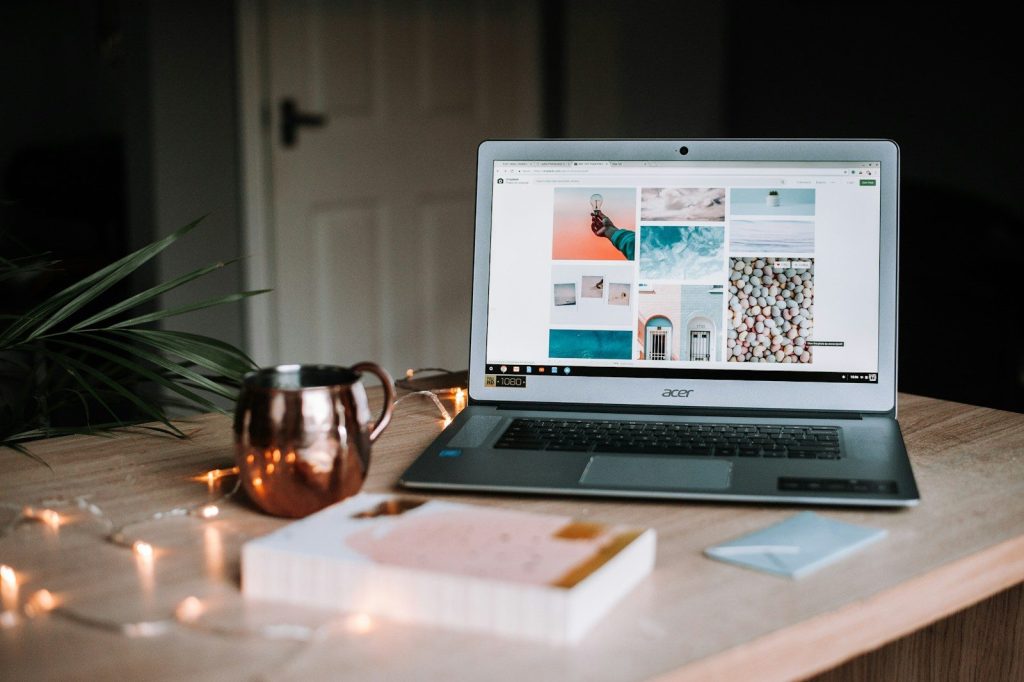
    The most interesting shift is not that every cheap laptop will become great. It is that more low-cost Windows laptops may finally feel good enough for real daily use.

    For buyers, the key will be looking past the lowest price. A budget laptop with a modern chip, enough memory, solid battery life, and a decent screen could feel far more useful than older bargain models.
  • How Ask YouTube could change video search

    How Ask YouTube could change video search

    Searching YouTube has always been a little hit-or-miss. You type a few words, scroll past thumbnails, open a video, skip around, and hope the answer is somewhere inside. Ask YouTube could make that process feel more like asking a real question. Google says the feature can answer complex questions using YouTube content and web information, while also helping people explore topics more deeply. It is currently tied to YouTube’s wider push into conversational AI and was announced as part of Google I/O 2026 updates.

    Instead of only showing a list of videos, Ask YouTube may give viewers written answers, suggested videos, and useful follow-up questions. That could change how people learn, compare, and discover videos.

    Search may feel more natural

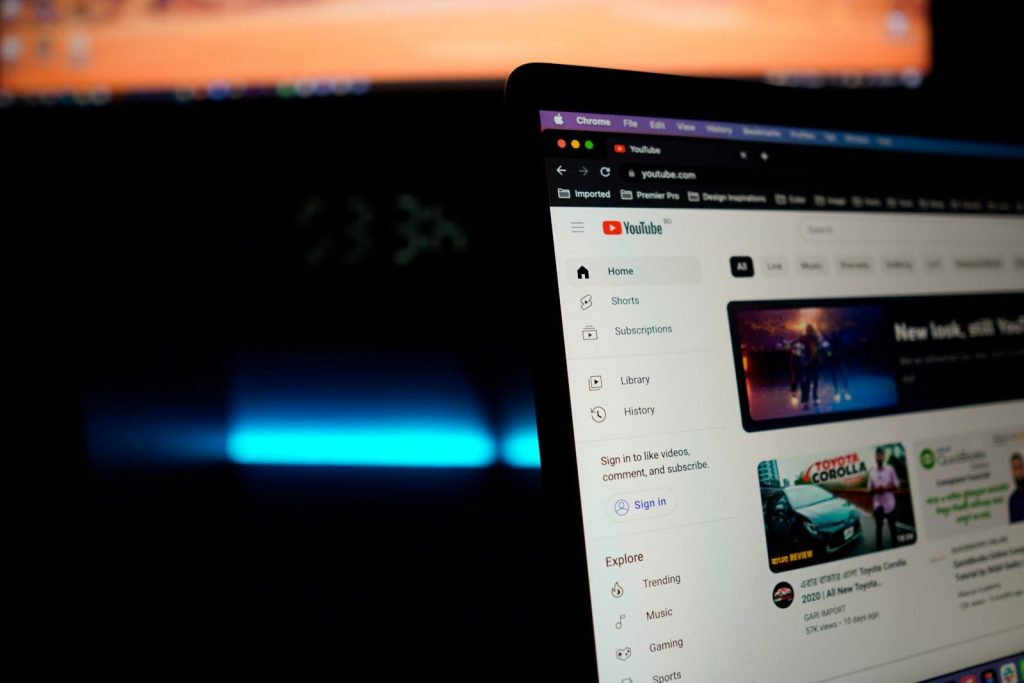
    Youtube application screengrab
    Photo by Christian Wiediger on Unsplash

    Most people do not think in perfect keywords. They ask things like, “What camera should a beginner use?” or “How do I fix this setting?” Ask YouTube is built for that kind of natural question.

    That could make video search easier for people who are not sure what terms to type. Instead of guessing the right keywords, users may be able to explain what they need in plain language and get a more helpful starting point.

    Answers could come faster

    graphical user interface
    Photo by Rashidul Islam on Unsplash

    Traditional video search often makes viewers do the hard work. You open a video, scan the timeline, read comments, and jump around until the answer appears. That can take longer than expected.

    Ask YouTube may shorten that process by giving a written answer first, then pointing to related videos. Reports say the tool can also show video results that open near the most useful part, which could save viewers time.

    Videos may get better context

    black headphones on MacBook Pro
    Photo by whereslugo on Unsplash

    A video title or thumbnail does not always explain what is inside. Sometimes a helpful answer is buried in the middle of a long video. Ask YouTube could make that hidden value easier to find.

    This matters for tutorials, reviews, explainers, and learning videos. A viewer may not need the whole video at first. They may only need the right section, a quick summary, or a better idea of whether the video is worth watching.

    Follow-up questions may matter

    Youtube logo displayed on a keyboard.
    Photo by Zulfugar Karimov on Unsplash

    One big change is the idea of continuing the search as a conversation. Instead of starting over with a new search, viewers may ask a follow-up question and keep moving through the topic.

    That could be helpful for learning something step by step. A person researching a school topic, home project, recipe, or tech problem could start broad, then narrow the search without losing the thread.

    Shorts could be easier to find

    Youtube logo on a black background
    Photo by Zulfugar Karimov on Unsplash

    YouTube is no longer just long videos. Shorts are a huge part of the platform, but they can be harder to search when someone wants a clear answer. Ask YouTube may help connect quick clips with longer videos.

    Google’s YouTube update says conversational search can help users find videos, while other AI tools are also being added around Shorts and creation. That means search and short-form discovery may become more connected.

    Viewers may need to verify

    Close-up of hands using a smartphone to watch YouTube outdoors, showcasing digital connectivity.
    Photo by Viralyft on Pexels

    AI answers can be useful, but they are not perfect. Search results can still miss context, and summaries can sometimes be incomplete or wrong. Viewers should still check the video source, creator, date, and details.

    That is especially important for topics where accuracy matters. Ask YouTube may make searching faster, but smart viewers will still compare sources and watch enough of a video to understand the full point.

    Creators may rethink titles

    selective focus photography of person using tablet computer
    Photo by CardMapr.nl on Unsplash

    If Ask YouTube becomes widely used, creators may think beyond catchy titles and thumbnails. Clear chapters, accurate descriptions, and well-structured videos could become even more important.

    A video that explains its topic clearly may be easier for AI search tools to understand and recommend. That could reward creators who organize their content well and answer viewer questions directly.

  • Why game controllers are being redesigned for the cloud

    Why game controllers are being redesigned for the cloud

    Game controllers used to be built mostly for one place: the couch in front of a console. Cloud gaming is changing that idea fast. Now players may start a game on a TV, continue on a phone, and later pick it back up on a laptop. That shift is pushing controller makers to think beyond the old living room setup.

    The biggest challenge is feel. Cloud games run on remote servers, so every button press has to travel through a network before the game reacts. That makes latency, comfort, phone support, battery life, and quick pairing much more important. Xbox says cloud gaming works across phones, PCs, consoles, and supported devices, while Amazon’s Luna Controller uses Cloud Direct to connect through Amazon’s game servers and reduce latency on supported devices.

    Speed matters more now

    two white controllers
    Photo by Kamil Switalski on Unsplash

    Cloud gaming depends on fast response. When a player presses a button, that command must reach a remote server, then the game video must stream back.

    That extra path makes controller delay easier to notice. This is why newer cloud-focused designs often try to reduce lag through wired USB-C, direct wireless links, or better connection options.

    Phones changed the shape

    Hands holding smartphone with game controller attachment
    Photo by Daniel Romero on Unsplash

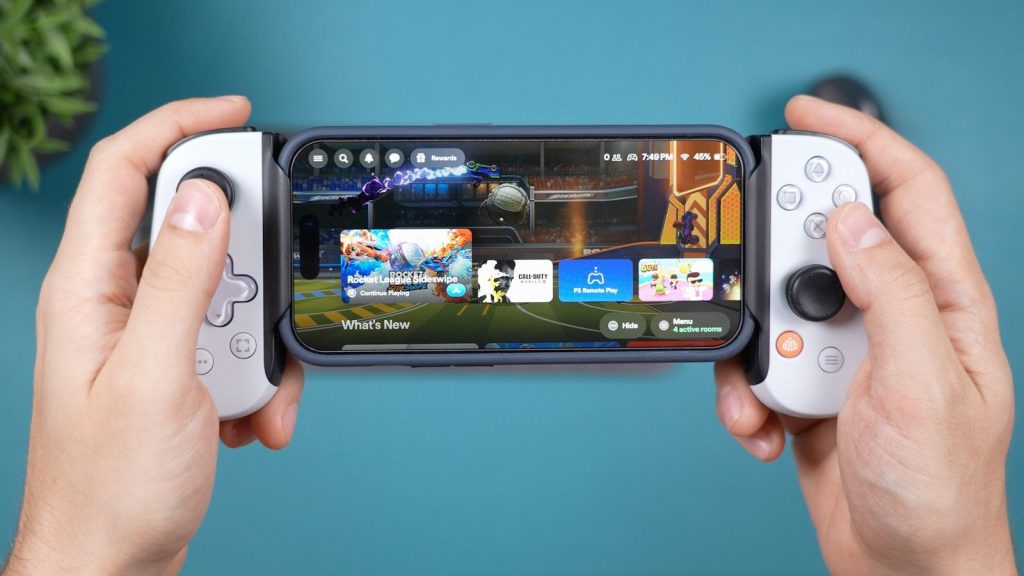
    Many cloud games are now played on phones, not just TVs. That has pushed controllers to wrap around mobile screens or hold phones more securely.

    This design makes a phone feel closer to a handheld console. Backbone’s Xbox Edition controller, for example, is built for USB-C phones and supports cloud gaming, mobile games, and remote play.

    Direct links reduce delay

    a close up of a laptop on a table
    Photo by dlxmedia.hu on Unsplash

    Bluetooth is convenient, but cloud gaming makes every small delay feel more important. Some newer controllers use direct USB-C or cloud-focused connections to make input feel quicker.

    Razer says its Kishi V2 uses a direct USB-C or Lightning connection to reduce input latency during gaming. Amazon also says Luna Controller’s Cloud Direct connection can reduce latency on supported devices.

    Pairing needs to be easier

    a person holding a video game controller in their hands
    Photo by Daniel Romero on Unsplash

    A cloud player may switch between a phone, tablet, laptop, smart TV, or console. That means controllers need to connect faster and remember more devices.

    The old one-device setup feels less useful now. A better cloud controller should help players move from screen to screen without a long setup each time.

    Comfort still matters

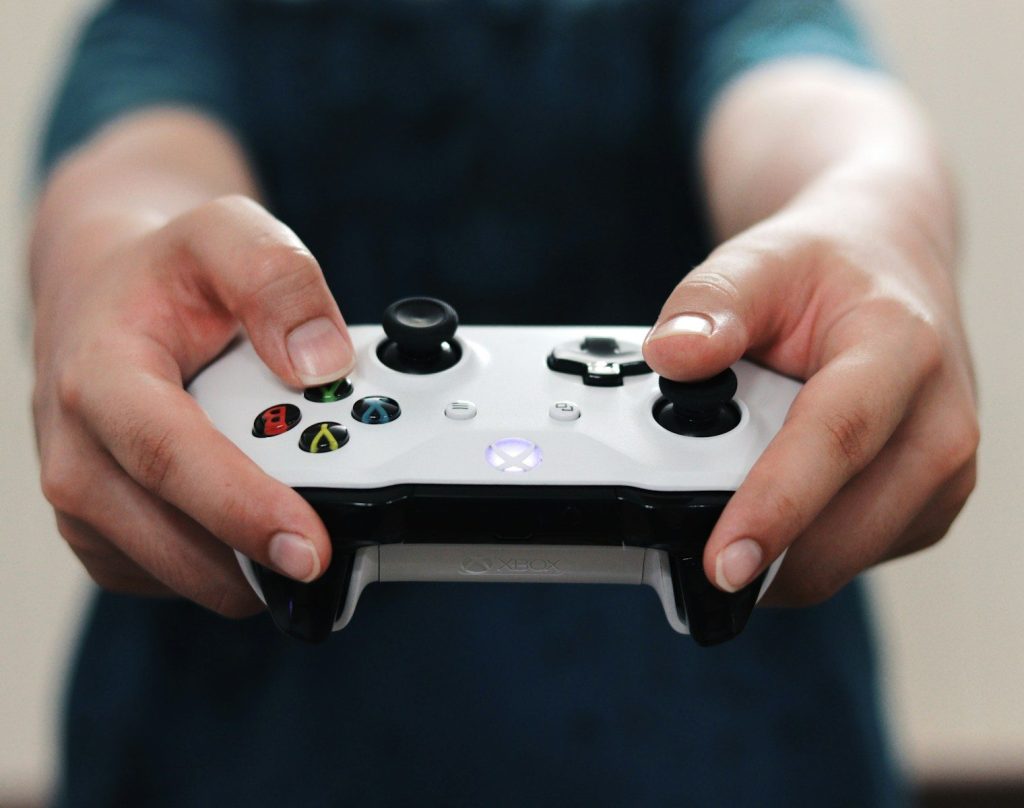
    person holding white and black xbox one game controller
    Photo by Habib Dadkhah on Unsplash

    Cloud gaming may be portable, but long play sessions still need comfortable controls. Small buttons, cramped grips, or awkward phone weight can make a controller tiring to hold.

    That is why many mobile controllers are shaped more like full-size console controllers. The goal is to keep the portable design while making the grip feel stable and familiar.

    Battery life is a bigger deal

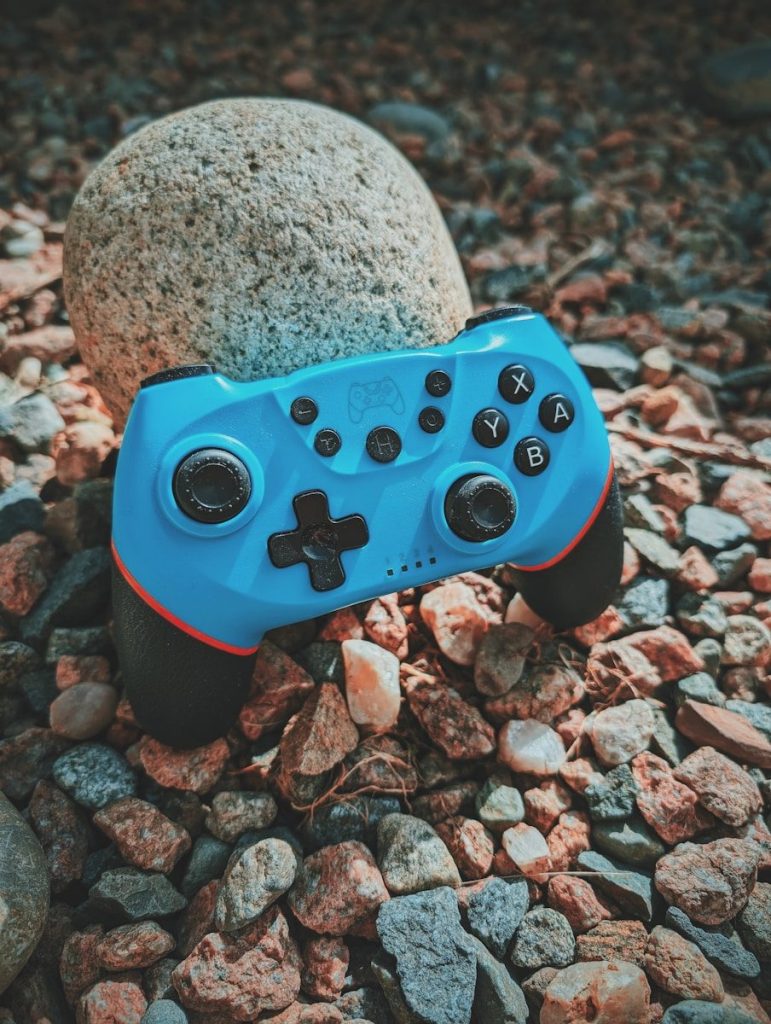
    a blue controller sitting on top of a pile of rocks
    Photo by Nick Nice on Unsplash

    A cloud controller may be used in more places than a living room. Players might use it on a commute, during travel, or in different rooms at home.

    That makes battery life and charging design more important. Pass-through charging is also useful because it can help keep the phone powered while the controller is attached.

    Touch controls need backup

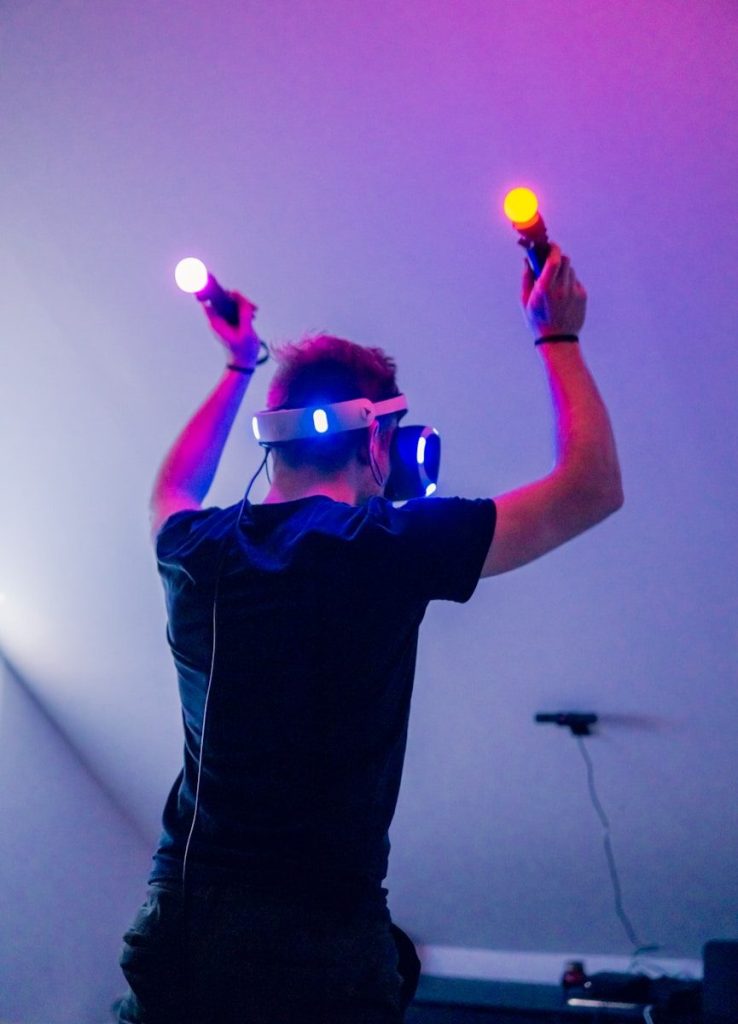
    man playing using VR headset
    Photo by David Dvořáček on Unsplash

    Some cloud games support touch controls, which can be helpful when a controller is not nearby. Xbox says supported games can be played with touch controls, along with controllers such as Xbox Wireless Controller and Sony DualShock 4.

    Still, many players prefer physical buttons for better control. Triggers, sticks, and buttons can make action, racing, sports, and adventure games feel more natural.

    Wi-Fi designs are emerging

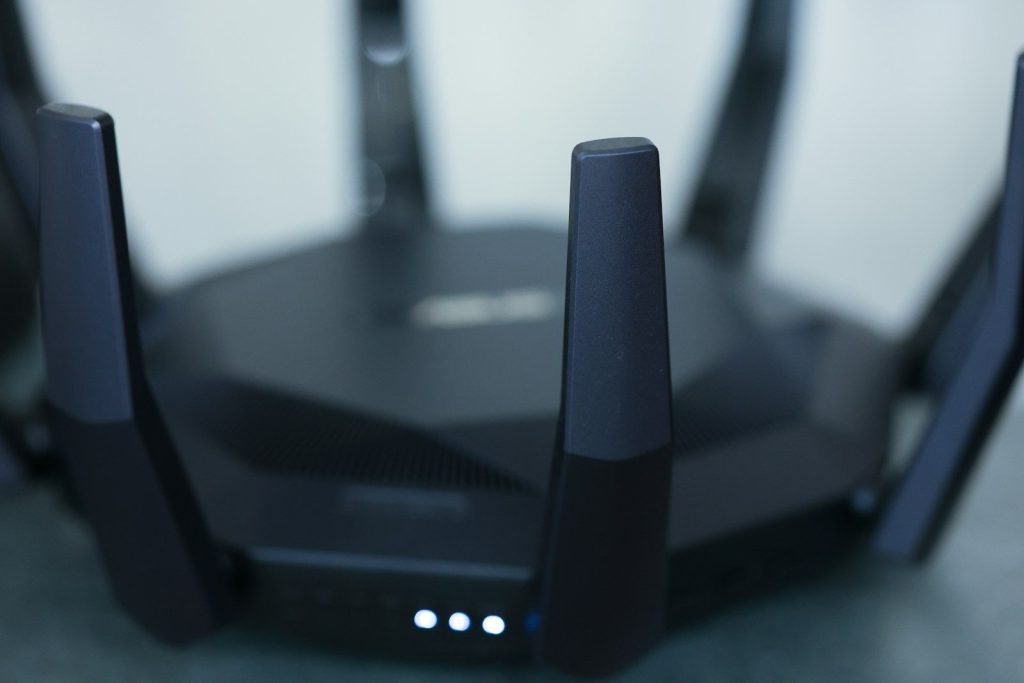
    A close-up of a wireless router.
    Photo by dlxmedia.hu on Unsplash

    Some cloud-focused controller ideas now look beyond standard Bluetooth. Recent reports about an unannounced Xbox cloud controller describe built-in Wi-Fi and a compact design aimed at cloud play.

    Those reports are still based on leaks, not a final official launch. But they show where controller design may be heading: faster cloud connections, lighter bodies, and easier switching between local and cloud modes.

    Compatibility is now central

    Couple playing video games on sofa
    Photo by Vitaly Gariev on Unsplash

    A good cloud controller needs to work with the services and screens people actually use. That includes phones, PCs, tablets, smart TVs, and supported streaming devices.

    Xbox lists tested and verified controllers for cloud gaming, and it also recommends keeping controller firmware updated for better performance. That makes compatibility checks more important before choosing a setup.

    The controller is becoming portable

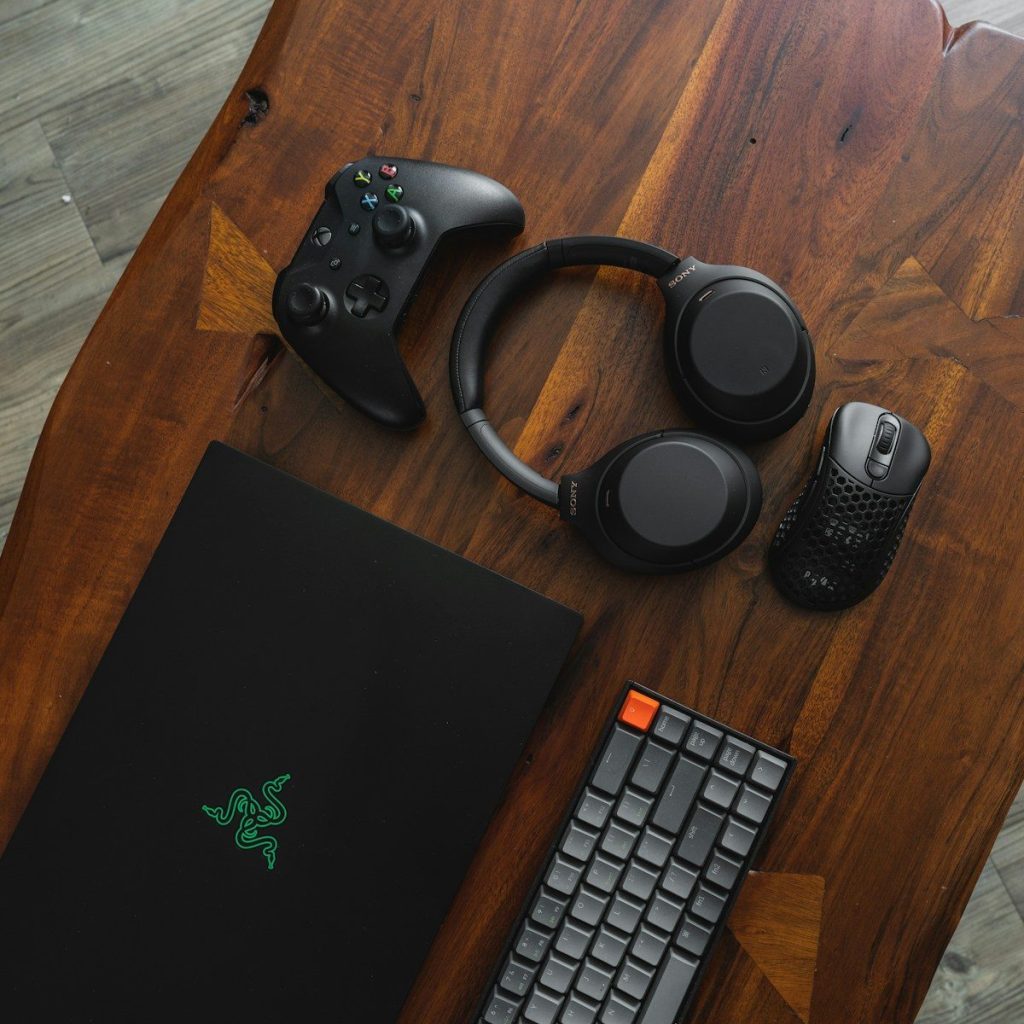
    black laptop computer beside black and silver headphones
    Photo by Sam Pak on Unsplash

    Cloud gaming is turning the controller into a travel-friendly tool, not just a console accessory. It has to be light, quick to connect, and comfortable across different screens.

    That is why controller redesigns matter. The best cloud-ready designs are not only about butto

  • Why gaming accessories are becoming a bigger business

    Why gaming accessories are becoming a bigger business

    Gaming accessories used to feel like extras. A second controller, a basic headset, or a charging cable was nice to have, but not always seen as part of the main setup. That has changed fast. More players now want gear that makes games feel smoother, more social, more comfortable, and easier to fit into daily life.

    The audience is also huge. The Entertainment Software Association said 205.1 million Americans ages 5 to 90 regularly played video games in its 2025 report, with an average player age of 36. That broad audience creates room for many kinds of accessories, from family-friendly controllers to premium headsets and adaptive devices.

    Players want better control

    black laptop computer beside black and silver headphones
    Photo by Sam Pak on Unsplash

    A controller is no longer just a simple plastic pad. Many players now care about comfort, button feel, battery life, grip, and extra features that help games feel more responsive.

    That demand makes controllers a major part of the accessory business. Some players buy extra controllers for family play, while others choose advanced models for quicker inputs or more custom settings. The more personal gaming becomes, the more important the controller feels.

    Headsets became everyday gear

    a pair of headphones sitting on top of a stand
    Photo by Barry A on Unsplash

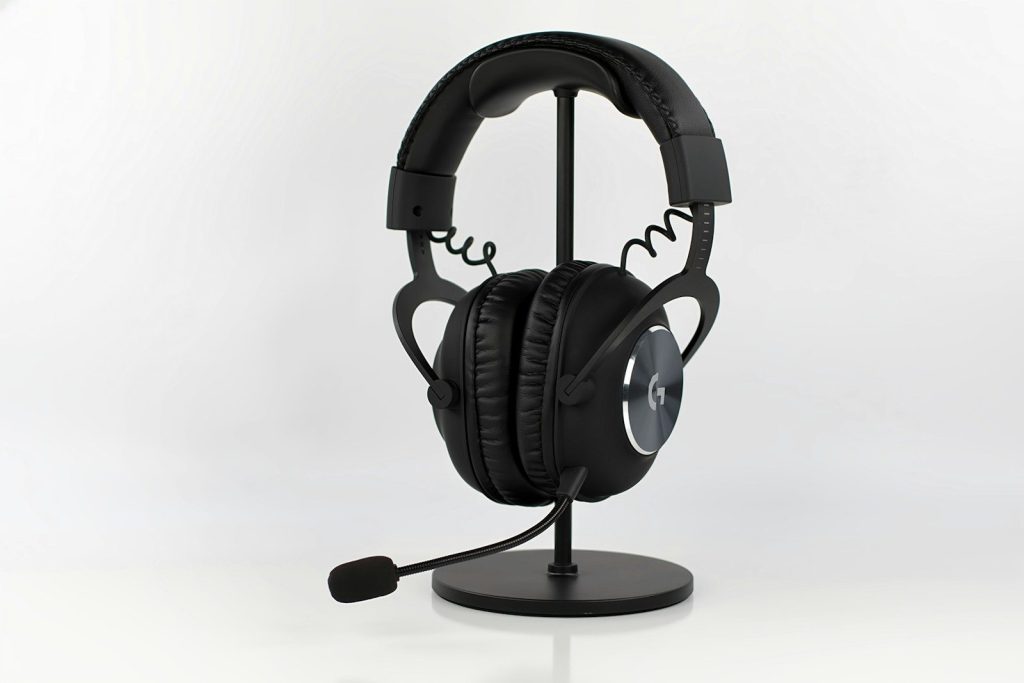
    Online gaming made headsets feel almost as important as the game itself. Players use them to hear small in-game sounds, talk with friends, and keep the TV volume lower at home.

    This helped turn audio gear into a steady business. A good headset can make a game feel more immersive, but it can also make group play easier. For many players, clear sound and a comfortable fit are now basic parts of the setup.

    Comfort is a selling point

    Gaming setup with laptop, keyboard, and rgb lighting.
    Photo by Gavin Phillips on Unsplash

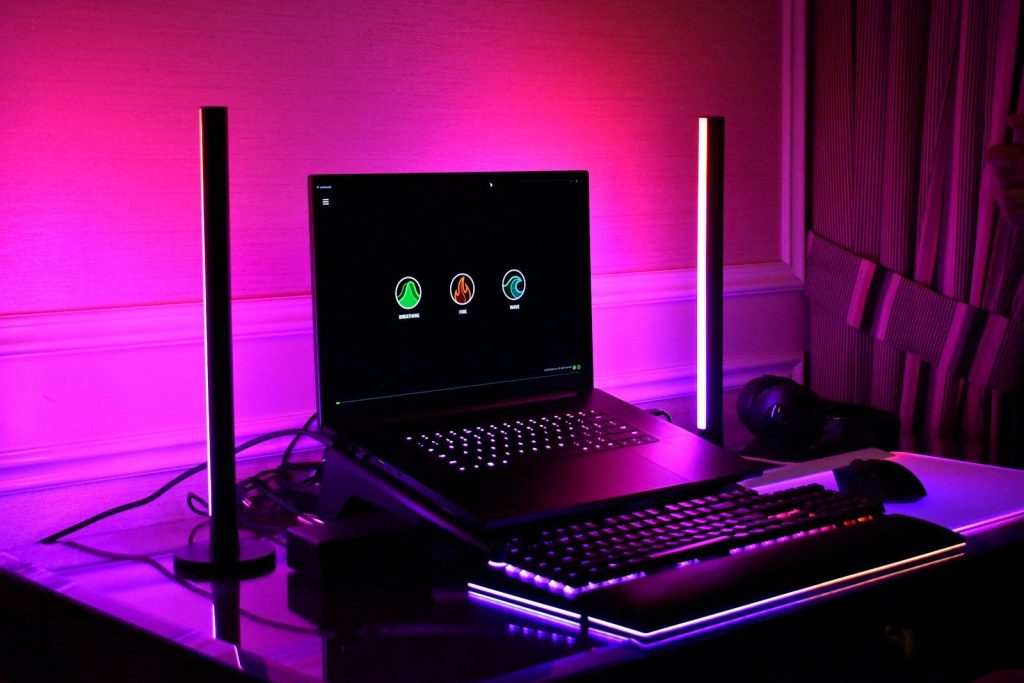
    Longer play sessions have made comfort a bigger deal. Players may look for thumb grips, controller stands, cooling gear, headset cushions, or chairs that make gaming feel easier on the body.

    Accessory makers benefit because comfort needs are personal. One player may want a lighter controller, while another may need a better headset fit. These small upgrades can feel meaningful, especially for people who play often.

    Custom setups feel personal

    two computer monitors sitting on top of a desk
    Photo by amjed omaf on Unsplash

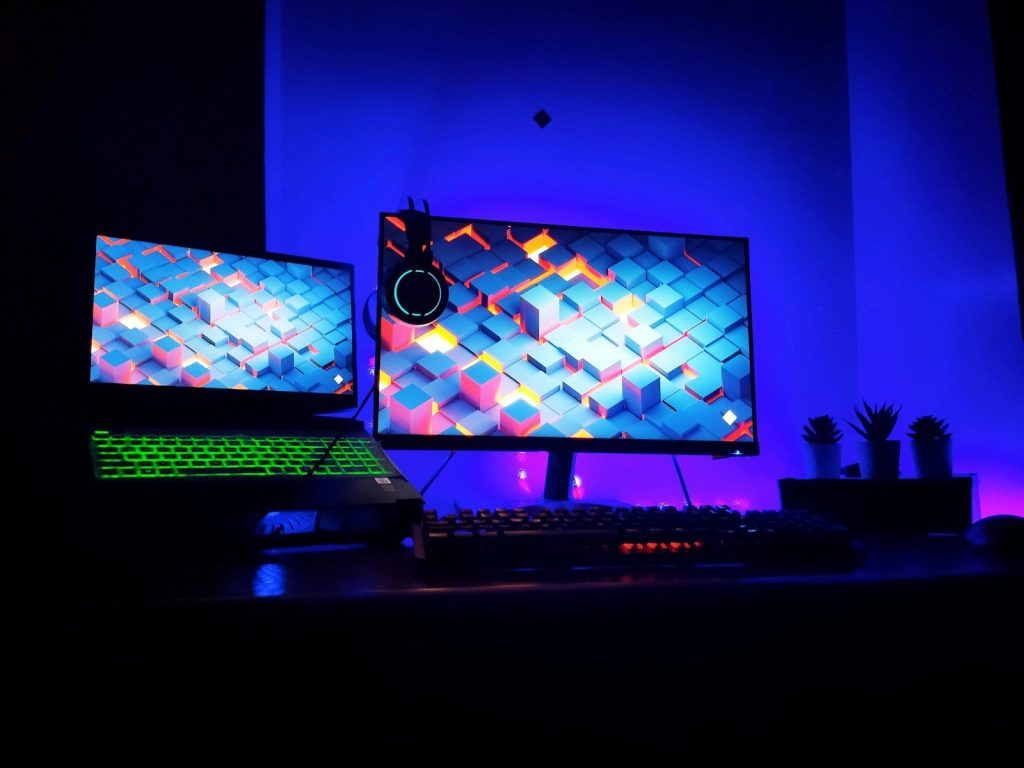
    Gaming has become part hobby, part self-expression. Many players like setups that match their style, from colorful controllers to themed cases, lights, stands, and desk gear.

    That makes accessories more than tools. They help players build a space that feels like their own. This is one reason the market keeps widening, because people are not only buying for performance. They are buying for identity, convenience, and fun.

    Portable gaming adds demand

    Two handheld gaming consoles side by side.
    Photo by Amanz on Unsplash

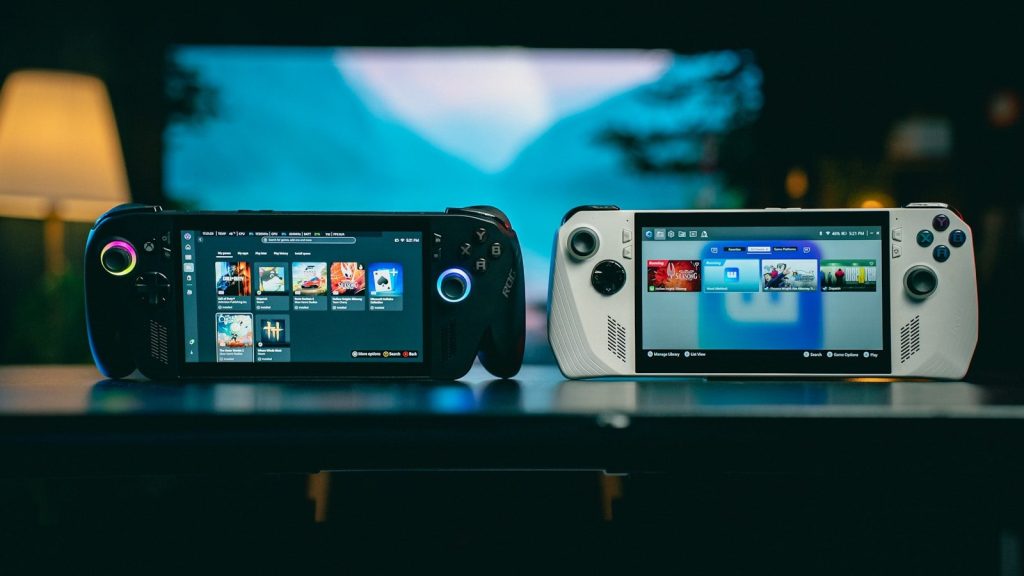
    Portable and hybrid gaming has created a bigger need for cases, chargers, screen protectors, docks, grips, and storage. When a device leaves the living room, accessories become more practical.

    Circana reported that U.S. video game accessories spending grew 5% year over year to $252 million in March 2026, and cases and organizers jumped sharply compared with March 2025. That shows how portable habits can lift smaller add-on categories.

    Accessibility is expanding the market

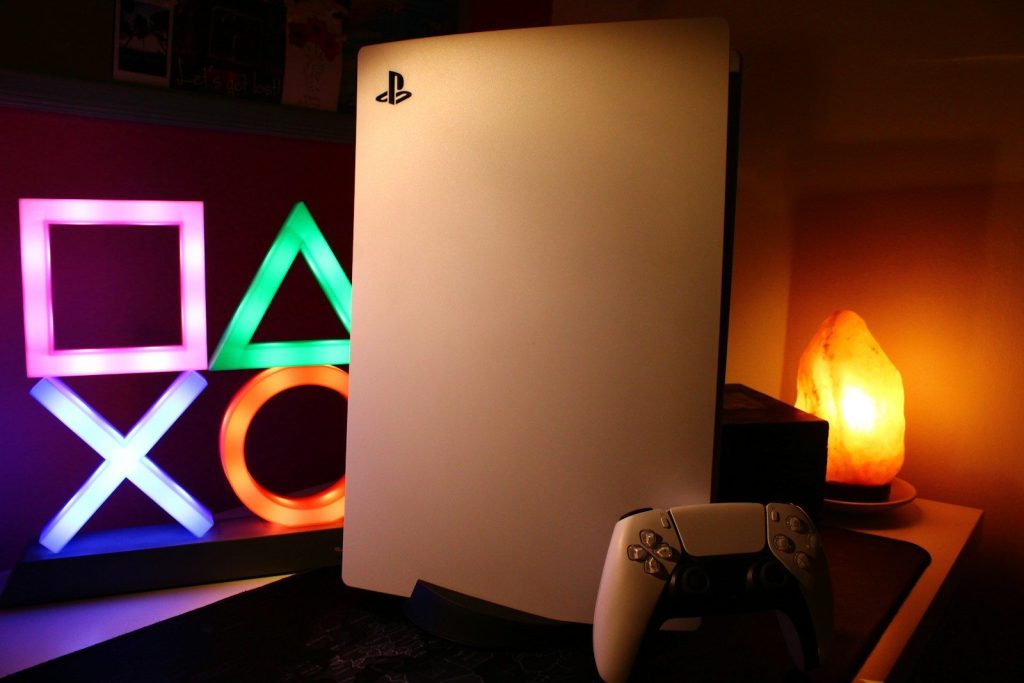
    a video game console sitting next to a neon sign
    Photo by Roberto Vincenzo Minasi on Unsplash

    Gaming accessories are also helping more people play in ways that fit their needs. Microsoft says the Xbox Adaptive Controller is designed mainly for gamers with limited mobility, while Sony’s Access controller for PS5 is built as a customizable adaptive controller kit.

    This matters for business and for players. Accessibility gear can open gaming to people who may not be comfortable with standard controllers. It also pushes the whole industry toward more flexible design.

    Brands see steady growth

    Nintendo kyoto store interior with merchandise displays
    Photo by Perry Merrity II on Unsplash

    Big accessory companies are treating gaming gear as a serious growth area. Reuters reported in May 2026 that Logitech’s gaming product sales rose 12%, helped by new launches, as the company posted stronger-than-expected quarterly results.

    That kind of growth explains why brands keep releasing new headsets, keyboards, controllers, and streaming gear. Accessories can refresh a player’s setup without requiring a whole new console, which makes them attractive during long console cycles.

    The market keeps getting bigger

    Micro Center in Mayfield Heights, Ohio” by Nicholas Eckhart is licensed under CC BY-NC-SA 2.0

    Market researchers expect gaming accessories to keep growing as players spend more on comfort, audio, control, and personalization. Fortune Business Insights valued the global gaming accessories market at $11.49 billion in 2025 and projected it to reach $26.17 billion by 2034.

    That growth comes from a simple shift. Accessories are no longer just add-ons at checkout. For many players, they are part of the full gaming experience, shaping how games sound, feel, travel, and connect people.

  • How smartwatch alerts are becoming more useful

    How smartwatch alerts are becoming more useful

    A smartwatch alert used to mean one thing: your wrist buzzed because your phone got a message. Now the idea is much bigger. Today’s watches can warn users about health trends, missed calls, calendar changes, safety check-ins, possible falls, and even emergencies. Apple Watch includes alerts for heart health, fall detection, crash detection, Emergency SOS, and Check In features, while Pixel Watch and Galaxy Watch also offer safety and health notification tools.

    The useful part is not just that alerts are faster. It is that they can be more personal. Instead of sending every buzz to your wrist, newer smartwatch features are trying to give people the alerts that matter most at the right moment.

    Alerts now feel more personal

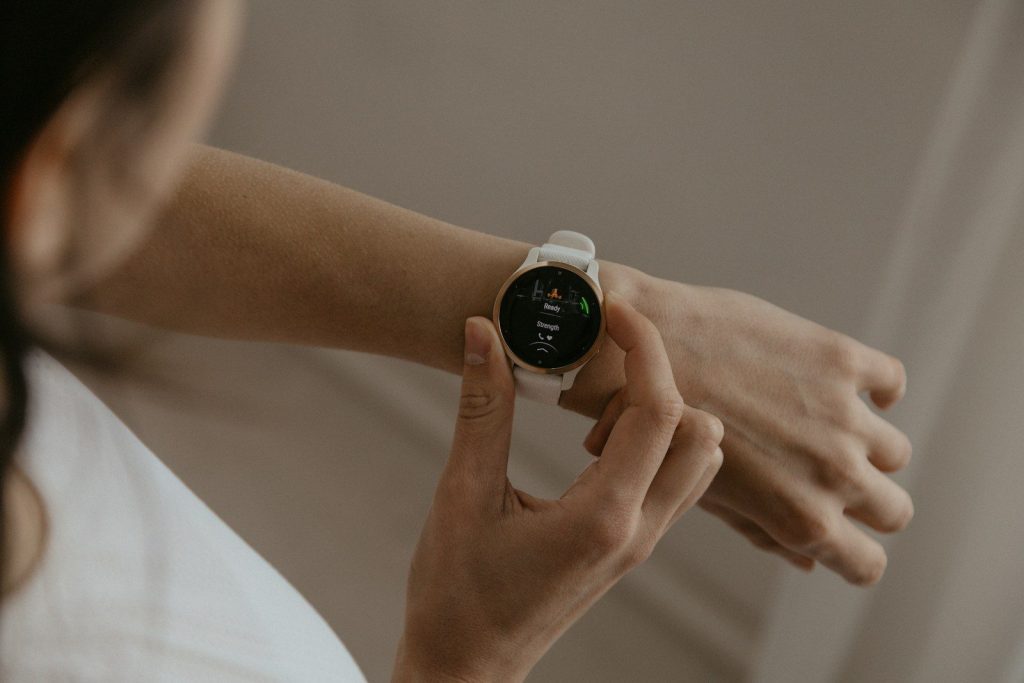
    A woman holding a smart watch in her hand
    Photo by Káplár Bálint Áron on Unsplash

    Smartwatch alerts are becoming less like phone copies and more like helpful reminders. Many watches let users choose which apps, health updates, and daily prompts can appear on the wrist.

    That matters because people do not want a tiny screen filled with noise. A better smartwatch alert should feel timely, clear, and worth checking, not like another distraction.

    Health updates stand out

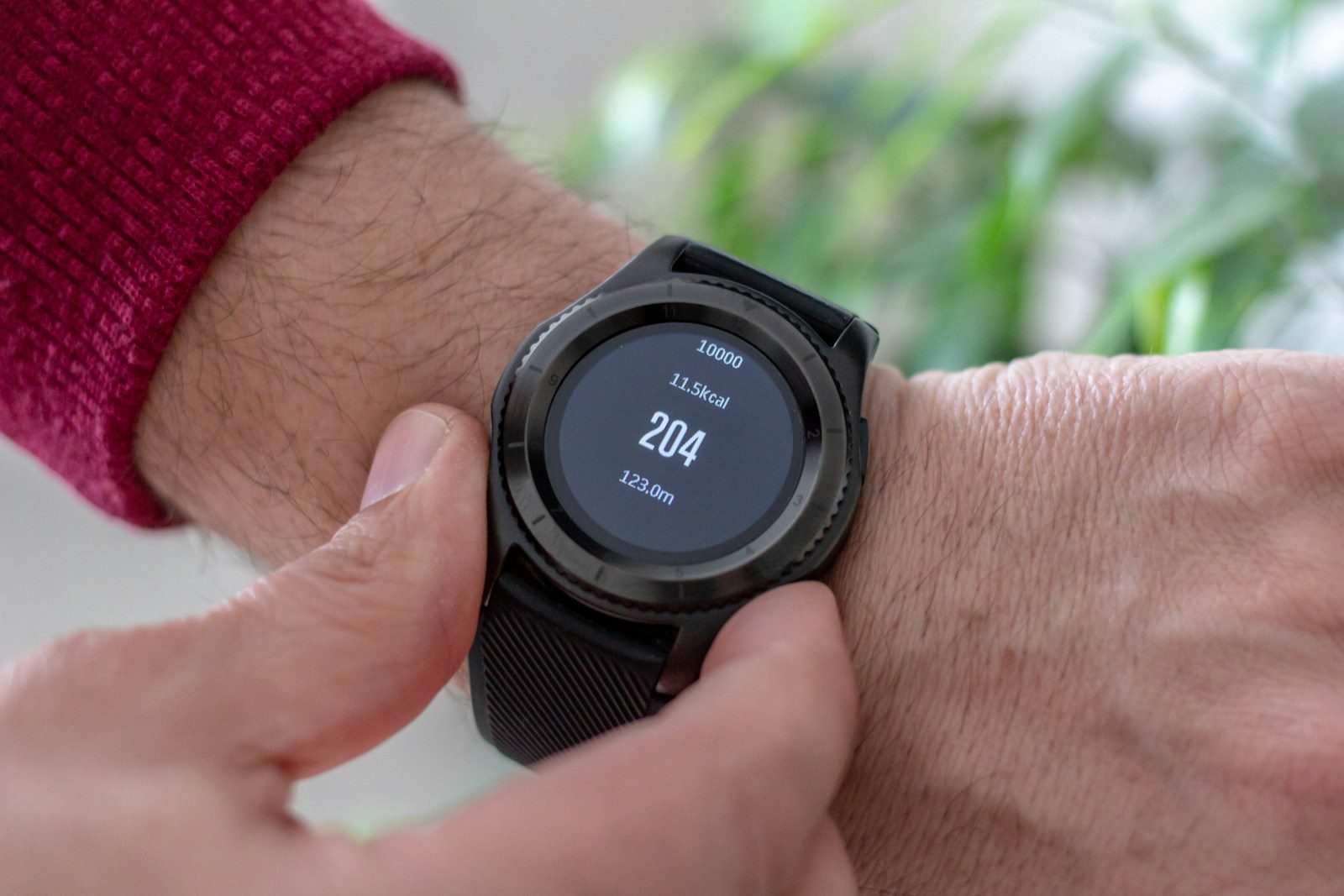
    a close up of a person holding a smart watch
    Photo by Amanz on Unsplash

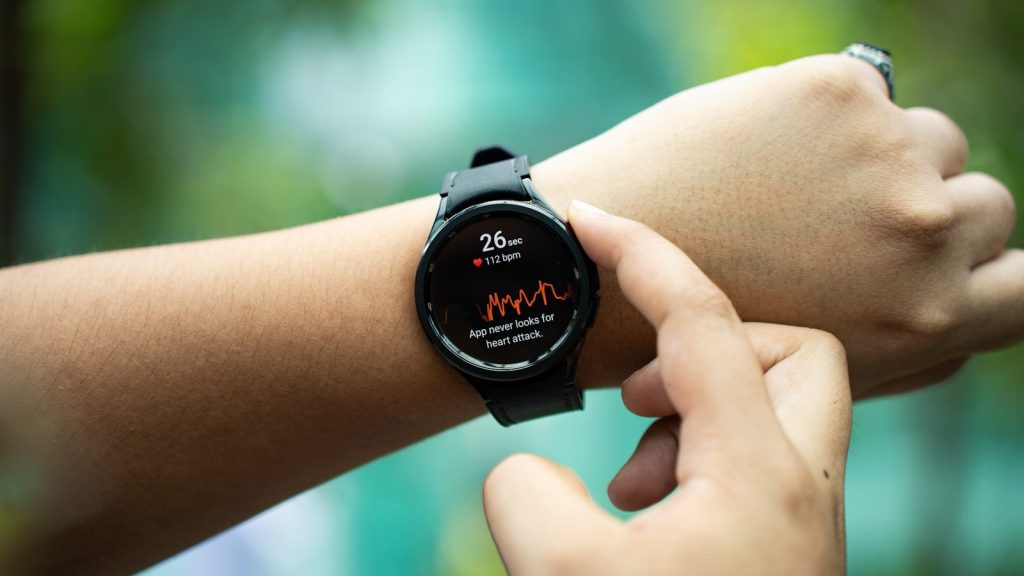
    Health alerts are one reason smartwatches feel more useful. Apple Watch supports notifications for high and low heart rate, irregular rhythm, cardio fitness, and other wellness features on supported models.
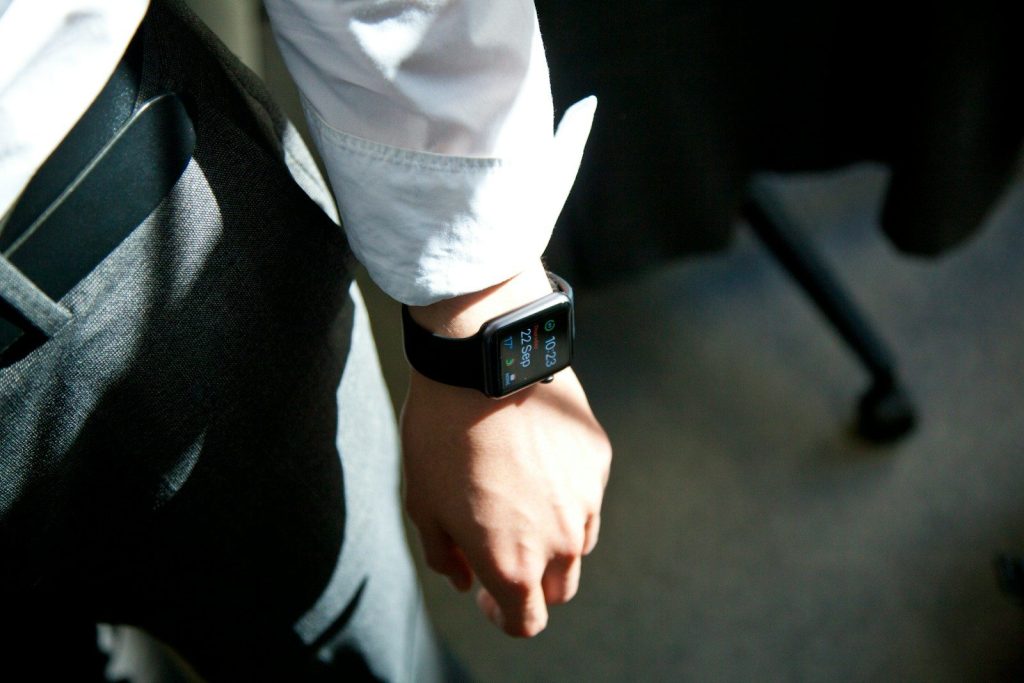
    These alerts are not meant to replace a doctor, but they can encourage people to pay attention sooner. A small wrist notice may remind someone to rest, check their trends, or ask a professional about a concern.

    Safety alerts add comfort

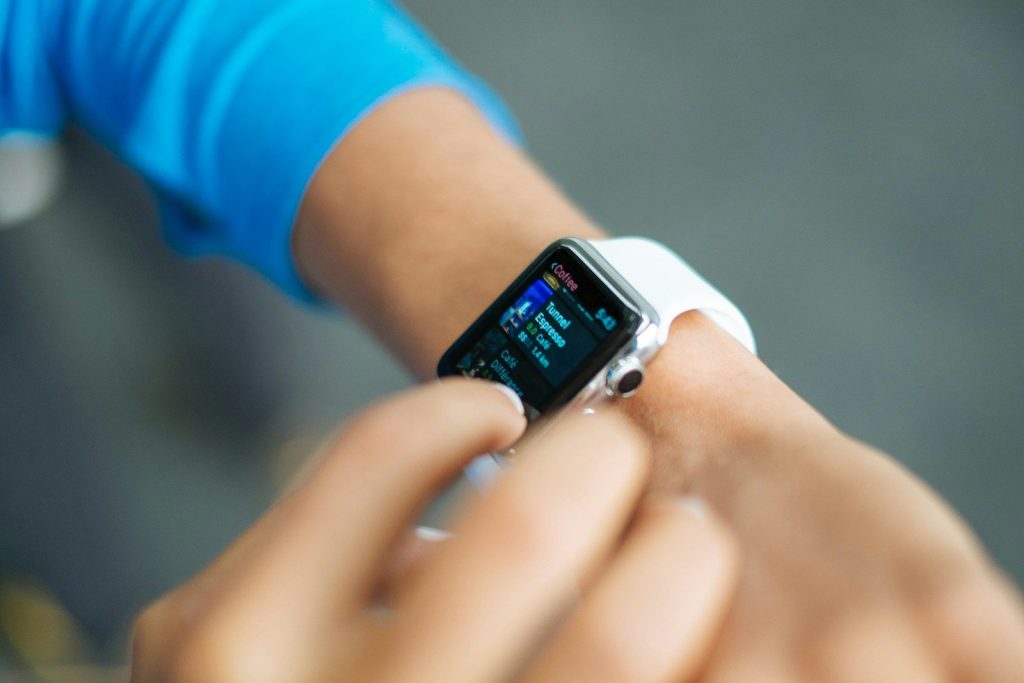
    person wearing silver Apple Watch with white Sport Band
    Photo by Luke Chesser on Unsplash

    Safety features are becoming a major part of smartwatch alerts. Apple Watch can support Fall Detection, Crash Detection, Emergency SOS, and Check In, depending on model and setup.

    For many users, that brings peace of mind during walks, workouts, commutes, or solo errands. The watch is not just showing notifications. It can become a quick way to reach help when a phone is not easy to grab.

    Fall detection can help fast

    Apple Watch on person's wrist
    Photo by Tyler Hendy on Unsplash

    Fall detection is one of the clearest examples of a useful alert. If a supported watch senses a hard fall, it can warn the wearer and help contact emergency services if there is no response.

    This can be helpful for older adults, runners, cyclists, and people who live alone. It is not perfect and may not catch every fall, but it adds another layer of safety.

    Reminders are more practical

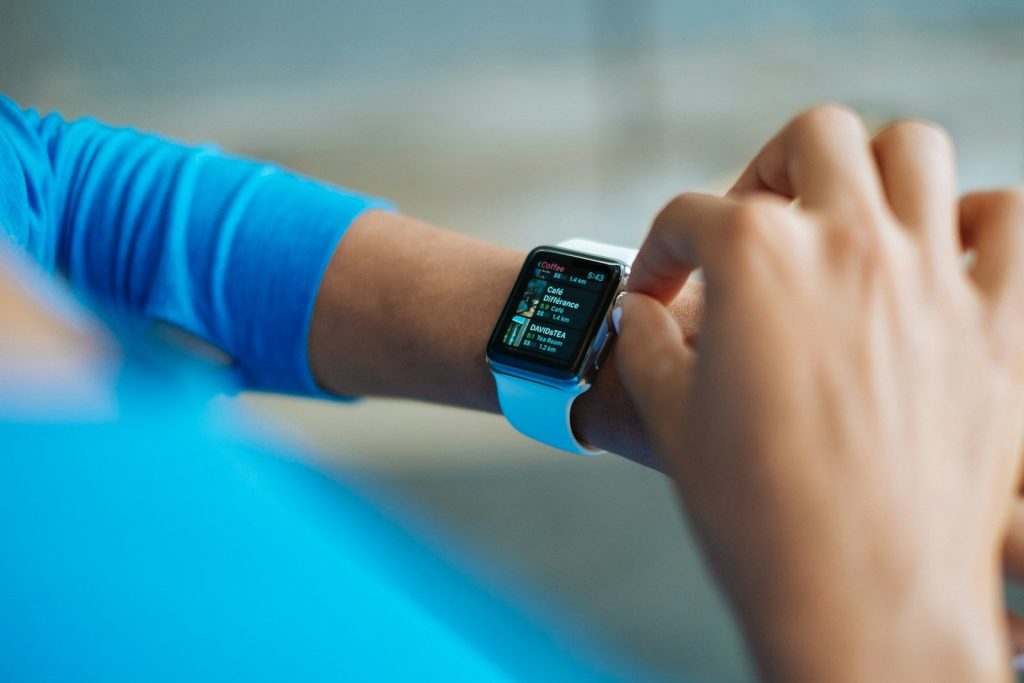
    person operating smartwatch
    Photo by Luke Chesser on Unsplash

    Smartwatch reminders are also getting better for everyday life. A wrist alert for a meeting, timer, workout, bill, or medication can be easier to notice than a phone buried in a bag.

    The best part is how quick the action can be. Users can glance, dismiss, reply, or snooze in seconds. That keeps small tasks from turning into bigger problems later.

    Location alerts feel helpful

    a person's hand wearing a watch
    Photo by Sophia Stark on Unsplash

    Some smartwatch alerts now connect to location and movement. Pixel Watch safety features include options such as Safety Check, Emergency Sharing, and fall detection, depending on model, settings, and availability.

    This can help during walks, workouts, travel, or late commutes. A watch that can share a location or ask for a check-in may give users and loved ones a little more confidence.

    Less noise is the real win

    white sports band apple watch
    Photo by Onur Binay on Unsplash

    The future of smartwatch alerts is not about buzzing more often. It is about buzzing smarter. Samsung Health, for example, lets users adjust which health activities and features send notifications.

    That kind of control matters. When people can turn down the clutter and keep the alerts they trust, the smartwatch becomes more useful. The goal is simple: fewer interruptions, better timing, and more helpful information.

  • Could your TV become your next game console?

    Could your TV become your next game console?

    The idea sounds strange at first: turn on the TV, grab a controller, and start playing without a console sitting under the screen. But that future is already taking shape. Xbox Cloud Gaming now works on supported devices including select Samsung and LG smart TVs, Amazon Fire TV devices, and more, while services like Amazon Luna also stream games without a traditional console. The TV is becoming more than a display; it is becoming a doorway to cloud-based gaming libraries.

    This does not mean consoles are disappearing overnight. Local hardware still matters for the best response, visuals, and ownership experience. Still, for casual players, families, and people who do not want another box in the living room, the TV may soon feel like enough.

    Cloud gaming changes the setup

    black flat screen tv turned on near white wall
    Photo by Samuel Regan-Asante on Unsplash

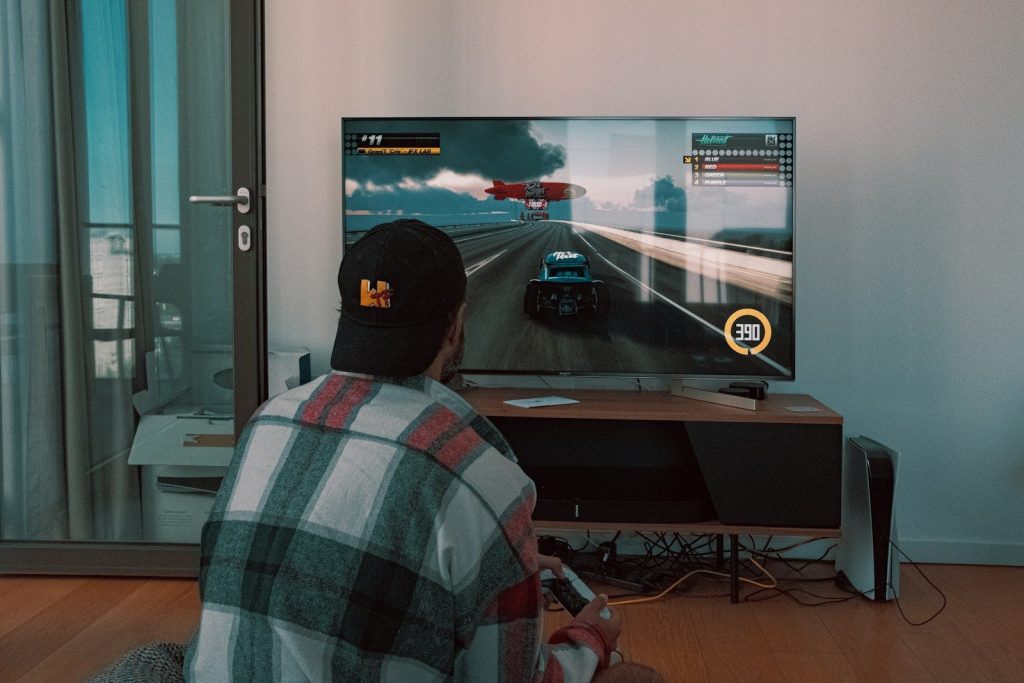
    Cloud gaming moves much of the heavy work away from the living room. Instead of a console running the game locally, remote servers run the game and stream the video back to your screen.

    That is why a supported smart TV can now feel more like a gaming device. With the right app, subscription, controller, and internet connection, players can launch games without installing a console.

    Smart TVs already support games

    a man playing a video game on the nintendo wii
    Photo by JESHOOTS.COM on Unsplash

    This is not just a future idea. Xbox says cloud gaming is available on supported devices, including select LG and Samsung smart TVs, Amazon Fire TV, phones, tablets, PCs, and more.

    Samsung also promotes its Gaming Hub for 2022 and newer smart TVs, select monitors, and projectors as a built-in way to access game streaming services. That makes the TV itself part of the gaming setup.

    Controllers replace the console box

    person holding white and black xbox one game controller
    Photo by Habib Dadkhah on Unsplash

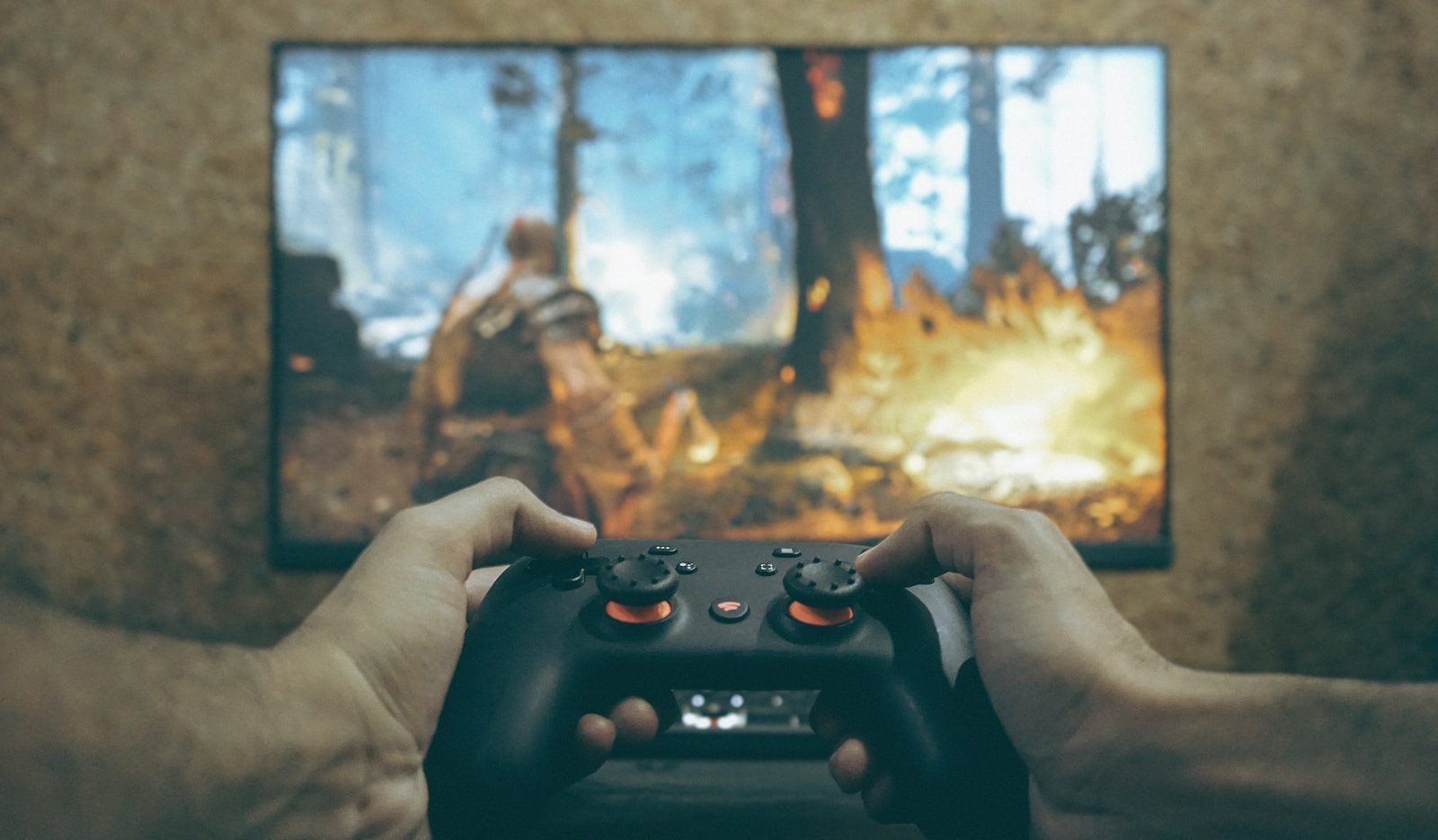
    A TV still needs a controller for most serious games. Xbox says cloud gaming supports controllers such as the Xbox Wireless Controller and Sony DualShock 4, depending on the device and game.

    That makes the setup feel familiar. Instead of buying a whole console, a household may only need a compatible controller and a supported TV or streaming device to start playing.

    Subscriptions open the library

    mockup, screen, smartphone, website, blog, word, subscribe, social, media, channel, subscription, money, sale, youtube, contract, e commerce, number, netflix, streaming, stream, video, subscribe, subscribe, subscribe, subscribe, subscribe, youtube
    Photo by viarami on Pixabay

    Game streaming often works more like video streaming than old-school game buying. Xbox Cloud Gaming lets players stream supported free-to-play games or access hundreds of games through Game Pass plans.

    Amazon Luna also offers cloud gaming without downloads or a console, with access depending on the plan or included library. This points to a future where a TV game library may sit inside an app.

    Fire TV widens access

    turned-on flat screen television
    Photo by Glenn Carstens-Peters on Unsplash

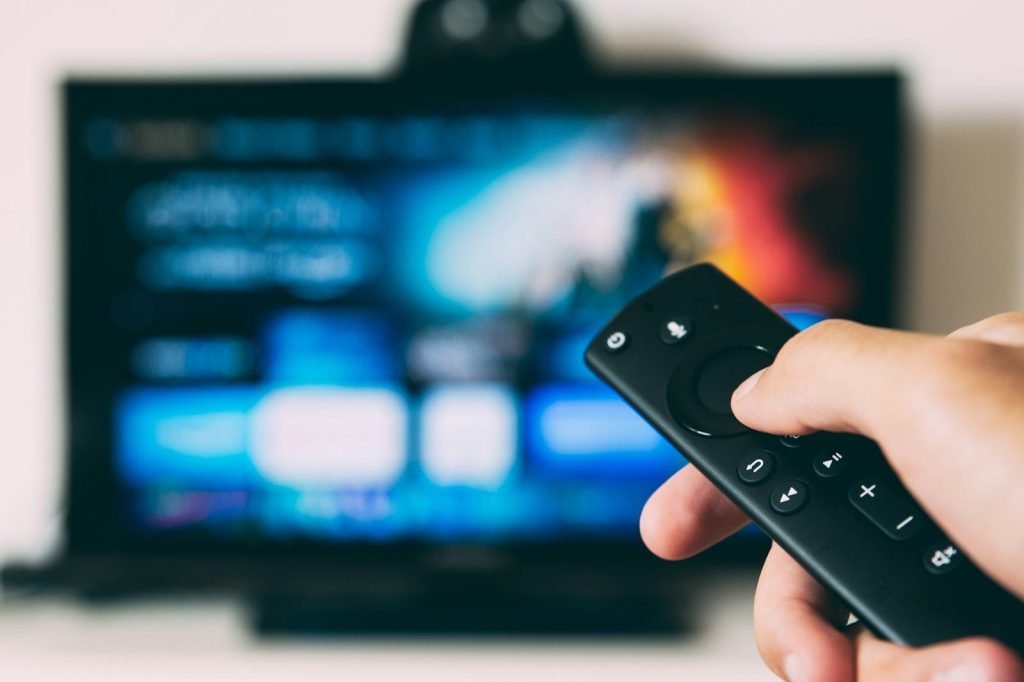
    Streaming sticks and smart TV platforms can help bring cloud gaming to more homes. Amazon said Xbox Game Pass Ultimate members can play hundreds of cloud-enabled games through the Xbox app on select Fire TV devices.

    That matters because not everyone buys a new TV often. A small streaming device can give some households a cheaper way to try TV-based gaming without replacing the whole screen.

    LG adds another doorway

    LG TV, ‘2014 CES’ 어워드 휩쓸어” by LGEPR is licensed under CC BY 2.0

    LG smart TVs have also joined the cloud gaming push. Xbox announced in 2025 that the Xbox app became available on LG smart TVs, letting players use the LG Gaming Portal and stream games through Game Pass Ultimate.

    That kind of support makes the TV feel more like a platform. Instead of switching inputs to a console, players can find games from the TV’s own menu.

    Internet quality matters most

    Television screen displaying a first-person shooter video game.
    Photo by Andrey Matveev on Unsplash

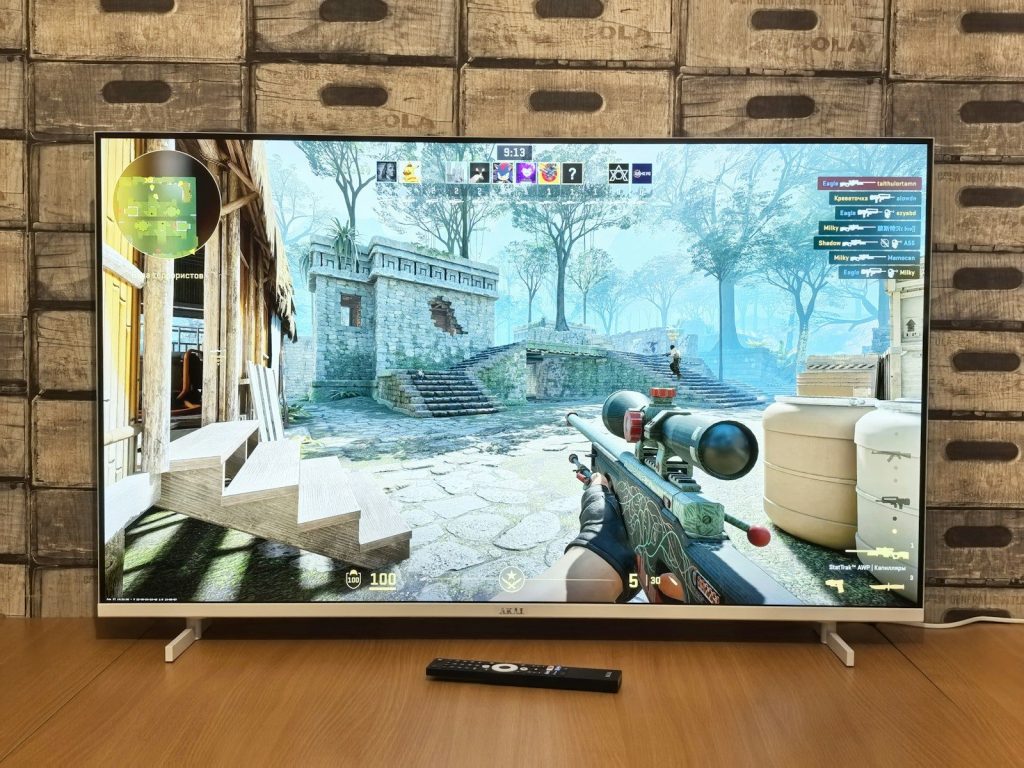
    A cloud gaming TV can only feel smooth if the connection is strong. Research on cloud gaming notes that it needs much more bandwidth than traditional online console play because the video stream is being delivered in real time.

    That is the biggest catch. A weak Wi-Fi signal, busy home network, or distant server can lead to lag, lower image quality, or dropped smoothness during fast games.

    Consoles still have advantages

    white xbox one game controller
    Photo by Kamil Switalski on Unsplash

    TV-based cloud gaming is convenient, but it does not fully replace local hardware for everyone. A console can still offer stronger consistency, faster response, physical or downloaded game access, and fewer network worries.

    That matters for competitive players and people who care deeply about performance. For them, a cloud app may be a handy extra, while the main console still earns its place under the TV.

    Casual players benefit first

    a man watching a movie on tv in his living room
    Photo by Mathieu Improvisato on Unsplash

    The first big winners may be casual players and families. If someone wants to play a few games after work, try a family-friendly title, or avoid buying another large device, TV-based gaming can feel simple.

    It also lowers the entry barrier. A person can test cloud gaming with hardware they may already own, then decide later whether a full console or gaming PC is worth it.

    The TV becomes a hub

    turned on television
    Photo by Kitai on Unsplash

    The larger trend is clear: the TV is becoming a home entertainment hub for movies, shows, fitness, video calls, and now games. Gaming apps simply make that hub more complete.

    Your TV may not replace every console soon, but it may replace the need for one in many casual homes. For plenty of players, the next console-like experience could start with a TV remote and a controller.

  • Why mid-range phones are starting to look less boring

    Why mid-range phones are starting to look less boring

    Phone shopping used to feel pretty simple. The expensive models looked exciting, and the cheaper ones looked like safe, plain backups. That line is getting blurrier now. Many mid-range phones are showing up with brighter OLED screens, smoother refresh rates, better camera tricks, longer battery life, and designs that feel less like a copy of last year’s flagship.

    The change is not only about looks. Buyers are keeping phones longer, watching prices more closely, and expecting useful features without paying top-dollar. Reviewers now judge mid-range phones on build quality, display, performance, cameras, battery life, software, and value, not just price. Recent models from brands like Nothing and Xiaomi show how far this space has moved, with bold designs, large AMOLED displays, fast charging, and stronger specs at lower prices.

    Design finally feels fun

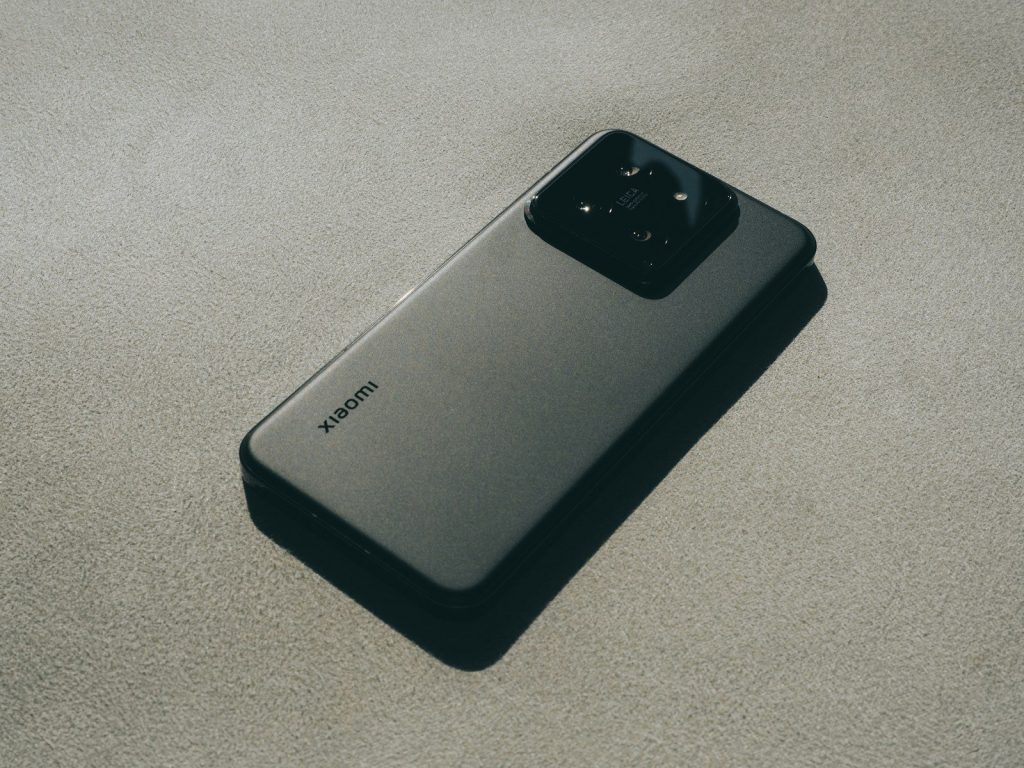
    a close up of a cell phone on a surface
    Photo by He Junhui on Unsplash

    Mid-range phones used to play it safe with basic colors and simple plastic backs. Now, more brands are using cleaner shapes, matte finishes, sharper camera layouts, and bolder color choices.

    That matters because a phone is something people carry all day. When a mid-range model looks stylish, it feels less like a compromise and more like a smart pick.

    Screens got a big upgrade

    a cell phone on a table
    Photo by Amanz on Unsplash

    A bright, smooth screen can make even a cheaper phone feel more expensive. Many mid-range models now offer OLED or AMOLED panels, deep contrast, and 90Hz or 120Hz refresh rates.

    That means scrolling feels smoother, videos look richer, and games feel more responsive. For everyday users, the screen upgrade may be the first thing they notice.

    Cameras are less basic now

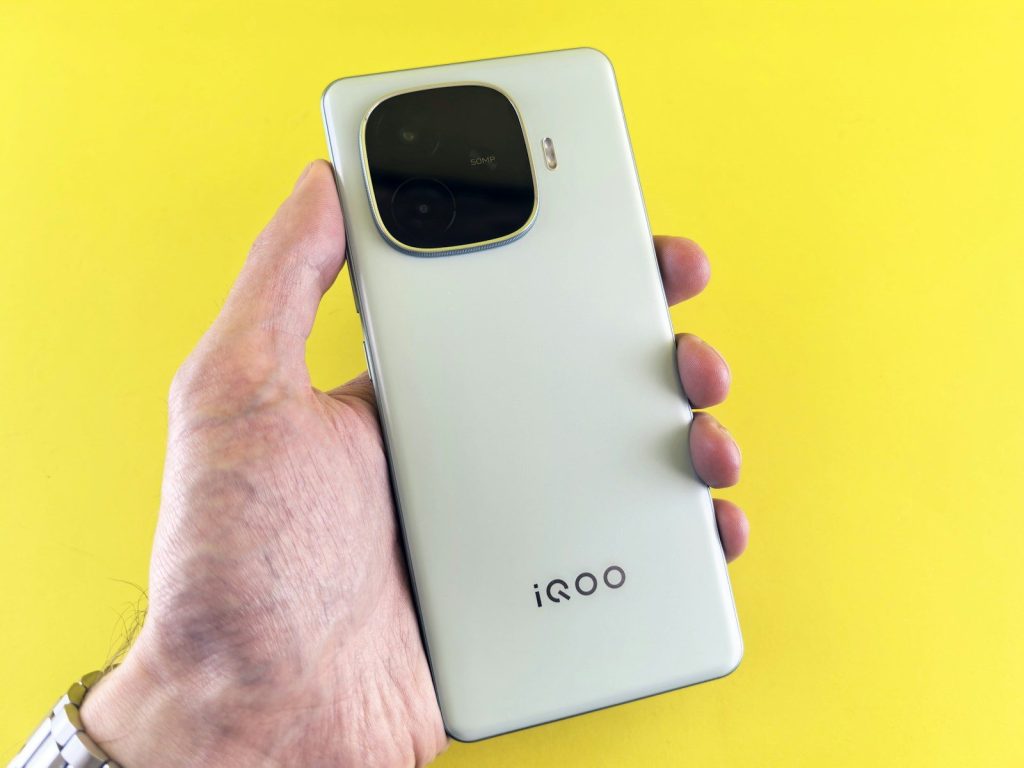
    A hand holds an iqoo smartphone.
    Photo by Andrey Matveev on Unsplash

    Mid-range cameras are no longer just “good enough” in daylight. Many phones now include better main sensors, improved night modes, portrait tools, and smarter image processing.

    They still may not beat the most expensive flagships in every shot. But for social posts, family photos, pets, food, and travel, many mid-range cameras now feel surprisingly capable.

    Battery life is a selling point

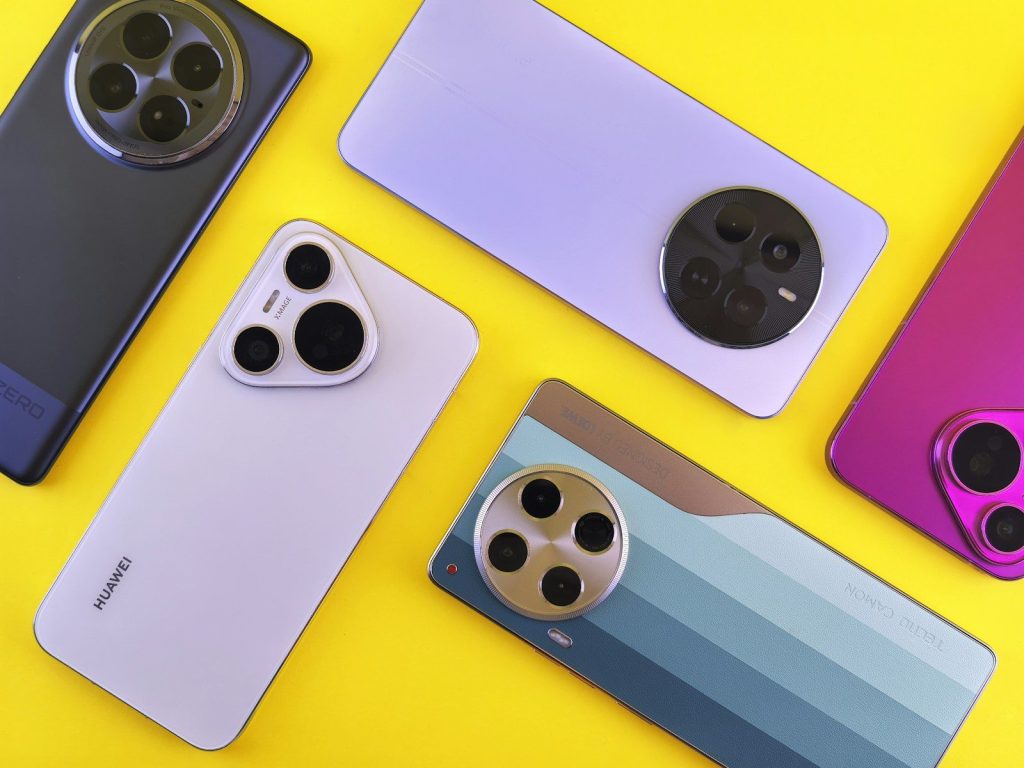
    Several smartphones of varying colors are displayed.
    Photo by Andrey Matveev on Unsplash

    A flashy phone is not much fun if it dies before dinner. That is why battery life has become one of the biggest strengths in the mid-range market.

    Some models offer large batteries and efficient chips that can last a full day or more. For many buyers, that practical win matters more than a luxury feature they rarely use.

    Fast charging adds real value

    white iphone 5 c on brown wooden table
    Photo by De an Sun on Unsplash

    Fast charging used to feel like a premium extra. Now it is showing up on more affordable phones, especially from Android brands trying to stand out.

    This makes a big difference for busy users. A short charge before school, work, or a night out can give the phone enough power to keep going.

    Performance feels smoother

    Hand holding smartphone with abstract interface design
    Photo by Georgiy Lyamin on Unsplash

    Mid-range chips have improved a lot. Most people can now text, stream, browse, video call, edit photos, and play casual games without feeling slowed down.

    Flagship phones still lead in heavy gaming and advanced video work. But for daily use, many mid-range phones now feel fast enough that buyers may not miss the pricier option.

    Software support matters more

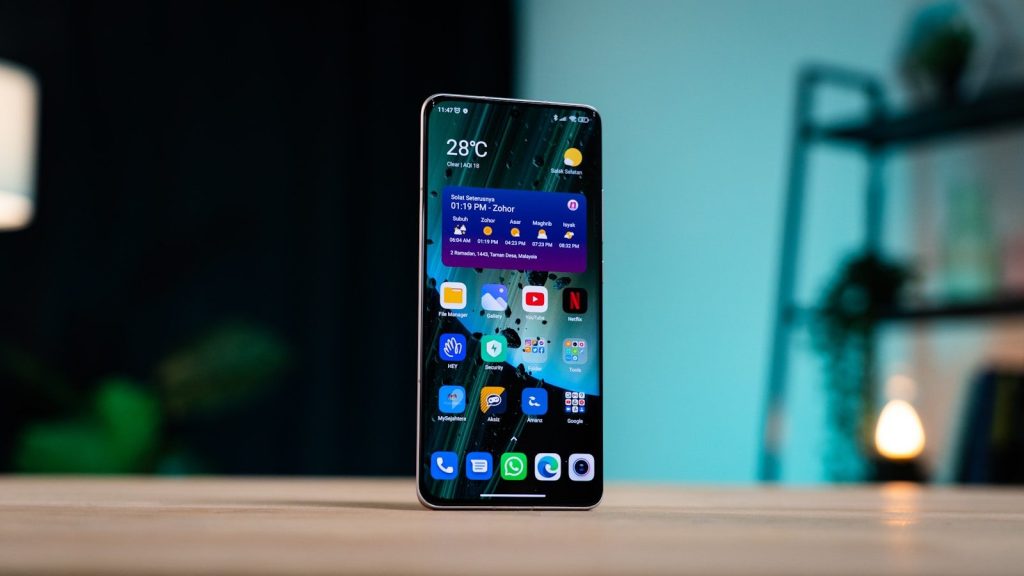
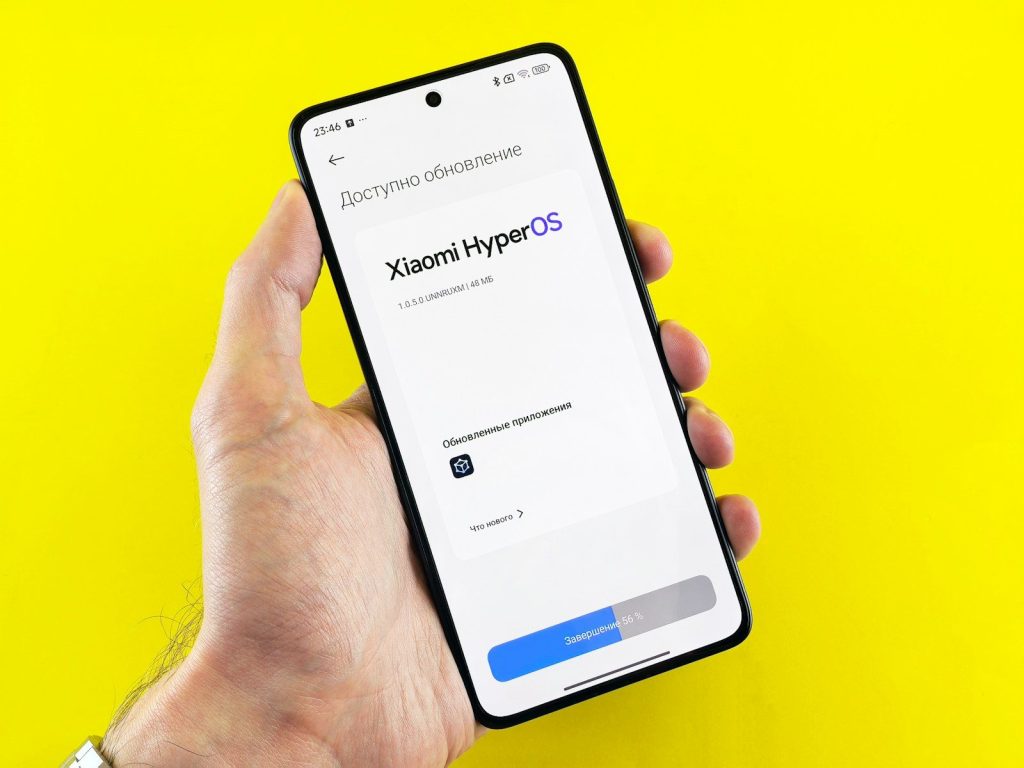
    A xiaomi phone is displaying the hyperos screen.
    Photo by Andrey Matveev on Unsplash

    People are paying more attention to how long their phones will stay updated. A good mid-range phone is more appealing when it gets security patches and system upgrades for years.

    This is one area where brands can really earn trust. Longer support helps a phone feel like a better investment, not just a cheaper purchase.

    AI features are spreading

    A close up of a cell phone on a table
    Photo by Solen Feyissa on Unsplash

    AI tools are no longer limited to the most expensive phones. Some mid-range models now include smarter photo editing, voice features, translation tools, and helpful search options.

    Not every AI feature is a must-have. Still, when these tools work well, they make mid-range phones feel more modern and less stripped down.

    Value is the real upgrade

    a person holding a cell phone
    Photo by Shawn Rain on Unsplash

    The biggest reason mid-range phones look less boring is simple: value has improved. People can now get a phone that looks good, runs well, and handles daily life without the flagship price.

    That does not mean every mid-range phone is perfect. But the best ones now feel thoughtful, polished, and exciting enough to make many shoppers think twice before spending more.

  • Why Microsoft is still chasing a smoother PC gaming feel

    Why Microsoft is still chasing a smoother PC gaming feel

    PC gaming is powerful, but it can still feel messy. A console usually turns on, opens a clean menu, and gets you into a game fast. A Windows PC can offer more choice, more stores, more hardware, and more ways to play, but that freedom can also bring updates, launchers, settings, background tasks, driver issues, and uneven performance.

    That is why Microsoft keeps trying to make PC gaming feel smoother. Windows 11 now highlights features like Game Mode, Auto HDR, DirectStorage, Controller bar, Dynamic Lighting, and Xbox app support. Microsoft has also pushed a fuller Xbox-style experience for handheld PCs and tested tools that cut down first-launch delays. The goal is simple: keep PC freedom, but make the ride feel less bumpy.

    PC gaming has more moving parts

    a person wearing headphones and using a computer
    Photo by Samsung Memory on Unsplash

    A gaming PC can be amazing because players can pick their parts, stores, settings, and accessories. That freedom is a big reason PC gaming stays popular.

    But all those choices can also create friction. One player may use Steam, another may use the Xbox app, and another may use several launchers. Microsoft wants Windows to feel more organized around play.

    Smoothness is more than FPS

    a computer with a couple of monitors
    Photo by Samsung Memory on Unsplash

    When people talk about smooth gaming, they often think of frame rates. That matters, but it is not the whole story. Load times, stutter, menus, updates, and controller support matter too.

    A game can run fast and still feel annoying if it takes too long to open or if switching between apps feels clunky. Microsoft is trying to improve the full experience, not just the number on a screen.

    Windows has built-in tools

    a macbook air laptop in the dark
    Photo by Sunrise King on Unsplash

    Windows 11 includes gaming features that help without much setup. Microsoft points to Game Mode, Auto HDR, Dynamic Lighting, Controller bar, and optimizations for windowed games.

    These tools are not magic fixes for every PC. Still, they show Microsoft’s plan: make useful gaming features part of the operating system, instead of asking every player to hunt for tweaks.

    Faster loading still matters

    text
    Photo by Mike van den Bos on Unsplash

    Nobody enjoys staring at loading screens. Microsoft says DirectStorage can improve game load times when the PC hardware and game support it.

    That matters because modern games are huge. Faster storage and better data handling can make big worlds feel easier to enter, especially as game files keep growing and players expect quicker starts.

    Shader stutter is a target

    A man is playing a video game on his computer
    Photo by ELLA DON on Unsplash

    Some PC games pause or hitch when shaders are being prepared. Microsoft has worked on Advanced Shader Delivery, which uses precompiled shaders to reduce first-launch waits and early stutter.

    Microsoft said some supported titles saw major first-run load-time drops, and Tom’s Hardware reported a Forza Horizon 6 example where a supported setup loaded far faster with the feature enabled.

    Handheld PCs raised the pressure

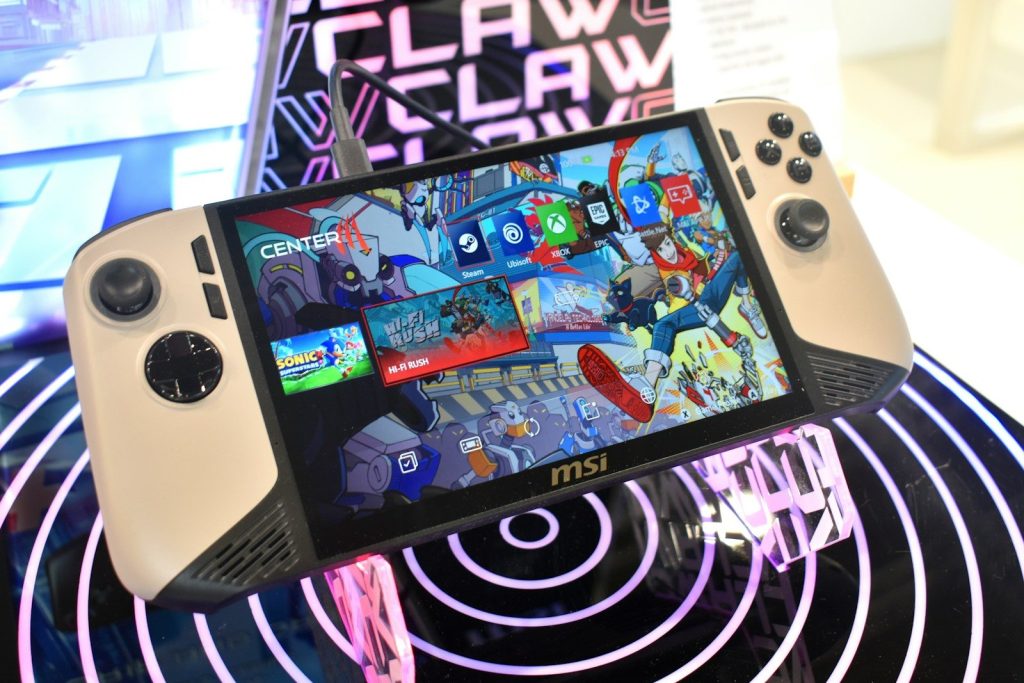
    Msi handheld gaming device with colorful screen
    Photo by Gavin Phillips on Unsplash

    Windows handheld gaming PCs showed a clear problem. Windows is powerful, but it was not always built around small screens, controllers, batteries, and quick game launching.

    Microsoft’s Xbox full screen experience aims to make handhelds feel more console-like. It is designed for controller-first navigation and easier access to games across libraries.

    Background tasks can hurt feel

    person using computer playing FPS game
    Photo by Sean Do on Unsplash

    A powerful PC can still feel uneven if too many background tasks interrupt play. That is especially true on handhelds, where battery life and steady frame pacing matter more.

    Microsoft said its full screen experience minimizes background activity and defers non-essential tasks. The goal is to help games feel steadier when every watt of power counts.

    The Xbox app keeps evolving

    a large green sign hanging from the ceiling of a building
    Photo by Jonathan Kemper on Unsplash

    Microsoft also wants the Xbox app to feel like a clearer home for PC gaming. PC Game Pass is built around downloading and playing a changing library of PC games through the Xbox app.

    That matters because many players want less jumping between menus. A smoother app can make it easier to find games, install them, launch them, and return to what they were playing.

  • Phone design is becoming a bigger reason people switch brands

    Phone design is becoming a bigger reason people switch brands

    For years, many people picked a phone by checking the camera, battery, price, or operating system. Those things still matter, but design is becoming a stronger reason to switch. A phone is now something people hold all day, carry everywhere, and often see as part of their personal style. The shape, weight, screen size, camera layout, colors, materials, buttons, and foldable features can all affect how a phone feels in daily life.

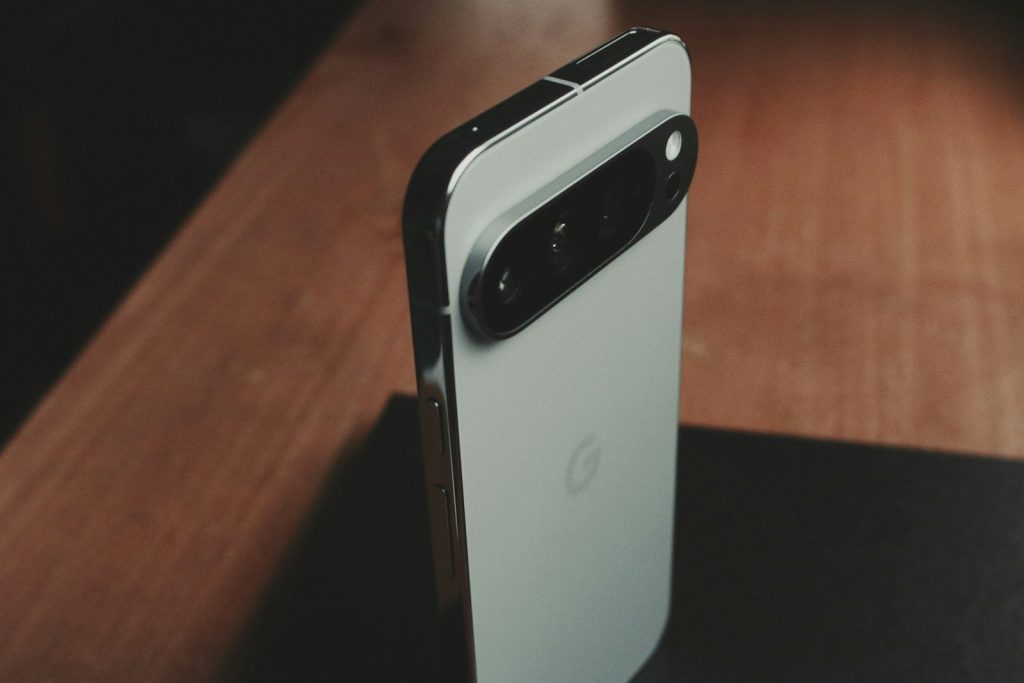
    Apple highlights thinner borders, contoured edges, Ceramic Shield materials, and a 120Hz display on iPhone 17, while Samsung keeps pushing foldable designs in its Galaxy Z line. Google has also made the Pixel camera bar a clear design signature.

    Design now feels personal

    A close up of a cell phone on a table
    Photo by Samuel Angor on Unsplash

    A phone is not just a tool anymore. It is one of the few devices people touch dozens of times a day, so the way it looks and feels can matter a lot.

    That makes design more emotional. A person may switch brands because one phone feels sleeker, lighter, easier to hold, or more like their style. Specs can win attention, but comfort often wins loyalty.

    Foldables change the pitch

    a man holding a smart phone in his hands
    Photo by Jonas Leupe on Unsplash

    Foldable phones have made design feel exciting again. Instead of every phone being one flat glass rectangle, foldables offer shapes that open, close, stand, and fit pockets differently.

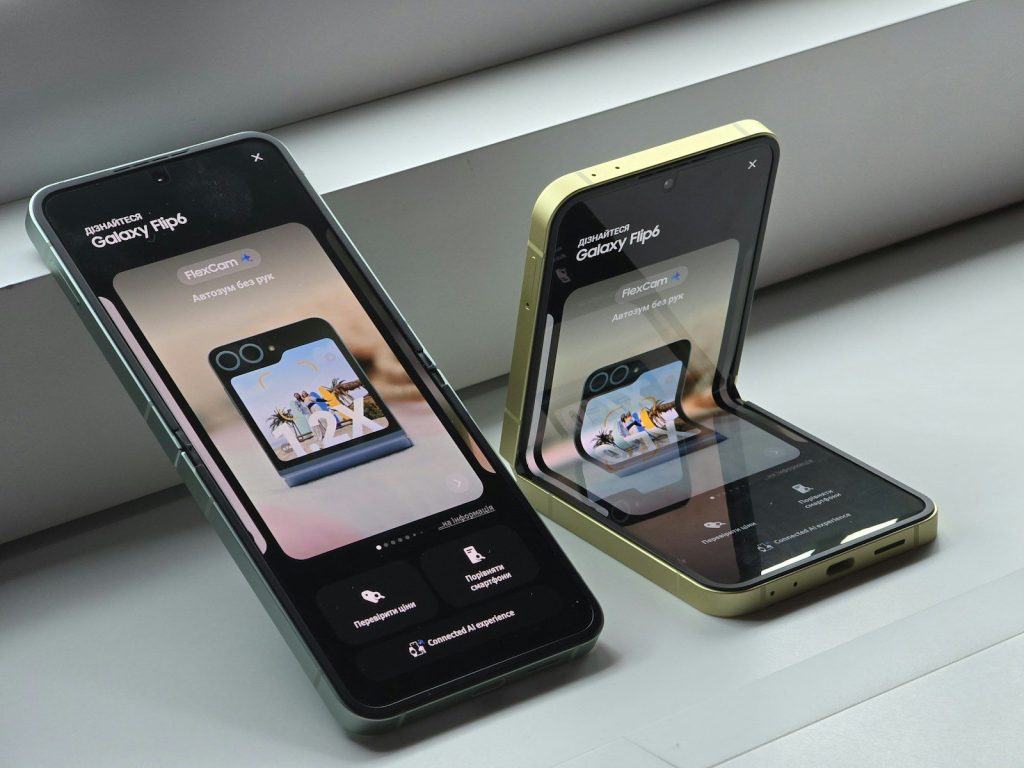
    Samsung’s Galaxy Z line focuses on foldable designs with large-screen multitasking and compact flip options. For some buyers, that fresh shape is enough to consider leaving a familiar brand.

    Thin bezels feel modern

    a cell phone on a table
    Photo by Amanz on Unsplash

    Thinner borders can make a phone feel newer even before someone checks the specs. More screen and less frame can make videos, games, reading, and photos feel more immersive.

    Apple describes iPhone 17 with thinner borders, contoured edges, and a 6.3-inch Super Retina XDR display. That kind of design language helps make a phone feel polished, not just powerful.

    Materials affect daily comfort

    a close up of a cell phone on a surface
    Photo by He Junhui on Unsplash

    Phone materials can change the whole experience. Metal, glass, matte finishes, textured backs, and stronger screen coverings all affect grip, weight, durability, and feel.

    Apple has promoted materials such as Ceramic Shield and titanium in recent iPhone designs, while Google describes the Pixel 9 Pro design with matte back glass and polished aluminum. Those details can make a phone feel more premium in the hand.

    Camera layouts become identity

    Several smartphones of varying colors are displayed.
    Photo by Andrey Matveev on Unsplash

    Camera design is now part of brand identity. People can often recognize a phone from the back before they even see the logo.

    Google’s Pixel camera bar is a strong example. Google explained that the camera bar was built as a visual design feature, and the Pixel Fold adjusted that look for a more balanced foldable shape. That kind of signature can make a brand feel distinct.

    Buttons can change habits

    a close up of a cell phone with a keyboard in the background
    Photo by Samuel Angor on Unsplash

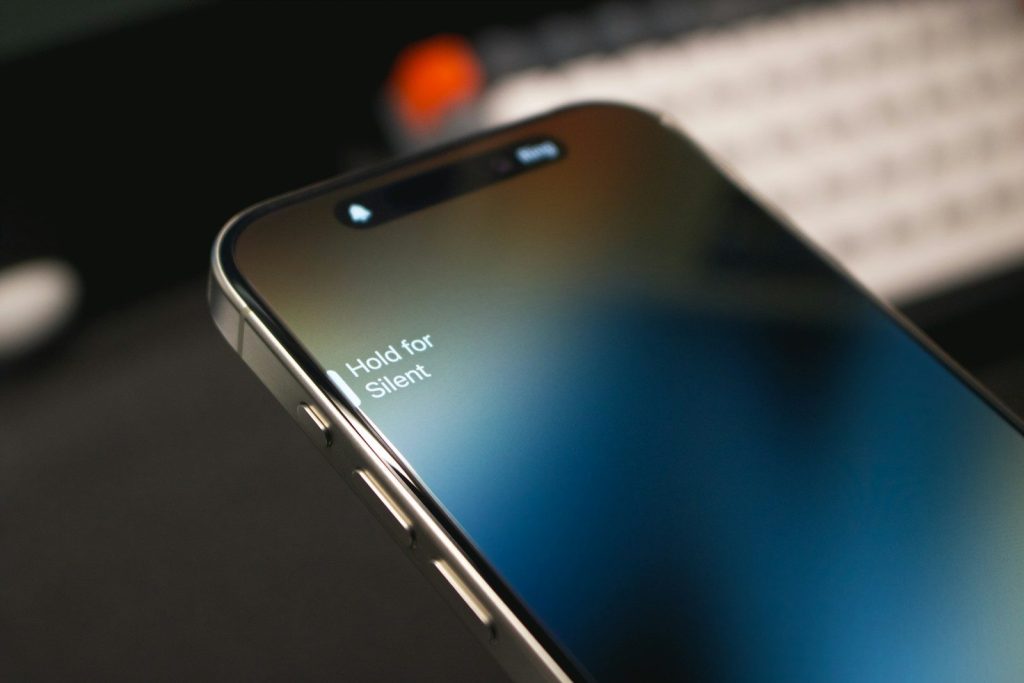
    Small design choices can change how people use a phone. A button for quick actions, camera controls, or silent modes can make the device feel more direct and personal.

    Apple introduced the Action button on iPhone 15 Pro models and later support pages describe newer iPhones with Action button and Camera Control placements. These hardware touches can become reasons some users prefer one brand’s feel over another.

    Outside screens add value

    Two cell phones sitting next to each other on a window sill
    Photo by Evgeny Opanasenko on Unsplash

    Flip phones are gaining attention because the outside screen can do more. Users may check messages, take photos, control music, or view updates without opening the full phone.

    Motorola describes its razr as a flip phone with a large external display and a 6.9-inch pOLED screen inside. That design gives people a different routine, which can make switching feel practical instead of risky.

    Weight matters more now

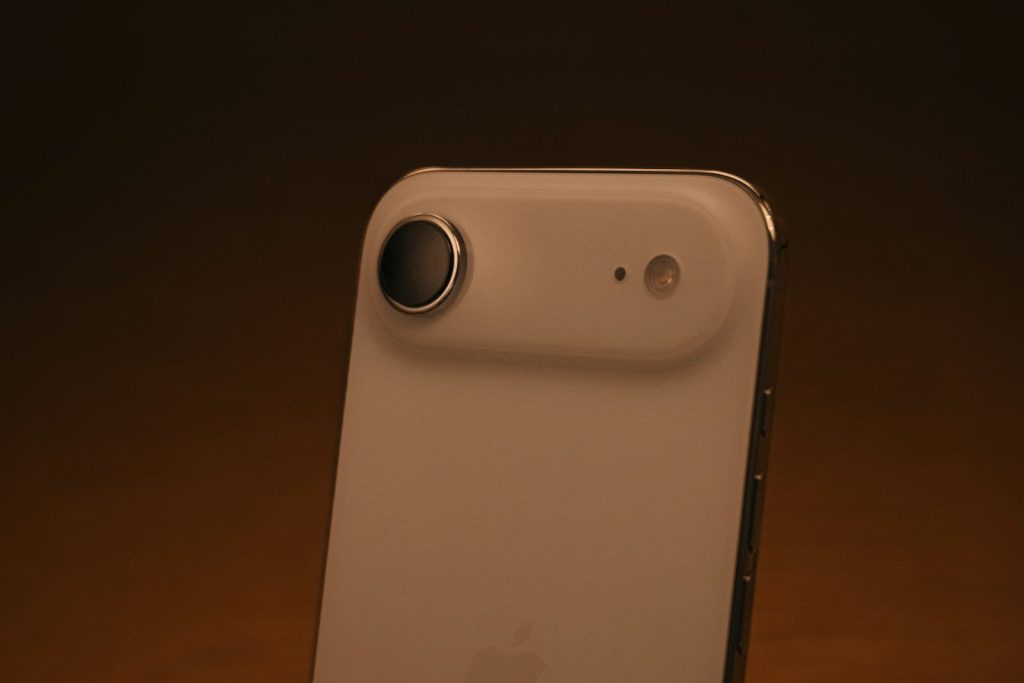
    Close-up of a white smartphone camera lens
    Photo by Sam Grozyan on Unsplash

    A phone can have great features but still feel tiring if it is too heavy or awkward. As screens get larger, comfort becomes a bigger part of design.

    People notice weight during long calls, scrolling, gaming, reading, or taking photos. A lighter or better-balanced phone may feel easier to live with, which can make buyers rethink the brand they usually choose.

    Colors help phones stand out

    a group of four different colored cell phones
    Photo by Evgeny Opanasenko on Unsplash

    Color may seem simple, but it can influence a purchase. Many users want a phone that feels fun, clean, bold, or professional before they even add a case.

    Brands now treat color and finish as part of the full design story. Matte glass, polished frames, soft tones, and brighter shades can help a phone feel less generic and more personal.

    Switching can start with feel

    a person holding a cell phone
    Photo by Shawn Rain on Unsplash

    People may say they switch brands for cameras, battery life, or software, but design can be the first thing that pulls them in. The phone has to look good and feel right.

    That is why design is becoming a real selling point. Foldables, thinner borders, signature camera bars, new buttons, better materials, and more comfortable shapes can make another brand feel worth trying.

  • Why Nintendo Switch 2 storage may matter more than the screen

    Why Nintendo Switch 2 storage may matter more than the screen

    The Nintendo Switch 2 sounds roomy at first because it has 256GB of internal storage, which is a big jump from the original Switch. But storage can disappear faster than many players expect. Newer games can use larger files, updates can add more data, and some physical releases may still require downloads.

    Nintendo also says Switch 2 uses microSD Express cards for expanded storage, and older non-Express microSD cards used with the original Switch cannot be used to store playable Switch 2 games. That means storage is not just a small spec on the box. It can affect what players download, what they keep installed, and how much extra they may spend later.

    256GB sounds bigger

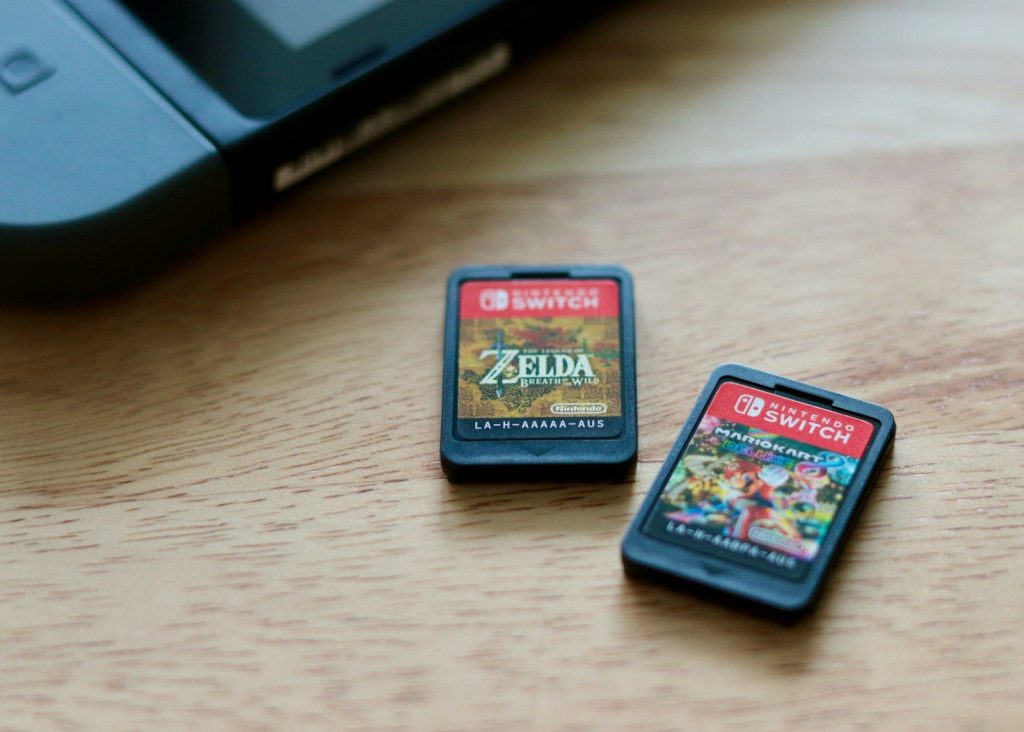
    a couple of nintendo games sitting on top of a wooden table
    Photo by Jacob Spaccavento on Unsplash

    Nintendo Switch 2 comes with 256GB of internal storage, which is much more than the original Switch offered. On paper, that feels like a strong upgrade for digital games, updates, screenshots, and saved content.

    The catch is that modern games are also bigger. A few large downloads can quickly take up a serious chunk of that space, especially for players who like keeping many games installed at once.

    Game sizes are growing

    lego mini figure riding blue and red toy car
    Photo by Ravi Palwe on Unsplash

    Nintendo’s own games can still be fairly compact. For example, Nintendo lists Mario Kart World with a 22GB game file size on its official store page.

    But not every game will be that small. Larger third-party games, big updates, and extra content can make storage feel tighter over time. That is why 256GB may not stretch as far as some players expect.

    Old cards may not help

    a close up of a person holding a cell phone
    Photo by Jacob Spaccavento on Unsplash

    Many current Switch owners already have microSD cards. Unfortunately, those cards may not solve the storage problem on Switch 2 if they are not microSD Express cards.

    Nintendo says Switch 2 is only compatible with microSD Express cards for expanded storage. Older microSD cards used with Nintendo Switch do not meet that standard for Switch 2 game storage.

    Faster cards are required

    an orange and blue nintendo wii game controller
    Photo by Anthony on Unsplash

    Switch 2’s microSD Express requirement is not just about selling a newer card type. Nintendo says the newer standard is needed for faster access speeds and smooth game performance.

    That matters because games do more than sit on storage. They load worlds, textures, saves, updates, and extra content. A slower card could hold the system back if the console allowed it.

    Physical may still download

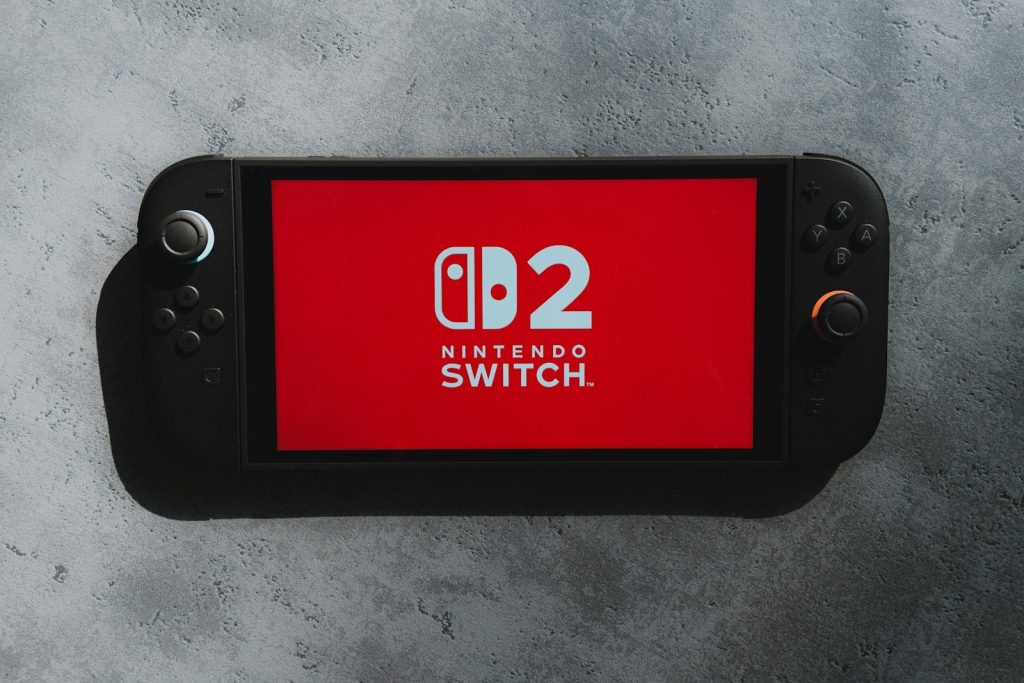
    The nintendo switch 2 with a red screen.
    Photo by Kamil Switalski on Unsplash

    Buying a physical game does not always mean avoiding storage use. Nintendo says some Switch 2 games use game-key cards, which do not contain the full game data.

    Instead, the card acts like a key that lets the player download the full game to the system through the internet. That makes storage important even for people who prefer physical shelves and game cases.

    Updates can add pressure

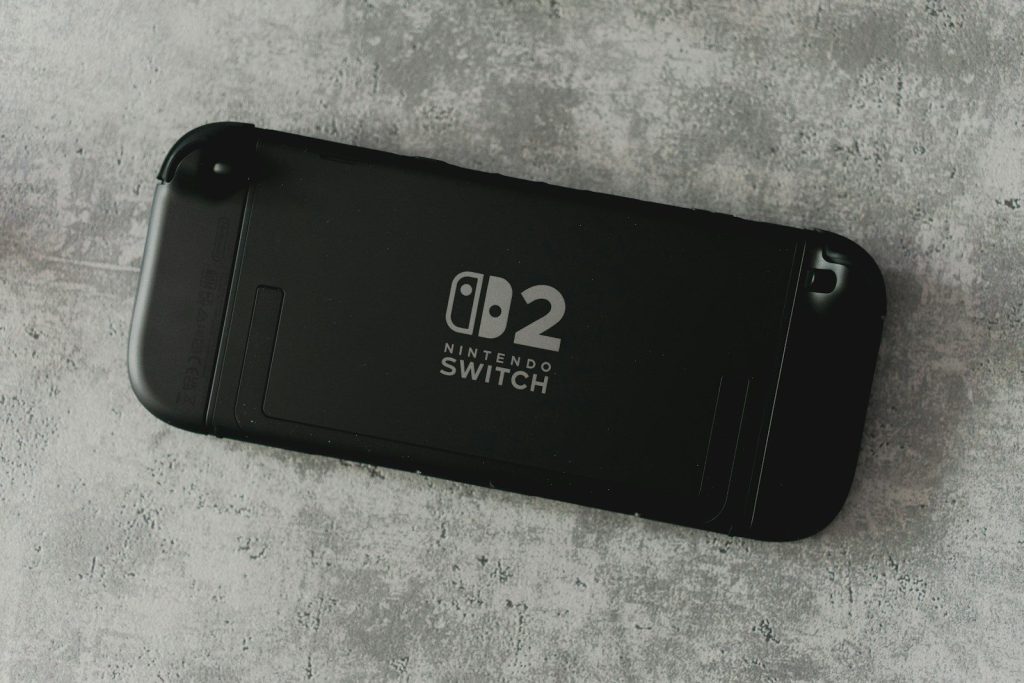
    The back of a nintendo switch 2 console.
    Photo by Kamil Switalski on Unsplash

    Storage needs can grow after launch. Games may receive patches, new modes, performance fixes, language files, or extra content months after players first install them.

    That means the space a game needs on day one may not be the final number forever. Players who keep favorites installed for years may notice storage slowly filling up through updates alone.

    Digital libraries need room

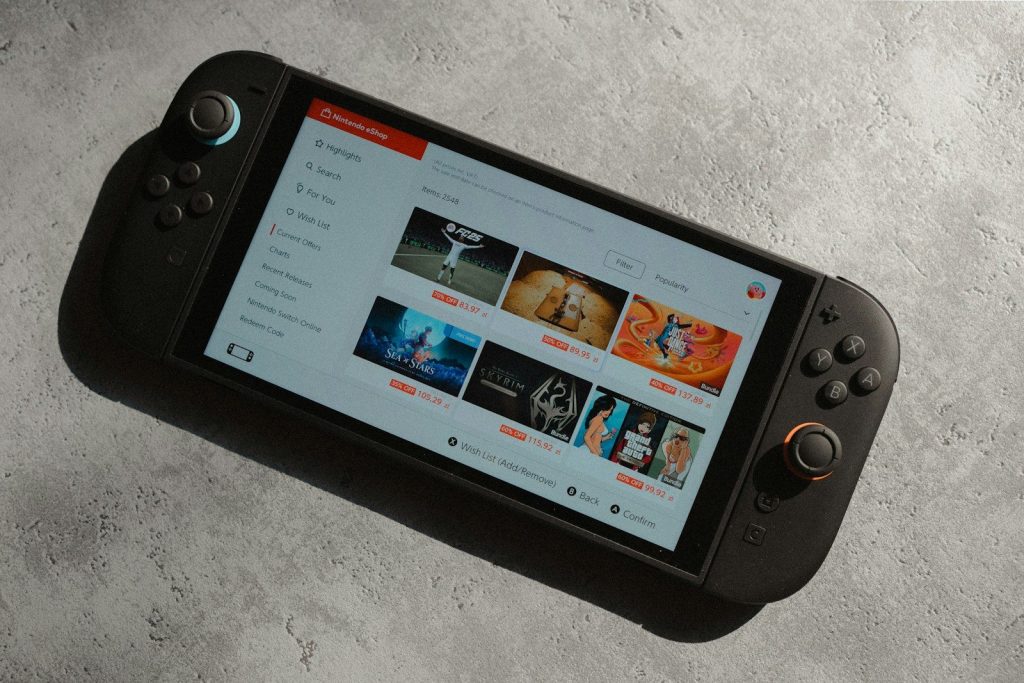
    Handheld gaming console displaying a video streaming service.
    Photo by Kamil Switalski on Unsplash

    Digital games are convenient because players can switch titles without carrying cartridges. But that convenience depends on having enough space to keep games downloaded.

    When storage runs low, players may need to delete games, redownload them later, or move data around. That can be annoying for families, travelers, and anyone with slower internet.