
For over a century, we believed that the only way to build “up” was with steel and concrete. But those materials are massive carbon emitters. Now, a revolution is happening in the world of engineering: “Mass Timber.” Engineers are now building 25-story towers entirely out of wood. This isn’t the wood you find in a hardware store. It is “Cross-Laminated Timber” (CLT), a material that is as strong as steel but a fraction of the weight.
The secret lies in the way the wood is layered and glued together. It creates a solid panel that can support incredible weight. These buildings are faster to build, better for the planet, and surprisingly, they are safer in a fire than steel. While a steel beam will melt and buckle in extreme heat, mass timber forms a protective “char” layer that keeps the structure standing. But wait until you see how these buildings are “snapped” together like a giant puzzle.
The LEGO Blocks of Modern Engineering

Wooden skyscrapers are built in a factory before they ever reach the site. Every panel is cut with laser precision to include holes for plumbing and electricity. When they arrive, workers simply bolt them together. This reduces construction noise and cuts the building time by months. It is a cleaner, quieter way to build a city. But how do you stop a wooden tower from swaying in the wind?
Dampening the Sway of a Giant Tree
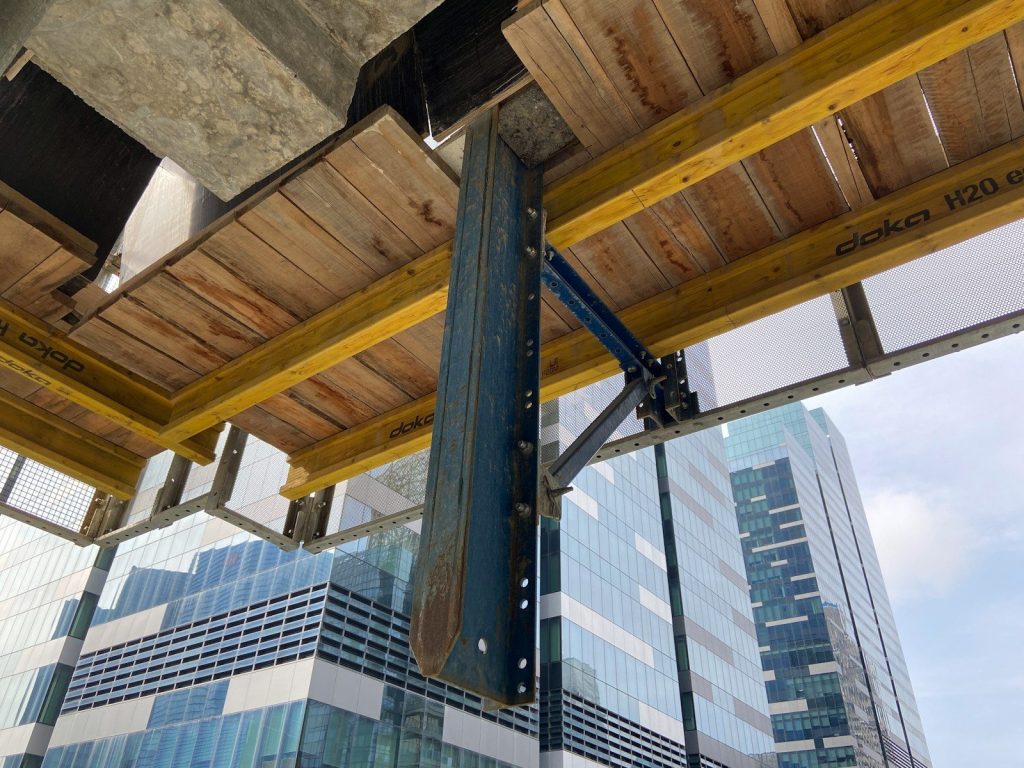
Wood is naturally flexible, which is great for earthquakes but tricky for high winds. To keep residents from getting seasick, engineers use “tuned mass dampers.” These are giant weights at the top of the building that move in the opposite direction of the wind. They act like a counter-balance, keeping the tower perfectly still. But wait until you see the secret “fire test” that convinced the world wood is safe.
The Science of Fireproof Wood

It sounds impossible, but thick wood is actually very hard to burn. Like a giant log in a fireplace, it takes a long time to catch fire. The outside chars create an insulating layer that protects the internal wood from the heat. In tests, these beams stayed strong for hours while steel beams nearby melted. This discovery changed building codes around the world. But wood isn’t just about safety; it is about saving the atmosphere.
Buildings That Act Like Giant Carbon Sponges
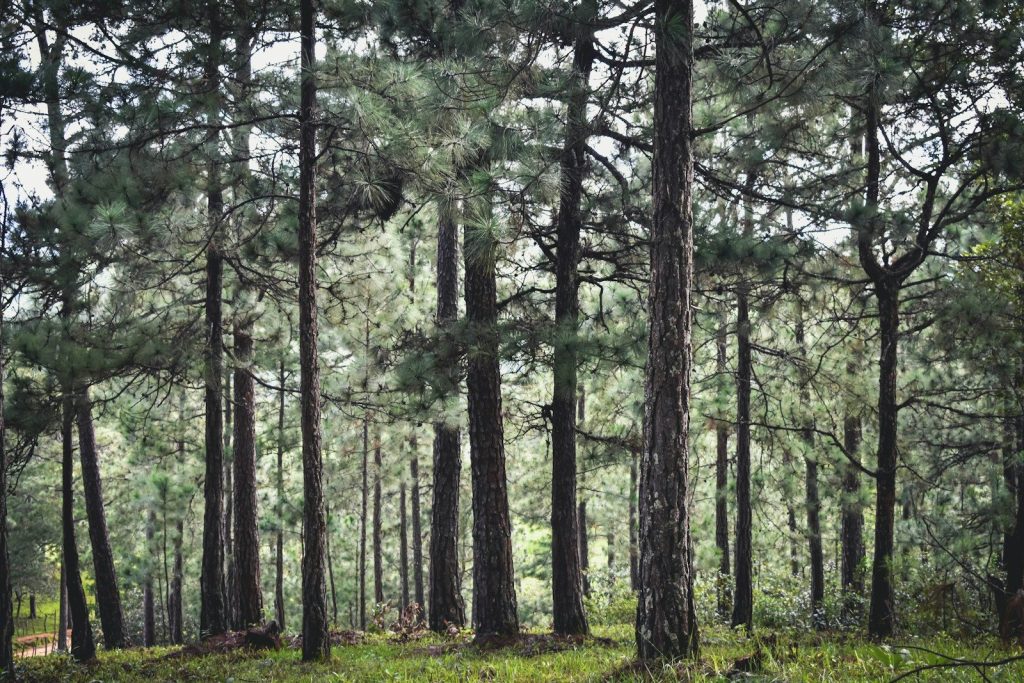
Every wooden skyscraper is a massive carbon sink. Trees pull CO2 from the air as they grow. When we turn them into a building, that carbon is locked away for a century. Meanwhile, making steel and concrete releases tons of carbon. Switching to wood could be one of our most powerful tools against climate change. But where do we get all this wood without destroying our forests?
The Rise of Sustainable Mega Forests

We aren’t cutting down old-growth rainforests for these buildings. Instead, engineers use fast-growing pines from managed forests. For every tree cut down, three more are planted. These forests are managed by AI to ensure they stay healthy and diverse. It turns the construction industry into a part of the natural cycle. But wait until you see the “hybrid” towers that use the best of both worlds.
Merging Wood With the Power of Steel

Some of the tallest wooden towers use “hybrid” designs. They have a concrete core for elevators, but use wood for the floors and walls. This gives the building the strength of concrete but the light weight and environmental benefits of wood. It is the perfect compromise for reaching new heights. But what does it feel like to actually live inside a giant tree?
The Psychological Power of Living in Wood

Studies show that living in wooden buildings reduces stress and lowers heart rates. It is called “biophilic design”—the idea that humans are happier when surrounded by natural materials. These buildings smell like the forest and stay naturally warm in the winter. We are moving away from cold, gray cities toward warm, living ones. But if you think a wooden wall is cool, wait until you see the wall that can charge your phone.
Featured Image: Photo by Gilley Aguilar on Unsplash
Leave a Reply