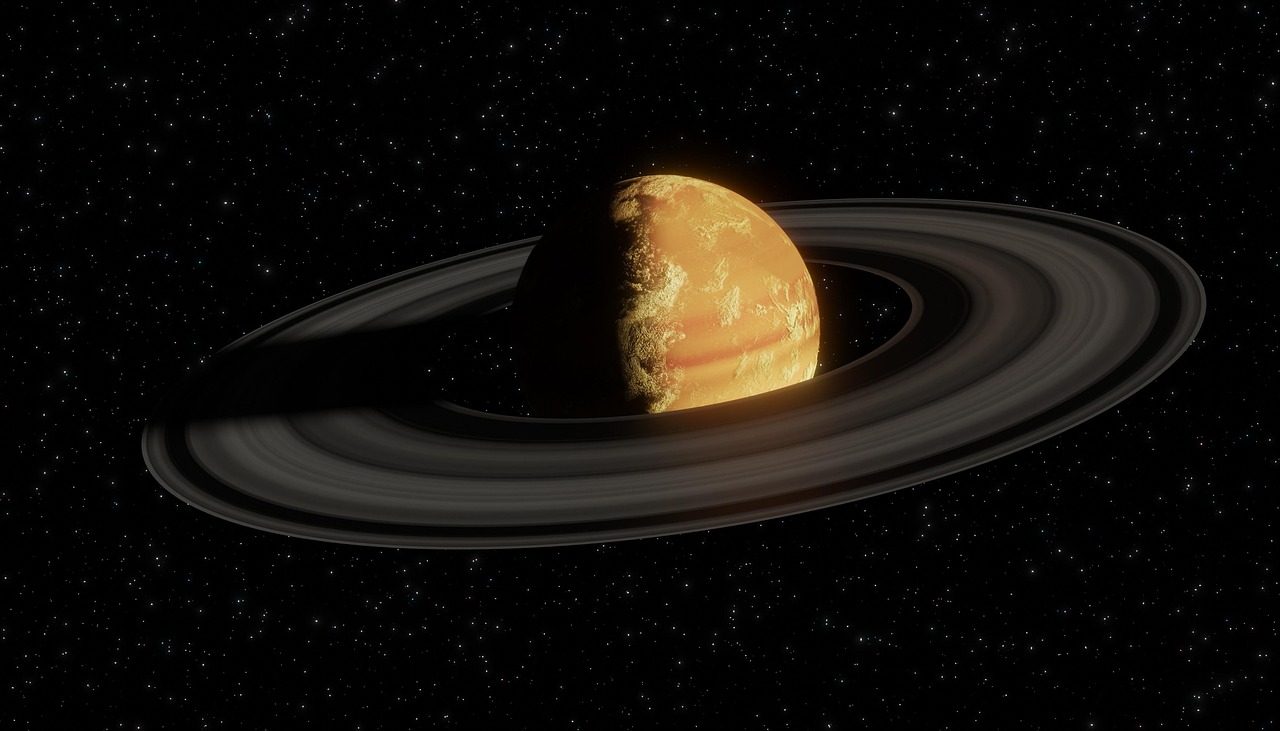
Most space lovers assume that the outer planets of our solar system are simple frozen spheres of quiet gas. We believe that distant worlds like Neptune follow highly predictable and balanced laws.
But a spectacular space probe mission has revealed a highly chaotic outer environment. NASA researchers have detected a series of bizarre planetary anomalies that challenge our entire understanding of physics.
Screaming Atmospheric Winds

The freezing atmosphere of Neptune is actually home to the most violent weather in our solar system. According to reports from NASA, wind speeds on the planet can exceed fifteen hundred miles per hour. They are incredibly fast. These supersonic winds are strong enough to shatter any terrestrial aircraft instantly. But explaining where this extreme wind energy originates remains a massive puzzle.
Missing Solar Heat

Standard atmospheric models state that planetary winds are driven by warm heat from the Sun. According to space science researchers, Neptune sits billions of miles away from the solar core and receives almost zero light. The world is dark. Yet the gas giant behaves as if it has an active internal engine. But the planet’s rings are also defying normal patterns.
Shifting Clumpy Rings
The thin rings surrounding the blue planet do not have a uniform distribution of dust and ice. According to planetary geologists, the rings feature highly dense clumps of material that look like arcs. The design is weird. These clumps should naturally spread out evenly over time due to normal orbital mechanics. But some hidden gravitational force is keeping them locked together.
Active Internal Heat
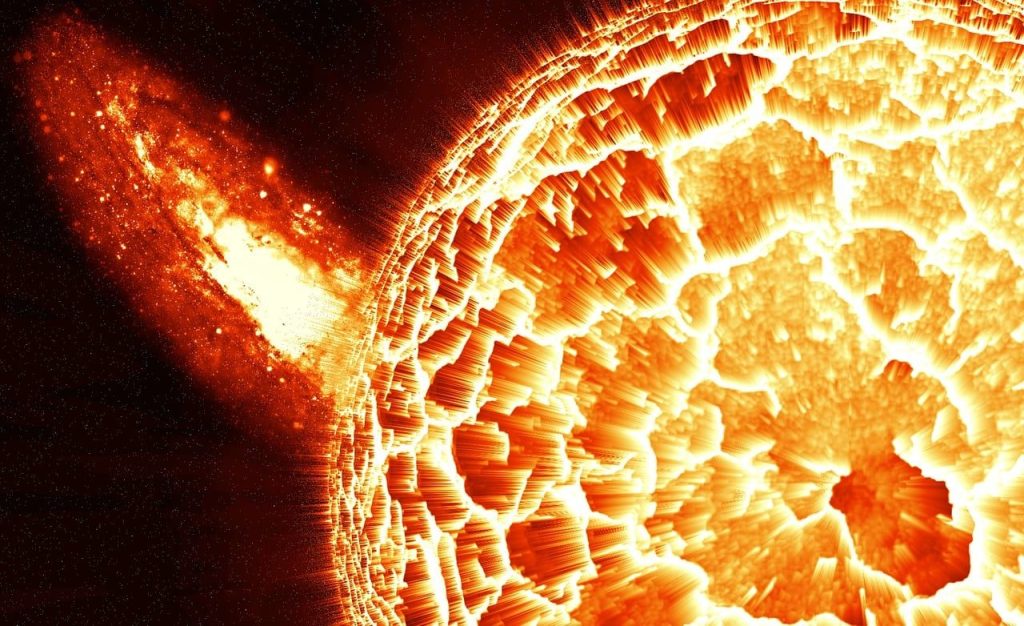
Neptune releases significantly more energy into space than it receives from the distant Sun. According to deep space telescope data, the gas giant has a highly active internal heat source. The planet’s core is burning. This mysterious geothermal engine is likely what drives the supersonic winds and changes the storm patterns. But this thermal mystery is also shaping Triton.
Bizarre backward Orbit
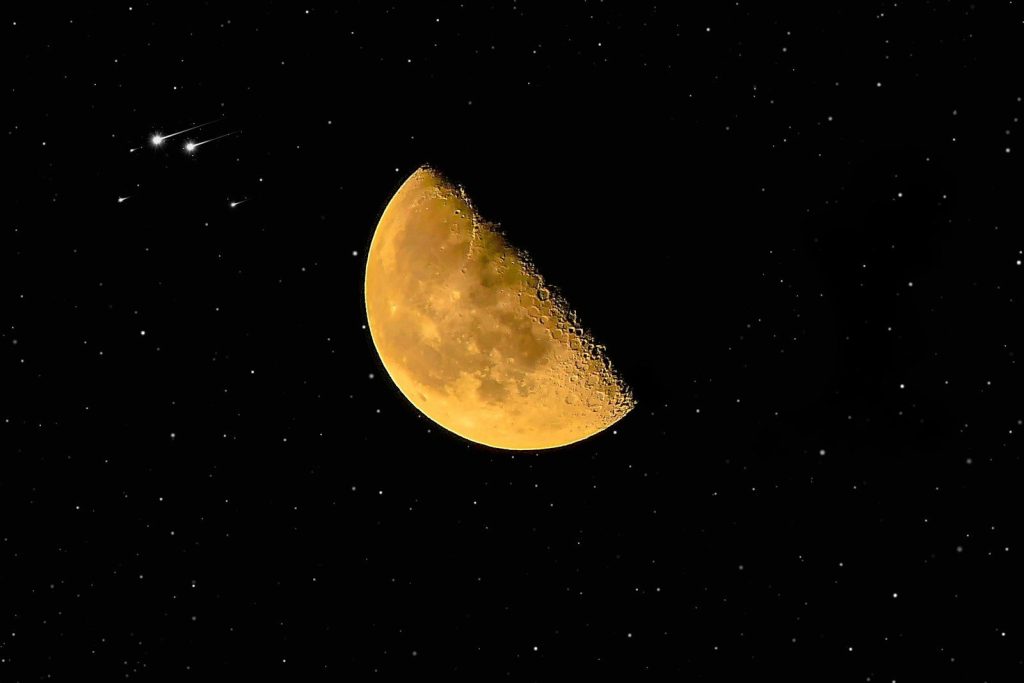
The largest moon of the gas planet orbits in a highly unusual backward direction. According to orbital dynamics studies, Triton retrogrades against the natural spin of Neptune. The orbit is unique. This backward motion suggests the moon was actually a rogue wanderer captured by the planet’s gravity. But this ice world holds an even stranger secret below.
Erupting Liquid Nitrogen

The frozen surface of the massive moon features active geysers erupting liquid nitrogen into space. According to spacecraft logs, these cosmic geysers shoot icy plumes miles high into the thin atmosphere. The ice is powerful. This active volcanism was completely unexpected for a world operating near absolute zero. But we must wait for new space missions to find answers.
Decoding The Ice Giants
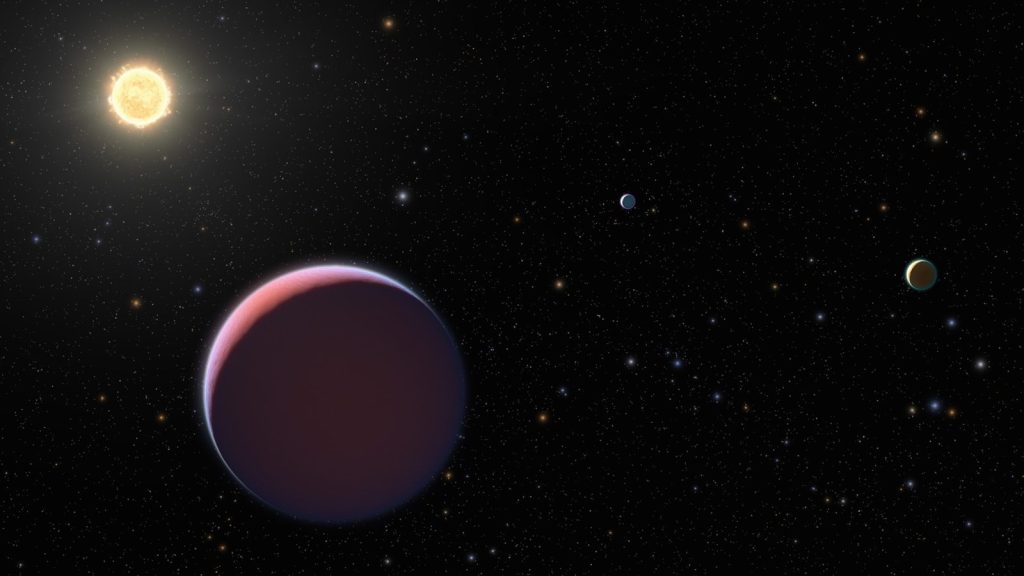
The bizarre anomalies found near Neptune prove that our solar system holds profound cosmic secrets. According to astrophysicists, exploring these distant ice giants expands our understanding of planetary evolution across the galaxy. We are still learning. This article is for informational purposes only.
Leave a Reply