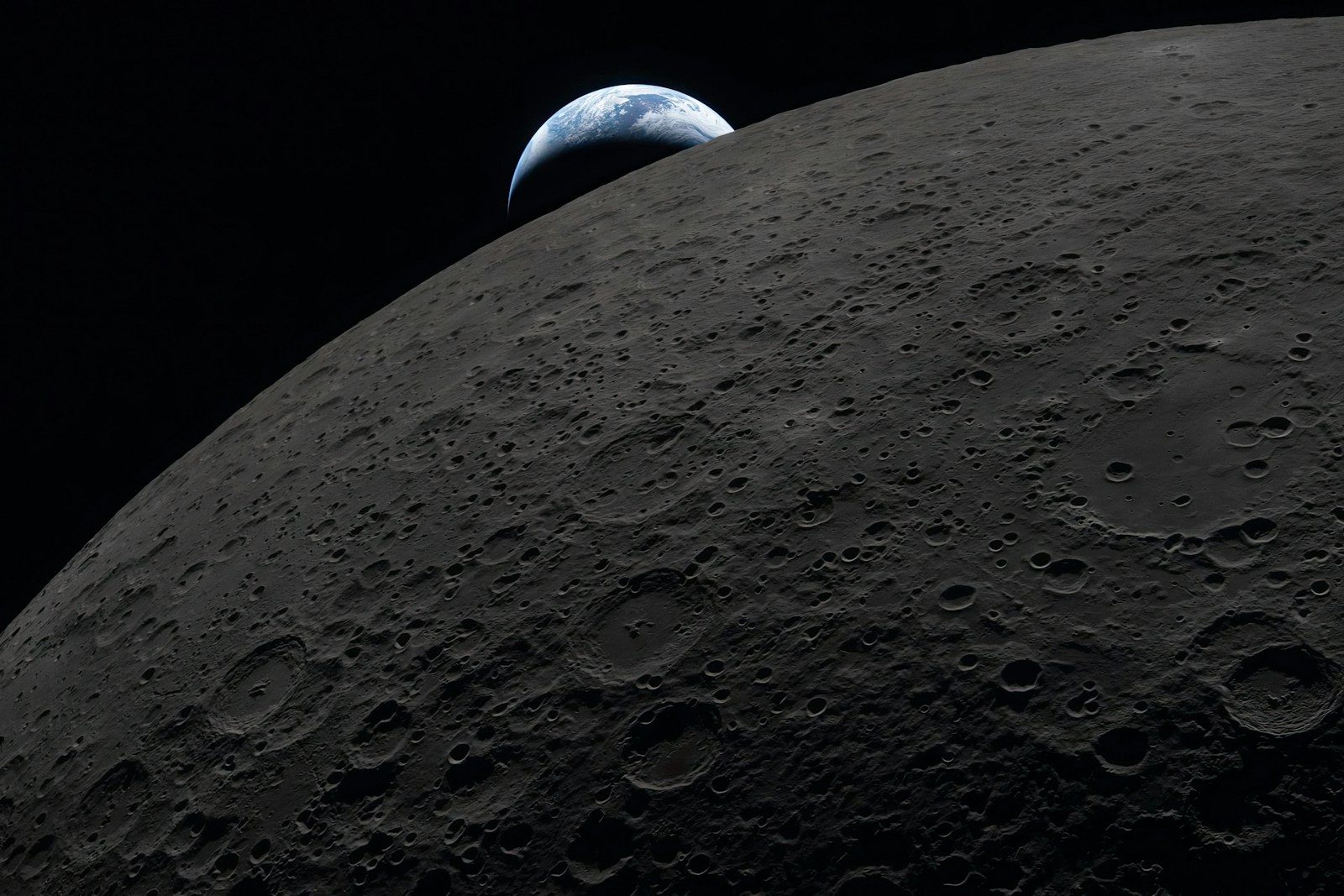
Category: Space & Universe

  • How Engineers Are Designing Comfortable Moon Bases

    How Engineers Are Designing Comfortable Moon Bases

    Most space lovers assume that living on the moon requires wearing heavy spacesuits forever. We believe that lunar bases will always feel like cold metallic research labs.

    But advanced architecture is completely changing this dusty picture. Engineers are designing cozy underground shelters that feel remarkably like home.

    Surviving Extreme Cosmic Ray Levels
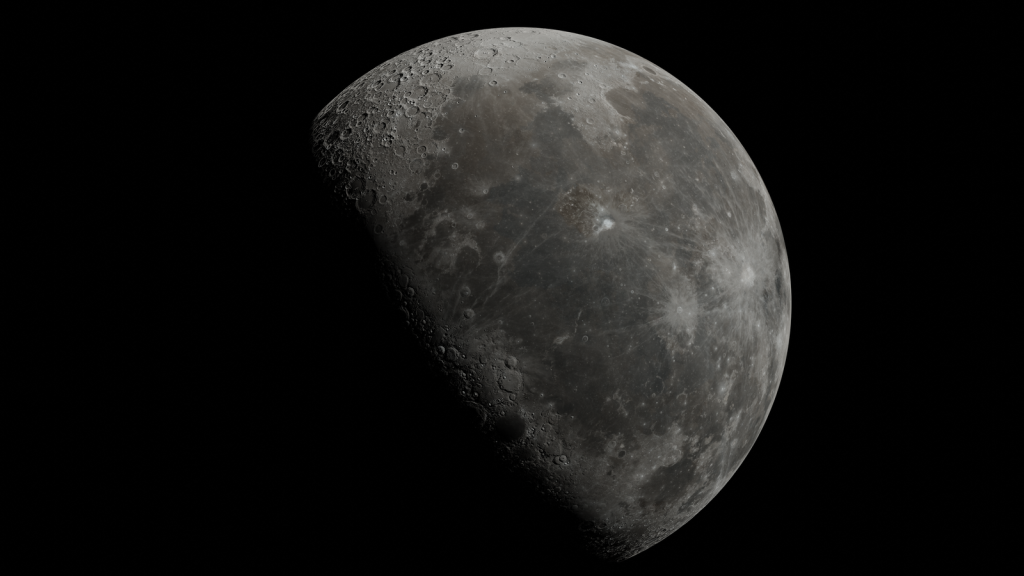
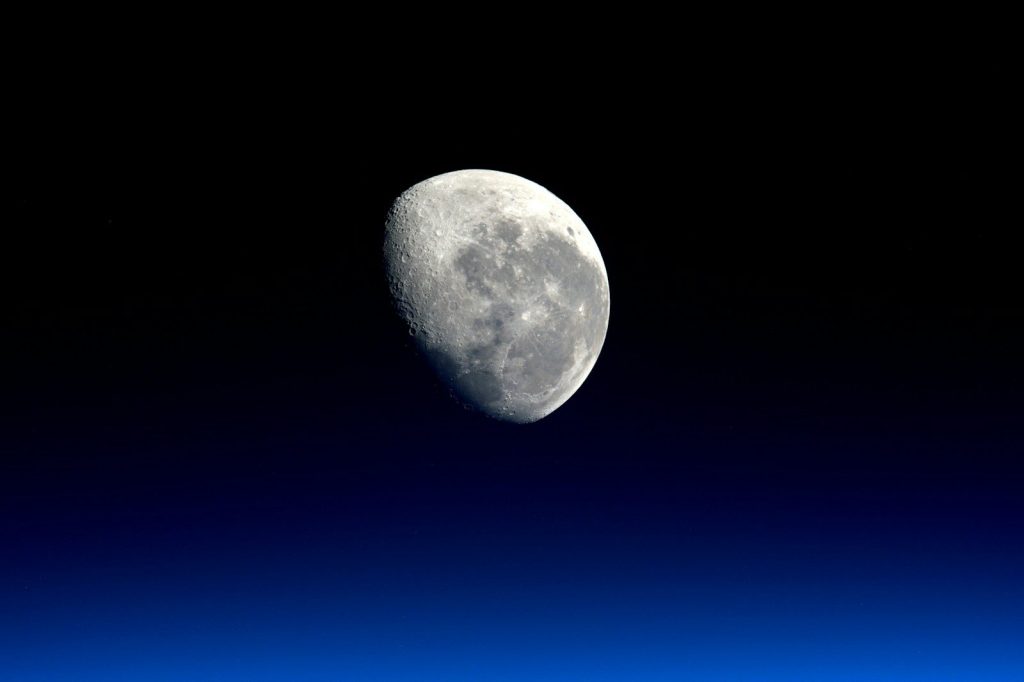
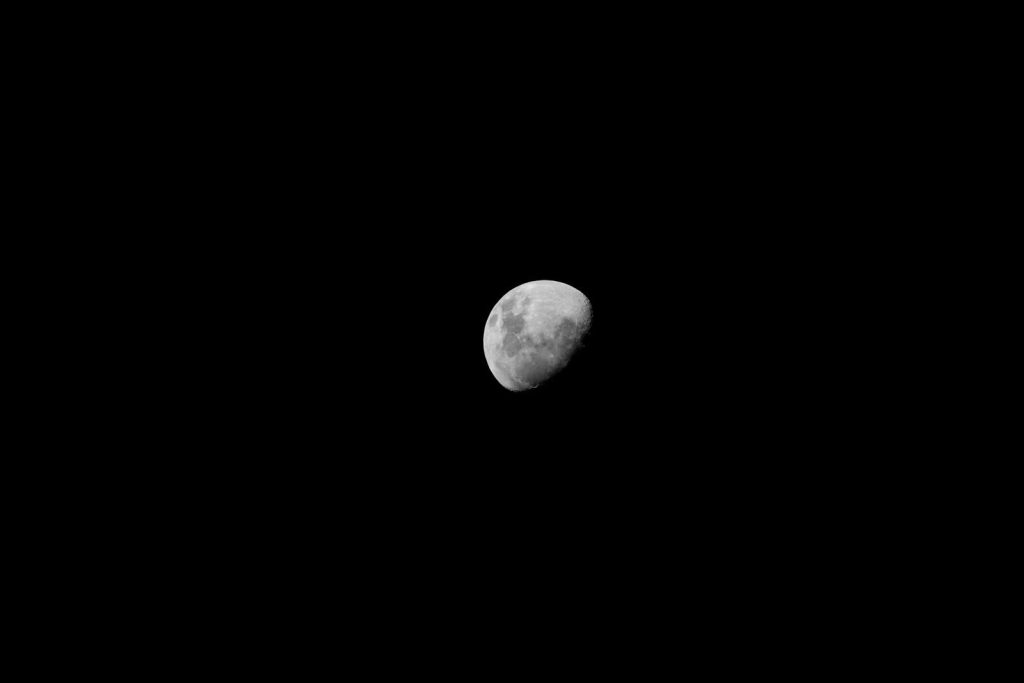
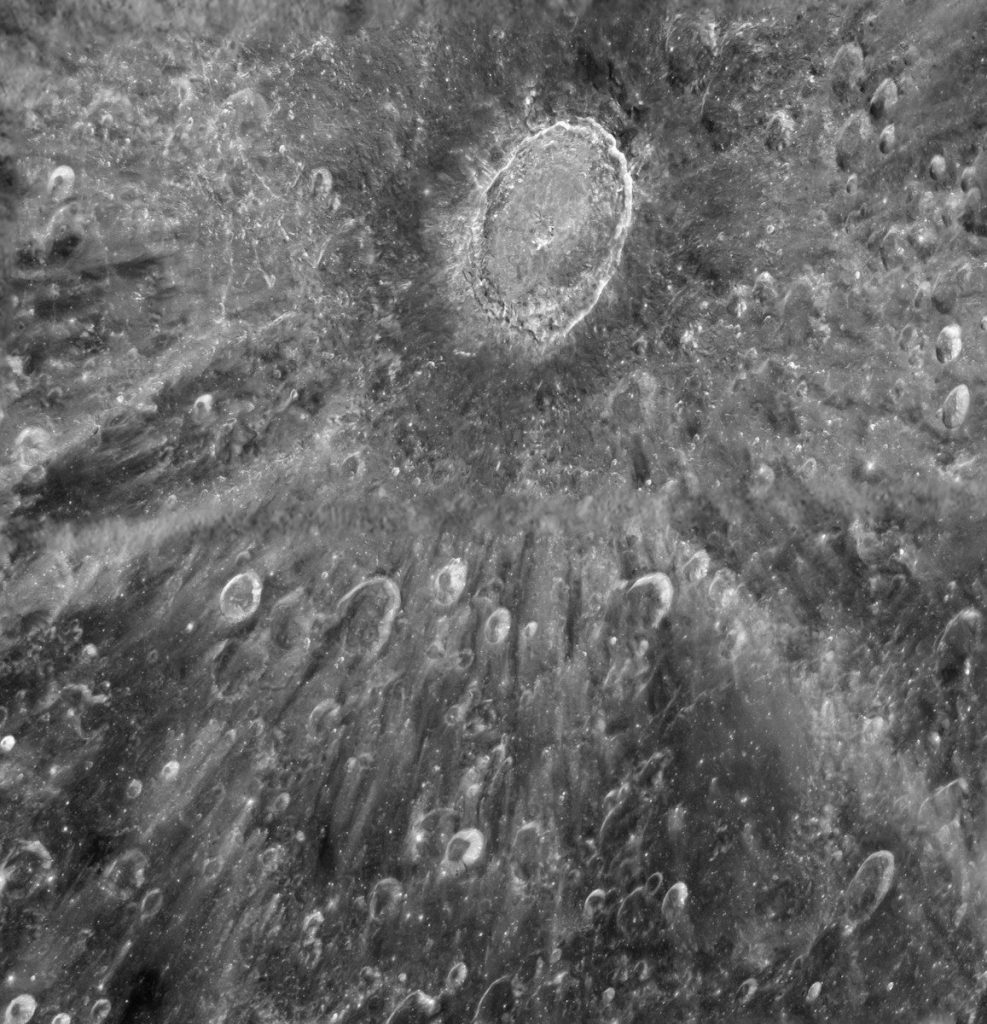
    High-resolution image showcasing the intricate details of the moon's craters and surface texture.
    Photo by @T Keawkanok on Pexels

    Leaving the natural magnetic shield of our planet exposes explorers to constant solar radiation. According to NASA, early structures must be buried under thick layers of lunar soil to block these rays. The rocks are heavy. This heavy soil blanket will keep the living spaces safe and stable. But blocking radiation is only the first design puzzle.

    Building Inside Volcanic Caves
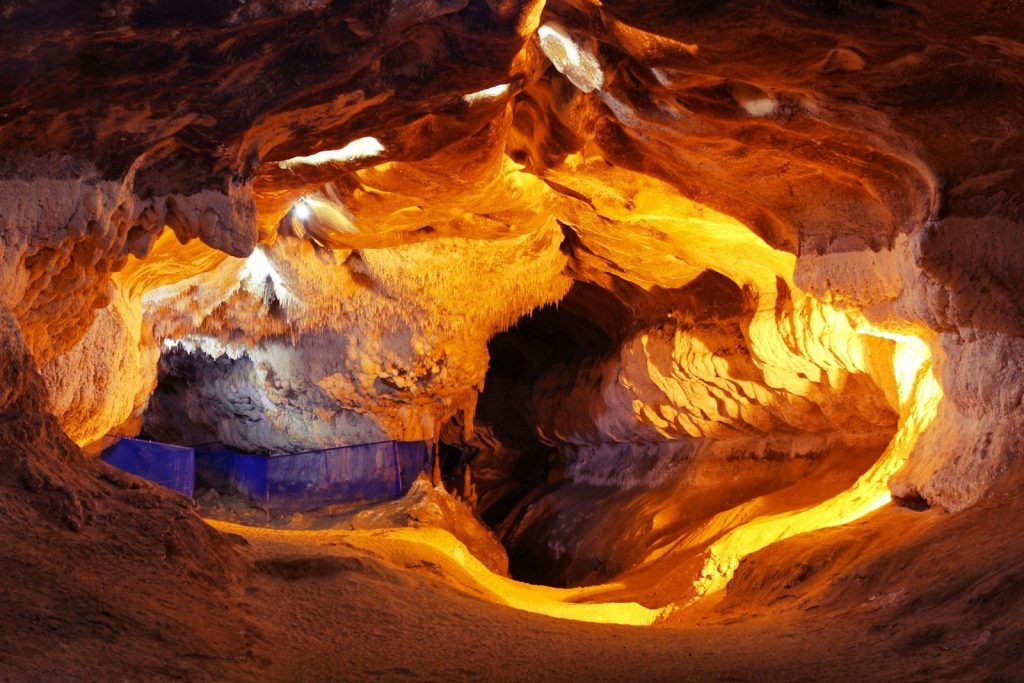
    A cave filled with lots of rocks and water
    Photo by Hasan Almasi on Unsplash

    Instead of building directly on the surface, engineers want to locate bases underground. According to geological reports from the European Space Agency, massive ancient lava tubes run deep beneath the lunar crust. They are giant. These stone tunnels offer a stable climate that does not shift during intense day and night cycles. But sealing these natural caves requires a highly specialized material.

    Spraying Liquid Polymer Seals

    Two scientists in lab coats analyzing a robotic arm in a laboratory setting.
    Photo by Pavel Danilyuk on Pexels

    Lava rock is naturally porous and would easily let breathable air escape into the vacuum. According to a study by materials scientists, construction crews will spray thin protective polymers onto the stone walls to create a tight seal. This is critical. The specialized coating will trap valuable oxygen inside the living quarters. But keeping the air fresh requires a continuous recycling system.

    Creating Endless Clean Water
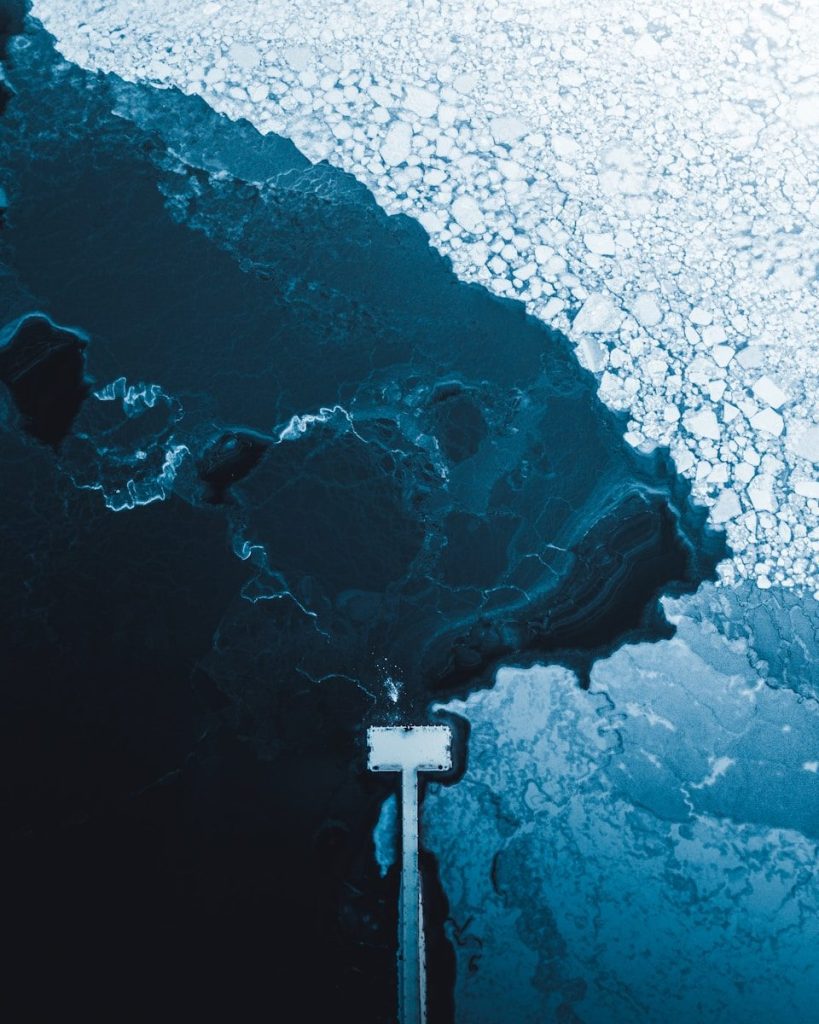
    body of water and ice
    Photo by Taneli Lahtinen on Unsplash

    A permanent base cannot survive without a constant supply of clean drinking water. According to reports from lunar hydration studies, automated systems will extract frozen ice directly from polar craters. They are freezing. This ice will be melted and filtered through closed-loop systems to run the colony. But generating enough electricity to power these water factories is another challenge.

    Gathering Winter Solar Power

    Aerial view of the Ashalim Power Station in Israel's Negev Desert harnessing solar energy with bright solar panels.
    Photo by Lio Voo on Pexels

    The lunar night brings two weeks of absolute darkness and freezing temperatures. According to reports from solar energy developers, bases will use giant vertical mirrors placed on crater rims to capture constant sunlight. The mirrors are smart. These solar tracking systems will guide clean energy down to the dark underground habitats. But storing this harvested power requires a highly unique battery grid.

    Managing Extreme Temperature Shifts
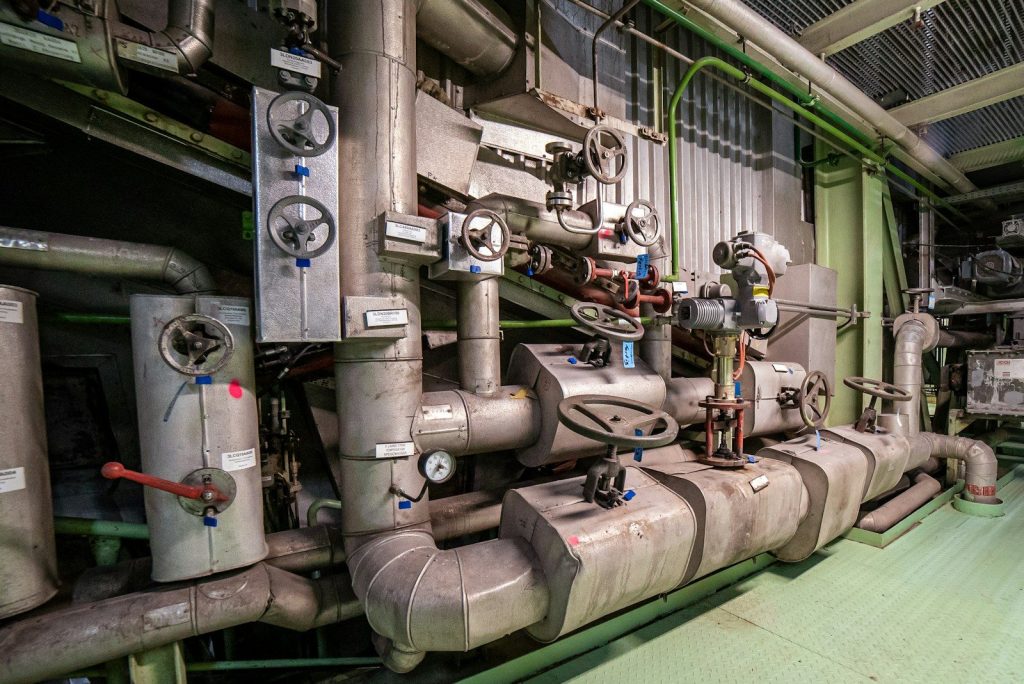
    gray and black industrial machine
    Photo by Mika Baumeister on Unsplash

    Surface temperatures on the Moon can swing by hundreds of degrees in a single day. According to reports from thermodynamic research updates, liquid coolant lines will run throughout the concrete base frames to regulate warmth. The system is silent. This automated grid keeps the indoor climate comfortable for the residents. But staying indoors for months can trigger intense mental fatigue.

    Projecting Natural Green Spaces

    green leaves inside a building
    Photo by Petr on Unsplash

    Living in stone tunnels can make astronauts feel disconnected from the natural world. According to psychological studies from Harvard University, installing bright vertical farms and simulated windows reduces isolation. Plants are vital. This green vegetation will boost oxygen levels and provide fresh food for the crew. But the ultimate success of these bases depends on robotic help.

    Stepping Into Lunar Cities

    a full moon rising over a city at night
    Photo by willy wong on Unsplash

    Autonomous robotic helpers will handle the heavy lifting of building the outer shields. According to reports from mission planners, these smart machines will prepare the tunnels before the first human crews arrive. The future is waiting. This article is for informational purposes only and does not constitute professional aerospace advice.
    Featured Image: Photo by NASA on Unsplash

  • The New Space Telescope Built to Hunt for Alien Life

    The New Space Telescope Built to Hunt for Alien Life

    Most people believe that searching for alien life requires waiting for extraterrestrial radio signals to arrive on Earth. We assume that finding biology on distant worlds is impossible with our current technology.

    But a powerful new space telescope is actively scanning the atmospheres of exoplanets for signs of life. Its highly sensitive instruments may have already detected the first clues of alien activity.

    Reading Gas Barcodes

    Stunning aerial view of a volcanic crater with smoke and rugged terrain under a clear sky.
    Photo by Francesco Ungaro on Pexels

    Astronomers no longer rely on simple visual observations to study distant rocky worlds. According to NASA, specialized space telescopes analyze the starlight passing through a planet’s outer atmosphere. This is brilliant. The gas layers absorb specific wavelengths of light to create a unique molecular barcode. But reading this cosmic signature is only the first step in the search.

    Spotting Dimethyl Sulfide Gas

    green trees illustration
    Photo by Lucas Myers on Unsplash

    Certain volatile gases are highly reactive and disappear quickly without a constant organic source. According to research from the University of Cambridge, detecting a gas called dimethyl sulfide is a major clue. It is highly unique. On Earth, this specific compound is only produced by tiny marine organisms inside our oceans. But confirming this finding requires ruling out all natural causes.

    Sifting Non-Organic Chemistry

    blue water with white bubbles
    Photo by Jonathan Borba on Unsplash

    Mainstream scientists remain highly cautious about claiming definitive proof of extraterrestrial life. According to planetary geologists, extreme volcanic outgassing can sometimes mimic organic chemical signatures under high pressures. The math is complex. Researchers must run thousands of computer simulations to rule out every possible natural cause. But the target world holds other highly promising features.

    Exploring Temperate Sea Worlds

    a white flower with a black background
    Photo by Wolfgang Hasselmann on Unsplash

    The target exoplanet orbits its host star directly within the comfortable habitable zone. According to reports from the European Space Agency, the planet’s surface is likely covered by a massive liquid water ocean. The climate is stable. Having a stable ocean provides the perfect environment for complex organic chemistry to develop. But tracking these distant worlds requires extreme precision.

    The Starshade Shield Solution

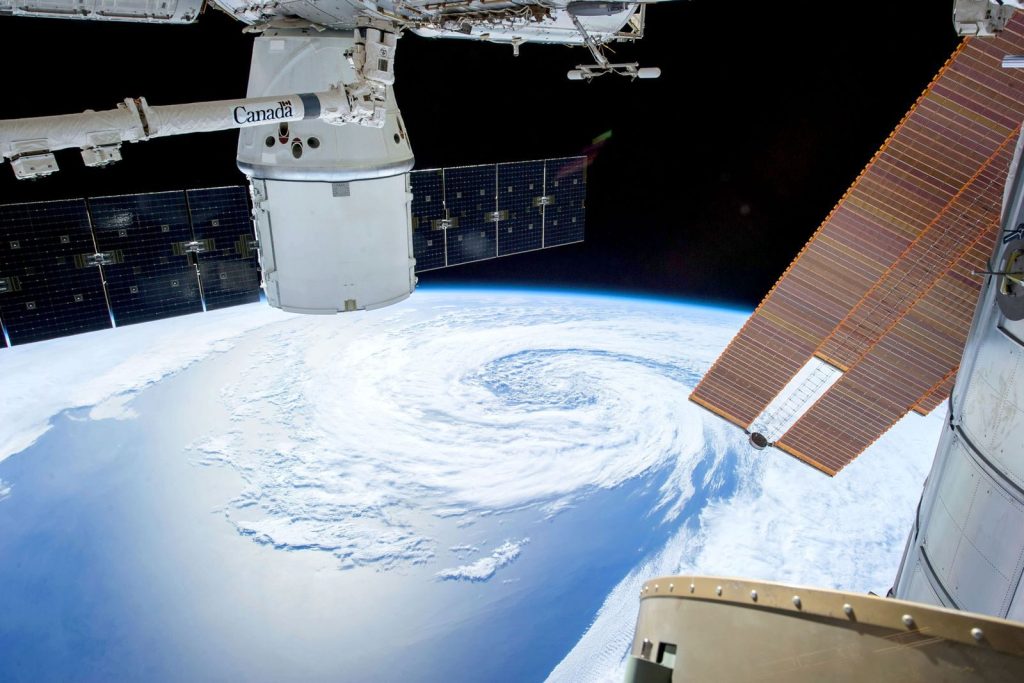
    A mesmerizing view of Earth as seen from a space station with solar panels and satellite modules.
    Photo by SpaceX on Pexels

    Capturing clean light samples from a distant exoplanet requires blocking the overwhelming glare of its host star. According to optical engineering reports, scientists are designing giant flower-shaped shields to fly ahead of the telescope. The shadow is perfect. This starshade allows the sensitive camera to isolate the planet’s true colors and surface details. But launching these missions requires international cooperation.

    Organizing The Global Search

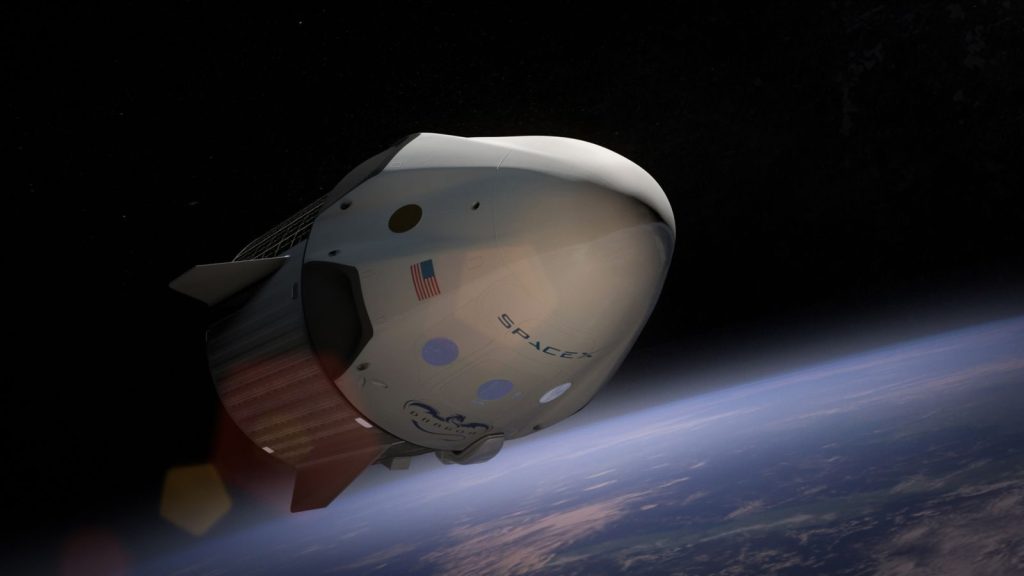
    A SpaceX Dragon spacecraft orbiting Earth, captured in vivid detail against space.
    Photo by SpaceX on Pexels

    Space agencies are forming a massive international coalition to deploy the next generation of orbital telescopes. According to mission planners, combining data from multiple space observatories is the fastest way to confirm biological signatures. They are highly determined. This public effort will share raw cosmic findings directly with universities across the globe. But the search is already changing our place in the universe.

    The End Of Solitude

    sun in the sky during night time
    Photo by Jacob Granneman on Unsplash

    Finding even a tiny sign of biological activity on another planet will permanently alter human history. According to astrobiologists, proving that life exists elsewhere confirms that biology is a universal force. Nature holds many surprises. This article is for informational purposes only.

    Featured Image: Photo by BoliviaInteligente on Unsplash

  • How Far Can Our Strongest Space Telescope Peer Into Space

    How Far Can Our Strongest Space Telescope Peer Into Space

    Most stargazers assume that we can only see nearby stars and planets through our telescopes. We believe the deep edges of the universe are permanently hidden in absolute darkness.

    But a spectacular space observatory has shattered these celestial boundaries. Its sensitive infrared sensors can look back billions of years to see the first galaxies.

    The James Webb Breakthrough

    blue skies filled of stars
    Photo by Billy Huynh on Unsplash

    Observing the oldest objects in the universe requires technology that can bypass thick cosmic dust clouds. According to reports from NASA, the James Webb Space Telescope uses advanced infrared sensors to see hidden stellar structures. The view is magnificent. This infrared capability allows astronomers to scan through dirty cosmic screens that block visible light. But the sheer distance of these targets is hard to imagine.

    Capturing The Ancient Light

    a large cluster of stars in the night sky
    Photo by NASA Hubble Space Telescope on Unsplash

    Because light takes years to travel across the cosmos, we are actually viewing deep space as it existed in the past. According to astrophysicists, looking at a galaxy thirteen billion light-years away is like opening a historic window. The physics is wild. We are observing these stars as they looked shortly after the Big Bang. But measuring the exact limit of our sight requires extreme calculation.

    Reaching Thirteen Billion Years

    a very large group of objects in the dark
    Photo by NASA Hubble Space Telescope on Unsplash

    The space telescope has successfully captured images of galaxies that formed when the universe was in its infancy. According to astronomical measurements, the farthest tracked galaxy dates back over thirteen billion years. The scale is monumental. These ancient star clusters are incredibly bright despite their extreme distance from our local neighborhood. But identifying how these early stars grew so fast is a massive puzzle.

    Bypassing Standard Cosmic Models

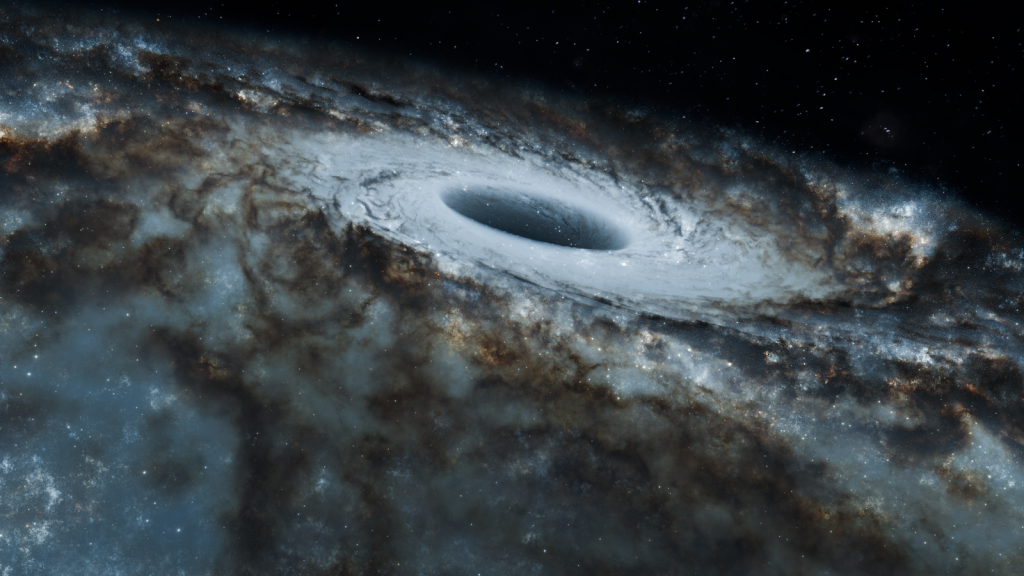
    A captivating view of a black hole surrounded by swirling stars in a spiral galaxy.
    Photo by Iceberg San on Pexels

    Finding highly organized galaxies so early in cosmic history was completely unexpected for astronomers. According to space science researchers, early gas clouds should not have been able to form such dense star systems so quickly. The models fail. This timing suggests that gravity behaved in ways we are still trying to calculate. But the telescope is also scanning much closer targets.

    Analyzing Far Exoplanet Clouds

    a large white machine with a monitor
    Photo by Mezidi Zineb on Unsplash

    Analyzing the light filtering through the clouds of distant exoplanets can reveal hidden gases. According to reports from the European Space Agency, spectrometers can identify the chemical signatures of water and carbon dioxide. The accuracy is stunning. This atmospheric search could soon reveal the first definitive proof of biological life on another world. But the harsh environment of space threatens the telescope.

    Floating Near Lagrange Point

    an artist's rendering of a space station in orbit
    Photo by Andrej Sachov on Unsplash

    To capture faint infrared heat, the observatory must remain colder than any natural environment on Earth. According to spacecraft engineers, the telescope operates at nearly absolute zero behind a massive five-layer sunshield. It is incredibly quiet. The vehicle orbits a stable coordinate one million miles away from our warm planet. But keeping the delicate mirrors aligned requires constant monitoring.

    Eighteen Gold-Coated Mirror Segments

    brass and black metal pipe
    Photo by Kevin Woblick on Unsplash

    Eighteen gold-coated hexagonal segments work together as a single massive lens in the sky. According to mechanical audits, automated motors adjust the alignment of these segments with microscopic precision. The detail is perfect. This flawless coordination is what allows the telescope to produce the sharpest cosmic images in human history. But this stellar eye is only the beginning of deep space discovery.

    Writing The True History

    the sun is setting behind a tower in the sky
    Photo by Swanson Chan on Unsplash

    Peering into the deepest corners of the universe allows us to trace the true history of all matter. According to researchers, studying these ancient galaxies helps us understand how our own solar system evolved. We are still learning. This article is for informational purposes only.

    Featured Image: Photo by NASA Hubble Space Telescope on Unsplash

  • How One Space Giant Plans to Redefine Human Civilization

    How One Space Giant Plans to Redefine Human Civilization

    Most people believe that human space colonization is a distant fantasy. We assume that our lives will remain grounded on Earth for centuries.

    But a powerful aerospace empire is actively preparing a planetary migration. Their ambitious timeline could move humanity to the stars much faster than expected.

    Colossal Rockets For Deep Space

    a large metal robot
    Photo by osvaldo urriola on Unsplash

    Lifting massive structures into orbit requires spacecraft of unprecedented scale. According to SpaceX reports, a fleet of reusable steel rockets is currently under construction. The progress is rapid. These massive vehicles are designed to fly multiple times in a single day to minimize transport costs. But fuel needs in orbit require a highly specialized refueling process.

    Giant Gas Stations In Space

    white and brown ship on dock during daytime
    Photo by Marcus Urbenz on Unsplash

    Reaching deep space destinations is impossible without loading extra fuel while orbiting Earth. According to aerospace engineering logs, specialized orbital tankers will deliver liquid oxygen and methane to the primary ship. The docking is precise. This process ensures the spacecraft has enough energy to cross the solar system safely. But surviving the long voyage introduces a brutal physical barrier.

    Shields Against Cosmic Rays

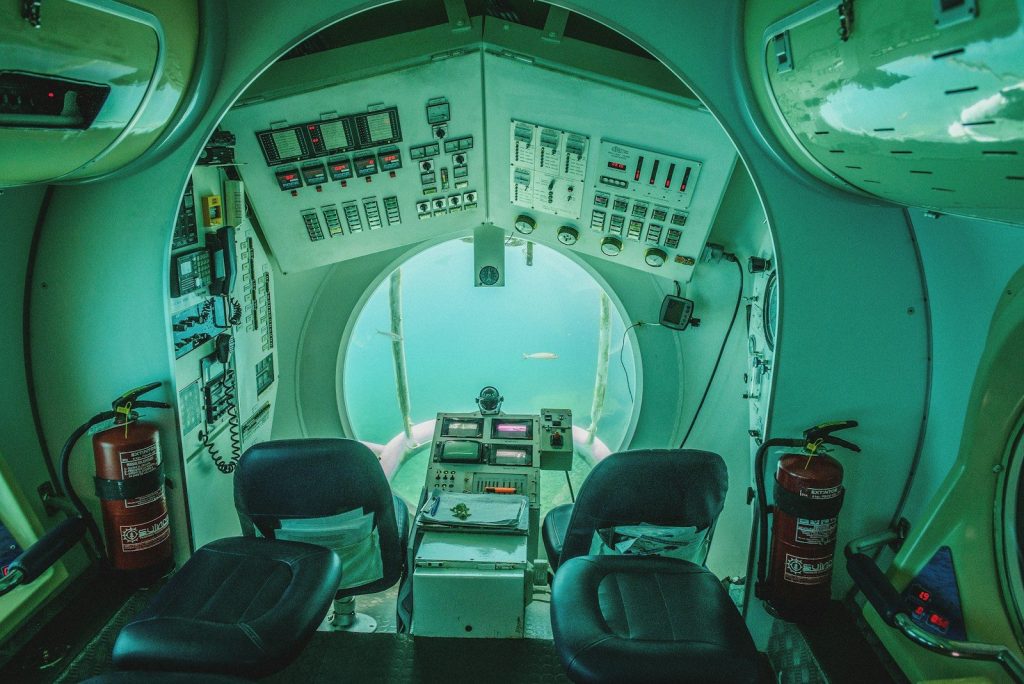
    empty seats inside vehicle with fire extinguishers
    Photo by Michal Mrozek on Unsplash

    Astronauts traveling beyond the magnetic shield of our planet face constant exposure to toxic radiation. According to space medicine studies, crews must use specialized shielding zones inside the ship during solar storms. They are highly vulnerable. This protective area will safeguard human cells from irreversible damage during the journey. But landing these colossal towers on alien sand requires a physical miracle.

    Landing On Red Dust

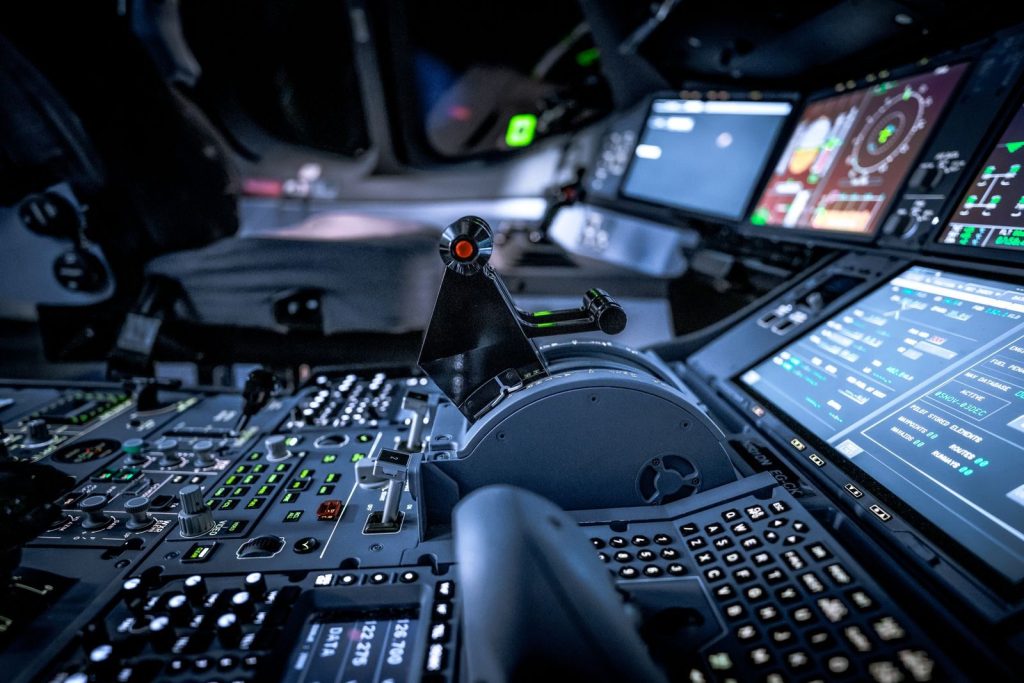
    Close-up view of a modern aircraft cockpit with glowing control panels and screens.
    Photo by Terrence Bowen on Pexels

    Landing a heavy spacecraft down through thin alien air requires high-power retro-propulsion. According to aerodynamic flight models, the vehicle must use vertical retro-propulsion to settle gently on the sand. The execution is precise. This landing method ensures that crews can build bases without needing long concrete runways first. But establishing a base requires collecting local resources immediately.

    Making Fuel From Air

    A large metal structure with a clock on top of it
    Photo by Shaueel Persadee on Unsplash

    Returning to Earth requires manufacturing rocket fuel directly on the foreign surface. According to chemical engineering reports, a specialized reactor will combine local carbon dioxide with water from melted ice. The system is genius. This chemical factory ensures that return ships do not need to carry double the weight. But growing food in toxic soil is another major hurdle.

    Cultivating Crops In Foreign Soil

    green leaves on white table
    Photo by Tia on Unsplash

    Crops cannot grow easily in cold soil that lacks the organic nutrients of Earth. According to agricultural geologists, early farmers will cultivate vegetables inside automated hydroponic greenhouse systems. They are highly efficient. This closed-loop setup will recycle water and nutrients to feed the growing population safely. But organizing this colony requires a highly advanced network.

    Low Orbit Satellite Networks

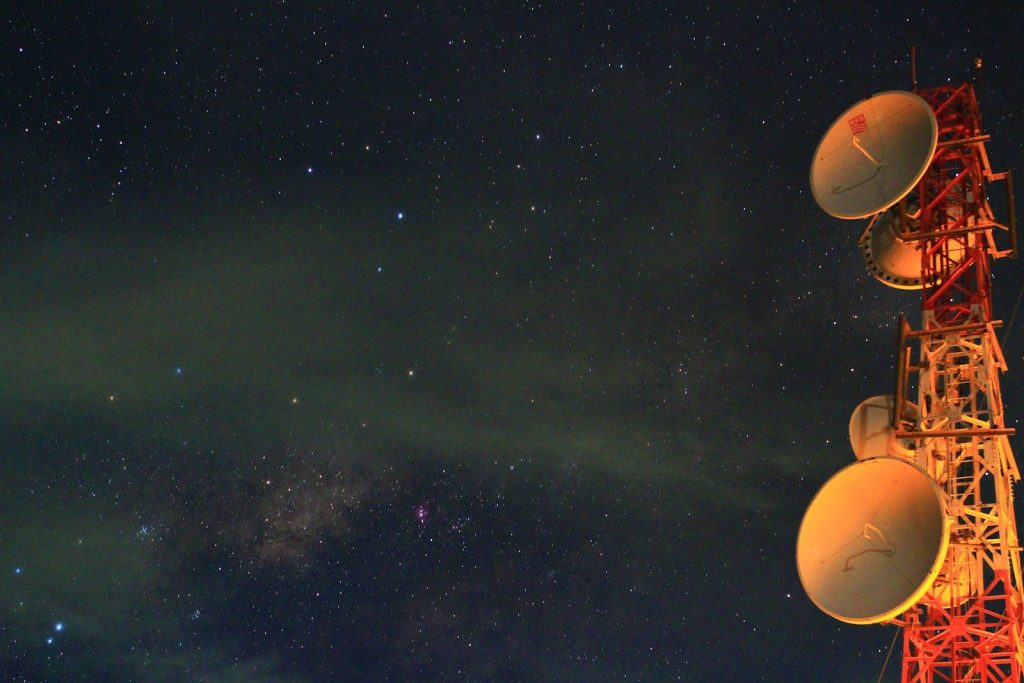
    astrophotography red and white tower with satellites under milky way
    Photo by Atik sulianami on Unsplash

    Low-orbit satellite networks will provide constant communication across the entire colony. According to telecommunication researchers, these orbiting nodes will link research bases and automated farming grids in real time. The connection is stable. This digital network is vital for coordinating emergency operations and tracking major weather events. But the final success of this plan relies on human endurance.

    Becoming A Cosmic Species

    body of water under starry night
    Photo by Patrick Connor Klopf on Unsplash

    Securing a permanent presence on another world represents the greatest migration in human history. According to astrobiologists, establishing a backup home ensures the long-term survival of our collective knowledge. The future has arrived. This article is for informational purposes only.

    Featured Image: Photo by Blue Arauz on Pexels

  • The Massive Unexplained Force Pulling Our Entire Galaxy

    The Massive Unexplained Force Pulling Our Entire Galaxy

    Most stargazers assume that our galaxy drifts calmly through a peaceful and balanced universe. We believe that cosmic movements are predictable and follow standard gravitational maps.

    But a bizarre discovery near the edge of the universe has shattered this assumption. Scientists have located a massive unexplained force that is violently pulling our entire galaxy.

    The Great Attractor Anomaly

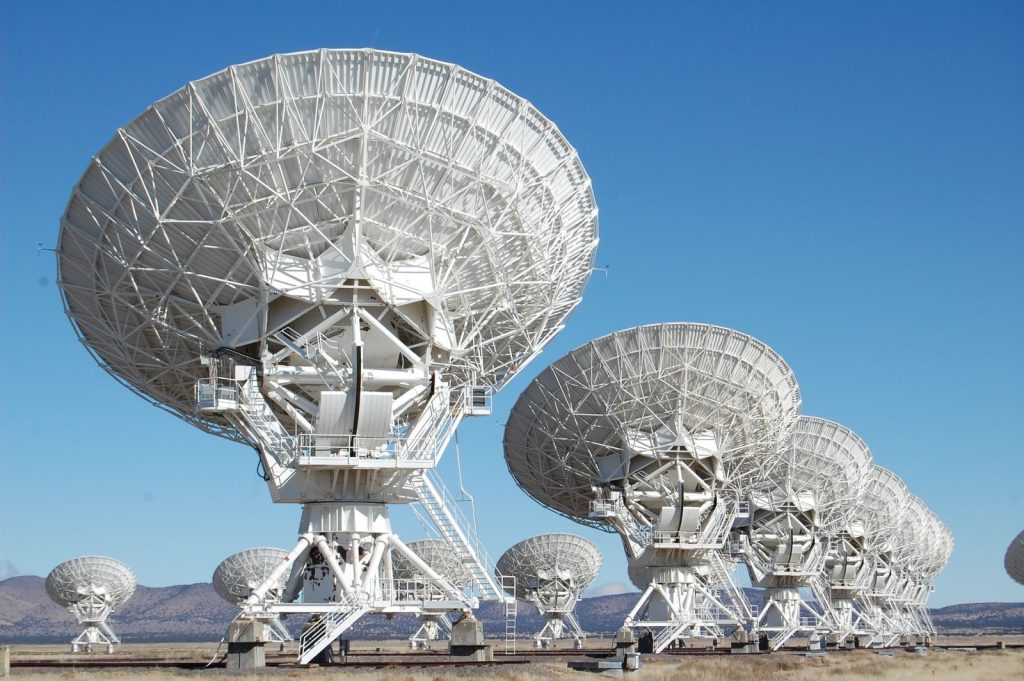
    Array of radio telescopes at the Very Large Array in New Mexico under a clear blue sky.
    Photo by braincontour on Pexels

    Astronomers mapping the speed of nearby galaxies discovered a highly unusual drift pattern. According to reports from the Hubble Space Telescope, thousands of star systems are rushing toward a specific coordinate. It is incredibly fast. This massive cosmic movement suggests that something colossal is hiding just beyond our visual horizon. But finding this gravitational giant required scanning through our own star dust.

    Blinded By The Milky Way

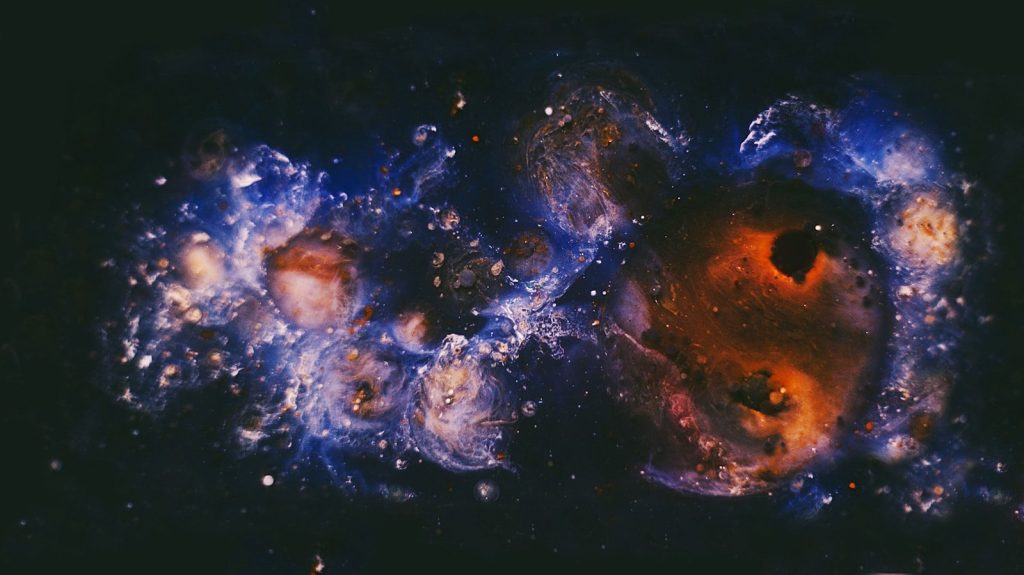
    blue and orange galaxy illustration
    Photo by Miriam Espacio on Unsplash

    The hidden force sits directly behind the dense dust clouds of our own galactic center. According to astrophysical research papers, this region is known as the zone of avoidance. The view is blocked. This cosmic dust absorbs visible light to hide whatever massive structure is pulling us. But astronomers found a way to see through the dirty screen.

    Peering Through With Infrared

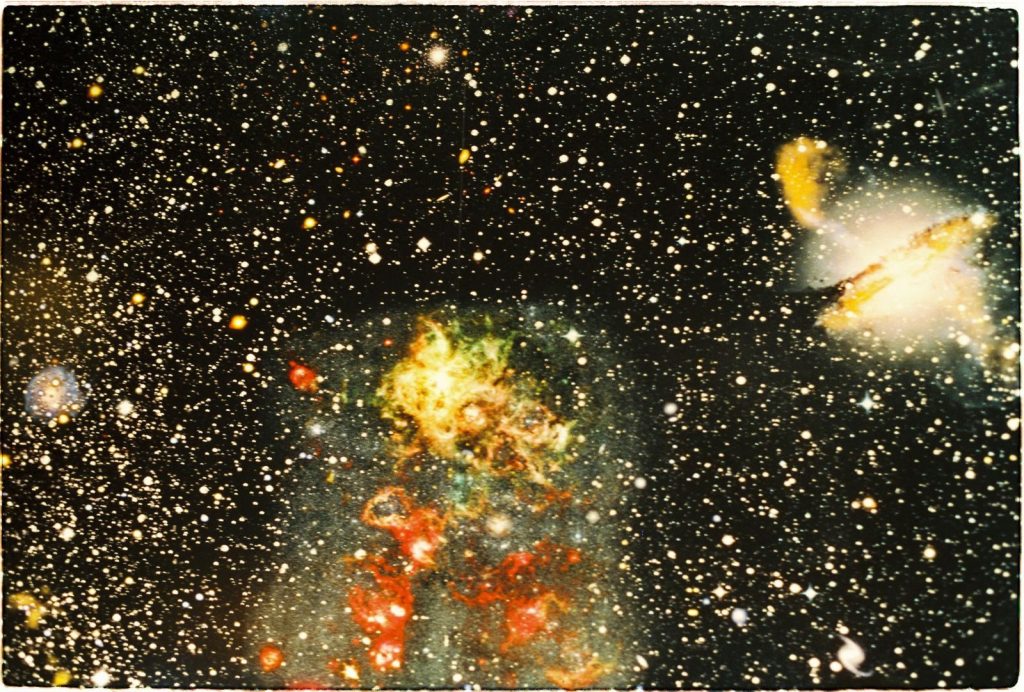
    Colorful nebula and distant galaxy captured in a star-filled cosmic scene.
    Photo by meomupmofilm on Pexels

    Scientists used advanced infrared and X-ray sensors to bypass the thick dust clouds entirely. According to reports from the European Space Agency, these deep scans revealed a massive cluster of giant galaxies. The scale was monumental. This dense concentration of mass explains some of the intense gravity pulling us. But this local cluster was still not strong enough to explain the total speed.

    The Colossal Shapley Supercluster

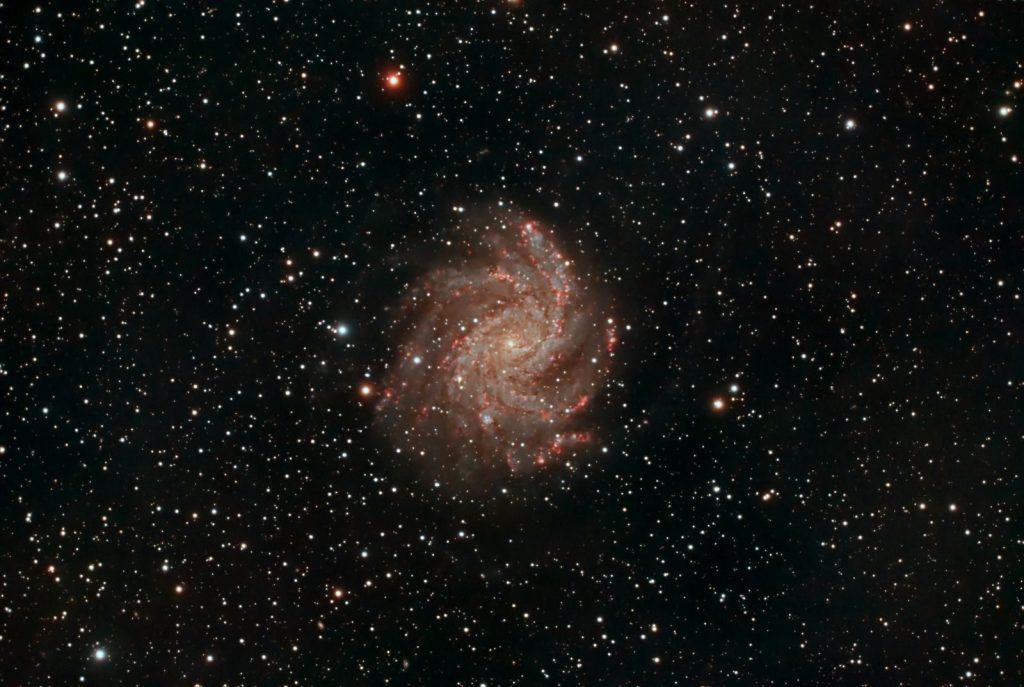
    Capture of a spiral galaxy surrounded by stars, showcasing the vastness of space.
    Photo by Daniel Cid on Pexels

    An even larger gravitational giant lies waiting further out in the deep void. According to astronomical measurements, the Shapley Supercluster contains thousands of galaxies packed tightly together. It is truly massive. This colossal structure is currently the largest known concentration of matter in our local universe. But some theorists believe an even stranger force is at play.

    Dark Flow Cosmic Drift

    Bright, colorful depiction of a magnetic field with cosmic elements and abstract design.
    Photo by Nicola Narracci on Pexels

    Some researchers argue that entire patches of the universe are drifting in a highly unusual direction. According to a study published by NASA, this unexplained movement is called dark flow. The speed is constant. This drift could be caused by gravitational pulls from structures that exist outside our observable horizon. But proving this controversial theory requires launching new space missions.

    Advanced Orbital Mapping Systems

    an artist's rendering of a satellite in space
    Photo by NASA Hubble Space Telescope on Unsplash

    Space agencies are designing highly sensitive sensors to map the cosmic background radiation in detail. According to mission directors, tracking these tiny temperature shifts can reveal the exact limits of dark flow. Precision is vital. This cosmic map could soon show whether another universe is physically pulling on our own. But the ultimate destination of our long journey remains undecided.

    Floating In A Great Void

    a view of the night sky from an airplane
    Photo by Yifu Wu on Unsplash

    The mysteries of the cosmic edge prove that our universe holds many unmapped forces. According to geophysicists, studying these massive gravitational pulls helps us understand the true scale of our cosmic neighborhood. We are still learning. This article is for informational purposes only.

    Featured Image: Photo by Buddha Elemental 3D on Unsplash

  •  How One Aerospace Giant Plans to Rebuild Mars

     How One Aerospace Giant Plans to Rebuild Mars

    Most space enthusiasts assume that establishing a human colony on Mars is just a distant dream. We believe that our current technology is too limited to ever build extraterrestrial cities.

    But a spectacular space program is actively turning this sci-fi concept into reality. Their ambitious roadmap aims to send one million settlers to the red planet over the next few decades.

    The Colossal Steel Transport Tower

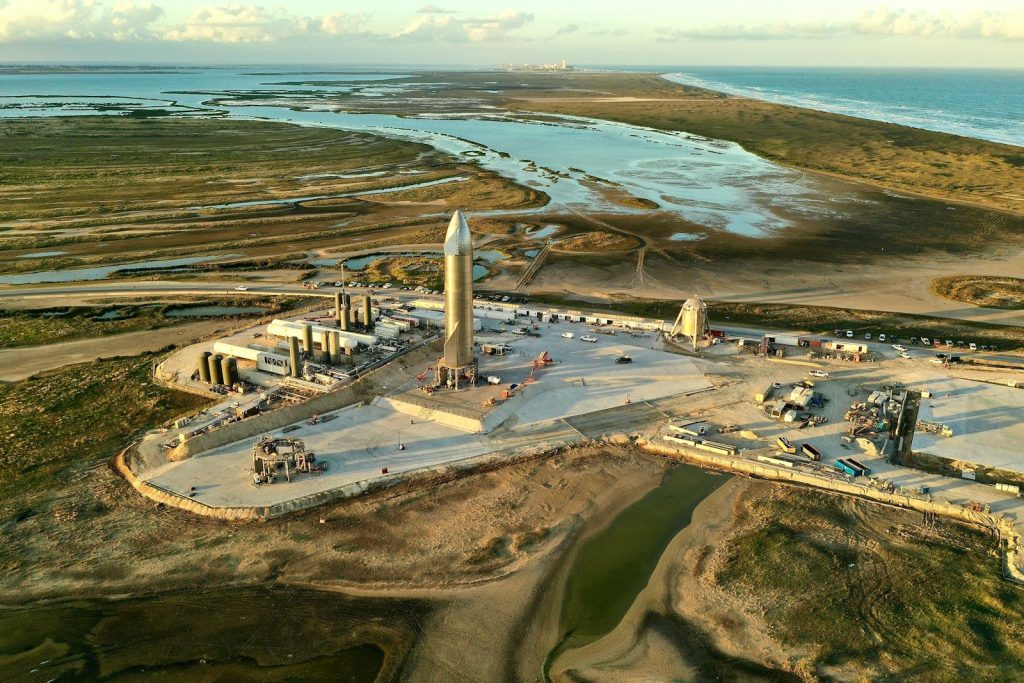
    Rocket launchpad with a tall rocket and surrounding structures.
    Photo by Jay Wedgeworth on Unsplash

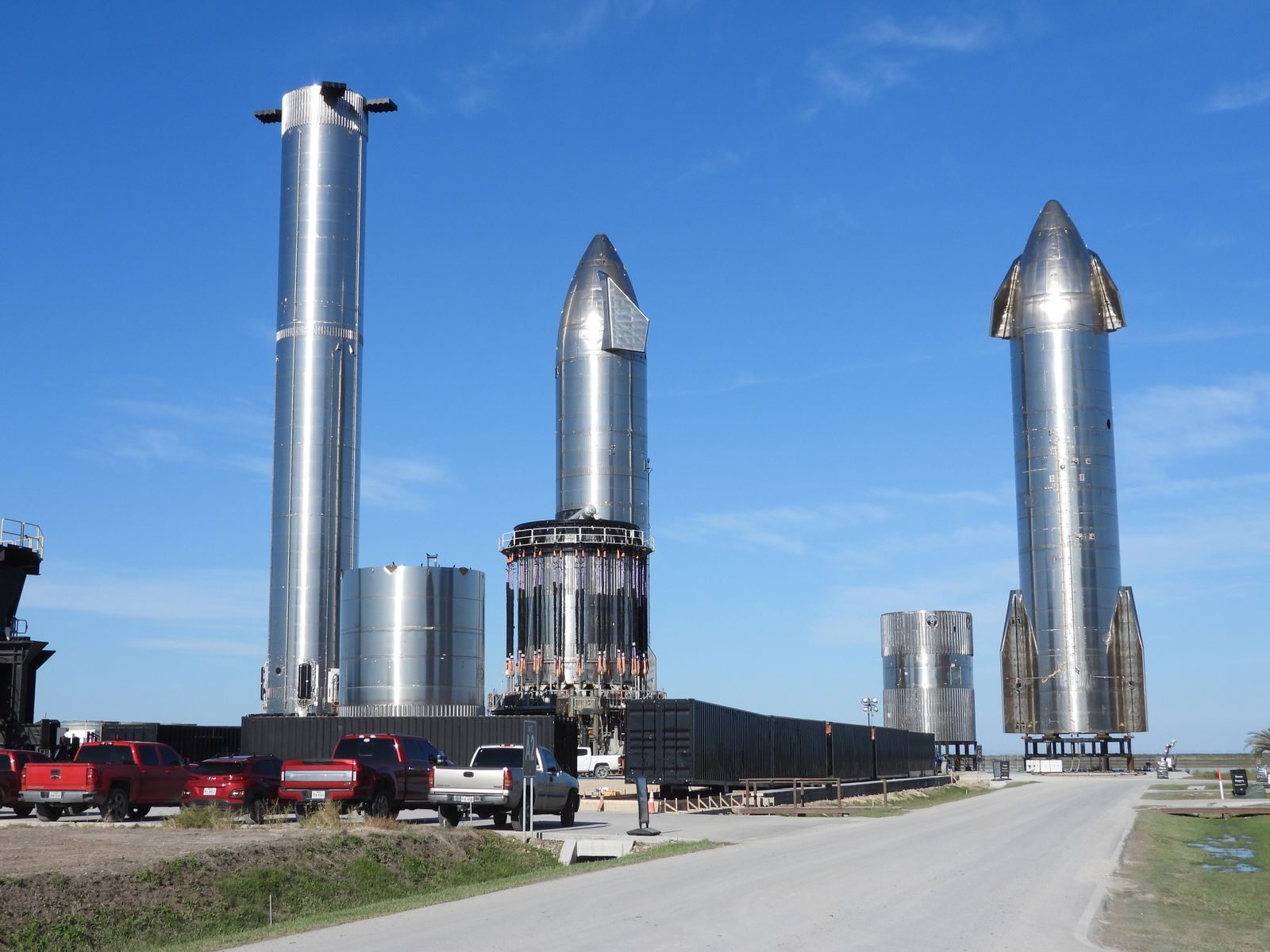
    Carrying thousands of tons of cargo into orbit requires a rocket of unprecedented scale. According to SpaceX development logs, the giant stainless steel Starship stands nearly four hundred feet tall. It is truly massive. The polished metal hull is designed to fly multiple times in a single day. But traveling across the deep void requires a highly complex refueling process.

    Launching The Orbital Tanker Ships

    a view of a space station from inside a space station
    Photo by NASA Hubble Space Telescope on Unsplash

    Reaching Mars requires loading fuel into the primary spacecraft while it is still orbiting Earth. According to aerospace engineering logs, specialized tanker ships will carry extra methane and oxygen up to the ship. The connection is precise. This orbital refueling plan ensures the main spacecraft has enough energy to cross the deep void. But surviving the long voyage brings a severe biological challenge.

    Surviving Deep Space Radiation Storms

    A space traveler in a futuristic suit explores a sci-fi spacecraft, bathed in dramatic lighting.
    Photo by Mikhail Nilov on Pexels

    Crews traveling to the Red Planet face months of intense radiation and microgravity exposure. According to space medicine studies, astronauts must exercise daily to prevent severe bone and muscle decay. The strain is real. The spacecraft must also feature heavy shield zones to protect travelers from sudden solar flares. But landing this colossal metal tower on Mars requires another physical miracle.

    The Terrifying Belly Flop Maneuver

    Close-up of a simulated aircraft cockpit with control joystick and digital display.
    Photo by ThisIsEngineering on Pexels

    The Martian atmosphere is incredibly thin and offers very little resistance to slow down heavy incoming spaceships. According to aerodynamic flight models, the vehicle must use a unique belly-flop maneuver to bleed off speed. The drop is terrifying. At the final second, the rocket engines fire vertically to settle the giant hull gently onto the rock. But establishing the base requires immediate resource collection.

    Manufacturing Fuel On Other Worlds

    birds eye photography of concrete structure
    Photo by American Public Power Association on Unsplash

    Returning to Earth requires manufacturing rocket propellant directly from local planetary resources. According to chemical engineering reports, a specialized reactor will combine carbon dioxide from the air with water from melted ice. This process is genius. This local fuel factory allows the spaceships to launch back home without carrying double the fuel. But growing food in the cold, toxic soil is another hurdle.

    Farming Inside Hydroponic Domes

    A blue truck parked in front of a green house
    Photo by Qihai Weng on Unsplash

    Mars receives less than half the sunlight of Earth and lacks fertile soil for crops. According to agricultural geologists, early farmers will grow high-yield vegetables inside pressurized greenhouse domes. They are highly efficient. This closed-loop farming system will recycle water and nutrients to feed the growing population safely. But organizing this massive colony requires a highly advanced communication network.

    Becoming A Multiplanetary Species

    a solar system with two planets in the background
    Photo by NASA Hubble Space Telescope on Unsplash

    Establishing a second home on Mars represents the greatest migration project in human history. According to astrobiologists, securing our presence on another world ensures the long-term survival of our collective knowledge. The future has arrived. This article is for informational purposes only.

    Featured Image: Photo by Miguel Cuenca on Pexels

  • The Massive Starship Preparing to Bridge Cosmic Worlds

    The Massive Starship Preparing to Bridge Cosmic Worlds

    Most people believe that deep space travel is a distant dream left to science fiction movies. We assume that humans will remain confined to Earth for many generations to come.

    But a monumental engineering program in Texas is quietly rewriting our cosmic timeline. A giant reusable steel system is preparing to carry pioneers to the red sands of Mars.

    The Giant Steel Tower

    close-up photography of white space shuttle during daytime
    Photo by Pablo Guerrero on Unsplash

    Building a spacecraft of this scale requires dropping expensive carbon materials. According to reports from SpaceX, engineers chose to construct the giant hull from high-strength stainless steel. This metal is tough. The highly polished material performs exceptionally well during the extreme heat of high-speed atmospheric reentry. But lifting this heavy steel tower off the ground demands unprecedented power.

    Powering The Starship Boosters

    twom white flying rockets during daytime
    Photo by SpaceX on Unsplash

    The first stage booster relies on thirty-three advanced engines burning liquid methane and oxygen. According to aerospace propulsion audits, this setup generates more than double the thrust of the historic Saturn Five rocket. The roar is deafening. This fuel choice is vital because it can eventually be manufactured directly on other planets. But returning this massive booster safely to the ground requires a highly unusual maneuver.

    The Precise Midair Catch

    white and red space ship
    Photo by Arseny Togulev on Unsplash

    Instead of landing on heavy metal legs, the falling rocket is caught by its launch tower. According to facility designs, massive steel arms on the tower grab the booster before it touches the ground. The maneuver is unbelievable. This precise grab eliminates the weight of traditional landing gear to increase cargo space. But preparing the primary ship for the long deep voyage brings a secondary hurdle.

    Refueling In Earth Orbit

    an artist's rendering of a space station in orbit
    Photo by Alessandro Ferrari on Unsplash

    The journey to Mars requires carrying hundreds of tons of fuel into deep space. According to orbital flight studies, specialized tanker ships will deliver liquid oxygen and methane to the main spacecraft. The process is seamless. This orbital transfer ensures the spaceship has enough energy to cross the solar system safely. But surviving the long trek introduces a severe biological threat to the crew.

    Invisible Space Radiation Storms

    A candle is lit inside of a structure
    Photo by Pillaars samuels on Unsplash

    Crews traveling beyond our protective magnetic field face constant exposure to toxic space rays. According to reports from the National Institutes of Health, solar storms can damage human cells on a microscopic level. The danger is real. The spaceship must feature heavy shielding zones to keep astronauts safe during intense solar flares. But settling this colossal tower on alien soil requires a final mechanical miracle.

    Landing On Thin Air

    A powerful rocket launches into the sky, showcasing advanced space technology.
    Photo by SpaceX on Pexels

    The Martian atmosphere is incredibly thin and offers very little resistance to slow the ship down. According to aerodynamic flight models, the spacecraft must use vertical retro-propulsion to settle gently on the sand. The execution is flawless. This landing method ensures that pioneers can build bases without needing long concrete runways. But growing food in the cold, toxic soil is another major obstacle.

    Farming Inside Automated Domes

    white and gray bed frame
    Photo by CRYSTALWEED cannabis on Unsplash

    Crops cannot grow easily in cold soil that lacks the organic nutrients of Earth. According to agricultural geologists, early farmers will cultivate vegetables inside automated closed-loop greenhouse systems. They are highly efficient. This smart setup will recycle water and nutrients to feed the growing population safely. But organizing this colony requires a highly advanced network.

    Reaching Toward the Stars

    Bright sun with lens flare over dark horizon
    Photo by Liana S on Unsplash

    Establishing a permanent presence on another world represents the greatest migration in human history. According to astrobiologists, establishing a backup home ensures the long-term survival of our collective knowledge. The future has arrived. This article is for informational purposes only.

    Featured Image: Photo by Ocean Camera Space Corp. on Pexels

  • Why Astronomers Tracked a Mysterious Ninth Space Planet

    Why Astronomers Tracked a Mysterious Ninth Space Planet

    Most stargazers assume that we have fully mapped every single planet in our solar system. We believe that decades of telescopic surveys have revealed all major celestial neighbors.

    But a series of bizarre gravitational disruptions suggests a highly different cosmic picture. Space researchers are actively tracking a mysterious ninth planet hiding at the freezing edge of space.

    Bizarre Orbit Tilts Detected

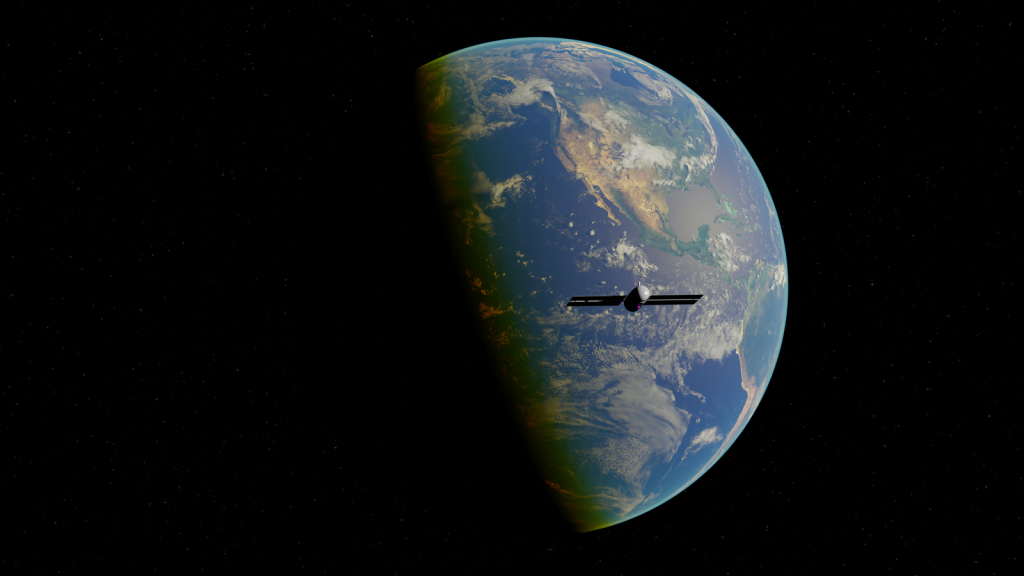
    A stunning digital rendering of Earth from space, featuring a satellite and the vast universe.
    Photo by Zelch Csaba on Pexels

    Astronomers studying the icy rocks drifting beyond Neptune noticed a highly unusual movement pattern. According to reports from the California Institute of Technology, several small space rocks have extremely tilted orbits. They are highly grouped. This organized alignment suggests that a massive unseen object is pulling these icy bodies with intense gravity. But finding this hidden giant is an extreme observational challenge.

    Scanning the Absolute Dark

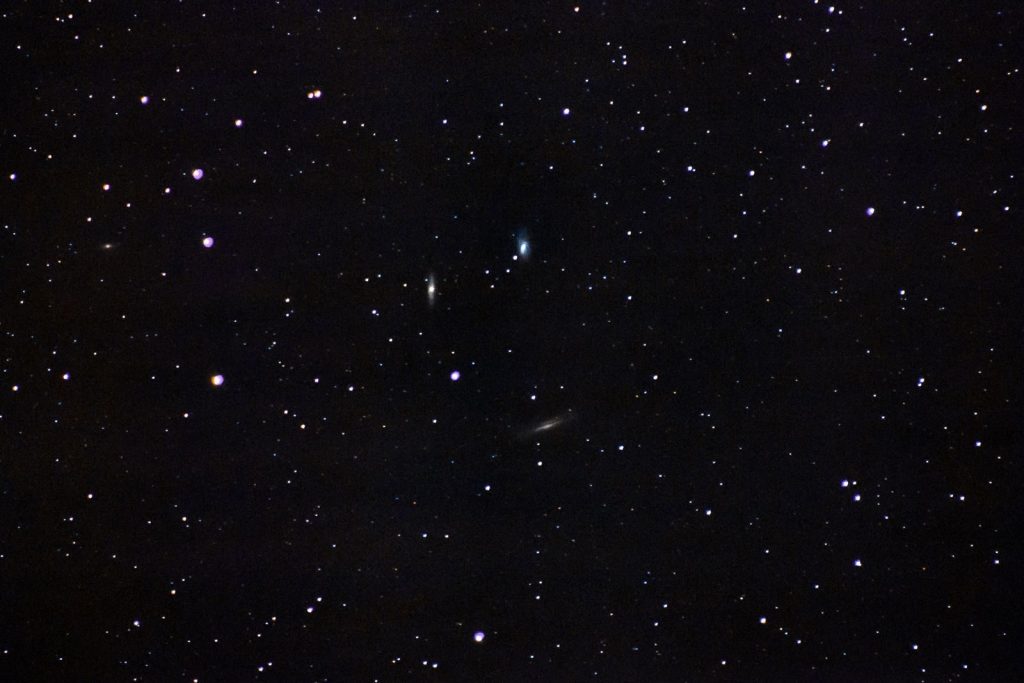
    A beautiful wide-angle shot of a clear starry night sky, featuring distant galaxies shimmering brightly.
    Photo by Alexandre P. Junior on Pexels

    The mysterious planet sits billions of miles away from the warm light of our Sun. According to planetary geologists, any planet operating at these distances receives almost zero solar reflection. The world is dark. This lack of light makes detecting the object with standard optical telescopes nearly impossible. But astronomers are using mathematical models to calculate its exact coordinates.

    The Giant Math Formula

    Close-up of a computer screen displaying colorful programming code with depth of field.
    Photo by Godfrey Atima on Pexels

    Calculations suggest the ninth planet is significantly larger than Earth but smaller than Neptune. According to astronomical models, this super-Earth likely has a mass ten times greater than our home world. The math is precise. This massive weight would easily explain the gravity tugs seen in the outer solar system. But predicting its exact orbital path takes centuries to complete.

    Ten Thousand Year Orbit

    a planet in space
    Photo by Norbert Kowalczyk on Unsplash

    This distant world travels on an incredibly long and stretched-out path around the Sun. According to space weather monitoring stations, a single orbit could take up to twenty thousand years. The wait is long. This means generations of stargazers must wait millennia to view the planet pass its closest coordinate. But this orbital loop is also shaping our natural environment.

    Interstellar Gas Capture Clues

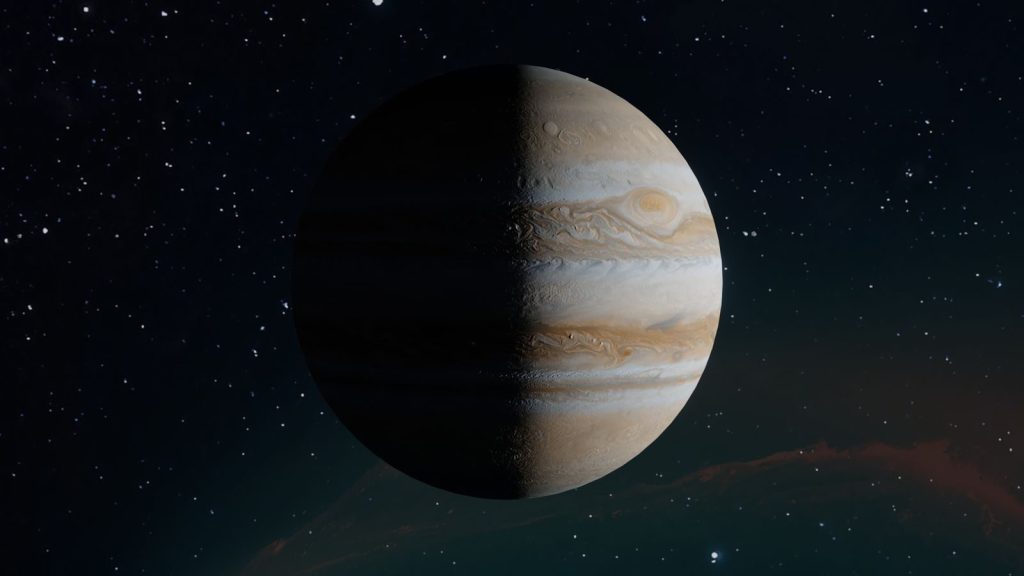
    Stunning view of planet Jupiter with visible cloud bands and darkened hemisphere against a starry sky.
    Photo by Zelch Csaba on Pexels

    Some astrophysicists believe the planet did not originate inside our local solar system. According to a study published by Harvard University, our Sun may have captured the rogue planet during an early close pass. The theft was quiet. This would explain why its orbit is so tilted compared to the other eight planets. But proving this interstellar origin requires launching a new generation of telescopes.

    Wide Field Infrared Scanners

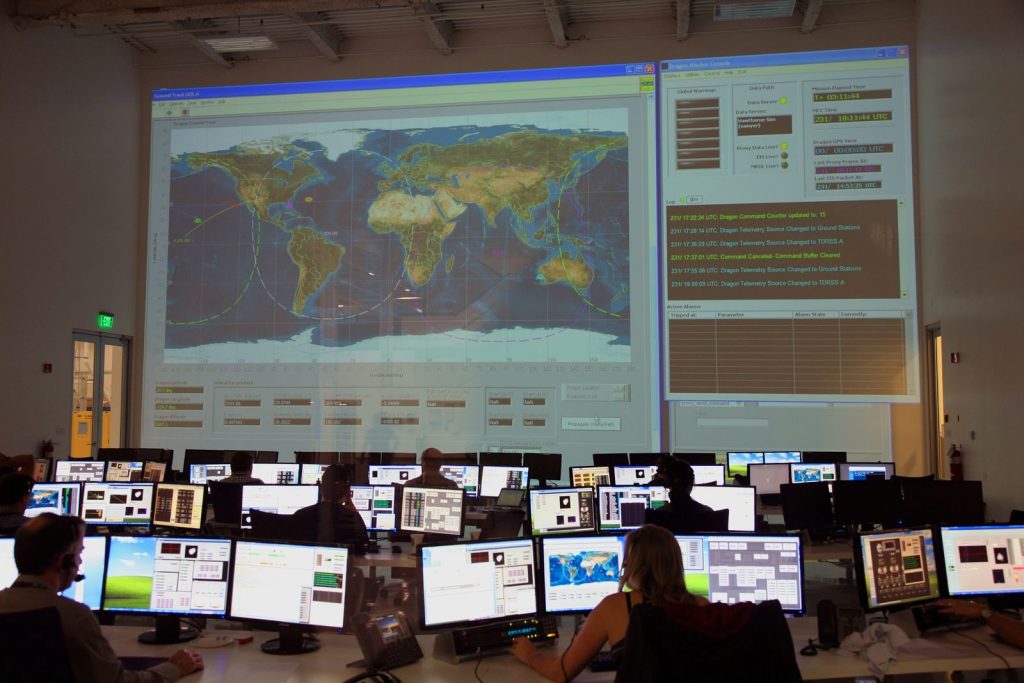
    Back view of unrecognizable employees working on computers in flight control room with big interactive map on wall and analyzing data
    Photo by SpaceX on Pexels

    Scientists are preparing to search the skies using highly sensitive infrared camera arrays. According to reports from the European Southern Observatory, these advanced sensors can detect the weak thermal glow of a planet. The sensors are active. This thermal signature is the best way to locate the planet against the cold background of space. But the search continues to face extreme natural limits.

    Rebuilding the Solar Map

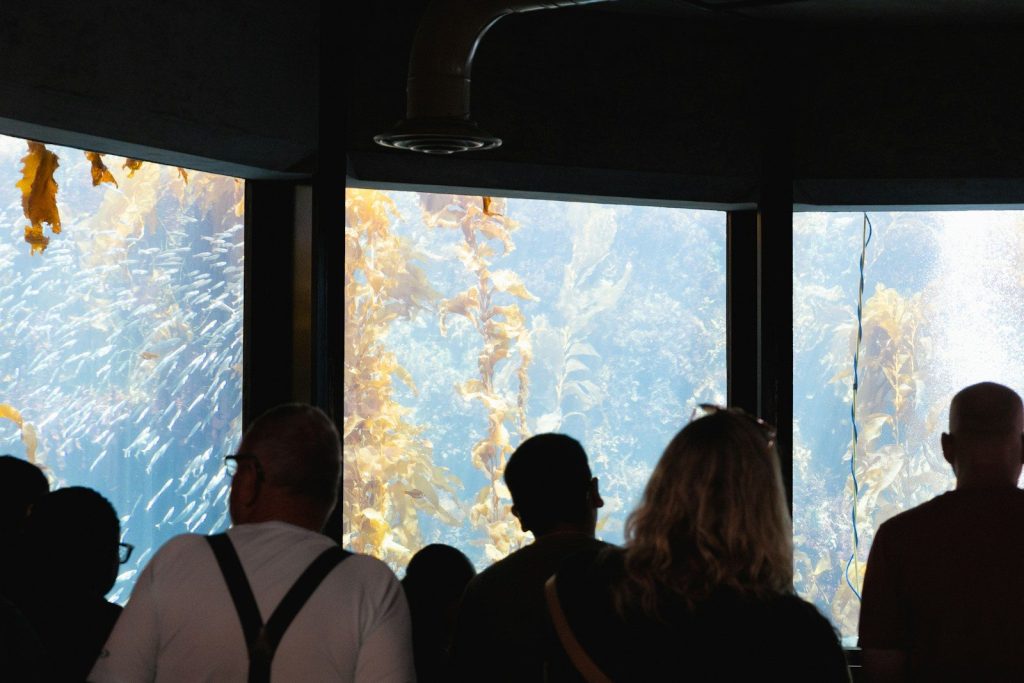
    People watch kelp forest in large aquarium window
    Photo by Vincent Y @USA on Unsplash

    If the ninth planet is officially located, it will force scientists to update our entire solar system layout. According to planetary scientists, finding this world would rewrite our theories of how solar systems form. The race is on. Multiple international research teams are currently competing to capture the first pristine image of this distant giant. But the final lessons of this search will change physics.

    Unlocking Cosmic Mysteries

    stars in the sky
    Photo by Sky Replacement Pack on Unsplash

    The search for the ninth planet proves that our solar system still holds profound stellar secrets. According to astrophysicists, exploring these cold outer horizons expands our understanding of planetary evolution across the galaxy. We are still learning. This article is for informational purposes only.

    Featured Image: Photo by Caden Tormey on Unsplash

  • The Search For Earth Twin Worlds in Space

    The Search For Earth Twin Worlds in Space

    Most stargazers assume that we have fully mapped every single planet in our solar system. We believe that decades of telescopic surveys have revealed all our planetary neighbors.

    But the search for a second home is taking scientists far beyond our local orbits. Advanced space observatories are actively tracking distant rocky worlds that resemble our own.

    Scanning The Distant Stars

    A sophisticated telescope pointing towards the starry night sky, perfect for astronomy enthusiasts.
    Photo by Jason Pittman on Pexels

    Finding rocky planets orbiting other stars requires technology that can bypass the blinding glare of starlight. According to reports from the Kepler Space Observatory, researchers use a method called the transit technique to detect hidden worlds. They watch patiently. This system measures the tiny dip in brightness when a planet passes in front of its star. But analyzing these distant coordinates reveals a highly diverse cosmic picture.

    Defining The Habitable Zone

    A textured sphere with brown, green, and yellow patches.
    Photo by Liosha Shyp on Unsplash

    To support liquid water, a planet must orbit within a highly specific temperature range from its host star. According to planetary geologists, this comfortable orbit is known as the Goldilocks zone. The climate is stable. Having a stable surface temperature is vital because it allows complex organic chemistry to develop safely. But searching for these temperate worlds brings a major optical challenge.

    Reading The Gas Barcodes

    yellow, blue, and purple sketch
    Photo by Cody Dagg on Unsplash

    Astronomers no longer rely on simple visual observations to study distant planets. According to NASA, specialized space telescopes analyze the starlight passing through a planet’s outer atmosphere. This is brilliant. The gas layers absorb specific wavelengths of light to create a unique molecular barcode. But reading these cosmic signatures is only the first step in the search.

    Spotting Rare Biological Gases

    Colorful abstract representation of molecular structures with 3D spheres and connections.
    Photo by Google DeepMind on Pexels

    Certain volatile gases are highly reactive and disappear quickly without a constant organic source. According to research from the University of Cambridge, detecting a gas called dimethyl sulfide is a major clue. It is highly unique. On Earth, this specific compound is only produced by tiny marine organisms inside our oceans. But confirming this finding requires ruling out all natural causes.

    Sifting Non-Organic Chemistry

    A lone mountain under a fiery orange sky.
    Photo by Wolfgang Hasselmann on Unsplash

    Mainstream scientists remain highly cautious about claiming definitive proof of extraterrestrial life. According to planetary geologists, extreme volcanic outgassing can sometimes mimic organic chemical signatures under high pressures. The math is complex. Researchers must run thousands of computer simulations to rule out every possible natural cause. But the target world holds other highly promising features.

    Exploring Temperate Sea Worlds

    Deep blue underwater scene with captivating light and shadow play.
    Photo by Jonathan Borba on Pexels

    Some of the most promising candidates are worlds covered entirely by deep global oceans. According to reports from the European Space Agency, these aquatic worlds offer a stable environment for complex life. The waters are vast. Lacking solid continents, any biological organisms in these oceans must adapt to a completely fluid lifestyle. But tracking these distant worlds requires extreme precision.

    The Starshade Shield Solution

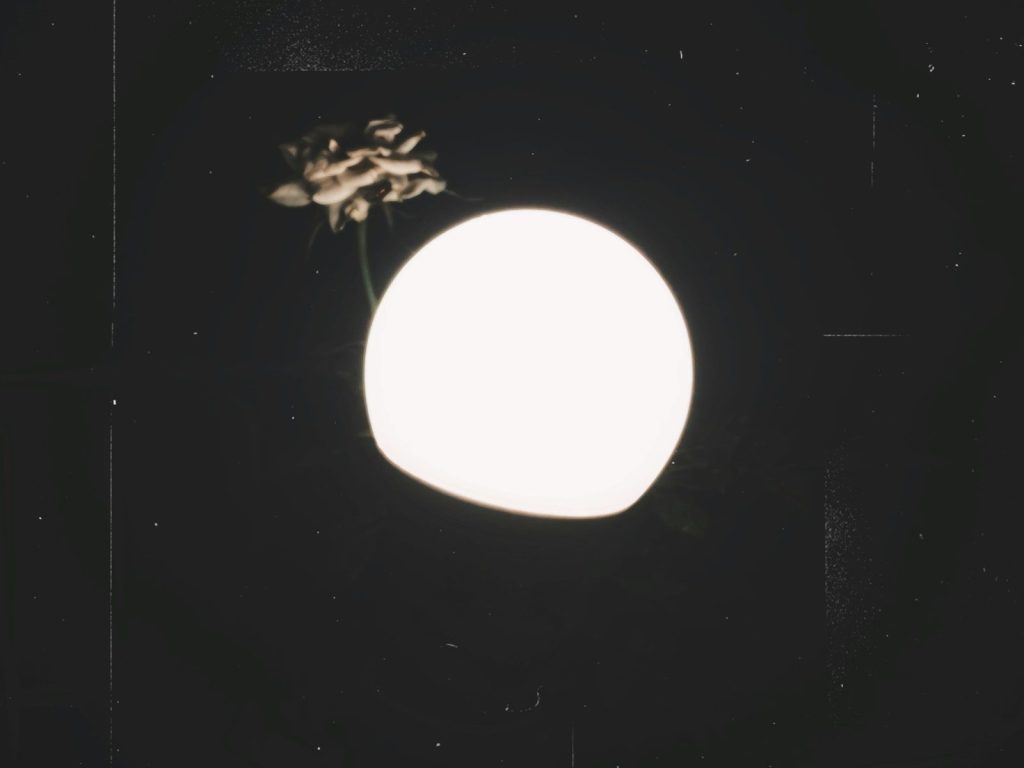
    A white ball on a black background with a flower in it
    Photo by Bryce Craig on Unsplash

    Capturing clean light samples from a distant exoplanet requires blocking the overwhelming glare of its host star. According to optical engineering reports, scientists are designing giant flower-shaped shields to fly ahead of the telescope. The shadow is perfect. This starshade allows the sensitive camera to isolate the planet’s true colors and surface details. But launching these missions requires international cooperation.

    Rebuilding The Solar Map

    a very large star in the middle of the sky
    Photo by arnaud girault on Unsplash

    Finding even a tiny sign of biological activity on another planet will permanently alter human history. According to astrobiologists, proving that life exists elsewhere confirms that biology is a universal force. Nature holds many surprises. This article is for informational purposes only and does not constitute scientific or professional advice.
    Featured Image: Photo by NASA Hubble Space Telescope on Unsplash

  • The Alien Moons Defying The Rules Of Our Space Neighborhood

    The Alien Moons Defying The Rules Of Our Space Neighborhood

    Most stargazers assume that moons are just quiet rock spheres orbiting simple planets. We believe that these satellites follow identical and predictable geological cycles.

    But a closer look at our solar system reveals a highly chaotic collection of moons. These alien satellites behave in ways that completely challenge our theories of planetary science.
    Volcanic Eruptions In Deep Freeze

    a close up of a human eye
    Photo by Linc Yin on Unsplash

    Voyager probes first captured massive geysers shooting active sulfur plumes miles into space on Io. According to NASA, this extreme activity is driven by intense gravitational tidal friction from Jupiter. The ground actually bends. This continuous squeezing heats the internal core to create a highly volatile volcanic world. But a different frozen moon hides a liquid secret beneath its crust.

    Giant Hidden Oceans Flowing Silently

    two planets are shown in the dark sky
    Photo by NASA Hubble Space Telescope on Unsplash

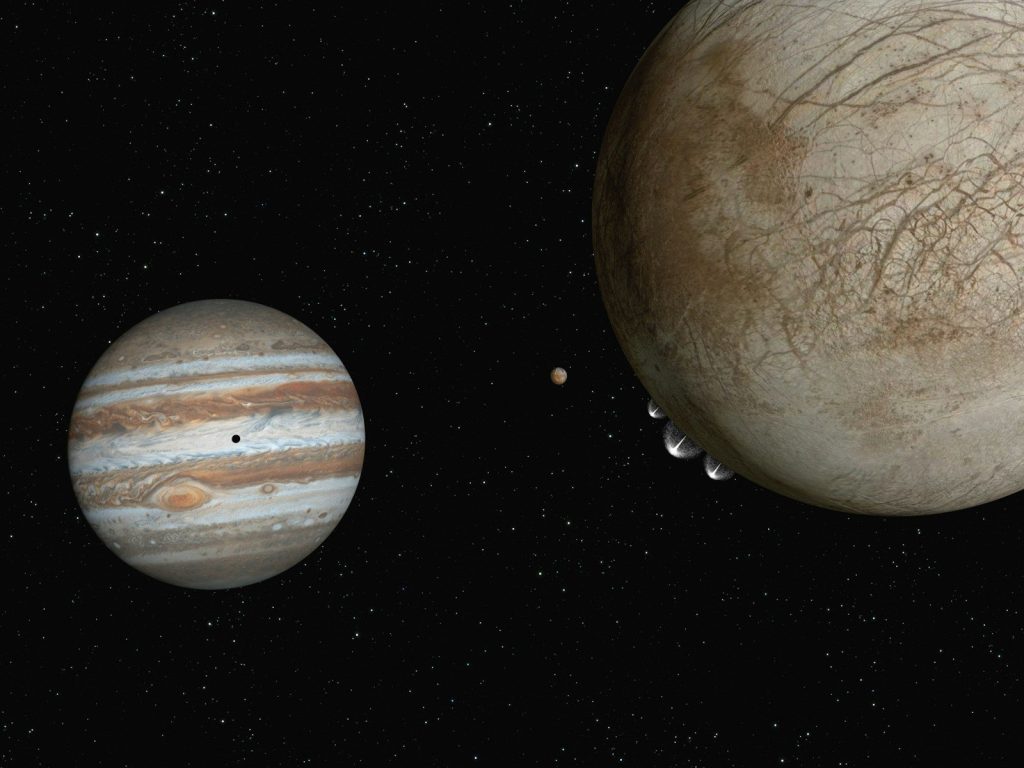
    Astronomers believe that Europa contains twice as much liquid water as Earth. According to the Hubble Space Telescope, giant plumes of water vapor regularly erupt through cracks in the thick ice shell. They are incredibly deep. This vast subsurface ocean is kept warm by gravitational pulling from nearby planets. But another nearby moon features a dense atmosphere resembling early Earth.

    Heavy Methane Rain Shading Landscapes

    Image of a unique celestial body with a cratered surface in space, offering a view of its mysterious terrain.
    Photo by Rodolfo Boscan on Pexels

    Titan remains the only satellite in our solar system with a dense nitrogen atmosphere. According to the Cassini spacecraft, this freezing moon has active liquid methane lakes and rivers flowing across its surface. The climate is strange. This unique hydrologic cycle mirrors our own water cycles in a highly bizarre way. But an even smaller ice world displays a perfect white mirror.


    Perfect White Mirrors Reflecting Light

    moon photography
    Photo by NASA on Unsplash

    Enceladus reflects nearly ninety-nine percent of the sunlight that hits its surface. According to planetary geologists, this extreme brightness is caused by a pristine layer of fresh snow. It is a mirror. This snow falls from massive geysers that erupt through cracks at the south pole. But this icy water also contains the essential building blocks for biological life.

    Two Tone Moons Splitting Colors

    High-resolution image of the crescent moon with clear details against a black sky.
    Photo by Juan Poblete on Pexels

    Iapetus displays a highly bizarre layout where one half is dark as coal while the other is bright as snow. According to space agency models, this mismatch is caused by dust migrating from distant outer rings. The divide is sharp. This dark dust absorbs solar heat and causes the water ice to evaporate toward the colder side. But this changing surface is not the only mystery.

    Spongy Textures Floating In Space

    a black and white photo of the surface of the moon
    Photo by NASA Hubble Space Telescope on Unsplash

    Hyperion looks remarkably like a massive cosmic sponge drifting through the dark void. According to astrophysical models, this low-density satellite is packed with empty cavities that absorb space debris impacts. They are highly porous. This unique structure prevents the moon from shattering during violent collisions over billions of years. But another satellite behaves like a captured space traveler.

    Backward Orbits Defying Planet Rotations

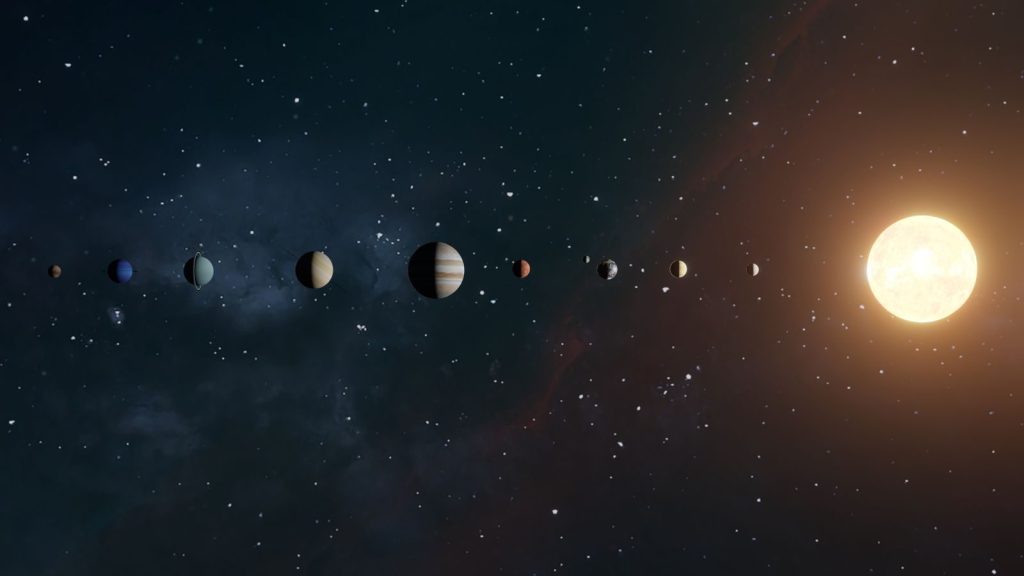
    An artistic representation of the solar system showing planets orbiting the sun.
    Photo by Zelch Csaba on Pexels

    Triton travels around Neptune in a highly unusual backward direction against the natural spin of the planet. According to orbital dynamics studies, this retrograde motion suggests the moon was once a rogue traveler. It was captured cleanly. This gravitational capture pulled the icy world into a stable loop that continues to shift today. But understanding these moons is changing how we look at life.

    Expanding Our Biological Frontiers

    Nebula
    Photo by NASA on Unsplash

    Finding liquid water and organic elements on distant satellites proves that habitability does not require a sunlit surface. According to astrobiologists, these outer moons represent our best target coordinates to locate alien microbial life in the dark. We are still learning. This article is for informational purposes only.

    Featured Image: Photo by NASA Hubble Space Telescope on Unsplash