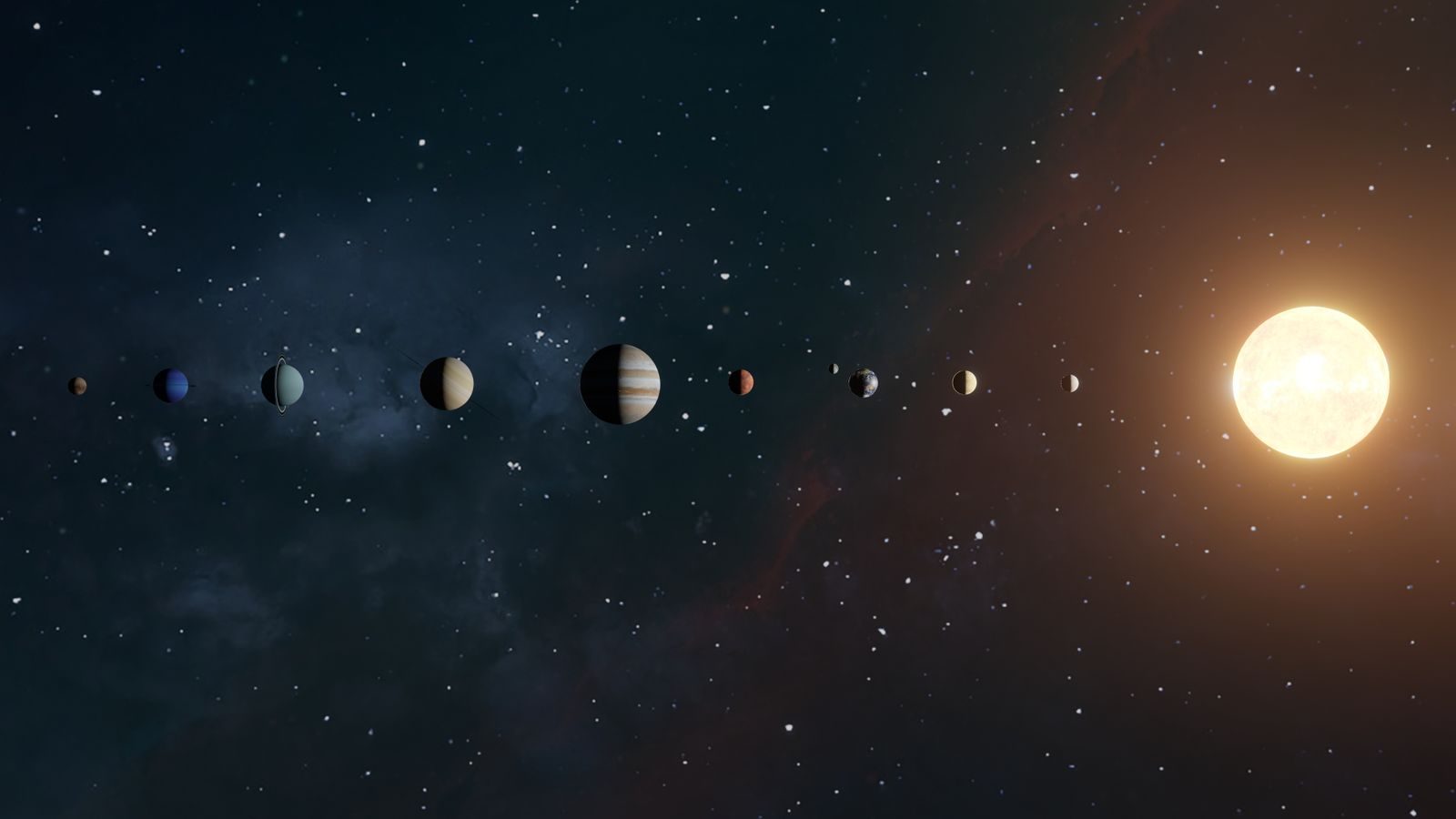
People often think of Jupiter as a simple, striped gas giant spinning peacefully in the outer solar system. We believe its weather patterns are predictable, stable cycles that we fully understand.
But highly detailed images sent back by a robotic explorer reveal a chaotic, swirling reality. These findings are completely turning our basic rules of atmospheric physics upside down.
The Swirling Storms Of The Pole
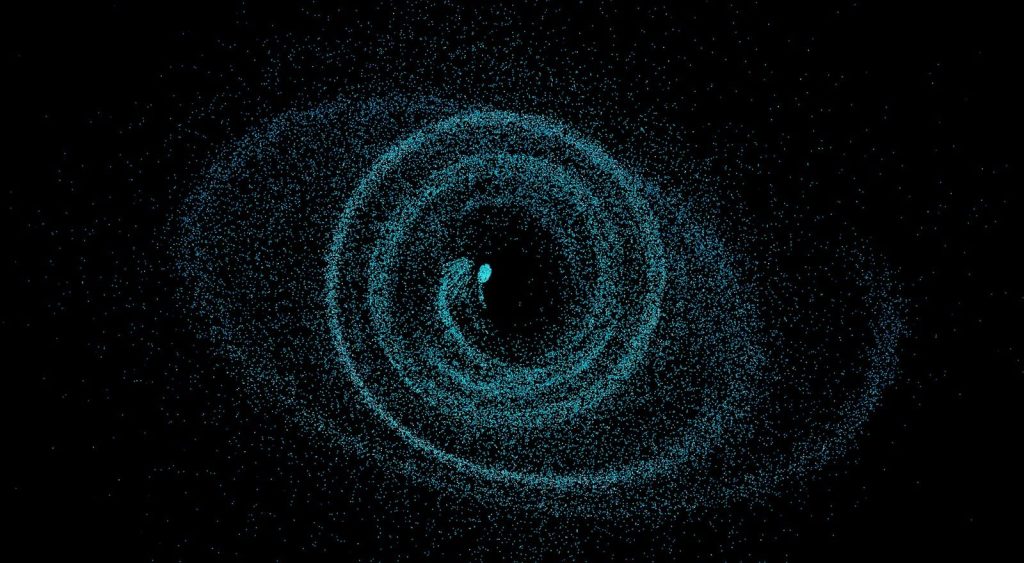
Previous telescopes could only observe the wide, horizontal cloud bands circling the planet’s middle sections. According to orbital data from NASA, the first close-up images of Jupiter’s north pole revealed a cluster of massive cyclones. They are absolutely enormous. These giant storms are packed tightly together without ever colliding or merging. But how these tempests maintain their strict positions is an unsolved cosmic riddle.
Deep Roots In The Gas
Scientists long assumed that these complex cloud formations were thin, superficial layers gracing the outer atmosphere. According to gravitational measurements from the Southwest Research Institute, these massive storm systems actually descend thousands of miles into the planetary interior. They run incredibly deep. The sheer scale of this movement generates unexpected magnetic currents. But this magnetic activity is far more intense than anyone predicted.
The Power Of Ammonia Rivers
Deep inside the cloud decks, giant atmospheric currents transport unique chemical mixtures across vast distances. According to planetary models from the University of California, rivers of liquid ammonia and water vapor generate massive electrical storms. Lightning is constant there. These violent discharges are vastly more powerful than any storm witnessed on Earth. But this immense energy also shapes the giant’s famous crimson landmark.
The Shrinking Crimson Giant
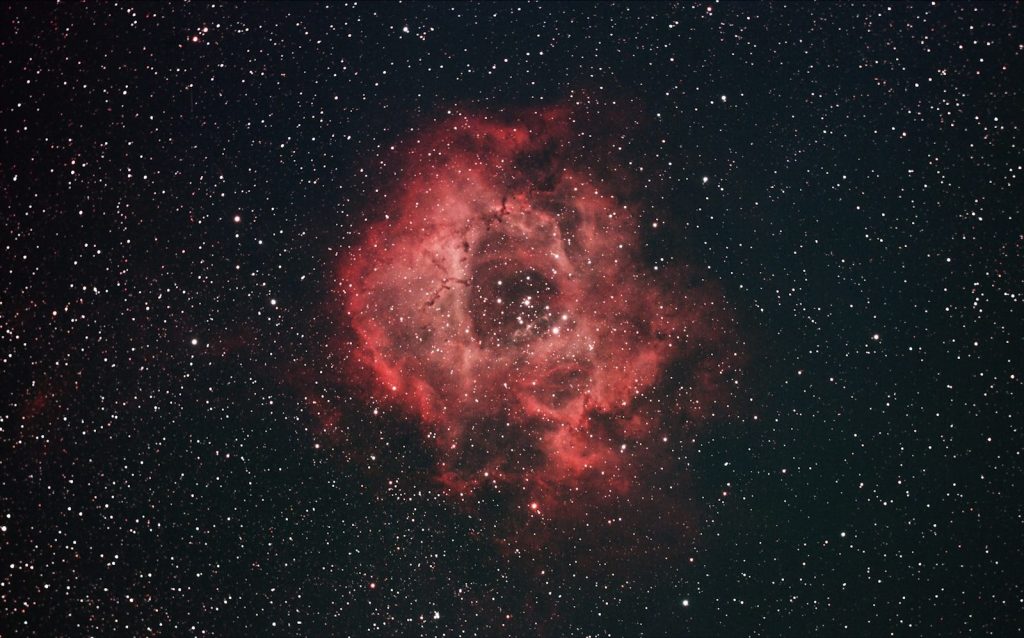
Jupiter’s famous Great Red Spot has raged continuously for hundreds of terrestrial years. According to observational data from the Hubble Space Telescope, this giant storm is actually shrinking and becoming more circular over time. It is changing fast. While the storm is losing horizontal width, it appears to be growing taller in the planetary sky. But this physical transformation points to a changing internal dynamic.
Heavy Hailstones Of Pure Metal

The intense pressure deep within the atmosphere alters the physical properties of common elements. According to atmospheric simulations from the Max Planck Institute, extreme electrical storms create unusual hailstones made of ammonia and water ice. They are incredibly heavy. These metallic chunks plunge deep into the hot layers below before evaporating back into gas. But this cycling of matter reveals a highly complex planetary core.
A Strange Dissolving Core
Scientists once pictured a solid rock core resting at the very center of this massive gas giant. According to structural models from the Salk Institute, gravity data suggests the planetary core is actually a fuzzy, diluted mix of liquid metals. It is dissolving slowly. This strange, fluid interior challenges traditional theories of how giant planets form. But this unique structure has a profound effect on the surrounding space.
The Intense Invisible Shield
The churning metallic hydrogen deep inside the planet generates a massive, invisible magnetosphere. According to space physics reports from the European Southern Observatory, this magnetic shield is the largest structure in the solar system. It is highly active. This powerful force traps deadly radiation and creates brilliant permanent auroras over the poles. But this magnetic force also impacts the planet’s closest moons.
Glimpsing The Limits Of Physics
Studying this giant planet allows us to observe extreme physics that are impossible to recreate in our laboratories. The universe holds secrets. According to space researchers, studying these alien environments is essential to unlocking the mysteries of deep space. This article is for informational purposes only.
Featured Image: Photo by Zelch Csaba on Pexels
Leave a Reply