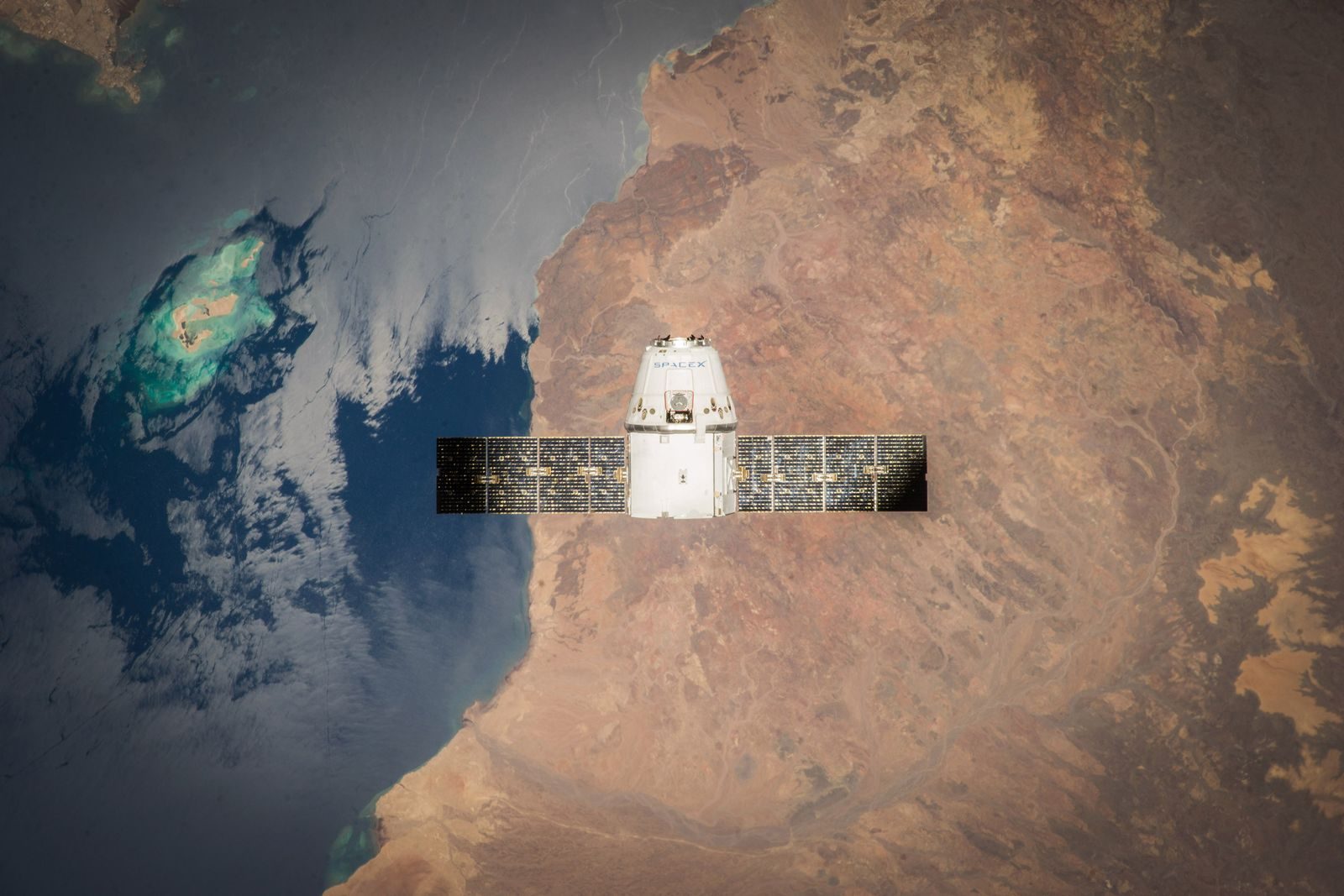
Most mobile users assume our cell coverage will always depend on massive metal towers on the ground. We believe physical infrastructure is permanently secure.
But an aggressive commercial space race is quietly moving cell towers into low Earth orbit. This orbital shift threatens to make ground-based networks obsolete.
The Shift To Space Cellular
Sending cellular signals directly from space to your everyday mobile phone is now a reality. Orbit is the limit. According to technical reports from the Federal Communications Commission, satellite constellations are testing direct-to-cell technologies that bypass ground networks entirely. This allows unmodified smartphones to connect anywhere. But this space-based connectivity requires overcoming a massive physics barrier.
Beating The Great Distance Gap
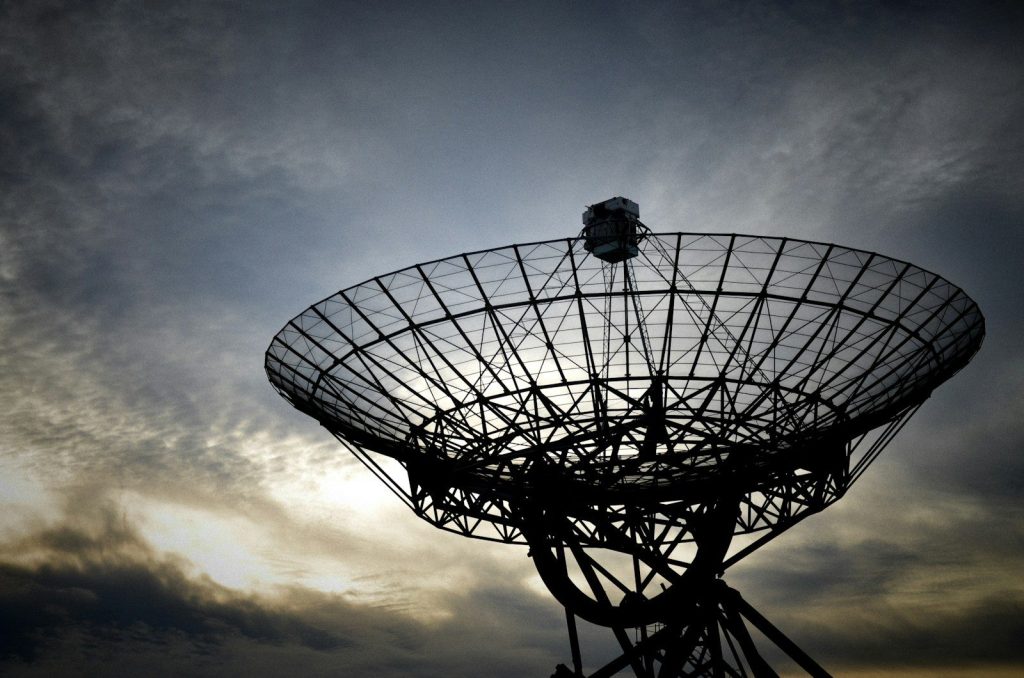
Cellular signals must travel hundreds of miles through the atmosphere to reach orbit without fading. The distance is huge. According to satellite communication researchers at NASA, standard mobile phones have tiny antennas that struggle to project power upward. Space companies had to build massive satellite antennas to catch these weak signals. But solving the signal power issue created a brand new radio bottleneck.
Fighting For Radio Waves
Satellites and ground networks must share the exact same radio frequencies without causing static interference. Space is getting crowded. According to reports from the International Telecommunication Union, managing these overlapping frequencies is a diplomatic nightmare. One rogue satellite can easily disrupt emergency services on the ground. But the threat of interference is not stopping massive space investments.
The Financial Threat Underground

Traditional telecom companies spend billions maintaining heavy copper cables and concrete tower sites. These assets are expensive. According to financial analysts writing for the Wall Street Journal, satellite technology threatens to turn these multi-billion-dollar investments into useless junk. Investors are rapidly shifting capital to orbital networks. But this massive financial migration is triggering a regulatory war back on Earth.
Clashing in Courtrooms

Earthbound network operators are using legal filings to delay the launch of satellite arrays. The battle is fierce. According to telecom regulatory archives, legacy companies argue that satellite direct-to-cell services endanger terrestrial cellular stability. They are trying to block testing licenses. But this legal pressure is only forcing space startups to build faster.
Global Coverage Without Limits
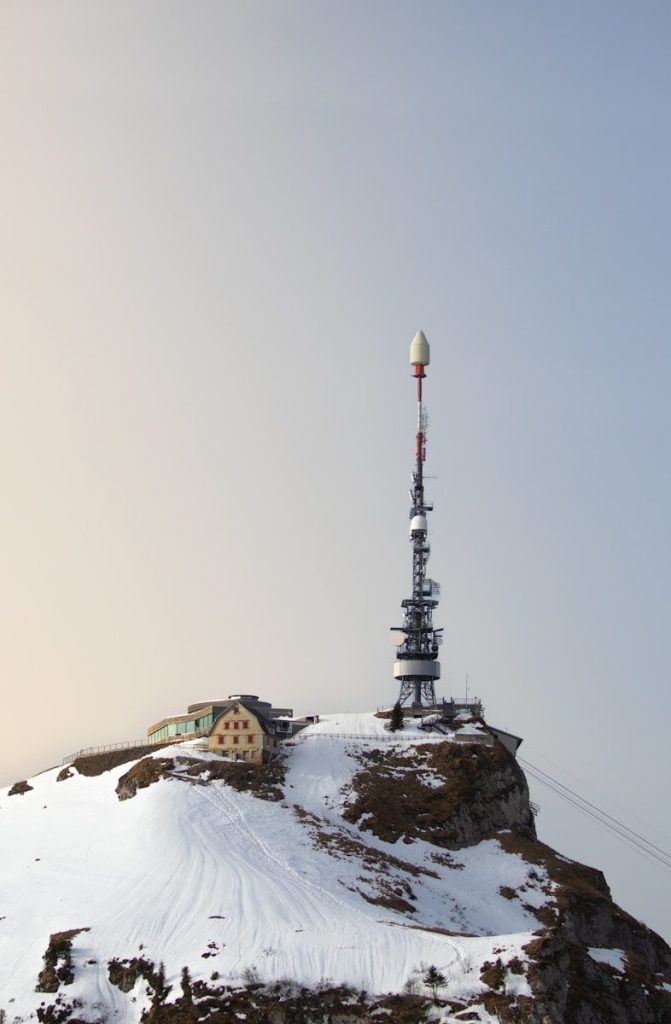
Orbital cellular networks can provide high-speed connections in the deep ocean and towering mountains. Boundaries disappear completely. According to geographic data from the United Nations, satellite connectivity could connect rural communities that never had access to physical towers. This leap could close the digital divide forever. But this global access raises serious national security concerns.
The Threat Of Orbital Sovereignty

A single global satellite network bypasses local borders and national internet firewalls entirely. Control is slipping away. According to international security studies from the Brookings Institution, governments are deeply worried about losing authority over space-based data streams. They cannot easily shut down a satellite array. But this political resistance cannot stop the momentum of the next tech frontier.
Connecting The Planet From Above
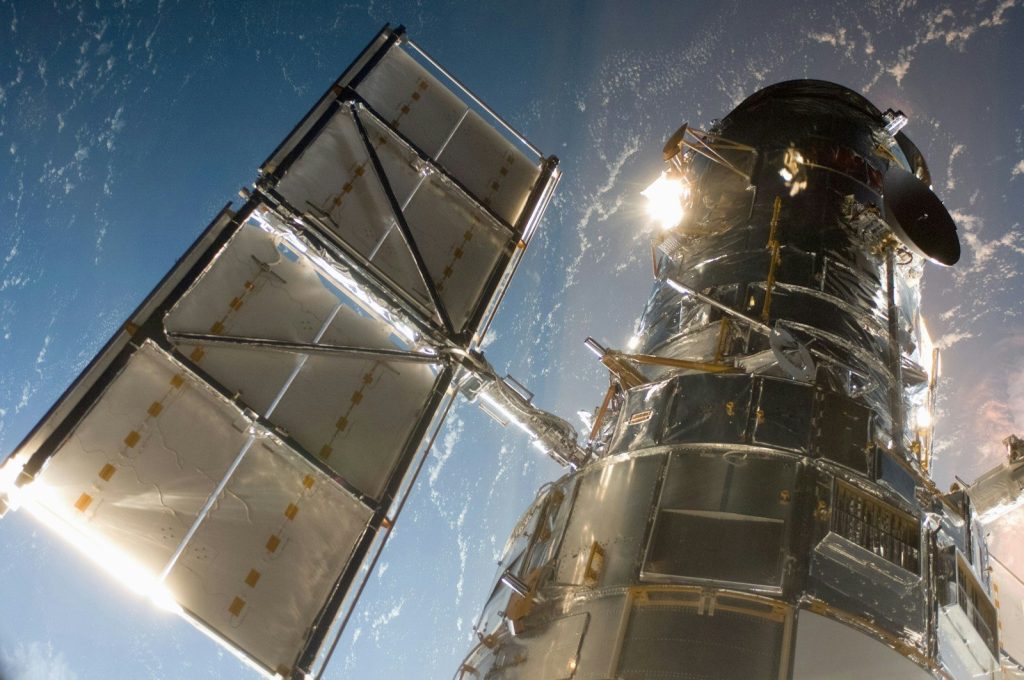
The shift to space-based cellular coverage marks a major milestone in global engineering. The sky is gone. According to industry specialists, the next decade will see complete orbital integration for every mobile device. This change will unite humanity like never before. This article is for informational purposes only.
Leave a Reply