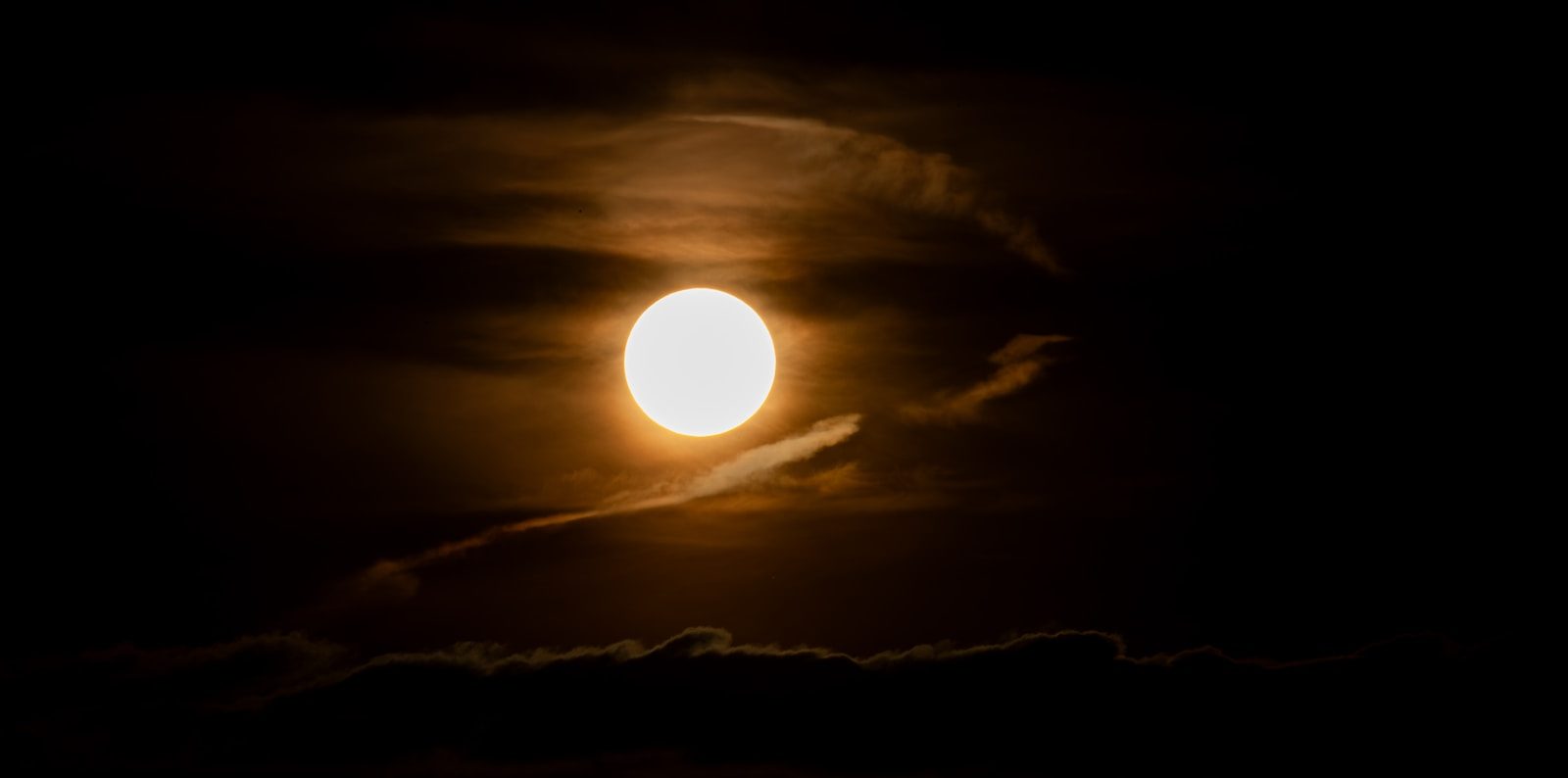
Most casual stargazers assume that the moon rises and sets in a completely identical path every single month. We believe that our natural satellite follows a simple and unchanging celestial track.
But a rare astronomical event is quietly altering how we view the night sky. Scientists have announced a major lunar standstill that will not happen again for nearly two decades.
Shifting Lunar Paths
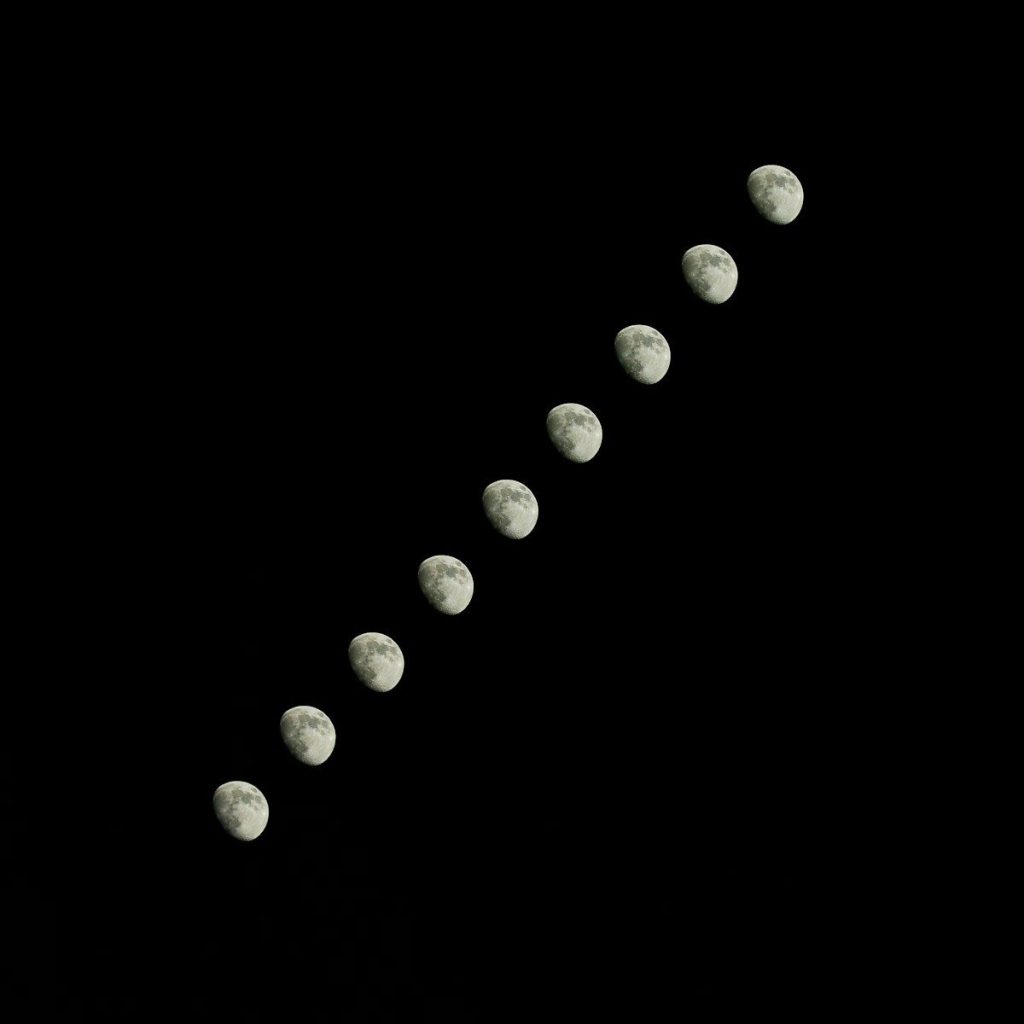
The moon does not orbit our planet on a perfectly flat plane. According to reports from the National Oceanic and Atmospheric Administration, the tilt of its path causes the moon to rise at different points on the horizon over time. It is highly dynamic. This orbital cycle takes many years to complete. But this shifting path is about to reach an extreme coordinate.
The Lunar Standstill Standoff
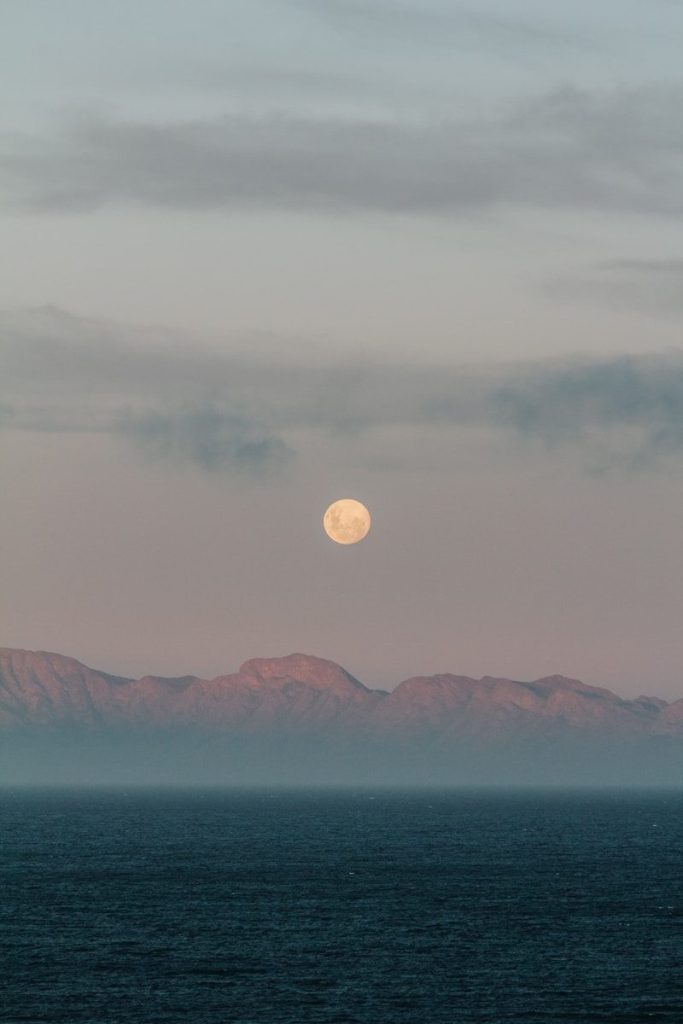
A major lunar standstill occurs when the moon reaches its absolute maximum limits in the sky. According to astronomers, the moon will rise at its northernmost and southernmost coordinates over the next several days. This is incredibly rare. This extreme alignment makes the moon appear to hang motionless above the horizon. But this celestial standoff is also changing how we see shadows.
Casting Massive Shadows
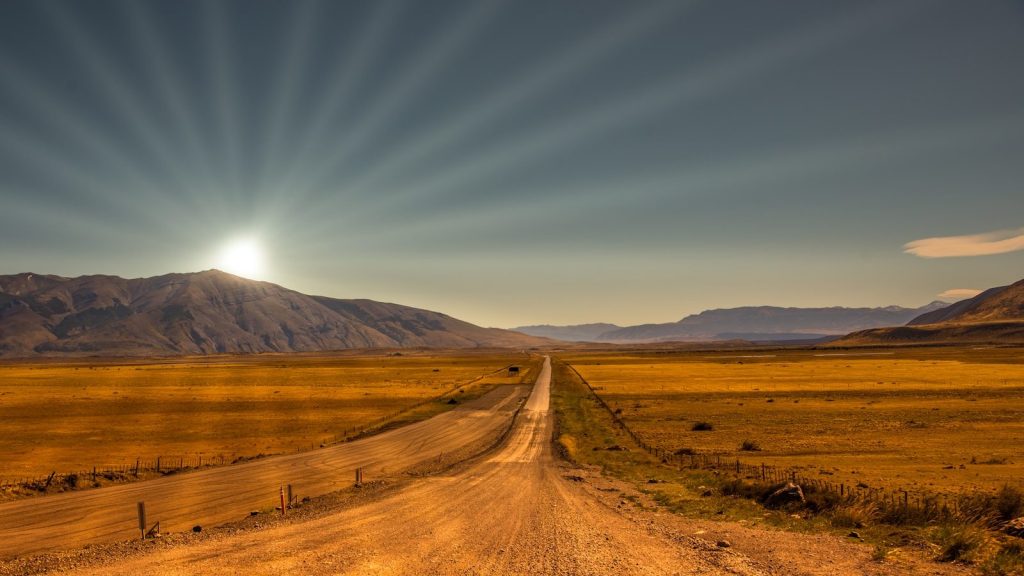
The extreme angle of the moon forces the night shadows to stretch across the landscape in a highly unusual way. According to astronomical models, the moon will rise higher and set lower than during normal cycles. The views are spectacular. This rare light play makes local features look completely different. But this celestial alignment has deep links to ancient ruins.
Aligning With Ancient Stones
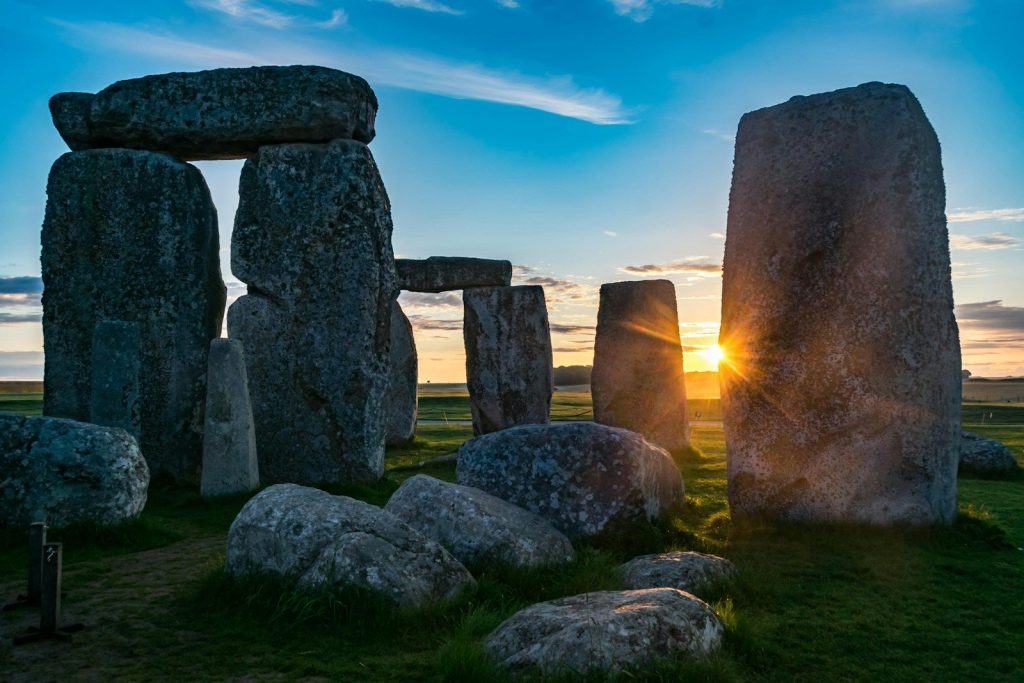
Prehistoric builders around the world designed their stone monuments to track these rare lunar cycles. According to reports from English Heritage, the stone pillars at Stonehenge align perfectly with the moon during Standstill events. They watched the sky. This physical alignment proves that early builders possessed a master grasp of astronomy. But this cycle also affects our tides.
Pulling The Oceans Higher
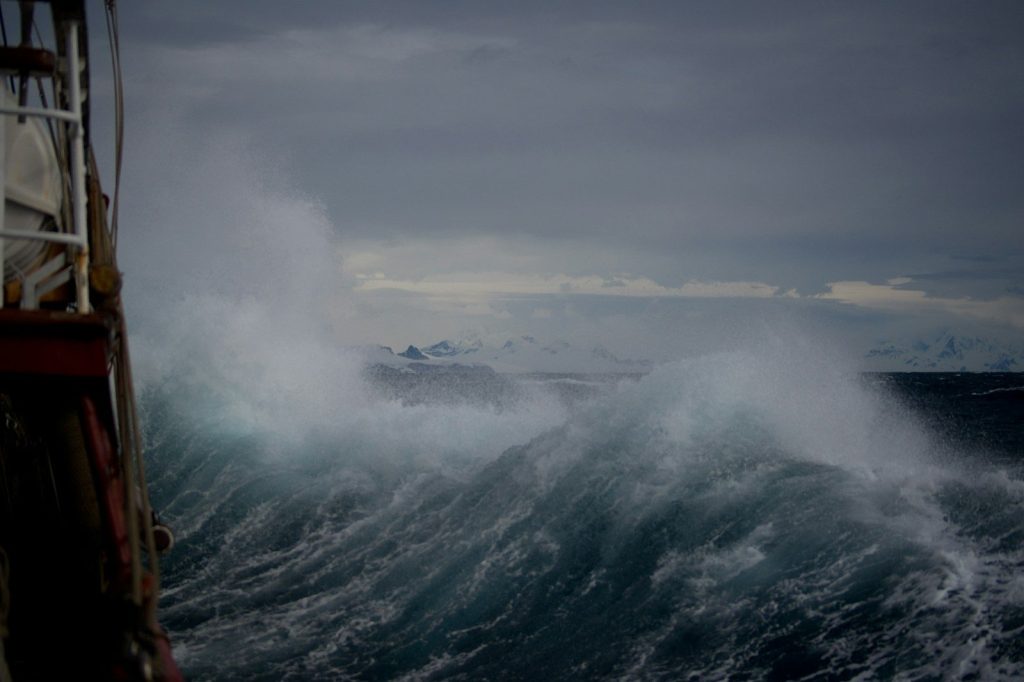
The shifting position of the moon alters the strength of its gravitational pull on the oceans. According to oceanographic research papers, the extreme celestial alignment can trigger slightly higher and lower tides than average. The waters swell. This gravitational squeeze highlights the deep physical connection between our planet and the moon. But predicting the next standstill takes decades.
The Eighteen-Year Cycle
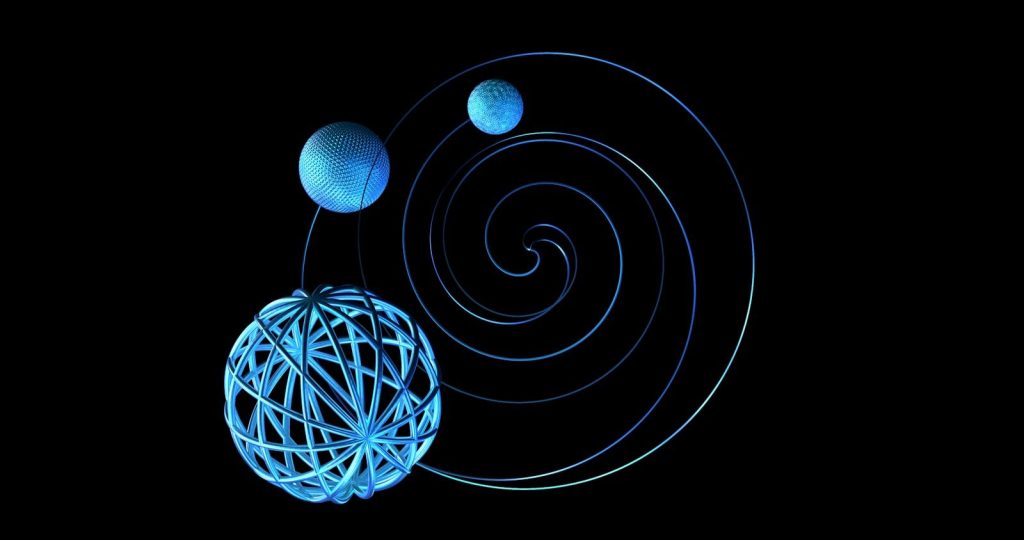
This rare lunar standoff only occurs once every eighteen years and eleven days. According to NASA geophysicists, this long timeline is driven by the slow rotation of the lunar orbit itself. The wait is long. This means that generations of stargazers must wait decades to view the alignment again. But capturing this celestial moment requires looking at the horizon.
The Horizon Viewing Sweetspot
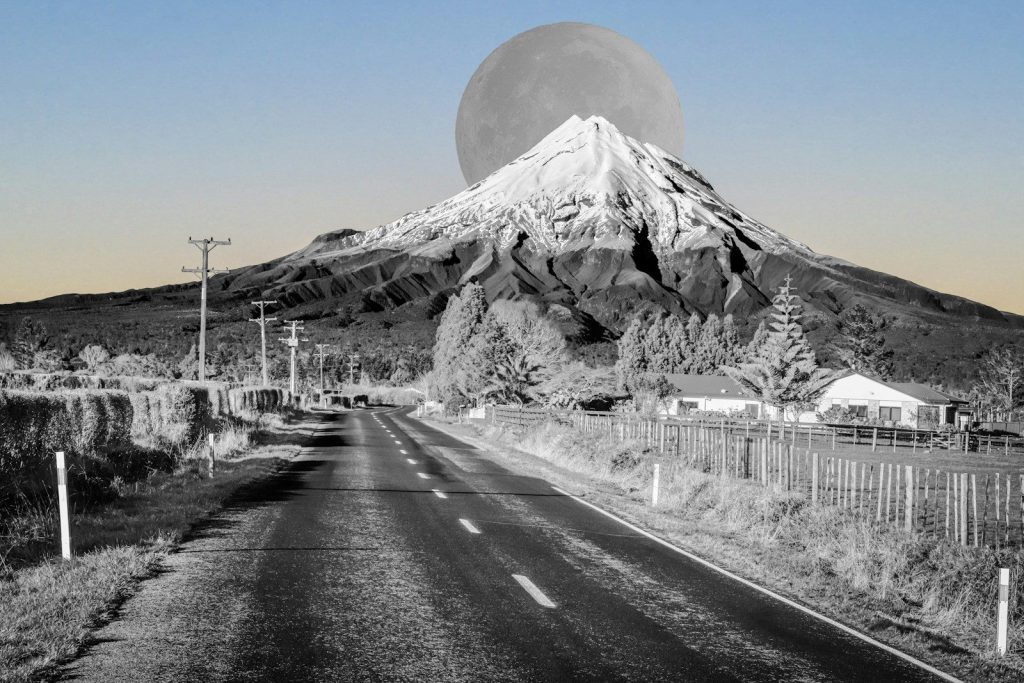
Stargazers are preparing to photograph the moon as it rises near local landscape landmarks. According to astronomical guides, the best views occur right when the moon is closest to the horizon. The timing is critical. This horizon proximity creates a beautiful visual trick that makes the moon appear massive. But the ultimate lessons of this alignment go far beyond simple photos.
Decoding Lunar Cycles
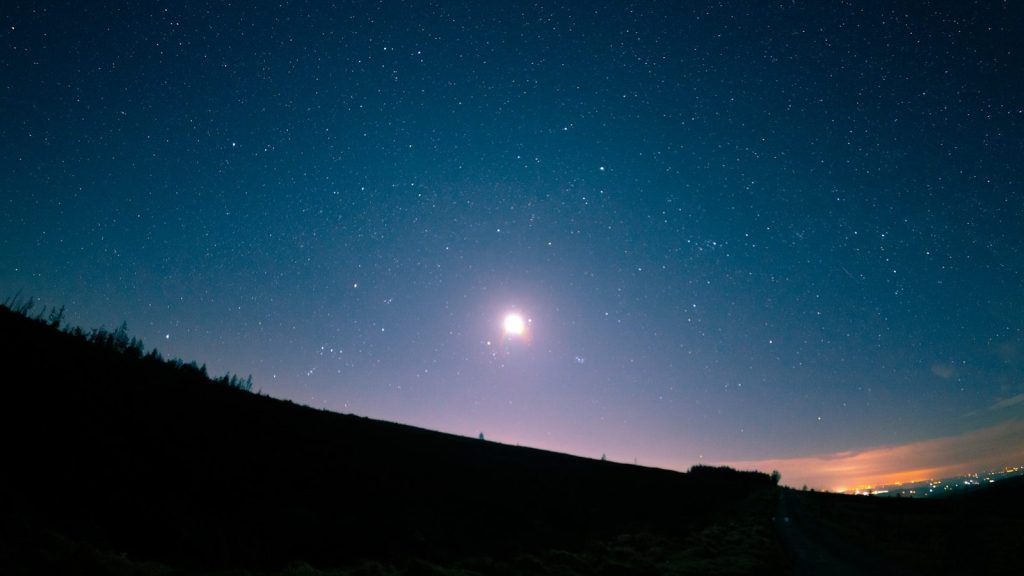
Watching this rare lunar standstill allows us to appreciate the complex celestial mechanics shaping our world. According to researchers, these celestial alignments remind us of the highly dynamic systems operating in our solar system. The stars never stand still. This article is for informational purposes only.
Featured Image: Photo by Bernd 📷 Dittrich on Unsplash
Leave a Reply