We assume that space agencies are always eager to discover signs of extraterrestrial life. Most people believe that scientists would instantly announce any proof of alien technology.
But a fierce debate over a strange interstellar visitor has revealed a deep divide. A controversial Harvard theory has forced NASA to aggressively defend its standard space models.
The Visitor From Beyond
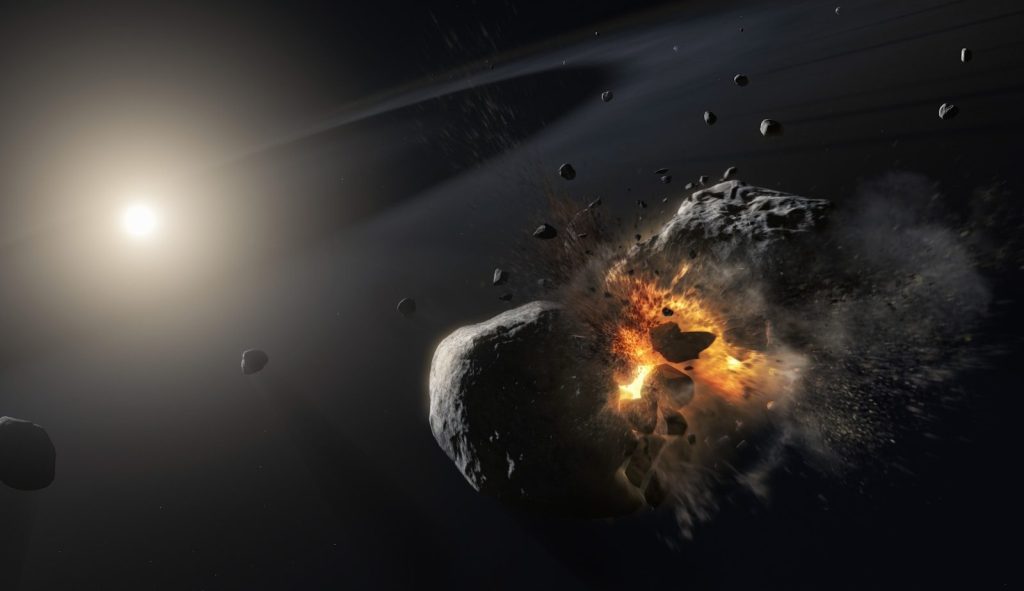
A mysterious object named 3I/ATLAS blazed into our solar system from interstellar space. It was traveling at an unbelievable speed on a highly unusual trajectory. According to initial astronomical reports, this visitor was only the third confirmed object from another star system. It was utterly silent. But its physical characteristics would quickly spark a massive scientific war.
The Maverick Harvard Theory
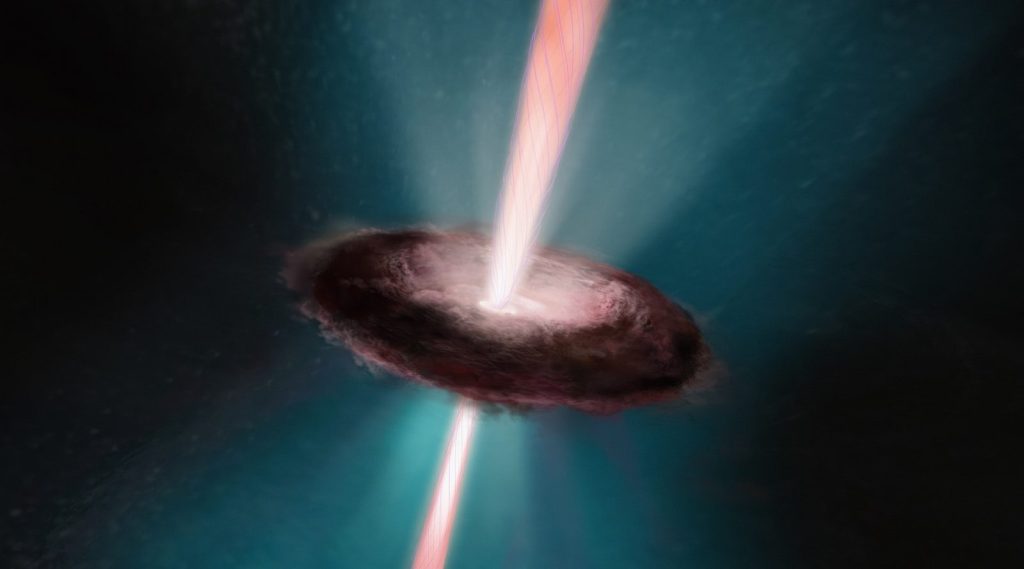
While most scientists expected a normal comet, a leading astronomer had a different idea. According to Dr. Avi Loeb, the former chair of astronomy at Harvard, the object possessed several bizarre anomalies. He suggested it might be an artificial probe sent by an advanced civilization. The claim was wild. This alien spacecraft hypothesis instantly triggered global headlines.
Crucial Data Held Back
Tension grew when a government shutdown delayed the release of space telescope images. Independent researchers were forced to wait while the object zoomed closer to Earth. According to Newsmax, this silence from official channels fueled massive online rumors of a cover-up. Suspicion was growing daily. People wondered what the space agency was hiding under its lock.
The Obvious Comet Answer
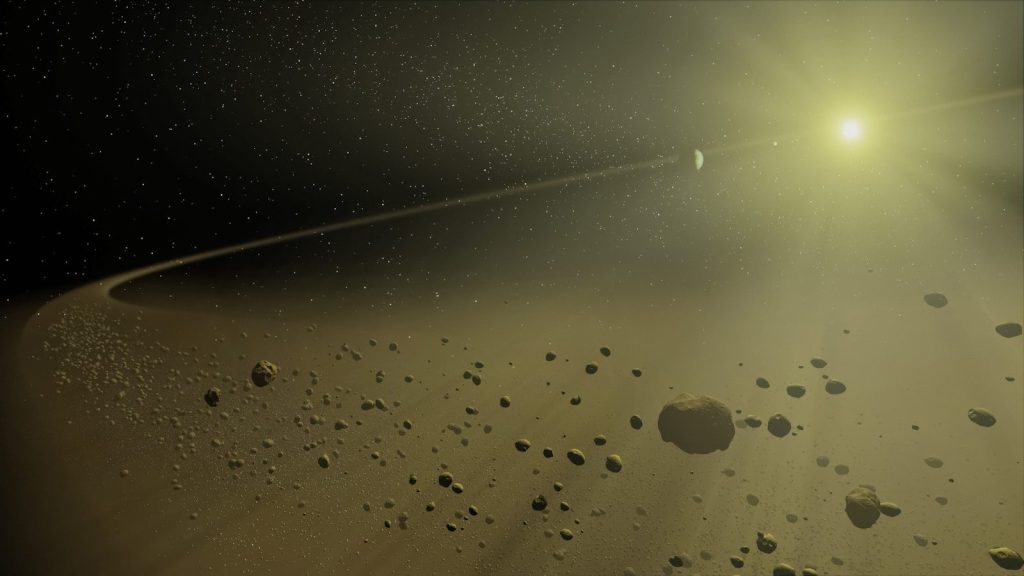
When NASA finally held a press conference, officials were quick to address the mounting rumors. According to Amit Kshatriya, a NASA associate administrator, all incoming data show the object is a natural comet. It behaved normally. The agency presented fuzzy pictures of an icy white ball to prove their point. But this official explanation did not satisfy the Harvard researcher.
The Deceptive Obvious Facts
The Harvard astronomer publicly criticized the agency for rushing to a simple conclusion. According to Dr. Loeb, focusing only on expected natural traits ignores the object’s weird behavior. He quoted Sherlock Holmes. He stated that nothing is more deceptive than an obvious fact. This back-and-forth highlighted a massive clash over what science should consider acceptable. But the debate was about to get much more personal.
A Fight Over Math

Other elite astronomers quickly stepped in to defend the standard scientific model. According to Arizona State astrophysicist Steve Desch, the calculations used to support the spacecraft theory were completely incorrect. The math was wrong. This harsh dismissal created an even wider rift between independent theorists and established agency scientists. But both sides were waiting for one critical orbital event.
The Close Flyby Test
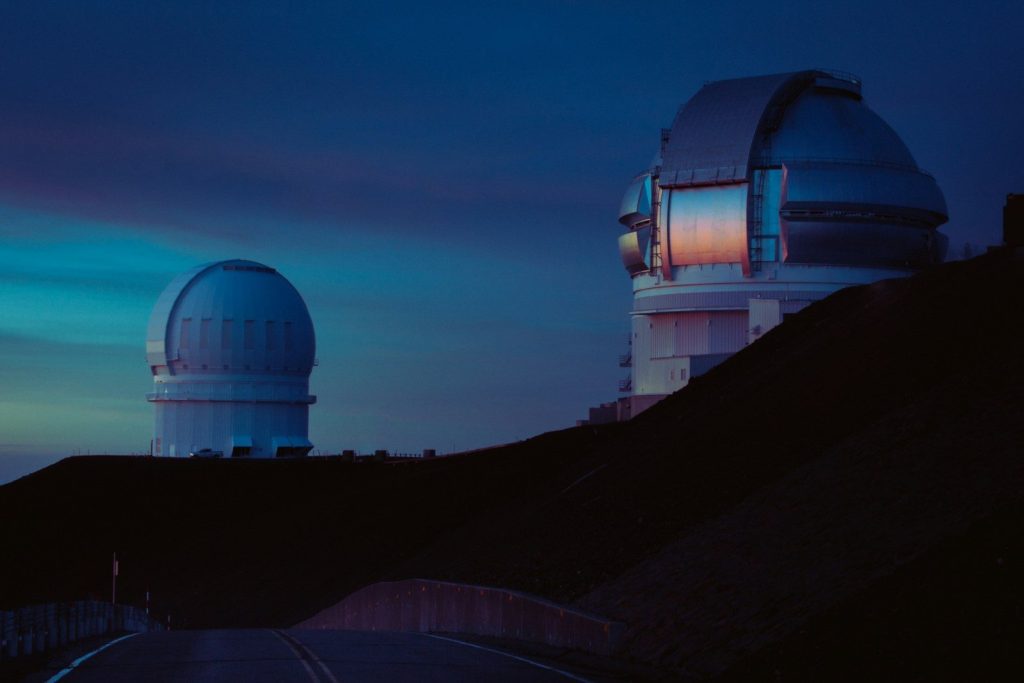
As 3I/ATLAS made its closest pass to Earth, telescopes around the world pointed toward it. Scientists hoped to capture high-definition images to settle the argument forever. According to astronomical project logs, this close encounter was the best chance to spot signs of artificial metal. The tension was immense. But what this clash truly revealed was a deep philosophical divide.
Keeping An Open Mind
Science progresses when we remain open to unexpected discoveries. According to space historians, balancing strict evidence with imaginative thinking is the only way humanity moves forward. We must embrace wonder. While official consensus points to a natural rock, the mystery of the stars remains open for curious minds. This article is for informational purposes only.
Featured Image: Photo by Lamna The Shark on Unsplash
Leave a Reply