Most geology lovers assume that our planet developed its rich chemistry in complete isolation. We believe that early Earth possessed all the necessary ingredients to spark life from the very beginning.
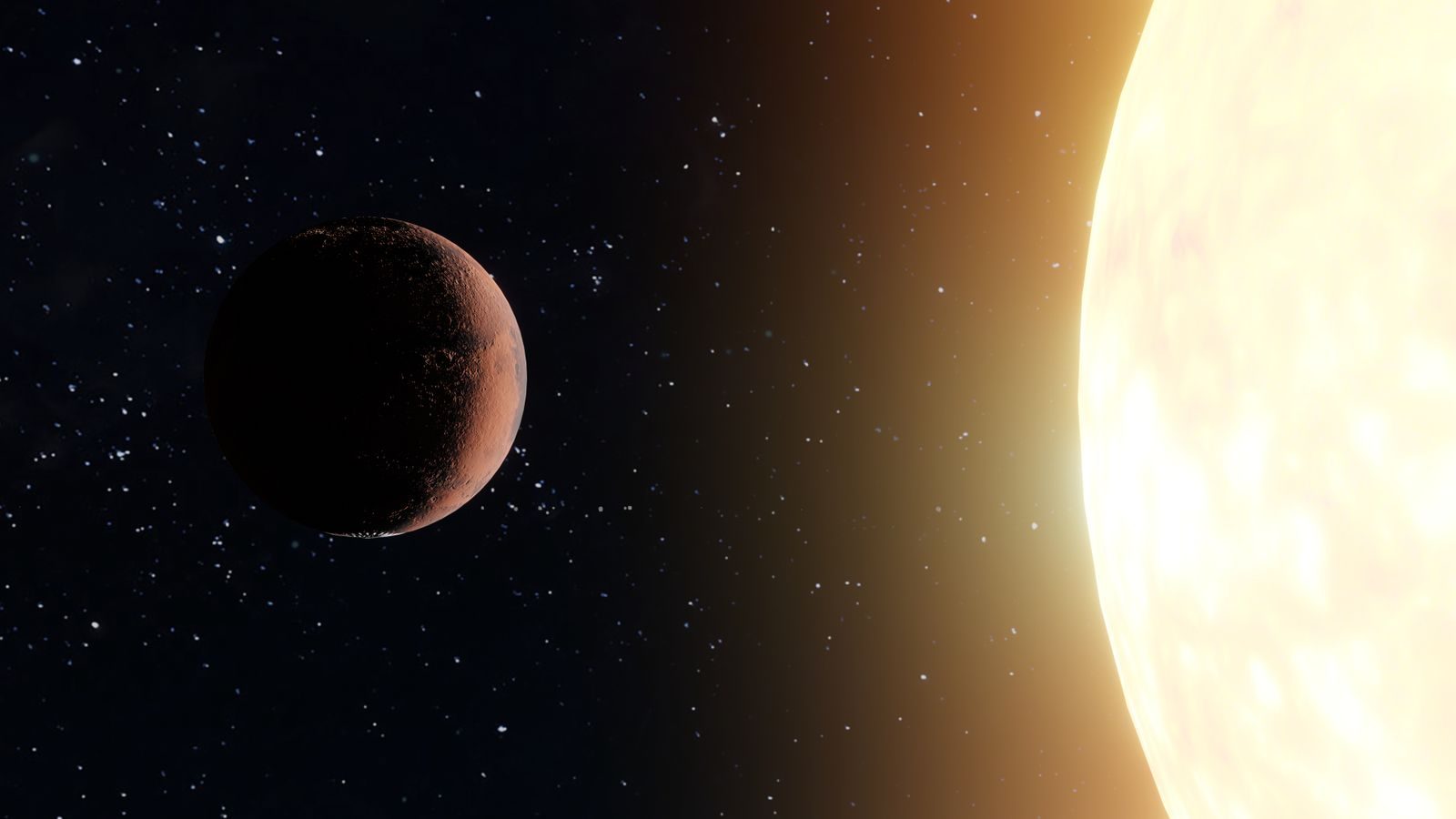
But a mind-bending planetary theory suggests a far more violent cosmic origin. A cataclysmic collision with a neighboring planet may have delivered the crucial elements required for biochemistry.
The Mysterious Early Chemistry
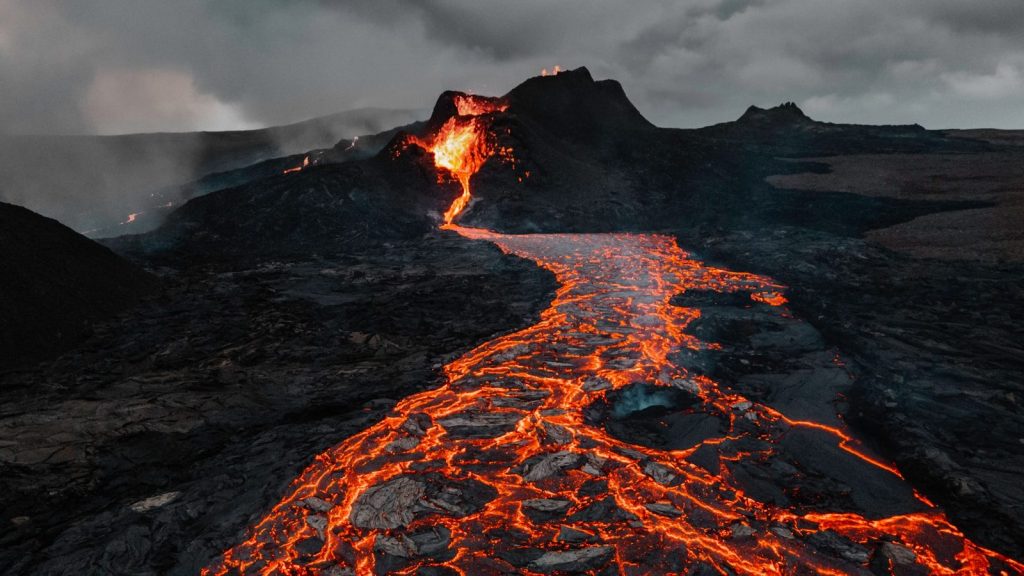
The infant Earth originally lacked the vital elements required to form complex organic molecules. According to planetary geologists, key elements like carbon and sulfur were trapped deep in the metallic core. The crust was empty. This chemical arrangement made the early surface highly hostile to any potential biological pathways. But a massive outer space visitor was about to disrupt this silent world.
The Theia Collision Anomaly
A giant Mars-sized planet named Theia collided with the early Earth billions of years ago. According to reports from NASA, this spectacular impact was so violent that it melted both planetary bodies. The heat was intense. This collision is what originally blasted the material into space to form our moon. But the physical impact also reshaped the interior of our planet.
Sifting Through Planetary Cores
The violent crash forced the metallic cores of both planets to fuse together. According to geological research papers, this blending process allowed volatile elements to rise toward the cooling surface. The molecules were free. This critical movement is what finally populated the crust with carbon, nitrogen, and sulfur. But tracking these ancient chemical footprints required launching deep laboratory tests.
Checking The Lunar Rocks
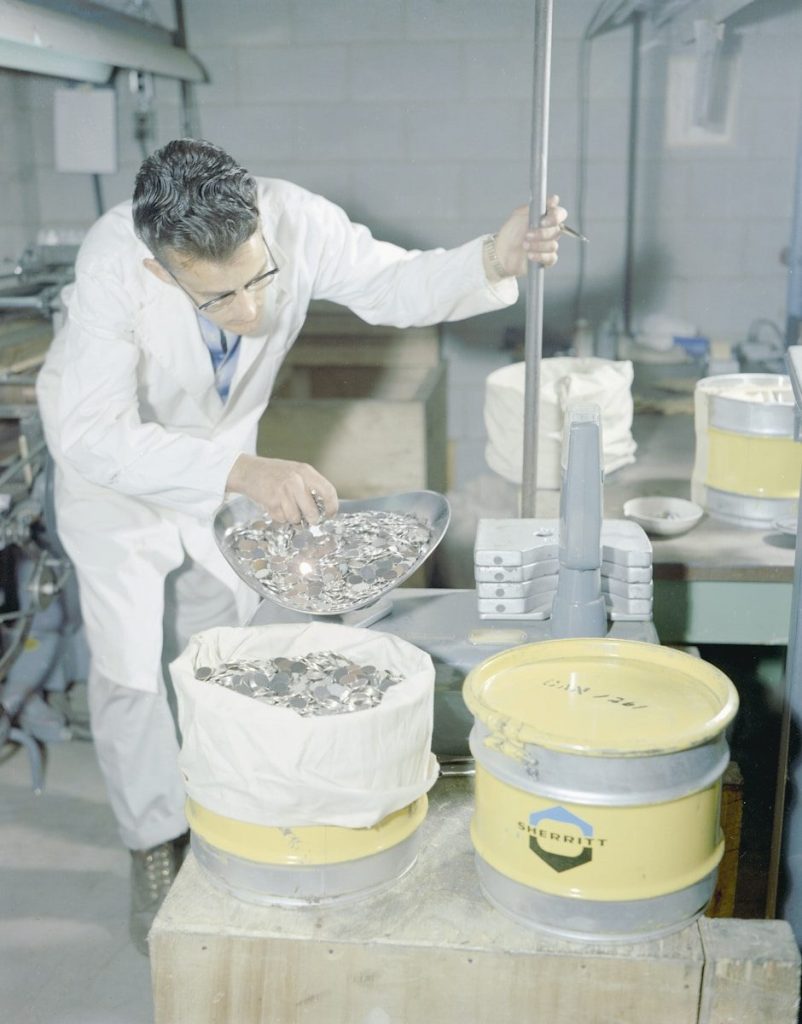
Scientists analyzed the isotope ratios of rocks recovered from the moon during space missions. According to a study in Science, the chemical signatures of the Earth and moon are remarkably similar. They are twin worlds. This genetic link proves that the lunar material was once part of the early Earth crust. But this planetary mixing also set up a unique environmental shield.
Building The Magnetic Shield
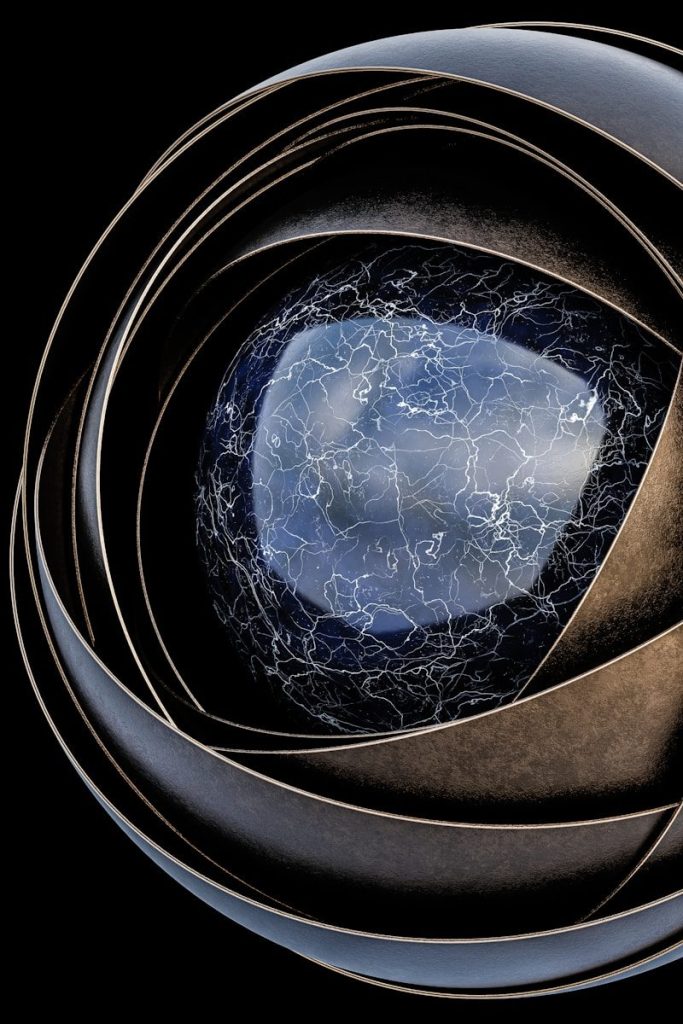
Combining the two planetary cores gave the Earth a highly robust iron core. According to geophysicists, this massive liquid iron engine is what generates our protective magnetic field. The shield is active. This magnetic barrier blocks toxic solar winds to prevent our atmosphere from being stripped into space. But maintaining a stable atmosphere was only half of the puzzle.
Planting The Seed Elements

The spectacular collision is the primary reason why Earth has such an abundance of surface water. According to astrochemistry research, the impacting planet carried massive deposits of hydrogen and nitrogen compounds. The crash delivered them. These imported elements are what eventually allowed oceans to form and support early cells. But this cosmic delivery system is changing how we hunt for life.
Reimagining Our Stellar Origins
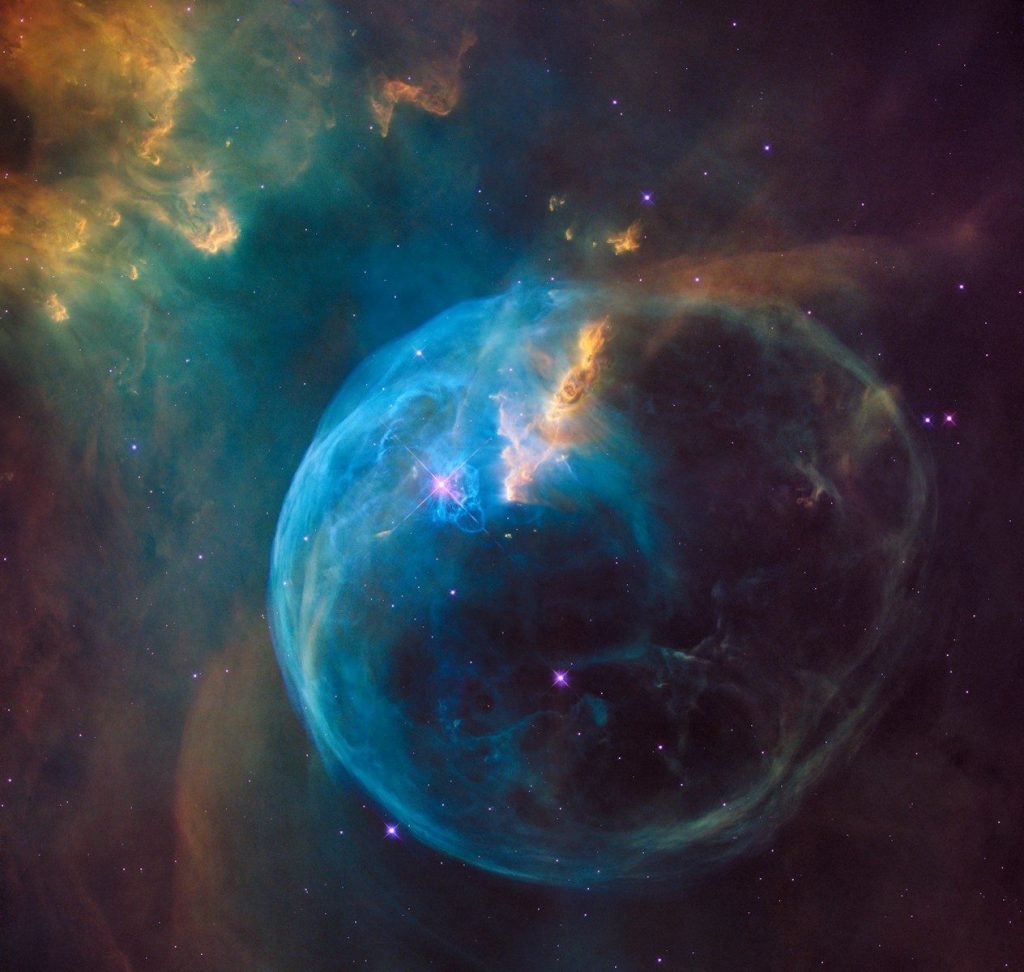
Understanding how a violent space collision sparked our biology proves that life is deeply linked to cosmic events. According to astrobiologists, tracing these ancient impacts helps us select the best target coordinates on distant exoplanets. We are made of starstuff. This article is for informational purposes only.
Featured Image: Photo by Zelch Csaba on Pexels
Leave a Reply