Category: Science & Nature

  • The Hidden Deep Sea Shark Older Than Human History

    The Hidden Deep Sea Shark Older Than Human History

    Most biology lovers believe that large ocean creatures live for only a few decades. We assume that marine animals experience rapid aging patterns similar to land mammals.

    But an incredibly deep-sea shark is completely defying the rules of longevity. This sluggish predator can cruise through the freezing dark for hundreds of years.

    The Frozen Arctic Giant
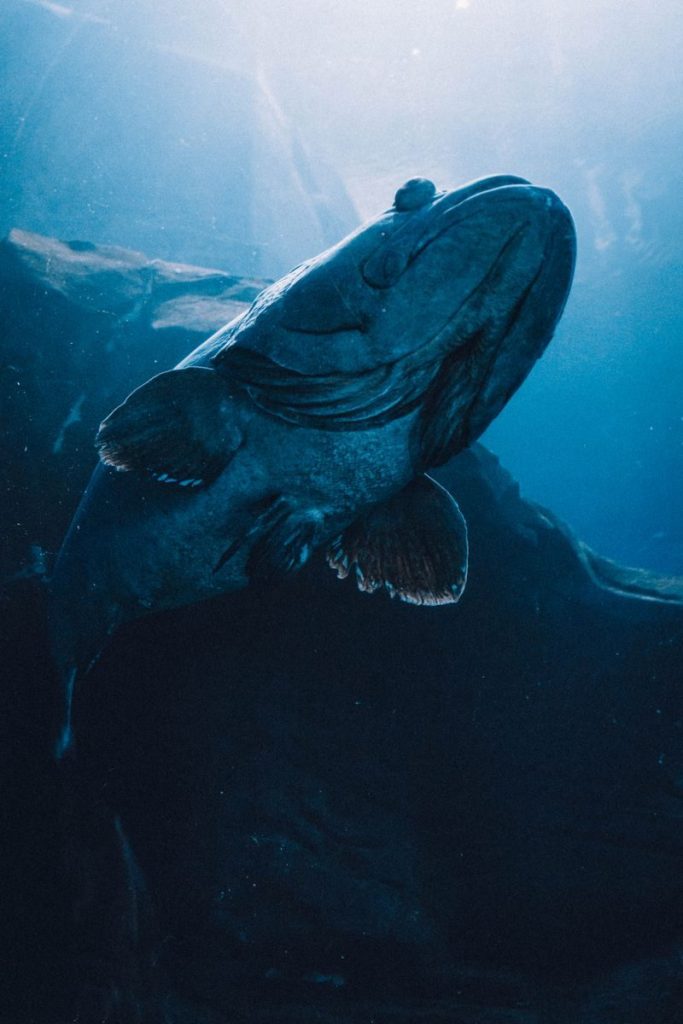
    A captivating underwater shot of a giant grouper fish showcasing its grace in the deep blue sea.
    Photo by Mariya Klyachko on Pexels

    The Greenland shark lives in the deep, freezing waters of the North Atlantic. According to marine biology reports, these massive predators grow extremely slowly in the absolute cold. They are giant. Some specimens can measure over twenty feet in length when fully grown. But determining the precise age of these ancient creatures required a radical scientific method.

    Scanning Eye Proteins
    Vibrant abstract artwork featuring dynamic colors and geometric shapes.
    Photo by Google DeepMind on Pexels

    Counting bone layers on the soft cartilage of sharks does not work. According to a study published in Science, researchers used radiocarbon dating on the proteins inside the shark eye lenses. The lenses form before birth. This unique chemical analysis allowed scientists to estimate the birth year of the creatures. But the resulting age calculations shocked the entire scientific community.

    Swimming Since The Renaissance
    An image of an object in the dark
    Photo by Akshob Ram Kumar on Unsplash

    One massive female in the study was estimated to be nearly four hundred years old. According to the research team, this massive female was swimming in the cold dark during the reign of Galileo. She is ancient. This incredible lifespan makes the species the longest-lived vertebrate animal on the planet. But achieving this extreme longevity requires a highly sluggish lifestyle.

    Extremely Slow Metabolic Engines

    Close-up view of a vital signs monitor showing various medical readings in a hospital setting.
    Photo by CARLOSCRUZ ARTEGRAFIA on Pexels

    Living in near-freezing water forces the shark to conserve its energy with absolute precision. According to physiological studies, their metabolic systems operate at an incredibly slow pace. They move slowly. Their maximum swimming speed is less than one mile per hour during daily cruises. But this sluggish movement raises a massive question about how they catch prey.

    Hunting Sleeping Prey
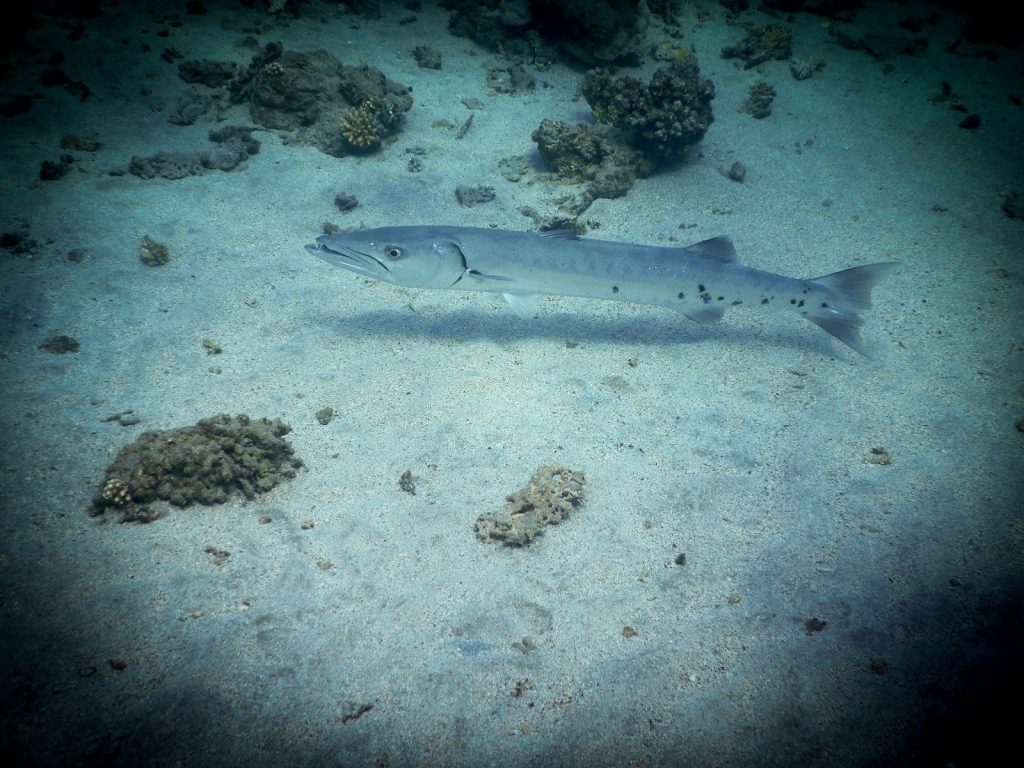
    A barracuda swims over a sandy ocean floor.
    Photo by Ekaterina Zlotnikova on Unsplash

    These predators hunt in complete darkness, where fast prey is often resting or sleeping. According to marine ecologists, they scavenge on dead seals and catch sleeping fish on the ocean floor. The strike is silent. They do not rely on speed to capture their meals in the dark. But their eyes are also facing a highly destructive biological threat.

    The Blind Parasite Passengers
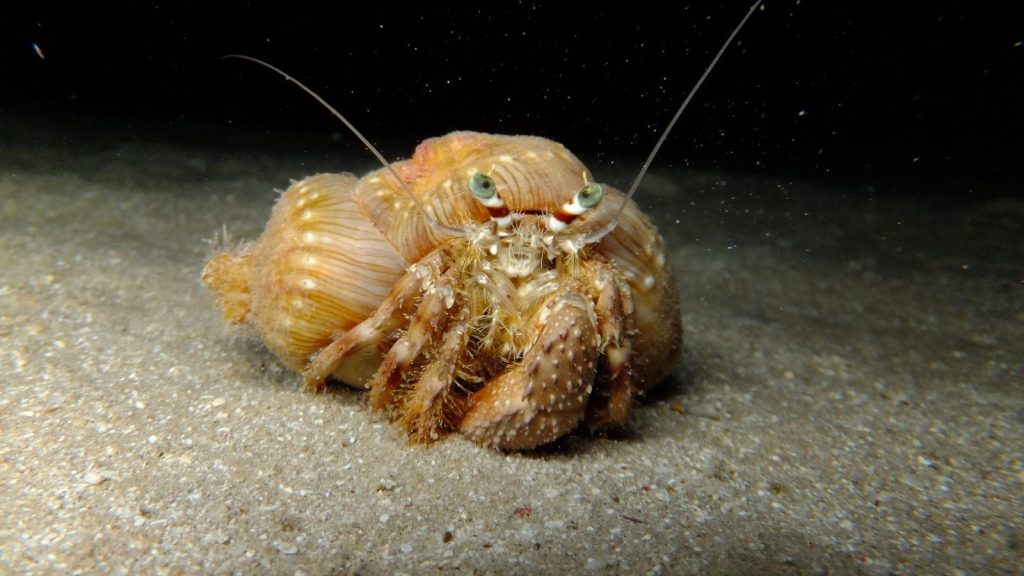
    brown insect
    Photo by Peter Boshra on Unsplash

    Most Greenland sharks suffer from a specialized parasite that attaches directly to their corneas. According to zoological studies, these tiny crustaceans slowly destroy the eyesight of the host. They are blind. Yet losing their vision does not impact their survival in the pitch-black deep sea. But this extreme resilience is now inspiring medical researchers.

    Unlocking Longevity Secrets

    Researchers in lab coats performing experiments with advanced equipment in a laboratory.
    Photo by Pavel Danilyuk on Pexels

    Scientists are studying the cellular structures of these sharks to understand how they resist aging. According to genetic research teams, their tissues show almost zero signs of typical age-related cancers. The cells are resilient. Finding these protective genetic segments could lead to revolutionary new treatments for human diseases. But this ancient species is now facing modern environmental threats.

    Protecting Deep Sea Kings
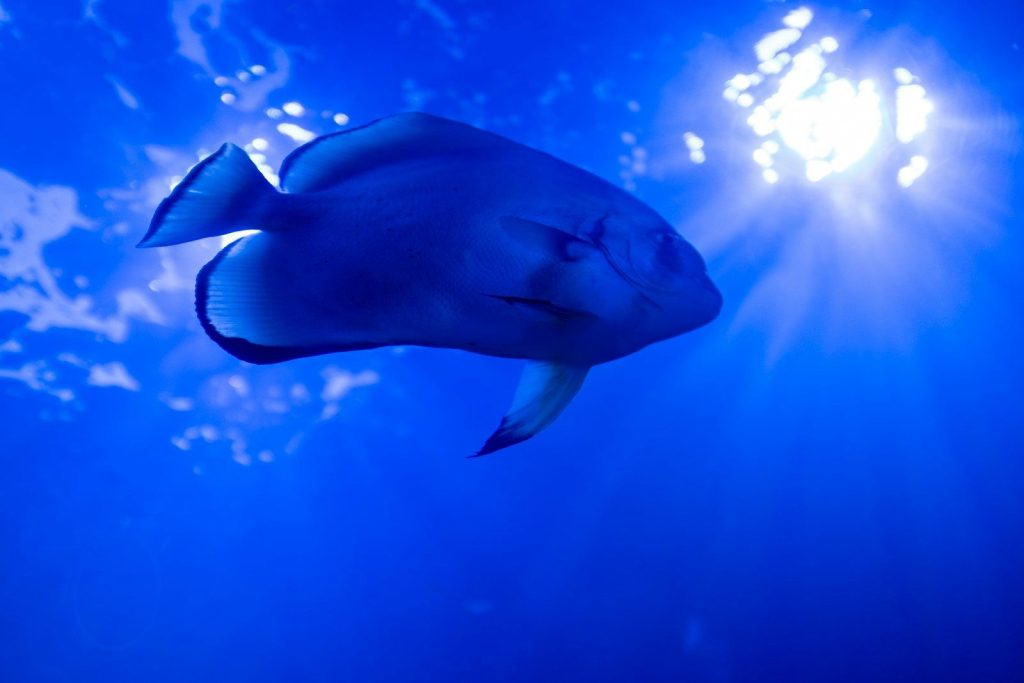
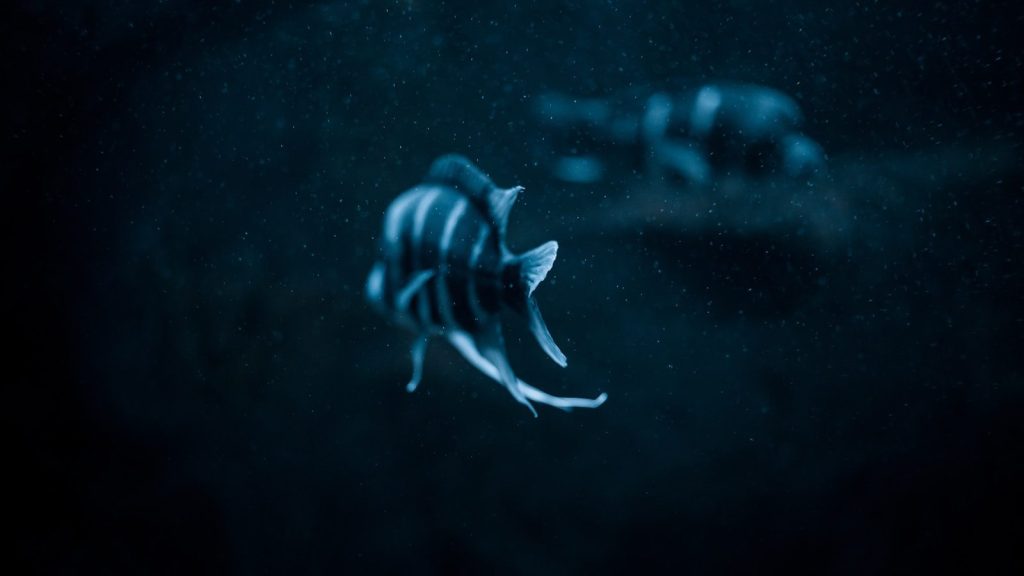
    A solitary blue fish swims in deep ocean water.
    Photo by Natali N on Unsplash

    Rising ocean temperatures and industrial commercial fishing are disrupting the fragile habitats of these ancient giants. According to conservationists, safeguarding these slow-growing creatures is vital to protecting the balance of deep marine ecosystems. We must act. This article is for informational purposes only.

    Featured Image: Photo by GEORGE DESIPRIS on Pexels
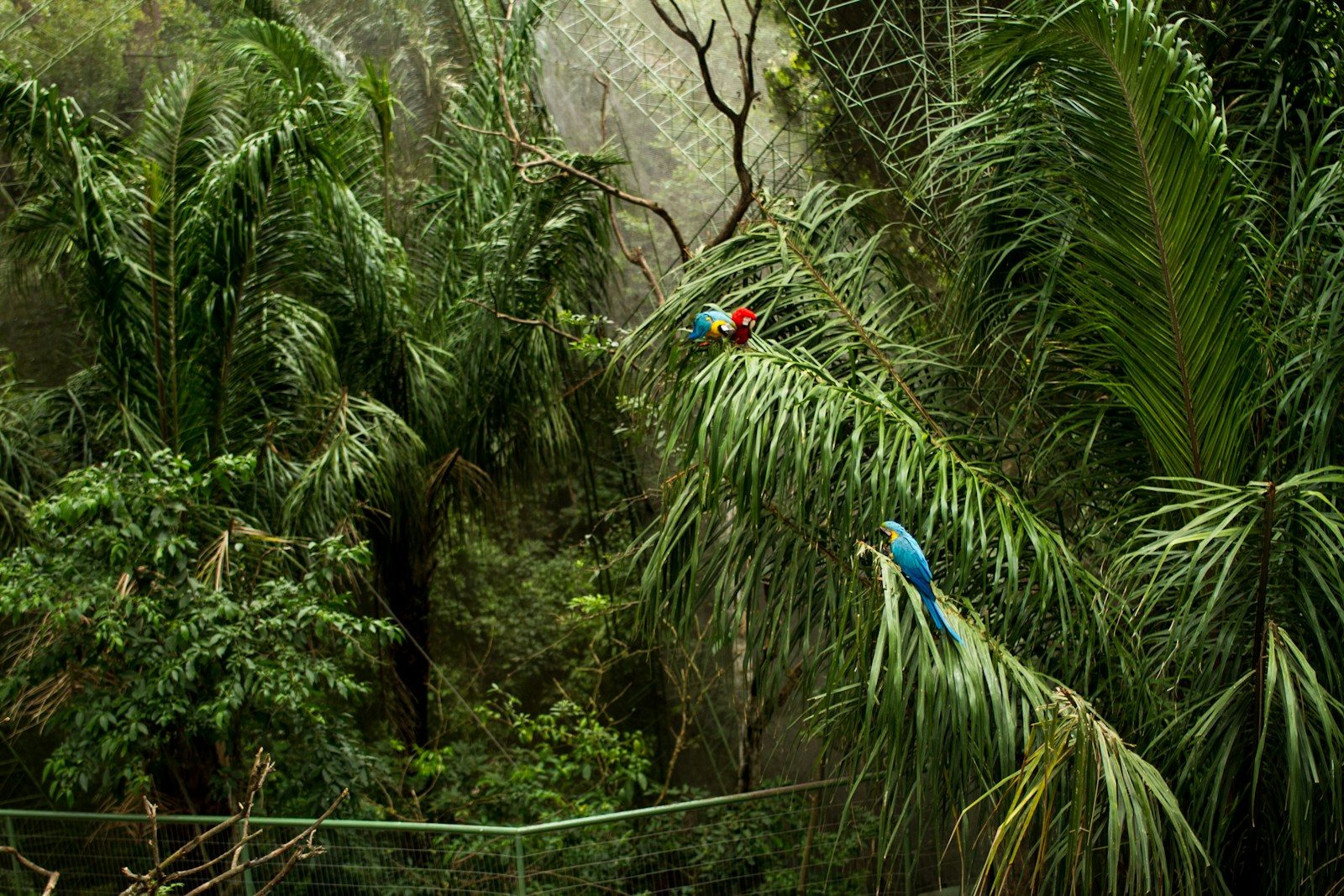
  • The Terrifying Apex Bird Hunting Sloths in the Canopy

    The Terrifying Apex Bird Hunting Sloths in the Canopy

    Most nature lovers assume that eagles only hunt small rabbits or tiny field mice. We believe that birds of prey are too light to attack larger forest mammals.

    But a colossal canopy predator is shattering these biological expectations. Its massive claws allow it to snatch heavy sloths straight out of the trees.

    Meet The Canopy Giant

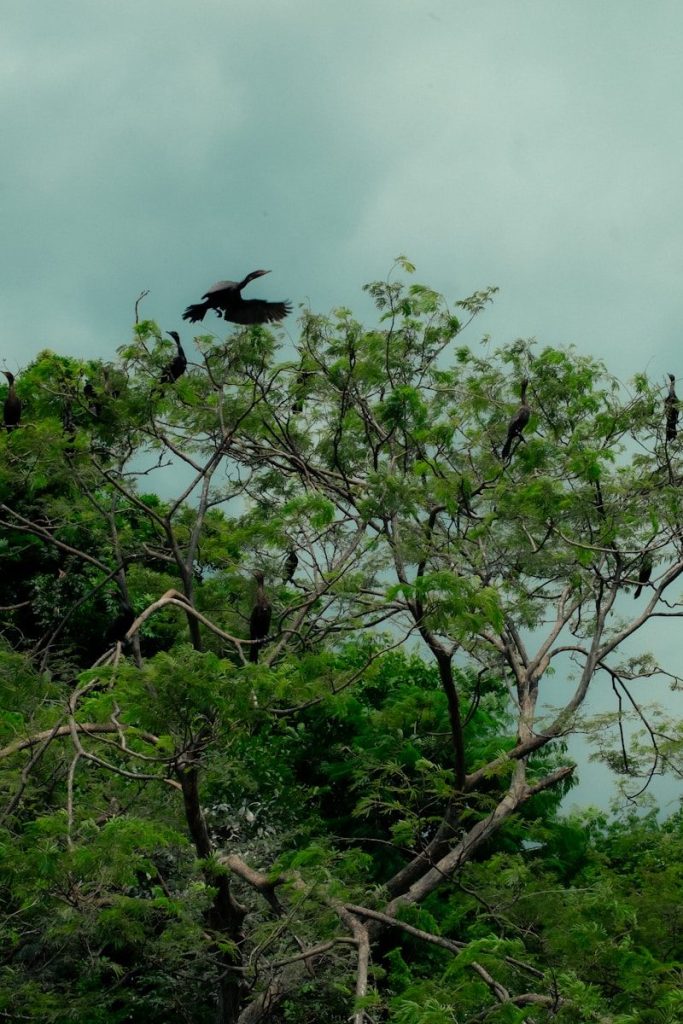
    Birds flying and perched in a green tree.
    Photo by Angel Maldonado on Unsplash

    The harpy eagle is one of the largest and most powerful birds on the planet. According to the San Diego Zoo, these massive avian predators hunt in the dense tropical rainforest canopy. They are incredibly stealthy. Their wide wings allow them to navigate tight tree branches without making any noise. But their real hunting advantage is a highly terrifying physical weapon.

    Claws Like Grizzly Bears

    blue and white ice on tree branch
    Photo by Markus Spiske on Unsplash

    These powerful talons are larger than the claws of a grizzly bear. According to wildlife biologists, these curved weapons can measure up to five inches in length. They are razor sharp. This extreme size allows the bird to grip slippery prey with absolute security. But the sheer crushing power of this grip is what truly shocks researchers.

    Crushing Bones With Ease

    Woman stands on pressure plate with sensors on-screen interactive game.
    Photo by Neuro Equilibrium on Unsplash

    A harpy eagle can exert hundreds of pounds of pressure with its feet. According to biomechanics studies, this force is strong enough to crush the bones of a mammal instantly. The grip is absolute. This intense power ensures that prey cannot fight back once the eagle strikes. But spotting target animals inside the dense forest requires a highly advanced sensory system.

    Supercharged Eyesight In Shadows

    Illuminated owl lantern hanging in a dark forest
    Photo by Kushan Janith on Unsplash

    Hunting in the dim light of the jungle canopy requires highly sensitive eyes. According to researchers at the Peregrine Fund, these eagles possess vision that is eight times sharper than a human’s. They see everything clearly. This incredible visual power allows them to spot a sleeping sloth from hundreds of yards away. But executing a stealthy strike requires a highly silent flight path.

    Gliding Without A Sound

    red and white toy plane in the sky
    Photo by Walter Sturn on Unsplash

    Specialized feathers allow the heavy eagle to dive through the canopy in complete silence. According to aerodynamics experts, the unique shape of their wings reduces air turbulence during high-speed descents. The attack is instant. This silent flight prevents target animals from hearing the predator until it is too late to escape. But their favorite prey is surprisingly difficult to pull from the branches.

    The Strong Canopy Anchor

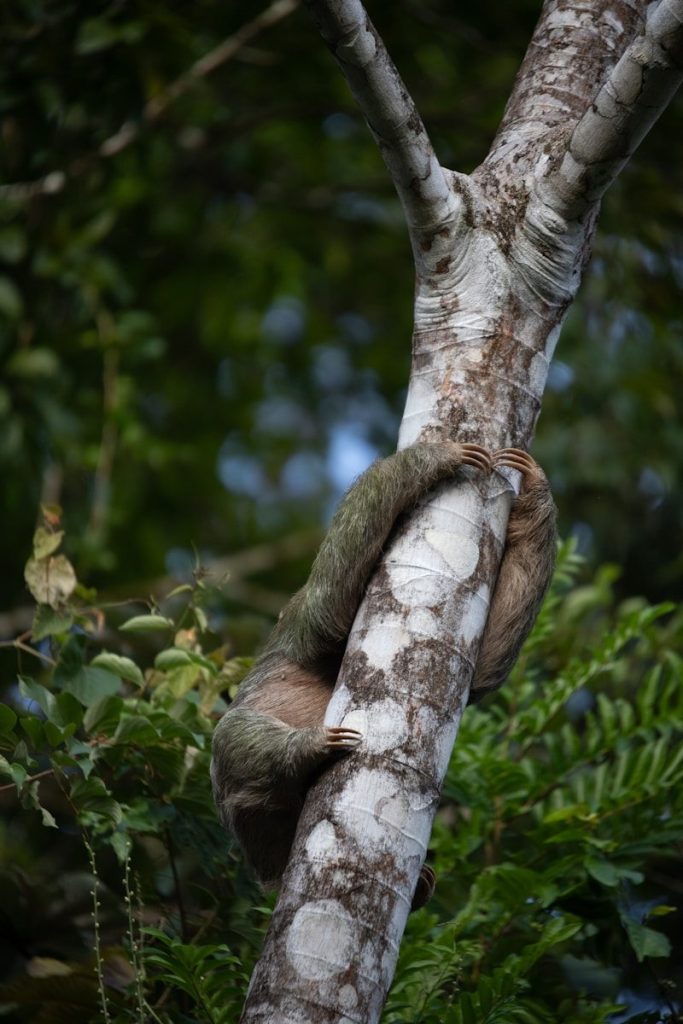
    A sloth climbing up a tree in a forest
    Photo by Bernd 📷 Dittrich on Unsplash

    Sloths use their curved claws to lock themselves securely onto strong tree limbs. According to biological reports, their muscles are wired to maintain a tight grip even when sleeping. They are anchored deeply. Prying these mammals loose requires the eagle to hit them with immense kinetic force during flight. But this violent hunting strategy is facing a severe threat from modern environmental changes.

    Preserving The Jungle Kings

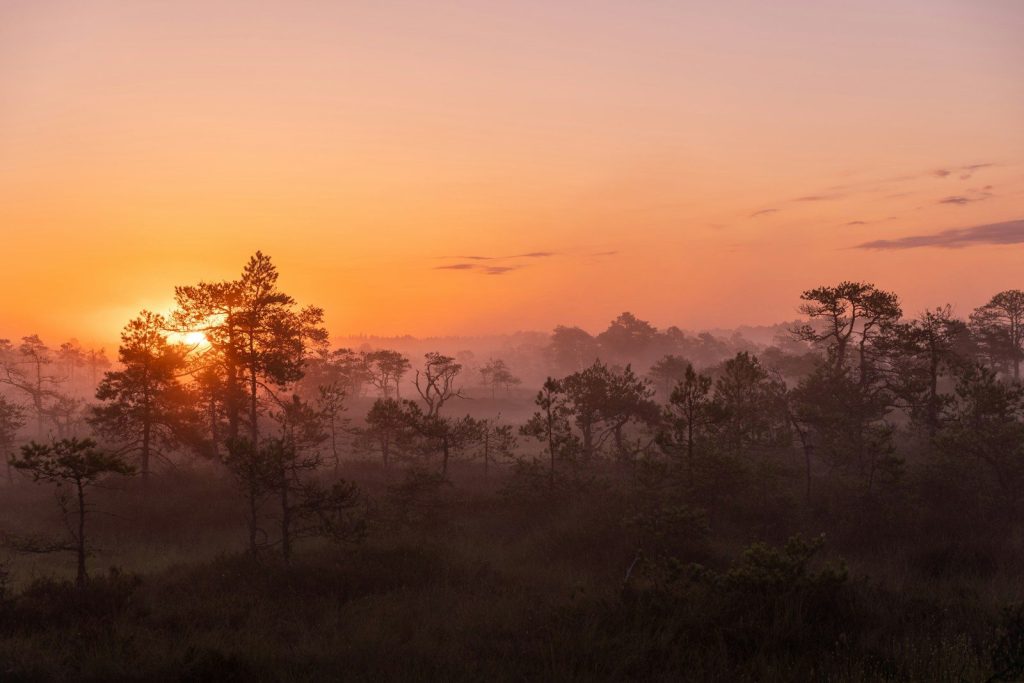
    green trees under orange sky during sunset
    Photo by Janek Valdsalu on Unsplash

    The rapid loss of ancient tropical forests is shrinking the hunting grounds of these magnificent birds. According to conservation researchers, protecting these apex predators is vital to maintaining the health of the entire ecosystem. We must act quickly. This article is for informational purposes only.

    Featured Image: Photo by Andrea Huls Pareja on Unsplash

  • The Ancient Living Organisms Surviving Deep Within Modern Earth

    The Ancient Living Organisms Surviving Deep Within Modern Earth

    Most biology fans assume that living things are fragile and short-lived. We believe that nature forces all organisms to decay and vanish within a single century.

    But some ancient living treasures have defied this natural rule. These evolutionary champions have been growing silently since the dawn of human civilization.

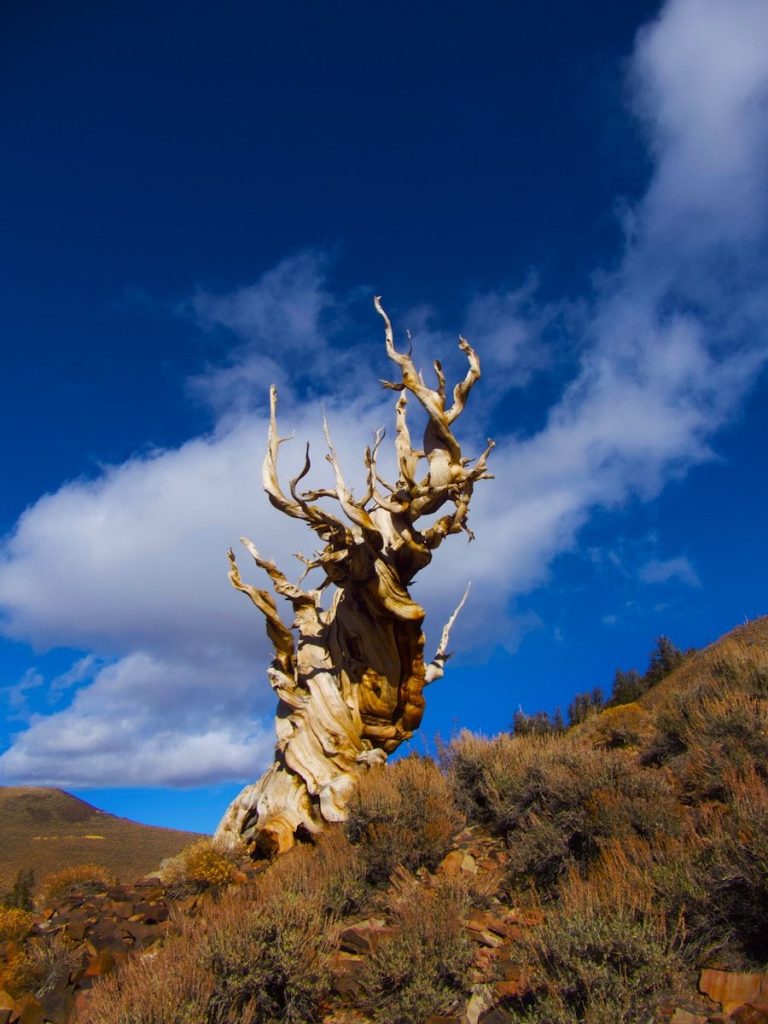
    The Five Thousand Year Tree

    a dead tree on a hill with a blue sky in the background
    Photo by Donna Elliot on Unsplash

    Deep in the White Mountains of California sits an ancient bristlecone pine named Methuselah. According to tree-ring analysis reports, this gnarled pine has been growing for nearly five thousand years. It is incredibly resilient. This ancient tree was already a seedling when the first pyramids were built in Egypt. But this pine is not the oldest living structure on land.

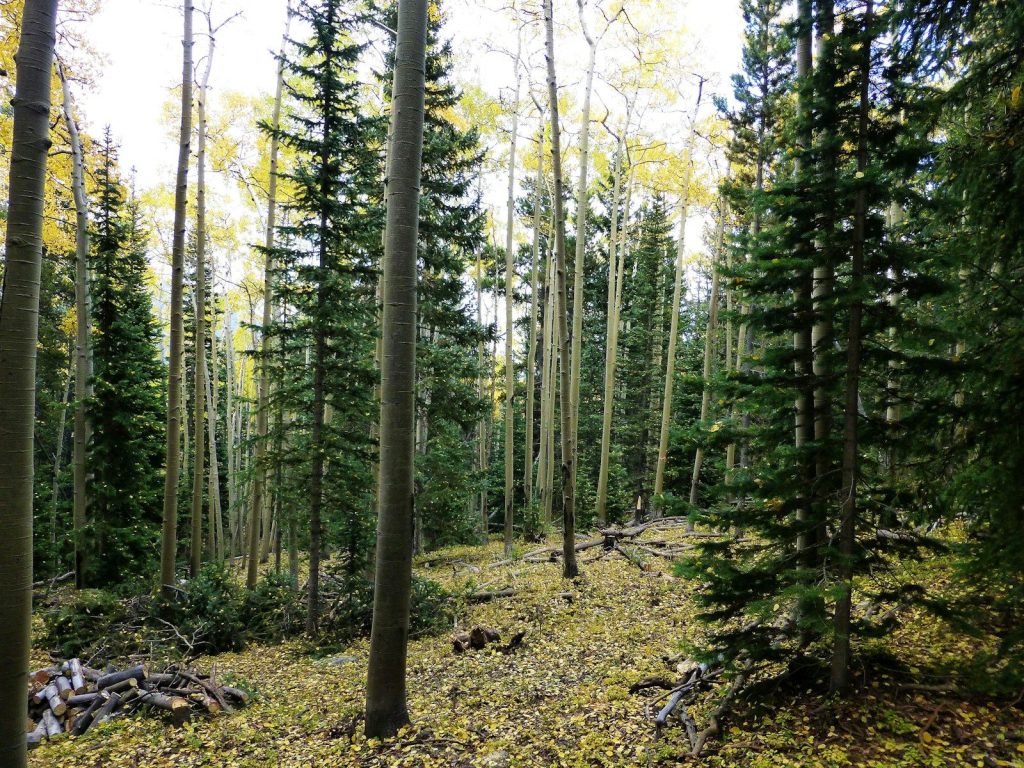
    Giant Underground Aspen Clones

    A forest filled with lots of tall trees
    Photo by Denise L on Unsplash

    A massive forest in Utah is actually a single living organism connected by a giant root network. According to genetic research studies, this grove of quaking aspens is estimated to be eighty thousand years old. They are completely identical. The forest regenerates constantly by sending up new shoots from its ancient core. But a different ocean giant has been swimming for centuries in cold waters.

    The Ancient Greenland Shark

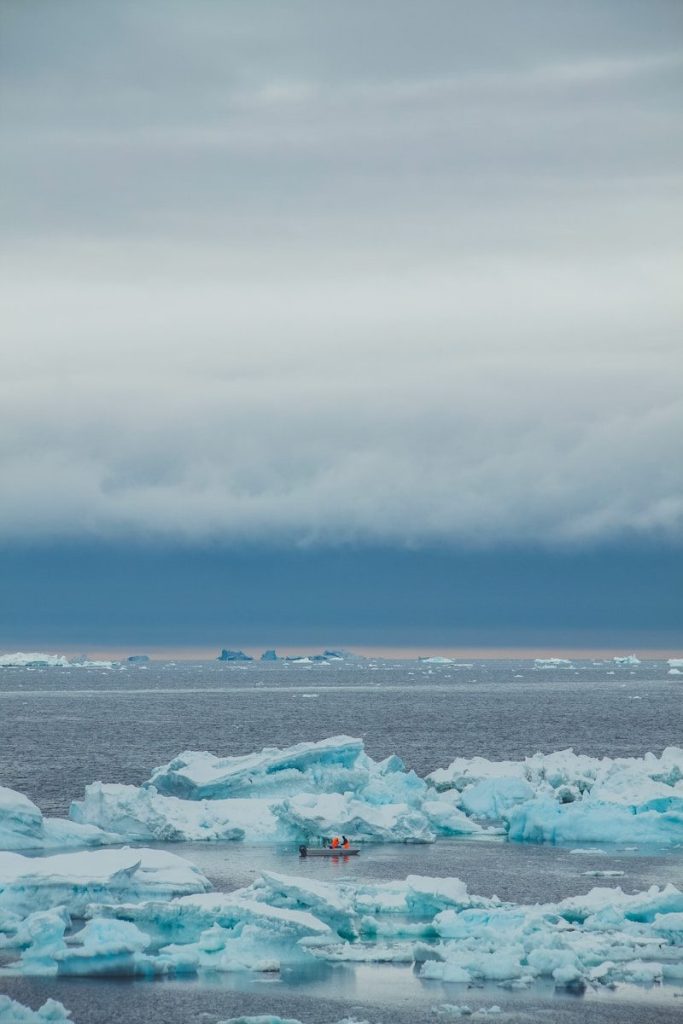
    A large group of icebergs floating on top of a body of water
    Photo by Naja Bertolt Jensen on Unsplash

    Swimming in the freezing depths of the Arctic Ocean is a vertebrate with a stunning lifespan. According to radiocarbon dating of eye proteins, Greenland sharks can live for nearly four hundred years. They are extremely slow. This sluggish pace of life helps them conserve energy in the freezing dark. But the land hides even older, silent organisms beneath the forest floor.

    Hidden Ancient Underground Fungi

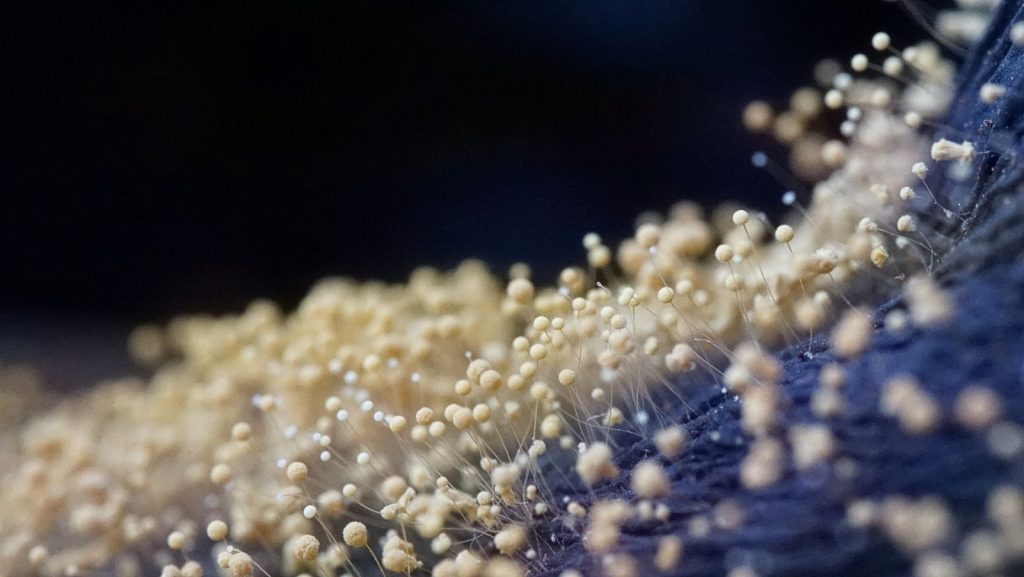
    Macro photograph of mold spores on a dark surface, highlighting intricate structures.
    Photo by Jeremy Wong on Pexels

    A single honey mushroom system in Oregon covers nearly four square miles of soil. According to forestry experts, this underground network has been spreading silently for over eight thousand years. It is a giant. The fungus grows slowly by digesting the root systems of ancient trees. But some dormant organisms have survived for millions of years in ice.

    Bacteria Waking From Ice

    Scientist in laboratory holding petri dish with cultures, wearing protective gloves and coat.
    Photo by Timothy Nkwasibwe on Pexels

    Scientists drilling in the Siberian permafrost recovered ancient bacterial strains locked in frozen dirt. According to reports from the Russian Academy of Sciences, these dormant microbes are over three million years old. They are still alive. Researchers successfully revived the ancient cells in a warm laboratory environment. But we must look at hard stones to find the oldest solid structures.

    Fossilized Prehistoric Algae Mats

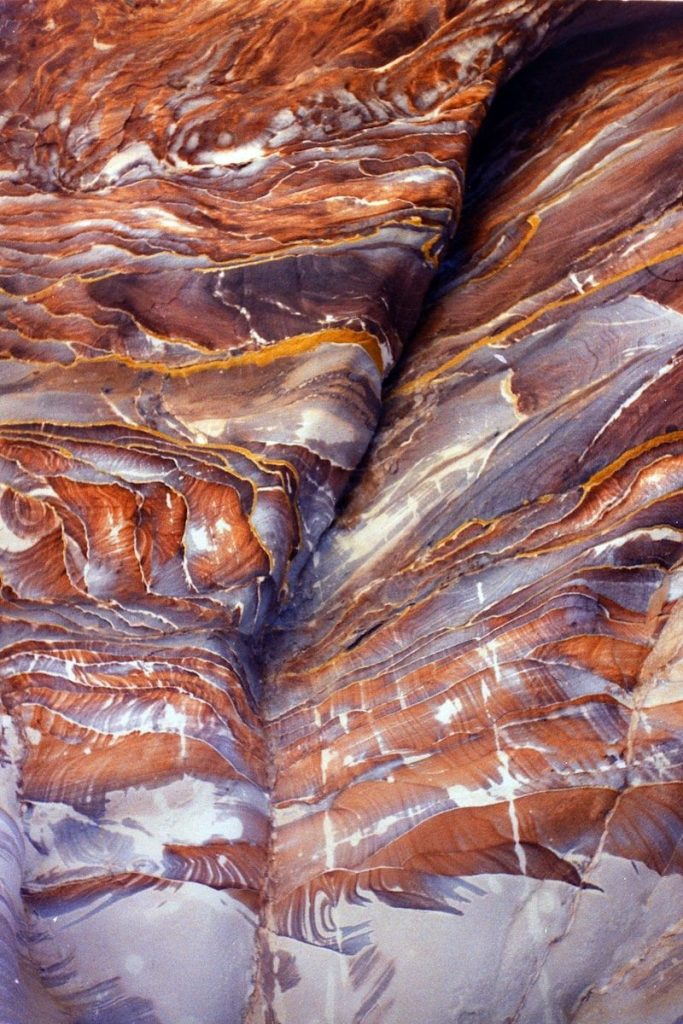
    brown and white rock formation
    Photo by Neroli Wesley on Unsplash

    Strange layered rocks called stromatolites contain the fossilized records of Earth’s earliest life. According to geological dating tests, these ancient microbial formations are over three billion years old. They are the pioneers. These early organisms filled our atmosphere with the oxygen we breathe today. But the oldest physical material on our planet did not originate on Earth.

    Cosmic Space Stardust Grains

    a rock that looks like it is made of rocks
    Photo by MiningWatch Portugal on Unsplash

    Researchers analyzing a meteor that crashed in Australia found microscopic grains of stardust inside the rock. According to planetary geologists, some of these silicon carbide grains are over seven billion years old. The dust is ancient. These particles formed inside dying stars before our own sun even existed. But studying these ancient things is changing our future.

    Unlocking Earth’s Deepest Timeline

    the sun shines brightly over a valley in the mountains
    Photo by Marek Piwnicki on Unsplash

    Exploring these ancient survivors allows us to map the true history of our living planet. According to evolutionary biologists, understanding how these ancient organisms survive helps us protect modern biodiversity. Balance is essential. This article is for informational purposes only.

    Featured Image: Photo by William Liu on Pexels
  • The Flying Dragon Fossil Found Beneath Desert Sands

    The Flying Dragon Fossil Found Beneath Desert Sands

    Most archaeology fans assume that desert sands only hide standard dinosaur bones like the fierce T. rex. We believe that the ancient Sahara was always a quiet and dusty wasteland.

    But a spectacular fossil discovery has shattered this dry historical picture. Scientists have recovered the bones of a giant flying predator that dominated the ancient sky.

    The Desert Sky Giant

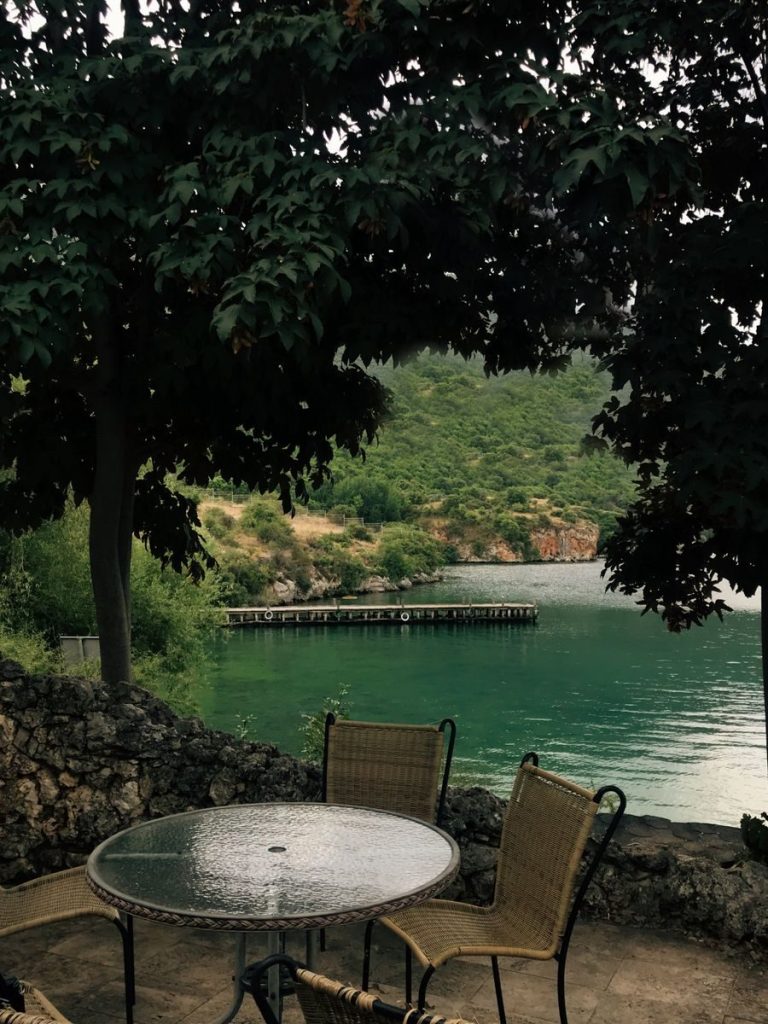
    Tranquil lakeside scene with outdoor chairs and lush greenery, perfect for relaxation.
    Photo by Enisa Halidi on Pexels
    Paleontologists working in North Africa made the discovery of a lifetime in the red clay. According to a study published in the journal Cretaceous Research, scientists recovered the fossilized remains of a massive pterosaur. The bones were huge. This ancient flying reptile possessed a wingspan that stretched over fifteen feet across. But the structure of its skull was the most terrifying detail.

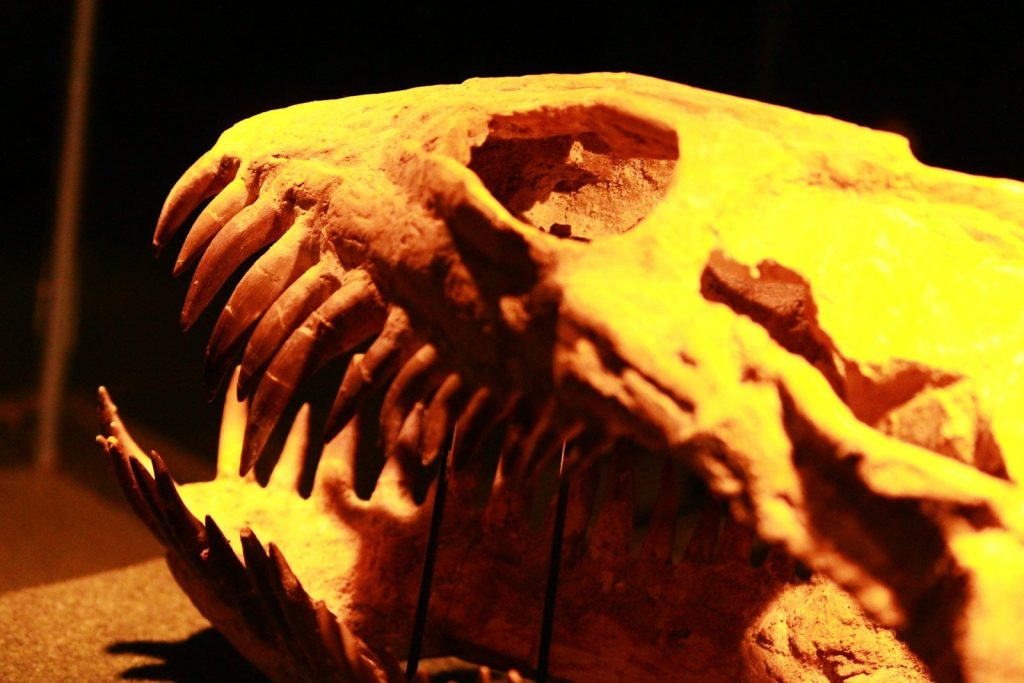
    Weapon Of A Predator

    A close up of a dinosaur skull on a table
    Photo by Blond Fox on Unsplash

    The creature’s jaw was lined with an incredibly dense array of sharp interlocking teeth. According to reports from the University of Portsmouth, this specialized jaw was designed to crush hard-shelled ocean prey. They were highly lethal. This unique tooth configuration gave the reptile a distinct dragon-like appearance during flight. But explaining how this heavy predator took off requires looking at bone physics.

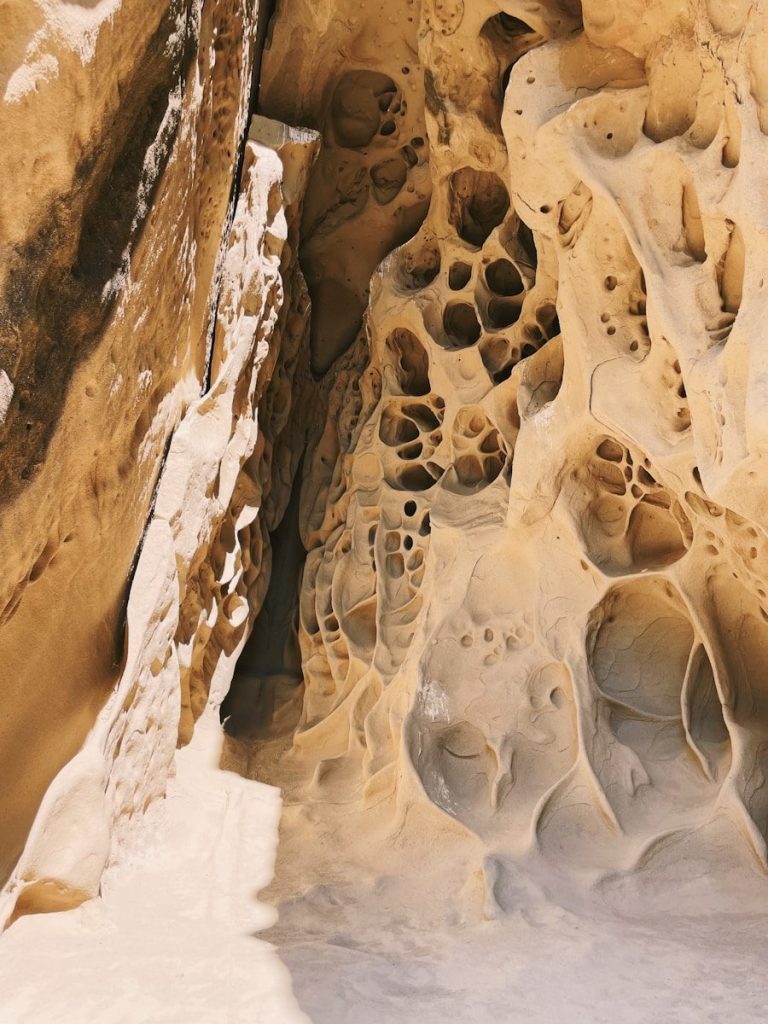
    The Hollow Bone Miracle

    a large rock formation with snow on the ground
    Photo by Michael Martinelli on Unsplash

    Flying such a massive body required an incredible level of structural engineering from nature. According to biomechanics experts, the ancient dragon possessed ultra-thin bones filled with hollow air pockets. They were like paper. This hollow layout reduced the creature’s total weight while keeping the skeleton strong enough to withstand high winds. But the environment where it lived was very different from today.

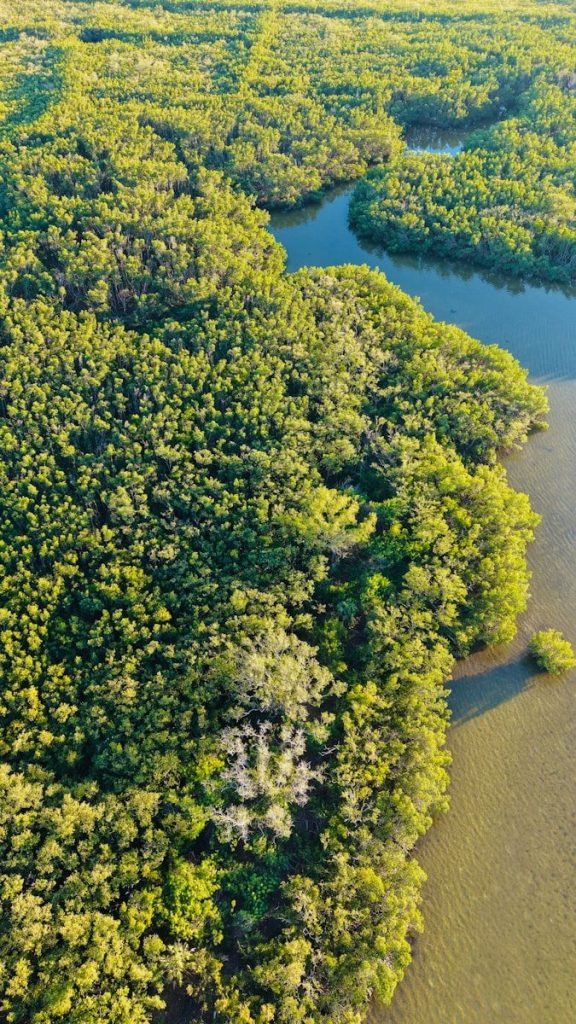
    The Green Sahara Forest

    Aerial view of a lush mangrove forest with winding waterways.
    Photo by Chris Grant on Unsplash

    The desolate Sahara Desert was once a lush tropical paradise filled with sprawling river systems. According to geological climate reconstructions, ninety-five million years ago, the region supported massive mangrove swamps and dense forests. The rivers hummed. This wet environment provided a constant feast of fish and small dinosaurs for the flying predator. But the sudden end of this wet era remains a mystery.

    Catastrophic Climate Shifts

    A dead tree stands in a dry, sandy desert landscape.
    Photo by NIR HIMI on Unsplash

    Rapid shifts in the tilt of the Earth slowly turned the tropical green wetlands into dry sand. According to paleoclimatologists, this dramatic desertification forced many specialized species into extinction over millions of years. The swamp dried. The flying dragons lost their vital hunting grounds and vanished from the fossil record. But modern technology is finally helping us bring their story back.

    Scanning From Orbit

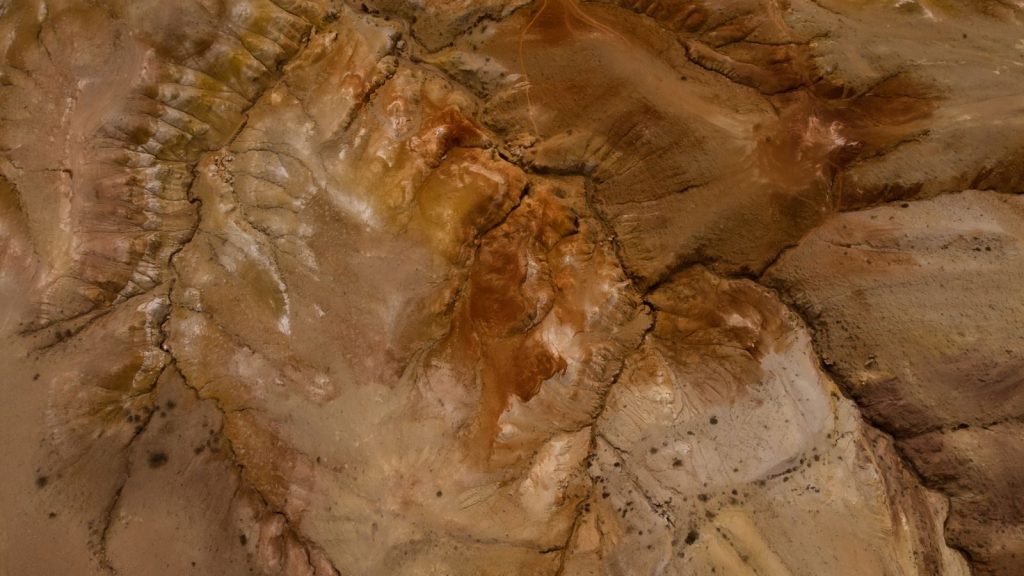
    Stunning aerial view of diverse rock formations in Chagan-Uzun, Altai Region, Russia.
    Photo by Денис Лобанов on Pexels
    Geologists are using advanced satellite radar to look beneath the shifting desert sand dunes. According to space agency researchers, these radar signals can penetrate several feet of dry soil to map ancient riverbeds. The scans are clear. This technology allows scientists to pinpoint where more fossil sites are hidden without digging. But launching a physical mission to these coordinates remains a massive struggle.

    Sifting Deep Dust

    the sun is shining through the clouds over the ocean
    Photo by Vinu T on Unsplash

    Finding these ancient dragon bones reminds us that our planet is constantly undergoing massive physical transformations. According to researchers, studying these extinct monsters helps us map the dynamic life cycles of early ecosystems. Nature holds the secrets. This article is for informational purposes only.

    Featured Image: Photo by Marjan Taghipour on Unsplash

  • The Hidden Water Crisis Draining Our Digital World

    The Hidden Water Crisis Draining Our Digital World

    Internet users believe that our growing online activities are completely weightless and clean. We assume that chatting with smart programs has absolutely no physical impact on the earth.

    But the rapid expansion of artificial intelligence is triggering a severe natural resource crisis. Huge computing warehouses are quietly draining vital water aquifers across the nation.

    The Power Appetite

    a close-up of a server room
    Photo by Kier in Sight Archives on Unsplash

    Running modern artificial intelligence requires a staggering amount of constant computational processing. According to reports from the International Energy Agency, an AI query drains ten times more energy than a standard search. The surge is massive. This extreme electrical load generates intense heat that must be cooled around the clock. But the physical method used to cool these servers is creating a massive crisis.

    Aquifers Under Threat

    a large body of water surrounded by a rocky cliff
    Photo by Victor Rosario on Unsplash

    Data centers rely on evaporation systems that consume millions of gallons of water daily. According to a hydrological study of the Heartland, these facilities are tapping into fragile regional aquifers. The strain is visible. This massive water use is leaving nearby agricultural zones with less water for crops and livestock. But this local issue is quickly growing into a national environmental debate.

    The Carbon Rebound

    white clouds over city buildings during daytime
    Photo by Chris LeBoutillier on Unsplash

    Many technology firms previously promised to run their computing centers entirely on clean energy. According to environmental studies, the massive power crunch is forcing companies to rely on older fossil fuel plants. The promises are breaking. Several closed coal facilities are delaying their retirements just to keep the servers active. But this emergency power boost is actively undoing years of climate progress.

    The AI Surge

    A detailed electronic circuit board featuring a prominent blue microchip.
    Photo by Brecht Corbeel on Unsplash

    The sudden boom of generative software models has doubled the water demands of new centers. According to a research study from Virginia Tech, training a single model uses massive amounts of cooling liquid. The demand is skyrocketing. This spike in water usage means data hubs must run their evaporation systems constantly. But some forward-thinking engineers are searching for a physical solution.

    The Closed Loops

    gray commercial machine
    Photo by Crystal Kwok on Unsplash

    Tech corporations are under intense pressure to redesign their cooling systems to avoid wasting water. According to reports from the Department of Energy, switching to closed-loop air cooling can eliminate water waste entirely. The technology is expensive. Implementing these systems requires rebuilding older centers from the ground up. But the future of our digital world depends on making a major change.

    Local Communities Revolt

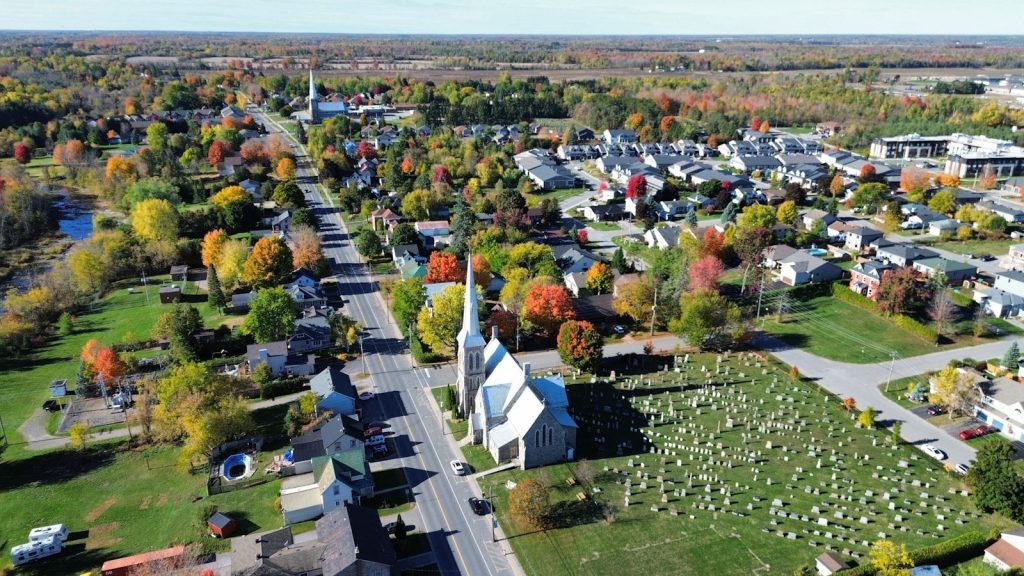
    Aerial view of a small town with autumn foliage
    Photo by Driscoll-Peca Real Esate Team on Unsplash

    Small towns are starting to pass strict new zoning laws to block data centers. According to local state records, residents are demanding clear guarantees that their water tables will remain safe. They are vocal. This intense pushback has already forced several multi-billion-dollar developments to cancel their plans. But some companies are seeking out even more radical energy alternatives.

    Turning To Nuclear

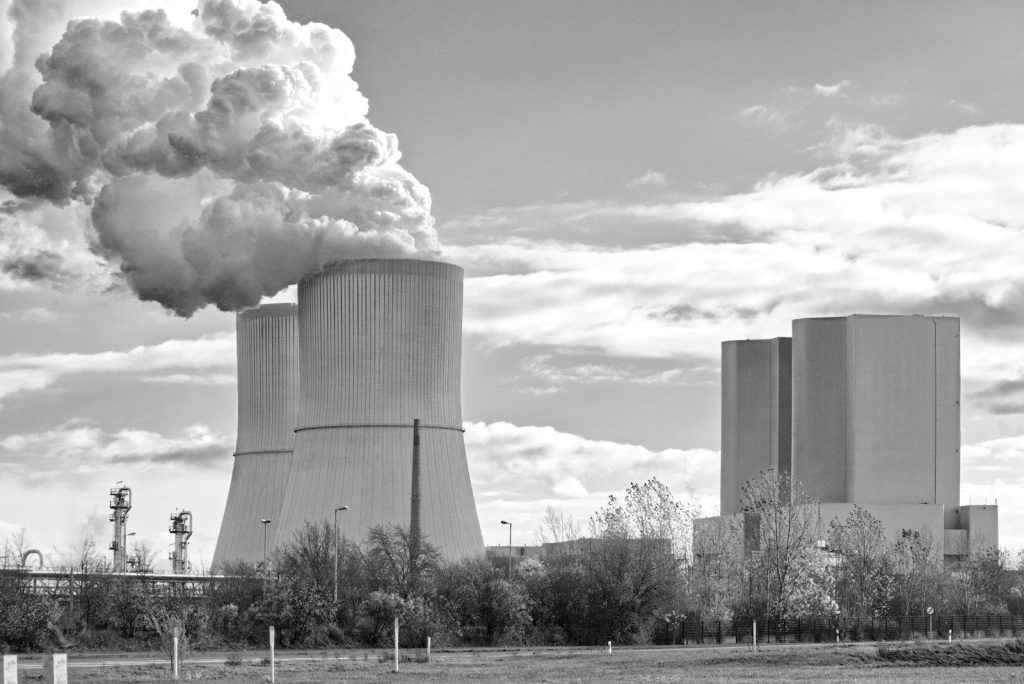
    A black and white photo of a factory with smoke coming out of it
    Photo by Peter Mammitzsch on Unsplash

    Technology giants are signing historic deals with nuclear operators to secure constant carbon-free electricity. According to energy industry reports, companies are trying to restart closed reactors to power their computing hubs. The stakes are high. This pivot highlights how desperate the industry has become for reliable base load energy. But this sudden rush for nuclear power is raising serious public safety questions.

    Balancing Our Future

    a dirt road in a forest
    Photo by loubna dz on Unsplash

    Finding a sustainable path forward requires a massive shift in how we build digital infrastructure. According to energy engineers, the future of technology relies on developing ultra-efficient processors and local clean power generation. Innovation is key. This article is for informational purposes only.

    Featured Image: Photo by Winston Chen on Unsplash

  • The Unexplained Deep Sea Creature Discovered Off Japan

    The Unexplained Deep Sea Creature Discovered Off Japan

    Most ocean explorers assume that the deepest marine trenches are completely barren wastelands. We believe that intense water pressures make survival impossible for complex animal life.

    But a spectacular marine expedition has challenged this geological timeline. Researchers have captured footage of a bizarre creature swimming at extreme depths.

    Descending Into The Trench

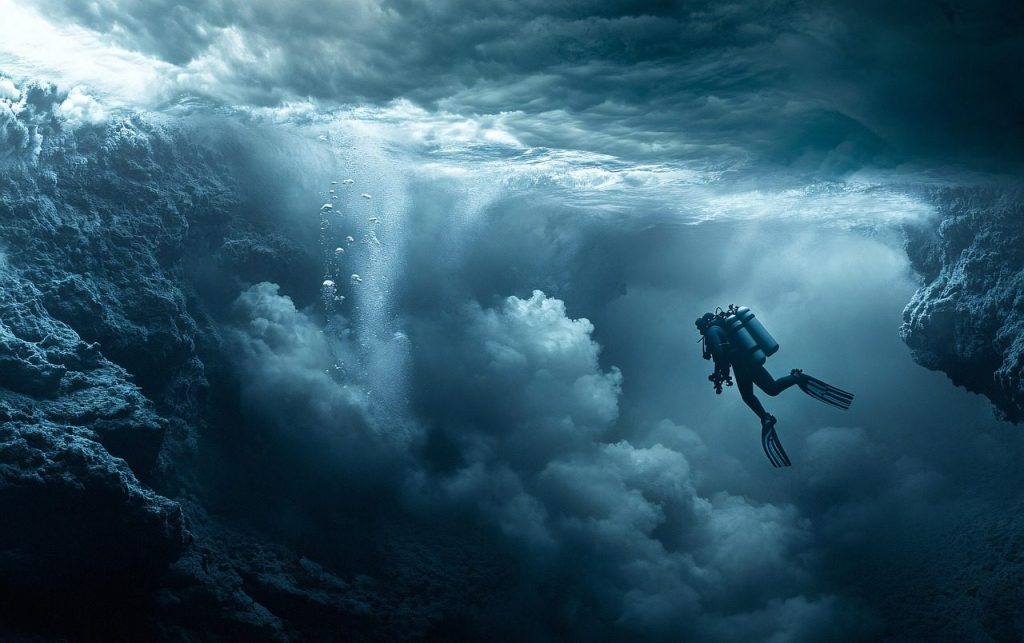
    scuba diver, underwater, ocean, deep sea, abyss, diving, exploration, mysterious, adventure, marine, ocean life, underwater photography, solitude, depth, light, shadows, blue, dark, vast, scuba diving, aquatic, free diving, nature, ai generated
    Photo by Vilkasss on Pixabay

    Exploring the deepest oceanic zones requires specialized equipment built to withstand crushing pressures. According to the Japan Agency for Marine-Earth Science and Technology, researchers deployed an unmanned camera system into the Izu-Ogasawara Trench. The dark was absolute. The vehicle descended thousands of meters beneath the surface to scan the seafloor. But their camera was about to capture a highly unexpected resident.

    The Ghostly Snailfish Discovery

    a fish that is swimming in some water
    Photo by Ghavam Cheraghali on Unsplash

    A pale fish drifted slowly into the bright light of the camera rig. According to marine biologists, the bizarre creature was a previously unmapped species of snailfish. It was remarkably delicate. Its gelatinous body allowed it to survive where other animals would be crushed instantly. But explaining how this fragile fish resists the extreme pressure remains a massive puzzle.

    Resisting Crushing Water Pressures

    purple and white abstract painting
    Photo by National Cancer Institute on Unsplash

    Water pressure at these extreme depths is several hundred times greater than at the surface. According to oceanographic research papers, the fish possesses unique cellular membranes that remain flexible under intense pressure. The skin was soft. This structural adaptation keeps their organs functioning in the deep ocean. But this biological design holds an even stranger chemical secret.

    Protecting Vital Proteins

    a bathroom with a lot of writing on the wall
    Photo by Stephan HK on Unsplash

    Extreme depth can cause standard biological proteins to lose their shape and fail completely. According to biochemical reports, deep-sea creatures use a specialized organic compound to stabilize their internal cellular structures. This is a shield. The compound prevents the proteins from collapsing under the weight of the water. But tracking their diet in this barren zone revealed another mystery.

    Feeding In Pure Darkness

    A close up of a bunch of small rocks
    Photo by miner K on Unsplash

    No sunlight can reach these deep trenches to support standard marine plant growth. According to deep-sea surveys, the food web relies entirely on organic debris falling from the surface. The food was scarce. Tiny organisms feed on this falling debris, providing a vital source of energy for the predatory snailfish. But these creatures also possess highly specialized sensory networks.

    Sensing Hidden Movements

    A close up of a blue umbrella with a sky background
    Photo by Buddha Elemental 3D on Unsplash

    Surviving in complete darkness requires finding prey without using standard visual cues. According to neurological studies, the deep-sea fish uses a complex system of fluid-filled pores to detect tiny vibrations in the water. They are highly alert. This sensory setup allows the hunter to locate prey moving through the mud. But the extreme limits of this deep habitat continue to challenge researchers.

    Pushing Underwater Exploration

    a large metal object in a large room
    Photo by Hermeus on Unsplash

    Reaching these deep trenches represents a major technological milestone for oceanography. According to mechanical engineering logs, designing camera systems that survive these environments requires advanced titanium casings. The engineering is complex. These deep missions are helping scientists map the absolute limits of terrestrial biology. But our understanding of these deep zones is still in its infancy.

    Secrets Of Deep Trenches

    white jellyfish in body of water
    Photo by Jeremy Bishop on Unsplash

    The spectacular discovery off the coast of Japan proves that our oceans still hold boundless biological mysteries. According to researchers, studying these deep-sea survivors helps us understand how life might adapt to extreme conditions on other planets. The deep keeps secrets. This article is for informational purposes only.

    Featured Image: Photo by 12019 on Pixabay

  • How Nuclear Waste Could Unlock Infinite Clean Energy

    How Nuclear Waste Could Unlock Infinite Clean Energy

    Most physics fans assume that nuclear waste is just a dangerous liability. We believe that spent reactor fuel must be buried deep underground for thousands of years.

    But brilliant researchers have found an incredible clean energy solution. They want to recycle these radioactive remnants to power the first commercial fusion reactors.

    Harvesting Leftover Cosmic Fuel

    Overhead view of complex machinery with pipes and valves.
    Photo by Daniel Miksha on Unsplash

    Standard nuclear reactors leave behind volatile isotopes that require secure storage. According to reports from the Department of Energy, these waste elements still contain highly energetic particles. They are incredibly active. By extracting these raw isotopes, scientists can synthesize tritium fuel for next-generation fusion reactors. This chemical recycling could solve a massive fuel shortage.

    The Extreme Fusion Puzzle

    silver and black coffee maker on white and brown wooden table
    Photo by Michael on Unsplash

    Achieving commercial fusion requires holding hot plasma stable at millions of degrees. According to researchers at the Princeton Plasma Physics Laboratory, finding a reliable fuel mixture is the hardest part. The task is massive. Standard hydrogen isotopes are incredibly rare and expensive to manufacture from scratch. But the key to creating this fuel is hiding inside nuclear waste bins.

    Mining The Radioactive Remnants

    a person wearing a mask
    Photo by Toon Lambrechts on Unsplash

    Extracting valuable tritium requires processing spent heavy water and uranium rods. According to chemical engineering studies, this recycling process isolates the lightweight isotopes safely. The work is precise. By harvesting these rare elements, scientists can secure a stable fuel supply for early commercial reactors. But handling these active materials requires building specialized protective shields.

    Building The Ultimate Shields

    two person standing near wall
    Photo by Ant Rozetsky on Unsplash

    Fusion chambers must withstand intense neutron bombardment without melting down. According to materials science reports, developers are testing custom steel alloys to line the inner walls. The metal is tough. This protective layer prevents structural damage while absorbing the heat to generate electricity. But managing this intense thermal energy requires a highly unique cooling loop.

    Liquid Metal Cooling Paths

    a large circular object in a large building
    Photo by Homa Appliances on Unsplash

    Standard water cooling loops would boil away instantly inside a fusion reactor. According to experimental physics logs, advanced systems circulate molten lithium to absorb the extreme heat. The flow is silent. This liquid metal transfer is highly efficient and keeps the reactor stable during operation. But keeping this heavy current moving demands a powerful magnetic pump.

    Magnetic Fields Holding Plasma

    electronic circuit boards near tester
    Photo by Nicolas Thomas on Unsplash

    No physical container on Earth can touch plasma without vaporizing instantly. According to reports from the International Atomic Energy Agency, giant magnets generate invisible fields to keep the plasma suspended. They are highly powerful. This magnetic trap prevents the hot stream from touching the cold walls of the chamber. But scaling this technology requires a massive financial commitment.

    The Global Reactor Race

    aerial photography of dump trucks
    Photo by Shane McLendon on Unsplash

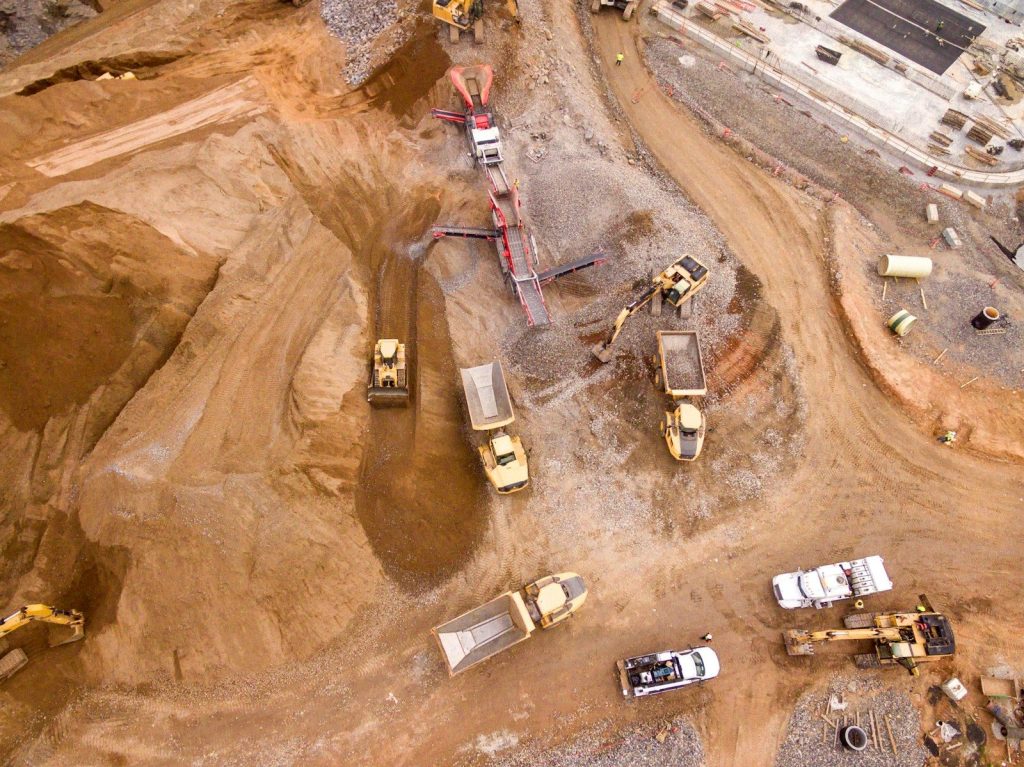
    Nations are currently building massive collaborative reactors to prove the technology works. According to energy sector reports, these pilot plants could begin generating electricity within the next decade. The progress is rapid. This collective effort could transition our global grid away from fossil fuels forever. But the final success of this project depends on solving one last hurdle.

    Infinite Clean Energy Future

    sea waves crashing on shore during sunset
    Photo by Daniele Franchi on Unsplash

    Recycling waste to fuel fusion reactors represents a giant leap for clean energy. According to researchers, this technology can eliminate nuclear waste while delivering endless electricity to our cities. The future is bright. This article is for informational purposes only and does not constitute scientific or professional advice.

    Featured Image: Photo by Jakob Cotton on Unsplash

  • The Terrifying Deep Ocean Sound Baffling Navy Scientists

    The Terrifying Deep Ocean Sound Baffling Navy Scientists

    Most ocean explorers believe that the deep sea is a completely silent desert. We assume that the pitch-black water column holds nothing but quiet currents.

    But a bizarre noise recorded over one thousand meters down has shocked acoustic experts. This unexplained sound suggests that something massive is moving in the deep.

    Echoes In The Abyss

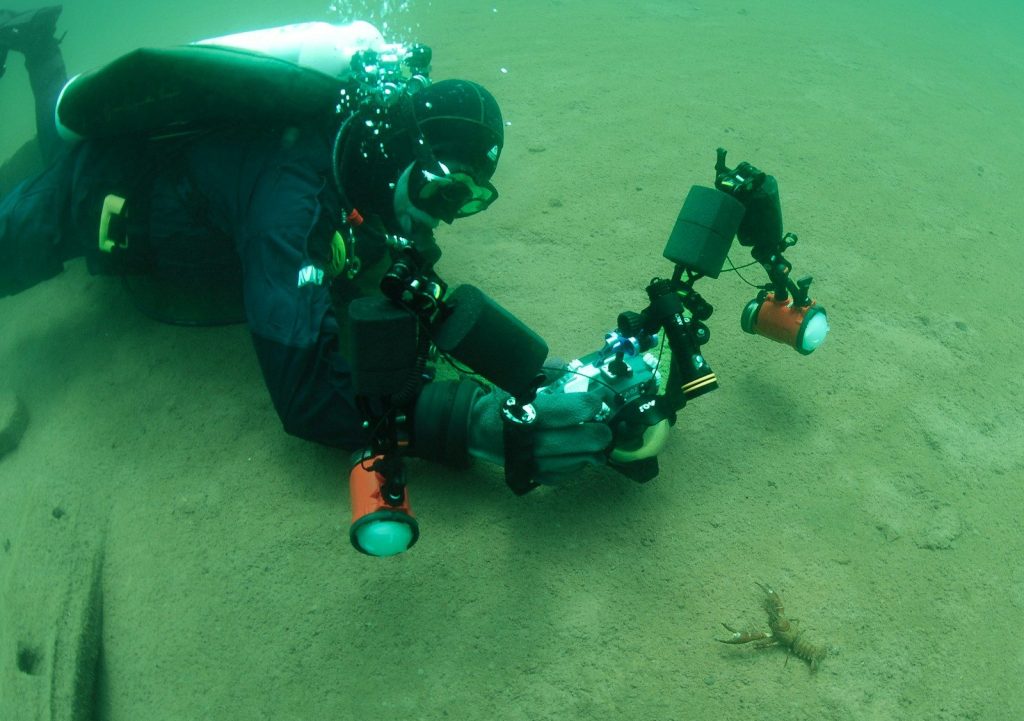
    A scuba diver films underwater with specialized equipment.
    Photo by Niklas Jonasson on Unsplash

    Specialized underwater hydrophones captured a bizarre acoustic signature during a routine marine survey. According to reports from the National Oceanic and Atmospheric Administration, the sound was incredibly loud and low. It was deeply unsettling. The noise vibrated through the water for hundreds of miles before fading into the background. But researchers could not find any known animal that could produce this sound.

    Rejecting Giant Whales

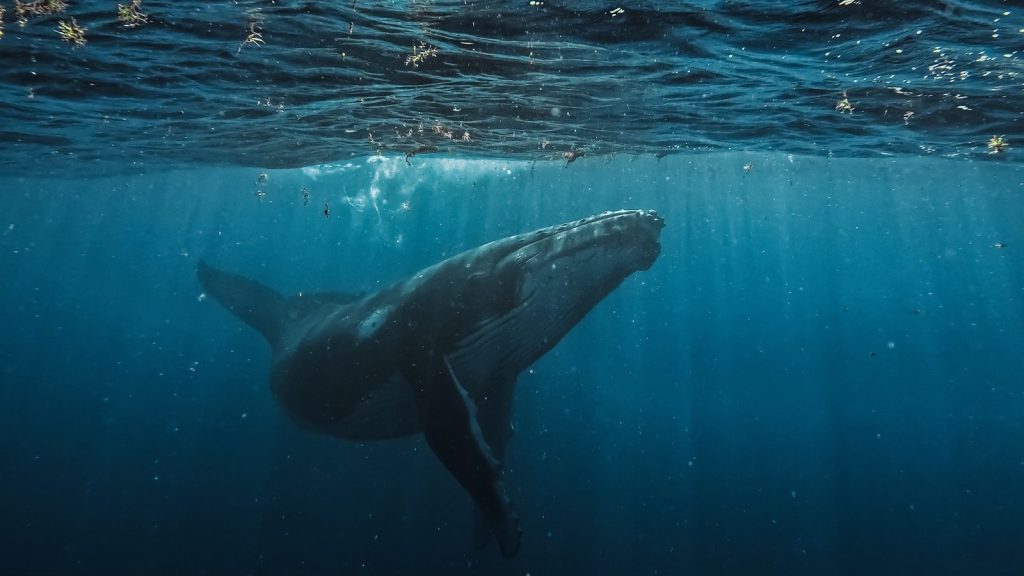
    a humpback whale swims beneath the surface of the water
    Photo by Oliver Tsappis on Unsplash

    Biologists immediately compared the strange recording to the calls of massive blue whales. According to marine biology studies, even the largest whales cannot produce frequencies this deep and sustained. They are too quiet. The structure of the sound wave pointed to an object of truly immense proportions. But the search for the source led to an even stranger theory.

    Shifting Volcanic Faults

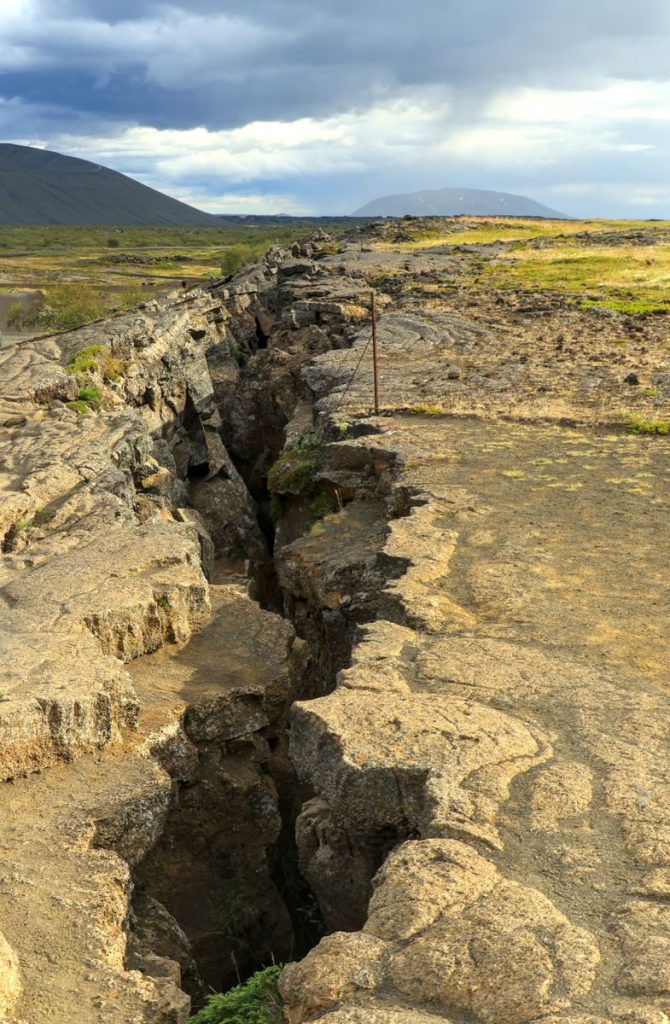
    Explore the rugged terrain of a dramatic geological rift on an island under a moody sky.
    Photo by Jan Schwebel on Pexels

    Some geologists suggested that the noise was caused by sudden movements along tectonic plates. According to seismic research papers, underwater earthquakes and volcanic eruptions can release massive bursts of acoustic energy. The ground shakes. However, the recorded sound had a highly rhythmic pattern that did not match natural seismic waves. But this mystery was about to catch the attention of military researchers.

    The Navy Hydrophone Array

    man in black jacket standing in front of black and gray industrial machine
    Photo by NOAA on Unsplash

    Secret military listening posts tracked the strange signal across the Pacific Ocean basin. According to declassified naval intelligence files, the sound was detected by defense arrays designed to monitor foreign submarines. It was highly stealthy. The speed and movement of the source suggested it was not a mechanical vessel. But identifying this silent traveler required looking at historical records.

    The Famous Bloop Sound

    a blurry image of a square shaped object
    Photo by and machines on Unsplash

    This current mystery is not the first time the ocean has released unexplained sounds. According to acoustic historians, a legendary sound called the Bloop baffled military scientists back in the late nineties. The noise was massive. Researchers spent years debating whether the sound came from an undiscovered giant sea creature. But a dramatic discovery near Antarctica offered a potential answer.

    Cracking Glacial Walls

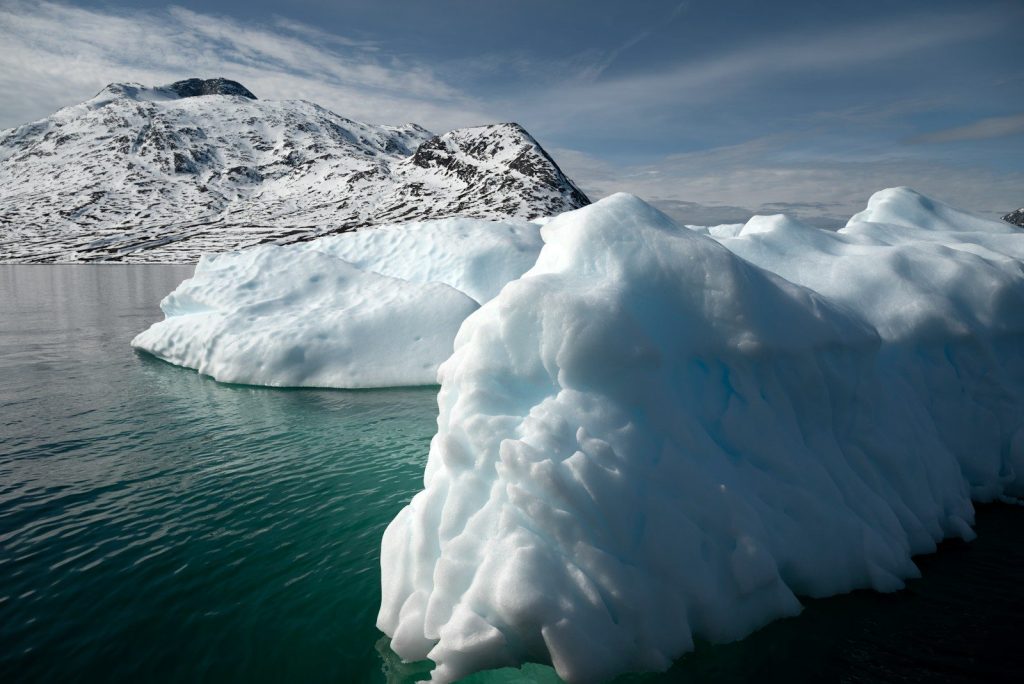
    Icebergs float in the ocean with snow-capped mountains behind.
    Photo by Dave Meckler on Unsplash

    Scientists eventually discovered that cracking glaciers can produce massive low-frequency sounds. According to polar research teams, giant icebergs scraping against the ocean floor release acoustic energy that mimics organic calls. The ice is powerful. This natural event can easily fool underwater microphones thousands of miles away. But the current deep-sea sound is behaving very differently.

    Rhythmic Oceanic Pulses

    a close up of a blue screen on a machine
    Photo by Julio Gutierrez on Unsplash

    The new recording features a highly organized pulse that repeats at exact intervals. According to marine acoustic analysts, this rhythmic behavior is incredibly rare for simple cracking ice. It feels alive. This unique pattern has forced scientists to continue monitoring the deepest trenches of the ocean. But the search for the truth is facing extreme natural limits.

    Secrets Of The Deep

    yellow and black gas lamp
    Photo by NOAA on Unsplash

    The deep ocean remains the least explored environment on our entire planet. According to oceanographers, over ninety percent of the seafloor still remains completely unmapped and silent. It is a mystery. Nature still guards many secrets down in the dark. This article is for informational purposes only.

    Featured Image: Photo by Max Gotts on Unsplash

  • The Surprising Biological Secrets of Apex Predators

    The Surprising Biological Secrets of Apex Predators

    Most animal lovers assume that big cats hunt successfully through sheer brute strength and speed. We believe that size is the only metric that makes a predator powerful.

    But the biological reality of these apex hunters relies on a highly complex social system. Their evolutionary advantages have allowed them to dominate the harsh African savannas.

    The Power Of Cooperation

    Three lions stand together in tall, dry grass.
    Photo by Edmund Loh on Unsplash

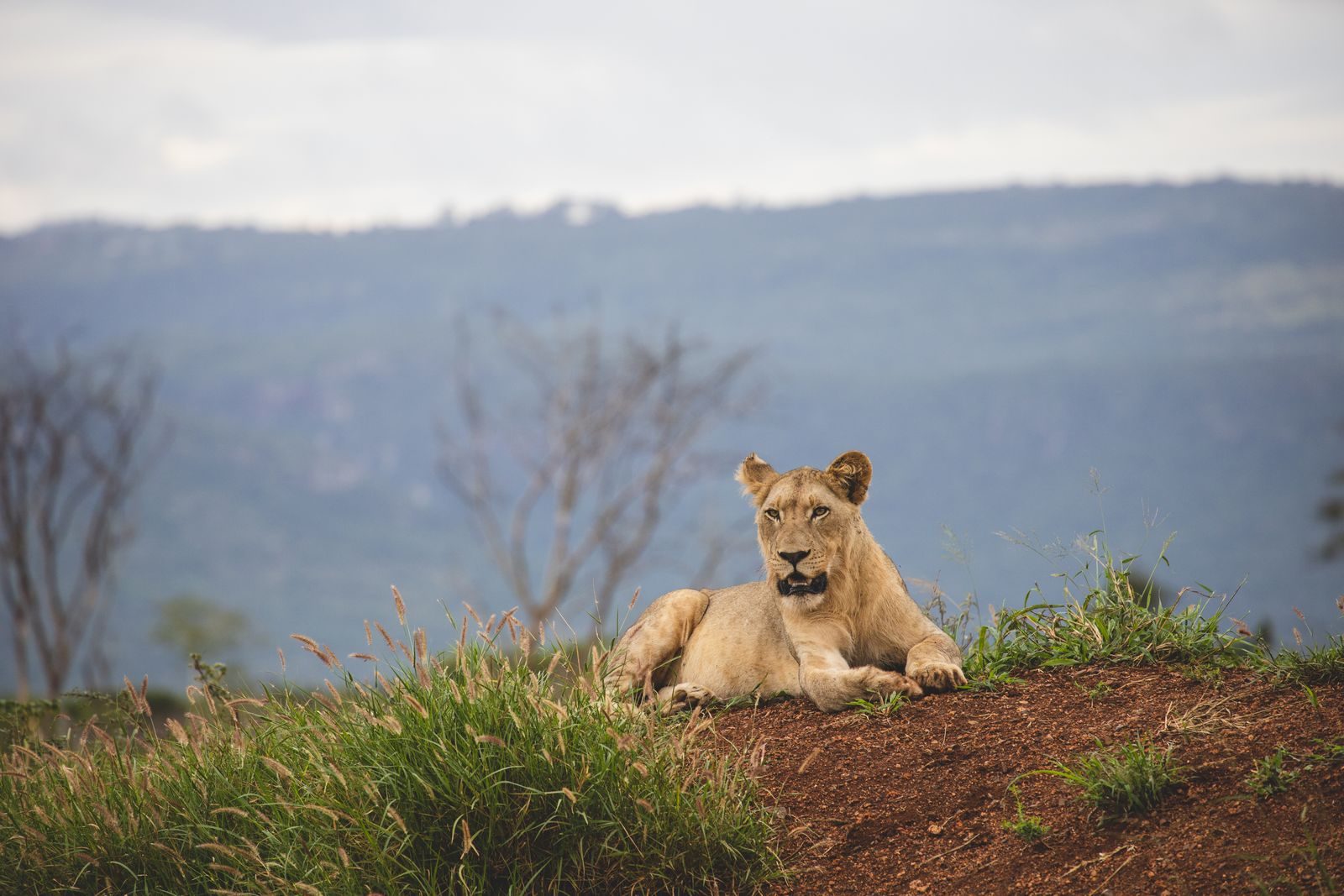
    Unlike most solitary cats, these predators choose to live and hunt inside highly organized family groups. According to reports from the Serengeti Lion Project, hunting in a coordinated pack increases success rates dramatically. They are highly strategic. This cooperative strategy allows them to bring down prey that is much larger than themselves. But their physical biology is also built for extreme combat.

    The Dense Muscular Frame

    brown lioness in tilt shift lens
    Photo by Allan Bueno on Unsplash

    Their skeletons are wrapped in thick layers of heavy muscle designed for explosive bursts of power. According to wildlife biology studies, their shoulders and hind legs can absorb intense forces during a strike. They are incredibly strong. This dense muscular frame allows them to wrestle massive animals to the ground safely. But their predatory tools extend far beyond heavy muscles.

    Highly Specialized Night Vision

    A close up of a cat's blue eyes
    Photo by David Yao on Unsplash

    Hunting in the pitch-black savanna requires a highly sensitive optical system to track moving prey. According to zoological research papers, their eyes feature a reflective layer that amplifies weak moonlight. They see perfectly. This visual advantage allows the pack to plan stealthy attacks when their targets are completely blind. But their massive claws have a highly unusual design.

    Retractable Weapon Systems

    Close-up of a dog's paws resting on dry leaves.
    Photo by Malama Mushitu on Unsplash

    Their paws contain sharp, curved claws that remain safely tucked away when they are walking. According to anatomy studies, keeping the claws retracted prevents them from becoming dull on the hard ground. They are razor sharp. When the hunter strikes, specialized tendons push the claws outward to grip the prey securely. But the male heavy mane serves a highly strategic protective purpose.

    The Protective Hair Shield

    brown lion
    Photo by Mika Brandt on Unsplash

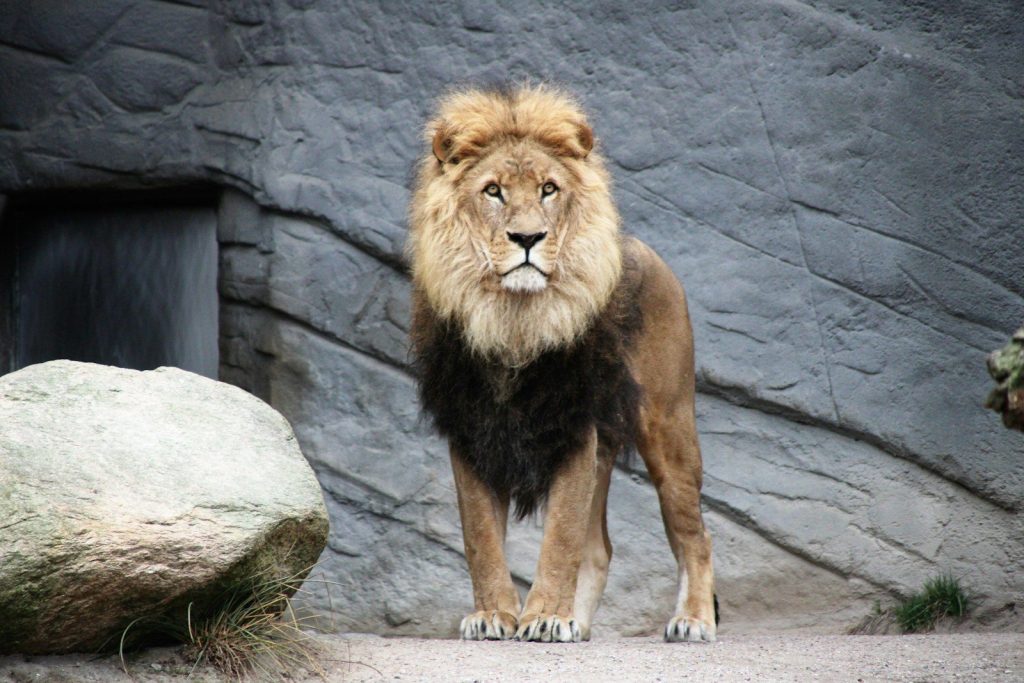
    The thick dark mane surrounding a male’s head serves as a vital shield during violent territorial battles. According to evolutionary studies, the dense hair protects vulnerable neck veins from the teeth of rival males. It is a helmet. This impressive display also signals health and strength to potential mates across the pride. But maintaining a giant pride requires managing a complex social hierarchy.

    Coordinating The Pride Territory

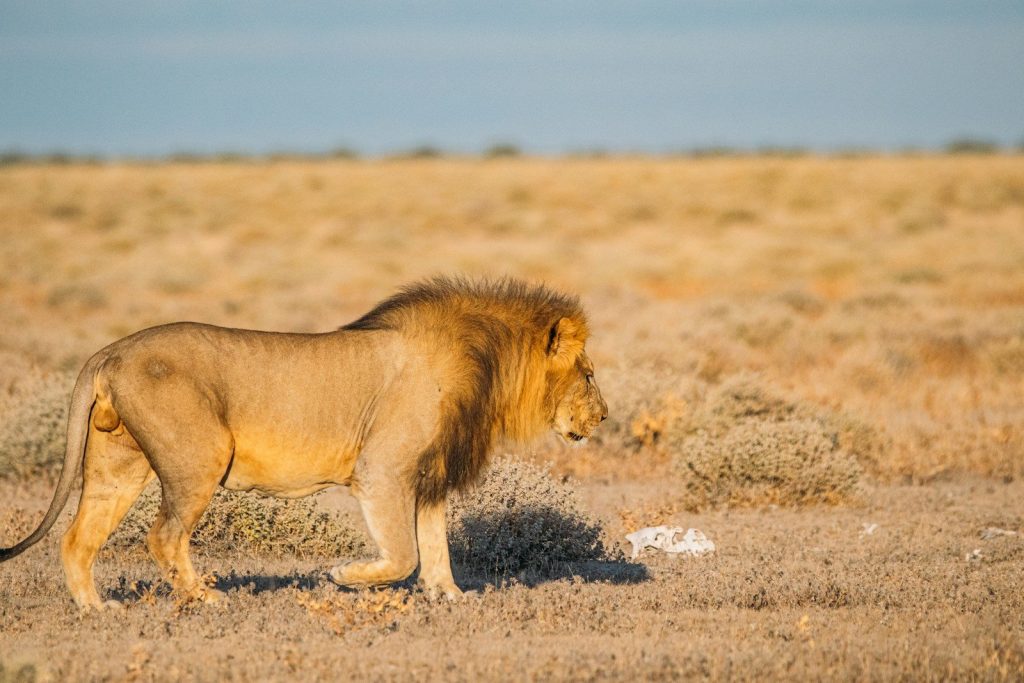
    A male lion walks across a dry savanna landscape.
    Photo by Rafael Peier on Unsplash

    A single pride must protect a vast geographic area from competing packs and other predators. According to ecological tracking reports, the cats use loud vocalizations and scent markings to establish clear borders. The roars are deafening. This acoustic warning can travel for miles to keep intruders from entering their hunting grounds. But climate shifts are quietly challenging their dominance.

    Shifting Savanna Rain Patterns

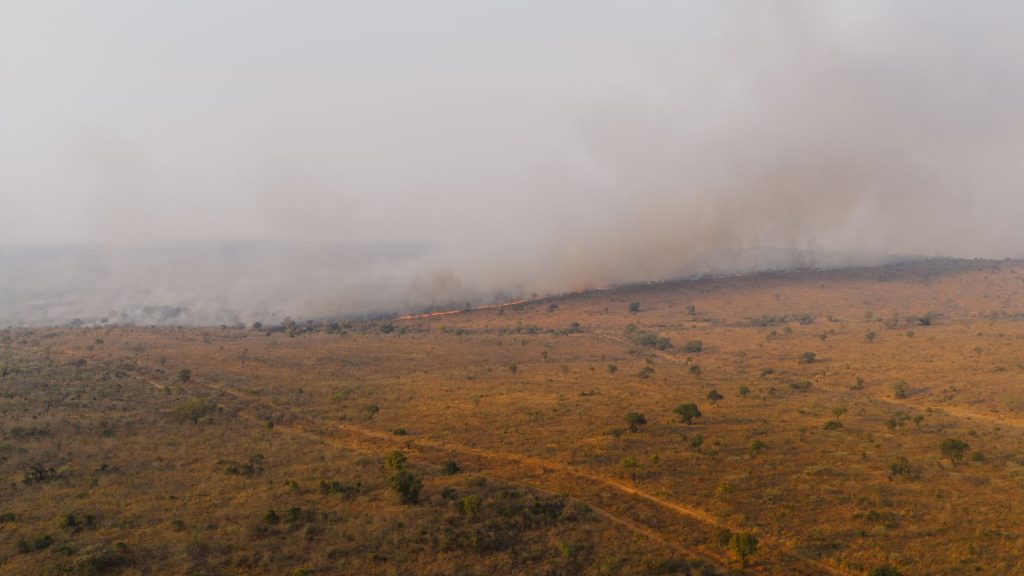
    Aerial photograph capturing a vast wildfire spreading through the savanna landscape of South Africa.
    Photo by K on Pexels
    Rapid changes in local weather are altering the migrations of the massive herds they rely on for food. According to paleoclimatologists, prolonged dry spells force prey animals to travel further to find fresh grass. The water is drying. The predators must adapt their hunting territories quickly to survive these environmental shifts. But tracking these biological changes is critical for our understanding of nature.

    Preserving The Apex Kings

    Green valley with mountains under a blue sky
    Photo by Esther Zhai on Unsplash

    The struggle of these majestic hunters reveals the delicate balance of our global ecosystems. According to conservation researchers, protecting these apex predators ensures the survival of countless other savanna species. The crown remains. This article is for informational purposes only.

    Featured Image: Photo by Matt Burke on Pexels
  • The Ancient Mountain Basin Holds Most of the Earth’s Gold

    The Ancient Mountain Basin Holds Most of the Earth’s Gold

    Most geologists assume that precious gold deposits are scattered evenly across our planet’s crust. We believe that no single geographic location can dominate global mineral wealth.

    But an ancient mountain basin in South Africa holds a nearly impossible concentration of treasure. Its deep rock layers contain almost half of all the gold ever mined in human history.

    The Giant Golden Ring

    Mineral deposits and water flow in a natural landscape.
    Photo by Zihao Wang on Unsplash

    Exploring the Witwatersrand Basin reveals a massive geological formation stretching across hundreds of miles. According to reports from the South African Council for Geoscience, this ancient basin formed over two billion years ago. The wealth is staggering. Over several decades, miners extracted thousands of metric tons of precious metal from these deep veins. But the exact origin of this treasure sparked a massive scientific debate.


    Rain of Celestial Metal

    Stunning image of a colorful space nebula with stars in the background.
    Photo by Marek Pavlík on Pexels

    Some geologists suggest that a massive meteorite impact delivered the colossal golden riches to the region. According to planetary impact studies, a giant space rock crashed into the basin shortly after it formed. The shock was intense. This cosmic event could have shattered the crust and concentrated existing precious ores deep underground. But other researchers found a much slower explanation.

    Rivers Draining Ancient Alps

    Aerial view of a large island in a blue lake
    Photo by Alexander Gluschenko on Unsplash

    A different theory argues that ancient rivers slowly washed the gold down from massive mountain ranges. According to sedimentologists, prehistoric rivers spent millions of years eroding highly concentrated gold veins from nearby peaks. The water was persistent. This slow flow deposited the heavy metal into a massive shallow lake bed that eventually turned to solid stone. But proving this river theory required looking inside the microscopic rock.

    Microscopic Golden Bubbles

    a close up of a rock on a black background
    Photo by Dulcey Lima on Unsplash

    High-powered microscopes revealed that the gold is bound together by microscopic organic structures. According to a study published in Nature Geoscience, prehistoric microbes played a vital role in trapping the heavy metal. They were incredibly tiny. These primitive organisms acted like chemical sponges to pull dissolved gold straight out of the ancient water currents. But these gold-rich layers are sinking deeper into the earth.

    Under Crushing Deep Pressure

    person sitting in tunnel near yellow turned on lamp
    Photo by david carballar on Unsplash

    Extracting this treasure requires mining deeper into the hot crust than anywhere else on the globe. According to operational logs from Mponeng Gold Mine, workers travel over two miles beneath the surface to reach the richest veins. The heat is brutal. Specialized cooling systems are required to keep the air safe for human survival at these extreme depths. But the total value of the remaining gold remains astronomical.

    Half A Trillion Remaining

    Close-up of robotic arm automating lab processes with precision.
    Photo by Youn Seung Jin on Pexels

    Financial analysts believe that billions of dollars in gold still sit untouched inside the deep rocky basin. According to market estimates, the remaining reserves could exceed five hundred billion dollars in value. The potential is limitless. But reaching these deep pockets requires developing highly advanced robotic drilling technology. But this extreme mining push has raised serious environmental safety questions.

    Balancing Wealth And Planet

    Yosemite National Park, California
    Photo by Cosmic Timetraveler on Unsplash

    Managing these deep geological reserves requires a careful balance between resource extraction and environmental protection. According to environmental geologists, protecting local aquifers from mining chemical spills remains absolutely vital. We must be careful. This article is for informational purposes only and does not constitute scientific or professional advice.

    Featured Image: Photo by Pix Tresa on Unsplash