Category: Science & Nature

  • The Strange Scientific Anomalies Defying The Laws of Nature

    The Strange Scientific Anomalies Defying The Laws of Nature

    Most science students believe that the rules governing our planet are completely uniform. We assume that physics and biology always operate in highly predictable patterns.

    But several newly documented physical anomalies are currently leaving researchers deeply confused. These bizarre natural phenomena completely violate the established laws of reality.

    The Water That Defies Gravity
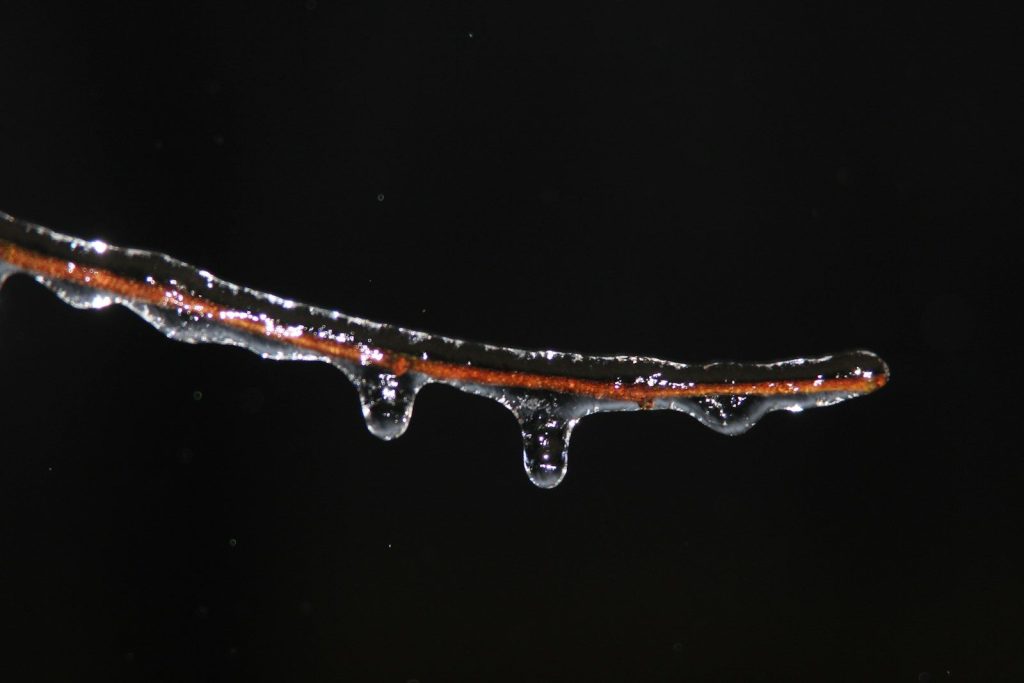
    water drops on brown wooden stick
    Photo by Lester Hine on Unsplash

    Liquid molecules are supposed to fall downward when poured onto an open surface. According to physicists at Harvard University, researchers have observed water droplets climbing vertically up highly specialized copper sheets. The movement is silent. This strange action occurs when micro-textures on the metal manipulate capillary forces to override gravity. But another biological anomaly is actively confusing researchers on land.

    The Metal-Eating Tree

    Tall tree and lush greenery inside a modern glass structure.
    Photo by Declan Sun on Unsplash

    Most forest plants avoid absorbing heavy metals from local soils to protect their cells. According to botanical reports from the University of Queensland, a unique rainforest tree actively sucks up toxic nickel until its sap turns bright green. It is highly toxic. This strange plant can hold massive amounts of metal without suffering any biological damage. But the ocean holds a physical mystery that is even harder to explain.

    The Ice That Burns Hot
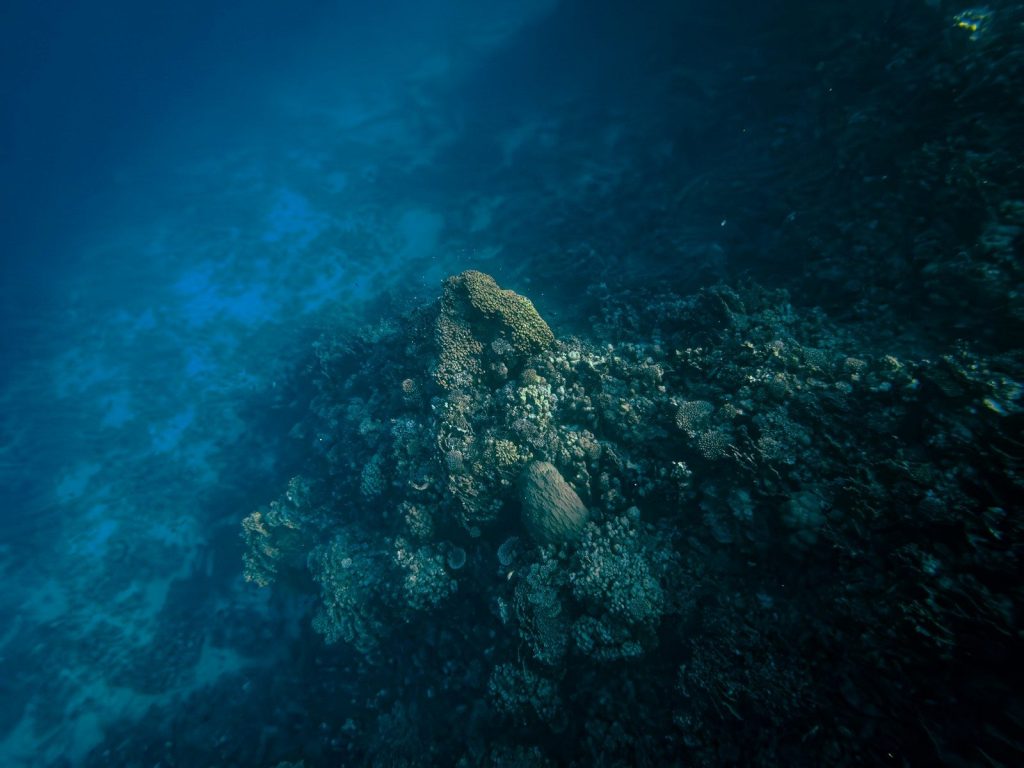
    Underwater coral reef with clear blue water
    Photo by Taras Terletskyy on Unsplash

    We normally associate ice with freezing temperatures and rapid cooling cycles. According to marine geology studies, vast deposits of frozen methane gas sit trapped deep beneath the ocean floor. The energy is intense. When brought to the surface, this solid ice can be ignited with a simple match to burn continuously. But a strange geological region is actively altering human weight.

    The Heavy Gravity Zone
    Abstract, colorful paint splatters create textured background.
    Photo by Pedro Netto on Unsplash

    Stargazers assume that Earth’s gravity is perfectly equal across every square mile of the planet. According to geophysics database reports, massive underground rock formations create distinct pockets of concentrated gravitational pull. The variation is real. Traveling through these heavy zones can actually alter your precise body weight slightly. But an unusual creature has mastered a physical trick that bypasses standard eyes.

    Living Without Any Oxygen
    a close up of a circular object on a black background
    Photo by Ash Hayes on Unsplash

    Biologists always assumed that all complex animal species require oxygen to generate cellular energy. According to a study published in the Proceedings of the National Academy of Sciences, a tiny jellyfish-like parasite lives completely without breathing. They are highly unique. This microscopic creature contains absolutely no mitochondrial DNA to process oxygen. But a rare physical material behaves in an even more shocking way.

    The Liquid That Never Stops

    a black and white photo of a propaner
    Photo by Matheus Vidal on Unsplash

    Liquids eventually slow down and stop moving due to internal friction forces. According to low-temperature physics papers, super-cooled helium can flow up the walls of a container endlessly without losing energy. This is a superfluid. The zero-viscosity liquid can even leak through microscopic pores that hold normal water securely. But another deep space anomaly is challenging how we map our galaxy.

    The Silent Cosmic Magnet
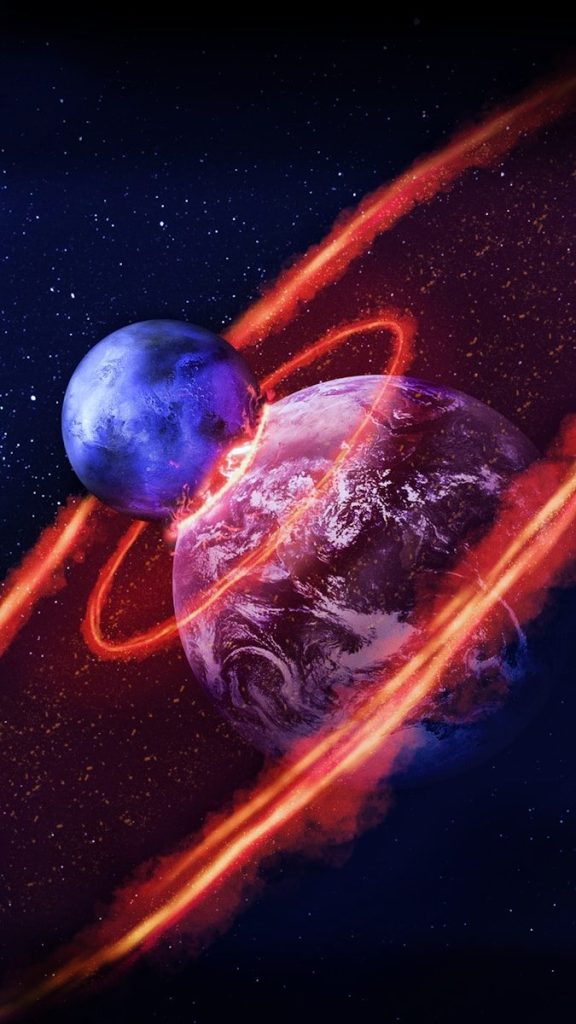
    an artist's rendering of a collision between two planets
    Photo by Saad Alfozan on Unsplash

    Our planetary magnetic field is strong enough to guide compasses safely around the globe. According to NASA astronomical logs, highly dense collapsing stars called magnetars possess magnetic forces trillions of times stronger than Earth. They are incredibly violent. This magnetic pull is so intense that it can easily dissolve atomic structures from thousands of miles away. But exploring these natural anomalies is forcing us to rethink our place in the universe.

    Rewriting Our Physics Books
    Golden sunrise over misty ocean waters
    Photo by Luke Yang on Unsplash

    Uncovering these wild scientific anomalies proves that nature is far more complex than our current theories suggest. According to researchers, each strange discovery helps expand the boundaries of human knowledge. We must keep questioning. This article is for informational purposes only.

    Featured Image: Photo by Egor Komarov on Unsplash

  • Why The Planetary Extinction Domino Effect Has Begun

    Why The Planetary Extinction Domino Effect Has Begun

    Nature lovers assume that species disappear slowly and in complete isolation from each other. We believe that the loss of one single animal has no real impact on larger ecosystems.

    But a major ecological study has revealed a terrifying survival crisis. The rapid collapse of certain key species is quietly triggering a devastating extinction domino effect.

    The Connected Web Of Life

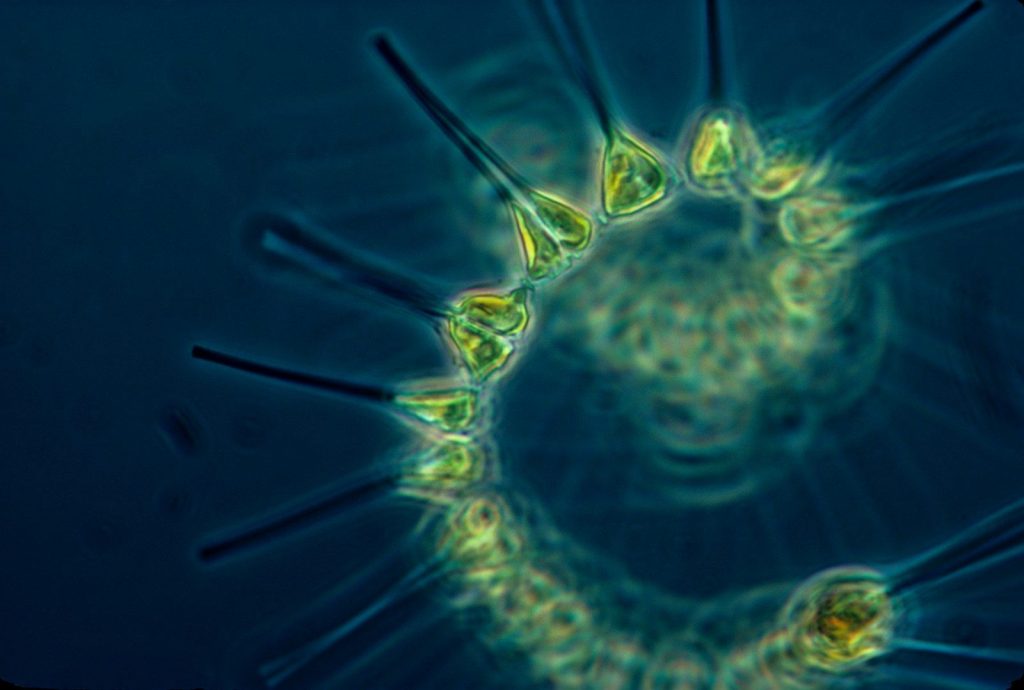
    Phytoplankton - the foundation of the oceanic food chain.
    Photo by NOAA on Unsplash

    Every plant and animal on Earth plays a vital role in a complex food network. According to a study published in Science, losing one species weakens the entire environmental structure. They are perfectly matched. This cellular connection means that the decay of a single plant can cause distant animal populations to starve. But tracking this ecological decline requires looking closely at biodiversity databases.

    One In Four Threatened

    woman in white long sleeve shirt using white and black machine
    Photo by National Cancer Institute on Unsplash

    Scientists analyzing global species lists have mapped a highly alarming survival trend. According to reports from the International Union for Conservation of Nature, over one in four species faces a severe risk of extinction. The numbers are staggering. This rapid loss is occurring across all major habitats from deep oceans to dry forests. But the primary driver of this ecological collapse remains heavily human.

    Vanishing Natural Habitats

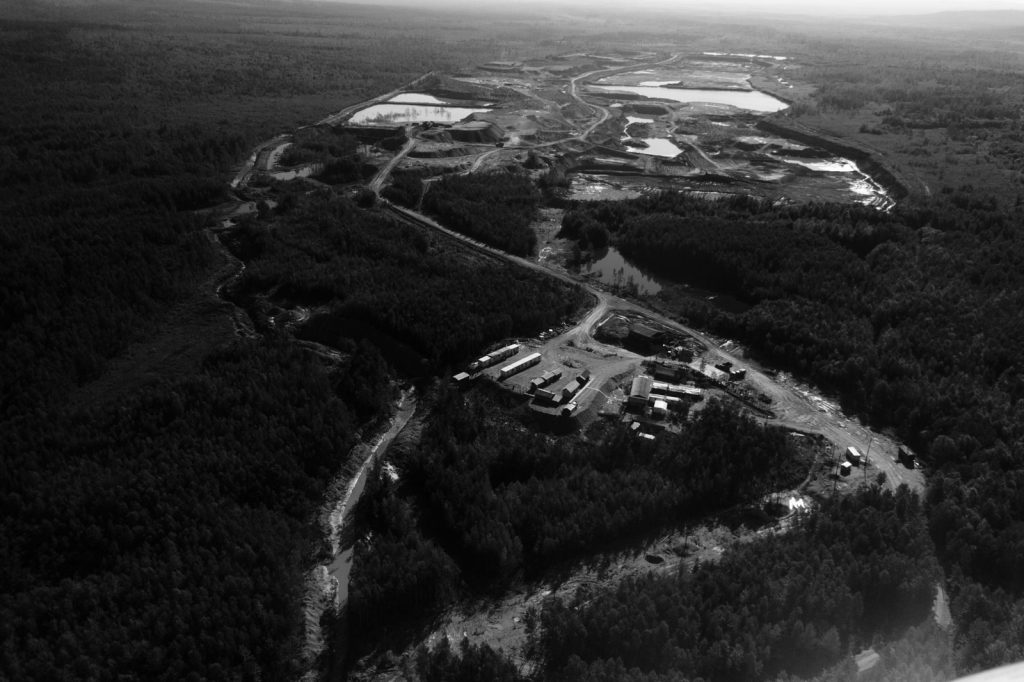
    A black and white aerial photograph of an industrial site nestled within a lush forest landscape.
    Photo by Plato Terentev on Pexels

    Human industries are quickly replacing wild forests with asphalt and heavy concrete. According to environmental scientists, removing trees prevents the land from cooling naturally at night and destroys nesting grounds. It is a relentless cycle. This artificial landscape leaves wild animals with almost no space to forage or breed safely. But climate change is quietly accelerating this habitat destruction from within.

    Shifting Climate Zones

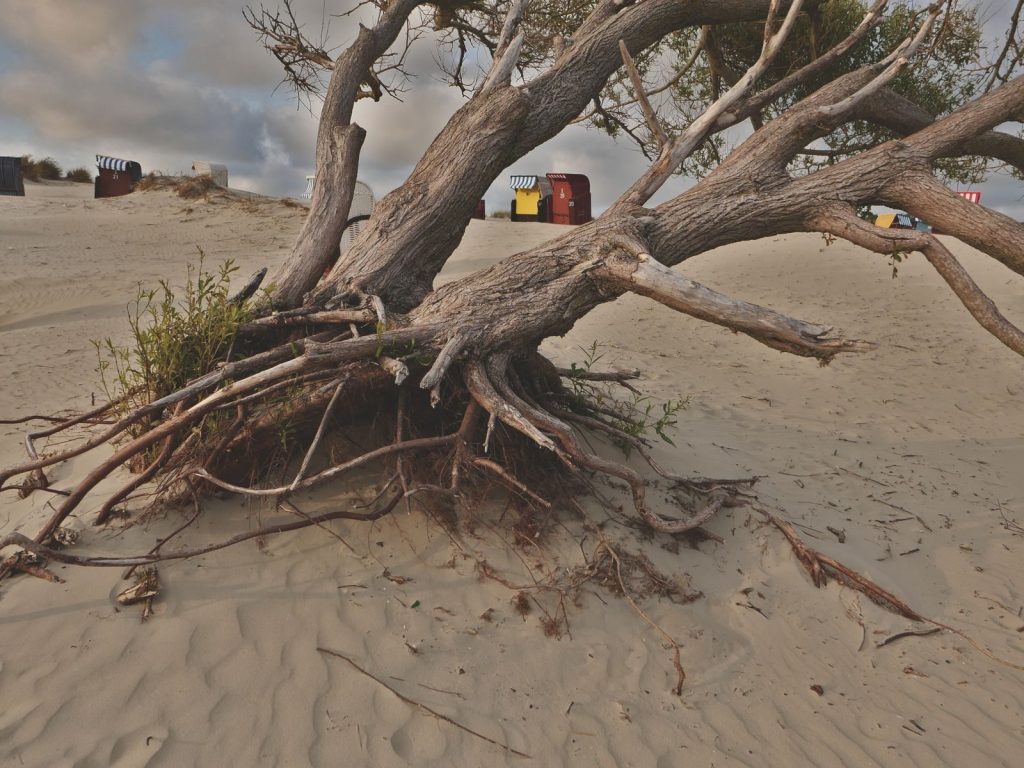
    A tree with exposed roots leans over sandy dunes with distant beach huts.
    Photo by Hajo Merz on Pexels

    Extreme weather patterns are forcing animals to migrate to seek cooler environments. According to meteorological studies, rapid temperature shifts are drying up vital watering holes and altering seasonal plants. The pressure is immense. Many slow-moving species simply cannot adapt fast enough to survive these sudden regional transformations. But this mass movement is triggering violent clashes over resources.

    Losing The Pollinators

    Close-up of a honeybee collecting nectar from a vibrant blue flower against a lush green background.
    Photo by Wijs (Wise) on Pexels

    The rapid decline of insect populations poses a severe threat to global agricultural systems. According to agricultural geologists, helper creatures like bees are vanishing due to toxic chemical sprays. They are vital. Without these tiny pollinators, wild plants cannot reproduce, and food crops will eventually fail to grow. But the collapse of these insects is also affecting larger predators.

    The Predator Prey Imbalance

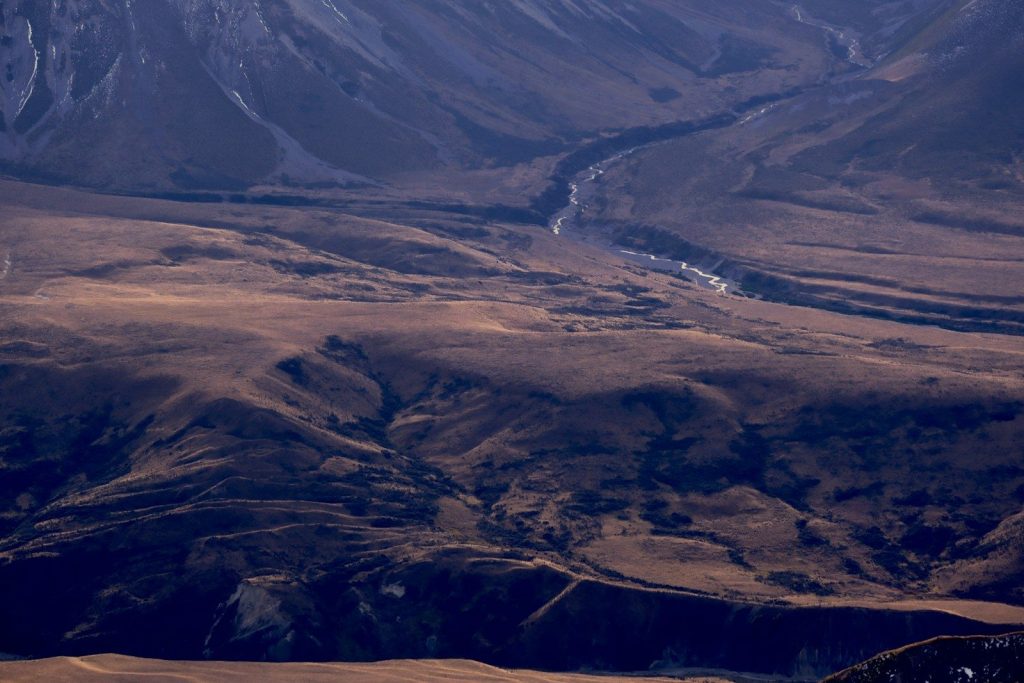
    A winding river flows through a vast, dry mountain valley.
    Photo by Jade Gray on Unsplash

    Removing top predators from an ecosystem triggers a rapid rise in herbivore populations. According to wildlife biology reports, having too many plant-eaters quickly strips the landscape of all green vegetation. The balance is broken. This total defoliation leaves the soil vulnerable to intense erosion during heavy seasonal rains. But scientists are searching for new ways to protect these fragile connections.

    Protecting Our Biodiversity

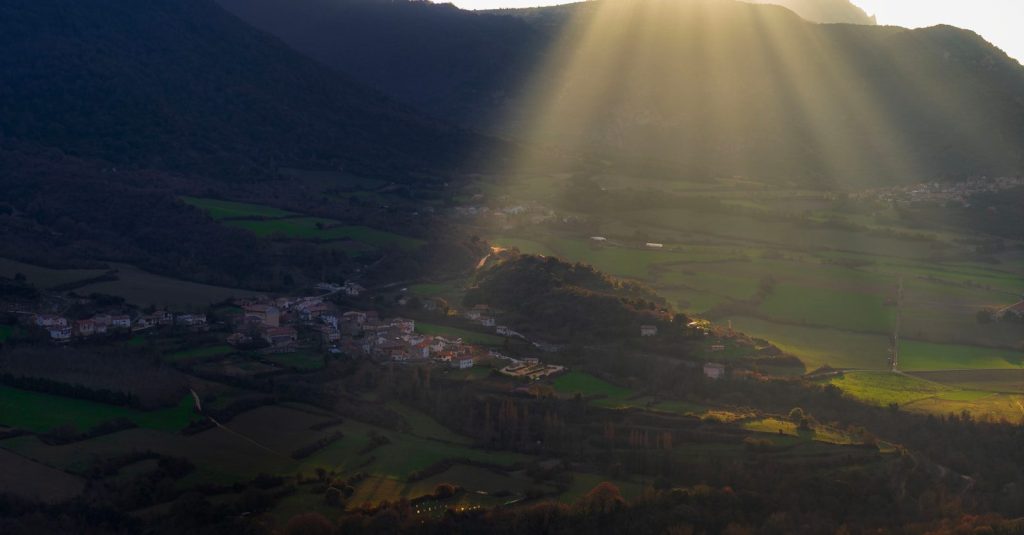
    Sunbeams shine on a distant village nestled in hills.
    Photo by miguel garcia jimenez on Unsplash

    Restoring natural habitats is the easiest way to prevent a total ecological collapse. According to conservation researchers, protecting delicate environments preserves the complex web of life. Nature demands respect. This article is for informational purposes only.

    Featured Image: Photo by Julia Kadel on Unsplash

  • The Massive Planetary Shifts Quietly Redefining Our Future

    The Massive Planetary Shifts Quietly Redefining Our Future

    Most people assume that the continents and oceans we see today are permanent features of our planet. We believe that Earth’s geography remains stable and unchanging over human lifetimes.

    But powerful forces deep beneath the crust are quietly reshaping the entire world at an accelerating rate. These planetary movements will soon make our current maps completely unrecognizable.

    Splitting Giant Landmasses Apart

    brown rocky mountain during daytime
    Photo by Siyuan on Unsplash

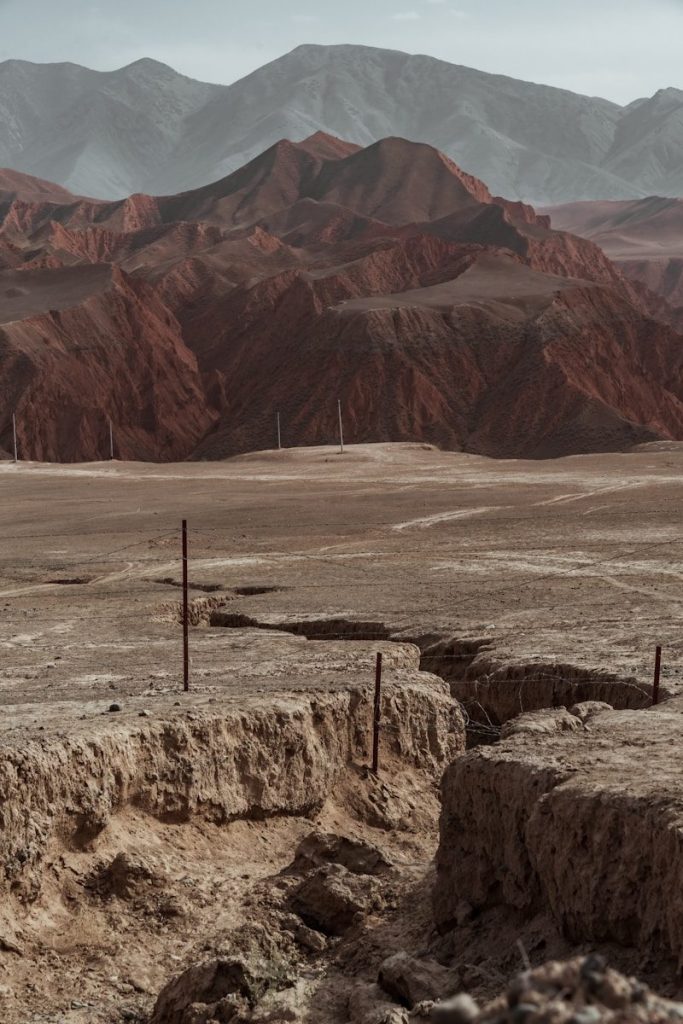
    A massive tectonic tear is slowly ripping the eastern continent of Africa into two separate landmasses. According to reports from the Geological Society of London, a giant fissure stretching for thousands of miles is widening by a few millimeters every year. The ground is opening. This active rift will eventually allow a brand new ocean basin to flood the valley. But this dramatic split is also creating massive changes along the coastlines.

    Ocean Basins Flooding Valleys

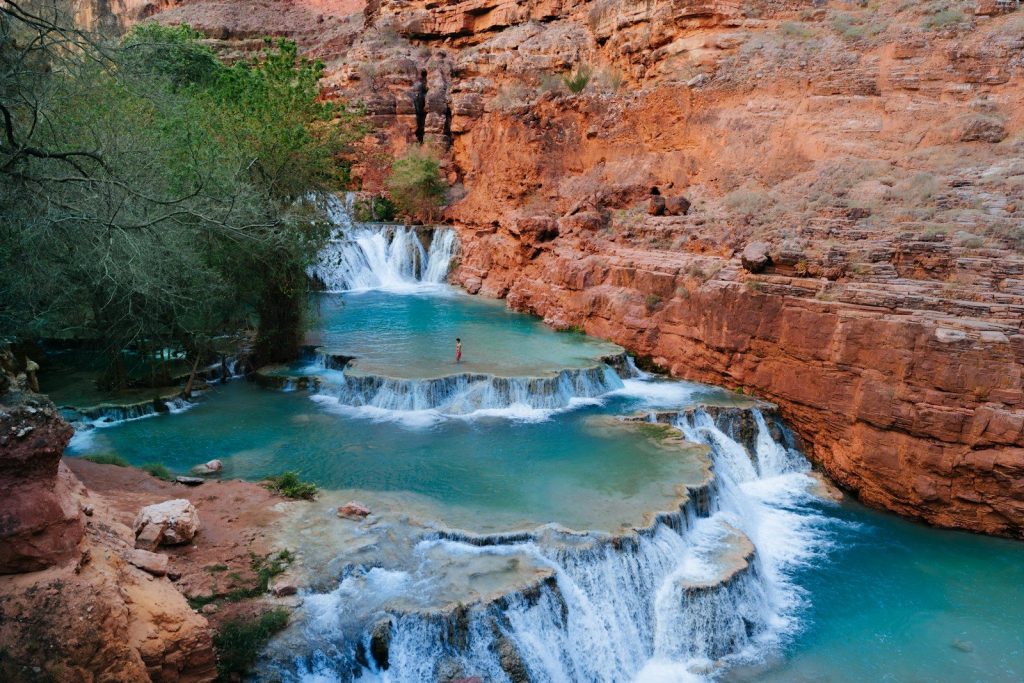
    Turquoise waterfalls cascade down red rock canyon walls
    Photo by Peter Thomas on Unsplash

    As the tectonic rift deepens, water from the Red Sea will eventually rush in to fill the new depression. According to oceanographic models, this process will create a vast island out of the Horn of Africa. Geography is shifting rapidly. This new maritime passage will completely redraw global trading routes and alter local climates. But the coastlines of other continents are facing an equally dramatic transformation.

    Rising Waters Swallowing Shorelines

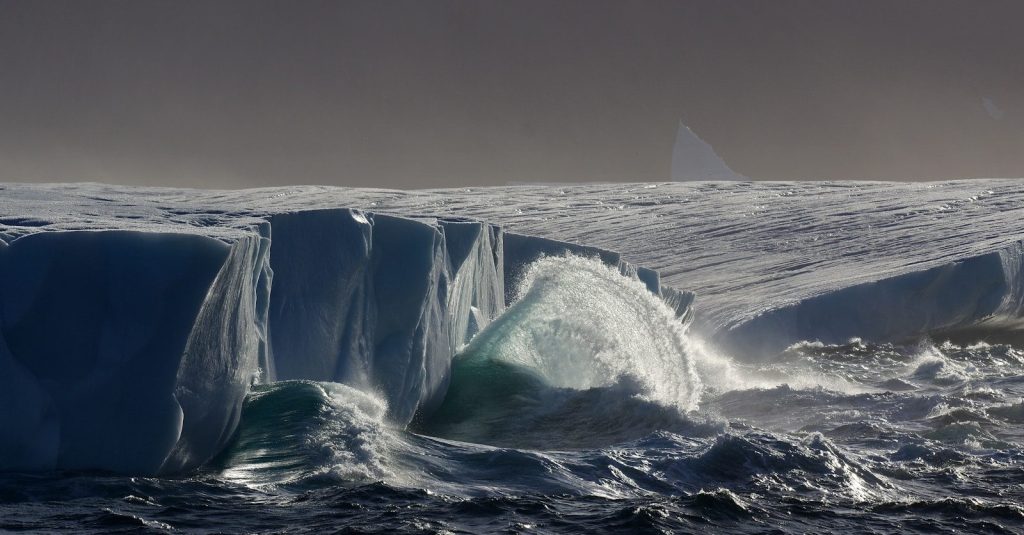
    a large iceberg in the middle of the ocean
    Photo by Bob Brewer on Unsplash

    Shifting thermal patterns are causing polar ice sheets to melt and raise global sea levels. According to reports from the Intergovernmental Panel on Climate Change, major coastal cities could be completely submerged within the next century. The threat is real. Millions of people will be forced to migrate inland as the oceans claim valuable coastal plains. But these water movements are also shifting the weight of the entire planet.

    Land Bouncing Upward Slowly

    Abstract textured surface with flowing lines
    Photo by Christian Boragine on Unsplash

    The melting of massive glaciers is relieving billions of tons of weight from the continental crust. According to geological surveys, landmasses in the northern hemisphere are bouncing upward as the heavy ice disappears. The Earth behaves dynamically. This crustal rebound can trigger unpredictable earthquakes and alter the paths of major river networks. But these surface changes are closely linked to movements deep inside the mantle.

    Hot Magma Reforming Islands

    brown and black rock formation under white clouds
    Photo by Toby Elliott on Unsplash

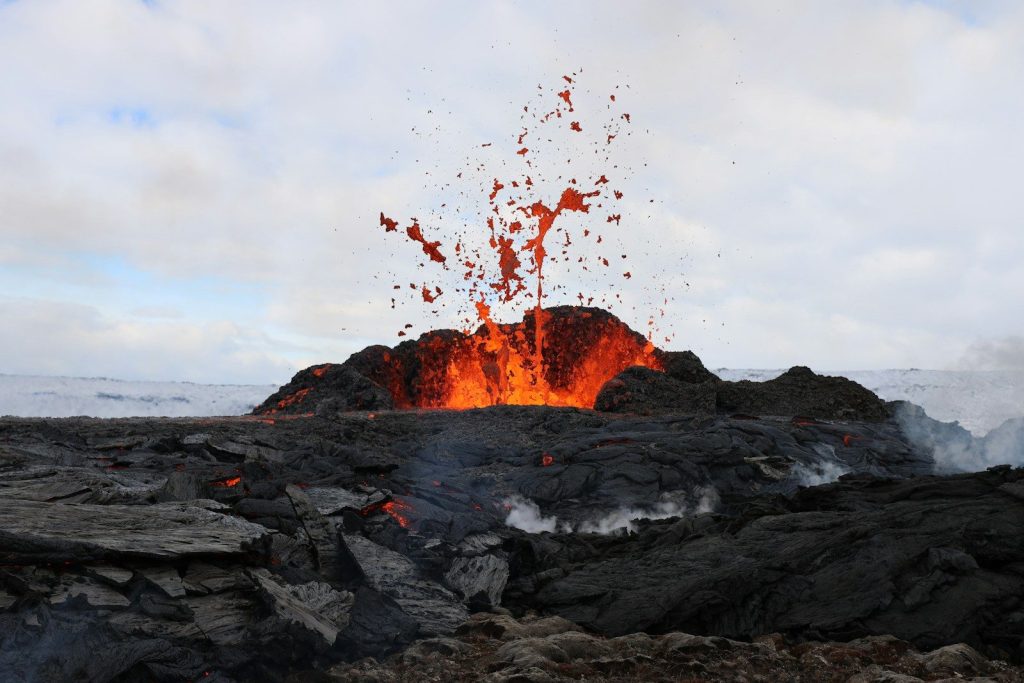
    Deep volcanic plumes are constantly pushing hot magma upward to create brand new islands in the oceans. According to seismic research papers, underwater eruptions are building fresh landmasses in the Pacific and Atlantic basins. New ground is born. These volcanic additions prove that our planet is actively expanding its surface area. But this subterranean heat is also affecting the global magnetic shield.

    Magnetic Poles Shifting Direction

    a stylized image of a planet with a ring around it
    Photo by Elshan Neymatov on Unsplash
    The liquid iron core of our planet is experiencing sudden and erratic movements. According to magnetic monitoring logs, the north magnetic pole is drifting toward Siberia at an unprecedented speed. The shield is active. This rapid movement could be a sign of an upcoming magnetic reversal that flips the planetary field entirely. But understanding these magnetic shifts requires looking at how they impact modern technology.

    Disrupting Global Navigation Systems

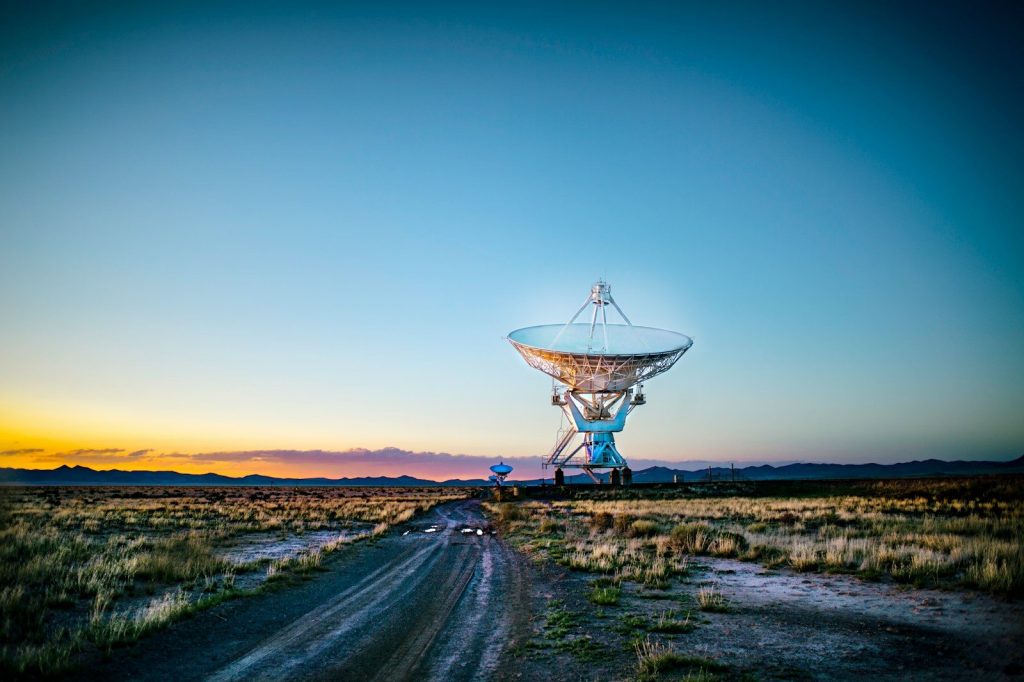
    white radar telescope on grass field
    Photo by Donald Giannatti on Unsplash

    A weaker magnetic field allows more cosmic radiation to penetrate the upper atmosphere. According to aerospace engineering studies, this solar bombardment can easily disable communication satellites and disrupt national power grids. The stakes are high. Preparing for these space weather events has become a top priority for global defense agencies. But the ultimate survival of our species depends on how we adapt to this changing world.

    Embracing Our Dynamic Planet

    pine trees at the garden at the highland
    Photo by Phillip Goldsberry on Unsplash

    Earth has always been a highly active and evolving world that refuses to stand still. According to geophysicists, studying these massive tectonic and atmospheric shifts helps us prepare for the inevitable future of our environment. Change is permanent. This article is for informational purposes only.

    Featured Image: Photo by Zelch Csaba on Pexels

  • How Thousands Of Sunken Toys Mapped Global Ocean Currents

    How Thousands Of Sunken Toys Mapped Global Ocean Currents

    Most ocean lovers assume that tracking deep-sea currents requires highly expensive tracking devices. We believe that modern climate scientists rely strictly on advanced satellite grids to monitor the oceans.

    But an accidental shipping disaster completely changed how we study the seas. Thousands of lost floating toys revealed a highly complex and connected planetary pathway.

    The Great Storm Spill

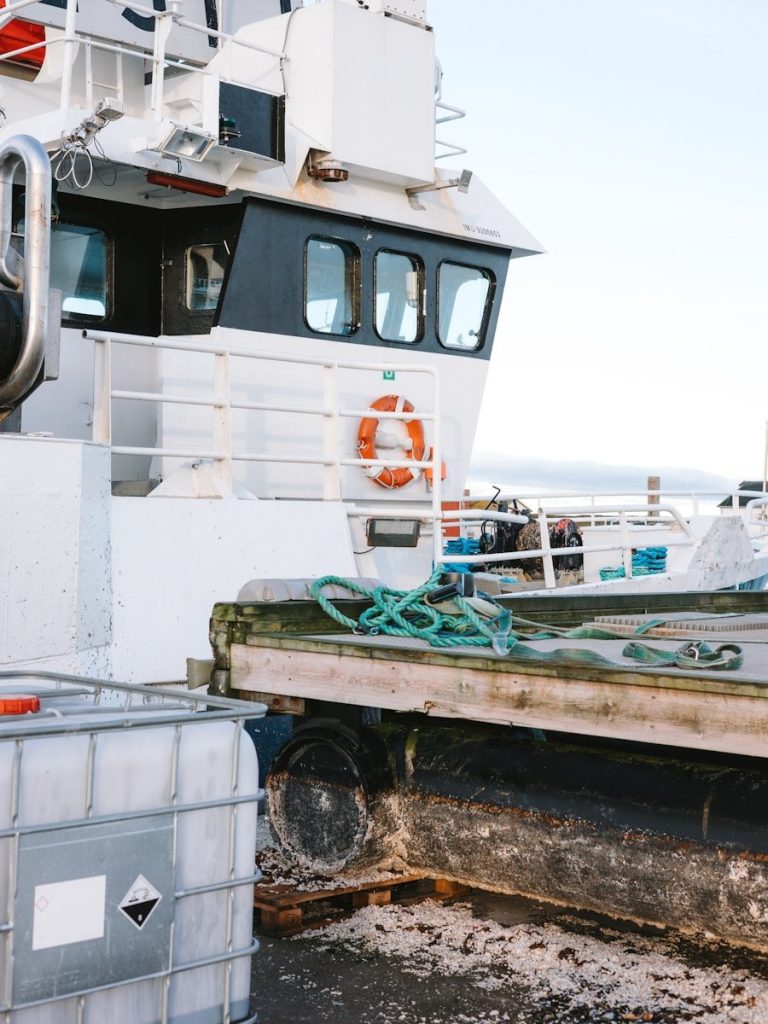
    White fishing boat docked at a pier with supplies
    Photo by Antoine Gravier on Unsplash

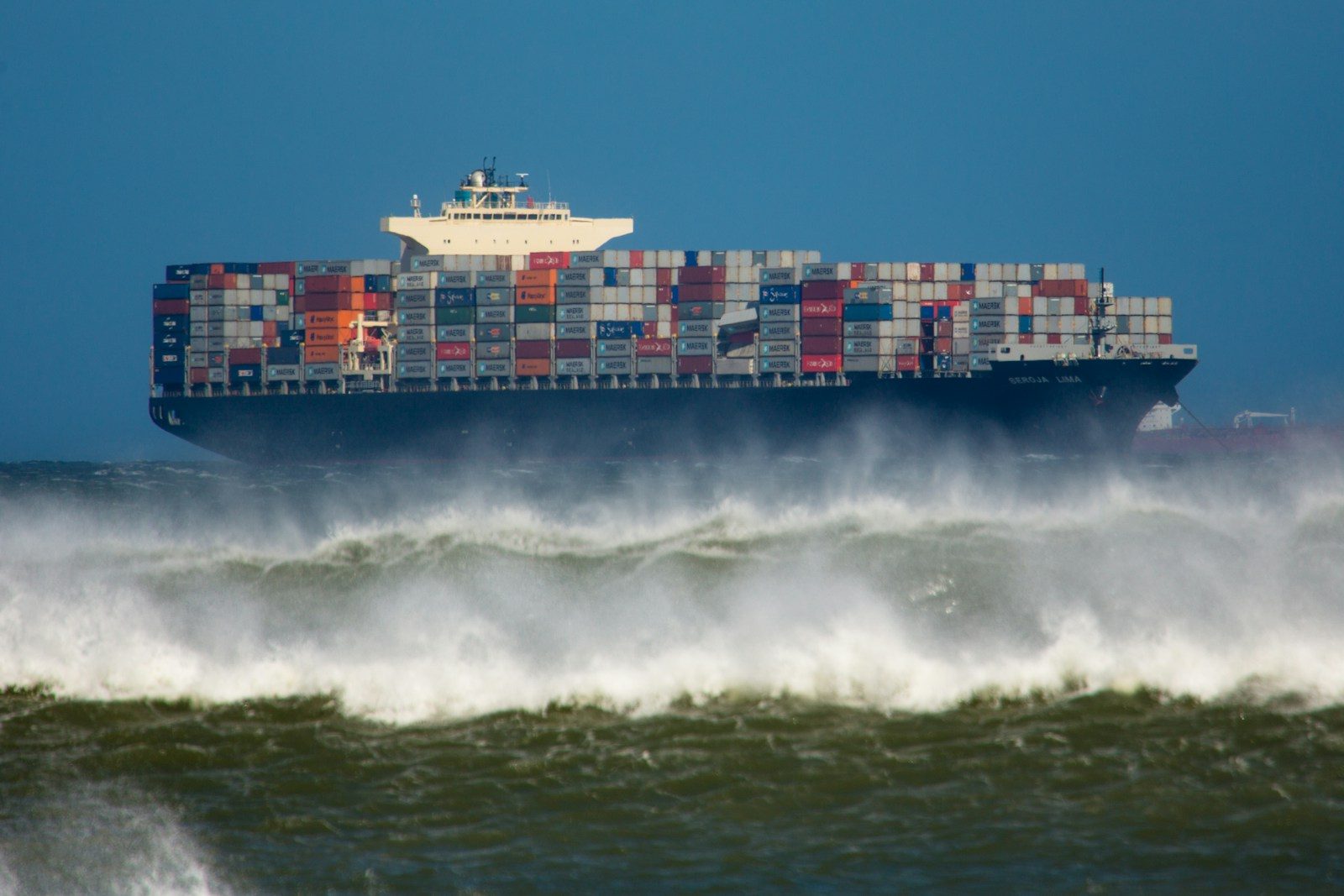
    A massive container ship traveling from Asia encountered a violent storm in the middle of the Pacific Ocean in 1992. According to maritime reports, several cargo crates broke loose and plunged into the dark water. The waves were colossal. Among the lost items were twenty-eight thousand floating plastic animals. But this massive spill was about to trigger an unexpected scientific breakthrough.

    The Long Drift Begins

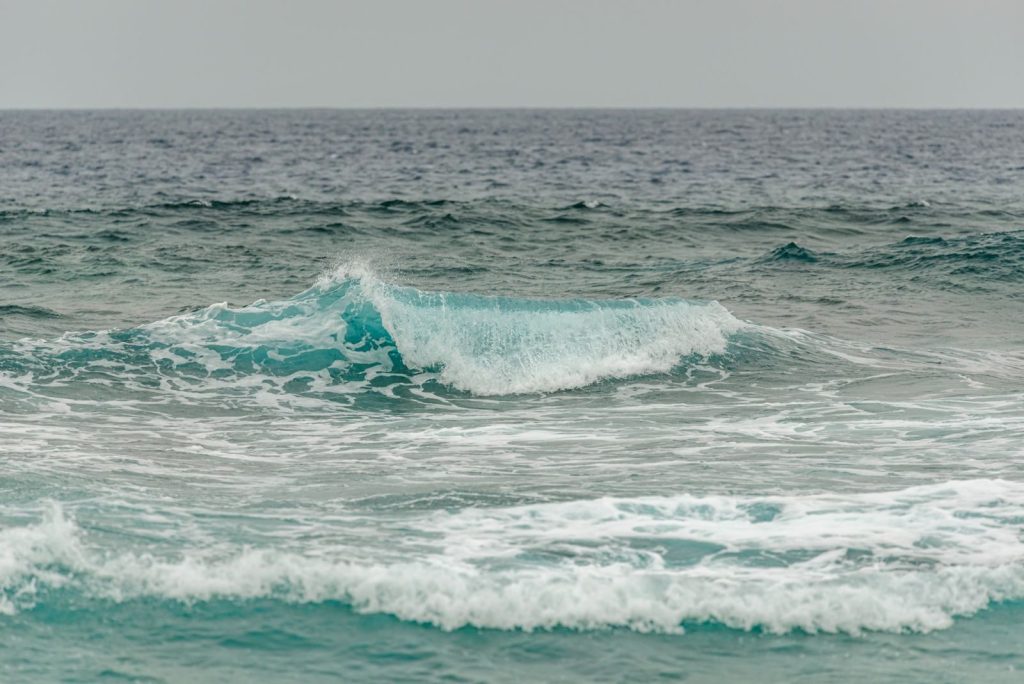
    A calming ocean wave breaking on the sea surface under a cloudy sky, capturing the tranquility of nature.
    Photo by Petr Ganaj on Pexels

    The plastic toys began drifting across the vast waters without any engines to guide them. According to oceanographers, the floating pack slowly split into different groups as they rode the surface winds. They were highly durable. Because the toys were made of tough plastic, they resisted decay and stayed afloat for years. But tracking their journeys required help from local beachcombers.

    Spotting The Floaters

    Sandy beach with gentle waves and a tree-covered cliff.
    Photo by Eugen Brazhnikov on Unsplash
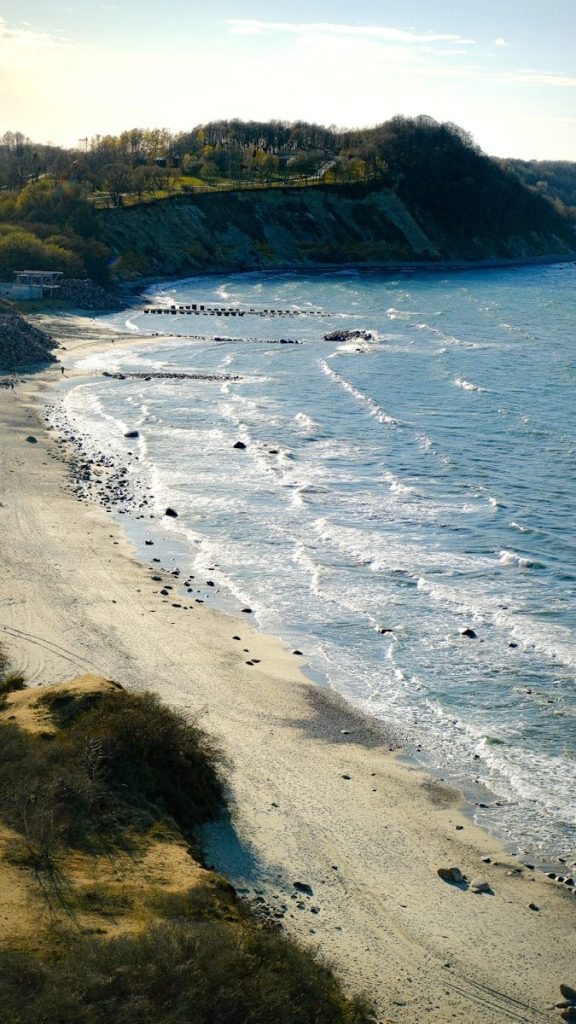
    Beachcombers began finding the colorful toys washing up on distant shorelines across the globe. According to reports from the National Oceanic and Atmospheric Administration, the animals appeared in Alaska, Canada, and even Europe. The findings were bizarre. Scientists quickly realized they could use these locations to map out the exact paths of deep currents. But some toys took an almost impossible route.

    The Frozen Polar Pass

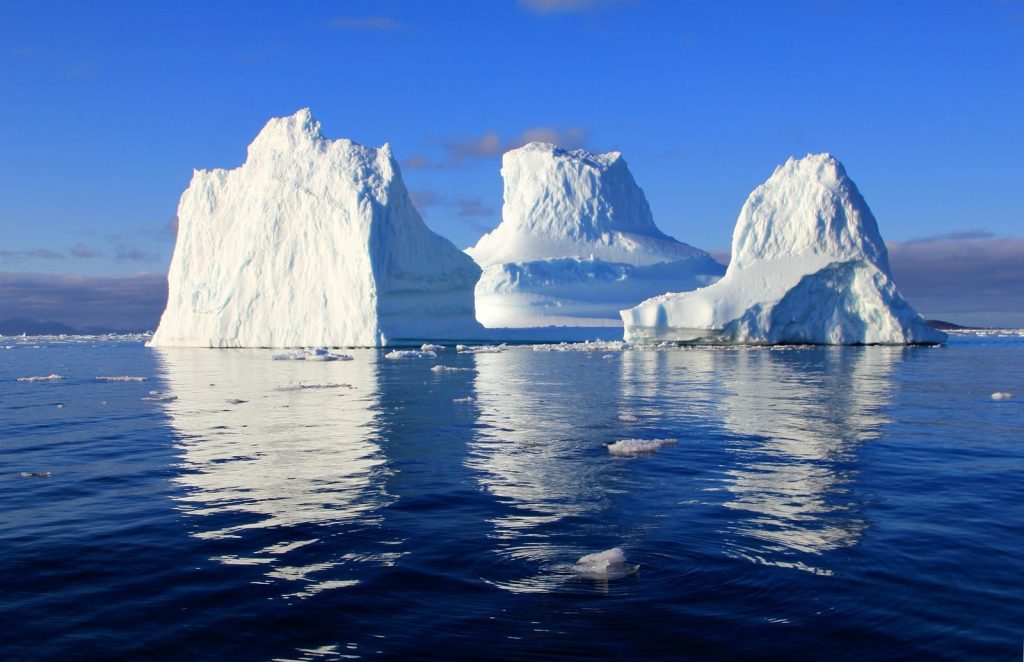
    Stunning view of massive icebergs reflecting in serene ocean under a bright blue sky.
    Photo by Pixabay on Pexels

    A small group of the floating animals traveled straight through the freezing Arctic Ocean. According to climatologists, this icy journey required the plastic to remain frozen inside massive glaciers for several years. It was incredibly cold. This polar route proved that separate oceans are actually connected by a continuous global current. But this realization also highlighted a growing environmental crisis.

    The Endless Garbage Patches

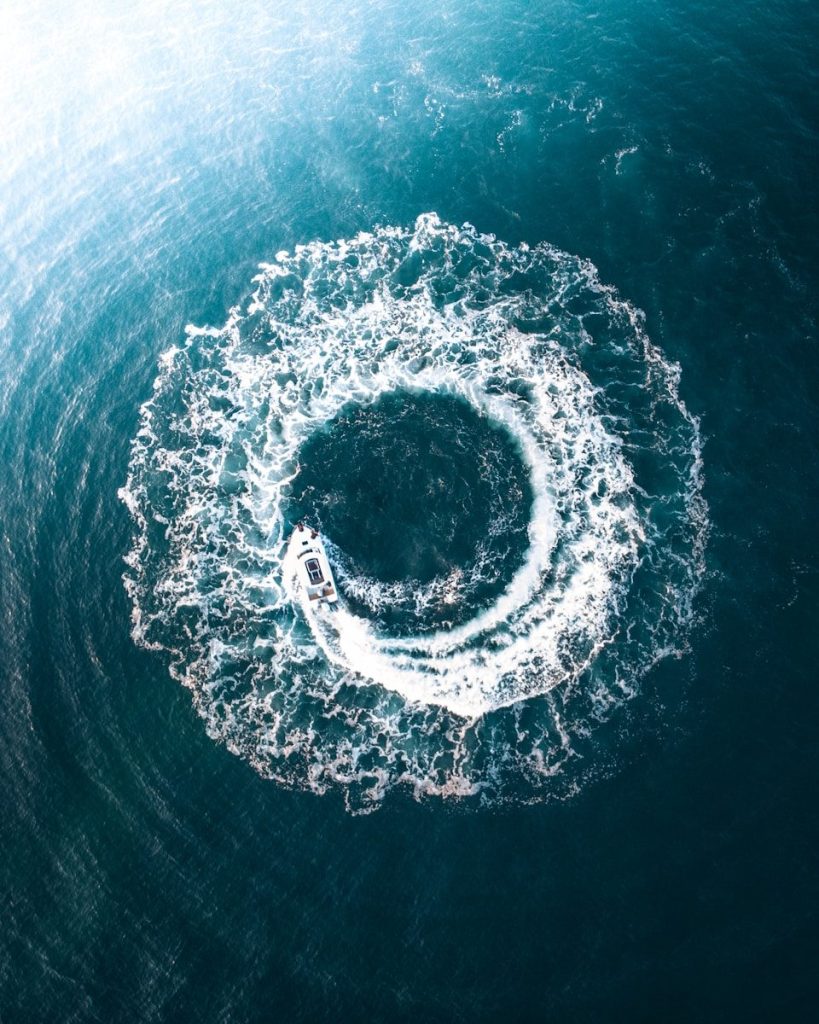
    water wave in close up photography
    Photo by Bastien Nvs on Unsplash
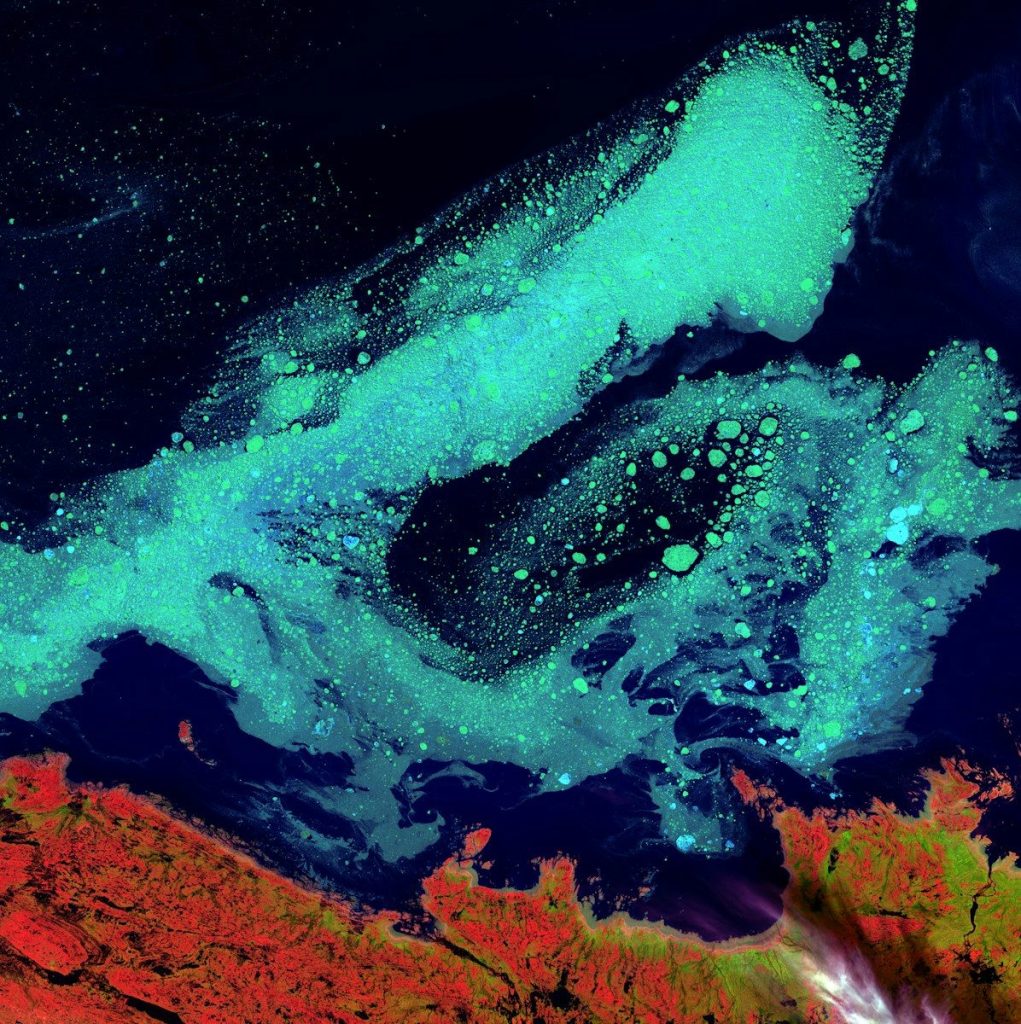
    The drifting toys eventually settled inside massive rotating vortexes in the middle of the oceans. According to environmental geologists, these circular currents trap millions of tons of synthetic waste in permanent loops. The trash accumulates. Studying how the toys gathered helped researchers locate these dangerous garbage zones with high accuracy. But scientists are searching for new ways to clean these spots.

    Tracking Future Drift Patterns

    black flat screen computer monitor
    Photo by ThisisEngineering on Unsplash
    The lessons learned from the lost toys continue to shape modern marine conservation projects today. According to ocean research groups, computer models now use the drift data to predict where oil spills and trash will travel. The software is clever. This predictive mapping is vital for protecting fragile coastal habitats from sudden chemical pollution. But the ultimate success of this research relies on global action.

    Decoding The Living Ocean

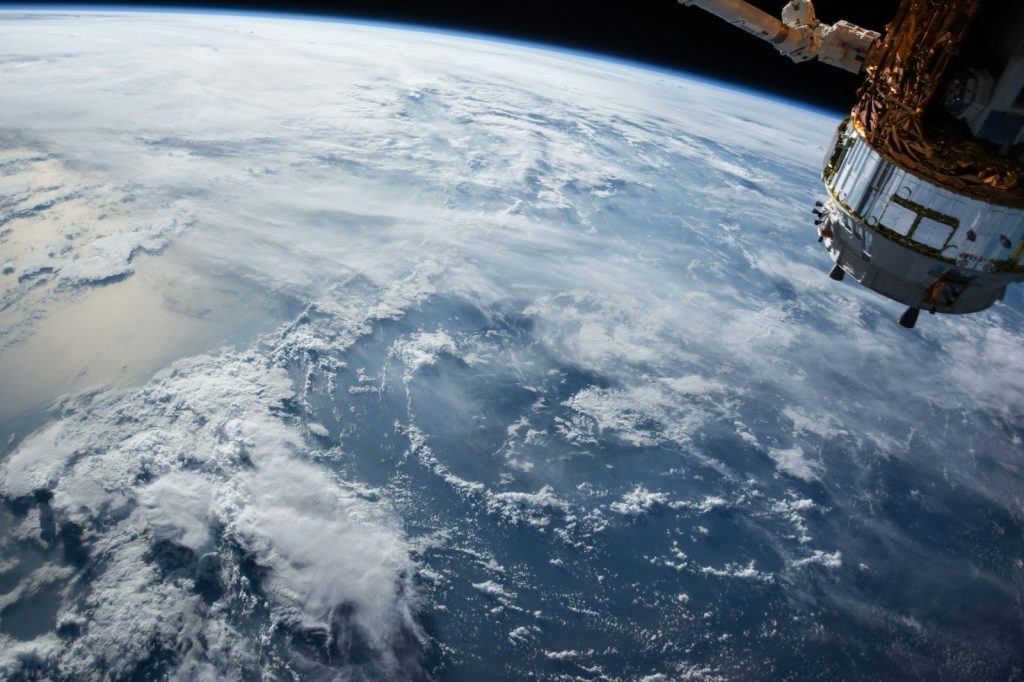
    view of Earth and satellite
    Photo by NASA on Unsplash
    This incredible journey of these plastic floaters proves that our oceans operate as a single connected entity. According to researchers, understanding these global current systems is crucial for protecting the future of our climate. Nature connects everything. This article is for informational purposes only.

    Featured Image: Photo by Dirk Erasmus on Unsplash
  • The Toxic Deep Ocean Pools Preserving Lost Life

    The Toxic Deep Ocean Pools Preserving Lost Life

    Most people assume the ocean floor is a uniform desert of cold sand. We believe that deep-sea creatures wander freely across a flat watery landscape.

    But a specialized research submersible has captured something completely terrifying. Deep in the dark ocean, scientists discovered toxic underwater lakes that act like deadly mirrors.

    The Underwater Surface

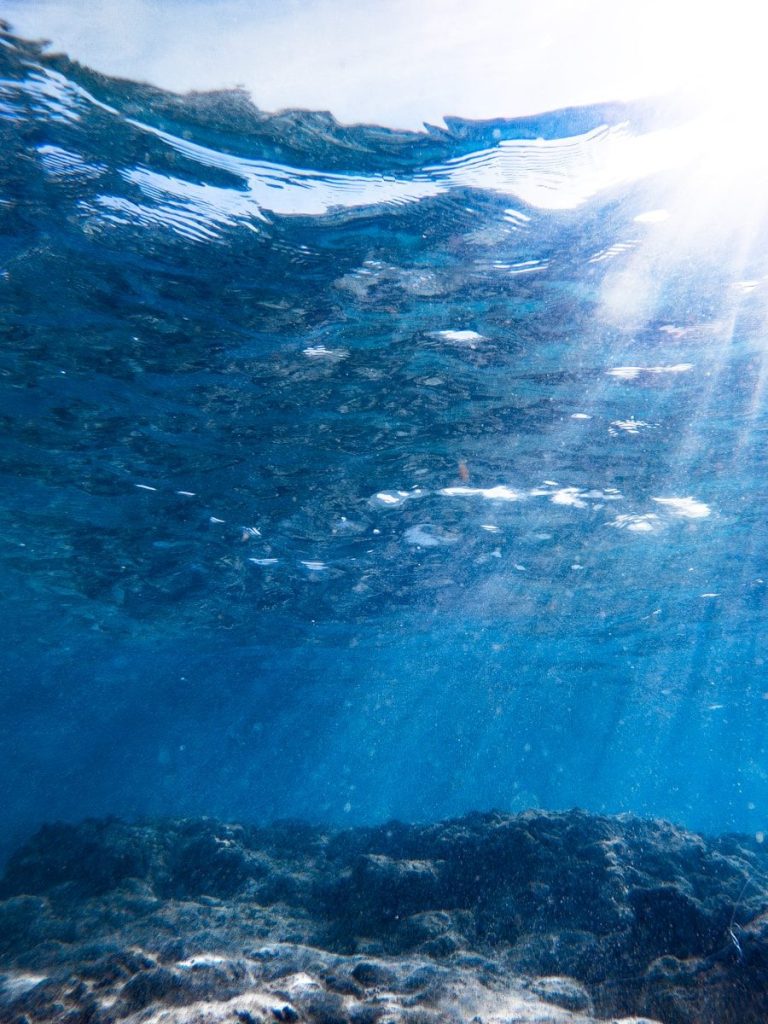
    Sunlight streams through ocean surface onto rocky seabed.
    Photo by Sachin Amjhad on Unsplash
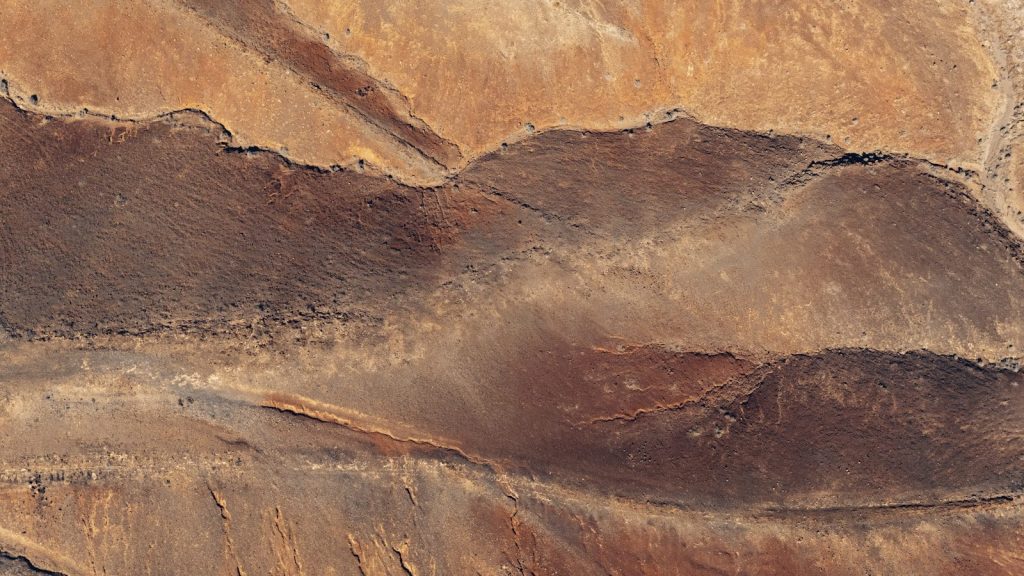
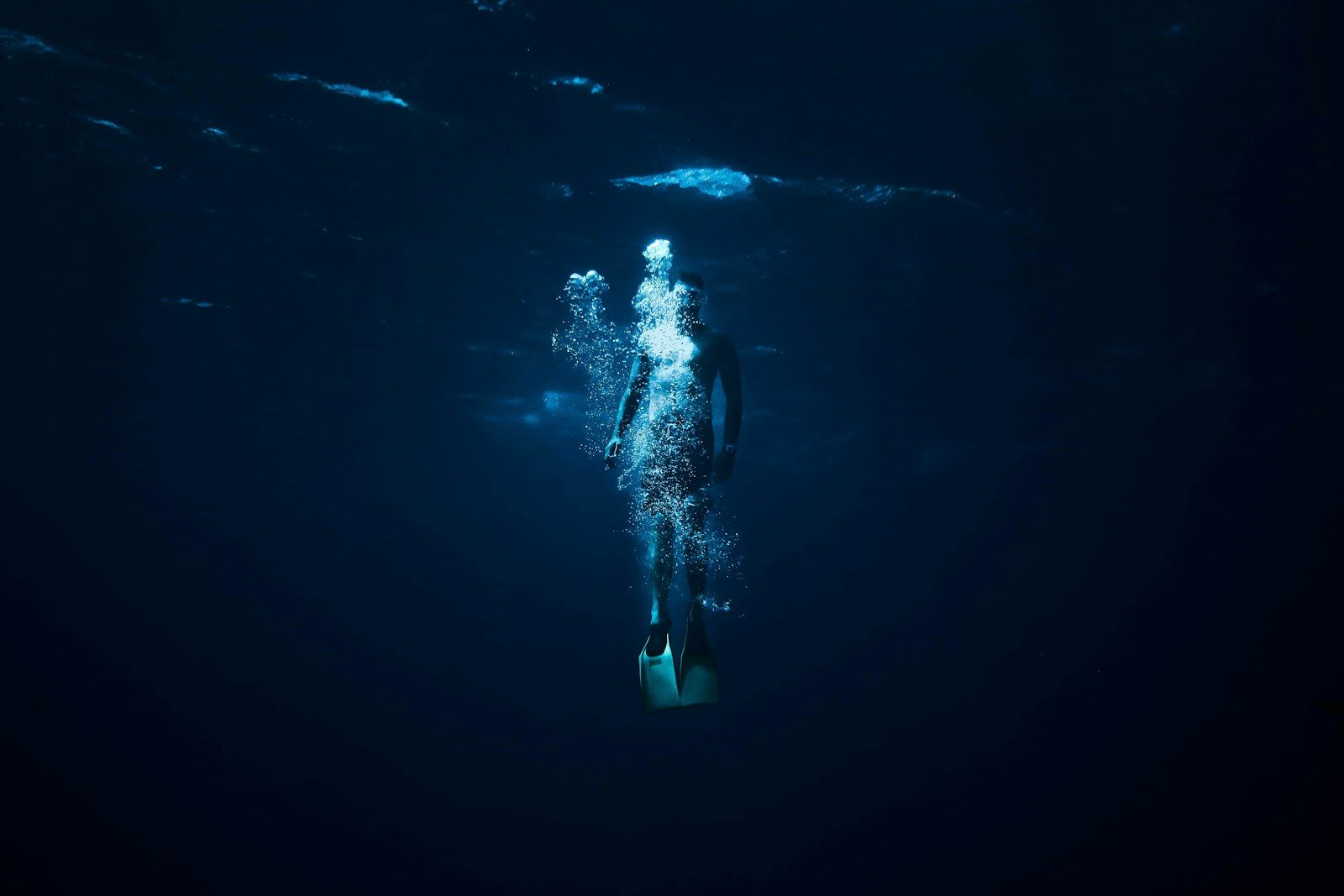
    Operating thousands of feet below the surface reveals a highly alien world. According to marine geologists, deep submersibles detected clear ripples that looked exactly like a lake shoreline. It was a mirror. This shimmering surface was actually the boundary of a highly dense brine pool. But this beautiful underwater lake is one of the most hostile environments on Earth.

    A Deadly Chemical Mix

    blue and green illustration
    Photo by USGS on Unsplash
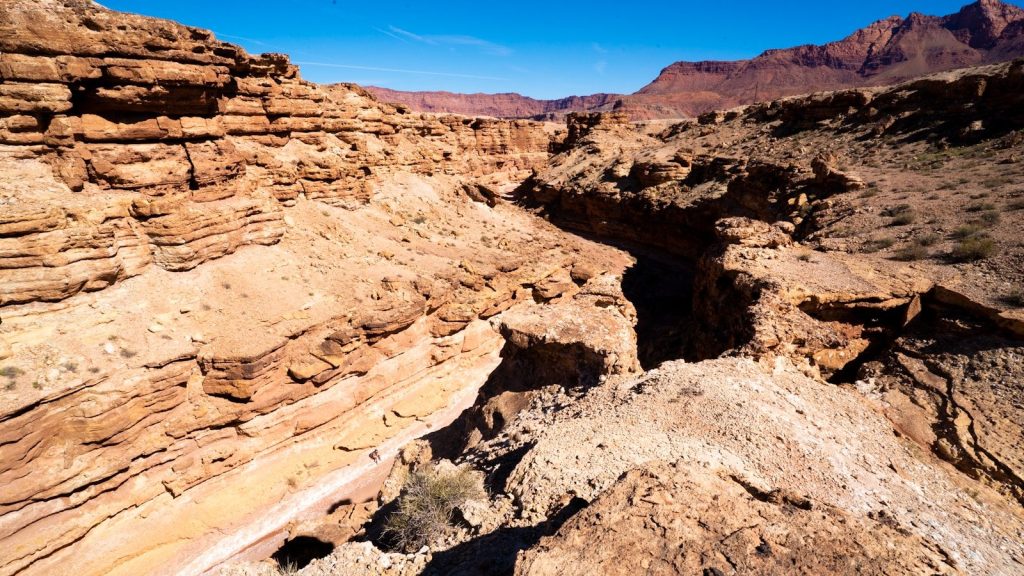
    These underwater pools form when salt deposits dissolve beneath the seafloor. According to oceanographic research, the water inside these pools is five times saltier than regular ocean water. The mix is lethal. It contains almost no oxygen and is heavily saturated with toxic gases like hydrogen sulfide. But this chemical death trap produces a spectacular visual phenomenon.

    The Shimmering Illusion

    a body of water with waves
    Photo by Leo Foureaux on Unsplash
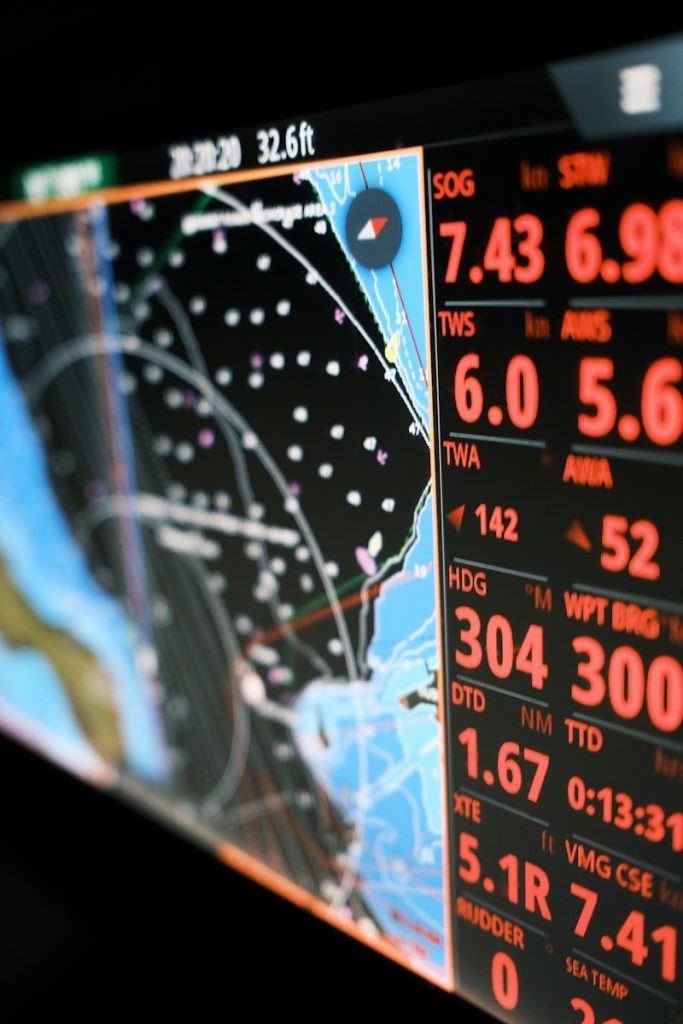
    The extreme difference in water density creates a perfect mirror-like reflection. According to submersible pilots, the boundary between the pool and the ocean looks like polished glass. The view is mesmerizing. Waves actually ripple across this underwater surface when deep-sea currents pass over it. But any creature that accidentally crosses this boundary faces instant doom.

    Trapped In The Brine

    an underwater view of a submarine with a hole in the wall
    Photo by 良太郎 空 on Unsplash
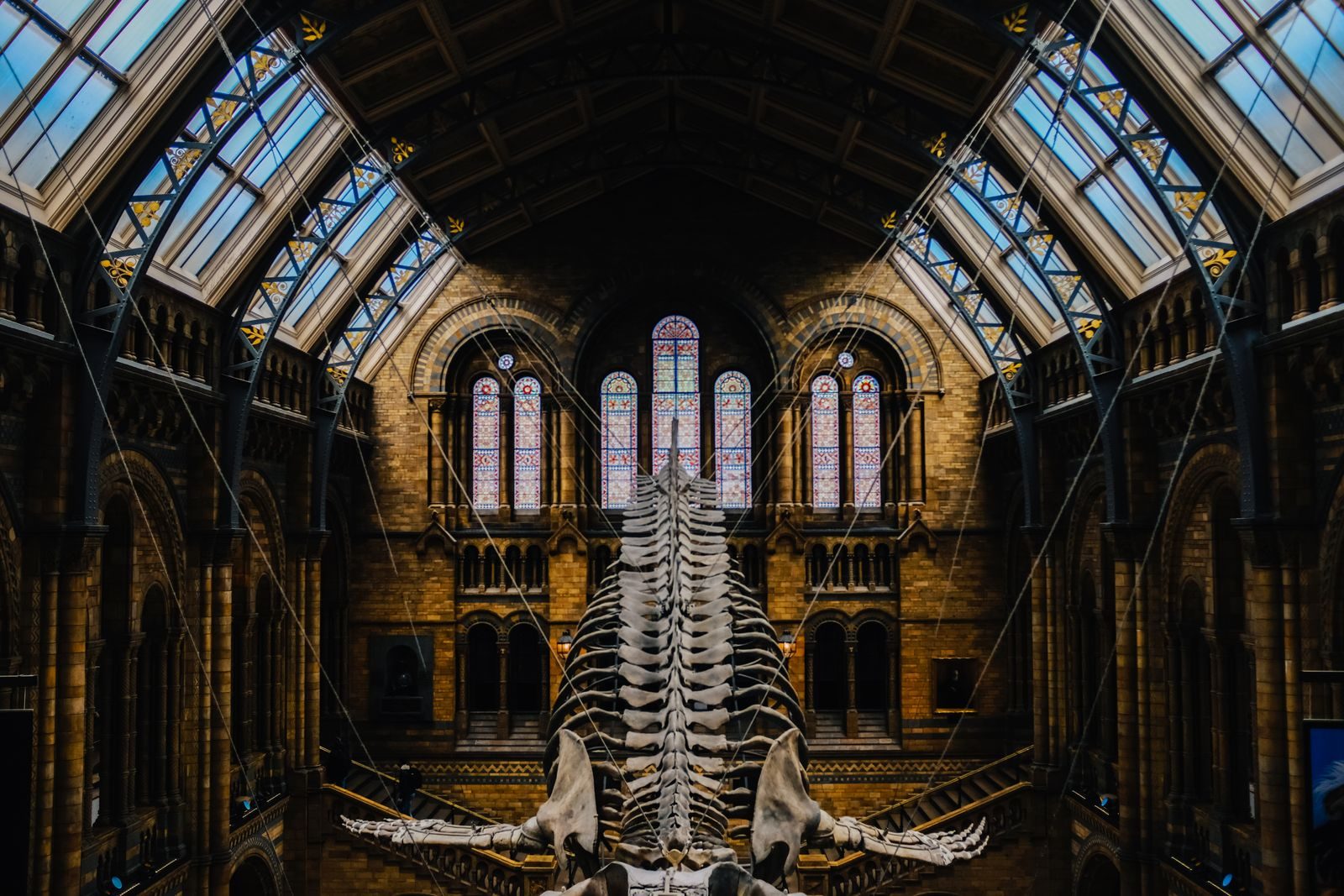
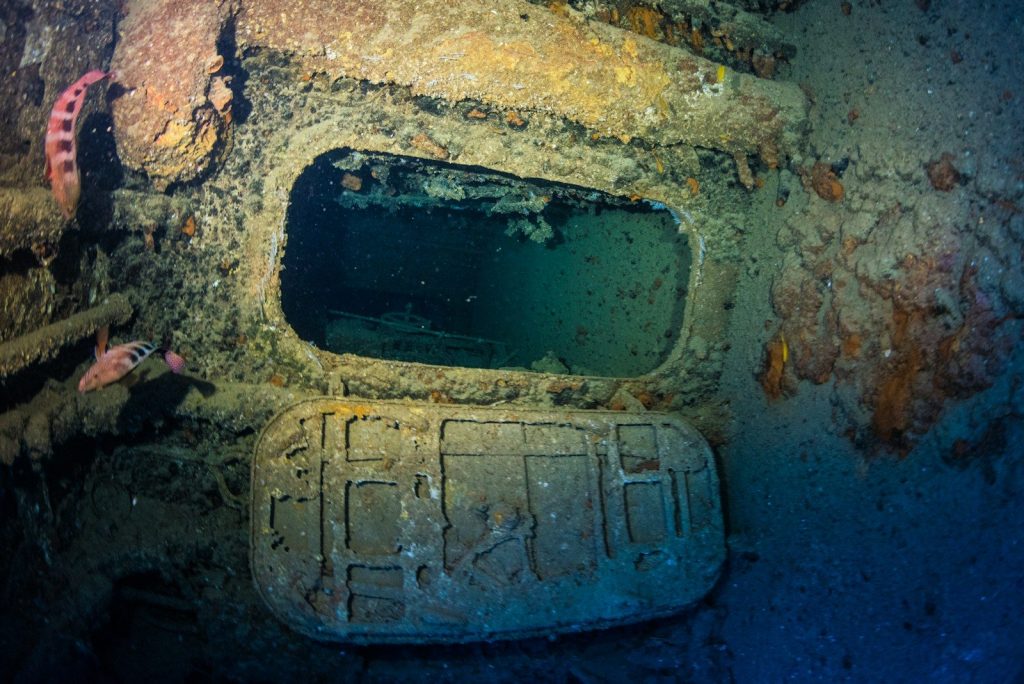
    Fish and crabs that wander into the heavy water are instantly paralyzed by the lack of oxygen. According to deep-sea biologists, the high salt concentration preserves their bodies in real time. They never decay. The carcasses of lost sea life rest on the bottom of the pool in perfect preservation. But these pickled bodies are not the only things resting in the dark.

    The Ring Of Life

    a bunch of mussels that are laying on the ground
    Photo by NOAA on Unsplash
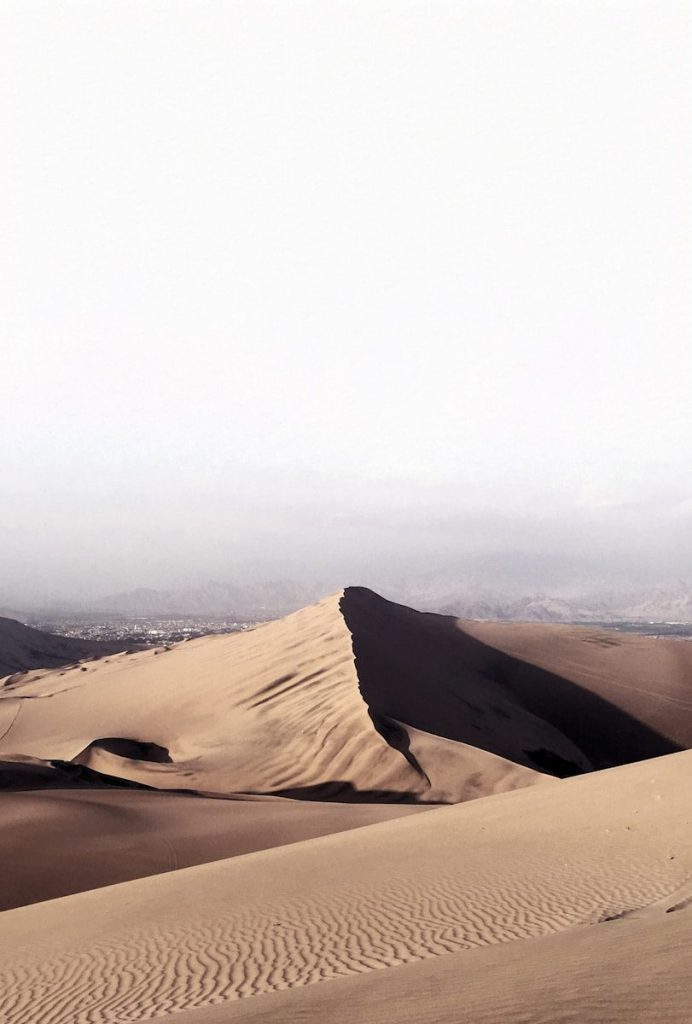
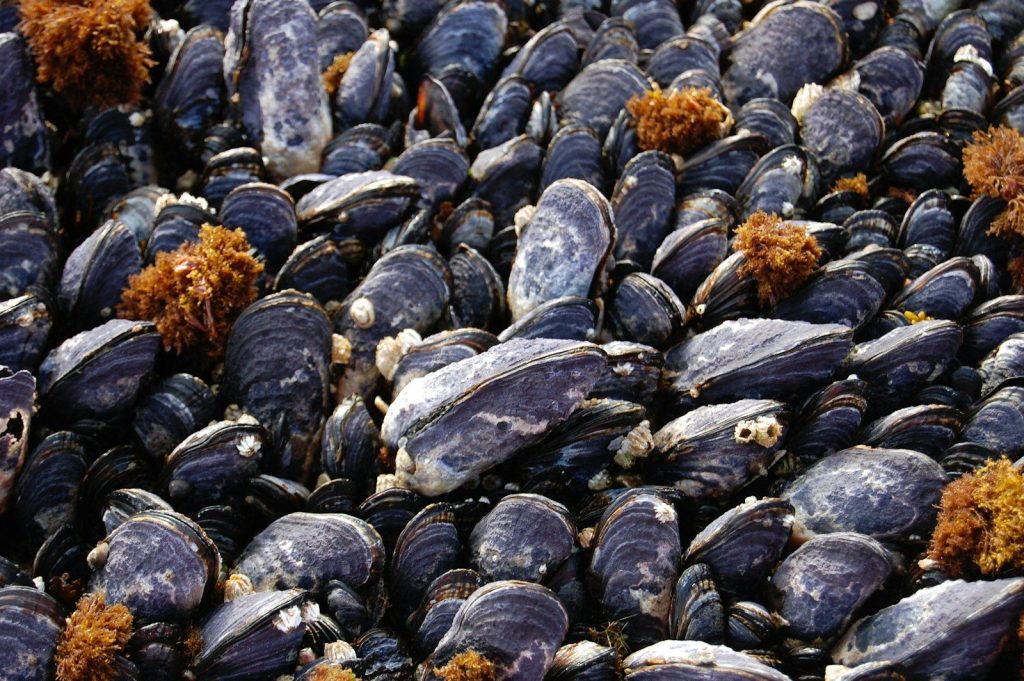
    While the pool itself is completely toxic, its outer edges are bustling with activity. According to marine surveys, massive colonies of specialized mussels thrive along the shoreline of the brine. They are incredibly tough. These unique organisms feed on the toxic gases seeping from the pool using specialized bacteria. But this delicate ecosystem exists in absolute darkness.

    Extreme Survival Secrets

    A bird flying over a desert landscape with mountains in the background
    Photo by Edoardo Cuoghi on Unsplash
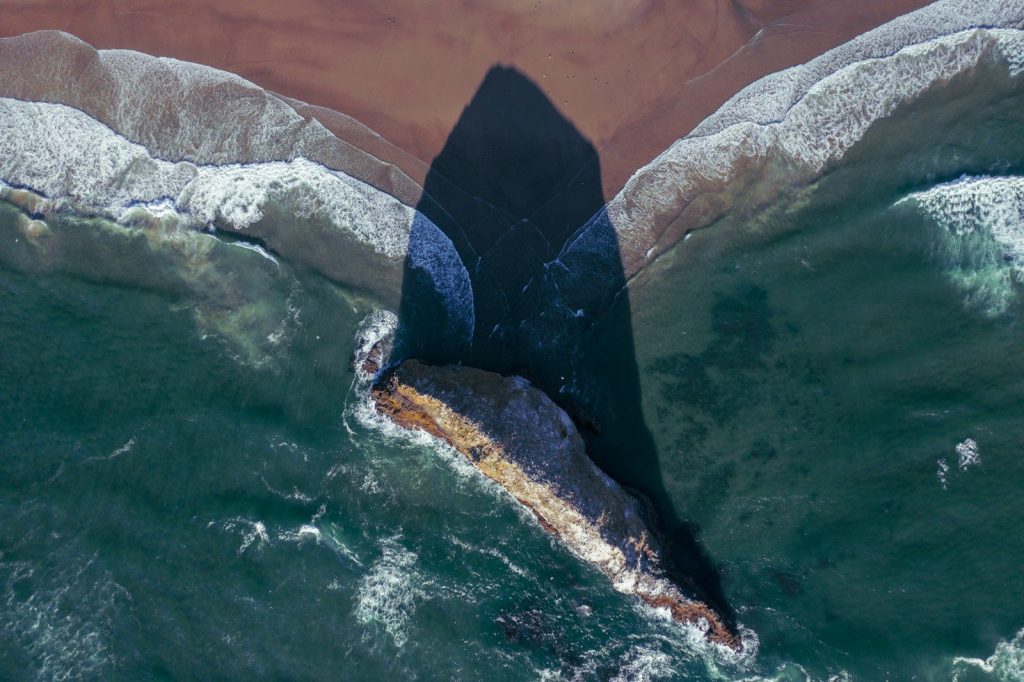
    Studying these harsh environments is helping scientists search for life on other planets. According to astrobiologists, the extreme conditions of deep ocean brine pools mimic the icy oceans of Jupiter’s moon Europa. The research is vital. If microbes can survive in this toxic sludge, they might survive in deep space. But the physical forces shaping these pools are still shifting.
    The Creeping Lakes

    a view of a canyon in the middle of the desert
    Photo by 2H Media on Unsplash

    These toxic pools are constantly moving and changing the surrounding landscape. According to geologic mapping, shifting tectonic plates can cause these heavy brine reservoirs to erupt and flood new areas. The deep is unstable. These sudden underwater floods create massive dead zones where nothing can survive. But these mysterious lakes still hold many secrets.

    Wonders Of The Deep

    Nautical navigation screen displaying charts and data.
    Photo by Leon Bredella on Unsplash

    Deep ocean brine pools remind us how little we know about our own planet. According to scientists, the deep sea remains the ultimate frontier of terrestrial exploration. Nature always finds a way to surprise us. This article is for informational purposes only.

    Featured Image: Photo by Jeremy Bishop on Unsplash

  • The Ancient Colossus That Shattered Every Fossil Record

    The Ancient Colossus That Shattered Every Fossil Record

    Most animal lovers believe the blue whale is the heaviest creature to ever exist. We assume no prehistoric beast could surpass its massive weight.

    But a mind-bending fossil discovery in Peru has challenged this biological truth. Scientists have unearthed the bones of a legendary ocean giant that defies imagination.

    Unearthing Cosmic Scales

    snow covered mountain under cloudy sky during daytime
    Photo by Kimberly Genest on Unsplash

    Digging in the dry Peruvian desert revealed something completely impossible. According to a study published in Nature, paleontologists recovered massive skeletal remains belonging to an ancient whale. The bones were unbelievably heavy. This prehistoric beast lived nearly thirty-nine million years ago. But the sheer density of the skeleton pointed to a creature that was far larger than anyone expected.

    Beyond Blue Whales

    rock formation near sea
    Photo by Dan Meyers on Unsplash

    Measuring the heavy bones allowed researchers to estimate the total body mass. According to scientific measurements, this newly discovered species likely weighed up to three hundred and forty metric tons. It was incredibly massive. That potential weight easily doubles the size of any modern blue whale. But this extreme weight raised deep questions about how the beast could move through water.

    Deep In The Sand

    A bird's skull in the middle of a sandy area
    Photo by Muskan Dev on Unsplash

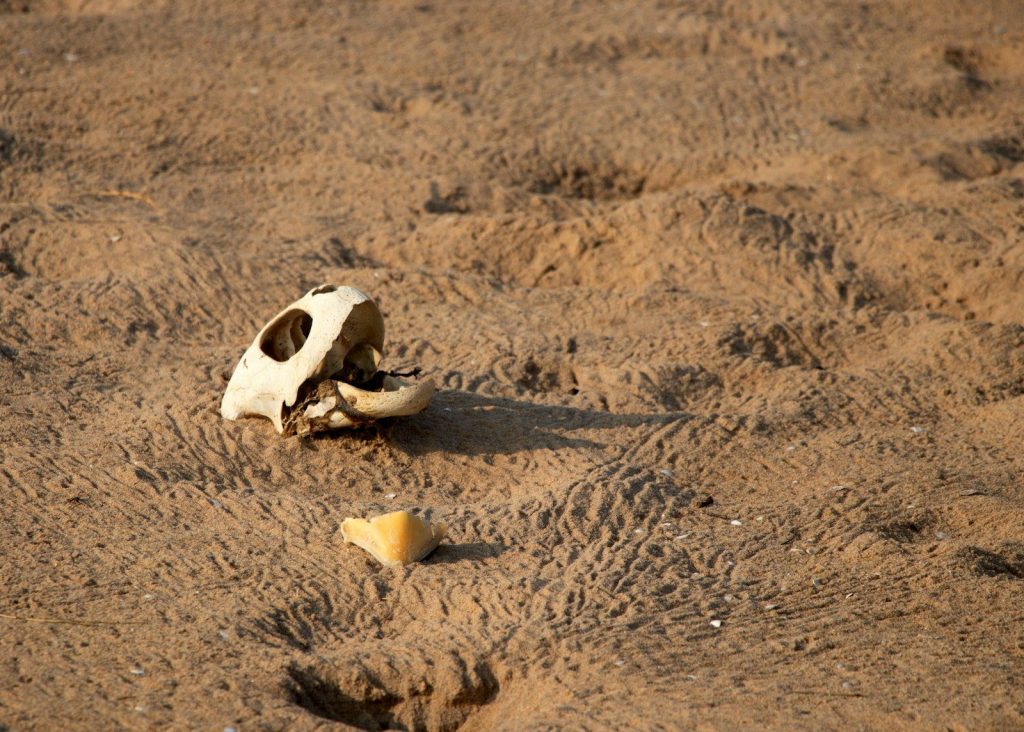
    Excavating the massive specimen required years of careful labor in a hostile environment. According to reports from the University of Pisa, the fossils were buried deep under steep desert dunes. The work was grueling. Each individual vertebra weighed over one hundred kilograms. But lifting these giant stone-like bones out of the earth was only the first major challenge.

    The Heavy Bone Mystery

    Rocks and clear water on a sandy beach.
    Photo by Lina Micán on Unsplash

    Living in shallow coastal waters required unique physical traits. According to evolutionary biologists, the creature possessed extremely dense, solid bones to act as a natural ballast. It was a submarine. This unique skeletal structure helped the massive mammal stay submerged while feeding on the ocean floor. But their specific diet remains a highly debated mystery among modern researchers.

    Reconstructed Sea Giants

    a drawing of a person holding a large object
    Photo by Europeana on Unsplash

    Creating accurate 3D models of the whale revealed its strange, bloated shape. According to paleontologists, the beast had relatively small limbs and a huge barrel-shaped body. It looked completely bizarre. This unusual anatomy suggests the giant moved very slowly through the prehistoric coastal shallows. But this slow lifestyle may have made the species highly vulnerable to sudden environmental changes.

    Rewriting Marine Biology

    a group of people standing in a room
    Photo by 铮 夏 on Unsplash

    Finding such an enormous creature completely alters our understanding of marine life evolution. According to evolutionary studies, ocean giants achieved maximum body mass millions of years earlier than previously assumed. The timeline was wrong. This revelation is forcing scientists to rethink how coastal ecosystems supported such massive energy demands. But the true scale of this beast might be even greater than current models show.

    The Ultimate Ocean King

    Underwater coral reef with clear blue water
    Photo by Taras Terletskyy on Unsplash

    This spectacular Peruvian discovery permanently changes our view of prehistoric life. According to researchers, nature has always pushed the physical limits of biology in surprising ways. Our planet still hides ancient giants beneath the desert sands. This article is for informational purposes only.

    Featured Image: Photo by Adrien Olichon on Pexels

  • The Massive Underground Thermal Bubble Rising Beneath Us

    The Massive Underground Thermal Bubble Rising Beneath Us

    We usually assume that the solid ground beneath our feet is completely stable and cold. We think geological disasters only happen near active volcanic borders.

    But a colossal hot mass of rock is currently rising beneath a major metropolitan zone. This underground anomaly is powerful enough to split an entire continent apart.

    A Hot Bubble Deep Below

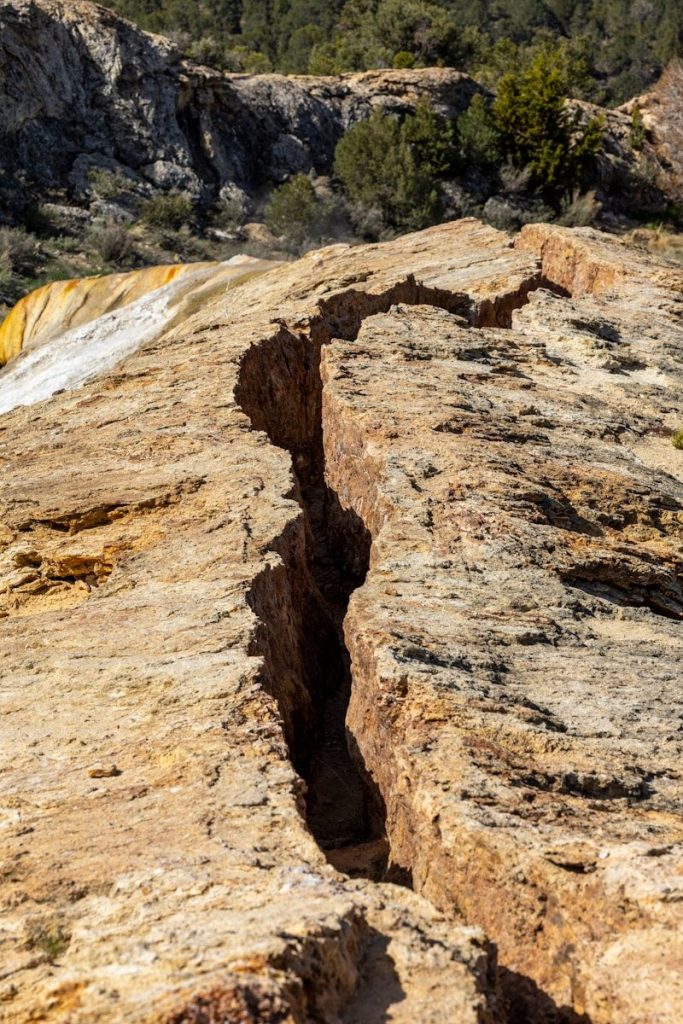
    a rock with a crack in the middle of it
    Photo by Leo_Visions on Unsplash

    A colossal mass of molten rock is currently rising deep underneath New England. According to researchers at Rutgers University, this thermal anomaly is slowly heating the Earth from below. It is massive. This swelling bubble is pushing the crust upward, creating a quiet but active geologic zone. But scientists soon realized that this underground threat was moving much faster than expected.

    Measuring The Crust Expansion

    Two climbers navigate the rugged mountainous terrain using maps and equipment.
    Photo by Roman Apaza on Pexels

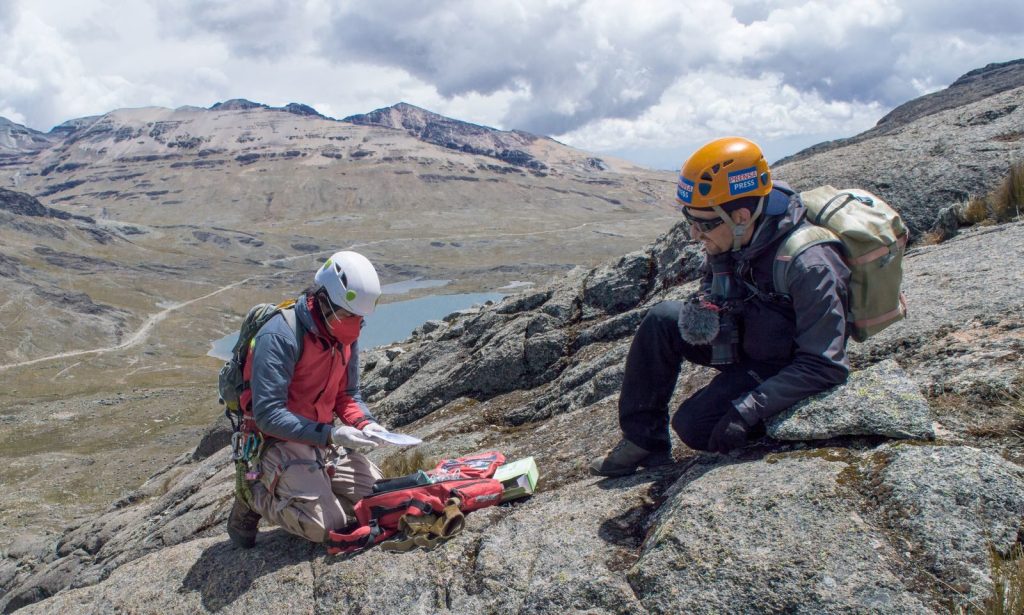
    Geologists used highly sensitive seismic sensors to measure how the ground is expanding. They discovered that the crust is inflating like a giant balloon. The data was terrifying. According to the United States Geological Survey, the uplift is centered directly beneath major population hubs. But this expansion is actually driven by a far more complex tectonic force.

    The Birth Of A Volcano

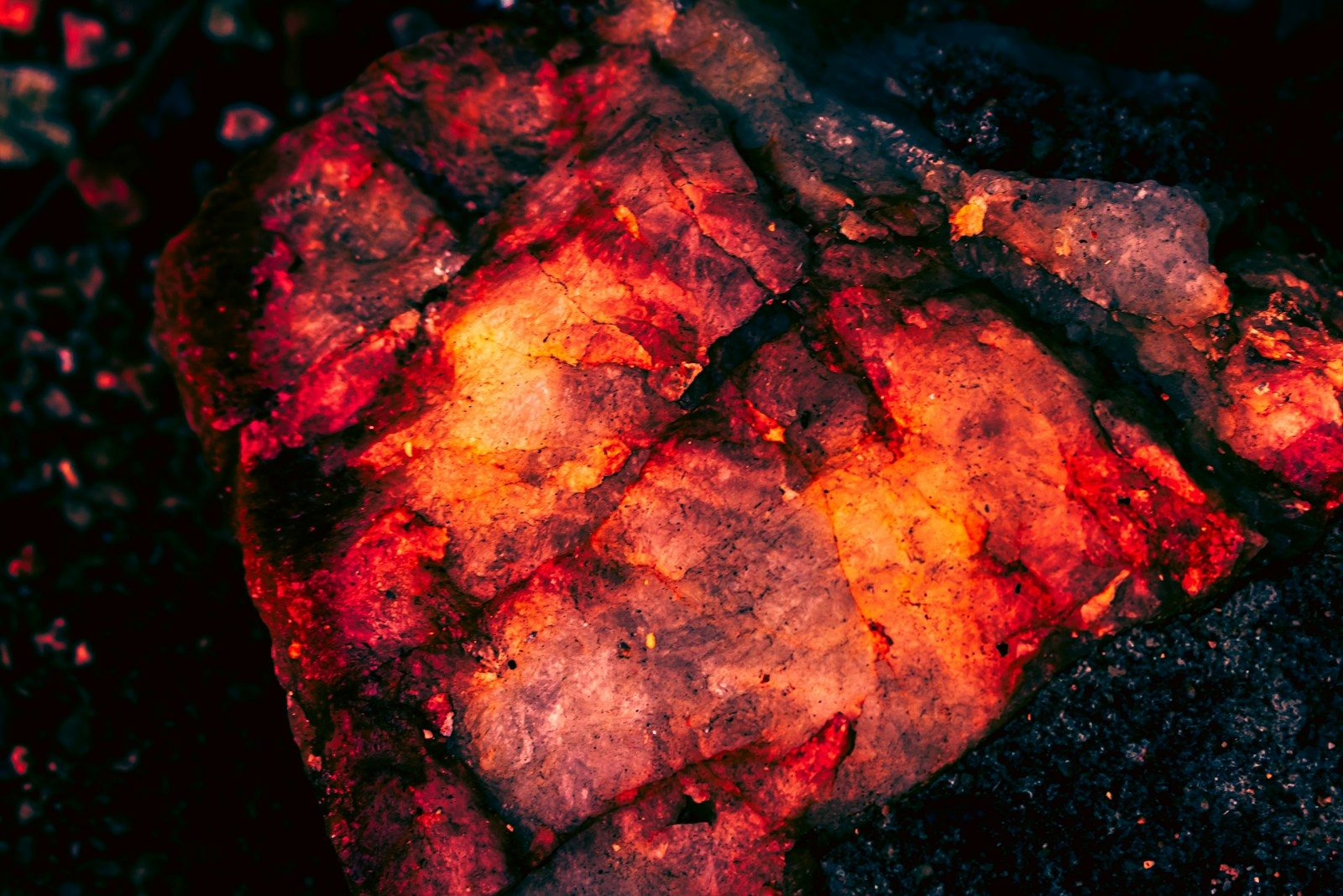
    Close-up view of vibrant molten lava with rough textures and glowing colors.
    Photo by Turgay Koca on Pexels

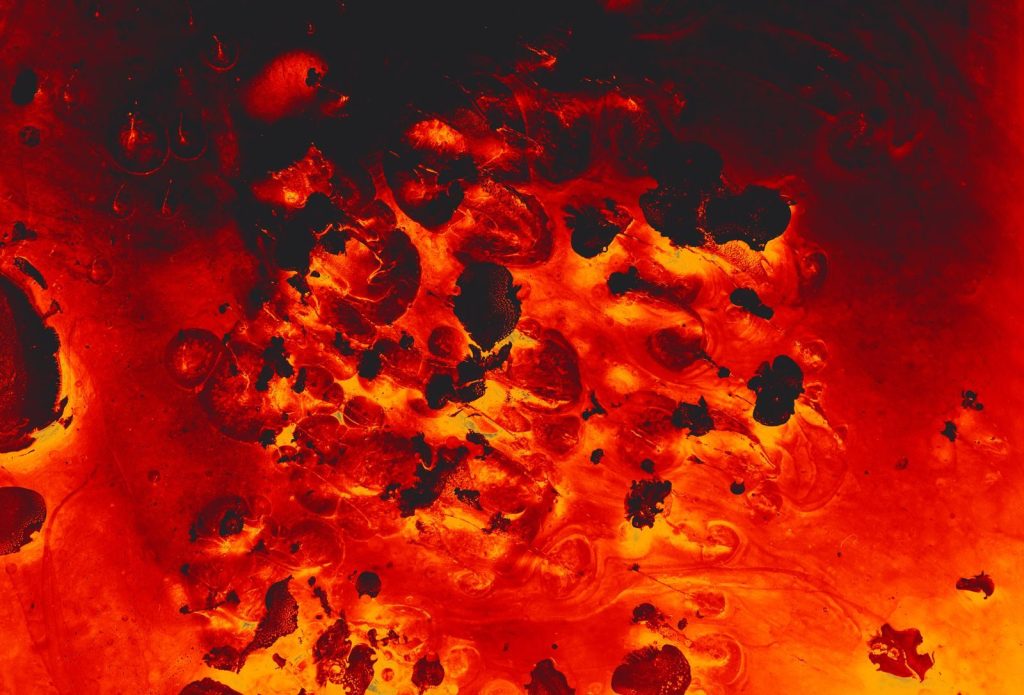
    The rising heat is slowly melting the lower layers of the North American tectonic plate. This process creates a brand-new, active magma chamber where none existed before. It is growing. According to reports from the National Science Foundation, this anomaly could eventually form a massive supervolcano. But the threat is not just a future eruption.

    How Continents Split Apart

    brown soil during daytime
    Photo by Ivan Bandura on Unsplash

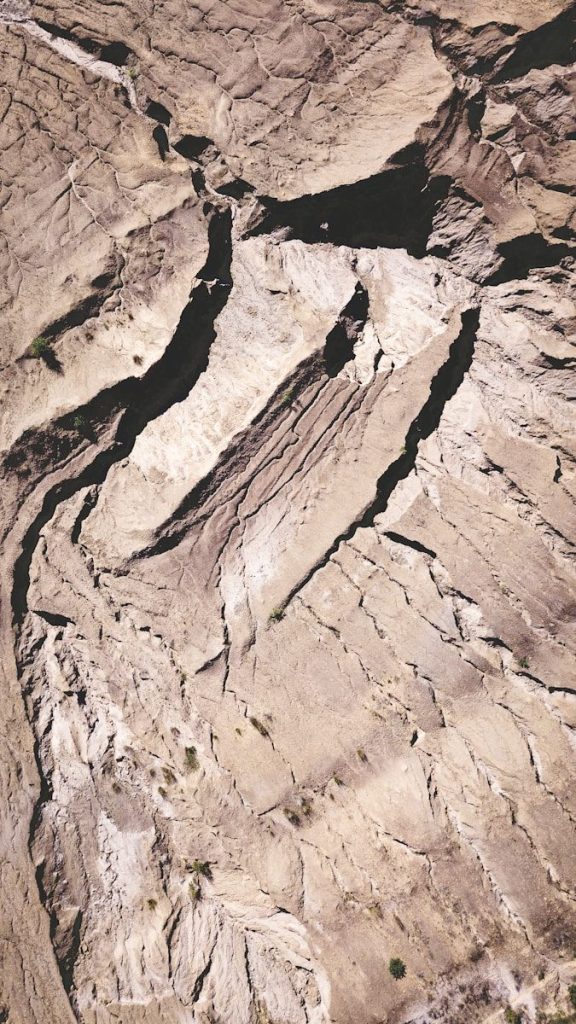
    When a massive plume of heat rises beneath a tectonic plate, it exerts immense pressure. The force begins to stretch the land, creating deep cracks in the crust. This is critical. According to historical geology, this exact process is what divided ancient supercontinents millions of years ago. But the current anomaly is targeting a highly vulnerable target.

    The Metropolitan Fault Risk

    City skyline with red glow at the bottom.
    Photo by Hunter Scott on Unsplash

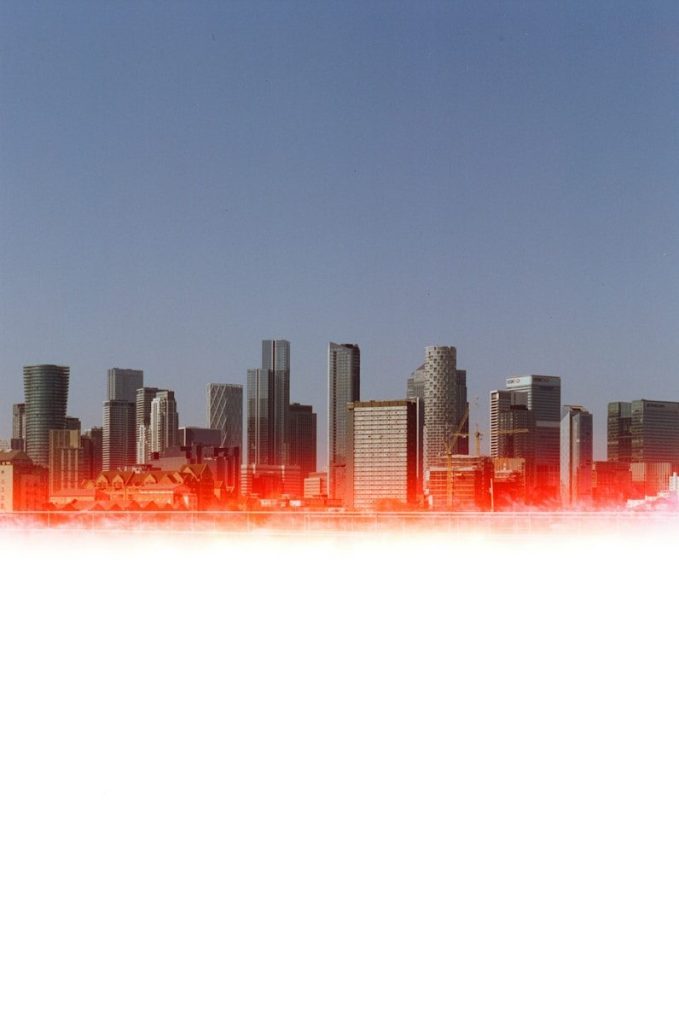
    The hot plume is located directly beneath some of the most densely populated cities on the continent. This geothermal activity could easily reactivate old, dormant fault lines. The risks are high. According to emergency management reports, even a minor seismic shift could trigger severe earthquakes in unprepared zones. But scientists soon noticed a highly unusual chemical change in the ground.

    Boiling Water And Gas Seeps

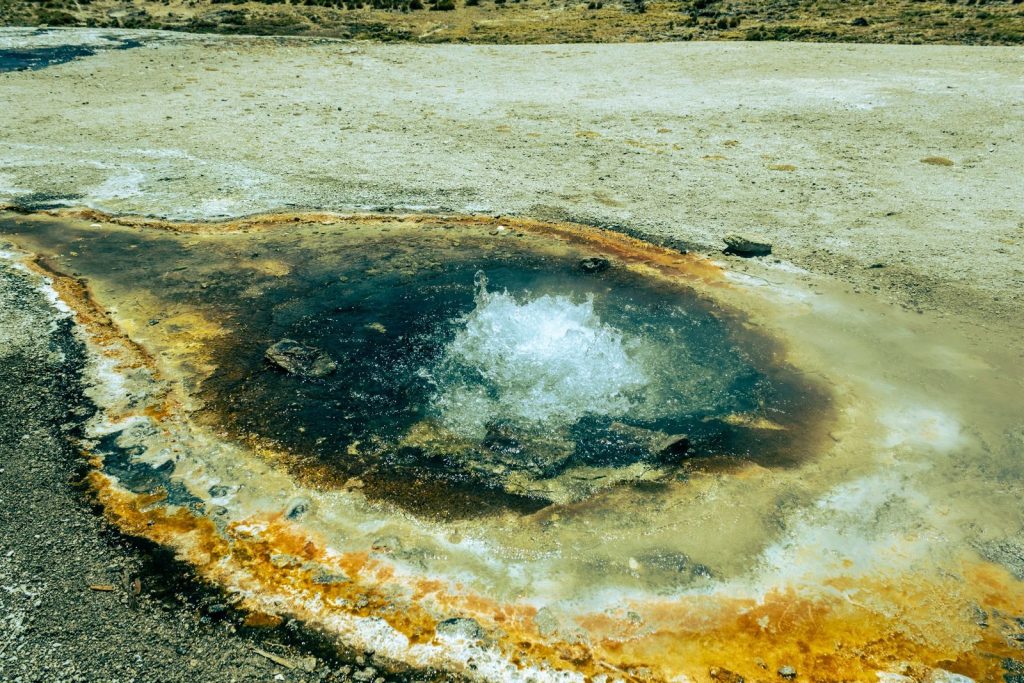
    A bubbling hot spring surrounded by colorful mineral deposits in a geothermal area.
    Photo by Anyela Málaga on Pexels

    Local water wells in the region have shown a sudden, unexplained rise in temperature. Strange gases like helium are also bubbling up through the soil. The change is real. According to geochemists, these chemical markers prove that mantle material is actively venting into our shallow aquifers. But the most shocking evidence was discovered by space satellites.

    Watching The Bubble From Space

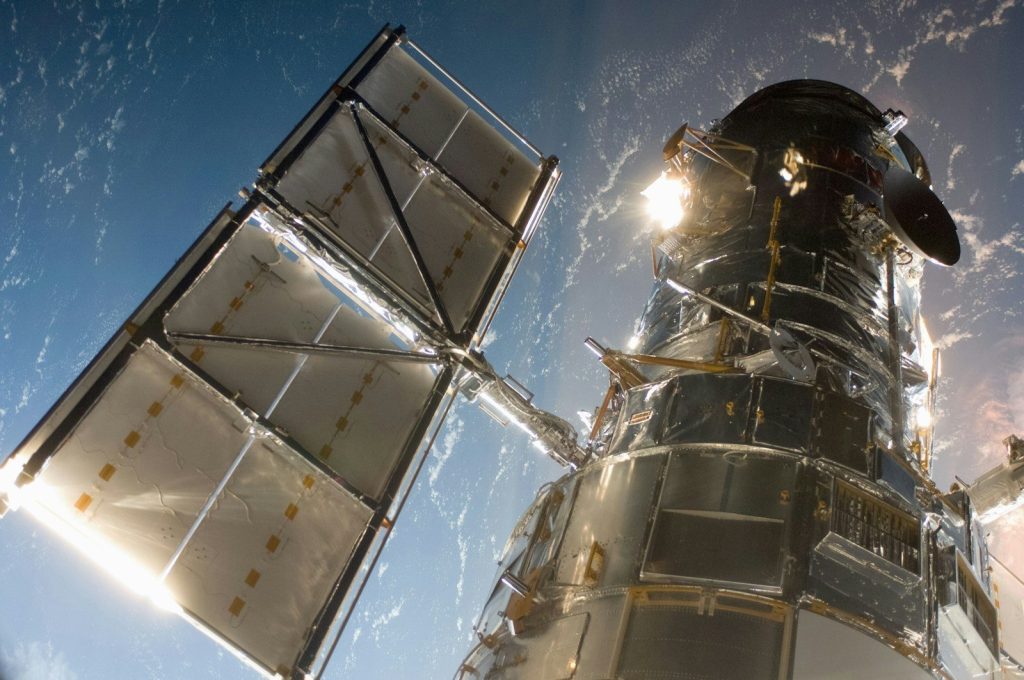
    a very large metal structure with lights on it
    Photo by NASA Hubble Space Telescope on Unsplash

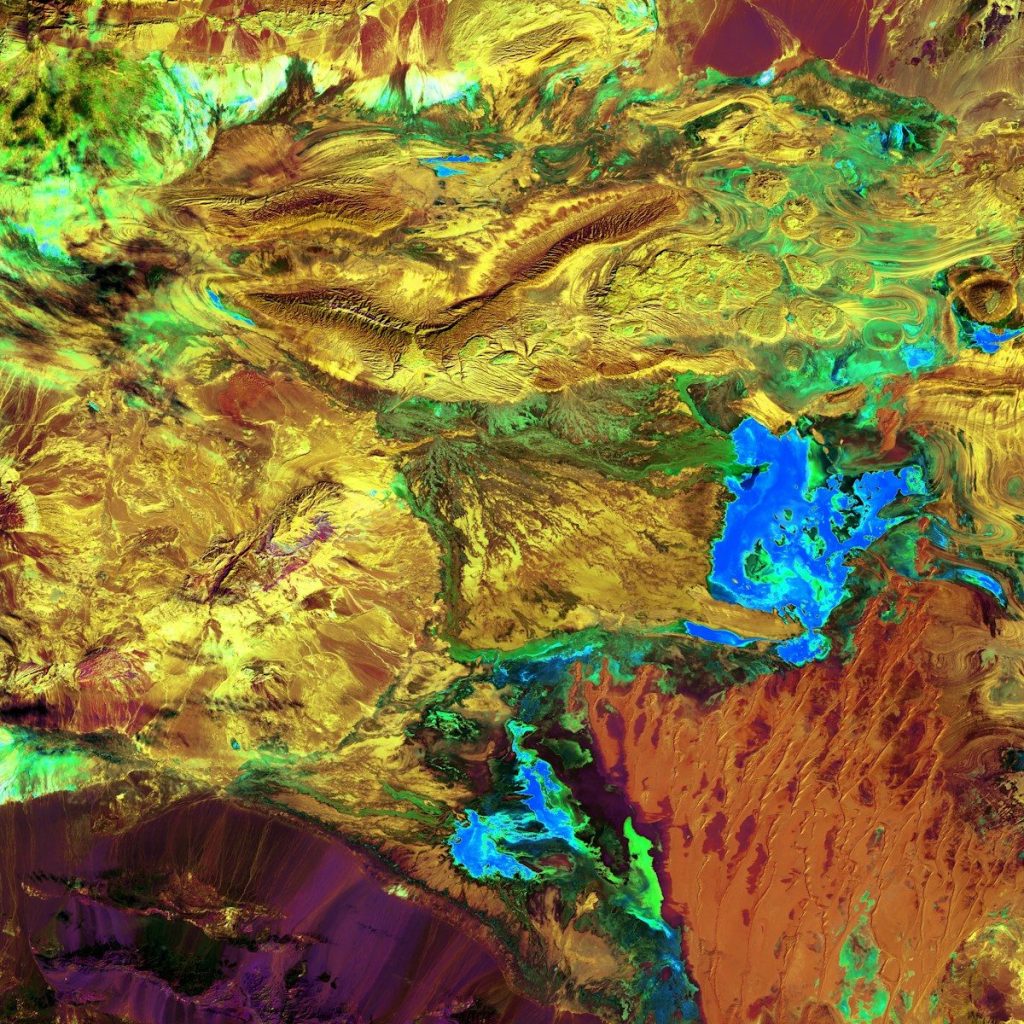
    Infrared thermal imagery from orbit reveals that the ground heat signature is expanding. The warmth is spreading. According to NASA satellite data, this thermal bubble is currently larger than several states combined. Geologists are monitoring the situation hourly to prepare for any sudden tectonic shifts. But we are still left with one crucial, unanswered question.

    Preparing For Tectonic Shifts

    blue green and red abstract painting
    Photo by USGS on Unsplash

    According to geological studies, this rising plume will take millions of years to fully divide the continent or erupt. We have plenty of time to study its behavior. This article is for informational purposes only and does not constitute scientific or professional advice. Understanding these deep Earth processes helps scientists protect our modern cities from future tectonic changes.

    Featured Image: Photo by Zoshua Colah on Unsplash

  • How Massive Data Centers Are Quietly Heating Up The Planet

    How Massive Data Centers Are Quietly Heating Up The Planet

    Most internet users think of the digital world as a weightless cloud. We assume our online data exists in a clean and heatless virtual space.

    But scientists have just discovered a warming effect on the physical land. Massive computer warehouses are creating dangerous zones of intense heat.

    The Illusion Of The Cloud

    brown concrete building
    Photo by Melina Lorenz on Unsplash

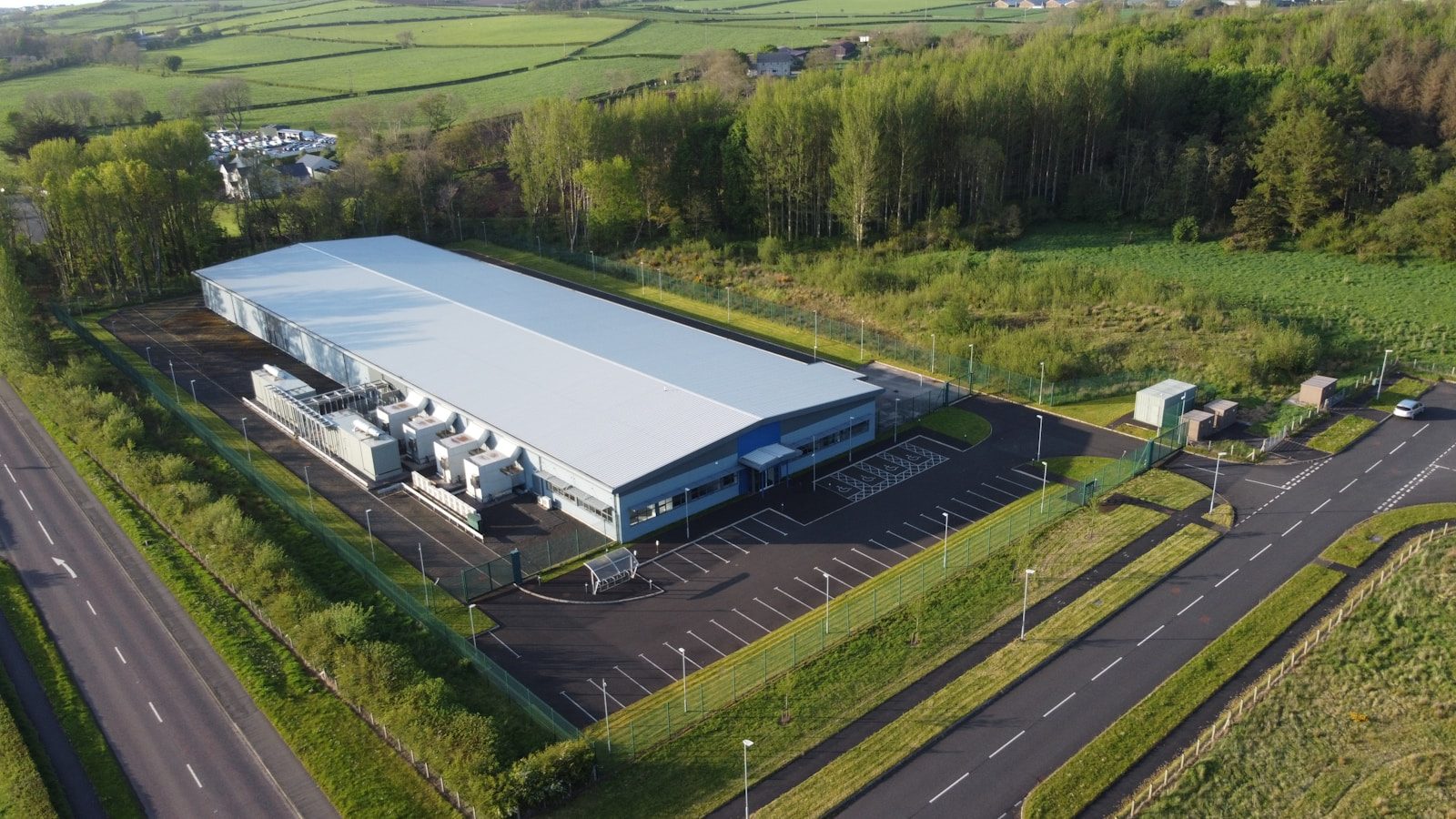
    Every email we send and every video we stream, travels through physical wires. According to tech analysts, these files land in massive server warehouses that run all day and night. These locations require constant electrical power. They are incredibly loud. All that electrical energy eventually turns into pure heat that must escape. But nobody realized where that heat was actually going.

    A Shocking Satellite Discovery

    A satellite orbiting Earth showcasing contrasts between ocean and land from space.
    Photo by Zelch Csaba on Pexels

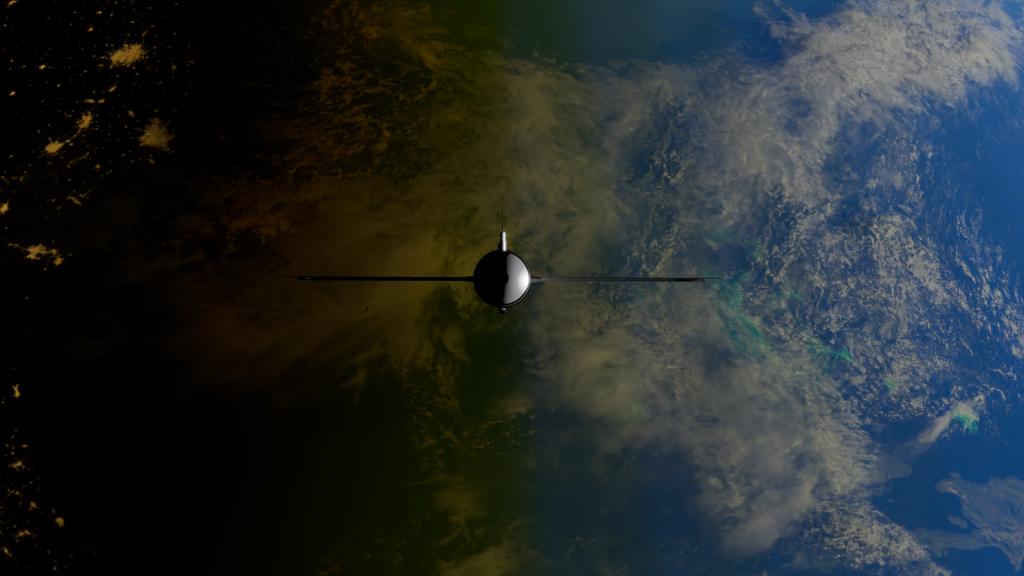
    A team of researchers decided to look at these locations from space. According to a study by the University of Cambridge, satellite sensors detected a dramatic thermal signature around several major facilities. The ground temperatures were rising fast. It was an invisible hazard. Scientists realized they were looking at a brand new type of environmental threat. What they found next shocked the research team.

    The Six Mile Heat Wave

    Aerial view of a coastal city with a large harbor.
    Photo by Sweder Breet on Unsplash

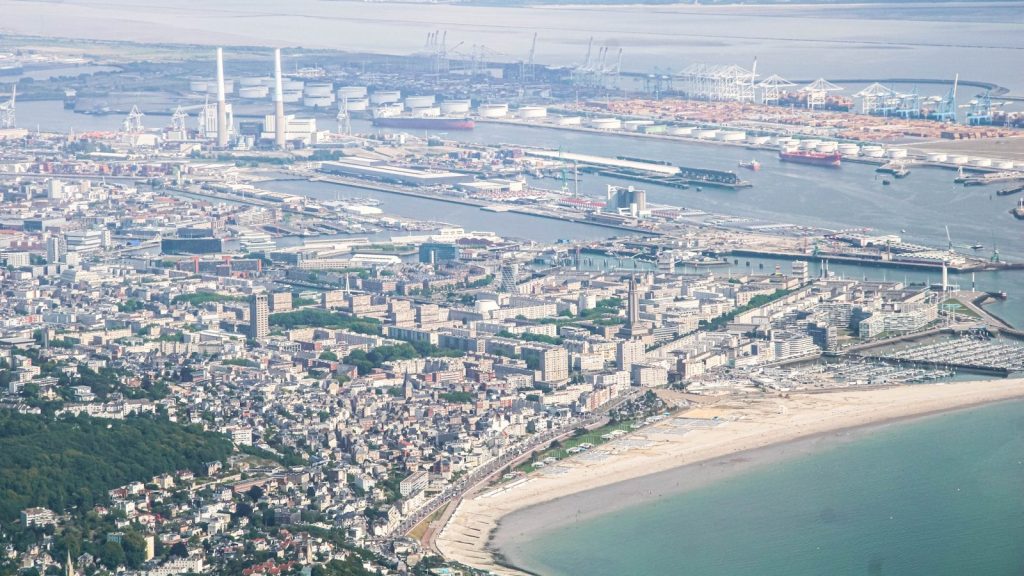
    This warmth does not stay trapped inside the building walls. According to satellite data, the intense heat expands outward into local communities for up to six miles. Land surface temperatures jumped by an average of three degrees. This is a massive shift. The hot air rises and spreads across fields and residential streets. This thermal bubble is causing an unexpected crisis for nearby residents.

    Extreme Local Microclimates

    Detailed view of a CPU liquid cooling system inside a computer with temperature display.
    Photo by Matheus Bertelli on Pexels

    In the most extreme cases, the temperature spikes are truly alarming. According to research published in the Journal of Engineering, some neighborhoods downwind from these hubs saw land temperatures jump by sixteen degrees. The air became sweltering. These massive thermal zones mimic the classic urban heat island effect found in large cities. And the consequences for local wildlife are growing worse by the day.

    Stealing The Natural Cool

    gray concrete road with trees on the side
    Photo by François Le Mée on Unsplash

    Modern warehouses replace green fields with dark asphalt and heavy concrete. According to environmental scientists, removing trees and grass prevents the land from cooling naturally at night. The concrete absorbs heat all day. It holds the warmth. This artificial landscape acts like a giant radiator that never turns off. But the physical servers inside the buildings are making the problem even worse.

    Engines That Never Sleep

    A couple of air conditioners sitting next to each other
    Photo by Khristina Sergeychik on Unsplash

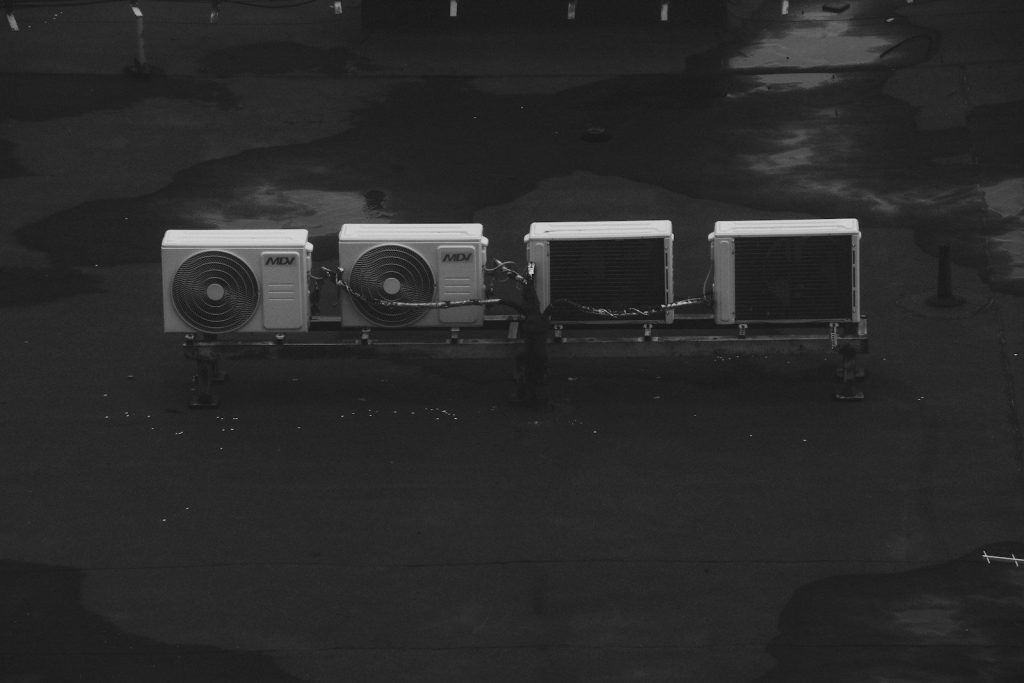
    Unlike normal buildings, computer servers operate at maximum capacity around the clock. According to energy industry reports, the constant cooling fans push hot air directly into the atmosphere without any pause. This continuous exhaust creates a permanent dome of heat. It is a relentless cycle. This constant thermal pollution is actively changing the weather patterns of the surrounding areas. Yet the human cost is the most worrying part.

    A Threat To Human Health

    a monitor is on a stand in a room
    Photo by Trnava University on Unsplash

    Prolonged exposure to artificial heat can have serious consequences for local populations. According to public health studies, these artificial heat islands can worsen respiratory issues and increase heat stroke risks. Vulnerable people are suffering. The added warmth strains local energy grids as families run their air conditioners longer to stay cool. This dangerous trend is forcing engineers to search for urgent answers.

    Redesigning Our Digital Future

    red and white concrete building
    Photo by Oleksii Drozdov on Unsplash

    Engineers are now trying to build more sustainable computing infrastructure. According to tech developers, using liquid cooling and planting dense forests around facilities can significantly reduce the local thermal impact. We must adapt quickly. Balancing global data needs with environmental health will define the next decade of technology. This article is for informational purposes only.

    Featured Image: Photo by Geoffrey Moffett on Unsplash

  • The Dark Physics of Bottomless Underwater Abyss

    The Dark Physics of Bottomless Underwater Abyss

    Most people assume that water-filled sinkholes are simple natural swimming pools. We believe that professional divers can easily navigate these deep flooded caves.

    But a notorious underwater abyss has baffled search teams for decades. Its extreme depths hold a deadly trap that physical laws cannot fully explain.

    Inside The Watery Cave

    A dark cave with a light at the end.
    Photo by Marco Grosso on Unsplash

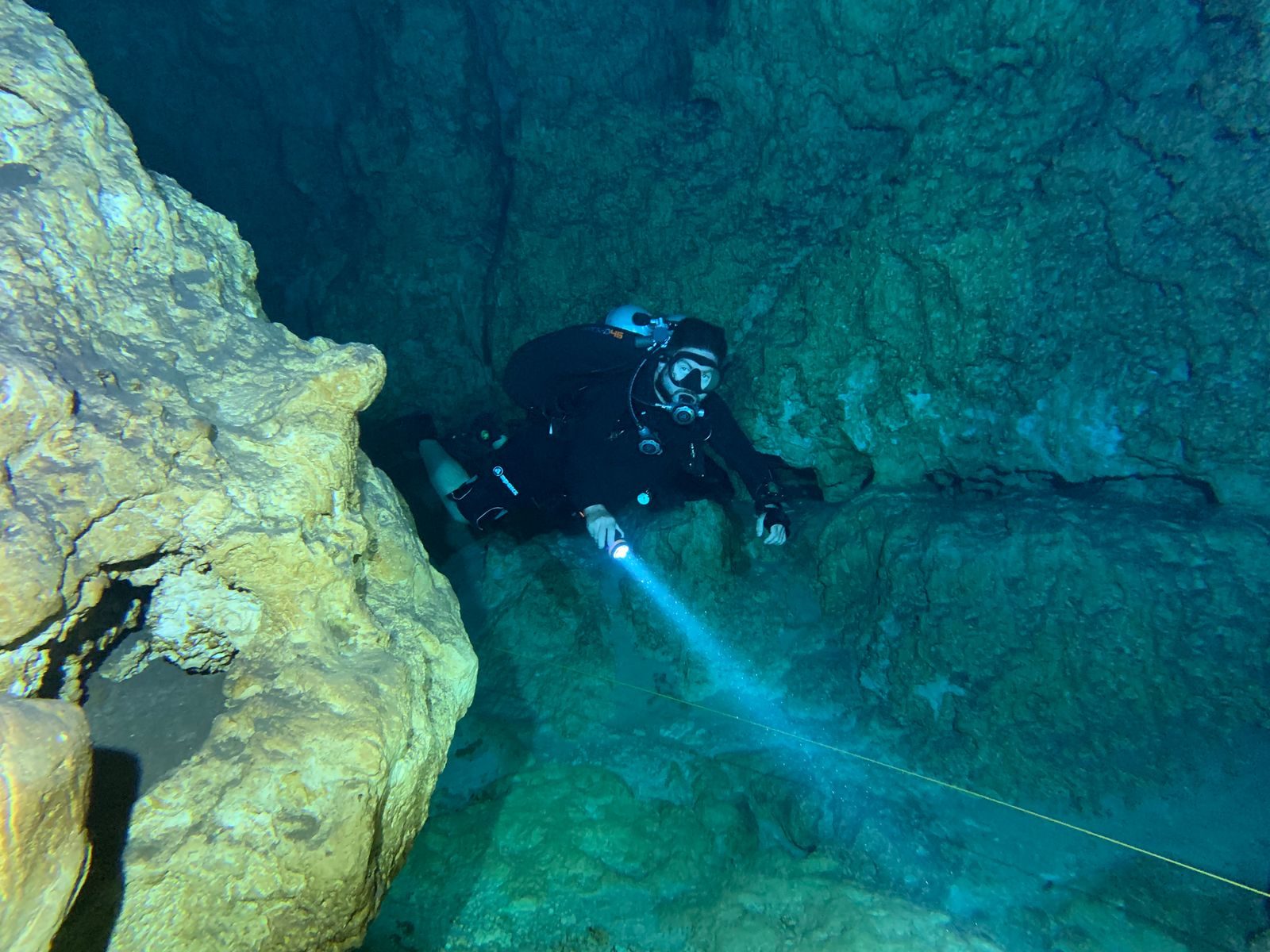
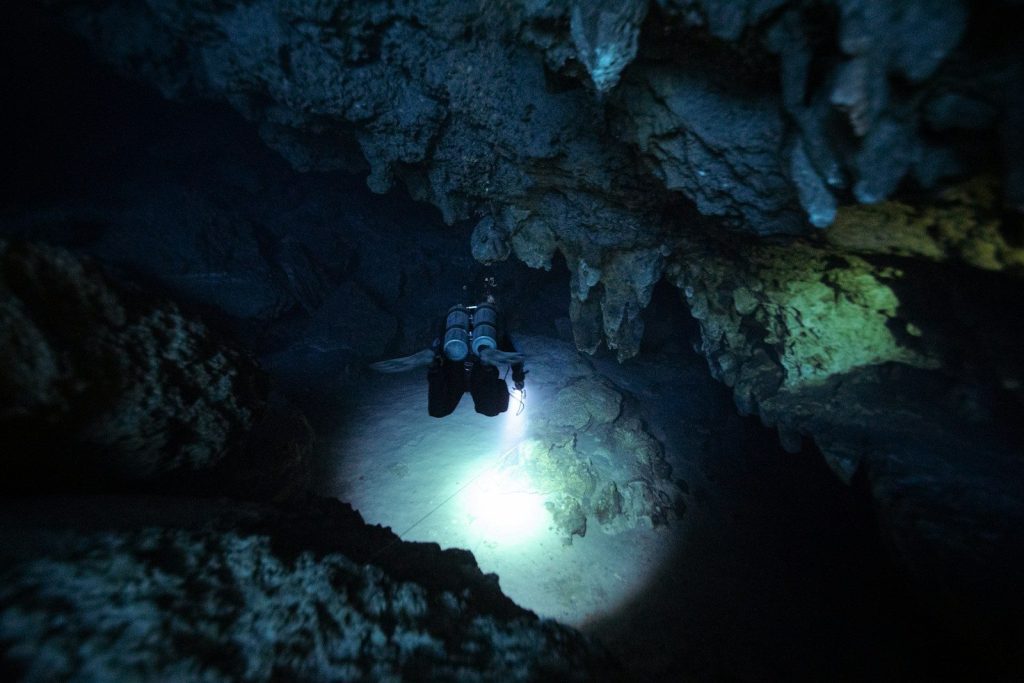
    Deep-water explorers are drawn to mysterious sinkholes despite the obvious risks. According to geographical surveys, these deep formations often drop straight down into completely unexplored aquifer networks. They are incredibly dark. Divers must rely on specialized gear to handle the heavy pressures of the deep water. But a strange physical phenomenon begins to affect the human body at these depths.

    The Nitrogen Gas Trap

    a woman sitting in front of a laptop computer
    Photo by National Cancer Institute on Unsplash

    Surviving in deep water requires more than just oxygen tanks. According to hyperbaric medicine studies, breathing compressed air deep underwater forces nitrogen gas into the diver’s bloodstream. This is extremely dangerous. The sudden chemical shift acts like a heavy narcotic and distorts all human decision-making. And this silent impairment is what leads explorers to a point of no return.

    Losing All Spatial Senses

    a person in a cave with a flashlight
    Photo by Thant Aung on Unsplash

    Under high water pressures, human senses quickly begin to fail. According to safety reports from diving associations, explorers in these dark caves often lose their sense of up and down entirely. Fear takes control instantly. Divers can easily swim deeper into the darkness while believing they are heading toward the surface. But this sensory trick is only the first part of the danger.

    A Hidden Silt Wall

    a light coming from a cave into a body of water
    Photo by Valentin Jorel on Unsplash

    The physical structure of these caves creates another silent hazard. According to sediment studies, the walls of deep underwater caves are coated in a thick layer of fine clay and silt. A single touch can be blind. One small movement can stir up a massive cloud that blocks all light for hours. This sudden darkness is how many experienced divers became permanently lost.

    The Recovery Missions Fail

    A group of people standing in the water
    Photo by Stötzer Balázs on Unsplash

    Rescuing lost divers from these depths is a nearly impossible task. According to search team files, elite rescue divers often refuse to enter these sinkholes due to the high risks of silt collapses. They are highly protective. Many recovery teams have had to abandon their search missions because the environment is simply too hostile. But modern remote technology eventually revealed the dark secrets below.

    What Lies In Darkness

    a black and white photo of a rock formation
    Photo by Bryan Brittos on Unsplash

    Robotic cameras finally descended into the deepest sections of the water column. According to robotic survey reports, searchers located multiple lost bodies resting perfectly preserved on the cavern floor. It was a somber sight. The icy water and lack of oxygen kept the remains intact for years in a frozen capsule. This tragic discovery forced scientists to investigate the strange forces at play inside the pit.

    Learning From The Deep

    a hole in the ground
    Photo by Robert Noreiko on Unsplash

    These dangerous underwater caves remain a stern warning about the limits of human exploration. According to environmental geologists, understanding the complex physics of deep sinkholes can prevent future tragedies. Nature demands deep respect. This article is for informational purposes only.

    Featured Image: Photo by Francisco Davids on Pexels

  • The Ancient Underground Ocean Trapped Beneath America

    The Ancient Underground Ocean Trapped Beneath America

    Most people believe that the earth beneath our feet is entirely solid rock. We assume that massive bodies of water exist only on the surface of our planet.

    But an accidental discovery in Tennessee has revealed a mind-bending underground world. A massive hidden sea lies untouched in the dark depths of a giant cave.

    The Small Muddy Crawl

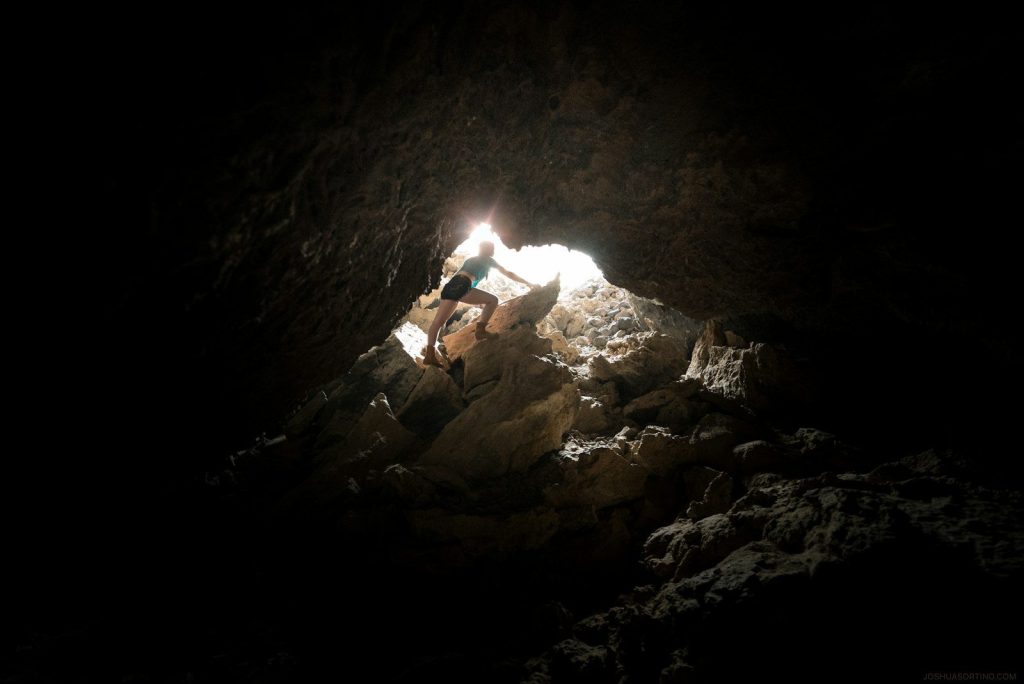
    person standing on rocks near cave
    Photo by Joshua Sortino on Unsplash

    A young explorer made the discovery of a lifetime in 1905. According to historical cave records, thirteen-year-old Ben Sands wiggled through a tight opening no larger than a bicycle tire. The space was tiny. He crawled forty feet in total darkness before dropping down into knee-deep water. But his small lantern was not strong enough to reveal what lay ahead.

    Thrown Into The Dark

    Explore a tranquil limestone cave with shimmering water reflections in a serene atmosphere.
    Photo by Francesco Ungaro on Pexels

    He stood on the edge of a massive body of water. According to local historical archives, he began throwing mudballs in all directions to test the size of the room. He heard only splashes. The cavern was so immense that the absolute darkness swallowed his light before it could hit any walls. But this giant underground lake would remain hidden from the public for decades.

    Mapping The Lost Sea

    a small boat is docked on the water
    Photo by Luis Benito on Unsplash

    Scientists eventually arrived to chart the mysterious body of water. According to geological measurements, the visible portion of the lake is over eight hundred feet long. The scale is stunning. This massive pool is now recognized as the largest non-subglacial underground lake in North America. Yet the visible surface only represents a small fraction of what is actually hiding in the deep.

    The Bottomless Underwater Chambers

    man in black jacket standing on brown wooden ladder
    Photo by Victor Furtuna on Unsplash

    Divers descended into the black waters to find the bottom. According to search expedition files, divers mapped over thirteen acres of submerged tunnels without ever finding the end. The pressure was intense. They encountered completely flooded chambers that descended to extreme depths where sonar signals failed to bounce back. But the deep water held more than just geological mysteries.

    Prehistoric Beasts In The Dark

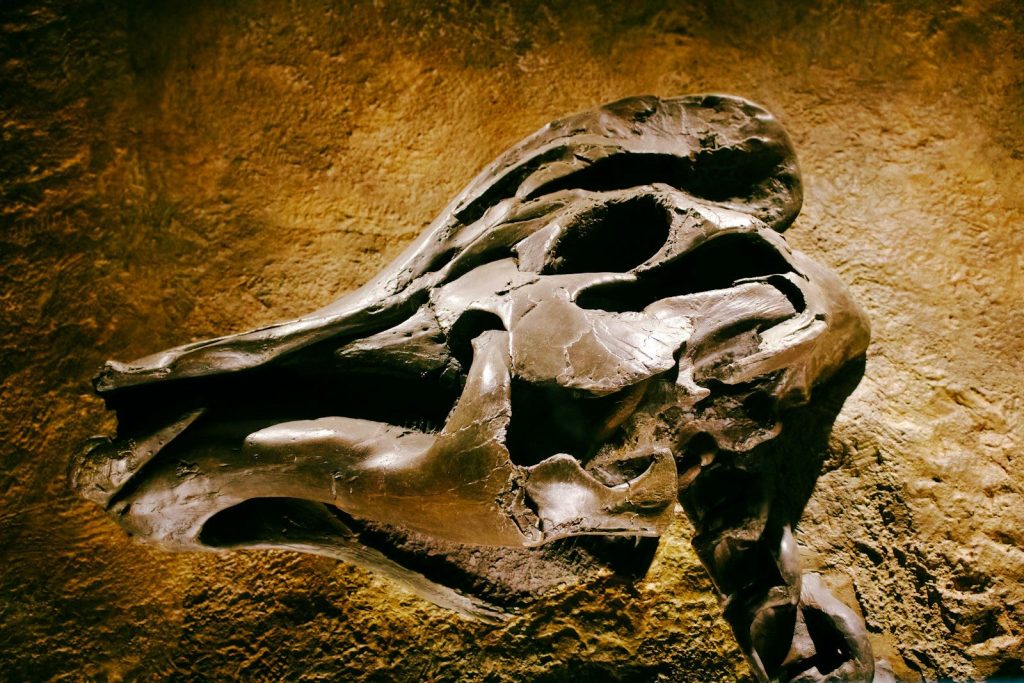
    A large animal skull on a rock wall
    Photo by James Lee on Unsplash

    The caverns surrounding the lake held evidence of a very different era. According to paleontologists from the American Museum of Natural History, explorers discovered the fossilized bones of a massive Pleistocene jaguar. The find was incredible. This prehistoric predator wandered into the deep cave twenty thousand years ago and became permanently lost. But the modern lake contains its own highly unusual residents.

    The Blind Cave Dwellers

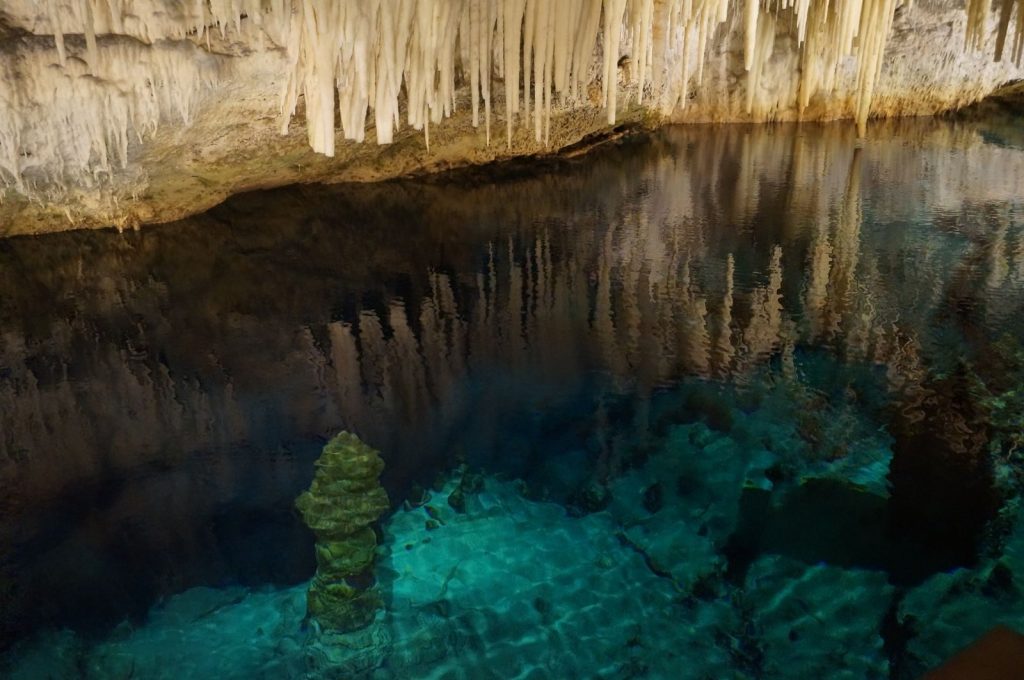
    Explore the beauty of a natural underground cave featuring stalactites and crystal clear water.
    Photo by Katrina Rodriguez on Pexels

    A small population of rainbow trout lives in the underground waters. According to local naturalists, these fish have adapted to the constant darkness of the cave in striking ways. They are completely blind. Lacking exposure to natural sunlight, the creatures have slowly lost their eyesight and their bright color pigments. But these strange adaptations are just a small part of a highly fragile ecosystem.

    Preserving The Lost Sea

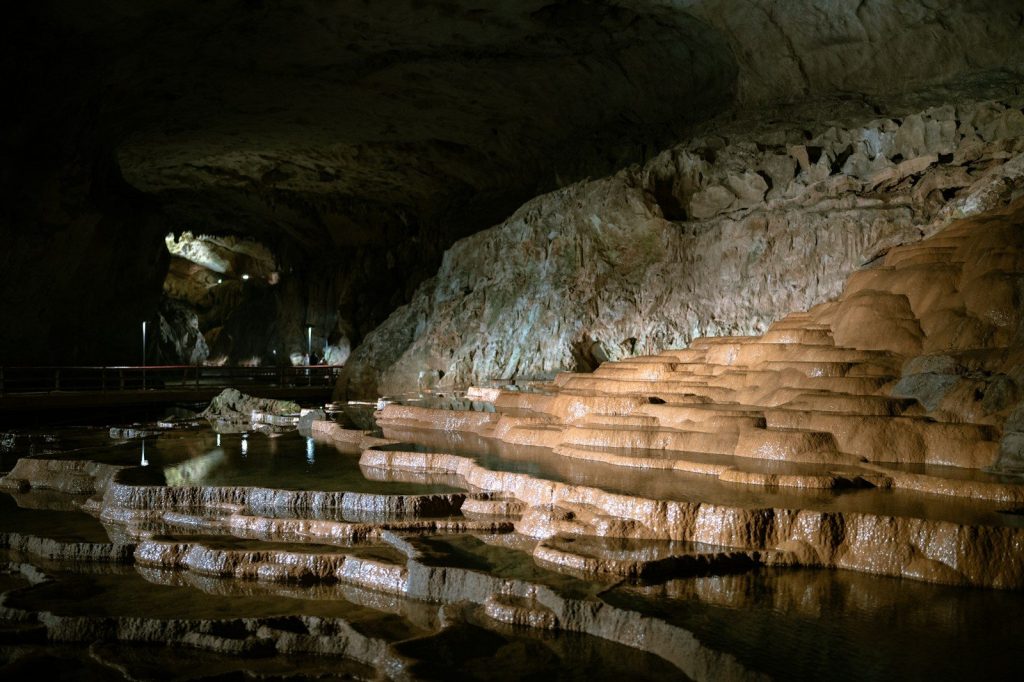
    a cave with a pool of water inside of it
    Photo by Leon Andov on Unsplash

    This subterranean wonder remains a key focus for geologic research and environmental protection. According to National Landmark records, protecting these delicate cave networks preserves natural history. Exploration is still ongoing. This article is for informational purposes only.

    Featured Image: Photo by Andrew Svk on Unsplash