People usually think that beautiful wilderness lakes are the healthiest places in nature. We imagine clean water and thriving ecosystems when we look at peaceful mountain pools.
But scientific divers exploring one quiet body of water made a shocking discovery just beneath the surface. They found a silent, hostile environment where normal life cannot survive.
The Beautiful Mirror Of Deception
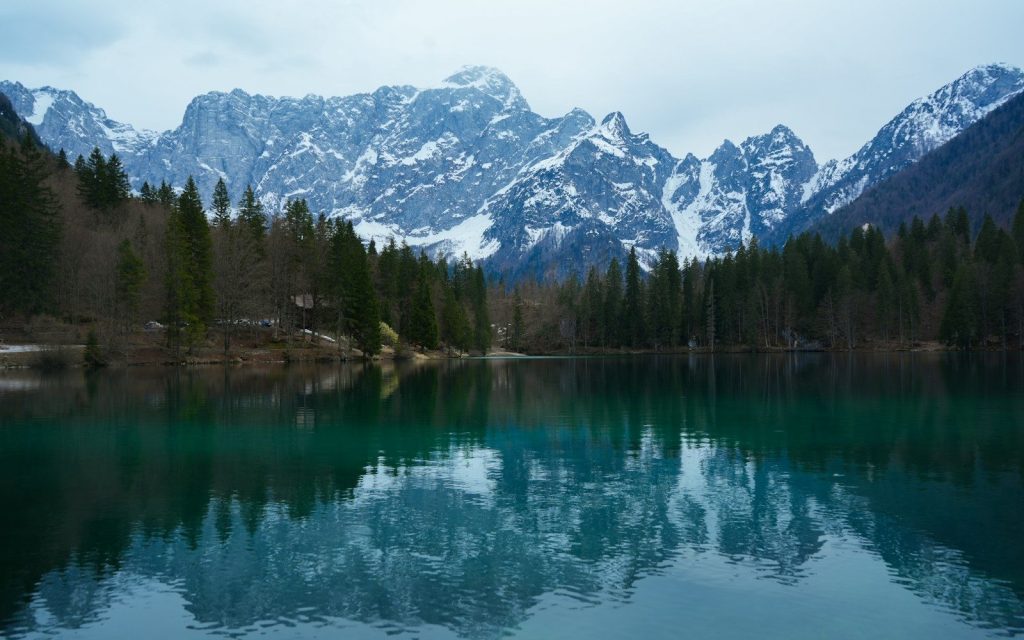
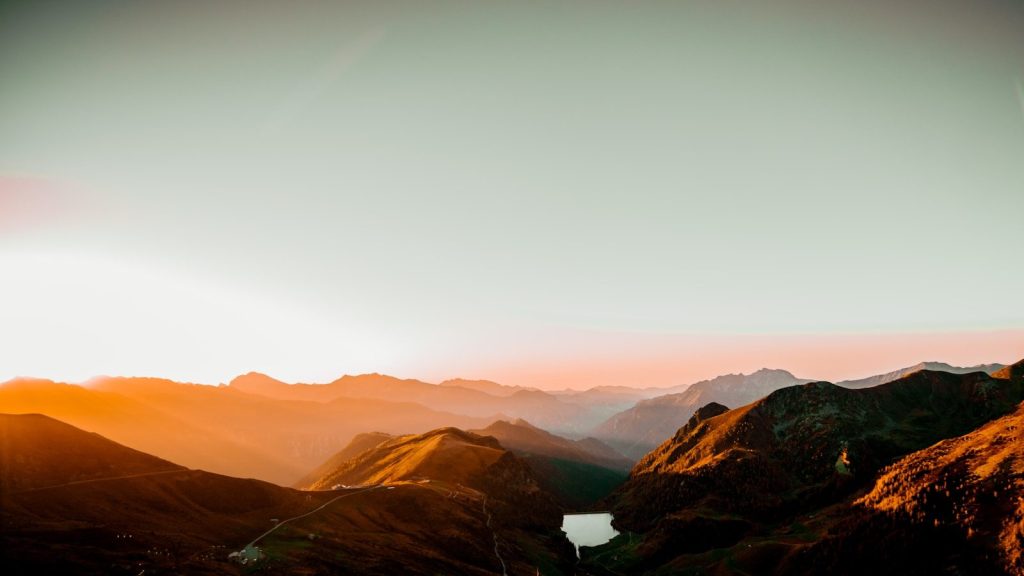
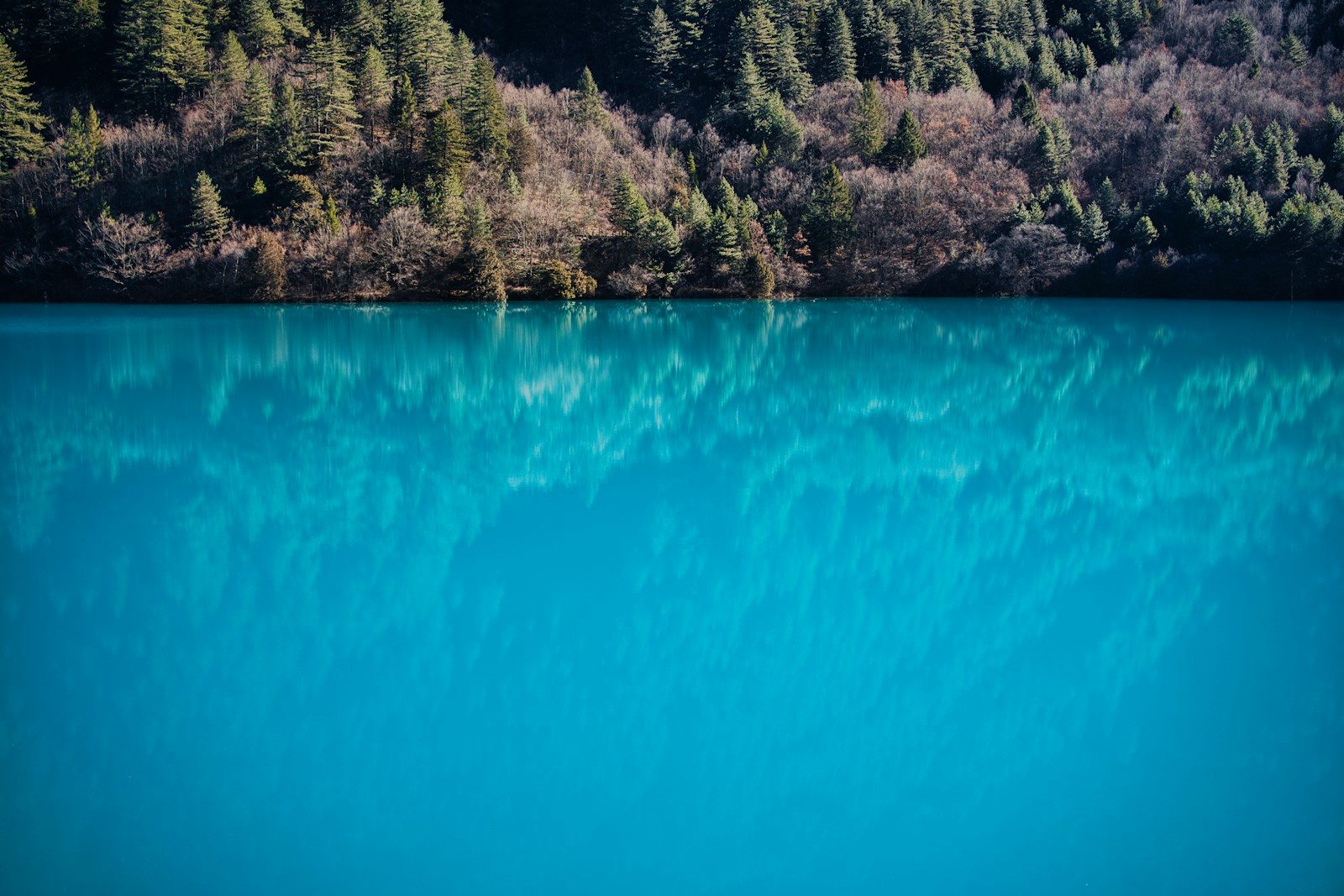
From above, the clear water of Oregon’s deep mountain pools looks perfectly safe and inviting. According to environmental studies from the United States Geological Survey, the surface layer supports normal fish and plant life. This is highly deceptive. As you dive deeper, the chemical balance of the water changes in an instant. But the real danger lies further down in the darkness.
Crossing The Thermal Threshold
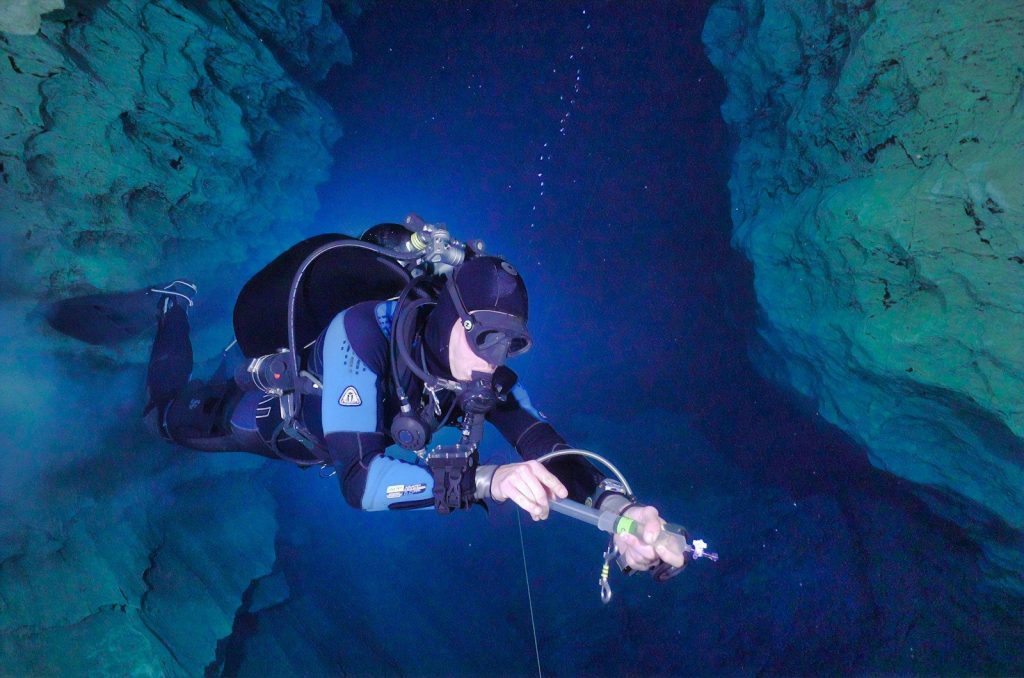
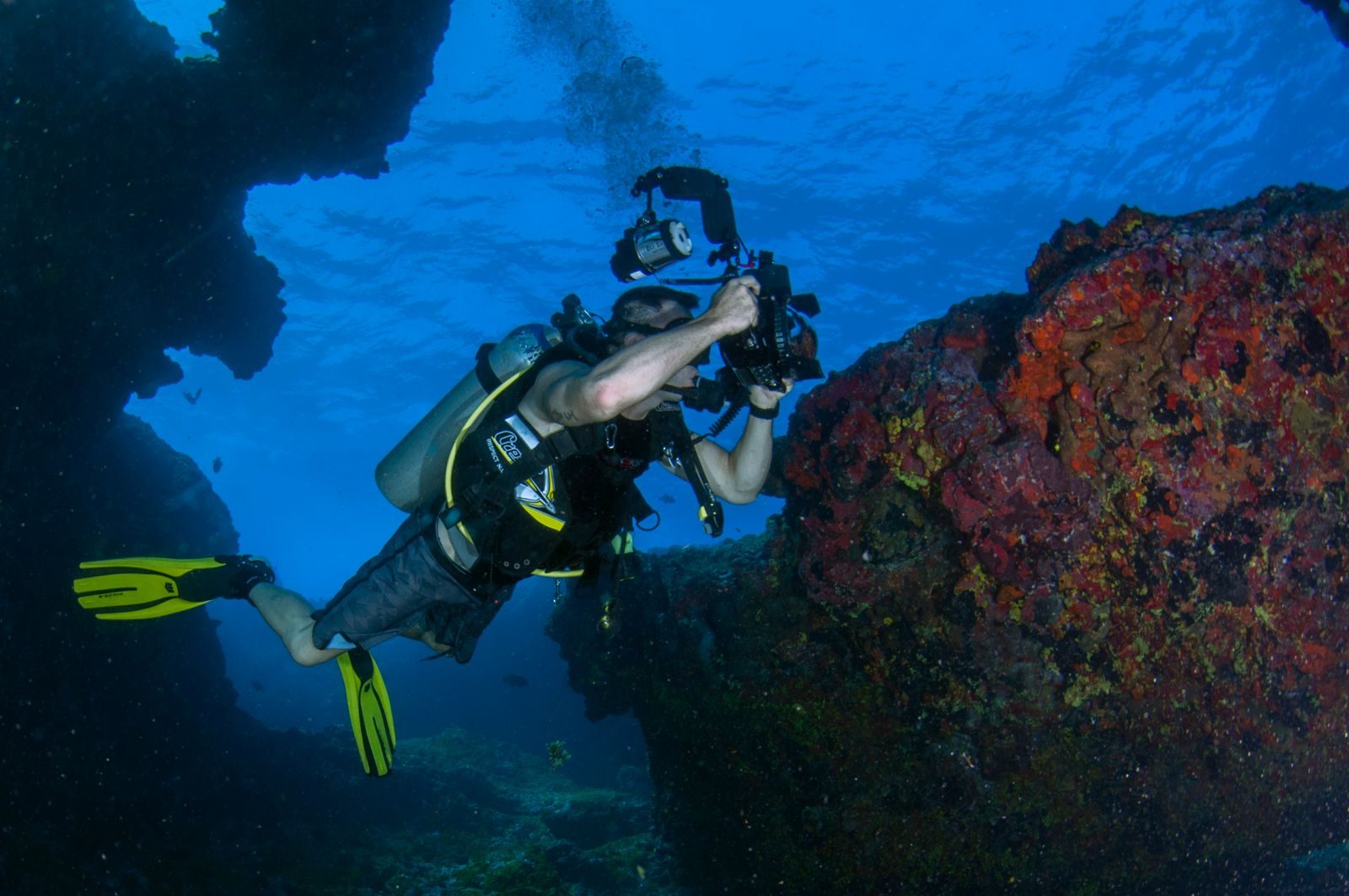
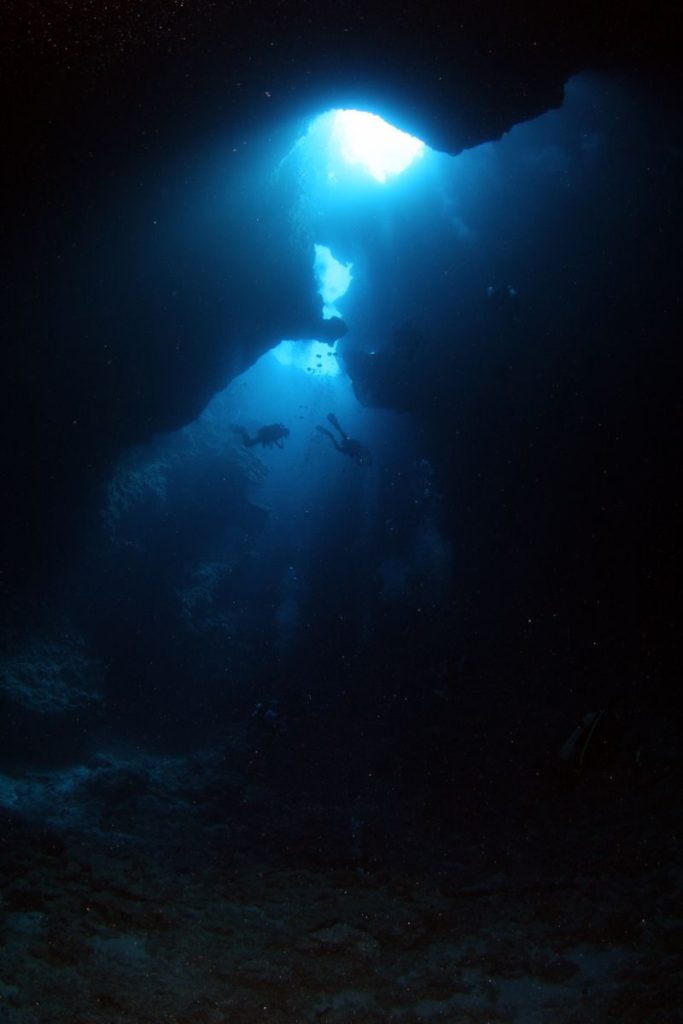
Divers descending past forty feet experience a sudden and dramatic plunge in water temperature. According to dive logs from Oregon State University, this sharp dividing line is known as a thermocline. The cold is intense. This boundary acts as a physical wall that traps toxic gases rising from the lakebed. But the chemical composition of this deep water is what truly shocked the team.
The Heavy Purple Mist
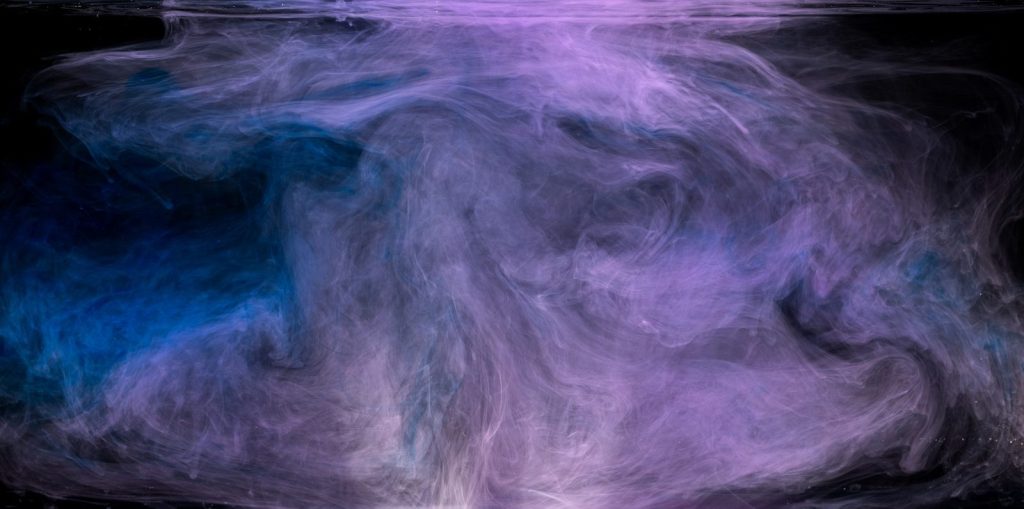
At the bottom of the lake, normal clear water gives way to a thick, colored fog. According to geological reports from the National Park Service, this layer is composed of heavy hydrogen sulfide gas. It is extremely toxic. The compound smells of rotting eggs and starves the deep water of all oxygen. But some highly unusual organisms have managed to turn this dead zone into their home.
Life Feeding On Poison
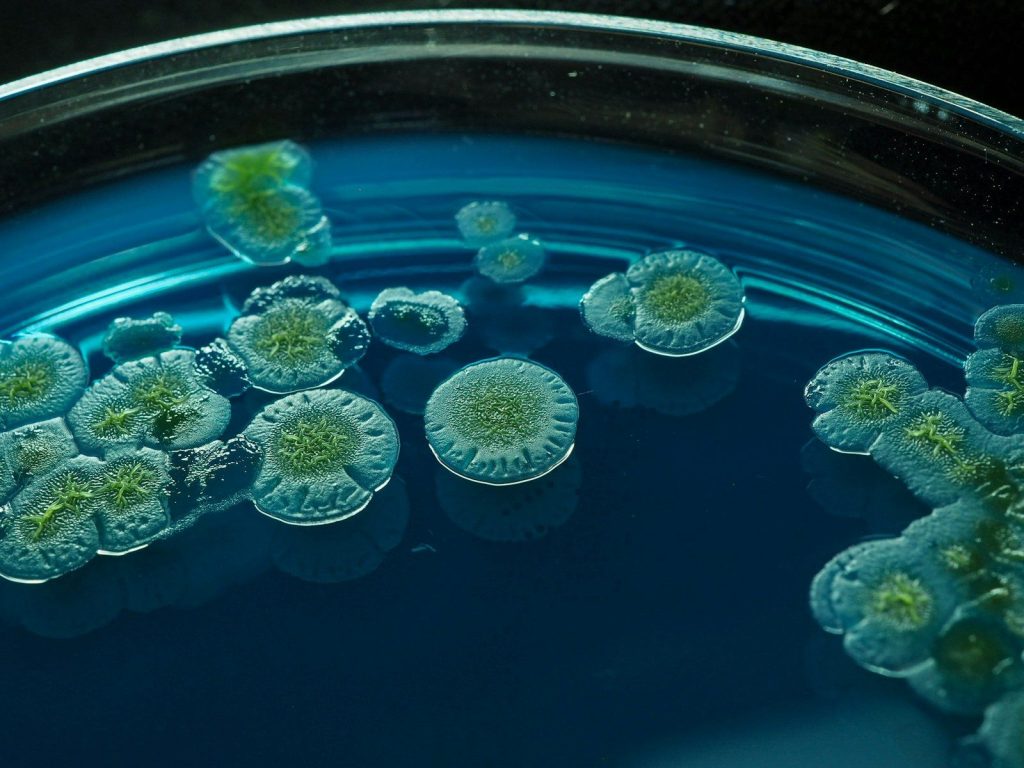
While fish and water plants suffocate instantly in this toxic layer, specialized bacteria are thriving in the dark. According to biological research from the Salk Institute, these microbes feed directly on sulfur instead of sunlight. They are truly ancient. This toxic ecosystem mimics conditions on the early Earth before oxygen even existed. But these primitive organisms are not the only secret resting in the sediment.
Preserved Under Toxic Protection
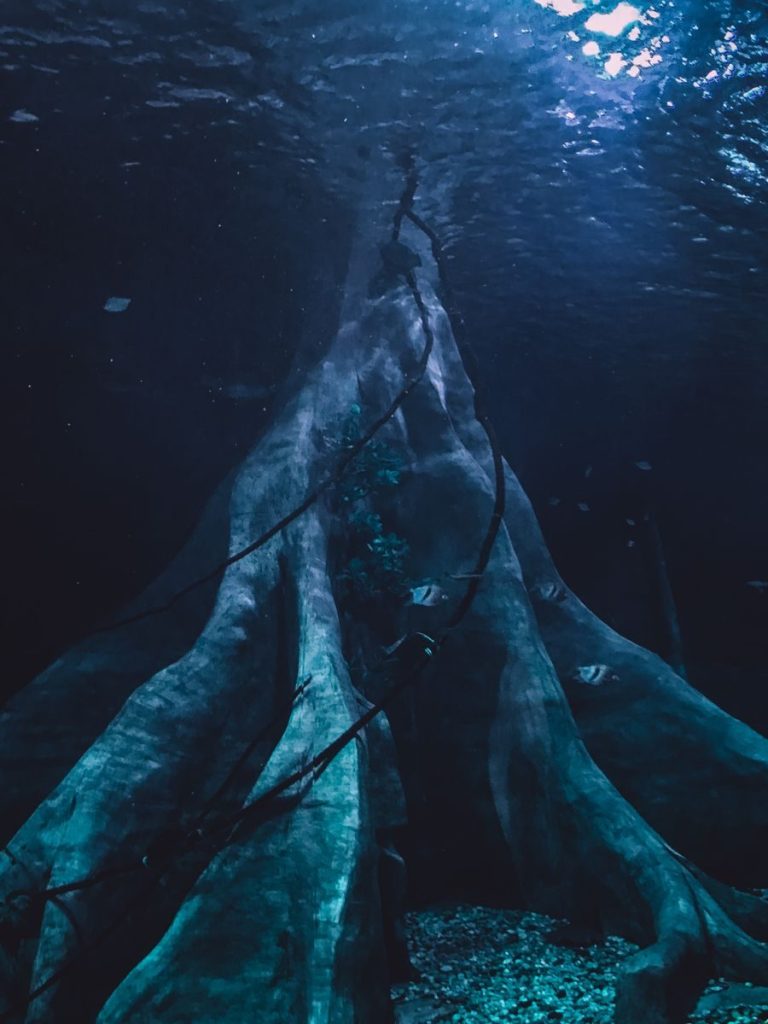
The lack of oxygen and the highly acidic environment create a unique preservation chamber at the bottom. According to archaeological reports from the Smithsonian Institution, organic objects that fell into the lake centuries ago remain completely intact. Decay has stopped here. Wood and ancient leaves look as fresh as the day they sank. But this chemical preservation points to a much older volcanic past.
Fueled By Deep Volcanic Vents
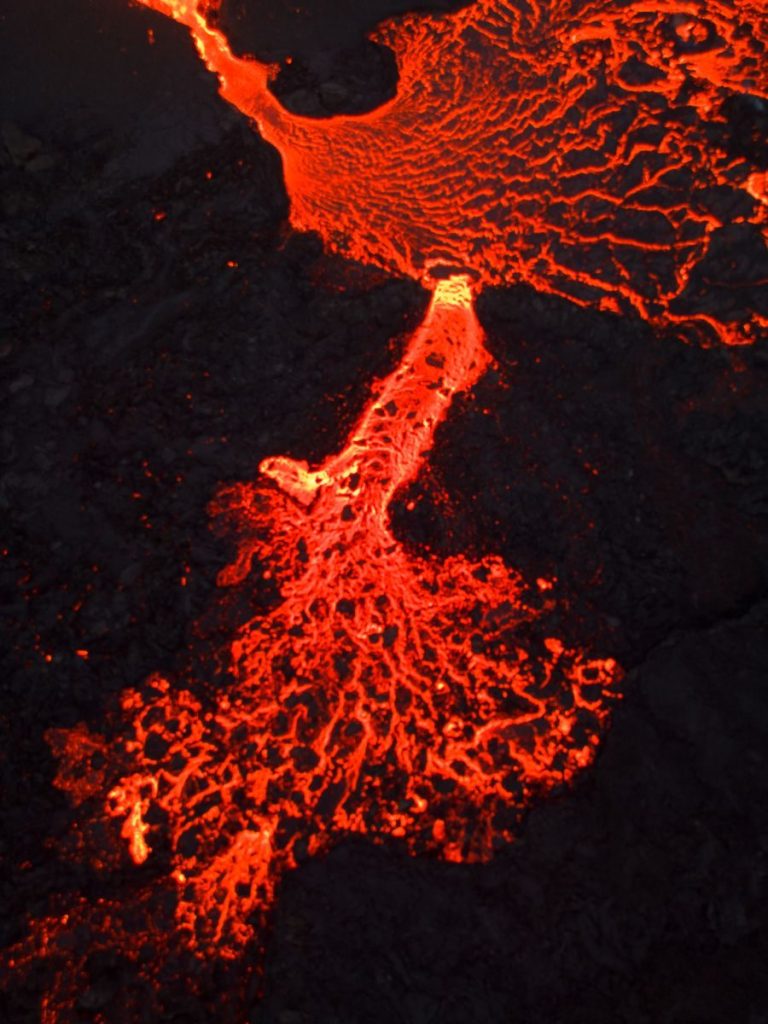
The toxic hydrogen sulfide gas does not appear in the water by accident. According to thermal studies from the Cascade Volcano Observatory, deep tectonic fissures beneath the lakebed are venting gases from dormant underground magma chambers. Volcanoes feed this lake. This active geothermal system constantly pumps minerals into the isolated deep basin. But this hidden geological activity has created a serious risk for the surrounding wilderness.
The Danger Of Sudden Release
If the lake water suddenly mixes during a heavy storm, these trapped gases could reach the surface. According to safety reports from the Federal Emergency Management Agency, a sudden release of sulfur gas could threaten local wildlife and human visitors. The threat is real. Scientists are constantly monitoring the water columns to detect any sudden shifts in chemical density. But this warning also offers a beautiful lesson in natural balance.
Respecting Earth’s Invisible Boundaries
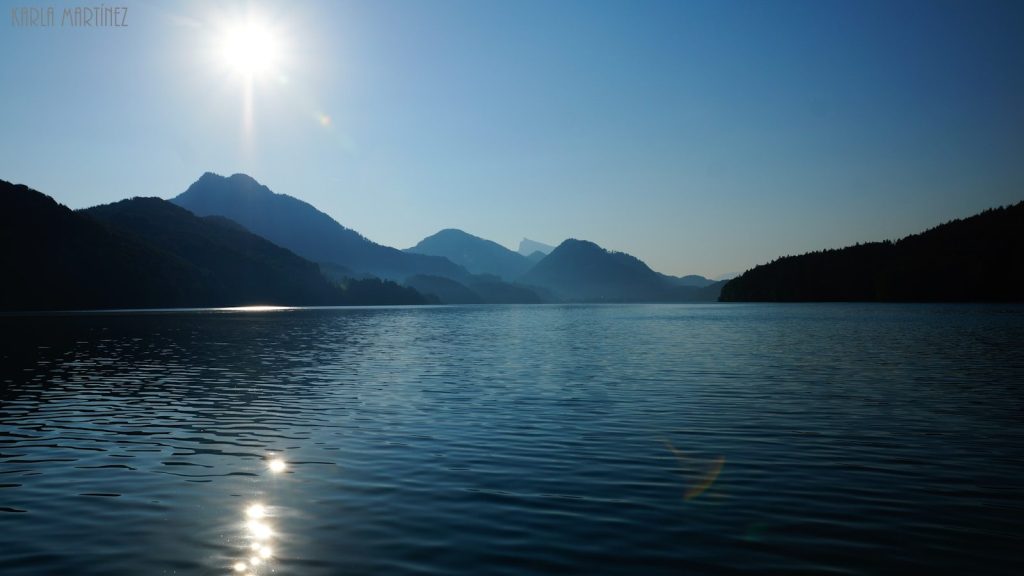
Exploring these hidden lake depths reminds us that hostile environments can thrive right alongside pristine beauty. Nature is full of surprises. According to environmental scientists, observing these delicate places helps us understand the complex chemistry of our changing planet. This article is for informational purposes only.