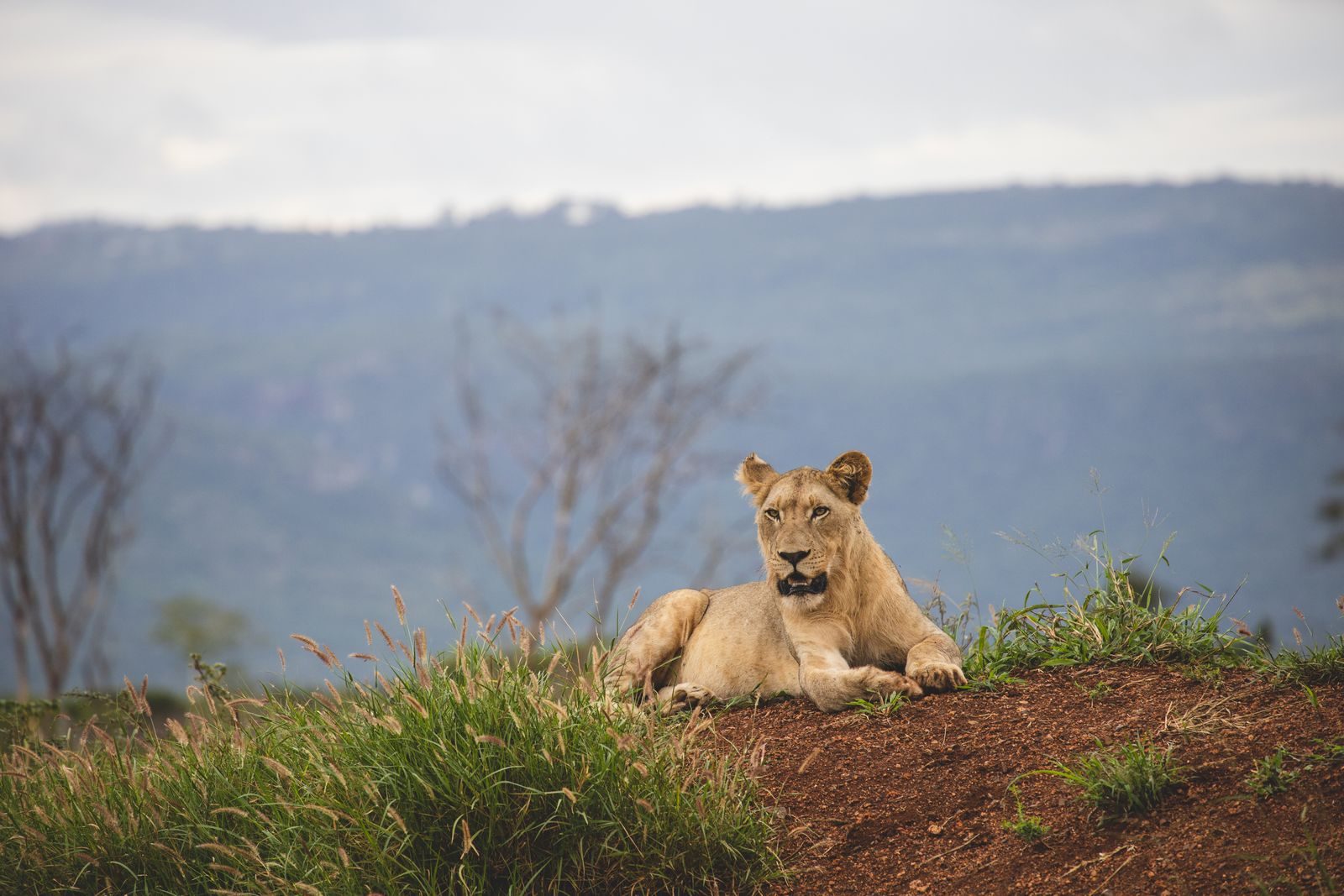
Most animal lovers assume that big cats hunt successfully through sheer brute strength and speed. We believe that size is the only metric that makes a predator powerful.
But the biological reality of these apex hunters relies on a highly complex social system. Their evolutionary advantages have allowed them to dominate the harsh African savannas.
The Power Of Cooperation
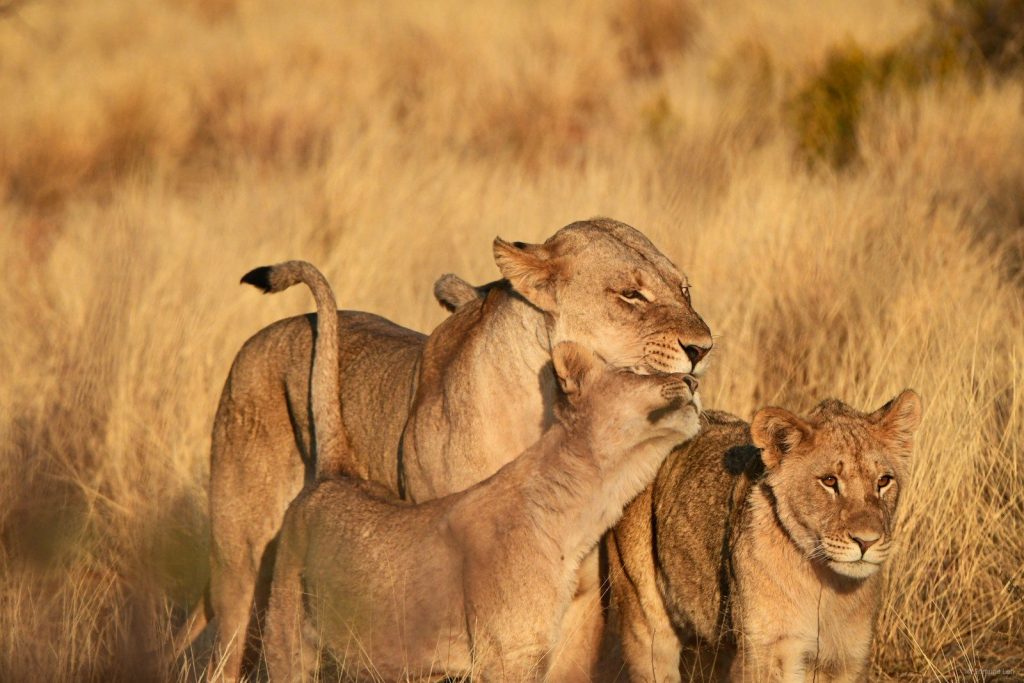
Unlike most solitary cats, these predators choose to live and hunt inside highly organized family groups. According to reports from the Serengeti Lion Project, hunting in a coordinated pack increases success rates dramatically. They are highly strategic. This cooperative strategy allows them to bring down prey that is much larger than themselves. But their physical biology is also built for extreme combat.
The Dense Muscular Frame
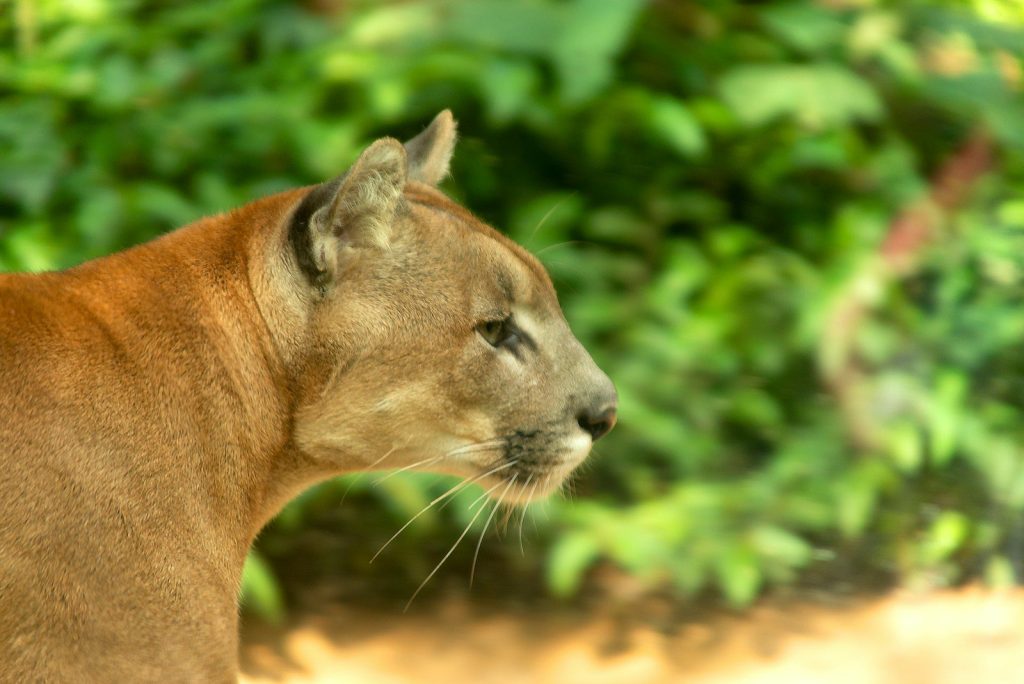
Their skeletons are wrapped in thick layers of heavy muscle designed for explosive bursts of power. According to wildlife biology studies, their shoulders and hind legs can absorb intense forces during a strike. They are incredibly strong. This dense muscular frame allows them to wrestle massive animals to the ground safely. But their predatory tools extend far beyond heavy muscles.
Highly Specialized Night Vision
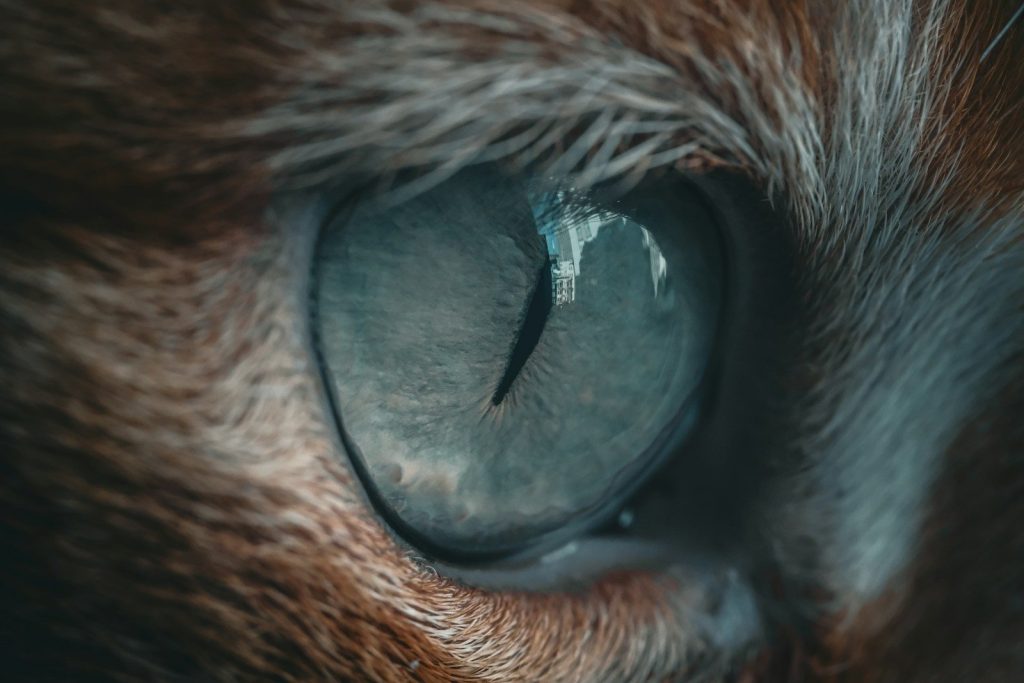
Hunting in the pitch-black savanna requires a highly sensitive optical system to track moving prey. According to zoological research papers, their eyes feature a reflective layer that amplifies weak moonlight. They see perfectly. This visual advantage allows the pack to plan stealthy attacks when their targets are completely blind. But their massive claws have a highly unusual design.
Retractable Weapon Systems
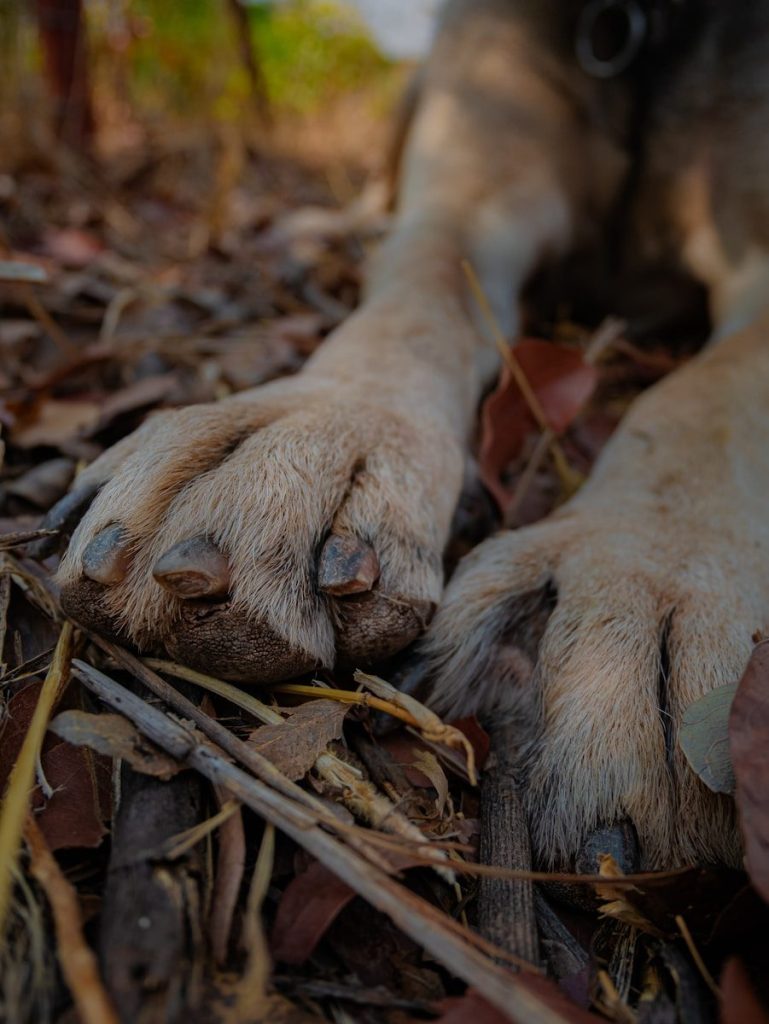
Their paws contain sharp, curved claws that remain safely tucked away when they are walking. According to anatomy studies, keeping the claws retracted prevents them from becoming dull on the hard ground. They are razor sharp. When the hunter strikes, specialized tendons push the claws outward to grip the prey securely. But the male heavy mane serves a highly strategic protective purpose.
The Protective Hair Shield
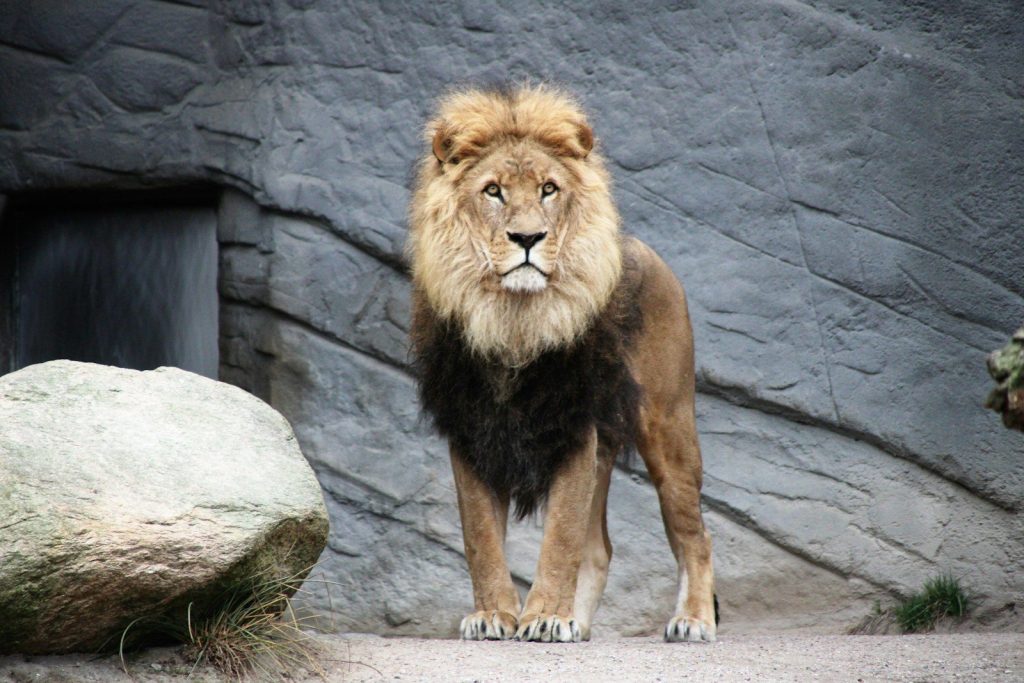
The thick dark mane surrounding a male’s head serves as a vital shield during violent territorial battles. According to evolutionary studies, the dense hair protects vulnerable neck veins from the teeth of rival males. It is a helmet. This impressive display also signals health and strength to potential mates across the pride. But maintaining a giant pride requires managing a complex social hierarchy.
Coordinating The Pride Territory
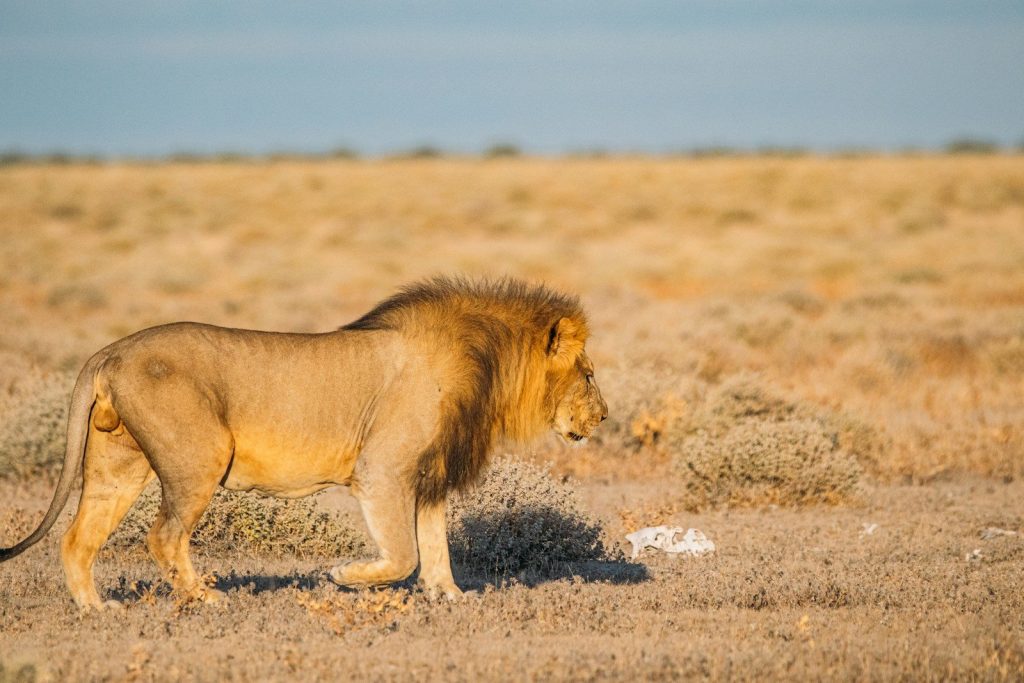
A single pride must protect a vast geographic area from competing packs and other predators. According to ecological tracking reports, the cats use loud vocalizations and scent markings to establish clear borders. The roars are deafening. This acoustic warning can travel for miles to keep intruders from entering their hunting grounds. But climate shifts are quietly challenging their dominance.
Shifting Savanna Rain Patterns
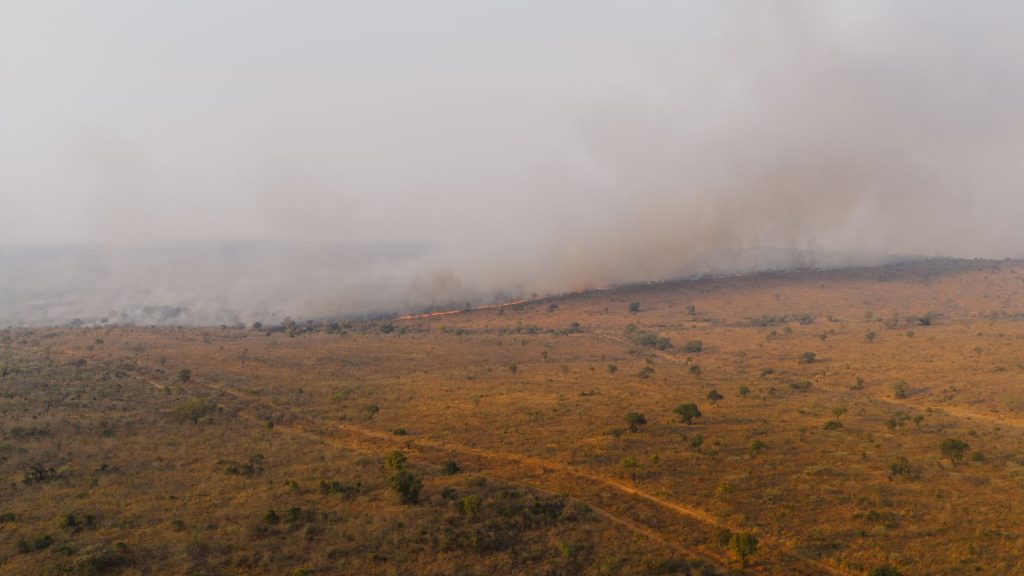
Rapid changes in local weather are altering the migrations of the massive herds they rely on for food. According to paleoclimatologists, prolonged dry spells force prey animals to travel further to find fresh grass. The water is drying. The predators must adapt their hunting territories quickly to survive these environmental shifts. But tracking these biological changes is critical for our understanding of nature.
Preserving The Apex Kings

The struggle of these majestic hunters reveals the delicate balance of our global ecosystems. According to conservation researchers, protecting these apex predators ensures the survival of countless other savanna species. The crown remains. This article is for informational purposes only.
Featured Image: Photo by Matt Burke on Pexels
Leave a Reply