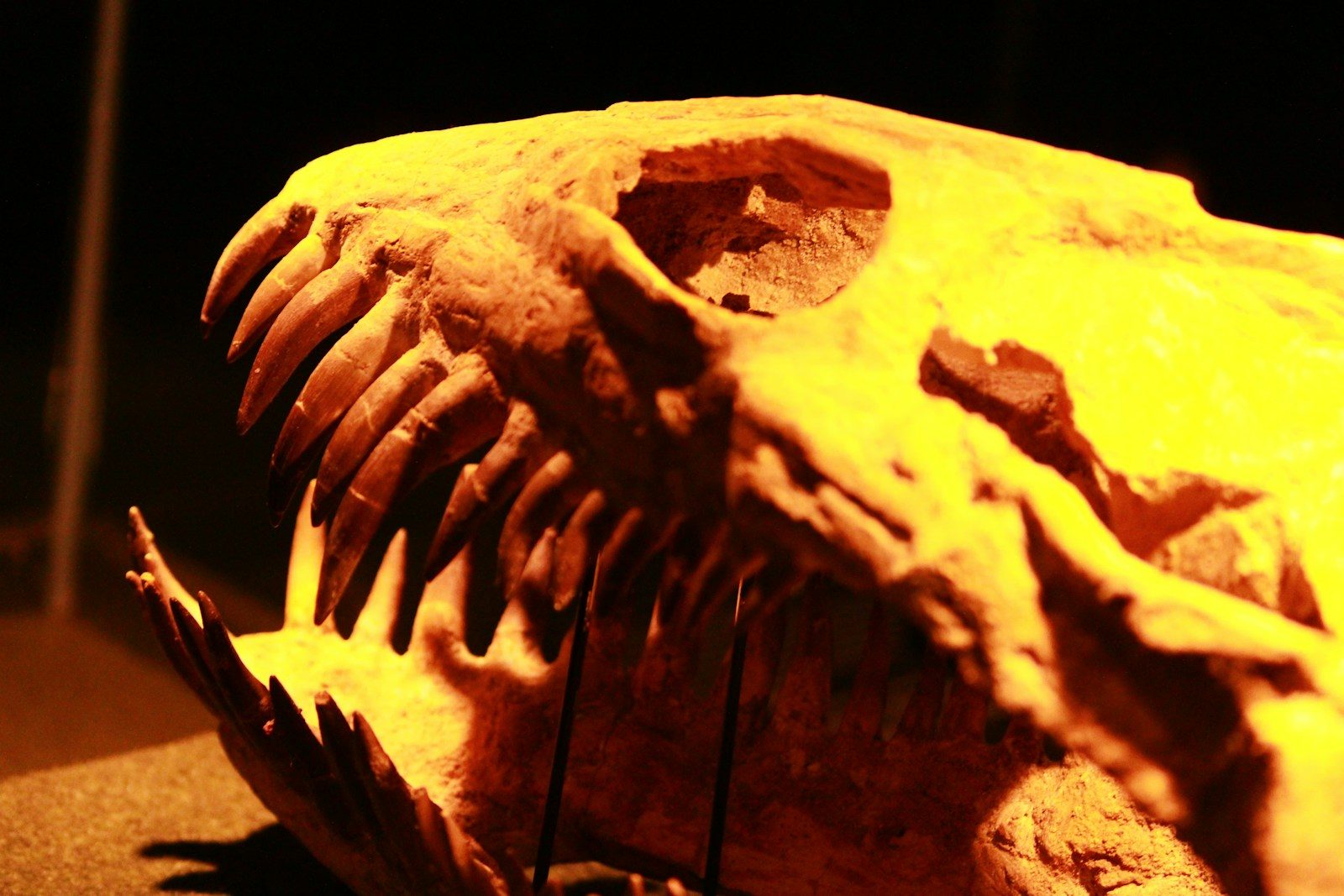
Most people assume that the tiny arms of Tyrannosaurus Rex were a useless evolutionary mistake. We believe these small limbs made the massive dinosaur clumsy and weak.
But evolutionary biologists have finally uncovered the true purpose of these miniature arms. The bizarre design was actually a vital adaptation that kept them alive.
The Ancient Arm Puzzle
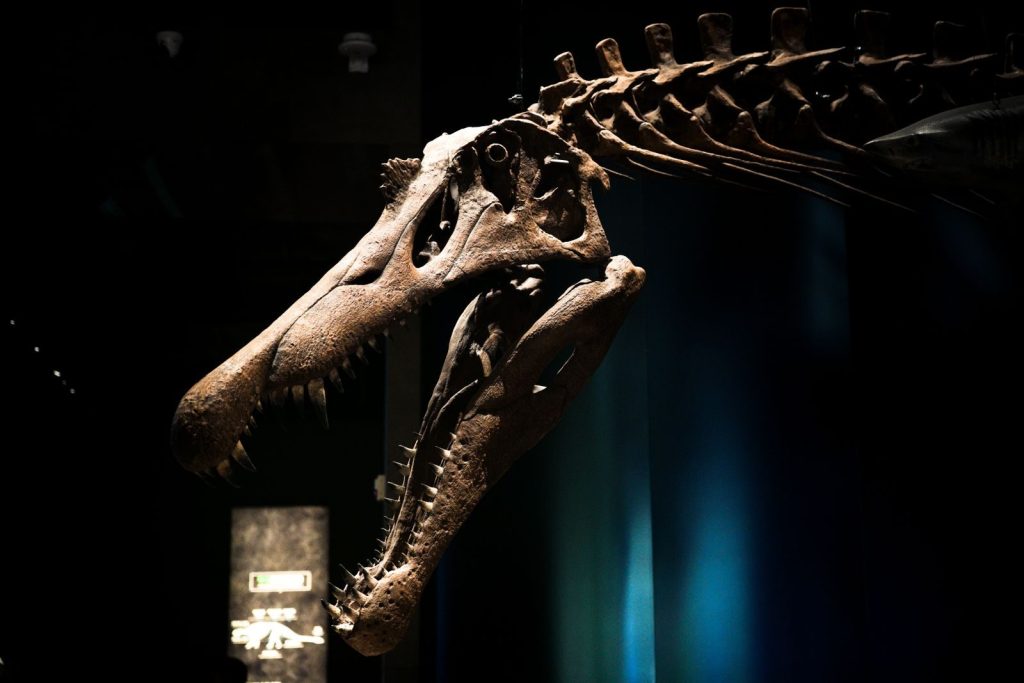
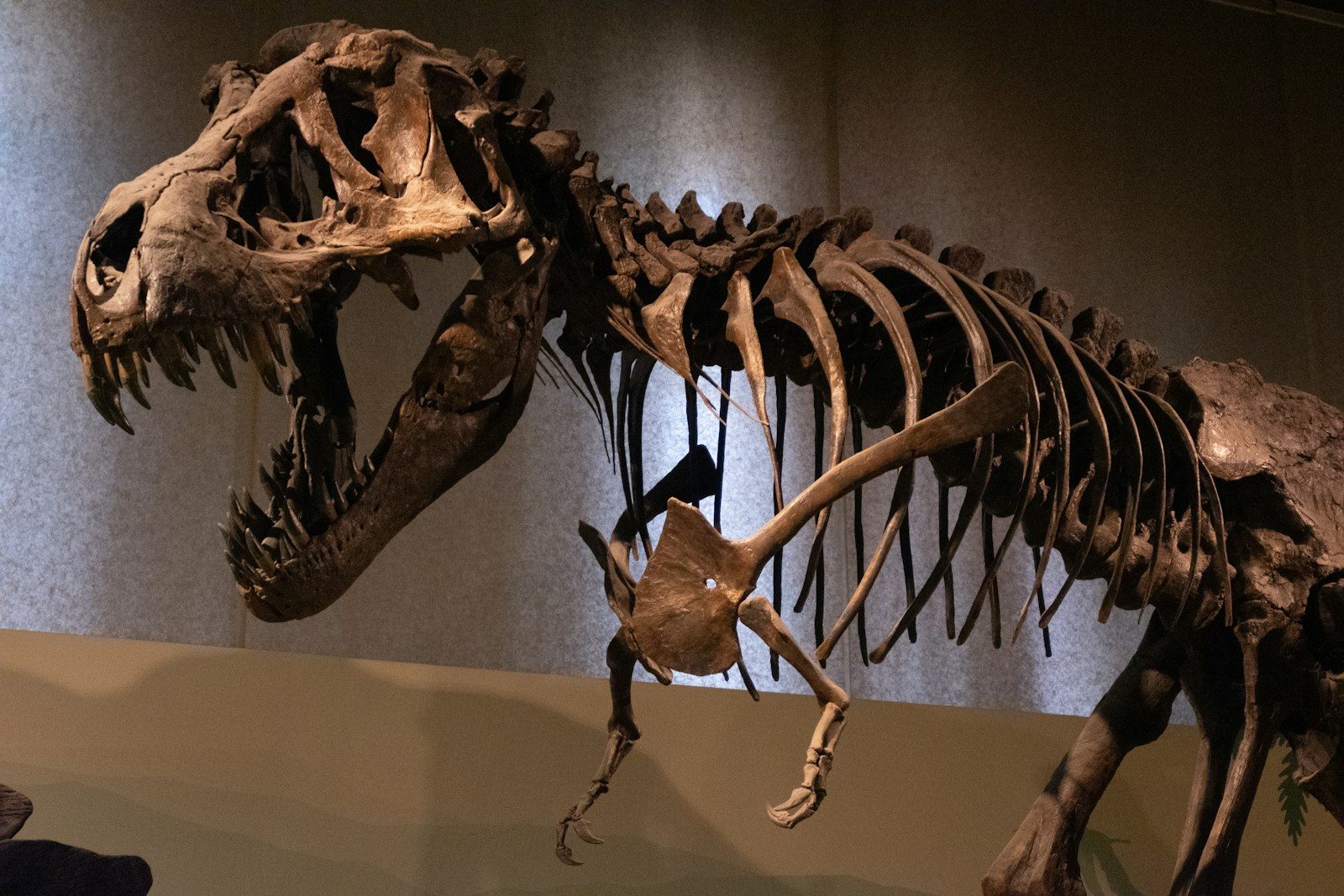
For over a century, paleontologists struggled to explain why a forty-foot predator had arms shorter than a human. These limbs could not even reach the creature’s mouth. According to studies in Acta Palaeontologica Polonica, traditional theories dismissed them as useless evolutionary leftovers. They seemed highly comical. But a closer look at the bone density revealed a different story.
Surprising Muscle Power
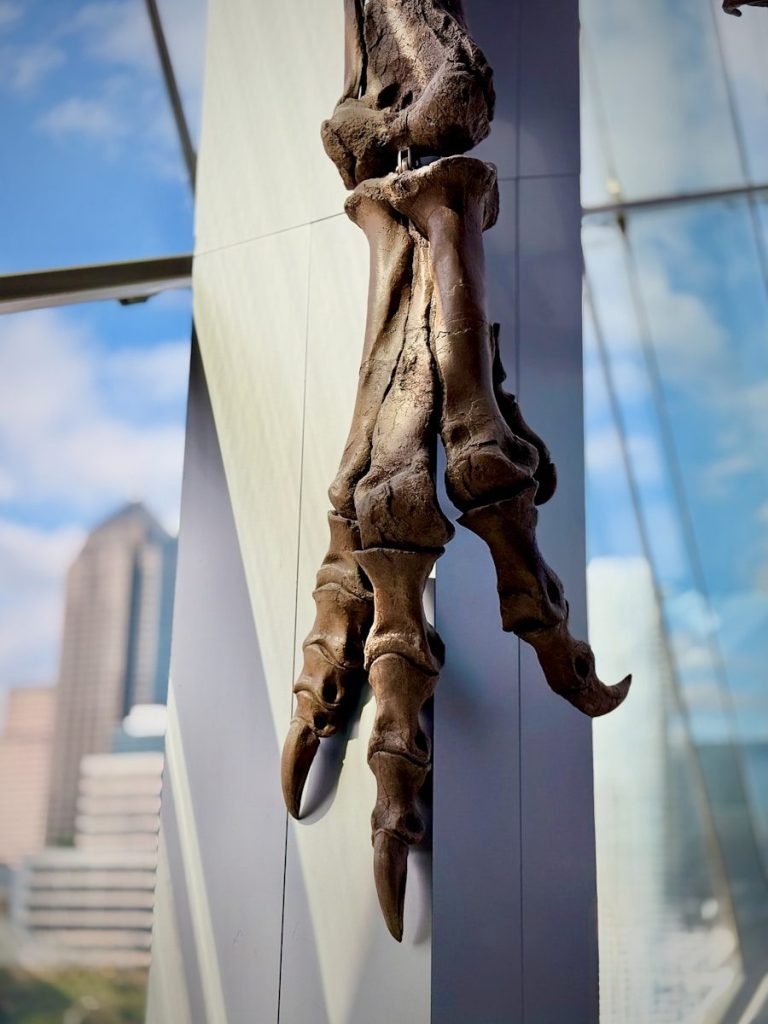
Despite their comical size, the arm bones were incredibly thick and robust. They were built to anchor massive muscle groups. According to skeletal analysis by paleontologist Kevin Padian, these short limbs could easily lift hundreds of pounds. They were incredibly strong. Yet, this muscle power was not designed for catching prey.
The Feeding Frenzy Danger
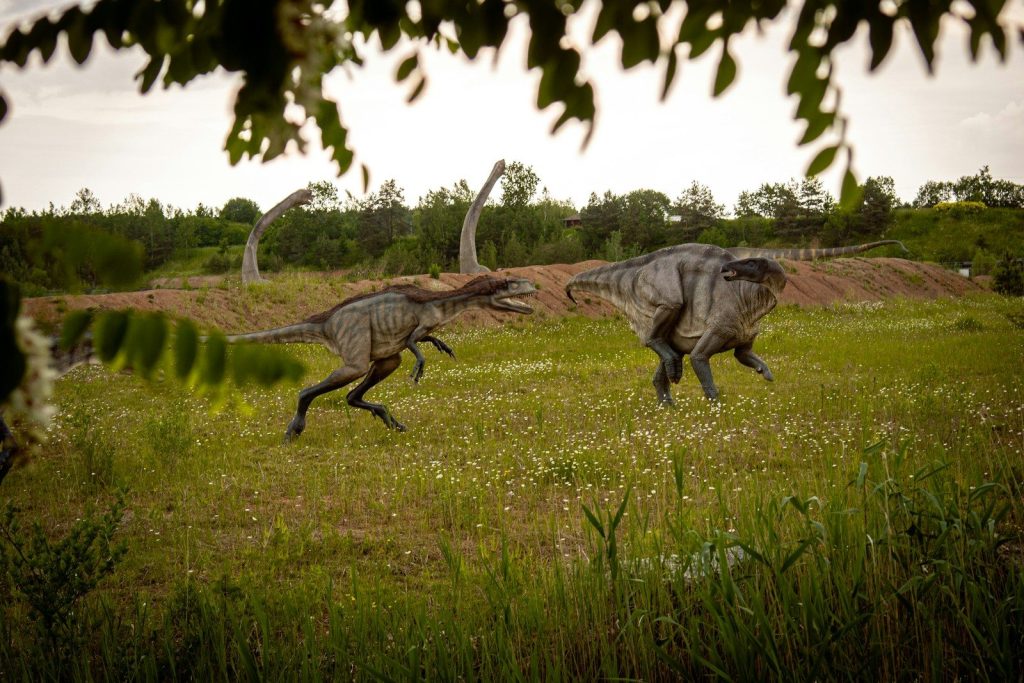
These giant predators often gathered in groups to feast on a single carcass. During these chaotic feeding frenzies, massive jaws snapped in every direction. According to reports from the University of California Berkeley, long arms would have been accidentally bitten off by hungry rivals. It was pure chaos. This simple physical reduction protected the dinosaur from some highly devastating injuries during dinner.
A Shield From Injury
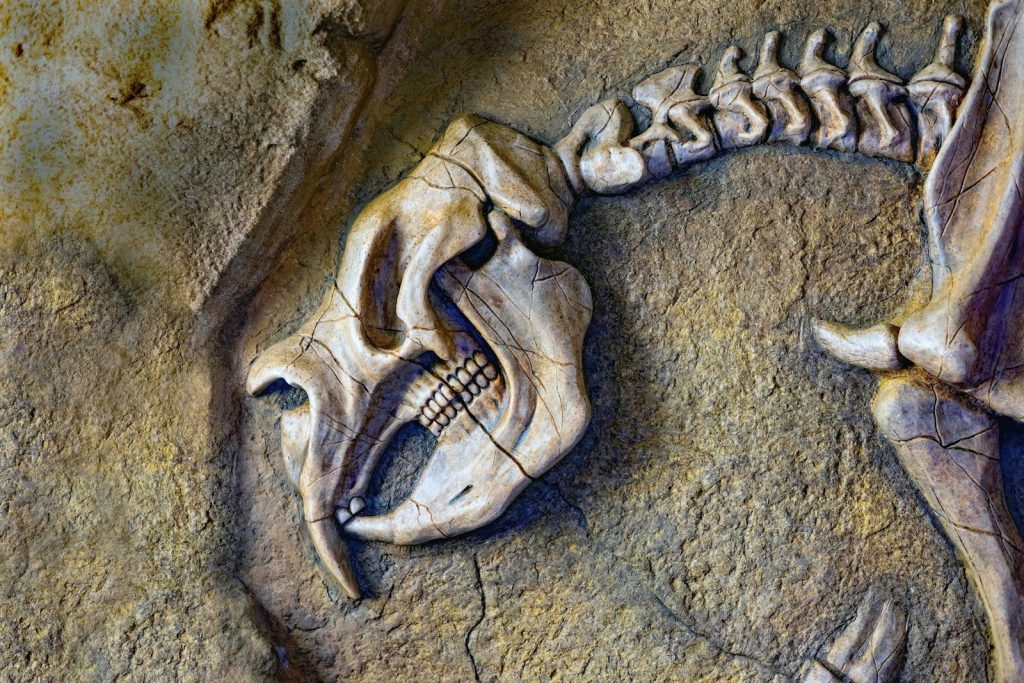
A deep wound to a long limb could easily lead to a fatal infection in the prehistoric wild. Shorter arms minimized this risk completely. According to paleopathology records, fossilized arm bones rarely show signs of combat damage. They remained perfectly safe. But this protective shield also allowed the dinosaur to develop its most fearsome weapon.
Shifting The Heavy Weight
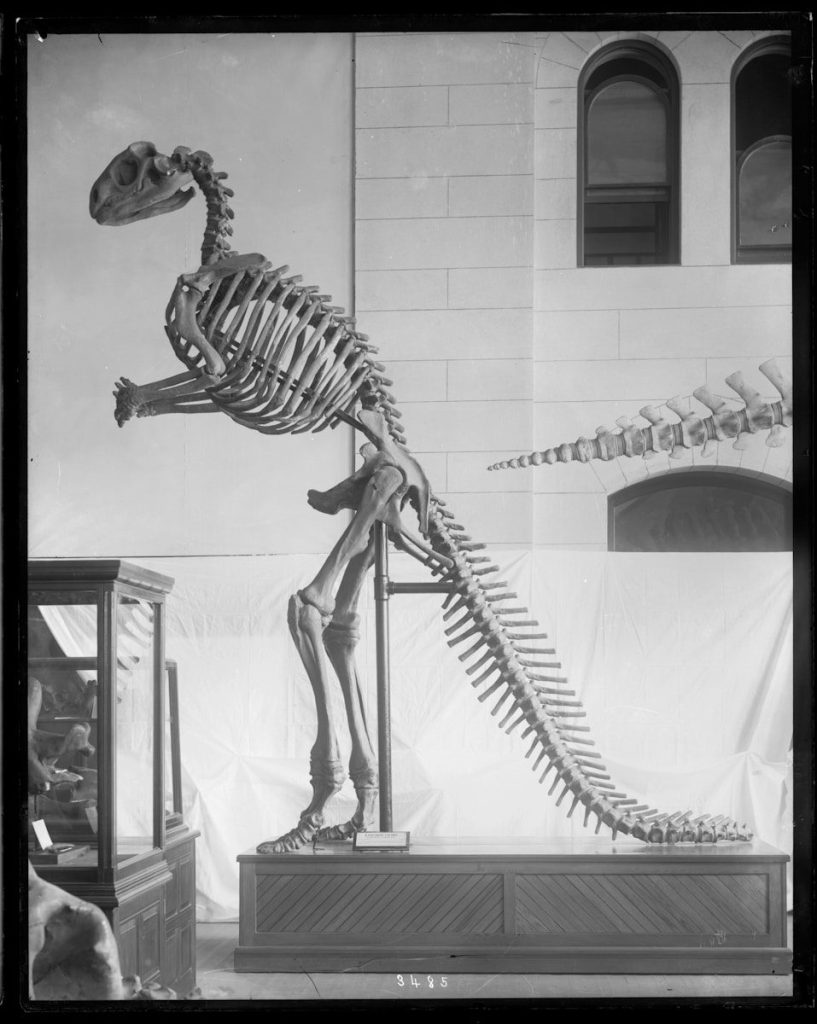
To support a massive skull with bone-crushing jaws, the dinosaur had to balance its body weight. Giant arms would have made the front of the body too heavy to run. According to biomechanical simulations, shrinking the arms allowed the head to grow much larger. The balance was perfect. And this physical tradeoff paved the way for a highly lethal strategy that dominated the Cretaceous.
The Ultimate Jaw Force
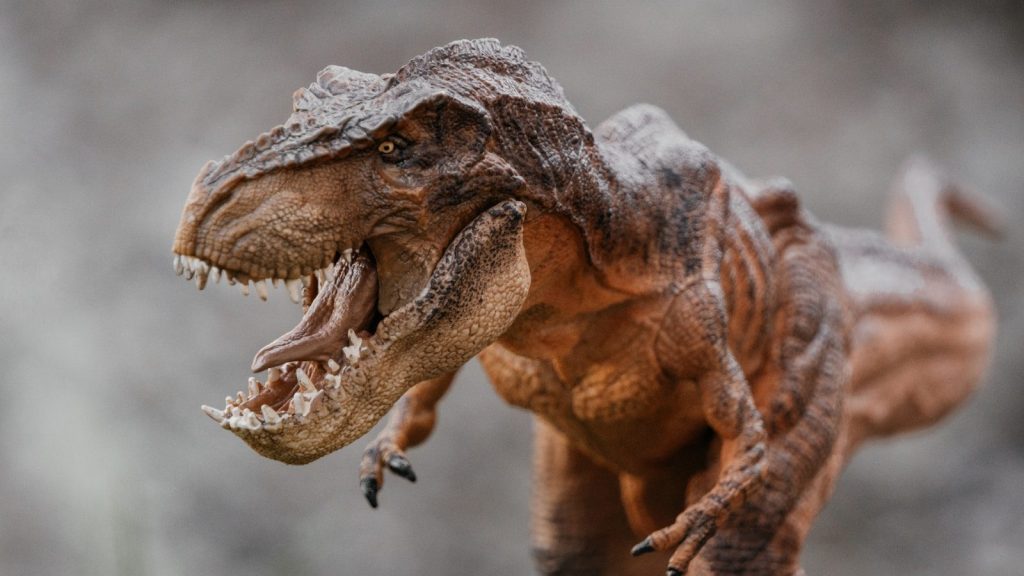
With its arms tucked safely away, the predator relied entirely on its massive neck and head to crush bone. Its jaw pressure could easily snap a modern car in half. According to research from Oklahoma State University, this terrifying bite force reached up to twelve thousand pounds. They were unmatched. But scientists are still uncovering how these bizarre limbs functioned in daily life.
The Dinosaur Legacy
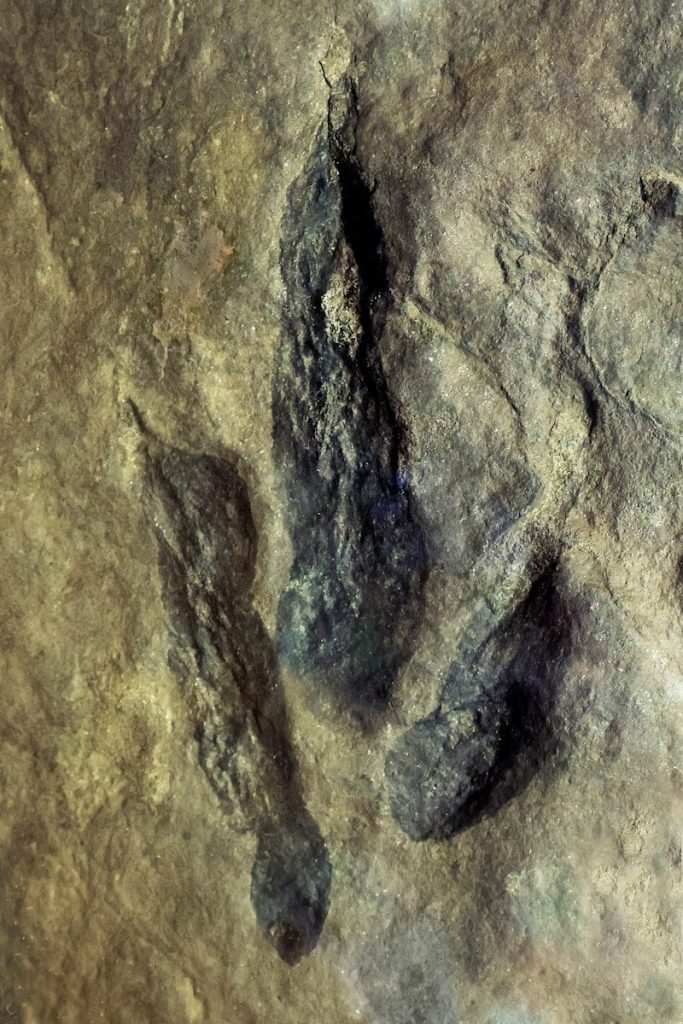
The tiny arms of the king dinosaur were not a genetic mistake but a masterpiece of survival engineering. They were built to kill. According to evolutionary biologists, nature always prioritizes efficiency over appearance to ensure survival. This article is for informational purposes only.
Featured Image: Photo by Tofan Teodor on Unsplash