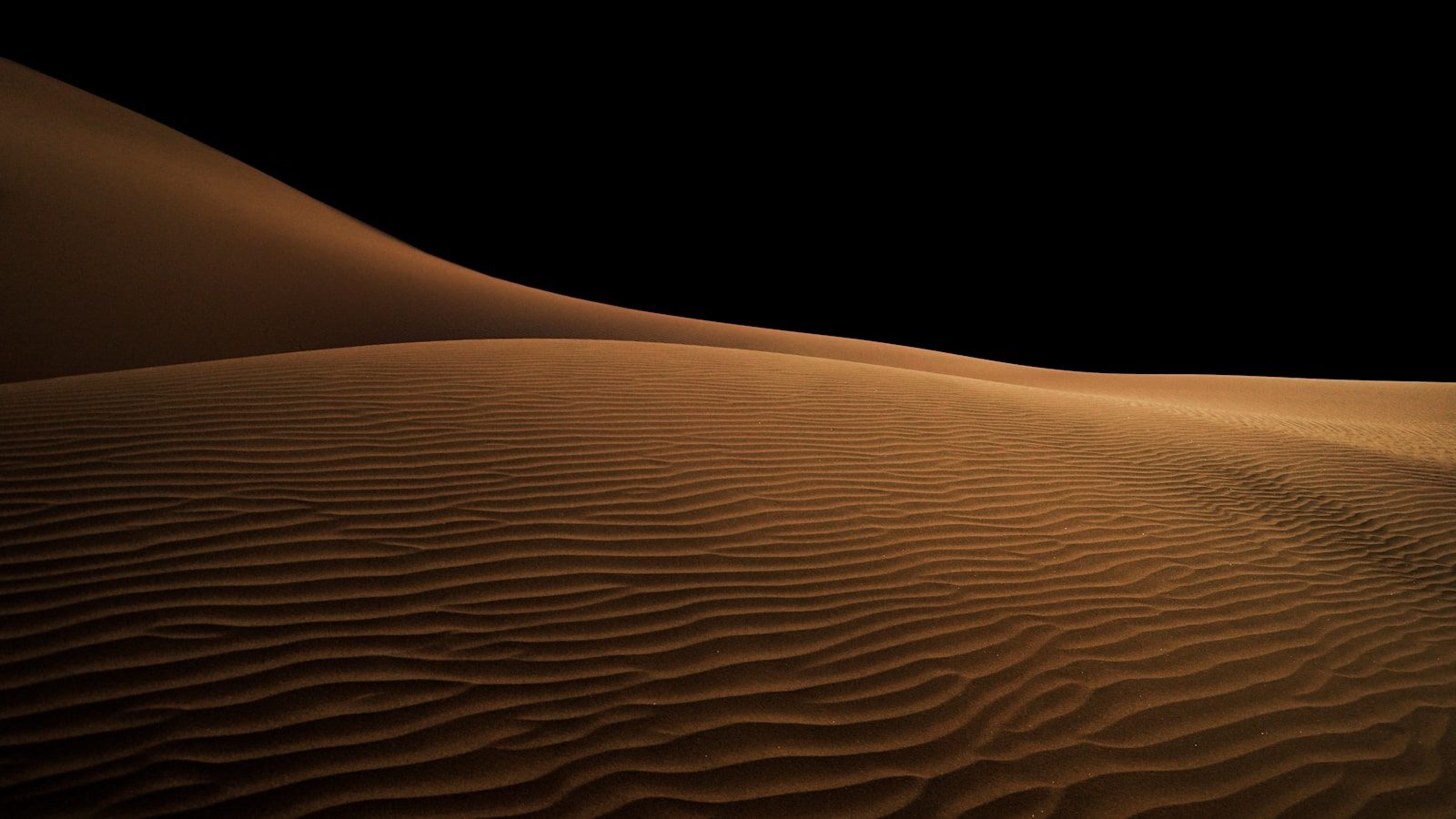
Most archaeology fans assume that desert sands only hide standard dinosaur bones like the fierce T. rex. We believe that the ancient Sahara was always a quiet and dusty wasteland.
But a spectacular fossil discovery has shattered this dry historical picture. Scientists have recovered the bones of a giant flying predator that dominated the ancient sky.
The Desert Sky Giant

Paleontologists working in North Africa made the discovery of a lifetime in the red clay. According to a study published in the journal Cretaceous Research, scientists recovered the fossilized remains of a massive pterosaur. The bones were huge. This ancient flying reptile possessed a wingspan that stretched over fifteen feet across. But the structure of its skull was the most terrifying detail.
Weapon Of A Predator
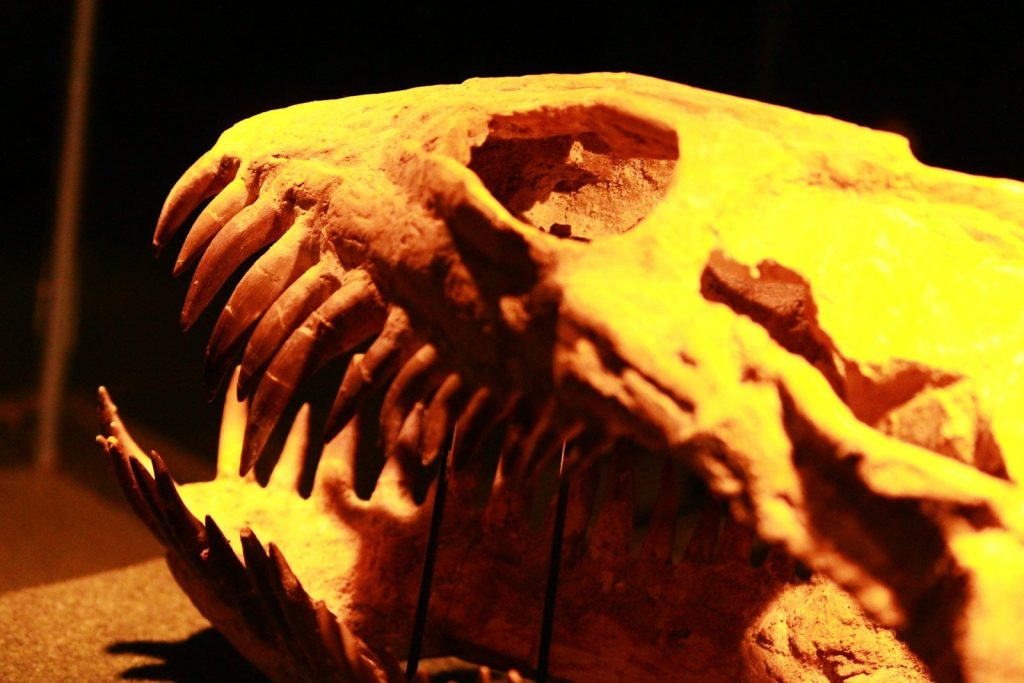
The creature’s jaw was lined with an incredibly dense array of sharp interlocking teeth. According to reports from the University of Portsmouth, this specialized jaw was designed to crush hard-shelled ocean prey. They were highly lethal. This unique tooth configuration gave the reptile a distinct dragon-like appearance during flight. But explaining how this heavy predator took off requires looking at bone physics.
The Hollow Bone Miracle
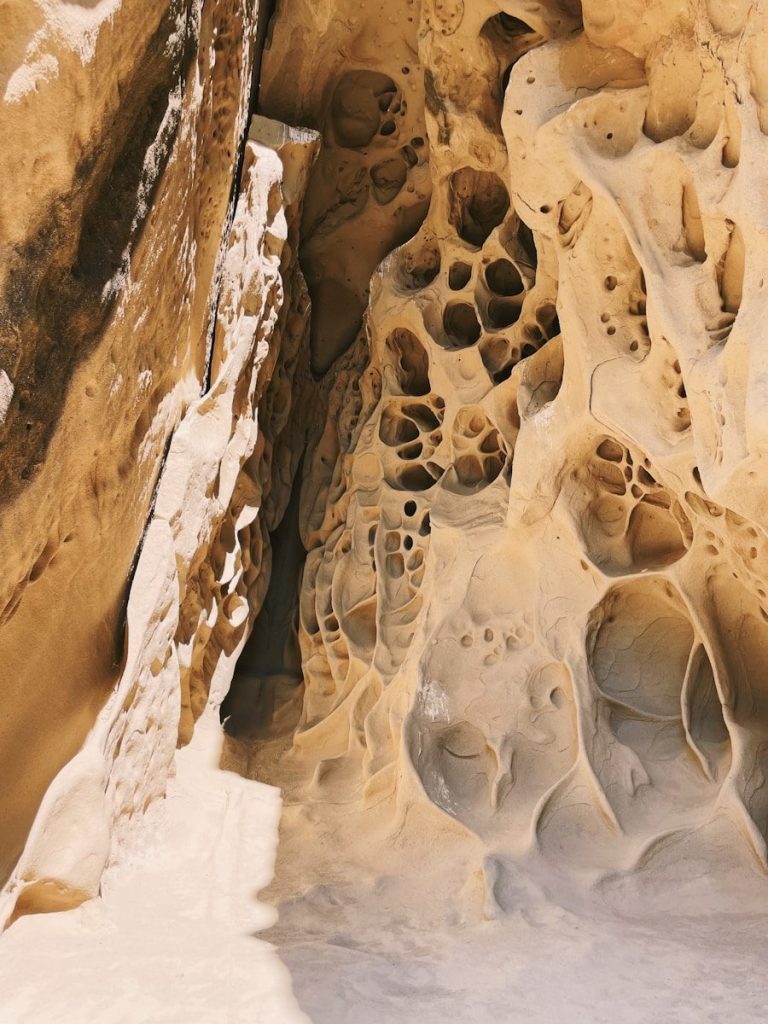
Flying such a massive body required an incredible level of structural engineering from nature. According to biomechanics experts, the ancient dragon possessed ultra-thin bones filled with hollow air pockets. They were like paper. This hollow layout reduced the creature’s total weight while keeping the skeleton strong enough to withstand high winds. But the environment where it lived was very different from today.
The Green Sahara Forest
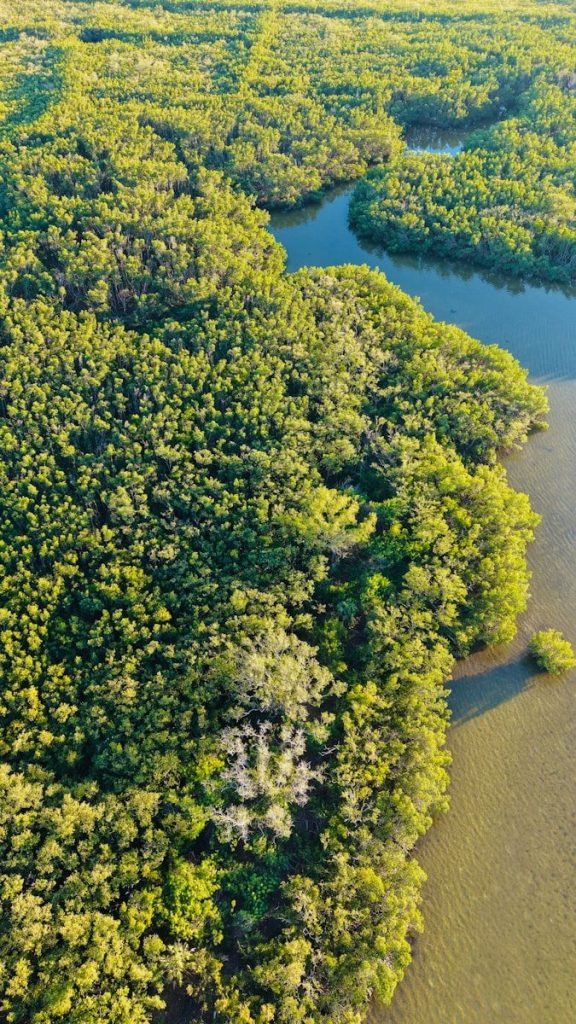
The desolate Sahara Desert was once a lush tropical paradise filled with sprawling river systems. According to geological climate reconstructions, ninety-five million years ago, the region supported massive mangrove swamps and dense forests. The rivers hummed. This wet environment provided a constant feast of fish and small dinosaurs for the flying predator. But the sudden end of this wet era remains a mystery.
Catastrophic Climate Shifts
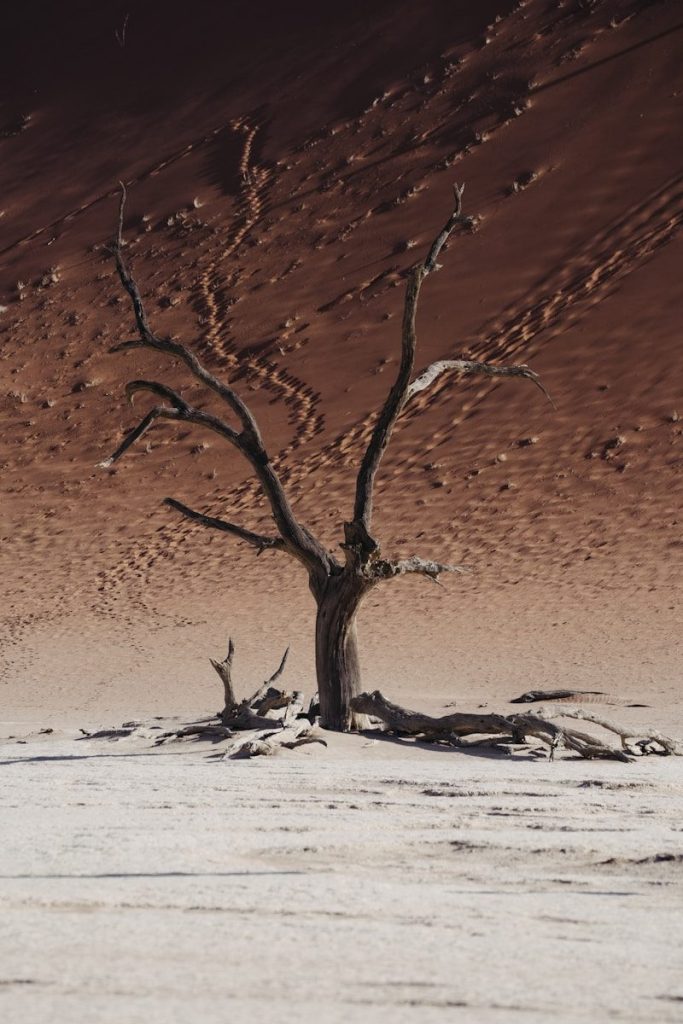
Rapid shifts in the tilt of the Earth slowly turned the tropical green wetlands into dry sand. According to paleoclimatologists, this dramatic desertification forced many specialized species into extinction over millions of years. The swamp dried. The flying dragons lost their vital hunting grounds and vanished from the fossil record. But modern technology is finally helping us bring their story back.
Scanning From Orbit
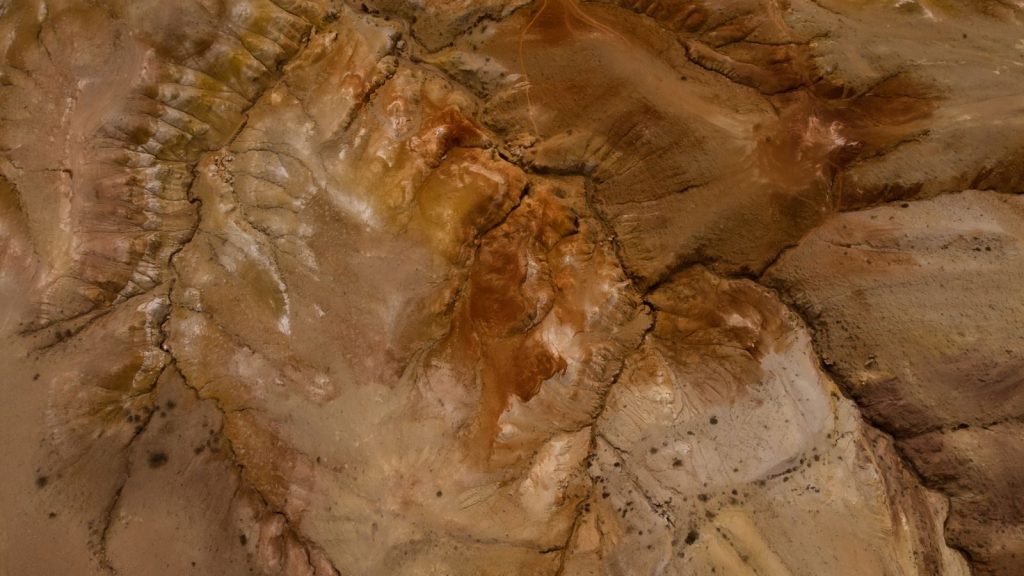
Geologists are using advanced satellite radar to look beneath the shifting desert sand dunes. According to space agency researchers, these radar signals can penetrate several feet of dry soil to map ancient riverbeds. The scans are clear. This technology allows scientists to pinpoint where more fossil sites are hidden without digging. But launching a physical mission to these coordinates remains a massive struggle.
Sifting Deep Dust

Finding these ancient dragon bones reminds us that our planet is constantly undergoing massive physical transformations. According to researchers, studying these extinct monsters helps us map the dynamic life cycles of early ecosystems. Nature holds the secrets. This article is for informational purposes only.
Featured Image: Photo by Marjan Taghipour on Unsplash
Leave a Reply