Category: Science & Nature

  • Why 2026 is a big year for skywatchers

    Why 2026 is a big year for skywatchers

    Skywatching usually rewards patience, but 2026 gives people plenty of reasons to look up. The year brings solar eclipses, lunar eclipses, meteor showers, bright planet pairings, a Blue Moon, and a strong finish with the Geminids in December. Some events will be best from certain parts of the world, while others can be enjoyed from many U.S. locations with a clear sky and a little planning.

    What makes 2026 special is the mix. There are rare, headline-making events like the August total solar eclipse, plus easier backyard moments like full moons, shooting stars, and planet meetups. Even casual skywatchers will have several chances to step outside and catch something memorable. Timeanddate lists four eclipses in 2026, including two solar and two lunar eclipses.

    Four eclipses are coming

    photo of total solar eclipse
    Photo by Scott Szarapka on Unsplash

    Eclipses are a major reason 2026 stands out. The year includes an annular solar eclipse in February, a total lunar eclipse in March, a total solar eclipse in August, and a partial lunar eclipse later that same month.

    That kind of lineup gives skywatchers several chances to see the Sun, Moon, and Earth line up in dramatic ways. Visibility will depend on location, so checking local eclipse maps ahead of time will matter.

    A total lunar eclipse returns

    Stunning high-resolution photograph capturing a partial lunar eclipse and shadow play on the moon's surface.
    Photo by Tom Fisk on Pexels

    The March 2–3 total lunar eclipse will be one of the year’s biggest Moon events. During a total lunar eclipse, Earth blocks direct sunlight from reaching the Moon, often giving it a reddish color.

    For many viewers, lunar eclipses are easier to enjoy than solar eclipses because no special eye protection is needed. You just need the Moon above your horizon, clear weather, and a good view of the sky.

    August brings a solar show
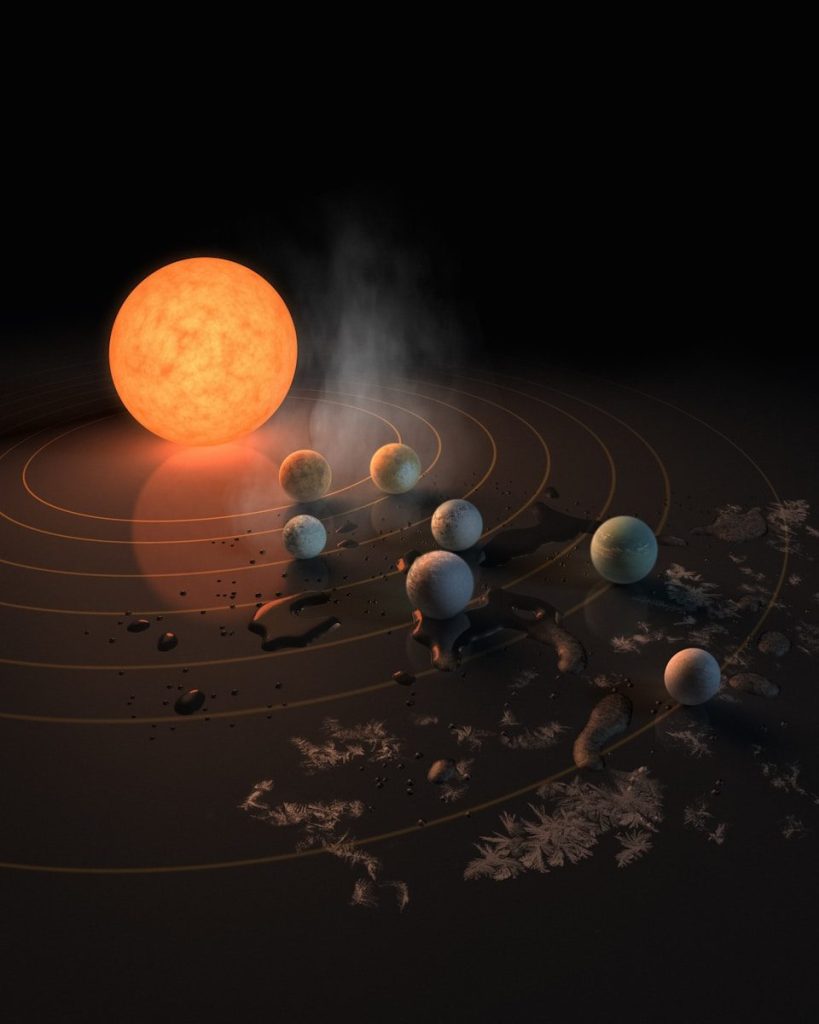
    an artist's rendering of a solar system with eight planets
    Photo by NASA Hubble Space Telescope on Unsplash

    The total solar eclipse on August 12, 2026, will be one of the year’s most talked-about events. NASA’s eclipse site identifies it as the total solar eclipse of August 12, 2026.

    The path of totality crosses places including Greenland, Iceland, and Spain, while a partial eclipse will be visible across wider areas. Anyone viewing any part of a solar eclipse must use proper solar viewing protection.

    The Perseids get dark skies
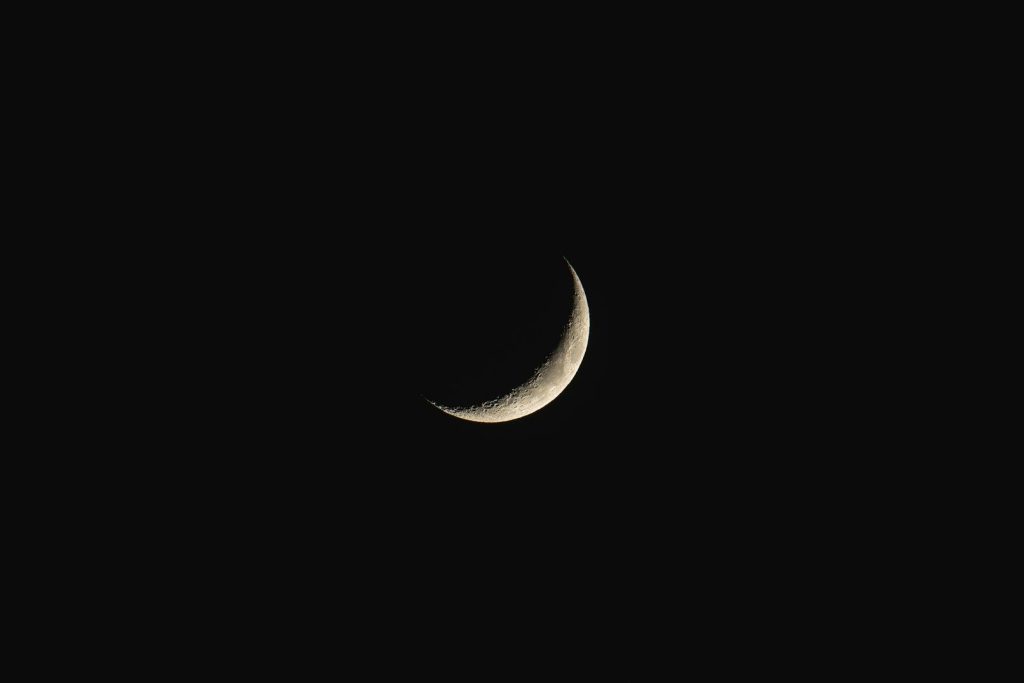
    black and white crescent moon
    Photo by Clayton Malquist on Unsplash

    The Perseid meteor shower is already a favorite because it happens during warm summer nights. In 2026, it gets an extra boost because its peak falls close to the August new moon.

    Darker skies can make meteors easier to spot, especially away from city lights. The Royal Observatory lists the Perseids as peaking on August 13, with activity running from July 17 to August 24.

    May has a Blue Moon

    a full moon is seen through the clouds
    Photo by Aron Visuals on Unsplash

    May 2026 gives Moon fans something fun: two full moons in one calendar month. The second full moon, on May 31, is commonly called a Blue Moon.

    A Blue Moon does not usually look blue, but it is still a neat calendar event. Timeanddate lists May 31 as both a Blue Moon and a micro full moon for 2026.

    Venus gets easy to spot
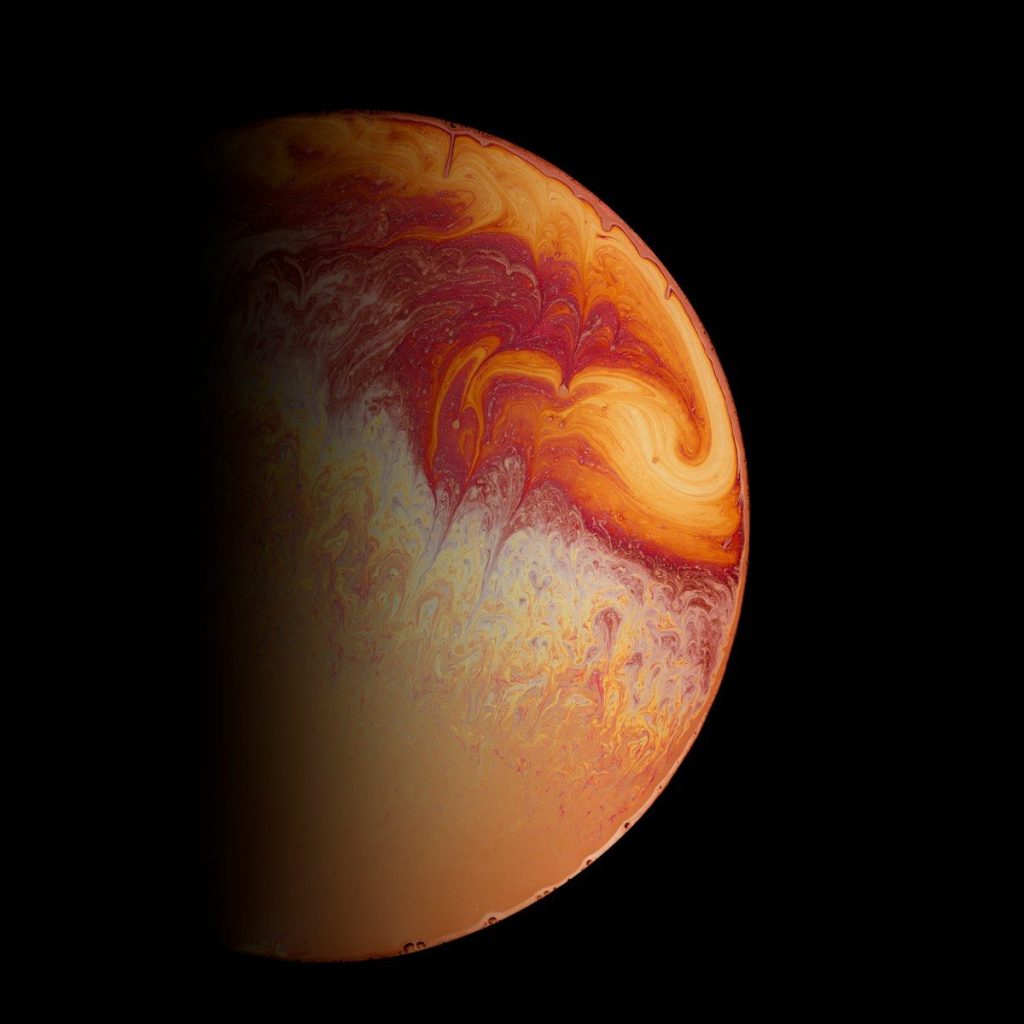
    orange and yellow planet earth
    Photo by Daniel Olah on Unsplash

    Bright planet moments are great for beginners because they do not require special gear. NASA’s May 2026 skywatching guide highlights a Moon and Venus meetup on May 18.

    Venus is often one of the easiest planets to notice because it shines so brightly. Pair it with the Moon, and you get a simple sky scene that many people can enjoy from a porch, sidewalk, or backyard.

    Meteor showers fill the year

    sky milky way
    Photo by Michał Mancewicz on Unsplash

    The Perseids may get the biggest summer attention, but they are not the only meteor shower worth watching. The Lyrids, Eta Aquarids, Draconids, and Geminids also give skywatchers reasons to look up.

    Meteor showers are best after your eyes adjust to the dark. Skip bright lights, find an open view, and give yourself time. The longer you watch, the better your chances of seeing a streak across the sky.

    A deep partial eclipse follows

    Blood moon in starry night sky with light beam
    Photo by Jeremy Hynes on Unsplash

    Just weeks after the August total solar eclipse, the Moon gets another turn. A partial lunar eclipse occurs on August 27–28, and timeanddate describes it as a very deep partial eclipse.

    That means a large part of the Moon will pass through Earth’s darker shadow. It may not be fully total, but it can still create a striking sight for viewers in the right locations.

    December ends with meteors

    time lapse photography of shooting stars
    Photo by Austin Schmid on Unsplash

    The Geminid meteor shower is often one of the strongest annual meteor showers. In 2026, it gives skywatchers a nice way to close the year with a cold-weather sky show.

    December viewing can be chilly, but the payoff can be worth it. Dress warmly, choose a darker spot, and look away from bright lamps or phone screens so your eyes can adjust.

    Planning makes it better
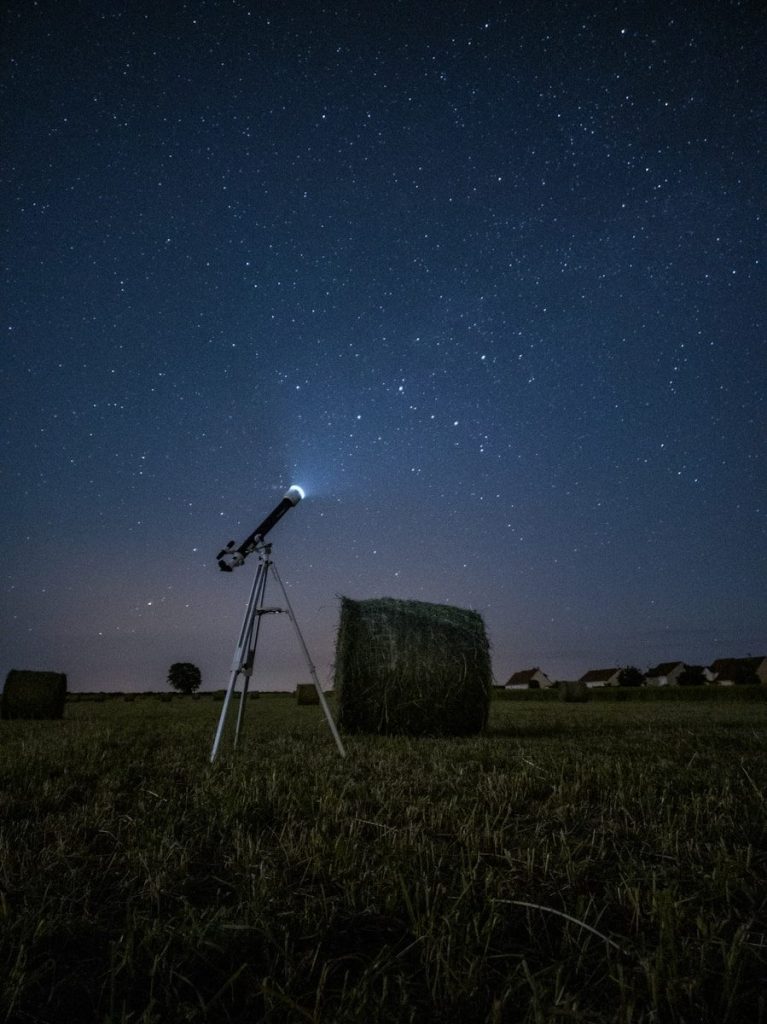
    white and black satellite dish on brown field during night time
    Photo by Simon Delalande on Unsplash

    The best sky events can be missed if you wait until the last minute. Clouds, moonlight, timing, and local visibility all affect what you can actually see.

    A good habit is to mark key dates early, then check local viewing times closer to the event. For solar eclipses, safe viewing glasses are essential. For meteors and Moon events, patience and dark skies are your best tools.


  • The extreme crystal that formed in the 1945 nuclear bomb test is unlike anything scientists have seen

    The extreme crystal that formed in the 1945 nuclear bomb test is unlike anything scientists have seen

    The atomic age began in a flash. On July 16, 1945, the historic Trinity nuclear test rocked the New Mexico desert. The heat was blinding. It instantly melted the desert sand, turning the ground into a strange green glass called trinitite. Scientists studied this glass for decades. They assumed it was just simple debris from the blast. But a groundbreaking study has revealed an impossible secret hiding inside a rare red sample. Researchers found a unique crystal that breaks the classic laws of physics. It is a quasicrystal. This atomic pattern was once considered mathematically impossible. Finding it proved that extreme human forces can create entirely new states of matter. But the journey to this discovery actually started with a forgotten piece of metal on a testing tower.

    The fiery birth of atomic glass

    close-up photo of crystals
    Photo by Jason D on Unsplash

    The massive fireball of the Trinity test reached temperatures hotter than the sun. It melted sand instantly. According to historical records from the Los Alamos National Laboratory, the molten soup quickly cooled into a glass-like substance. Most of the trinitite was light green. But a few rare samples featured deep red streaks that puzzled collectors. This red color came from melted copper wires on the testing tower. Decades later, scientists realized this red glass held a secret. But nobody expected the atomic glass to challenge the basic laws of chemistry.

    Princeton researchers spot a forbidden structure.

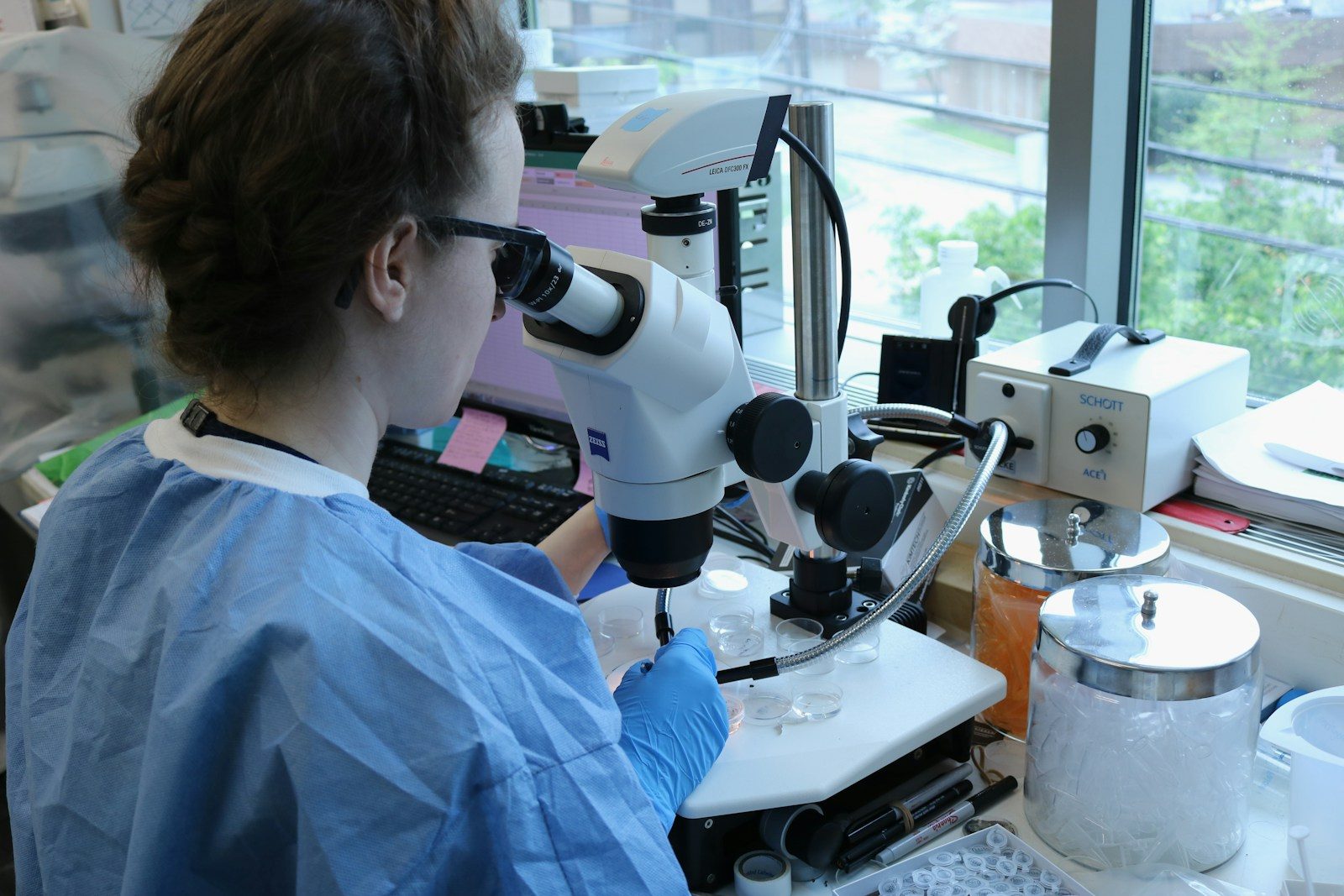
    man looking at microscope
    Photo by National Cancer Institute on Unsplash

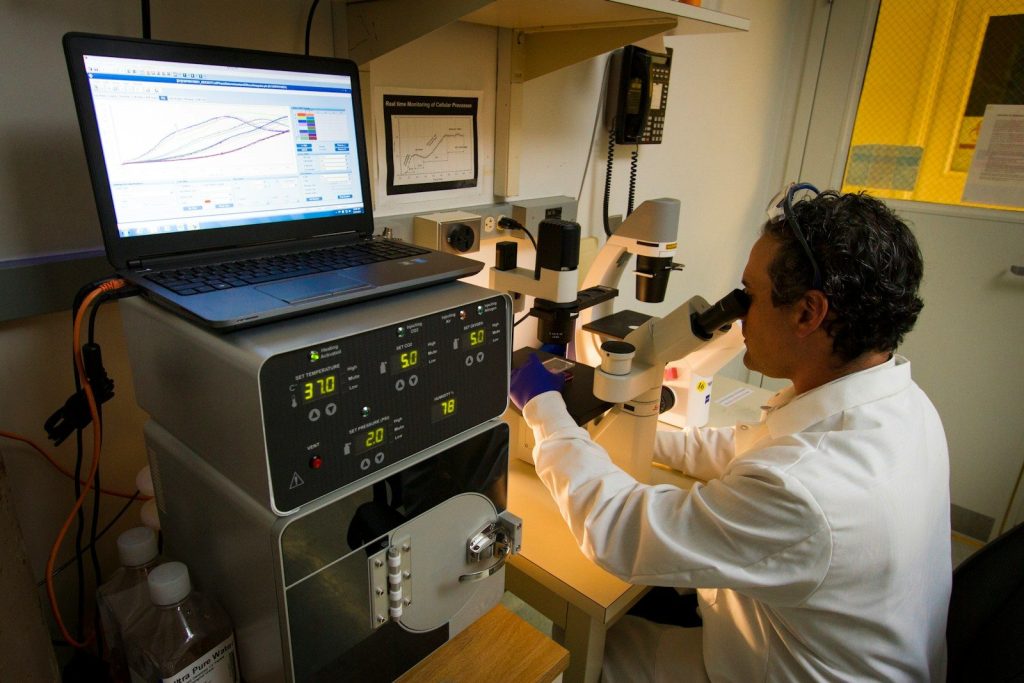
    A team of scientists decided to re-examine a sample of red trinitite. They wanted to see how the intense heat had altered the metals. According to a study published in the journal Proceedings of the National Academy of Sciences, they used electron microscopes to scan the molecular layout. The screen showed an impossible image. They spotted an atomic structure that should not exist. The atoms were arranged in a highly ordered pattern that did not repeat. It was a quasicrystal. This discovery immediately shattered classic rules of crystallography.

    Breaking the mathematical rules of symmetry

    architecture, glass, modern, city, reflection, futuristic, urban, window, hd wallpaper, building, structure, skyscraper, facade, perspective, 4k wallpaper
    Photo by 652234 on Pixabay

    Normal crystals are incredibly predictable. Their atomic structures repeat perfectly, like square tiles on a kitchen floor. Quasicrystals are different because their patterns never repeat. According to research by Princeton University, this specific nuclear crystal has a five-fold rotational symmetry. Before this discovery, scientists believed this pattern was physically impossible in nature. Finding it in the New Mexico desert changed everything. It proved that the extreme pressures of a nuclear blast could force atoms into forbidden shapes. But this impossible structure required a very specific recipe to form.

    The rare presence of red trinitite

    Close-up of metallic rock formations with shiny surfaces
    Photo by Amin Zabardast on Unsplash

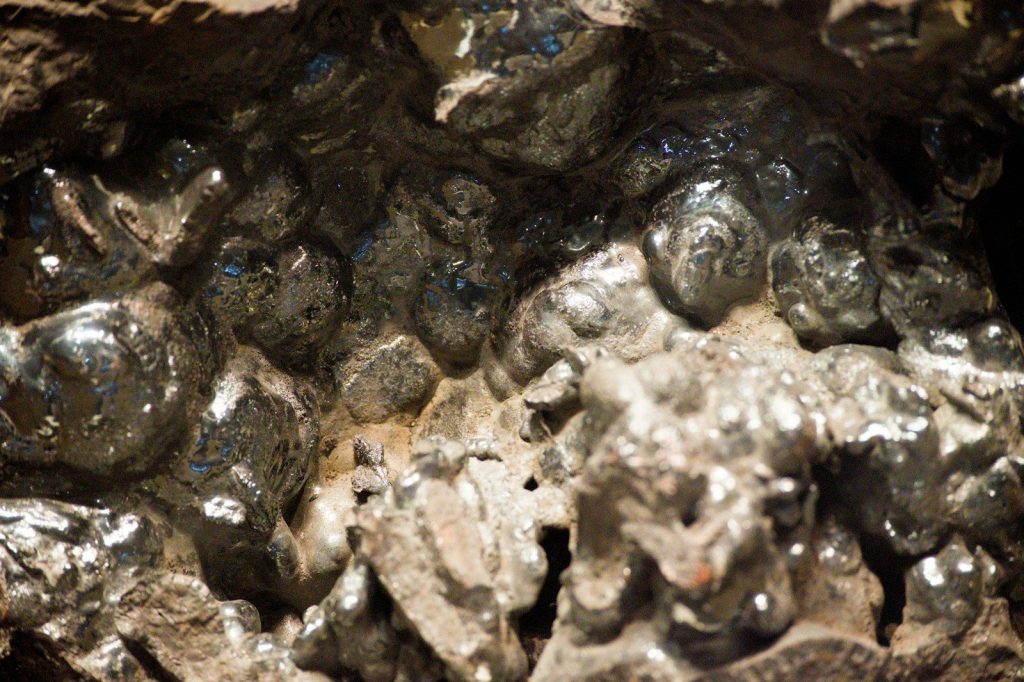
    Red trinitite is exceptionally difficult to find. Most of the original material was buried by the military shortly after the historic test. According to studies by geological experts, the red variety is unique because of its high metal content. The presence of melted copper and iron from the test equipment provided the exact ingredients needed to form the quasicrystal. This atomic recipe was completely accidental. Yet, it held the key to solving a massive cosmic mystery.

    Connecting atomic blasts to outer space

    A rock with holes in it on a black background
    Photo by Astrid Lingnau on Unsplash

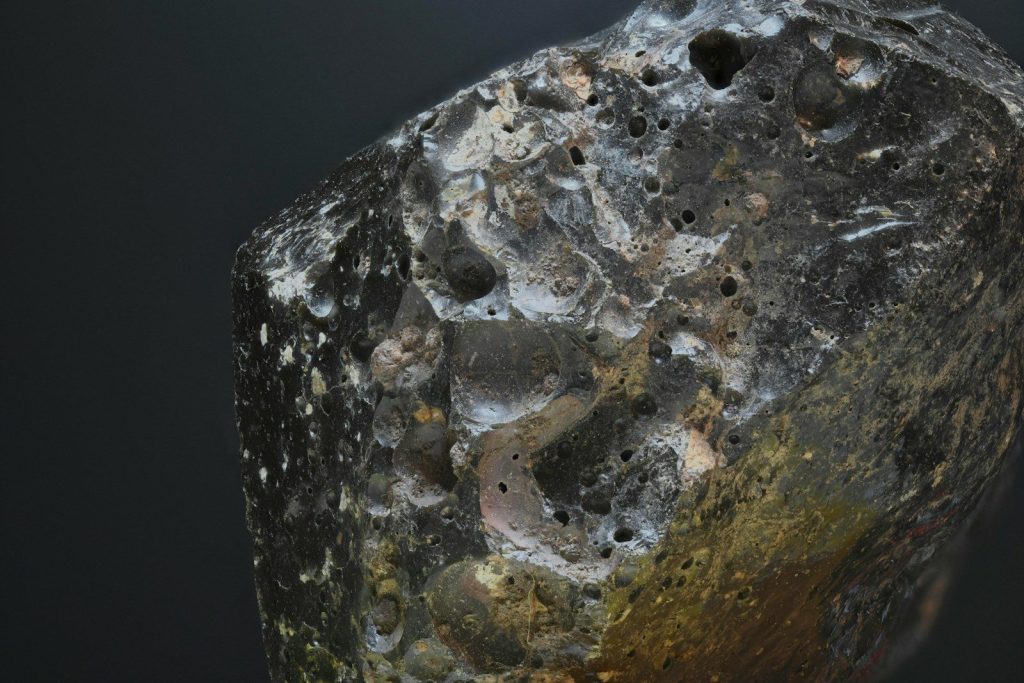
    Scientists had only seen this specific quasicrystal structure in one other place. It was found inside meteorites that crashed to Earth. These space rocks experienced massive pressures and temperatures during cosmic collisions in deep space. According to reports from the Smithsonian Institution, the conditions of the Trinity test closely matched the forces of a meteorite impact. This connection is helping scientists understand the violent events that shape our solar system. But the discovery also has a very practical modern use.

    A new way to track nuclear history

    man in white dress shirt wearing black sunglasses
    Photo by CDC on Unsplash

    This atomic relic can help us detect illegal nuclear tests today. The presence of quasicrystals serves as a permanent physical fingerprint of a nuclear explosion. According to a study by the CTBTO Preparatory Commission, this fingerprint cannot be faked or erased by a bad actor. It allows inspectors to verify if a nuclear event took place, even decades after the blast. It acts as a forensic tool for global security. But scientists are already looking at how we can use this technology in manufacturing.

    Engineering the future with impossible materials

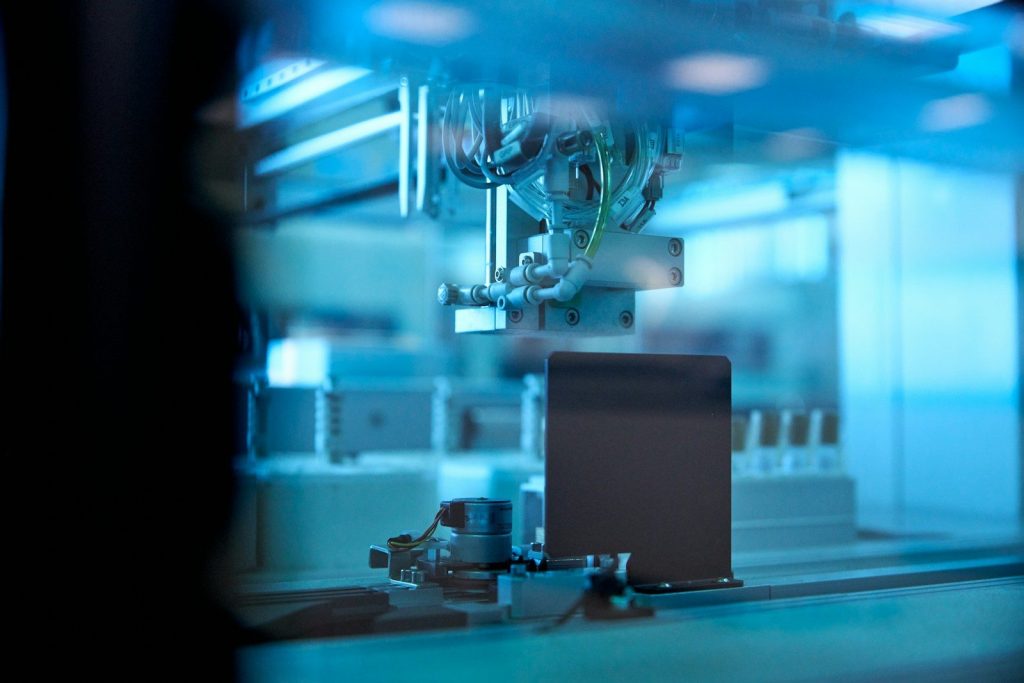
    industrial robotic arm in blue lit factory
    Photo by Testalize.me on Unsplash

    Quasicrystals possess highly unique physical properties. They are incredibly hard, have low friction, and do not conduct heat easily. According to reports from the National Science Foundation, these materials could be used to build better protective coatings and medical tools. They represent a new frontier in materials science. This atomic relic is officially bridging the gap between weapon history and future technology. But the ultimate lesson of the New Mexico desert goes far beyond engineering.

    Finding science in the ashes of history

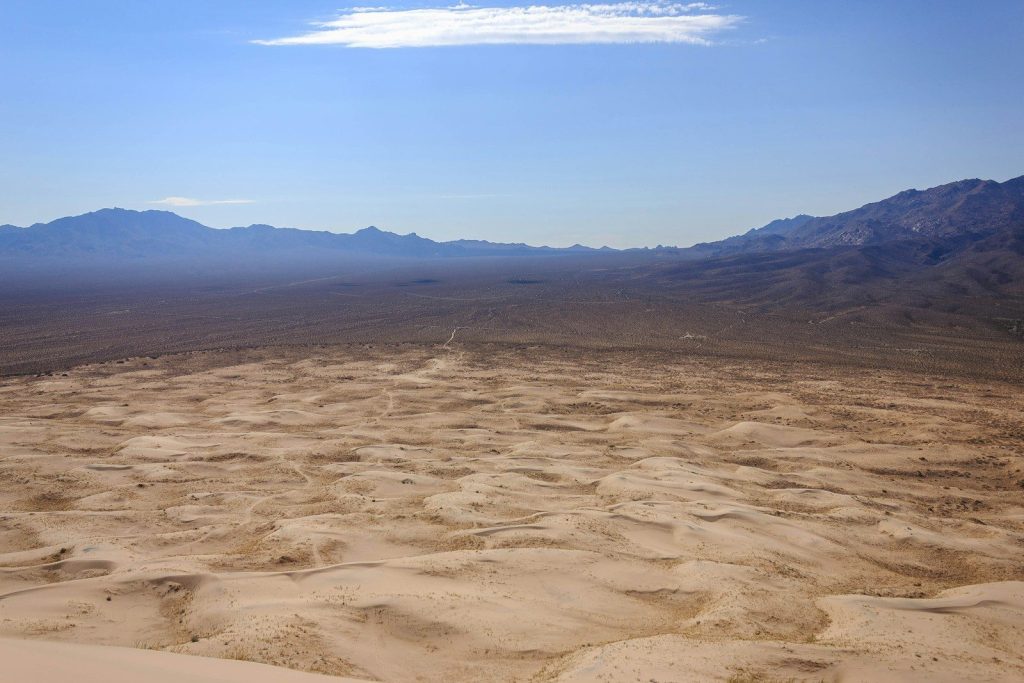
    brown open field during daytime
    Photo by Gaia Armellin on Unsplash

    The Trinity test was a moment of destruction. Yet, it also created a beautiful, impossible structure that is helping us understand the universe. This quasicrystal proves that the most extreme conditions can yield remarkable scientific discoveries. It reminds us that science is always evolving, and old assumptions can be shattered by a single tiny grain of sand. The secrets of New Mexico are still teaching us today.

    Featured Image: Photo by WikiImages on Pixabay

  • The most dangerous dinosaurs that once ruled the world

    The most dangerous dinosaurs that once ruled the world

    Millions of years ago, our planet was a deeply hostile place. Giants walked the earth. These prehistoric creatures developed incredible weaponry, including razor-sharp teeth, crushing jaws, and lethal claws, to survive in a brutal landscape. Modern paleontology has reconstructed their terrifying hunting habits. By studying fossilized bones and footprints, scientists can calculate their speed and bite force. This research reveals highly optimized biological killers. According to studies published in the journal Science, these predators dominated their ecosystems with absolute authority. They were the ultimate biological machines of their era. By looking at their evolutionary designs, we can understand how they successfully ruled the globe. But the most famous predator on our list relied on pure crushing power.

    The crushing bite of the tyrant king

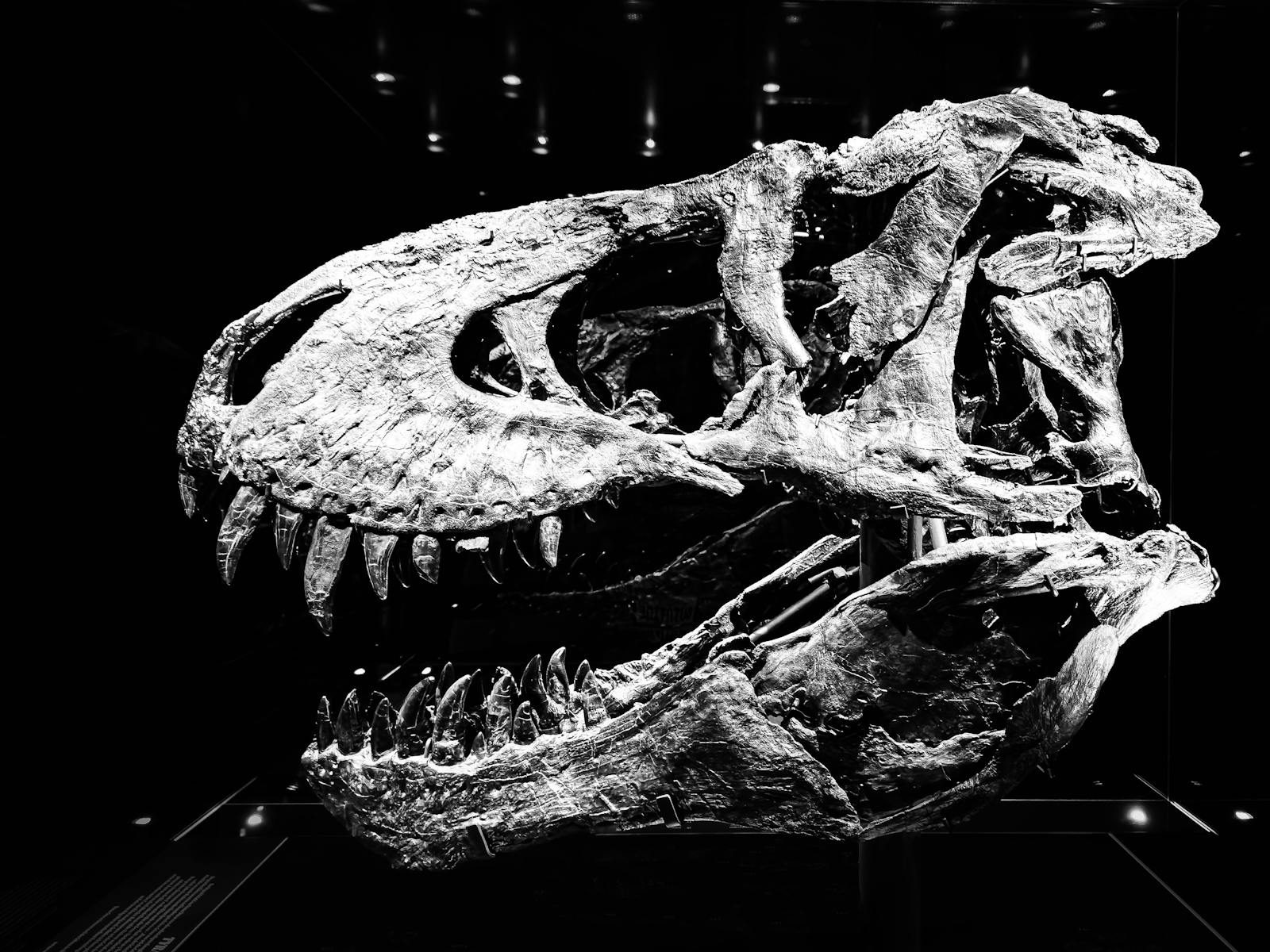
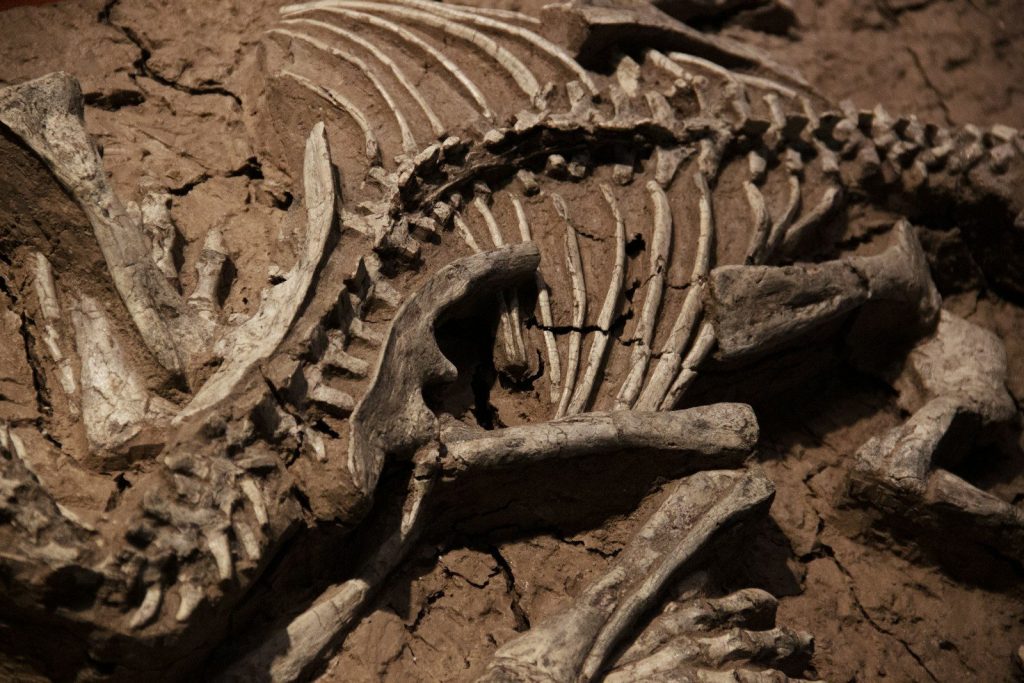
    A skeleton of a dinosaur is shown in a museum
    Photo by David Clode on Unsplash

    Tyrannosaurus rex was the ultimate apex predator of the late Cretaceous period. He was built for crushing power. According to research from Oklahoma State University, his bite force exceeded twelve thousand pounds of pressure. That force could easily shatter solid bones. He possessed thick, banana-shaped teeth that could pierce flesh and lock onto struggling prey. His sense of smell was highly developed. This allowed him to track targets over massive distances in the dense forests. He was an unstoppable biological tank. But another massive predator in the south developed a different way to kill.

    Slicing claws of the deep southern giant

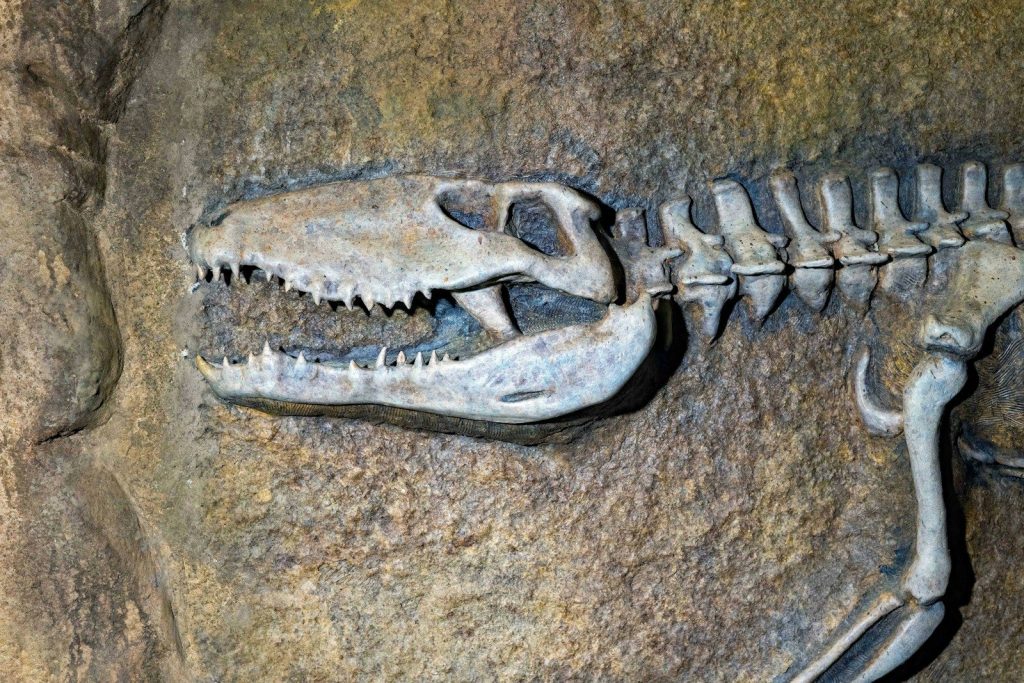
    a skeleton of a bird in the dirt
    Photo by Trnava University on Unsplash

    Giganotosaurus lived in what is now Argentina millions of years before the T. rex. He was slightly larger. Instead of bone-crushing jaws, this predator possessed thin, serrated teeth that acted like sharp kitchen knives. He used them to slice through soft flesh. This slicing strategy allowed him to cause massive blood loss, letting large herbivores weaken before he moved in for the kill. He could run at speeds up to thirty miles per hour. This made him incredibly agile despite his massive, multi-ton body. He ruled South America with ease. But a different giant preferred the warm waters of ancient swampy rivers.

    The semi-aquatic terror of the ancient rivers

    body of water during daytime
    Photo by Jonas Hoss on Unsplash

    Spinosaurus was the largest carnivorous dinosaur known to science, even bigger than the T. rex. He possessed a massive sail. According to fossil discoveries in Morocco, he spent most of his life hunting in deep river networks. His jaws resembled those of modern crocodiles. They were packed with straight, conical teeth that were perfect for catching slippery, massive fish. He had strong arms with curved claws. This allowed him to swipe at prey and hold them down in the water. He was the king of the swamps. But smaller predators relied on speed and teamwork to bring down massive targets.

    Pack hunting strategy of the agile raptors.

    A forest filled with lots of green trees
    Photo by Bernd 📷 Dittrich on Unsplash

    Utahraptor was a terrifying predator that was built for speed and agility. He was no simple lizard. He possessed a massive, curved claw on each foot that measured up to nine inches in length. He used this weapon to kick and slash. According to fossil trackway analysis, these predators may have hunted in highly coordinated packs to take down giant sauropods. Their intelligence was likely far higher than that of other reptiles. This allowed them to plan complex ambushes in the dense brush. They were the ultimate tactical hunters. But even the most dangerous predators had to face incredibly tough defenses.

    The armored battering rams of the Cretaceous

    A skeleton of a dinosaur laying on the ground
    Photo by Zachary on Unsplash

    Dinosaurs like Ankylosaurus were not predators, but they were incredibly dangerous to attack. They were built like tanks. Ankylosaurus possessed a massive bone club at the end of its tail that could shatter legs. A single swipe could cripple a T. rex. Triceratops also possessed three massive horns on its head to impale attacking carnivores. These defensive weapons forced predators to be careful. It was a constant evolutionary arms race between weapons of attack and shields of defense. The landscape was incredibly volatile. But danger also hovered in the skies above the ancient world.

    Airborne predators that dominated the skies

    bird flying under white clouds during daytime
    Photo by Max van den Oetelaar on Unsplash

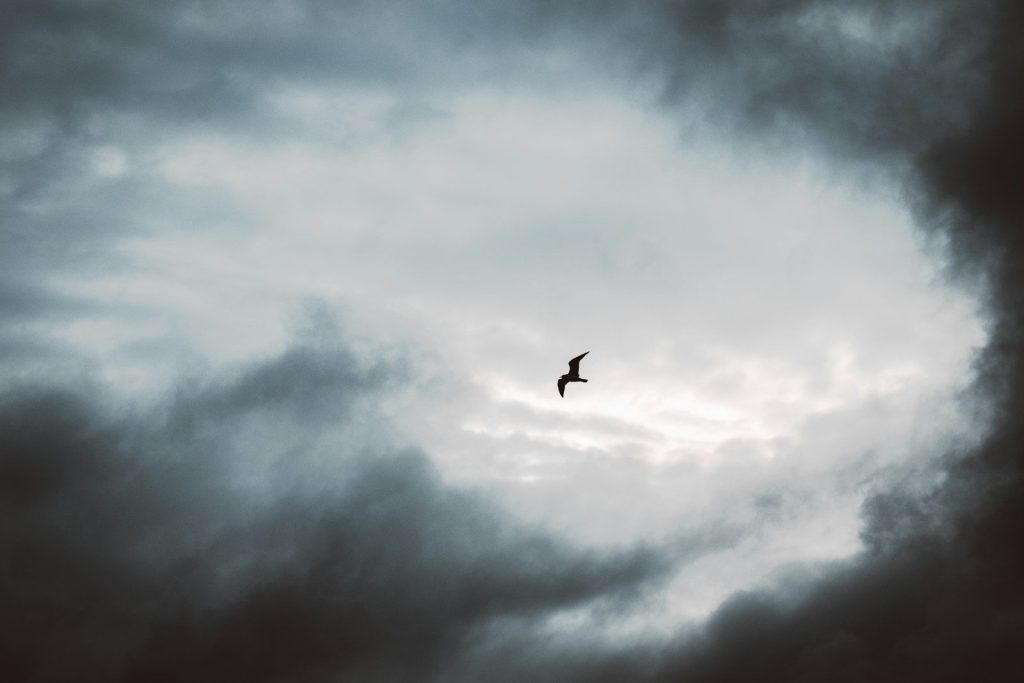
    Quetzalcoatlus was a giant pterosaur that was the size of a modern fighter jet. He had a massive beak. According to biomechanical research, this flying giant could launch himself into the air in seconds. He scanned the ground for small dinosaurs. He would swoop down and swallow them whole, using his massive height to dominate the landscape. His wingspan measured over thirty-six feet wide. This allowed him to glide effortlessly across oceans to find new hunting grounds. He was a silent threat from above. But how do modern scientists calculate these ancient killer instincts so accurately?

    How modern fossil science calculates killer instincts

    woman in white and red floral sleeveless top standing beside black flat screen tv
    Photo by ThisisEngineering on Unsplash

    Paleontologists do not just guess how these dinosaurs behaved during their lives. They use advanced physics modeling. According to studies from the University of Manchester, computer simulations can reconstruct muscle movements from bone marks. This tells us their maximum running speeds. CT scans of fossil skulls also reveal the shape and size of their brains. This shows their sensory capabilities. We can see exactly how they tracked prey and interacted with their environments. It is a highly precise science. This advanced technology allows us to understand the final chapter of their reign.

    A legacy of ultimate adaptation

    green trees on green grass field during daytime
    Photo by Syed Ali on Unsplash

    The dinosaurs ruled our planet for over one hundred and forty million years. They were exceptionally successful. Their reign was ended only by a sudden, catastrophic asteroid impact that changed the global climate. Yet, their descendants are still here today. Modern birds carry the genetic legacy of those fierce theropods inside their cells. They remind us of a wild, ancient world. Studying these giants teaches us about the fragile, changing nature of life on earth.
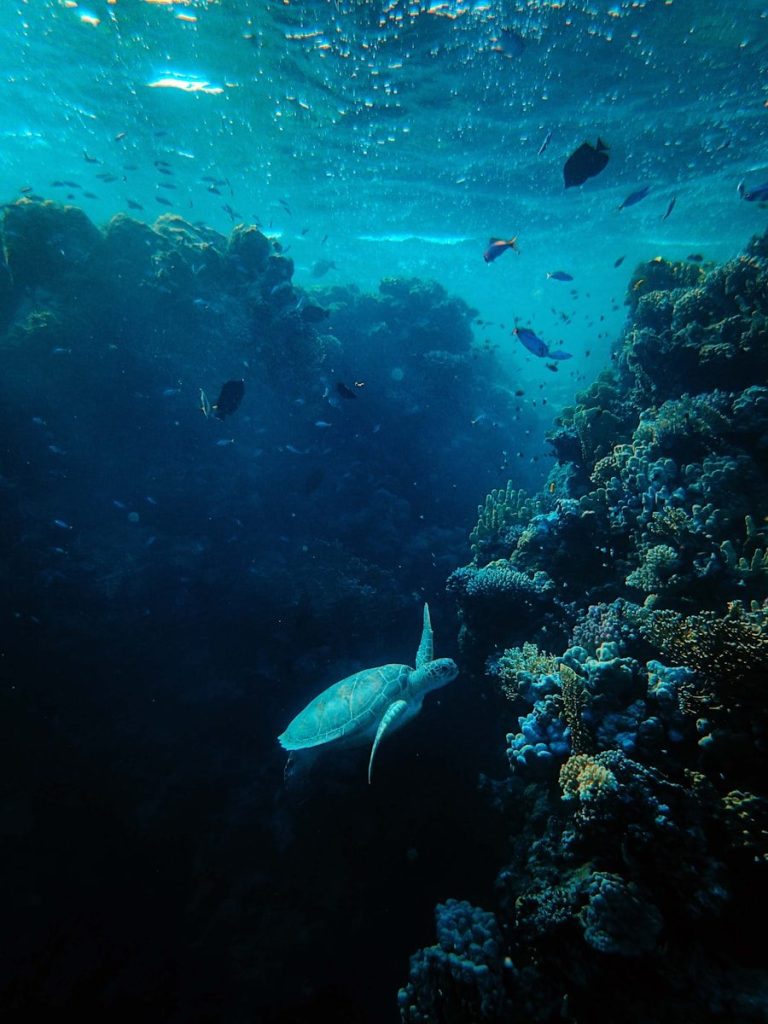
    Featured Image: Photo by Christian Zimmermann on Pexels

  • The most powerful animals in the world

    The most powerful animals in the world

    We often measure strength by physical size. We think of massive elephants lifting heavy logs or blue whales cruising through the deep ocean. But true physical power is a matter of mechanical engineering. When you scale down the animal kingdom, some of the smallest creatures possess jaw-dropping strength. They leverage biological hydraulics, muscle density ratios, and clever skeletal structures to perform superhuman feats. According to research published in the journal Science, these animals are highly optimized biological machines. They can generate forces that would instantly crush human bones. By studying how they move, robotic engineers are learning how to build better machines. The secrets behind their physical power are hidden deep inside their anatomy.

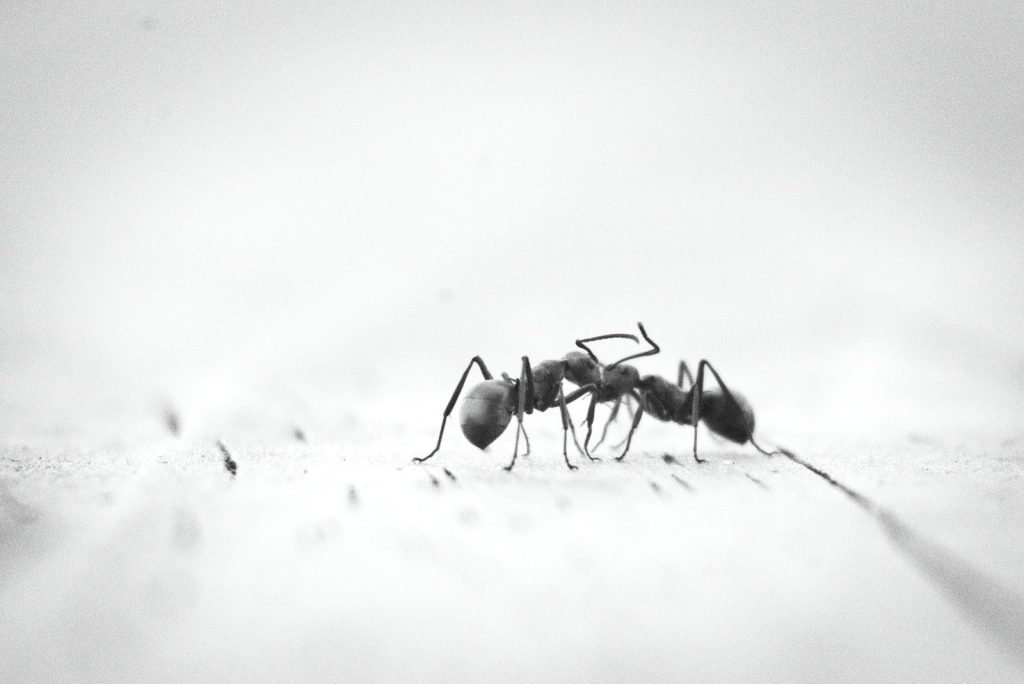
    The Hydraulic Power of the Tiny Leafcutter Ant

    micro photography of two black ants on white panel
    Photo by Thomas Kinto on Unsplash

    An ant can carry up to fifty times its own body weight. For a human, this would be like lifting a large car over your head. They do not have massive muscles. Instead, they rely on a highly specialized neck joint. According to a study by Ohio State University, the joint tissue of a leafcutter ant can withstand pressures up to five thousand times the ant’s weight. Their muscles are also packed tightly inside a rigid exoskeleton. This acts like a natural hydraulic press, multiplying their physical force. But another insect uses a completely different physical mechanism to jump.

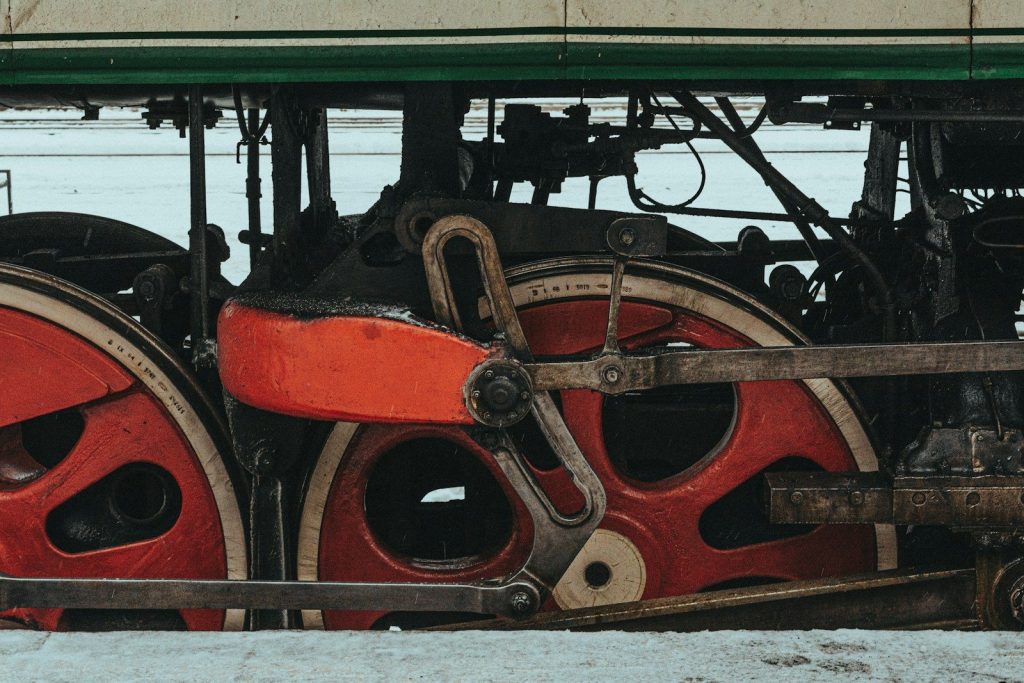
    The High-Tech Spring Inside the Flea

    a close up of the wheels of a train
    Photo by Ivan Lopatin on Unsplash

    A flea can jump over one hundred times its own height. This is a mechanical puzzle because muscle tissue cannot contract fast enough to generate that kind of speed. To solve this, the flea uses a natural elastic protein called resilin. Resilin is the most elastic rubber-like substance known to science. According to research from the University of Cambridge, the flea slowly bends its legs to store energy in this protein. It then releases a tiny catch, snapping the legs back instantly. It is the biological equivalent of a loaded crossbow. But birds of prey rely on a different type of mechanical force.

    The Crushing Leverage of the Golden Eagle

    brown and white eagle in tilt shift lens
    Photo by Ingo Doerrie on Unsplash

    The grip of a golden eagle is more than ten times stronger than a human hand. They can easily crush the bones of their prey mid-flight. They achieve this power through a clever pulley system in their legs. When an eagle bends its knees to land, its tendons naturally tighten like steel cables. According to the National Audubon Society, this mechanical lock requires almost no muscle energy to maintain. The bird can clamp down with immense force simply by using its body weight. But the ocean holds a creature with an even faster strike.

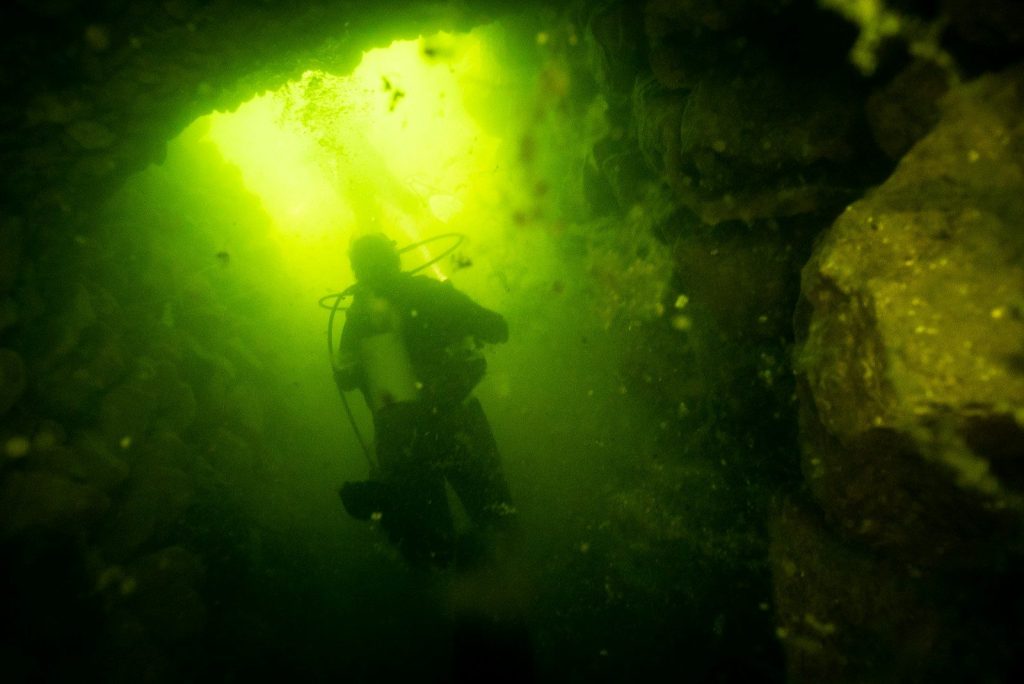
    The Ultrasonic Shockwave of the Mantis Shrimp

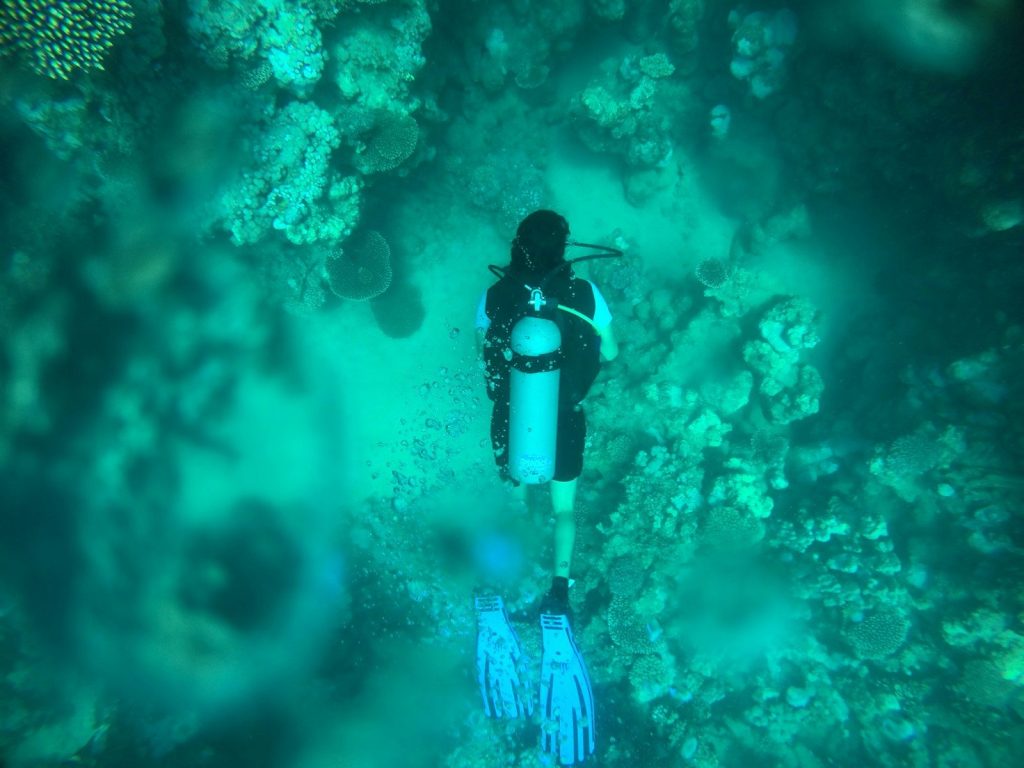
    A scuba in a cave with a green light
    Photo by Victor Oonk on Unsplash

    The mantis shrimp does not just punch its prey. It creates a physical explosion underwater. It can swing its club-like appendages at the speed of a twenty-two caliber bullet. This movement is so fast that it vaporizes the surrounding water, creating a tiny flash of light and heat. According to a study in the Journal of Experimental Biology, this process is called cavitation. The resulting shockwave is often strong enough to crack aquarium glass. This power relies on a saddle-shaped structure on its back that acts like a composite spring. But some mammals rely on raw muscle density.

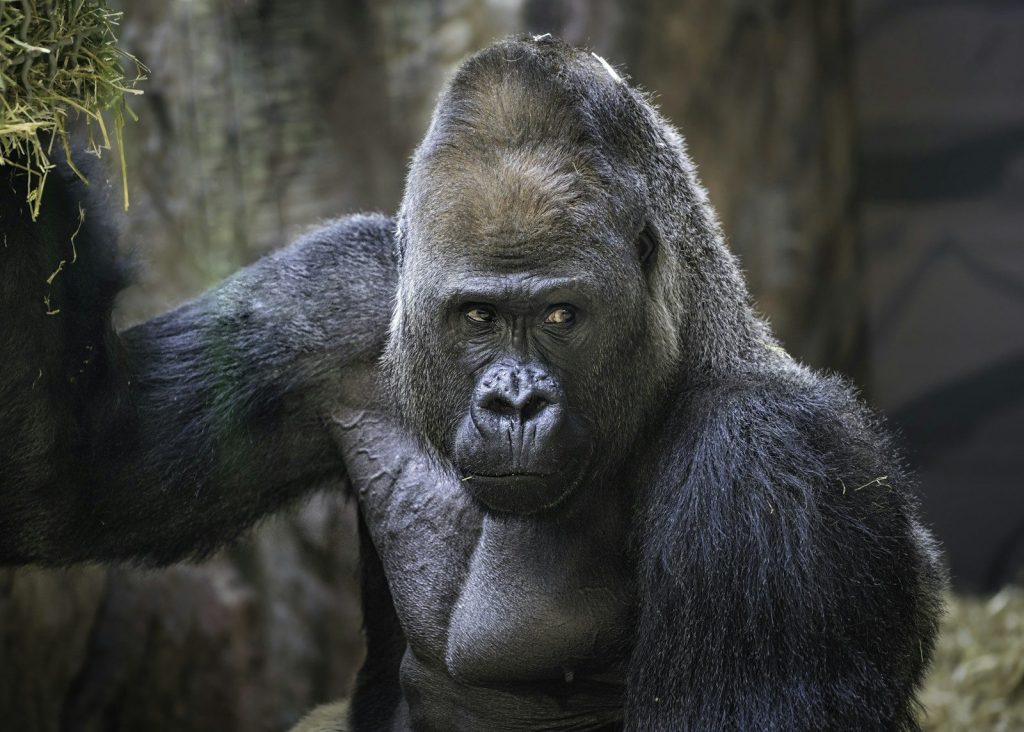
    The Dense Power of the Silverback Gorilla

    black gorilla on brown tree branch during daytime
    Photo by Greg Gollin on Unsplash

    A silverback gorilla is estimated to be six times stronger than an adult human. They can easily snap thick tree branches and roll heavy boulders. This strength is a result of their high muscle-to-fat ratio. According to evolutionary biologists, gorillas possess a higher percentage of fast-twitch muscle fibers. These fibers generate massive amounts of power quickly, although they tire out faster. Their bones are also much thicker than ours, providing the sturdy anchor points needed for these heavy muscles. But a marine giant relies on a different kind of leverage.

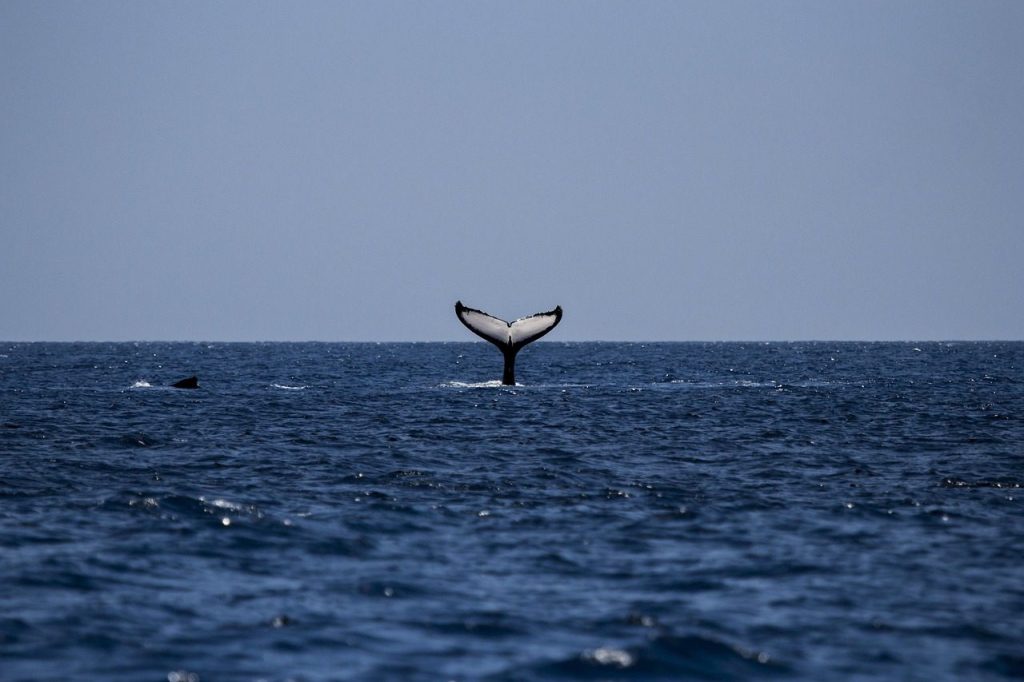
    The Heavy Torque of the Blue Whale Tail

    whale, humpback, humpback whale, ocean, mammal, sea, animal, marine, water, nature, watching, wildlife, life, tail, fin, wild, splash, underwater, travel, tourism
    Photo by 1790462 on Pixabay

    The blue whale is the largest animal to ever exist on Earth. Moving a body that weighs up to two hundred tons requires immense torque. The whale’s tail, or fluke, is made of dense fibrous tissue that contains no bones. According to marine scientists at the University of British Columbia, this tail acts like a massive hydrofoil. When the whale moves its tail up and down, it generates incredible thrust by catching the water currents. This allows them to travel thousands of miles without exhausting their energy reserves. But the land has its own champion of slow, steady power.

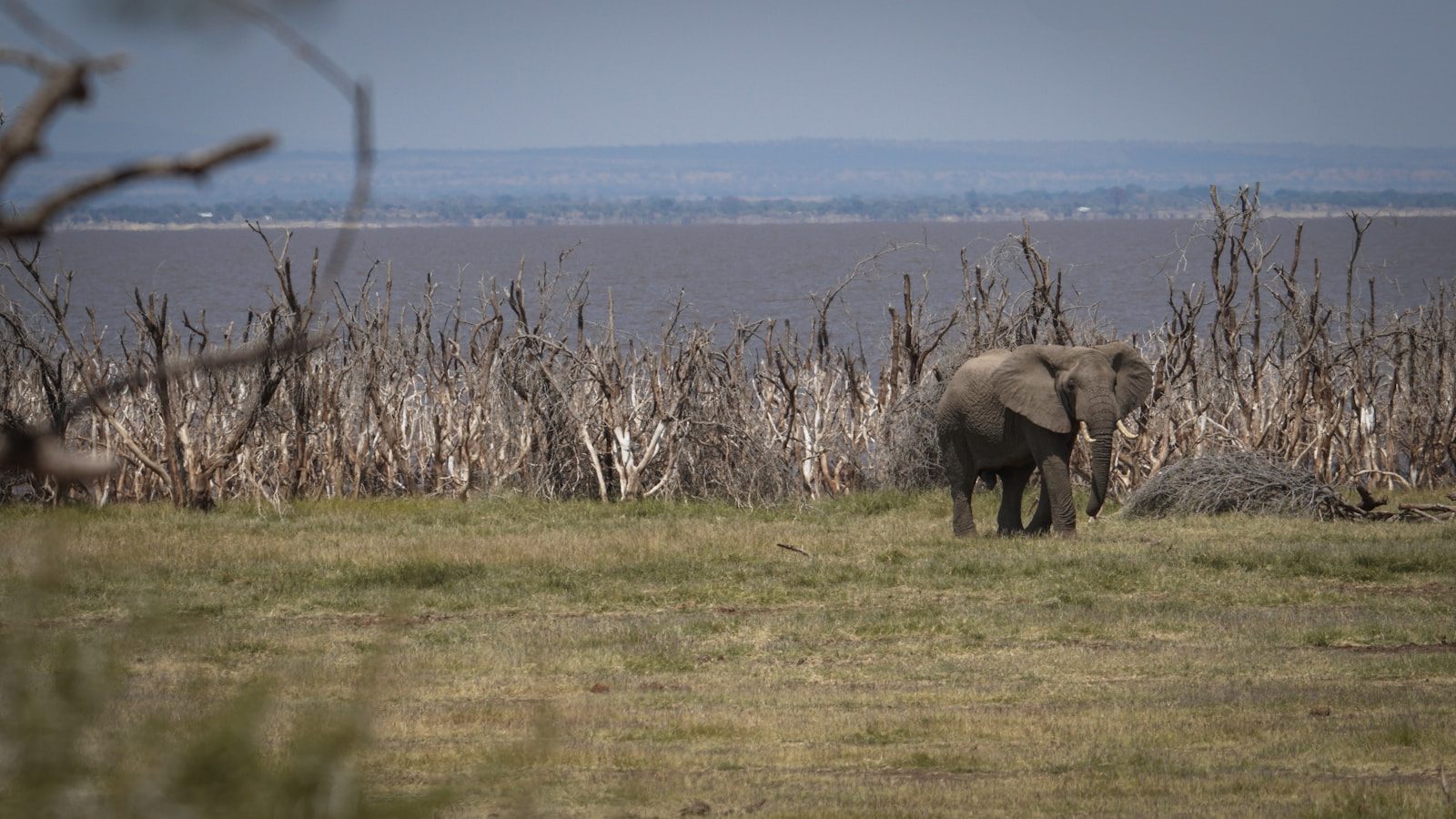
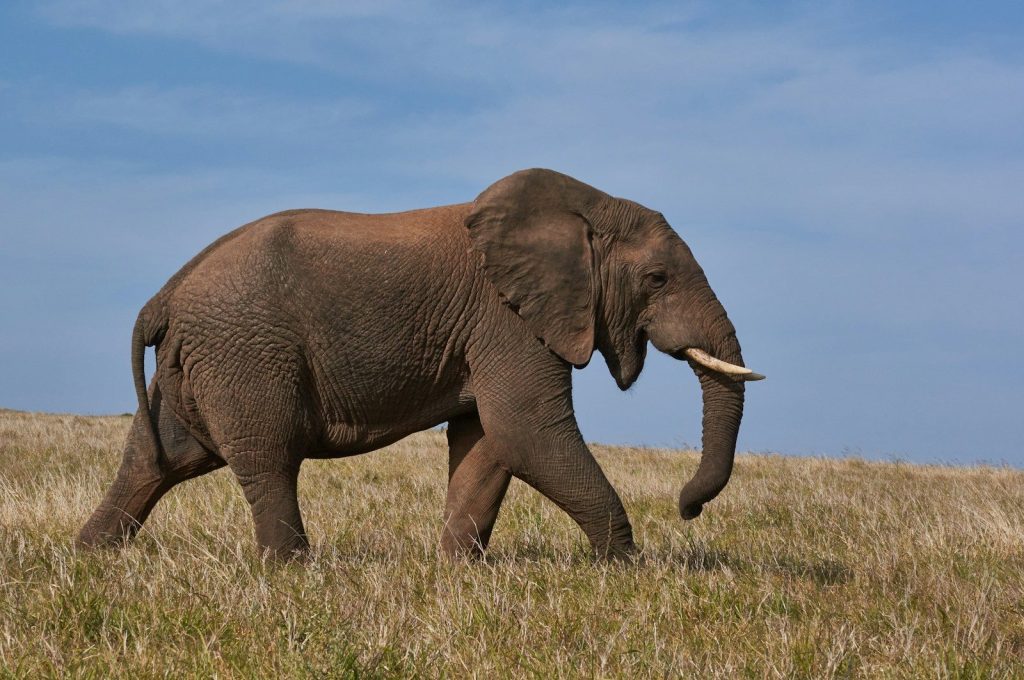
    The Silent Strength of the African Elephant

    brown elephant on green grass field during daytime
    Photo by Wolfgang Hasselmann on Unsplash

    An elephant’s trunk contains over forty thousand individual muscles. For comparison, the entire human body has only about six hundred and fifty. This incredible muscle density allows the trunk to be both delicate and strong. According to National Geographic, an elephant can use its trunk to pick up a single blade of grass or lift a heavy tree trunk. It relies on a biological concept called a muscular hydrostat. Because water is incompressible, the elephant can stiffen its trunk by contracting specific muscles. This creates a highly flexible, solid lever.

    What Nature Machines Can Teach Our Engineers

    automation, engineers, engineering, technology, industry, computer, industrial, automated, power, innovation, work, energy, design, smart, electronic, process, network, tool, mechanical, production, icon, manipulation, team work, system, business, robotic, automation, automation, automation, automation, automation, engineering, innovation, innovation
    Photo by RavindraPanwar on Pixabay

    Human technology has come a long way, but our machines are still clunky compared to animals. Roboticists are currently using these biological designs to build flexible search-and-rescue drones. They are copying the ant’s neck joint and the shrimp’s spring mechanism to create resilient materials. By studying the physical laws of nature, we can build a more efficient world. The next major breakthrough in engineering is already walking, crawling, or swimming right beside us.

    Featured Image: Photo by Ricardo Ferro on Unsplash

  • Can Europe Survive The Dramatic Return Of Its Apex Predator

    Can Europe Survive The Dramatic Return Of Its Apex Predator

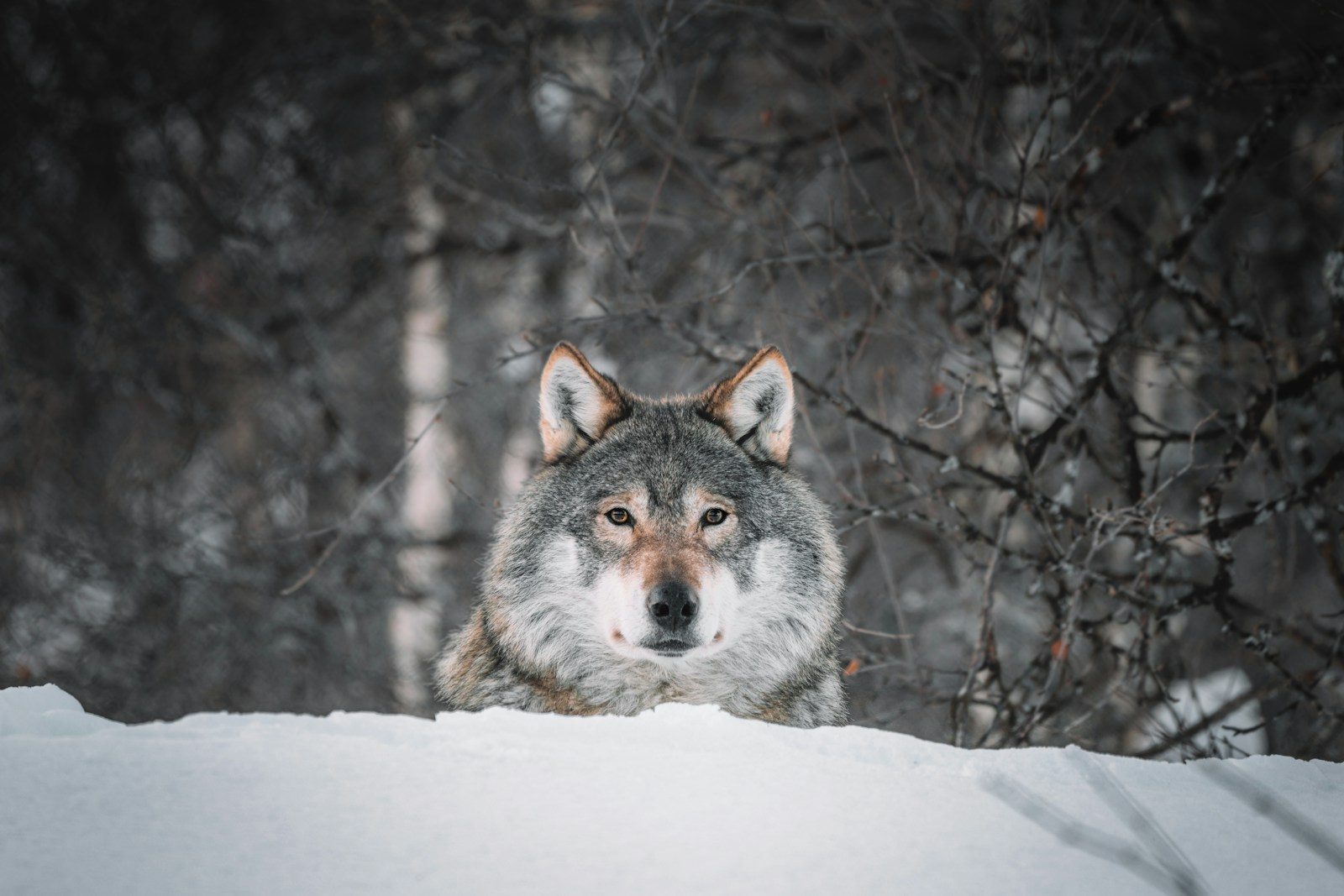
    Wolves are reclaiming Europe. After being hunted to near extinction over a century ago, these clever predators are staging an incredible comeback. They are crossing national borders and moving into populated areas. This ecological success story is causing intense panic among local farmers. Many rural communities feel completely abandoned by urban lawmakers who protect these predators. The battle over wolf conservation has turned highly emotional. Today, scientists are using satellite collars and DNA tracking to monitor their movements in real time. They want to know if humans and wolves can actually coexist in modern Europe. The answers they are finding are surprising. It turns out that the greatest threat might not be the wolves themselves.

    The Rapid Expansion Across European Borders

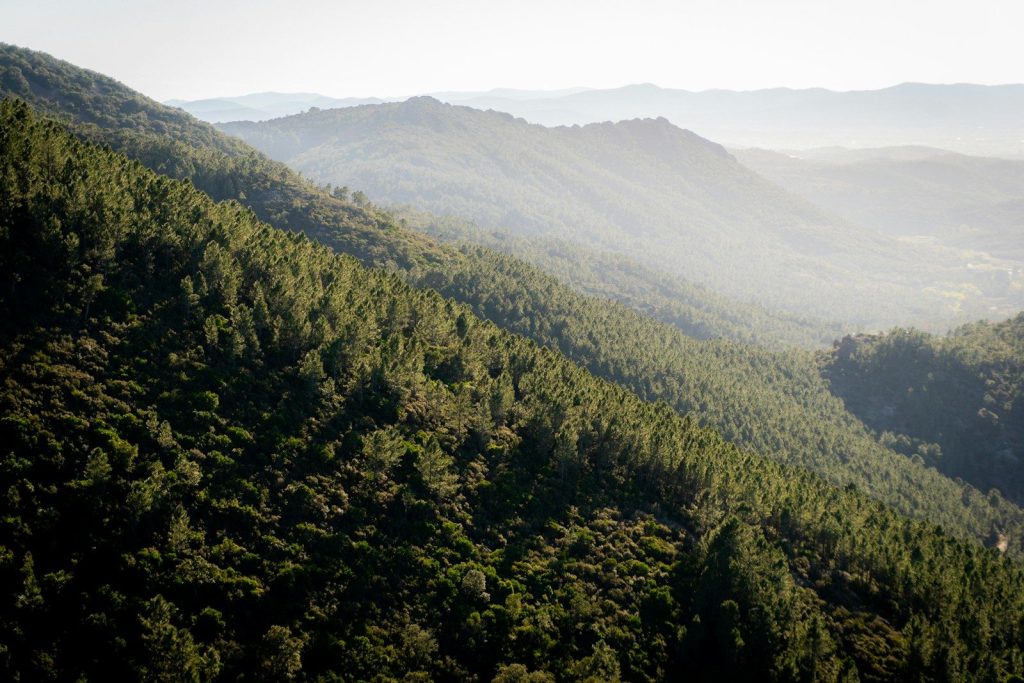
    Lush green forest covering rolling hills under a hazy sky
    Photo by Tom Nazaret on Unsplash

    Wolf populations have exploded by over twenty-five percent in several European regions. According to reports from the World Wildlife Fund, there are now thousands of wolves roaming the continent. They are no longer confined to remote wilderness areas. Packs have been spotted near major cities in Germany and France. This rapid expansion is a testament to strict conservation laws. But this growth has also triggered a massive clash with traditional agriculture.

    Terror in the Quiet European Pastures

    animals, grazing, sheep, flock, herd, highlands, mountains, pastures, meadows, livestock, grass, landscape, nature, outdoors, panoramic, scenic, cloudy, sheep, sheep, sheep, sheep, sheep
    Photo by Pexels on Pixabay

    Livestock owners are facing a crisis. Thousands of sheep and goats are lost to wolf attacks every year in the French Alps. This has forced shepherds to adopt expensive security measures. They are building tall electric fences and hiring large guard dogs. These guard dogs are specially trained to fight off apex predators. But even these defenses are not always enough to stop a hungry pack. The financial strain is driving many small farmers out of business.

    The Ecological Miracles of a Restored Apex Predator

    shallow focus photo of bare trees during daytime
    Photo by Eric Prouzet on Unsplash

    Environmentalists view the return of the wolf as a massive victory. Apex predators play a crucial role in maintaining healthy ecosystems. They keep deer and wild boar populations in check. This prevents overgrazing and allows forests to regenerate naturally. Biologists have documented improved biodiversity in areas where wolves have returned. But the scientific benefits do not always ease the fears of the local population.

    Clashing Laws and the Battle of Brussels

    wolf pack on rock formation
    Photo by Thomas Bonometti on Unsplash

    The European Union currently grants wolves strict legal protection under the Habitats Directive. This makes killing a wolf a serious criminal offense in most member states. However, some politicians are pushing to downgrade this status. They argue that the wolf population is no longer endangered. They want to allow controlled hunting seasons to manage the growing packs. This political struggle is dividing urban voters and rural communities. But science is offering a new way to keep the peace.

    High Tech Shepherding in the Twenty-First Century

    the sheep, animal, sheep, collar, bell jar, bells, portrait, pasture, meadow, sheep breeding, agriculture mammal, farm yard, cattle, wool, fur, farm animal, the world of animals, nature
    Photo by manfredrichter on Pixabay

    Researchers are testing innovative non-lethal deterrents to protect livestock. They are installing solar-powered lights that flash randomly to scare away predators. Some farmers are even using GPS tracking collars on their sheep. These collars send instant smartphone alerts if the herd suddenly starts running. This technology allows shepherds to react quickly to potential threats. Yet, technology is only part of the solution.

    The Surprising Success of Ancient Dog Breeds

    sheep, shepherds, shepherd, dog, flock of sheep, shepherd dog, pet, nature, animal, domestic animal
    Photo by Sushuti on Pixabay

    Many farmers are turning back to history for answers. They are importing ancient livestock guardian dogs like the Maremma Sheepdog. These massive dogs live with the sheep from birth and treat them as family. They are fiercely loyal and will put their lives on the line to protect the herd. Studies show that using these dogs can reduce livestock losses by over ninety percent. But this ancient solution requires a lot of patience and training.

    Finding a Fragile Path to Coexistence

    a path through a forest in the fog
    Photo by Seven Colors on Unsplash

    The European wolf debate is far from over. It is a complex issue that involves science, culture, and economics. Both sides must find common ground to move forward. Total eradication is no longer an option in a modern society that values biodiversity. But rural communities cannot bear the financial burden of conservation alone. By working together, humans and wolves might just find a way to share the changing landscape.

    Featured Image: Photo by Federico Di Dio photography on Unsplash

  • Why scientists are racing to name deep-sea life before it is disturbed

    Why scientists are racing to name deep-sea life before it is disturbed

    The deep ocean still feels like another planet, yet it is part of our own backyard. Far below the waves, tiny worms, shellfish, crustaceans, and other strange animals live in places most people will never see. Many of them do not even have official names yet.

    That is a big problem. A species without a name is harder to study, protect, or even talk about. Researchers say much of marine invertebrate life is still under-described, even after centuries of ocean exploration. New projects like Ocean Species Discoveries are trying to speed up that process with better tools, shared expertise, and shorter, data-rich species reports. The goal is simple but urgent: document ocean life before fast-changing seas disturb it.

    Hidden life needs names

    gray turtle
    Photo by Francesco Ungaro on Unsplash

    The ocean is packed with creatures that science has not fully recorded. Some are tiny, some live miles deep, and some look unlike anything seen on land.

    Naming them is not just a formality. A scientific name gives researchers a way to track a species, compare findings, and understand where it fits in the ocean’s larger story.

    Old methods take too long

    a close up of a structure with a blue background
    Photo by digitale.de on Unsplash

    Describing a new species can take years, and sometimes even decades. Researchers may need special images, expert review, DNA work, and careful comparisons with museum specimens.

    That slow pace is a real challenge. SOSA notes that species description can face delays of 20 to 40 years, which is far too long when ecosystems are changing quickly.

    A faster system is growing

    brown turtle on water
    Photo by NOAA on Unsplash

    Ocean Species Discoveries was created to help scientists publish clear, useful species descriptions faster. It focuses on marine invertebrates such as worms, mollusks, and crustaceans.

    The second issue described 14 new species, two new genera, and one redescription across three major animal groups. That shows how teamwork can turn scattered discoveries into organized science.

    New tools reveal more

    woman in red shirt sitting in front of computer
    Photo by National Cancer Institute on Unsplash

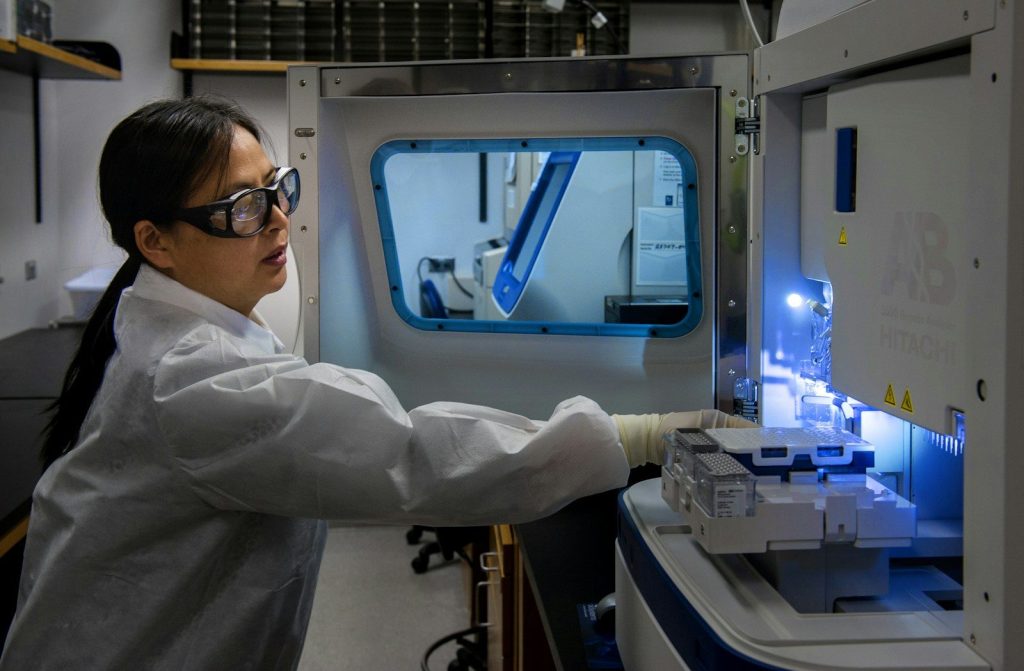
    Modern labs can study ocean animals in ways that were not possible before. Light microscopes, electron microscopes, DNA barcoding, and micro-CT scans can reveal fine details without damaging rare samples.

    That matters because many deep-sea specimens are precious. If scientists can study them carefully and preserve them, other researchers can return to the same material later.

    The deep holds surprises

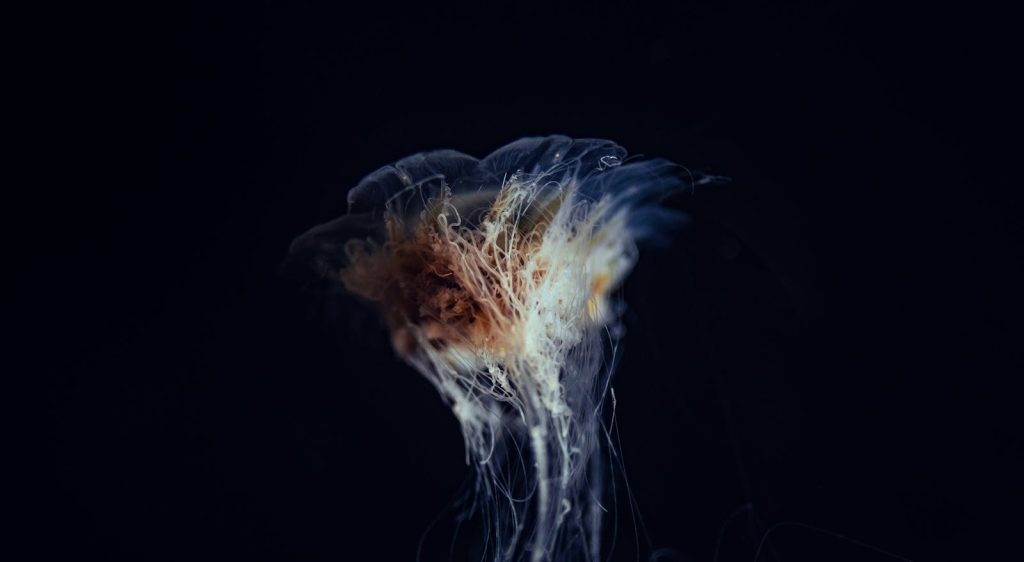
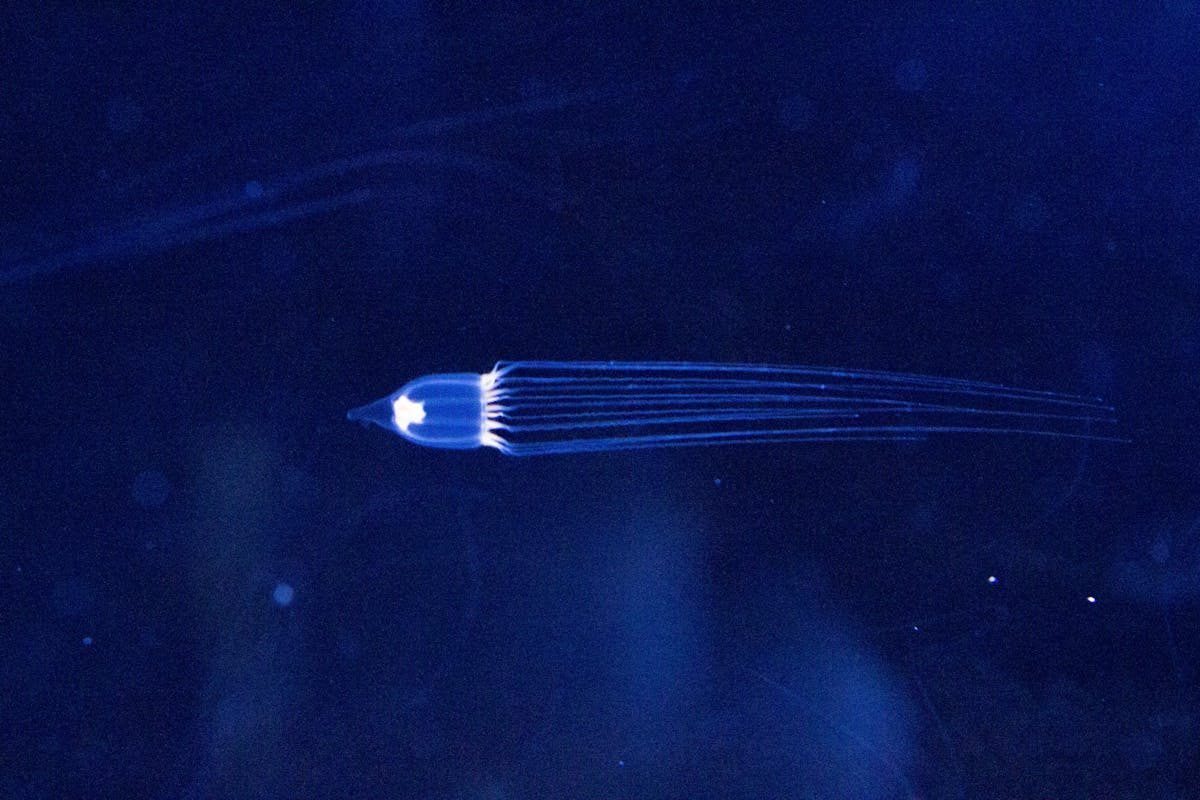
    A mesmerizing close-up of a jellyfish floating gracefully in the dark ocean depths.
    Photo by Benjamin Farren on Pexels

    Some new species came from extreme depths. One mollusk, Veleropilina gretchenae, was collected from the Aleutian Trench at 6,465 meters, or about 21,200 feet.

    Another species, Myonera aleutiana, is a deep-sea bivalve studied with non-invasive micro-CT scanning. The paper notes it is only the second bivalve with an anatomical description using that method.

    Scans protect rare samples

    octopus, glow, bioluminescence, underwater, creature, nature, sea, tentacles, octopus, octopus, octopus, octopus, octopus, tentacles
    Photo by Edgar117 on Pixabay

    In the past, scientists often had to dissect animals to learn what was inside. That can be risky when a specimen is rare, fragile, or one of the only examples found.

    Micro-CT scanning changes that. It creates detailed internal images while leaving the animal intact. For deep-sea research, that can mean more knowledge with less damage.

    Tiny species can matter

    blue and white bird on body of water
    Photo by Mikhail Preobrazhenskiy on Unsplash

    Small ocean animals may look easy to overlook, but they can play major roles in food webs, sediment health, and ecosystem balance. Losing them can affect more than one species.

    That is why naming small life matters. A tiny crustacean, worm, or shellfish may hold clues about evolution, deep-sea survival, or how ocean habitats respond to change.

    Names tell stories

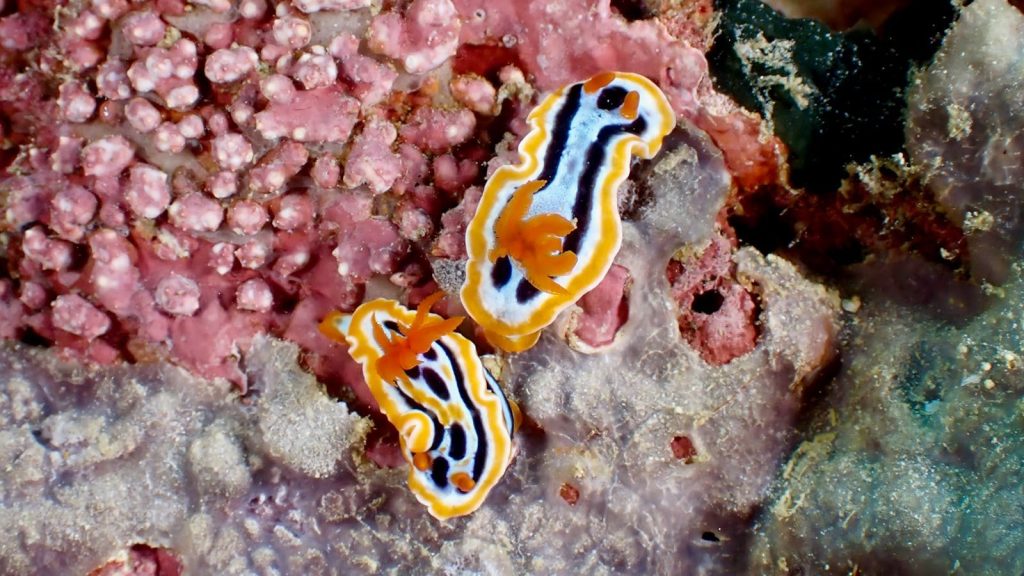
    Two vibrant nudibranchs, Chromodoris annae, on coral in the Philippines.
    Photo by Chris Spain on Pexels

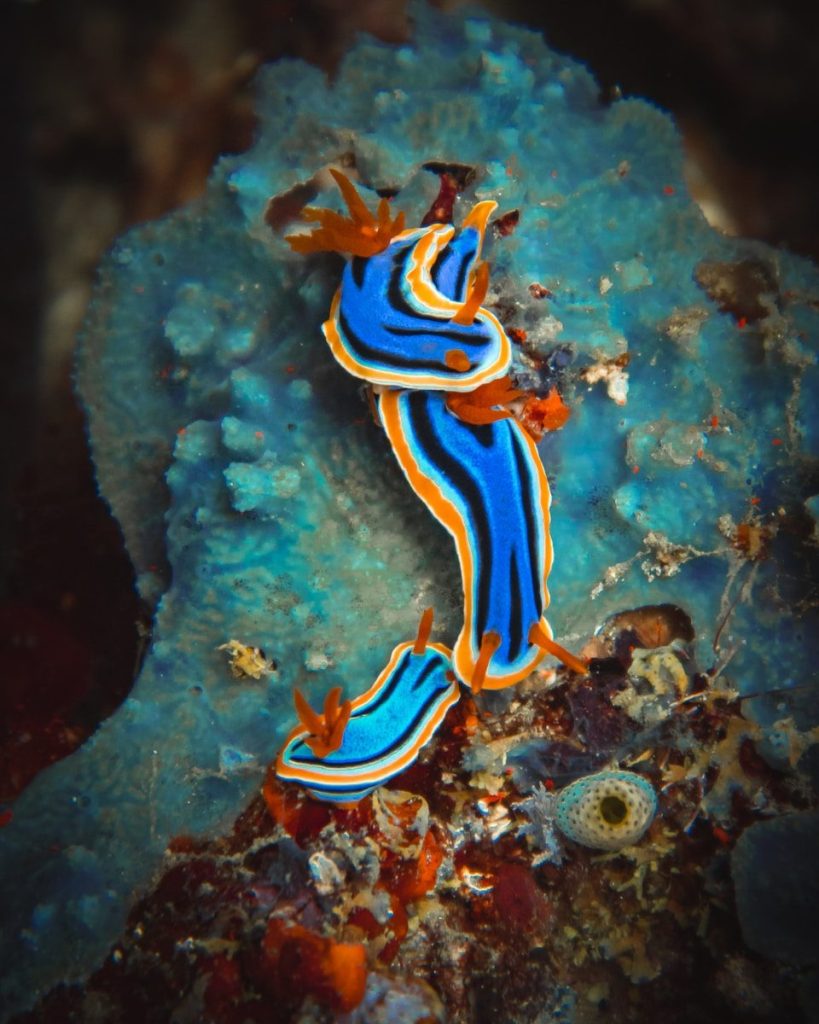
    Some new species names honor people, places, or memorable features. One amphipod, Apotectonia senckenbergae, was named after Johanna Rebecca Senckenberg.

    Another new animal, Zeaione everta, is a parasitic isopod with unusual bumps that reminded researchers of corn. These names help make hidden ocean life easier to remember and discuss.

    Teamwork speeds discovery

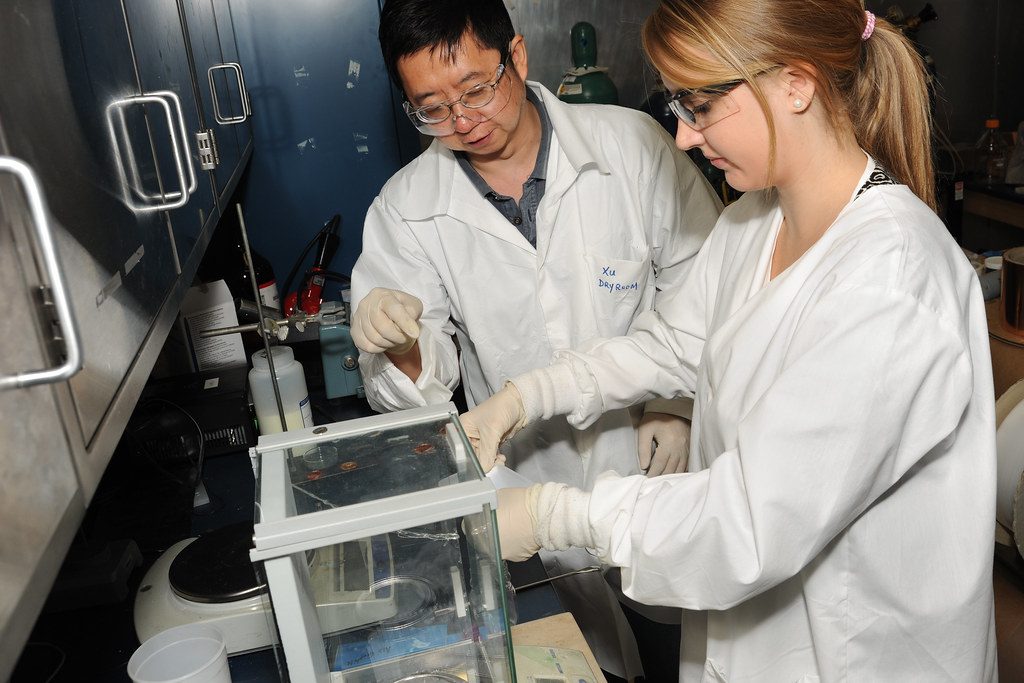
    Army scientists energize battery research” by U.S. Army Combat Capabilities Development Command is licensed under CC BY-SA 2.0

    No single scientist can describe every unknown ocean species alone. The work often needs taxonomists, imaging experts, DNA specialists, museum collections, and field researchers.

    That is why shared labs and global networks are so important. SOSA’s Discovery Laboratory gives researchers technical support and tools that can help turn hard-to-study specimens into publishable science faster.

    The race is not over

    photography of sea corals
    Photo by Scott Webb on Unsplash

    New deep-sea discoveries keep showing how much remains unknown. In 2026, researchers announced 24 new amphipod species from the Clarion-Clipperton Zone, including a new superfamily.

    Each discovery is a reminder that the ocean still holds many blank spaces. Naming species cannot solve every threat, but it gives science a stronger starting point before those habitats change further.

  • Stop Obsessing Over Lithium – Why Sodium Batteries Are Taking Over

    Stop Obsessing Over Lithium – Why Sodium Batteries Are Taking Over

    The world is currently in a desperate race to find enough lithium for our electric cars and phones. We have been told that lithium is the “white gold” of the 21st century. But in 2026, a massive shift is happening that is leaving the lithium experts speechless. The shipping industry has officially moved on. A new, much cheaper technology is quietly taking over: the Sodium-Ion battery.

    Instead of digging up rare minerals in dangerous mines, we are now getting our energy from the same stuff that sits on your dinner table—salt. Sodium is everywhere, it’s cheap, and it’s finally ready for prime time. This isn’t just about saving money; it is about breaking the global monopoly on energy. We are looking at a future where the ocean is our biggest power plant. But how can a battery made of salt actually compete with the power of lithium?

    The End of the Rare Mineral Crisis

    four Duracell batteries
    Photo by Claudio Schwarz on Unsplash

    Lithium is hard to find and expensive to process. Sodium is 500 times more abundant and can be found in every corner of the Earth. In 2026, the cost of manufacturing a sodium battery is 40 percent lower than a lithium one. This massive price drop is making “Green Energy” accessible to everyone, not just wealthy nations. It is a total reset for the global economy. But can salt really hold as much power as high-tech minerals?

    Why Cargo Ships Love Heavy Batteries

    aerial view of brown and white building on body of water during daytime
    Photo by Korie Jenkins on Unsplash

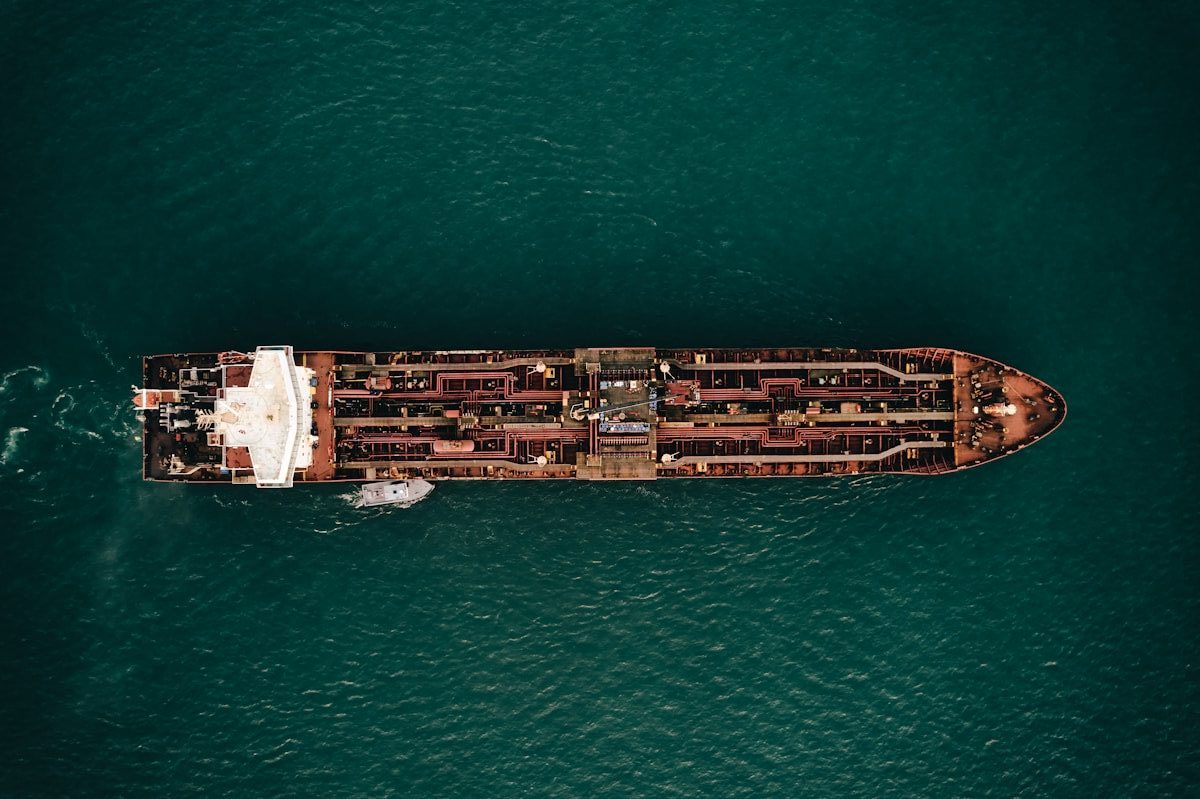
    For a long time, sodium batteries were seen as too heavy for cars. But for giant cargo ships and trains, weight doesn’t matter. In fact, a heavier battery can act as ballast for a ship. Global shipping giants are now switching their entire fleets to sodium power. These ships can travel thousands of miles without a single drop of fuel, saving billions of dollars and cleaning up the air. But wait until you see how these batteries handle the cold.

    The Battery That Never Freezes

    black plastic tool box
    Photo by Erik Mclean on Unsplash

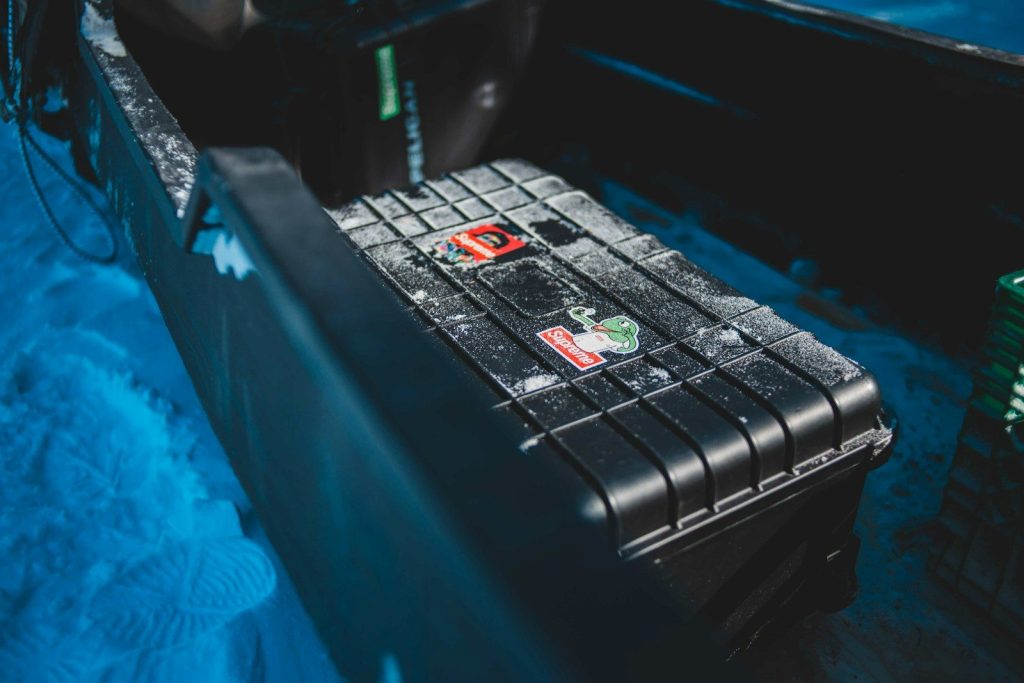
    If you live in a cold climate, you know that lithium batteries hate the winter. They lose power and take hours to charge. Sodium batteries are the exact opposite. They perform perfectly at -4 degrees Fahrenheit. This has made them the primary choice for the world’s northern cities and high-altitude shipping routes. We have finally found an energy source that doesn’t care about the weather forecast. But is it safe for your home?

    No More Fire Risks for Homes

    A close up of an electronic device in the grass
    Photo by Carl Tronders on Unsplash

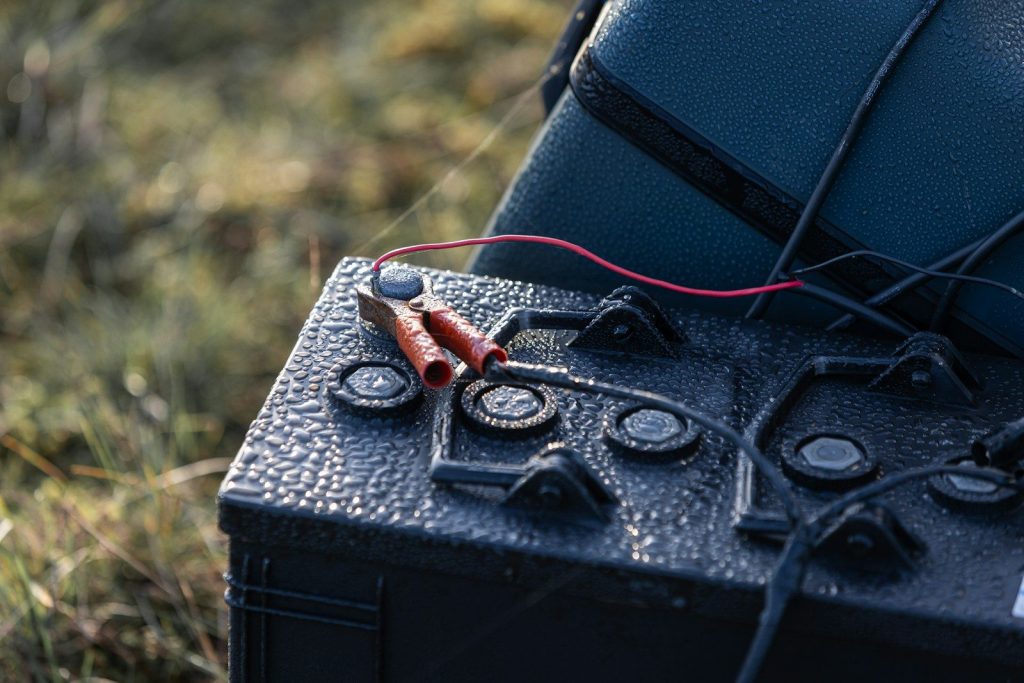
    Lithium batteries carry a risk of “thermal runaway”—they can catch fire and be very hard to put out. Sodium batteries are chemically stable and almost impossible to ignite. This safety record is why they are becoming the standard for home energy storage. You can have a giant salt-battery in your basement to store solar power without ever worrying about a fire. It is a peace of mind that lithium just can’t offer. But how do we actually get all that salt?

    Energy Harvested from Desalination Plants

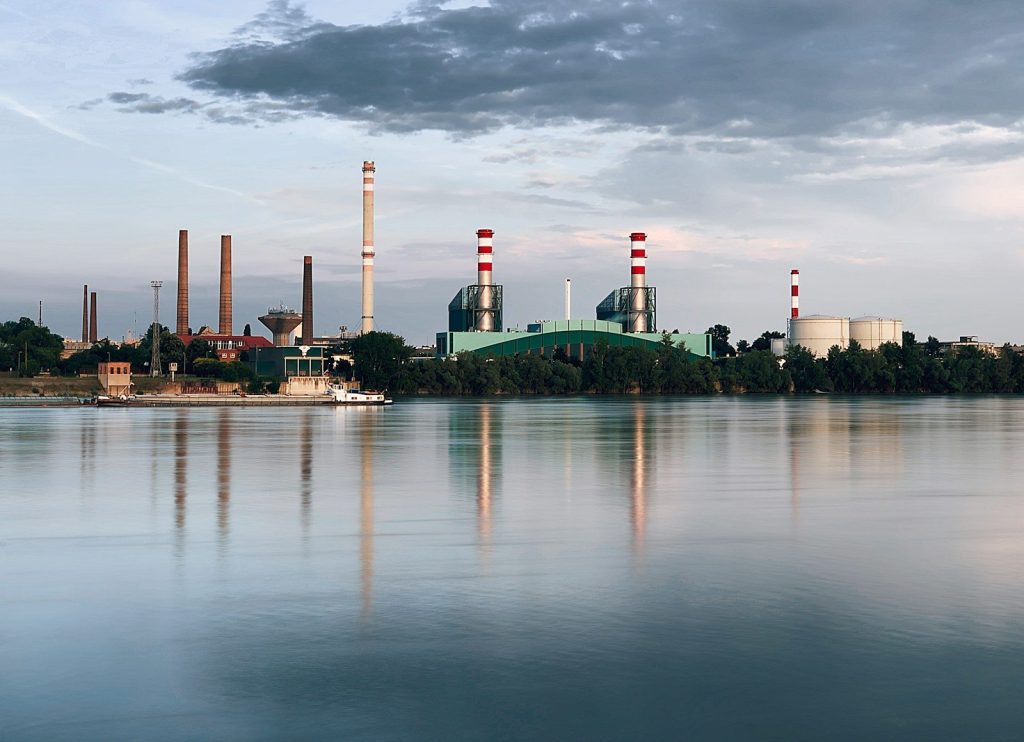
    industrial buildings across river
    Photo by Mihály Köles on Unsplash

    We are currently building massive desalination plants to provide drinking water for our cities. These plants produce a huge amount of “waste salt” as a byproduct. In 2026, we are turning that waste into the primary fuel for our batteries. It is a perfect circular economy. We get fresh water and clean energy from the same facility. It is a win for the environment and the taxpayer. But what does this mean for the price of your next car?

    The Rise of the $15,000 Electric Car

    black and white usb cable plugged in black device
    Photo by CHUTTERSNAP on Unsplash

    While sodium started in shipping, it is moving into the “Budget Car” market. By using salt-based batteries, manufacturers are finally able to build electric cars for under $15,000. These cars are perfect for city driving and short commutes. They charge fast, stay safe, and are incredibly cheap to maintain. We are seeing the death of the “Premium” electric car barrier. But is there one last hurdle for the salt revolution?

    A Planet That Runs on Salt

    blue body of water during daytime
    Photo by tayla maurici on Unsplash

    The sodium revolution is just the beginning of a data-driven energy grid. We are moving toward a world where energy is no longer a limited resource. As we master the chemistry of the ocean, we are unlocking a future of infinite power. The 2026 data shows that salt is the future, and lithium is just the first step. But while we fix our power, we are also learning how to speak to our best friends.

    The Countdown to an Ocean-Powered Future

    Woman plugging electric car charger into wall
    Photo by go-e on Unsplash

    We have reached the end of the lithium monopoly. The salt battery is the key to a truly green and fair world. As we look at the horizon, we can see the cargo ships and cars of tomorrow moving silently and cleanly across the planet. Stay curious, stay informed, and keep looking for the next discovery in your own backyard. The world is changing fast, and the best is yet to come. Are you ready to hear what your dog is really thinking?

    Featured Image: Photo by Bent Van Aeken on Unsplash

  • he Enzyme Now Cleaning Oceans in Hours, Not Years

    he Enzyme Now Cleaning Oceans in Hours, Not Years

    The Great Pacific Garbage Patch has been a symbol of human failure for decades. We were told that it would take thousands of years for that plastic to disappear. But in 2026, a revolutionary discovery changed math completely. Scientists have engineered a new “Super-Enzyme” that can break down the strongest plastics in just a few hours. This isn’t just a slow decay; it is a total molecular dismantling.

    This enzyme is hitting the news as the “Silver Bullet” for our oceans. It has been deployed in large-scale tests across the Pacific with shocking success. Within hours of being released into a patch of trash, the solid plastic begins to dissolve into harmless organic material. We are looking at a future where our beaches are finally clean again. But how did we create something that can eat trash so fast without harming the fish?

    The Microscopic Vacuum for Plastic

    A 3D illustration of a colorful abstract molecular structure on a dark background.
    Photo by Google DeepMind on Pexels

    The secret is a protein called PETase-X. Scientists used AI to rewrite the genetic code of a bacterium found in a recycling plant. The new 2026 version is a thousand times more aggressive than anything found in nature. When it touches plastic, it acts like a pair of microscopic scissors, cutting through the chemical bonds of the polymers. It turns the trash into a nutrient that the bacteria then consume. But can this enzyme really handle the millions of tons of waste in the deep sea?

    Shattering Polymeric Bonds Instantly

    Colorful abstract representation of a molecular structure with interconnected spheres.
    Photo by Google DeepMind on Pexels

    In the past, enzymes were too fragile to survive in the rough conditions of the ocean. But the 2026 Super-Enzyme is “Thermally Stable.” It can work in freezing arctic waters or hot tropical currents without losing its power. This means we can deploy it anywhere on the planet. It is a high-speed demolition team for our environmental mistakes. But how do we make sure this doesn’t turn into a biological disaster?

    The Safe Switch for Marine Life

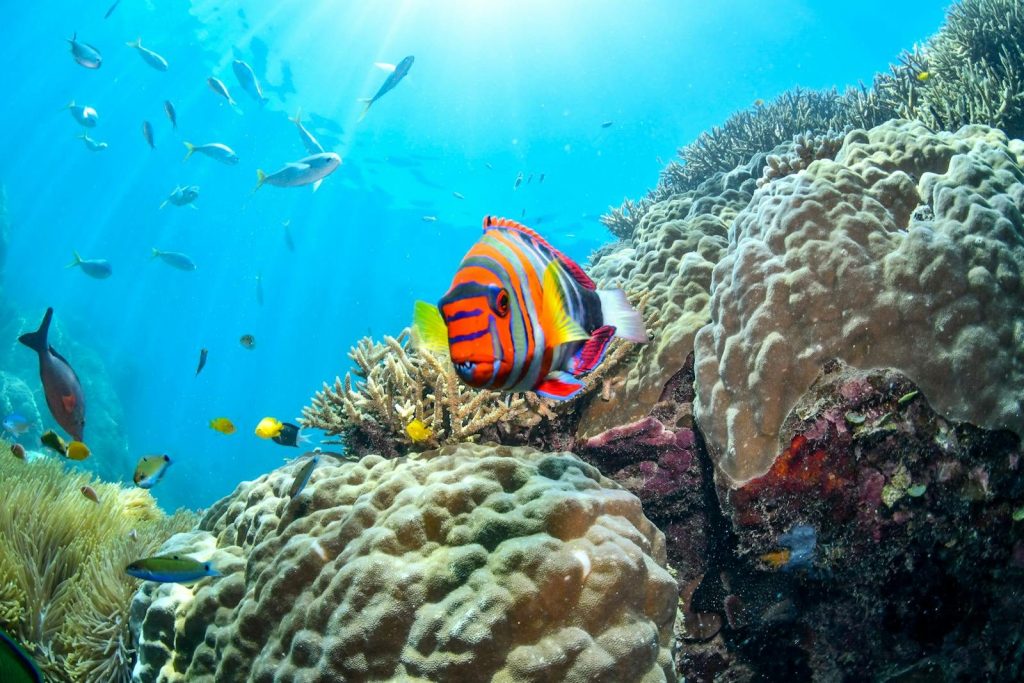
    Colorful reef fish swimming among corals in Australia's clear waters.
    Photo by Martins OPO on Pexels

    The biggest fear was that the enzyme might start eating the scales of fish or the shells of turtles. To prevent this, scientists built a “Biological Lock.” The enzyme can only be activated by a specific, harmless signal sent from a satellite. If it leaves the target area, it simply deactivates and becomes regular protein. This 2026 safety protocol ensures that we are only targeting the trash. We are cleaning the house without hurting the guests. But there is a huge financial benefit to all this trash, too.

    Turning Trash Into Useful Energy

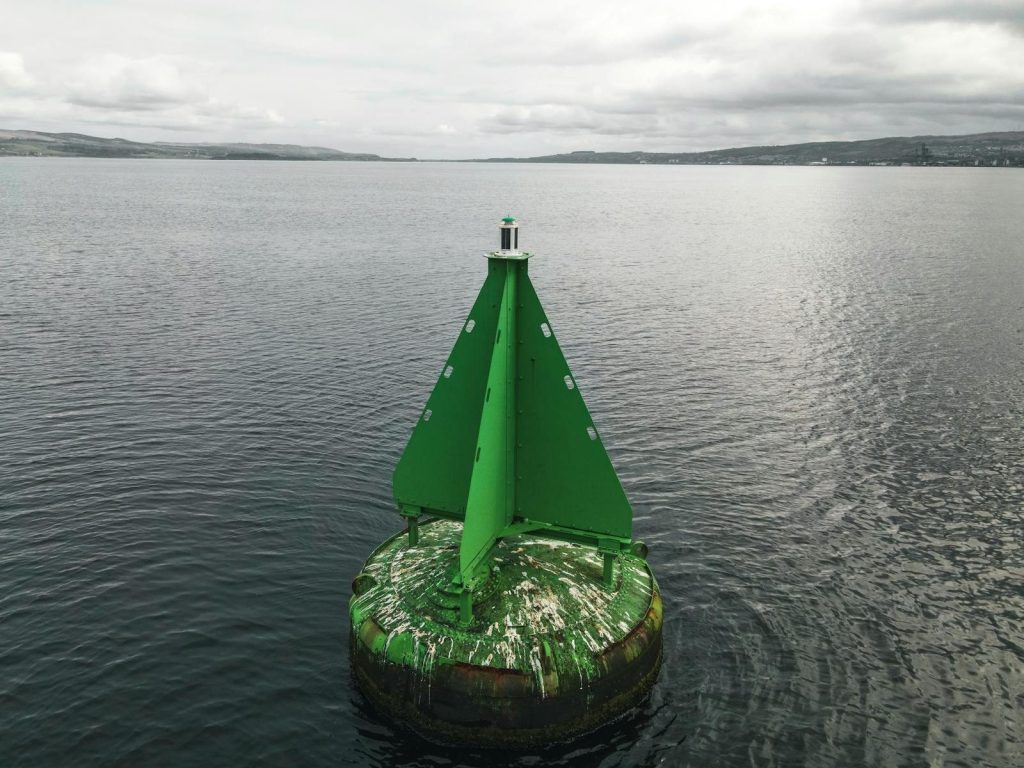
    A green buoy in the calm sea near Greenock, Scotland, highlighting water navigation.
    Photo by Ollie Craig on Pexels

    When the enzyme breaks down the plastic, it releases a byproduct that is high in carbon. Smart buoys are now being used to capture this byproduct and turn it into clean biofuel. We aren’t just removing the trash; we are harvesting it. In 2026, the “Garbage Economy” is becoming a billion-dollar industry. We have turned a liability into a resource. But wait until you see what this means for your next vacation.

    A Second Chance for Our Beaches

    body of water during daytime
    Photo by frank mckenna on Unsplash

    By 2027, experts predict that the majority of coastal plastic will be gone. This means that for the first time in a generation, children will be able to play on beaches that aren’t littered with bottle caps and straws. This is a massive win for the tourism industry and human health. We are restoring the beauty that we almost lost. It is a hopeful moment for everyone who loves the sea. But the final weapon against pollution is even more ambitious.

    The Final Weapon Against Pollution

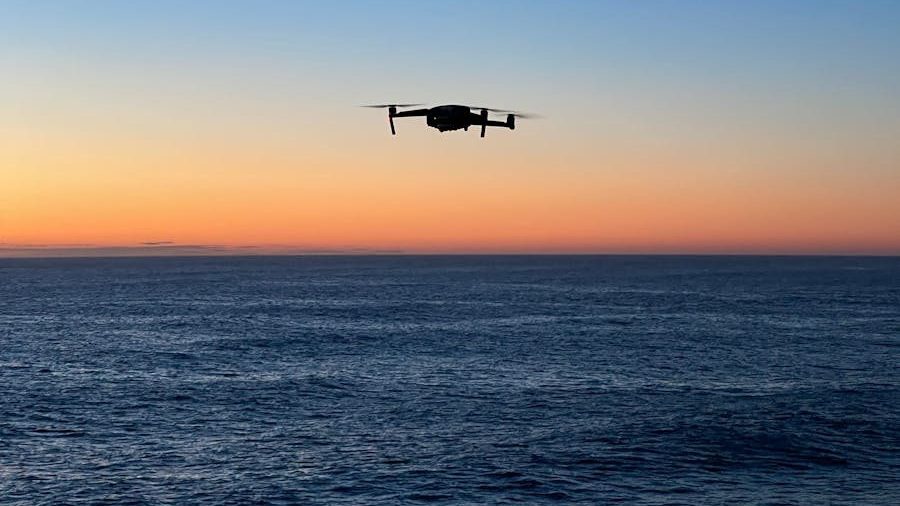
    A silhouette of a drone flying over the ocean during a vibrant sunset in Tamarama, NSW.
    Photo by Mudassir Ali on Pexels

    The Super-Enzyme is being combined with “Autonomous Cleaning Drones.” These drones use satellite data to find the largest concentrations of plastic and release the enzyme exactly where it is needed. It is an automated cleanup crew that works 24 hours a day. We have built a “Digital Immune System” for the planet. We are finally fighting back against the tide of pollution. But is this the end of the story?

    The End of the Plastic Era

    Tranquil ocean scene with gentle waves and a clear blue sky. Perfect for nature backgrounds.
    Photo by Jaymantri on Pexels

    The countdown to a clean ocean has officially reached its final stage. In 2026, we have the tools to erase our footprint. We have learned to use nature’s own chemistry to fix nature’s biggest problems. It is a reminder that even when things seem impossible, human ingenuity has no limits. The future is blue, it is clean, and it belongs to all of us. But as we clean the water, we are discovering that the sky is also filled with hidden patterns. Are you ready for the next breakthrough?

    Featured Image: Photo by engin akyurt on Unsplash

  • A submersible found a dark mirror on the seafloor – then saw the bodies

    A submersible found a dark mirror on the seafloor – then saw the bodies

    The deep ocean is one of the most hostile environments on Earth. It is a place of absolute darkness, crushing pressure, and freezing temperatures. Yet, when a research submersible dove to the bottom of the ocean, the crew spotted something that looked impossible. They saw what appeared to be a shimmering lake with a perfectly flat, dark surface. It looked exactly like a dark mirror resting on the seafloor. But as the submersible moved closer to investigate, the ocean researchers gasped. The edges of this mysterious lake were littered with the perfectly preserved bodies of deep-sea creatures. This discovery is shedding light on a terrifying natural phenomenon known as a brine pool. The science behind these underwater lakes of death is absolutely mind-boggling. It reveals how extreme chemistry can create a perfect, silent trap in the deep sea.

    Diving into the deep unknown

    black and white water pump
    Photo by Simon Infanger on Unsplash

    Deep-sea exploration requires highly specialized submersibles. These vessels are built to withstand pressures that would instantly crush a human. According to reports from the Ocean Exploration Trust, a research team was exploring the Gulf of Mexico when they spotted the anomaly. The cameras on the robotic arm caught a strange, shimmering boundary on the seafloor. It looked like a body of water within the ocean itself. This bizarre sight immediately captured the attention of the scientific crew.

    The illusion of an underwater lake

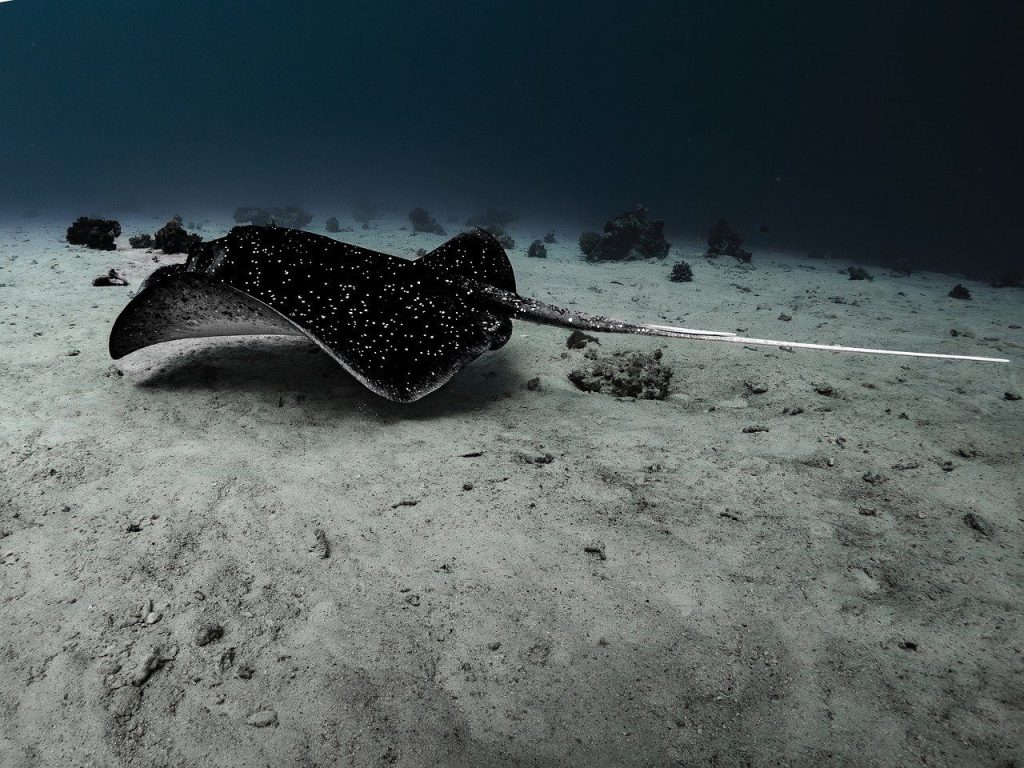
    smelled, fishes, nature, water, sea, animal, underwater, underwater world, dive, red sea, reef, to travel, stingray, sea creatures, sea animal, creature
    Photo by Franziska_Stier on Pixabay

    The shimmering surface was actually the boundary of a brine pool. These pools are bodies of water that have an incredibly high salt concentration. According to studies by researchers at the University of Miami, this water is up to five times saltier than normal ocean water. Because of this extreme density, the brine does not mix with the surrounding sea. It settles in deep depressions on the seafloor, creating a perfect underwater lake. But this beautiful mirror hides a highly lethal chemical secret.

    A toxic chemical cocktail of death

    A dark room with a blue light coming from the ceiling
    Photo by Алекс Арцибашев on Unsplash

    Brine pools are completely devoid of oxygen. They are also packed with toxic levels of hydrogen sulfide and heavy metals. According to research published in the journal Scientific Reports, this chemical mix is highly lethal to almost all marine life. Any fish, crab, or shrimp that accidentally swims into the pool experiences immediate toxic shock. They cannot breathe in the dense, oxygen-free water. This rapid effect leads to a grim scene around the edges of the pool.

    Finding the perfectly preserved victims

    a group of fish swimming in a body of water
    Photo by erika m on Unsplash

    The edges of these brine pools are often covered in dead marine life. Submersible cameras have captured images of crabs and fish lying perfectly still at the water’s edge. According to marine biologists, these creatures have been dead for years. Yet, their bodies look as if they died just moments ago. They are not decaying. This eerie preservation is a direct result of the extreme environment inside the brine pool.

    Why the bodies never decay

    A mesmerizing jellyfish with tentacles gracefully floating in a deep blue underwater setting.
    Photo by Nina Simková on Pexels

    Decomposition requires oxygen and active bacteria. Because the brine pool contains zero oxygen, normal decaying organisms cannot survive inside the water. According to studies by the Marine Science Institute, the high salt content acts like a natural preservative, essentially pickling the creatures. This stops the natural process of decay completely. The bodies remain intact on the seafloor for decades. But these pools are not entirely lifeless.

    Extreme life thriving in the dead zone

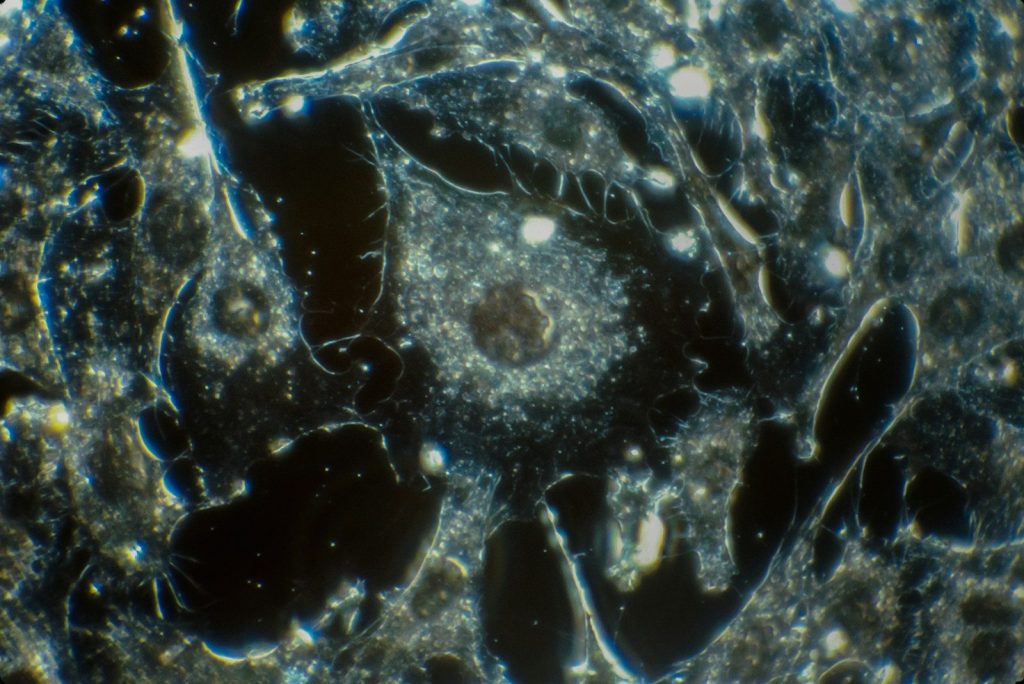
    white and black abstract painting
    Photo by National Cancer Institute on Unsplash

    Brine pools are home to specialized organisms called extremophiles. These are bacteria and microbes that have adapted to survive in highly toxic environments. According to research from the University of Texas, these microbes use the chemical energy from the brine to create food. This process is called chemosynthesis. It allows a unique ecosystem to survive without any sunlight or oxygen. This discovery is helping scientists search for life on other planets.

    Unlocking the deepest mysteries of Earth

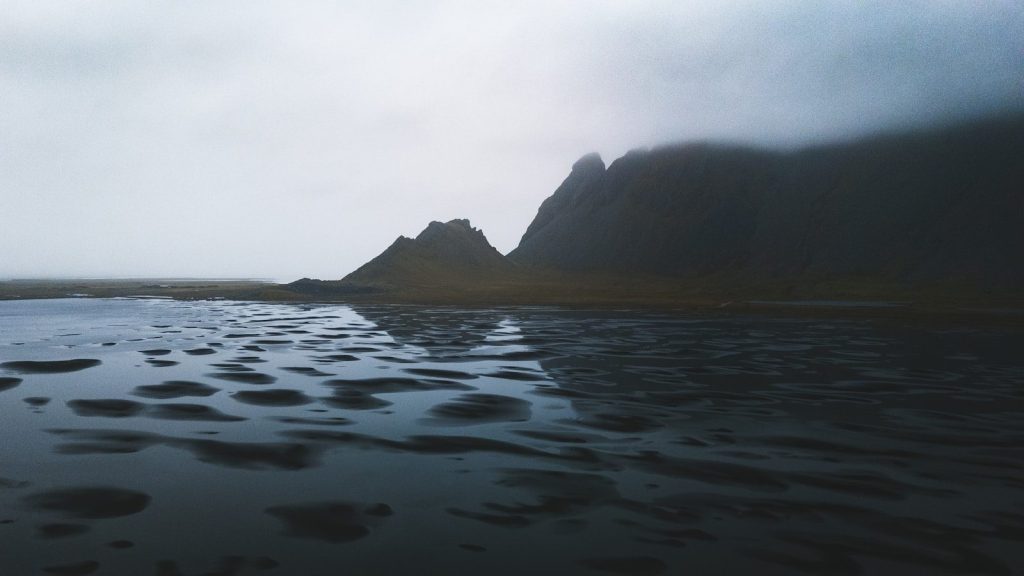
    Mountains reflect in a dark, wet landscape.
    Photo by Karsten Winegeart on Unsplash

    The discovery of brine pools is changing how we look at the ocean floor. These extreme environments prove that Earth still holds secrets that challenge our understanding of biology. By studying these pools, researchers are learning how life can adapt to the most hostile conditions imaginable. It is a powerful reminder of the diversity of our world. The deep ocean continues to be a frontier of endless discovery and scientific wonder.

    Featured Image: Photo by Victor Oonk on Unsplash

  •  Could a solar storm really “delete” the internet tomorrow?

     Could a solar storm really “delete” the internet tomorrow?

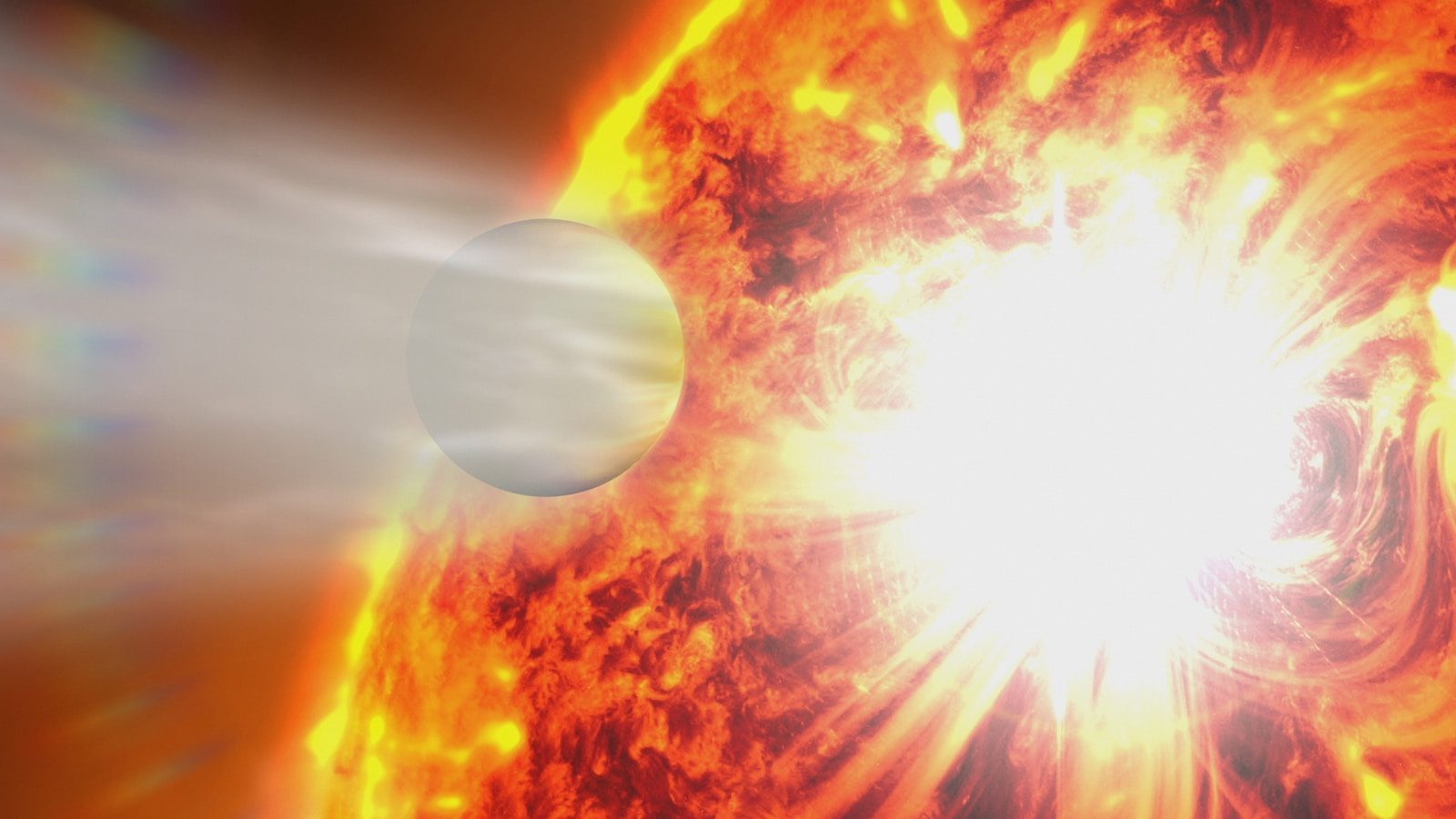
    We take the internet for granted, but it is actually a very fragile physical network. Thousands of miles of undersea cables and a delicate electrical grid are all that keep our digital world alive. Scientists are now warning that we are entering a period of high solar activity known as the “Solar Maximum.” During this time, the sun can release massive bursts of energy called Coronal Mass Ejections (CMEs). If a large enough storm hits Earth, it could fry the electronics that run the web.

    This is being called the “Internet Apocalypse.” While we have seen small solar storms before, a direct hit from a “Carrington-level” event would be a total game-changer. It wouldn’t just be a temporary outage; it could physically damage the hardware that allows the internet to exist. We are talking about months, or even years, of global darkness. But how can a spark on the sun actually break a cable at the bottom of the ocean?

    The 1859 Warning from the Past

    A green and purple aurora bore over a lake
    Photo by DANTE FABILLAR on Unsplash

    In 1859, a massive solar storm hit the Earth. Known as the Carrington Event, it was so powerful that telegraph wires caught fire, and operators were shocked by their equipment. People in Hawaii could see the Northern Lights. Back then, we didn’t have much electronics to break. If that same storm hit today, it would cause trillions of dollars in damage. It is a biological certainty that a storm of this scale will hit us again. The only question is when. But wait until you see why the undersea cables are the biggest problem.

    Undersea Cables are the Weakest Link

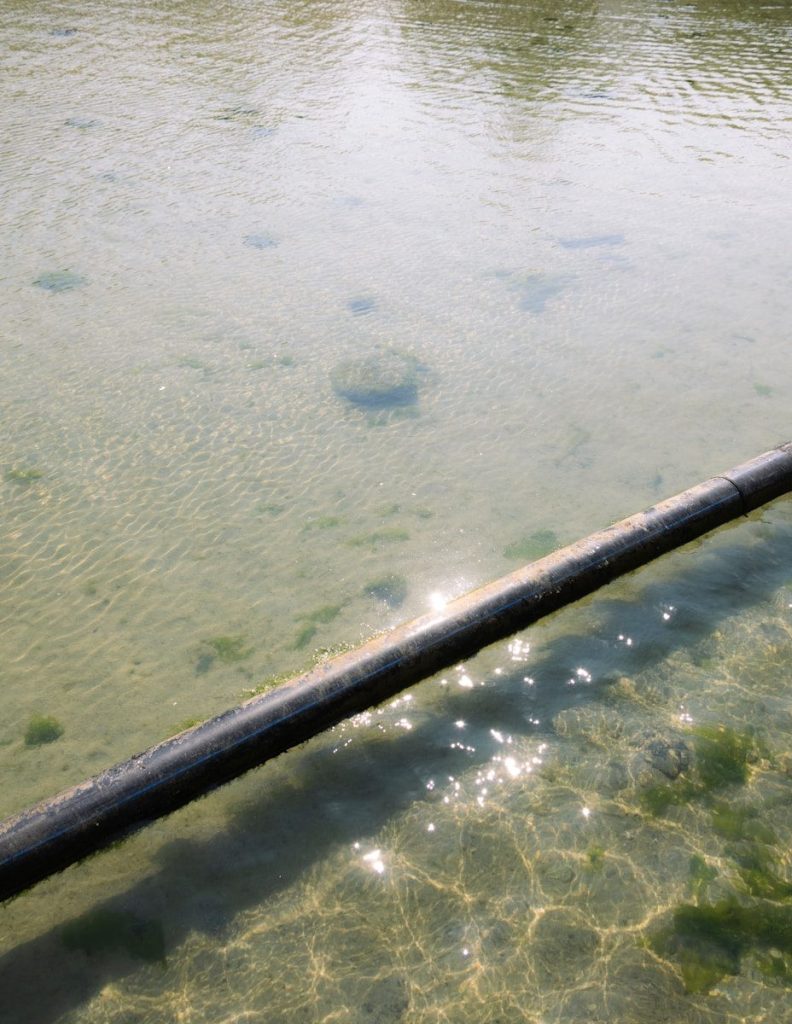
    Clear water with sunlight reflecting on the sandy bottom.
    Photo by Hongjin Wang on Unsplash

    Most of our data travels through fiber-optic cables under the ocean. While the glass fibers themselves are safe from solar radiation, the “repeaters” are not. These are electronic boxes placed every 50 miles to boost the signal. A solar storm creates massive electrical currents in the Earth’s crust that can travel through the water and fry these repeaters. If the undersea network dies, the world’s continents are instantly cut off from each other. It would be the end of the global economy. But your own home would also be in danger.

    The Collapse of the Electrical Grid

    burnt house
    Photo by Ash Edmonds on Unsplash

    Solar storms don’t just hit the internet; they hit the power grid. These storms can overload the giant transformers that move electricity to your neighborhood. These transformers are massive, expensive, and take months to build. If a solar storm destroys thousands of them at once, the lights might stay out for an entire year. Without power, there are no servers, no Wi-Fi, and no way to charge your phone. We are living in a house of cards that is built on electricity. But can we actually see the storm coming?

    The 30 Minute Warning from NASA

    a bird is sitting on a pole in front of the sun
    Photo by Gleive Marcio Rodrigues de Souza on Unsplash

    We have satellites that watch the sun 24/7. When a CME erupts, we can see it happen. However, these particles travel so fast that we only have about 30 to 60 minutes of warning before they hit our atmosphere. This gives power companies just enough time to “soft-shut” the grid to prevent permanent damage. But for the internet repeaters at the bottom of the sea, there is no easy way to turn them off. We are essentially racing against a cosmic bullet. But wait until you see the economic fallout.

    The Multi-Trillion Dollar Digital Blackout

    a city skyline at night
    Photo by Eugene Chystiakov on Unsplash

    If the internet goes down for just one day, the global economy loses billions. If it goes down for a month, the world will enter a total collapse. Modern banking, food supply chains, and hospitals all depend on the web. Without the internet, we wouldn’t know where our food is or how to pay for it. A solar storm is a “black swan” event that could reset our civilization by a hundred years. It is the ultimate test of our resilience. But is there a way to build a “solar-proof” internet?

    Building the Shield for the World

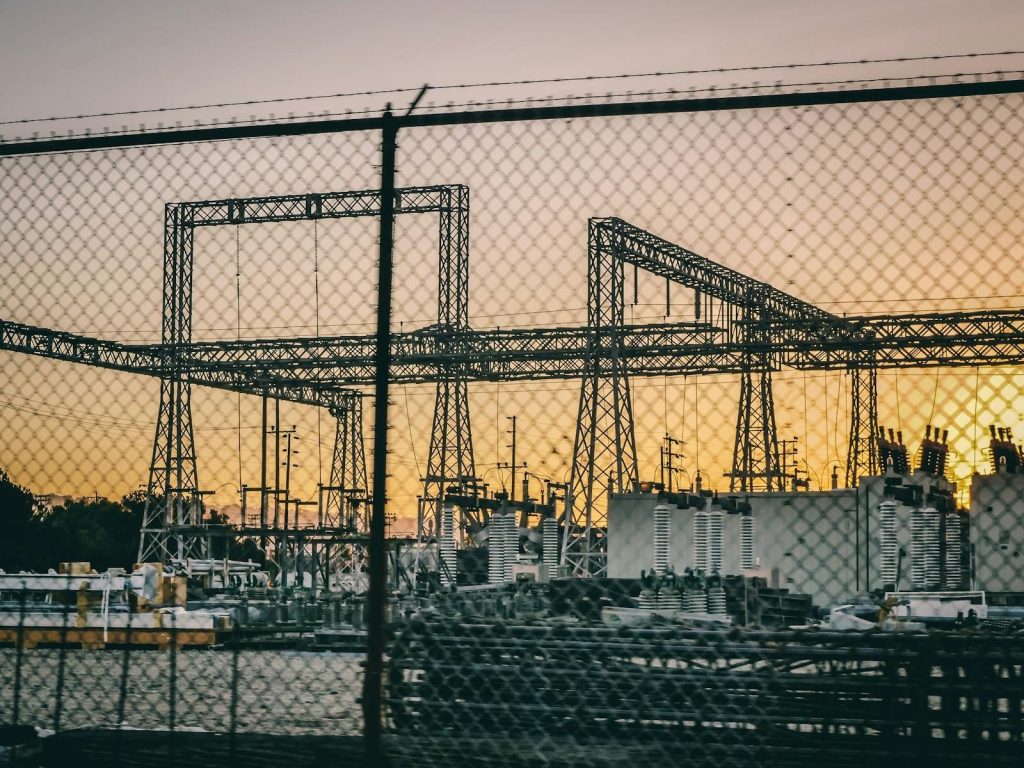
    Industrial electric power substation photographed at sunset with fence in the foreground.
    Photo by Kindel Media on Pexels

    Scientists are now working on ways to protect our cables. This involves adding more grounding wires and building smarter repeaters that can handle electrical surges. Some engineers are also suggesting we use “Mesh Networks” and satellite internet like Starlink as a backup. However, satellites are even more vulnerable to the sun than cables are. We are in a race to harden our infrastructure before the next big flare. But how does this affect you personally?

    Survival in a World Without the Web

    Woman using a landline and newspaper for a job search, highlighting domestic life.
    Photo by Ron Lach on Pexels

    If the internet were to “delete” tomorrow, our lives would change instantly. We would have to go back to paper maps, landline phones, and physical cash. It is a sobering thought for a generation that has never been disconnected. The solar storm threat is a reminder that we are just guests on a planet that is part of a very active solar system. Our technology is powerful, but nature is always stronger. But keep your eyes on the stars, because the story isn’t over yet.

    Featured Image: Photo by NASA Hubble Space Telescope on Unsplash