Most geologists assume that precious gold deposits are scattered evenly across our planet’s crust. We believe that no single geographic location can dominate global mineral wealth.
But an ancient mountain basin in South Africa holds a nearly impossible concentration of treasure. Its deep rock layers contain almost half of all the gold ever mined in human history.
The Giant Golden Ring
Exploring the Witwatersrand Basin reveals a massive geological formation stretching across hundreds of miles. According to reports from the South African Council for Geoscience, this ancient basin formed over two billion years ago. The wealth is staggering. Over several decades, miners extracted thousands of metric tons of precious metal from these deep veins. But the exact origin of this treasure sparked a massive scientific debate.
Rain of Celestial Metal
Some geologists suggest that a massive meteorite impact delivered the colossal golden riches to the region. According to planetary impact studies, a giant space rock crashed into the basin shortly after it formed. The shock was intense. This cosmic event could have shattered the crust and concentrated existing precious ores deep underground. But other researchers found a much slower explanation.
Rivers Draining Ancient Alps
A different theory argues that ancient rivers slowly washed the gold down from massive mountain ranges. According to sedimentologists, prehistoric rivers spent millions of years eroding highly concentrated gold veins from nearby peaks. The water was persistent. This slow flow deposited the heavy metal into a massive shallow lake bed that eventually turned to solid stone. But proving this river theory required looking inside the microscopic rock.
Microscopic Golden Bubbles
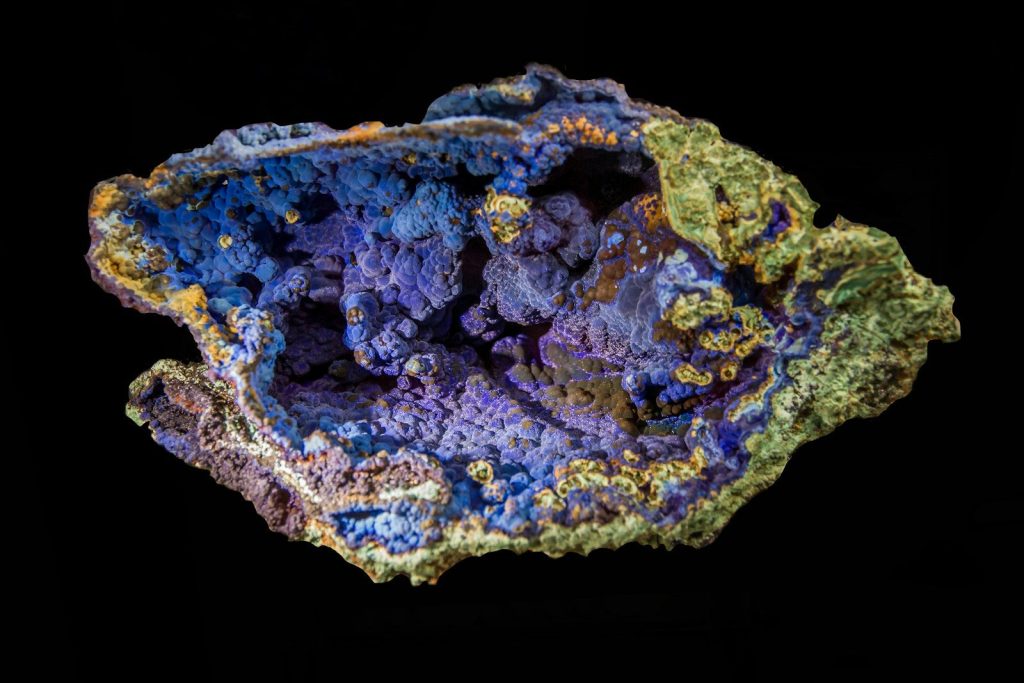
High-powered microscopes revealed that the gold is bound together by microscopic organic structures. According to a study published in Nature Geoscience, prehistoric microbes played a vital role in trapping the heavy metal. They were incredibly tiny. These primitive organisms acted like chemical sponges to pull dissolved gold straight out of the ancient water currents. But these gold-rich layers are sinking deeper into the earth.
Under Crushing Deep Pressure
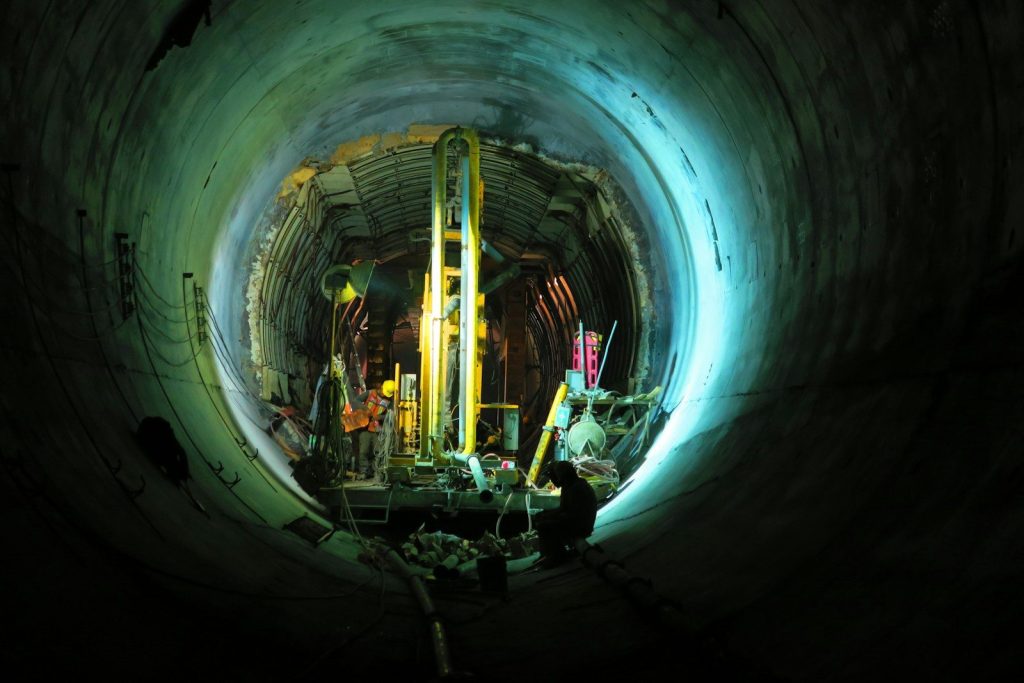
Extracting this treasure requires mining deeper into the hot crust than anywhere else on the globe. According to operational logs from Mponeng Gold Mine, workers travel over two miles beneath the surface to reach the richest veins. The heat is brutal. Specialized cooling systems are required to keep the air safe for human survival at these extreme depths. But the total value of the remaining gold remains astronomical.
Half A Trillion Remaining

Financial analysts believe that billions of dollars in gold still sit untouched inside the deep rocky basin. According to market estimates, the remaining reserves could exceed five hundred billion dollars in value. The potential is limitless. But reaching these deep pockets requires developing highly advanced robotic drilling technology. But this extreme mining push has raised serious environmental safety questions.
Balancing Wealth And Planet
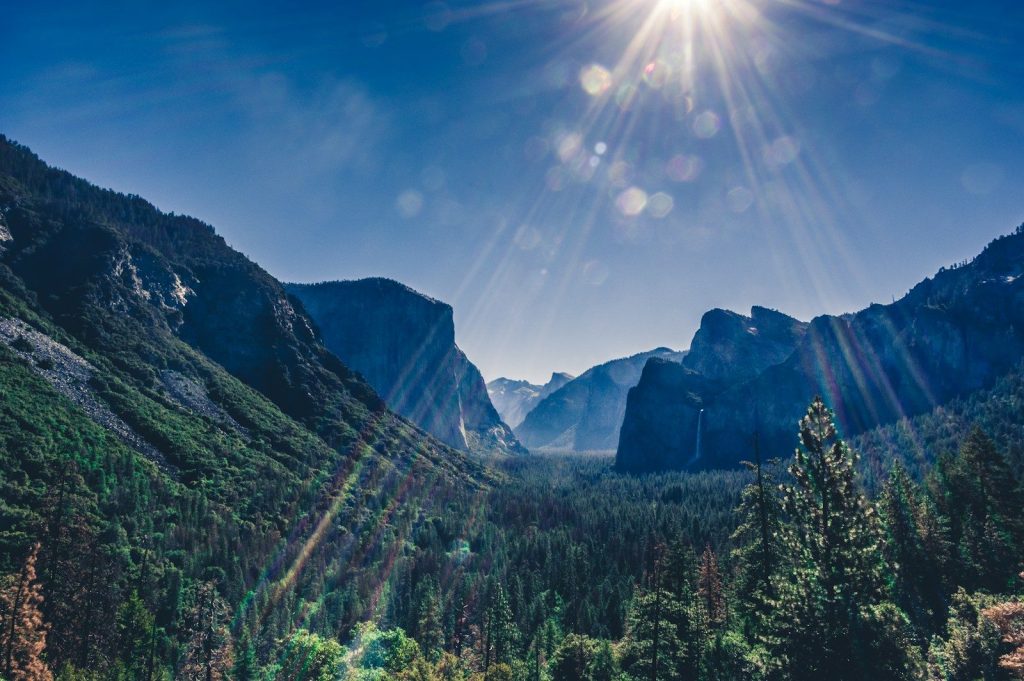
Managing these deep geological reserves requires a careful balance between resource extraction and environmental protection. According to environmental geologists, protecting local aquifers from mining chemical spills remains absolutely vital. We must be careful. This article is for informational purposes only and does not constitute scientific or professional advice.
Leave a Reply