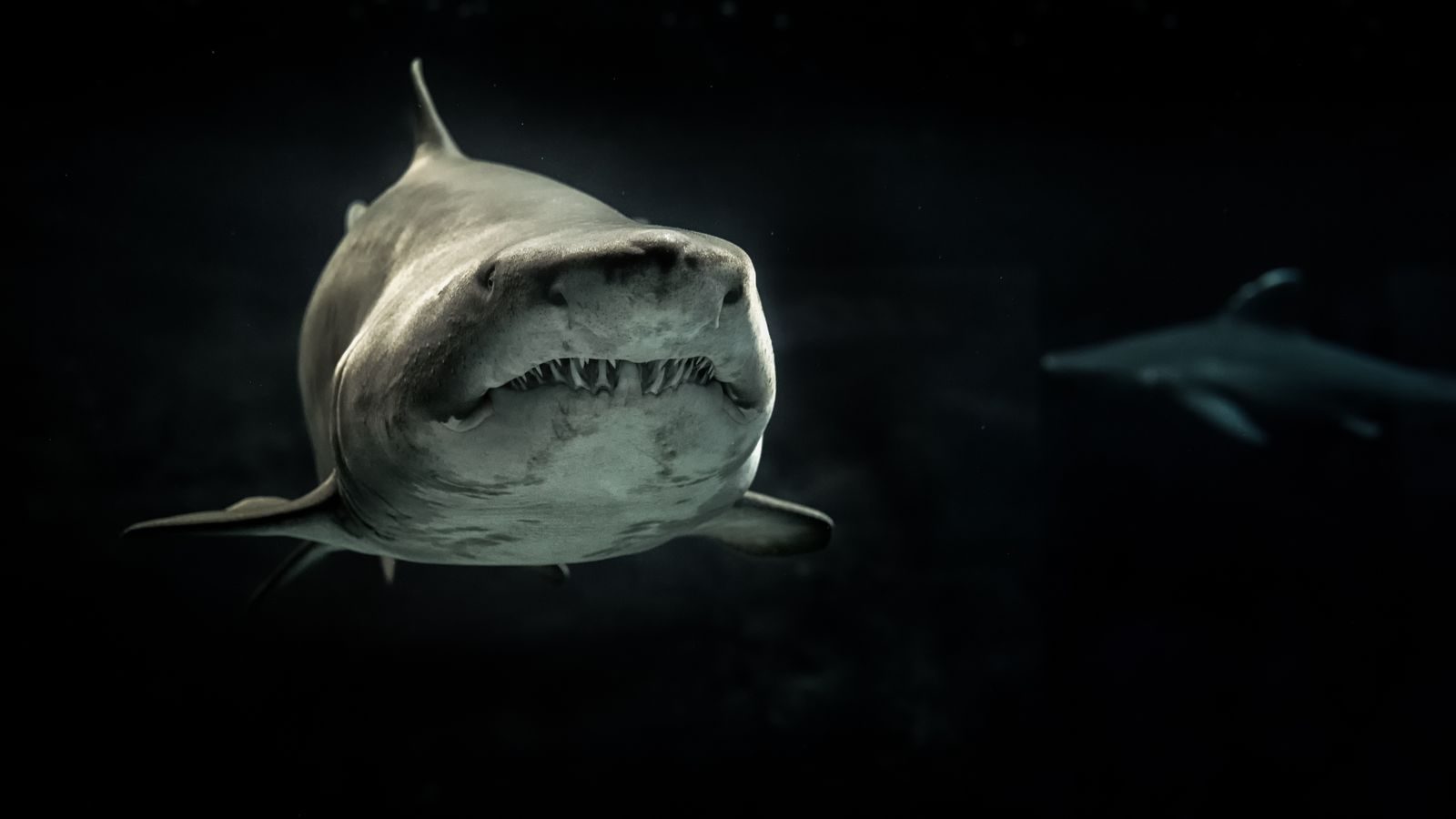
Most biology lovers believe that large ocean creatures live for only a few decades. We assume that marine animals experience rapid aging patterns similar to land mammals.
But an incredibly deep-sea shark is completely defying the rules of longevity. This sluggish predator can cruise through the freezing dark for hundreds of years.
The Frozen Arctic Giant
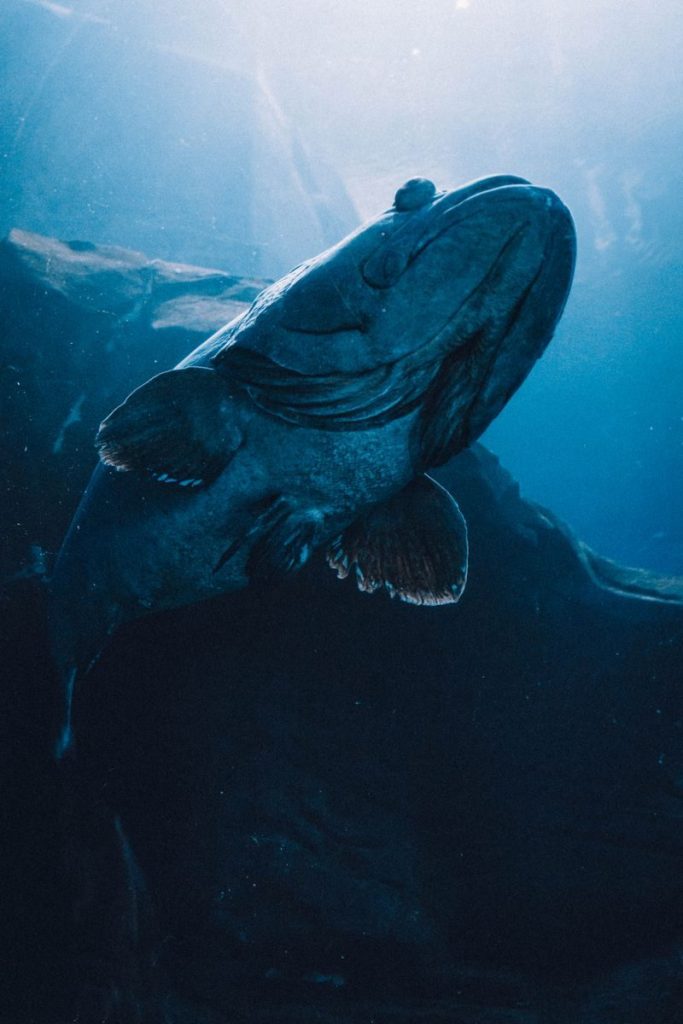
The Greenland shark lives in the deep, freezing waters of the North Atlantic. According to marine biology reports, these massive predators grow extremely slowly in the absolute cold. They are giant. Some specimens can measure over twenty feet in length when fully grown. But determining the precise age of these ancient creatures required a radical scientific method.
Scanning Eye Proteins

Counting bone layers on the soft cartilage of sharks does not work. According to a study published in Science, researchers used radiocarbon dating on the proteins inside the shark eye lenses. The lenses form before birth. This unique chemical analysis allowed scientists to estimate the birth year of the creatures. But the resulting age calculations shocked the entire scientific community.
Swimming Since The Renaissance
One massive female in the study was estimated to be nearly four hundred years old. According to the research team, this massive female was swimming in the cold dark during the reign of Galileo. She is ancient. This incredible lifespan makes the species the longest-lived vertebrate animal on the planet. But achieving this extreme longevity requires a highly sluggish lifestyle.
Extremely Slow Metabolic Engines

Living in near-freezing water forces the shark to conserve its energy with absolute precision. According to physiological studies, their metabolic systems operate at an incredibly slow pace. They move slowly. Their maximum swimming speed is less than one mile per hour during daily cruises. But this sluggish movement raises a massive question about how they catch prey.
Hunting Sleeping Prey
These predators hunt in complete darkness, where fast prey is often resting or sleeping. According to marine ecologists, they scavenge on dead seals and catch sleeping fish on the ocean floor. The strike is silent. They do not rely on speed to capture their meals in the dark. But their eyes are also facing a highly destructive biological threat.
The Blind Parasite Passengers
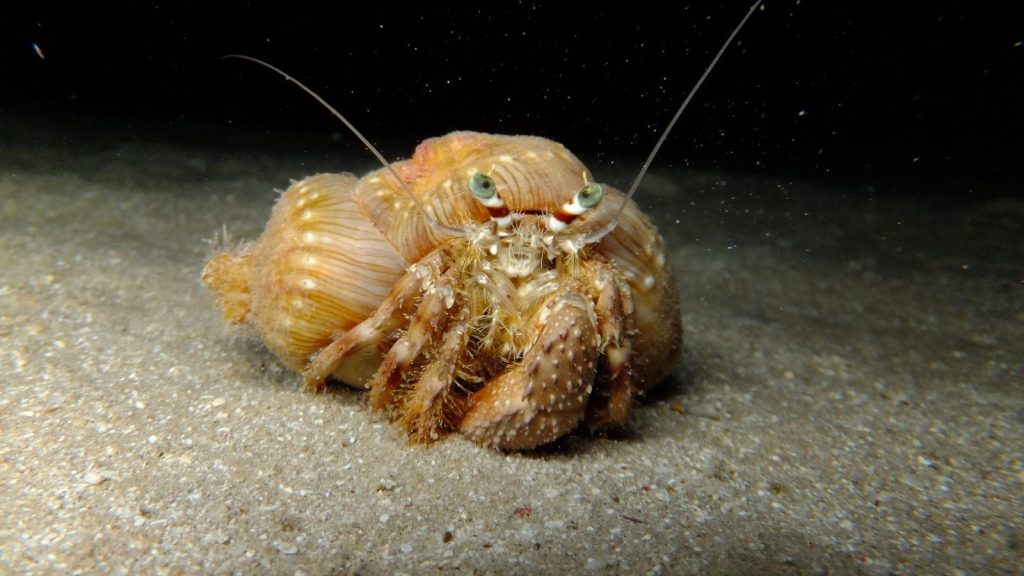
Most Greenland sharks suffer from a specialized parasite that attaches directly to their corneas. According to zoological studies, these tiny crustaceans slowly destroy the eyesight of the host. They are blind. Yet losing their vision does not impact their survival in the pitch-black deep sea. But this extreme resilience is now inspiring medical researchers.
Unlocking Longevity Secrets

Scientists are studying the cellular structures of these sharks to understand how they resist aging. According to genetic research teams, their tissues show almost zero signs of typical age-related cancers. The cells are resilient. Finding these protective genetic segments could lead to revolutionary new treatments for human diseases. But this ancient species is now facing modern environmental threats.
Protecting Deep Sea Kings
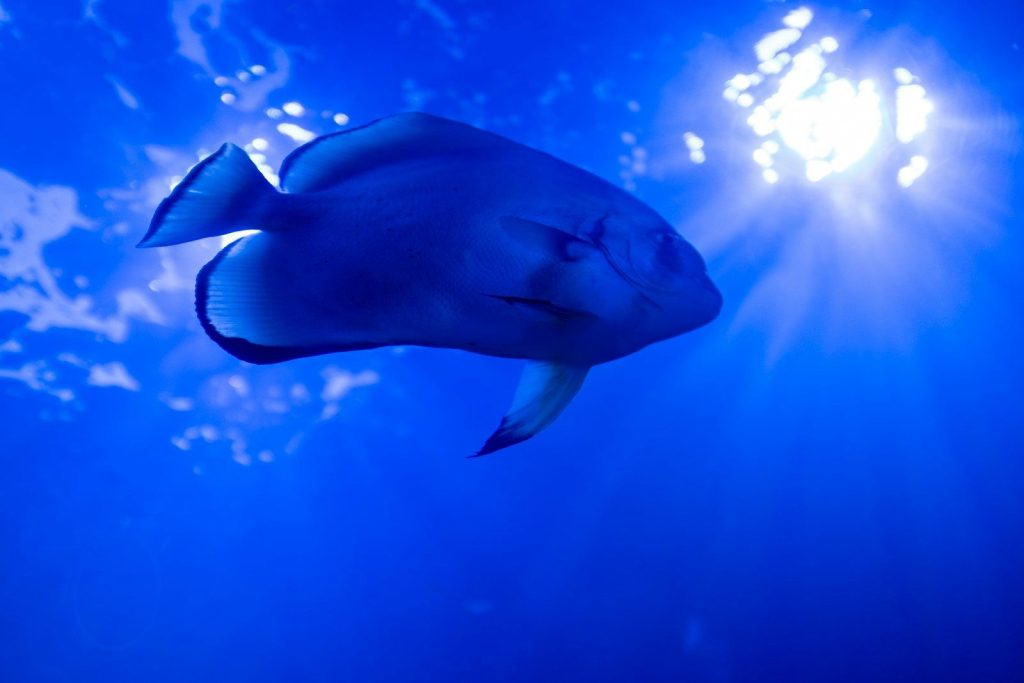
Rising ocean temperatures and industrial commercial fishing are disrupting the fragile habitats of these ancient giants. According to conservationists, safeguarding these slow-growing creatures is vital to protecting the balance of deep marine ecosystems. We must act. This article is for informational purposes only.
Featured Image: Photo by GEORGE DESIPRIS on Pexels
Leave a Reply