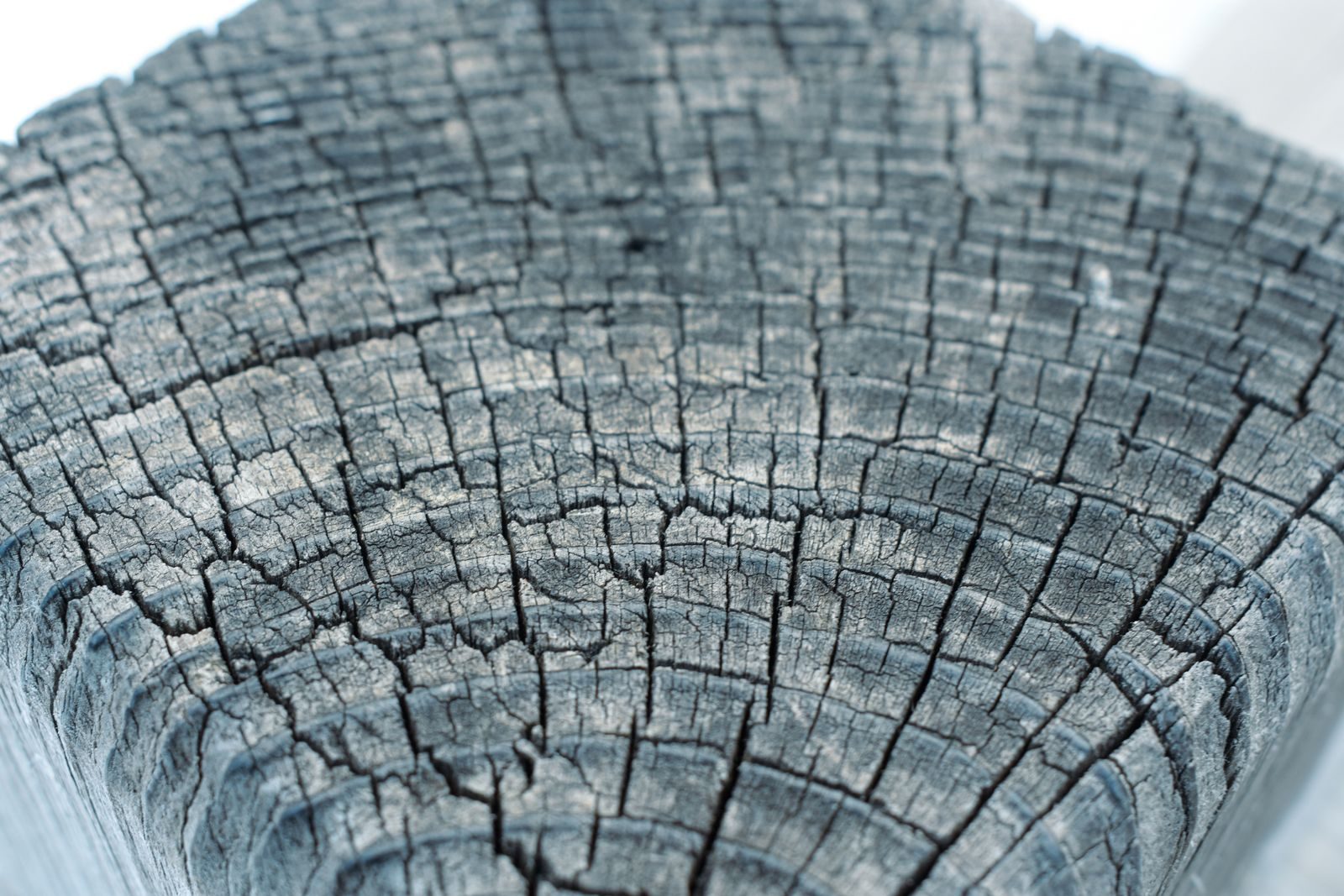
Most biology fans assume that living things are fragile and short-lived. We believe that nature forces all organisms to decay and vanish within a single century.
But some ancient living treasures have defied this natural rule. These evolutionary champions have been growing silently since the dawn of human civilization.
The Five Thousand Year Tree
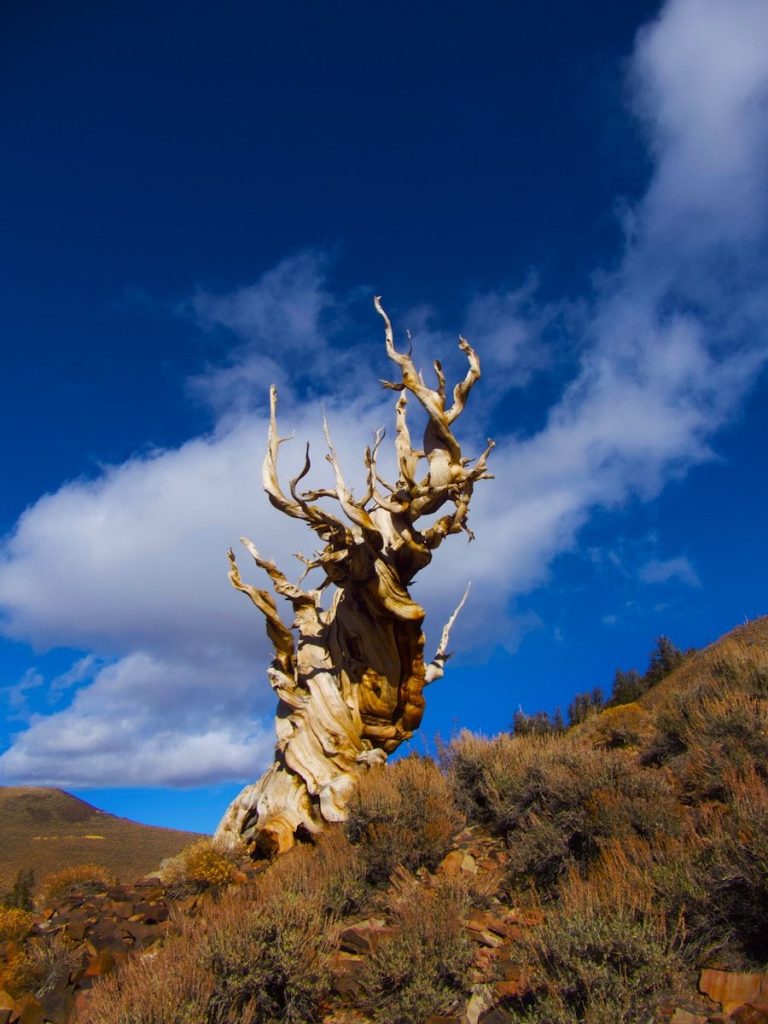
Deep in the White Mountains of California sits an ancient bristlecone pine named Methuselah. According to tree-ring analysis reports, this gnarled pine has been growing for nearly five thousand years. It is incredibly resilient. This ancient tree was already a seedling when the first pyramids were built in Egypt. But this pine is not the oldest living structure on land.
Giant Underground Aspen Clones
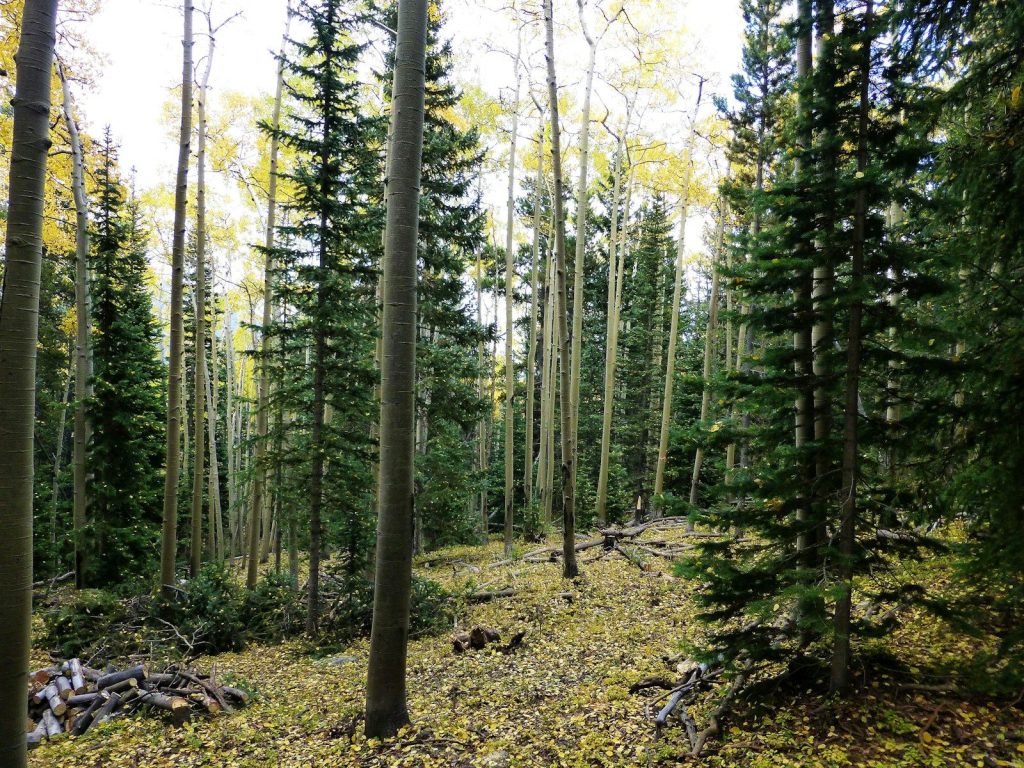
A massive forest in Utah is actually a single living organism connected by a giant root network. According to genetic research studies, this grove of quaking aspens is estimated to be eighty thousand years old. They are completely identical. The forest regenerates constantly by sending up new shoots from its ancient core. But a different ocean giant has been swimming for centuries in cold waters.
The Ancient Greenland Shark
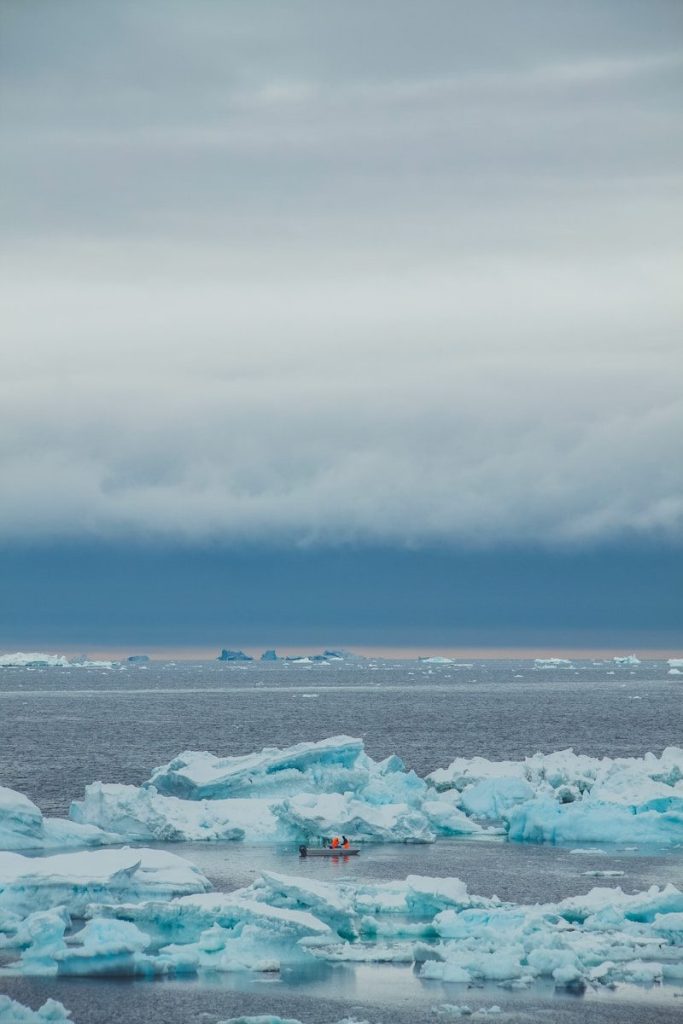
Swimming in the freezing depths of the Arctic Ocean is a vertebrate with a stunning lifespan. According to radiocarbon dating of eye proteins, Greenland sharks can live for nearly four hundred years. They are extremely slow. This sluggish pace of life helps them conserve energy in the freezing dark. But the land hides even older, silent organisms beneath the forest floor.
Hidden Ancient Underground Fungi
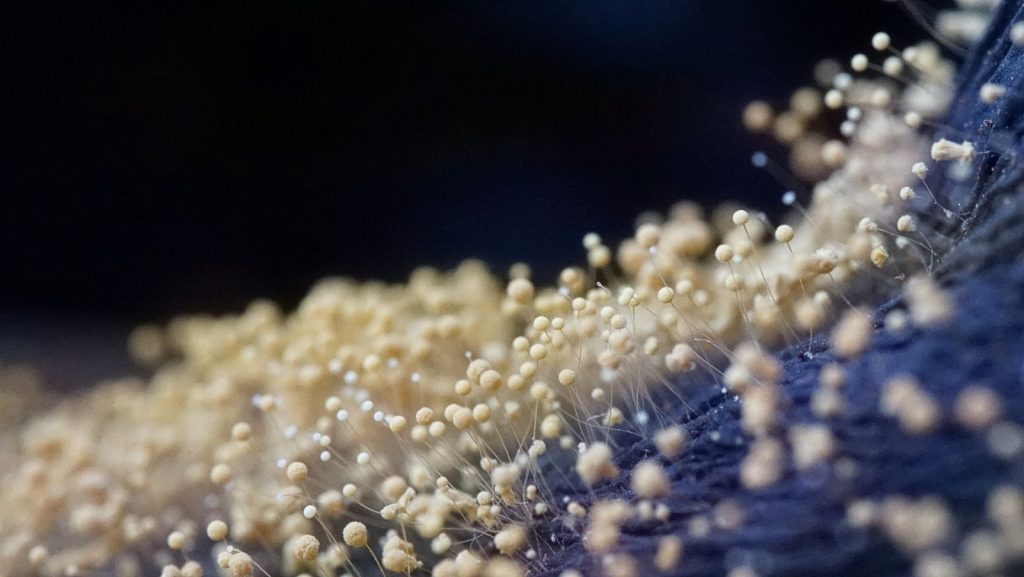
A single honey mushroom system in Oregon covers nearly four square miles of soil. According to forestry experts, this underground network has been spreading silently for over eight thousand years. It is a giant. The fungus grows slowly by digesting the root systems of ancient trees. But some dormant organisms have survived for millions of years in ice.
Bacteria Waking From Ice
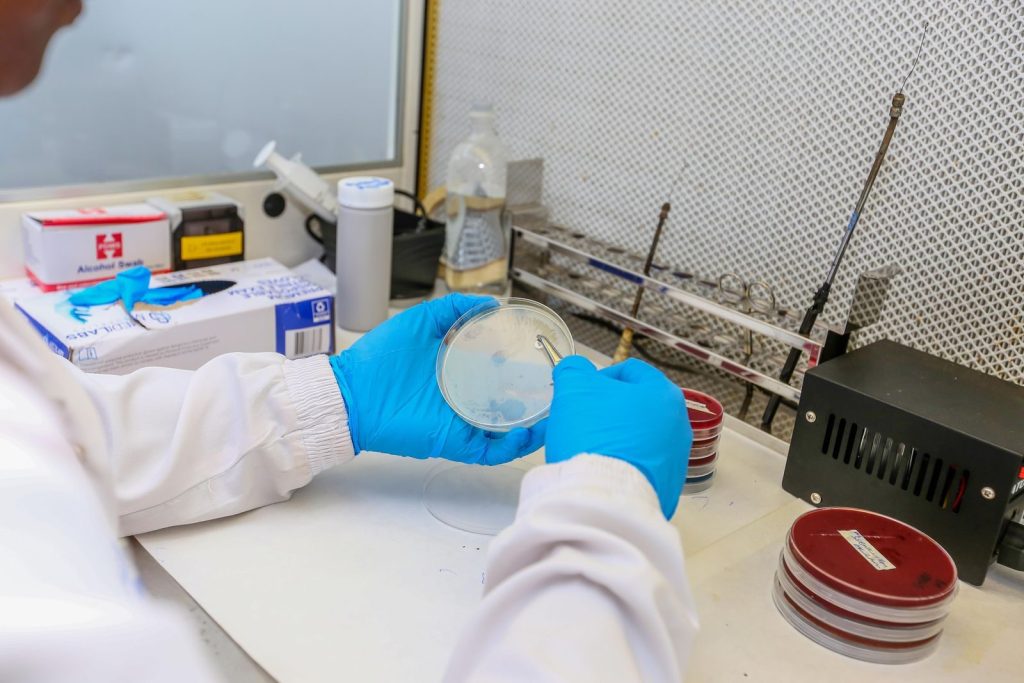
Scientists drilling in the Siberian permafrost recovered ancient bacterial strains locked in frozen dirt. According to reports from the Russian Academy of Sciences, these dormant microbes are over three million years old. They are still alive. Researchers successfully revived the ancient cells in a warm laboratory environment. But we must look at hard stones to find the oldest solid structures.
Fossilized Prehistoric Algae Mats
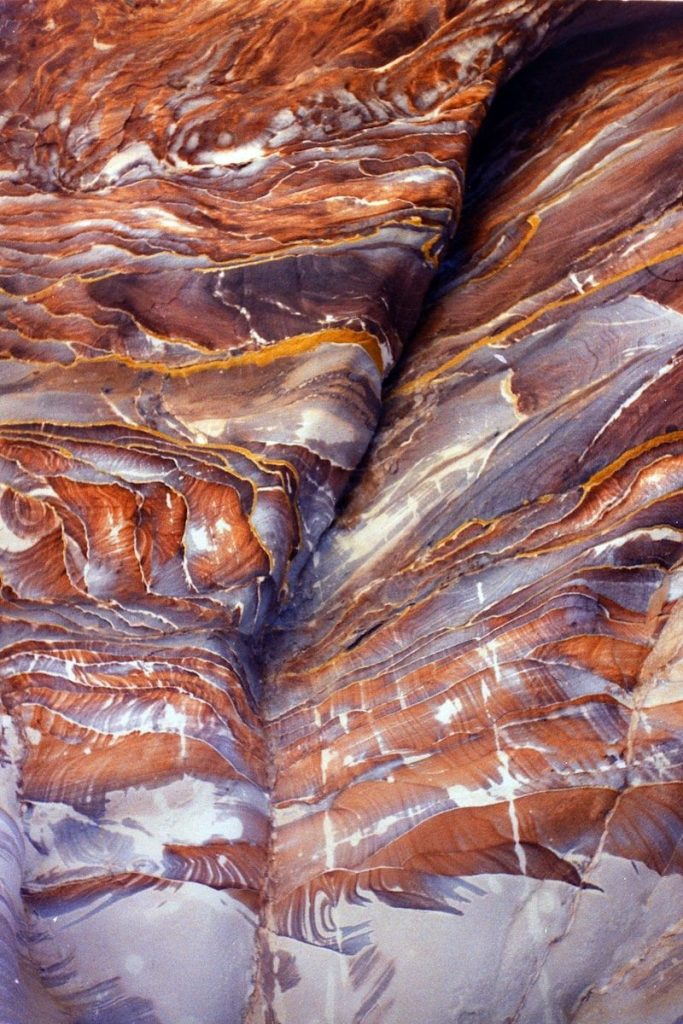
Strange layered rocks called stromatolites contain the fossilized records of Earth’s earliest life. According to geological dating tests, these ancient microbial formations are over three billion years old. They are the pioneers. These early organisms filled our atmosphere with the oxygen we breathe today. But the oldest physical material on our planet did not originate on Earth.
Cosmic Space Stardust Grains
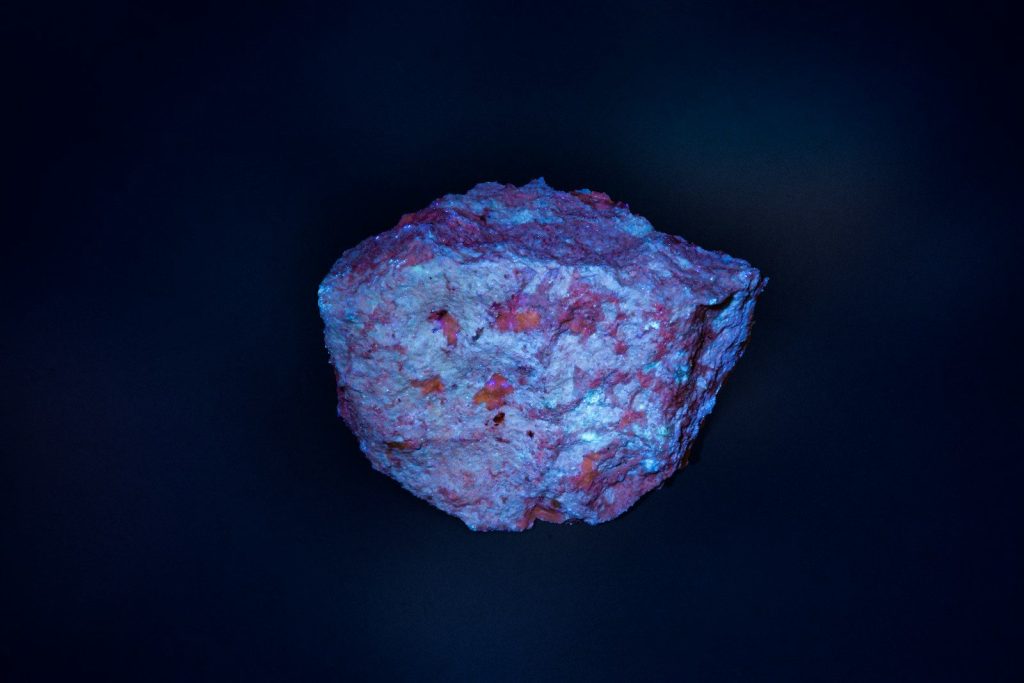
Researchers analyzing a meteor that crashed in Australia found microscopic grains of stardust inside the rock. According to planetary geologists, some of these silicon carbide grains are over seven billion years old. The dust is ancient. These particles formed inside dying stars before our own sun even existed. But studying these ancient things is changing our future.
Unlocking Earth’s Deepest Timeline
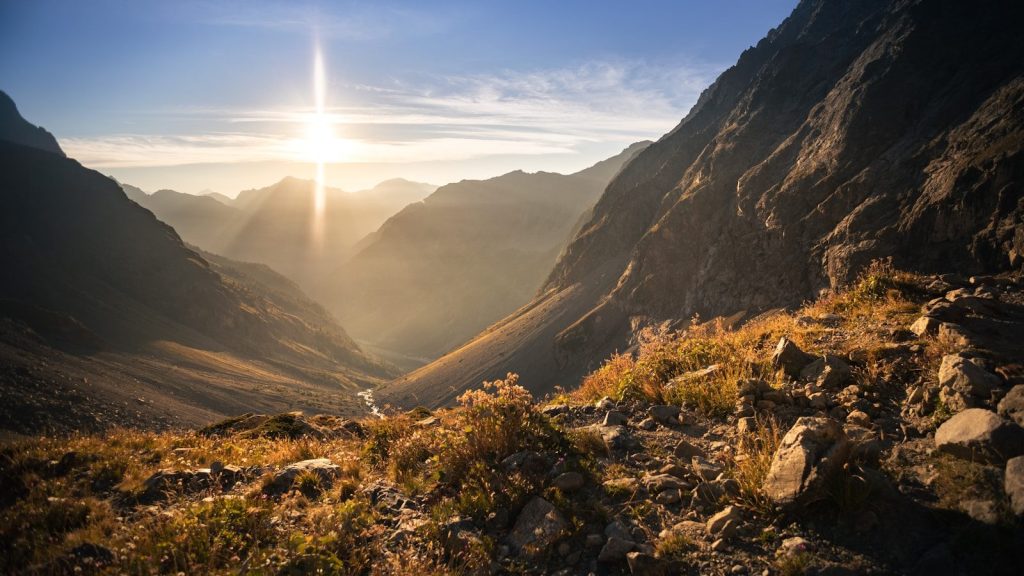
Exploring these ancient survivors allows us to map the true history of our living planet. According to evolutionary biologists, understanding how these ancient organisms survive helps us protect modern biodiversity. Balance is essential. This article is for informational purposes only.
Featured Image: Photo by William Liu on Pexels
Leave a Reply