Author: Dylan

  • How 2026 Architecture is Finally Feeding Our Biggest Cities

    How 2026 Architecture is Finally Feeding Our Biggest Cities

    Our cities have always been consumers of food, never producers. We ship vegetables thousands of miles in trucks, burning fuel and losing nutrients along the way. But in 2026, the very buildings we live in have started to feed us. A new architectural movement called “Agro-Urbanism” is turning skyscrapers into giant vertical farms.

    These buildings are designed with “living walls” that grow fresh produce for the residents inside. This isn’t just a few potted plants; it is a massive, automated system that provides a significant portion of a city’s diet. We are moving toward a world where your salad is grown five floors above your apartment. But how does a building become a farm?

    The Skyscrapers That Function Like Trees

    wall, eco, eco wall, green, nature, building, live wall, facade, vegetation, gardening, plants, decoration, natural, environment, urban, architecture, eco wall, eco wall, eco wall, eco wall, eco wall, live wall
    Photo by naramfigueiredo on Pixabay

    These new buildings are designed to harvest sunlight and water just like a natural plant. They feature “sun-tracking” glass that directs light to the growing areas inside. Specialized pipes collect rainwater from the roof and distribute it through the building’s “veins” to the crops.

    The building is a self-contained ecosystem that minimizes waste and maximizes growth. It is a masterpiece of biomimicry that makes the city feel like a forest. For the first time, our urban centers are helping the planet instead of hurting it. But how do you grow food without any soil?

    The Magic of Hydroponic Walls
    plant, hydroponic, nature, growth
    Photo by cepris on Pixabay

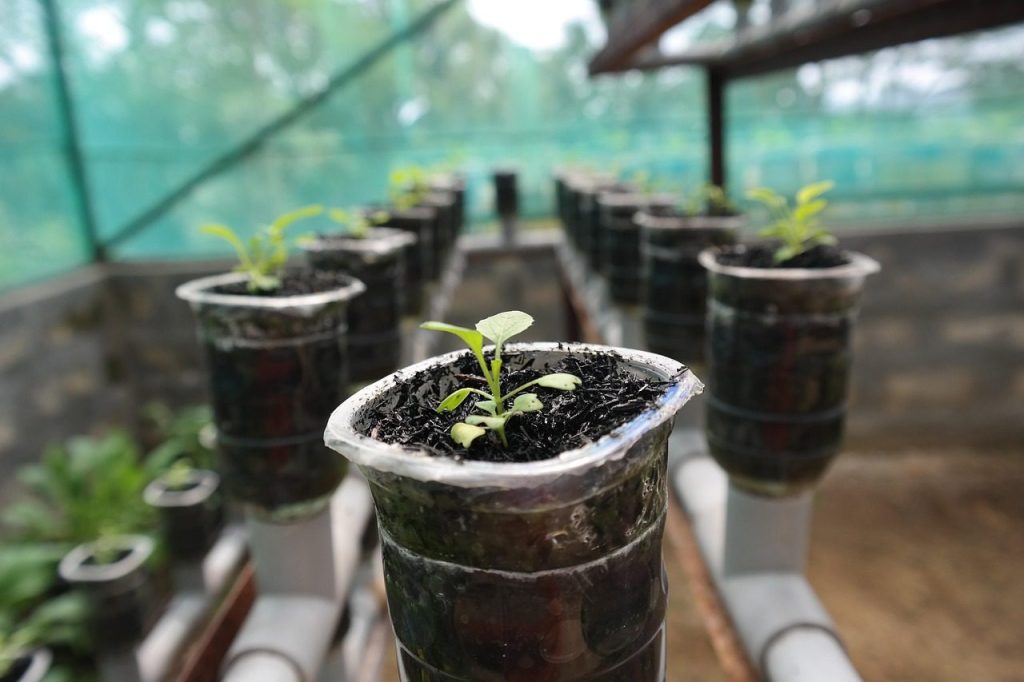
    Instead of heavy dirt, these vertical farms use “Aeroponics” and “Hydroponics.” The roots of the plants hang in the air and are sprayed with a nutrient-rich mist. This allows the plants to grow 50 percent faster while using 90 percent less water than traditional farming.

    Because the environment is controlled, there are no pests, which means zero pesticides. The food is cleaner and healthier than anything you can buy at a traditional store. It is the ultimate “smart” garden for the modern world. But who is actually doing the farming?

    Robotic Harvesters in the Hallways

    a greenhouse with plants
    Photo by neil macc on Unsplash

    You won’t see farmers with tractors in these buildings. Instead, tiny “Agro-Bots” move along tracks built into the walls. They monitor the health of every single plant and harvest them at the exact moment they are ripe.

    The food is then delivered to a centralized “market” in the building’s lobby. Residents can pick up fresh berries and greens on their way home from work. It is a level of convenience and freshness that was never possible before. But is this architecture affordable for everyone?

    Social Housing That Comes with Free Food

    building, facade, blur, balconies, apartment, urban, city, blur, blur, blur, apartment, apartment, apartment, apartment, apartment, city
    Photo by jandobry1 on Pixabay

    Many of these new “Agro-Skyscrapers” are being built as part of public housing projects. By integrating food production into the building, governments are lowering the cost of living for thousands of families.

    It is a revolutionary way to fight hunger and urban poverty. A family living in these buildings doesn’t have to worry about the rising price of groceries. They have a reliable source of nutrition right at their doorstep. It is architecture with a heart. But what happens to the air inside these buildings?

    The Cleanest Air in the World

    ai generated, office, desk, computer, workplace, nature, indoor plants, plants
    Photo by 1tamara2 on Pixabay

    Because these buildings are filled with millions of plants, the air quality is incredible. The plants act as a natural filter, sucking up CO2 and pumping out fresh oxygen. Walking through the lobby feels like walking through a rainforest.

    Residents report feeling happier, more focused, and less stressed. The “Agro-Urban” movement is a win for both the body and the mind. We are finally building cities that help us breathe. But how much energy does it take to run a farm in a building?

    A Zero-Carbon Urban Future

    low-angle photography of high-rise commercial building during daytime
    Photo by Scott Webb on Unsplash

    These buildings are powered by a combination of transparent solar windows and the methane-capture technology we mentioned earlier. They actually produce more energy than they use. The excess power is sent back to the city grid to help power older buildings.

    It is a total transformation of the urban economy. We are moving from a world of “scarcity” to a world of “abundance.” Our cities are becoming the power plants and the farms of the future. But are you ready to see the island nations that are doing this on a global scale?

    The Blueprint for a Living Planet

    A woman gardener enjoying her time in a lush urban rooftop garden surrounded by skyscrapers.
    Photo by Matheus Bertelli on Pexels

    As we look at the architecture of 2026, we see a bridge between human technology and the natural world. We are no longer building boxes for people to live in; we are building systems that support life. The “Agro-Skyscraper” is the ultimate tool for a growing population on a changing planet.

    It is a future where everyone has a seat at the table. But the most incredible energy breakthrough isn’t happening in the city—it’s happening in the middle of the ocean. Are you ready for the island of the future?

    Featured Image: Photo by WILLIAN REIS on Unsplash

  • The Engineering Secret to Building Wooden Skyscrapers

    The Engineering Secret to Building Wooden Skyscrapers

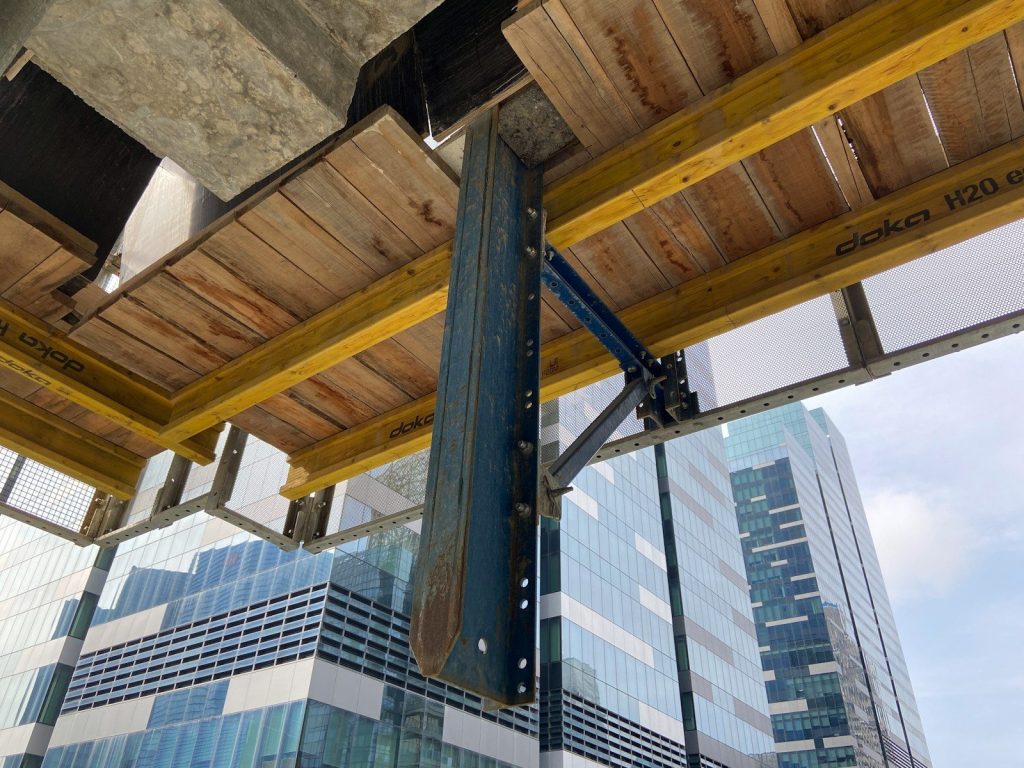
    For over a century, we believed that the only way to build “up” was with steel and concrete. But those materials are massive carbon emitters. Now, a revolution is happening in the world of engineering: “Mass Timber.” Engineers are now building 25-story towers entirely out of wood. This isn’t the wood you find in a hardware store. It is “Cross-Laminated Timber” (CLT), a material that is as strong as steel but a fraction of the weight.
    The secret lies in the way the wood is layered and glued together. It creates a solid panel that can support incredible weight. These buildings are faster to build, better for the planet, and surprisingly, they are safer in a fire than steel. While a steel beam will melt and buckle in extreme heat, mass timber forms a protective “char” layer that keeps the structure standing. But wait until you see how these buildings are “snapped” together like a giant puzzle.

    The LEGO Blocks of Modern Engineering

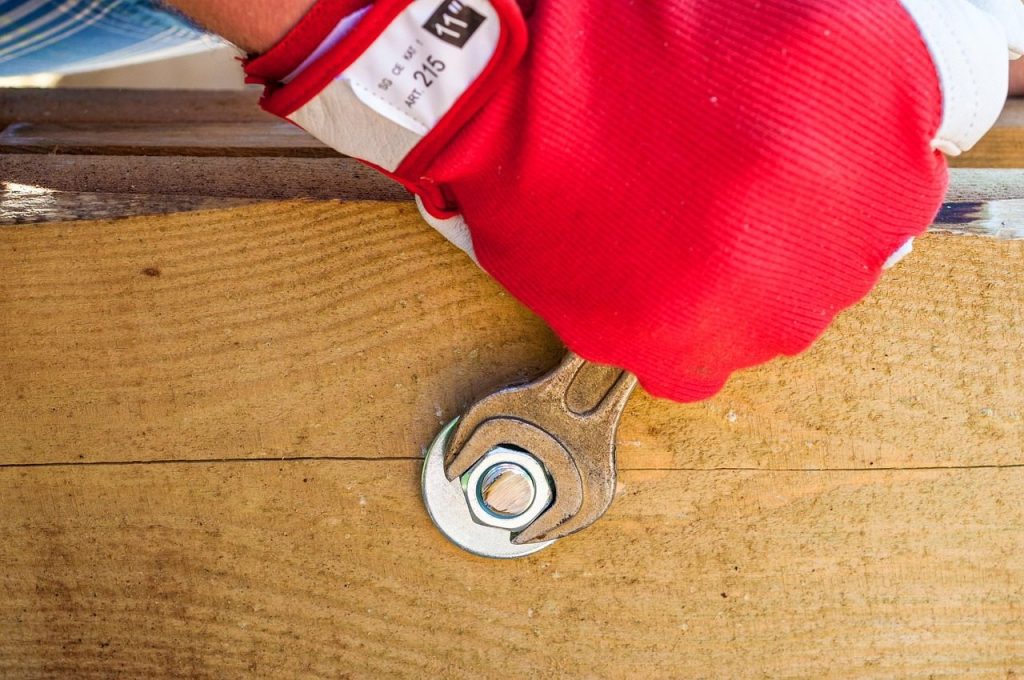
    hand, tool, spanner, mechanic, wrench, holding, screw, metal, object, work, equipment, construction, steel, hold, industry, worker, mechanical, hardware, key, industrial, repair, metallic, iron, service, human, occupation, machine, male, men, shiny, spanner, spanner, spanner, spanner, spanner, mechanic, wrench, wrench, wrench
    Photo by artursfoto on Pixabay

    Wooden skyscrapers are built in a factory before they ever reach the site. Every panel is cut with laser precision to include holes for plumbing and electricity. When they arrive, workers simply bolt them together. This reduces construction noise and cuts the building time by months. It is a cleaner, quieter way to build a city. But how do you stop a wooden tower from swaying in the wind?

    Dampening the Sway of a Giant Tree

    a close-up of a building
    Photo by Daniel Wong on Unsplash

    Wood is naturally flexible, which is great for earthquakes but tricky for high winds. To keep residents from getting seasick, engineers use “tuned mass dampers.” These are giant weights at the top of the building that move in the opposite direction of the wind. They act like a counter-balance, keeping the tower perfectly still. But wait until you see the secret “fire test” that convinced the world wood is safe.

    The Science of Fireproof Wood

    flame, grill, flames, grilling, hot, fire, mood, burn, fireplace, money, wood, embers, yellow, heat, bbq, steak, barbeque, meal, charcoal, fun, rust, grill proof
    Photo by ToNic-Pics on Pixabay

    It sounds impossible, but thick wood is actually very hard to burn. Like a giant log in a fireplace, it takes a long time to catch fire. The outside chars create an insulating layer that protects the internal wood from the heat. In tests, these beams stayed strong for hours while steel beams nearby melted. This discovery changed building codes around the world. But wood isn’t just about safety; it is about saving the atmosphere.

    Buildings That Act Like Giant Carbon Sponges

    green leafed trees surrounded by grass
    Photo by Alejandro Alas on Unsplash

    Every wooden skyscraper is a massive carbon sink. Trees pull CO2 from the air as they grow. When we turn them into a building, that carbon is locked away for a century. Meanwhile, making steel and concrete releases tons of carbon. Switching to wood could be one of our most powerful tools against climate change. But where do we get all this wood without destroying our forests?

    The Rise of Sustainable Mega Forests

    Vibrant young oak sapling thriving in lush green forest under dappled sunlight.
    Photo by Lauri Poldre on Pexels

    We aren’t cutting down old-growth rainforests for these buildings. Instead, engineers use fast-growing pines from managed forests. For every tree cut down, three more are planted. These forests are managed by AI to ensure they stay healthy and diverse. It turns the construction industry into a part of the natural cycle. But wait until you see the “hybrid” towers that use the best of both worlds.

    Merging Wood With the Power of Steel

    clothes, clothing, fashion, store, clothing store, shop, racks, style, female fashion, retail, sale, shopping, clothes, clothes, clothes, clothes, clothes, clothing, clothing, clothing, fashion, store, clothing store, clothing store, shop, retail, retail, shopping, shopping, shopping
    Photo by Pexels on Pixabay

    Some of the tallest wooden towers use “hybrid” designs. They have a concrete core for elevators, but use wood for the floors and walls. This gives the building the strength of concrete but the light weight and environmental benefits of wood. It is the perfect compromise for reaching new heights. But what does it feel like to actually live inside a giant tree?

    The Psychological Power of Living in Wood

    architecture, interior, room, modern, house, furniture, home, contemporary, residence, window, building, estate, comfortable, indoor, floor, design, apartment, visualization, render, brown home, brown house, brown building, brown window, brown room, brown design, brown interior, interior, room, house, home, residence, floor, floor, floor, apartment, apartment, apartment, apartment, apartment
    Photo by ehrendreich on Pixabay

    Studies show that living in wooden buildings reduces stress and lowers heart rates. It is called “biophilic design”—the idea that humans are happier when surrounded by natural materials. These buildings smell like the forest and stay naturally warm in the winter. We are moving away from cold, gray cities toward warm, living ones. But if you think a wooden wall is cool, wait until you see the wall that can charge your phone.

    Featured Image: Photo by Gilley Aguilar on Unsplash

  • Why solid-state EV batteries keep getting attention

    Why solid-state EV batteries keep getting attention

    Electric cars have improved a lot, but many shoppers still think about the same questions: How far can it go? How fast can it charge? How long will the battery last? Solid-state batteries keep getting attention because they promise better answers to those questions. Unlike today’s common lithium-ion batteries, solid-state designs replace the liquid electrolyte with a solid material.

    That change could help batteries store more energy, charge faster, and reduce some safety concerns. Toyota, Nissan, Stellantis, BMW, Mercedes-Benz, and other companies are testing or developing solid-state battery plans, but mass use is still not here yet. The excitement is real, but so are the challenges, including cost, materials, and large-scale manufacturing.

    They promise longer range

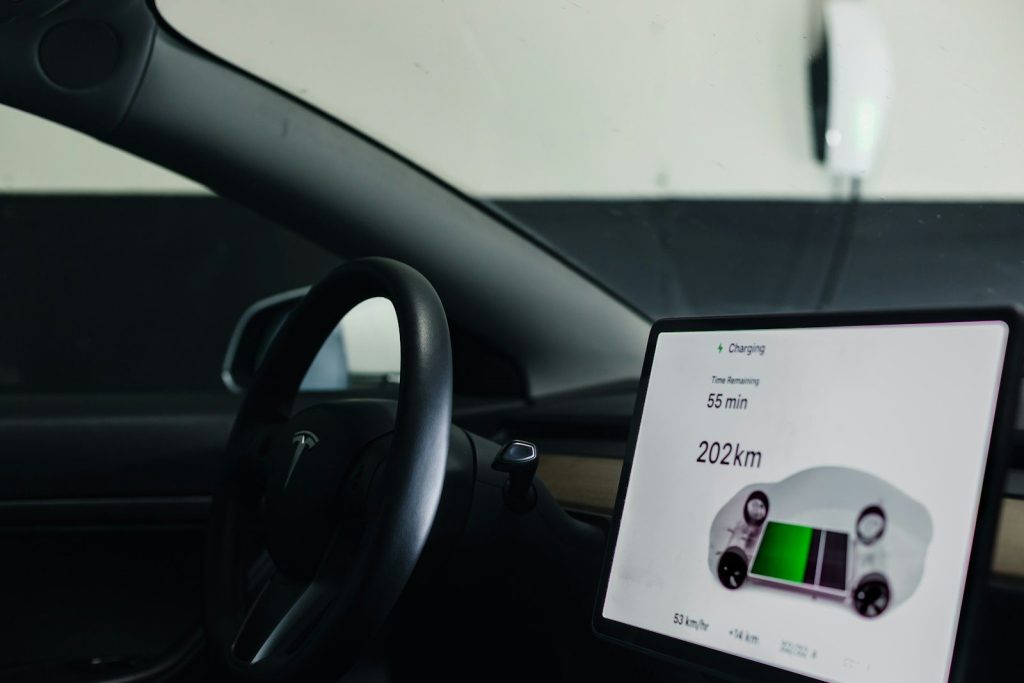
    a picture of a car dashboard with a display on the dashboard
    Photo by Priscilla Du Preez 🇨🇦 on Unsplash

    Range is one of the biggest reasons solid-state batteries get attention. Because they may store more energy in less space, future EVs could travel farther without needing a much larger battery pack.

    That could make electric cars feel easier for road trips, commuting, and busy family schedules. Automakers are interested because better range can reduce charging stops and make EV ownership feel more practical for more drivers.

    Charging could get faster

    a person is pumping gas into a car
    Photo by Priscilla Du Preez 🇨🇦 on Unsplash
    Charging speed is another major part of the buzz. Some solid-state battery tests and prototypes point toward shorter charging times than many current EV batteries can offer.

    Stellantis and Factorial have reported solid-state cell progress, including testing that showed a 15% to 90% charge in 18 minutes under certain conditions. That does not mean every future EV will do this, but it shows why the technology gets so much attention.

    Safety is a big draw

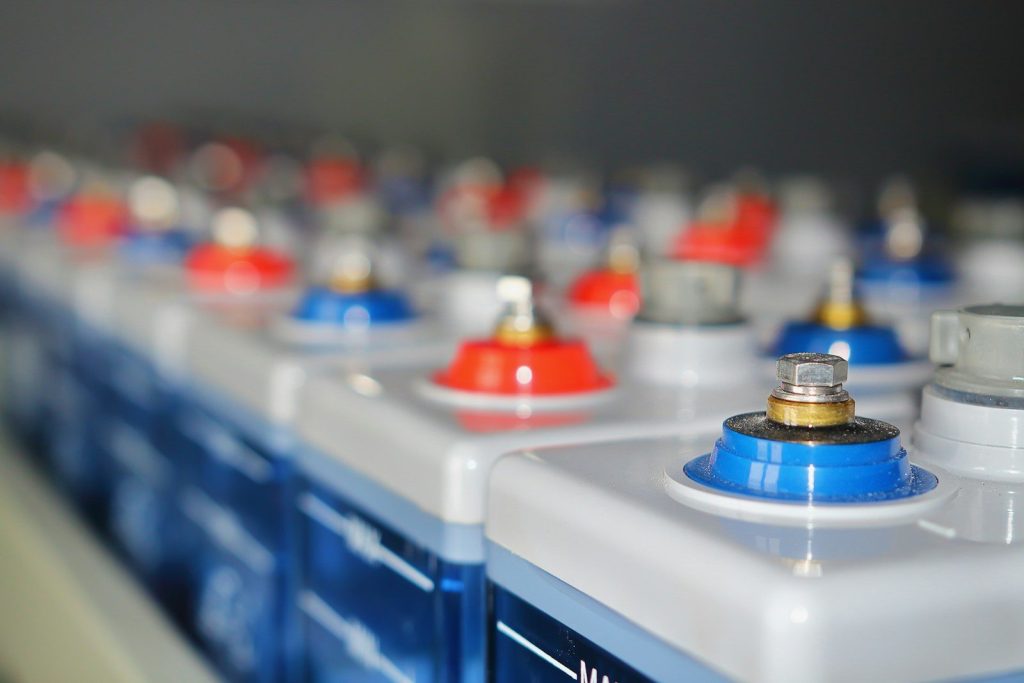
    Rows of batteries with red and blue terminals.
    Photo by Vanya Smythe on Unsplash

    Today’s EV batteries are carefully engineered, but solid-state designs may offer added safety benefits because they reduce or remove flammable liquid electrolyte. That is one reason automakers and battery companies keep investing in the technology.

    A safer battery design could help drivers feel more confident. It could also give carmakers more freedom when designing battery packs, cooling systems, and vehicle layouts in future electric models.

    Batteries may become smaller

    person holding black and green electronic device
    Photo by Kumpan Electric on Unsplash

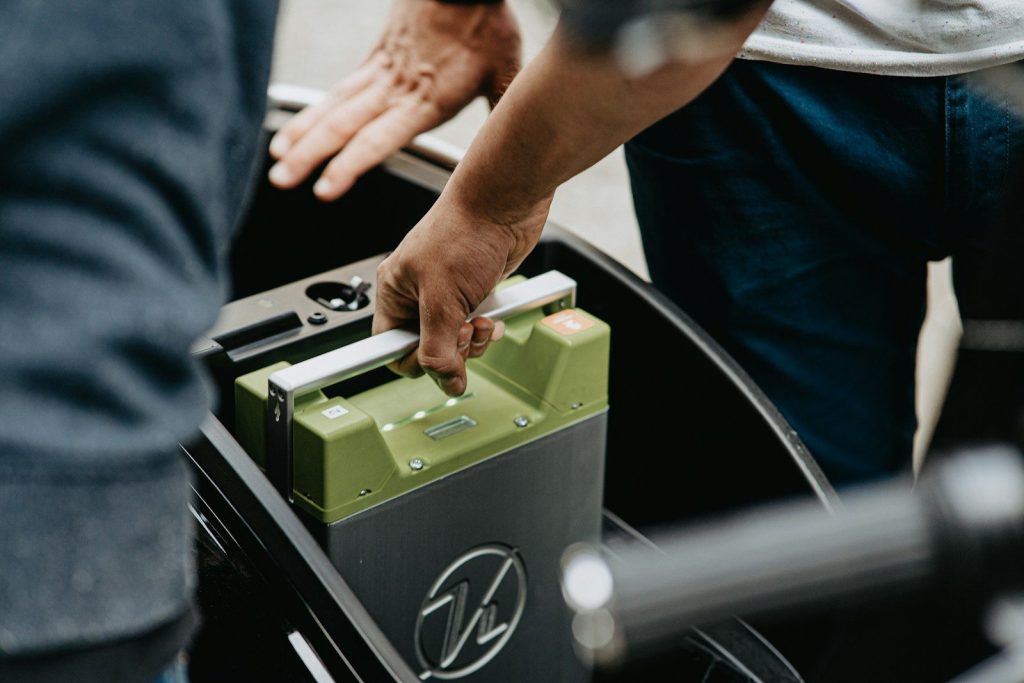
    Solid-state batteries could help automakers pack more energy into a smaller space. That matters because battery size affects vehicle weight, cabin space, cargo room, and driving efficiency.

    A smaller or lighter battery could make an EV feel better to drive. It could also help designers build sleeker cars, roomier interiors, or more efficient models without giving up the range customers expect.

    Automakers are racing ahead

    a silver sports car parked in front of a building
    Photo by 312 Visuals on Unsplash

    Toyota has said it is working toward practical use of all-solid-state batteries in EVs, with plans tied to the 2027 to 2028 period. Reuters also reported Toyota’s progress with Sumitomo Metal Mining on cathode materials for these batteries.

    Nissan has also shown an all-solid-state battery pilot line in Japan and says it aims to launch EVs using the technology by fiscal year 2028. These timelines help explain why the topic keeps coming back.

    The supply chain matters

    White electric car charging at a station.
    Photo by smart-me AG on Unsplash

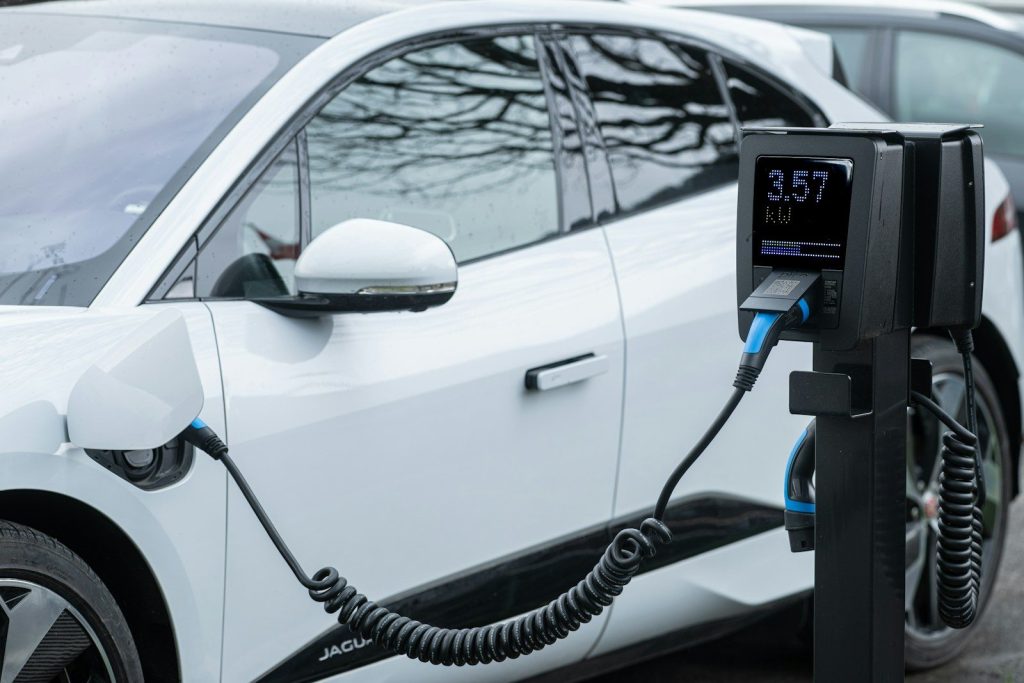
    A great battery idea is not enough. Companies also need steady supplies of key materials, reliable factories, and production methods that can work at huge scale.

    Reuters reported that Idemitsu plans a lithium sulphide plant to support Toyota’s solid-state battery goals, with the plant targeted for completion by June 2027. Moves like this show that the race is about factories and materials, not just lab results.

    Costs are still a hurdle

    fan of 100 U.S. dollar banknotes
    Photo by Alexander Mils on Unsplash

    Solid-state batteries sound exciting, but they are not easy or cheap to mass-produce yet. New materials, strict quality control, and factory upgrades can all add cost.

    That is why these batteries may first appear in premium or limited models before becoming common. For most drivers, the big question is not only whether the technology works, but whether it can reach a price people can afford.

    Lab success is not enough

    gray vehicle being fixed inside factory using robot machines
    Photo by Lenny Kuhne on Unsplash

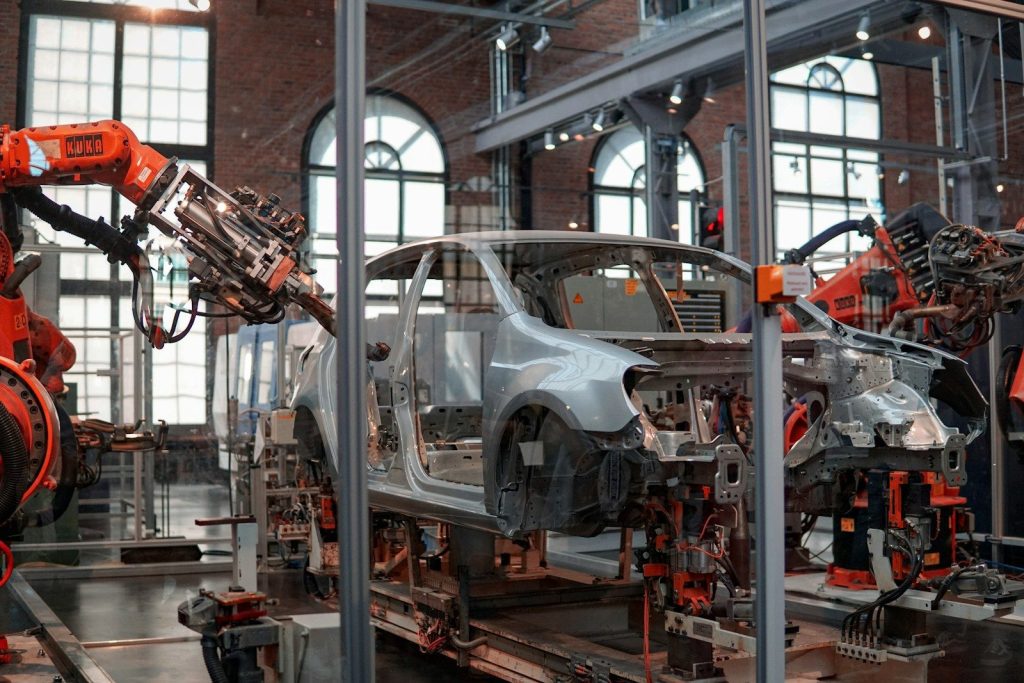
    Battery breakthroughs often look great in testing, but cars are harder. EV batteries must handle heat, cold, fast charging, vibration, long life, and thousands of daily use cases.

    Researchers also continue working on technical issues such as durability, interfaces between materials, and scaling production. A 2025 battery review noted that solid-state batteries show strong promise, but the move from lab work to industry still brings connected challenges.
    Drivers want less waiting

    a white car plugged in to a charging station
    Photo by JUICE on Unsplash
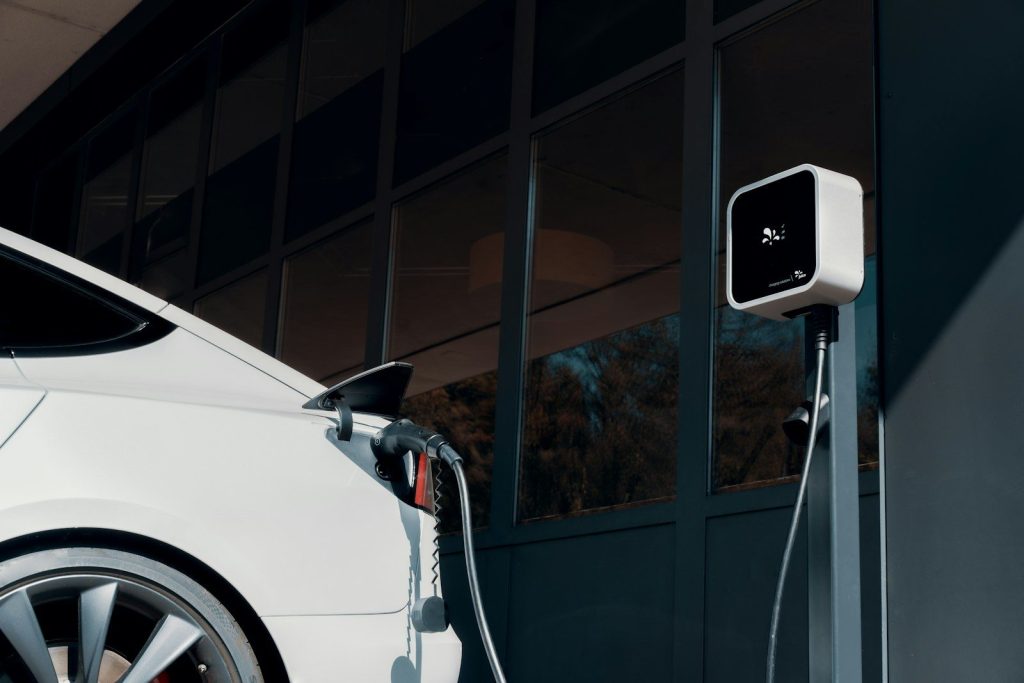
    The attention around solid-state batteries is really about convenience. Drivers want EVs that go farther, charge faster, and feel easier to own.

    If solid-state batteries deliver on those promises, they could make electric cars more attractive to people who are still unsure. Fewer charging stops and quicker top-ups would make EVs feel closer to the routine many drivers already know.

    The hype needs patience

    black and blue vacuum cleaner
    Photo by Waldemar Brandt on Unsplash

    Solid-state EV batteries may become a major step forward, but they are not a magic switch. The industry still needs time to prove performance, safety, durability, production speed, and cost at real-world scale.

    That is why the topic keeps getting attention year after year. The promise is big enough to matter, but the finish line is still ahead. For now, solid-state batteries are one of the most watched parts of the EV future.

  • Why chip packaging is becoming as important as the chip itself

    Why chip packaging is becoming as important as the chip itself

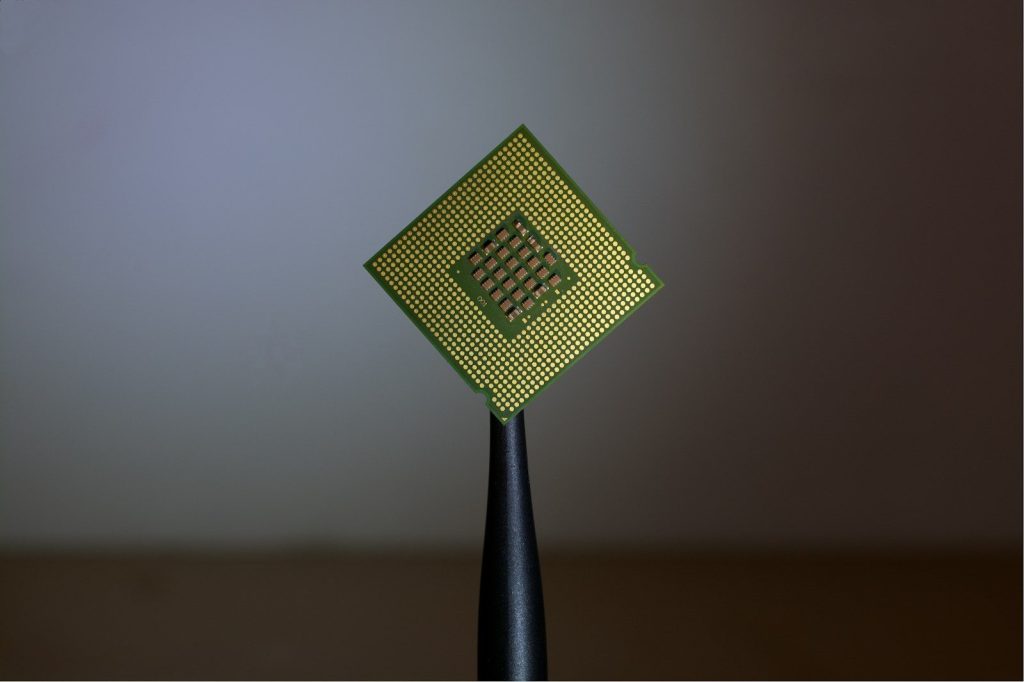
    For decades, the chip race was mostly about making tiny parts even smaller. That still matters, but it is no longer the whole story. Today’s fastest processors often depend on how well several pieces can be placed, connected, powered, and cooled inside one package.

    This is called advanced packaging, and it is becoming a major focus for companies building AI chips, data center processors, gaming hardware, and future phones. TSMC says its CoWoS packaging brings logic chiplets and high-bandwidth memory together for AI and supercomputing uses. Intel also promotes packaging technologies such as EMIB and Foveros for multi-chip designs.

    Shrinking is getting harder

    white and green hard disk drive
    Photo by Olivier Collet on Unsplash
    Chip companies once gained big speed boosts by making transistors smaller. That progress still continues, but each new step is harder, costlier, and more complex than before.

    Packaging gives companies another path forward. Instead of relying only on a smaller chip, they can connect several specialized pieces together. That can improve performance without forcing every part to use the newest manufacturing process.

    Chiplets changed the game

    black and white magnetic card
    Photo by Niek Doup on Unsplash
    A chiplet is like one useful piece of a larger puzzle. One chiplet may handle computing, another may handle memory, and another may manage input and output.

    Advanced packaging connects those chiplets so they can act like one powerful system. TechInsights says chiplets let designers combine different technologies in one integrated design, using the best process for each part.

    AI needs faster memory

    robot and human hands reaching toward ai text
    Photo by Igor Omilaev on Unsplash

    AI chips move huge amounts of data. If memory is too far away or too slow, the processor can waste time waiting instead of working.

    That is why packaging matters so much for AI. TSMC’s CoWoS technology is built to place logic chiplets near high-bandwidth memory, helping data move quickly inside the package.

    Distance wastes power

    a close up of a hard drive on a surface
    Photo by Thufeil M on Unsplash
    Inside electronics, distance matters. The farther data must travel, the more power and time it can take. In powerful chips, that small delay can become a big issue.

    Advanced packaging shortens those paths. By placing chip parts closer together, companies can reduce energy waste and improve speed. That is a big deal for servers, laptops, phones, and gaming devices.

    Different parts can mix

    tilt-shift photography of green computer motherboard
    Photo by Chris Ried on Unsplash

    Not every part of a chip needs the newest and most expensive technology. Some parts need extreme speed, while others need reliability, storage, or power control.

    Packaging lets companies mix these parts more efficiently. A design can use cutting-edge logic where it matters most and older, proven technology elsewhere. That can help balance performance, cost, and supply.

    Intel pushes 3D stacking

    macro photography of black circuit board
    Photo by Alexandre Debiève on Unsplash
    Intel has been one of the big names promoting advanced packaging. Its EMIB technology connects multiple dies, while Foveros supports stacking chip parts vertically.

    That matters because chips are no longer always flat, single-piece designs. Intel says its packaging work is aimed at helping future semiconductor products for the AI era.

    TSMC became a key player

    TSMC-RESULTS/” by f097653195037 is licensed under CC BY-SA 2.0

    TSMC is best known for making advanced chips, but its packaging work has become just as important. Its CoWoS technology is closely tied to high-performance AI and supercomputing chips.

    Reuters reported that Nvidia’s newer AI chips have used advanced CoWoS packaging, and that packaging capacity has been a bottleneck in recent years.

    AMD uses chiplet thinking

    black samsung galaxys 7 edge
    Photo by Luis Gonzalez on Unsplash

    AMD helped make chiplets familiar in mainstream processors. Instead of building one huge piece of silicon, AMD has used smaller connected pieces across many CPU designs.

    That approach can help with cost, yields, and flexibility. AMD’s own chiplet ecosystem paper says more advanced packaging capacity is important as chiplet-based products grow.

    Supply chains are shifting

    black and green lenovo logo
    Photo by Timothy Dykes on Unsplash

    Packaging used to sound like a finishing step. Now it is becoming a strategic part of the chip supply chain. Companies want more packaging capacity closer to major chip factories and customers.

    Reuters reported that Amkor is working with AMD on advanced packaging and expanding land in Arizona for a future production campus. That shows how packaging is becoming a business race, not just an engineering detail.

    The package is now the product

    A close up of a computer motherboard in a dark room
    Photo by Mehan Talukder on Unsplash

    A modern chip is no longer just about the tiny silicon inside. The full package helps decide how fast it runs, how much power it uses, and how well it handles heavy workloads.

    That is why packaging is moving into the spotlight. As AI, cloud computing, gaming, and mobile devices demand greater performance, the external architecture around the chip may become just as important as the chip itself.

  • Why AR chips matter more than headset hype

    Why AR chips matter more than headset hype

    The loudest AR news is usually about the headset: how it looks, how much it costs, and whether people would actually wear it. But the real make-or-break part is often much smaller. AR chips help a device understand the room, track movement, process camera data, handle graphics, and keep everything feeling smooth in real time.

    Apple’s Vision Pro uses a separate R1 chip to process input from cameras, sensors, and microphones, while Qualcomm’s XR platforms focus on fast video see-through and compact headset design. Without better chips, AR devices can feel heavy, hot, slow, or short on battery life. That is why the future of AR may depend less on hype and more on the silicon hidden inside.

    Chips make AR feel real

    tilt-shift photography of green computer motherboard
    Photo by Chris Ried on Unsplash

    AR is supposed to place digital objects into the real world. For that to work, the device has to read your room, track your head, and update the image almost instantly.

    That job depends on powerful chips. If the chip falls behind, the magic breaks. The digital layer can feel late, shaky, or disconnected from the space around you.

    Speed matters more than flash

    person holding computer cell processor
    Photo by Brian Kostiuk on Unsplash

    A headset can have a beautiful screen and still feel off if the response is slow. Even tiny delays can make hand tracking, eye tracking, and movement feel less natural.

    That is why chip speed matters so much. Faster processing helps the device react as you move, so menus, objects, and views feel more stable and comfortable.

    Better chips reduce bulk

    a micro processor chip sitting on top of a table
    Photo by Vishnu Mohanan on Unsplash

    No one wants smart glasses that feel like a heavy helmet. To get smaller AR devices, companies need chips that can do more work while using less space.

    Efficient chips can reduce the need for larger cooling parts and oversized batteries. That could help future AR glasses look more like normal eyewear and less like tech gear.

    Battery life starts inside

    a close up of a hair brush on a table
    Photo by Bram Van Oost on Unsplash

    Battery life is one of the biggest problems for wearable tech. AR devices have to run displays, cameras, sensors, audio, wireless connections, and tracking all at once.

    Smarter chips can stretch battery life by using power only where it is needed. That matters because people will not wear AR glasses for long if they die too quickly.

    Heat can ruin comfort

    A man wearing a virtual reality headset in front of a laptop
    Photo by Paul Einerhand on Unsplash

    A powerful device can become uncomfortable if it gets too warm near your face. That is a hard problem because AR headsets sit close to the eyes, forehead, and cheeks.

    Better chip design can help control heat. When chips run efficiently, the device can stay cooler, feel better, and work longer without slowing down.

    Sensors need fast brains

    Woman wearing vr headset sitting in armchair
    Photo by Vitaly Gariev on Unsplash

    AR devices use sensors to understand where you are looking, how your hands move, and what is around you. Those signals have to be processed quickly.

    The chip acts like the device’s brain. It takes all that sensor information and turns it into smooth actions, like placing a screen on a wall or locking a virtual object to a table.

    AI is moving on-device

    man wearing sunglasses
    Photo by Bram Van Oost on Unsplash

    AR will likely depend more on AI as devices get smarter. AI can help recognize objects, improve visuals, understand voice commands, and make digital tools feel more useful.

    Doing that work on the device can make responses faster and more private. Stronger AR chips make that possible without sending every small task to the cloud.

    Displays need chip support

    A pair of ski goggles sitting on top of a wooden table
    Photo by Kevin Doyle on Unsplash

    A bright, sharp display is only part of the AR experience. The chip also has to feed that display with clean visuals at the right speed.

    If the chip cannot keep up, the picture may look less smooth or feel tiring. Strong chip performance helps make text, graphics, and mixed reality views easier to use.

    The best chip may disappear

    black and red circuit board
    Photo by Jason Jarrach on Unsplash

    When AR works well, most people will not think about the chip at all. They will just notice that the device feels light, smooth, and easy to use.

    That is the point. The best technology often fades into the background. AR chips matter because they help the headset stop feeling like a gadget and start feeling useful.

    Hype fades, hardware stays

    Person wearing a virtual reality headset and headphones.
    Photo by Navy Medicine on Unsplash

    Big demos can get attention, but real users care about comfort, battery life, speed, and daily value. Those things come from deep hardware work, not just bold promises.

    That is why AR chips may matter more than headset hype. They decide whether the device feels ready for everyday life or still feels like an expensive preview of the future.

  • How smart lamps are becoming part of home design

    How smart lamps are becoming part of home design

    A lamp used to be a simple finishing touch: plug it in, pick a shade, and call it done. Now smart lamps are becoming part of how a room looks, feels, and works every day. They can shift from bright task lighting to a soft evening glow, change color for a cozy mood, and connect with other smart home devices.

    Brands are also making them look more like decor instead of plain tech. IKEA has introduced Matter-compatible smart lighting products, while Philips Hue has added tools for mood lighting, room-based scenes, and smarter controls. That means smart lamps are no longer just gadgets. They are becoming flexible design pieces that help shape the whole home.

    Lamps now set the mood

    brown and white wooden stand
    Photo by Victor Furtuna on Unsplash

    Smart lamps are changing how people think about room design. Instead of using one fixed light level, a room can shift from bright and active to calm and cozy with a tap or voice command.

    That makes lighting feel more personal. A living room can look fresh during the day, softer at night, and more colorful during a family movie or game night without changing the furniture.

    Color is part of decor

    a white light bulb on an orange and pink background
    Photo by Jakub Żerdzicki on Unsplash

    Color-changing lamps give people a simple way to refresh a space. A soft blue, warm amber, or gentle pink glow can make the same room feel different without paint, wallpaper, or new art.

    This is why smart lamps work well as accent pieces. They can highlight a shelf, brighten a corner, or add depth behind a sofa while still looking like part of the room’s style.

    Warm light feels softer

    a table lamp sitting on top of a wooden table
    Photo by Monty Allen on Unsplash

    Many smart lamps let users adjust white light from cool to warm. Cool light can feel crisp and helpful for reading or working, while warm light often feels more relaxed in the evening.

    That flexibility matters in open homes where one room may serve many jobs. A dining area, desk corner, or bedroom can feel more useful because the lamp changes with the moment.

    Design matters more now

    a close up of a light bulb on a table
    Photo by Jakub Żerdzicki on Unsplash

    Early smart bulbs were mostly about the tech inside. Today, smart lamps are also judged by how they look on a table, shelf, desk, or nightstand.

    That shift is important for home design. People do not want every device to look like a gadget. IKEA’s smart lighting lineup, for example, focuses on products that fit real rooms and everyday budgets.

    Matter makes setup easier

    a hand holding a light bulb
    Photo by Pranit Bhujel on Unsplash

    One reason smart lamps are becoming more design-friendly is better compatibility. Matter is a smart home standard made to help devices work more reliably across different systems.

    For homeowners, that can mean less stress when mixing brands. A lamp can be chosen for its look, size, and glow instead of only worrying about whether it fits one app or speaker.

    Routines make rooms smarter

    person holding black iphone 4
    Photo by Moritz Kindler on Unsplash

    Smart lamps can follow daily routines. They might brighten in the morning, dim at dinner, or turn off when everyone leaves the house.

    That makes design feel more active. The lamp is not just sitting there; it is helping the room match real life. A bedroom can ease into nighttime, while a kitchen can wake up faster in the morning.

    Small spaces benefit most

    smart home, mobile, smartphone, smarthome, light, tools, future, lamp, internet, modern, smart, wireless, technology, hue, smart home, smart home, smart home, smart home, smart home
    Photo by cloudlynx on Pixabay

    Smart lamps are especially useful in apartments, dorm rooms, and smaller homes. One lamp can act like a reading light, mood light, night light, and accent light.

    That saves space and keeps rooms from feeling crowded. Instead of adding several lamps for different needs, one well-placed smart lamp can handle many jobs while keeping the design clean.

    Accent lighting adds depth

    A mother and daughter bond over a book, creating a cozy night-time reading scene with soft lighting.
    Photo by Artem Podrez on Pexels

    Designers often use layers of light to make a room feel finished. Smart lamps make that easier because they can fill dark corners, glow behind furniture, or soften harsh overhead lighting.

    This can make a simple room feel warmer and more polished. Even a basic table lamp can add depth when the brightness and color are adjusted to match the space.

    Wellness is part of the pitch

    Young woman relaxing in her cozy bedroom at night with soothing ambient lighting.
    Photo by Hanna Pad on Pexels

    Some smart lighting is built around the idea of matching natural light patterns. Circadian lighting uses changing brightness and color temperature to echo daylight across the day.

    For home design, that adds a new layer. A lamp is not only about style anymore. It can also help a room feel better suited for focus, rest, or winding down.

    The best designs stay simple

    A bedside table with lamp and books creating a cozy ambiance in a minimalistic bedroom.
    Photo by Simeon Stoilov on Pexels

    Smart lamps work best when they make life easier, not more complicated. A good setup should still feel natural, even if it has apps, scenes, schedules, and voice control behind it.

    That is why the future of smart lamps may look calm, not flashy. The strongest designs will blend useful technology with warm light, simple controls, and a style that feels at home.

  • Why carnivorous plants turned leaves into traps

    Why carnivorous plants turned leaves into traps

    Most plants quietly pull nutrients from the soil, but carnivorous plants had to get creative. Many of them live in sunny, wet places where the ground is poor in key nutrients like nitrogen and phosphorus. Instead of giving up, they slowly turned ordinary leaves into clever traps. Some became sticky pads. Some became slippery pitchers.

    Others became snap traps that close when touched. These plants still use sunlight to make food, but insects and other tiny creatures help fill the nutrient gap. The Royal Botanic Gardens, Kew explains that carnivorous plants evolved trapping and digesting skills because their habitats often lack the nutrients plants need for strong growth.

    Poor soil changed everything

    a close up of a plant in a pot
    Photo by THitima on Unsplash

    Carnivorous plants did not become hunters because they stopped being plants. They still use sunlight, air, and water to make their own food through photosynthesis.

    The problem was the soil. In bogs, wetlands, and other nutrient-poor places, roots may not get enough nitrogen or phosphorus. Trapping insects became a clever backup plan for survival.

    Leaves became useful tools

    a close up of a plant with drops of water on it
    Photo by Théotim THORON on Unsplash

    The traps on carnivorous plants are usually modified leaves. Over time, these leaves changed shape and purpose, becoming pitchers, sticky pads, snap traps, or tiny suction chambers.

    That change gave the plants a better way to collect nutrients. Instead of only depending on roots, they could use leaves to attract, trap, and digest small prey.

    They still need sunlight

    brown flower in close-up photo
    Photo by THLT LCX on Unsplash

    Carnivorous plants may catch insects, but they are not like animals. They do not hunt for energy in the same way a bird or frog does.

    They still depend on sunlight to make sugar. The trapped prey mainly supplies extra nutrients, helping the plant grow in places where the soil cannot provide enough.

    Pitchers work like jars

    shallow focus photo of green plants
    Photo by THLT LCX on Unsplash

    Pitcher plants use leaves shaped like deep cups or tubes. Many have slippery sides, sweet scents, or bright colors that help draw insects closer.

    Once an insect falls inside, getting out can be hard. The plant can then break down the prey and absorb helpful nutrients from it.

    Sticky leaves hold tight

    a red and green bug on a plant
    Photo by Tyler Mower on Unsplash

    Sundews and butterworts use a different trick. Their leaves have sticky surfaces that can trap small insects when they land.

    On sundews, the shiny drops can look like harmless dew. But once an insect gets stuck, the plant slowly works around it and begins the digestion process.

    Snap traps save effort

    red and yellow flower in macro lens
    Photo by Théotim THORON on Unsplash

    The Venus flytrap is famous because its leaves can close quickly. Tiny trigger hairs help the plant sense when something is inside the trap.

    This fast movement helps the plant avoid wasting energy. A trap usually needs the right touch pattern before it closes fully, which helps it respond to real prey.

    Water plants got clever

    carnivorous plants” by ljmacphee is licensed under CC BY 2.0

    Some carnivorous plants live in water, where soil nutrients may also be limited. Bladderworts use tiny bladder-like traps that pull in small aquatic creatures.

    These traps are very different from pitchers or sticky leaves. They show how plants in different habitats found different ways to solve the same nutrient problem.

    Traps come with costs

    Detailed close-up of Venus Flytrap plants in a pot, showcasing vibrant green leaves.
    Photo by András Dénes on Pexels

    Turning a leaf into a trap is not free. A trap may not collect sunlight as well as a flat green leaf, and building it takes energy.

    That is why carnivory makes the most sense in special places. When sunlight and water are available, but soil nutrients are low, traps can be worth the cost.

    Many traps evolved separately

    Detailed view of a Venus Flytrap (Dionaea muscipula) in a vivid green pot, showcasing its sharp leaves.
    Photo by Izabella Bedő on Pexels

    Carnivorous plants are not all close relatives. Different plant groups developed trapping methods in separate places and at different times.

    That makes them a great example of nature finding similar answers to the same challenge. Poor soil pushed many plants toward the same basic idea: catch nutrients another way.

    Nature rewards smart design

    venus flytrap, flower background, carnivorous plant, carnivorous, beautiful flowers, flower wallpaper, flower, nature, plant
    Photo by RainerBerns on Pixabay

    Carnivorous plants turned leaves into traps because survival demanded it. Their strange shapes are not just for looks; they are practical tools shaped by tough habitats.

    From sticky sundews to deep pitcher plants, each trap tells a simple story. When the ground did not give enough, these plants found another way to grow.

  • How mushrooms quietly recycle the natural world

    How mushrooms quietly recycle the natural world

    A mushroom on a log may look small, but it is part of a huge cleanup crew. Mushrooms are the visible fruiting parts of fungi, and much of the real work happens underground or inside wood, leaves, and soil. Fungi release enzymes that break down tough natural materials, helping return nutrients to the soil instead of letting fallen branches and leaves pile up forever.

    National Geographic notes that fungi are important decomposers, especially in forests, while Kew describes them as vital for nutrient recycling in ecosystems. That quiet work helps plants grow, feeds soil life, supports forests, and keeps nature’s cycles moving in ways most people never notice.

    Mushrooms clean up forests

    brown mushrooms on green grass during daytime
    Photo by Lucas van Oort on Unsplash

    Walk through a forest and you will see fallen leaves, branches, and old logs everywhere. Mushrooms and other fungi help break that natural clutter into smaller pieces.

    Without fungi, forests would have a much harder time recycling plant material. Their work helps turn yesterday’s leaves and wood into nutrients that can support new roots, seedlings, and soil life.

    They break down tough wood

    brown mushrooms on tree trunk
    Photo by Jesse Bauer on Unsplash

    Wood is not easy to take apart. It contains strong materials that many living things cannot digest, but fungi are especially good at breaking them down.

    Ohio State University notes that many fungi decompose lignin and other hard-to-digest organic matter. That ability makes fungi key players in turning fallen trees and branches back into usable parts of the ecosystem.

    Soil gets a natural boost

    red and white mushroom
    Photo by Florian van Duyn on Unsplash

    When fungi break down plant matter, nutrients move back into the soil. That process helps feed plants, tiny soil organisms, and the wider food web.

    This is one reason mushrooms matter even when people barely notice them. They help keep soil from becoming just packed dirt. Healthy soil is full of life, and fungi help keep that life supplied.

    They help plants grow

    brown mushroom on brown tree trunk
    Photo by iggii on Unsplash

    Some fungi do more than recycle old material. Mycorrhizal fungi form partnerships with plant roots, helping plants reach nutrients and water in the soil.

    In return, plants share sugars made through sunlight. Researchers describe this as a common exchange, where fungi gather soil nutrients and plants provide carbon-rich food. It is a quiet trade that supports many ecosystems.

    Hidden threads do the work

    Mushroom” by karen_neoh is licensed under CC BY-SA 2.0

    The mushroom above ground is only part of the story. Much of a fungus lives as thin, branching threads called mycelium, spreading through soil, wood, or leaf litter.

    These hidden threads act like a search system. They move through tiny spaces, find food sources, and release enzymes. While the mushroom may appear for a short time, the underground network may keep working much longer.

    Forests rely on decay

    woodears
    Photo by Guido Blokker on Unsplash

    Decay may sound unpleasant, but it is one of nature’s most useful processes. It clears old material and makes room for fresh growth.

    Michigan State University Extension explains that fungi help break down stressed and dead trees as part of a nutrient cycle that supports forest regeneration. In simple terms, fungi help forests renew themselves.

    They support tiny life

    macro photography of bug on the mushroom
    Photo by Benjamin Balázs on Unsplash

    As fungi break down leaves and wood, they create food and habitat for many small organisms. Insects, microbes, worms, and other soil life can all benefit from the process.

    That activity makes the forest floor more active than it looks. A soft layer of leaf litter is not just waste. It is a busy recycling zone where fungi help keep energy moving.

    Some store carbon too

    Detailed macro shot of a mushroom growing amidst lush green moss and pine needles.
    Photo by Emre Ayata on Pexels

    Fungi are also part of the carbon cycle. As they break down plant matter, some carbon returns to the air, while some can remain in soil depending on the ecosystem.

    A review of macrofungi found that mushrooms and related fungi provide ecosystem services such as nutrient cycling, carbon stocking, and soil formation. That makes fungi important to forests in more than one way.

    They work with many species

    mushroom, mushrooms, sponge, moss, mini mushroom, agaric, screen fungus, forest mushrooms, mushroom, mushroom, mushrooms, mushrooms, mushrooms, mushrooms, mushrooms
    Photo by adege on Pixabay

    Fungi connect with plants, animals, insects, and microbes in many different ways. Some recycle materials, some form partnerships with roots, and some become food for wildlife.

    This wide role makes mushrooms more than forest decorations. They are part of a larger living system. When fungi are healthy and diverse, the natural world has more ways to recover, grow, and stay balanced.

    Small signs, big impact

    a forest with fallen leaves
    Photo by Toa Heftiba on Unsplash

    A mushroom on a trail may seem easy to miss, but it points to a much bigger process. It shows that recycling is happening underfoot, inside logs, and across the forest floor.

    That is why mushrooms quietly matter so much. They help clean up, feed soil, support plants, and keep natural cycles going. Nature does not waste much, and fungi are one big reason why.

  • Why robot lawn mowers are getting smarter eyes

    Why robot lawn mowers are getting smarter eyes

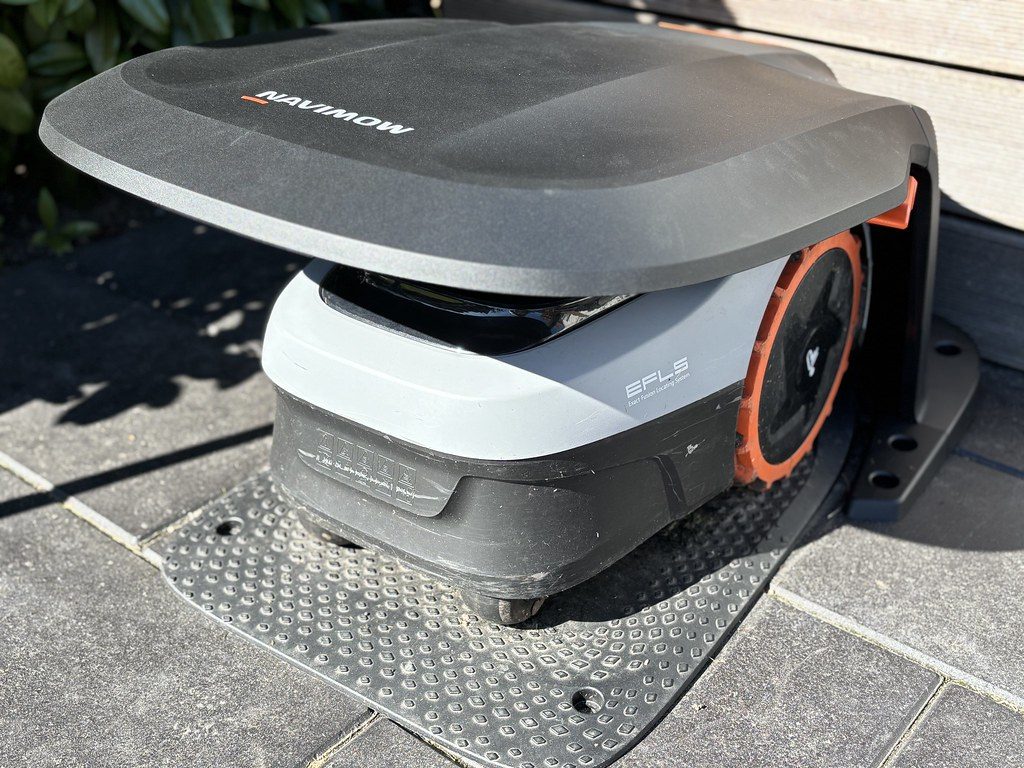
    A robot lawn mower used to feel simple: set a boundary, press start, and hope it did not bump into everything in its path. Now the newest models are getting much better at “seeing” the yard before they cut it. Many use cameras, AI vision, GPS-style positioning, LiDAR, ultrasonic sensors, or a mix of these tools to understand where grass ends and trouble begins.

    Some newer mowers can spot lawn edges, trees, toys, flower beds, and other objects more smoothly than older models. The goal is not just a cleaner cut. It is easier setup, fewer stops, safer movement, and less guesswork for homeowners who want the lawn handled with less effort.

    Robot mowers now look ahead

    a toy car sitting in the grass at night
    Photo by Maximilian Kunstwadl on Unsplash

    Older robot mowers often worked by following a buried or pinned boundary wire. That helped them stay in the yard, but it did not always help them understand what was right in front of them.

    Newer models are adding cameras and smart sensors so they can read the lawn more like a person would. They can look for grass, edges, paths, and objects before deciding where to go next.

    Cameras help find the grass

    a toy car with its headlights on in the grass
    Photo by Maximilian Kunstwadl on Unsplash

    A smart mower with a camera can use visual clues to tell the difference between lawn, pavement, flower beds, and other yard features. That makes mowing feel less random and more planned.

    This is a big reason some newer mowers are moving away from heavy wire setups. Instead of only following a line, they can use what they see to stay on task.

    Fewer wires, easier setup

    black and brown toy gun on green grass
    Photo by Greg Roberts on Unsplash

    Boundary wires can take time to install, especially in yards with odd shapes, trees, slopes, or several mowing zones. A wire-free mower can make setup feel less like a weekend project.

    Many new models use virtual boundaries through apps, satellite positioning, or mapping tools. Homeowners can often adjust zones, no-go areas, and mowing paths without digging up the yard.

    Smarter eyes avoid objects

    Man watering a robotic lawnmower in a garden.
    Photo by Aiper Pool Cleaner on Unsplash

    A yard can change every day. A chair gets moved, a ball gets left out, or a branch falls after windy weather. Smarter vision helps a mower react to those surprises.

    Camera-based and sensor-based systems are designed to spot objects and steer around them. That can reduce bumps, stops, and the annoying need to clear every tiny thing before mowing.

    AI helps with lawn edges

    lawn mower, battery mower, lawn mower robot, garden, short, maintained, robotic lawnmower, automatically, autonomous, garden maintenance, electric, equipment, nature, technology
    Photo by Kapa65 on Pixabay

    Edges are one of the trickiest parts of mowing. A robot has to know where grass ends without sliding into a path, driveway, mulch bed, or garden border.

    AI vision can help a mower detect lawn edges more clearly. That matters because clean edges make the whole yard look neater, even when the mower is doing the work on its own.

    Sensors work as a team

    lawn mower, robot, grass, robotic lawnmower, automatically, nature, lawn, estate, landscape design, labor, mowing, electric, garden
    Photo by niekverlaan on Pixabay

    The smartest mowers do not depend on one tool alone. Some combine cameras with GPS-style guidance, LiDAR, ultrasonic sensors, or other navigation systems.

    That mix can help the mower handle weak signals, changing light, tight corners, and obstacles. When one system has trouble, another may help fill in the missing information.

    Slopes need better vision

    Robot lawn mower close-up” by Ivan Radic is licensed under CC BY 2.0

    Flat yards are easier for robot mowers. Sloped, uneven, or bumpy lawns need better tracking, stronger movement, and smarter navigation to avoid missed spots.

    That is why advanced models are being built with stronger drive systems and better mapping. Some newer designs use visual mapping and positioning tools to handle more complex lawns.

    Night mowing is improving

    a toy car sitting on top of a lush green field
    Photo by Maximilian Kunstwadl on Unsplash

    Some robot mowers can work when the yard is quiet, including early morning or evening schedules. Better vision and object detection can make that more useful.

    Still, homeowners should check the mower’s settings and safety guidance. Even smart systems have limits, and a clear lawn is always better for a smooth cut.

    Smart does not mean perfect

    Toadi robot lawn mower” by Helpingout45 is licensed under CC BY-SA 4.0

    Even advanced robot mowers can miss objects, get confused by tricky layouts, or struggle in certain spots. Reviews still show that obstacle detection can vary by model.

    That means buyers should not assume every “smart” mower performs the same way. It is worth checking how a model handles toys, garden edges, trees, slopes, and narrow passages.

    Apps make yards easier to manage

    Robotic lawn mower in garage” by havekalenderen is licensed under CC BY 2.0

    Modern robot mowers often connect to phone apps. These apps can help set mowing zones, change schedules, create no-go areas, and check the mower’s status.

    That control is helpful when the yard changes through the season. You might protect a new flower bed one week, then reopen that area once the plants are stronger.

    The future looks more hands-off

    black and white wooden signage
    Photo by Hadija on Unsplash

    Smarter eyes are making robot lawn mowers feel less like bumping machines and more like yard helpers. They can see more, plan better, and adjust faster than older designs.

    The biggest win is convenience. As vision tools improve, homeowners may spend less time setting up, fixing mistakes, and watching the mower, and more time enjoying the lawn.

  • How stair-climbing vacuums became a real gadget race

    How stair-climbing vacuums became a real gadget race

    For years, robot vacuums had one very normal problem: stairs. They could map rooms, dodge furniture, empty their bins, mop floors, and return to their docks, but they still needed a person to carry them from one level to another. That limit is now turning into a gadget race. Brands like Migo, Dreame, Eufy, and Roborock are testing different ways to help cleaning robots handle steps, tall thresholds, and multi-floor homes.

    Migo’s Ascender drew attention on Kickstarter, Dreame showed its Cyber X stair-climbing system, Eufy introduced the MarsWalker carrier, and Roborock keeps improving climbing hardware for raised transitions. These ideas are not all the same, but they point to a future where “whole-home cleaning” may finally include the staircase.

    Stairs were the wall

    A black robot vacuum cleaner on a light gray floor.
    Photo by Dreame Vacuum Cleaner on Unsplash

    Robot vacuums have improved fast, but stairs remained a hard stop. Most models use cliff sensors to avoid falling, which is helpful for safety but also keeps them from moving between floors.

    That made multi-level homes tricky. Owners had to carry the robot upstairs, buy a second vacuum, or clean steps by hand. Stair-climbing designs are trying to remove that everyday hassle.

    Migo made people look

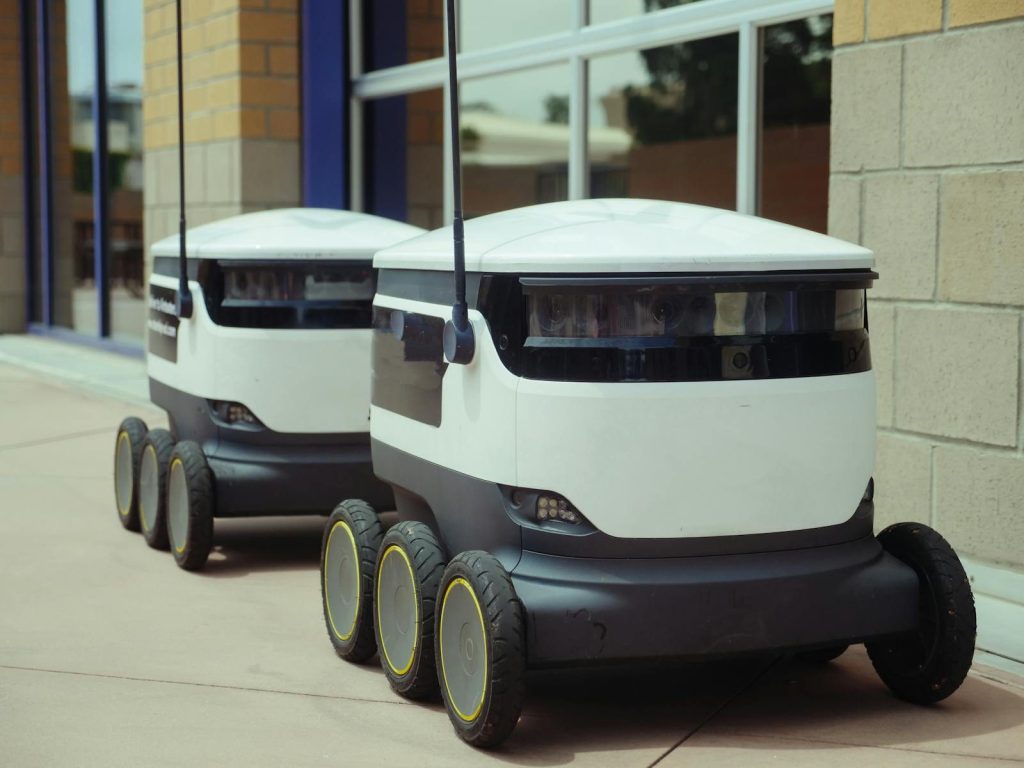
    Two autonomous delivery robots positioned outside a modern building, showcasing innovation in robotics and mobility.
    Photo by Kindel Media on Pexels

    Migo Robotics gained early buzz with the Ascender, a robot vacuum and mop designed to climb stairs. Its Kickstarter page described stair climbing, mopping, and an all-in-one base station as part of the package.

    The big lesson was simple: people clearly wanted this problem solved. Even before stair-climbing vacuums became common store products, the Ascender showed that the idea had real consumer interest.

    Dreame went dramatic

    a toy robot with a blue background
    Photo by Ant Rozetsky on Unsplash

    Dreame’s Cyber X brought a more futuristic look to the race. Reports from IFA 2025 described it as a stair-climbing robot vacuum system using track-like climbing hardware and 3D vision to plan safer movement.

    That made the product feel less like a normal robot vacuum and more like a small home robot. It also showed how serious brands have become about solving stairs, not just improving suction.

    Eufy built a stairlift

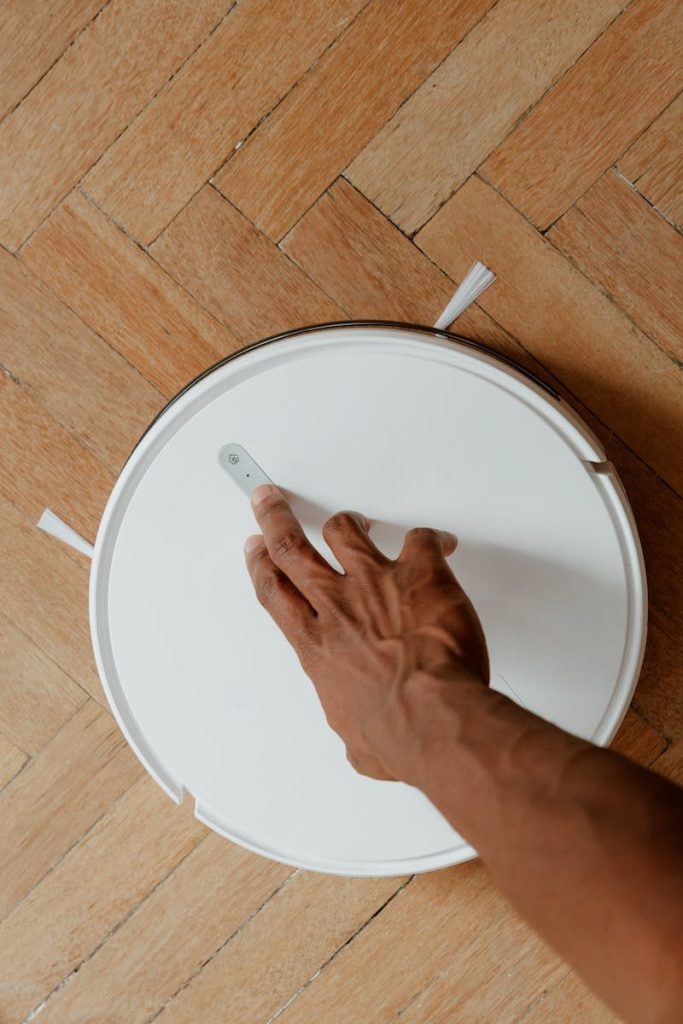
    Close-up of a hand interacting with a robot vacuum cleaner on a parquet floor, showcasing modern cleaning technology.
    Photo by Ron Lach on Pexels

    Eufy took a different path with MarsWalker. Instead of making the vacuum itself climb, MarsWalker works like a carrier that transports compatible Eufy robot vacuums between floors.

    The Verge reported that MarsWalker uses four independently controlled arms and a track system, can handle different staircase shapes, and was shown at IFA 2025 with a planned spring 2026 launch.

    Roborock improved thresholds

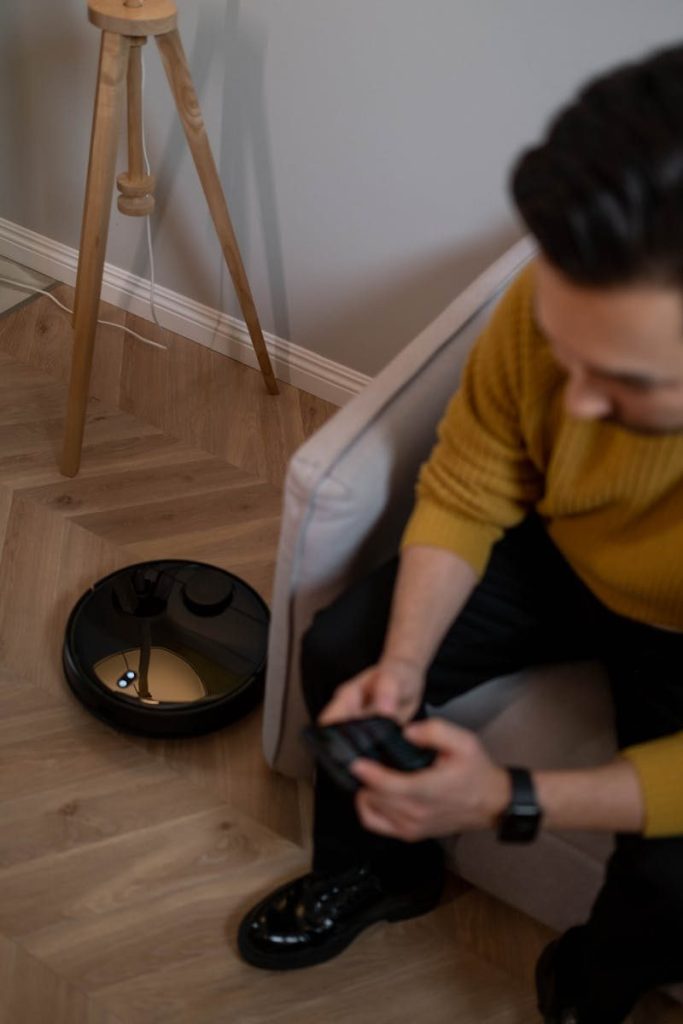
    Adult male using remote control to manage robotic vacuum cleaner on wooden flooring indoors.
    Photo by cottonbro studio on Pexels

    Roborock’s approach is not the same as a full stair-climbing carrier, but it still matters in the race. Its Saros 20 uses AdaptiLift Chassis 3.0 to cross taller thresholds and uneven floor transitions.

    Roborock says the system can handle single thresholds up to 1.77 inches or double-layer thresholds of 1.77 inches plus 1.57 inches. That helps with raised rooms, tracks, mats, and tricky floor edges.

    The challenge is safety

    Girl and dog watch robot vacuum cleaner
    Photo by Dreame Vacuum Cleaner on Unsplash

    A stair-climbing vacuum has to do more than move upward. It must stay balanced, read the stair shape, avoid slipping, and know when not to climb at all.

    That is why vision sensors, mapping, arms, tracks, and careful route planning matter. A regular vacuum mistake might mean a missed dust bunny. A stair mistake could damage the device.

    Multi-floor maps matter

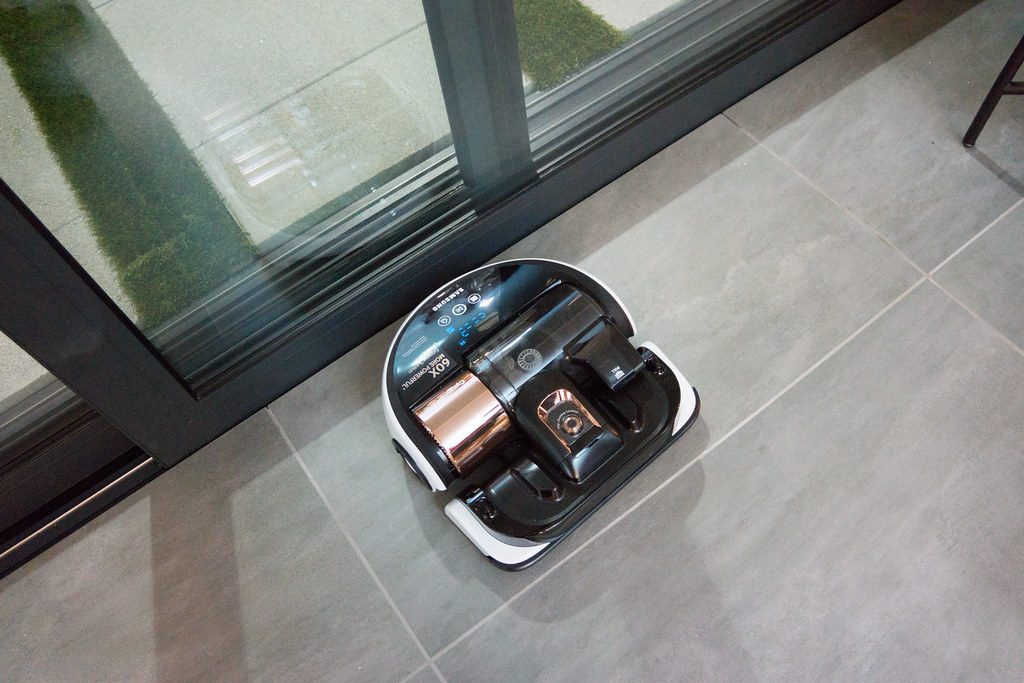
    I WAS HOPING THAT THIS WOULD FOLLOW ME HOME [Samsung Robot Vacuum] REF-103605” by infomatique is licensed under CC BY-SA 2.0

    Climbing stairs is only one part of the job. A smart vacuum also needs to know which floor it is on, where each room is, and how to return to the right dock or carrier.

    That makes software just as important as hardware. The best version of this gadget race will not be the flashiest climber. It will be the one that moves, maps, cleans, and returns without confusion.

    Stairs are hard to clean

    Carpeted staircase with wooden banister and window.
    Photo by Tsuyoshi Kozu on Unsplash

    Staircases are not flat rooms. They have edges, corners, risers, landings, and sometimes carpet. A vacuum that can travel on stairs may still need special cleaning tools to handle the steps well.

    That is why some designs focus on moving a vacuum between floors, while others try to clean the staircase itself. Both ideas solve useful problems, but they are not identical.

    Prices may slow adoption

    fan of 100 U.S. dollar banknotes
    Photo by Alexander Mils on Unsplash

    Stair-climbing tech adds motors, sensors, stronger frames, and more moving parts. That can make early models expensive, especially if they need a separate carrier or advanced docking station.

    For many homes, a regular robot vacuum plus a handheld cleaner may still be cheaper. The gadget race will get more interesting when brands can make the tech reliable, simple, and easier to afford.

    The race is just starting

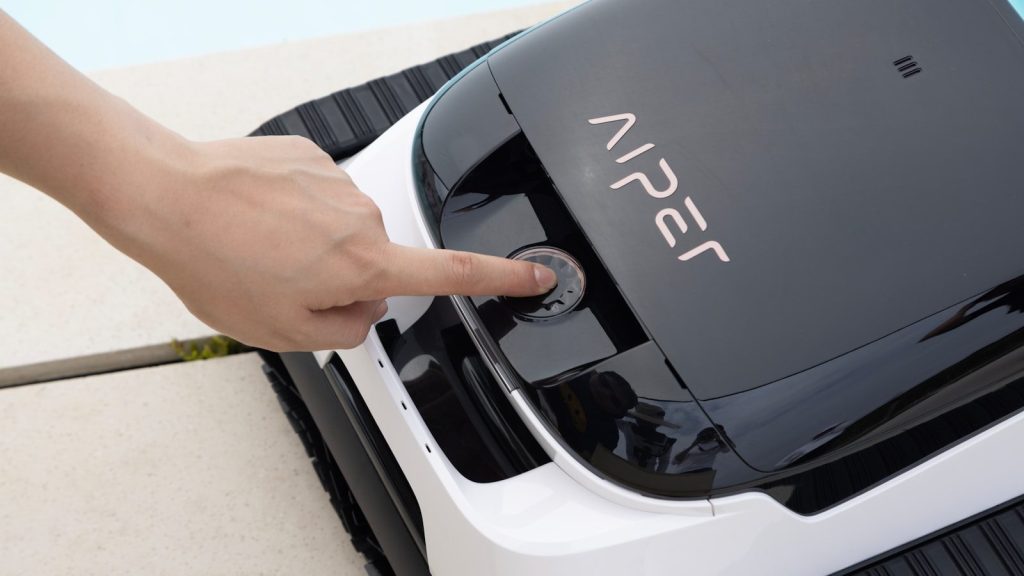
    Someone is turning on a pool cleaning robot.
    Photo by Aiper Pool Cleaner on Unsplash

    The stair problem has pushed brands in different directions. Migo explored a climbing vacuum, Dreame showed a bold climbing system, Eufy built a carrier, and Roborock improved obstacle crossing.

    That variety is exactly why this space feels exciting. No single design has won yet. But after years of robot vacuums stopping at the first step, the next big upgrade may be learning how to climb.