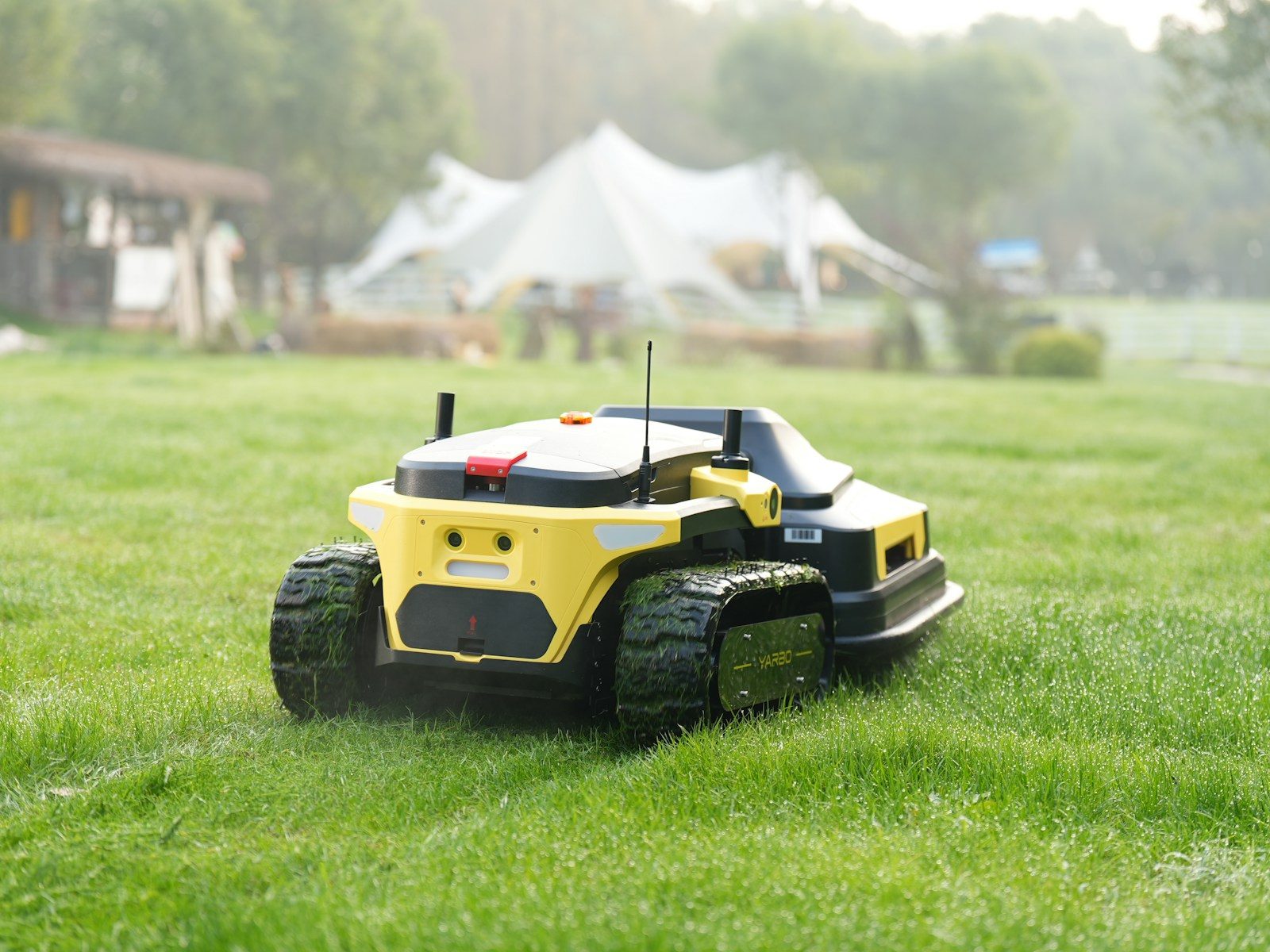
A robot lawn mower used to feel simple: set a boundary, press start, and hope it did not bump into everything in its path. Now the newest models are getting much better at “seeing” the yard before they cut it. Many use cameras, AI vision, GPS-style positioning, LiDAR, ultrasonic sensors, or a mix of these tools to understand where grass ends and trouble begins.
Some newer mowers can spot lawn edges, trees, toys, flower beds, and other objects more smoothly than older models. The goal is not just a cleaner cut. It is easier setup, fewer stops, safer movement, and less guesswork for homeowners who want the lawn handled with less effort.
Robot mowers now look ahead
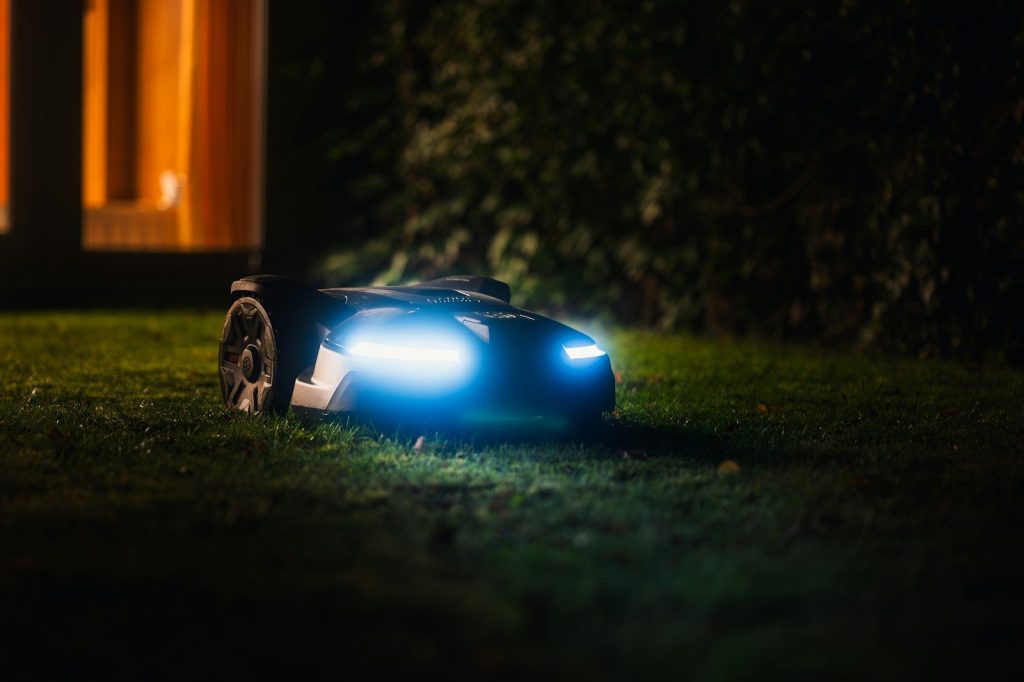
Older robot mowers often worked by following a buried or pinned boundary wire. That helped them stay in the yard, but it did not always help them understand what was right in front of them.
Newer models are adding cameras and smart sensors so they can read the lawn more like a person would. They can look for grass, edges, paths, and objects before deciding where to go next.
Cameras help find the grass
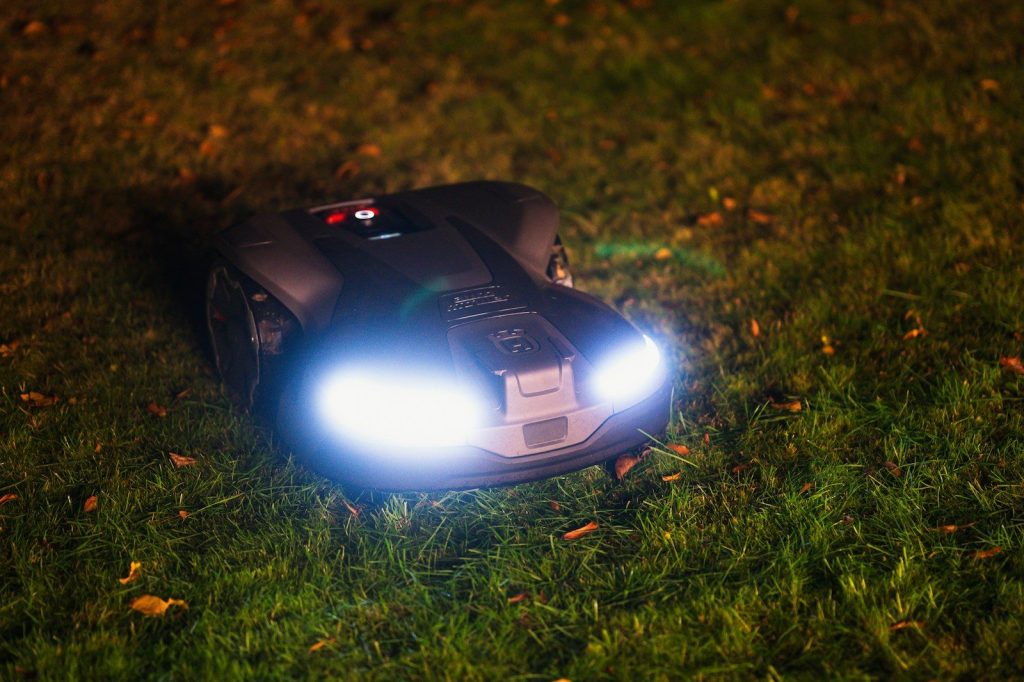
A smart mower with a camera can use visual clues to tell the difference between lawn, pavement, flower beds, and other yard features. That makes mowing feel less random and more planned.
This is a big reason some newer mowers are moving away from heavy wire setups. Instead of only following a line, they can use what they see to stay on task.
Fewer wires, easier setup
Boundary wires can take time to install, especially in yards with odd shapes, trees, slopes, or several mowing zones. A wire-free mower can make setup feel less like a weekend project.
Many new models use virtual boundaries through apps, satellite positioning, or mapping tools. Homeowners can often adjust zones, no-go areas, and mowing paths without digging up the yard.
Smarter eyes avoid objects
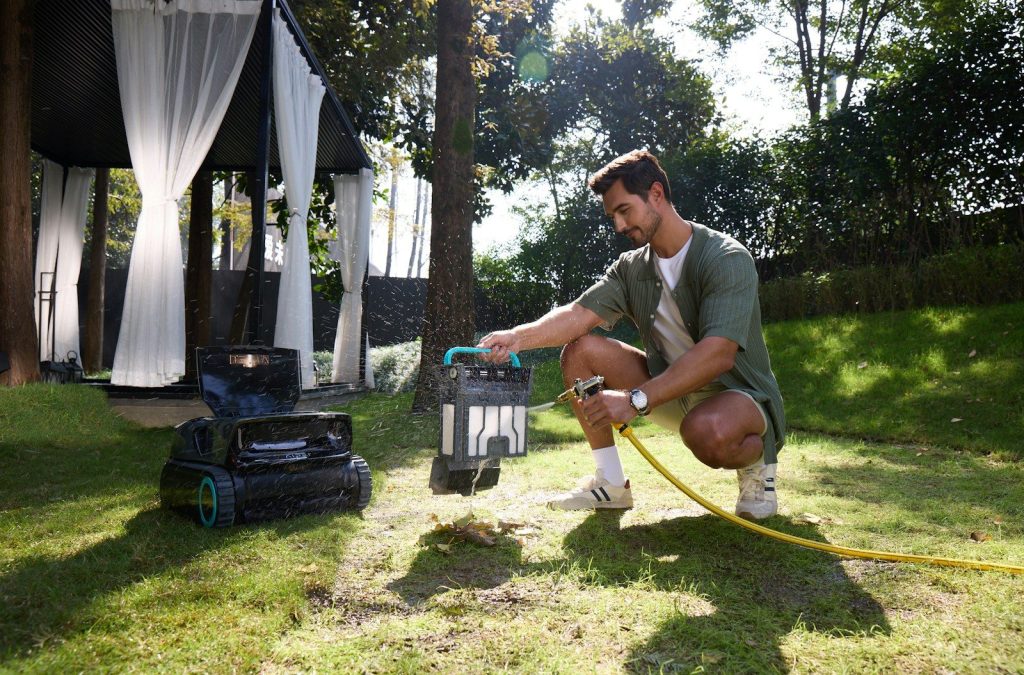
A yard can change every day. A chair gets moved, a ball gets left out, or a branch falls after windy weather. Smarter vision helps a mower react to those surprises.
Camera-based and sensor-based systems are designed to spot objects and steer around them. That can reduce bumps, stops, and the annoying need to clear every tiny thing before mowing.
AI helps with lawn edges
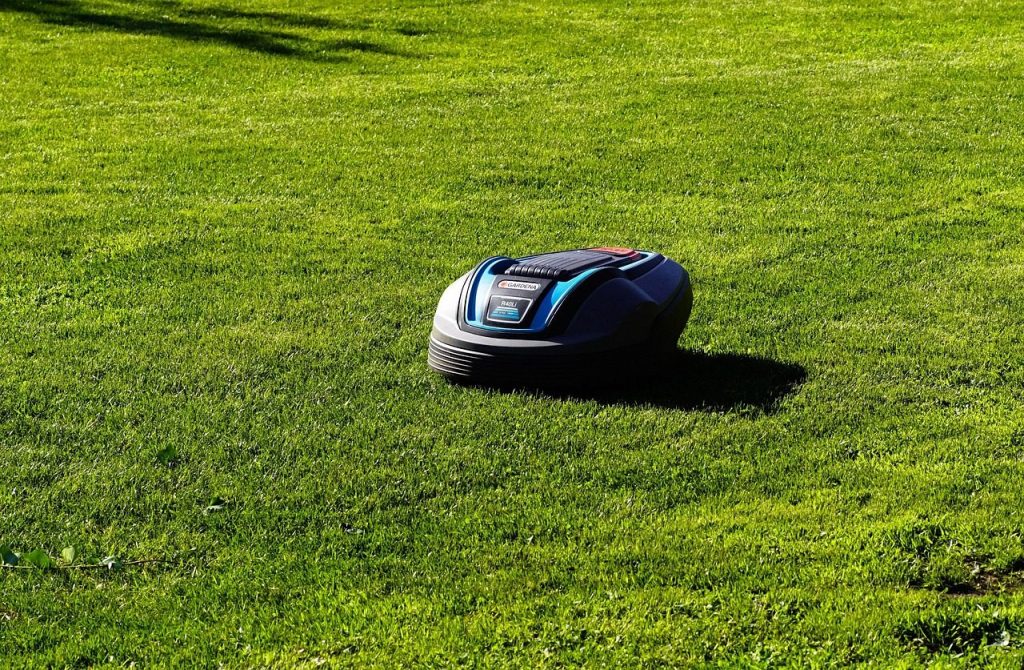
Edges are one of the trickiest parts of mowing. A robot has to know where grass ends without sliding into a path, driveway, mulch bed, or garden border.
AI vision can help a mower detect lawn edges more clearly. That matters because clean edges make the whole yard look neater, even when the mower is doing the work on its own.
Sensors work as a team
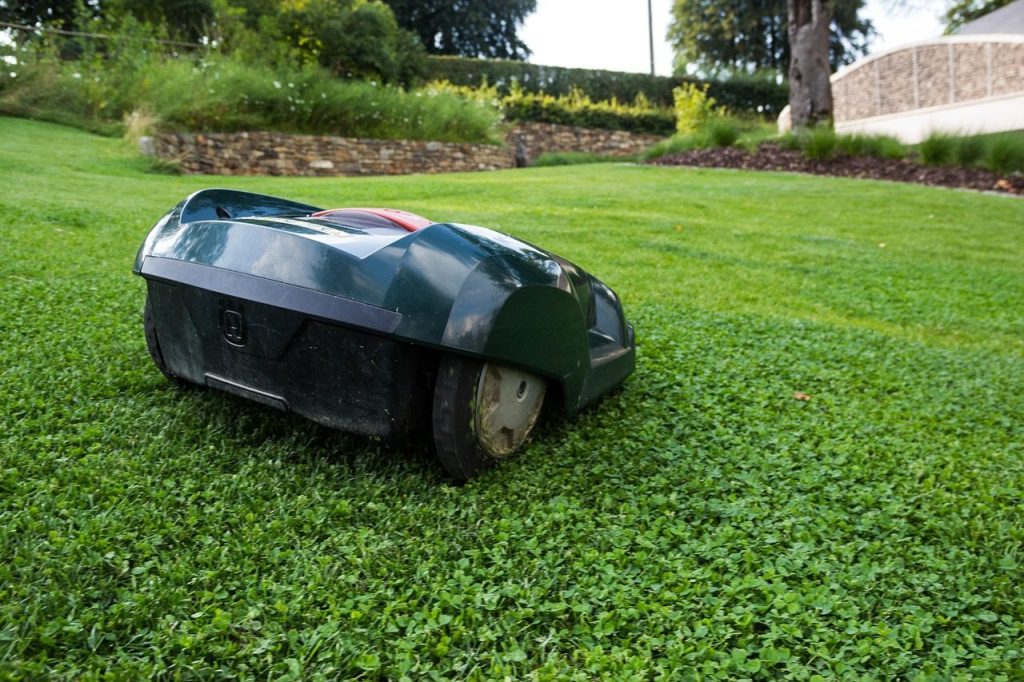
The smartest mowers do not depend on one tool alone. Some combine cameras with GPS-style guidance, LiDAR, ultrasonic sensors, or other navigation systems.
That mix can help the mower handle weak signals, changing light, tight corners, and obstacles. When one system has trouble, another may help fill in the missing information.
Slopes need better vision
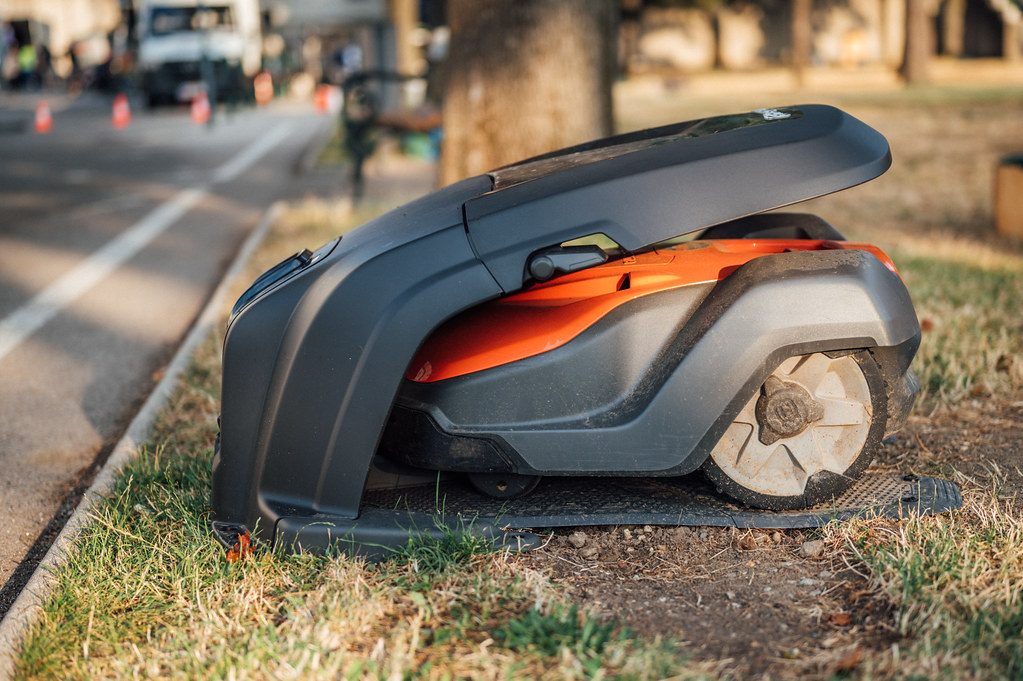
Flat yards are easier for robot mowers. Sloped, uneven, or bumpy lawns need better tracking, stronger movement, and smarter navigation to avoid missed spots.
That is why advanced models are being built with stronger drive systems and better mapping. Some newer designs use visual mapping and positioning tools to handle more complex lawns.
Night mowing is improving
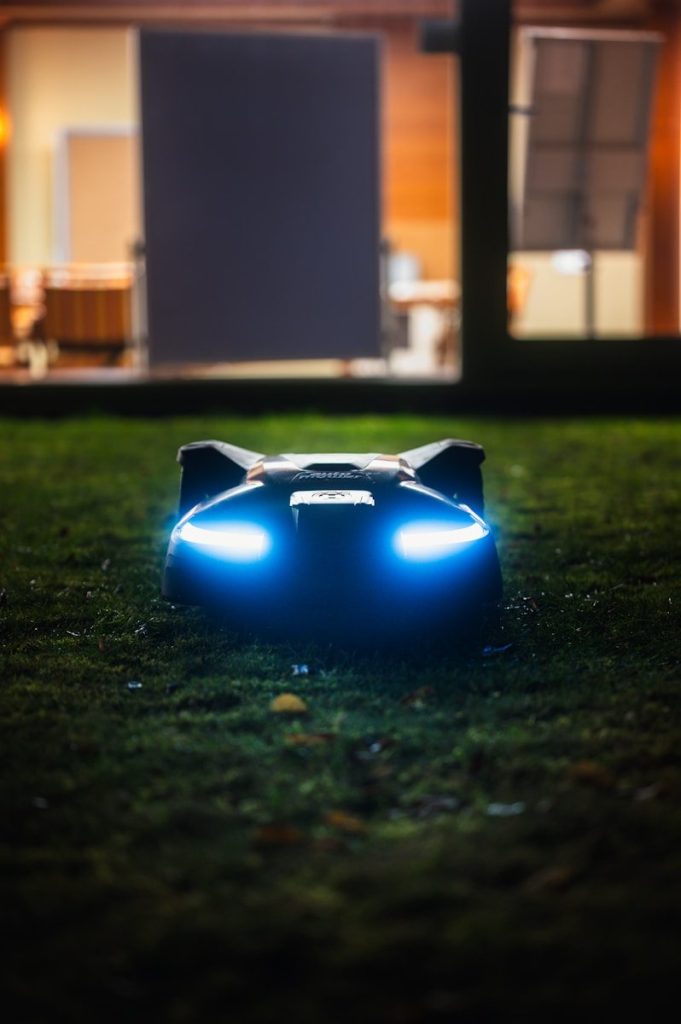
Some robot mowers can work when the yard is quiet, including early morning or evening schedules. Better vision and object detection can make that more useful.
Still, homeowners should check the mower’s settings and safety guidance. Even smart systems have limits, and a clear lawn is always better for a smooth cut.
Smart does not mean perfect
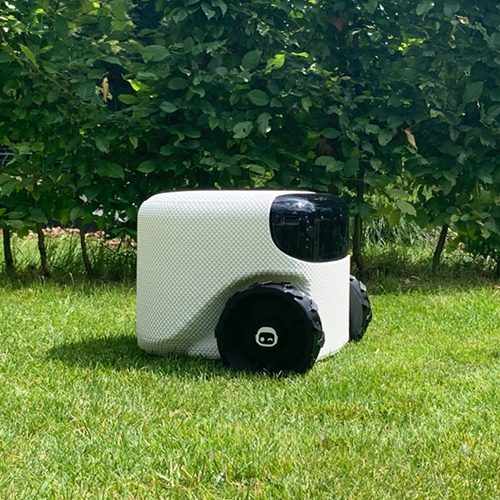
Even advanced robot mowers can miss objects, get confused by tricky layouts, or struggle in certain spots. Reviews still show that obstacle detection can vary by model.
That means buyers should not assume every “smart” mower performs the same way. It is worth checking how a model handles toys, garden edges, trees, slopes, and narrow passages.
Apps make yards easier to manage
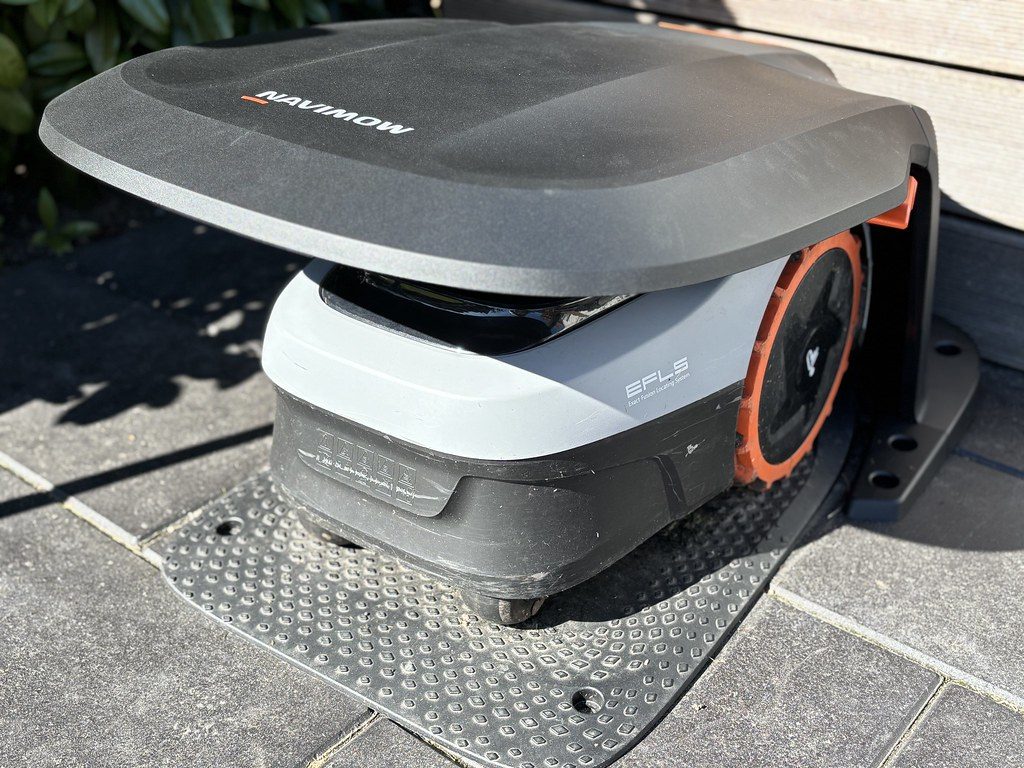
Modern robot mowers often connect to phone apps. These apps can help set mowing zones, change schedules, create no-go areas, and check the mower’s status.
That control is helpful when the yard changes through the season. You might protect a new flower bed one week, then reopen that area once the plants are stronger.
The future looks more hands-off

Smarter eyes are making robot lawn mowers feel less like bumping machines and more like yard helpers. They can see more, plan better, and adjust faster than older designs.
The biggest win is convenience. As vision tools improve, homeowners may spend less time setting up, fixing mistakes, and watching the mower, and more time enjoying the lawn.
Leave a Reply