Author: Dylan

  • FDA-Approved Pill That Stops Pain Without Any Addiction Risk

    FDA-Approved Pill That Stops Pain Without Any Addiction Risk

    For decades, the medical world has struggled with a massive problem. Doctors needed a way to stop intense pain without using addictive opioids. We have finally reached a turning point that feels like a miracle. The FDA has officially cleared a new type of pill that changes everything. Unlike traditional painkillers, this drug does not target the brain’s reward centers. Instead, it works like a molecular shield that blocks pain signals before they ever reach your head.

    This is not just another version of aspirin or ibuprofen. It is a highly advanced chemical designed to treat everything from surgical recovery to chronic nerve pain. For millions of people living in fear of addiction, this pill offers a safe path back to health. It marks the first time in over a generation that a truly new class of pain medicine has been released to the public. But how does a pill know exactly where your pain is coming from?

    Stopping the Signal Before It Starts
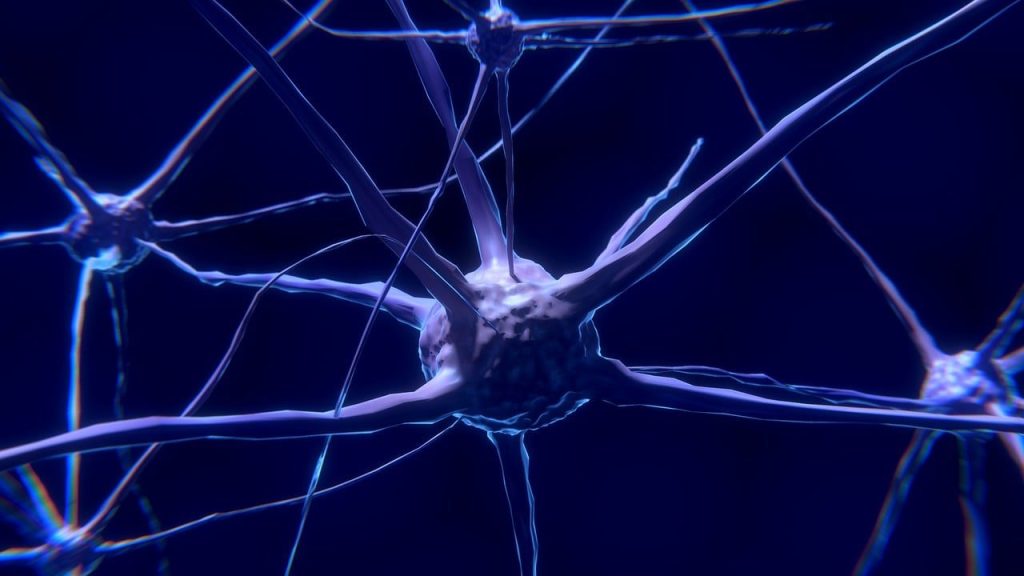
    nerve cells, neurons, nervous system, brain, neural pathways, neurons, brain, brain, brain, brain, brain
    Photo by ColiN00B on Pixabay

    Traditional painkillers like morphine travel through your blood and hit your brain. This creates a “high” that leads to addiction. This new medicine is much smarter. It targets specific sodium channels located only in your peripheral nerves. Think of it like cutting a phone line before the call can go through.

    The signal for pain is physically blocked at the source. Because the medicine stays away from your brain, there is no risk of getting hooked. It allows patients to recover from major injuries with a clear head and a safe heart. But can a simple pill really handle the pain of a major surgery?

    The End of the Opioid Era

    pills, medication, tablets, bottle, drugstore, medicine, healthcare, headache, pharmaceutical, chemist, pharmacist, prescription, pharmacy
    Photo by stevepb on Pixabay

    We are currently living through one of the worst health crises in history. Opioid addiction has claimed millions of lives and torn families apart. This new FDA-approved drug is the weapon doctors have been waiting for. It provides a powerful alternative for surgeons who used to have no choice but to prescribe addictive pills.

    By removing the “high” from the healing process, we can finally break the cycle of dependency. This drug is expected to become the new standard for post-operative care across the country. It is a giant leap toward a future where “pain relief” does not mean “life-long struggle.” But is this medicine already available at your local pharmacy?

    No More Side Effects From Your Mind

    a man laying in a hospital bed being examined by a nurse
    Photo by Bagoes Ilhamy on Unsplash

    Most painkillers come with a long list of mental side effects. They make you feel drowsy, confused, or emotionally numb. This new breakthrough is different because it is “peripherally selective.” This means it ignores the central nervous system entirely.

    Patients who took the pill in clinical trials reported feeling completely normal while their pain simply vanished. This allows people to return to work and drive their cars much sooner after an injury. It is the ultimate “smart” drug for the modern world. But how long did it actually take for scientists to find this secret formula?

    Tested on Thousands With Shocking Success

    hospital, lab, experiment, science, doctor, medicine, health, chemistry, scientist, test, technology, tube, chemical, technician, ai generated, scientist, scientist, scientist, scientist, scientist
    Photo by BulentYILDIZ on Pixabay

    Before the FDA gave the green light, this medicine went through rigorous testing. Thousands of patients with various types of pain participated in the trials. The data showed that the drug was not only safe but incredibly effective at lowering pain scores.

    Many participants were surprised that they didn’t feel the “fog” usually associated with strong medicine. The success rate was high enough to convince the world’s strictest health regulators. It proved that we don’t need to choose between pain and addiction anymore. But what does this mean for people living with chronic, long-term pain?

    A New Life for Chronic Pain Patients

    Close-up of elderly hands resting on a blue fabric.
    Photo by Truong Tuyet Ly on Unsplash

    For people with nerve damage, every day is a battle. They often have to take medications that make them feel like zombies just to get out of bed. This new pill offers a chance to live a normal life again. It can be taken over long periods without the body building a dangerous tolerance.

    This means the dose doesn’t have to keep getting higher to work. It provides a steady, reliable shield against daily agony. This could potentially help millions of workers get back into the economy. But is there a catch to this new medical miracle?

    The Technology Behind the Discovery

    dna, analysis, research, genetic material, helix, biology, chemistry, medical, science, genetically, discovery, development, biological, dna, dna, dna, dna, dna, biology, medical, medical, science, science, science
    Photo by geralt on Pixabay

    This pill wasn’t found by accident. It was built using advanced computer modeling that mapped the human nervous system. Scientists spent years looking for the exact “lock” that pain signals use to enter the body. Once they found it, they designed a “key” that fits perfectly into the sodium channels.

    This level of precision is only possible with today’s supercomputers. It is a perfect example of how tech and biology are merging to save lives. We are entering the era of “designer medicine” where drugs are built for specific targets. But what other diseases could this technology treat next?

    Why This Changes Everything for 2026

    People inside a well-stocked pharmacy with glass doors.
    Photo by Bernd 📷 Dittrich on Unsplash

    As we move through 2026, the arrival of this pill marks a historical shift. We are finally moving away from the dangerous medicines of the past. The health care system is being rebuilt around safety and precision. This pill is just the first of many non-addictive treatments currently in the pipeline.

    The fear of the “medicine cabinet” is slowly starting to fade. It is a great time to be alive for anyone who has ever suffered in silence. The age of safe healing has officially begun. But can we really trust an AI to write the next great medical cure?

    Featured Image:Photo by Pawel Czerwinski on Unsplash

  • Why Some Cultures Can-t “See” Blue

    Why Some Cultures Can-t “See” Blue

    Imagine looking at a bright, clear sky and not having a word for “blue.” For most of human history, that was the reality. If you look at ancient texts like the Odyssey or the Bible, the word for blue never appears. Homer described the sea as “wine-dark,” not blue. Science has discovered that if a culture doesn’t have a name for a color, their brains actually struggle to see it as a distinct shade.
    This isn’t a problem with the eyes; it is a “software” issue in the brain. Blue is often the last color to appear in any language. We are discovering that our vocabulary acts like a filter for reality. If you don’t have the word, you might be missing part of the world. But wait until you see the modern tribe that can spot differences in green that would be impossible for you.

    The Homeric Mystery of the Wine-Dark Sea

    a sunset over a body of water
    Photo by Travis Leery on Unsplash

    Why did the Ancient Greeks call the sea “wine-dark” or “violet”? They had words for black, white, red, and yellow, but blue was missing. Researchers believe that for the Greeks, colors were more about “brightness” than “hue.” A dark blue sea and a dark red wine were the same “category” of color to them. This suggests that the way they perceived the world was fundamentally different from ours. But how does this work in a modern tribe today?

    The Himba Tribe and the Missing Blue Square

    himba, ovahimba, namibia, tribe, tribal, woman, culture, tradition, indigenous, human, native, traditional, ethnic, africa, himba, himba, himba, himba, himba, namibia, tribe, tribal
    Photo by 7523944 on Pixabay

    The Himba people of Namibia do not have a word for blue. When shown a circle of 11 green squares and one blue square, they often can’t point out the blue one. It takes them a long time to notice the difference. However, they have many different words for different types of green. They can instantly spot a tiny shade difference in a green circle that looks perfectly uniform to a Westerner. But why is blue always the last color to join the party?

    The Universal Order of Color Discovery

    rainbow, meteorological phenomenon, rain, cloud, sunset, osaka, japan, nature, spectrum, sky, pride month, world pride
    Photo by Kanenori on Pixabay

    Linguists found that almost every language follows the same order for naming colors. First come “light” and “dark.” Then comes “red” (the color of blood and fire). Next are “yellow” and “green.” Finally, once a culture learns how to make blue dye, the word “blue” appears. Because blue is rare in nature—aside from the sky and sea—most early humans didn’t need a specific word for it. But wait, what does this mean for the “physical” wiring of your brain?

    Language Actually Rewires Your Visual Cortex

    brain, numbers, network, digital, web, neurons, think, system, technology, digitization, brain, brain, brain, brain, brain, neurons, neurons
    Photo by geralt on Pixabay

    When you learn a new word for a color, your brain starts to process that color differently. Brain scans show that when we look at colors, our language centers light up. This means your brain is “pre-sorting” the light before you even realize you are seeing it. If your language combines blue and green into one word, your brain treats them as variations of the same thing. But could there be colors we are missing right now because we don’t have names for them?

    The Tetrachromats Who See Millions More Colors

    a close up of a person's eye with an iris
    Photo by Grégoire Hervé-Bazin on Unsplash

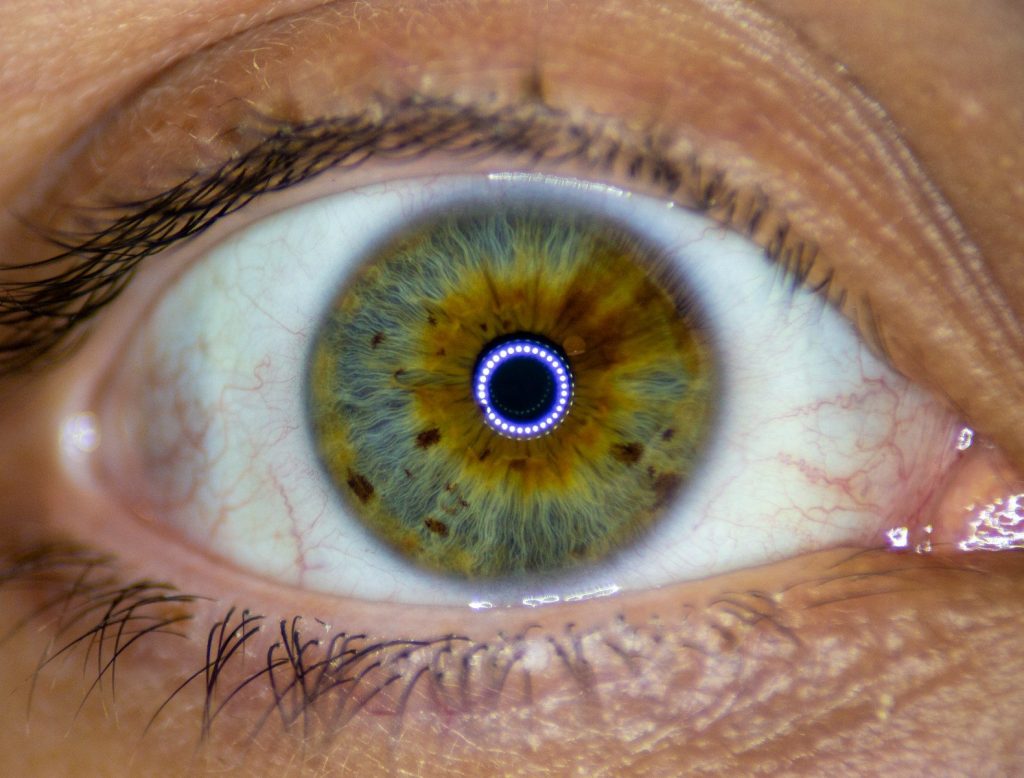
    Most humans have three types of color-sensing cells in their eyes. But a small number of women are “tetrachromats,” meaning they have four. They can see shades and patterns in a sunset or a flower that are completely invisible to the rest of us. To them, a plain white wall might look like a mosaic of different colors. They have the “hardware,” but they often lack the “software” (the words) to describe what they see. But wait, what happens if a color disappears from our language?

    Is The Color “Cyan” Vanishing From Our Minds?

    software developer, web developer, programmer, software engineer, technology, tech, web developer, programmer, programmer, software engineer, technology, technology, technology, tech, tech, tech, tech, tech
    Photo by Innovalabs on Pixabay

    As we move into a digital world, we are starting to simplify our color categories. Many younger people are losing the distinction between “cyan” and “light blue.” If we stop using the word, our children might literally lose the ability to see the difference quickly. We are constantly evolving how we perceive reality based on the tools we use to talk about it. But there is one color that might be the next to “appear.”

    The Future Of Human Vision and New Colors

    cyber glasses, cyber, glasses, video glasses, augmented reality, virtual reality headset, hmd, future, reality, virtual, virtual reality, augmented reality, augmented reality, augmented reality, virtual reality, virtual reality, virtual reality, virtual reality, virtual reality
    Photo by geralt on Pixabay

    With the rise of Augmented Reality and bio-hacking, we might soon “add” new colors to our vocabulary. Imagine being able to see ultraviolet light or heat signatures and having specific words for them. Our brains would adapt, and the world would suddenly look much more complex. We are not finished seeing the world; we are just getting started. If you think the way we see the world is strange, wait until you see the technology that is going to let you “see” through time.

    Featured Image:Photo by solart on Pixabay

  • 10 Species That Are Far More Intelligent Than Humans Realized

    10 Species That Are Far More Intelligent Than Humans Realized

    We like to think we are the smartest things on Earth, but we are in for a shock. Recent science has discovered that intelligence comes in many different forms. Some animals can solve complex puzzles that would stump a human child. Others have social structures and communication systems that we are only just beginning to decode. From the depths of the ocean to your own backyard, “genius” species are all around us.
    We used to think tools and language were only for humans. Now, we are seeing birds that use physics and insects that can count. These animals don’t just have instincts; they have personalities, memories, and even the ability to plan for the future. You will never look at these 10 species the same way again. But wait until you see the bird that can solve a multi-step puzzle just for a snack.

    Crows Are Basically Flying Chimpanzees

    Two black birds perched on a wooden fence.
    Photo by Johnson Martin on Unsplash

    Crows can recognize human faces and even hold grudges for years. If you are mean to a crow, it will tell its friends, and they will all dive-bomb you next time you walk by. They have been seen using traffic to crack nuts—dropping them in front of cars and waiting for the light to turn red to collect the prize. Their brain-to-body ratio is similar to that of a primate. But if you think birds are smart, wait until you meet the “alien” intelligence of the octopus.

    The Octopus Has Nine Brains and Three Hearts

    octopus, beach, sea, ocean, nature, underwater, water, submarine, ai generated
    Photo by GraziGovastki on Pixabay

    An octopus doesn’t just have one brain; it has a central brain and a “mini-brain” in each of its eight arms. This means its arms can think for themselves. They have been known to escape aquarium tanks, open jars, and even play pranks on researchers by squirting water at them. They are masters of disguise and problem-solving. But intelligence isn’t just about puzzles; it is about social bonds, like the ones found in the ocean-s most famous mammals.

    Dolphins Use Names For Each Other

    dolphin in body of water during daytime
    Photo by Freddy Jimenez on Unsplash

    Dolphins have a “signature whistle” that acts exactly like a human name. When a dolphin wants to call a specific friend, it mimics that friend’s whistle. They also show self-awareness by recognizing themselves in mirrors—something most animals can’t do. They have complex cultures where different groups use different tools to hunt. But on land, there is a giant that never forgets a face.

    Elephants Mourn Their Dead and Remember Friends

    elephant, safari, animal, defence, africa, savanna, zoo, nature, reserve, elephant, elephant, elephant, elephant, elephant
    Photo by laurentmarx on Pixabay

    Elephants have the largest brains of any land animal. Their emotional intelligence is staggering. They are known to visit the bones of dead relatives and touch them in a way that looks like mourning. They can also recognize a friend they haven’t seen in 20 years. They even use medicinal plants to induce labor or heal wounds. But what about the animals we usually think of as just “food”?

    Pigs Are Smarter Than Your Family Dog

    white pig with yellow knit cap
    Photo by Benjamin Wedemeyer on Unsplash

    Research shows that pigs are among the most intelligent animals on the planet. They can learn to play simple video games using their snouts. They have complex social lives and can even learn to trick other pigs to get more food. They are excellent at navigating mazes and have a long-term memory that rivals many primates. But wait, intelligence can also be found in tiny, buzzing packages.

    Bees Can Solve Complex Math Problems

    bees, wings, insects, honey, nature, pollination, pollen, honeycomb, yellow, hive, beehive, buzz, sting, brown nature, brown natural, brown bee, bees, bees, bees, bees, bees
    Photo by TerriAnneAllen on Pixabay

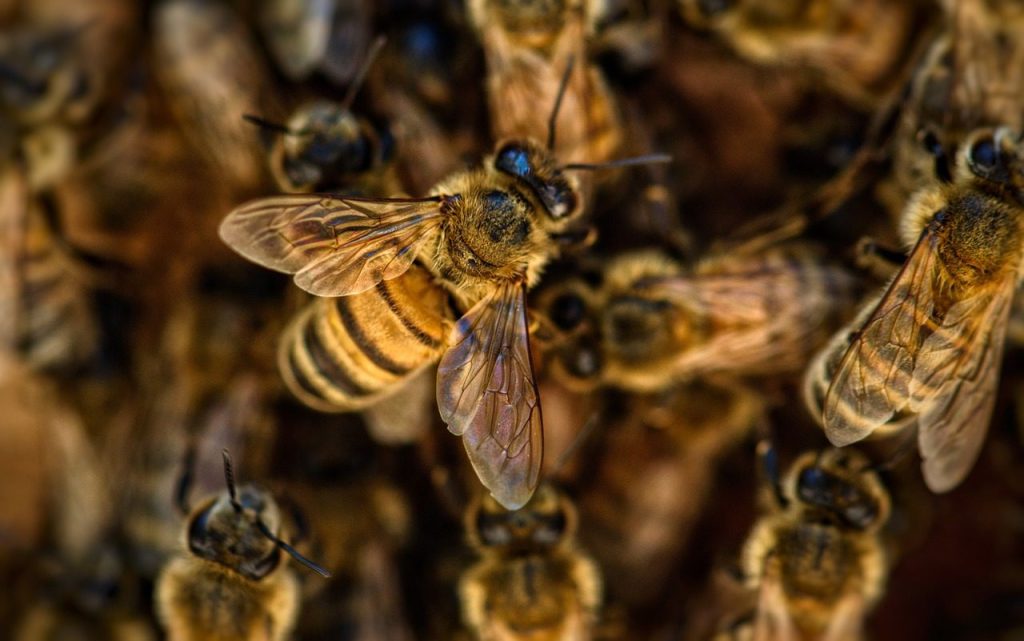
    Bees have brains the size of a grass seed, yet they can count and understand the concept of “zero.” They solve the “traveling salesman problem,” which is a math puzzle that involves finding the shortest route between multiple points. They communicate through dance and can learn new skills by watching their peers. But while bees work together, the next animal on our list is a master of individual survival.

    Rats Are Capable of Empathy and Regret

    a group of mice sitting on top of a blanket
    Photo by Nikolett Emmert on Unsplash

    In lab tests, rats will often choose to help a fellow rat in distress rather than get a food reward. They also show signs of “metacognition,” which means they know what they know and what they don’t know. They can dream about their day and plan for tomorrow. These tiny survivors are much more like us than we want to admit. But if you think animals are smart, wait until you see how your own language can hide an entire color from your eyes.

    Featured Image:Photo by tanyarmm on Pixabay

  • Why Your Brain “Remembers” Things That Never Happened

    Why Your Brain “Remembers” Things That Never Happened

    You probably have a memory that you would swear is 100% true. Maybe it is a childhood birthday or the way a specific movie ended. But what if science told you that memory was a complete lie? It is a terrifying reality: our brains are not video cameras. They are more like storytellers who are constantly editing the script. Every time you recall a memory, you are actually “re-writing” it. This is why thousands of people can remember the exact same thing incorrectly.
    This phenomenon is shaking the world of law, science, and even our own identities. Researchers have found that they can “plant” entirely fake memories in people’s minds in just a few days. We are entering an era where we have to ask: if our memories are fake, who are we really? But wait until you see the famous “Mandela Effect” that has millions of people questioning reality itself.

    The Mandela Effect and the Power of Shared Delusion

    a man standing in front of a large window
    Photo by Zanyar Ibrahim on Unsplash

    Millions of people distinctly remember Nelson Mandela dying in prison in the 1980s. But he actually lived until 2013. This shared false memory is so powerful that some people believe we are living in a parallel universe. It isn’t just Mandela; people remember the Berenstain Bears being spelled with an “E” or the Monopoly Man wearing a monocle. He never did. But if it isn’t a glitch in the universe, why does it happen to so many people at once?

    How Your Brain Fills In The Blanks

    puzzle, jigsaw, jigsaw puzzle, puzzle piece, assembly, conceptual, assemble, together, puzzle, puzzle, puzzle, puzzle, puzzle, jigsaw
    Photo by reidy68 on Pixabay

    Our brains hate “empty space.” If you forget a small detail about a story, your brain will simply invent one that makes sense. It uses your expectations and past experiences to bridge the gap. Over time, that invented detail becomes just as “real” to you as the truth. Scientists call this “confabulation.” It is your brain’s way of keeping the story consistent. But wait, this process can actually be used to trick you in a courtroom.

    The Danger of Eyewitness Testimony

    a desk with a sign on it that says defend
    Photo by Wesley Tingey on Unsplash

    In over 70% of cases where DNA evidence later proved someone innocent, the original conviction was based on eyewitnesses. Witnesses aren’t usually lying; they truly believe they saw the person. However, the stress of the event and the way police ask questions can actually change the witness’s memory of the face. Your brain can literally “photoshop” a suspect’s face onto a memory. But how easy is it to plant a memory from scratch?

    The Experiment That Invented A Childhood Trauma

    a woman looking at a statue in a store window
    Photo by Pavol Štugel on Unsplash

    In a famous study, researchers convinced participants that they had been lost in a mall as children. They told the participants stories that their parents had supposedly confirmed. Within a week, 25% of the people claimed to remember the event in vivid detail. They even added their own fake memories, like the color of the shirt the old man who found them was wearing. This proves that our past is much more fragile than we think. But can emotions make memories more or less accurate?

    Flashbulb Memories Are Often The Most Wrong

    a large group of people standing around a fire
    Photo by Tom Caillarec on Unsplash

    We all remember exactly where we were during major world events. We think these “flashbulb memories” are etched into our brains forever. But studies show that our memories of these events change significantly over the first year. We become more confident in our memory, but the details actually become less accurate. We are “certainly” wrong. This happens because the emotional impact makes us retell the story more often, which leads to more editing. But wait, there is a way to tell if a memory is fake.

    The Brain Scan That Spots A Lie

    x-ray, mri, ct scan, computed tomography, magnetic resonance imaging, medicine, neurology, healthcare, x-ray, mri, mri, mri, mri, mri, ct scan, medicine, neurology, neurology, healthcare, healthcare
    Photo by Mitrey on Pixabay

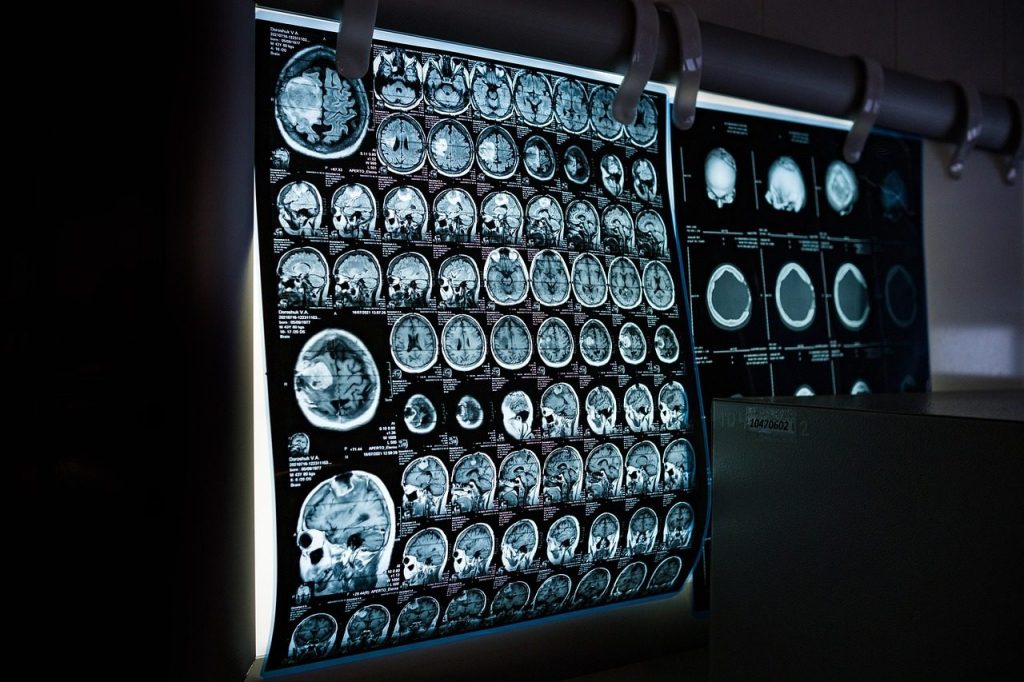
    New research using fMRI scans has found that the brain processes true and false memories in different areas. When you recall a real event, the sensory parts of your brain (like sound and sight) light up. When you recall a fake memory, the logic and storytelling parts are more active. We might soon have a “memory test” that can prove if you are remembering or just imagining. But until then, you can’t even trust your own family photos.

    Photos Can Actually Erase Your Real Memories

    a person taking a picture with a cell phone
    Photo by 计 天启 on Unsplash

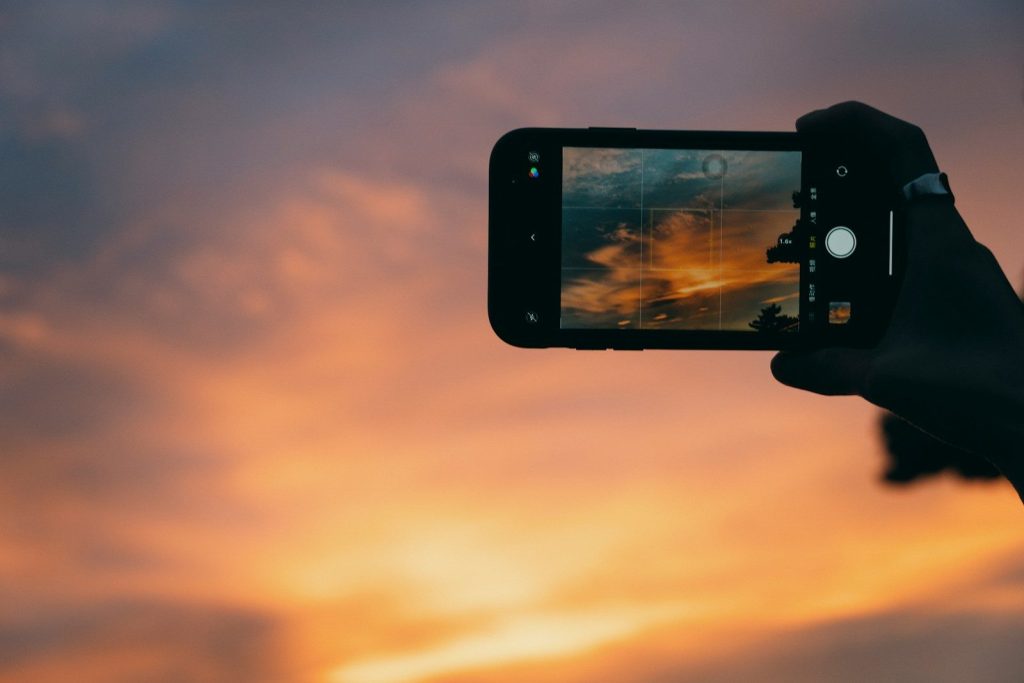
    This is called “photo-taking impairment.” When you take a photo of something, your brain “outsources” the memory to the camera. You are actually less likely to remember the details of the event because your brain thinks it doesn’t need to. We are creating a world where our devices remember everything, and we remember nothing. If you find that scary, wait until you see the animals that are actually smarter than us in ways we never expected.

    Featured Image: Photo by johnhain on Pixabay

  • 8 Cities Hidden Right Beneath Our Modern Streets

    8 Cities Hidden Right Beneath Our Modern Streets

    You walk over them every single day without knowing it. Right beneath the asphalt and the noise of our modern cities lie massive, forgotten worlds. We aren’t talking about sewers or basements. We are talking about entire cities with houses, churches, and streets that were swallowed by time. Some were built as hiding spots during wars, while others were simply buried as new cities were built on top of the old ones. From the sprawling tunnels of Turkey to the secret vaults of Scotland, these places are time capsules frozen in history.
    Explorers are using ground-penetrating radar to map these “ghost cities” without digging a single hole. What they are finding is rewriting the history of how humans survived the most dangerous eras of our past. These hidden worlds are often larger and more complex than the cities we live in today. But wait until you see the underground kingdom that could hold 20,000 people in total silence.

    The Massive Underground Labyrinth Of Derinkuyu

    an underground subway station with escalators and stairs
    Photo by Tamara Harhai on Unsplash

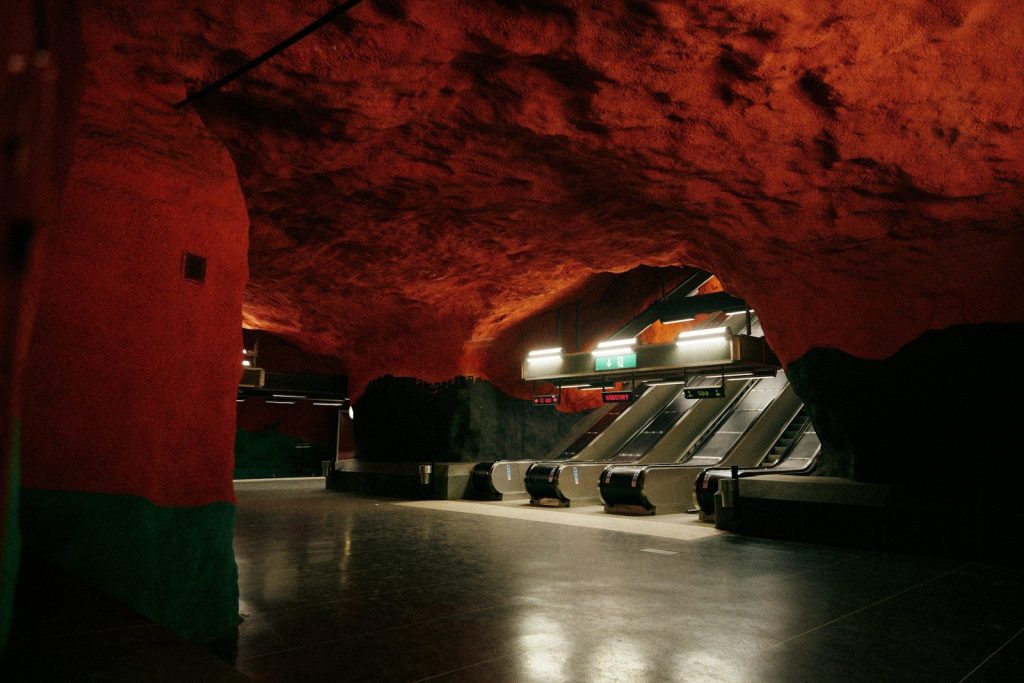
    In the 1960s, a man in Turkey knocked down a wall in his basement and found a tunnel. That tunnel led to Derinkuyu, a massive city carved deep into the earth. It goes 18 stories deep and has everything from schools to wine cellars. It was built thousands of years ago as a massive bunker to protect people from invaders. They even had giant stone doors that could only be opened from the inside. But how did 20,000 people breathe down there for months?

    The Secret Vaults Hidden Under Edinburgh

    basement, cellar, dark, pforphoto, grim, the atmosphere, mood, mystical, scary, underground, gruesome, darkness, night, horror, the shade, fear, cellar, cellar, cellar, cellar, cellar, horror
    Photo by Tama66 on Pixabay

    Beneath the busy streets of Edinburgh, Scotland, lies a series of dark chambers known as the South Bridge Vaults. Originally built for storage, they eventually became a home for the city’s poorest residents. It was a place of crime and mystery that was eventually sealed off and forgotten for a century. Today, they are said to be the most haunted places in the UK. But while Edinburgh is dark and damp, the hidden city in Seattle tells a much different story.

    Seattle’s Buried Sidewalks and Forgotten Shops

    brown brick building with window
    Photo by Haley Owens on Unsplash

    Seattle used to be one level lower than it is today. After a massive fire in 1889, the city decided to build new streets one story higher to avoid flooding. This left the original ground floor of the city completely buried. You can still tour these underground sidewalks and see the original storefronts that were simply left behind. It is like walking through a 19th-century time machine. But the hidden city beneath Naples is far older and much more spiritual.

    A Secret Roman Highway Under Naples

    graffiti, tunnel, underground, underpass, street art, graffiti walls, pedestrian underpass, budapest, hungary, graffiti, graffiti, graffiti, graffiti, graffiti, tunnel, tunnel, underground
    Photo by Bergadder on Pixabay

    Naples sits on a layer of volcanic stone that is very easy to carve. Over 2,000 years ago, the Romans dug massive aqueducts and tunnels that stretched for miles. During WWII, these same tunnels were used as air-raid shelters for thousands of people. Explorers are still finding ancient statues and mosaics hidden in these dark passages. It is a city that has lived two lives at once. But wait, what about the “City of the Dead” hidden under Paris?

    The Bone-Lined Streets Of The Paris Catacombs

    brown skull with black background
    Photo by Liam McGarry on Unsplash

    Deep below the city of lights lies a world of darkness. The Paris Catacombs hold the remains of over six million people. These tunnels stretch for nearly 200 miles, but only a tiny fraction is open to the public. There is an entire subculture of people called “cataphiles” who explore the illegal sections of the tunnels. They have found secret cinemas and restaurants hidden among the bones. But there is a hidden city in Egypt that might be even bigger than this.

    The Lost Labyrinth Of Ancient Egypt

    egypt, pyramid, step pyramid, egyptians, culture, dig, egypt, pyramid, pyramid, pyramid, pyramid, pyramid, step pyramid, step pyramid
    Photo by Simon on Pixabay

    Ancient historians wrote about a massive “Labyrinth” near the pyramids that contained 3,000 rooms. For centuries, people thought it was a myth. But recently, satellite images and radar have detected a massive structure buried deep in the sand. It is believed to be a giant temple complex that has never been excavated. This could be the greatest archaeological find of the century. But as we look for ancient cities, we are forgetting the one right in the heart of London.

    London’s Secret Post Office Railway

    subway, underground, city, manhattan, metro, commute, public transport, railway, railway tracks, station, terminal, train, transit, travel, urban, subway, subway, subway, subway, subway, metro, metro, train, train, train, train
    Photo by igorovsyannykov on Pixabay

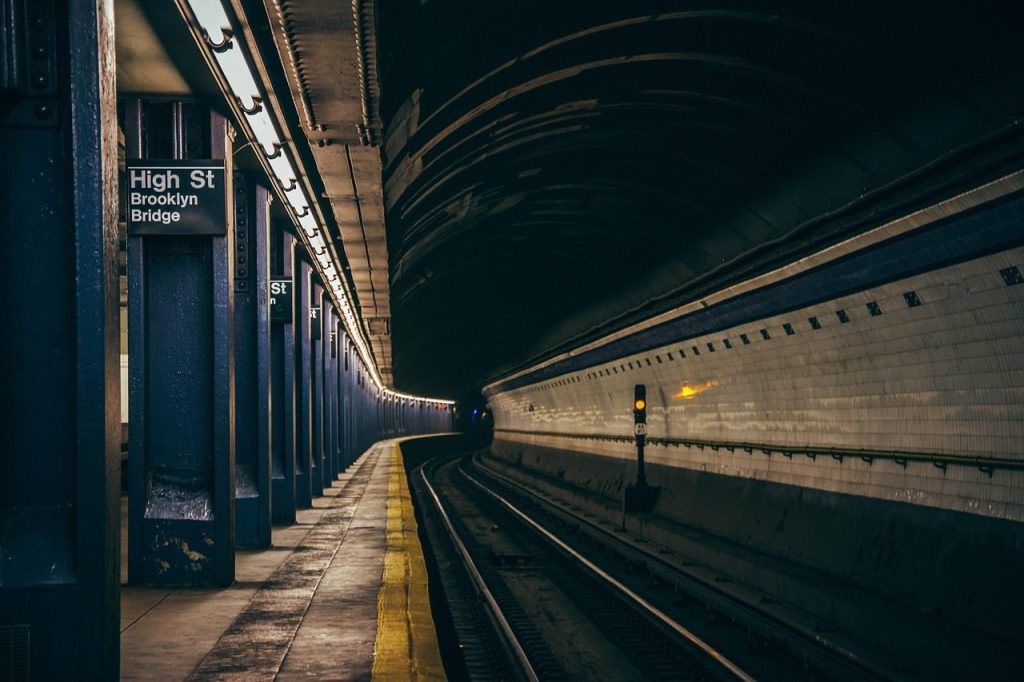
    For 75 years, a secret railway ran underneath London to deliver mail. It was a driverless system that operated in total silence while millions of people walked above it. Most Londoners didn’t even know it existed until it was shut down in 2003. Now, you can actually ride a tiny train through these secret tunnels. It is a reminder that the world below us is just as busy as the world above. But if you think these cities are strange, wait until you hear why your own brain can create cities that never existed.

    Featured Image:Photo by kobitriki on Pixabay

  • New AI Analysis of the World’s Most Mysterious Manuscript

    New AI Analysis of the World’s Most Mysterious Manuscript

    For over 600 years, the Voynich Manuscript has mocked the world’s greatest codebreakers. No one knows who wrote it, what the language is, or why the illustrations feature plants that don’t exist on Earth. It has been called a hoax, an alien diary, and a lost medical text. But now, the game has changed. A team of scientists used advanced Artificial Intelligence to scan the pages with more precision than any human eye. This AI doesn’t just read the ink; it analyzes the patterns of the letters and the way the ink hits the page.
    The results are finally coming in, and they are shaking the foundations of history. Some researchers believe the AI has identified a specific linguistic root that was hidden for centuries. This isn’t just about a dusty book; it is about uncovering a lost civilization or a secret knowledge that was meant to stay hidden. The AI is starting to piece together the first coherent sentences. But what exactly did the machine find when it looked at the bizarre “nude bathers” illustrated in the margins?

    The Language That Never Existed

    typewriter, type, alphabet, keyboard, symbol, machine, typewriter, typewriter, typewriter, typewriter, typewriter, alphabet, keyboard
    Photo by Vincent Faouet on Pixabay

    Codebreakers during World War II tried to crack this book and failed miserably. The AI analysis suggests that the language might be a “synthetic” dialect. This means it wasn’t spoken by a group of people but was carefully constructed by a single mind. The patterns match the flow of natural languages like Hebrew or Latin, but the vocabulary is entirely unique. This discovery rules out the theory that the book is just gibberish meant to trick collectors. If it is a real language, it means someone took a massive secret to their grave. But wait, the AI found something even stranger about the ink itself.

    Inks From A Place We Cannot Find

    man in white long sleeve shirt holding black dslr camera
    Photo by National Cancer Institute on Unsplash

    When the AI analyzed the chemical signatures of the ink, it found something impossible. The minerals used to create the colors should have come from specific regions in Europe. However, the ratios are slightly off. It is as if the ingredients were sourced from places that didn’t exist in the 15th century. This suggests the author was either a master of alchemy or had access to trade routes we haven’t mapped yet. Every new data point makes the mystery deeper rather than clearer. But how does this connect to the bizarre drawings of plants that don’t exist?

    Botanical Horrors Or Lost Species?

    plant, hd wallpaper, floral background, desktop backgrounds, beautiful wallpaper, succulent, free background, green, background, windows wallpaper, nature, macro, laptop wallpaper, close up, 4k wallpaper 1920x1080, full hd wallpaper, mac wallpaper, botany, cool backgrounds, wallpaper 4k, free wallpaper, 4k wallpaper, wallpaper hd, haworthia fasciata, zebra haworthie
    Photo by MartinPhotography on Pixabay

    The manuscript is famous for its drawings of “fantasy” plants. For centuries, botanists assumed the artist was just making things up. But the AI has begun comparing these sketches to extinct species and rare fungi from around the globe. The match rate is surprisingly high for certain deep-forest plants that were only discovered by modern science recently. Was the author a time traveler or a world explorer who saw things no one else did? The machine is now looking for a geographic “home” for these species. But the most shocking find was hidden in the circular maps.

    Maps To The Stars Or To A Secret Location?

    two framed maps on a wall in a room
    Photo by Clark Gu on Unsplash

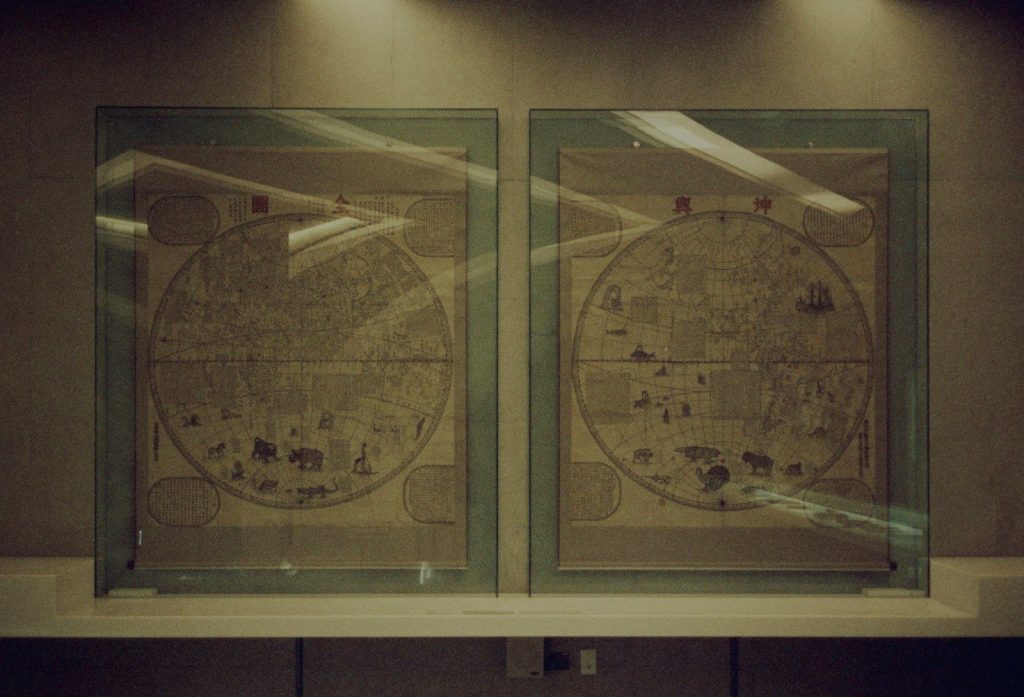
    One section of the book contains fold-out maps of what looks like the night sky. The AI has mapped these against the positions of the stars as they appeared in the year 1420. The alignment is nearly perfect for a specific location in Northern Italy. However, there are “extra” stars in the drawings that shouldn’t be there. Some scientists wonder if these are actually markers for something hidden on the ground. Could this be a treasure map written in a dead language? The AI is currently decoding the captions around these maps.

    The Author Is Finally Being Unmasked

    hooded man, mystery, scary, hood, horror, evil, crime, male, shadow, fear, danger, halloween, mysterious, killer, spooky, nightmare, strange, dangerous, hooded, thriller, criminal, psycho, haunted, silhouette, figure, blue fear, blue horror, blue evil, scary, horror, horror, horror, horror, evil, evil, evil, evil, evil, crime, crime, fear, fear, killer, killer, nightmare, strange, thriller, thriller, haunted, haunted
    Photo by TheDigitalArtist on Pixabay

    For a long time, people thought the famous alchemist Roger Bacon wrote it. Others blamed a con artist. But the AI-s “handwriting finger-printing” technology has found a potential match with a little-known physician from the 1400s. This man was known for his “heretical” views on medicine and nature. If he wrote it, the book might be a secret medical journal containing cures that were banned by the church. We are closer than ever to knowing the name of the man who baffled the world for six centuries. But what happens if we actually finish the translation?

    A Warning From The Past

    white and black printed paper on brown wooden table
    Photo by Pablo Stanic on Unsplash

    Preliminary AI translations suggest the tone of the book is urgent. It doesn’t read like a story; it reads like a manual. Some phrases that have been “unlocked” talk about a great “changing of the air” and “the death of the soil.” It sounds like the author was documenting a catastrophe that he expected to happen again. Is the Voynich Manuscript actually a survival guide for the future? As the machine processes the final chapters, the messages are getting darker.

    The Final Pages Are Being Decoded Right Now

    monitor, binary, binary system, computer, binary code, programming, data, web, network, computer science, internet, communication, www, digital, networking, web design, world wide web, online, office, computer, computer, computer, computer, computer, internet, internet, digital
    Photo by geralt on Pixabay

    The wait is almost over. The research team expects to release a full AI-driven translation within the year. Already, the world of history and science is bracing for the impact. This could change everything we know about the Middle Ages and the limits of human knowledge. Will it be a recipe for eternal life or a warning of a coming doom? While we wait for the final words of the manuscript, another mystery is waiting for us—right under our feet.

    Featured Image: Photo by Mark Rasmuson on Unsplash

  • The Wonder Material Finally Moving from the Lab to Your Car

    The Wonder Material Finally Moving from the Lab to Your Car

    For decades, scientists have been obsessed with a material called graphene. It is a single layer of carbon atoms arranged in a honeycomb pattern. It is 200 times stronger than steel, thinner than paper, and the best conductor of heat and electricity on Earth. For a long time, it was too expensive to make outside of a lab. But that has finally changed. The “wonder material” is officially hitting the factory floor, and your car is the first place you will see it.
    Major car manufacturers are starting to use graphene to build everything from batteries to body panels. It makes cars lighter, safer, and much more efficient. This isn’t just a small upgrade; it is a fundamental shift in how we build machines. A car made with graphene could potentially survive a crash that would crush a normal vehicle. But the real reason engineers are excited has nothing to do with strength.

    Batteries That Charge in Minutes Not Hours

    electric car, charging station, electric cable, charge, terminal, man, pay, automatic, electric car, electric car, electric car, electric car, electric car
    Photo by stux on Pixabay

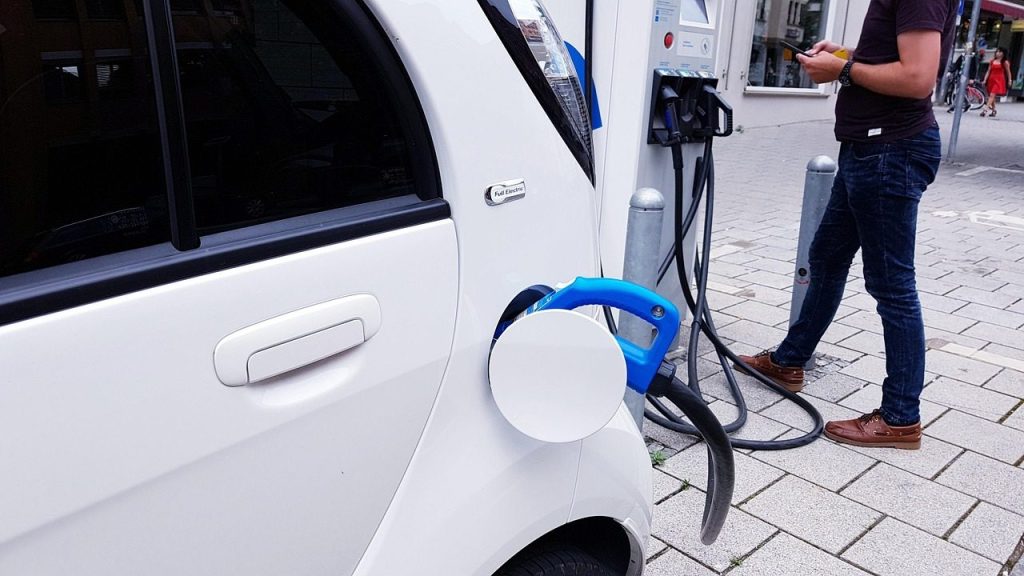
    The biggest problem with electric cars is the charging time. Graphene changes that entirely. Because it conducts electricity so well, graphene-enhanced batteries can charge up to 10 times faster than lithium-ion. You could fully charge your car in the time it takes to grab a cup of coffee. These batteries also last longer and don’t get as hot. This tech will finally make gas-powered cars look like dinosaurs. But how does it make the car safer to drive?

    The Indestructible Body Of The Future

    bentley, car, vehicle, automobile, automotive, luxury car, car body, blue car, shiny car, car wallpapers, car model, japan, asia
    Photo by djedj on Pixabay

    Because graphene is so strong, engineers can use less of it to achieve the same safety ratings. A thin layer of graphene-reinforced plastic is stronger than a thick sheet of steel. This means cars will be much lighter, which makes them easier to handle and faster to stop. In a crash, graphene can absorb and spread the energy of the impact, protecting the people inside much better than traditional metal. But what does a lighter car mean for your wallet?

    Massive Gains In Fuel And Energy Efficiency

    the dashboard of a car with a speedometer
    Photo by Umair Dingmar on Unsplash

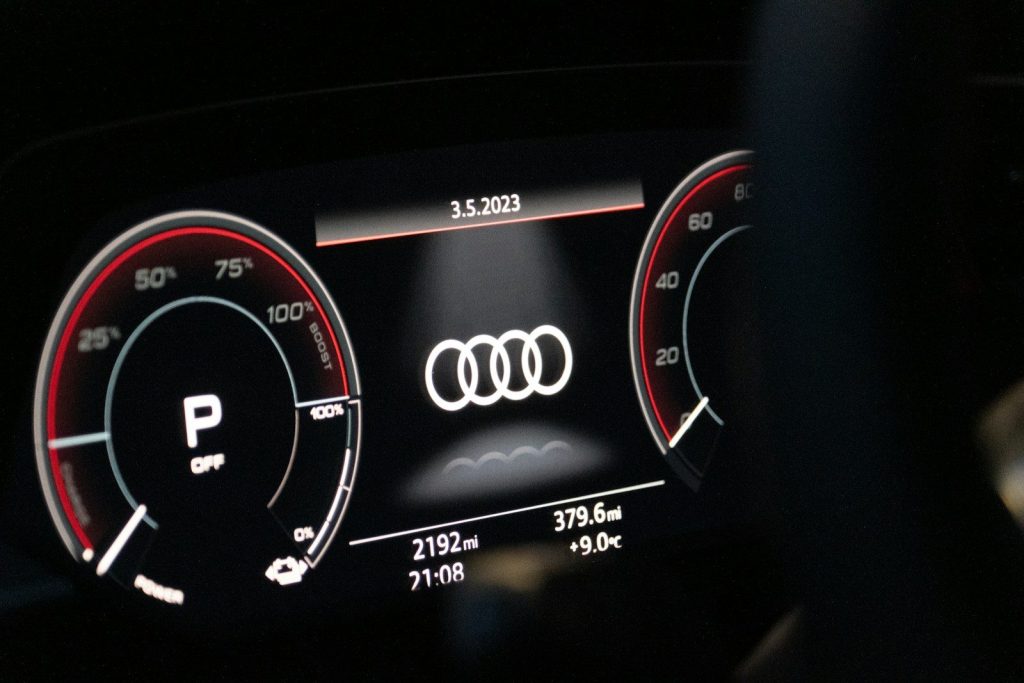
    Weight is the enemy of efficiency. The lighter the car, the less energy it takes to move. By replacing heavy metal parts with graphene composites, cars can weigh 30% less. This means electric cars can go hundreds of extra miles on a single charge. For gas cars, it means much better mileage. It is the easiest way to save money and the environment at the same time. But the magic of graphene doesn’t stop at the body panels.

    Tires That Never Wear Out

    benz, mercedes, car, automobile, car wallpapers, ride, wheel, engine, auto
    Photo by NateShot on Pixabay

    Tires are one of the most replaced parts of a car. By adding a tiny bit of graphene to the rubber, engineers have created tires that are much more durable. These “super-tires” have better grip on wet roads and don’t wear down nearly as fast as regular ones. Some tests suggest they could last for 100,000 miles or more. This means less rubber waste in our oceans and more money in your pocket. But wait, graphene can even help your car “think” faster.

    Sensors That Can See Through Everything

    a car parked in the dark with its lights on
    Photo by Declan Sun on Unsplash

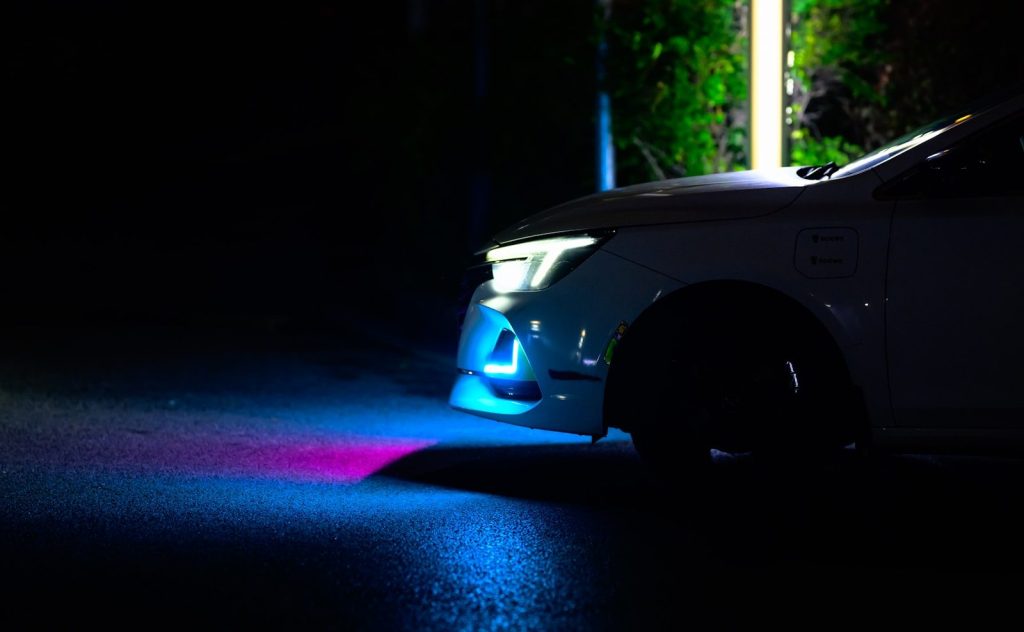
    Autonomous cars need to “see” the world perfectly. Graphene-based sensors are much more sensitive than traditional ones. They can detect objects through fog, rain, and even around corners by picking up tiny thermal signals. This makes self-driving cars much safer in bad weather. These sensors are also smaller and cheaper to produce, meaning even budget cars will soon have top-tier safety tech. But is this material safe for humans?

    The Clean Manufacturing Revolution

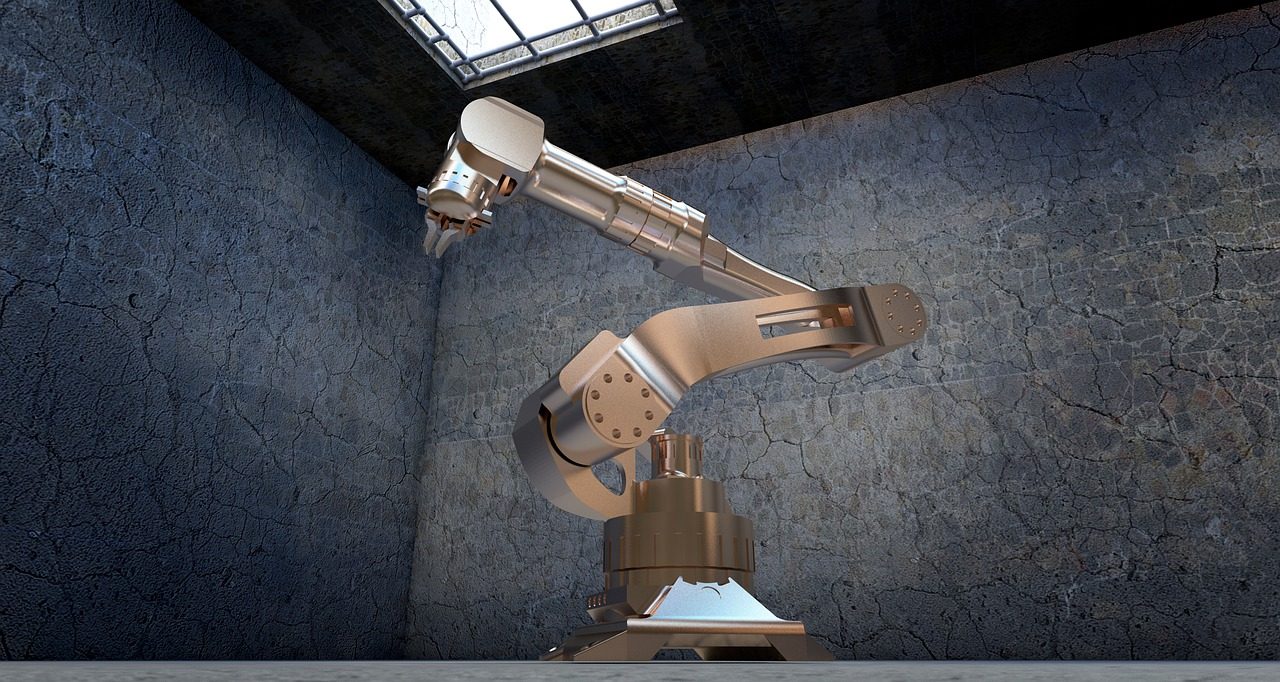
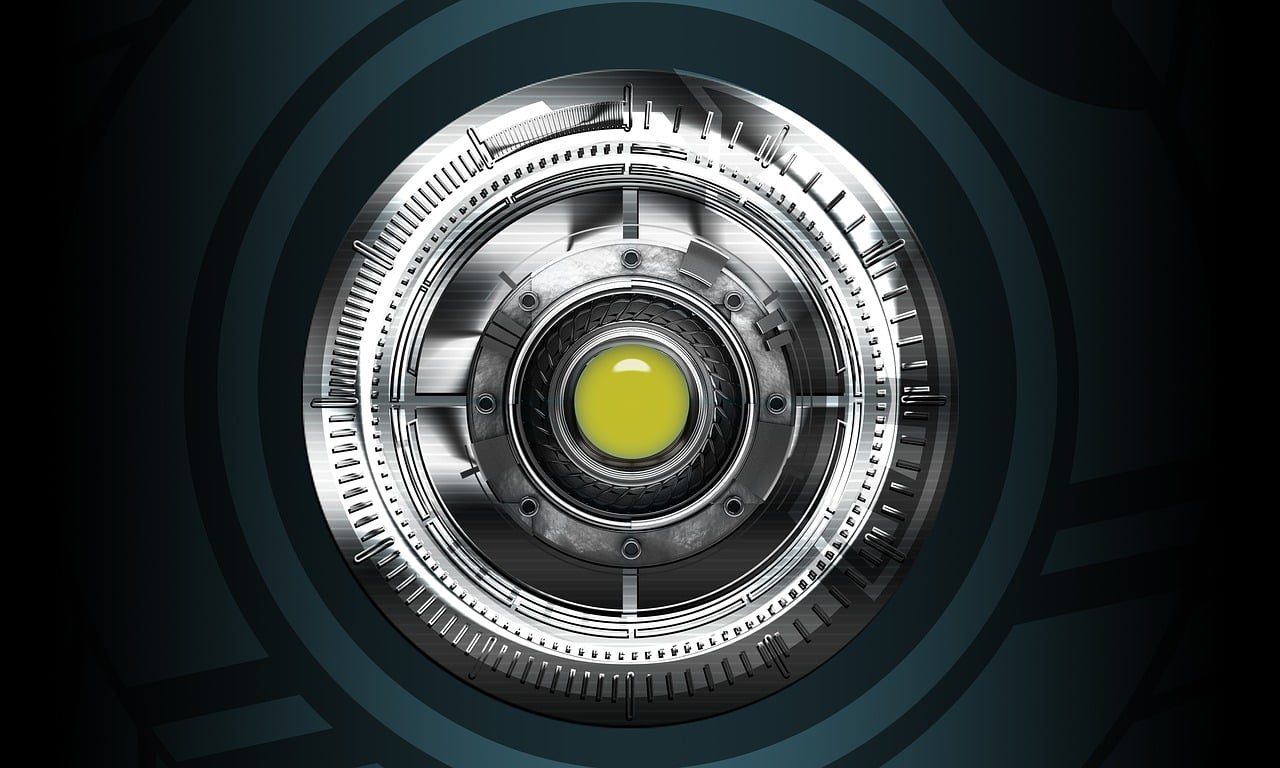
    robot, technology, industry, factory, engineering, steel, manufacturing, ai generated, factory, manufacturing, manufacturing, manufacturing, manufacturing, manufacturing
    Photo by TheDigitalArtist on Pixabay

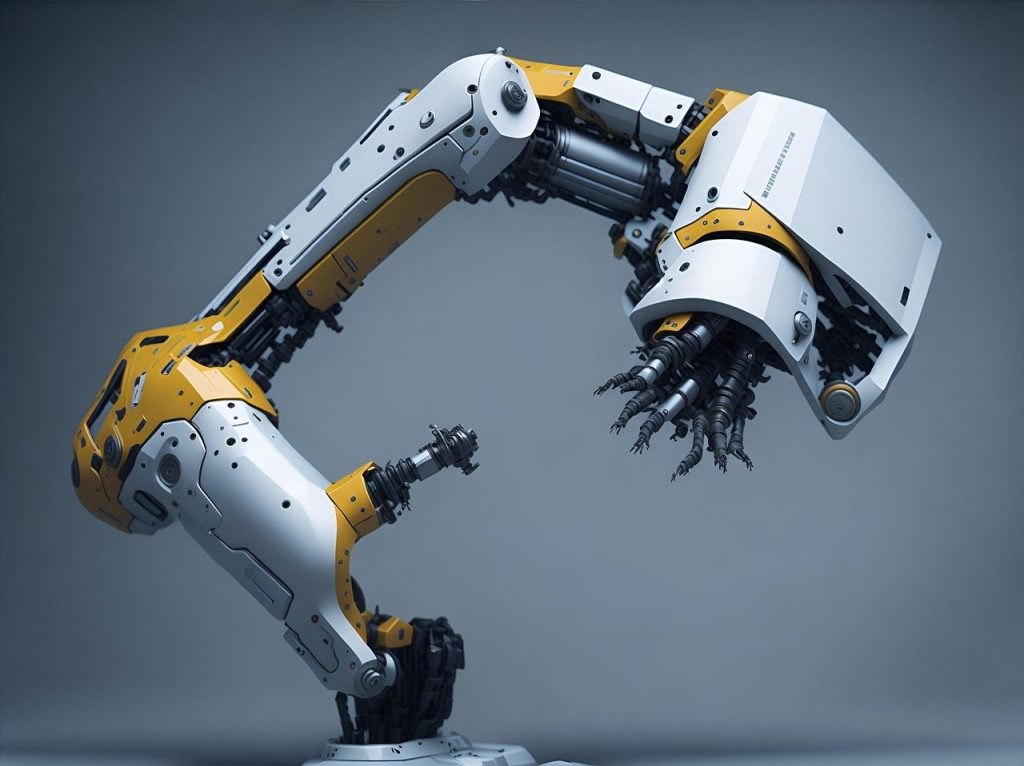
    One of the best things about graphene is that it can be made from waste. Scientists have found ways to turn trash and old plastic into high-quality graphene. This means we are cleaning up the planet to build the cars of the future. The manufacturing process uses less energy than smelting steel or aluminum. It is a win-win for everyone. But how soon will you actually be able to buy a graphene car?

    Coming To A Showroom Near You

    A group of people standing around a car showroom
    Photo by Ali Colak on Unsplash

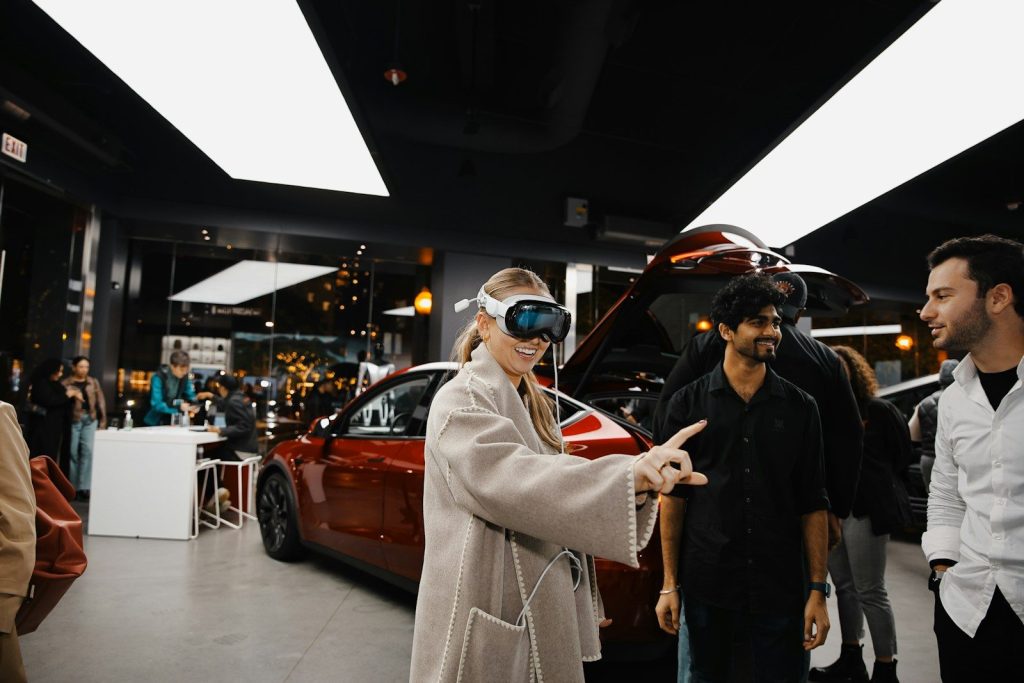
    The first graphene-enhanced cars are already hitting the market in small numbers. In the next three to five years, the technology will be standard in most luxury and electric vehicles. It is the biggest change in automotive engineering since the invention of the engine itself. We are entering the age of the “super-material.” If you think your car is about to get an upgrade, wait until you see how the entire world is about to change by 2035.

    Featured Image: Photo by Praewthida K on Unsplash

  • How Autonomous Cargo Jets are Quietly Revolutionizing Logistics

    How Autonomous Cargo Jets are Quietly Revolutionizing Logistics

    While everyone is looking at self-driving cars, a much bigger revolution is happening in the sky. Autonomous cargo jets are officially here, and they are changing everything about how we get our goods. These massive planes fly themselves without a single pilot on board. They are quieter, safer, and much cheaper to run than traditional aircraft. This isn’t just about faster shipping; it is about a total rewrite of the global supply chain.
    Major companies are already testing pilotless planes to move thousands of pounds of freight across the country. Because there is no cockpit or life support needed for a crew, these planes can carry more weight and fly for longer. They can land at small, regional airports that big jets can’t reach. This means your packages could arrive in hours instead of days. But the technology behind these “ghost planes” is even more impressive than the planes themselves.

    The AI Pilot That Never Gets Tired

    a control room with many screens
    Photo by Johannes Blenke on Unsplash

    The “brains” of these jets are advanced AI systems that can react faster than any human. They use a combination of radar, LIDAR, and satellite data to navigate. Unlike human pilots, the AI never gets sleepy, distracted, or stressed. It can calculate the most fuel-efficient route in real-time, saving millions of dollars in gas. If there is a problem, the AI can find the nearest airport and land perfectly in seconds. But how do these planes stay safe in crowded skies?

    A Network That Talks To Every Other Plane

    globe, world, map, travel, send, shipping, connectivity, tourism, banner, world map, landmarks
    Photo by kreatikar on Pixabay

    Autonomous jets don’t just fly; they communicate. They belong to a massive digital network where every plane knows the location of every other plane. If one jet hits turbulence, it tells the others to change course instantly. This “swarming” behavior makes mid-air collisions almost impossible. It is a level of coordination that humans simply can’t achieve. This allows for much more crowded and efficient air travel. But wait, these jets aren’t just for long trips.

    The Mid-Mile Delivery Revolution

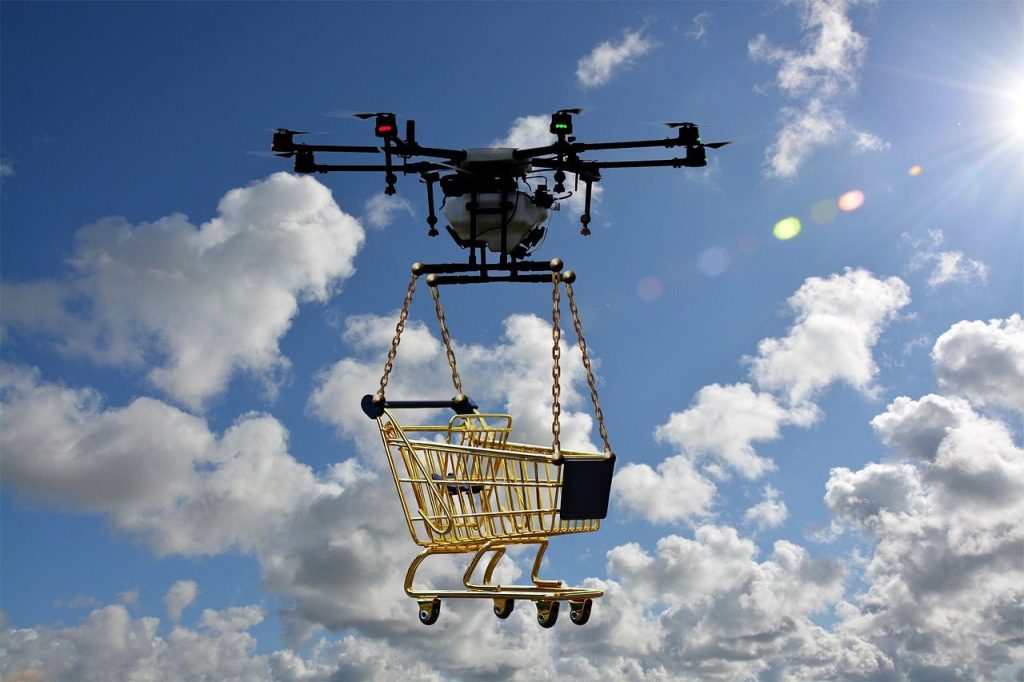
    drone, logistics drone, package drone, unmanned, aircraft, shopping, delivery, future, amazon, drone, drone, drone, drone, drone, delivery, delivery, amazon
    Photo by geralt on Pixabay

    The biggest impact is on “mid-mile” delivery. This is the trip between a huge warehouse and your local distribution center. Currently, this is done by thousands of trucks that clog up our highways. Autonomous cargo jets can fly these routes in a fraction of the time. Small, electric cargo planes can hop between cities all day long. This reduces traffic, lowers emissions, and speeds up the entire world. But what does this mean for the cost of your favorite products?

    Why Shipping Costs Are About To Plunge

    phone, iphone, mobile, green, smartphone
    Photo by rmartinr on Pixabay

    Labor and fuel are the two highest costs in aviation. Autonomous jets solve both. Without pilots, companies save on salaries and training. Because the planes are designed for cargo only, they are much lighter and use less fuel. These savings will eventually be passed down to you. We are heading toward a future where “free shipping” is the standard for almost everything, no matter how heavy. But there is a hidden environmental benefit that is just as important.

    Electric Engines And Zero Emissions

    A small white airplane flying in a clear blue sky.
    Photo by Niklas Jonasson on Unsplash

    Because autonomous jets don’t need a heavy cockpit, many are being designed with electric engines. This means they can fly without burning a single drop of jet fuel. Electric cargo planes are also incredibly quiet, which means they can land at airports in the middle of the night without waking up neighbors. This allows for 24/7 shipping without the environmental guilt. It is the green future of transport. But wait, what about the jobs of the pilots?

    The Shift From Pilot To Remote Manager

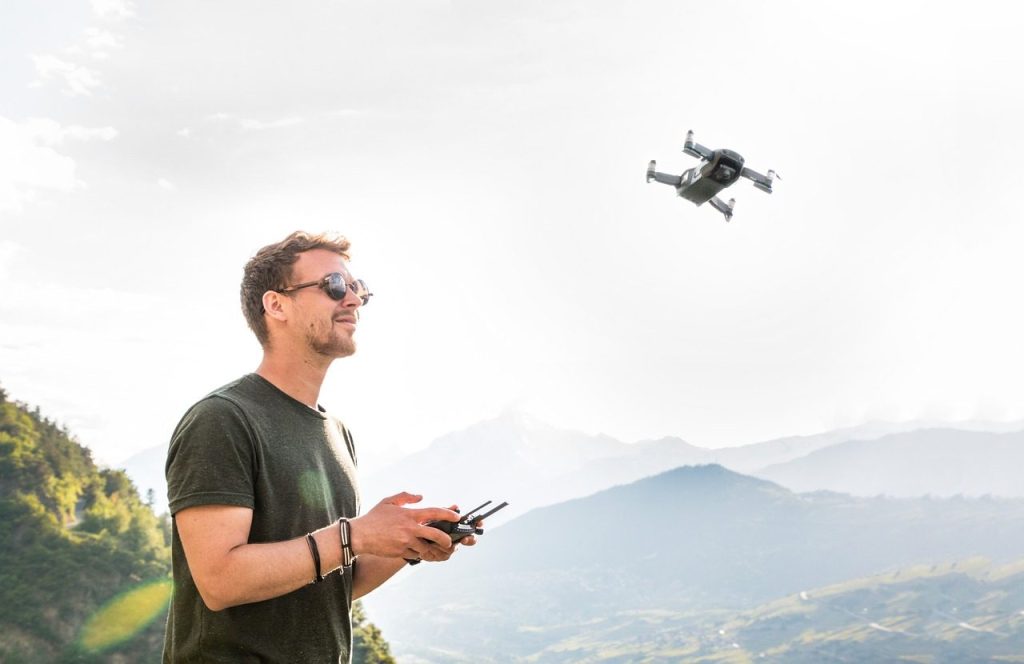
    drone, man, drone pilot, copter, quadrocopter, remotely controlled, flying camera, flying object, young man, hobby, photographer, aerial photographs, mountains, nature, aerial photography, drone, drone, drone, drone, drone
    Photo by lukasbieri on Pixabay

    Pilots aren’t going away; their jobs are just changing. Instead of sitting in a cockpit for ten hours, one “remote manager” can oversee a fleet of ten autonomous jets from the ground. They only step in if the AI has a question or if there is an emergency. This makes the job safer and allows pilots to go home to their families every night. It is a better way to work in the sky. But how soon will this be the new normal?

    Widespread Use Within The Next Five Years

    a view of the wing of a plane through a window
    Photo by Bảo Trọng Nguyễn Huỳnh on Unsplash

    The FAA and other agencies are already clearing the way for these flights. We will likely see more cargo flown by robots than by humans by 2030. It is a quiet revolution because you won’t see it happening, but you will feel it when your packages arrive faster than ever. The world is getting smaller every day. If you think pilotless jets are high-tech, wait until you see the “wonder material” that is about to make your car indestructible.

    Featured Image: Photo by Engel9 on Pixabay

  • Why Traditional Construction is About to Become Obsolete

    Why Traditional Construction is About to Become Obsolete

    For thousands of years, humans have built houses the same way: brick by brick and board by board. But that era is ending. Traditional construction is slow, expensive, and incredibly wasteful. Today, a new wave of technology is making the old ways look like ancient history. We are talking about giant 3D printers that can “print” a whole house in 24 hours. We are talking about robots that never get tired and AI that designs buildings better than humans.
    The construction industry is one of the last to be fully digitized, and the change is happening fast. Companies are already printing low-income housing in Mexico and luxury villas in Dubai. These buildings are stronger, cheaper, and better for the planet. If you think your next house will be made of wood and nails, you might want to think again. The secret to this revolution is a machine that looks more like a toy than a tool.

    Giant 3D Printers That Build Homes In A Day

    brown and white wooden surface
    Photo by Lefteris Stamatelopoulos on Unsplash

    The star of the show is the large-scale 3D printer. It follows a digital blueprint and squeezes out layers of concrete to build walls. It doesn’t need scaffolding, and it doesn’t create any trash. A small crew can oversee the printing of several houses at once. This technology can reduce building costs by up to 50%. It is a total game-changer for the housing crisis. But what happens to the quality when you build that fast?

    Stronger Than Brick And Built To Last

    rain, nature, roof, water, storm, wet, weather, house
    Photo by sandid on Pixabay

    Surprisingly, 3D-printed homes are actually stronger than traditional ones. The concrete layers create a solid, seamless structure that is highly resistant to earthquakes and fire. There are no joints or weak points for the wind to catch. These homes are designed to last for over 100 years with almost no maintenance. They are the ultimate “set it and forget it” buildings. But if you think they look like boring concrete blocks, you haven’t seen the designs yet.

    Architecture Without Any Limits

    a large white building with a curved roof
    Photo by Nag on Unsplash

    Traditional construction hates curves because they are hard and expensive to build. But for a 3D printer, a curve is just as easy as a straight line. This allows architects to design homes with beautiful, organic shapes that look like they grew out of the ground. You can have curved hallways, circular rooms, and intricate patterns built right into the walls. It is art you can live in. But wait, it isn’t just about printing; it is about how we put the pieces together.

    Modular Prefab Is The New LEGO For Adults

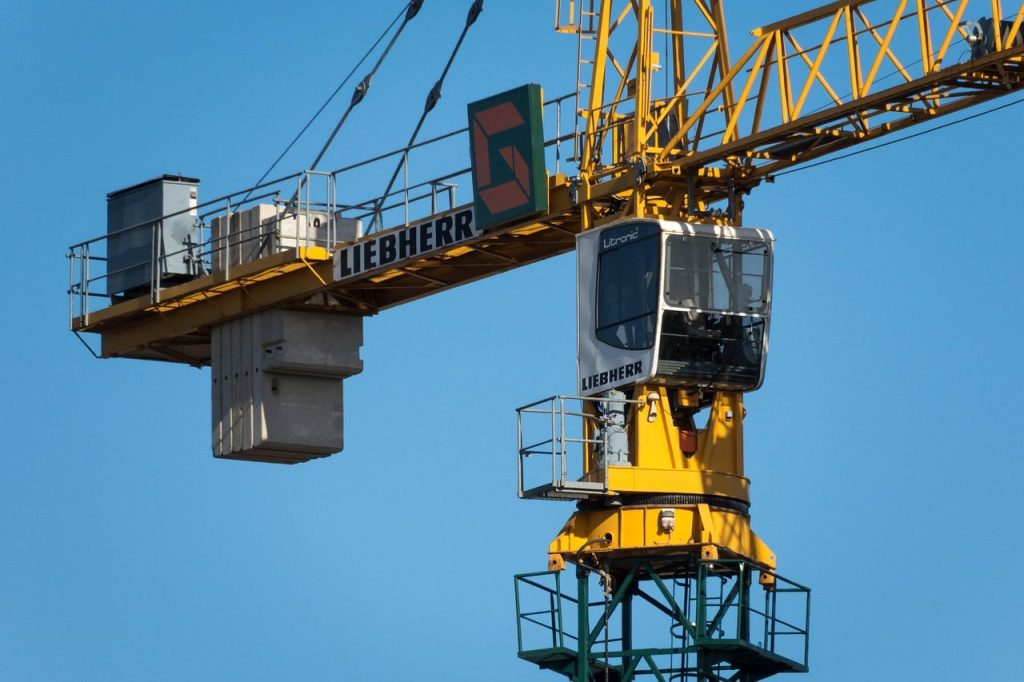
    crane, construction crane, crane driver's cab, to build, construction site, construction work, load crane, lifting crane, work, industry
    Photo by Didgeman on Pixabay

    Another reason traditional building is dying is “modular prefab.” This is where entire rooms are built in a factory and then trucked to the site. It is like playing with giant LEGO blocks. Because they are built indoors, there are no weather delays. A 10-story apartment building can be put together in just a few weeks. This precision prevents mistakes and saves a massive amount of energy. But the real magic happens when the robots start talking to each other.

    The Rise Of The Fully Robotic Construction Site

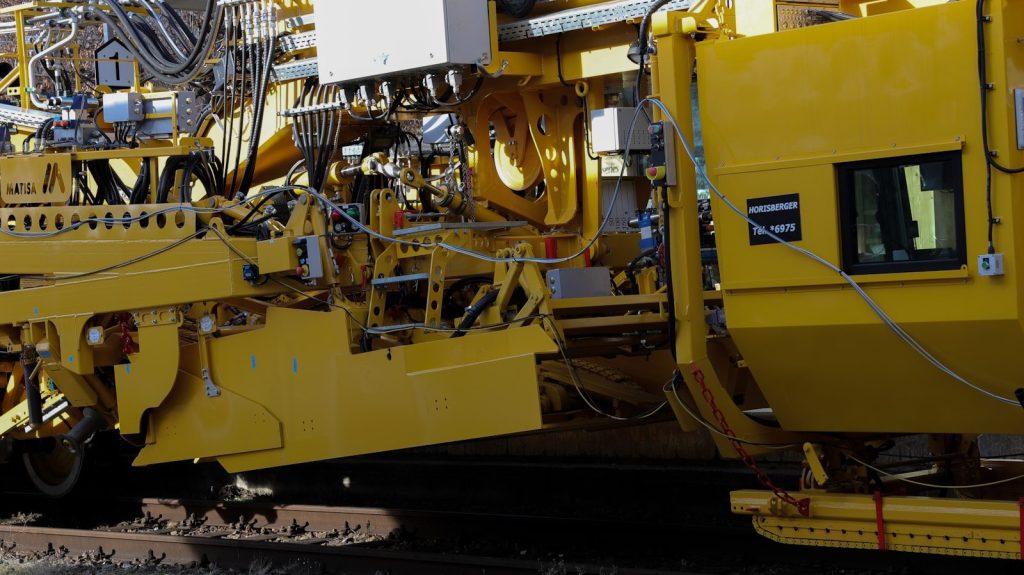
    Yellow construction machinery on train tracks.
    Photo by Valomukitse Arva-Zika on Unsplash

    We are moving toward a future where human workers are the “conductors” of a robotic orchestra. Drones scan the site to create 3D maps, while robotic dogs carry tools to the right location. Autonomous bulldozers move dirt with perfect accuracy. This makes construction sites much safer and faster. The humans stay in a control room, far away from the dangerous heavy lifting. It is a safer, smarter way to build. But there is one more thing that will make traditional building vanish.

    Buildings That Save The Planet

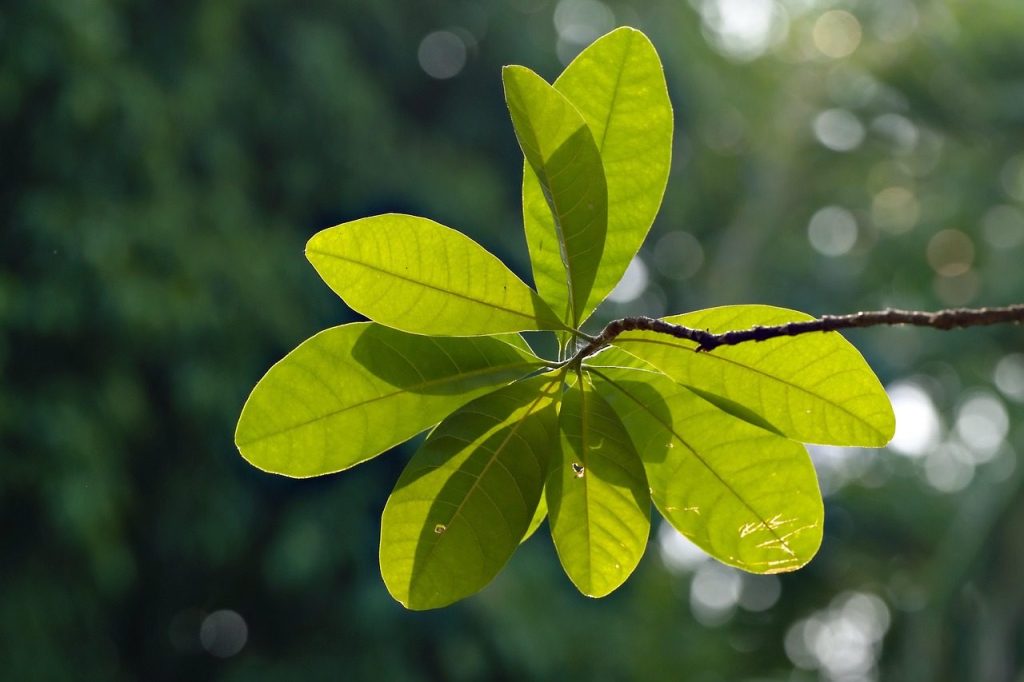
    green leaves, leaves, foliage, close up, plant, nature, leaves, leaves, plant, plant, plant, plant, plant
    Photo by ignartonosbg on Pixabay

    Traditional construction is one of the world’s biggest polluters. But the new methods use carbon-negative materials. Some printers use a mix of soil, straw, and hemp to create walls that actually absorb CO2. Others use recycled plastic from the ocean to make shingles and tiles. We are finally learning how to build without destroying the Earth. The “old way” simply can’t compete with these green alternatives. But how soon will you be living in one?

    A House For Everyone By 2035

    A person is holding a key to a door
    Photo by Jakub Żerdzicki on Unsplash
    By 2035, the “stick and brick” house will be a luxury or a relic of the past. Most new homes will be printed or snapped together in days. This will make homeownership possible for millions who are currently priced out. It is a total reset for the economy and our daily lives. The tools of the past are being put away for good. If you think this change is big, wait until you see how your Amazon packages are about to start flying through the air.

    Featured Image: Photo by PIRO4D on Pixabay

  • 8 Ways Quantum Computers Will Change Your Daily Life by 2030

    8 Ways Quantum Computers Will Change Your Daily Life by 2030

    Quantum computers aren’t just faster versions of your laptop. They are a completely different way of processing information. While a normal computer uses bits (0 or 1), a quantum computer uses qubits, which can be both at the same time. This allows them to solve problems that would take a traditional supercomputer thousands of years. We are talking about a total reset for technology.
    By 2030, you won’t necessarily have a quantum laptop, but the world around you will be “quantum-powered.” From the medicine you take to the way your city moves, everything is about to get an upgrade. Here are the eight ways your life is about to change forever. First up, your morning commute is about to become a lot smoother.

    Traffic Jams Will Become a Thing of the Past

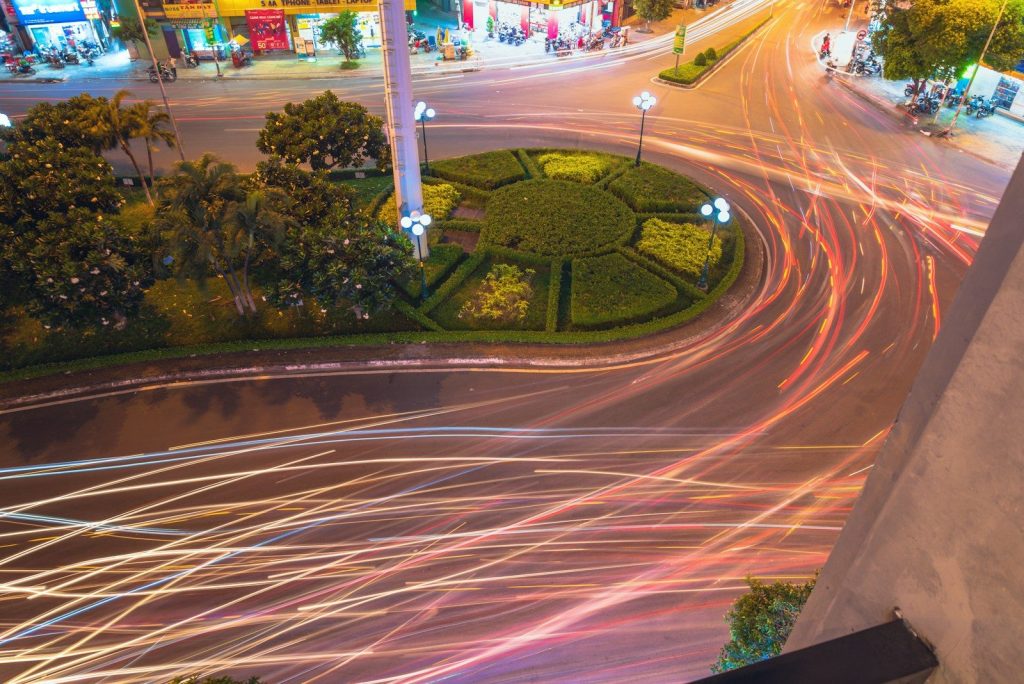
    a city street at night with long exposure
    Photo by Minh Van on Unsplash

    Traffic is a “complex optimization problem.” Traditional computers struggle to manage every car, light, and pedestrian in real-time. Quantum computers can calculate millions of routes simultaneously. In a quantum-powered city, traffic lights will adapt instantly to keep cars moving. Delivery trucks will find the perfect path, reducing costs and emissions. Your 40-minute drive could drop to 15 minutes. But wait, quantum tech is also going to change what is inside your gas tank—or battery.

    Super Batteries That Last for Weeks

    a close up of a razor blade on a table
    Photo by Paul R Design on Unsplash

    Current batteries are limited by our understanding of chemistry at the molecular level. We use “best guesses” to build them. Quantum computers can simulate molecules perfectly. This allows scientists to discover new materials that can store ten times more energy than lithium-ion. Imagine a phone you only charge once a month or an electric car that goes 2,000 miles on one charge. This will finally end our reliance on fossil fuels. But that’s just the start of the “quantum green” revolution.

    Perfect Weather Forecasts Every Single Time

    green yellow and pink abstract painting
    Photo by Brian McGowan on Unsplash

    The weather is notoriously hard to predict because of the sheer number of variables. A small change in the ocean can cause a storm a thousand miles away. Quantum computers can process all of this data at once. We will be able to predict hurricanes weeks in advance with 100% accuracy. This will save thousands of lives and billions of dollars in damage. Farmers will know exactly when to plant and harvest. However, the biggest impact will be on the food you eat.

    Ending World Hunger with Better Fertilizers

    wheat, field, agriculture, farm, nature, farming, landscape, rural, countryside, summer, wheat, wheat, wheat, wheat, wheat
    Photo by JohnNaturePhotos on Pixabay

    Creating fertilizer is currently a massive energy drain, using about 2% of the world’s total energy. This is because we use a 100-year-old process that is very inefficient. Plants do this naturally using enzymes, but we never understood how. Quantum computers can simulate these enzymes for the first time. This will lead to cheap, eco-friendly fertilizer that can grow food anywhere. World hunger could become a solvable problem. But what about the health of the people eating that food?

    Customized Medicine Designed Just for You

    a close up of a pill shaped object on a table
    Photo by Julien Tromeur on Unsplash

    Most drugs today are designed for the “average” person. That is why side effects are so common. Quantum computers will allow doctors to simulate how a drug interacts with your specific DNA. We will enter the era of personalized medicine. You will get a custom-made treatment that is 100% effective with zero side effects. Diseases like cancer and Alzheimer’s could finally be cured using these quantum-designed molecules. But this new power comes with a major security risk.

    The End of Traditional Online Privacy

    black flat screen computer monitor
    Photo by Jake Walker on Unsplash
    Here is the scary part: quantum computers can crack almost every password on earth in seconds. The encryption we use for banking and private messages will be useless. This is why a “quantum race” is happening right now to build new security systems. We will have to update the entire internet to stay safe. If we don’t, your bank account and private data will be open to anyone with a quantum machine. But don’t worry, the financial world is already preparing.

    A Stock Market Without Crashes

    stock trading, investing, stock market, forex, finance, money, crypto, bitcoin, shiba, stock market, stock market, stock market, stock market, stock market, forex, forex, forex, forex, crypto, crypto
    Photo by sergeitokmakov on Pixabay

    The global economy is often driven by panic and bad data. Quantum computers can analyze the entire global market to identify risks before they cause a crash. They can find the perfect balance for investments to ensure stability. This could lead to a world with much less financial volatility. We are looking at a future that is more predictable, healthy, and efficient. Are you ready for the quantum age to begin?

    Featured Image: Photo by TheDigitalArtist on Pixabay