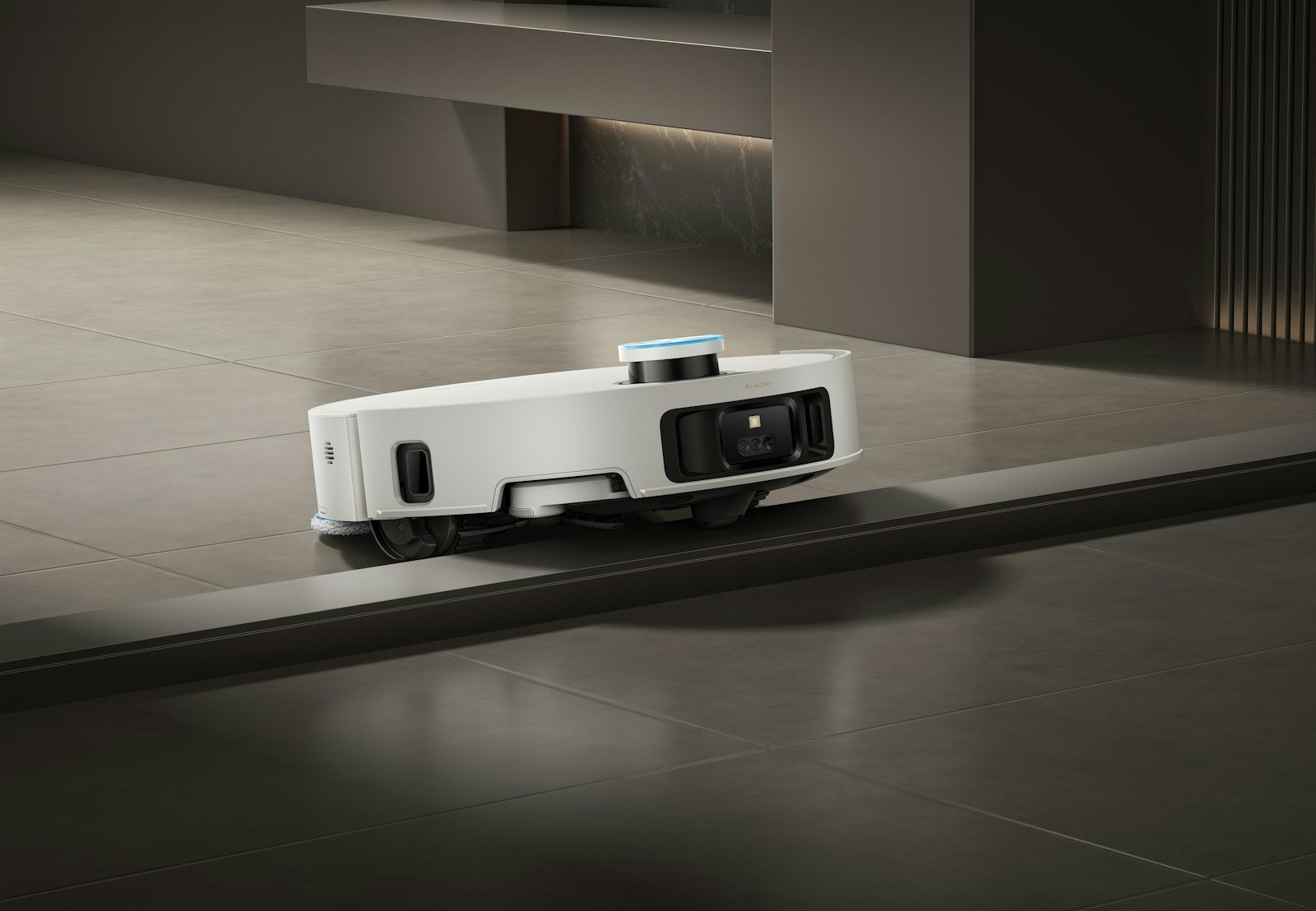
For years, robot vacuums had one very normal problem: stairs. They could map rooms, dodge furniture, empty their bins, mop floors, and return to their docks, but they still needed a person to carry them from one level to another. That limit is now turning into a gadget race. Brands like Migo, Dreame, Eufy, and Roborock are testing different ways to help cleaning robots handle steps, tall thresholds, and multi-floor homes.
Migo’s Ascender drew attention on Kickstarter, Dreame showed its Cyber X stair-climbing system, Eufy introduced the MarsWalker carrier, and Roborock keeps improving climbing hardware for raised transitions. These ideas are not all the same, but they point to a future where “whole-home cleaning” may finally include the staircase.
Stairs were the wall
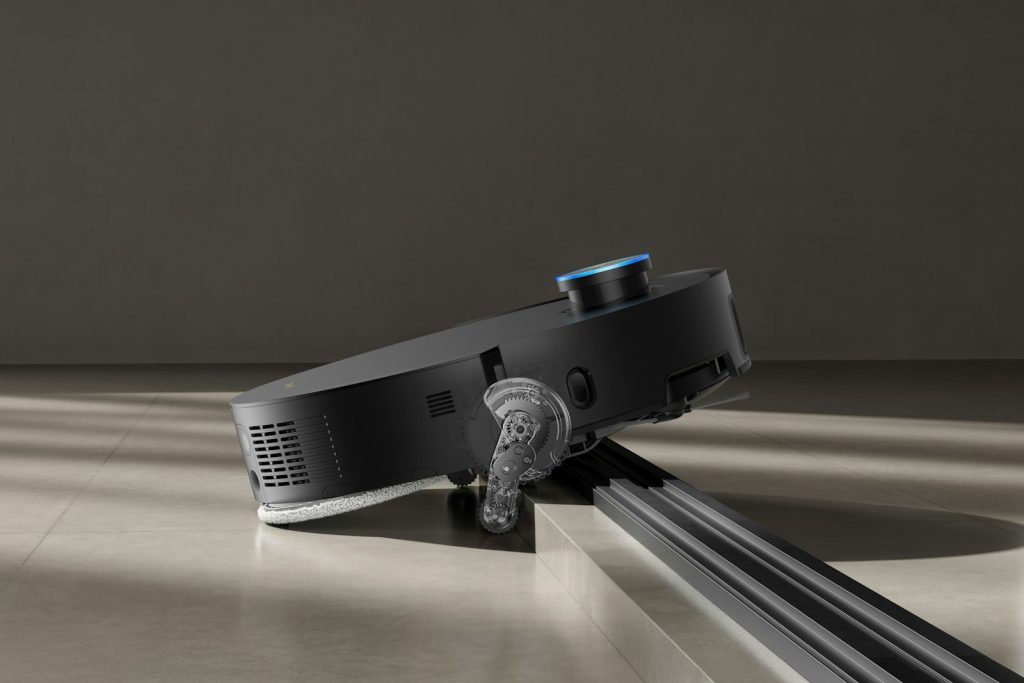
Robot vacuums have improved fast, but stairs remained a hard stop. Most models use cliff sensors to avoid falling, which is helpful for safety but also keeps them from moving between floors.
That made multi-level homes tricky. Owners had to carry the robot upstairs, buy a second vacuum, or clean steps by hand. Stair-climbing designs are trying to remove that everyday hassle.
Migo made people look
Migo Robotics gained early buzz with the Ascender, a robot vacuum and mop designed to climb stairs. Its Kickstarter page described stair climbing, mopping, and an all-in-one base station as part of the package.
The big lesson was simple: people clearly wanted this problem solved. Even before stair-climbing vacuums became common store products, the Ascender showed that the idea had real consumer interest.
Dreame went dramatic
Dreame’s Cyber X brought a more futuristic look to the race. Reports from IFA 2025 described it as a stair-climbing robot vacuum system using track-like climbing hardware and 3D vision to plan safer movement.
That made the product feel less like a normal robot vacuum and more like a small home robot. It also showed how serious brands have become about solving stairs, not just improving suction.
Eufy built a stairlift
Eufy took a different path with MarsWalker. Instead of making the vacuum itself climb, MarsWalker works like a carrier that transports compatible Eufy robot vacuums between floors.
The Verge reported that MarsWalker uses four independently controlled arms and a track system, can handle different staircase shapes, and was shown at IFA 2025 with a planned spring 2026 launch.
Roborock improved thresholds
Roborock’s approach is not the same as a full stair-climbing carrier, but it still matters in the race. Its Saros 20 uses AdaptiLift Chassis 3.0 to cross taller thresholds and uneven floor transitions.
Roborock says the system can handle single thresholds up to 1.77 inches or double-layer thresholds of 1.77 inches plus 1.57 inches. That helps with raised rooms, tracks, mats, and tricky floor edges.
The challenge is safety
A stair-climbing vacuum has to do more than move upward. It must stay balanced, read the stair shape, avoid slipping, and know when not to climb at all.
That is why vision sensors, mapping, arms, tracks, and careful route planning matter. A regular vacuum mistake might mean a missed dust bunny. A stair mistake could damage the device.
Multi-floor maps matter
Climbing stairs is only one part of the job. A smart vacuum also needs to know which floor it is on, where each room is, and how to return to the right dock or carrier.
That makes software just as important as hardware. The best version of this gadget race will not be the flashiest climber. It will be the one that moves, maps, cleans, and returns without confusion.
Stairs are hard to clean
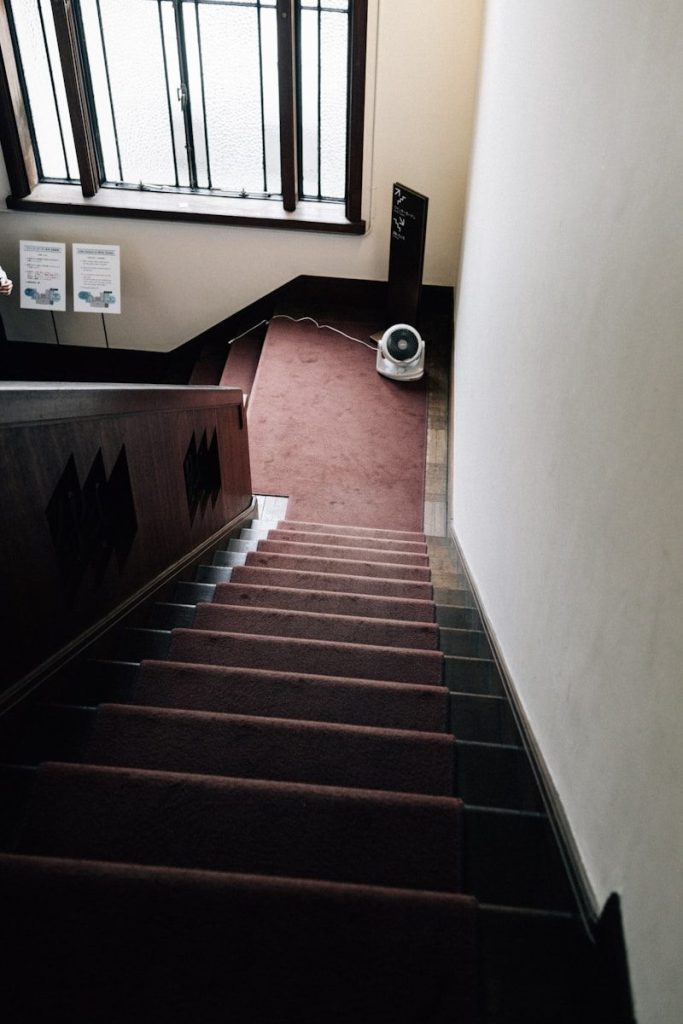
Staircases are not flat rooms. They have edges, corners, risers, landings, and sometimes carpet. A vacuum that can travel on stairs may still need special cleaning tools to handle the steps well.
That is why some designs focus on moving a vacuum between floors, while others try to clean the staircase itself. Both ideas solve useful problems, but they are not identical.
Prices may slow adoption

Stair-climbing tech adds motors, sensors, stronger frames, and more moving parts. That can make early models expensive, especially if they need a separate carrier or advanced docking station.
For many homes, a regular robot vacuum plus a handheld cleaner may still be cheaper. The gadget race will get more interesting when brands can make the tech reliable, simple, and easier to afford.
The race is just starting
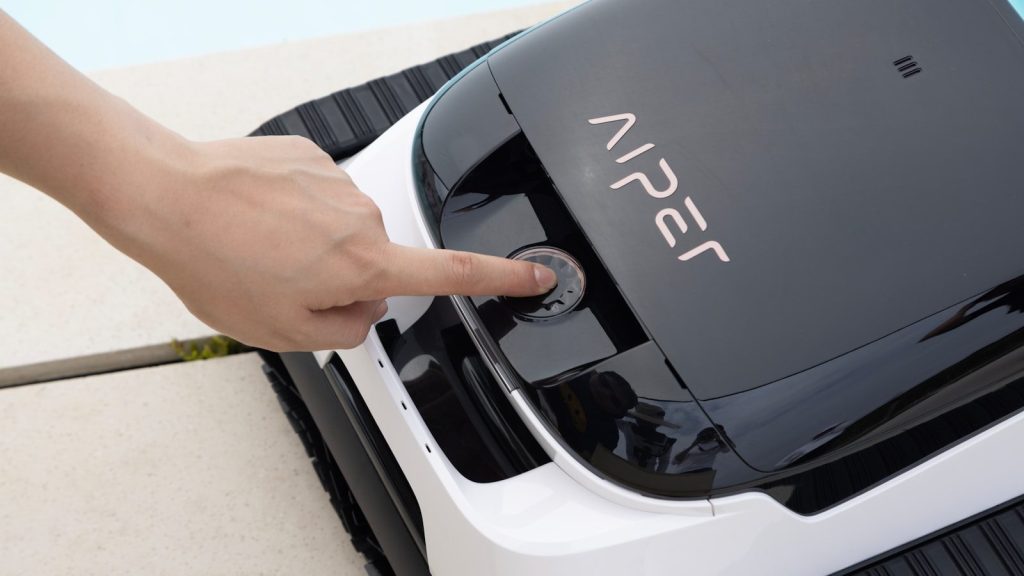
The stair problem has pushed brands in different directions. Migo explored a climbing vacuum, Dreame showed a bold climbing system, Eufy built a carrier, and Roborock improved obstacle crossing.
That variety is exactly why this space feels exciting. No single design has won yet. But after years of robot vacuums stopping at the first step, the next big upgrade may be learning how to climb.
Leave a Reply