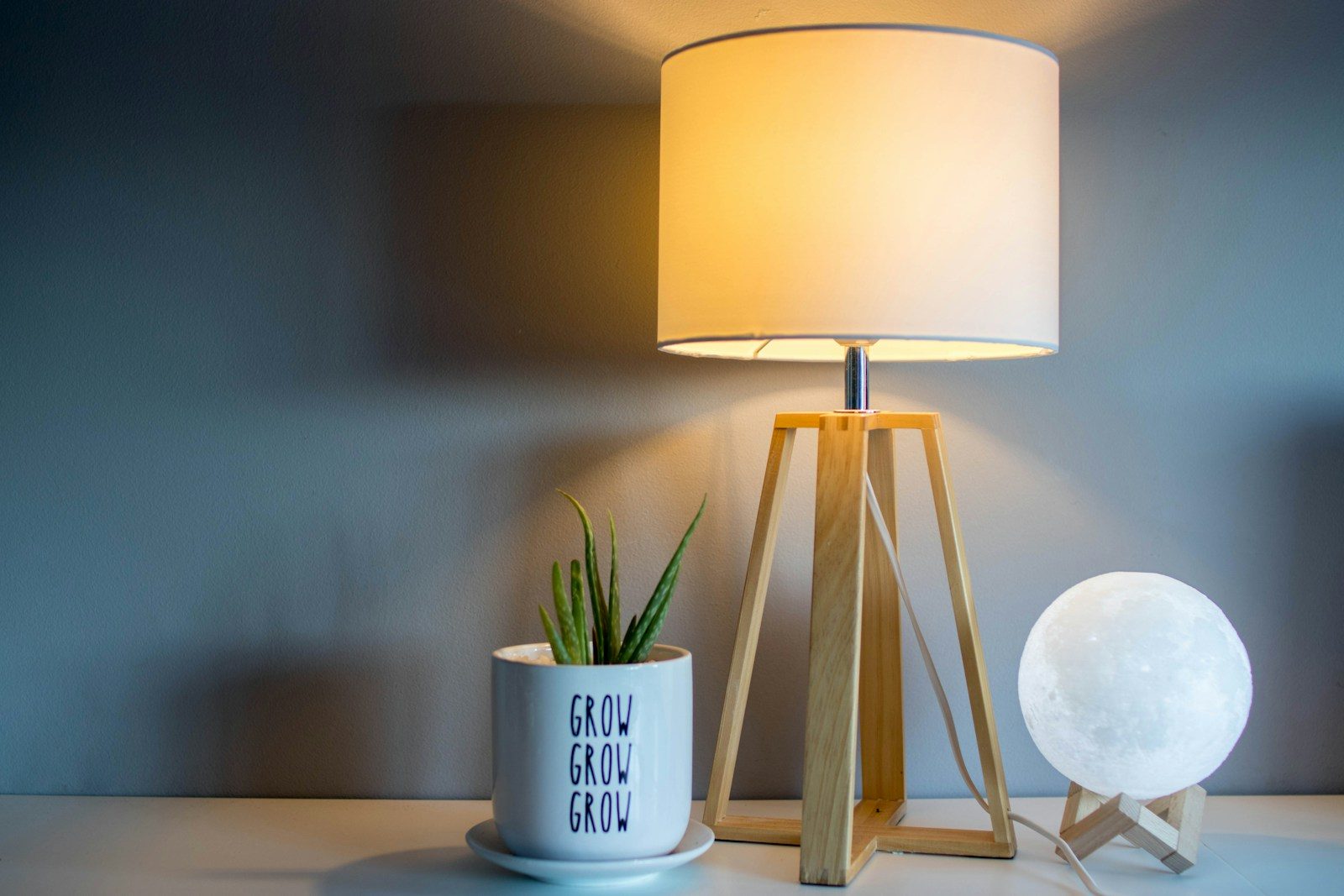
A lamp used to be a simple finishing touch: plug it in, pick a shade, and call it done. Now smart lamps are becoming part of how a room looks, feels, and works every day. They can shift from bright task lighting to a soft evening glow, change color for a cozy mood, and connect with other smart home devices.
Brands are also making them look more like decor instead of plain tech. IKEA has introduced Matter-compatible smart lighting products, while Philips Hue has added tools for mood lighting, room-based scenes, and smarter controls. That means smart lamps are no longer just gadgets. They are becoming flexible design pieces that help shape the whole home.
Lamps now set the mood
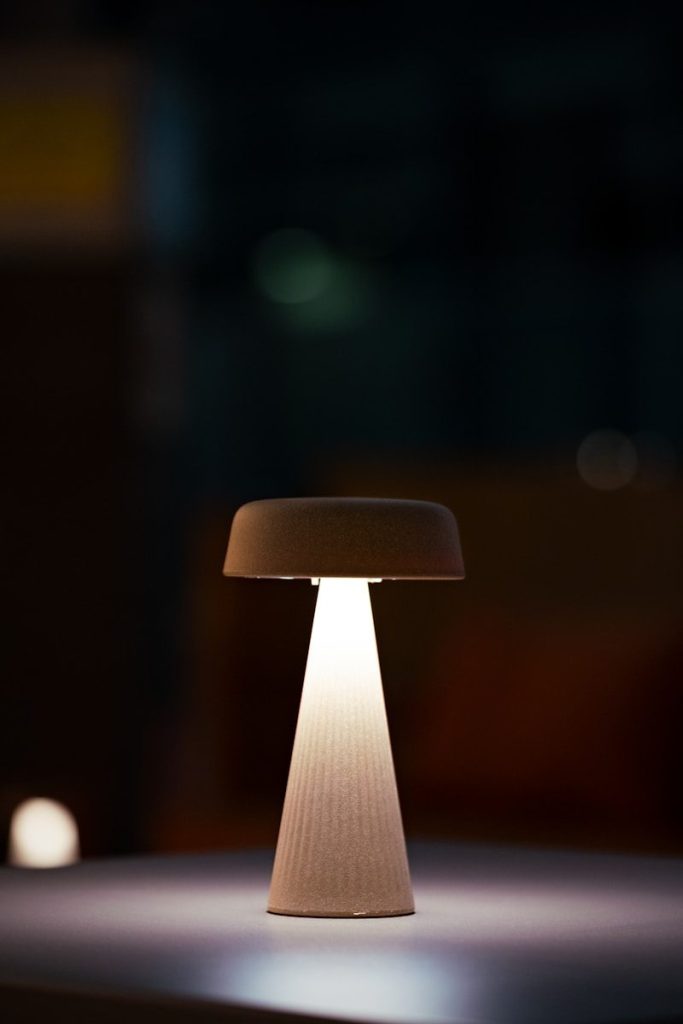
Smart lamps are changing how people think about room design. Instead of using one fixed light level, a room can shift from bright and active to calm and cozy with a tap or voice command.
That makes lighting feel more personal. A living room can look fresh during the day, softer at night, and more colorful during a family movie or game night without changing the furniture.
Color is part of decor
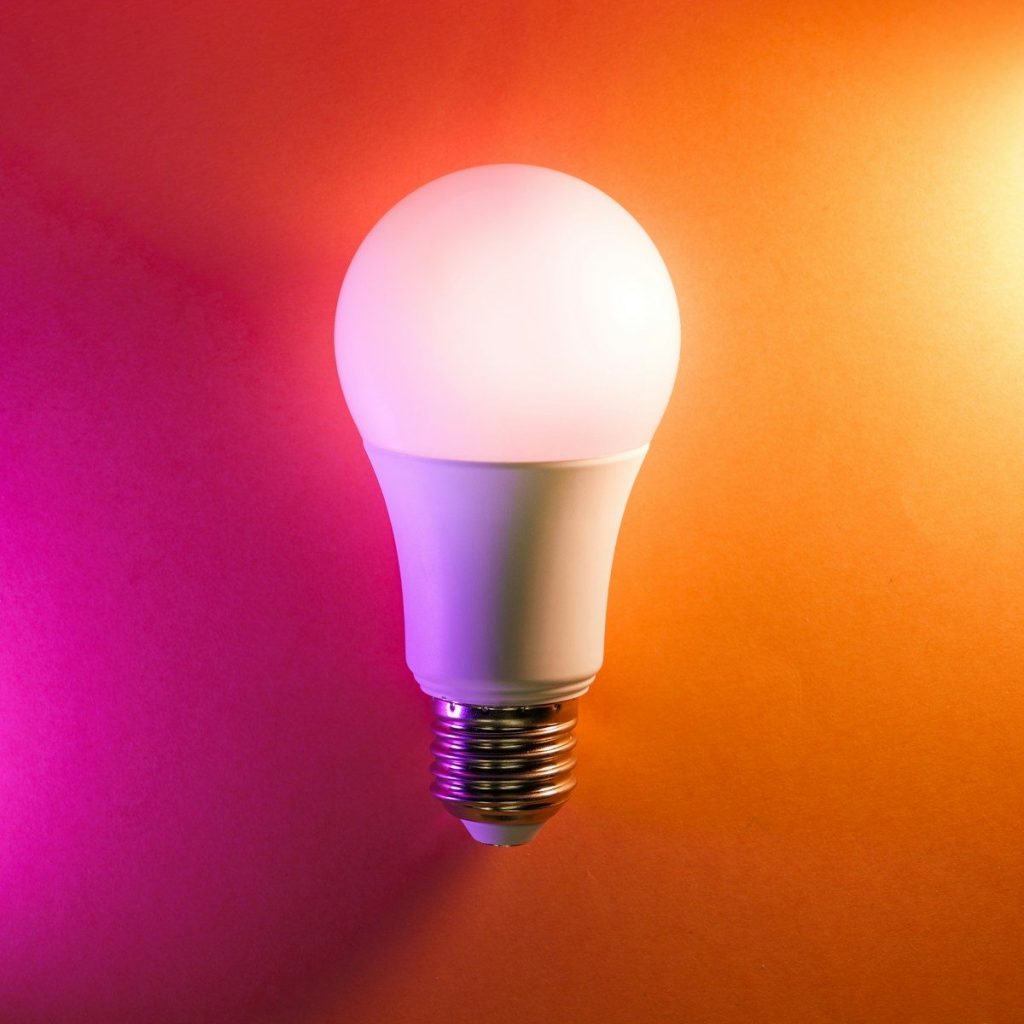
Color-changing lamps give people a simple way to refresh a space. A soft blue, warm amber, or gentle pink glow can make the same room feel different without paint, wallpaper, or new art.
This is why smart lamps work well as accent pieces. They can highlight a shelf, brighten a corner, or add depth behind a sofa while still looking like part of the room’s style.
Warm light feels softer
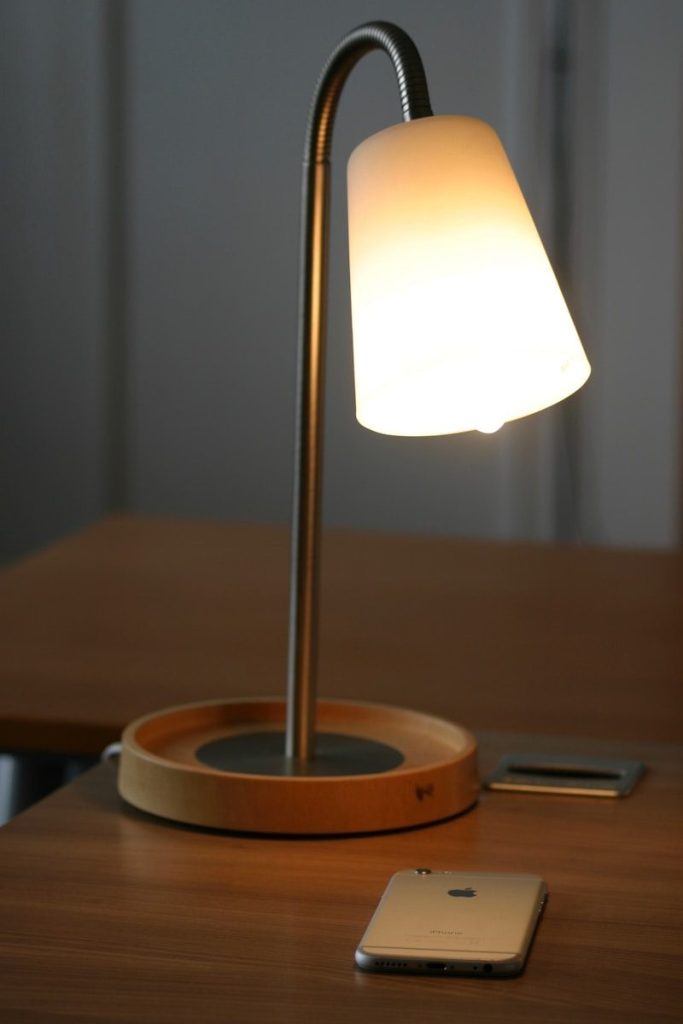
Many smart lamps let users adjust white light from cool to warm. Cool light can feel crisp and helpful for reading or working, while warm light often feels more relaxed in the evening.
That flexibility matters in open homes where one room may serve many jobs. A dining area, desk corner, or bedroom can feel more useful because the lamp changes with the moment.
Design matters more now
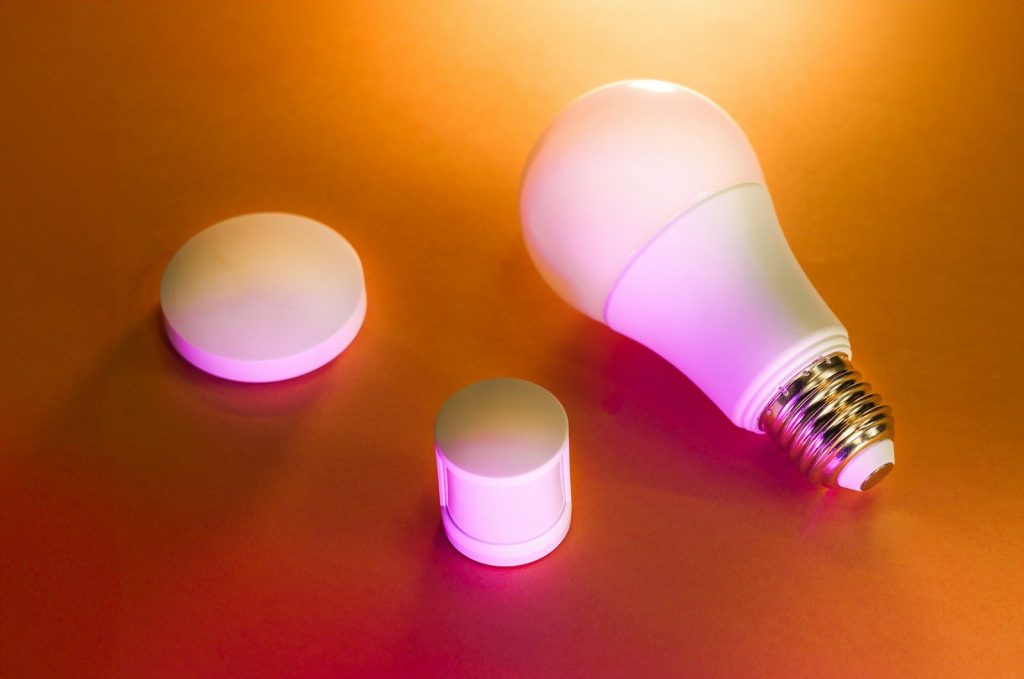
Early smart bulbs were mostly about the tech inside. Today, smart lamps are also judged by how they look on a table, shelf, desk, or nightstand.
That shift is important for home design. People do not want every device to look like a gadget. IKEA’s smart lighting lineup, for example, focuses on products that fit real rooms and everyday budgets.
Matter makes setup easier
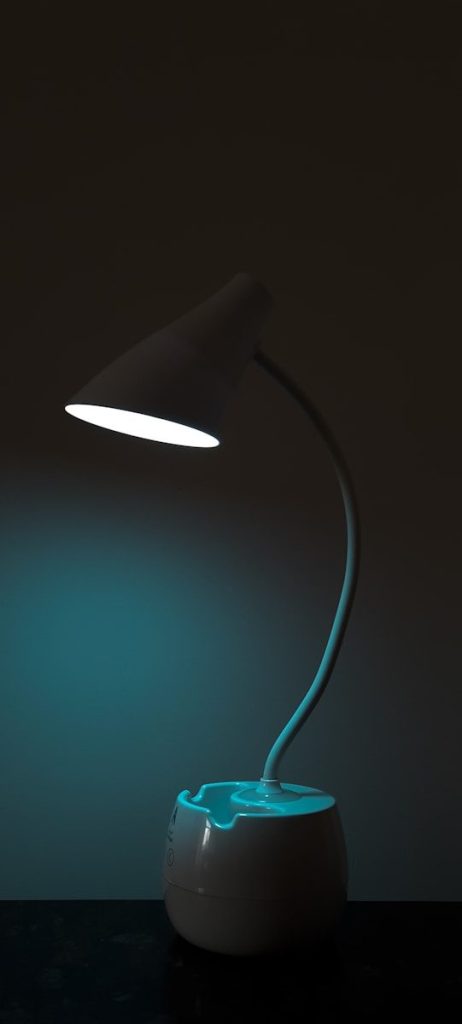
One reason smart lamps are becoming more design-friendly is better compatibility. Matter is a smart home standard made to help devices work more reliably across different systems.
For homeowners, that can mean less stress when mixing brands. A lamp can be chosen for its look, size, and glow instead of only worrying about whether it fits one app or speaker.
Routines make rooms smarter
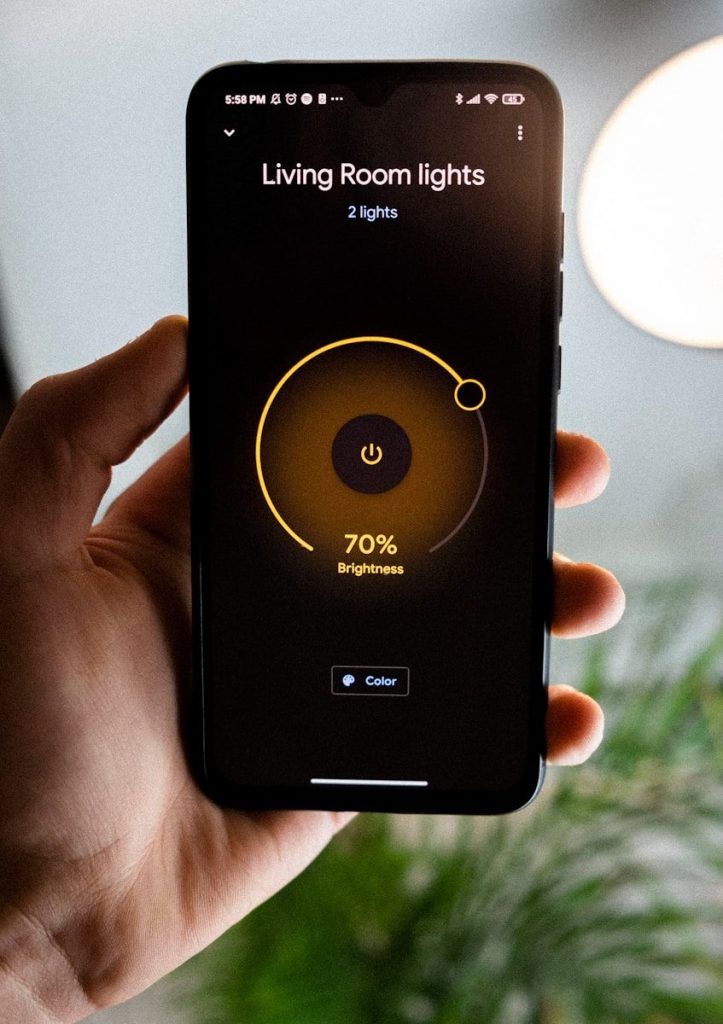
Smart lamps can follow daily routines. They might brighten in the morning, dim at dinner, or turn off when everyone leaves the house.
That makes design feel more active. The lamp is not just sitting there; it is helping the room match real life. A bedroom can ease into nighttime, while a kitchen can wake up faster in the morning.
Small spaces benefit most
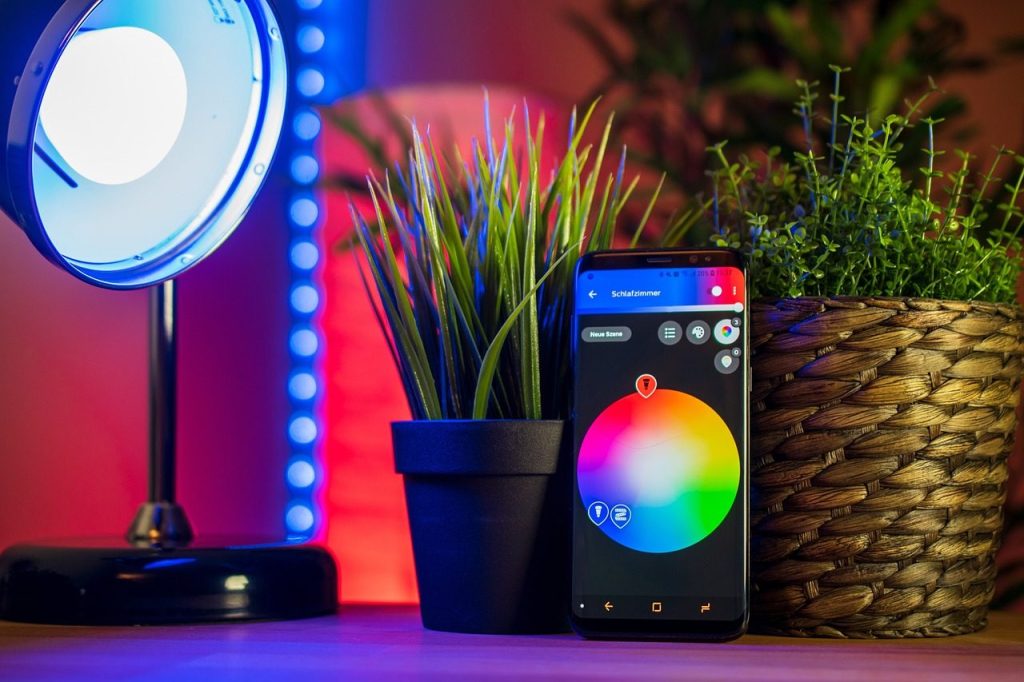
Smart lamps are especially useful in apartments, dorm rooms, and smaller homes. One lamp can act like a reading light, mood light, night light, and accent light.
That saves space and keeps rooms from feeling crowded. Instead of adding several lamps for different needs, one well-placed smart lamp can handle many jobs while keeping the design clean.
Accent lighting adds depth

Designers often use layers of light to make a room feel finished. Smart lamps make that easier because they can fill dark corners, glow behind furniture, or soften harsh overhead lighting.
This can make a simple room feel warmer and more polished. Even a basic table lamp can add depth when the brightness and color are adjusted to match the space.
Wellness is part of the pitch
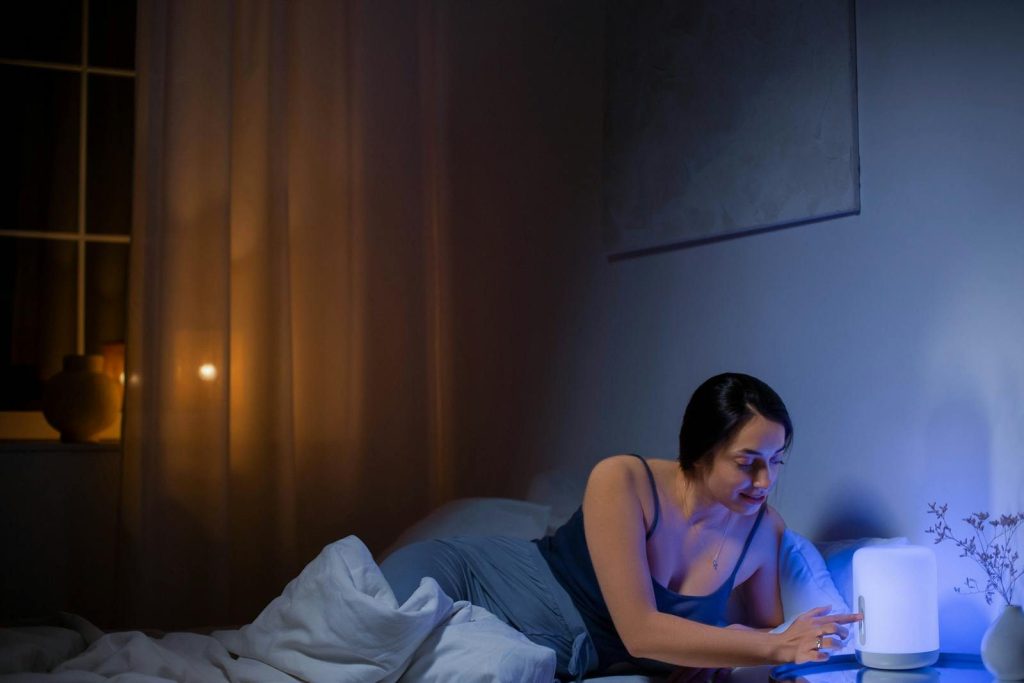
Some smart lighting is built around the idea of matching natural light patterns. Circadian lighting uses changing brightness and color temperature to echo daylight across the day.
For home design, that adds a new layer. A lamp is not only about style anymore. It can also help a room feel better suited for focus, rest, or winding down.
The best designs stay simple
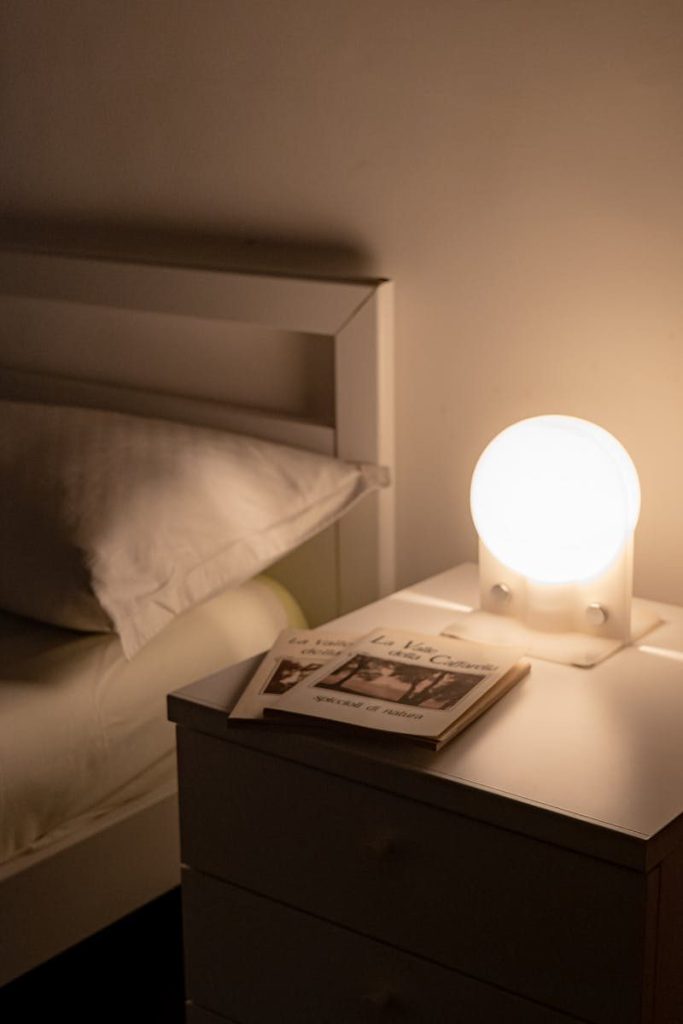
Smart lamps work best when they make life easier, not more complicated. A good setup should still feel natural, even if it has apps, scenes, schedules, and voice control behind it.
That is why the future of smart lamps may look calm, not flashy. The strongest designs will blend useful technology with warm light, simple controls, and a style that feels at home.
Leave a Reply