Electric cars have improved a lot, but many shoppers still think about the same questions: How far can it go? How fast can it charge? How long will the battery last? Solid-state batteries keep getting attention because they promise better answers to those questions. Unlike today’s common lithium-ion batteries, solid-state designs replace the liquid electrolyte with a solid material.
That change could help batteries store more energy, charge faster, and reduce some safety concerns. Toyota, Nissan, Stellantis, BMW, Mercedes-Benz, and other companies are testing or developing solid-state battery plans, but mass use is still not here yet. The excitement is real, but so are the challenges, including cost, materials, and large-scale manufacturing.
They promise longer range
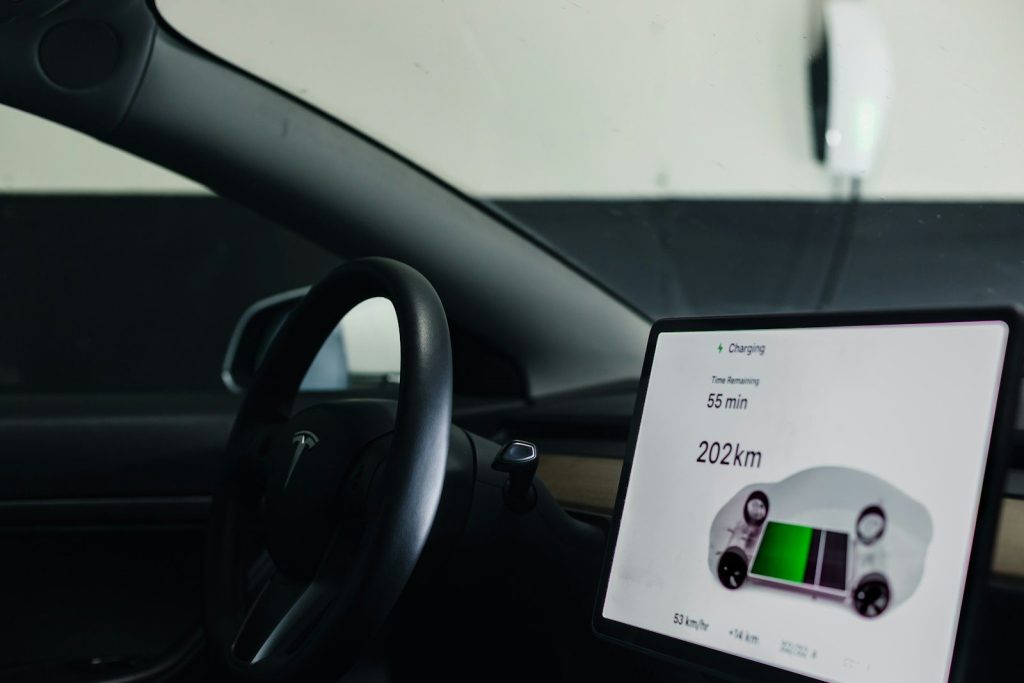
Range is one of the biggest reasons solid-state batteries get attention. Because they may store more energy in less space, future EVs could travel farther without needing a much larger battery pack.
That could make electric cars feel easier for road trips, commuting, and busy family schedules. Automakers are interested because better range can reduce charging stops and make EV ownership feel more practical for more drivers.
Charging could get faster
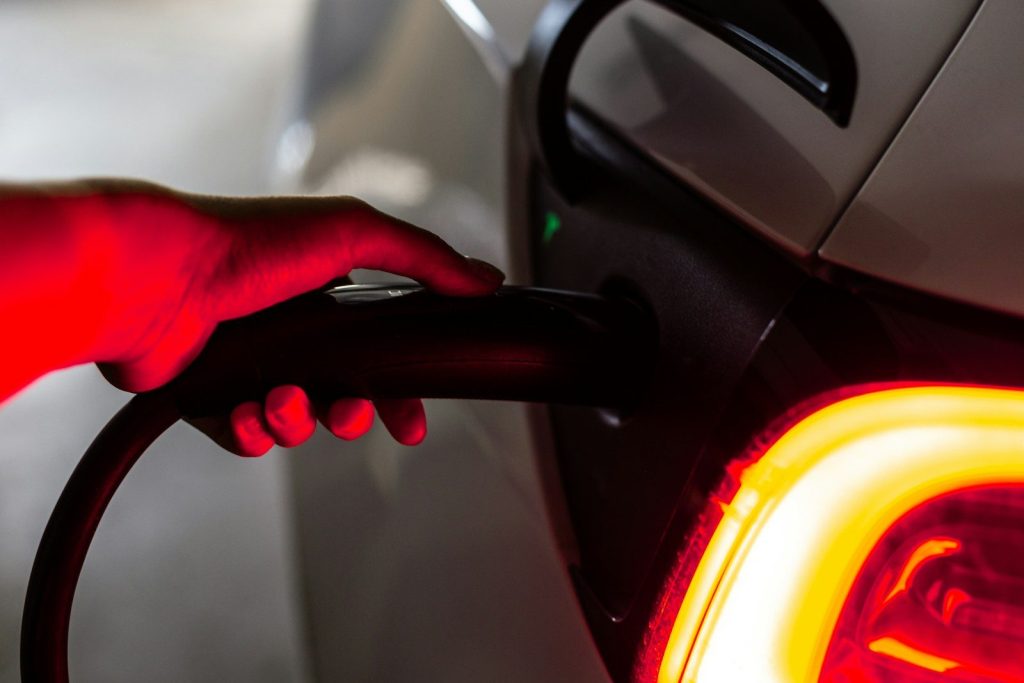
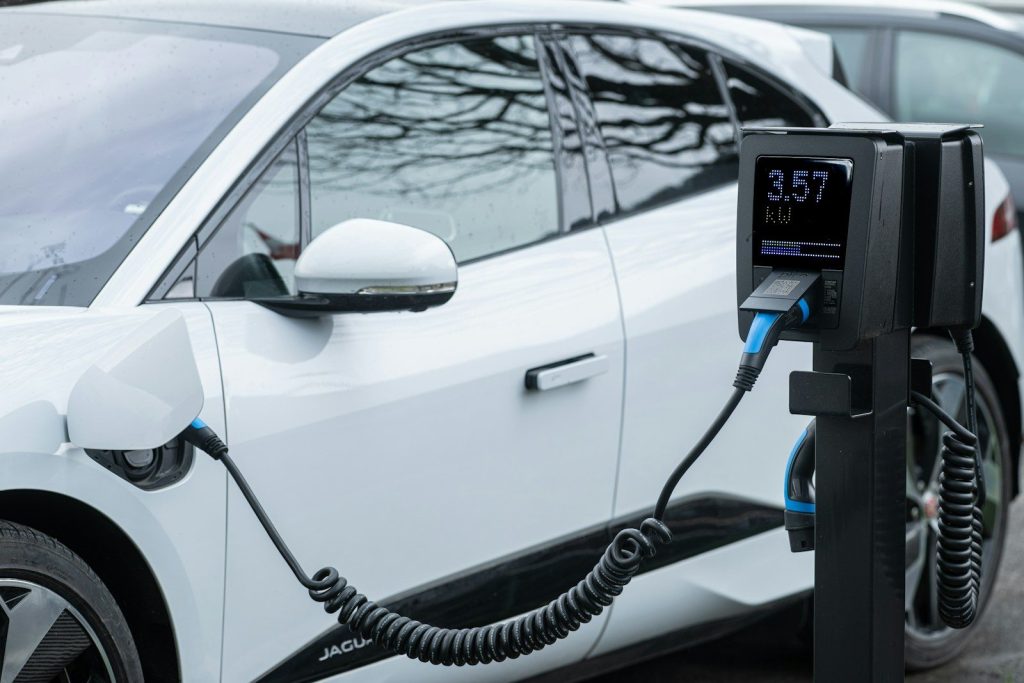
Charging speed is another major part of the buzz. Some solid-state battery tests and prototypes point toward shorter charging times than many current EV batteries can offer.
Stellantis and Factorial have reported solid-state cell progress, including testing that showed a 15% to 90% charge in 18 minutes under certain conditions. That does not mean every future EV will do this, but it shows why the technology gets so much attention.
Safety is a big draw
Today’s EV batteries are carefully engineered, but solid-state designs may offer added safety benefits because they reduce or remove flammable liquid electrolyte. That is one reason automakers and battery companies keep investing in the technology.
A safer battery design could help drivers feel more confident. It could also give carmakers more freedom when designing battery packs, cooling systems, and vehicle layouts in future electric models.
Batteries may become smaller
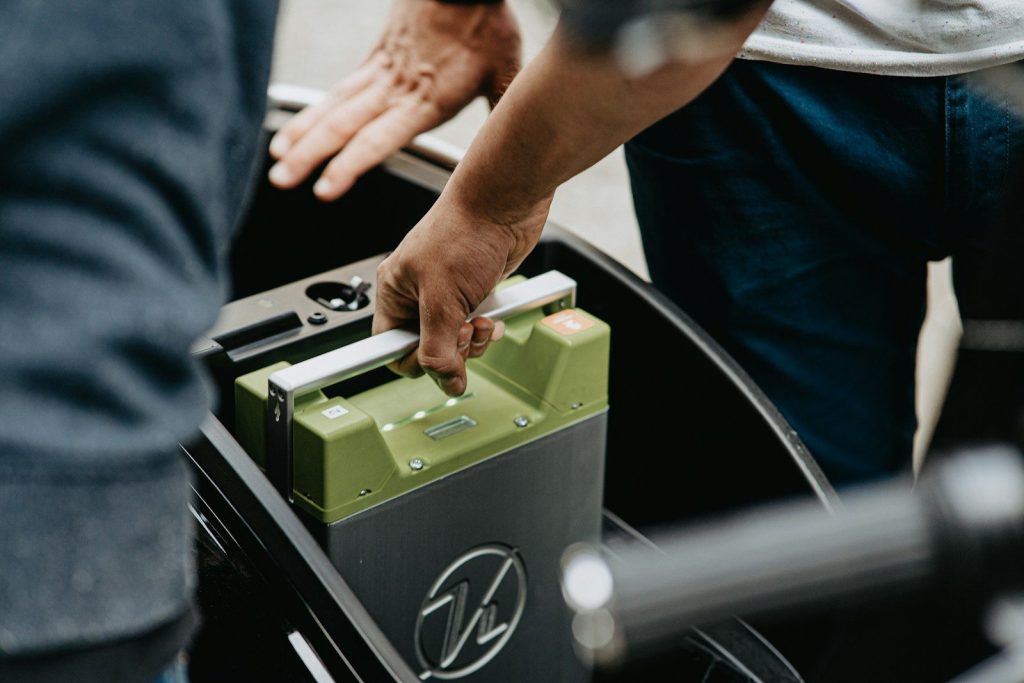
Solid-state batteries could help automakers pack more energy into a smaller space. That matters because battery size affects vehicle weight, cabin space, cargo room, and driving efficiency.
A smaller or lighter battery could make an EV feel better to drive. It could also help designers build sleeker cars, roomier interiors, or more efficient models without giving up the range customers expect.
Automakers are racing ahead
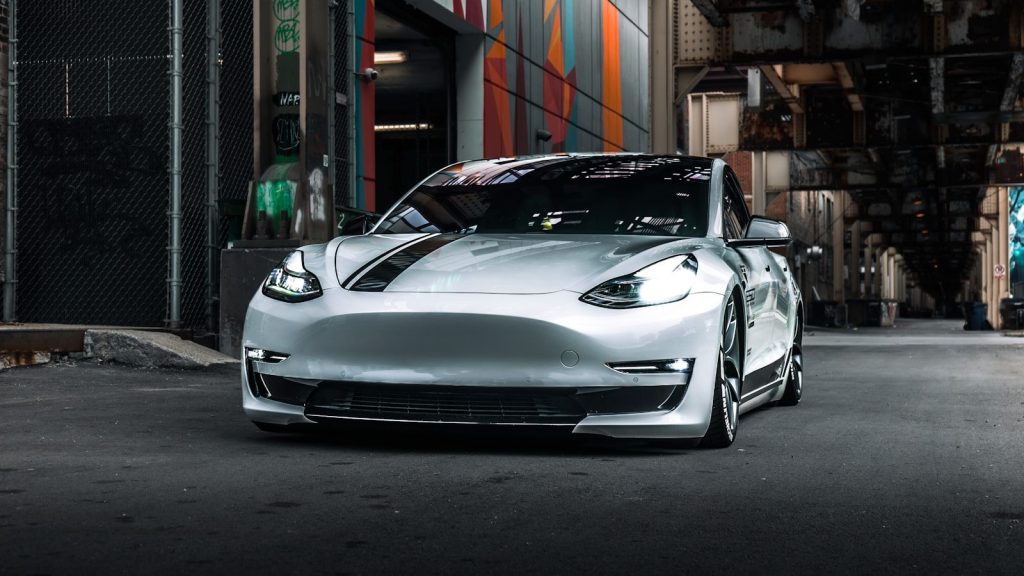
Toyota has said it is working toward practical use of all-solid-state batteries in EVs, with plans tied to the 2027 to 2028 period. Reuters also reported Toyota’s progress with Sumitomo Metal Mining on cathode materials for these batteries.
Nissan has also shown an all-solid-state battery pilot line in Japan and says it aims to launch EVs using the technology by fiscal year 2028. These timelines help explain why the topic keeps coming back.
The supply chain matters
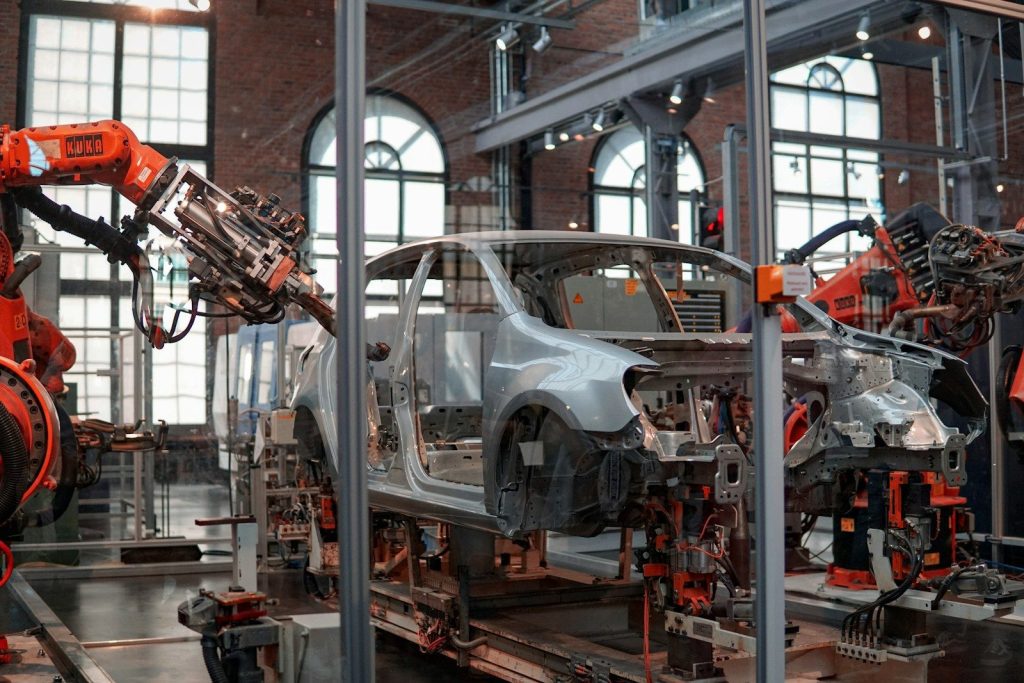
A great battery idea is not enough. Companies also need steady supplies of key materials, reliable factories, and production methods that can work at huge scale.
Reuters reported that Idemitsu plans a lithium sulphide plant to support Toyota’s solid-state battery goals, with the plant targeted for completion by June 2027. Moves like this show that the race is about factories and materials, not just lab results.
Costs are still a hurdle

Solid-state batteries sound exciting, but they are not easy or cheap to mass-produce yet. New materials, strict quality control, and factory upgrades can all add cost.
That is why these batteries may first appear in premium or limited models before becoming common. For most drivers, the big question is not only whether the technology works, but whether it can reach a price people can afford.
Lab success is not enough
Battery breakthroughs often look great in testing, but cars are harder. EV batteries must handle heat, cold, fast charging, vibration, long life, and thousands of daily use cases.
Researchers also continue working on technical issues such as durability, interfaces between materials, and scaling production. A 2025 battery review noted that solid-state batteries show strong promise, but the move from lab work to industry still brings connected challenges.
Drivers want less waiting
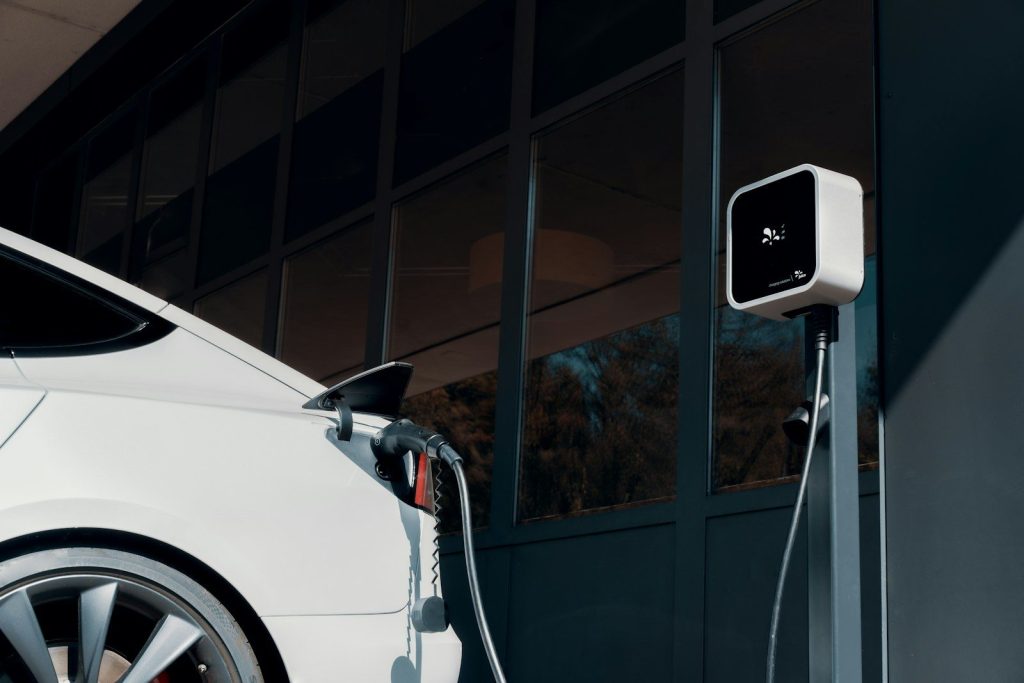
The attention around solid-state batteries is really about convenience. Drivers want EVs that go farther, charge faster, and feel easier to own.
If solid-state batteries deliver on those promises, they could make electric cars more attractive to people who are still unsure. Fewer charging stops and quicker top-ups would make EVs feel closer to the routine many drivers already know.
The hype needs patience
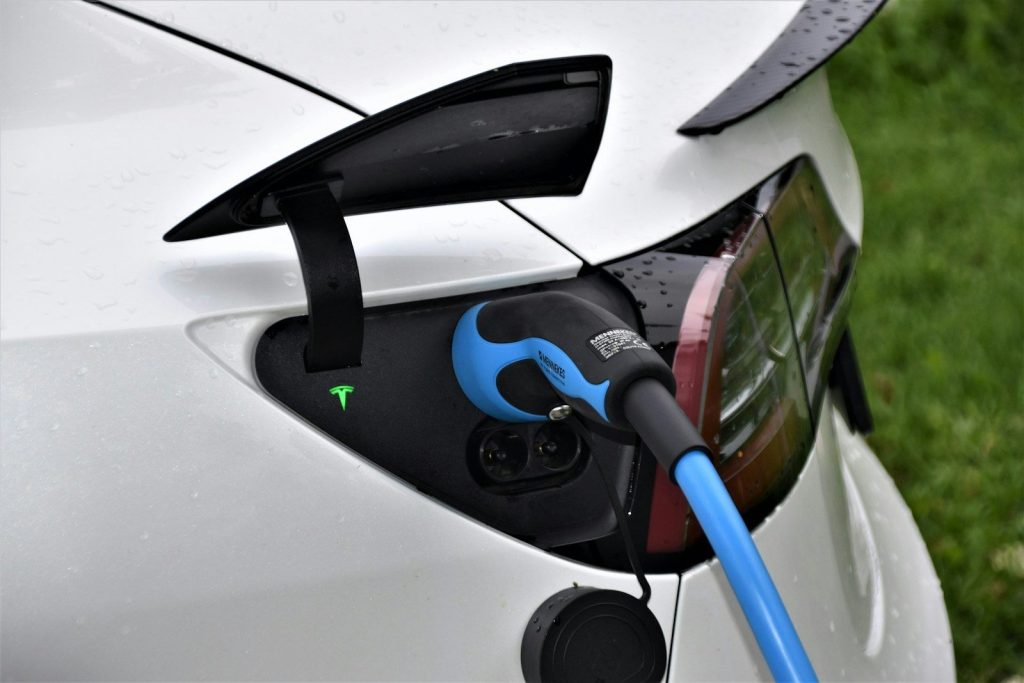
Solid-state EV batteries may become a major step forward, but they are not a magic switch. The industry still needs time to prove performance, safety, durability, production speed, and cost at real-world scale.
That is why the topic keeps getting attention year after year. The promise is big enough to matter, but the finish line is still ahead. For now, solid-state batteries are one of the most watched parts of the EV future.
Leave a Reply