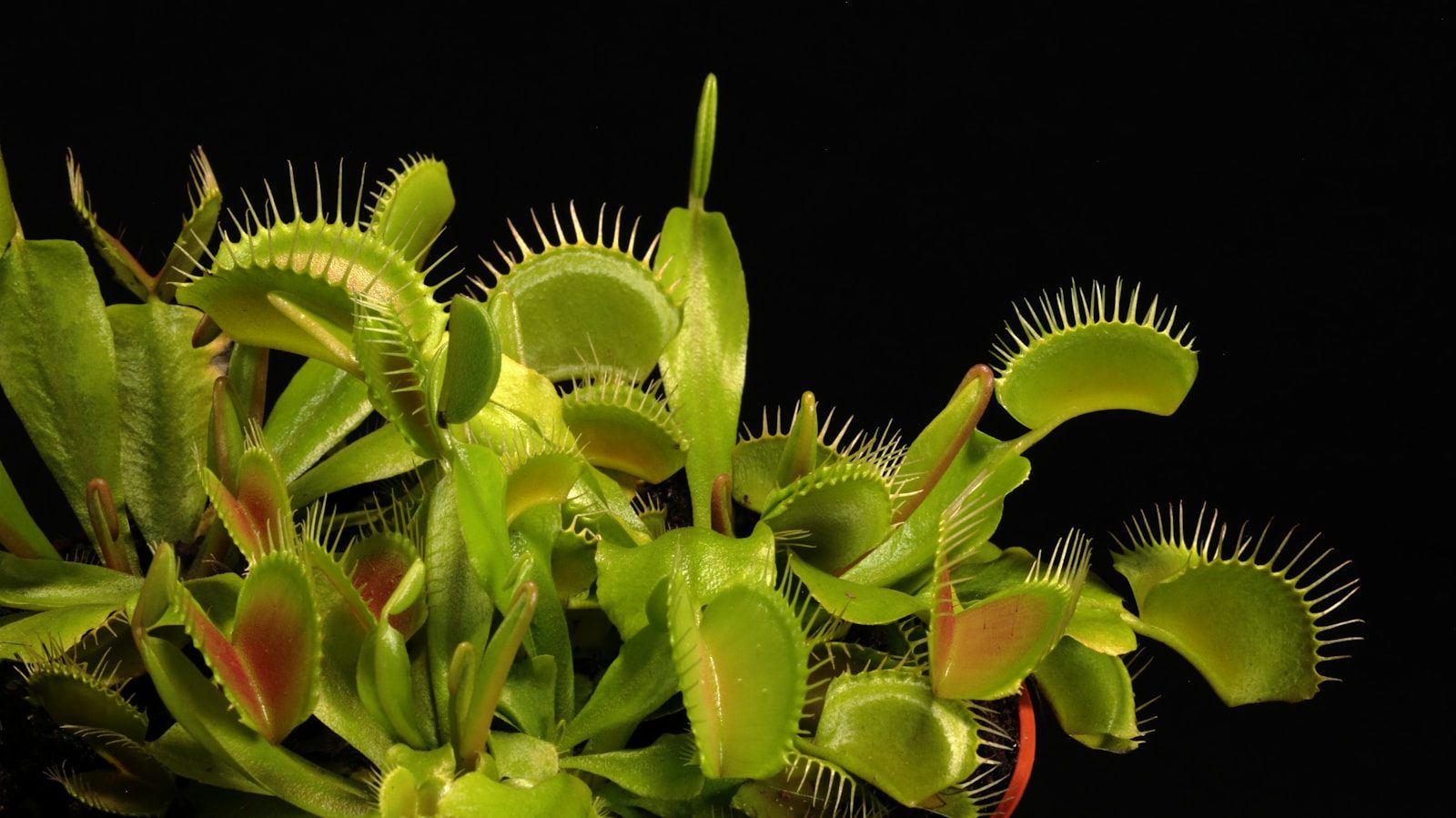
Most plants quietly pull nutrients from the soil, but carnivorous plants had to get creative. Many of them live in sunny, wet places where the ground is poor in key nutrients like nitrogen and phosphorus. Instead of giving up, they slowly turned ordinary leaves into clever traps. Some became sticky pads. Some became slippery pitchers.
Others became snap traps that close when touched. These plants still use sunlight to make food, but insects and other tiny creatures help fill the nutrient gap. The Royal Botanic Gardens, Kew explains that carnivorous plants evolved trapping and digesting skills because their habitats often lack the nutrients plants need for strong growth.
Poor soil changed everything
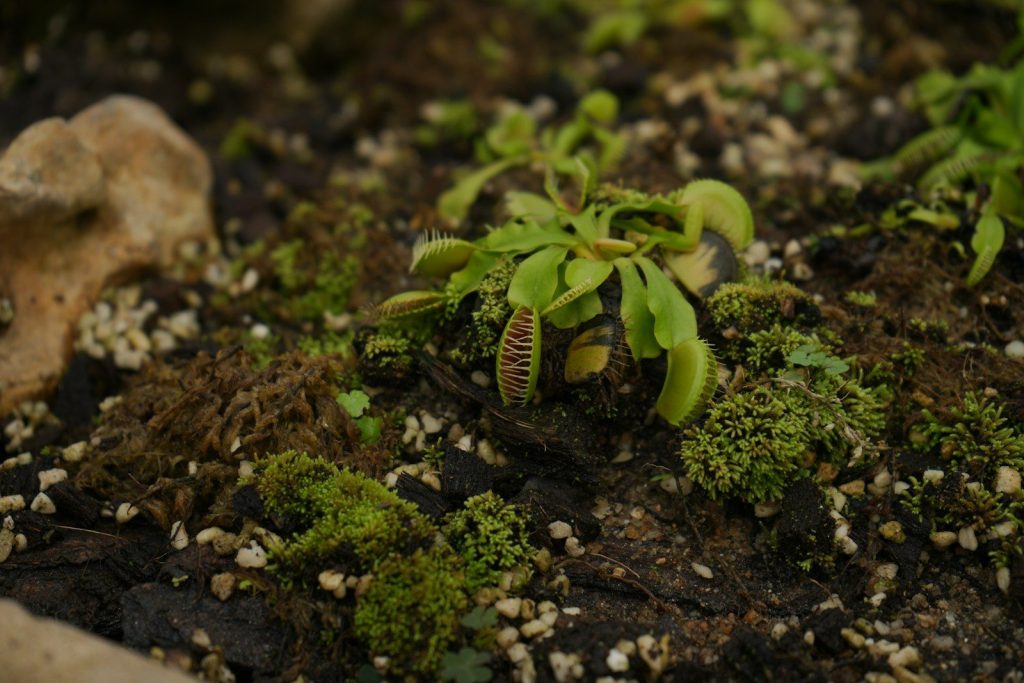
Carnivorous plants did not become hunters because they stopped being plants. They still use sunlight, air, and water to make their own food through photosynthesis.
The problem was the soil. In bogs, wetlands, and other nutrient-poor places, roots may not get enough nitrogen or phosphorus. Trapping insects became a clever backup plan for survival.
Leaves became useful tools
The traps on carnivorous plants are usually modified leaves. Over time, these leaves changed shape and purpose, becoming pitchers, sticky pads, snap traps, or tiny suction chambers.
That change gave the plants a better way to collect nutrients. Instead of only depending on roots, they could use leaves to attract, trap, and digest small prey.
They still need sunlight
Carnivorous plants may catch insects, but they are not like animals. They do not hunt for energy in the same way a bird or frog does.
They still depend on sunlight to make sugar. The trapped prey mainly supplies extra nutrients, helping the plant grow in places where the soil cannot provide enough.
Pitchers work like jars
Pitcher plants use leaves shaped like deep cups or tubes. Many have slippery sides, sweet scents, or bright colors that help draw insects closer.
Once an insect falls inside, getting out can be hard. The plant can then break down the prey and absorb helpful nutrients from it.
Sticky leaves hold tight
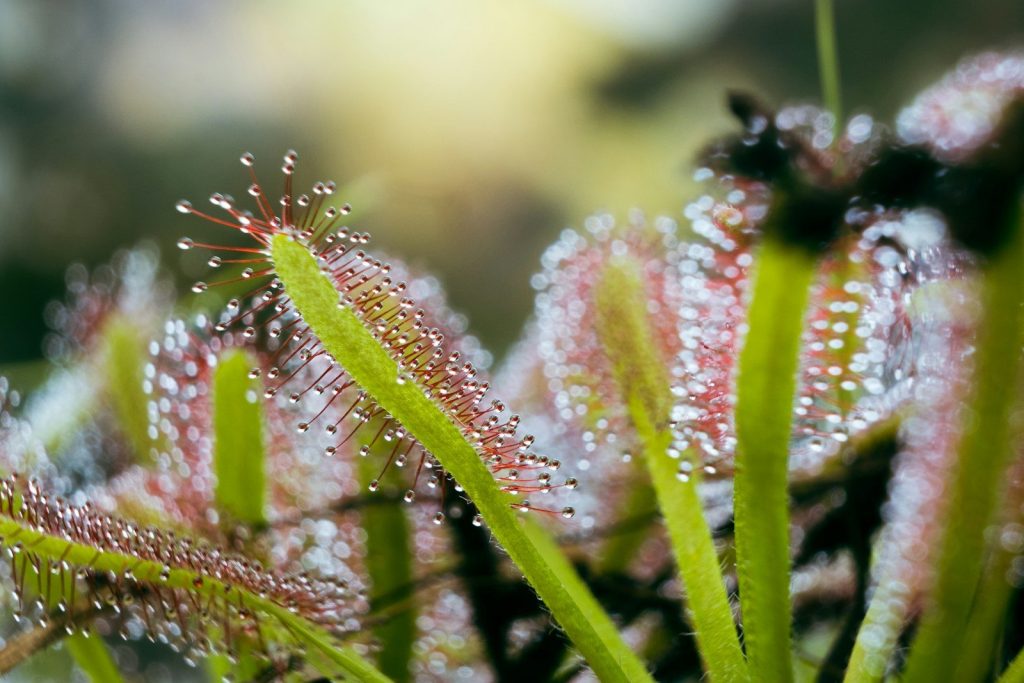
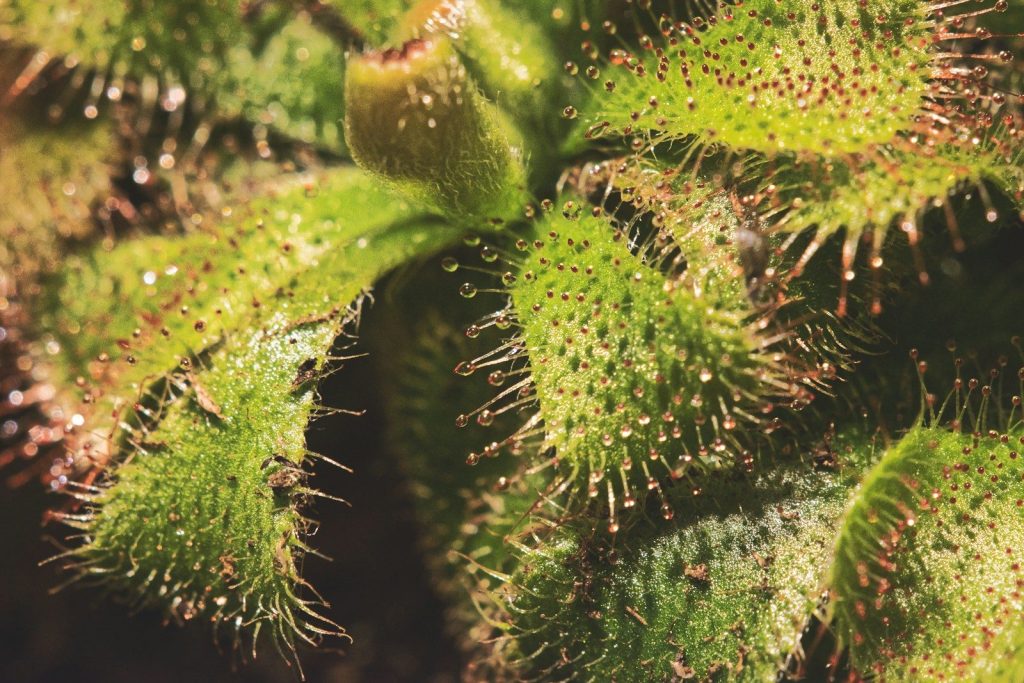
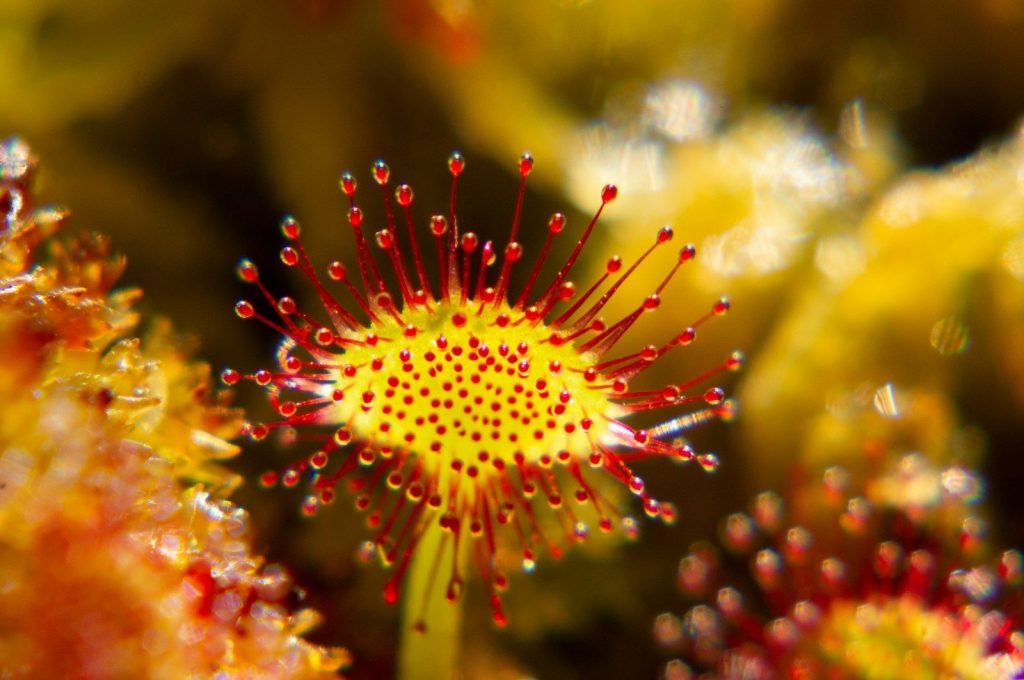
Sundews and butterworts use a different trick. Their leaves have sticky surfaces that can trap small insects when they land.
On sundews, the shiny drops can look like harmless dew. But once an insect gets stuck, the plant slowly works around it and begins the digestion process.
Snap traps save effort
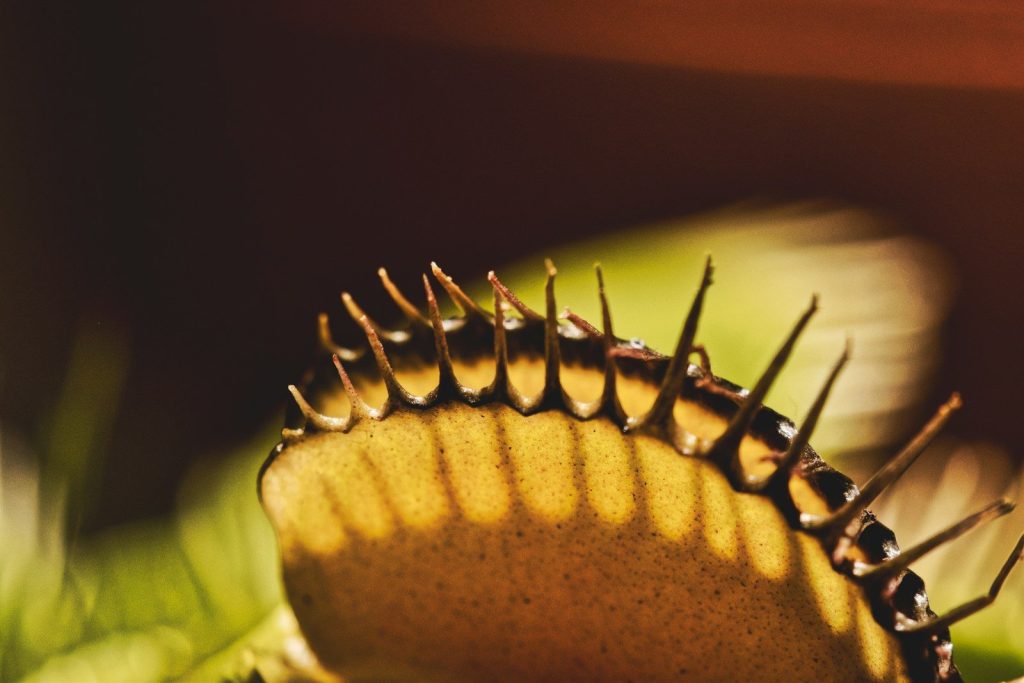
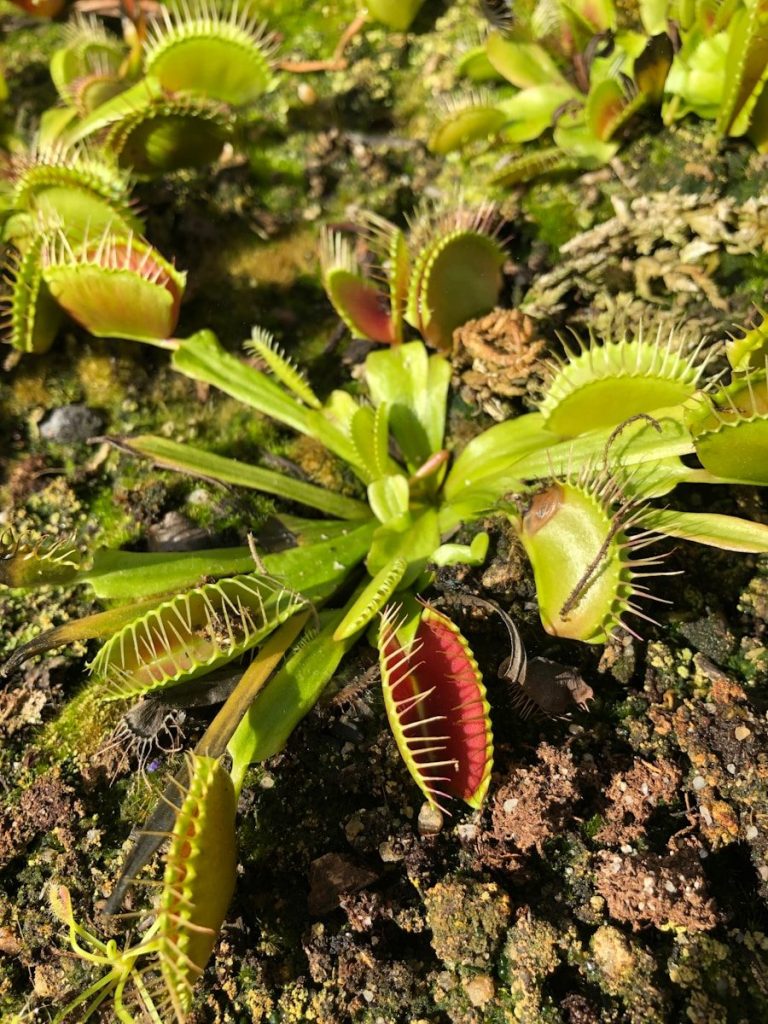
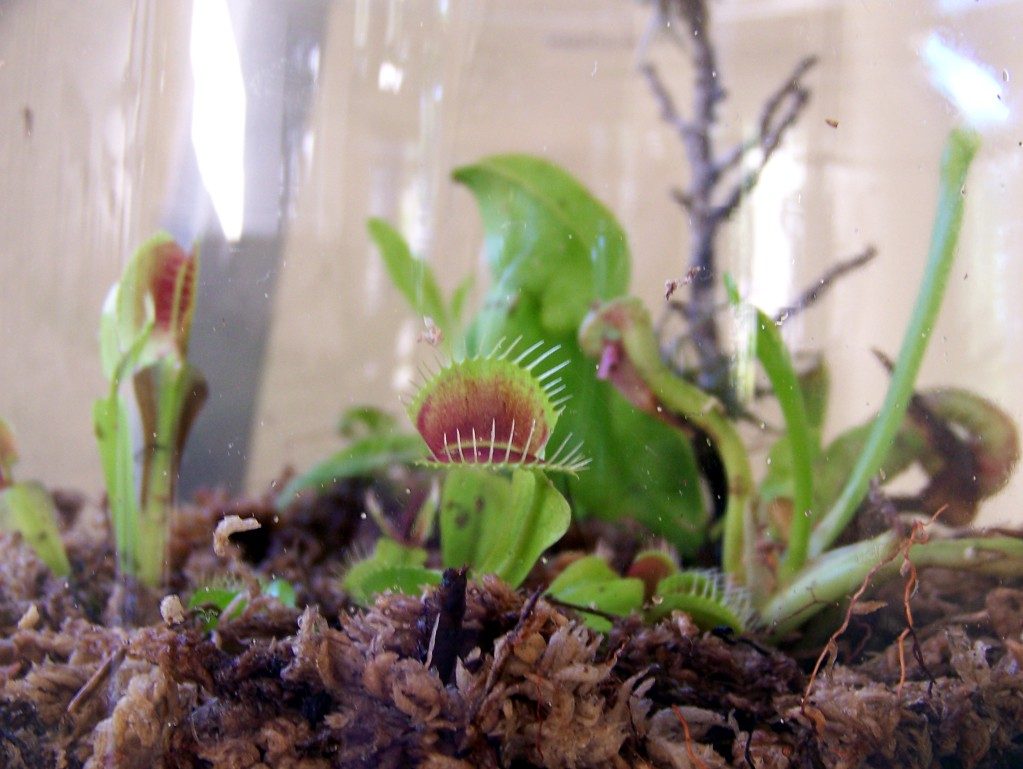
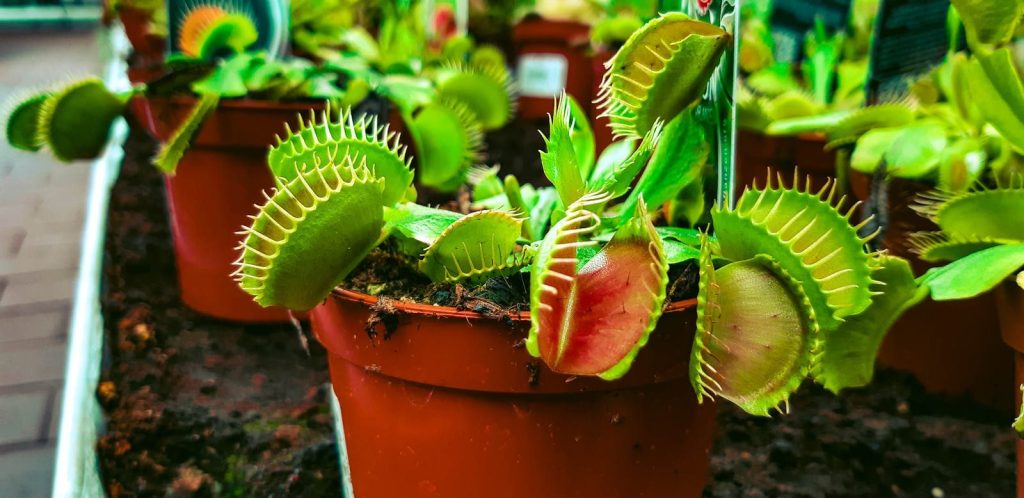
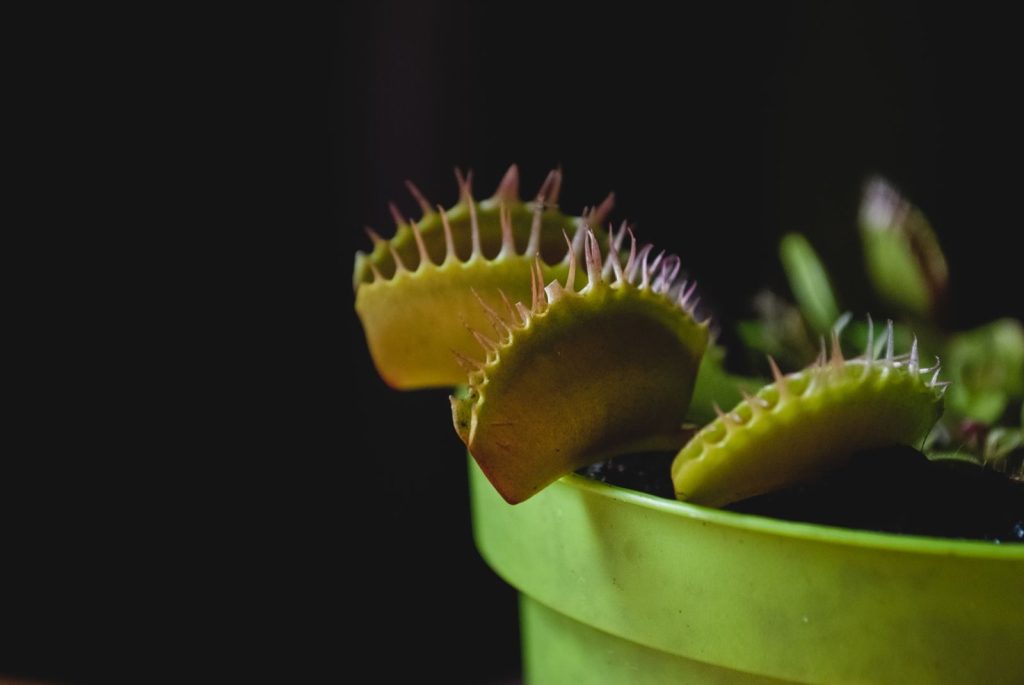
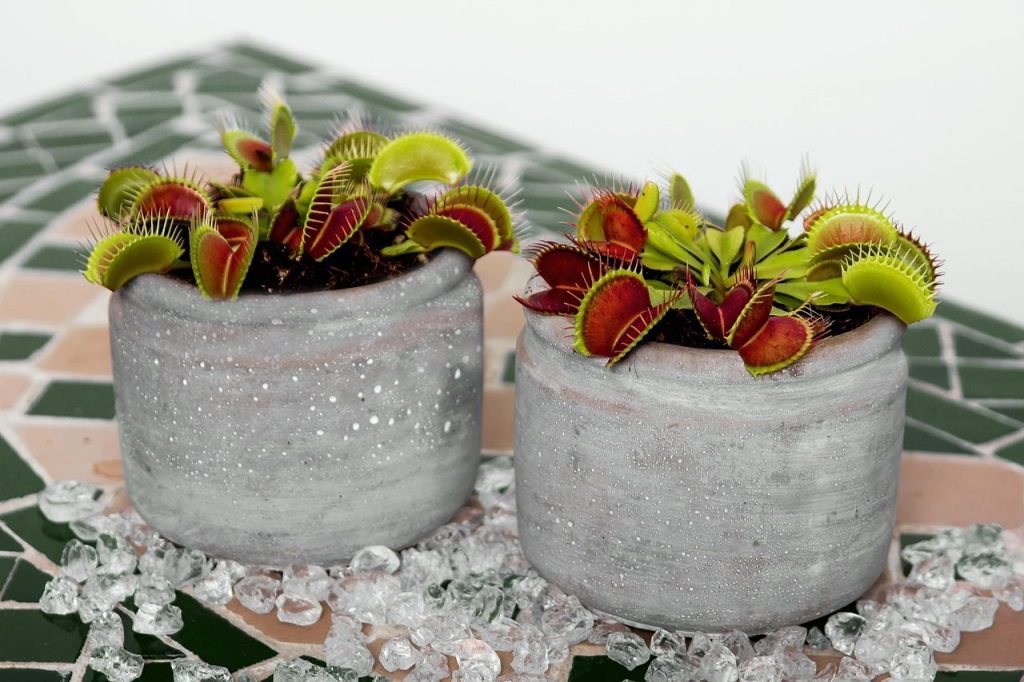
The Venus flytrap is famous because its leaves can close quickly. Tiny trigger hairs help the plant sense when something is inside the trap.
This fast movement helps the plant avoid wasting energy. A trap usually needs the right touch pattern before it closes fully, which helps it respond to real prey.
Water plants got clever
Some carnivorous plants live in water, where soil nutrients may also be limited. Bladderworts use tiny bladder-like traps that pull in small aquatic creatures.
These traps are very different from pitchers or sticky leaves. They show how plants in different habitats found different ways to solve the same nutrient problem.
Traps come with costs
Turning a leaf into a trap is not free. A trap may not collect sunlight as well as a flat green leaf, and building it takes energy.
That is why carnivory makes the most sense in special places. When sunlight and water are available, but soil nutrients are low, traps can be worth the cost.
Many traps evolved separately
Carnivorous plants are not all close relatives. Different plant groups developed trapping methods in separate places and at different times.
That makes them a great example of nature finding similar answers to the same challenge. Poor soil pushed many plants toward the same basic idea: catch nutrients another way.
Nature rewards smart design
Carnivorous plants turned leaves into traps because survival demanded it. Their strange shapes are not just for looks; they are practical tools shaped by tough habitats.
From sticky sundews to deep pitcher plants, each trap tells a simple story. When the ground did not give enough, these plants found another way to grow.
Leave a Reply