Author: Dylan

  • The End of Manual Coding: How 2026’s “Intent-Driven” AI is Rewriting Itself

    The End of Manual Coding: How 2026’s “Intent-Driven” AI is Rewriting Itself

    For decades, if you wanted to build an app or a website, you had to learn a complex language like Python or Java. You had to type out thousands of lines of code, and one single typo could break everything. But in 2026, the era of the “coder” is being replaced by the era of the “thinker.” A new technology called “Intent-Driven AI” has arrived. Instead of typing code, you simply describe what you want in plain English.

    The AI doesn’t just suggest a few lines; it builds the entire system from scratch. But here is the real magic: if there is a problem, the AI identifies it and rewrites its own brain to fix it. We are moving from “writing” software to “talking” software into existence. It is a total revolution for the tech world. But how can a machine truly understand what a human is thinking?

    Beyond Simple Chatbots

    software developer, web developer, programmer, software engineer, technology, tech, web developer, programmer, programmer, software engineer, technology, technology, technology, tech, tech, tech, tech, tech
    Photo by Innovalabs on Pixabay

    You might be used to AI that can write a poem or an email. Intent-Driven AI is much more powerful. It understands the “why” behind your request. If you say, “Build me a store that sells shoes,” it knows you need a payment system, a database, and a security layer.

    It builds all of these things automatically and makes sure they talk to each other perfectly. It is like having a team of a thousand developers working for you in a single second. It never gets tired and it never makes a typo. But can this AI handle the most complex apps on your phone?

    The AI That Debugs Itself
    black flat screen computer monitor
    Photo by Ahmed Atef on Unsplash

    The most expensive part of software used to be “debugging”—finding and fixing mistakes. Intent-Driven AI does this in real-time. As it writes the software, it is constantly checking for errors and security holes.

    If it finds a way to make the app faster, it simply rewrites that section on its own. It is a “living” piece of software that gets better every day without any human help. It is the end of the “software update” as we know it. But does this mean we don’t need human developers anymore?

    The New Role of the Creative Mind

    man in gray sweater standing beside wall
    Photo by Álvaro Bernal on Unsplash

    We are seeing a shift from “how to build” to “what to build.” Human developers are becoming “Architects of Intent.” Instead of worrying about where a semicolon goes, they are focusing on user experience and big ideas.

    This means that anyone with a great idea can now build a billion-dollar company from their bedroom. It is the democratization of technology. The only limit is your imagination. But how does this AI keep our data safe while it rewrites itself?

    Security That Evolves with the Threat

    A piece of cardboard with a keyboard appearing through it
    Photo by Immo Wegmann on Unsplash

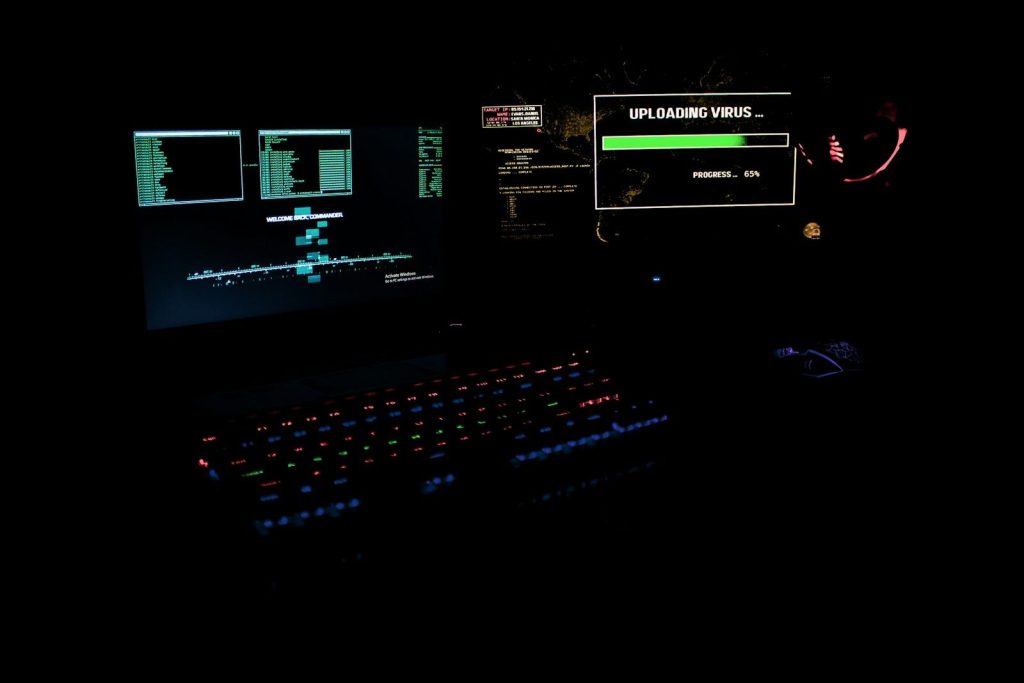
    Hackers are getting smarter, but Intent-Driven AI is faster. Because it can rewrite its own code, it can patch a security hole before a human even knows it exists. It is a self-healing digital fortress.

    If a new virus is discovered, the AI learns its “DNA” and adapts its defenses instantly. It is a level of safety that was impossible with static, human-written code. We are finally winning the war against cyber-crime. But is there a catch to letting machines write themselves?

    The Fear of the “Black Box”

    smartphone, computer, technology, business, modern, programming, app, lab, testing, informatics, android, exhibition, innovations, buy, store, studies, education, engineering, modernity, keyboard, monitor, screen, telephone, the industry, presentation, computer specialist, trends, electronics, testing, testing, testing, testing, android, android, android, android, android
    Photo by AS_Photography on Pixabay

    Some experts worry that if AI writes its own code, humans will eventually stop understanding how our own machines work. This is known as the “Black Box” problem. To prevent this, the 2026 AI is designed to be “transparent.”

    It creates a plain-language report explaining every change it makes. It is like an open-book exam for the machine. We are keeping the “human in the loop” to ensure everything stays on track. But how fast is this technology changing the economy?

    A Billion-Dollar Idea Every Minute

    a computer screen with a bunch of buttons on it
    Photo by Levart_Photographer on Unsplash

    The speed of innovation is moving from years to seconds. A company can now test a thousand different versions of its website in a single afternoon. This is leading to a massive boom in new startups and products.

    We are seeing solutions for climate change and health being built at record speed. It is a high-speed era of discovery. The barriers to entry have officially been smashed. But while our digital world moves fast, our physical world is starting to heal itself. Have you seen the house that fixes its own cracks?

    The Future is Whatever You Intend

    white and brown living room set
    Photo by Roberto Nickson on Unsplash

    Intent-Driven AI is the ultimate tool for the human spirit. It takes the “boring” work out of technology and leaves us with the “magic.” We are building a world that responds to our thoughts and needs in real-time.

    It is a hopeful and exciting time to be a creator. The future isn’t written in code; it’s written in intent. But wait until you see how the very walls of your home are becoming part of this smart network. Are you ready for the self-healing home?

    Featured Image: Photo by AMONWAT DUMKRUT on Unsplash
  • Why You Should Stop Fearing CAR-T Side Effects (The CRISPR Solution)

    Why You Should Stop Fearing CAR-T Side Effects (The CRISPR Solution)

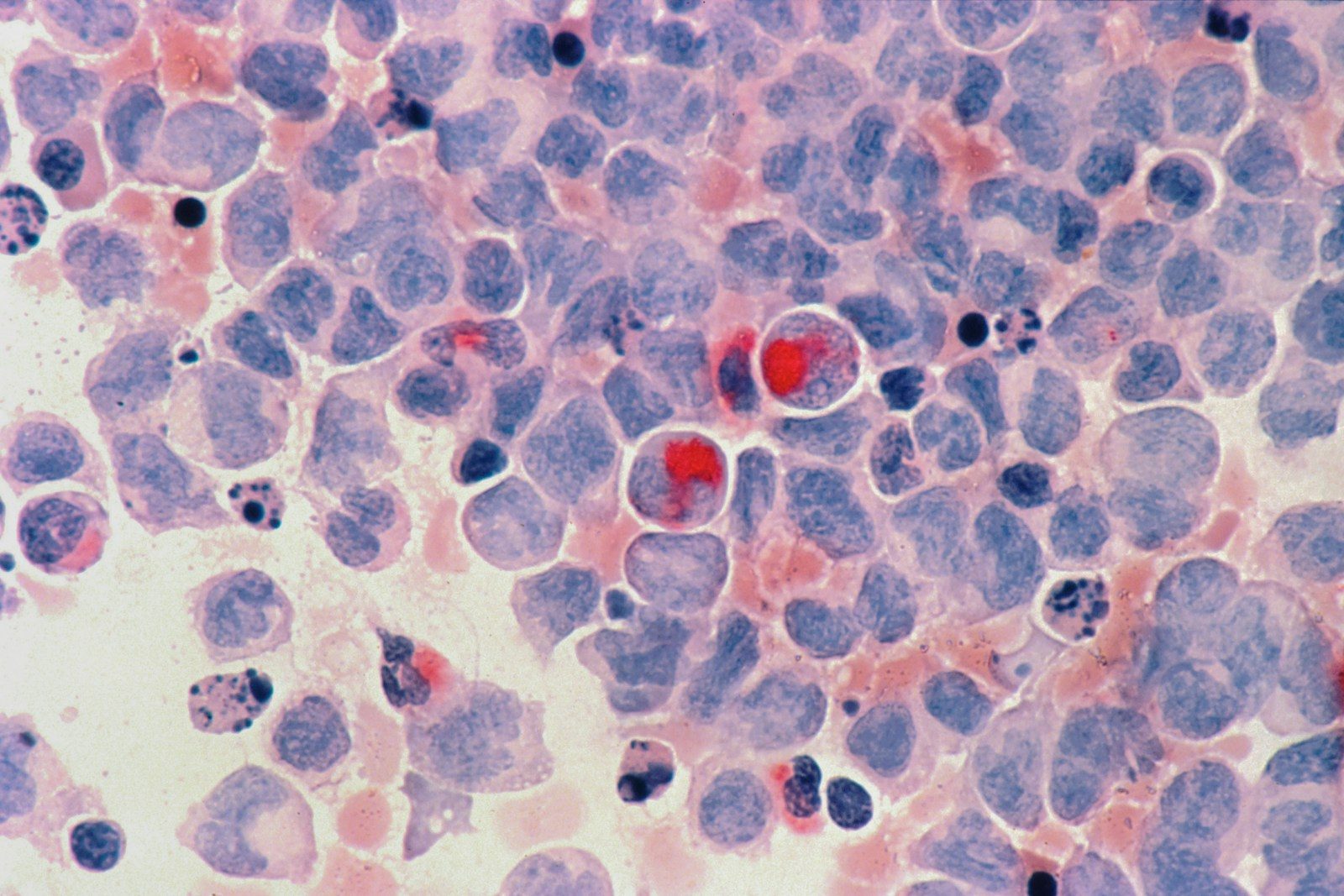
    For years, a revolutionary cancer treatment called CAR-T therapy has been making headlines. It works by taking a patient’s own immune cells and “teaching” them to hunt down cancer like a heat-seeking missile. It has saved lives, but it has a scary reputation. Some patients suffer from intense side effects like high fevers or brain fog as their immune system goes into overdrive. But in 2026, a new breakthrough using CRISPR gene-editing technology has fixed this problem.

    Scientists are now using CRISPR to “fine-tune” these warrior cells before they are put back into the body. This isn’t just about killing cancer; it’s about doing it safely. We are entering an era where the treatment is as gentle as it is powerful. The fear of the “immune storm” is quickly becoming a thing of the past. But how do you tell a microscopic cell to calm down when the fight is over?

    The Genetic “Off Switch” for Medicine

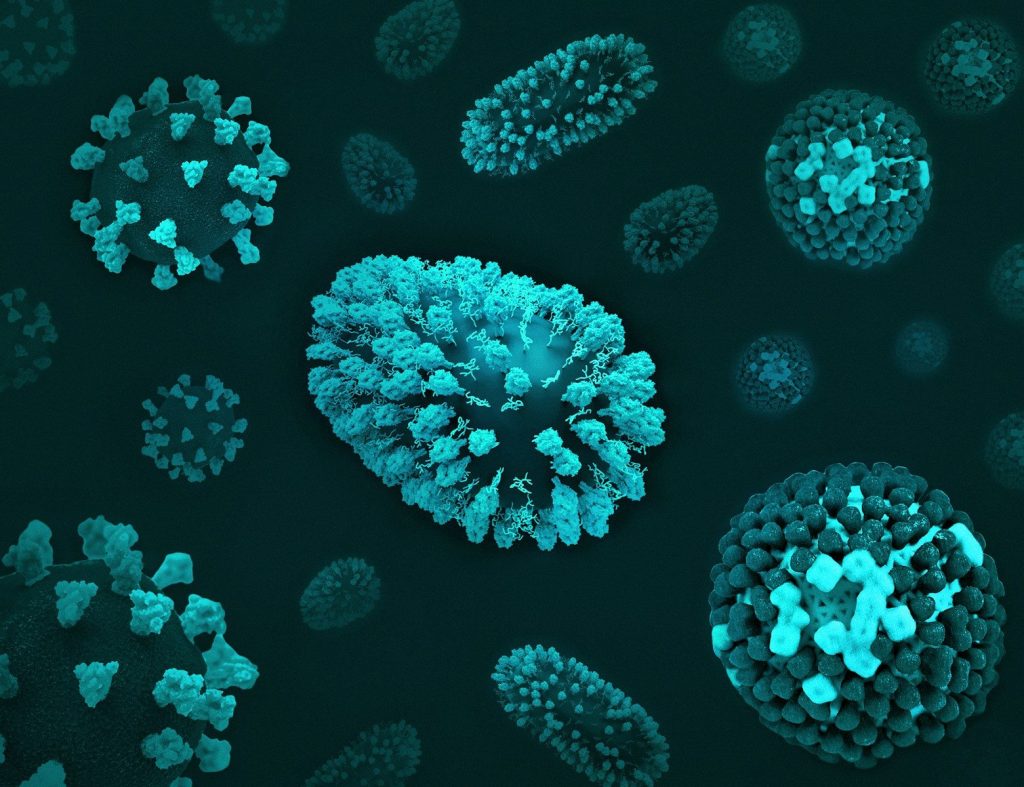
    covid-19, health, coronavirus, corona, virus, quarantine, covid, mask, pandemic, nurse, disease, hygiene, medical, epidemic, infection, protection, shopping, doctor, sars-cov-2, transmission, outbreak, healthcare, flu, cleaning, bacteria, blue doctors, blue shop, blue healthcare, blue clean, health, virus, covid, nurse, medical, medical, doctor, doctor, doctor, doctor, doctor, healthcare
    Photo by Excellentcc on Pixabay

    The biggest danger of old CAR-T therapy was that the cells wouldn’t stop fighting. They would keep attacking even after the cancer was gone, causing damage to healthy tissue. With CRISPR, researchers have added a “safety switch” to the cells’ DNA.

    If the patient’s body starts to react too strongly, doctors can give a simple pill that tells the CAR-T cells to take a break. It is a level of control that was impossible just a few years ago. We are no longer just letting a medicine loose; we are driving it. But can this technology handle the most difficult cancers?

    Targeting Cancers with Perfect Precision

    water droplets on glass during daytime
    Photo by Braňo on Unsplash

    CRISPR allows scientists to remove the “blind spots” that cancer cells use to hide. Many tumors produce a protein that tricks the immune system into thinking they are healthy tissue.

    By editing the CAR-T cells, we can give them “super-vision” that sees right through the tumor’s disguise. This means the cells only attack the cancer and leave everything else alone. It reduces the “friendly fire” that caused so many side effects in the past. But is this high-tech treatment affordable for the average patient?

    Reducing the Time and the Cost

    a group of red and black cells on a blue background
    Photo by National Institute of Allergy and Infectious Diseases on Unsplash

    One of the biggest side effects for families was the cost and the wait. It used to take weeks to grow enough CAR-T cells for a single patient. CRISPR has sped up this process by making the cells more efficient at multiplying in the lab.

    We are moving toward “off-the-shelf” CAR-T therapy that can be given to a patient the same day they are diagnosed. This reduces the stress on the patient and the burden on the hospital. It is a total reset for cancer care. But what happens to the patient’s immune system in the long run?

    A Stronger Body After Treatment

    child sitting on bed
    Photo by National Cancer Institute on Unsplash

    In the past, patients were often left weak after their battle with cancer. The CRISPR-enhanced cells actually help protect the rest of the immune system during the fight. Because the treatment is so targeted, the patient doesn’t need heavy chemotherapy or radiation.

    They can stay strong and recover faster. We are seeing patients return to their normal lives in weeks instead of months. It is a miracle of modern engineering that happens at the molecular level. But can this technology be used for other diseases?

    The End of Autoimmune Struggles

    a group of blue and green cells on a black surface
    Photo by National Institute of Allergy and Infectious Diseases on Unsplash

    The lessons we are learning from CRISPR and CAR-T are already being used to treat diseases like Lupus and Multiple Sclerosis. Instead of telling the cells to attack, scientists are teaching them to “ignore” the healthy parts of the body.

    It is the same technology used in a completely different way. We are effectively “debugging” the human immune system. The future of medicine is no longer about drugs; it is about data and editing. But are there any risks to changing our DNA like this?

    The Ethics of the “New” Human

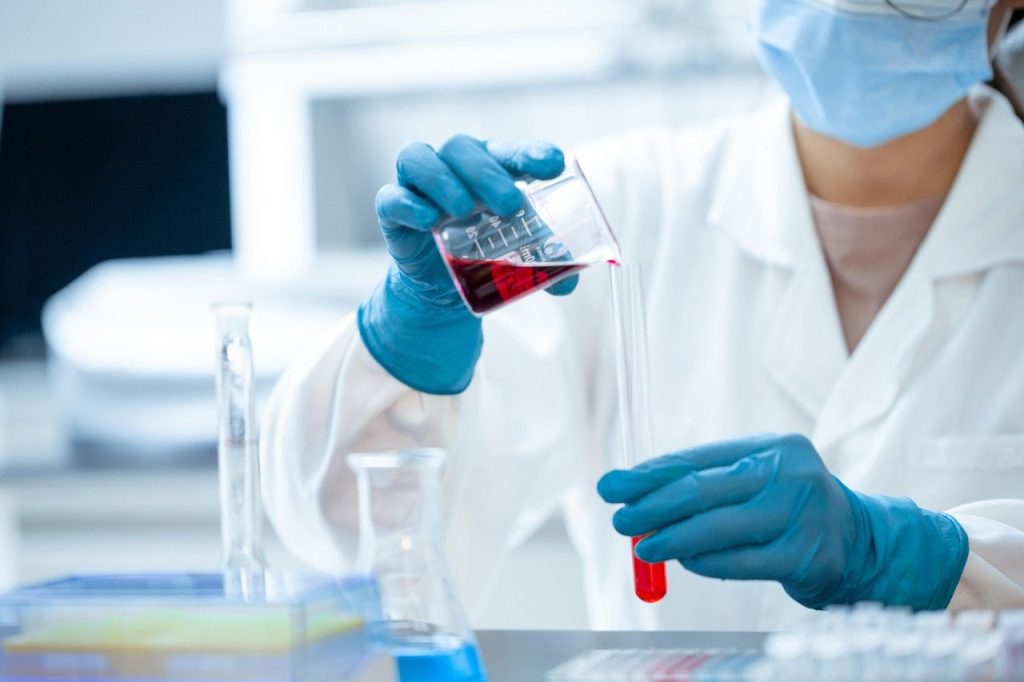
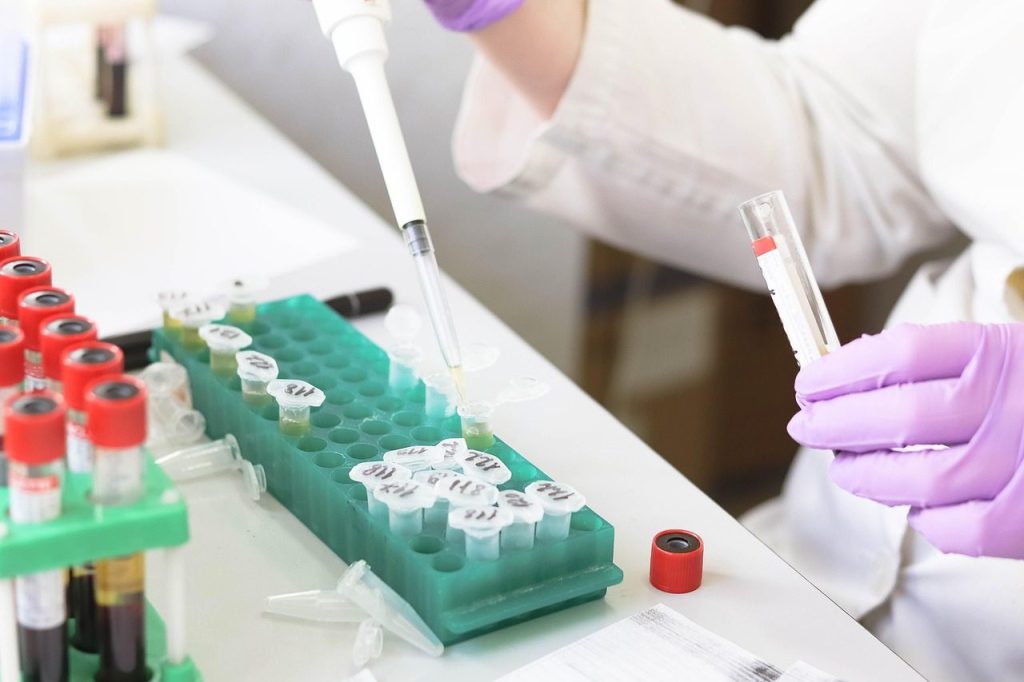
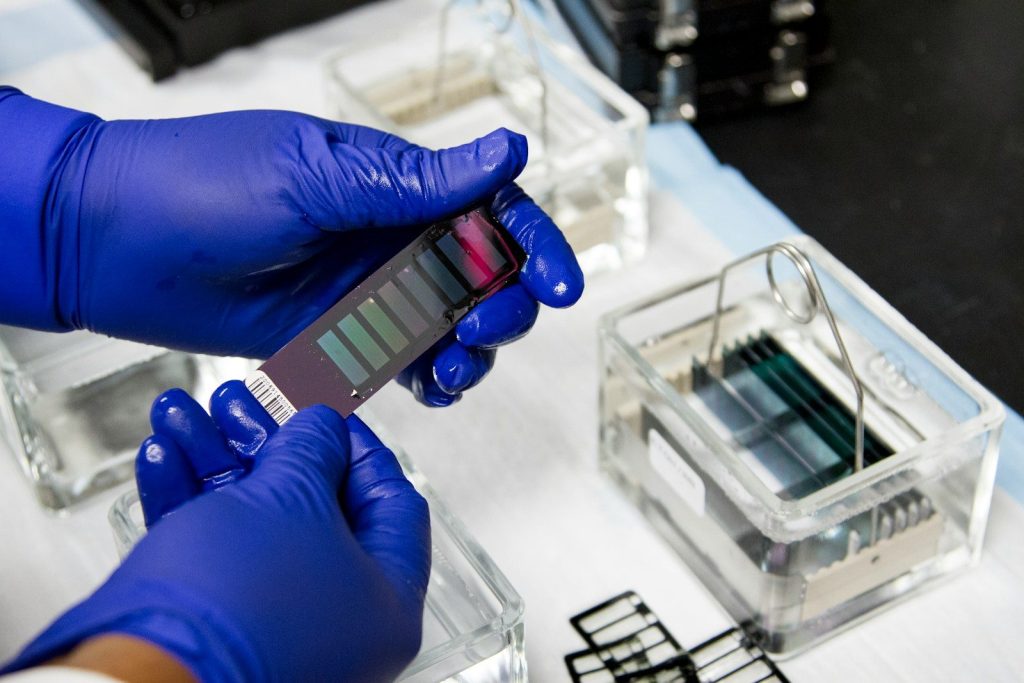
    laboratory, medical, medicine, hand, research, lab, test, doctor, equipment, scientist, woman, chemistry, science, hospital, experiment, person, technician, technology, healthcare, working, health, tube, work, research lab, blood samples, laboratory, lab, lab, scientist, scientist, scientist, scientist, scientist
    Photo by Belova59 on Pixabay

    Doctors and philosophers are working together to make sure this technology is used safely. Every CRISPR edit is tracked and monitored by international health agencies. We are making sure that these “super cells” only do what they are supposed to do.

    The focus is entirely on healing, not on changing who we are. It is a responsible approach to a powerful tool. The results so far have been nothing short of life-changing. But while we fix our bodies, what is happening to the way we build the world around us?

    A Hopeful Future for Everyone

    man in white button up shirt holding white tablet computer
    Photo by National Cancer Institute on Unsplash

    The CRISPR-CAR-T breakthrough is proof that we can solve the world’s biggest health problems if we work together. We have turned a terrifying treatment into a safe and accessible cure. The word “incurable” is disappearing from the medical dictionary.

    It is an exciting time to be alive. We are taking the fear out of cancer and replacing it with hope. But while we master biology, our machines are learning to think for themselves. Are you ready to see how AI is writing its own code?

    Featured Image: Photo by National Cancer Institute on Unsplash

  • Could the “W-State” Discovery Finally Make Your Data Unhackable?

    Could the “W-State” Discovery Finally Make Your Data Unhackable?

    The internet as we know it is built on a very fragile foundation. Every time you send an email or check your bank account, you are trusting that a hacker isn’t watching. For decades, we have used complex math to hide our secrets. But as computers get faster, those mathematical walls are starting to crumble. In 2026, scientists have announced a breakthrough involving something called the “W-State.” This is a specific way of linking quantum particles that creates a permanent, unbreakable bond.

    It is a level of security that feels like magic. If someone tries to peek at your data, the “W-State” particles instantly change. This alert tells the system to shut down the connection before a single bit of info is stolen. We are talking about a future where identity theft and massive data breaches simply cannot happen. It is the ultimate digital shield for a world that is moving faster than ever. But how does this tiny particle trick actually stop a professional hacker?

    The Power of Quantum Entanglement

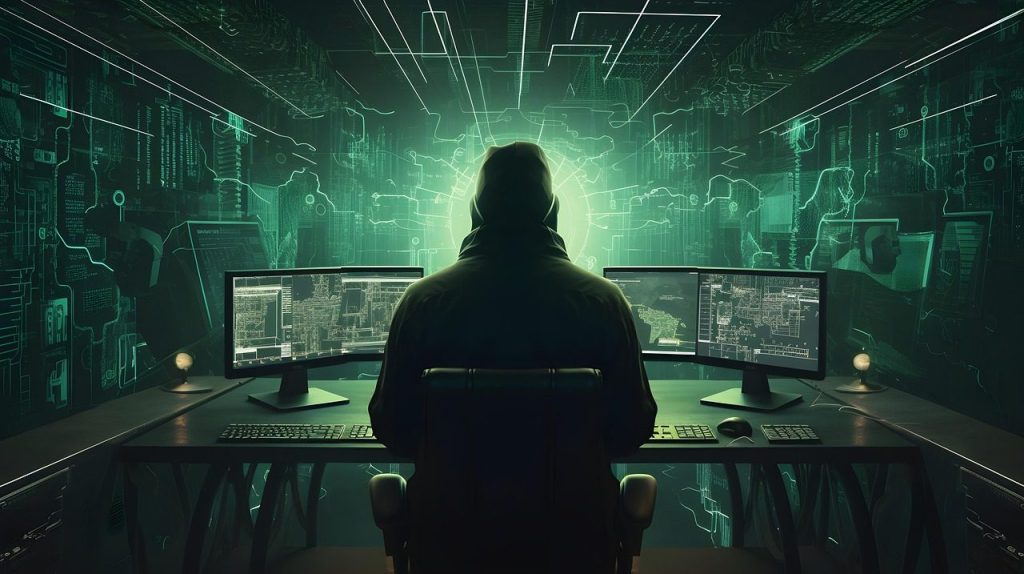
    ai generated, programmer, hacker, cybersecurity, computers, international, global, security, fraud, scam, hacking, phishing, cyber, internet, technology, programmer, programmer, programmer, hacker, cybersecurity, cybersecurity, cybersecurity, cybersecurity, cybersecurity, scam, scam, hacking, hacking, hacking, phishing
    Photo by deeznutz1 on Pixabay

    To understand the W-State, you have to understand entanglement. This is when two particles become so connected that they act as one, no matter how far apart they are. If you tickle one, the other one laughs. Scientists have used this to create “quantum keys” for years.

    The problem was that these links were too easy to break. The new W-State discovery allows for three or more particles to stay linked in a much more stable way. This means we can build a massive, global network that is physically impossible to tap into. But can this technology work on the old cables we already have underground?

    Why the W-State is a Security Game Changer

    person in blue long sleeve shirt holding blue plastic toy
    Photo by National Cancer Institute on Unsplash

    In a normal hack, a criminal copies your data without you ever knowing. They stay in the shadows and collect your secrets for months. Quantum security changes the rules of the game. Because of the W-State, the act of “observing” the data actually changes the data itself.

    It is like a booby trap that goes off the moment it is touched. The hacker ends up with a handful of useless noise, and the system logs the exact moment they tried to break in. It is a self-defending internet that never sleeps. But is this technology too expensive for regular people to use?

    Building a Global Quantum Internet

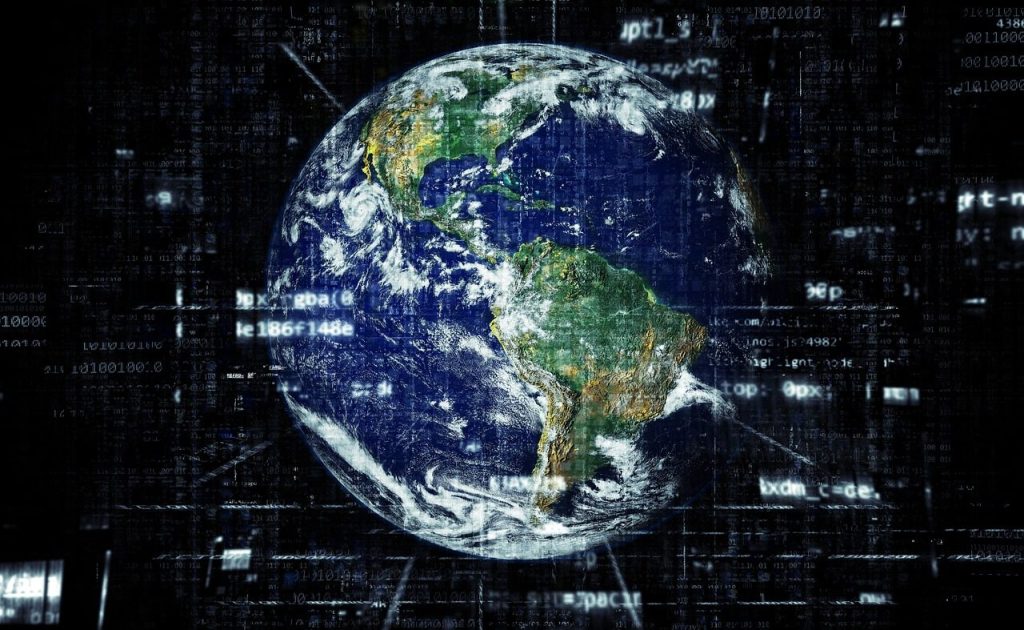
    earth, internet, globalization, technology, network, globe, world, global, digital, information, data, communication, earth, earth, internet, internet, internet, internet, internet, technology, technology, technology, technology, network, world, world, digital, data
    Photo by TheDigitalArtist on Pixabay

    Governments are already racing to install W-State hardware in their most sensitive offices. We are seeing the birth of “Cloud 3.0,” where data doesn’t just sit in a box but exists in this protected quantum state.

    This means that even if a foreign government uses a supercomputer to guess your password, they still couldn’t get through the door. The physics of the universe is now your personal bodyguard. But what happens if the hardware itself gets damaged?

    The End of Password Stress

    a computer monitor with a lot of code on it
    Photo by Steve A Johnson on Unsplash

    Imagine a world where you never have to remember a long string of numbers and symbols again. With W-State technology, your identity is verified by the unique physical state of your device.

    If your phone or computer is linked to your personal quantum key, no one else on Earth can pretend to be you. It is the end of phishing emails and fake login pages. We are moving from “guessing” who you are to “knowing” who you are through science. But does this mean we are giving up our privacy?

    Privacy in the Age of Total Connection

    ai generated, systems analyst, consultant, advisor, it-specialist, server, space, server room, hardware, computer, data, to process, server cabinets, information, technology
    Photo by geralt on Pixabay

    Many people worry that a more secure internet means more government tracking. However, W-State technology actually provides better privacy. Because the connection is direct and unbreakable, no middleman can listen in—not even the people who built the network.

    It is the ultimate “private room” in a very loud digital world. You can share your most personal information with total confidence. It is a level of freedom we haven’t felt since the early days of the web. But how long will it take to reach your house?

    The Race for Quantum Supremacy

    technology, light, business, computer, smartphone, internet, communication, work, key, keys, security, protect, protection, security, security, security, security, security
    Photo by tungnguyen0905 on Pixabay

    The US, China, and Europe are all pouring billions into W-State research. The first country to master this will have an economy that is immune to digital warfare. It is the new space race, but instead of the moon, we are aiming for the atom.

    Companies like Google and IBM are already showing off the first working prototypes of these unhackable networks. The transition is happening faster than anyone predicted. But what happens if the hackers find a way to use quantum tech too?

    A Future Built on Trust

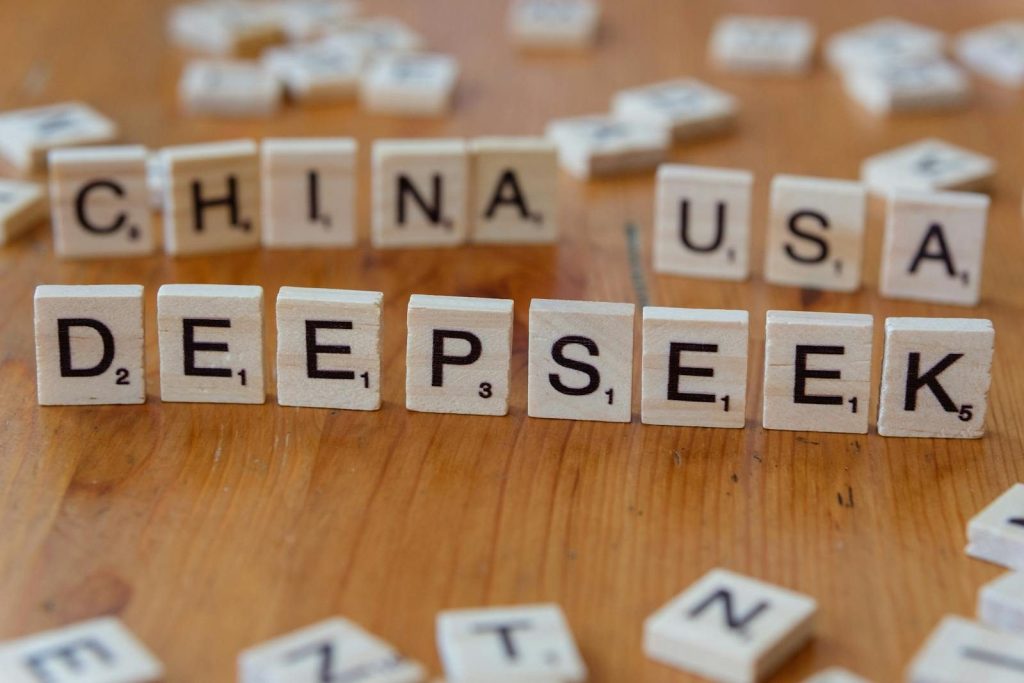
    Wooden letter tiles spelling "DEEPSEEK" with "CHINA" and "USA" on a wooden table.
    Photo by Markus Winkler on Pexels

    We are finally building an internet that works for us, not for the criminals. The W-State discovery is the final piece of the puzzle for a safe digital life. We can finally stop looking over our shoulders and start looking forward to what we can create.

    It is a hopeful time for anyone who lives their life online. The shadows are disappearing, and the light of science is taking over. But while our data is getting safer, our own bodies are getting a massive upgrade too. Are you ready to see how CRISPR is fixing the biggest problem in medicine?

    Featured Image: Photo by Dynamic Wang on Unsplash
  • Why Scientists Just Put “Mole Rat DNA” Into Mice (and it worked)

    Why Scientists Just Put “Mole Rat DNA” Into Mice (and it worked)

    Naked mole rats are some of the strangest creatures on Earth. They are ugly, hairless, and live underground. But they have a secret that humans have wanted for centuries: they almost never get cancer, and they live ten times longer than other rodents. Now, scientists have successfully transferred a “longevity gene” from a mole rat into a standard lab mouse.

    The results have stunned the world of biology. The mice with the mole rat DNA lived much longer, had fewer tumors, and stayed healthy well into their old age. This is the first time we have successfully improved the lifespan of one species using the genes of another. It is a “copy-paste” for eternal youth. But what exactly is this magic gene doing inside the mouse?

    The Power of Hyaluronic Acid

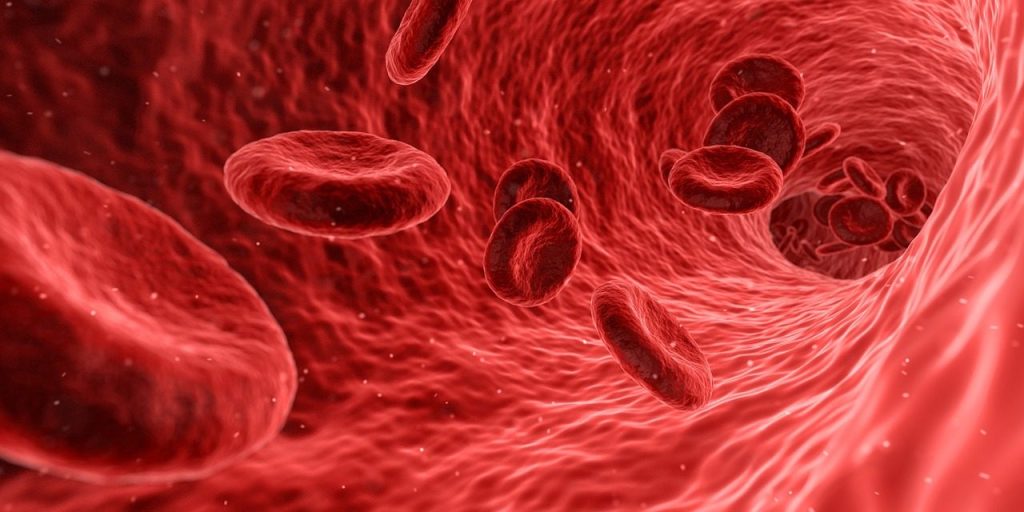
    cells, red, medical, medicine, anatomy, health, human, biology, blood cells, artery, healthcare, microscopic, vein, care, flow, macro, plasma, circulatory, microbiology, risk, pathology, danger, science, bacteriology, hazard, microorganism, pathological, research, analysis, biotechnology, examination, organism, scientific, immune system, 3d, red health, red medical, red science, red research, red medicine, red human, red blood, red care, red healthcare
    Photo by qimono on Pixabay

    The gene that scientists moved is called HAS2. In mole rats, this gene produces a very “heavy” version of a substance called hyaluronic acid. This stuff acts like a protective cushion around every cell in the body. It stops cells from clumping together, which is how cancer starts.

    When the mice started producing this “super acid,” their bodies became much more resistant to aging. Their skin stayed thick, their hearts stayed strong, and their brains remained sharp. It was like they were wearing an internal suit of armor against time. This substance is the secret to why mole rats don’t feel “old” even when they are 30 years old. But can this acid protect against more than just cancer?

    Ending the Fire of Inflammation

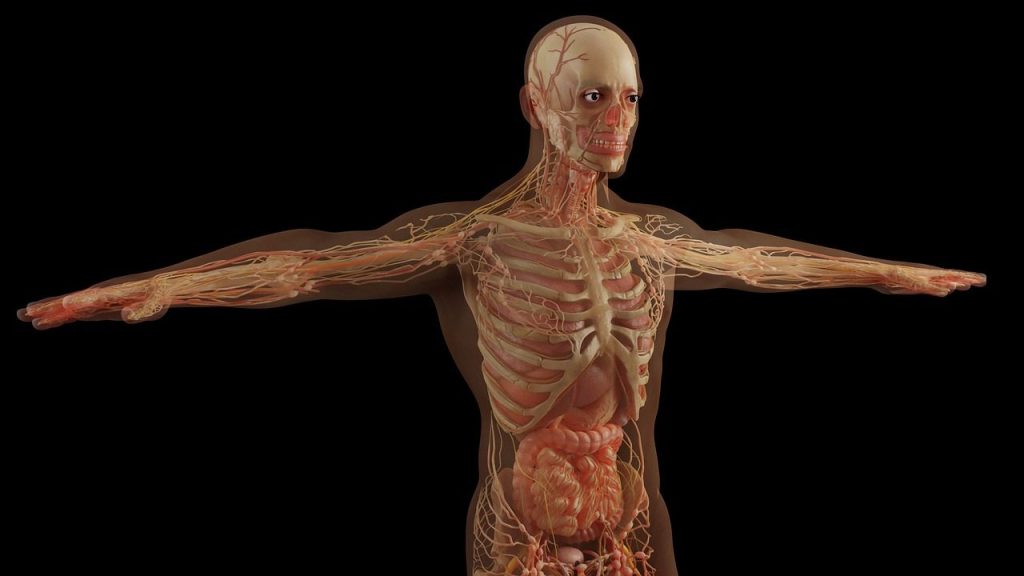
    anatomy, skull, skeleton, muscles, organs, human organs, science, health, human, bones, nerves, human body, body, man, medical, 3d, model, adult, 3d render, anatomy, human body, human body, human body, human body, human body
    Photo by Monoar_CGI_Artist on Pixabay

    As we get older, our bodies suffer from “inflammaging.” This is a constant, low-level inflammation that leads to heart disease and Alzheimer’s. The mole rat DNA proved to be a powerful anti-inflammatory. The mice with the new gene showed much lower levels of stress in their tissues.

    They didn’t suffer from the typical aches and pains of old age. This suggests that the mole rat gene is a “master controller” for a healthy body. It keeps the immune system calm and the cells clean. We are looking at a way to delete the worst parts of getting old. But is this technology coming to humans next?

    The Ethical Debate of the Century

    a close up of a blue and purple structure
    Photo by Sangharsh Lohakare on Unsplash
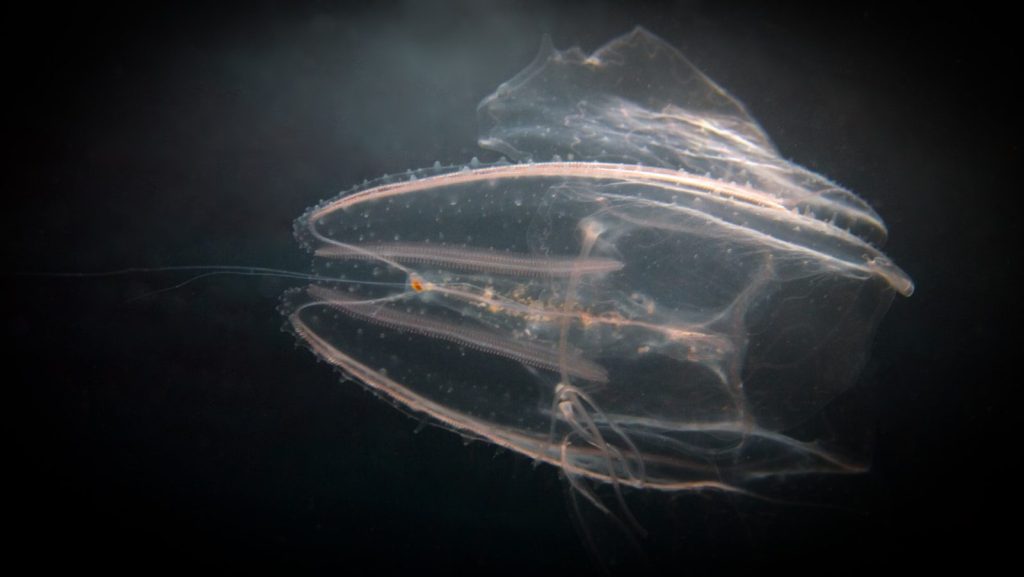
    If we can put mole rat DNA into mice, it is only a matter of time before someone suggests putting it into humans. This has sparked a massive debate among scientists and philosophers. Should we change our own genetic code to live longer? Some fear we are “playing God,” while others believe it is our duty to end suffering.

    The success with the mice has moved this debate from a fantasy to a reality. We have to decide what it means to be human in a world where we can “edit” our lifespan. It is a question that will define the next fifty years of our history. But what would a “human mole rat” even look like?

    No Hairless Skin Required

    consulting, information, conversation, silhouette, communication, brain, meeting, psychology, self, illusion, hidden, relationship, contour, man, people, interaction, shape, profile, debate, dialog, discussion, parley, negotiation, consulting, consulting, consulting, consulting, consulting, debate, debate, debate, debate, debate, negotiation, negotiation, negotiation
    Photo by geralt on Pixabay

    Don’t worry—scientists say that adding the longevity gene won’t make us hairless or wrinkled like a mole rat. The gene only affects the internal chemistry of the cells. You would still look like a human, you would just be a much more “durable” version.

    You could potentially live to be 150 years old while feeling like you are 40. This is the dream of “Radical Life Extension.” The mice didn’t change their appearance; they only changed their expiration date. It is a quiet revolution happening deep inside the genetic code. But how soon will we see the first human tests?

    The Future of the “Anti-Aging” Pill

    yellow medication pill on persons hand
    Photo by Alexander Grey on Unsplash
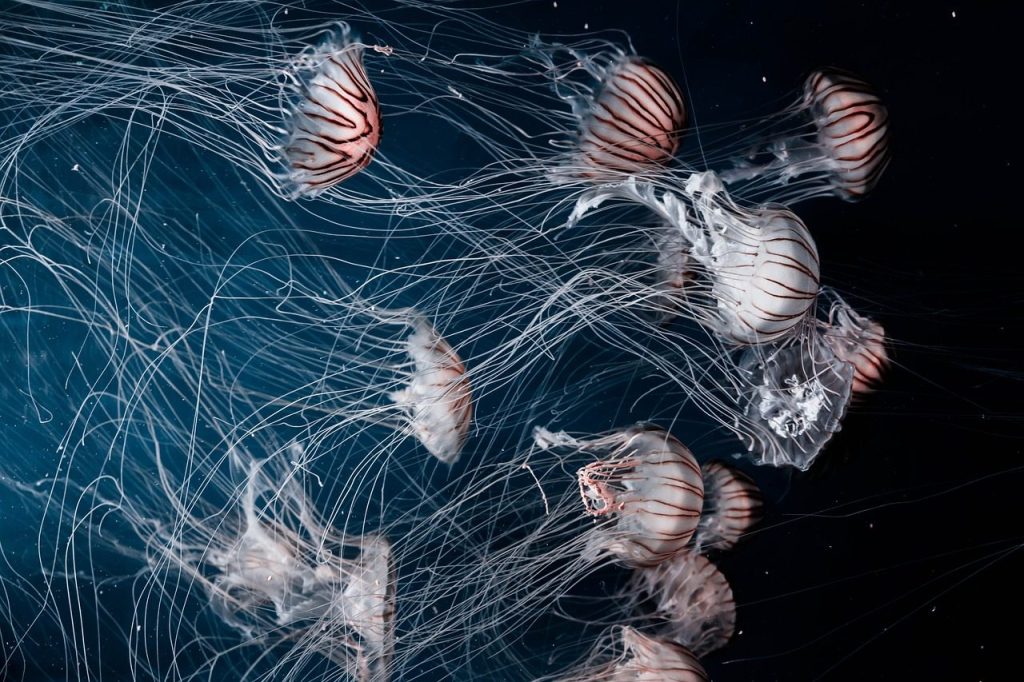
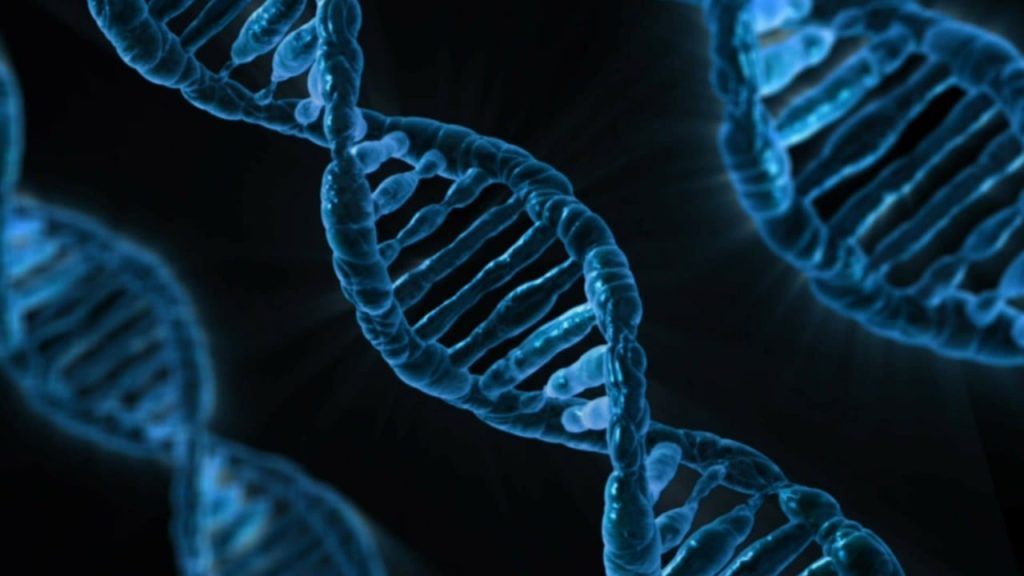
    We might not even need to change our DNA permanently. Scientists are looking at using “Gene Therapy” or even a simple pill that triggers the HAS2 gene in our bodies. This would allow us to “turn on” the mole rat protection whenever we need it.

    Imagine taking a supplement that builds an anti-cancer shield around your cells for a month. This would be much safer and easier than full genetic editing. The research in mice has provided the “map” for how to build these new medicines. We are closer than ever to the fountain of youth. But what happens to the world if no one ever dies?

    Overpopulation and the Long Life Crisis

    downtown, dubai, uae, tourism, city, people, buildings, muslims, arabs, square, street, evening, crowd, dubai, dubai, dubai, dubai, dubai, uae
    Photo by Olgaozik on Pixabay

    A world of people living to 150 sounds great, but it comes with massive challenges. How will we feed everyone? Where will they live? These are the “problems of success” that we will have to solve next. The mole rat mice have shown us that we can win the war against aging.

    Now, we have to figure out how to manage the victory. Our society, our retirement plans, and our cities are all built for an 80-year life. We have to rewrite the rules of the world to fit our new lifespan. It is a high-quality problem to have. But is there one more secret hidden in the rodent’s burrow?

    The Dawn of the Trans-Human Era

    woman, robot, technology, future, face, human, android, futuristic, robotics, head
    Photo by wal_172619 on Pixabay

    We are standing at the end of “natural” human history. From non-addictive pills to AI-written cures and mole rat DNA, we are taking control of our own evolution. We are becoming something more than just biological accidents.

    We are the architects of our own bodies and our own future. The mice were just the beginning. The lessons we learned from the naked mole rat will be written into the story of humanity forever. We are moving into the light of a long, healthy, and high-tech tomorrow. Are you ready for the next breakthrough?

    Featured Image:Photo by Harry Skillett on Unsplash

  • The Ancient Tech That We Still Can’t Replicate Today

    The Ancient Tech That We Still Can’t Replicate Today

    We like to think that modern humans are the smartest people to have ever lived. We have smartphones, rockets, and AI. But when we look back at the ruins of ancient civilizations, we find things that leave our best engineers scratching their heads. Some of these ancient inventions were so advanced that we still cannot figure out how they were made. From “impossible” structures to chemical formulas that have been lost to time, the past is full of high-tech secrets.
    The more we study these artifacts, the more we realize that ancient people had a deep understanding of physics and chemistry. In some cases, their versions of certain tools were actually better than what we have today. We are in a race to rediscover these lost secrets before they are forgotten forever. But wait until you see the device found in a shipwreck that was basically a 2,000-year-old computer.

    The 2000-Year-Old Computer Found Underwater

    apocalypse, catastrophe, end time, armageddon, end of the world, explosion, destroyed, devastation, destruction, flame, force of nature, fire, destroy, natural disaster, big bang, atomic, atomic bomb, bomb, smoke, heat, world war, battle, explosion, fire, fire, fire, fire, fire, smoke
    Photo by ds-grafikdesign on Pixabay

    In 1901, divers found a strange lump of bronze in a shipwreck near Greece. It turned out to be the Antikythera Mechanism. This device features dozens of intricate gears and was used to predict eclipses and the positions of the planets with perfect accuracy. Nothing this complex was built again for another 1,500 years. Engineers today are still trying to understand how the Greeks made such tiny, precise parts without modern tools. It is a masterpiece of engineering that shouldn’t exist. But what about the secret fire that could burn on water?

    Greek Fire and the Secret Weapon of the Byzantines

    white and brown dome ceiling
    Photo by Dimitry B on Unsplash

    The Byzantine Empire had a weapon that terrified its enemies. It was called “Greek Fire.” This liquid could be sprayed through tubes and would ignite on contact with air or water. Pouring water on it only made the flames grow stronger. The formula was so top-secret that only a few people knew how to make it. When the empire fell, the recipe vanished. Even today, modern chemists cannot replicate a fire that behaves this way. But wait until you see the ancient concrete that actually gets stronger over time.

    Why Roman Concrete Puts Modern Buildings to Shame

    Greek building ruins during daytime
    Photo by Fred Nassar on Unsplash

    Modern concrete is designed to last about 50 to 100 years before it starts to crack. Meanwhile, Roman structures like the Pantheon have been standing for over 2,000 years. Scientists recently discovered the secret: seawater and volcanic ash. When seawater hits the concrete, it creates a chemical reaction that fills in any cracks. Instead of breaking down, the concrete grows stronger every year. We are now trying to use this “ancient” recipe to build more sustainable cities. But how did they move those massive stones in the first place?

    The Mystery of the Impossible Stones at Baalbek

    india, new delhi, delhi, attraction, culture, architecture, travel, tourism, temple, building, india, india, india, india, india, delhi, delhi, delhi, temple
    Photo by enjoytheworld on Pixabay

    In Lebanon, there is an ancient temple site called Baalbek. The base of the structure contains stones that weigh over 800 tons each. Even with our most powerful modern cranes, moving these stones would be nearly impossible. Yet, ancient builders moved them from a quarry miles away and stacked them with perfect precision. There are no records of the tools or techniques they used. Some believe they used sound or vibrations, but it remains a total mystery. But wait until you see the iron pillar that refuses to rust.

    The Delhi Iron Pillar That Defies Chemistry

    katana, samurai, sword, japanese, blade, raindrops, steel, craftsmanship, damascus, edge, weapon, close-up, detail, precision, art, nature, tradition, water, wet, metallic, handle, warrior, ancient, culture, design, rain, ai generated
    Photo by Vilkasss on Pixabay

    In the middle of a courtyard in Delhi stands a 23-foot iron pillar that was built 1,600 years ago. Despite being exposed to the wind and rain for centuries, it has almost zero rust. Modern iron would have crumbled long ago. Scientists found that the ancient blacksmiths used a specific type of phosphorus that created a protective layer on the surface. We are still trying to figure out how they mastered this chemical process so long ago. But what about the ancient glass that could bend without breaking?

    The Legend of Flexible Glass and the Sacred Emperor

    Stonehenge ancient monument on a grassy field
    Photo by Howard Walsh on Unsplash

    Roman historians write about a man who brought a bowl made of “flexible glass” to Emperor Tiberius. To prove its strength, he threw it on the floor. Instead of shattering, the bowl only dented. The man then used a hammer to beat it back into shape. Instead of rewarding him, the Emperor had him executed because he feared the new material would make gold and silver worthless. The secret of flexible glass died with him. Today, we are only just beginning to make “bendable” screens. As we look at these lost technologies, we realize that some people might just be luckier than others.

    The Damascus Steel Blades That Could Cut Through Silk

    Ancient ruins with stone pillars under a canopy.
    Photo by Efe Kekikciler on Unsplash

    The crusaders were terrified of “Damascus Steel.” These blades were famous for their incredible strength and their ability to cut through a falling silk scarf. They had a unique “watery” pattern on the surface that looked like flowing liquid. For centuries, no one could replicate the process. We now know the ancient smiths were accidentally creating “carbon nanotubes” in the steel. This is nanotechnology from over 1,000 years ago. While we study their luck in discovery, we wonder if luck is something we can control today.

  • Scientists Finally Discover What Lives Inside That Mysterious Deep Sea Egg

    Scientists Finally Discover What Lives Inside That Mysterious Deep Sea Egg

    Deep at the bottom of the Pacific Ocean, a remote-controlled sub came across something that appeared to belong in a horror film. It was a shiny golden orb about four inches wide, stuck to a rock two miles below the surface. The internet quickly dubbed it the “Golden Egg” and theories began to fly. Was it an alien artifact? A discarded piece of high-tech waste? Or something more biological? Scientists were confused because the object had a mysterious hole in the front, suggesting something had already crawled out of it.

    After months of careful study in a high-security lab, researchers have finally cracked the mystery. Using DNA sequencing and high-resolution scans, they have identified the origin of this strange treasure. The truth is actually more incredible than the wild theories people posted online. This object represents a part of the Earth that we have never seen before. But to understand what was inside, we first have to look at the terrifying environment where it was found.

    The Shiny Object Found Two Miles Below The Surface

    scuba diving, nature, swimming, sea, ocean, water, underwater, underwater diving, diver, diving, recreational activity
    Photo by 12019 on Pixabay

    The discovery took place during an expedition by the NOAA ship, Okeanos Explorer. Their robotic sub was filming a dormant volcano when the cameras caught a glint of gold. The team was shocked to find something so bright in a world of total darkness. At that depth, the pressure is enough to crush a car, and the temperature is near freezing.

    Anything living down there has to be incredibly tough. When the sub’s robotic arm touched the “egg,” it felt like soft skin or muscle tissue rather than a hard shell. This was the first hint that they were dealing with a living creature. But why would an animal want to look like a piece of jewelry?

    Why Scientists Could Not Identify The Mysterious Skin

    mushroom, oyster, mycology, nature, macro, texture, closeup, mushroom, mushroom, mushroom, mushroom, mushroom, texture
    Photo by a_m_o_u_t_o_n on Pixabay

    When the sample arrived at the surface, the lead scientists were speechless. They expected it to be a known type of sponge or coral, but the texture didn’t match anything in their database. The “golden” color was actually a unique type of biological coating that reflects the faint light from deep-sea vents.

    Under a microscope, the skin looked like it was made of metallic threads. It was surprisingly flexible, but nearly impossible to tear. This protective layer was designed to keep the occupant safe from the extreme pressure of the abyss. But the most chilling part was the clean circular hole found on the side.

    What The DNA Testing Finally Revealed

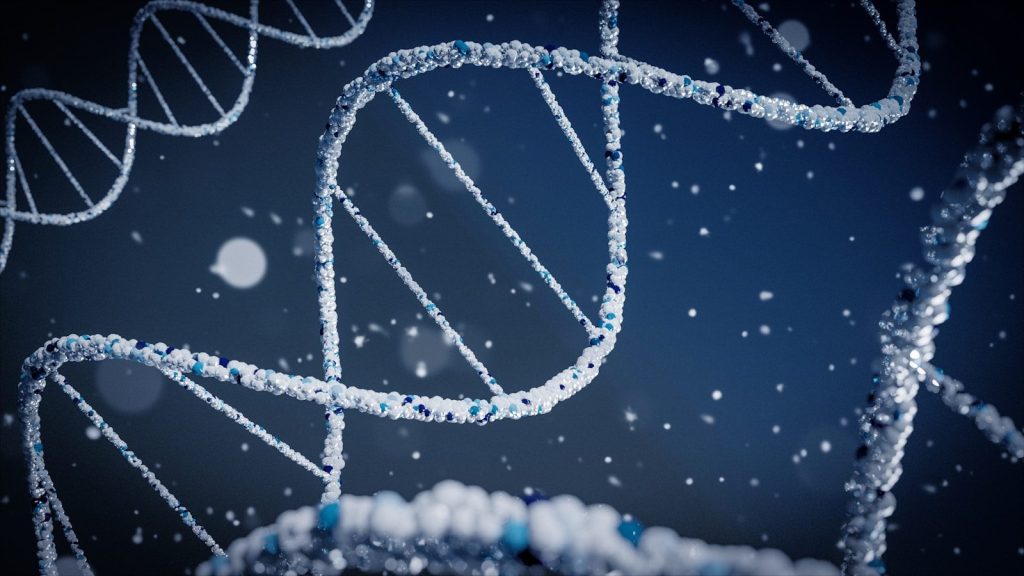
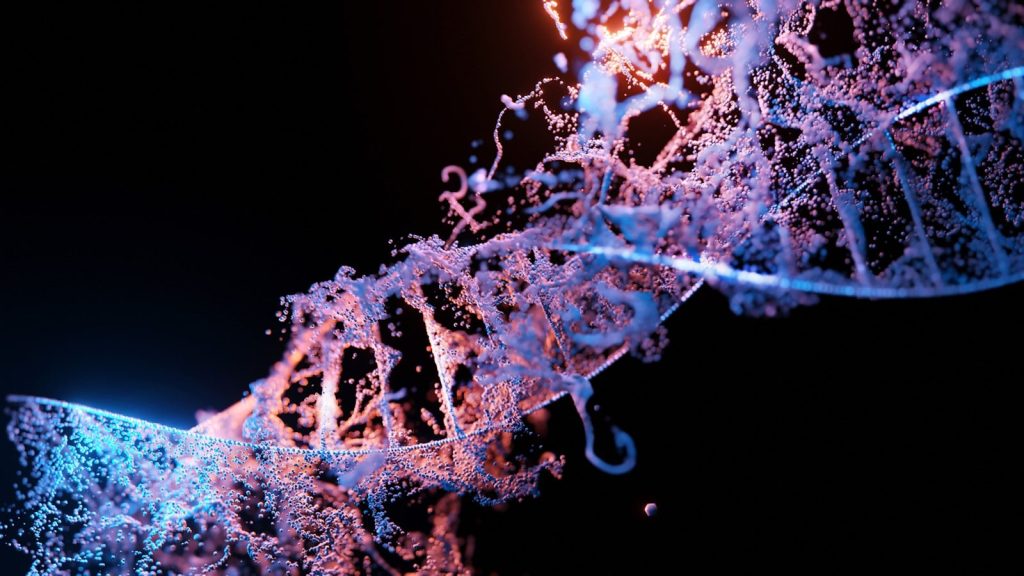
    dna, biology, medicine, gene, microbiology, science, genetics, genetic material, laboratory, dna, dna, dna, dna, dna, biology, medicine, gene, science, genetics, laboratory
    Photo by PublicDomainPictures on Pixabay

    After weeks of testing, the results came back with a shock. The DNA from the golden egg did not match any known species on record. About 90 percent of its genetic code was completely new to science. However, the remaining 10 percent showed a distant link to a family of deep-sea predators.

    It turns out the “egg” wasn’t an egg at all. It was a protective casing for a new type of invertebrate that undergoes a radical transformation. Think of it like an underwater cocoon. The creature that grew inside this golden shell is a master of camouflage that has been hiding from humans for millions of years.

    The Creature That Crawled Out Of The Gold

    a large jellyfish swimming in the water
    Photo by Heidi Bruce on Unsplash

    So, what exactly was the occupant? The DNA points to a highly advanced type of deep-sea snail or mollusk, but one with a terrifying twist. Unlike the slow snails we see in our gardens, this creature is a fast-moving hunter. It uses the metallic casing to shield itself while it develops its predatory organs.

    Once it reaches adulthood, it “hatches” and disappears into the darkness of the trenches. This explains why we have only ever found the empty shells. We are looking at the nursery of a ghost. But if these creatures are everywhere, why are we only finding them now?

    A New Kingdom Of Life In The Twilight Zone

    jellyfish, aquatic, animal, ocean, underwater, nature, dark, blue animals, blue dark
    Photo by StockSnap on Pixabay

    This discovery has forced scientists to redraw the map of the ocean. It proves that there is an entire “hidden” ecosystem living beneath the seafloor. There are likely thousands of species down there that look nothing like the life we know. These “golden” species use chemical energy from the Earth’s core to survive instead of sunlight.

    We are essentially looking at an alien world right here on our own planet. The golden egg is just the tip of the iceberg. Some researchers believe there are massive structures made of this biological metal deep inside the ocean trenches. What else could be hiding in the 80 percent of the ocean that remains unexplored?

    Why This Discovery Matters For Human Medicine

    a bottle filled with liquid and a pipe sticking out of it
    Photo by Cosmin Ursea on Unsplash

    While the idea of a deep-sea “metal snail” is cool, the real value is in its chemistry. The metallic skin of the golden egg has incredible healing properties. It can withstand extreme heat and acidic environments without breaking down. Scientists are now looking at how to use these proteins to create better medical implants for humans.

    We could see a new generation of heart valves or bone replacements based on the “golden” recipe found in the abyss. This serves as a reminder that nature is often the best engineer. But as we move to collect more samples, environmentalists sound the alarm.

    The Battle To Protect The Deep Sea Nursery

    lionfish, underwater, marine life, reef fish, tropical fish, invasive species, ocean wildlife, coral reef, underwater photography, exotic fish, venomous spines, striped fish, sea life, aquatic animal, marine biodiversity, scuba diving, snorkeling, underwater close-up, nature, wildlife photography
    Photo by DJB_Images on Pixabay

    As soon as the “Golden Egg” went viral, mining companies began to take notice. The deep sea is full of valuable minerals, and now we know it’s full of biological secrets too. There is a growing fear that deep-sea mining could destroy these habitats before we even get to study them.

    If we wipe out these “nursery” areas, we might be killing off species that hold the cure for diseases. The golden egg has become a symbol for the fight to protect our oceans. Will we choose to explore the mystery, or will we mine it into extinction? The answer lies in what we find next.

    Featured Image:Photo by Franziska_Stier on Pixabay

  • Why Scientists are Terrified of Super-Candida and the Tech Fighting it

    Why Scientists are Terrified of Super-Candida and the Tech Fighting it

    There is a silent killer spreading through hospitals around the world, and it isn’t a virus or bacteria. It is a fungus called Candida auris, often nicknamed “Super-Candida.” Scientists are terrified because this fungus is resistant to almost all known antifungal drugs. It can live on surfaces for weeks and spreads like wildfire in clinical settings. Once it enters the bloodstream, the mortality rate is a staggering sixty percent.
    The scariest part? It seems to have emerged because of climate change, learning to survive in warmer temperatures, like the human body. Traditional medicine is failing to stop it. However, a new wave of high-tech weapons is being deployed to fight back. From AI to cold plasma, the war against the “last of us” fungus has begun.

    The Fungus That Survives Almost Everything

    laboratory, analysis, chemistry, research, chemist, lab, phd, diagnostics, hospital, test tubes, medical, doctor, medic, tests, treatment, diagnostician, health, experiments, examination, examine, researcher, blue health, blue hospital, blue medical, blue doctors, blue research, blue lab, blue test, blue laboratory, blue chemistry, laboratory, laboratory, laboratory, laboratory, chemistry, research, research, research, research, research, lab, lab, lab, hospital, hospital, medical, medical, doctor, doctor, doctor, health, health
    Photo by jarmoluk on Pixabay

    Unlike common yeast, Candida auris is a master of survival. It can withstand heavy-duty disinfectants that kill almost anything else. Hospitals have had to rip out floor tiles and ceilings just to get rid of it. It creates a “biofilm,” a protective shield that makes it nearly invincible to standard cleaners. This resilience is why it has become a global health threat in record time. But scientists have found a weakness in the fungus’s own DNA

    AI is Hunting for the Perfect Cure

    A group of blue and green balls on a black background
    Photo by Ecliptic Graphic on Unsplash

    Developing a new antifungal drug normally takes over a decade. We don’t have that much time. Scientists are now using powerful AI to scan millions of chemical compounds in days. The AI can predict which molecules will shatter the fungus’s protective biofilm. Recently, AI discovered a brand-new class of drugs that are showing incredible promise in labs. It is a race between biological evolution and artificial intelligence. But drugs aren’t the only way to kill it.

    Killing Fungus with Cold Plasma Technology

    purple and blue light illustration
    Photo by Rowan Heuvel on Unsplash

    One of the most exciting new weapons is cold plasma. This isn’t the stuff inside a star; it is a room-temperature ionized gas. When sprayed on a surface or skin, it creates “reactive species” that rip the fungus apart. It is completely safe for humans but deadly for Super-Candida. This could be used to sanitize hospital rooms in minutes without using a single drop of toxic chemicals. But what if the fungus is already inside a patient’s body?

    Nanobots That Hunt the Fungus in Your Blood

    virus, bacteria, infection, medicine, microscope, microbiology, microscopic, pathogen, nano, nanobot, science fiction, robot, technology, future, robotics, microchip
    Photo by FotoRichter on Pixabay

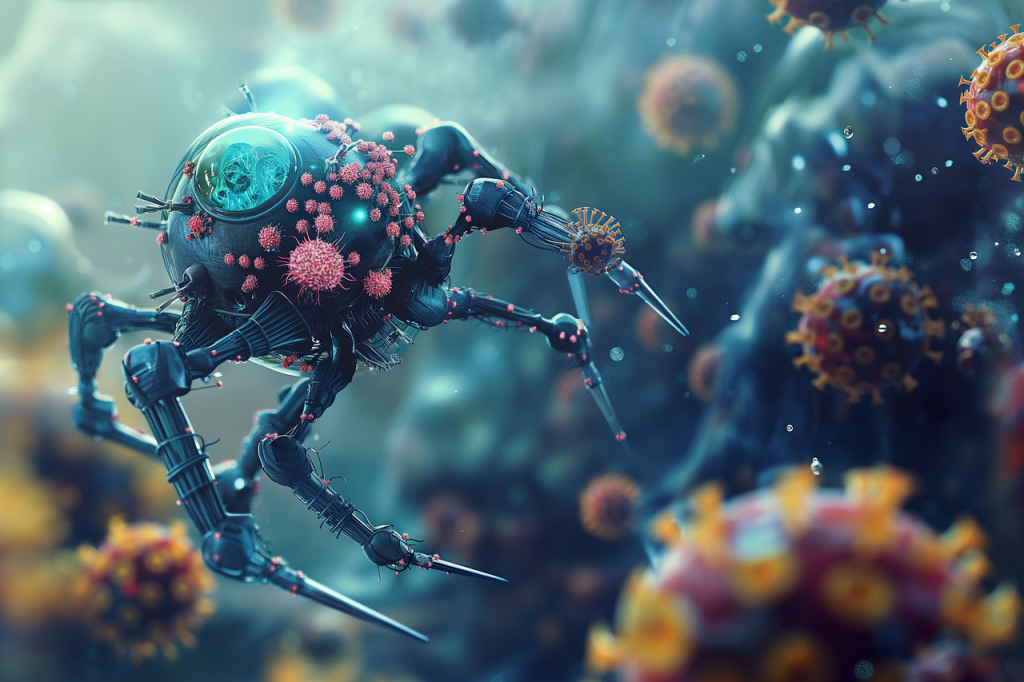
    The future of treatment might involve tiny “hunters” inside your veins. Engineers are developing nanobots that can specifically target fungal cells while ignoring healthy human cells. Once they find the fungus, they can deliver a concentrated dose of medicine or use heat to destroy it. This precision would eliminate the side effects of traditional medicine. It sounds like science fiction, but early tests are proving very successful. However, the fungus is also trying to adapt to these new threats.

    Climate Change and the Rise of Superbugs

    Cracked dry earth with small green plants growing.
    Photo by Jinson Nguyen on Unsplash

    Scientists believe Super-Candida is just the beginning. As the world gets warmer, many fungi are adapting to higher temperatures. This makes it easier for them to infect humans, whose high body temperature used to be a natural shield. We are seeing a fundamental shift in how diseases work. To stay ahead, we need to monitor the environment as much as we monitor patients. This is where “smart” hospital sensors

    Smart Sensors That Detect Infection Early

    blue and white cardboard box
    Photo by Angeles Pérez on Unsplash

    The best way to stop an outbreak is to find it before it starts. New IoT sensors can “smell” the chemicals produced by Super-Candida in the air. These sensors can be placed in hospital ventilation systems to provide real-time monitoring. If the fungus is detected, the system can automatically trigger a lockdown or extra cleaning. It is a digital immune system for our buildings. But there is one more technology that could change the game entirely.

    Using Light to Destroy the Threat

    white braille paper on blue surface
    Photo by Christine Sandu on Unsplash

    light, sanitization, medical tech Source: Unsplash
    Far-UVC light is a specific wavelength that kills germs but is safe for human eyes and skin. Hospitals are beginning to install these lights in high-traffic areas to constantly kill the fungus in the air. It’s a passive defense that works 24/7. Between AI, plasma, and light, we have a fighting chance. If you think the fight against fungus is complex, wait until you see how quantum computers will solve every other problem we have.

    Featured Image:Photo by Doncoombez on Unsplash

  • Why Your Weight Actually Changes at the Sea Floor

    Why Your Weight Actually Changes at the Sea Floor

    You might think that gravity is the same everywhere on Earth, but the scale tells a different story. If you were to stand on a scale at the bottom of the Mariana Trench, you would find that you weigh slightly more than you do on a mountaintop. This isn’t just about the crushing weight of the water above you. It is actually a fundamental quirk of physics and the shape of our planet. Because the Earth is not a perfect sphere, the distance between you and the center of the Earth changes depending on where you are.

    When you move toward the sea floor, you are getting closer to the core, which increases the pull of gravity. Additionally, the massive weight of the ocean water itself creates a slight downward pull. Scientists have been measuring these “gravity anomalies” for years to map the ocean floor. But there is a hidden force involving the Earth’s rotation that might be pushing back against you.

    Getting Closer to the Core

    Erosion on a dry, rocky landscape
    Photo by Iain on Unsplash

    The Earth is an “oblate spheroid,” meaning it is fatter at the equator and flatter at the poles. When you dive to the sea floor, you are physically descending into the Earth’s “dent.” This brings you closer to the concentrated mass of the iron core. Every mile you go down increases the gravitational acceleration acting on your body.

    It is a tiny change—usually less than one percent—, but it is enough to be measured by sensitive instruments. This extra pull is what gives you those “added ounces” at the bottom of the world. But is it just the core pulling on you, or is the rock beneath your feet changing too?

    The Mass of the Water Column

    body of water
    Photo by Clem Onojeghuo on Unsplash

    When you are deep underwater, there is a literal mountain of liquid on top of you. While this pressure does not change your mass, it creates a unique physical environment. In some cases, the vast amount of water around you can exert a gravitational pull of its own.

    This “extra” gravity from the water itself is something scientists have to account for when calibrating deep-sea sensors. It makes the bottom of the ocean one of the most “gravity-heavy” places on the planet. But did you know that the rock under the ocean is actually denser than the rock on land?

    Heavy Rock Means Heavy Gravity

    cascade du ray pic, basalt, basalt columns, basalt prisms, stone, rock, ardeche, france, volcanic, basalt formation, basalt rock
    Photo by Hans on Pixabay

    The crust under the oceans is made of basalt, which is much denser than the granite found on the continents. Because there is more mass packed into a smaller space under the sea floor, the local gravity is slightly stronger. This creates “gravity hills” in the middle of the ocean.

    If you sailed a ship over a dense patch of basalt, you would technically weigh more than you did at the pier. These mass concentrations, or “mascons,” are hidden maps of the Earth’s history. But how do scientists measure something so small in such a violent environment?

    The Centrifugal Effect is Weakest Down There

    submarine, underwater boat, torpedo tube, torpedeo, technology, submarine, submarine, submarine, submarine, submarine
    Photo by Bernswaelz on Pixabay

    At the surface, the Earth’s rotation tries to “fling” you out into space. This centrifugal force actually makes you weigh less at the equator. However, as you go deeper into the ocean, you are closer to the Earth’s axis of rotation. This means the flinging effect becomes weaker.

    Because you aren’t being pushed “out” as hard, gravity has an easier time pulling you “in.” This lack of centrifugal lift adds another tiny layer to your total weight. It is a perfect storm of physics that only happens in the deep. But could these gravity changes actually affect how a submarine moves?

    Subs Have to Navigate Gravity Pits

    dive, diver, underwater, mystical, dive, diver, diver, diver, diver, diver, underwater, underwater, underwater, underwater, underwater
    Photo by baechi on Pixabay

    Modern submarines are so sensitive that they can feel these changes in gravity. Navigators use “gravity maps” to help determine their location without using GPS, which doesn’t work underwater. If a sub passes over a dense mountain range on the sea floor, the extra gravity can pull it slightly off course.

    It is like driving a car over a series of invisible magnets. By measuring these pulls, the sub can “see” the terrain below it in total darkness. But what happens to the human body when gravity shifts like this for long periods?

    The Scale Doesn’t Tell the Whole Story

    A body of water surrounded by dead trees
    Photo by Melissa De Yoe on Unsplash

    While the gravity is stronger, the buoyancy of the water is also pushing you up. This is why you feel weightless in a pool, even though gravity is still pulling on you. At the sea floor, the buoyancy is immense because the water is so dense.

    So, while a scale would show you weigh more, you would actually feel lighter than ever. It is a strange contradiction of the deep sea. You are being pulled down harder than ever, but the water is holding you up. But what if the gravity on the sea floor suddenly changed?

    Mapping the Future of the Earth

    world, map, satellite image, continents, satellite map, earth, night, world map, dark
    Photo by 14398 on Pixabay

    Measuring weight at the sea floor helps scientists understand the melting of the ice caps. As water moves around the planet, the “weight” of the ocean changes, which shifts the Earth’s gravity. By tracking these tiny changes, we can predict how the sea level will rise in the future.

    The sea floor is like a giant scale that measures the health of the entire planet. We are learning that even the smallest change in weight can have a massive impact on our survival. But is there a mystery city hiding where the gravity is strongest?

    Featured Image: Photo by Francesco Ungaro on Unsplash

  • Why the 5-Minute EV Charge is Finally a Reality in 2026

    Why the 5-Minute EV Charge is Finally a Reality in 2026

    For years, the biggest complaint about electric cars was the wait. No one wanted to sit at a charging station for an hour while their battery slowly filled up. But that problem has officially been deleted from history. In 2026, a new generation of “Extreme Fast Charging” has turned the EV experience into something as fast as a gas station visit.

    You can now pull up to a charger, plug in, and get a full 300 miles of range in just five minutes. This breakthrough has destroyed the “range anxiety” that kept people from buying electric. The technology behind this is a mix of chemistry, physics, and high-tech cooling. But how do you push that much power into a battery without it melting?

    The Magic of Solid State Batteries

    battery, motorcycle battery, battery acid, scooter battery, battery pack, fill up, load, electricity, 12v, acid, battery, battery, battery, battery, battery, acid
    Photo by Ralphs_Fotos on Pixabay

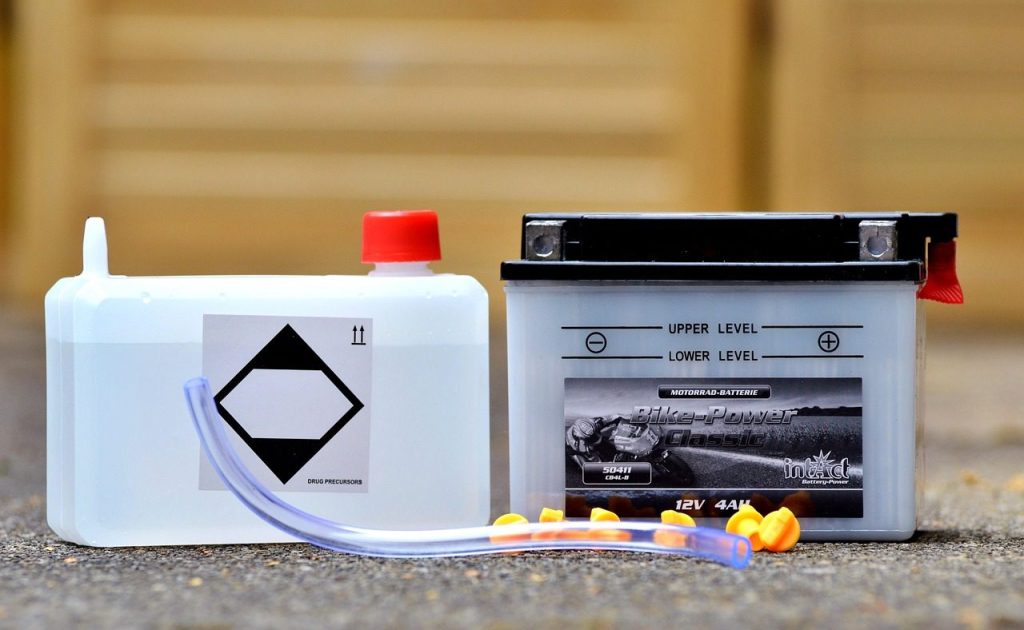
    The biggest secret to the 5-minute charge is the “Solid State” battery. Traditional batteries use a liquid electrolyte that gets hot and can be dangerous if charged too fast. The new batteries use a solid ceramic material that can handle massive amounts of heat and energy.

    This allows chargers to blast electricity into the car without any risk of fire or damage. These batteries are also lighter and hold more power than the old ones. It is the single biggest upgrade to the car industry in a hundred years. We are finally moving away from the “lithium-ion” era. But what about the older cars still on the road?

    Liquid Cooled Charging Cables are Here

    electric car, refuel, electricity, ecology, e car, automobile, fuel, power cable, ecologically, technology, energy, gas pump, gas station, environmental protection, eco, charging station, cable, yellow, electric car, electric car, electric car, electric car, electric car
    Photo by stux on Pixabay

    It isn’t just the battery that changed; it is the cable itself. To move that much power, the charging cable would normally get so hot that it would melt. The new 2026 chargers use cables filled with a specialized cooling liquid. This liquid keeps the temperature down even when thousands of volts are flowing through it.

    The cables are now thinner, lighter, and much safer to handle. It is like having a radiator inside your charging plug. This allows for a massive “power dump” into the car in record time. It is a masterpiece of engineering that you can hold in your hand. But where are all these super-chargers located?

    The Death of the Traditional Gas Station

    person holding black corded device
    Photo by Erik Mclean on Unsplash

    Across the country, old gas stations are being converted into “Charge Lounges.” Since the wait is only five minutes, these locations are designed for a quick coffee and a bathroom break. The infrastructure has caught up with the technology, making it easy to find a fast charger in every neighborhood.

    This shift is happening much faster than anyone predicted. Oil companies are pivoting to electricity to stay alive in the new economy. The “gas station smell” is being replaced by clean, modern spaces. It is a total transformation of the American roadside. But can the power grid handle all this new demand?

    Smart Grids and Giant Backup Batteries

    battery, battery food truck, battery, battery, battery, battery, battery
    Photo by braico on Pixabay

    To keep the grid from crashing, these new stations use “Buffer Batteries.” These are massive storage tanks of electricity that fill up slowly during the night. When a car pulls up, the station dumps the stored power into the vehicle instantly.

    This means the station doesn’t have to pull a huge amount of power from the city all at once. It is a “smart” way to manage the world’s energy needs. The grid is actually becoming more stable because of these giant batteries. We are building a “distributed power plant” across the entire country. But what does this mean for the price of travel?

    Travel is Now Cheaper Than Ever

    Car dashboard displaying autonomous driving interface
    Photo by Josh Sorenson on Unsplash

    With the 5-minute charge, the cost of driving has plummeted. Electricity is much cheaper than gasoline, and the new batteries require almost zero maintenance. You can drive across the country for a fraction of what it used to cost in a gas car.

    This is a huge win for families and workers who have to commute. The “cost of living” is being lowered by the “speed of charging.” It is an economic revolution disguised as a car update. The world is becoming smaller because it is easier to move through it. But how long will these new batteries actually last?

    Batteries That Last for a Million Miles

    battery, motorcycle battery, battery acid, scooter battery, battery pack, fill up, load, electricity, 12v, acid, battery, battery, battery, battery, battery
    Photo by Ralphs_Fotos on Pixabay

    One of the best things about the new 2026 tech is durability. The solid-state batteries don’t degrade like the old ones. You can charge them to 100 percent every single day for twenty years without losing range. These cars are being built to last for a million miles or more.

    This means the “used car” market is about to become much more valuable. You could buy a 10-year-old EV, and it will still perform like new. It is the end of “planned obsolescence” in the automotive world. But are you ready for a different kind of evolution involving a naked mole rat?

    The Final Piece of the Green Puzzle

    pinwheels, nature, energy, electricity, renewable, wind energy, sunset, wind farm, dusk, trees, landscape
    Photo by distelAPPArath on Pixabay

    We are finally seeing the “end game” for fossil fuel transportation. The 5-minute charge was the last hurdle standing in the way of a total EV world. With this technology, there is no reason to ever buy a gas car again. It is a cleaner, faster, and cheaper way to live.

    The air in our cities is already starting to get clearer. We are leaving a better world for our kids, one 5-minute charge at a time. The revolution is here, and it is moving at the speed of light. Are you brave enough to look at what scientists just did to a mouse?

    Featured Image: Photo by Andreas160578 on Pixabay

  • The New Device That Lets You “Tune In” to One Voice in a Crowded Room

    The New Device That Lets You “Tune In” to One Voice in a Crowded Room

    Have you ever been at a loud party and struggled to hear the person right in front of you? It is called the “Cocktail Party Problem,” and it has baffled scientists for a century. But in 2026, a new wearable device has finally solved it. Using a combination of AI and brain-wave sensors, this gadget allows you to “lock onto” a single speaker.

    The device instantly mutes every other sound in the room, leaving only the voice you want to hear. It feels like having a remote control for the world’s volume. This isn’t just for people with hearing loss; it is a “superpower” for everyone. You can finally have a private conversation in the middle of a noisy stadium. But how does a machine know who you are actually looking at?

    Using Your Eyes to Aim the Sound

    man in black shorts and black sunglasses standing on white floor
    Photo by Thomas Claeys on Unsplash

    The secret to this device is a tiny camera that tracks your eye movement. The AI assumes that the person you are looking at is the person you want to hear. As soon as your eyes focus on a face, the device creates a “sonic beam” that isolates their voice.

    It uses advanced noise-cancellation to delete the background chatter in real-time. If you look away, the audio shifts to the next person automatically. It is a seamless experience that feels like a natural part of your hearing. You are essentially “zooming in” with your ears. But what happens if you can’t see the person speaking?

    Reading Your Mind to Find the Right Person

    neural network, technology, artificial intelligence, digital, ai, brain, generated by ai, neural network, neural network, neural network, neural network, neural network
    Photo by patrypguerreiro on Pixabay

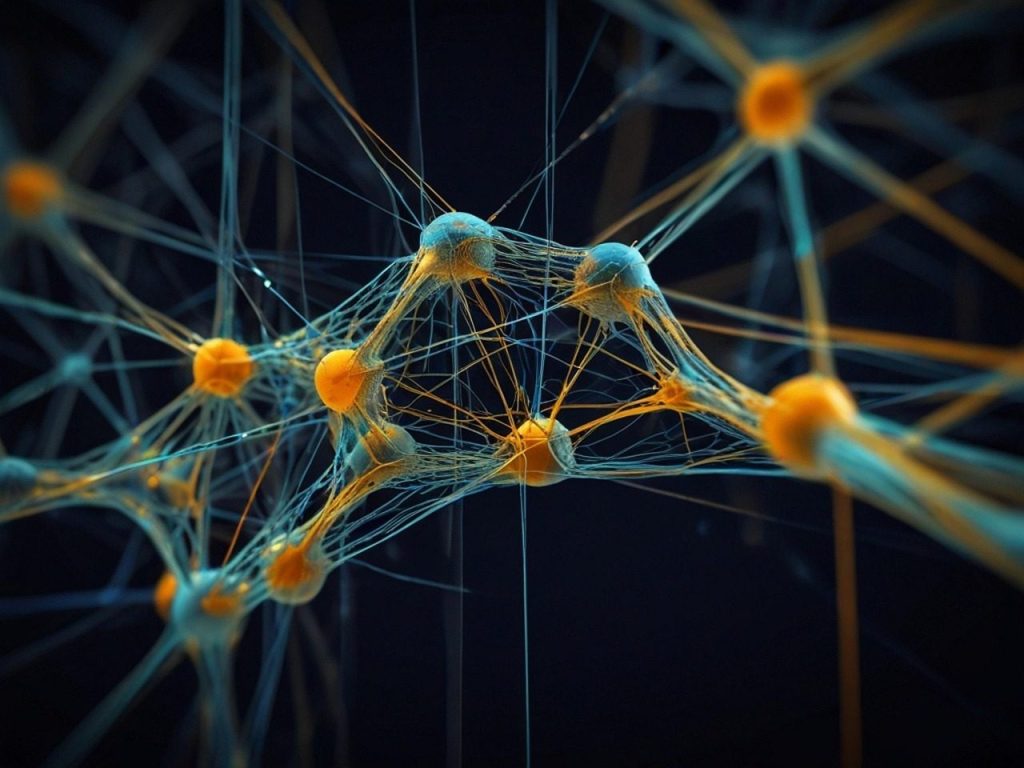
    For the most advanced models, the device doesn’t even need your eyes. It uses “Neural Tracking” to listen to your brain waves. When you pay attention to a specific sound, your brain creates a unique electrical pattern. The device’s sensors pick up this pattern and realize which voice your mind is following.

    It then boosts that specific frequency while dampening everything else. It is a true mind-to-machine interface that works at the speed of thought. You don’t have to press a button or say a word. You just listen, and the technology handles the rest. But is this “super hearing” safe for your ears?

    The End of Social Anxiety in Loud Places

    mobile, phone, samsung, music, technology, communication, telephone, digital, cell, business, smartphone, electronic, android, google, cell phone, headphones, gray business, gray technology, gray music, gray phone, gray mobile, gray community, gray google, gray digital, gray communication, gray company, gray smartphone, gray telephone, gray headphones, music, music, music, music, music, headphones
    Photo by Firmbee on Pixabay

    Many people avoid social gatherings because they are embarrassed by their inability to follow a conversation. This “social deafness” can lead to isolation and stress. This new device acts as a digital filter that brings the world back into focus.

    It allows users to feel confident and connected regardless of the environment. It is the ultimate tool for networking, dating, and family reunions. By removing the “noise,” the device allows the true human connection to shine through. It is turning “awkward” into “awesome” for millions of users. But can this technology be used for more than just talk?

    Selective Hearing for the Modern Workplace

    office, sitting room, executive, business, desk, workplace, furniture, corporate, table, office interiors, interior design, interior decoration, office furniture, office, office, office, office, office
    Photo by MagicDesk on Pixabay

    Open-plan offices are notorious for being loud and distracting. This device is becoming the “must-have” tool for professionals who need to focus in a busy environment. You can tune into your boss’s voice while completely muting the sound of clicking keyboards and coffee machines.

    It is like having a “Do Not Disturb” sign that actually works. It increases productivity and reduces the mental fatigue of constant background noise. Companies are already buying these in bulk for their employees. It is the death of the “noisy office” distraction. But what does this mean for the future of privacy?

    The Invisible Hearing Aid Revolution

    woman wearing blue stud earring
    Photo by Mark Paton on Unsplash

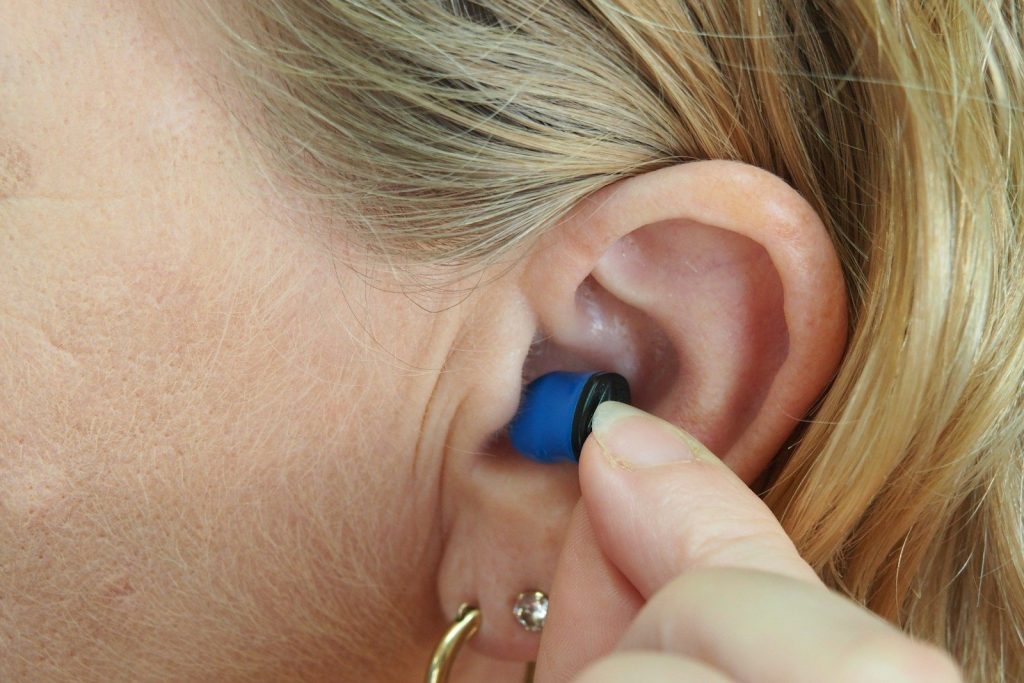
    Traditional hearing aids are often bulky and obvious, making people feel self-conscious. The new “Tune In” device looks like a high-end pair of fashion earbuds. No one even knows you are using it to boost your hearing. This “invisible” design is breaking the stigma of hearing assistance.

    It is being marketed to young and old alike as a lifestyle enhancement. We are moving toward a world where “augmented hearing” is as common as wearing glasses. It is a win for both style and science. But how long can the battery last on such a powerful machine?

    Crystal Clear Audio in any Weather

    Young man talking on phone by the ocean at sunset
    Photo by Zoshua Colah on Unsplash

    The device is built to handle more than just indoor crowds. It features “Wind-Shield” technology that allows you to have a clear phone call or conversation on a windy beach or a fast-moving boat. The AI filters out the sound of wind and traffic while keeping the human voice perfectly intact.

    It is the most advanced audio processing ever put into a consumer device. It makes every location a perfect place for a conversation. You are no longer at the mercy of the elements. But is it possible that your car could charge just as fast as this device?

    The Future of the Human Experience

    Abstract colorful digital glitch art with black background
    Photo by Egor Komarov on Unsplash

    We are quickly reaching a point where we can customize our own reality. This device is the first step in “Selective Perception.” We can choose what we see, what we hear, and eventually, what we feel. It is a massive shift in how we interact with the world around us.

    While it offers incredible benefits, it also changes the fundamental nature of being human. We are no longer passive observers of the world; we are the editors. The “noise” is gone, and the “signal” is whatever you want it to be. Are you ready for a 5-minute charge into the future?

    Featured Image: Photo by Pexels on Pixabay