Author: Dylan

  • Can Breakthrough 2026 AI Models Finally Decode Your Dog?

    Can Breakthrough 2026 AI Models Finally Decode Your Dog?

    Have you ever looked into your dog’s eyes and wished they could just tell you what they want? For centuries, humans have tried to guess what a bark or a tail wag means. We thought it was simple hunger or a need to go outside. But a massive 2026 reveal from a top AI research firm suggests we have been missing 90 percent of the conversation. Scientists have used deep-learning models to analyze millions of canine vocalizations and facial movements across every breed.

    The results are shocking. Your dog isn’t just asking for food; they are expressing complex emotions like nostalgia, specific fears, and even humor. This new AI translator is currently making headlines as the biggest bridge between species in human history. It uses a tiny collar-mounted device that syncs with your phone to provide real-time “subtitles” for your dog’s life. It feels like science fiction, but the data is very real. You are about to find out that your furry friend has a lot more on their mind than a tennis ball. But how does the AI distinguish between a happy bark and a warning?

    The Secret Language of the Bark

    A shaggy brown dog with its tongue out.
    Photo by Ben Kupke on Unsplash

    The AI doesn’t just listen to the bark’s volume. It looks for “micro-frequencies” that the human ear cannot detect. These tiny shifts in pitch reveal if a dog is feeling anxious about a distant sound or excited about a specific person. The translator can tell the difference between a “stranger at the door” bark and a “mailman is here” bark. It turns out dogs have unique names or sounds for different people in the house. But the voice is only half of the puzzle. What is the tail actually doing?

    Reading the Tail Wag Secret

    a close up of a dog's eye
    Photo by Julian Zwengel on Unsplash

    We used to think a wagging tail always meant a happy dog. The AI translator proves this is a dangerous myth. The speed, height, and even the direction of the wag send completely different messages. A wag slightly to the right usually means positive feelings, while a wag to the left can signal a desire to withdraw or a sense of suspicion. The AI camera monitors these movements to provide a second layer of translation. It combines body language with sound to get the full story. But can it tell if your dog is actually dreaming about you?

    Decoding the Dreams of Canines

    pet dog laying on bed
    Photo by Irina on Unsplash

    When your dog’s paws twitch in their sleep, they are doing more than just chasing squirrels. The 2026 AI translator has a “Dream Mode” that analyzes brain-wave patterns through the collar. It has been revealed that dogs often replay their favorite moments with their owners during the night. They experience social joy even while unconscious. This discovery is changing how we treat pet anxiety and sleep disorders. We are finally learning what makes our pets feel safe. But wait until you hear the specific words they use for their favorite toys.

    Unique Names for Favorite Objects

    a black dog running with a ball in its mouth
    Photo by Alex Preusser on Unsplash

    The AI has identified that most dogs develop their own internal “labels” for objects. Your dog might have a specific sound for their blue ball that is different from their squeaky bone. The translator allows you to save these sounds and assign them names in the app. This means when your dog barks, your phone might actually say, “Where is the blue ball?” It is a level of two-way communication that was previously impossible. But is the AI smart enough to handle the complex relationship between dogs and cats?

    The Great Cat Translation Conflict

    a dog and a cat laying in the grass
    Photo by Andrew S on Unsplash

    Translating cats is much harder because their communication is more subtle. While dogs are “loud” with their emotions, cats use scent and microscopic ear movements. The 2026 AI is currently being trained on feline logic, but the early results show that dogs and cats actually understand each other better than we understand either of them. They have a shared “animal dialect” that the AI is just beginning to crack. It is a messy, fascinating look at the secret life of our living rooms. But can this tech actually tell if your dog is in pain?

    A Medical Revolution for Vets
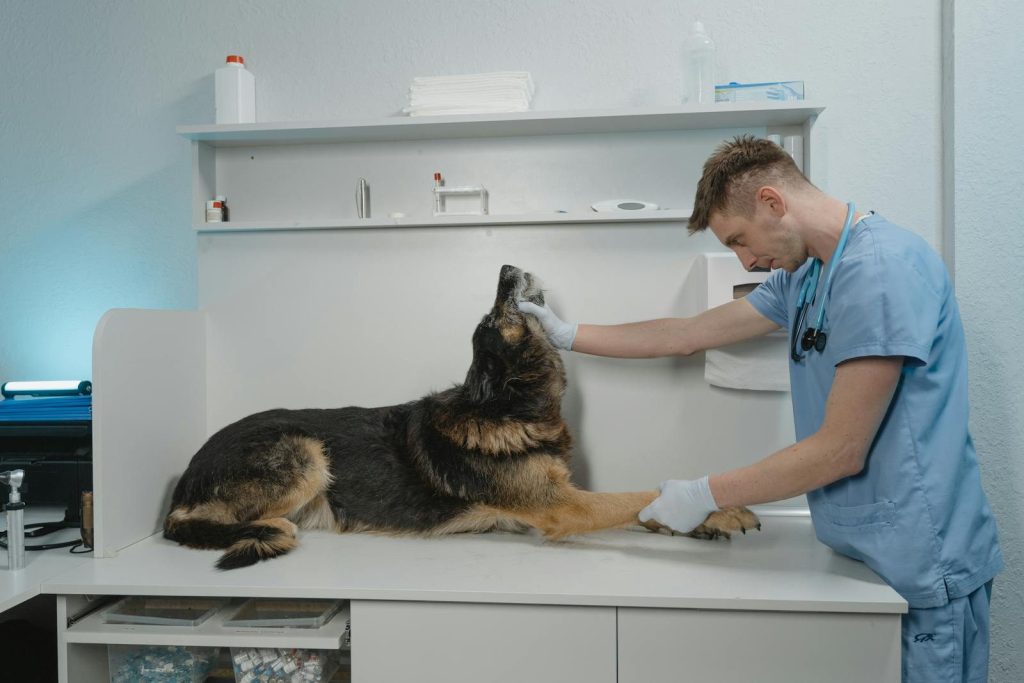
    A veterinarian checks a German Shepherd dog in a sterile clinic environment.
    Photo by Tima Miroshnichenko on Pexels

    The biggest benefit of the translator isn’t just fun talk; it is life-saving data. Dogs are experts at hiding physical pain to avoid looking weak. The AI can detect the “vocal stress” of a hidden injury or illness weeks before a human would notice. This allows for early treatment of things like arthritis or heart issues. Vets are already using the 2026 data to create “Pain Maps” for their patients. It is making our pets live longer and healthier lives. But what happens to the human-dog bond when we can finally talk?

    Will Talking Pets Change Our Lives?

    Pretty young female in casual wear cuddling and kissing golden retriever dog while standing on knee in street at sundown
    Photo by Helena Lopes on Pexels

    As the AI translator becomes common, our relationship with animals will change forever. We will no longer be “owners,” but true partners. The silence of the animal kingdom is officially broken. We have to be prepared for the fact that our dogs might have some complaints about their food or their walk schedule. It is a brave new world of shared understanding. We are building a world where every voice is heard, no matter how many legs they have. But is this the end of the mystery of the animal mind?

    The Future of the Talking Pet

    A brown dog with a collar looking out window
    Photo by Cesar Alfonso on Unsplash

    This technology is moving fast. By the end of next year, we expect the first consumer-ready cat collars to hit the market. We are entering an age where the language barrier between humans and animals is becoming a thing of the past. Keep your ears open and your apps ready because your pet is about to speak their mind. It is time to listen to what they have to tell us about the world we share. The future is here, and it’s barking.

    Featured Image: Photo by Adam Griffith on Unsplash

  • Stop Obsessing Over Lithium – Why Sodium Batteries Are Taking Over

    Stop Obsessing Over Lithium – Why Sodium Batteries Are Taking Over

    The world is currently in a desperate race to find enough lithium for our electric cars and phones. We have been told that lithium is the “white gold” of the 21st century. But in 2026, a massive shift is happening that is leaving the lithium experts speechless. The shipping industry has officially moved on. A new, much cheaper technology is quietly taking over: the Sodium-Ion battery.

    Instead of digging up rare minerals in dangerous mines, we are now getting our energy from the same stuff that sits on your dinner table—salt. Sodium is everywhere, it’s cheap, and it’s finally ready for prime time. This isn’t just about saving money; it is about breaking the global monopoly on energy. We are looking at a future where the ocean is our biggest power plant. But how can a battery made of salt actually compete with the power of lithium?

    The End of the Rare Mineral Crisis

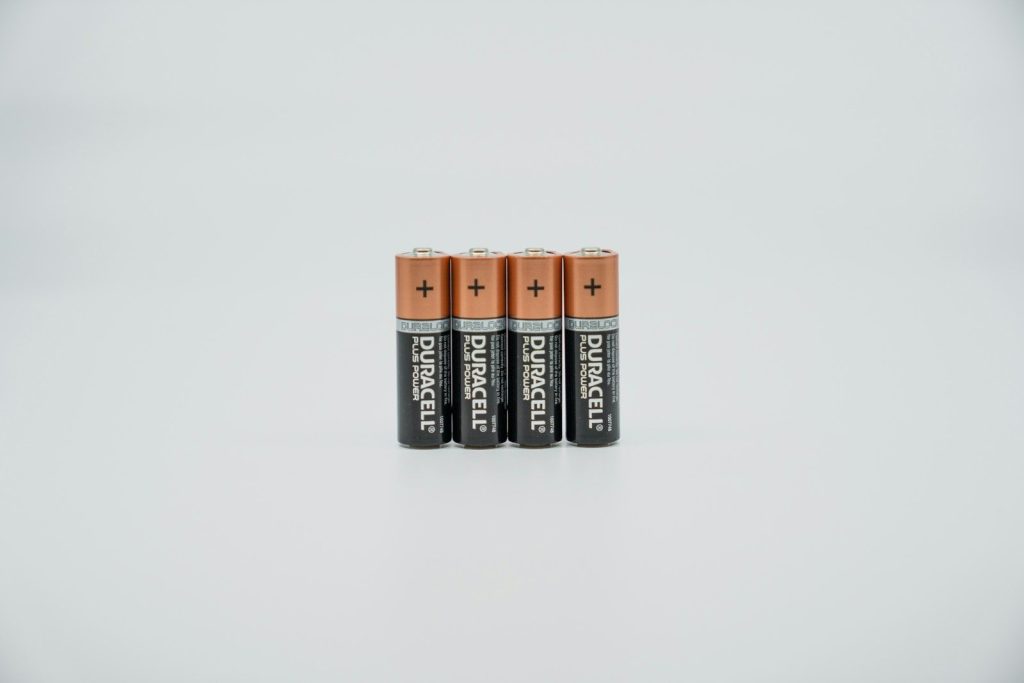
    four Duracell batteries
    Photo by Claudio Schwarz on Unsplash
    Lithium is hard to find and expensive to process. Sodium is 500 times more abundant and can be found in every corner of the Earth. In 2026, the cost of manufacturing a sodium battery is 40 percent lower than a lithium one. This massive price drop is making “Green Energy” accessible to everyone, not just wealthy nations. It is a total reset for the global economy. But can salt really hold as much power as high-tech minerals?

    Why Cargo Ships Love Heavy Batteries

    aerial view of brown and white building on body of water during daytime
    Photo by Korie Jenkins on Unsplash
    For a long time, sodium batteries were seen as too heavy for cars. But for giant cargo ships and trains, weight doesn’t matter. In fact, a heavier battery can act as ballast for a ship. Global shipping giants are now switching their entire fleets to sodium power. These ships can travel thousands of miles without a single drop of fuel, saving billions of dollars and cleaning up the air. But wait until you see how these batteries handle the cold.

    The Battery That Never Freezes

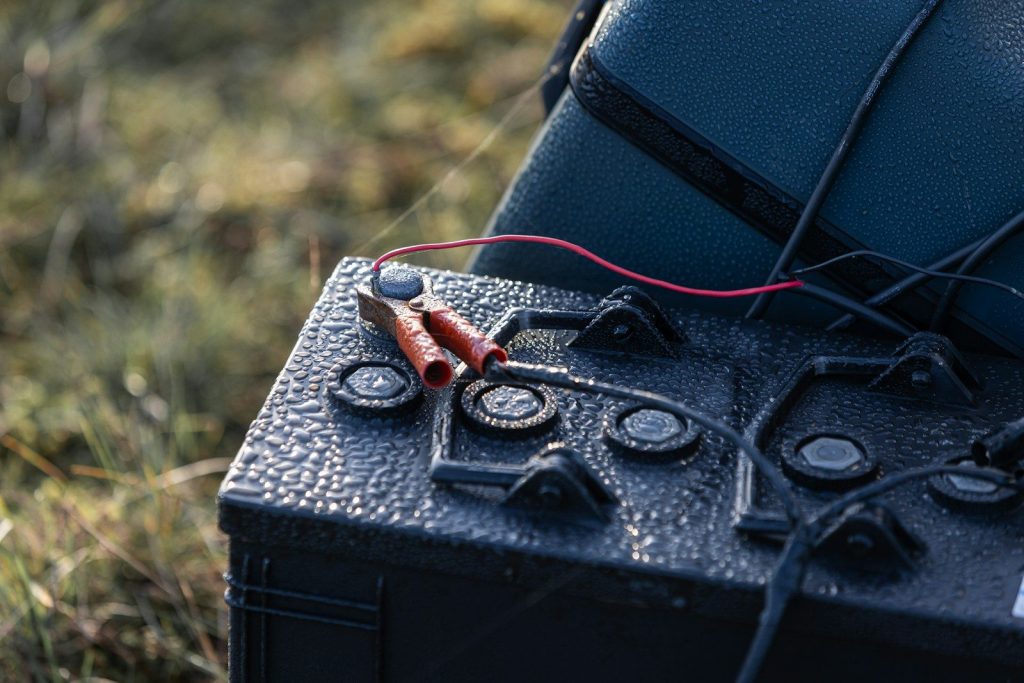
    black plastic tool box
    Photo by Erik Mclean on Unsplash
    If you live in a cold climate, you know that lithium batteries hate the winter. They lose power and take hours to charge. Sodium batteries are the exact opposite. They perform perfectly at -4 degrees Fahrenheit. This has made them the primary choice for the world’s northern cities and high-altitude shipping routes. We have finally found an energy source that doesn’t care about the weather forecast. But is it safe for your home?

    No More Fire Risks for Homes

    A close up of an electronic device in the grass
    Photo by Carl Tronders on Unsplash

    Lithium batteries carry a risk of “thermal runaway”—they can catch fire and be very hard to put out. Sodium batteries are chemically stable and almost impossible to ignite. This safety record is why they are becoming the standard for home energy storage. You can have a giant salt-battery in your basement to store solar power without ever worrying about a fire. It is a peace of mind that lithium just can’t offer. But how do we actually get all that salt?

    Energy Harvested from Desalination Plants

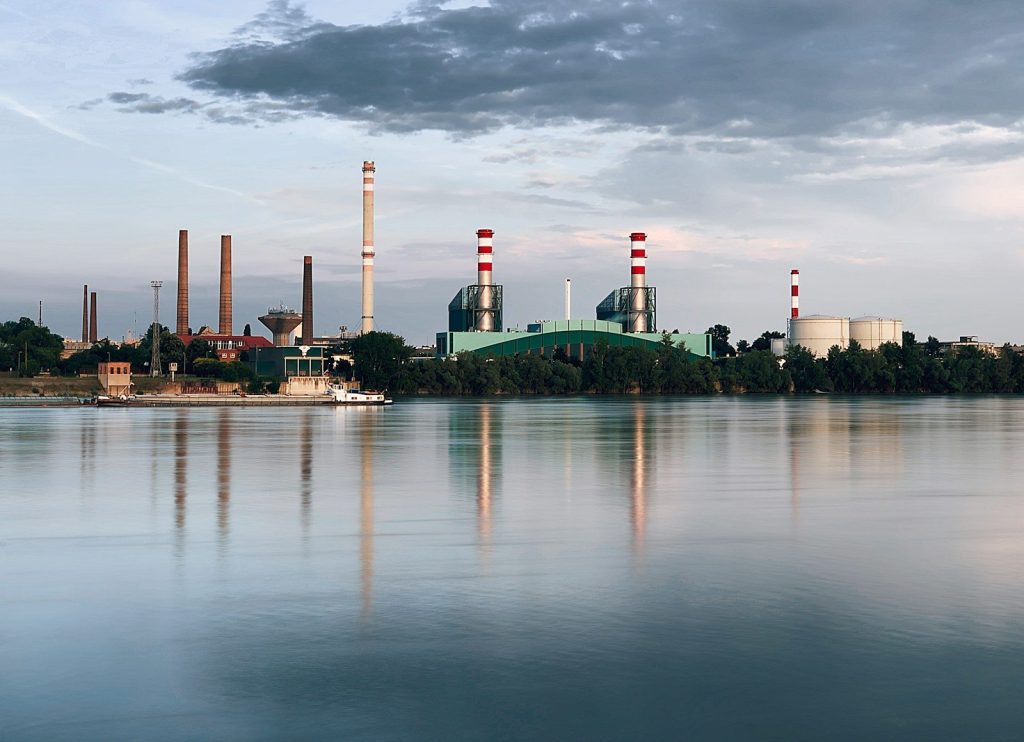
    industrial buildings across river
    Photo by Mihály Köles on Unsplash

    We are currently building massive desalination plants to provide drinking water for our cities. These plants produce a huge amount of “waste salt” as a byproduct. In 2026, we are turning that waste into the primary fuel for our batteries. It is a perfect circular economy. We get fresh water and clean energy from the same facility. It is a win for the environment and the taxpayer. But what does this mean for the price of your next car?

    The Rise of the $15,000 Electric Car

    black and white usb cable plugged in black device
    Photo by CHUTTERSNAP on Unsplash
    While sodium started in shipping, it is moving into the “Budget Car” market. By using salt-based batteries, manufacturers are finally able to build electric cars for under $15,000. These cars are perfect for city driving and short commutes. They charge fast, stay safe, and are incredibly cheap to maintain. We are seeing the death of the “Premium” electric car barrier. But is there one last hurdle for the salt revolution?

    A Planet That Runs on Salt

    blue body of water during daytime
    Photo by tayla maurici on Unsplash

    The sodium revolution is just the beginning of a data-driven energy grid. We are moving toward a world where energy is no longer a limited resource. As we master the chemistry of the ocean, we are unlocking a future of infinite power. The 2026 data shows that salt is the future, and lithium is just the first step. But while we fix our power, we are also learning how to speak to our best friends.

    The Countdown to an Ocean-Powered Future

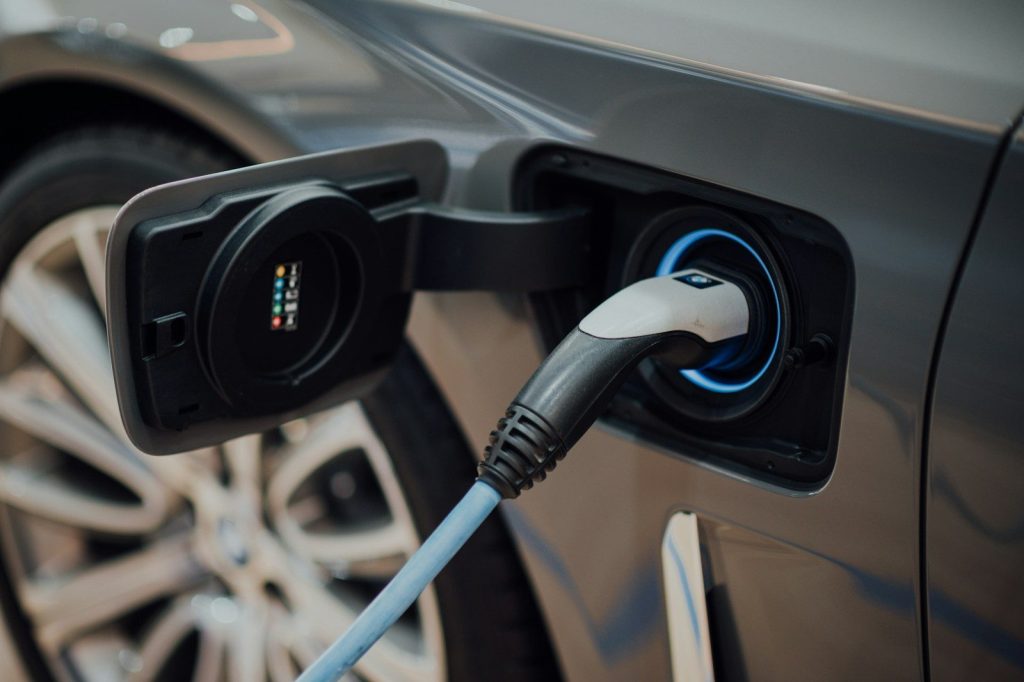
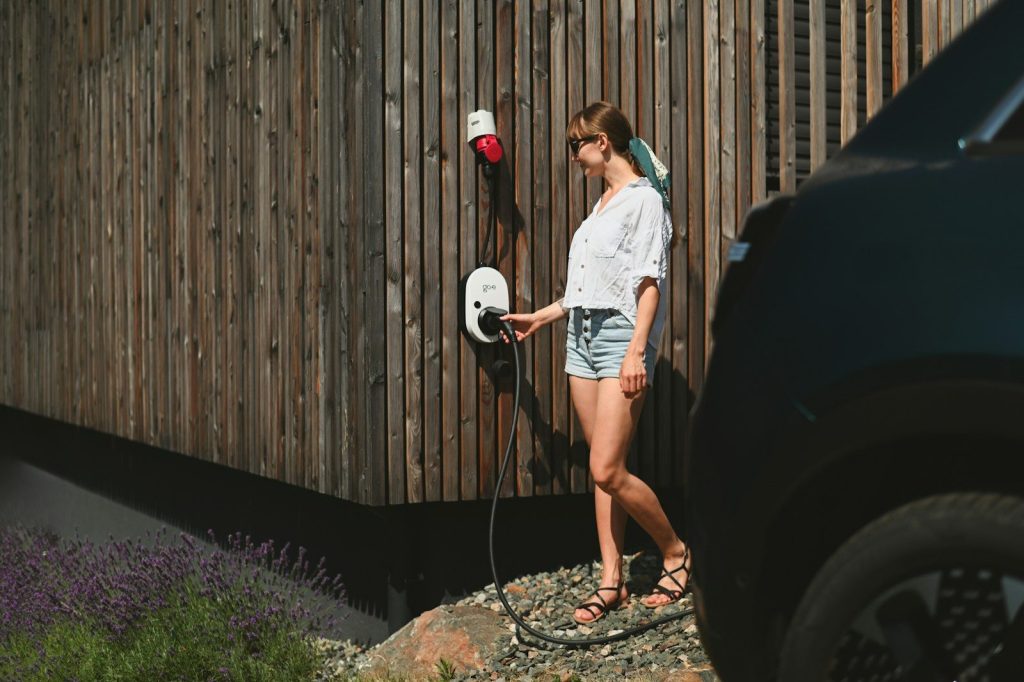
    Woman plugging electric car charger into wall
    Photo by go-e on Unsplash

    We have reached the end of the lithium monopoly. The salt battery is the key to a truly green and fair world. As we look at the horizon, we can see the cargo ships and cars of tomorrow moving silently and cleanly across the planet. Stay curious, stay informed, and keep looking for the next discovery in your own backyard. The world is changing fast, and the best is yet to come. Are you ready to hear what your dog is really thinking?

    Featured Image: Photo by Bent Van Aeken on Unsplash

  • Is the James Webb Telescope seeing things that shouldn’t exist?

    Is the James Webb Telescope seeing things that shouldn’t exist?

    The James Webb Space Telescope (JWST) was built to answer our biggest questions about the universe. But since it started sending back images in 2022, it has mostly been creating new ones. Astronomers are currently staring at data that seems to break the laws of physics. The telescope is looking so far back in time that it is seeing the very first galaxies. The problem? These galaxies are way too big, way too bright, and way too organized for their age.

    According to our current “Big Bang” models, these early galaxies should be small, messy clumps of stars. Instead, JWST is finding massive, mature-looking spirals that exist just a few hundred million years after the beginning of time. It is like looking at a photo of a toddler who is already six feet tall and wearing a suit. Scientists are now asking if our entire timeline of the universe is wrong. But the mystery doesn’t stop with the galaxies.

    The Stars That Are Older Than Time

    a very large spiral shaped object in the sky
    Photo by NASA Hubble Space Telescope on Unsplash
    In the deep reaches of space, JWST has spotted stars that appear to be older than the universe itself. While this is mathematically impossible, the chemical signatures of these stars suggest they have been around for a very long time. This “Crisis in Cosmology” is forcing researchers to rethink how we measure the age of the stars. We might be living in a universe that is much older than the 13.8 billion years we previously thought. But what if the stars aren’t the only ones hiding?

    The Dark Matter Puzzle Gets Weirder

    milky way
    Photo by Jason Mavrommatis on Unsplash

    Dark matter is the invisible “glue” that holds galaxies together. We can’t see it, but we can see its gravity. JWST has found galaxies that have almost no dark matter at all, and others that seem to have way too much. This inconsistency is a nightmare for physicists. If dark matter doesn’t follow a set of rules, then our understanding of gravity might be flawed. We are looking at a universe that refuses to be put into a box. But the telescope is also finding signs of life where we didn’t expect it.

    Alien Atmosphere Signatures in the Deep

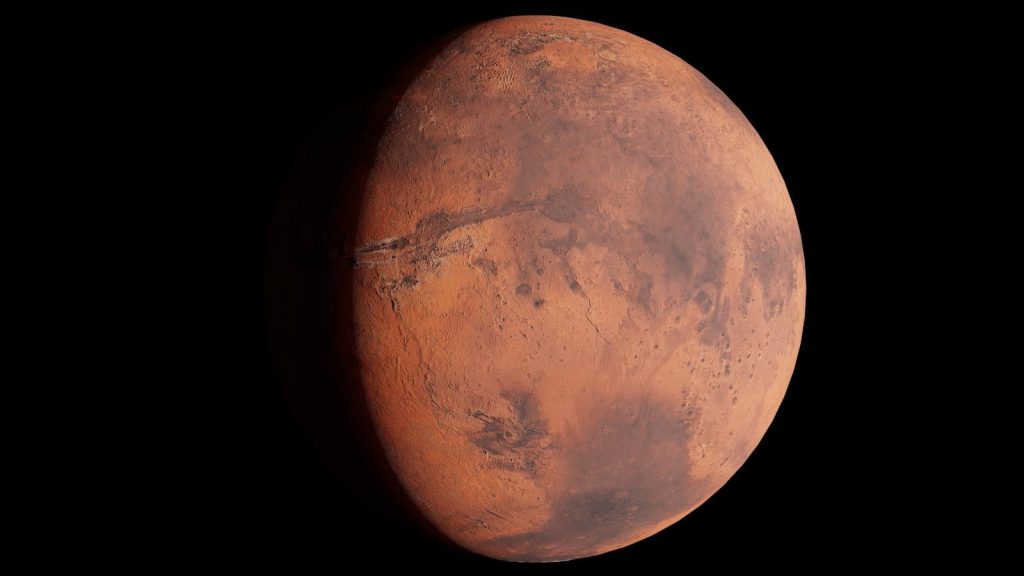
    A high-resolution image capturing Mars with its surface details visible in space.

    Photo by Zelch Csaba on Pexels

    One of JWST’s most exciting jobs is “sniffing” the air of planets orbiting other stars. Recently, it detected Methane and Carbon Dioxide in the atmosphere of a “Water World” called K2-18b. On Earth, these gases are often produced by life. While this isn’t a “smoking gun” for aliens yet, it proves that the ingredients for life are everywhere in the cosmos. We are no longer asking if there is life out there, but where it is. But wait until you see the “Ghost Galaxies” hiding in the dust.

    The Ghost Galaxies Hiding in the Dust

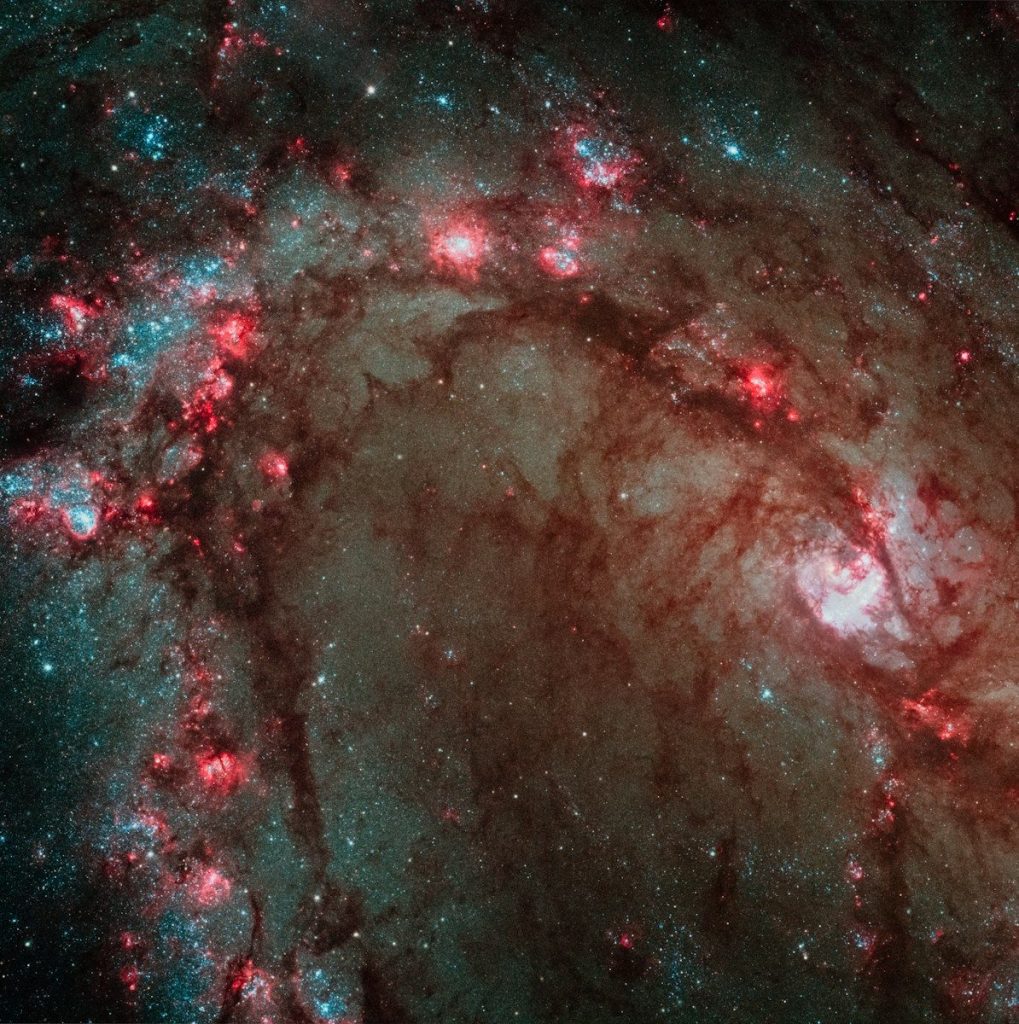
    Vivid image of a red nebula with stars in the night sky creating a dramatic cosmic scene.
    Photo by Emre Bilgiç on Pexels

    Because JWST uses infrared light, it can see through the thick clouds of dust that block other telescopes. It has revealed “Ghost Galaxies” that were completely invisible to us for decades. These galaxies are made of old, dim stars that don’t emit much light. Finding them suggests that the universe is much more “crowded” than we realized. There is a whole hidden layer of reality that we are just now beginning to map. But is the universe actually expanding at all?

    The Mystery of the Expanding Void

    A mesmerizing abstract swirl depicting a cosmic scene with fiery nebula highlights, hinting at the vastness of the universe.
    Photo by 3D Render on Pexels

    For a century, we believed the universe was expanding at a steady rate. But JWST has found that different parts of space seem to be moving at different speeds. This is known as the “Hubble Tension.” It’s as if different parts of the universe are following different sets of rules. Some scientists believe this is evidence of “New Physics”—rules that we haven’t discovered yet. We are like children looking at a massive machine and trying to guess how it works. But the machine is starting to show its age.

    The Re-Writing of the Big Bang

    Dramatic image of a cosmic dust cloud with vivid colors and starry sky.
    Photo by Pixabay on Pexels

    If the early galaxies are too mature, maybe there was no “beginning” at all. Some theorists are using JWST data to argue for a “Cyclic Universe” that has always existed, expanding and contracting forever. This would explain why we see things that look “too old.” It is a radical idea that would change every textbook on the planet. We are witnessing the death of old certainties and the birth of a new cosmic mystery. But while we look at the stars, our own jobs are being watched by a different kind of eye.

    Searching for the Edge of Everything

    the night sky is filled with stars
    Photo by Víctor Elvira Ávalos on Unsplash

    JWST is currently pointing its mirrors at the “Deep Fields”—patches of sky that look empty to the naked eye. In these spots, it is finding thousands of galaxies that have never been seen before. We are realizing that no matter where we look, there is more to find. The universe is infinite, and our journey has just begun. Each image is a reminder of how small we are and how much we have yet to learn. But keep your eyes on the ground, because your office is about to change forever.

    Featured Image: Photo by NASA Hubble Space Telescope on Unsplash

  • Why your smart home devices are the weakest link in your personal security

    Why your smart home devices are the weakest link in your personal security

    Your home is your castle, but in 2026, the walls have ears—and eyes. We have filled our houses with smart speakers, connected cameras, and even Wi-Fi-enabled refrigerators. While these gadgets make life easier, they are also the “open windows” of the digital age. Most people don’t realize that a $20 smart bulb could be the key a hacker needs to steal their bank information. Your smart home devices are often built with the cheapest possible chips and very little security.

    These devices are hitting the news as the “weakest link” in personal safety. Because they are always connected to your Wi-Fi, they act as a bridge into your private life. If a criminal can hack your doorbell, they can often jump from there to your laptop or your phone. We are trading our privacy for the convenience of dimming the lights with our voice. But how exactly does a hacker turn your toaster into a spy?

    The Camera That Watches You Back

    a close up of a light on a wall
    Photo by Jakub Żerdzicki on Unsplash

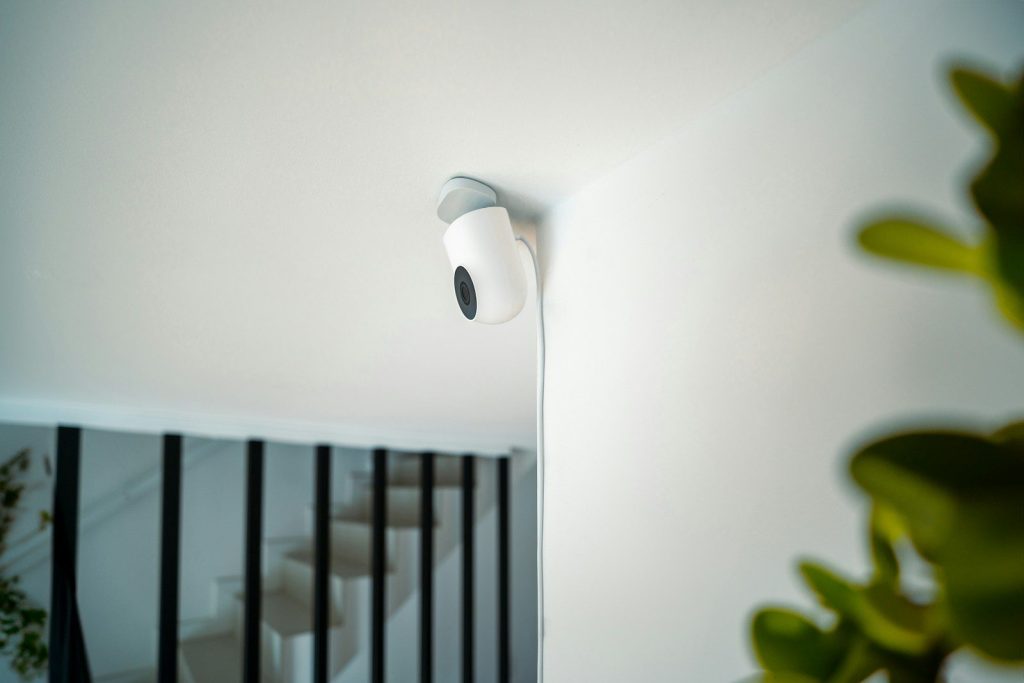
    We buy indoor cameras to keep an eye on our pets or our kids. But if that camera isn’t properly secured, anyone with the right software can tune in. Hackers often scan for devices with default passwords like “admin” or “1234.” Once they are in, they can watch your daily routine and know exactly when you leave the house. It is the ultimate tool for a modern-day burglar. But the risk isn’t just about what they see; it’s about what they hear.

    Smart Speakers and the Silent Listener

    silver ring on black surface
    Photo by Domonique Davenport on Unsplash

    “Alexa, what’s the weather?” It’s a harmless question, but your smart speaker is always listening for its “wake word.” This means it is constantly processing the sounds in your room. If the company’s servers are hacked or if the device has a software glitch, your private conversations could be recorded and stored. There have been many cases where smart speakers sent private audio to the wrong contacts. Your living room secrets are now data points in a cloud. But wait until you see the danger of the “Smart Lock.”

    When Your Front Door Gets Hacked

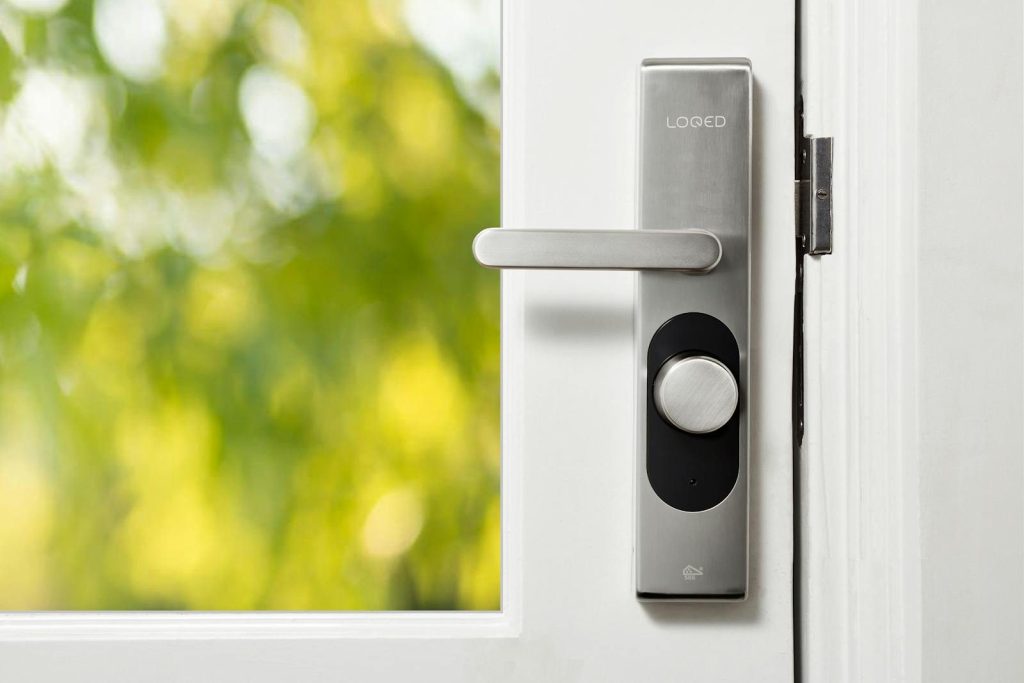
    Sleek smart door lock on a white door with blurred green foliage in the background.
    Photo by Joppe Beurskens on Pexels

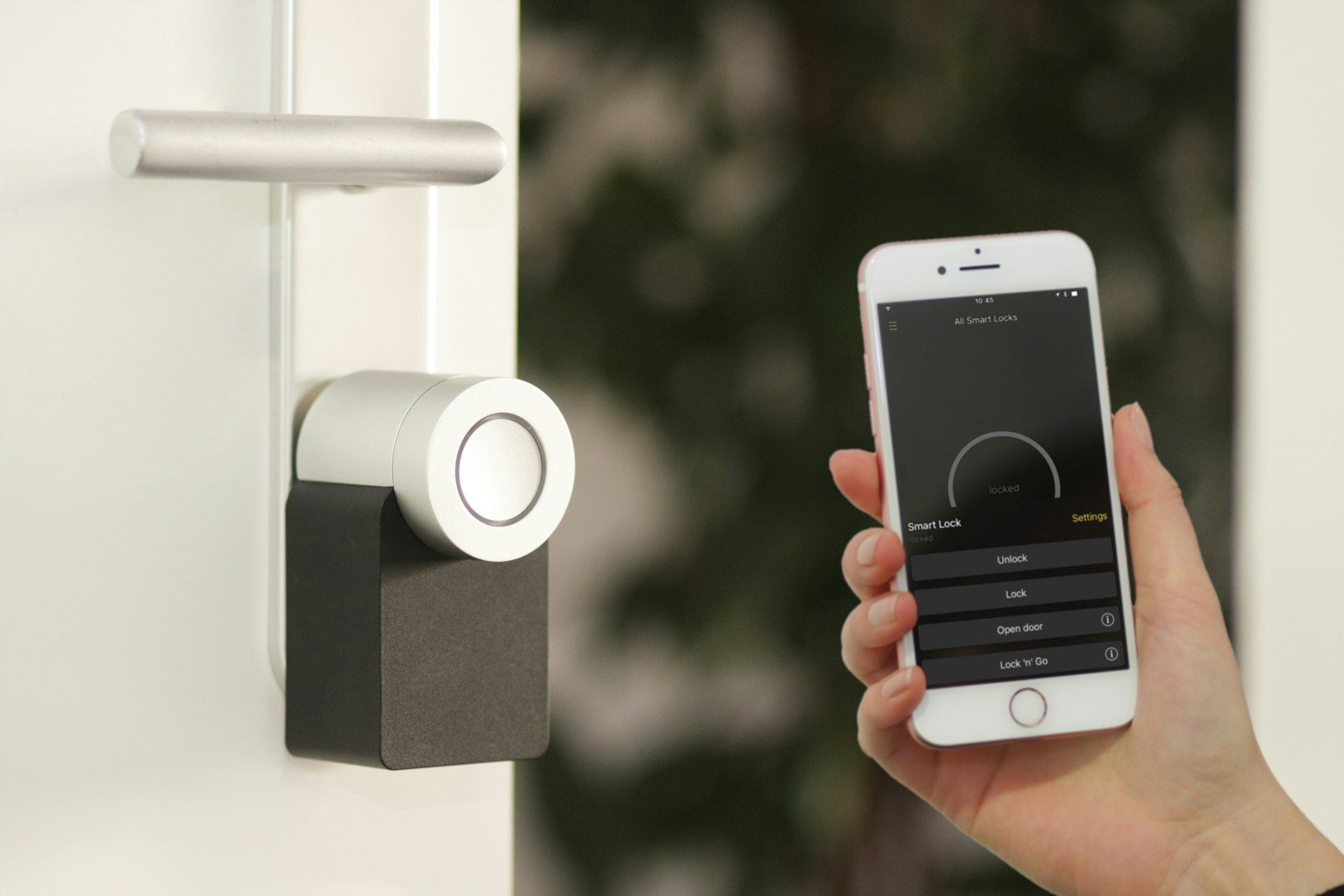
    Smart locks allow you to let in the deliveryman while you are at work. However, digital locks can be picked with code instead of a crowbar. Researchers have found that many smart locks can be tricked by a simple Bluetooth signal. Once the hacker “spoofs” your phone’s ID, the door pops open as if you were standing right there. It is a terrifying realization that your physical safety depends on a software update. But even your appliances are playing the game.

    The Refrigerator That Steals Your Passwords

    a modern kitchen with stainless steel appliances and marble counter tops
    Photo by Lotus Design N Print on Unsplash

    Why does a fridge need to be on the internet? Usually, it’s to help you keep a grocery list. But because these appliances have very weak security, they are often used as “zombie” devices. Hackers take over thousands of smart fridges to send out spam emails or launch attacks on government websites. Even worse, if you use the fridge to check your email, your login details are stored on an unencrypted drive. Your kitchen is the new front line of cyber-warfare.

    Outdated Firmware is a Digital Virus

    an old computer sitting on the ground surrounded by wires
    Photo by Nik on Unsplash

    When you buy a smart device, the software inside it is called firmware. Unlike your phone, which updates automatically, many smart gadgets stay on the same software for years. This makes them easy targets for old hacking tricks. If you haven’t updated your smart thermostat in a year, you are essentially leaving your digital front door wide open. We are building a world of “set it and forget it” tech that becomes more dangerous every day. But who is actually collecting all this data?

    The Invisible Map of Your Life

    person holding ipad near white ceramic mug and laptop
    Photo by Windows on Unsplash

    Every time you turn on a smart light or adjust the temperature, a data packet is sent to a server. Over time, this creates a perfect map of your habits. Tech companies know exactly when you wake up, when you eat, and how often you are home. This data is sold to advertisers who use it to target you with scary precision. You aren’t just the user of these devices; you are the product. But there is a way to take your house back.

    How to Secure Your Digital Castle

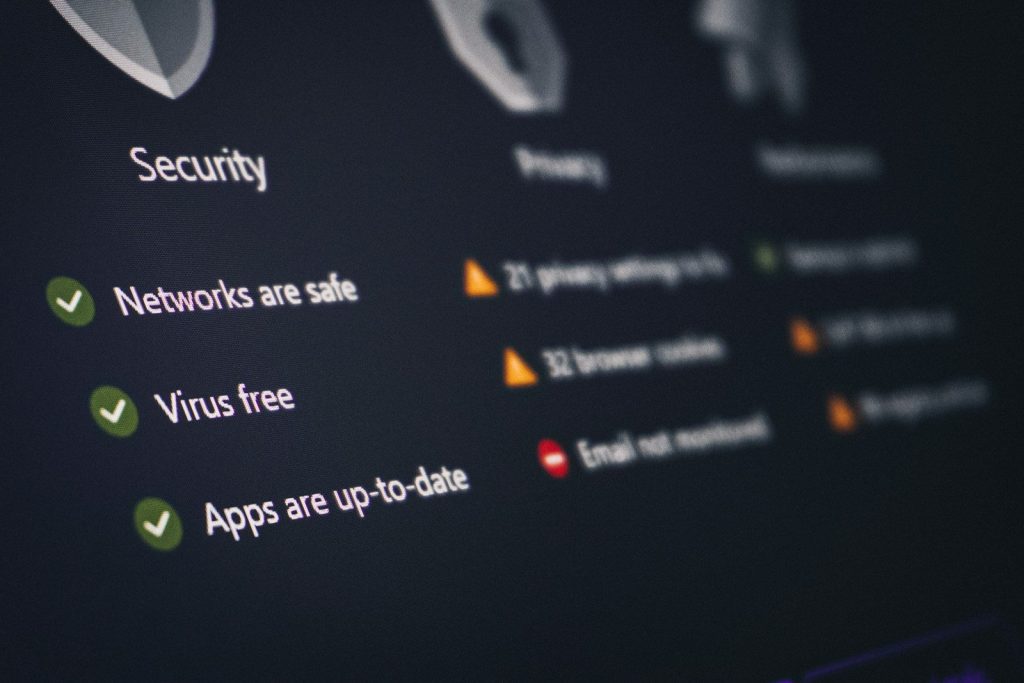
    A security and privacy dashboard with its status.
    Photo by Zulfugar Karimov on Unsplash

    Protecting your smart home doesn’t mean throwing away your gadgets. It means being smart about how you use them. Step one is creating a separate Wi-Fi network just for your devices. This keeps a hacked light bulb from seeing your laptop. Step two is changing every password from the factory default. It takes ten minutes, but it could save you a lifetime of headaches. As we build the future, we have to remember that a “smart” home is only as good as its defense. But is the universe also hiding its own secrets from us?

    Featured Image: Photo by Sebastian Scholz (Nuki) on Unsplash

  • Is putting tech inside us a step too far?

    Is putting tech inside us a step too far?

    Humanity is standing at a crossroads. For decades, we used technology as a tool that we held in our hands. Now, we are beginning to put that technology inside our bodies. From brain-computer interfaces that allow us to control cursors with our thoughts to tiny RFID chips under the skin that open doors, the line between man and machine is blurring. In 2026, this isn’t just science fiction—it is a booming industry known as bio-hacking.

    While these advancements offer incredible hope for people with paralysis or chronic illness, they also raise terrifying ethical questions. Are we still human if our brains are wired to the internet? Who owns the data that our internal chips collect? As we move toward a future where “upgrading” your body is as common as updating your phone, we have to decide where to draw the line. But the most shocking implants are already being tested in secret labs.

    The Rise of the Neural Interface

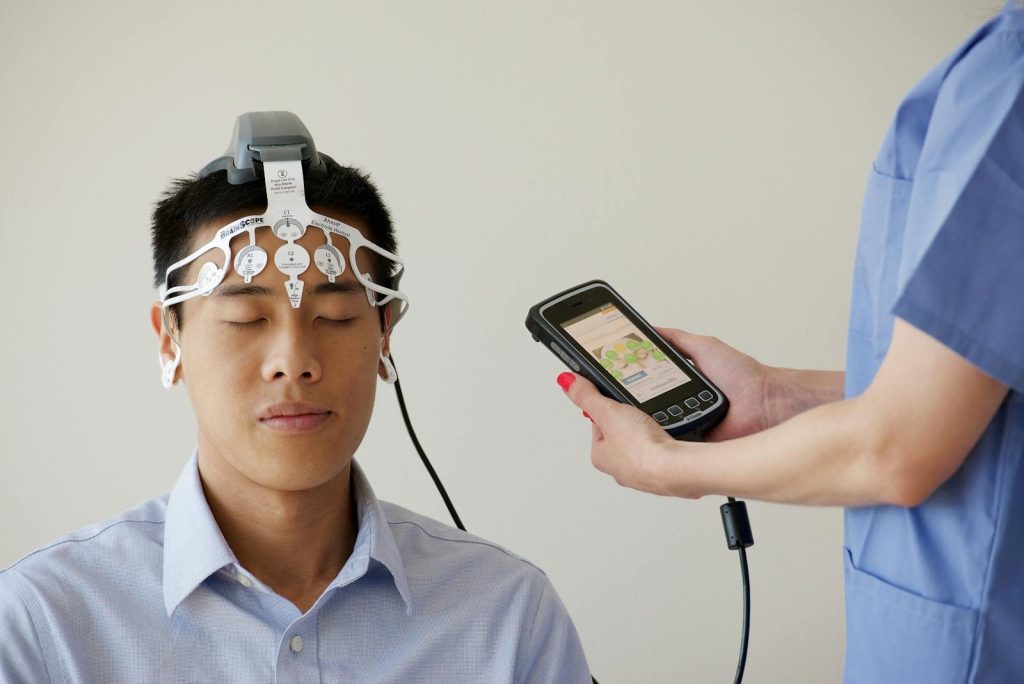
    Healthcare professional conducting an EEG examination using a Brainscope device on a male patient.
    Photo by KOS Chiropractic Integrative Health on Pexels

    The most famous piece of “internal tech” is the neural chip. Companies are racing to create devices that can treat depression, restore sight, and even boost memory. These chips sit directly on the brain and listen to your neurons. It is a miracle for medicine, but it also means your most private thoughts could technically be recorded. We are building a bridge between biology and code that can never be unbuilt. But wait until you see how people are using their hands as keys.

    RFID Tags Under the Skin

    Close-up of a healthcare worker in pink uniform holding a medicine vial with gloved hands.
    Photo by www.kaboompics.com on Pexels

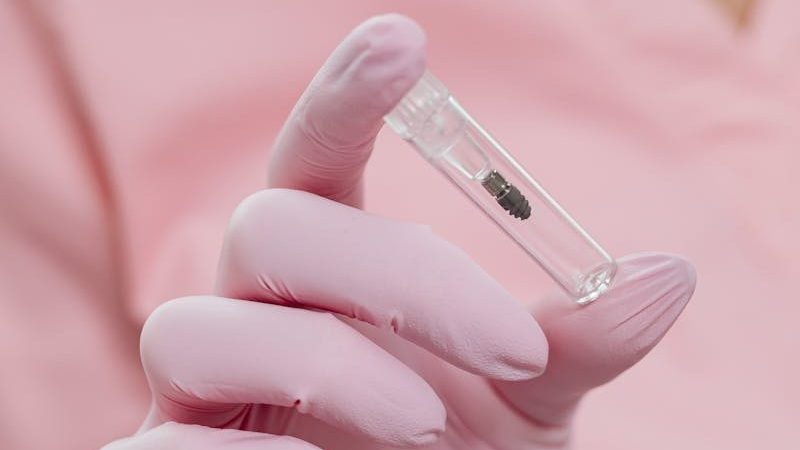
    Thousands of people have already “upgraded” their hands. By injecting a tiny RFID chip between their thumb and index finger, they can unlock their front doors, start their cars, and even pay for groceries with a wave. It is the ultimate convenience, but it also creates a permanent digital signature that follows you everywhere. If your body becomes your credit card, what happens if you get hacked? This leads to a massive debate about physical privacy.

    Bio-Luminescent Implants for Fashion

    Close-up of an LED light mask used in modern skincare treatments.
    Photo by Dinç Tapa on Pexels

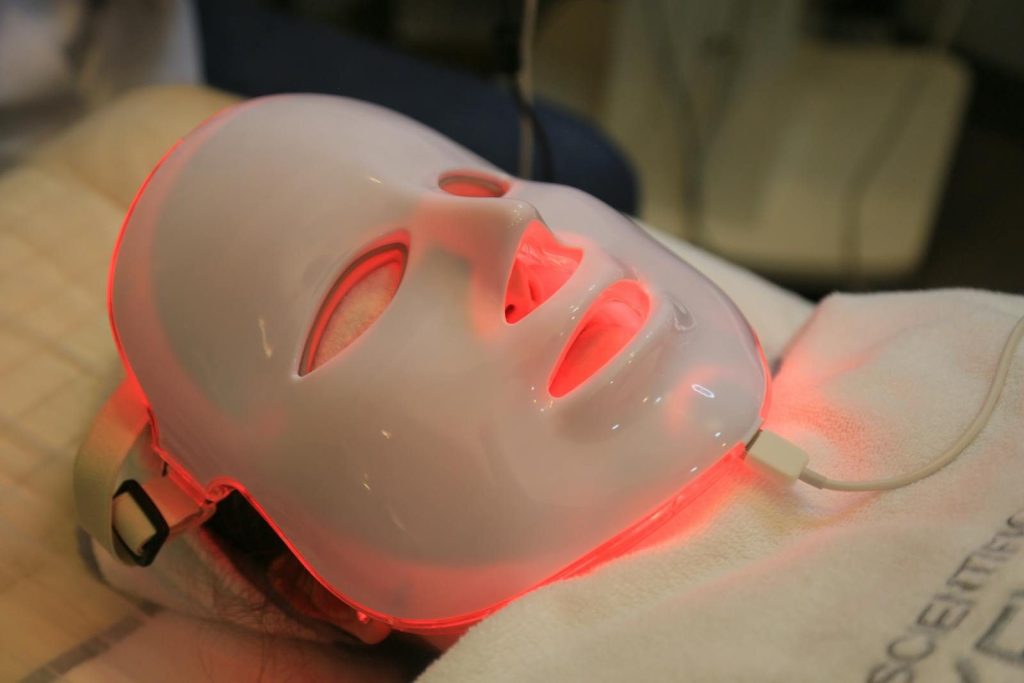
    Tech isn’t just for function; it’s for style too. A new trend in the bio-hacking community involves “Firefly” implants—LED lights placed under the skin that glow in response to magnets or smartphone signals. It turns the human body into a living piece of digital art. While it looks cool, doctors are warning about the risks of infection and tissue rejection. We are treating our skin like a canvas for hardware. But can these lights actually track your health too?

    Monitoring Your Organs in Real-Time

    A hospital room with a monitor on a tripod
    Photo by Judy Beth Morris on Unsplash

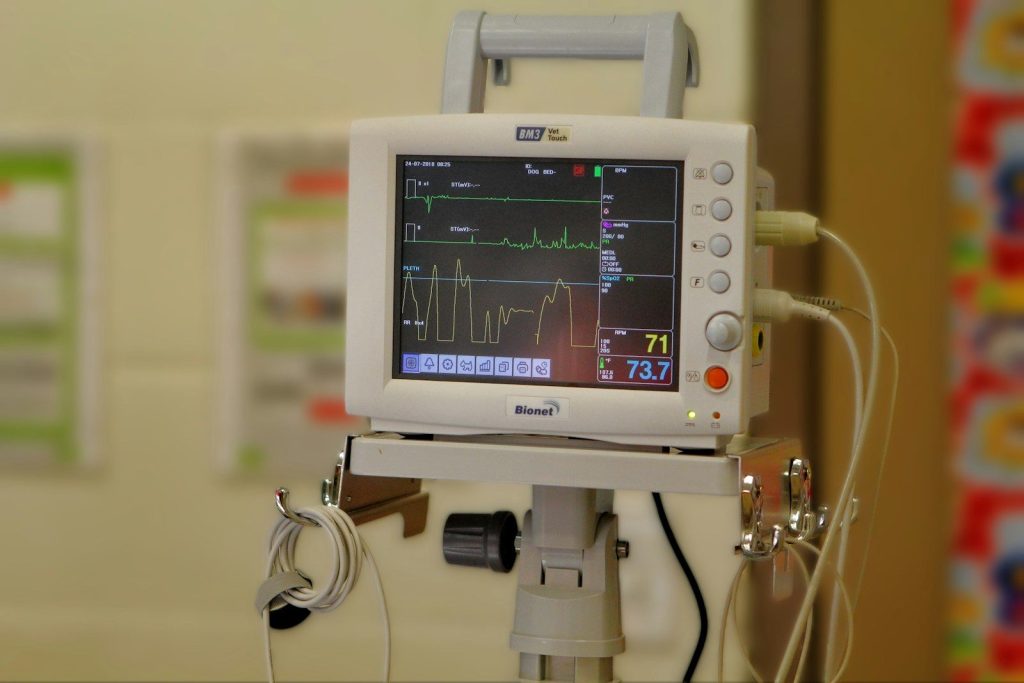
    Imagine a sensor wrapped around your heart that tells your doctor about a heart attack before you even feel it. Internal health monitors are becoming more sophisticated every day. These devices can track blood sugar, oxygen levels, and even stress hormones from inside the bloodstream. It is the end of the “yearly checkup” because you are being checked every second. But this constant stream of data is a gold mine for insurance companies.

    The Corporate Ownership of Biology

    Business professionals discussing a contract in a modern office setting.
    Photo by www.kaboompics.com on Pexels

    This is where things get truly messy. If a company manufactures the chip in your brain, do they own the “operating system” of your mind? There are already cases where people with high-tech eye implants went blind because the company that made the tech went bankrupt. We are entering an era where our physical well-being depends on a corporate subscription. It is a terrifying legal loophole that no one was prepared for. But can tech make us stronger than nature intended?

    Artificial Muscles and Super Strength

    Close-up of a woman wearing a sleek, modern prosthetic arm. Studio shot emphasizes technology and innovation.
    Photo by cottonbro studio on Pexels

    We aren’t just fixing broken bodies; we are enhancing healthy ones. Scientists are developing synthetic muscle fibers that can be woven into your own tissue. These “bionic boosts” could allow humans to run faster, jump higher, and lift more weight than any Olympic athlete. It creates a “biological divide” between those who can afford the upgrades and those who cannot. Are we creating a new class of super-humans?

    The End of Personal Privacy

    Blurred person in front of a digital code projection creating a tech-inspired abstract vibe.
    Photo by Ron Lach on Pexels

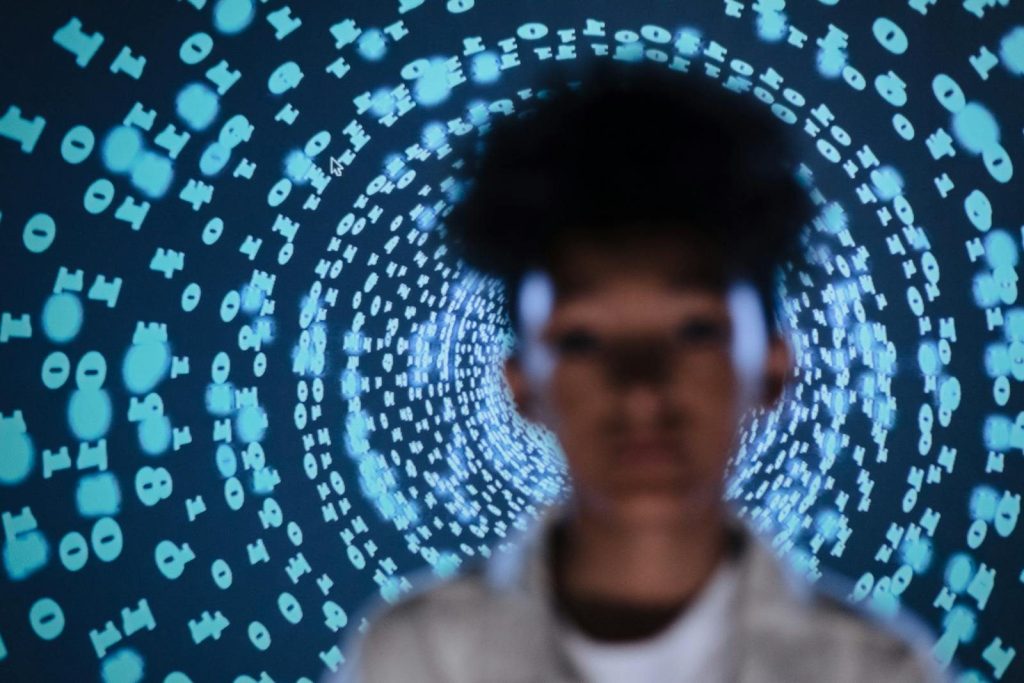
    If everything inside us is connected to the cloud, there is no such thing as a private moment. Even your dreams could eventually be translated into data points. We are trading our inner sanctuary for digital efficiency. The conversation about bio-hacking is really a conversation about what it means to be free. As the tech gets smaller and more powerful, the “off switch” is becoming harder to find. But is the human spirit ready for the machine?

    The Final Verdict on Internal Tech

    Close-up of a robotic hand with a woman pointing, showcasing advanced prosthetic technology.
    Photo by cottonbro studio on Pexels

    We are already cyborgs—we just haven’t realized it yet. Our smartphones are extensions of our memory, and our social media is an extension of our ego. Putting the tech inside us is just the final step in a journey that started with the first stone tool. The future is bright, but it is also heavy with responsibility. We have to be the masters of our machines, not the other way around. Are you ready for a world where your home is also watching you?

    Featured Image: Photo by Ecliptic Graphic on Unsplash

  • he Enzyme Now Cleaning Oceans in Hours, Not Years

    he Enzyme Now Cleaning Oceans in Hours, Not Years

    The Great Pacific Garbage Patch has been a symbol of human failure for decades. We were told that it would take thousands of years for that plastic to disappear. But in 2026, a revolutionary discovery changed math completely. Scientists have engineered a new “Super-Enzyme” that can break down the strongest plastics in just a few hours. This isn’t just a slow decay; it is a total molecular dismantling.

    This enzyme is hitting the news as the “Silver Bullet” for our oceans. It has been deployed in large-scale tests across the Pacific with shocking success. Within hours of being released into a patch of trash, the solid plastic begins to dissolve into harmless organic material. We are looking at a future where our beaches are finally clean again. But how did we create something that can eat trash so fast without harming the fish?

    The Microscopic Vacuum for Plastic

    A 3D illustration of a colorful abstract molecular structure on a dark background.
    Photo by Google DeepMind on Pexels

    The secret is a protein called PETase-X. Scientists used AI to rewrite the genetic code of a bacterium found in a recycling plant. The new 2026 version is a thousand times more aggressive than anything found in nature. When it touches plastic, it acts like a pair of microscopic scissors, cutting through the chemical bonds of the polymers. It turns the trash into a nutrient that the bacteria then consume. But can this enzyme really handle the millions of tons of waste in the deep sea?

    Shattering Polymeric Bonds Instantly

    Colorful abstract representation of a molecular structure with interconnected spheres.
    Photo by Google DeepMind on Pexels

    In the past, enzymes were too fragile to survive in the rough conditions of the ocean. But the 2026 Super-Enzyme is “Thermally Stable.” It can work in freezing arctic waters or hot tropical currents without losing its power. This means we can deploy it anywhere on the planet. It is a high-speed demolition team for our environmental mistakes. But how do we make sure this doesn’t turn into a biological disaster?

    The Safe Switch for Marine Life

    Colorful reef fish swimming among corals in Australia's clear waters.
    Photo by Martins OPO on Pexels

    The biggest fear was that the enzyme might start eating the scales of fish or the shells of turtles. To prevent this, scientists built a “Biological Lock.” The enzyme can only be activated by a specific, harmless signal sent from a satellite. If it leaves the target area, it simply deactivates and becomes regular protein. This 2026 safety protocol ensures that we are only targeting the trash. We are cleaning the house without hurting the guests. But there is a huge financial benefit to all this trash, too.

    Turning Trash Into Useful Energy

    A green buoy in the calm sea near Greenock, Scotland, highlighting water navigation.
    Photo by Ollie Craig on Pexels

    When the enzyme breaks down the plastic, it releases a byproduct that is high in carbon. Smart buoys are now being used to capture this byproduct and turn it into clean biofuel. We aren’t just removing the trash; we are harvesting it. In 2026, the “Garbage Economy” is becoming a billion-dollar industry. We have turned a liability into a resource. But wait until you see what this means for your next vacation.

    A Second Chance for Our Beaches

    body of water during daytime
    Photo by frank mckenna on Unsplash

    By 2027, experts predict that the majority of coastal plastic will be gone. This means that for the first time in a generation, children will be able to play on beaches that aren’t littered with bottle caps and straws. This is a massive win for the tourism industry and human health. We are restoring the beauty that we almost lost. It is a hopeful moment for everyone who loves the sea. But the final weapon against pollution is even more ambitious.

    The Final Weapon Against Pollution

    A silhouette of a drone flying over the ocean during a vibrant sunset in Tamarama, NSW.
    Photo by Mudassir Ali on Pexels

    The Super-Enzyme is being combined with “Autonomous Cleaning Drones.” These drones use satellite data to find the largest concentrations of plastic and release the enzyme exactly where it is needed. It is an automated cleanup crew that works 24 hours a day. We have built a “Digital Immune System” for the planet. We are finally fighting back against the tide of pollution. But is this the end of the story?

    The End of the Plastic Era

    Tranquil ocean scene with gentle waves and a clear blue sky. Perfect for nature backgrounds.
    Photo by Jaymantri on Pexels

    The countdown to a clean ocean has officially reached its final stage. In 2026, we have the tools to erase our footprint. We have learned to use nature’s own chemistry to fix nature’s biggest problems. It is a reminder that even when things seem impossible, human ingenuity has no limits. The future is blue, it is clean, and it belongs to all of us. But as we clean the water, we are discovering that the sky is also filled with hidden patterns. Are you ready for the next breakthrough?

    Featured Image: Photo by engin akyurt on Unsplash

  • Why the Future of Food Just Moved Underground

    Why the Future of Food Just Moved Underground

    The surface of our planet is becoming a difficult place to be a farmer. Between heat waves, floods, and droughts, traditional agriculture is failing. But in 2026, the biggest food producers in the world have found a solution: they are moving the entire food chain underground. Deep inside abandoned subway tunnels, mines, and specialized bunkers, a massive network of “Sub-Farms” is providing fresh produce for millions of people.

    These underground cities of food are hitting the news as the ultimate insurance policy against climate change. They provide a perfectly controlled environment where it never rains too much and it’s never too hot. We are seeing a world where your lettuce is grown 50 feet beneath your feet. It is a total transformation of how we think about the Earth’s crust. But how do you grow a tomato without a single ray of natural sunlight?

    The New Cities Beneath the Soil

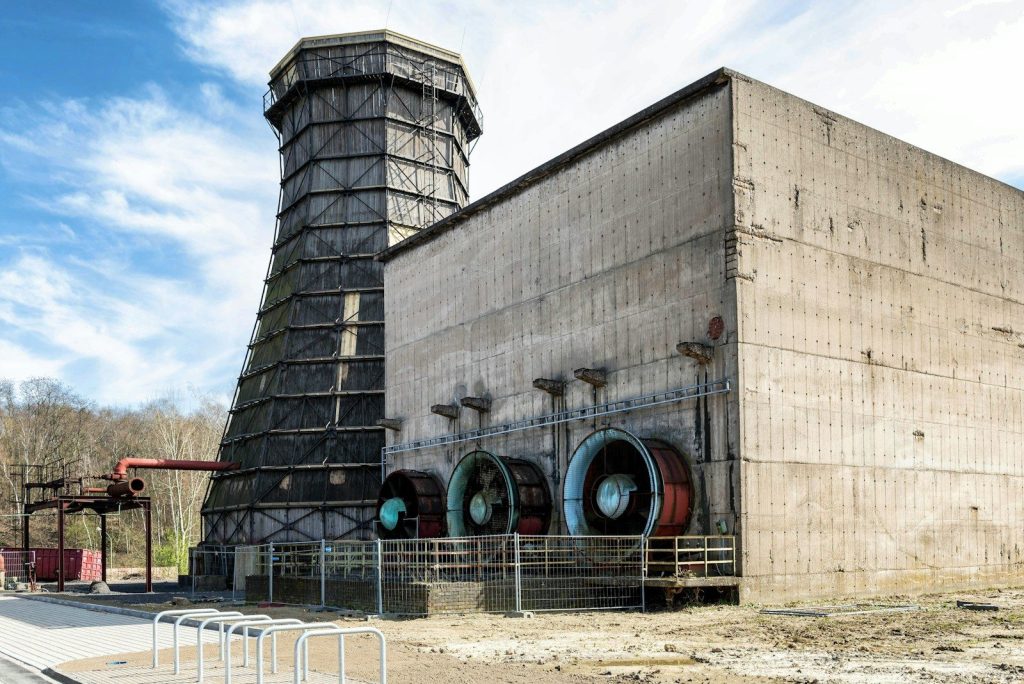
    Industrial cooling tower with large fans on concrete building
    Photo by Wolfgang Weiser on Unsplash

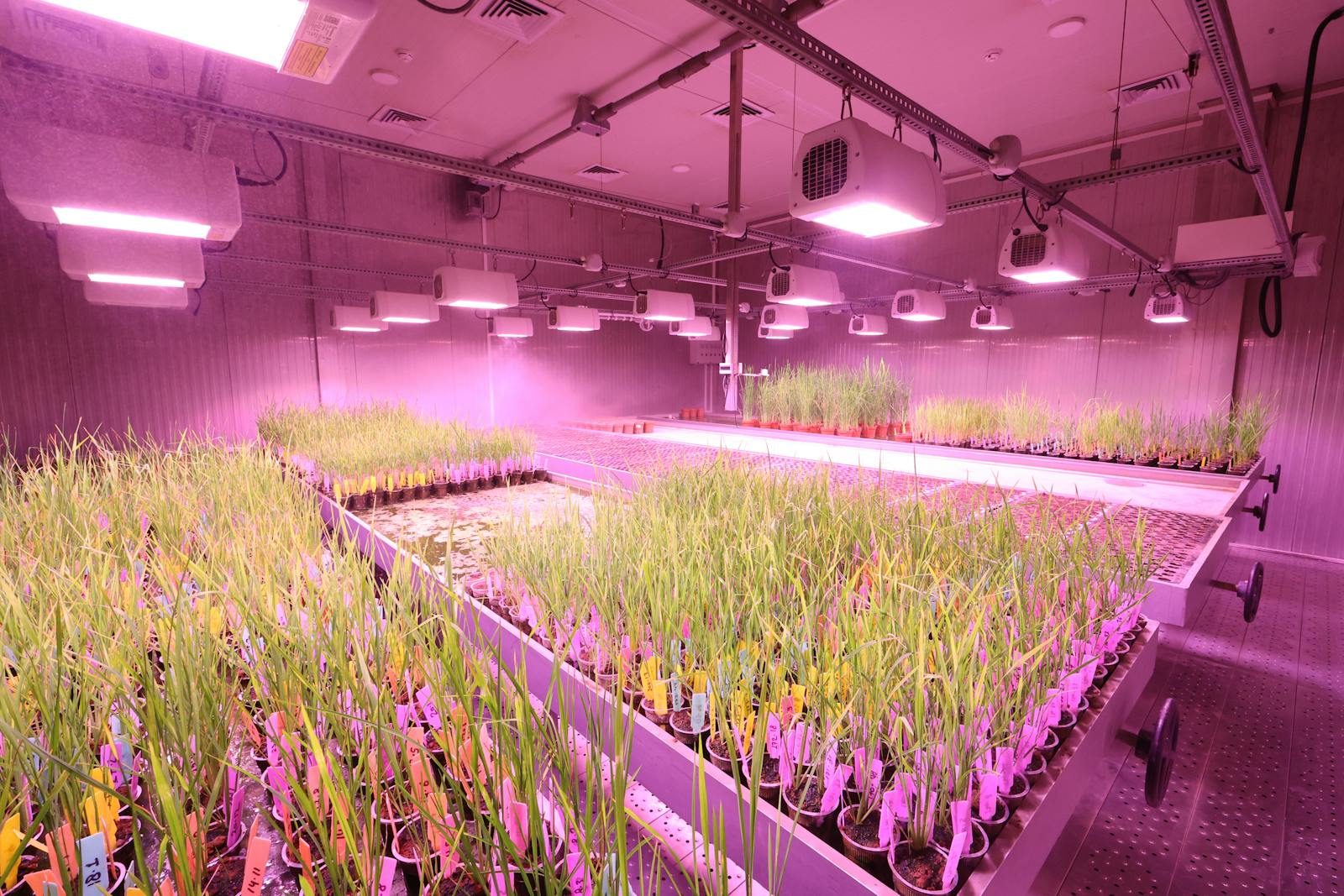
    Old coal mines and bomb shelters are being repurposed into high-tech greenhouses. These facilities can go down hundreds of feet, using the natural insulation of the rock to stay at a perfect 70 degrees year-round. This saves a massive amount of energy that would normally be spent on heating or cooling. In 2026, cities like London and New York are already sourcing 10 percent of their greens from these “Basement Basins.” But the secret to their growth is all in the light.

    Growing Crops Without Sunlight

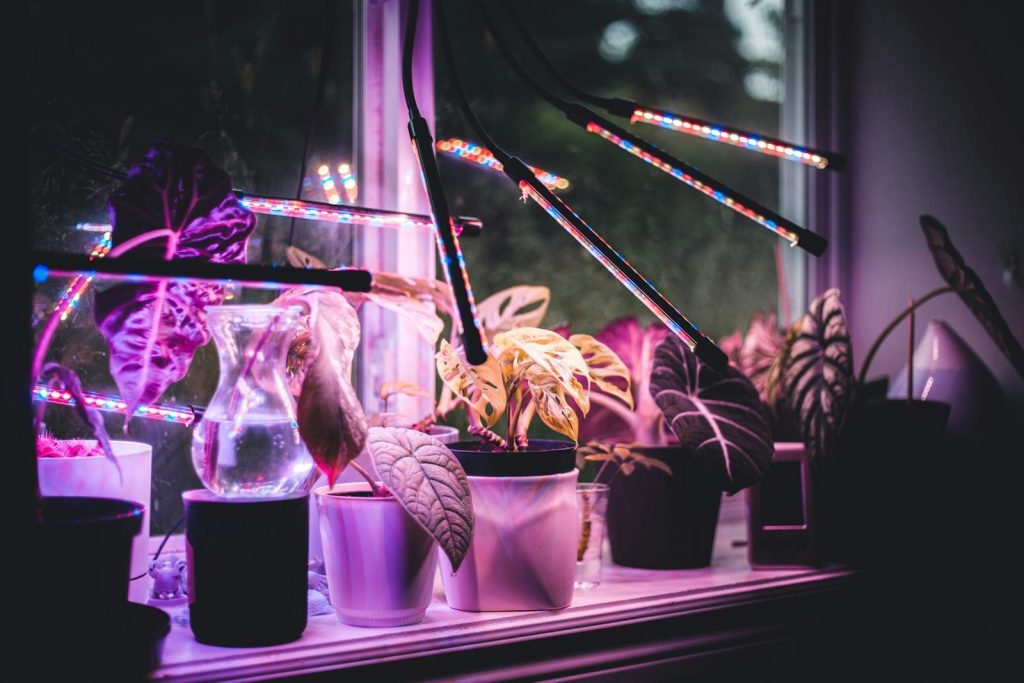
    A colorful display of potted plants illuminated by LED grow lights on a windowsill.
    Photo by Erik Mclean on Pexels

    Traditional farming relies on the sun, but underground farms use “Light Recipes.” Scientists have discovered that plants only need specific wavelengths of light to grow. By using purple and blue LEDs, they can make crops grow three times faster than they do in a field. This 2026 technology allows for 24-hour growing seasons with zero downtime. We are essentially hacking biology to feed more people. But what happens to all the waste from these farms?

    Protecting Food from Extreme Weather

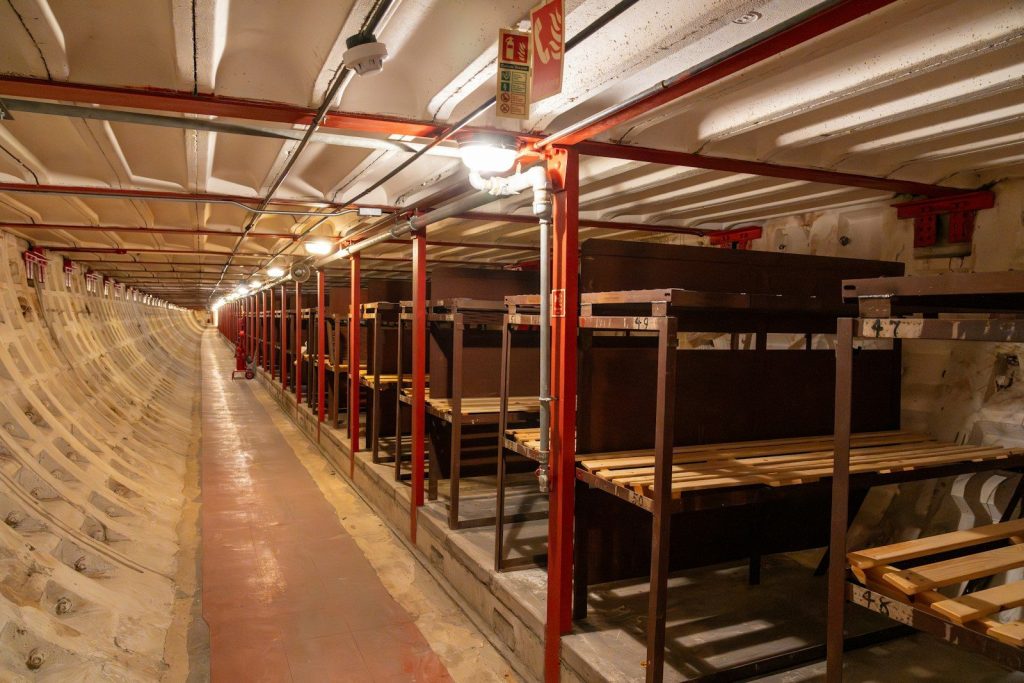
    a long row of benches inside of a building
    Photo by Tomasz Zielonka on Unsplash

    While the surface is being battered by “Super-Storms,” the underground farms are silent and safe. This “Shielded Agriculture” ensures that a single bad season doesn’t lead to a food shortage. It provides a level of security that has been missing for a century. We are finally decoupling our survival from the weather forecast. It is a peace of mind that money couldn’t buy until now. But wait until you see the “Circle of Life” inside these bunkers.

    The Secret of Nutrient Loops

    Fresh green lettuce leaves with water droplets, perfect for healthy lifestyle concepts.
    Photo by Jessica Lewis 🦋 thepaintedsquare on Pexels

    Underground farms use 95 percent less water than traditional farms. They use “Hydroponics” and “Aquaponics,” where fish and plants live together in a closed system. The fish provide natural fertilizer for the plants, and the plants clean the water for the fish. It is a perfect loop that produces both vegetables and protein. This 2026 discovery is making food production more sustainable than ever before. But who is actually doing the hard work in the dark?

    High-Speed Harvesting in the Dark

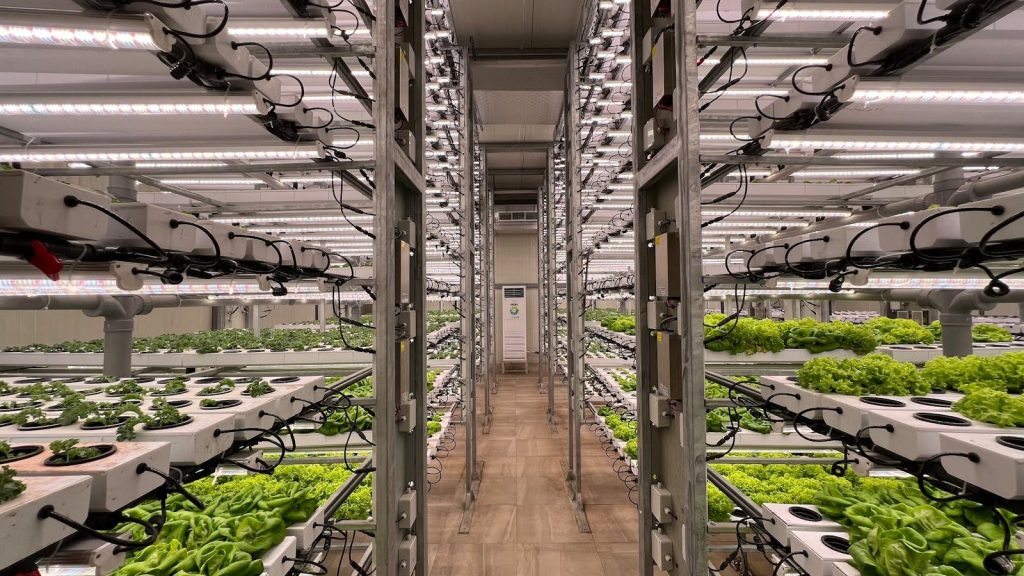
    High-tech indoor hydroponic system for growing lettuce efficiently in a greenhouse setting.
    Photo by Anthony Rahayel on Pexels

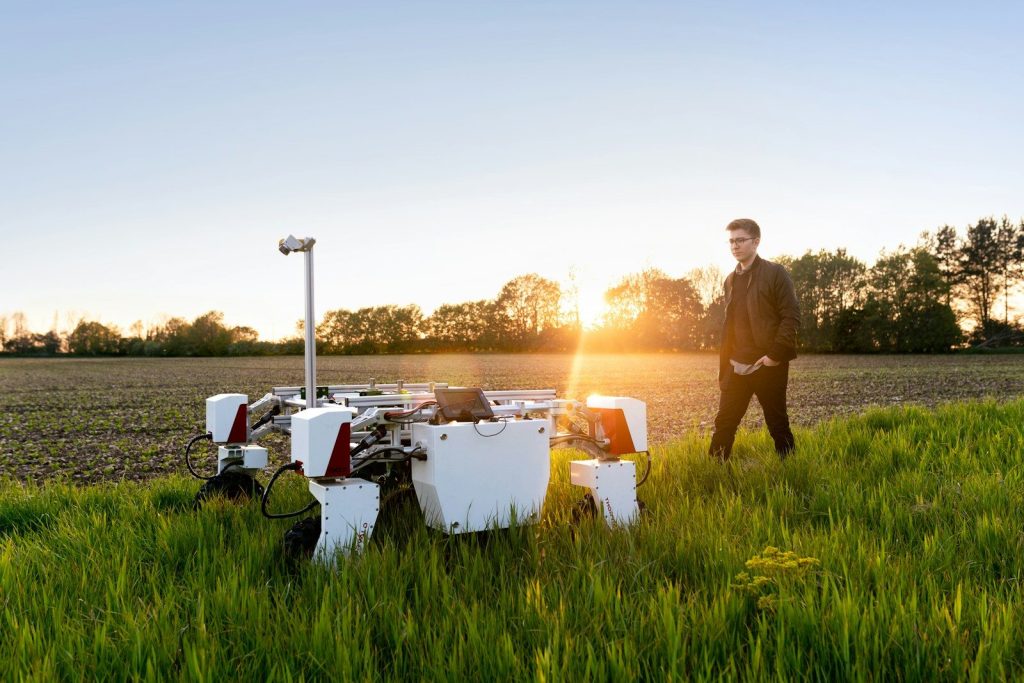
    You won’t see farmers with pitchforks in these tunnels. Instead, the “Sub-Farms” are run by AI-powered robots. These bots monitor every leaf and every root 24 hours a day. They harvest the food at the exact second of peak ripeness and package it for delivery. It is a level of precision that eliminates waste and ensures the highest quality food. We are building a “Ghost Workforce” that never gets tired. But can this really solve the problem of world hunger?

    Ending Global Hunger Forever

    a wooden cart filled with lots of green vegetables
    Photo by Joshua Fernandez on Unsplash

    Because underground farms can be built anywhere, we are moving food production closer to the people who need it. We don’t need to ship vegetables across oceans anymore. Any city with a basement can feed its own citizens. This is leading to a massive drop in the price of fresh produce. We are entering the era of “Hyper-Local Food.” It is the ultimate solution for urban density. But how deep can we actually go?

    Vertical Farming Reaches New Depths

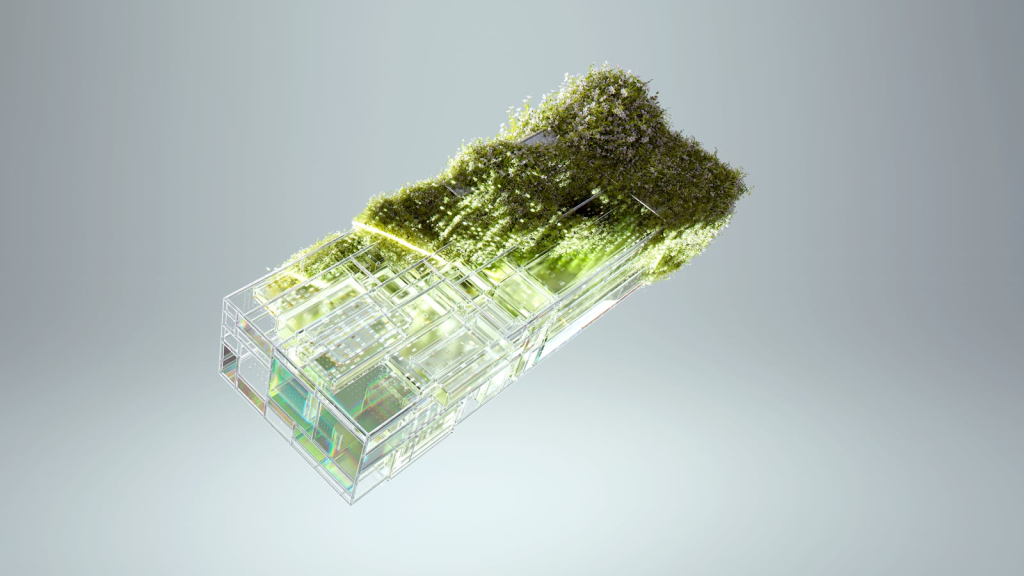
    3D render of a glass structure with embedded greenery, symbolizing sustainable technology integration.
    Photo by Google DeepMind on Pexels

    Architects are now designing “Earth-scrapers”—buildings that extend down into the ground instead of up into the sky. The first ten floors are for people, but the fifty floors below are for food. This allows us to double the capacity of our cities without using more land. We are learning to live and grow in 3D. It is a radical redesign of human civilization. But are the robots ready to take over the soil, too?

    The Robots Tending the Earth

    man in brown shirt standing on green grass field during sunset
    Photo by ThisisEngineering on Unsplash

    As we master the underground, we are finding that machines can manage the soil better than we ever could. They can balance the pH and minerals for each individual plant. This means the food is more nutritious and flavorful than anything grown in the wild. We are creating “Super-Food” by mastering the subterranean world. But while we move underground, something is happening to our oceans that we never thought was possible.

    A Revolution for Modern Cities

    man in white dress shirt holding white plastic bag
    Photo by Petr Magera on Unsplash

    The countdown to a total food revolution is on. In the next few years, the concept of a “farm” will change forever. We are moving from the field to the factory, and from the sun to the sensor. The world is becoming more resilient, one tunnel at a time. But are you ready for the microscopic monster that is currently eating all our ocean trash?

    Featured Image: Photo by Resham Kumari on Pexels

  • This Tiny New Chip Packs The Power Of A Supercomputer

    This Tiny New Chip Packs The Power Of A Supercomputer

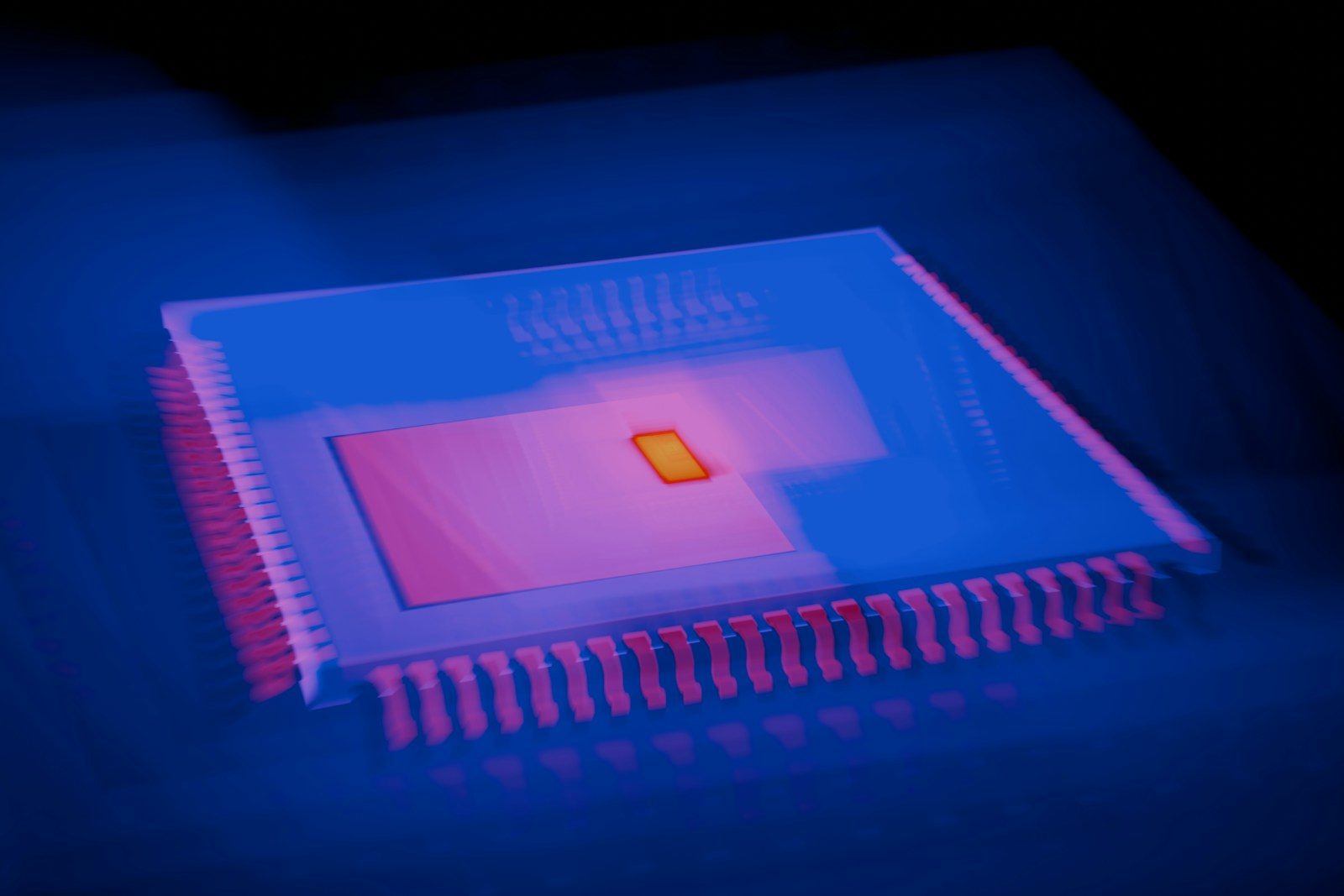
    For decades, the world’s most powerful computers have been the size of basketball courts. They require massive buildings, specialized cooling systems, and enough electricity to power a small city. But that era is ending right now. Scientists have just unveiled a revolutionary new processor that packs supercomputer-level performance into a chip the size of a fingernail. This is not just a small upgrade to your current phone. It is a fundamental shift in how machines process information.

    By using light instead of electricity, this new “photonic” chip can handle data at speeds we previously thought were impossible. It can perform trillions of calculations in a single second while using a fraction of the power of a traditional PC. This breakthrough means that the massive artificial intelligence systems that currently live in giant data centers could soon live in your pocket. The barrier between “mobile” tech and “super” tech has officially been erased. But how did they manage to fit miles of wiring into a space smaller than a dime?

    Is The Era Of Giant Server Rooms Finally Over?

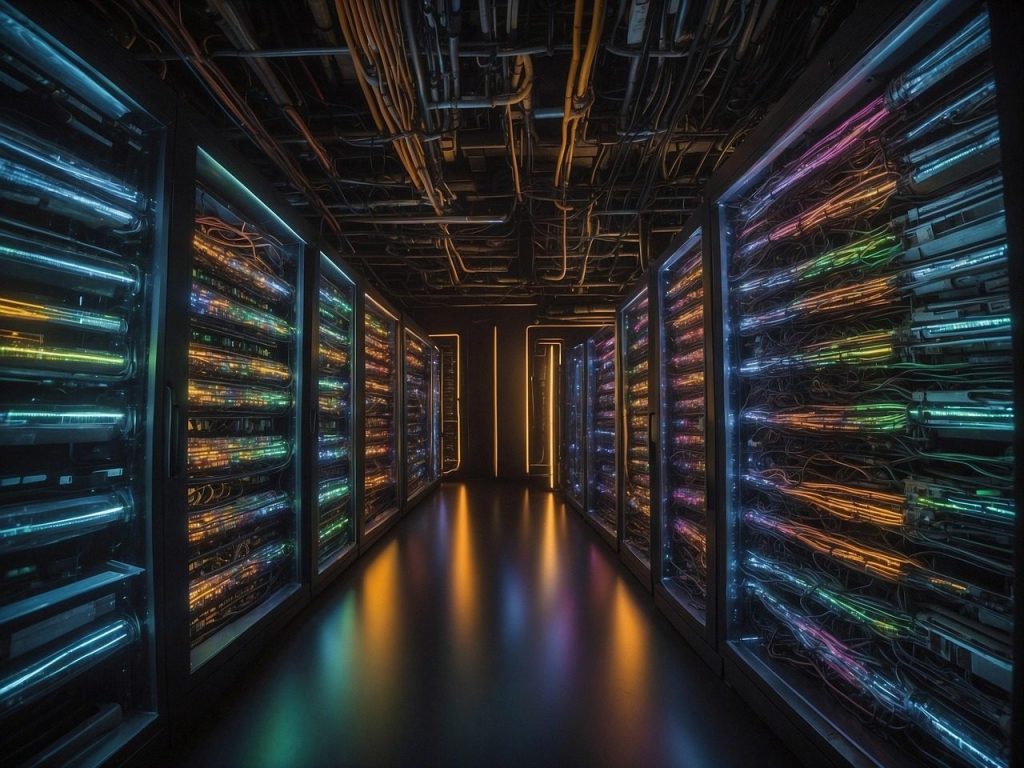
    ai generated, server, room, technology, business, internet, digital, work, data, network, server, server, server, server, server
    Photo by TheDigitalArtist on Pixabay

    In the past, if you wanted more power, you needed more space. Companies like Google and Microsoft built thousands of square feet of server rooms just to keep up with our data needs. These giant farms are expensive to build and even harder to maintain. This new chip breakthrough changes the entire landscape of the internet. It allows us to consolidate massive amounts of processing power into tiny devices.

    Instead of sending your data to a cloud far away, your own devices could handle everything locally. This would make the internet faster and much more private. We are looking at a future where giant, humming server buildings might become relics of the past. It is a total reimagining of global infrastructure. But size isn’t the only thing that changed; the very physics of the chip is different.

    How Light Waves Are Making Electronics 1000 Times Faster

    yellow and red light streaks
    Photo by Jan Huber on Unsplash

    The secret to this incredible shrinking act is light. Traditional computers use electrons moving through copper wires. This creates a lot of traffic jams and generates massive amounts of heat. The new super-chip uses “photons” or particles of light. Light moves much faster than electricity and doesn’t get stuck in traffic. By using microscopic lasers to move data, the chip can work at the speed of light.

    This allows the processor to handle multiple streams of information at the exact same time without slowing down. It is like replacing a crowded city street with a thousand-lane highway. This speed is what allows such a small chip to outperform a room-sized machine. However, removing electricity from the equation solves an even bigger problem that has haunted engineers for years.

    Why Your Next Computer Might Never Get Hot

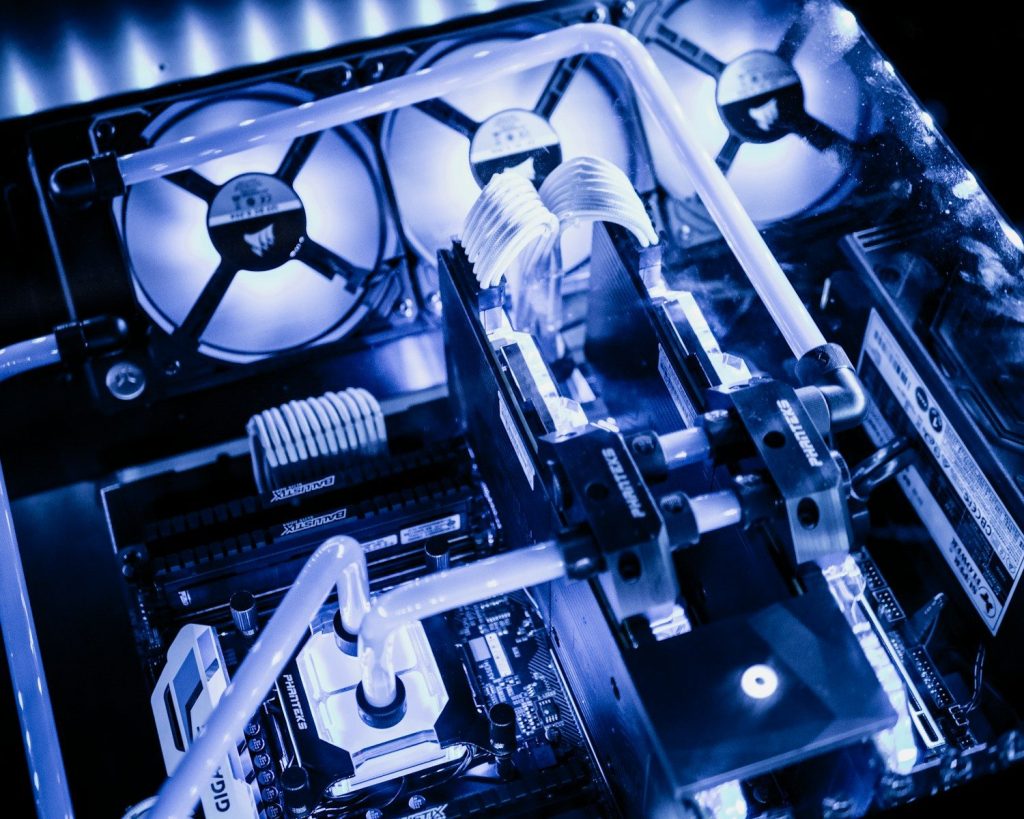
    grayscale photo of machine
    Photo by Casper Johansson on Unsplash

    If you have ever felt your laptop get hot on your lap, you have felt the failure of traditional computing. Heat is the number one enemy of performance. When a chip gets too hot, it has to slow down to keep from melting. This is why supercomputers need giant fans and liquid cooling systems. Because the new photonic chip uses light instead of electricity, it creates almost zero heat.

    This means your future devices could be thinner than ever because they won’t need fans or vents. They can run at maximum speed for hours without ever getting warm. This efficiency also means your battery life could jump from hours to weeks on a single charge. If the chip stays this cool, it opens the door for software that was previously too “heavy” to run on a portable device.

    Can This Chip Run A Human-Level AI Offline?

    A computer chip with the letter ia printed on it
    Photo by Igor Omilaev on Unsplash

    The most exciting use for this technology is Artificial Intelligence. Right now, tools like ChatGPT require massive supercomputers to function. Your phone doesn’t actually “think” on its own; it just sends your question to a giant server. With a supercomputer on a chip, your phone could run a full AI entirely offline.

    This would make AI faster, more responsive, and much more secure. You wouldn’t need an internet connection to translate languages or edit complex videos in real-time. It would be like having a genius assistant living inside your device that never needs to “call home.” But what happens when we take this power and put it inside the human body?

    The New Secret To Predicting Diseases Before They Happen

    Doctor examining brain scan on tablet at desk.
    Photo by Vitaly Gariev on Unsplash

    Because these chips are so small and use so little power, doctors are looking at using them for “smart” medical implants. Imagine a chip smaller than a grain of rice that lives inside your bloodstream. It would have the computing power to monitor your health every second of the day. It could detect a single cancer cell or an early sign of a heart attack long before a human doctor could.

    This level of monitoring requires massive data processing that only a supercomputer can handle. Now that the supercomputer fits on a chip, these “guardian” implants are becoming a reality. We are moving toward a world where your body has its own internal IT department. While this helps our health, it also addresses a major environmental crisis.

    How This Tech Could Cut Global Power Use In Half

    pollution, environment, drone, climate change, industrial, environmental, chemical, ecology, global warming, atmosphere, power plant, emissions, fossil fuels, disaster, co2, carbon dioxide, resources, global warming, fossil fuels, fossil fuels, fossil fuels, fossil fuels, fossil fuels, co2, co2, co2, carbon dioxide, carbon dioxide, carbon dioxide
    Photo by marcinjozwiak on Pixabay

    One of the world’s biggest secrets is how much energy the internet uses. Data centers currently consume about 2 percent of the world’s total electricity. As AI grows, that number is expected to skyrocket. This super-chip could save the planet by drastically reducing energy demand. Because it uses light, it is incredibly efficient.

    Replacing old servers with these chips would cut energy consumption by over 90 percent. It is the single biggest “green” breakthrough in the history of the tech industry. We can have all the power of the digital age without the massive carbon footprint. So, when will you actually be able to buy a device powered by this miracle chip?

    Will This Breakthrough Make Your Current Laptop Ancient History?

    ai generated, computer, laptop, technology, screen, business, work, broken, smashed, damaged, abandoned
    Photo by TheDigitalArtist on Pixabay

    The first versions of these chips are already being tested in high-end industrial labs. Major tech giants are racing to be the first to put them into consumer electronics. We are likely less than five years away from the first “photonic” laptops and smartphones hitting the shelves. When they arrive, the transition will feel as big as moving from a typewriter to a computer.

    Your current devices will suddenly feel like toys compared to the raw power of a chip-sized supercomputer. We are entering an era where there is no limit to what our handheld devices can do. The “supercomputer” is no longer a machine in a distant building. It is about to become a standard part of your daily life. But are we ready for a world where everyone has a genius-level machine in their pocket?

    Featured Image: Photo by Steve A Johnson on Unsplash

  • The Secret Compartments Found by LiDAR

    The Secret Compartments Found by LiDAR

    For centuries, archaeologists explored the jungles of Central America with machetes and maps. They thought they had found every major structure the Maya ever built. But they were looking at the world with human eyes, and that was their mistake. A new technology called LiDAR (Light Detection and Ranging) has just “erased” the jungle to reveal a massive, hidden urban network. Most shockingly, it has identified “Secret Compartments” inside buildings that were previously thought to be solid stone. These hidden rooms have stayed sealed for over a thousand years, protected by the very earth that buried them.

    These compartments aren’t just empty spaces; they are appearing in places that suggest they were used for high-level rituals or to hide royal treasures during times of war. Some of these rooms are located deep beneath the floors of plazas, while others are tucked into the tops of giant pyramids. We are talking about thousands of new structures and “ghost rooms” that are rewriting the history of how the Maya lived and died. But how can a simple laser see through solid rock and dirt?

    The Lasers That Can See Through Time

    Drone photograph capturing the thick, vibrant green forest canopy from above, showcasing nature's density.
    Photo by K on Pexels

    LiDAR works by firing billions of laser pulses from an airplane or drone. These pulses travel through the gaps in the leaves and bounce off the ground. The computer then filters out all the trees and plants, leaving behind a 3D map of the bare earth. This “digital deforestation” has revealed that the Maya civilization was much larger than we ever dreamed. We are seeing irrigation canals, highways, and the outlines of these secret rooms. It’s like having X-ray vision for the entire planet. But what happens when we actually try to open one of these rooms?

    Inside the Chamber of the Jaguar

    Elegant handcrafted clay jars presented under spotlight creating a warm, artistic feel.
    Photo by Niall Dennehy on Pexels

    One of the first “secret compartments” to be explored was found in a temple dedicated to the Jaguar. Archaeologists used a tiny robot camera to peek inside a small crack. They found a room filled with perfectly preserved pottery and jade jewelry. This wasn’t a tomb; it was a “time capsule” left by the priests. The room had been intentionally sealed with a heavy stone slab before the city was abandoned. It gives us a rare look at the items the Maya valued most. But these rooms aren’t just for treasure.

    Hidden Rooms for the Royal Guard

    Explore the ancient Mayan ruins of Tulum under a clear blue sky.
    Photo by Margo Evardson on Pexels

    LiDAR has also found “hidden barracks” built into the walls of Maya fortresses. These narrow compartments could house dozens of soldiers who were ready to ambush any invaders. It suggests that the Maya were much more focused on warfare and defense than we previously thought. Their cities weren’t just religious centers; they were high-tech military bases designed to protect the king. These hidden rooms allowed them to move around the city without ever being seen from the street. But wait until you see the “water rooms” found in the floor.

    The Secret Reservoirs Beneath the City

    a man standing in the middle of a tunnel
    Photo by Raymond Setzer on Unsplash

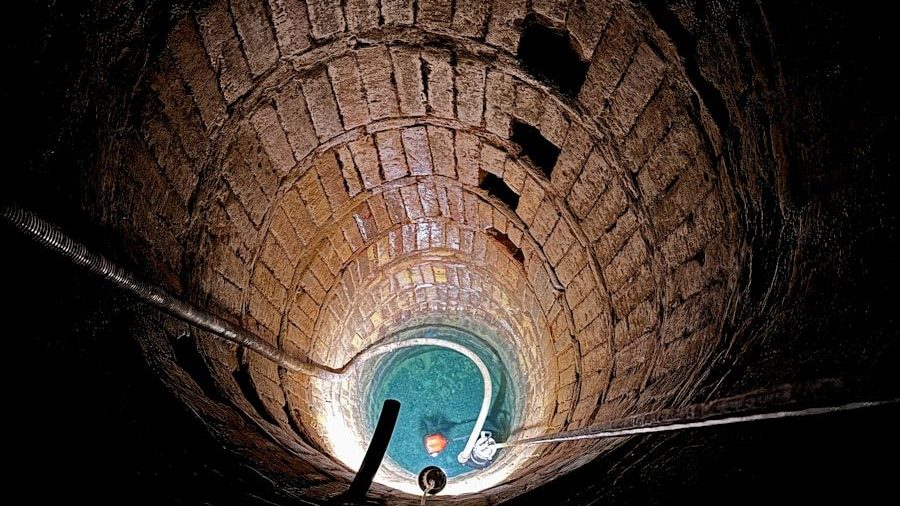
    Survival in the jungle depends on water. LiDAR has revealed massive, hidden water tanks buried beneath the main plazas. These “secret compartments” allowed the cities to survive long droughts that would have killed off their rivals. The engineering used to keep the water clean and cool underground is a masterpiece of ancient technology. Some of these tanks are still full of water today, over a thousand years after the last person left. But the lasers also found something much more disturbing in the mountains.

    The Prison Cells of the Lost Kings

    archaeology, city, petra, jordan, historical site, landscape, petra, petra, petra, petra, petra, jordan, jordan, jordan
    Photo by StockSnap on Pixabay

    In the remote hills, LiDAR identified small, square compartments carved directly into the cliffside. These appear to be high-security prisons where captured enemy lords were kept. The walls are covered in “count-down” scratches and drawings of far-away homes. These rooms are a grim reminder that the Maya world was full of conflict and political drama. They weren’t just building for the gods; they were building to control their enemies. But these secret rooms are also appearing in Europe and Asia.

    LiDAR Finds the “Lost Cities” of Europe

    person in blue jacket walking on brown concrete blocks during daytime
    Photo by Daniel Qura on Unsplash

    It’s not just the jungle. LiDAR is being used to scan the forests of Germany and England. It has found “hidden compartments” in ancient castles and lost Roman roads that were buried under centuries of farmland. We are finding that our ancestors left behind a much more complex “infrastructure” than we thought. Every time we fly a LiDAR drone, we find another room that wasn’t on the map. We are living on a planet that is literally hollow with secrets. But what if the most important room is currently under the ocean?

    Mapping the World’s Hidden Architecture

    Aerial view of a large solar farm by a reservoir
    Photo by USGS on Unsplash

    The goal now is to create a “Global LiDAR Map.” Scientists want to scan every square inch of the Earth’s surface to find every hidden room and lost city before they are destroyed by construction or climate change. We are in a race against time to save our digital heritage. Each “secret compartment” we find is a new chapter in the story of humanity. As the lasers continue to fire, we are getting closer to the ultimate truth about our past. But are we ready for what we will find when we open the doors?

    The End of the Hidden Era

    The continents and oceans with clouds
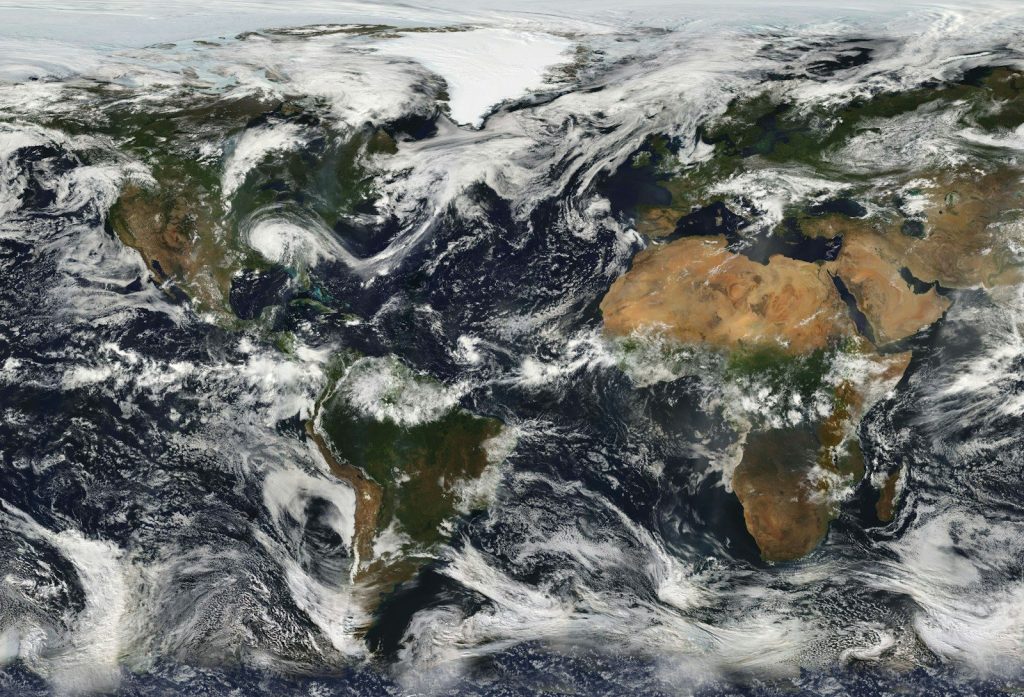
    Photo by NASA on Unsplash

    The era of “unseen” history is coming to an end. With LiDAR, the world is becoming a transparent book that we are finally learning how to read. These secret compartments are the keys to understanding how our ancestors survived the same challenges we face today. From water storage to military defense, their secrets are now our lessons. Keep your eyes on the ground, because the next big discovery is rising out of the waves. Have you heard about the city that is currently re-emerging from the sea?

    Featured Image: Photo by Michael Olsen on Unsplash

  • This Secret Chemical Pattern Is Shaking Our Understanding Of The Cosmos

    This Secret Chemical Pattern Is Shaking Our Understanding Of The Cosmos

    Space is usually seen as a chaotic mess of gas and dust. But astronomers have just stumbled upon something that changes everything we thought we knew about the universe. A team of international scientists has identified a specific, complex chemical pattern that is repeating across different galaxies. This signature is not just a random coincidence. It is showing up in places so far apart that they should have no connection at all. It is like finding the exact same fingerprint on two people who live on opposite sides of the planet.

    This discovery was made using a new type of deep space telescope that can see through thick layers of cosmic smoke. What they found was a specific ratio of carbon and hydrogen molecules that fits the conditions on the primordial Earth. This suggests that the building blocks for life aren’t just a lucky accident. They may be a standard part of how the universe is built. But if this pattern is everywhere, why did it take so long to find it?

    The Signal that No One Can Explain.

    radio, portable, battery powered, amateur radio, communication, wireless, channel, radio waves, microphone, worldwide, connections, emergency radio, blackout, technology, global, amateur radio, amateur radio, amateur radio, amateur radio, amateur radio
    Photo by Michael_Kastelic on Pixabay

    The mystery arose when a radio telescope picked up a weak but steady chemical signature from a distant nebula. Scientists initially thought that it was a glitch in their equipment. When they pointed the telescope at a completely different part of the sky, however, the exact same chemical sequence appeared. This “cosmic code” appears to be engraved into the texture of the stars themselves.

    It is as if the universe is using a specific recipe for every galaxy it creates. This challenges the idea that every star system develops on its own. Researchers are now wondering if there is a hidden law of physics that forces these chemicals to form in this exact way. But the real shock came when they compared this data to our own solar system.

    Why This Pattern Defies The Laws Of Physics?

    A blurry image of a sound wave
    Photo by Logan Voss on Unsplash

    In traditional chemistry, things are supposed to be random over such great distances. Heat, gravity, and radiation should break these delicate chemical bonds apart. Yet, this pattern remains perfectly intact over billions of light-years. It is essentially a “chemical ghost” that refuses to disappear.

    Some physicists argue that this proves that the universe is much more organized than we ever had the courage to imagine. It suggests that there is an invisible “grid” or structure that guides how matter forms in the void. This discovery has left experts questioning whether our current models of the Big Bang are missing a major piece of the puzzle. Could this be more than just a chemical reaction?

    Is This A Universal Map For Life?

    adventure, treasure map, old world map, pirates, pirate treasure, map, compass, navigation, navigate, treasure hunt, treasure hunting, pirate map, adventure, adventure, adventure, treasure map, pirates, pirates, map, map, map, map, map, treasure hunt
    Photo by MasterTux on Pixabay

    The most exciting theory is that this pattern is a roadmap for biology. If the same chemicals are forming in the same way everywhere, it means the chances of alien life just skyrocketed. We are no longer looking for a needle in a haystack. We are looking for a pattern that we already know how to recognize.

    If these “pre-life” chemicals are standard throughout the cosmos, then planets like Earth might be common. This pattern could be the reason why life started here so quickly after the planet formed. Scientists are now racing to see if this signature is present in the atmosphere of nearby exoplanets. But there is a darker possibility that some researchers are beginning to whisper about.

    The Mathematical Impossibility Of The Cosmic Code

    Abstract symbols and scribbles on black background
    Photo by Egor Komarov on Unsplash

    When you run the numbers, the odds of this pattern appearing by chance are trillions to one. It is so precise that it looks like it was designed. This has led some scientists to explore the “Simulation Theory.” They wonder if this repeating code is a sign that our universe is actually a programmed reality.

    If we are living in a simulation, a repeating pattern would be like seeing the same line of code used in different parts of a video game. While this sounds like science fiction, the mathematical evidence is hard to ignore. Every time we look deeper, the pattern becomes even more perfect. But what if the pattern isn’t a code, but a memory?

    A Connection To The Very Beginning Of Time

    planet, space, abstract, explosion, universe, collage, mystical, fire, big bang, background, wallpaper, fire, big bang, big bang, big bang, big bang, big bang
    Photo by 506967 on Pixabay

    Some researchers believe this pattern dates back to the first second after the Big Bang. They think it might be a “fossilized” vibration from the birth of the universe. If this is true, the pattern could tell us exactly how the cosmos was created. It is like finding a piece of the original eggshell from which the universe hatched.

    By studying this chemical signature, we essentially look back in time. It provides a direct link to a moment when the whole universe was smaller than an atom. However, understanding this ancient signal requires a level of technology we are just beginning to build. Does this mean that our history is etched in the stars?

    The Global Race To Decode The Stars

    a couple of people standing next to a car
    Photo by Akbar Nemati on Unsplash

    Now that the pattern has been confirmed, every major space agency is changing its mission goals. NASA and the European Space Agency are planning new probes to search for this specific chemical ratio. They want to know if it changes as we get closer to the center of our galaxy.

    This is no longer just a hobby for astronomers; it is a matter of understanding our place in the world. The first country to fully decode this pattern will have the ultimate key to the universe. But as we look further away, we are finding that the pattern is starting to move.

    What Happens When The Pattern Changes?

    glitch, glitch art, distortion, tv, noise, backdrop, computer, broken, screen, display, glitched, failure, pixel, chaos, internet, defect, monitor, bug, static, fail, electronics, corruption, art, yatheesh arts, green, red, blue, photoshop art, digital, digital content, disintegration, flow, technology, glitch, glitch, glitch, glitch, glitch, chaos, chaos
    Photo by 5187396 on Pixabay

    In the most distant galaxies ever recorded, the pattern looks slightly different. This suggests that the “laws” of the universe might be evolving over time. It is a terrifying thought for physicists who rely on constant rules. If the rules of the universe can change, then anything is possible.

    We are positioned at the edge of a new era of discovery. All we thought was solid is now in question. The secret chemical pattern is only the first clue in a much larger mystery. Are we set to discover what lies at the end of this galactic trail?

    Featured Image: Photo by Steve Busch on Unsplash