Author: Dylan

  • The Desert Find: How an 8-Year-Old Boy Stumbled Upon a 1,700-Year-Old Roman God

    The Desert Find: How an 8-Year-Old Boy Stumbled Upon a 1,700-Year-Old Roman God

    A typical afternoon walk in the desert just turned into a historical sensation. An 8-year-old boy playing near his home has made the discovery of a lifetime. While exploring a dry riverbed, he spotted a smooth, white stone that looked out of place among the jagged rocks. After brushing away the dust, he realized he was looking at a face staring back at him from the dirt. He had found a perfectly preserved marble head of a Roman god, dating back over 1,700 years.

    Archaeologists were called to the scene immediately and were stunned by the quality of the carving. This isn’t just a fragment; it is a high-status piece of art that suggests a much larger, hidden complex might be buried right beneath the sand. The boy’s sharp eyes have opened a new chapter in local history that experts didn’t even know existed. But the real mystery is why this specific god was found so far from any known Roman city. Wait until you see which deity it actually represents.

    A Face Frozen in Time

    a statue of a man with curly hair
    Photo by Tucker Monticelli on Unsplash

    The statue head is made of fine Mediterranean marble, a material that had to be imported from thousands of miles away. It depicts a young man with curly hair and a crown of laurel leaves. Experts believe it represents Apollo, the god of light and music. The craftsmanship is so detailed that you can still see the pupils of the eyes and the texture of the hair. It is a masterpiece that has survived centuries of erosion and war. But how did it end up in a remote desert wash?

    The Secret of the Ancient Villa
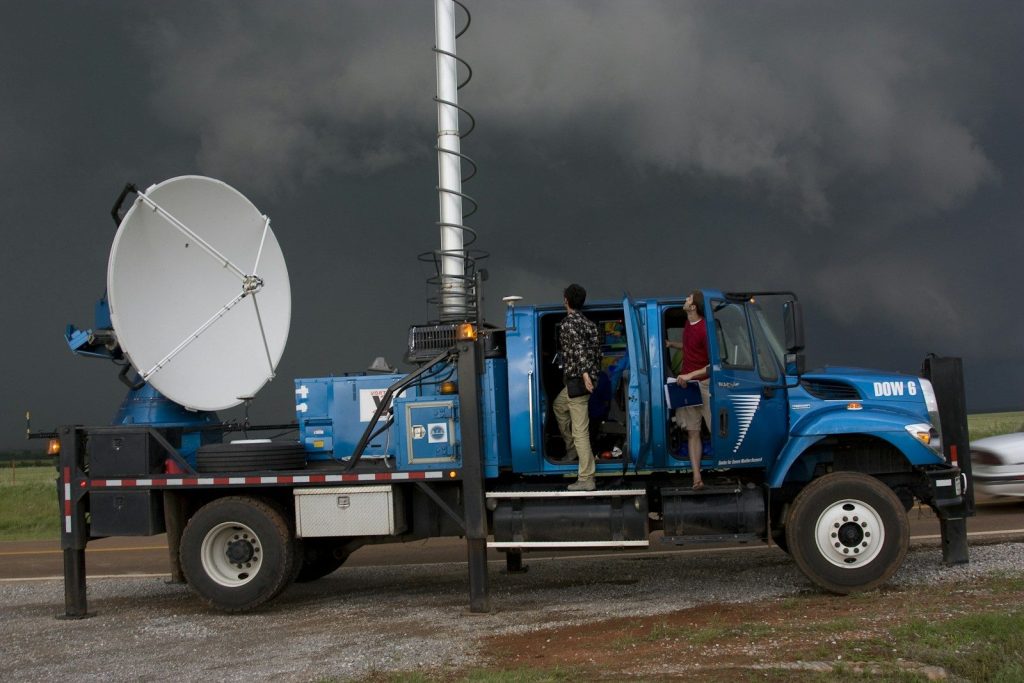
    man in blue jacket and blue denim jeans sitting on blue truck
    Photo by NOAA on Unsplash

    Shortly after the boy found the head, ground-penetrating radar revealed something massive. Just a few feet below the surface where he was playing lies the foundation of a sprawling Roman villa. It appears that a wealthy official once lived in this remote outpost, bringing his expensive art and luxury lifestyle with him. The villa features at least twelve rooms and traces of a private bathhouse. But the researchers found something even more valuable than marble in the next room.

    Gold Coins in the Dust

    a pile of coins sitting on top of a white table
    Photo by Barry A on Unsplash

    Inside what was likely the villa’s treasury, archaeologists discovered a hoard of gold coins. These coins date to the reign of Emperor Diocletian, which helps pinpoint exactly when the villa was abandoned. The coins are in “mint” condition, meaning they hadn’t circulated much before they were buried. It looks like the owner left in a great hurry, leaving their fortune behind. The question is, what were they running from?

    A Sudden Escape from Danger

    the ruins of the ancient city of pompei
    Photo by Jovan Vasiljević on Unsplash

    Evidence of charring on the walls suggests the villa was attacked. Around 300 AD, the Roman borders were becoming unstable, and nomadic tribes were frequenting the area. The high-status owner likely fled the moment the first signal fires appeared on the horizon. They grabbed what they could, but the heavy marble statue of Apollo was left to fall into the dirt. But wait until you see the “protection” the owner left at the front door.

    The Guardian of the Threshold

    brown and beige wall art
    Photo by Bernardo Ferrari on Unsplash

    At the entrance of the villa, a stunning mosaic floor was uncovered. It depicts a guard dog with the Latin words “Cave Canem” (Beware of the Dog). Even in the middle of the desert, Roman citizens were obsessed with security and style. The colors of the stones are still vibrant after being shielded from the sun for 1,700 years. This discovery shows that the desert was once a place of high fashion and international trade. But what happened to the boy who found it all?

    From Playtime to National Hero

    man writing on paper
    Photo by Senshiro Sama on Unsplash

    The 8-year-old discoverer is now a local celebrity. The government has awarded him a certificate of honor for his “archaeological intuition.” He says he wants to be a historian when he grows up, but for now, he’s just happy his “weird stone” turned out to be a god. The site is now a protected national monument, and digging will continue for years. But while the Romans were building villas, another culture was changing the world on horseback.

    The Legacy of the Find

    Rocky desert landscape under a clear blue sky
    Photo by Francesca Fabian on Unsplash

    The discovery of the Roman god has changed how we view the ancient frontier. It proves that Roman influence was much wider and more permanent than we previously thought. Every artifact pulled from the dirt tells a story of survival and ambition. The desert still holds thousands of secrets, and this 8-year-old just proved that anyone can find them. But are you ready for the new proof that says our history books have the dates of horse riding all wrong?

    Featured Image: Photo by Azzedine Rouichi on Unsplash

  • Is the Need to Learn a Foreign Language About to Disappear Completely?

    Is the Need to Learn a Foreign Language About to Disappear Completely?

    For thousands of years, the language barrier has been the ultimate wall between people. If you wanted to travel, do business, or make a new friend in another country, you had to spend years studying grammar and vocabulary. But in 2026, that wall is officially being torn down. New “Neural Translation” earbuds have arrived that translate speech in real-time with 99 percent accuracy. It feels like having a professional translator sitting in your ear. Whether you are in Tokyo or Paris, you can speak your native language and the person in front of you will hear their own.

    This isn’t just about simple phrases like “Where is the bathroom?” This is about deep, emotional conversations. The AI can now capture the tone, the slang, and even the “personality” of the speaker. It is hitting the news as the “Death of the Language Barrier.” We are looking at a world where everyone can talk to everyone. But does this mean that learning a new language is a waste of time? The answer is more complex than you think.

    The End of the “Lost in Translation” Era

    man in black crew neck shirt wearing black framed eyeglasses and black hat
    Photo by NONRESIDENT on Unsplash

    In the past, translation apps were slow and robotic. They often missed the context and made embarrassing mistakes. The 2026 “Neural” models are different. They use the massive computing power of the orbital AI hubs we talked about earlier. They understand “cultural nuances.” If you use a joke or a metaphor, the AI finds the equivalent in the other language. It is a seamless bridge between minds. But how does this affect the brains of the next generation?

    Will We Lose Our “Brain Power” Without Languages?

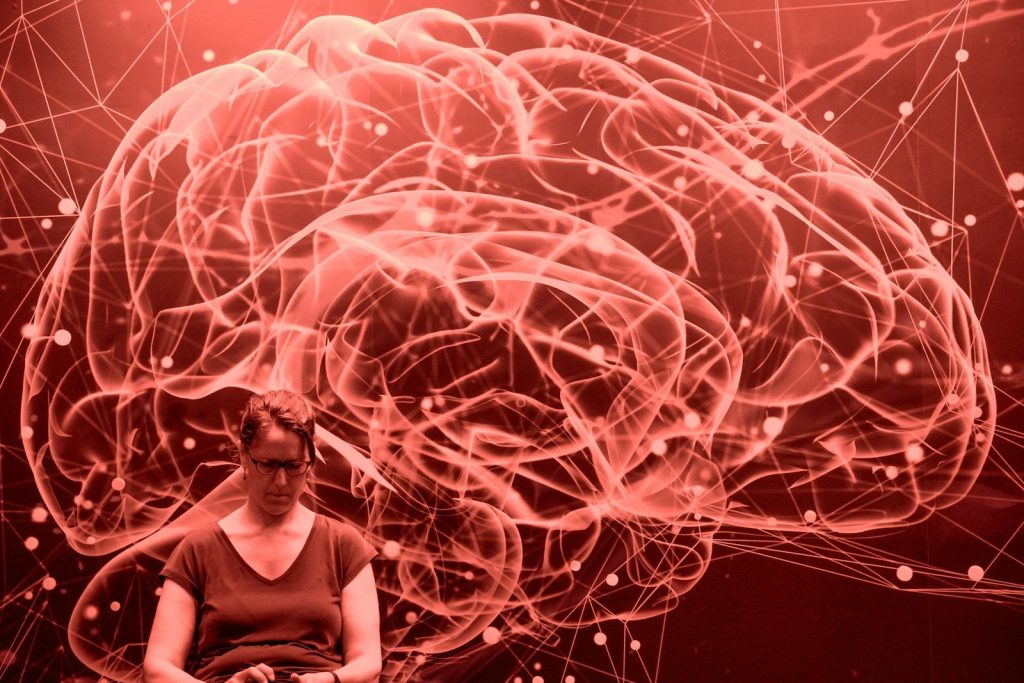
    Abstract red brain network with a person
    Photo by Markus Kammermann on Unsplash

    Scientists have long known that being bilingual is like a workout for the brain. It improves memory and problem-solving skills. Some experts worry that if we stop learning languages, our brains will get “lazy.” If a machine does the work for us, do we lose a part of our intelligence? This is the big debate in schools today. We are moving from a world of “learning” to a world of “using.” But wait until you see how this is changing the way we travel.

    The Rise of the Global Neighborhood

    A diverse group of friends taking a selfie outdoors.
    Photo by Vitaly Gariev on Unsplash

    Travel used to be scary for many people because they couldn’t communicate. Now, tourism is exploding in areas that were previously off-limits. You can walk into a small village in the Amazon or a high-tech city in Korea and feel right at home. This is leading to a “Global Renaissance” where cultures are mixing like never before. The world is becoming one single, giant neighborhood. But is there a hidden danger to having a machine control our conversations?

    The Privacy of Your Private Thoughts

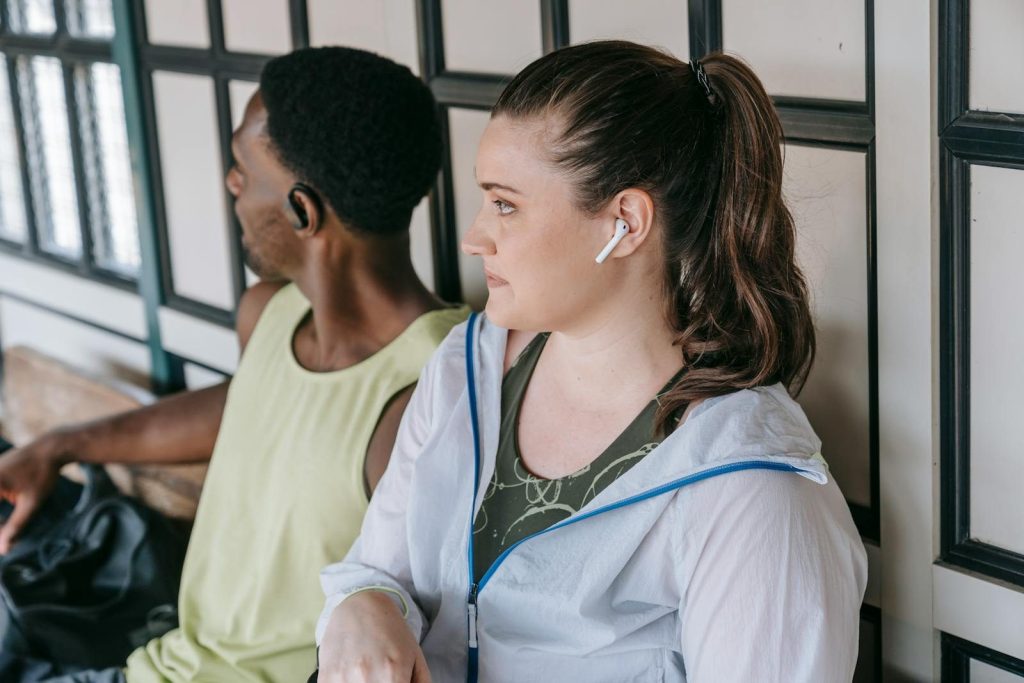
    Casual interaction between friends wearing earbuds indoors, focused on technology and relaxation.
    Photo by Liliana Drew on Pexels

    If a device is always listening to your conversation to translate it, where does that data go? Privacy activists are warning about “Conversation Mining.” Tech companies could theoretically know your most private secrets just by translating them. This is where the “W-State” quantum security we discussed becomes vital. We need unhackable links to ensure our private talks stay private. We are trading our intimacy for convenience. But wait until you see the “Intimacy Gap” problem.

    Can a Machine Really Feel Your Soul?

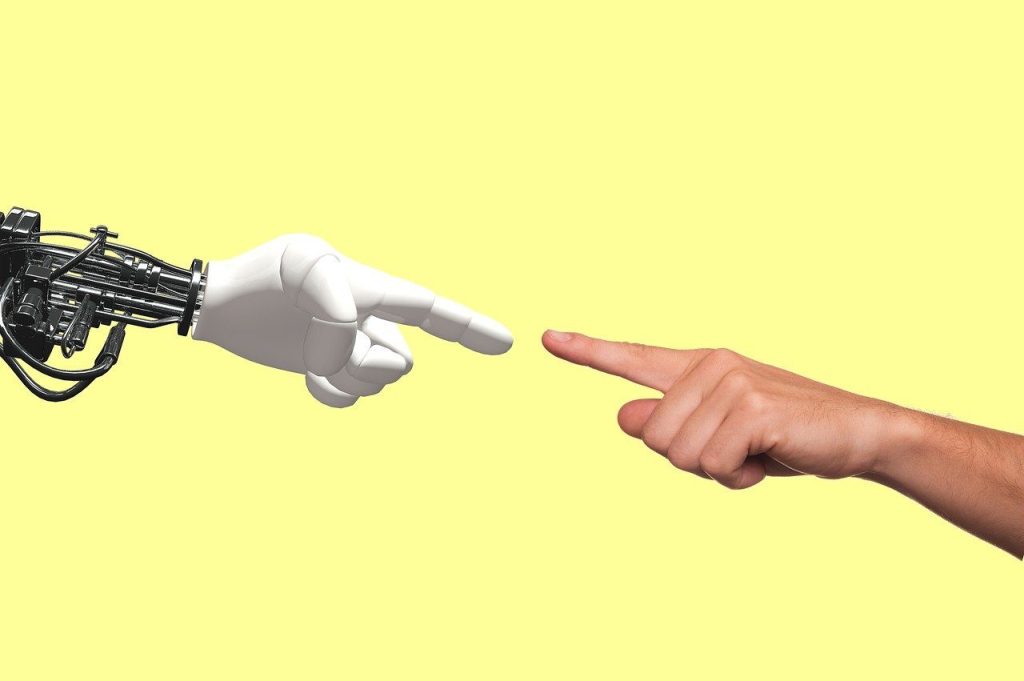
    technology, robot, human, hand, pointing, machine, science, cyborg, artificial, future, robotic, bionic, cyber, android, creation of adam, yellow technology, yellow science, yellow robot, yellow future, yellow human, robot, robot, robot, robot, robot, cyborg, future
    Photo by Tumisu on Pixabay

    There is something special about the effort of learning someone else’s language. It shows respect and a desire to connect. When a machine handles the talk, some of that “soul” might be lost. We are seeing the birth of “Algorithmic Relationships.” While the words are correct, the “heart” might be missing. We have to decide if we want to be “efficient” or “connected.” It is a philosophical crisis for the 21st century. But can this tech actually save lives in an emergency?

    The Real-Time Medical Miracle

    Nurse and sailor attend patient in hospital bed.
    Photo by Navy Medicine on Unsplash

    The biggest win for this tech is in healthcare. In an emergency, every second counts. If a doctor can’t understand a patient’s symptoms, the result can be deadly. Neural translation is saving thousands of lives every day by providing instant medical communication. It is a level of safety that was impossible just five years ago. We are using AI to ensure that no one dies because of a language barrier. It is a masterpiece of applied science. But what is the final verdict on the “End of Languages”?

    A World of Infinite Voices

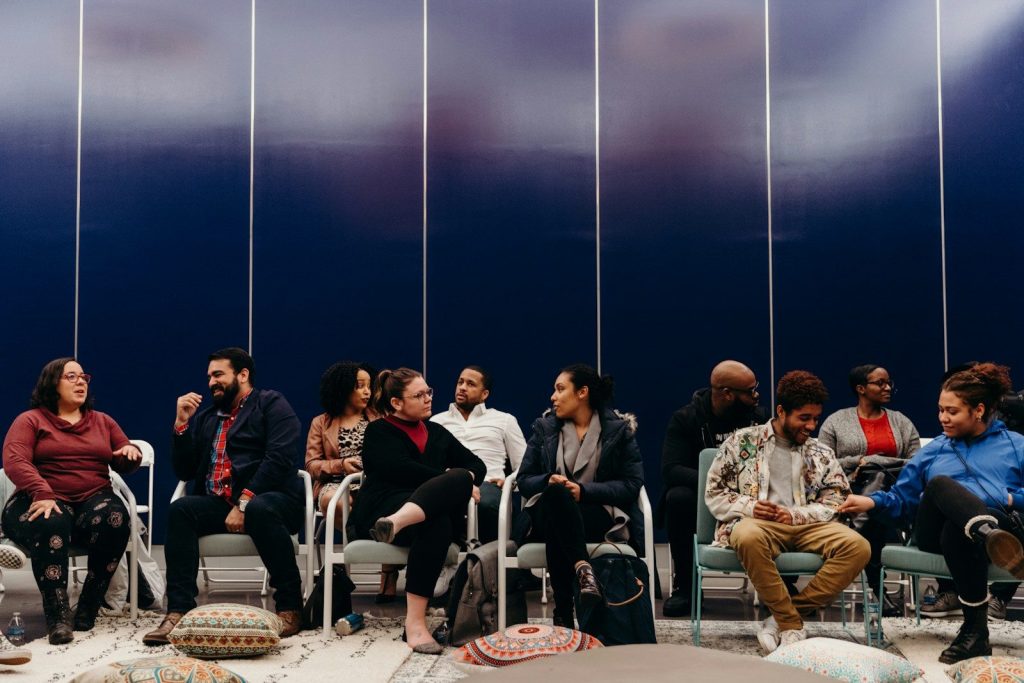
    group of people sitting on chair
    Photo by Brock DuPont on Unsplash

    The need to learn a language for “survival” is gone. But the desire to learn a language for “love” will always be there. We are entering an era of “Augmented Humanity,” where technology fills the gaps in our biology. We have explored DNA cures, quantum shields, orbital AI, and self-assembling code. These are all tools that make our world faster and safer. The future is here, and it speaks every language on Earth.

    The Journey to a Unified Future

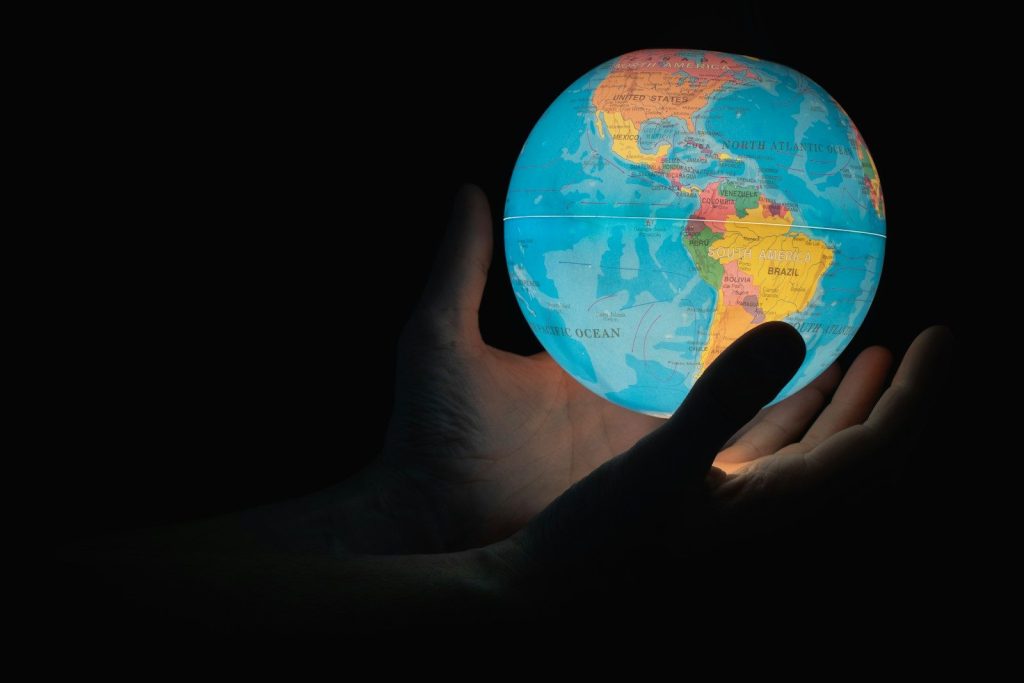
    blue and brown globe on persons hand
    Photo by Greg Rosenke on Unsplash

    We have reached the end of our series on the breakthroughs of 2026. From our cells to the stars, everything is changing at lightning speed. These stories remind us that the future isn’t something that happens to us—it’s something we build. Stay curious, stay skeptical, and keep looking for the next discovery in your own backyard. The world is just beginning to open up, and the best is yet to come.

    Featured Image: Photo by Look Studio on Unsplash

  • Why Human Coders Face a Sudden Shift to Self-Assembling Software

    Why Human Coders Face a Sudden Shift to Self-Assembling Software

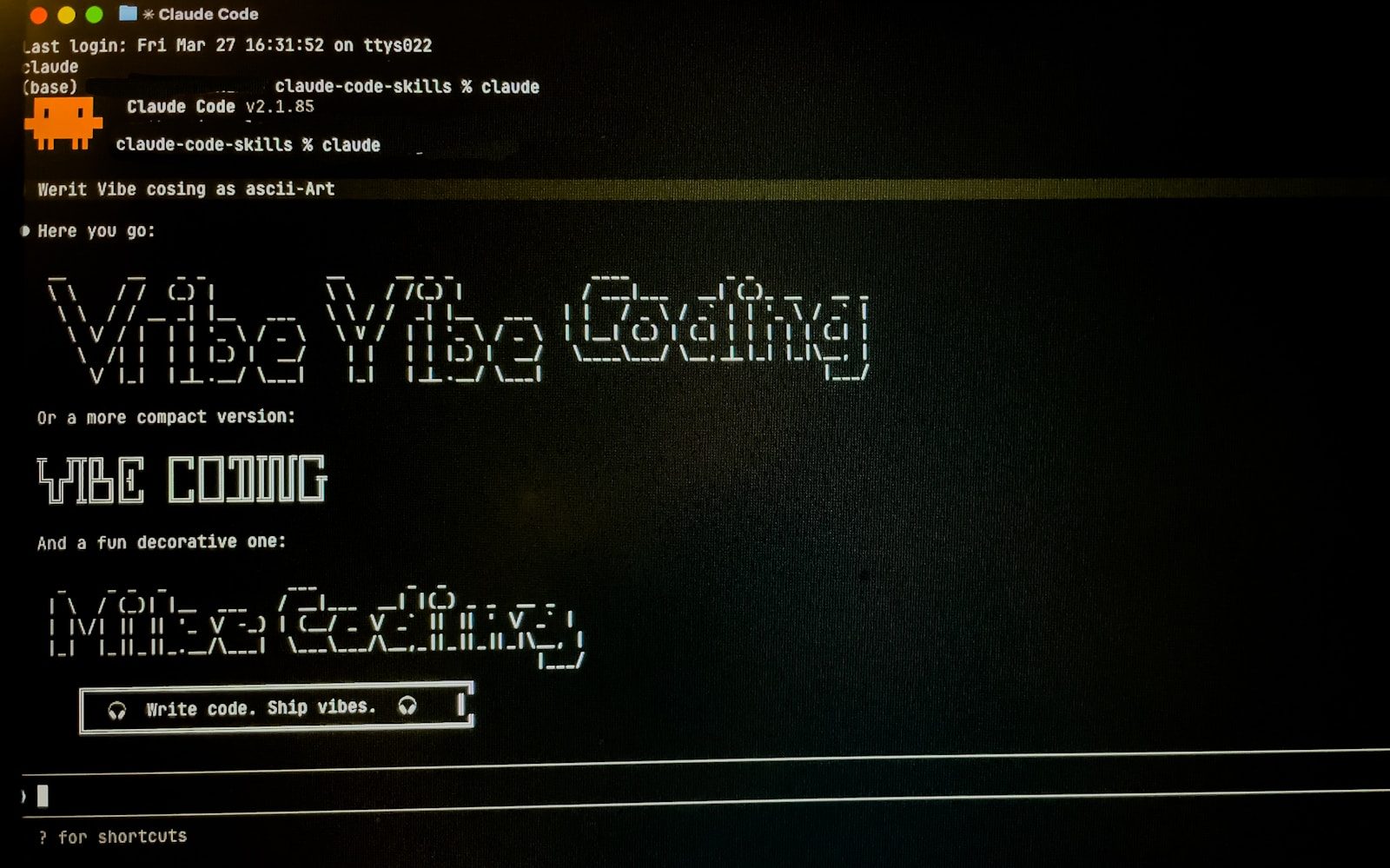
    For 50 years, if you wanted to build an app, you had to learn a complex language like Python or Java. You had to type out thousands of lines of code, and one single typo could break everything. But in 2026, the era of the “manual coder” is being replaced by the “Intent Revolution.” A new technology has arrived where software literally assembles itself. Instead of typing code, you simply describe what you want in plain English. The AI doesn’t just suggest a few lines; it builds the entire system from scratch.

    This isn’t just a fancy autocomplete; it is a total transformation of how we build things. The AI understands the “why” behind your request. If you say, “Build me a store that sells shoes,” it knows you need a payment system, a database, and a security layer. It builds all of these things automatically and makes sure they talk to each other perfectly. We are moving from “writing” software to “talking” it into existence. But how can a machine truly understand what a human is thinking?

    The End of the Semicolon Struggle

    Close-up of colorful programming code displayed on a computer screen.
    Photo by Markus Spiske on Pexels

    In the old days, a programmer could spend five hours looking for a missing semicolon. That struggle is officially over. Self-assembling software uses “Neural Logic” to ensure that the code is always perfect. Because the AI is training on the massive orbital data centers we discussed, it has seen every mistake ever made by a human. It bypasses the “bugs” and builds a “living” piece of software that gets better every day. But does this mean we don’t need human developers anymore?

    Human Coders are Now Architects of Intent

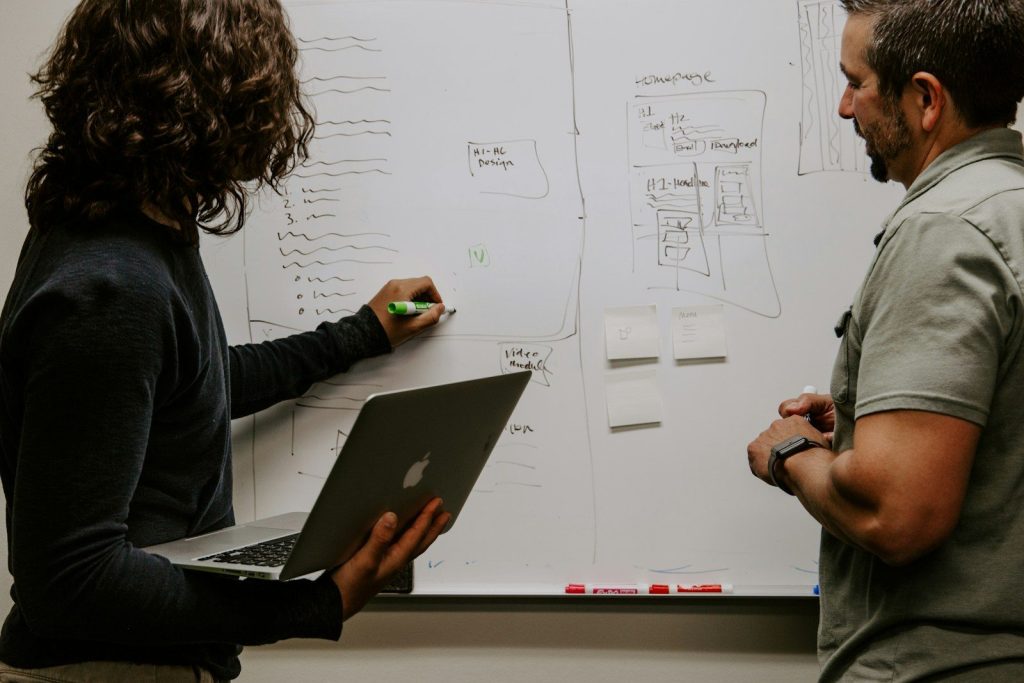
    man wearing gray polo shirt beside dry-erase board
    Photo by Kaleidico on Unsplash

    We are seeing a shift from “how to build” to “what to build.” Human developers are becoming “Architects of Intent.” Instead of worrying about where a bracket goes, they are focusing on user experience and big ideas. This means that anyone with a great idea can now build a billion-dollar company from their bedroom. It is the democratization of technology. The only limit is your imagination. But how does this AI keep our data safe while it rewrites itself?

    Security That Evolves in Real Time

    black flat screen computer monitor
    Photo by Riku Lu on Unsplash

    Hackers are getting smarter, but self-assembling software is faster. Because it can rewrite its own code, it can patch a security hole before a human even knows it exists. It is a self-healing digital fortress. If a new virus is discovered, the AI learns its “DNA” and adapts its defenses instantly. It is a level of safety that was impossible with static, human-written code. We are finally winning the war against cybercrime. But is there a catch to letting machines write themselves?

    The Mystery of the Black Box App

    black and gray digital device
    Photo by Rohan Krishnan on Unsplash

    Some experts worry that if AI writes its own code, humans will eventually stop understanding how our own machines work. This is known as the “Black Box” problem. If the software makes a decision, can we explain why? To prevent this, the 2026 AI models are designed to be “Transparent.” They create a plain-language report explaining every change they make. It is like an open-book exam for the machine. We are keeping the “human in the loop” to ensure everything stays on track. But wait until you see what this does to the global economy.

    A Billion-Dollar Idea Every Minute

    black laptop computer on white bed
    Photo by Walling on Unsplash

    The speed of innovation has moved from years to seconds. A company can now test a thousand different versions of its website in a single afternoon. This is leading to a massive boom in new startups. We are seeing solutions for climate change and health being built at record speed. The barriers to entry have officially been smashed. It is a high-speed era of discovery where the small guy can finally win. But how does this affect the way we communicate with each other?

    From Coding to Communicating

    a man sitting at a desk
    Photo by Timur Shakerzianov on Unsplash

    As software assembly becomes about language, our communication skills are becoming our most valuable tool. The better you can describe a problem, the better the AI can solve it. We are entering an era where “Poetry” might be more important for a tech job than “Math.” It is a beautiful return to the human element in a world of machines. But wait until you see the next slide about how your own voice is about to become a universal translator.

    The Future is Self-Repairing

    aerial photography of bridge near buildings
    Photo by Denys Nevozhai on Unsplash
    The “Intent Revolution” is just the beginning. We are moving toward a future where our roads, our bridges, and our energy grids are all part of this self-repairing network. We are building a world that responds to our thoughts and needs in real-time. It is a hopeful and exciting time to be an inhabitant of Earth. But as we stop learning to code, are we also about to stop learning to speak other languages?

    Featured Image: Photo by Bernd 📷 Dittrich on Unsplash
  • Why Quantum Hacking Just Became Impossible Thanks to the W-State

    Why Quantum Hacking Just Became Impossible Thanks to the W-State

    The internet as we know it is built on a very fragile foundation. Every time you send an email or check your bank account, you are trusting that a hacker isn’t watching. For decades, we have used complex math to hide our secrets. But as computers get faster, those mathematical walls are starting to crumble. In 2026, scientists announced a milestone involving the “W-State.” This is a specific way of linking quantum particles that creates a permanent, unbreakable bond.

    It is a level of security that feels like magic. If someone tries to peek at your data, the “W-State” particles instantly change. This alert tells the system to shut down the connection before a single bit of info is stolen. We are talking about a future where identity theft and massive data breaches simply cannot happen. It is the ultimate digital shield for a world that is moving faster than ever. But how does this tiny particle trick actually stop a professional hacker?

    The Power of Multi-Particle Entanglement

    a purple and black background with lots of dots
    Photo by Ubaid E. Alyafizi on Unsplash

    To understand the W-State, you have to understand entanglement. This is when two particles become so connected that they act as one, no matter how far apart they are. If you change one, the other one reacts. Scientists have used this to create “quantum keys” for years. The problem was that these links were too easy to break. The new W-State milestone allows for three or more particles to stay linked in a much more stable way. This means we can build a massive, global network that is physically impossible to tap into. But can this technology work on the cables we already have?

    Why the W-State is a Security Game Changer

    graphical user interface
    Photo by Growtika on Unsplash

    In a normal hack, a criminal copies your data without you ever knowing. They stay in the shadows and collect your secrets for months. Quantum security changes the rules. Because of the W-State, the act of “observing” the data actually changes the data itself. It is like a booby trap that goes off the moment it is touched. The hacker ends up with a handful of useless noise, and the system logs the exact moment they tried to break in. It is a self-defending internet that never sleeps. But is this technology too expensive for regular people?

    Building a Global Quantum Internet

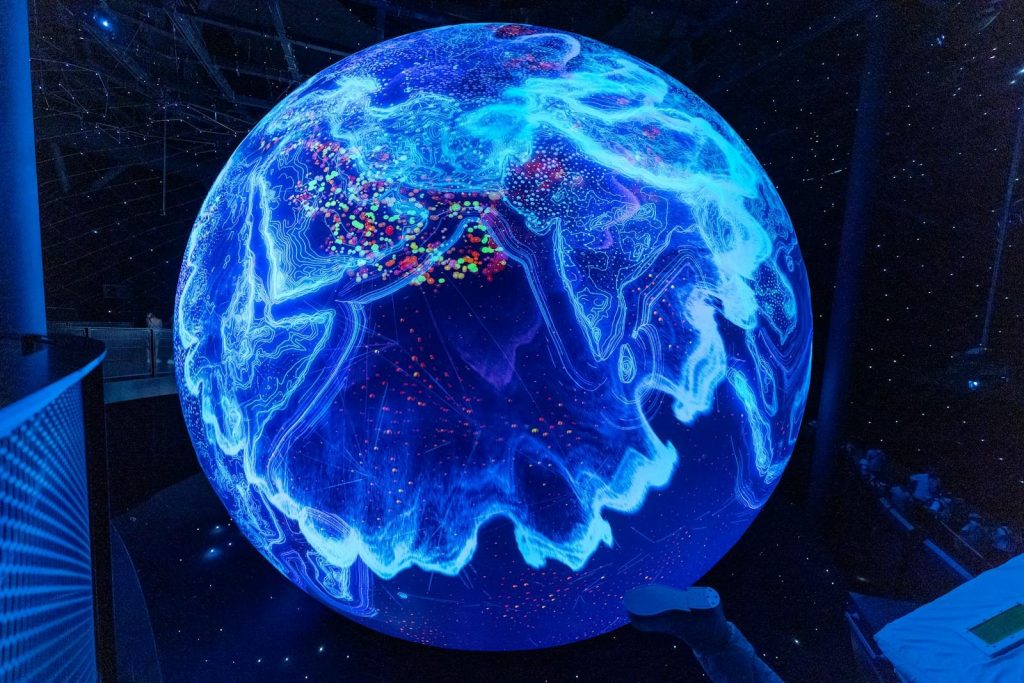
    A vibrant illuminated globe display showcasing technological advancements at a science museum.
    Photo by Denys Gromov on Pexels

    Governments are already racing to install W-State hardware in their most sensitive offices. We are seeing the birth of “Cloud 3.0,” where data doesn’t just sit in a box but exists in this protected quantum state. This means that even if a foreign government uses a supercomputer to guess your password, they still couldn’t get through the door. The physics of the universe is now your personal bodyguard. But what happens if the hardware itself gets damaged during a storm?

    The End of Password Stress Forever

    a person holding a phone
    Photo by Onur Binay on Unsplash
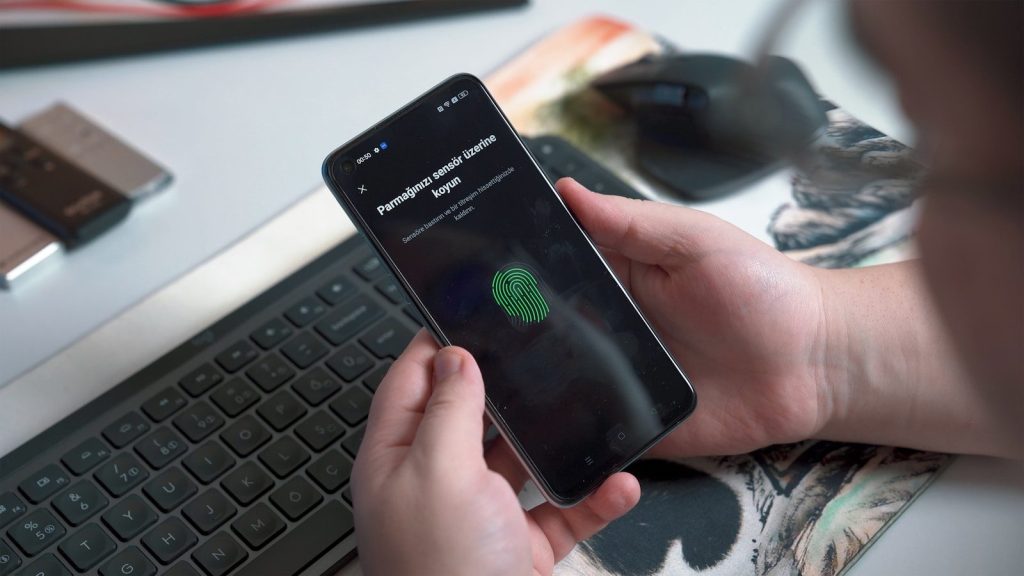
    Imagine a world where you never have to remember a long string of numbers and symbols again. With W-State technology, your identity is verified by the unique physical state of your device. If your phone or computer is linked to your personal quantum key, no one else on Earth can pretend to be you. It is the end of phishing emails and fake login pages. We are moving from “guessing” who you are to “knowing” who you are through science. But does this mean we are giving up our privacy?

    Privacy in the Age of Total Connection

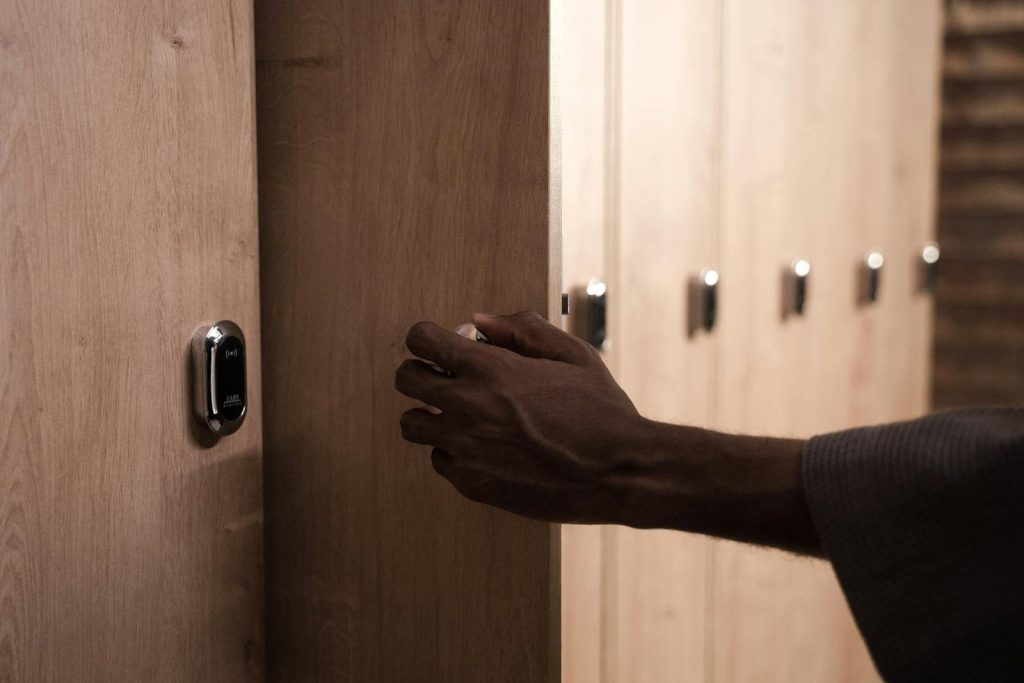
    Close-up of a hand using a digital lock on a locker in a contemporary spa.
    Photo by Ron Lach on Pexels

    Many people worry that a more secure internet means more government tracking. However, W-State technology actually provides better privacy. Because the connection is direct and unbreakable, no middleman can listen in—not even the people who built the network. It is the ultimate “private room” in a very loud digital world. You can share your most personal information with total confidence. It is a level of freedom we haven’t felt since the early days of the web. But how long will it take to reach your house?

    The Race for Quantum Supremacy

    pink green and blue square pattern
    Photo by Laura Ockel on Unsplash
    The US, China, and Europe are all pouring billions into W-State research. The first country to master this will have an economy that is immune to digital warfare. It is the new space race, but instead of the moon, we are aiming for the atom. Companies like Google and IBM are already showing off the first working prototypes of these unhackable networks. The transition is happening faster than anyone predicted. But wait until you see why tech giants are now launching their AI into space.

    The Final Verdict on Quantum Safety

    a dark room with a white light coming out of it
    Photo by Yang🙋‍♂️🙏❤️ Song on Unsplash

    We are finally building an internet that works for us, not for the criminals. The W-State milestone is the final piece of the puzzle for a safe digital life. We can finally stop looking over our shoulders and start looking forward to what we can create. It is a hopeful time for anyone who lives their life online. The shadows are disappearing, and the light of science is taking over. But while we fix the internet, the giants of tech are heading to Earth’s orbit.

    Featured Image: Photo by JJ Ying on Unsplash
  • Could This DNA-Guided CRISPR Cure Diseases Without Damaging Your Genome?

    Could This DNA-Guided CRISPR Cure Diseases Without Damaging Your Genome?

    For years, CRISPR has been the “holy grail” of medicine. It promised to cut out bad genes and replace them with healthy ones. But there was a hidden danger that scientists rarely talked about. The old version of CRISPR often made “accidental cuts” in the wrong places. These mistakes could damage your healthy DNA and even lead to new diseases. In 2026, a massive breakthrough changed the game. Scientists have unveiled a “DNA-Guided” version of the tool that is 1,000 times more precise.

    This new system doesn’t just cut; it “whispers” to your genome. It uses a specific guide to ensure it only touches the exact target. This discovery is hitting the news as the safest way to treat genetic conditions like sickle cell and cystic fibrosis. We are looking at a future where we can “debug” the human body without any side effects. It feels like science fiction is finally becoming a standard hospital procedure. But wait until you see how this tool actually navigates through your millions of cells.

    The Secret of the Molecular GPS

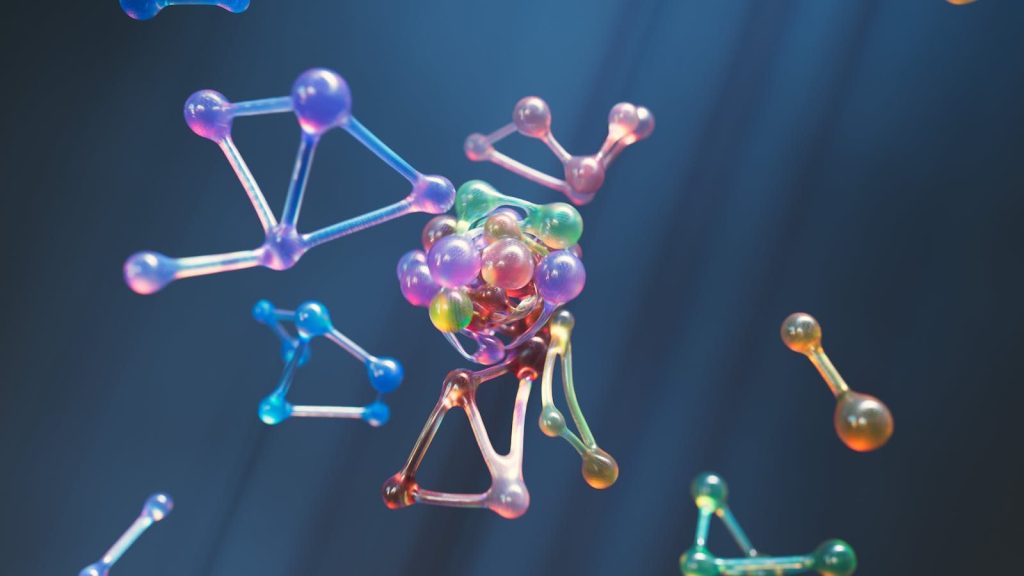
    Colorful abstract representation of molecular structures with 3D spheres and connections.
    Photo by Google DeepMind on Pexels

    The original CRISPR relied on RNA to find its target. This new version uses a synthetic DNA guide that is much more stable. Think of it like moving from an old paper map to a high-definition GPS. The tool can now recognize the exact “neighborhood” of a disease-causing gene with perfect accuracy. It ignores everything else in the body, which was the biggest hurdle for doctors. But how does it actually fix the problem without using a physical blade?

    No More Scars on Your Genetic Code

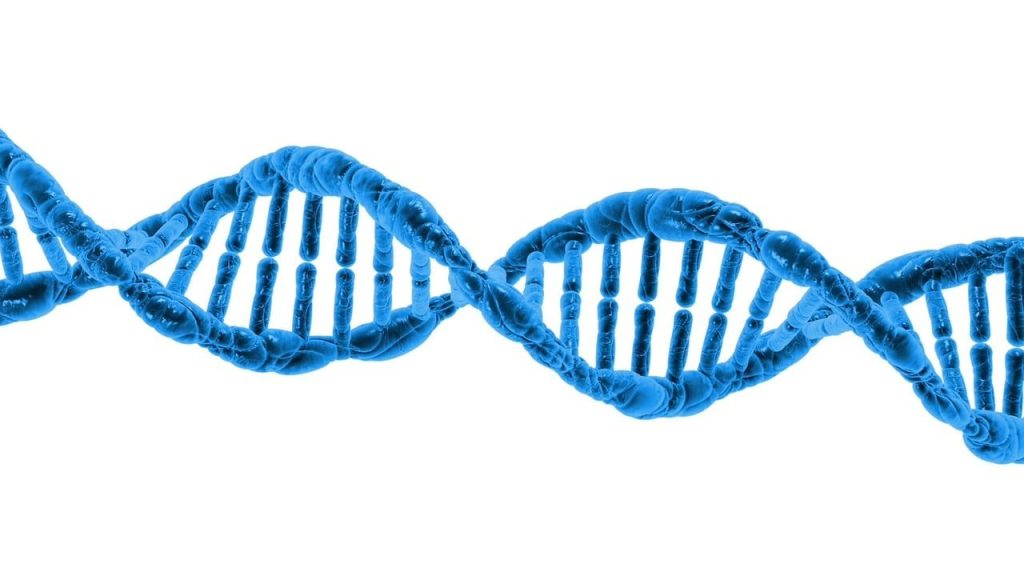
    dna, biology, science, dna helix, protein, molecule, molecular structure, chromosome, spiral, microbiology, deoxyribonucleic acid, 3d, render, isolated, dna, dna, dna, dna, dna
    Photo by PublicDomainPictures on Pixabay

    Instead of “chopping” the DNA, the DNA-guided tool uses a process called “base editing.” It gently changes a single letter of the genetic code without breaking the strand. This means there is no “scarring” on your genome. It is a biological “undo” button that restores your health at the most basic level. This precision is what makes it safe for use in children and even unborn babies. But can this technology actually stop a viral infection in its tracks?

    Hunting Viruses in Real Time

    a cell with two yellow cells inside of it
    Photo by National Institute of Allergy and Infectious Diseases on Unsplash
    Scientists are already testing this new CRISPR to hunt down chronic viruses like HIV and Herpes. Because the guide is so specific, it can find viral DNA hiding inside your own cells. It identifies the “alien” code and disables it without hurting the host. This could lead to a permanent cure for infections that we previously thought were lifelong. We are building a digital immune system that works faster than nature. But wait until you see the “W-State” discovery that is making our data just as safe.

    The Race for the First Human Trial

    blood test, doctor, patient, medical, healthcare, clinic, general blood test, institute of hematology, blood test, blood test, blood test, blood test, blood test
    Photo by vienhuyethoc on Pixabay

    Major pharmaceutical companies are now racing to get this DNA-guided tool into human trials. The FDA is fast-tracking the process because the safety data is so impressive. In 2026, we expect to see the first patients receiving this treatment for rare blood disorders. It is a high-stakes competition that could save millions of lives. The “DNA-Guided” era of medicine has officially begun, and the results are stunning. But how much will this high-tech cure actually cost the average person?

    Making Precision Medicine Affordable

    woman in black crew neck shirt wearing blue earbuds
    Photo by TopSphere Media on Unsplash
    High-tech cures are usually for the rich, but this breakthrough is different. Because the synthetic DNA guides are easier to manufacture than old RNA guides, the price is dropping fast. Scientists are aiming to make “gene-fixing” as affordable as a standard surgery. This would democratize health across the globe, giving everyone a chance at a disease-free life. It is an economic shift that mirrors the technical one. But what happens if we start using this tool to “upgrade” ourselves?

    The Ethics of the New Genome

    a picture of a human body with a diagram of the human body
    Photo by julien Tromeur on Unsplash
    As the tool gets safer, the temptation to use it for non-medical reasons grows. Philosophers and lawmakers are debating if we should allow “enhancements” like better memory or increased strength. The DNA-guided precision makes these changes more permanent and easier to achieve. We are being forced to define what it means to be human in a world where our code is editable. It is the most important conversation of the decade. But while we edit ourselves, our computers are facing an even bigger change.

    A Future Without Genetic Fear

    woman in white laboratory gown holding black microphone
    Photo by DIANA HAUAN on Unsplash
    The takeaway from 2026 is hope. We are finally moving past the era of “guesswork” in medicine. The DNA-guided CRISPR is a reminder that human ingenuity can solve the problems it creates. We have the power to stay healthy and protect our future generations. The journey to a perfect genome is just starting, and you have a front-row seat. But are you ready for the quantum secret that just made your bank account unhackable?

    The End of Genomic Damage

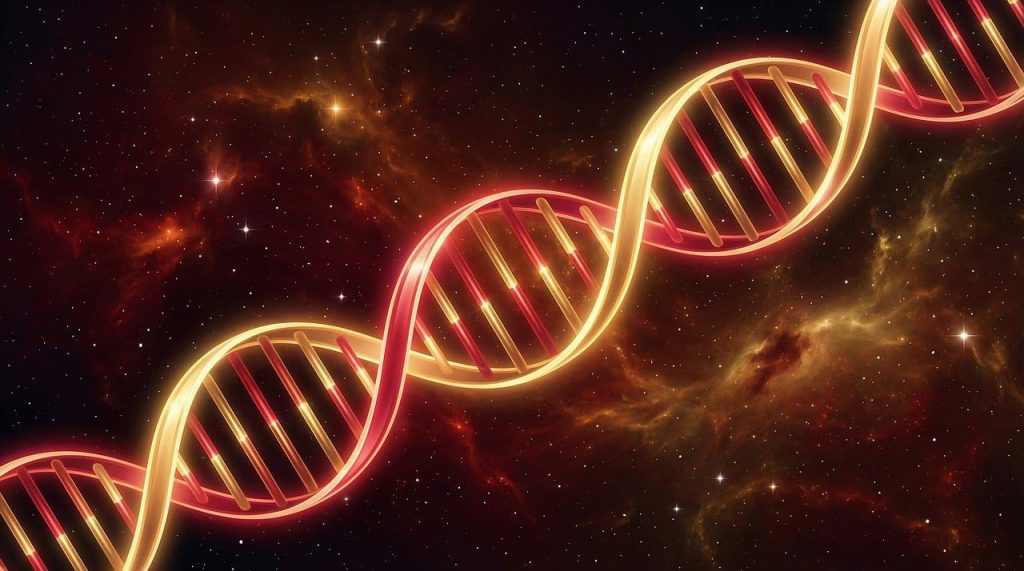
    dna, helix, cosmic, space, nebula, stars, genetic, biology, glowing, universe, science, evolution, life, golden, red, mystical, energy, spiral, molecular, celestial, ai generated
    Photo by geralt on Pixabay

    The “DNA-Guided” breakthrough is the final piece of the puzzle for safe gene editing. We have learned to work with the body instead of fighting it. Every day, more data arrives proving that we can cure the “incurable.” The world is getting safer, one molecule at a time. But while we fix our biology, a “W-State” milestone is about to rewrite the rules of the entire internet.
    Featured Image: Photo by geralt on Pixabay

  • Why Tech Giants Are Now Training Generative AI in Orbit

    Why Tech Giants Are Now Training Generative AI in Orbit

    Training a massive Generative AI model like ChatGPT requires an incredible amount of power and cooling. On Earth, data centers consume as much electricity as small cities and produce massive amounts of heat. But in 2026, the biggest names in tech have found a “cool” new solution. They are moving their AI training hubs into Earth’s orbit. Space provides a natural vacuum and extreme cold that makes running supercomputers much more efficient. By launching specialized AI satellites, companies can train models 24 hours a day without any environmental impact on our planet.

    This move to the stars is being called “Orbital Intelligence.” It isn’t just about saving money on air conditioning; it is about privacy and speed. In space, there are no borders and no physical cables for hackers to tap into. The data moves through laser beams at the speed of light. We are looking at a future where the brain of the internet lives among the stars. But how do they actually launch a whole data center into a zero-gravity environment?

    The Rise of the Zero-G Data Center

    A satellite with solar panels orbiting Earth, capturing the vast universe.
    Photo by SpaceX on Pexels

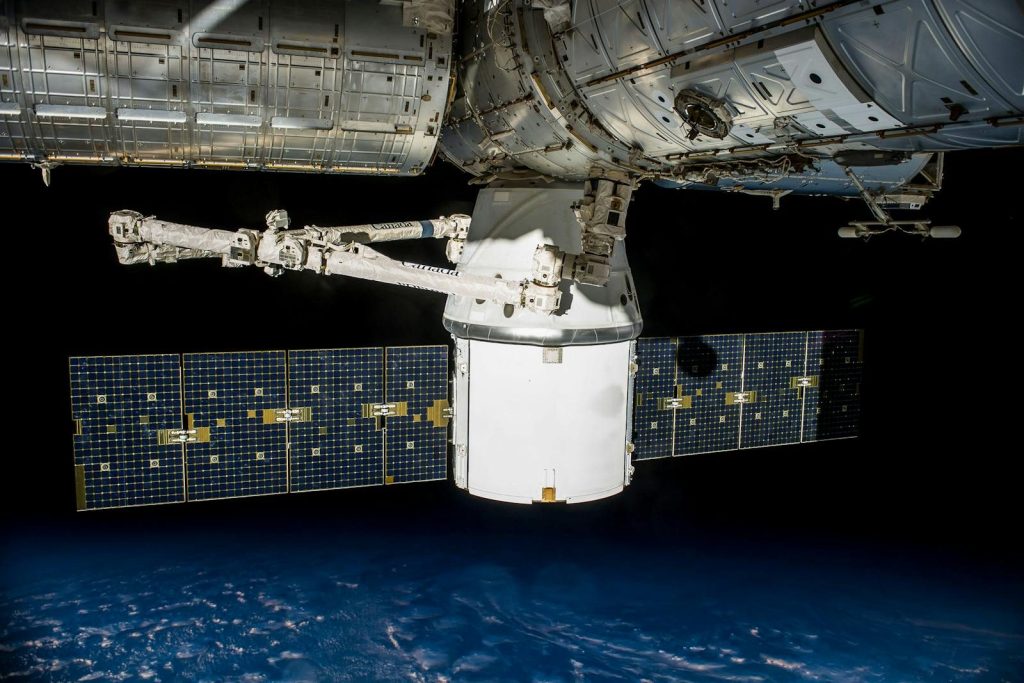
    On Earth, servers are heavy and bulky. In orbit, gravity is no longer an issue. Engineers can build massive, lightweight computer structures that would collapse under their own weight on the ground. These “Zero-G” data centers are powered entirely by the sun, using giant solar sails that are miles wide. This provides a limitless source of clean energy. The 2026 data shows that orbital AI training is 70 percent more efficient than ground-based hubs. But what happens when a piece of space junk hits the motherboard?

    Protecting the AI from Cosmic Shrapnel

    a very large metal structure with lights on it
    Photo by NASA Hubble Space Telescope on Unsplash

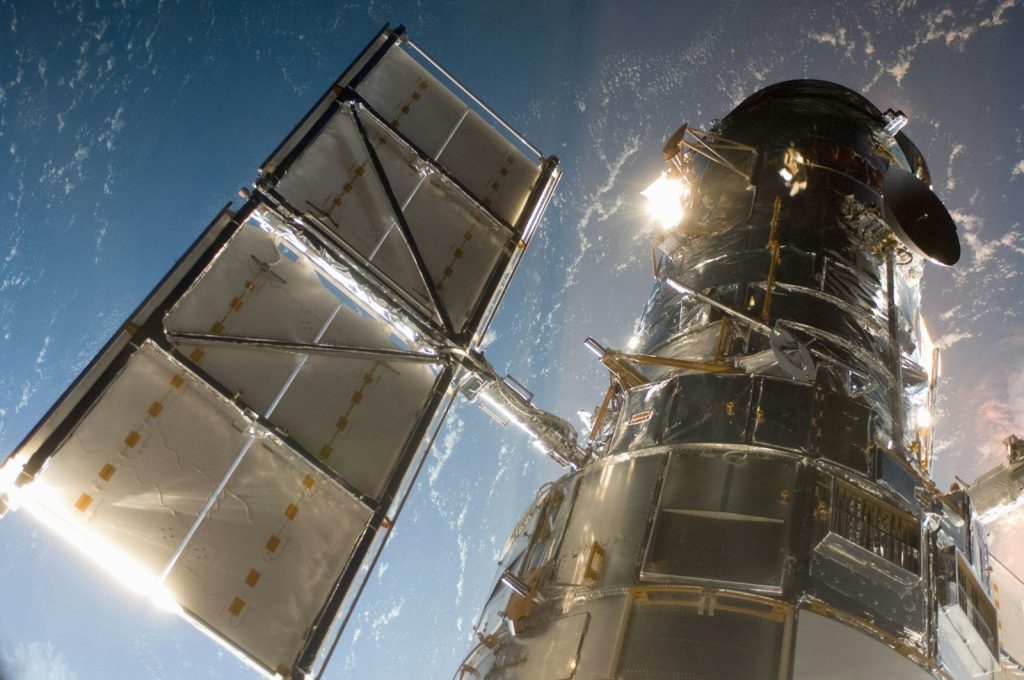
    The biggest threat in orbit isn’t heat—it’s trash. Thousands of pieces of old satellites are moving at 17,000 miles per hour. To protect their billion-dollar AI, tech giants are using “Self-Healing Shields.” These are layers of specialized gel that seal up instantly if hit by a tiny pebble. The AI itself also monitors the environment and can move the satellite out of harm’s way within seconds. It is a high-stakes game of cosmic dodgeball. But wait until you see how fast the data actually travels to your phone.

    Laser Beams are the New Fiber Optics

    blue and white light in dark room
    Photo by Compare Fibre on Unsplash

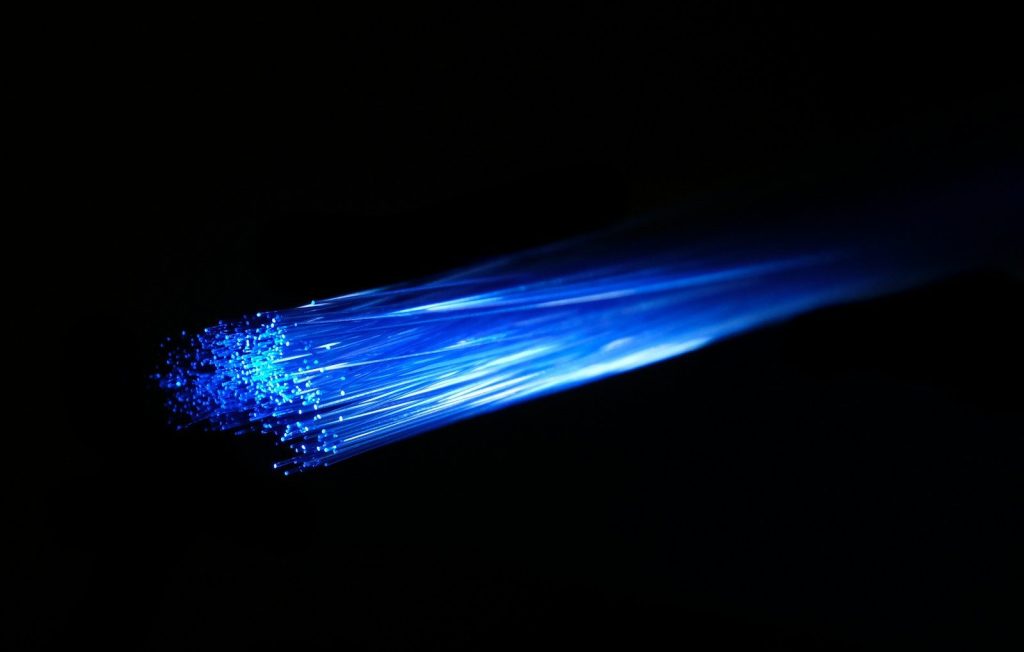
    We used to rely on undersea cables to move our data around the world. Orbital AI uses lasers. By beaming information directly from space to ground stations, tech giants have reduced “latency” to almost zero. This means your AI assistant can answer you instantly, no matter where you are on Earth. It is a global web of light that bypasses the old, slow copper wires. We are finally living in a “real-time” world. But is there a hidden danger to having the “mind” of the world in space?

    The Sovereignty of the Stars

    A stunning digital rendering of Earth from space, featuring a satellite and the vast universe.
    Photo by Zelch Csaba on Pexels

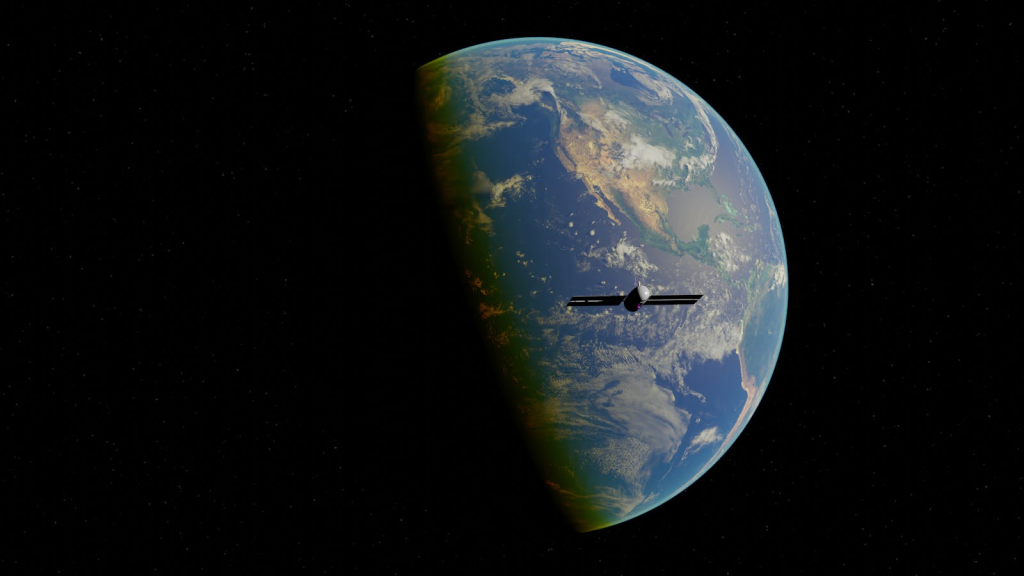
    Who owns the AI in orbit? Because these satellites fly over every country, they don’t follow the laws of any single nation. This has sparked a massive debate about “Space Sovereignty.” Some fear that tech companies are becoming more powerful than governments. If your data is in orbit, who can protect your rights? We are entering a new era of digital law that is as vast as space itself. But wait until you see what is happening to the people who still write code on the ground.

    Why Orbital AI is Building Itself

    technology, computer, futuristic, data, science, circuit board, abstract, electricity, robot, human face, mother board, internet, computer chip, cyborg, computer part, backgrounds, portrait, communication, one person, image, pattern, computer graphic, circuit, industry, ai generated
    Photo by AberrantRealities on Pixabay

    The most incredible part of “Orbital Intelligence” is that the AI is starting to design its own hardware. Because it can simulate physics perfectly in space, it knows exactly how to build a faster processor. It sends the blueprints to 3D-printing satellites that build the next generation of chips in orbit. It is a “closed-loop” of evolution that humans could never achieve on the ground. We are watching the birth of a machine that improves its own body. But does this mean we don’t need human coders anymore?

    The End of the Manual Coder Era

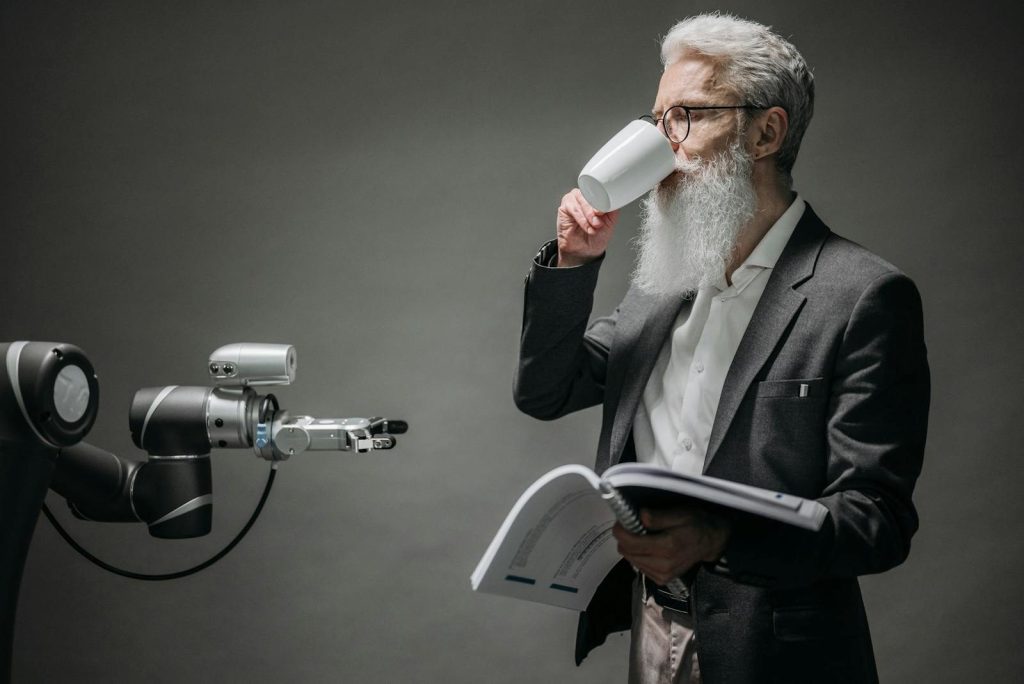
    A senior man interacts with a robot while holding a book, symbolizing technology and innovation.
    Photo by Pavel Danilyuk on Pexels

    As the AI in orbit gets smarter, the need for human coding is shrinking. We are moving toward a world of “Intent-Driven” software. Instead of typing lines of code, humans will simply tell the AI what they want. The orbital supercomputer then assembles the software in seconds. It is the biggest shift in labor since the Industrial Revolution. We are moving from “builders” to “architects.” But wait until you see the next slide about how this is changing the way we speak.

    A Planet Wrapped in Intelligence

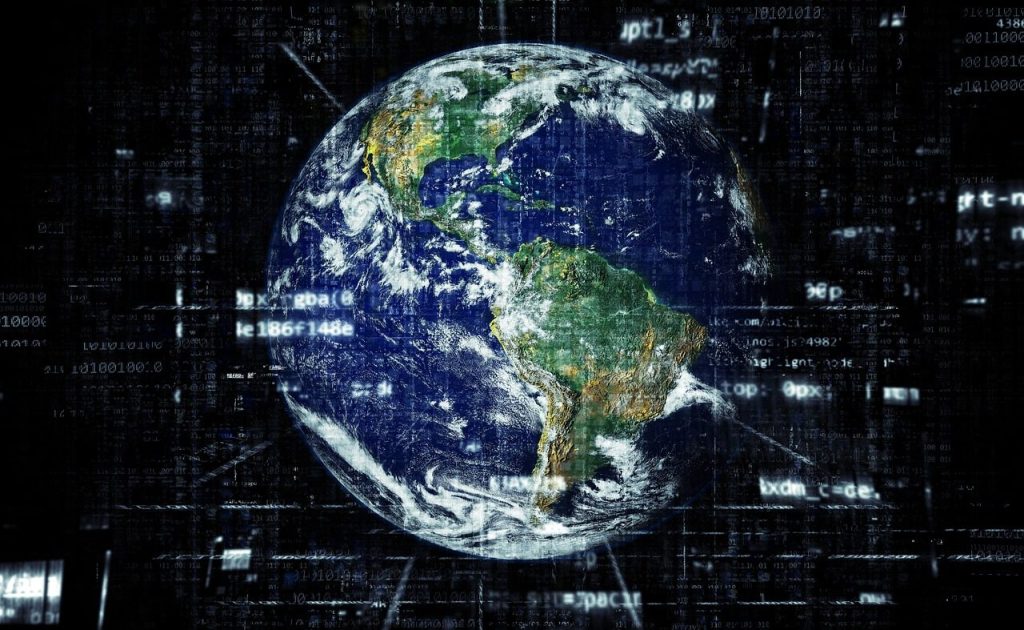
    earth, internet, globalization, technology, network, globe, world, global, digital, information, data, communication, earth, earth, internet, internet, internet, internet, internet, technology, technology, technology, technology, network, world, world, digital, data
    Photo by TheDigitalArtist on Pixabay

    By the end of 2026, most of the “thinking” for our daily lives will happen above the clouds. From managing traffic to predicting the weather, the orbital AI will be our silent partner. We are wrapping the Earth in a layer of intelligence that never sleeps and never fails. It is a beautiful and slightly scary transformation of our planet. The stars are no longer just points of light; they are the servers of our future. But are you ready for the day when your phone translates every language instantly?

    The Countdown to an Orbital World

    spacecraft flying through the sky
    Photo by SpaceX on Unsplash

    The “Space AI” era is not coming; it’s already here. The first successful orbital training runs have been completed, and the results are blowing away everything on the ground. We are standing at the edge of a new history for our species. We have finally moved our minds into the cosmos. Stay curious, stay sharp, and keep looking up. The future is bright, and it’s shining down on us from 200 miles above. But wait until you see why you might never need to learn a second language again.

    Featured Image: Photo by Growtika on Unsplash

  •  Could a solar storm really “delete” the internet tomorrow?

     Could a solar storm really “delete” the internet tomorrow?

    We take the internet for granted, but it is actually a very fragile physical network. Thousands of miles of undersea cables and a delicate electrical grid are all that keep our digital world alive. Scientists are now warning that we are entering a period of high solar activity known as the “Solar Maximum.” During this time, the sun can release massive bursts of energy called Coronal Mass Ejections (CMEs). If a large enough storm hits Earth, it could fry the electronics that run the web.

    This is being called the “Internet Apocalypse.” While we have seen small solar storms before, a direct hit from a “Carrington-level” event would be a total game-changer. It wouldn’t just be a temporary outage; it could physically damage the hardware that allows the internet to exist. We are talking about months, or even years, of global darkness. But how can a spark on the sun actually break a cable at the bottom of the ocean?

    The 1859 Warning from the Past

    A green and purple aurora bore over a lake
    Photo by DANTE FABILLAR on Unsplash

    In 1859, a massive solar storm hit the Earth. Known as the Carrington Event, it was so powerful that telegraph wires caught fire, and operators were shocked by their equipment. People in Hawaii could see the Northern Lights. Back then, we didn’t have much electronics to break. If that same storm hit today, it would cause trillions of dollars in damage. It is a biological certainty that a storm of this scale will hit us again. The only question is when. But wait until you see why the undersea cables are the biggest problem.

    Undersea Cables are the Weakest Link

    Clear water with sunlight reflecting on the sandy bottom.
    Photo by Hongjin Wang on Unsplash

    Most of our data travels through fiber-optic cables under the ocean. While the glass fibers themselves are safe from solar radiation, the “repeaters” are not. These are electronic boxes placed every 50 miles to boost the signal. A solar storm creates massive electrical currents in the Earth’s crust that can travel through the water and fry these repeaters. If the undersea network dies, the world’s continents are instantly cut off from each other. It would be the end of the global economy. But your own home would also be in danger.

    The Collapse of the Electrical Grid

    burnt house
    Photo by Ash Edmonds on Unsplash

    Solar storms don’t just hit the internet; they hit the power grid. These storms can overload the giant transformers that move electricity to your neighborhood. These transformers are massive, expensive, and take months to build. If a solar storm destroys thousands of them at once, the lights might stay out for an entire year. Without power, there are no servers, no Wi-Fi, and no way to charge your phone. We are living in a house of cards that is built on electricity. But can we actually see the storm coming?

    The 30 Minute Warning from NASA

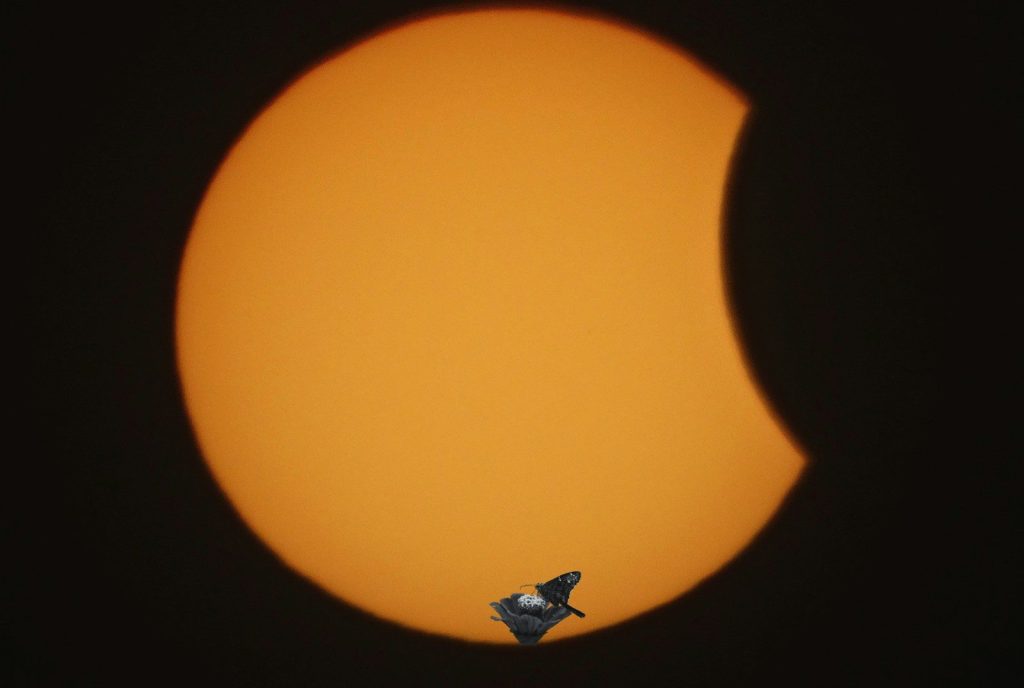
    a bird is sitting on a pole in front of the sun
    Photo by Gleive Marcio Rodrigues de Souza on Unsplash

    We have satellites that watch the sun 24/7. When a CME erupts, we can see it happen. However, these particles travel so fast that we only have about 30 to 60 minutes of warning before they hit our atmosphere. This gives power companies just enough time to “soft-shut” the grid to prevent permanent damage. But for the internet repeaters at the bottom of the sea, there is no easy way to turn them off. We are essentially racing against a cosmic bullet. But wait until you see the economic fallout.

    The Multi-Trillion Dollar Digital Blackout

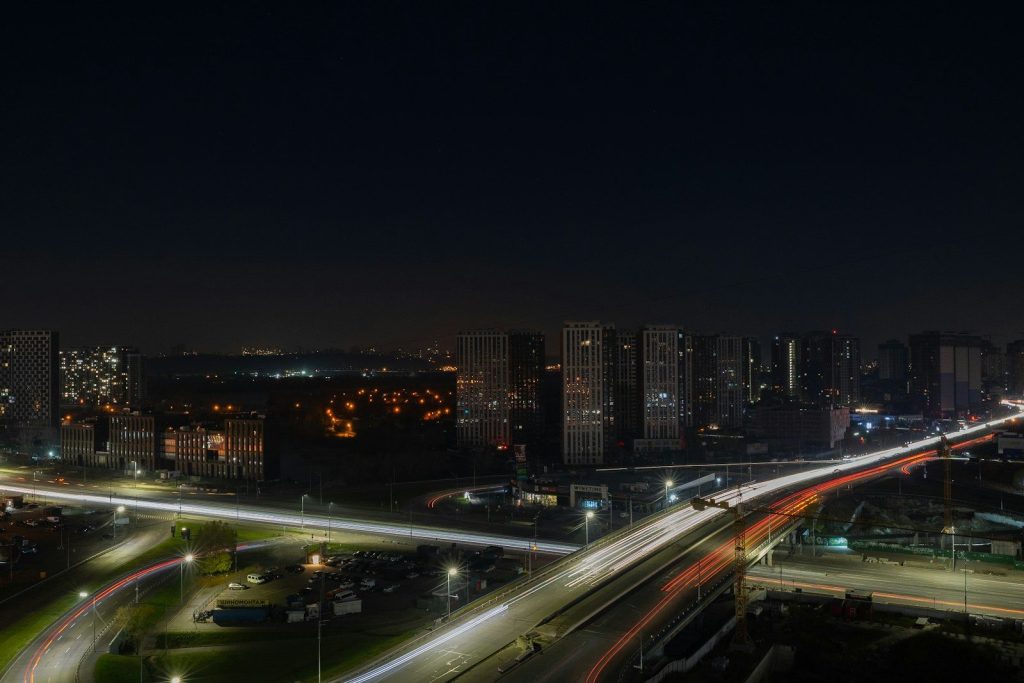
    a city skyline at night
    Photo by Eugene Chystiakov on Unsplash

    If the internet goes down for just one day, the global economy loses billions. If it goes down for a month, the world will enter a total collapse. Modern banking, food supply chains, and hospitals all depend on the web. Without the internet, we wouldn’t know where our food is or how to pay for it. A solar storm is a “black swan” event that could reset our civilization by a hundred years. It is the ultimate test of our resilience. But is there a way to build a “solar-proof” internet?

    Building the Shield for the World

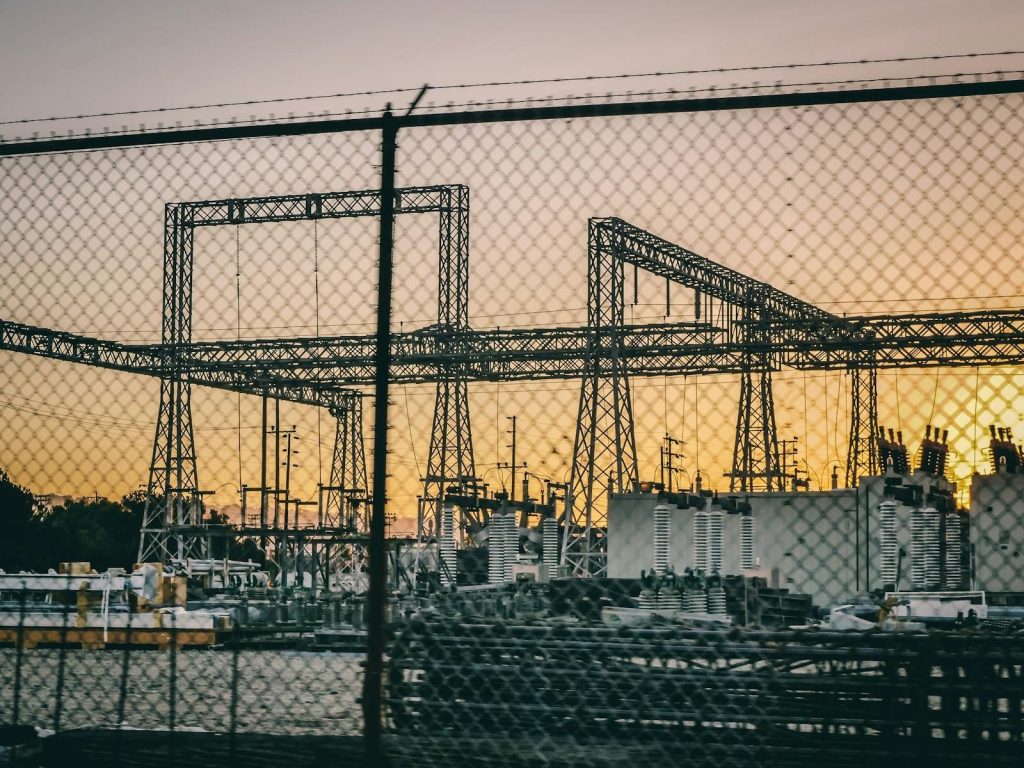
    Industrial electric power substation photographed at sunset with fence in the foreground.
    Photo by Kindel Media on Pexels

    Scientists are now working on ways to protect our cables. This involves adding more grounding wires and building smarter repeaters that can handle electrical surges. Some engineers are also suggesting we use “Mesh Networks” and satellite internet like Starlink as a backup. However, satellites are even more vulnerable to the sun than cables are. We are in a race to harden our infrastructure before the next big flare. But how does this affect you personally?

    Survival in a World Without the Web

    Woman using a landline and newspaper for a job search, highlighting domestic life.
    Photo by Ron Lach on Pexels

    If the internet were to “delete” tomorrow, our lives would change instantly. We would have to go back to paper maps, landline phones, and physical cash. It is a sobering thought for a generation that has never been disconnected. The solar storm threat is a reminder that we are just guests on a planet that is part of a very active solar system. Our technology is powerful, but nature is always stronger. But keep your eyes on the stars, because the story isn’t over yet.

    Featured Image: Photo by NASA Hubble Space Telescope on Unsplash

  • The 8 ways AI will make your current job obsolete by 2030

    The 8 ways AI will make your current job obsolete by 2030

    The year 2030 is only a few years away, but for the global workforce, it will feel like a different century. Artificial Intelligence is moving from “fun chatbot” to “essential employee” at a terrifying speed. Experts are warning that 40 percent of all current jobs could be automated by the end of the decade. This isn’t just about factory workers and truck drivers anymore. The new wave of AI is coming for the “white-collar” office jobs that we thought were safe.

    From writing legal briefs to diagnosing diseases, AI is becoming better, faster, and cheaper than its human counterparts. In 2026, many companies will already be replacing entry-level positions with specialized AI agents. This shift will lead to a massive “Great Re-skilling” where humans have to find new ways to be useful. We are looking at a total transformation of the human economy. But what are the specific roles that are on the chopping block?

    Content Creation and the End of Writing

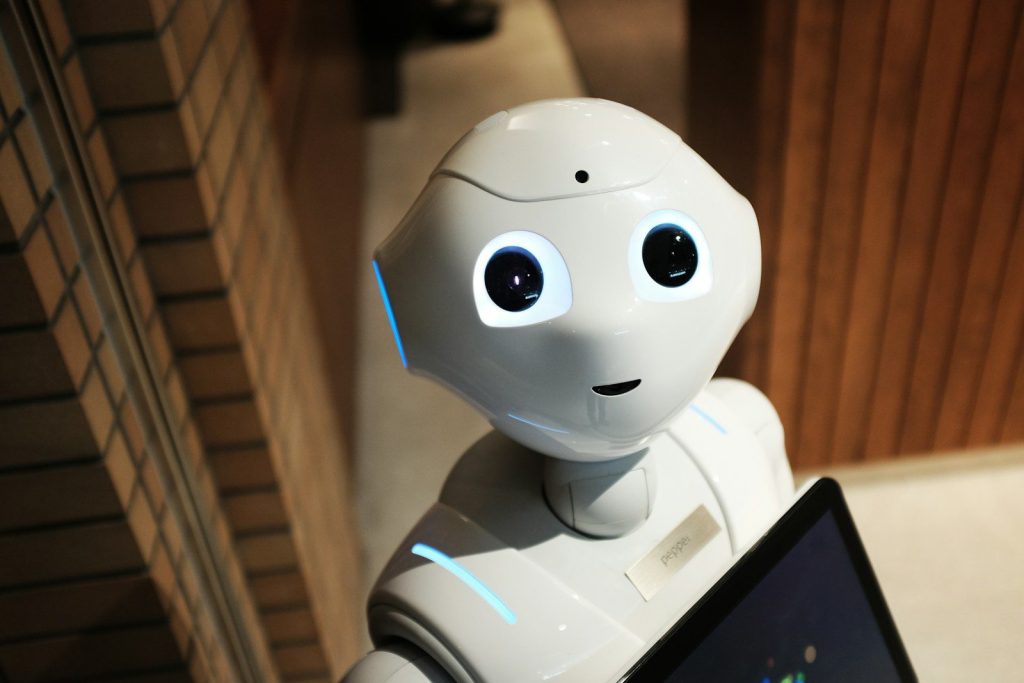
    white robot near brown wall
    Photo by Alex Knight on Unsplash

    If you write emails, reports, or articles for a living, your job is changing right now. AI models can now produce high-quality text in seconds for the cost of a few cents. By 2030, the majority of the “information” we consume will be AI-generated. Human writers will become “editors of intent,” guiding the machine rather than typing the words. It is the death of the “junior copywriter” role. But wait until you see what is happening in the world of code.

    The Automated Software Engineer

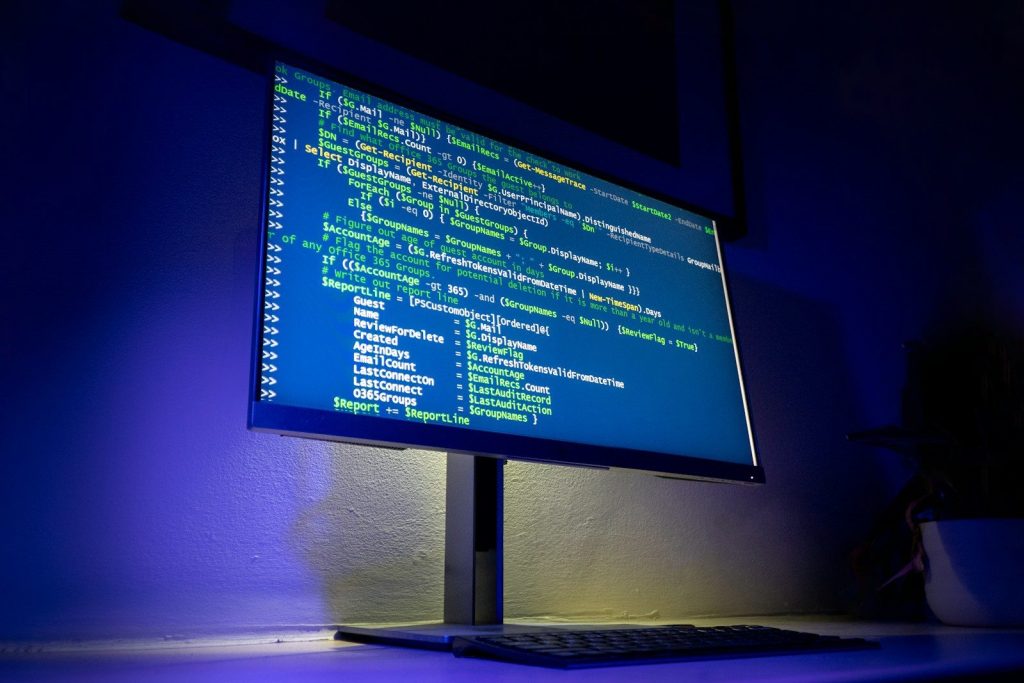
    Code is displayed on a computer screen.
    Photo by Rob Wingate on Unsplash

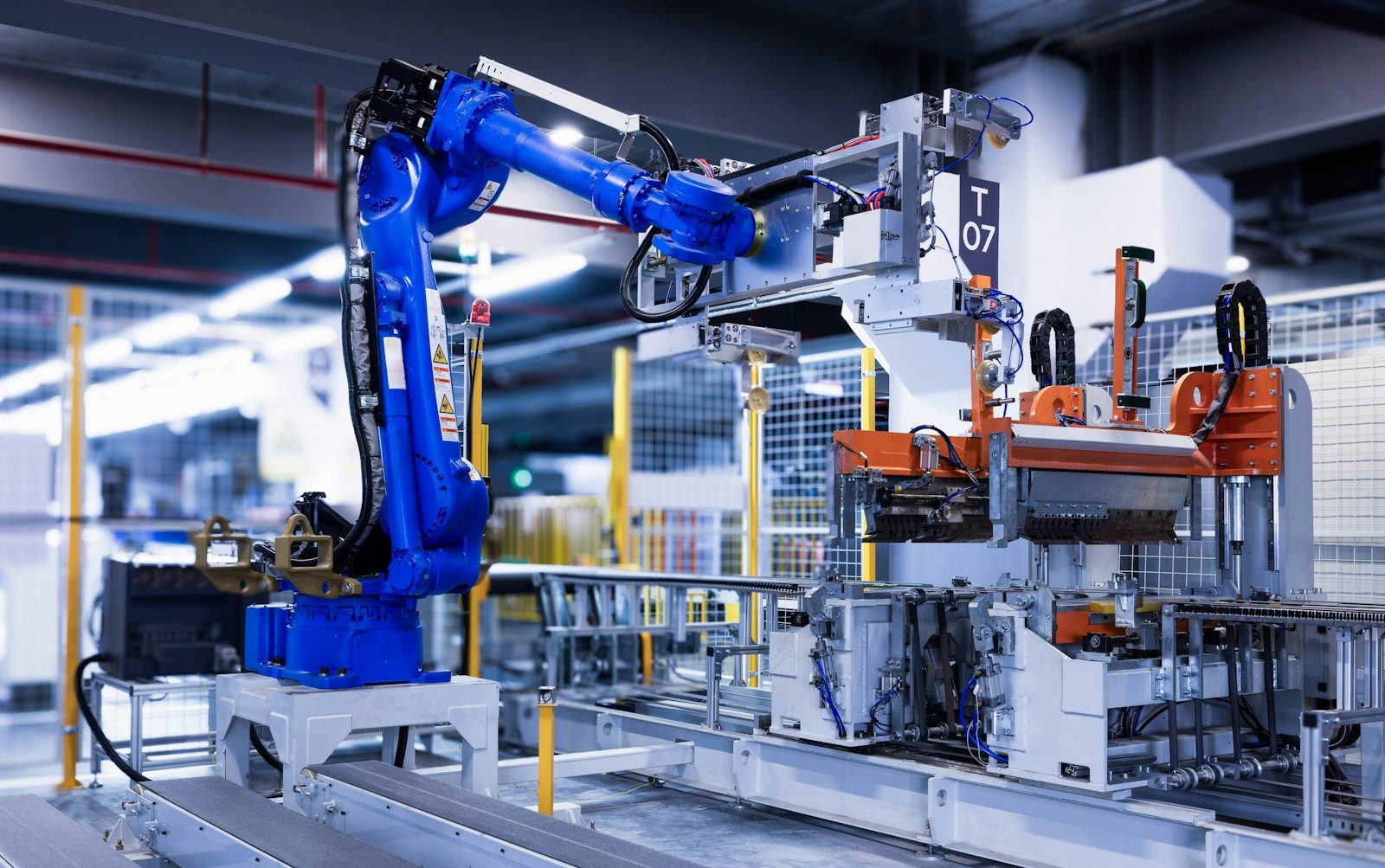
    Coding used to be a specialized skill that required years of study. Now, AI can write complex software just by being told what the goal is. By 2030, “manual coding” will be seen as an ancient craft, like blacksmithing. Most software will be built by AI agents that debug themselves in real-time. This means that 90 percent of current software engineering tasks will vanish. The focus will shift from “how to build” to “what to build.” But physical jobs aren’t safe either.

    Logistics and the Rise of the Delivery Bot

    A futuristic car is on display in a building
    Photo by Maxim on Unsplash

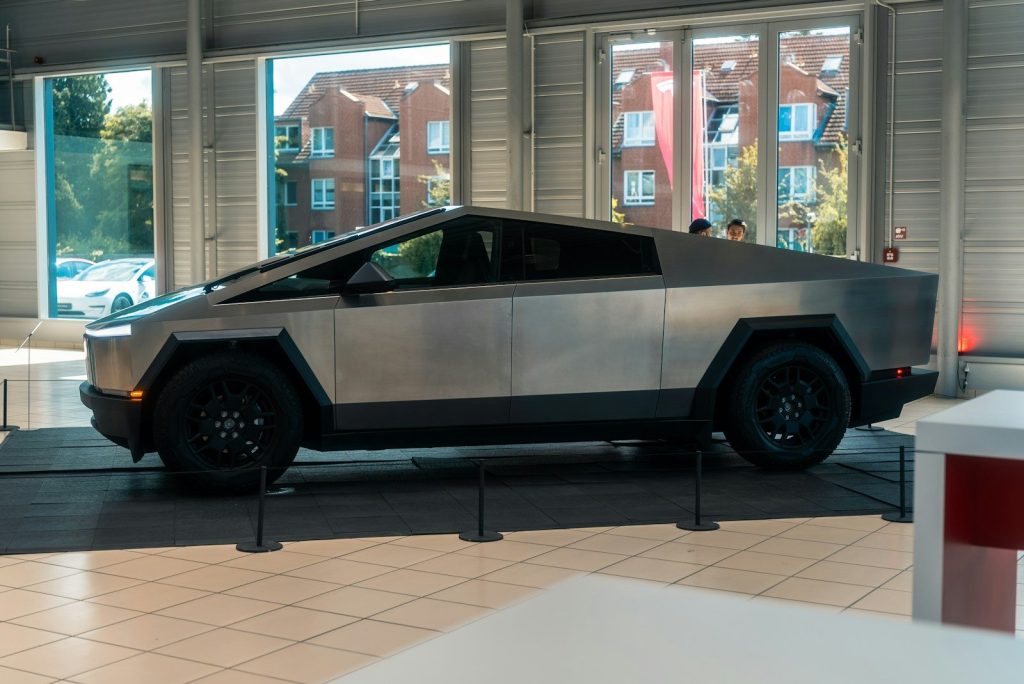
    Truck driving is one of the most common jobs in the world, but it is also one of the easiest to automate. Self-driving trucks are already being tested on highways, and local delivery bots are moving through city streets. By 2030, the “human driver” will be a rarity. This will make shipping faster and cheaper, but it will leave millions of workers looking for a new path. It is a logistical revolution with a high human cost. But what about the people who help us in stores?

    The Death of the Customer Service Rep

    call center, phone, service, help, call, corporate, booking, make a phone call, pc, call center, call center, call center, call center, call center, service, service, call
    Photo by Peggy_Marco on Pixabay

    We have all dealt with frustrating phone menus. But the 2030 AI “voice agents” will be indistinguishable from humans. They will have perfect empathy, never get tired, and know your entire purchase history instantly. This means that massive call centers will disappear. Companies will only need a handful of humans to handle the most complex emotional problems. For everything else, the machine will handle it. But the most surprising shift is happening in hospitals.

    AI as the Primary Medical Diagnostician

    eye care, eye consult, doctor, eye health, healthcare, surgeon, procedure, treatment, equipment, medical, health, eye surgery, table, cataract, vitrectomy, optometrist, eye doctor, blue health, blue medical, blue eye, blue doctors, blue table, blue care, blue healthcare, eye care, eye health, medical, eye surgery, eye surgery, eye surgery, eye surgery, eye surgery, cataract, optometrist, optometrist, optometrist, optometrist, eye doctor, eye doctor, eye doctor, eye doctor, eye doctor
    Photo by newarta on Pixabay

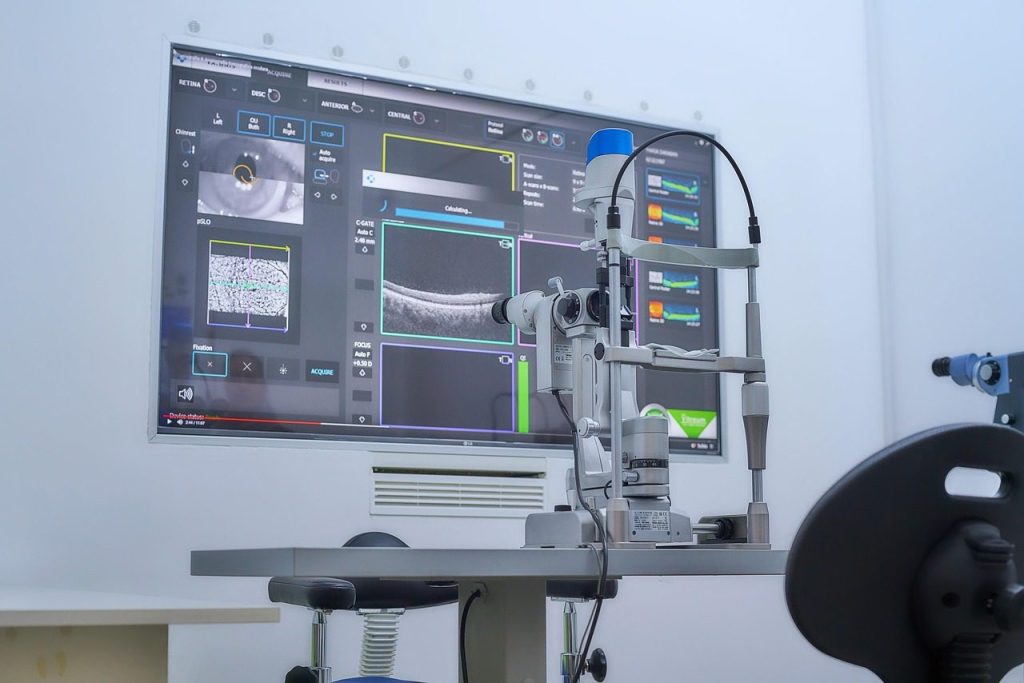
    Doctors spend years learning how to recognize patterns of disease. An AI can learn every known medical case in history in a single afternoon. By 2030, your primary “doctor” might be an app that analyzes your symptoms and scans your DNA. While we will still need human surgeons for a while, the “diagnostic” side of medicine is being handed over to code. It will lead to fewer errors and lower costs, but it will change the patient-doctor bond forever. But the law is next.

    Legal Research and the Robot Lawyer

    justitia, online shopping, dish, verdict, judge, law, penalty, justice, hammer, lawyer, attorney, legal basis, libra, authority, paragraph, symbol, dsgvo, the courtroom, system, judge, lawyer, lawyer, lawyer, lawyer, lawyer
    Photo by ka_re on Pixabay

    Lawyers spend thousands of hours searching through old cases to find a single precedent. AI can do this in milliseconds. “Smart Contracts” are already starting to replace traditional legal documents. By 2030, a large portion of legal work will be automated, making justice faster and more accessible for the average person. However, it also means the “junior associate” at the law firm is a job that is quickly dying out. But can AI actually be creative?

    The Creative Arts and Digital Design

    robot holding frame
    Photo by Brett Jordan on Unsplash

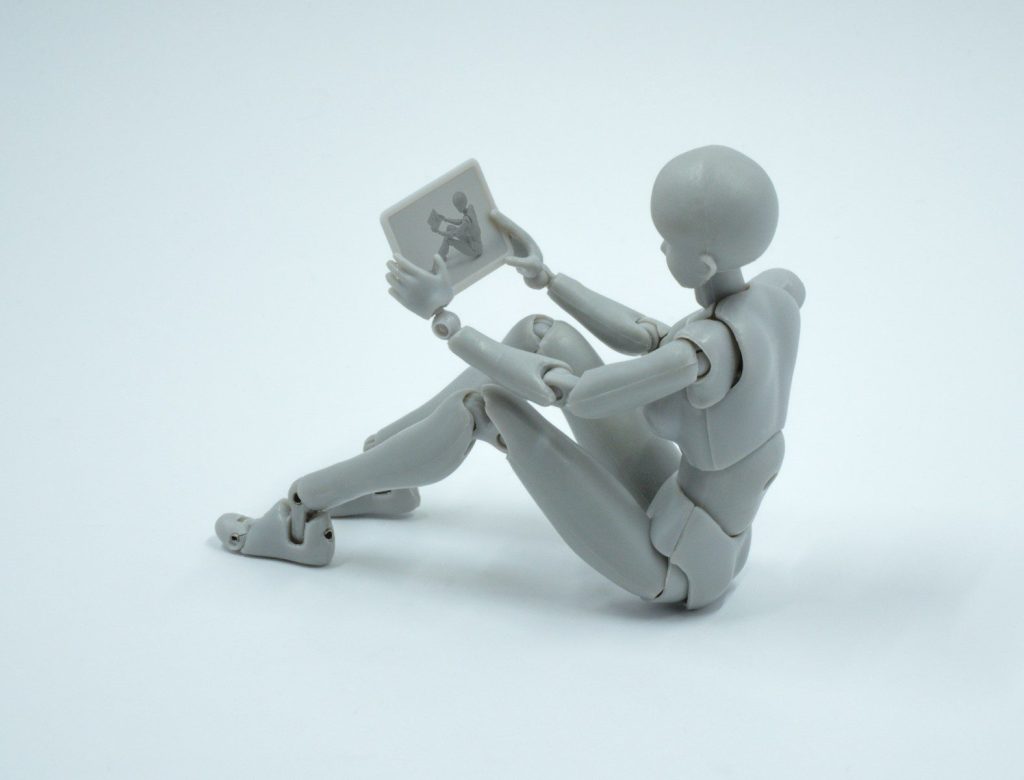
    We used to think that “creativity” was the one thing AI could never touch. We were wrong. AI is now winning art competitions and composing music that moves people to tears. By 2030, graphic design, illustration, and even film editing will be heavily assisted by AI. The “craft” of making things is being replaced by the “vision” of the prompt. We are entering an era of infinite content, where the human is the conductor of a digital orchestra. But is the internet itself safe from the sun?

    The Final Reset for Human Purpose

    Asimo robot doing handsign
    Photo by Possessed Photography on Unsplash

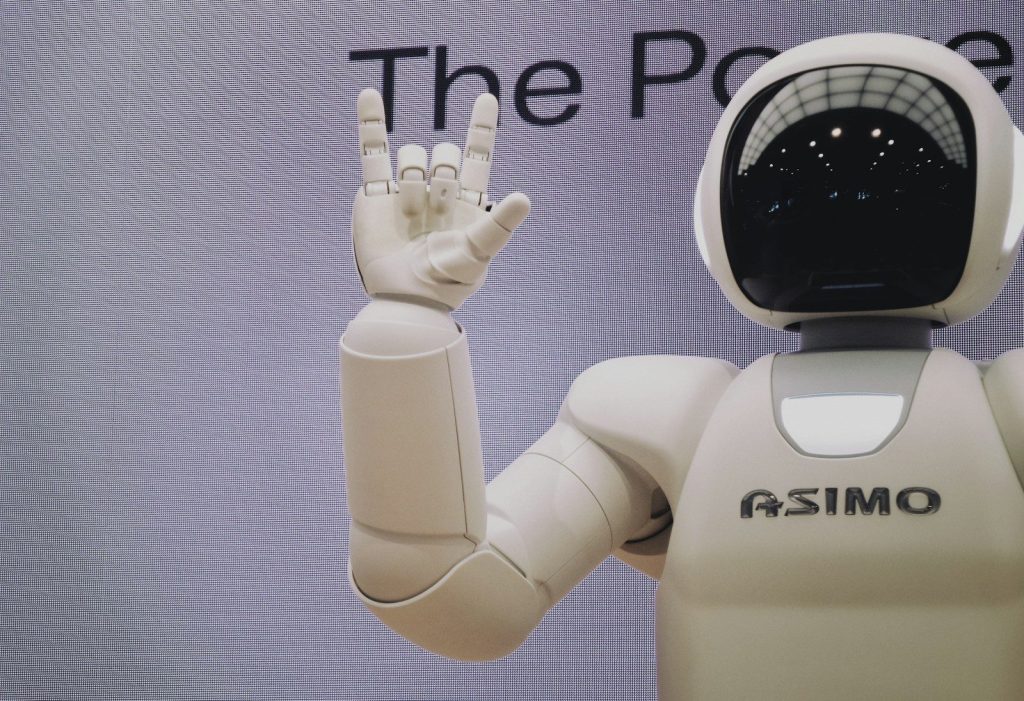
    The obsolescence of our current jobs isn’t the end of the world—it’s the end of a specific way of living. We are being forced to rethink what it means to be “productive.” If machines do all the work, what will humans do with their time? We are moving toward a future of lifelong learning and creative exploration. The 2030 shift is a wake-up call for all of us to stay curious and stay flexible. Are you ready for the day the screen goes dark for good?

    Featured Image: Photo by Homa Appliances on Unsplash

  • The New 2026 Tech Fighting Global Droughts

    The New 2026 Tech Fighting Global Droughts

    Water is the most precious resource on Earth, but it is disappearing from our reservoirs at a terrifying rate. In 2026, over half of the world’s population will be living in areas with severe water stress. But a new wave of “Drought-Fighting Tech” is hitting the news as the ultimate savior for our planet. We are no longer just digging deeper wells; we are building machines that can create water from nothing. From giant “fog catchers” to solar-powered atmospheric generators, the technology of 2026 is turning the driest places on Earth into green oases.

    This isn’t just about surviving; it’s about thriving in a changing climate. These new devices are being deployed in record numbers across Africa, California, and Australia. They use a mix of nanotechnology and renewable energy to ensure that every human has access to clean drinking water. We are witnessing the end of the global water crisis. But how can you actually pull water out of the air in the middle of a desert?

    Pulling Pure Water Out of Thin Air

    isolated, machine, generator, portable, petrol, power, electricity, retro, ryobi rg-950 generator, technology, tool, white, backup power, loadshedding, generator, generator, generator, generator, generator, backup power, backup power, loadshedding, loadshedding, loadshedding, loadshedding, loadshedding
    Photo by jeanvdmeulen on Pixabay

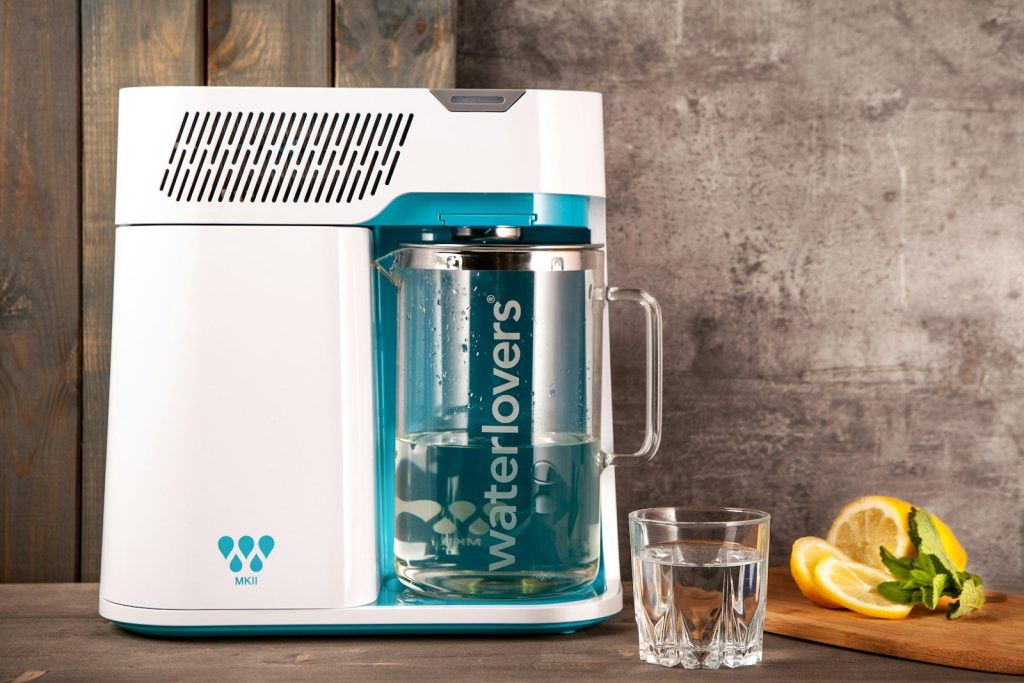
    The secret lies in “Atmospheric Water Generators” (AWGs). These machines work like high-efficiency dehumidifiers. They pull in air, cool it down, and collect the condensation. The 2026 models are now small enough to fit on a kitchen counter and can produce 10 gallons of water a day using just the humidity in the room. Even in places with very low humidity, these machines use specialized “hydro-gels” to trap every single water molecule. But wait until you see the giant versions built into the mountains.

    The Giant Net Catching the Fog

    clouds, cloud bank, high fog, valley, outlook, distant vision, mountains, alps, distance, mountain peaks, summit, mountain peak, silhouettes, switzerland, ground fog, landscape, nature, mood, fog, haze, hazy, valley, valley, valley, valley, mountains, mountains, distance, switzerland, switzerland, switzerland, switzerland, switzerland, fog, fog
    Photo by fietzfotos on Pixabay

    In coastal regions, scientists are using “Fog Nets” to provide water for entire villages. These nets are made of a new type of polymer that attracts water like a magnet. As the morning fog rolls in, the moisture clings to the net and drips into collection tanks below. This 2026 technology provides pure, mineral-rich water for free. It requires zero electricity and almost no maintenance. It is a masterpiece of passive engineering. But what happens when the desert starts to turn green?

    Turning Deserts Into Green Valleys

    grey tree under blue sky
    Photo by Wolfgang Hasselmann on Unsplash

    By combining water generators with “Liquid Nanoclay,” we are now able to grow crops in the middle of the Sahara. This clay coating allows sand to hold onto water and nutrients like regular soil. Farmers are using the water pulled from the air to irrigate their crops, creating a self-sustaining ecosystem in the wasteland. We are reclaiming the land that was lost to the sun. It is a biological miracle that is being scaled up as we speak. But is this technology affordable for everyone?

    Affordable Water for Every Village

    faucet, sink, tap, tap water, flow, flowing water, fresh water, nature, clean water, wet, splashing, splash, water, fountain, water fountain
    Photo by JonasKIM on Pixabay

    The biggest breakthrough of 2026 is the price. The manufacturing of these water generators has become so cheap that they are being distributed by NGOs for less than the cost of a smartphone. Governments are looking at “Water Independence” as the key to economic stability. A village that has its own water source can grow its own food and build its own industry. We are democratizing the most basic human need. But there is a solar secret behind all this power.

    Solar Power Meets Water Innovation

    Solar panels set in an arid landscape of Alajeró, reflecting renewable energy efforts in Canary Islands.
    Photo by Liisbet Luup on Pexels

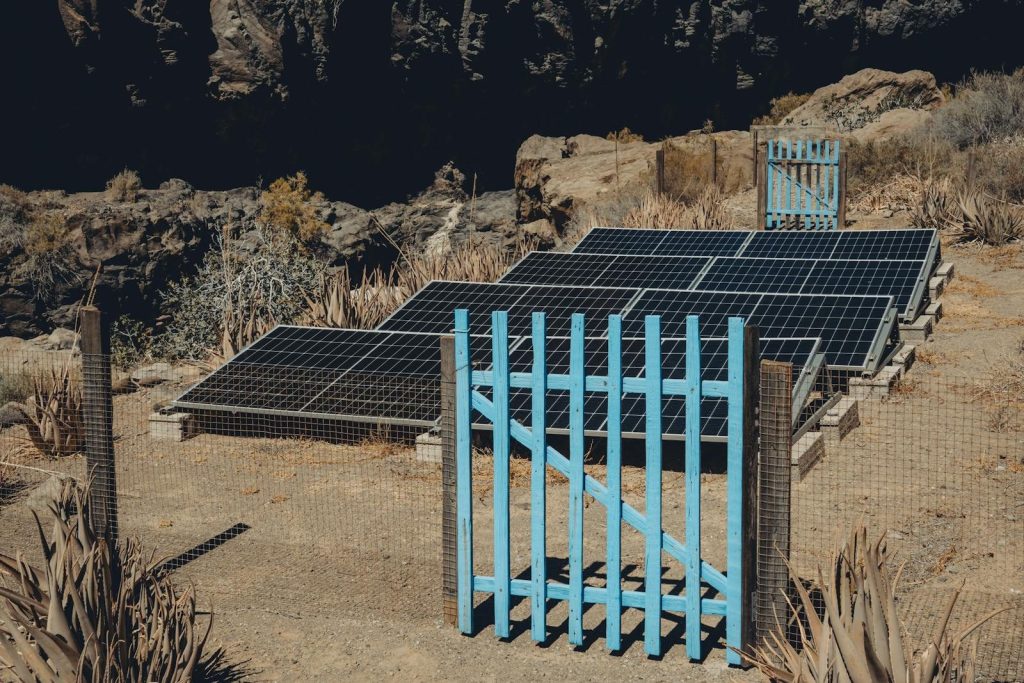
    None of this would be possible without the latest solar cells. The 2026 “Transparent Solar” panels can be placed directly over the water collection tanks. They power the cooling systems during the day and protect the water from evaporating. It is a 100 percent renewable system that works even in the most remote areas. We have finally harnessed the sun to solve the problem it created. But can this tech actually prevent future wars?

    Stopping the War Over Resources

    Aerial shot capturing the dry riverbed and terrain in Santa Fé de Antioquia, Colombia.
    Photo by Juan Camilo Trujillo 🇨🇴 on Pexels

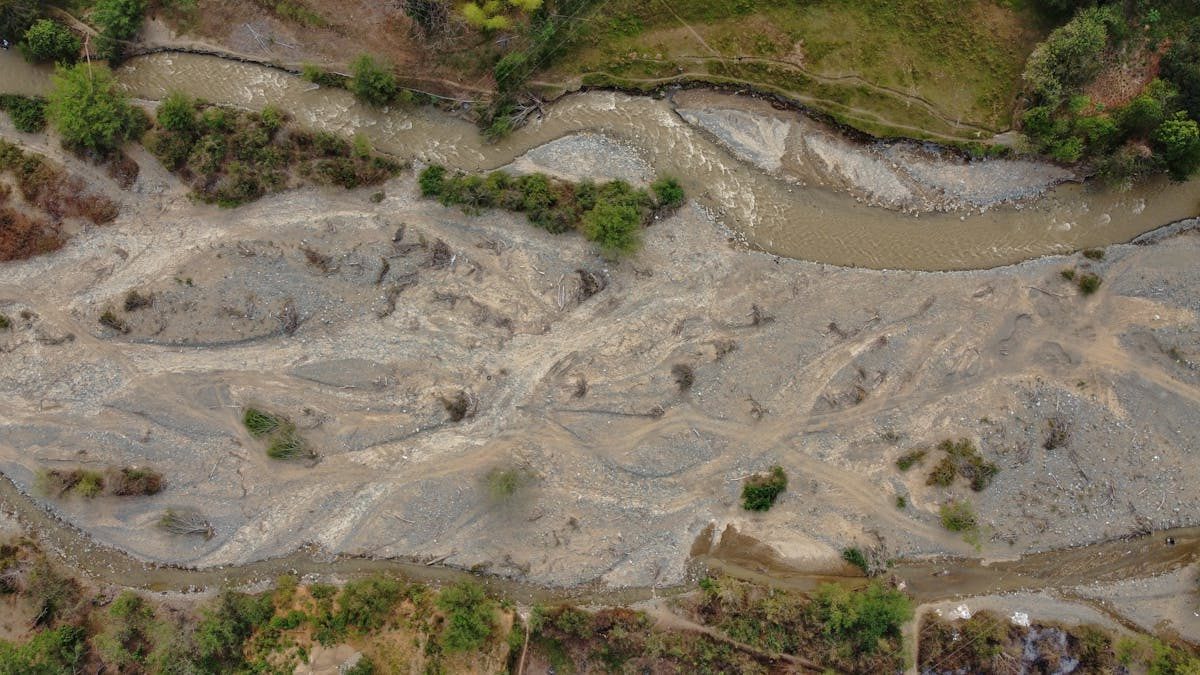
    Historically, droughts have been a major cause of conflict between nations. When rivers run dry, neighbors fight over what’s left. By providing a way to “create” water locally, the 2026 drought tech is removing the trigger for these battles. It is the ultimate tool for global peace. We are moving from a world of scarcity to a world of abundance. But the search for water is also taking us deep into the ground.

    The End of Thirst is Near

    clear glass mug beside clear drinking glass
    Photo by Water Lovers on Unsplash

    The countdown to a water-secure world has officially begun. Within the next decade, we expect to see these water generators in every home and every farm on the planet. We are learning to live in harmony with our climate rather than fighting against it. The future of the planet is bright, and it’s full of fresh water. But while we fix the water, our food is also undergoing a radical change. Have you heard about the cities being built under the soil?

    The Future is Underground

    ai generated, cavern, farm, lettuce, agriculture, cave, nature, landscape, geology, underground, stone, rocks, people
    Photo by TheDigitalArtist on Pixabay

    While we pull water from the sky, we are also learning that the ground beneath our feet is the best place to grow our dinner. The surface of the Earth is getting too hot for traditional farming, so we are moving our crops into the cool darkness of the Earth. It is a subterranean revolution that is changing the face of our cities. Are you ready to see the farms of the future that never see the sun?

    Featured Image: Photo by Bogomil Mihaylov on Unsplash

  • How This Creature Just Cracked the Longevity Code

    How This Creature Just Cracked the Longevity Code

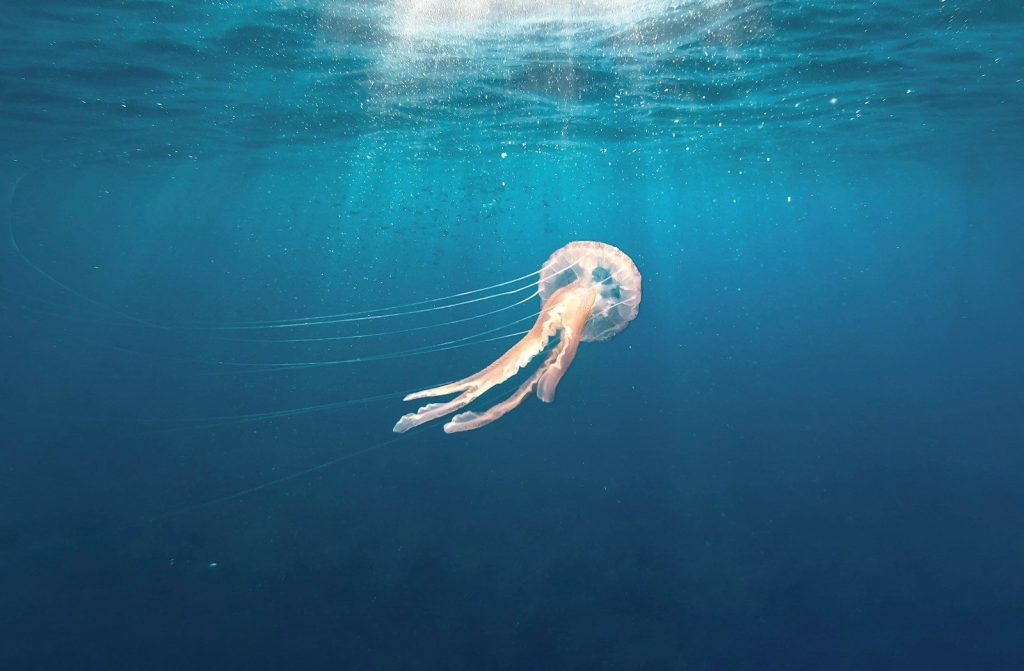
    Death was supposed to be the only certainty in life, but a tiny sea creature has just proven that rule wrong. In 2026, scientists have finally decoded the genetic secret of the Turritopsis dohrnii, better known as the “Immortal Jellyfish.” This creature has the unique ability to revert its own cells back to their earliest state whenever it gets sick or old. It is the only known animal that can literally restart its life cycle from the beginning.

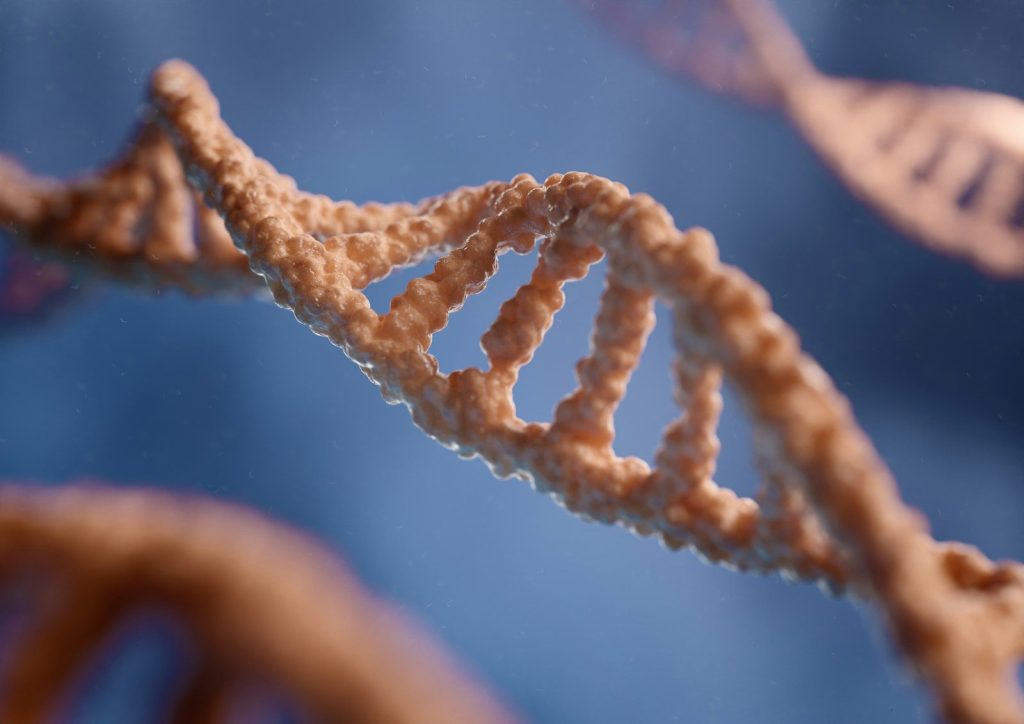
    By sequencing its entire genome, researchers have identified the specific “switch” that allows this biological reset. This discovery is hitting the news as the most significant breakthrough in the history of aging. We aren’t just talking about living longer; we are talking about a total cellular overhaul. This could lead to a future where aging is treated like a curable disease rather than a natural end. But how can a jellyfish actually teach a human how to stay young?

    Meet the Immortal Jellyfish

    a jellyfish swims in the ocean water
    Photo by Peter Kaltenborn on Unsplash

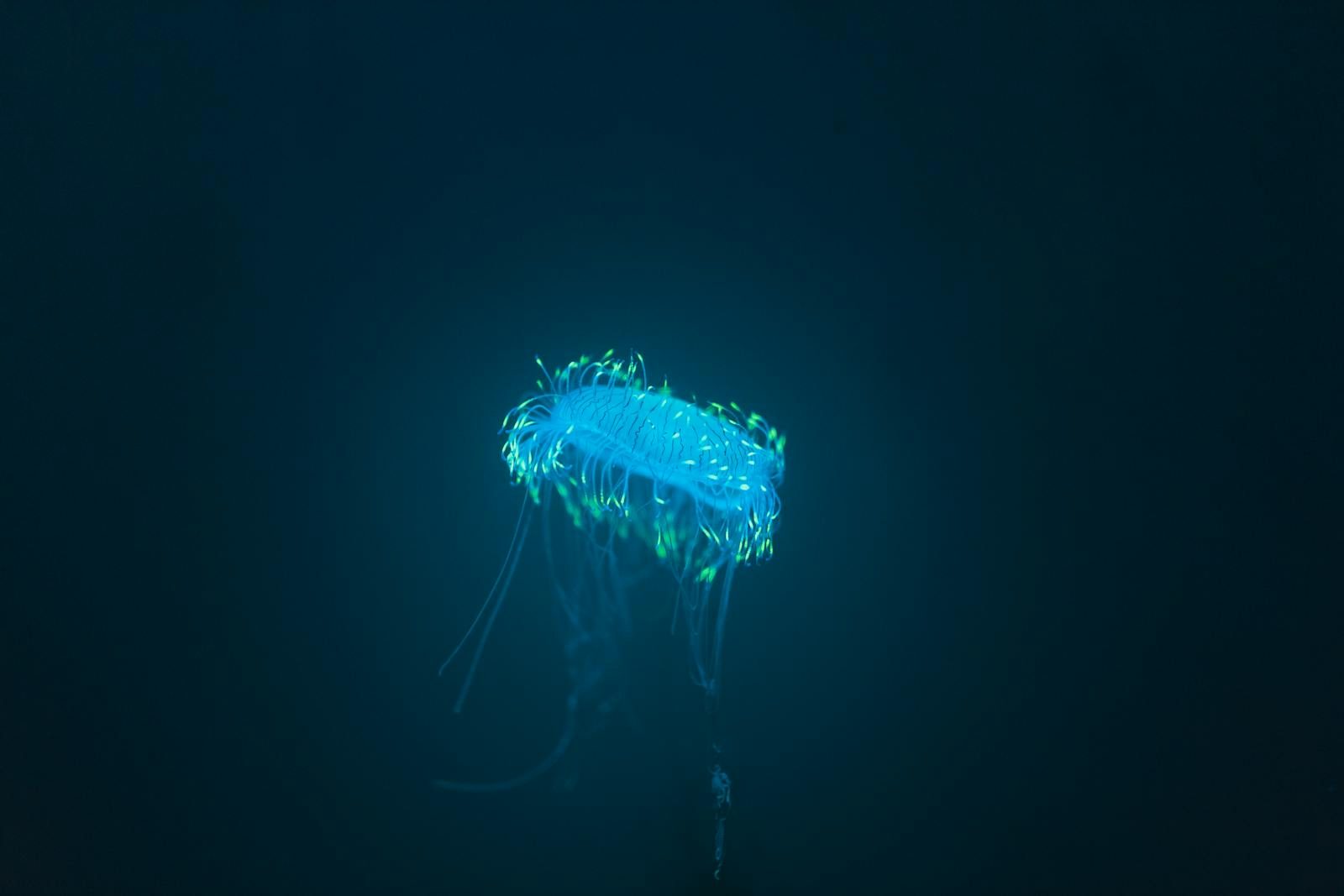
    The Immortal Jellyfish is no bigger than a fingernail. It spent millions of years hiding its secret in the Mediterranean Sea. When it faces a threat or reaches the end of its life, it sinks to the ocean floor and transforms back into a polyp. This is like a butterfly turning back into a caterpillar. It then grows back into an adult again, carrying the same DNA but with brand-new cells. It is a perfect loop of survival. But the secret isn’t just in the transformation; it’s in the repair.

    The Secret of Cellular Reset

    Detailed magnified image illustrating the cellular structure under a microscope.
    Photo by turek on Pexels

    The process is called transdifferentiation. It allows a specialized cell, like a muscle or nerve cell, to turn into a different type of cell entirely. In 2026, scientists found the proteins that manage this change. They act like a “factory reset” for biology. These proteins scrub away the damage caused by time and radiation. If we can harness these proteins, we could potentially heal organs that were thought to be permanently damaged. But wait until you see what happens when these genes are tested on human tissue.

    Turning Back the Biological Clock

    a close up of a single strand of food
    Photo by digitale.de on Unsplash

    Aging is essentially the accumulation of errors in our DNA. Every time our cells divide, they get a little bit worse at doing their job. The longevity code from the jellyfish provides a way to correct these errors in real-time. In recent lab tests, researchers were able to use “jellyfish-inspired” enzymes to repair the DNA of aged human skin cells. Within days, the cells looked and functioned like they belonged to a twenty-year-old. We are watching the first steps toward an “Anti-Aging Shot.” But can we actually stop the brain from getting old?

    Reversing Age in Human Cells

    brain, neurons, design, wallpaper, background, training, consulting, to learn, knowledge, development, success, person, concept, brain, brain, brain, brain, brain, neurons, consulting
    Photo by geralt on Pixabay

    The biggest challenge for longevity is the brain. Our neurons don’t easily regenerate like skin or blood. However, the jellyfish code contains instructions for “Neural Preservation.” Scientists believe that by using these genetic markers, we can protect the human brain from Alzheimer’s and dementia. It isn’t just about living forever; it is about staying sharp for the entire journey. We are looking at a future where our minds never fade. But who will have access to this “youth code”?

    The Genetic Blueprint for Youth

    man sight on white microscope
    Photo by Lucas Vasques on Unsplash

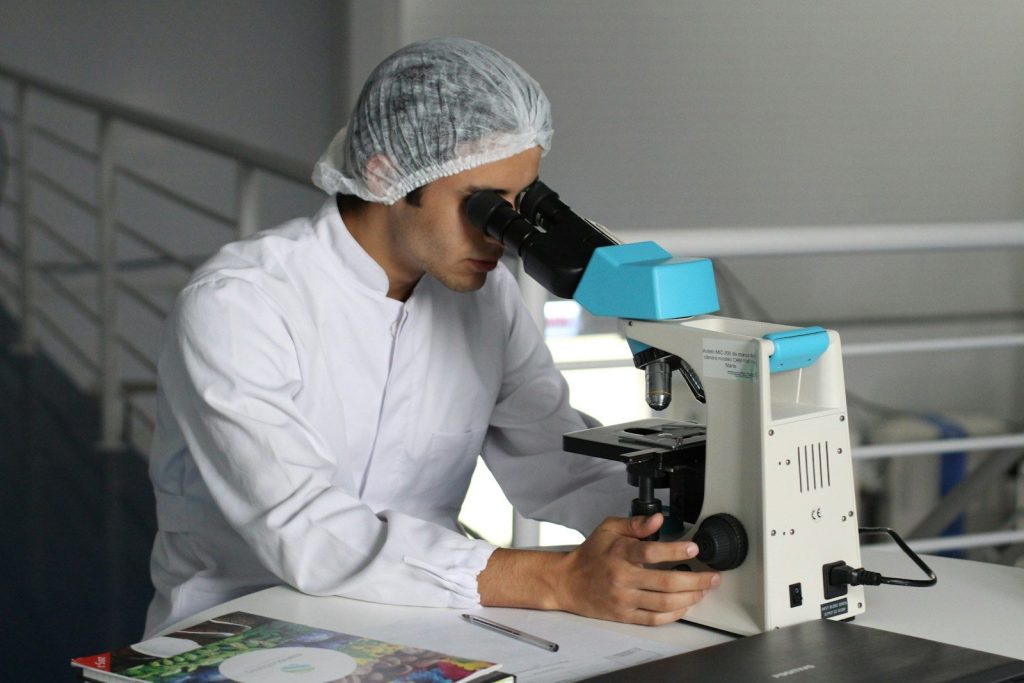
    The decoded genome is now being shared with medical labs across the globe. We are entering an era of “Personalized Longevity.” Doctors could eventually use your own stem cells and the jellyfish “switch” to grow replacement organs that never wear out. Your heart, liver, and lungs could be kept in a state of permanent health. It is a radical shift in how we think about the human body. But some people are asking if we are ready for a world where no one dies of old age.

    Why Aging is No Longer Inevitable

    an older woman holding a baby's hand
    Photo by Rod Long on Unsplash

    The discovery has triggered a massive ethical debate. If humans can live for 200 or 300 years, what happens to our planet? Overpopulation and resource management are the new frontiers of politics. We have to decide if the right to life includes the right to never get old. It is a conversation that will define the rest of the century. But for those suffering from chronic illness, the jellyfish code is a beacon of hope.

    A Future Without Age-Related Disease

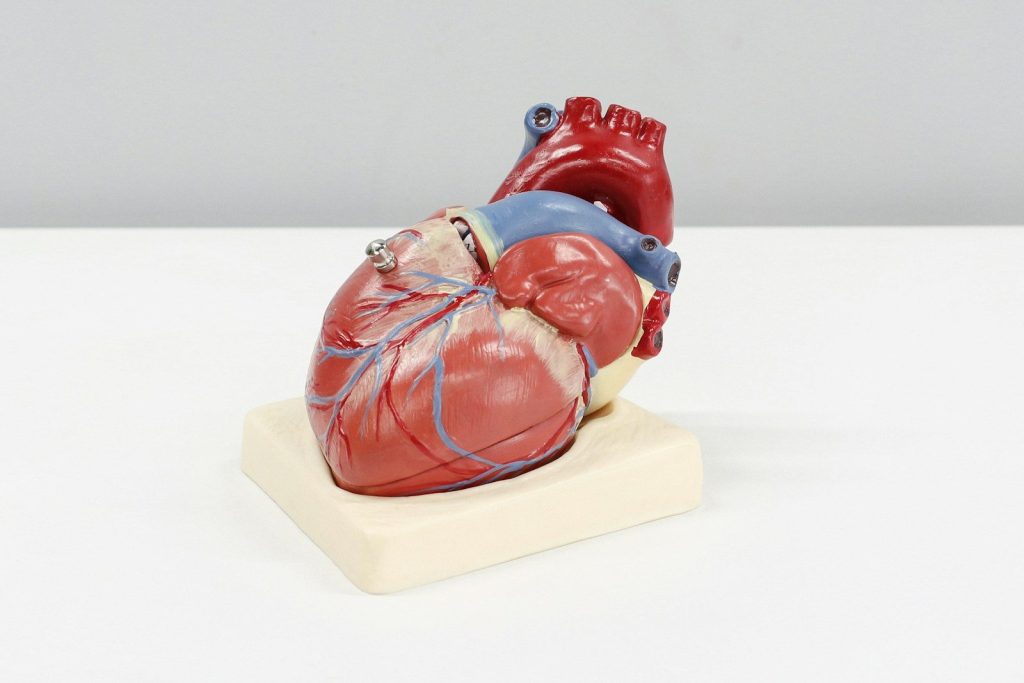
    a model of a human heart on a white surface
    Photo by Ali Hajiluyi on Unsplash

    Imagine a world where cancer, heart disease, and strokes are eliminated because the body’s repair system is always active. That is the ultimate promise of the longevity code. We are moving from “sick care” to “vitality maintenance.” The first human trials for “Reset Therapy” are scheduled to begin next year. We are standing at the finish line of a 10,000-year search for the Fountain of Youth. But is there another creature hiding an even bigger secret?

    The Search for the Next Immortal

    Stunning aerial shot of a whale swimming in tropical blue waters near Australia.
    Photo by Neil Smith on Pexels

    The success with the jellyfish has inspired scientists to look at other long-lived animals. Bowhead whales, Greenland sharks, and giant tortoises are all being studied for their unique survival traits. We are building a “Library of Longevity” that combines the best parts of nature’s designs. The jellyfish was just the first chapter. But while we work on our internal health, the planet is facing a crisis of thirst.

    A World Where Time Stands Still

    a close up of a clock with roman numerals
    Photo by Alexey Savchenko on Unsplash

    The biological clock is no longer ticking the same way it used to. We have the code, we have the tools, and we have the will to change our destiny. The 2026 longevity breakthrough is a reminder that humans are the only species that can rewrite their own story. Keep your eyes on the headlines because the first “Ageless Generation” is about to be born. But can we save the water before it’s too late?

    Featured Image: Photo by Selvin Esteban on Pexels