
Have you ever looked into your dog’s eyes and wished they could just tell you what they want? For centuries, humans have tried to guess what a bark or a tail wag means. We thought it was simple hunger or a need to go outside. But a massive 2026 reveal from a top AI research firm suggests we have been missing 90 percent of the conversation. Scientists have used deep-learning models to analyze millions of canine vocalizations and facial movements across every breed.
The results are shocking. Your dog isn’t just asking for food; they are expressing complex emotions like nostalgia, specific fears, and even humor. This new AI translator is currently making headlines as the biggest bridge between species in human history. It uses a tiny collar-mounted device that syncs with your phone to provide real-time “subtitles” for your dog’s life. It feels like science fiction, but the data is very real. You are about to find out that your furry friend has a lot more on their mind than a tennis ball. But how does the AI distinguish between a happy bark and a warning?
The Secret Language of the Bark

The AI doesn’t just listen to the bark’s volume. It looks for “micro-frequencies” that the human ear cannot detect. These tiny shifts in pitch reveal if a dog is feeling anxious about a distant sound or excited about a specific person. The translator can tell the difference between a “stranger at the door” bark and a “mailman is here” bark. It turns out dogs have unique names or sounds for different people in the house. But the voice is only half of the puzzle. What is the tail actually doing?
Reading the Tail Wag Secret
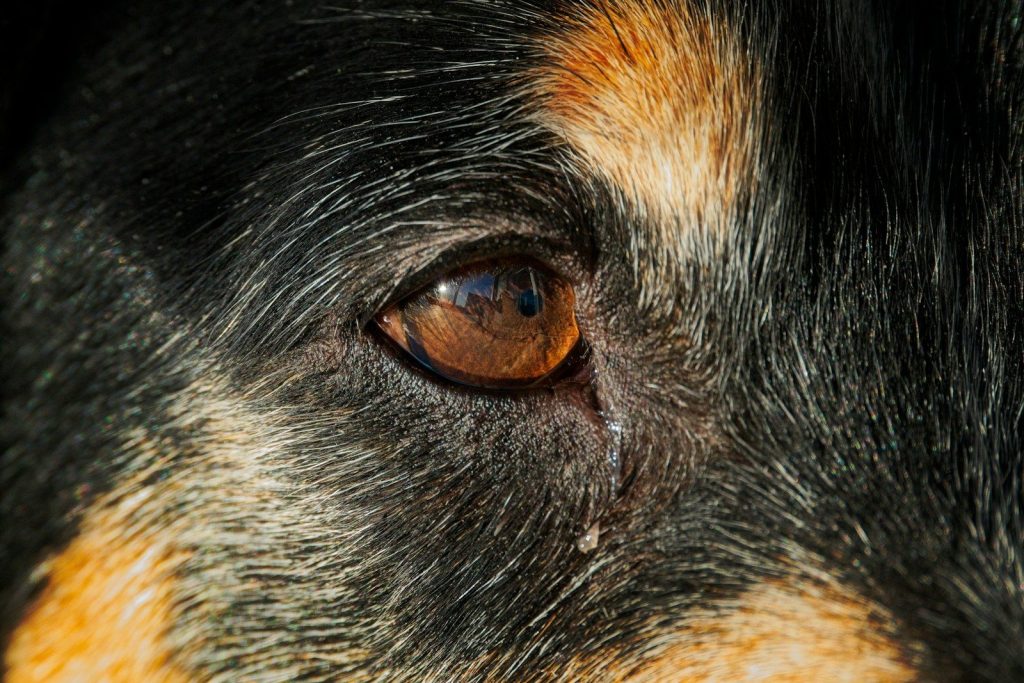
We used to think a wagging tail always meant a happy dog. The AI translator proves this is a dangerous myth. The speed, height, and even the direction of the wag send completely different messages. A wag slightly to the right usually means positive feelings, while a wag to the left can signal a desire to withdraw or a sense of suspicion. The AI camera monitors these movements to provide a second layer of translation. It combines body language with sound to get the full story. But can it tell if your dog is actually dreaming about you?
Decoding the Dreams of Canines

When your dog’s paws twitch in their sleep, they are doing more than just chasing squirrels. The 2026 AI translator has a “Dream Mode” that analyzes brain-wave patterns through the collar. It has been revealed that dogs often replay their favorite moments with their owners during the night. They experience social joy even while unconscious. This discovery is changing how we treat pet anxiety and sleep disorders. We are finally learning what makes our pets feel safe. But wait until you hear the specific words they use for their favorite toys.
Unique Names for Favorite Objects

The AI has identified that most dogs develop their own internal “labels” for objects. Your dog might have a specific sound for their blue ball that is different from their squeaky bone. The translator allows you to save these sounds and assign them names in the app. This means when your dog barks, your phone might actually say, “Where is the blue ball?” It is a level of two-way communication that was previously impossible. But is the AI smart enough to handle the complex relationship between dogs and cats?
The Great Cat Translation Conflict
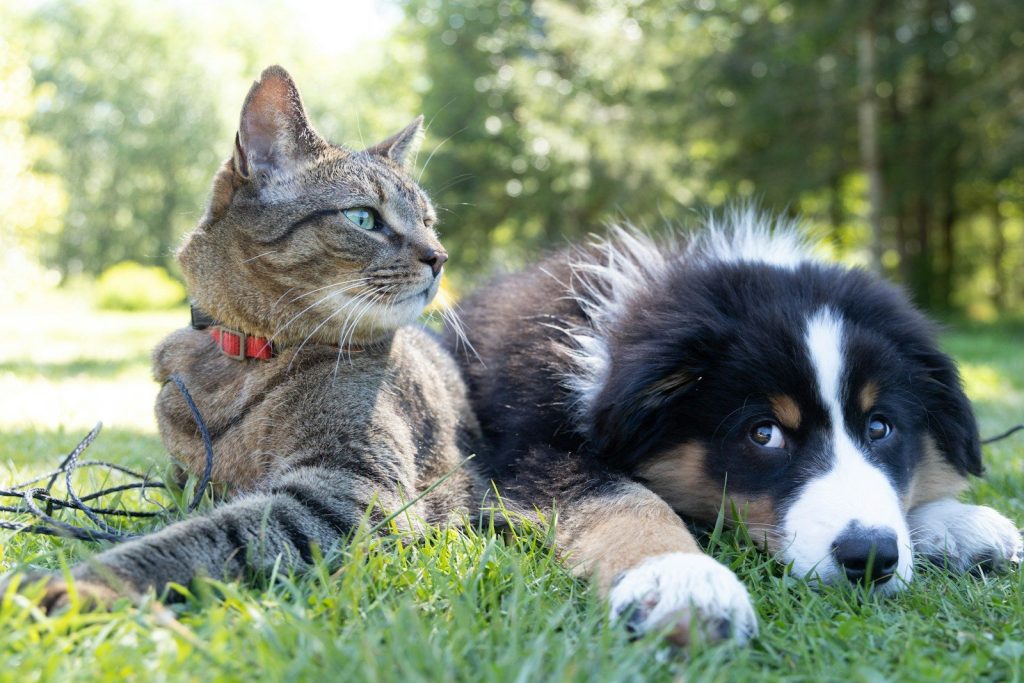
Translating cats is much harder because their communication is more subtle. While dogs are “loud” with their emotions, cats use scent and microscopic ear movements. The 2026 AI is currently being trained on feline logic, but the early results show that dogs and cats actually understand each other better than we understand either of them. They have a shared “animal dialect” that the AI is just beginning to crack. It is a messy, fascinating look at the secret life of our living rooms. But can this tech actually tell if your dog is in pain?
A Medical Revolution for Vets
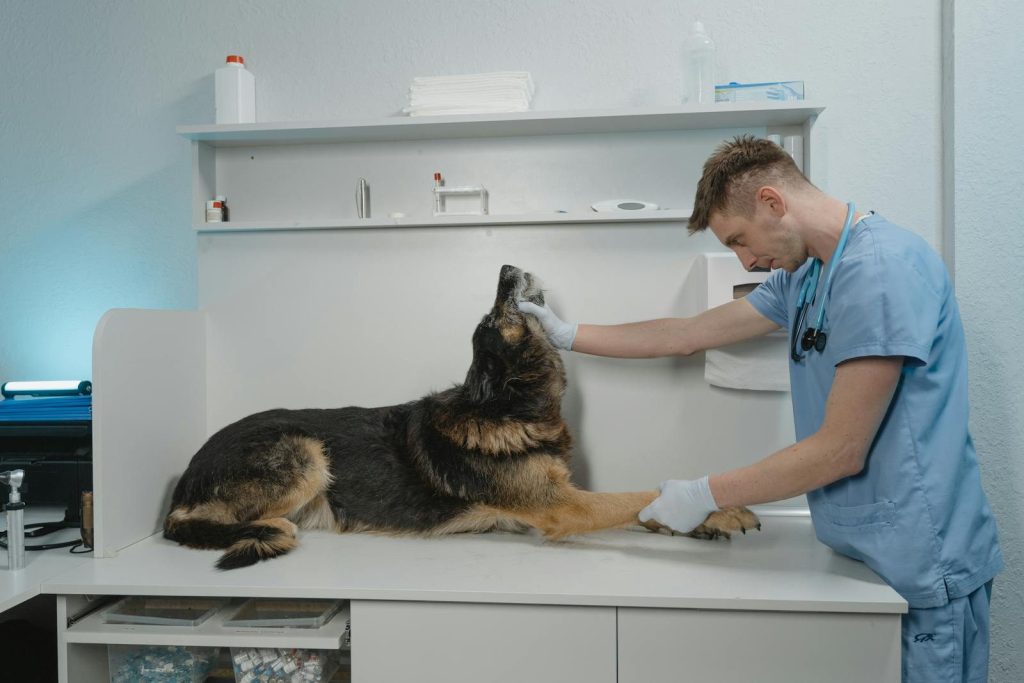
The biggest benefit of the translator isn’t just fun talk; it is life-saving data. Dogs are experts at hiding physical pain to avoid looking weak. The AI can detect the “vocal stress” of a hidden injury or illness weeks before a human would notice. This allows for early treatment of things like arthritis or heart issues. Vets are already using the 2026 data to create “Pain Maps” for their patients. It is making our pets live longer and healthier lives. But what happens to the human-dog bond when we can finally talk?
Will Talking Pets Change Our Lives?

As the AI translator becomes common, our relationship with animals will change forever. We will no longer be “owners,” but true partners. The silence of the animal kingdom is officially broken. We have to be prepared for the fact that our dogs might have some complaints about their food or their walk schedule. It is a brave new world of shared understanding. We are building a world where every voice is heard, no matter how many legs they have. But is this the end of the mystery of the animal mind?
The Future of the Talking Pet

This technology is moving fast. By the end of next year, we expect the first consumer-ready cat collars to hit the market. We are entering an age where the language barrier between humans and animals is becoming a thing of the past. Keep your ears open and your apps ready because your pet is about to speak their mind. It is time to listen to what they have to tell us about the world we share. The future is here, and it’s barking.
Featured Image: Photo by Adam Griffith on Unsplash
Leave a Reply