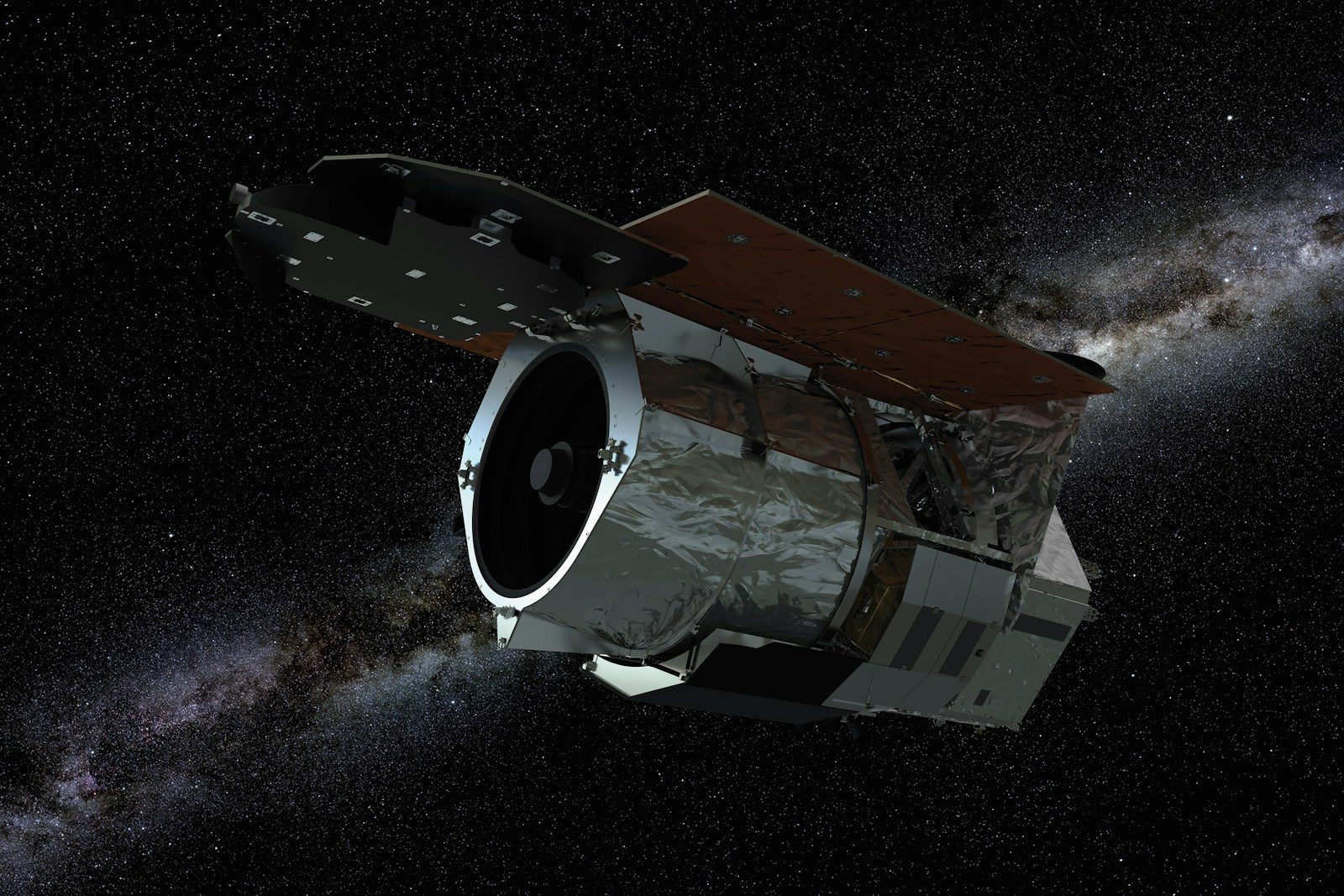
The James Webb Space Telescope (JWST) was built to answer our biggest questions about the universe. But since it started sending back images in 2022, it has mostly been creating new ones. Astronomers are currently staring at data that seems to break the laws of physics. The telescope is looking so far back in time that it is seeing the very first galaxies. The problem? These galaxies are way too big, way too bright, and way too organized for their age.
According to our current “Big Bang” models, these early galaxies should be small, messy clumps of stars. Instead, JWST is finding massive, mature-looking spirals that exist just a few hundred million years after the beginning of time. It is like looking at a photo of a toddler who is already six feet tall and wearing a suit. Scientists are now asking if our entire timeline of the universe is wrong. But the mystery doesn’t stop with the galaxies.
The Stars That Are Older Than Time
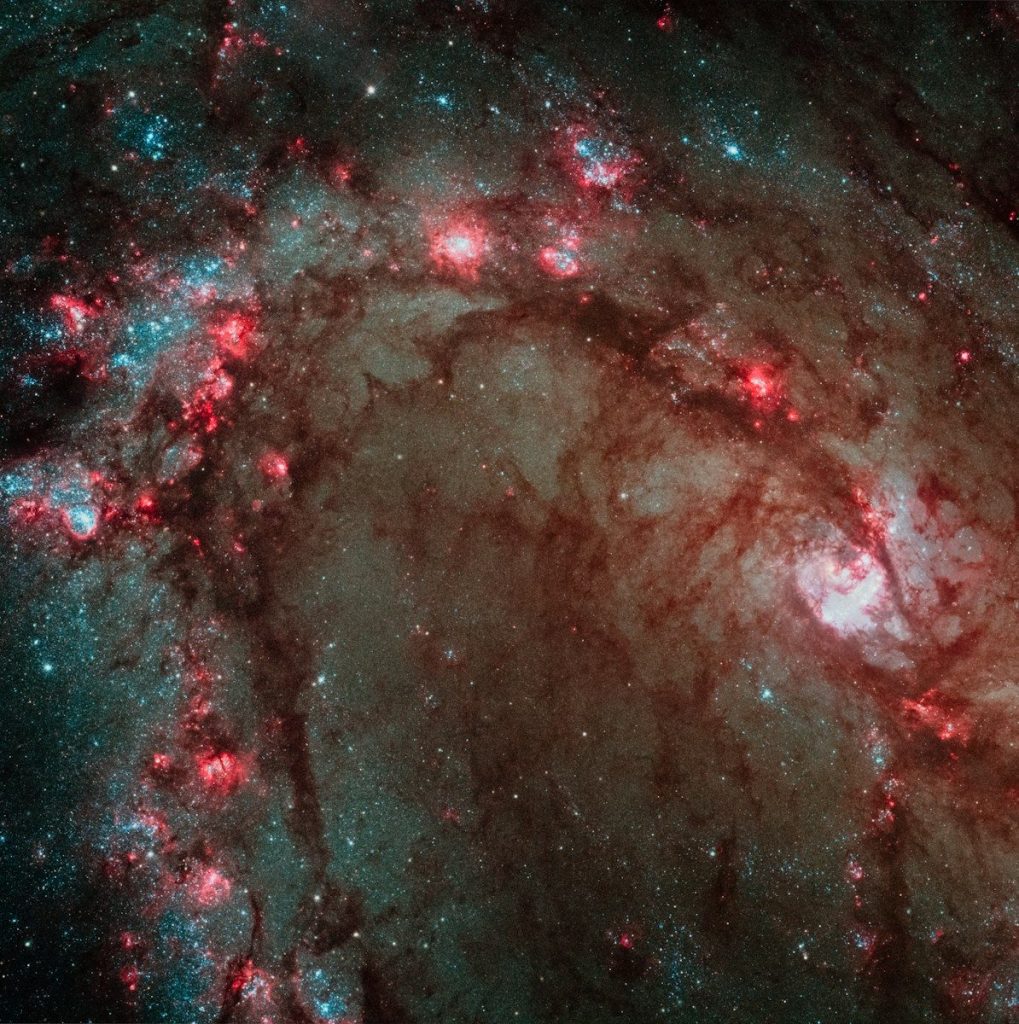
In the deep reaches of space, JWST has spotted stars that appear to be older than the universe itself. While this is mathematically impossible, the chemical signatures of these stars suggest they have been around for a very long time. This “Crisis in Cosmology” is forcing researchers to rethink how we measure the age of the stars. We might be living in a universe that is much older than the 13.8 billion years we previously thought. But what if the stars aren’t the only ones hiding?
The Dark Matter Puzzle Gets Weirder
Dark matter is the invisible “glue” that holds galaxies together. We can’t see it, but we can see its gravity. JWST has found galaxies that have almost no dark matter at all, and others that seem to have way too much. This inconsistency is a nightmare for physicists. If dark matter doesn’t follow a set of rules, then our understanding of gravity might be flawed. We are looking at a universe that refuses to be put into a box. But the telescope is also finding signs of life where we didn’t expect it.
Alien Atmosphere Signatures in the Deep
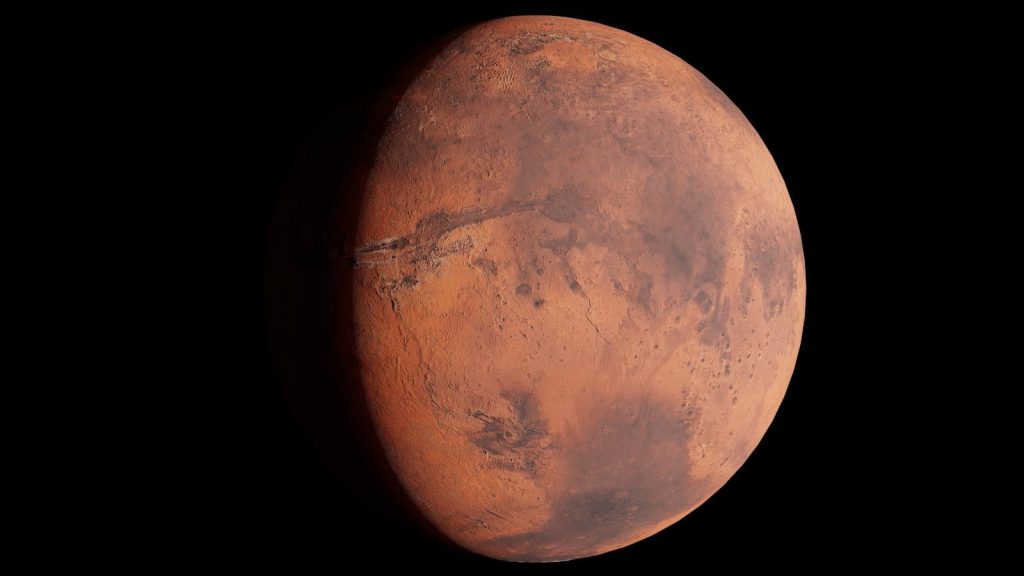
One of JWST’s most exciting jobs is “sniffing” the air of planets orbiting other stars. Recently, it detected Methane and Carbon Dioxide in the atmosphere of a “Water World” called K2-18b. On Earth, these gases are often produced by life. While this isn’t a “smoking gun” for aliens yet, it proves that the ingredients for life are everywhere in the cosmos. We are no longer asking if there is life out there, but where it is. But wait until you see the “Ghost Galaxies” hiding in the dust.
The Ghost Galaxies Hiding in the Dust
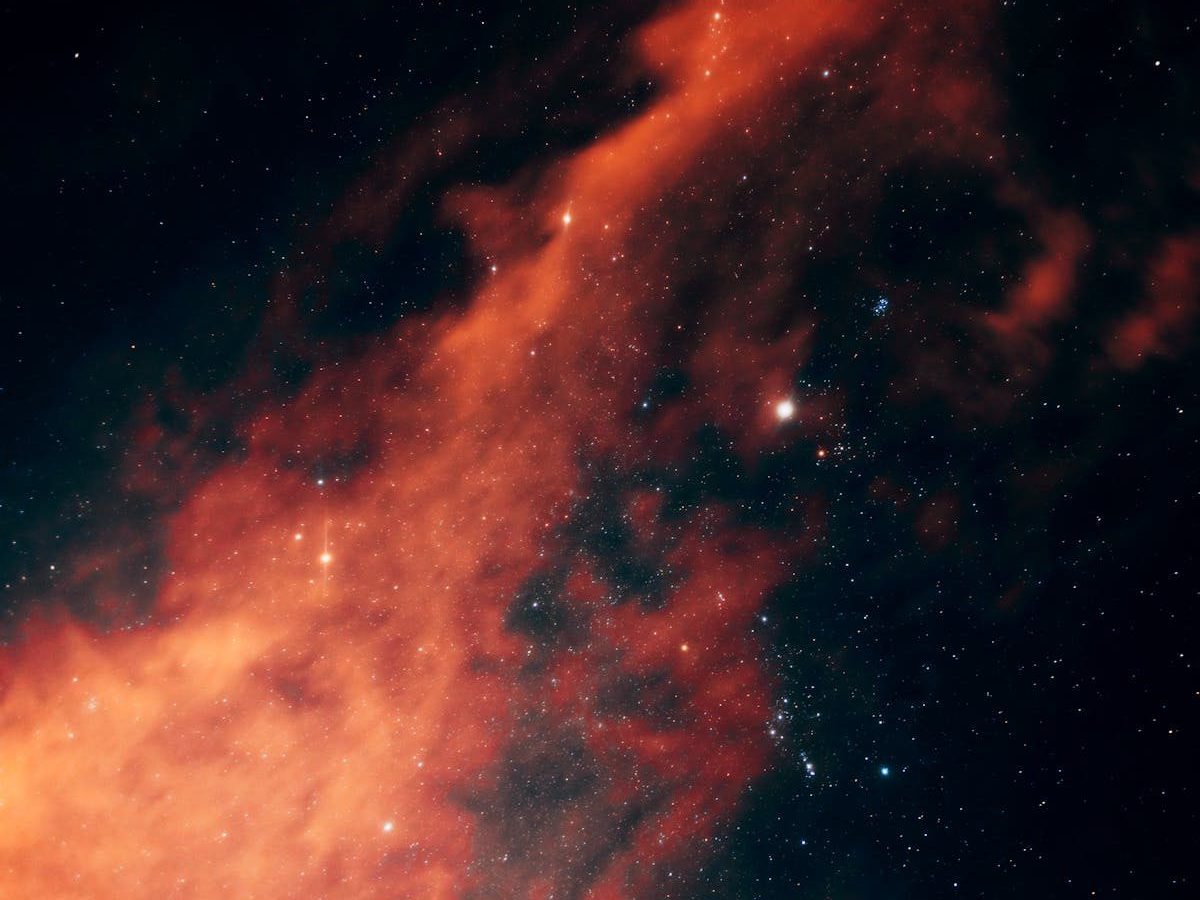
Because JWST uses infrared light, it can see through the thick clouds of dust that block other telescopes. It has revealed “Ghost Galaxies” that were completely invisible to us for decades. These galaxies are made of old, dim stars that don’t emit much light. Finding them suggests that the universe is much more “crowded” than we realized. There is a whole hidden layer of reality that we are just now beginning to map. But is the universe actually expanding at all?
The Mystery of the Expanding Void
For a century, we believed the universe was expanding at a steady rate. But JWST has found that different parts of space seem to be moving at different speeds. This is known as the “Hubble Tension.” It’s as if different parts of the universe are following different sets of rules. Some scientists believe this is evidence of “New Physics”—rules that we haven’t discovered yet. We are like children looking at a massive machine and trying to guess how it works. But the machine is starting to show its age.
The Re-Writing of the Big Bang
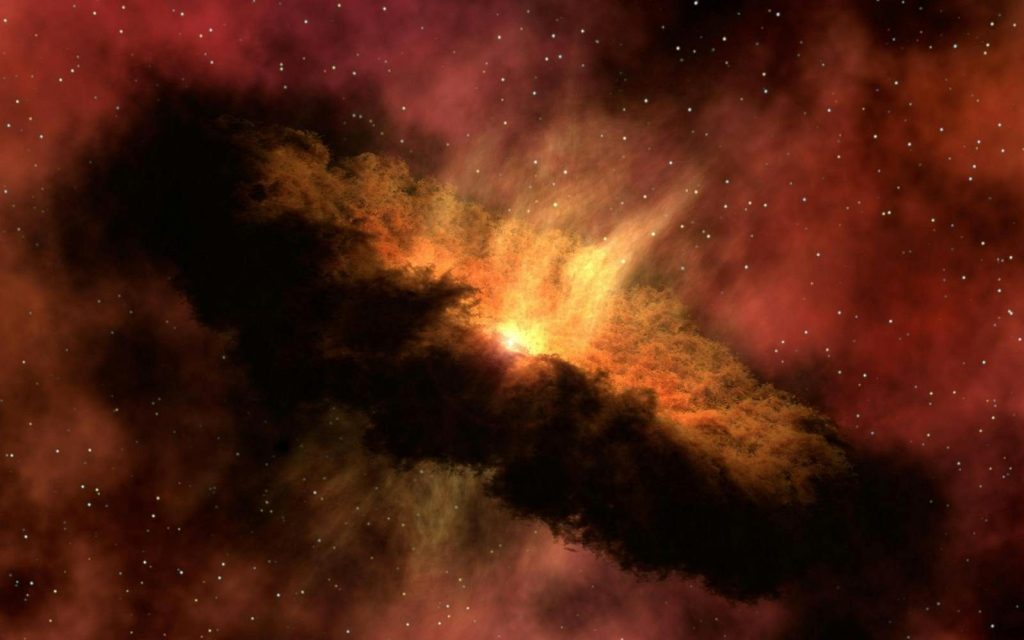
If the early galaxies are too mature, maybe there was no “beginning” at all. Some theorists are using JWST data to argue for a “Cyclic Universe” that has always existed, expanding and contracting forever. This would explain why we see things that look “too old.” It is a radical idea that would change every textbook on the planet. We are witnessing the death of old certainties and the birth of a new cosmic mystery. But while we look at the stars, our own jobs are being watched by a different kind of eye.
Searching for the Edge of Everything
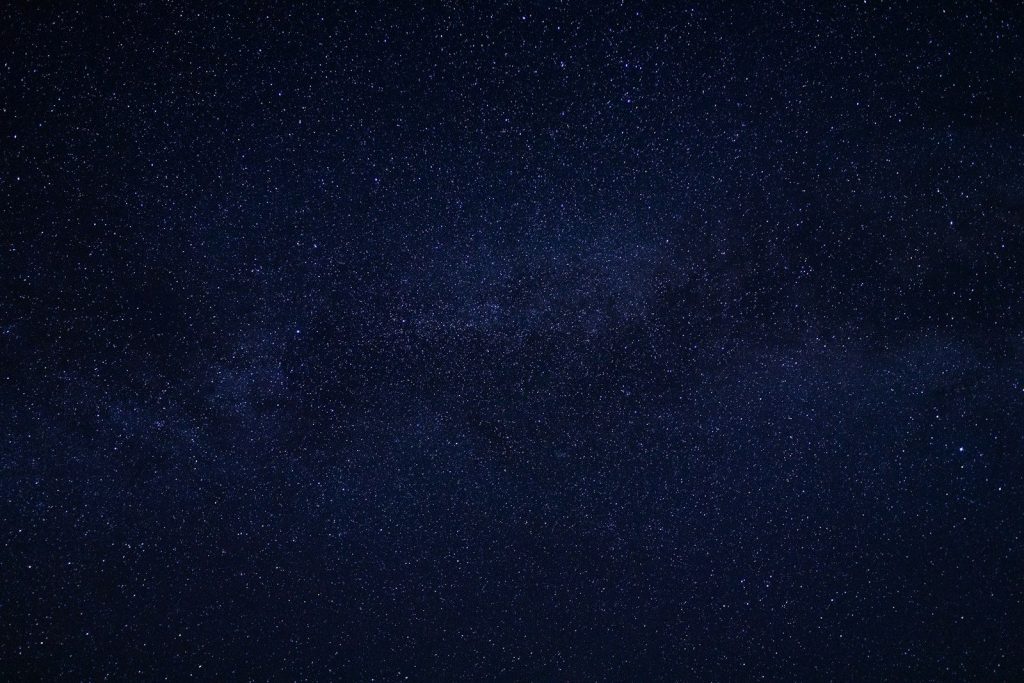
JWST is currently pointing its mirrors at the “Deep Fields”—patches of sky that look empty to the naked eye. In these spots, it is finding thousands of galaxies that have never been seen before. We are realizing that no matter where we look, there is more to find. The universe is infinite, and our journey has just begun. Each image is a reminder of how small we are and how much we have yet to learn. But keep your eyes on the ground, because your office is about to change forever.
Featured Image: Photo by NASA Hubble Space Telescope on Unsplash
Leave a Reply