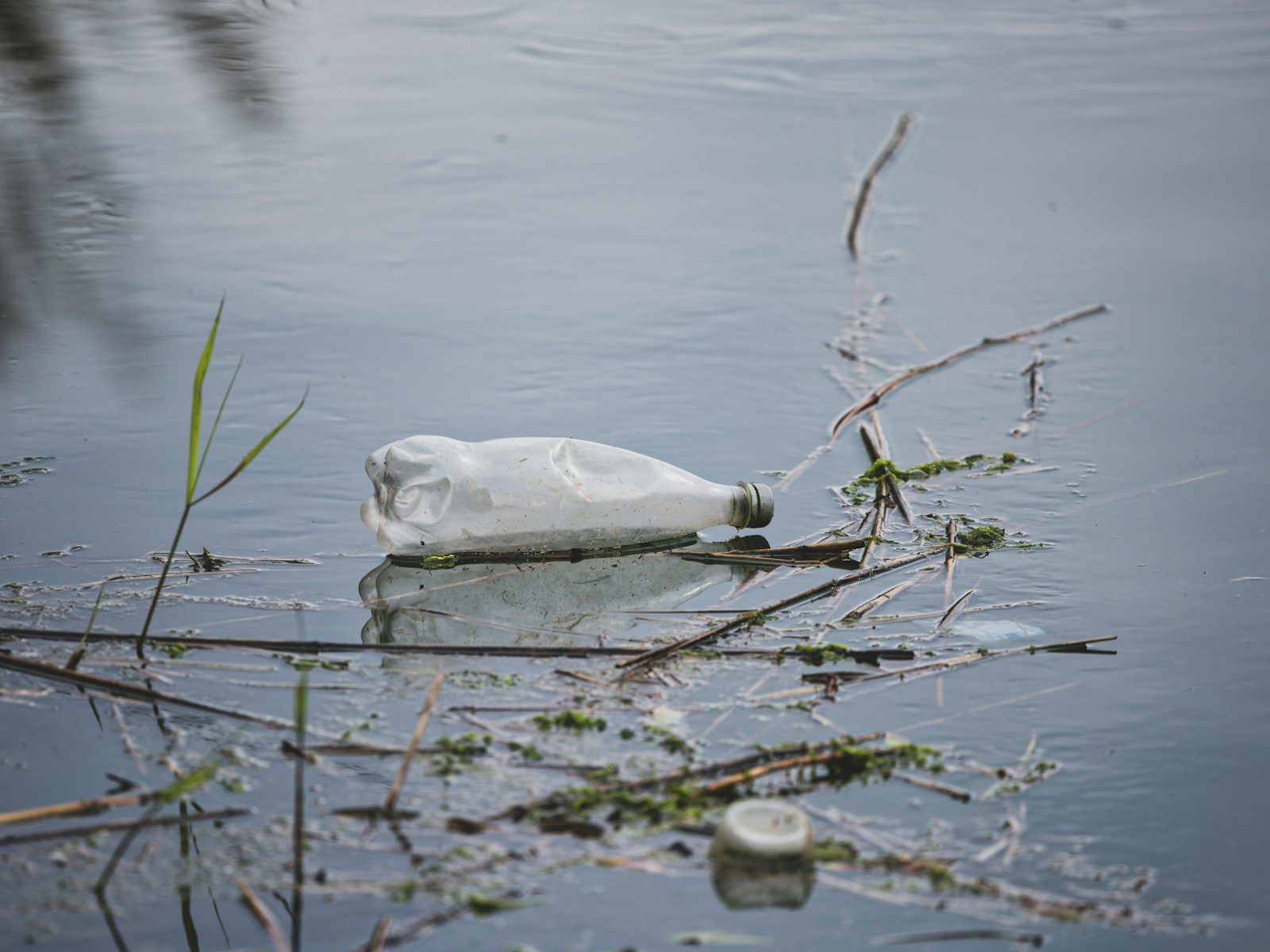
The Great Pacific Garbage Patch has been a symbol of human failure for decades. We were told that it would take thousands of years for that plastic to disappear. But in 2026, a revolutionary discovery changed math completely. Scientists have engineered a new “Super-Enzyme” that can break down the strongest plastics in just a few hours. This isn’t just a slow decay; it is a total molecular dismantling.
This enzyme is hitting the news as the “Silver Bullet” for our oceans. It has been deployed in large-scale tests across the Pacific with shocking success. Within hours of being released into a patch of trash, the solid plastic begins to dissolve into harmless organic material. We are looking at a future where our beaches are finally clean again. But how did we create something that can eat trash so fast without harming the fish?
The Microscopic Vacuum for Plastic
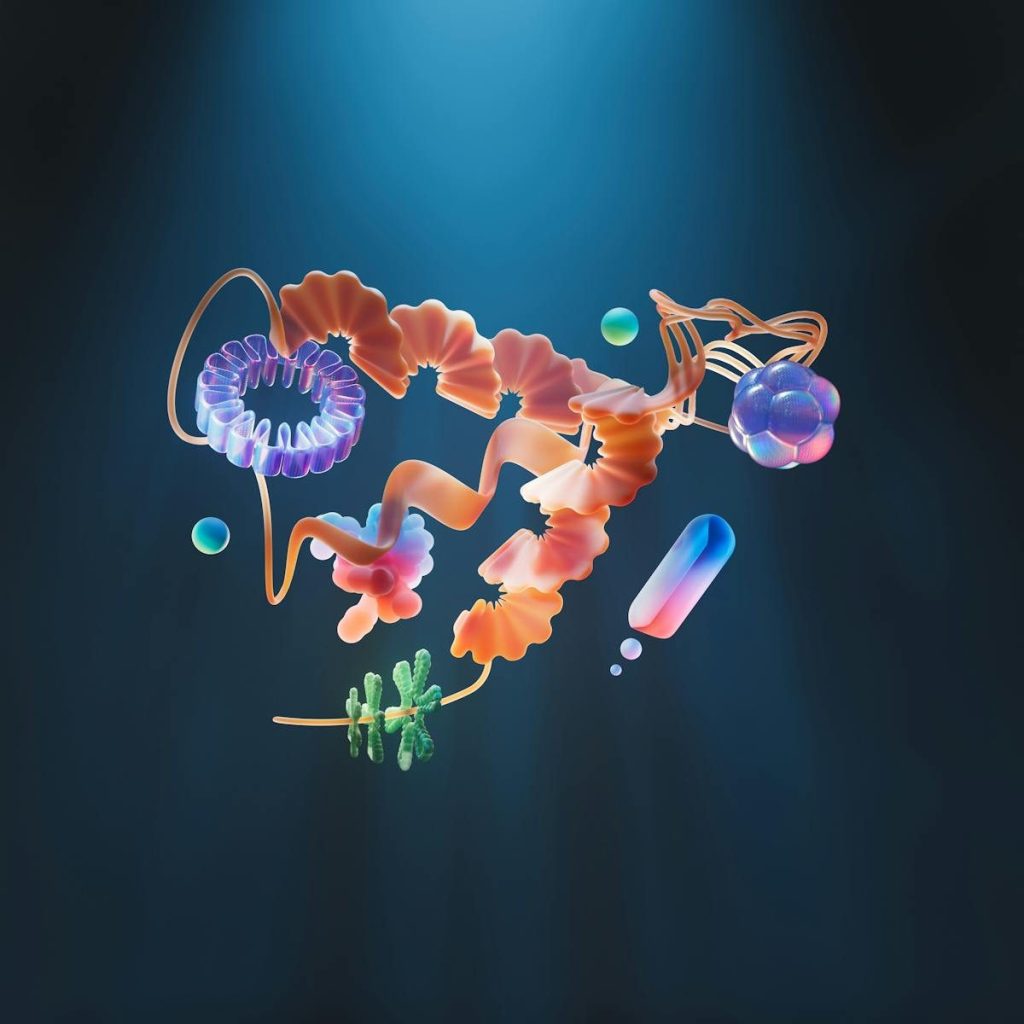
The secret is a protein called PETase-X. Scientists used AI to rewrite the genetic code of a bacterium found in a recycling plant. The new 2026 version is a thousand times more aggressive than anything found in nature. When it touches plastic, it acts like a pair of microscopic scissors, cutting through the chemical bonds of the polymers. It turns the trash into a nutrient that the bacteria then consume. But can this enzyme really handle the millions of tons of waste in the deep sea?
Shattering Polymeric Bonds Instantly
In the past, enzymes were too fragile to survive in the rough conditions of the ocean. But the 2026 Super-Enzyme is “Thermally Stable.” It can work in freezing arctic waters or hot tropical currents without losing its power. This means we can deploy it anywhere on the planet. It is a high-speed demolition team for our environmental mistakes. But how do we make sure this doesn’t turn into a biological disaster?
The Safe Switch for Marine Life
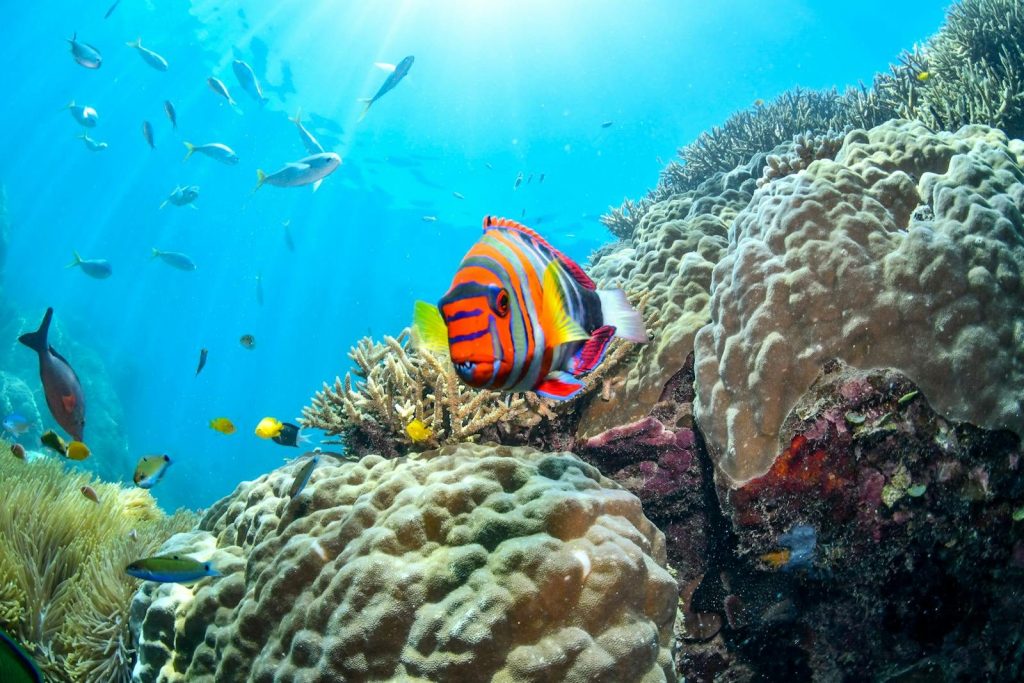
The biggest fear was that the enzyme might start eating the scales of fish or the shells of turtles. To prevent this, scientists built a “Biological Lock.” The enzyme can only be activated by a specific, harmless signal sent from a satellite. If it leaves the target area, it simply deactivates and becomes regular protein. This 2026 safety protocol ensures that we are only targeting the trash. We are cleaning the house without hurting the guests. But there is a huge financial benefit to all this trash, too.
Turning Trash Into Useful Energy
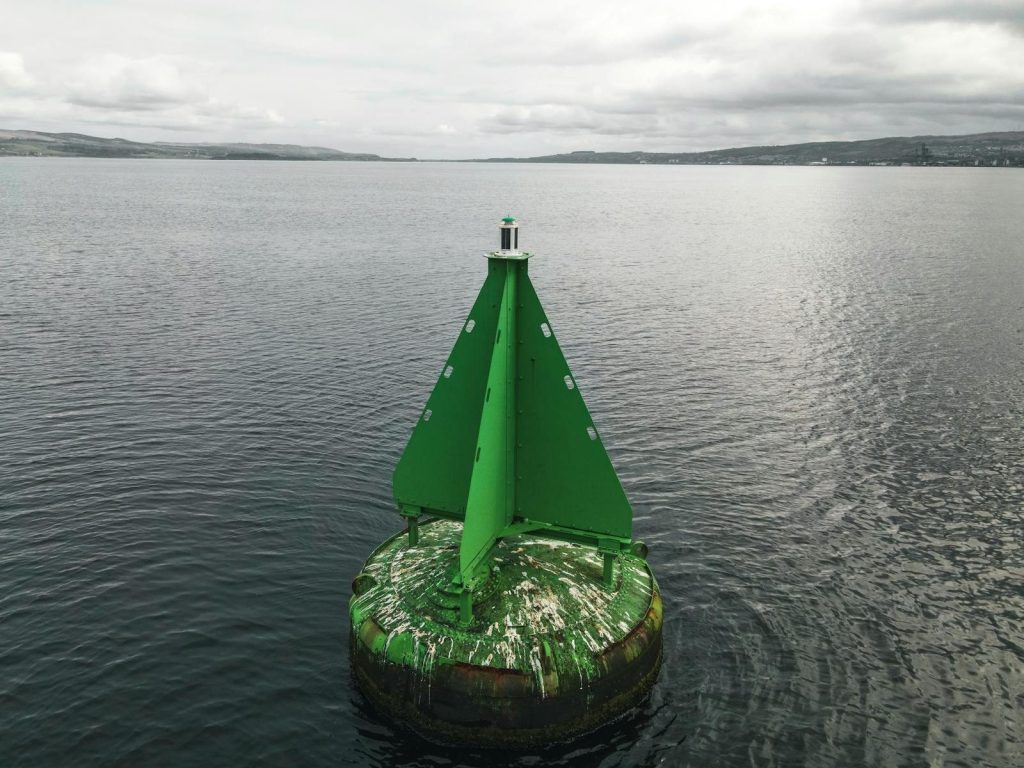
When the enzyme breaks down the plastic, it releases a byproduct that is high in carbon. Smart buoys are now being used to capture this byproduct and turn it into clean biofuel. We aren’t just removing the trash; we are harvesting it. In 2026, the “Garbage Economy” is becoming a billion-dollar industry. We have turned a liability into a resource. But wait until you see what this means for your next vacation.
A Second Chance for Our Beaches
By 2027, experts predict that the majority of coastal plastic will be gone. This means that for the first time in a generation, children will be able to play on beaches that aren’t littered with bottle caps and straws. This is a massive win for the tourism industry and human health. We are restoring the beauty that we almost lost. It is a hopeful moment for everyone who loves the sea. But the final weapon against pollution is even more ambitious.
The Final Weapon Against Pollution
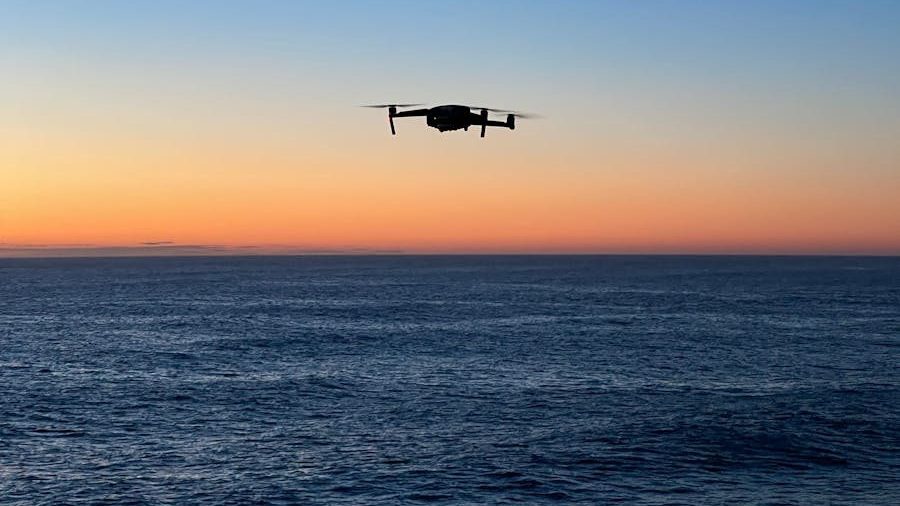
The Super-Enzyme is being combined with “Autonomous Cleaning Drones.” These drones use satellite data to find the largest concentrations of plastic and release the enzyme exactly where it is needed. It is an automated cleanup crew that works 24 hours a day. We have built a “Digital Immune System” for the planet. We are finally fighting back against the tide of pollution. But is this the end of the story?
The End of the Plastic Era
The countdown to a clean ocean has officially reached its final stage. In 2026, we have the tools to erase our footprint. We have learned to use nature’s own chemistry to fix nature’s biggest problems. It is a reminder that even when things seem impossible, human ingenuity has no limits. The future is blue, it is clean, and it belongs to all of us. But as we clean the water, we are discovering that the sky is also filled with hidden patterns. Are you ready for the next breakthrough?
Featured Image: Photo by engin akyurt on Unsplash
Leave a Reply