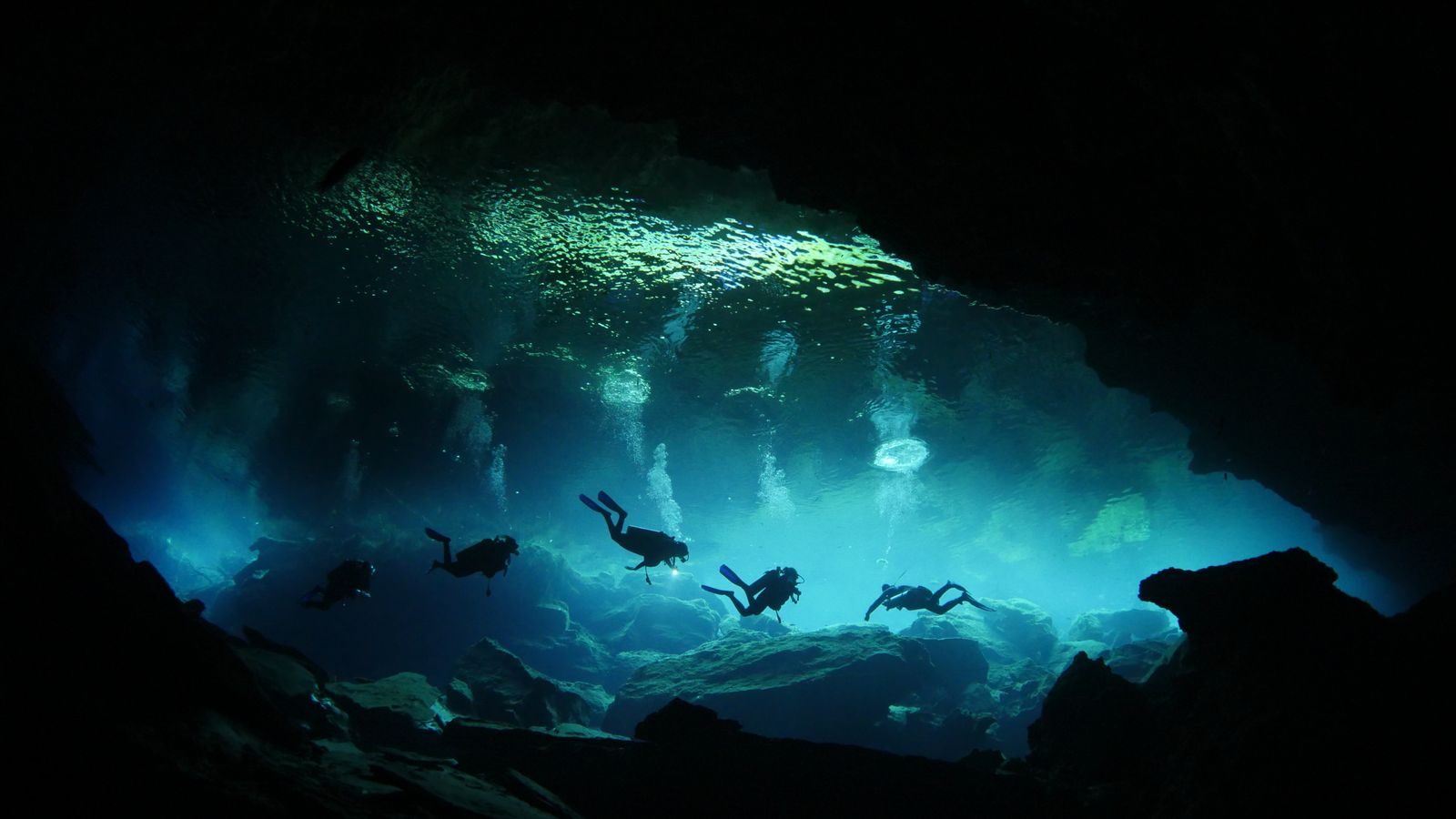
People usually assume the Great Lakes are just cold and deep basins of fresh water. Most believe human history in North America only began in the shallow woods.
But divers have made a stunning discovery on the lake beds. They found highly complex stone structures that are older than the lakes themselves.
Deep Under Lake Huron
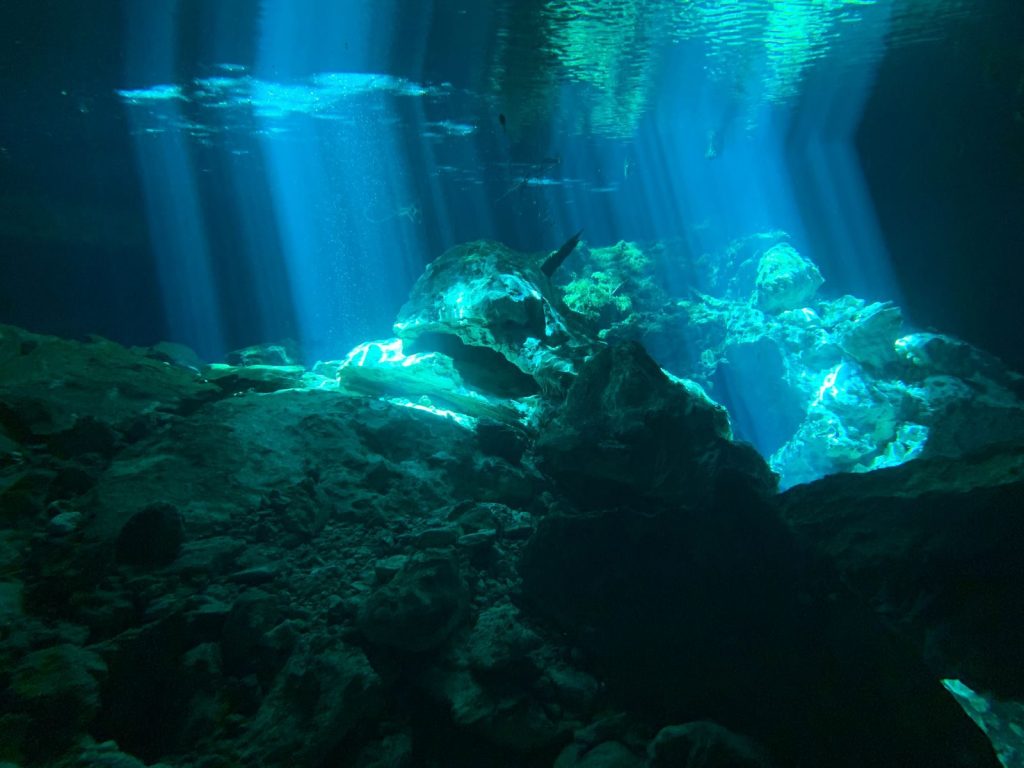
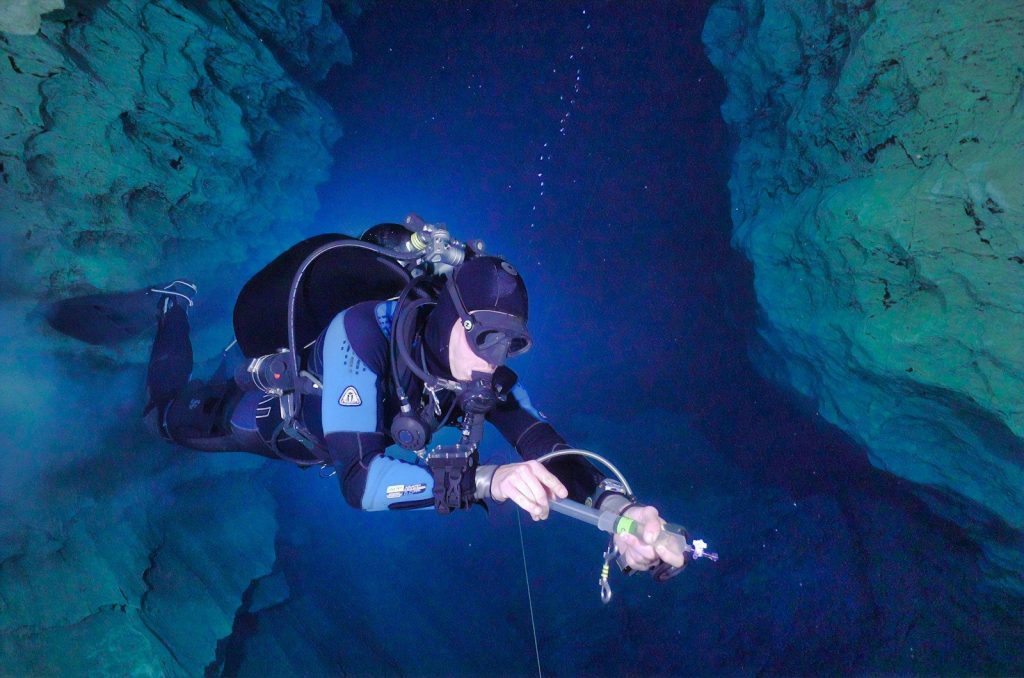
Divers swimming far below the surface of Lake Huron made an incredible discovery. Hidden under 120 feet of dark water rests a massive, ancient hunting ground. According to Cleveland 13 News, the submerged site is estimated to be over 9,000 years old. It was perfectly preserved. But the purpose of these stones would baffle historians.
The Caribou Trap
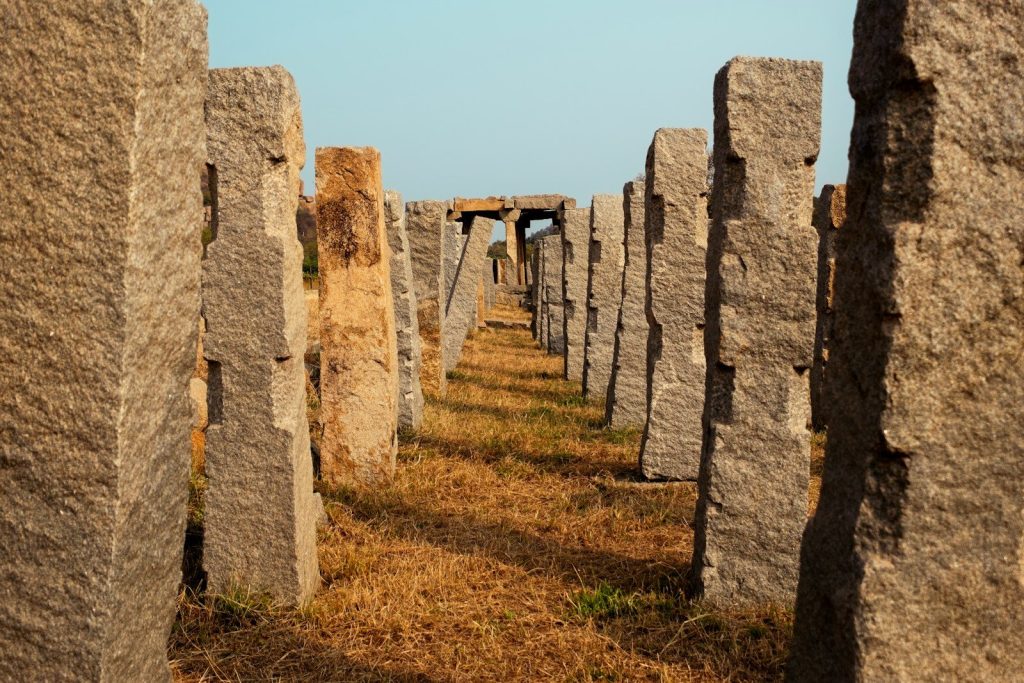
The structures are not randomly scattered rocks. They form a deliberate, long corridor designed for tactical hunting. According to archaeological reports, prehistoric hunters built stone lanes to herd massive caribou herds into a deadly bottleneck. The system was brutal. And the artifacts found nearby only deepened the mystery.
Volcanic Glass From Afar
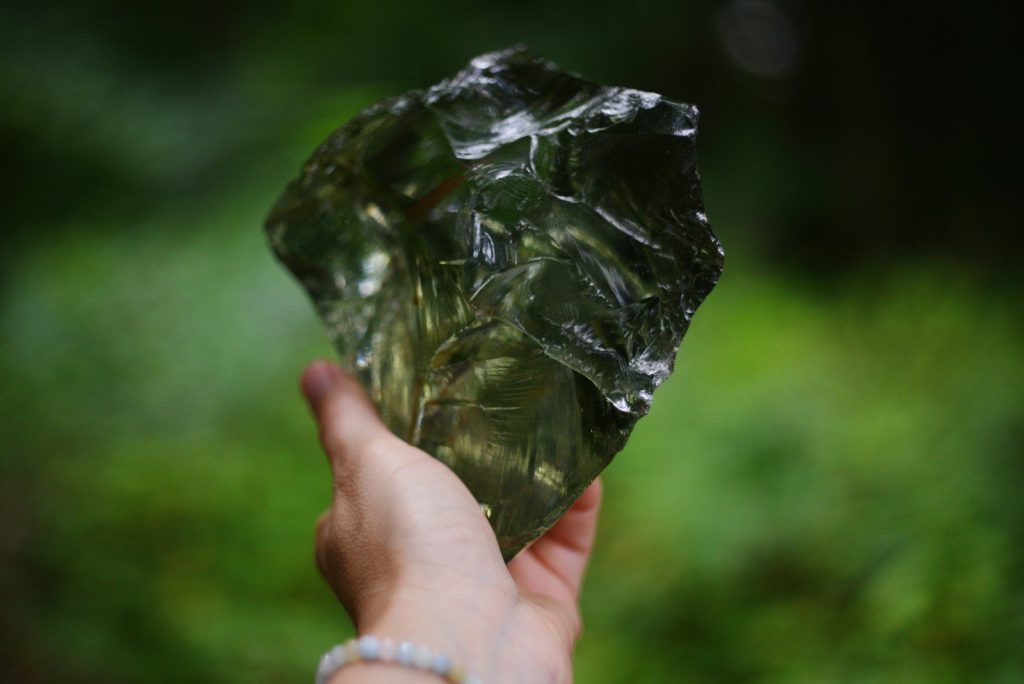
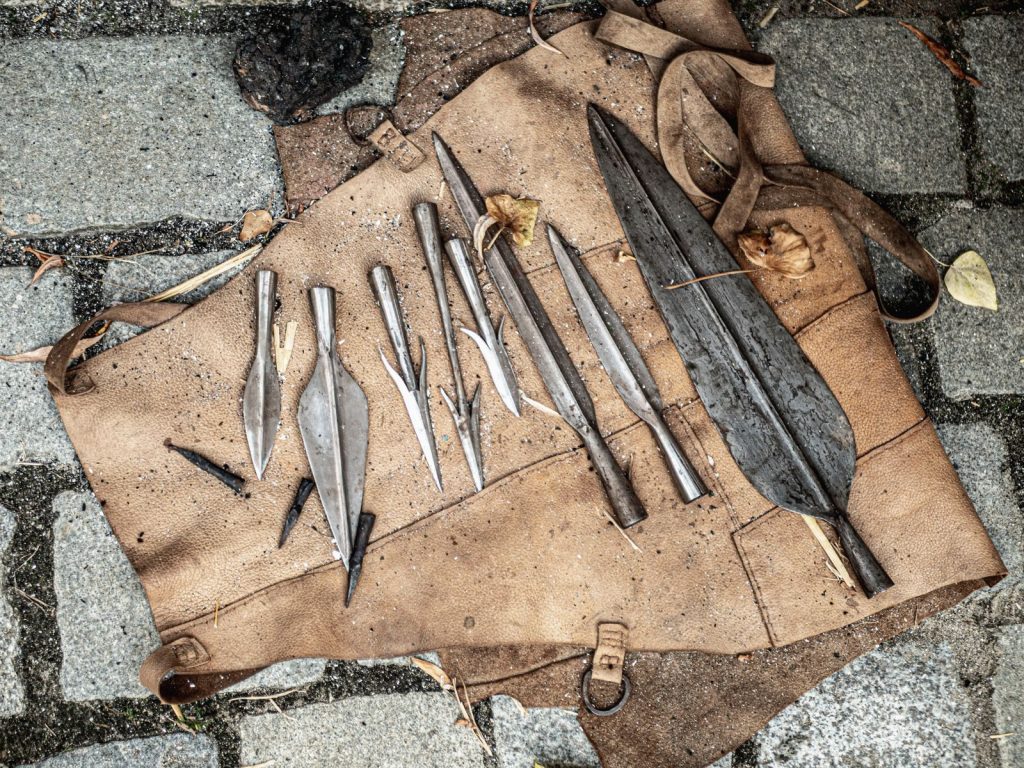
Near the stone walls, researchers recovered ancient hunting weapons and sharp flakes. Testing revealed that the tools were crafted from obsidian, which is a rare volcanic glass. According to Dr. John O’Shea, this specific obsidian originated over 2,500 miles away in Oregon. It was highly prized. But this was not the only lake hiding secrets.
The Lake Michigan Circle
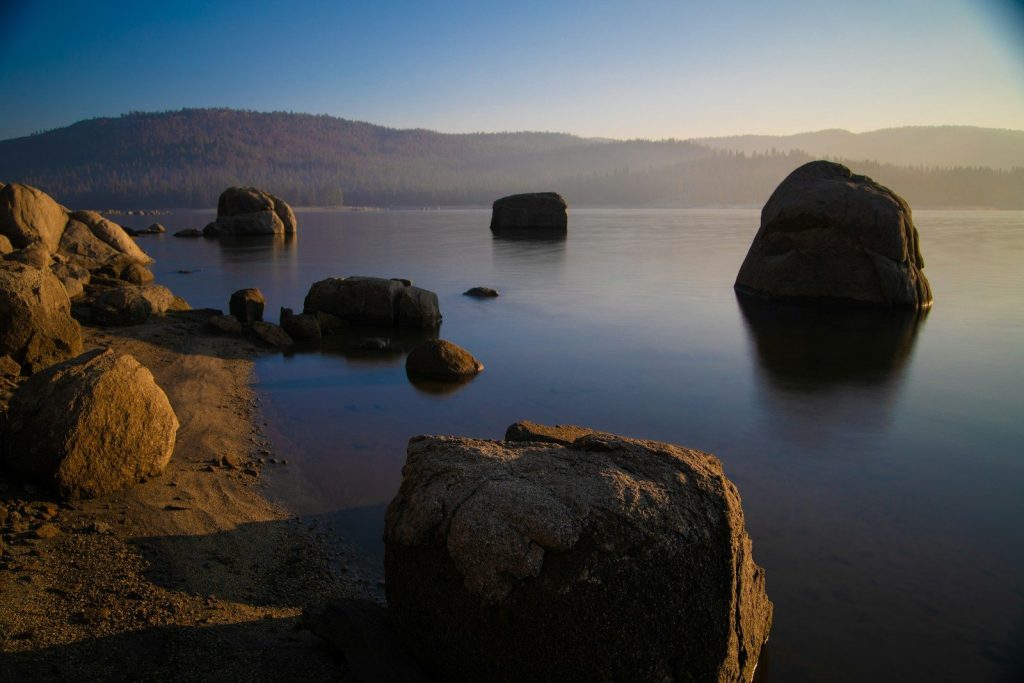
Miles away, another chilling discovery emerged from Grand Traverse Bay. Divers exploring Lake Michigan found a long line of mysterious stones. According to archaeologist Dr. Mark Holley, the alignment mirrors famous ancient European monuments. It was utterly silent. One specific stone in the line held a carving that shocked the research team.
A Beast From The Past
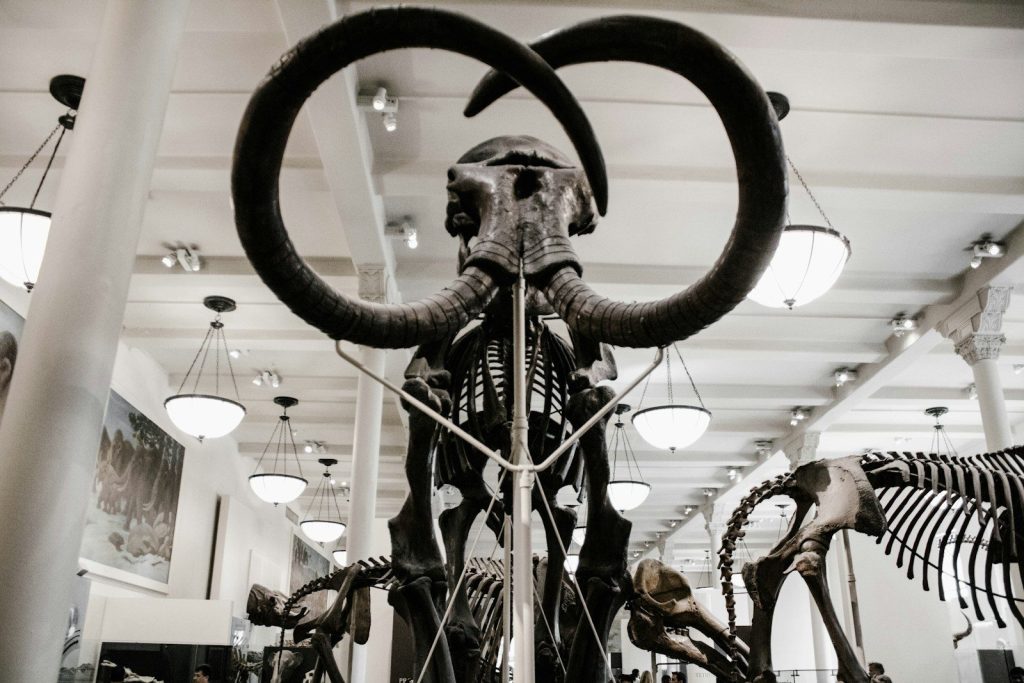
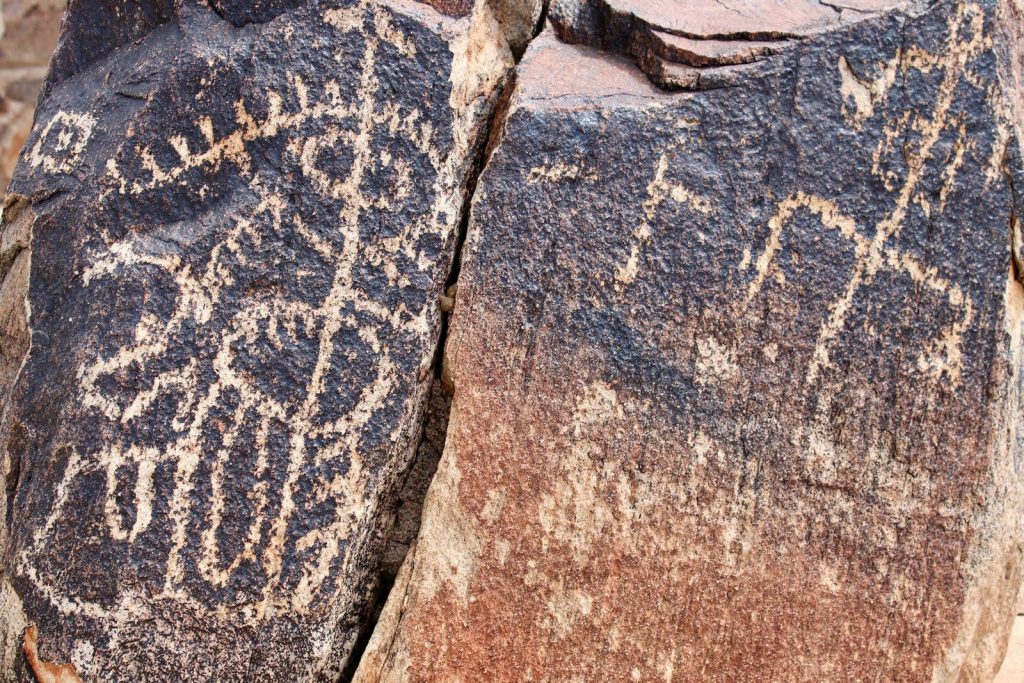
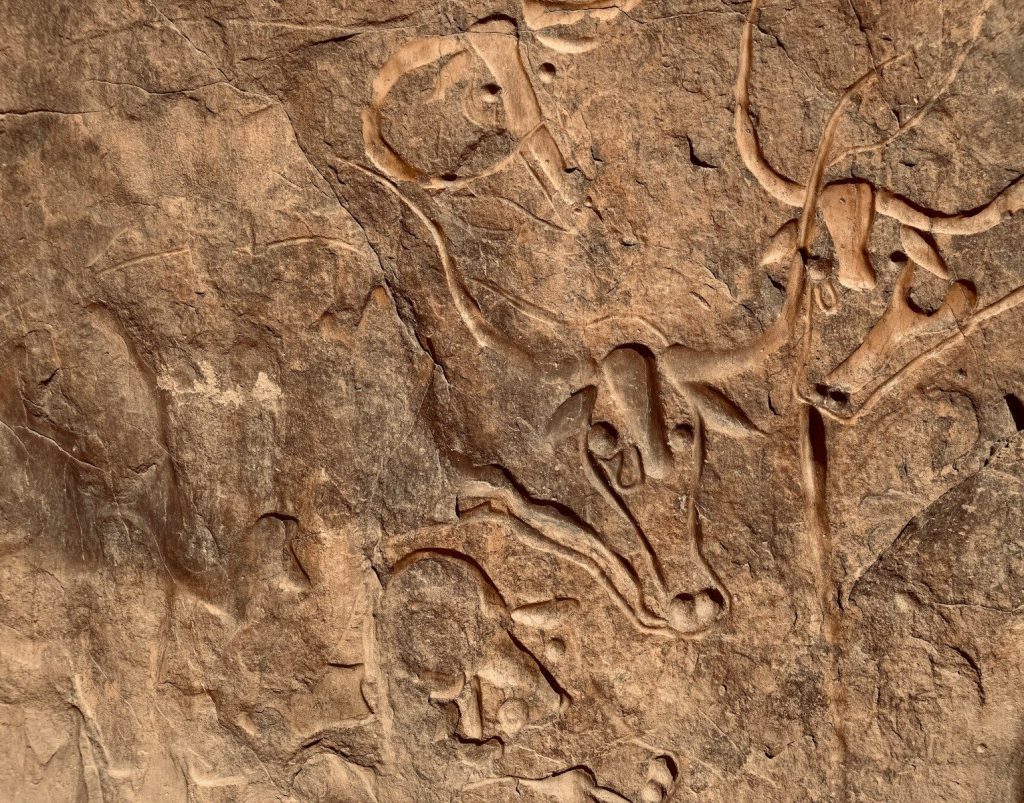
Etched deep into the submerged rock is a clear illustration of a mastodon. These giant, elephant-like beasts went extinct thousands of years ago. According to local Indigenous tribes, the drawing shows a spear passing through the animal’s heart. It is a hunt. But scientists had to prove the carving was real.
Hard To Prove
Proving the authenticity of underwater carvings is incredibly difficult. Over thousands of years, water currents and algae can erode the stone. According to geologists, the precise grooves indicate intentional human craftsmanship rather than natural erosion. They are very clear. However, the exact locations of these sites must be kept in absolute secrecy.
Protecting Sacred Grounds
Authorities keep these coordinates hidden to prevent looters from destroying the delicate sites. The discoveries rewrite North American history by showing advanced trade and hunting systems. According to historians, these lakes hold secrets older than the Egyptian pyramids. They require deep respect. This article is for informational purposes only.
Featured Image: Photo by Caroline O.marcel on Pexels