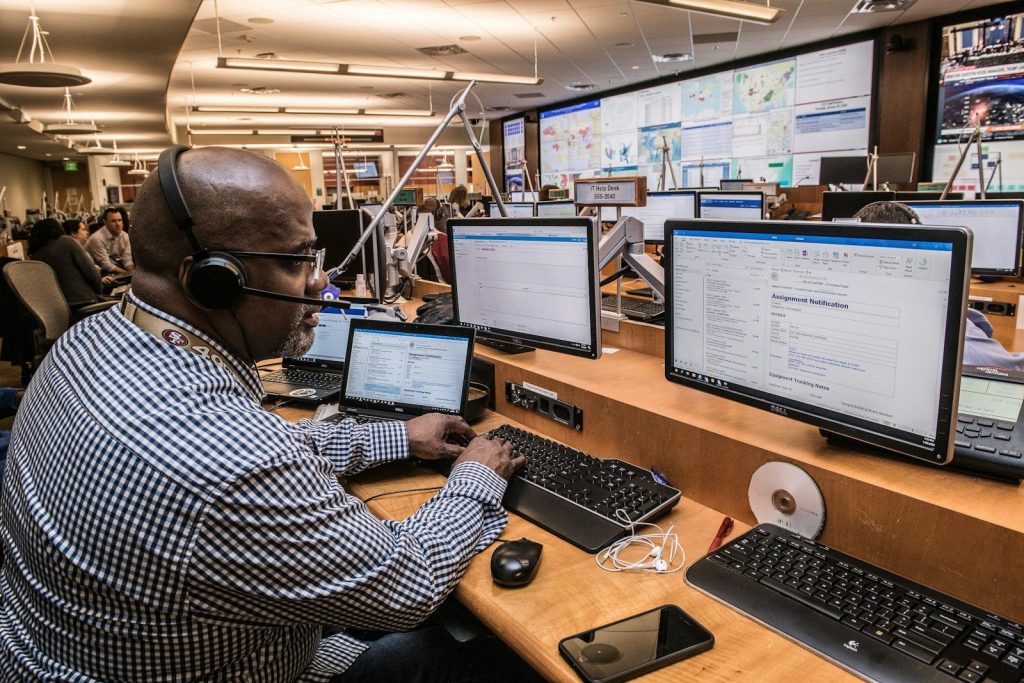
Author: Dylan

  • How multi-agent AI systems could change online services

    How multi-agent AI systems could change online services

    Online services are starting to move beyond simple chatbots that answer one question at a time. A newer idea, called multiagent AI, uses several AI agents that work together like a digital team. One agent might understand a customer request, another might check records, another might plan next steps, and another might write the final response. IBM describes a multiagent system as multiple AI agents working together to complete tasks for a user or another system.

    That teamwork could change how websites, apps, banks, stores, travel platforms, and support desks operate. The goal is not just faster replies. It is better coordination, fewer handoffs, and services that can handle more complex requests safely. The source material also highlights specialized agents, shared memory, communication, and coordination as key parts of these systems.

    Digital teams replace one bot

    selective focus photography of people sits in front of table inside room
    Photo by Annie Spratt on Unsplash

    Today, many online services use one AI assistant to handle many different tasks. That can work for simple questions, but it can struggle when a request needs several steps or different types of knowledge.

    Multiagent systems take a team approach. One agent can focus on search, another on planning, and another on checking details. Microsoft’s AutoGen project describes multiagent cooperation as a way to help solve tasks through agent collaboration.

    Support may feel faster

    a close up of a computer screen with a menu on it
    Photo by Emiliano Vittoriosi on Unsplash

    Customer support could be one of the biggest changes. Instead of one chatbot trying to answer everything, different agents could handle billing, account help, order updates, product questions, and escalation.

    That could make support feel smoother for users. A customer may not need to repeat the same details again and again. Behind the scenes, agents could share information and pass the request to the right digital helper.

    Websites could plan ahead

    MacBook Pro showing vegetable dish
    Photo by Igor Miske on Unsplash

    Most online services react after a user clicks, types, or complains. Multiagent AI could make services more proactive. A travel app, for example, might notice a delay, check options, update a schedule, and suggest next steps.

    This does not mean apps should act without limits. Good systems still need clear rules and human oversight. But when used carefully, agents could help services respond before small problems turn into bigger ones.

    Tasks may need fewer handoffs

    IBM logo
    Photo by Carson Masterson on Unsplash

    Many online tasks involve several systems. A return request may touch customer records, payment tools, shipping data, warehouse updates, and support messages. That is a lot for one bot to manage cleanly.

    Multiagent AI can split the work. Each agent handles a smaller part, then shares the result. IBM notes that multiagent systems are useful for large, complex tasks that may involve many agents.

    Personalization could improve

    Screen displaying AI chat interface DeepSeek on a dark background.
    Photo by Matheus Bertelli on Pexels

    Online services already personalize feeds, recommendations, and alerts. Multi-agent systems could make that personalization more useful by combining different kinds of context in a safer, more organized way.

    One agent might study user preferences, while another checks inventory, timing, or service rules. Another could make sure the final suggestion is clear and appropriate. The result could feel less random and more helpful.

    Human workers get support

    unknown persons using computer indoors
    Photo by Arlington Research on Unsplash

    Multiagent AI does not have to replace human service teams. In many cases, it may work best as a support layer. Agents can gather details, summarize requests, check policy steps, and prepare options.

    That can leave people with more time for judgment, empathy, and unusual cases. MIT Sloan explains agentic AI as systems where different agents can be orchestrated together for a task, which fits this helper role well.

    Errors need careful controls

    car parked in front of building
    Photo by Matthew Manuel on Unsplash

    More agents can also mean more moving parts. If agents share the wrong data, misunderstand a task, or act out of order, the service could create confusion instead of convenience.

    That is why coordination matters. Microsoft’s Agent Framework notes support for multiagent workflows, state management, telemetry, and related enterprise features. Those kinds of controls help teams monitor what agents are doing and catch problems sooner.

    Online security may change

    Hacker in hoodie working on multiple computer screens
    Photo by Julio Lopez on Unsplash

    Multiagent AI could also help with digital security. Specialized agents may watch for unusual behavior, check code, review alerts, and help security teams sort important issues from routine noise.

    Recent reporting on Microsoft’s MDASH security platform described a system using many specialized AI agents to help detect software flaws. That shows how agent teams may become useful in complex online defense work.

    Small services could scale

    man in gray long sleeve shirt using Windows 11 computer
    Photo by Windows on Unsplash

    Large companies are not the only ones that may benefit. If agent tools become easier to build and manage, smaller online businesses may use them to handle support, scheduling, content updates, and routine operations.

    Microsoft describes AutoGen as an open-source framework for building AI agents and helping multiple agents cooperate. Tools like that could make multiagent ideas more reachable for developers and service teams.

    The best systems stay clear

    people sitting on chair in front of computer
    Photo by Israel Andrade on Unsplash

    The most useful multiagent services will not feel noisy or confusing. Users may never see all the agents working behind the screen. They will simply notice that tasks feel faster, answers are clearer, and fewer steps are needed.

    Still, trust will matter. Online services should be clear about when AI is involved, protect user data, and keep humans available for important decisions. Multiagent AI may be powerful, but it works best when it stays helpful, controlled, and easy to understand.

  • The hidden science behind tracking space rocks before they arrive

    The hidden science behind tracking space rocks before they arrive

    Space rocks do not arrive with flashing warning signs. Most look like tiny moving dots against a sky full of stars. Yet behind those dots is a global tracking system built from telescopes, math, shared data, and constant updates. Scientists do not simply “see” an asteroid once and know where it will go. They collect repeated observations, compare positions, calculate an orbit, and keep improving that path as more data arrives.

    That work matters because near-Earth objects can pass close to our planet, and early warning gives researchers more time to study them. NASA’s Center for Near-Earth Object Studies, known as CNEOS, calculates orbit paths and checks possible future close approaches for known near-Earth objects.

    Tiny dots tell big stories

    an artist's rendering of a space ship approaching a planet
    Photo by Javier Miranda on Unsplash

    Most asteroids are not seen as giant rocks in a telescope. They often appear as small points of light moving slowly against the background stars.

    That motion is the first clue. Once astronomers spot it, they can report the object’s position and time. Those early measurements help scientists begin building a path for where the object may travel next.

    Sky surveys never sleep

    Taking Pictures From Space (NASA, 09/08/09)” by NASA’s Marshall Space Flight Center is licensed under CC BY-NC-ND 2.0

    Asteroid tracking depends on wide-field surveys that scan large parts of the night sky again and again. These systems are built to notice movement, not just take pretty space pictures.

    NASA says ATLAS became able to search the entire dark sky every 24 hours after new telescopes were added. That makes it a major part of the search for near-Earth objects.

    One sighting is not enough

    view of Earth and satellite
    Photo by NASA on Unsplash

    A single observation can start the process, but it does not tell the whole story. Scientists need several sightings over time to understand an asteroid’s speed, direction, and orbit.

    The more observations they collect, the smaller the uncertainty becomes. That is why an object’s risk estimate can change quickly after discovery. New data often makes the path clearer.

    The math does heavy lifting

    Asteroid Lutetia and Saturn” by europeanspaceagency is licensed under CC BY-SA 2.0

    Once an asteroid is reported, computers compare its position with gravity, time, and possible future paths. This is where tracking becomes more than just watching the sky.

    CNEOS uses reported positions to compute high-precision orbits and study possible future locations of hazardous objects near Earth. If needed, it can also estimate impact timing and location.

    Close does not mean danger

    astronaut, space suit, space, universe, galaxy, outer space, space travel, astronautics, astronomy, cosmonaut, astronaut suit, space walk, astronaut, astronaut, astronaut, astronaut, space, space, space, space, space
    Photo by WikiImages on Pixabay

    Many asteroids pass near Earth without posing a threat. In space terms, “close” can still mean thousands or millions of miles away.

    That is why scientists focus on the exact path, not scary labels. CNEOS predicts close approaches and makes impact hazard assessments to support NASA’s planetary defense work.

    Risk numbers can change

    Beautiful starry sky with meteors streaking over a rocky cliff at night.
    Photo by FURKAN GÜNEŞ on Pexels

    When a new asteroid is first discovered, its future path may be uncertain. Early risk numbers can rise or fall as scientists gather more observations.

    That happened with asteroid 2024 YR4. NASA first monitored a small possible risk, then later said new calculations showed no significant threat to Earth in 2032 and beyond.

    Global teams share the load

    Bronze statue of Apollo astronauts at Cape Canaveral, holding a flag.
    Photo by Frankie Hatton on Pexels

    No single observatory can watch the whole sky perfectly. Weather, daylight, location, and equipment limits all matter.

    That is why planetary defense uses a network approach. ESA says its Planetary Defence Office runs observation campaigns, searches for potentially hazardous asteroids, and calculates their orbits.

    Infrared eyes may help

    Two astronauts in silver space suits stand in a desert, depicting a Mars-like exploration scene.
    Photo by RDNE Stock project on Pexels

    Some asteroids are dark, which makes them harder to spot in visible light. Future space telescopes can help by looking for heat instead of only reflected sunlight.

    NASA’s NEO Surveyor is designed as a space telescope focused on detecting asteroids and comets that may be potential hazards. NASA lists its launch as no earlier than September 2027.

    Faster warning means more options

    Majestic comet and starry night sky above dramatic rock formations in Durango, Mexico.
    Photo by S L V on Pexels

    The earlier scientists find a space rock, the more time they have to study it. That time can help improve orbit predictions and guide future planning.

    Early warning does not mean panic. It means better information. With more lead time, experts can make calmer, clearer decisions based on data instead of guesses.

    Tracking protects curiosity too

    Two astronauts holding hands, exploring rocky Mars-like terrain.
    Photo by RDNE Stock project on Pexels

    Asteroid tracking is not only about safety. These objects are leftovers from the early solar system, so every close pass can teach scientists something.

    By watching them carefully, researchers learn about their size, path, brightness, and behavior. The same science that helps protect Earth also helps explain how our neighborhood in space was built.

  • Why streaming may look different in 2026 and beyond

    Why streaming may look different in 2026 and beyond

    Streaming used to feel simple: pick an app, pay a monthly fee, and watch what you want. Now the picture is changing fast. Prices have risen, free ad-supported options are growing, live sports are moving across more platforms, and bundles are starting to look a lot like the cable packages people once left behind. Nielsen reported that streaming reached 47.5% of U.S. TV viewing in December 2025, showing how central it has become to daily entertainment.

    The next phase may not be about having more apps. It may be about smarter packages, better ads, live events, social video, and services that try harder to keep viewers from canceling. For many households, streaming in 2026 and beyond could feel more flexible, but also more crowded and harder to compare.

    Ads become more normal

    black flat screen tv turned on displaying 11
    Photo by Mollie Sivaram on Unsplash

    Streaming was once sold as a cleaner break from traditional TV ads. That is changing. Many viewers now choose lower-cost plans that include ads because monthly entertainment bills can add up quickly.

    Deloitte reported in 2026 that about 68% of streaming subscribers were paying for an ad-supported option, a sharp rise from 2024. That means ads may become part of the regular streaming experience again, just in a more targeted and digital form.

    Bundles make a comeback

    a screen shot of a computer
    Photo by Nicolas J Leclercq on Unsplash

    After years of separate apps, streaming companies are moving back toward bundles. Viewers may see more packages that combine video, music, sports, shopping perks, phone plans, or internet service.

    This can make streaming cheaper and easier to manage, but it can also make choices confusing. The new question may not be “Which app do I want?” It may be “Which bundle gives me the most value without adding things I never use?”

    Free channels keep growing

    person holding gray remote control
    Photo by Jonas Leupe on Unsplash

    Free ad-supported streaming TV, often called FAST, gives viewers channels without a monthly bill. These services usually feel more like classic TV, with scheduled channels, familiar shows, and ads.

    They may grow because many people want entertainment without another subscription. Nielsen has noted that sports-related FAST channels are becoming a major part of the free streaming world, giving fans highlights, documentaries, and related programming beyond live games.

    Live sports shift online

    a flat screen tv sitting on top of a wooden table
    Photo by Tech Daily on Unsplash

    Sports may be one of the biggest reasons streaming changes. Major games, documentaries, highlights, and talk shows are now spread across many platforms, not just traditional TV channels.

    Nielsen says streaming is changing live sports through multiplatform viewing and new ways to reach fans. That means viewers may need to follow leagues and events across more apps, especially as sports rights become more split between streaming and broadcast partners.

    Social video competes harder

    person holding white samsung galaxy smartphone
    Photo by Aaron Weiss on Unsplash

    Streaming services are not only competing with each other. They are also competing with TikTok, YouTube, Instagram, gaming, podcasts, and creator content for attention.

    Deloitte’s 2025 Digital Media Trends report said social platforms and user-made content are disrupting video entertainment. For younger viewers especially, short videos and creators may feel just as important as traditional shows or movies.

    Recommendations may get smarter

    black flat screen tv turned on displaying man in black suit
    Photo by Marques Kaspbrak on Unsplash

    Streaming platforms already suggest what to watch, but those suggestions can still feel repetitive or random. In 2026 and beyond, services may use better data and AI tools to improve discovery.

    The goal will be simple: help viewers find something good before they give up and close the app. Better recommendations could also help platforms promote smaller shows, older titles, live events, and ad-supported channels without overwhelming the screen.

    Prices may stay under pressure

    selective focus photography of person using tablet computer
    Photo by CardMapr.nl on Unsplash

    Streaming is no longer the cheap alternative it once seemed to be for every household. As more services raise prices or limit sharing, viewers may become more careful about what they keep.

    That could lead to more canceling, rotating, and switching. People may subscribe for one show, pause for a few months, then return later. Streaming companies will need stronger reasons to keep viewers paying all year.

    Ads get more connected

    black flat screen tv turned on near brown brick wall
    Photo by Mahrous Houses on Unsplash

    Connected TV ads are becoming a bigger business as more viewing moves through smart TVs, streaming sticks, and apps. Advertisers want the reach of TV with more digital-style targeting.

    Nielsen reported that ad-supported platforms made up 72.4% of U.S. TV viewing time in the first quarter of 2025, with streaming representing 42.4% of that ad-supported viewing. That gives streaming services a strong reason to keep building ad tools.

    Global growth shapes choices

    tv, popcorn, movie, streaming, watch tv, movie night, action, movie theater, netflix, tv, popcorn, movie, movie, movie, movie, watch tv, watch tv, watch tv, watch tv, watch tv, movie night, movie night, movie night, netflix, netflix, netflix, netflix
    Photo by Frank_Rietsch on Pixabay

    Streaming is not only a U.S. story. Companies are chasing viewers around the world, which can change what gets made and promoted. More international hits may reach U.S. audiences faster than before.

    PwC projects global entertainment and media revenue will keep growing through 2029, helped by advertising, live events, and video games. That broader market may push streaming platforms to think beyond movies and shows alone.

    Viewers gain more control

    A woman lying on a sofa, enjoying music with headphones and browsing the internet on a laptop.
    Photo by Atlantic Ambience on Pexels

    The future of streaming may feel both better and messier. Viewers may get more free options, more live events, smarter search, and bundles that save money. They may also face more ads, more price changes, and more places to check.

    The winners will likely be the services that make watching feel easy again. People do not want a puzzle every night. They want good shows, fair prices, clear choices, and fewer reasons to wonder where everything went.

  • Why tiny crustaceans are making big news in ocean science

    Why tiny crustaceans are making big news in ocean science

    Tiny crustaceans may not look like headline makers, but ocean scientists are paying close attention to them. These small animals include amphipods, copepods, and krill-like creatures that live from sunny surface waters to the deepest seafloor. Some help feed fish, whales, seabirds, and other marine life. Others recycle nutrients, move carbon through the ocean, or reveal how much we still do not know about deep-sea habitats.

    Recent discoveries have made that clearer than ever. In 2026, researchers announced 24 new deep-sea amphipod species from the Clarion-Clipperton Zone in the central Pacific, including a rare new superfamily. That finding showed how even tiny animals can reshape what scientists know about life under the waves.

    Small bodies, huge impact

    A person gently holds a tiny crab in their hands near a rocky beach setting.
    Photo by joao Guerreiro on Pexels

    Tiny crustaceans are easy to miss, but they help keep ocean life moving. Many of them drift through the water or crawl across the seafloor, feeding other animals along the way.

    Copepods, for example, eat microscopic plant-like organisms and pass that energy up the food chain. NOAA calls them “cows of the sea” because they help turn tiny ocean plants into food for larger animals.

    New species keep appearing

    body of water during daytime
    Photo by Conor Sexton on Unsplash

    Scientists recently described 24 new deep-sea amphipod species from the Clarion-Clipperton Zone, a vast area in the central Pacific. The discovery included one new superfamily, which is a much bigger scientific category than a single species.

    That is why the news stood out. Finding a new species is exciting, but finding a whole new branch in the family tree shows how much deep-sea life remains unknown.

    The deep sea hides them well

    A mesmerizing close-up of a jellyfish floating gracefully in the dark ocean depths.
    Photo by Benjamin Farren on Pexels

    Many amphipods live far below the surface, where sunlight never reaches and pressure is extreme. These places are hard to visit, so scientists often know very little about the animals living there.

    The Clarion-Clipperton Zone has become a major focus for researchers because it holds a surprising range of deep-sea life. Each new sample can reveal animals science has never named before.

    They help feed the ocean

    a humpback whale swims beneath the surface of the water
    Photo by Oliver Tsappis on Unsplash

    Small crustaceans are a major food source for fish, seabirds, squid, seals, sharks, and whales. Krill, which are shrimp-like crustaceans, are especially important in many marine food webs.

    NOAA explains that krill form the base of marine food webs across the world’s oceans. Without these small animals, many larger ocean species would have a much harder time finding enough food.

    Copepods move carbon

    Copepod with eggs” by kat m research is licensed under CC BY-SA 2.0

    Some tiny crustaceans do more than feed other animals. They also help move carbon from surface waters into deeper parts of the ocean.

    A 2025 Southern Ocean study found that migrating zooplankton help store carbon below 500 meters. The University of Plymouth reported that copepods made up about 80% of that seasonal carbon movement in the study area.

    Names help protect life

    Copepod” by pitschuni is licensed under CC BY-NC-SA 2.0

    When a species has no name, it is harder to study, track, or protect. A name gives scientists a shared way to record where it lives and how it fits into an ecosystem.

    That is one reason new crustacean discoveries matter. The more researchers know about deep-sea species, the better they can understand which habitats are rich, rare, or sensitive to change.

    Tech makes discovery faster

    diver, underwater, dive, man, sports, backlighting, nature, sea
    Photo by Franziska_Stier on Pixabay

    Modern ocean science uses more than nets and microscopes. Researchers now use DNA tools, deep-sea vehicles, imaging systems, and shared databases to study small animals in greater detail.

    These tools help scientists sort species that may look similar at first glance. That is especially useful for amphipods, where tiny body features can reveal big differences between groups.

    Some are ecosystem clues

    school of fish in body of water
    Photo by Francesco Ungaro on Unsplash

    Tiny crustaceans can act like clues about ocean health. Because they are part of food webs and respond to changing conditions, scientists can study them to learn what is happening in the water.

    A shift in crustacean numbers or locations can say a lot. It may point to changes in temperature, food supply, oxygen levels, or habitat quality.

    Big projects are underway

    Amphipod sp. 1” by dr.scott.mills is licensed under CC BY-SA 2.0

    The Sustainable Seabed Knowledge Initiative’s “One Thousand Reasons” campaign aims to describe 1,000 unknown deep-sea species by 2030. The 24 new amphipods are part of that larger effort.

    That goal shows why small animals are getting big attention. Scientists are trying to document deep-sea life while there is still time to understand it clearly.

    Tiny creatures change the story

    brown and white plant in close up photography
    Photo by David Clode on Unsplash

    Tiny crustaceans remind us that ocean science is not only about whales, sharks, or coral reefs. Some of the most important discoveries can fit on a fingertip.

    Their small size hides their importance. They feed larger animals, move carbon, reveal new branches of life, and help scientists see how much of the ocean is still waiting to be understood.

  • Ancient Earth’s air may hold the secret to finding alien life

    Ancient Earth’s air may hold the secret to finding alien life

    Earth did not always have the air we breathe today. Long before forests, animals, and blue skies filled with oxygen, our planet had a very different atmosphere. For much of its early history, Earth’s air held little oxygen, while gases like carbon dioxide and methane played bigger roles. That matters because alien worlds may not look like modern Earth at all.

    Scientists searching for life beyond our solar system are using Earth’s past like a guidebook. By studying how our atmosphere changed over billions of years, they can better understand what signs to look for around distant planets. NASA explains that scientists may not need to define life perfectly if they can detect strong atmospheric clues that life is changing a planet’s air.

    Earth was once very different

    NASA Team Looks to Ancient Earth First to Study Hazy Exoplanets” by NASA Goddard Photo and Video is licensed under CC BY 2.0

    Modern Earth has oxygen-rich air, but that was not always true. Early Earth went through long stretches when oxygen was rare in the atmosphere.

    That matters for planet hunting. If scientists only search for worlds that look like Earth today, they may miss planets that look more like Earth’s much older past.

    Oxygen came much later

    aerial view of trees during daytime
    Photo by Michael Olsen on Unsplash

    The Great Oxidation Event changed Earth’s atmosphere between about 2.4 and 2.1 billion years ago. Before then, oxygen was not a major part of the air.

    That shift was huge for life on Earth. It also teaches scientists that a living planet may not always show strong oxygen, especially during its early chapters.

    Methane can be a clue

    Methane collection” by Distraction Limited is licensed under CC BY 2.0

    Methane is one gas scientists watch closely. On Earth, some microbes produce methane, and it can become an important clue when seen with the right mix of other gases.

    Researchers have argued that methane may be more convincing as a life clue when it appears with carbon dioxide but very little carbon monoxide. Context makes the signal stronger.

    One gas is not enough

    astronaut, space suit, space, universe, galaxy, outer space, space travel, astronautics, astronomy, cosmonaut, astronaut suit, space walk, astronaut, astronaut, astronaut, astronaut, space, space, space, space, space
    Photo by WikiImages on Pixabay

    No single gas can prove life on another planet. Oxygen, methane, and other gases can sometimes be made without biology, depending on the planet.

    That is why scientists look for patterns. NASA notes that an imbalance of atmospheric gases may be a telltale sign, especially when the mix is hard to explain without life.

    Ancient air helps avoid mistakes

    Close-up of a natural rock formation highlighting layered textures and earthy tones.
    Photo by Magda Ehlers on Pexels

    Earth’s past gives scientists a warning: life can exist even when its signs are hard to see. A planet could be alive but still have little oxygen.

    Researchers call this a possible “false negative.” It means a telescope might miss life if scientists expect every living world to look like modern Earth.

    Telescopes read starlight

    black tripod on snow covered ground under starry night
    Photo by Ken Cheung on Unsplash

    Scientists study distant atmospheres by watching starlight pass through them. Different gases leave patterns in that light, almost like fingerprints.

    This method is called spectroscopy. NASA explains that instruments on space telescopes can spread the light into a spectrum and reveal which molecules are present.

    Early Earth is a model

    Peaceful arid landscape with hills and mountains under a dramatic sunrise sky.
    Photo by alleksana on Pexels
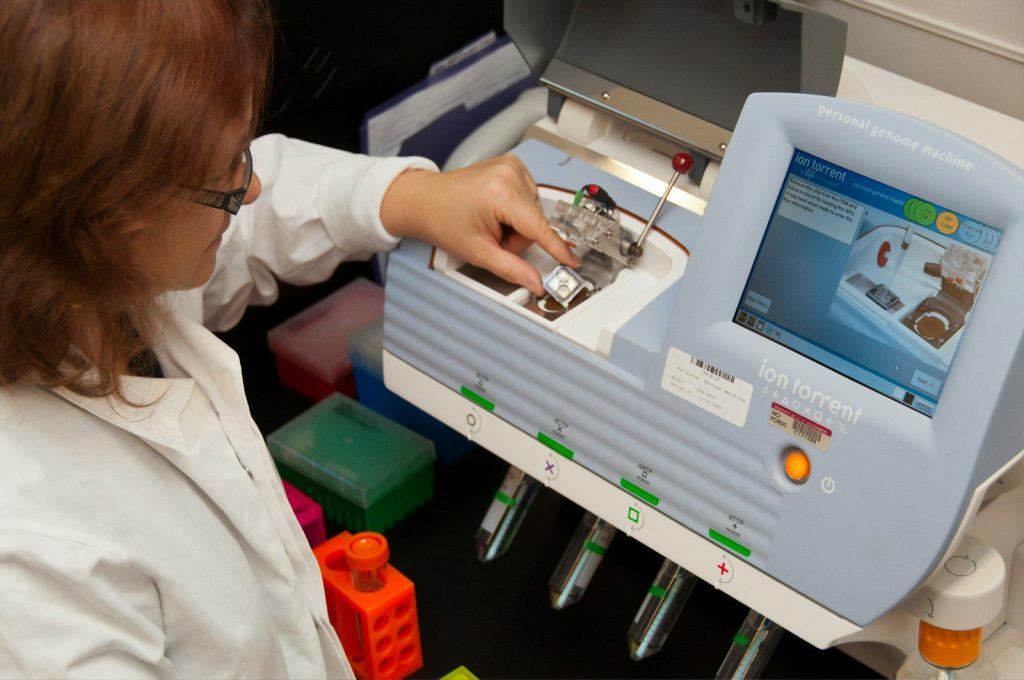
    Earth’s long history gives scientists more than one version of a living planet. There was the low-oxygen early Earth, the changing middle Earth, and the oxygen-rich modern Earth.

    A 2024 review noted that early Earth can help researchers understand the remote detectability of microbial life under many planetary conditions.

    Microbes may be enough

    blue heart shaped clip art
    Photo by CDC on Unsplash

    Alien life does not have to mean large creatures or advanced worlds. For most of Earth’s history, life was microbial, and those tiny organisms still changed the planet.

    That is why scientists care so much about subtle gases. A world covered in simple microbes might still leave a chemical mark in its atmosphere.

    Balance tells a story

    an artist's rendering of the solar system
    Photo by NASA Hubble Space Telescope on Unsplash

    A planet’s atmosphere is shaped by sunlight, rocks, volcanoes, oceans, and living things. Scientists must sort through all of those pieces before calling anything a life clue.

    That is why the best evidence may come from combinations. Oxygen with methane, or methane with carbon dioxide, can be more interesting than one gas by itself.

    The search is getting sharper

    Army scientists energize battery research” by U.S. Army Combat Capabilities Development Command is licensed under CC BY-SA 2.0

    The hunt for life beyond Earth is becoming more careful, not just more exciting. Scientists are learning to ask better questions before making big claims.

    Ancient Earth helps make that possible. By studying our own planet’s changing air, researchers can build smarter ways to recognize life on worlds that may look unfamiliar at first glance.

  • 10 ways self-driving services could change city life

    10 ways self-driving services could change city life

    Self-driving services are no longer just a future dream. Robotaxis, autonomous shuttles, and delivery vehicles are already being tested or used in some cities, and the next few years could show how they fit into daily life. The biggest changes may not be dramatic at first. They may show up in shorter waits, new late-night ride options, easier trips for some riders, and different ways goods move across town.

    Still, this shift will need careful rules, strong safety testing, and public trust. The National Highway Traffic Safety Administration says automated driving systems may one day perform the full driving task under certain conditions, but safety remains a central issue. As cities learn what works, self-driving services could slowly change how people move, shop, commute, and plan their streets.

    Rides may feel more flexible

    Inside view of a car's steering wheel.
    Photo by Annie Spratt on Unsplash

    Self-driving ride services could make it easier to get around without owning a car. Instead of waiting for a human driver, people may request a robotaxi through an app and ride across approved service areas.

    This could be useful for short city trips, airport rides, late-night travel, or neighborhoods with limited ride-hail supply. Waymo already describes its service as fully autonomous ride-hailing in select areas, showing how this model is moving from testing into real use.

    Parking demand may shrink

    a small white car parked in a room
    Photo by Igor Shalyminov on Unsplash

    If more people use shared self-driving rides, some households may decide they do not need a second car. Over time, that could reduce pressure for parking in busy neighborhoods.

    Cities could then rethink land now used for parking lots, curbside spaces, or large garages. Some of that space might become wider sidewalks, pickup zones, bike lanes, delivery areas, small parks, or housing. The change would likely be slow, but the effect could be visible.

    Safer streets stay the goal

    A picture of a man's face on a monitor in a car
    Photo by Maxim on Unsplash

    One major promise of automated driving is safety. NHTSA says vehicle safety could be one of automation’s biggest benefits, since higher levels of automation may remove human driving errors in certain situations.

    But safety will still need proof in real streets, not just in ads or test tracks. Recent recalls and software updates show that weather, construction, and unusual road events can still create hard problems for self-driving systems.

    Transit could get support

    A waymo self-driving car is seen in the city.
    Photo by Aamy Dugiere on Unsplash

    Self-driving services may not replace buses and trains. In many cities, they may work better as a helper for public transit. Small autonomous shuttles could connect homes, offices, campuses, and train stations.

    This “first mile, last mile” role could help riders who live too far from a station to walk comfortably. If planned well, self-driving shuttles might fill gaps without adding too many cars to already crowded streets.

    Delivery may get quieter

    Modern Tesla car interior showcasing futuristic steering wheel design and high-tech dashboard.
    Photo by Stephen Fuller on Pexels

    Self-driving services are not only about moving people. Small autonomous delivery vehicles could change how groceries, packages, meals, and store orders reach homes and businesses.

    That could reduce some short car trips, especially when people order small items they would otherwise drive to pick up. Cities may need new curb rules, loading zones, and sidewalk safety standards so delivery bots and vehicles do not create clutter.

    Older adults may gain options

    black car on the road
    Photo by Melvin Chavez on Unsplash

    Transportation can be difficult for people who cannot drive or no longer feel comfortable driving. Self-driving services could offer more independence if they are affordable, reliable, and easy to use.

    NHTSA has studied automated vehicle accessibility and notes that benefits for people with disabilities depend on design choices made early. That matters because vehicles, apps, pickup spots, and customer support must work for real riders, not just ideal users.

    Traffic could change patterns

    cars on road during night time
    Photo by Minku Kang on Unsplash

    Self-driving cars could make traffic better or worse depending on how cities use them. If robotaxis are shared and well-managed, they might reduce private car use in some areas.

    But if empty vehicles circle streets while waiting for riders, congestion could grow. City rules may need to guide where vehicles wait, how pickups work, and how services connect with transit instead of competing with it.

    Curb space becomes valuable

    ZOOX Robotaxi” by TDelCoro is licensed under CC BY-SA 2.0

    City curbs are already busy. Buses, bikes, delivery trucks, ride-hail cars, scooters, and parked cars all compete for the same space. Self-driving services could make curb management even more important.

    Robotaxis need safe places to stop, load passengers, and pull away. Cities may create more digital curb zones, time-based pickup rules, and clear markings so people and vehicles know where each activity belongs.

    Trust will shape adoption

    Autonomous vehicle driving on a city street.
    Photo by Victor Svistunov on Unsplash

    People may not accept self-driving services just because the technology exists. Riders will want to know the car can handle tricky streets, bad weather, construction zones, and unexpected behavior from people nearby.

    A 2026 robotaxi user study found that riders valued benefits like consistent driving, but still had concerns about flexibility, transparency, edge cases, and emergency handling. Trust may grow only when services feel predictable and easy to understand.

    Cities may redesign slowly

    A white car is stopped at an intersection
    Photo by Hoseung Han on Unsplash

    The biggest changes may come after cities see what self-driving services actually do. Streets, parking rules, transit links, delivery zones, and safety policies may all adjust step by step.

    McKinsey’s 2026 autonomous-vehicle expert survey noted that adoption timelines have lengthened and development costs have risen. That means city life may not transform overnight. Instead, self-driving services may arrive in careful stages, shaped by safety, rules, cost, and public comfort.

  • 10 strange things humans are still learning about the seafloor

    10 strange things humans are still learning about the seafloor

    The seafloor may be Earth’s biggest mystery hiding in plain sight. It covers huge parts of the planet, yet much of it remains unseen by human eyes. NOAA Ocean Exploration says less than 0.001% of the deep ocean seafloor has been directly observed, which means scientists are still working with a very small window into an enormous world.

    What they have found is anything but boring. The seafloor holds underwater mountains, canyons, hot vents, cold seeps, strange animals, hidden minerals, and ecosystems that do not need sunlight. New mapping tools, deep-diving robots, and DNA studies are helping researchers uncover details that were once out of reach. Each discovery reminds us that the ocean floor is not just a dark, flat bottom. It is a living, changing landscape full of surprises.

    Most of it remains unseen

    Explore the vibrant underwater world of tropical coral reefs in this clear ocean shot.
    Photo by Francesco Ungaro on Pexels

    The seafloor is often shown as a smooth blue space on maps, but that picture hides how little we have actually seen. Many deep areas are still unexplored, especially far from coastlines.

    NOAA says explorers have directly observed less than 0.001% of the deep ocean seafloor. That is why new dives can still reveal animals, landscapes, and features that scientists have never documented before.

    Underwater mountains are everywhere

    A person scubas in the water near a rock formation
    Photo by Artists Eyes on Unsplash

    Seamounts are underwater mountains that rise from the seafloor. Many are old volcanoes, and they can create rich habitats where currents bring food and animals gather.

    NOAA says data suggests there may be more than 100,000 seamounts at least 1,000 meters high. Yet less than one-tenth of one percent have been explored, leaving thousands of hidden peaks still waiting for study.

    Vents power life without sun

    a bird flying over a body of water
    Photo by Bernd 📷 Dittrich on Unsplash

    Hydrothermal vents form when hot, mineral-rich water rises from cracks in the seafloor. They can look harsh, but they support some of the strangest communities on Earth.

    Instead of relying on sunlight, many vent ecosystems depend on microbes that use chemicals for energy. NOAA explains that vents are hot springs created by underwater volcanoes or tectonic activity, with life adapted to deep darkness.

    Cold seeps are busy too

    expn0686” by NOAA Photo Library is licensed under CC BY 2.0

    Not every strange seafloor habitat is hot. Cold seeps release fluids such as methane-rich water from the seabed, creating chemical-rich places where unusual life can grow.

    These habitats can support clams, mussels, worms, and microbes that use chemical energy. They show that the seafloor has many ways to feed life, even where sunlight never reaches.

    Canyons cut deep paths

    Underwater cave with light shining through.
    Photo by Erick Morales Oyola on Unsplash

    Underwater canyons can slice through the seafloor like giant valleys. Some begin near continental shelves and stretch far into the deep ocean.

    These canyons can move sediment, nutrients, and organic material from shallow areas into deeper water. They may also create habitats for corals, sponges, fish, and other animals that depend on changing currents and food flow.

    Deep corals grow in darkness

    gray fish
    Photo by Jakub Dziubak on Unsplash

    Corals are often linked with warm, sunny reefs, but some corals live in cold, dark water far below the surface. These deep-sea corals do not need sunlight the way tropical reef corals do.

    NOAA lists deep-sea corals and sponges among the important habitats found in the deep ocean. They can provide shelter for many animals, even in places that look empty at first glance.

    New species keep appearing

    jellyfish, sea, nature, water, stinging, marine, species
    Photo by Tyna_Janoch on Pixabay

    The seafloor is still giving scientists new animals to study. Deep-sea expeditions often collect samples or footage that later reveal species no one had officially described before.

    Ocean Census reported in 2025 that more than 800 new marine species had been discovered through its work. That kind of progress shows how much life may still be undocumented beneath the waves.

    Robots are changing exploration

    a robot that is standing in the water
    Photo by Cash Macanaya on Unsplash

    Exploring the seafloor is difficult because deep water brings darkness, pressure, distance, and cold. Humans cannot simply walk around down there with a notebook.

    That is why remotely operated vehicles, autonomous vehicles, cameras, sonar, and sampling tools are so important. NOAA says ocean exploration helps characterize unknown areas, and its 2025 work included mapping 339,864 square kilometers of seafloor.

    The seafloor is always moving

    Tranquil underwater scene showcasing ocean sand and sunlight filtering through clear blue water.
    Photo by David Boca on Pexels
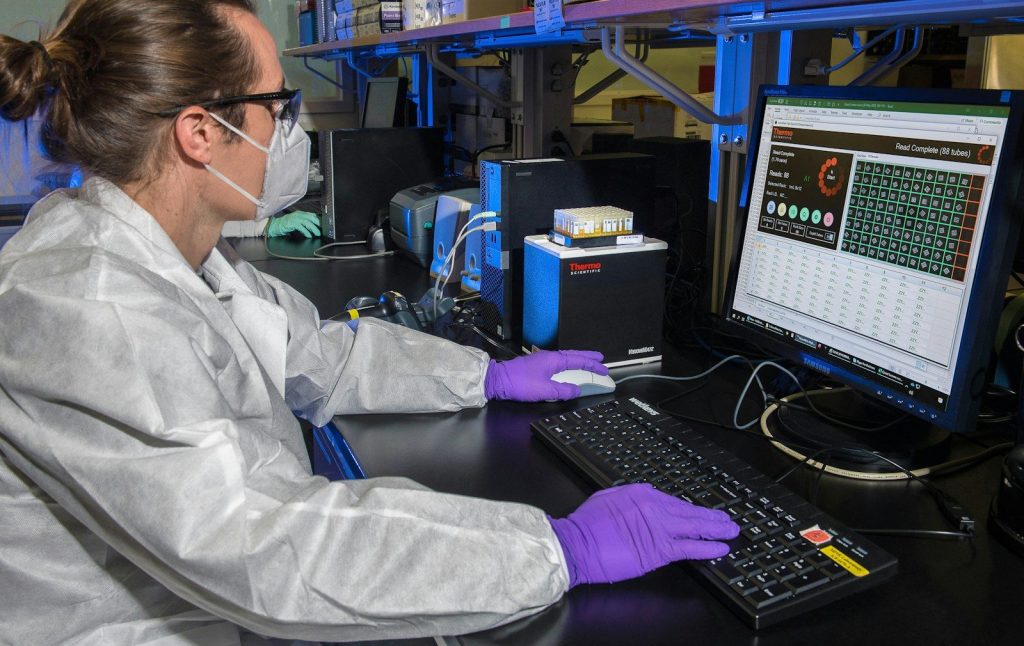
    The ocean floor may seem still, but it is part of a restless planet. Plates shift, volcanoes erupt, vents open and close, and sediments slide over time.

    These changes can reshape habitats and create new ones. A seafloor area that looks quiet today may have been shaped by earthquakes, lava, currents, or ancient landslides long before researchers arrived.

    It may guide space science

    space shuttle view outside the Earth
    Photo by NASA on Unsplash

    The seafloor helps scientists think about life beyond Earth. Places like vents and seeps show that life can survive without sunlight when water, chemistry, and energy come together.

    That matters for the search for life on ocean worlds, such as icy moons with hidden seas. Earth’s deep seafloor gives researchers a real place to study how life might exist in dark, extreme environments.

  • Why AI supercomputers are becoming a new tech battleground

    Why AI supercomputers are becoming a new tech battleground

    AI may feel like software, but its future is being shaped by giant rooms full of chips, cables, cooling systems, and power equipment. The companies building the most advanced AI models need huge amounts of computing power to train them, run them, and serve millions of users. That is why AI supercomputers are becoming a new kind of tech battleground.

    This race is not only about faster chips. It is also about electricity, land, data centers, cooling, supply chains, and national strategy. OpenAI announced the Stargate Project in 2025 as a plan to invest $500 billion over four years in AI infrastructure in the United States. That scale shows how serious the compute race has become.

    Compute is the new fuel

    Laptop displaying ai integration logo on desk
    Photo by Jo Lin on Unsplash

    AI models need massive computing power to learn from data and respond quickly. The bigger and more capable the model, the more pressure it puts on hardware.

    That makes compute feel like fuel for the AI economy. Companies with more access to advanced chips and data centers can test larger systems, improve products faster, and serve more customers.

    Chips are in high demand

    a computer chip with the letter a on top of it
    Photo by Igor Omilaev on Unsplash

    AI supercomputers depend on specialized chips, especially GPUs, that can handle huge math workloads at high speed. These chips are not easy to make or buy in large numbers.

    That shortage has turned hardware access into a serious advantage. When companies secure more chips, they are not just buying equipment. They are buying more chances to build stronger AI systems.

    Data centers are expanding

    Data center
    Photo by Brett Sayles on Pexels

    AI supercomputers need more than chips. They need large data centers with strong power connections, cooling systems, networking equipment, and space for future upgrades.

    OpenAI said Stargate is meant to build the compute foundation needed to meet growing AI demand from consumers, businesses, developers, and governments. That shows why data centers are now central to AI strategy.

    Power is a major limit

    green and grey transmission tower during nighttime
    Photo by American Public Power Association on Unsplash

    The AI race is also an electricity race. A powerful supercomputer can use huge amounts of energy, which means companies must think carefully about power supply and efficiency.

    A 2025 research paper on AI supercomputers found that performance doubled about every nine months, while hardware costs and power needs doubled about every year. That pace makes energy a major challenge.

    Cooling matters more now

    an aerial view of a farm and a road
    Photo by Geoffrey Moffett on Unsplash

    AI chips create a lot of heat when they run hard. If that heat is not handled well, systems can slow down, waste energy, or become harder to maintain.

    That is why liquid cooling and smarter data center designs are getting more attention. The most advanced AI systems need buildings designed around the hardware, not just racks placed inside a room.

    Nations want their own systems

    aerial photo of city during golden hour
    Photo by mwangi gatheca on Unsplash

    AI supercomputers are becoming national infrastructure, not just private business tools. Countries want local computing power for research, security, health, education, and industry.

    Canada launched a national effort in April 2026 to build large-scale sovereign AI supercomputing capacity. The goal is to give Canadian researchers, institutions, and innovators access to advanced compute at home.

    Speed can shape leadership

    man standing in front of people sitting beside table with laptop computers
    Photo by Campaign Creators on Unsplash

    Companies that train models faster can test ideas faster. They can improve tools, launch features, and respond to competitors with less delay.

    That is why supercomputers are becoming part of tech leadership. The race is not only about who has the smartest algorithm. It is also about who has the machines needed to push that algorithm forward.

    Costs are getting enormous

    a black and white photo of the word grok
    Photo by Mariia Shalabaieva on Unsplash

    Building AI supercomputers is expensive because every layer costs money. Chips, servers, buildings, power systems, cooling, land, and workers all add to the total.

    The 2025 AI supercomputer study estimated that xAI’s Colossus system used 200,000 AI chips and had an estimated hardware cost of $7 billion. Numbers like that show why only a few players can compete at the highest level.

    Partnerships are becoming key

    the nvidia logo is displayed on a table
    Photo by Mariia Shalabaieva on Unsplash

    No single company controls every piece of the AI infrastructure puzzle. Chipmakers, cloud providers, software firms, utilities, and local governments all play a role.

    That is why major AI projects often involve several partners. OpenAI and NVIDIA announced a strategic partnership in 2025 to deploy at least 10 gigawatts of NVIDIA systems for OpenAI’s AI infrastructure.

    The race is just starting

    a rack of servers in a server room
    Photo by Kevin Ache on Unsplash

    AI supercomputers are becoming bigger, faster, and more important to the tech world. The winners may be the groups that balance performance with cost, energy use, reliability, and access.

    For everyday users, this race may show up as smarter tools, faster responses, and new AI services. Behind the scenes, though, the real contest is happening inside the machines that make those tools possible.

  • Why asteroid tracking matters even when there is no danger

    Why asteroid tracking matters even when there is no danger

    Most asteroid headlines end with the same calming message: no danger to Earth. So why do scientists keep watching? Because tracking asteroids is not only about fear. It is about learning, planning, and staying ready. Space rocks pass through Earth’s neighborhood all the time, and each one helps scientists improve the systems that find, measure, and predict their paths.

    NASA’s Center for Near-Earth Object Studies, or CNEOS, calculates precise orbits, predicts close approaches, and checks for possible impact hazards. Its Sentry system continually scans asteroid data for possible future risks over the next 100 years. Even when the answer is “no threat,” the tracking work still matters. It keeps the data fresh, the science sharp, and the planet better prepared.

    Small rocks teach big lessons

    green trees under starry night
    Photo by Chris Henry on Unsplash

    Asteroids may look like simple space debris, but each one carries useful information. Its path, speed, brightness, and size can help scientists understand how objects move near Earth.

    Even a harmless flyby can sharpen prediction tools. The more often astronomers track nearby objects, the better they get at spotting patterns and reducing uncertainty in future calculations.

    No danger still means data

    Taking Pictures From Space (NASA, 09/08/09)” by NASA’s Marshall Space Flight Center is licensed under CC BY-NC-ND 2.0

    When NASA says an asteroid poses no threat, that answer comes from careful math. Scientists compare many observations to work out where the object is now and where it will be later.

    CNEOS uses reported positions to compute high-precision orbits for near-Earth objects. That is why a calm update often reflects a lot of quiet work behind the scenes.

    Orbits need constant updates

    an image of a bunch of planets in the sky
    Photo by NASA Hubble Space Telescope on Unsplash

    An asteroid’s path is not always perfectly known after one sighting. Scientists need repeated observations across time to improve the orbit and shrink the range of possible future positions.

    That is why follow-up matters. A harmless asteroid today may still be tracked carefully, not because it is scary, but because better data makes future predictions stronger.

    Close passes are practice

    astronaut, space suit, space, universe, galaxy, outer space, space travel, astronautics, astronomy, cosmonaut, astronaut suit, space walk, astronaut, astronaut, astronaut, astronaut, space, space, space, space, space
    Photo by WikiImages on Pixabay

    A close flyby gives astronomers a useful test. They can compare predictions with the object’s real movement and see how well tracking systems performed.

    NASA’s Asteroid Watch lists upcoming close approaches and explains that CNEOS characterizes orbits, predicts flybys, and supports impact hazard assessments. That public tracking helps turn routine passes into useful science.

    Radar can reveal details

    photography of Astronaut beside satellite
    Photo by NASA on Unsplash

    Some asteroids can be studied with radar when they come close enough. Radar can help estimate shape, rotation, distance, and motion more clearly than visible-light images alone.

    That information can improve orbit models. It can also help scientists understand what an asteroid is like as a physical object, not just a dot moving across the sky.

    Better tracking supports missions

    The nasa vehicle assembly building stands tall.
    Photo by Yuzhe Dong on Unsplash

    Asteroid missions depend on accurate tracking. Spacecraft need precise paths, timing, and target details before they can visit, study, or test ways to move an asteroid.

    NASA’s DART mission showed that a spacecraft could intentionally hit an asteroid and change its motion. That success depended on careful observation before and after impact.

    Public updates reduce confusion

    an artist's impression of a collision between two planets
    Photo by NASA Hubble Space Telescope on Unsplash

    Asteroid stories can sound dramatic, especially when a space rock passes “close” by cosmic standards. Clear tracking helps explain what close really means.

    That matters for readers. When official sources show distance, size, and risk estimates, people can understand the event without panic. Good data makes space news easier to trust.

    Many teams share the sky

    Bronze statue of Apollo astronauts at Cape Canaveral, holding a flag.
    Photo by Frankie Hatton on Pexels

    No single telescope can watch everything all the time. Weather, daylight, location, and equipment limits all affect what astronomers can see.

    That is why asteroid tracking is a global effort. ESA says its Planetary Defence Office runs observation campaigns, calculates orbits, produces warnings when needed, and supports possible mitigation work.

    Risk lists need context

    Asteroid Lutetia and Saturn” by europeanspaceagency is licensed under CC BY-SA 2.0

    A risk list does not mean disaster is likely. It means an object has a non-zero impact probability that scientists are still studying.

    ESA’s Risk List includes objects with computed non-zero impact probabilities and gives details such as date, size, velocity, and probability. As more observations arrive, objects can move on or off these lists.

    Preparedness starts early

    asteroid, planet, land, space, asteroid, asteroid, asteroid, asteroid, asteroid
    Photo by Batman111 on Pixabay

    The best time to study an asteroid is long before it becomes urgent. Early tracking gives scientists more time to confirm its orbit, learn its size, and decide whether action is needed.

    Even when there is no danger, the work builds readiness. Every safe flyby helps improve the tools, teamwork, and confidence needed for the rare case that truly matters.

  • 10 tech habits that can keep your work data safer

    10 tech habits that can keep your work data safer

    Work data can slip into risky places faster than people realize. A rushed click, a reused password, an old laptop update, or a file shared with the wrong person can create problems for an entire team. The good news is that safer habits do not have to be complicated. Many of the strongest protections are simple routines workers can follow every day.

    CISA’s basic cyber safety guidance focuses on practical steps such as using multifactor authentication, updating software, thinking before clicking, and using strong passwords. The FTC also recommends multifactor authentication for sensitive business systems, along with basic security steps that reduce common risks. These habits will not stop every threat, but they can make work accounts, devices, and files much harder to misuse.

    Use more than passwords

    a screenshot of a phone
    Photo by Ed Hardie on Unsplash

    A password alone is often not enough to protect work accounts. If someone steals or guesses it, they may be able to get into email, files, apps, or company tools.

    Multifactor authentication adds another step, such as a code, app approval, fingerprint, or security key. CISA says MFA makes accounts much more secure because a stolen password by itself is not enough to get in.

    Make passwords harder to guess

    Close-up of a finger entering a passcode on a smartphone security screen.
    Photo by indra projects on Pexels

    Strong passwords still matter, especially for accounts that do not support newer sign-in options. A good password should be long, unique, and not reused across work and personal accounts.

    Reusing passwords is risky because one leaked account can put others in danger. A password manager can help people create and store stronger passwords without needing to memorize every one.

    Update apps and devices

    Close-up of a hand holding a smartphone displaying app updates on a light background.
    Photo by Andrey Matveev on Pexels

    Software updates can feel annoying when work is busy, but they often fix security problems. Waiting too long can leave a device open to known attacks.

    CISA lists updating software as one of its key cyber safety steps. For work devices, updates should cover operating systems, browsers, business apps, security tools, and mobile devices used for company tasks.

    Think before clicking

    person typing on MacBook Pro keys
    Photo by Cleo Vermij on Unsplash

    Phishing messages often try to create panic or urgency. They may pretend to be from a boss, delivery company, bank, tech support team, or trusted service.

    Before clicking a link or opening an attachment, slow down and check the sender, wording, and request. CISA includes “think before you click” as a core cyber habit because many attacks begin with a simple trick.

    Keep work files separate

    a laptop computer sitting on top of a white desk
    Photo by Jakub Żerdzicki on Unsplash

    Mixing work files with personal devices, personal email, or random cloud folders can create confusion. It can also make sensitive information harder to protect or recover.

    A safer habit is to use approved company tools for storing and sharing work data. This keeps files in systems that may have access controls, backups, logging, and security settings managed by the organization.


    Back up important data

    black iphone 7 on macbook
    Photo by Siyuan Hu on Unsplash

    Backups matter because accidents, lost devices, malware, and technical failures can happen. Without a backup, one bad moment can turn into hours or days of lost work.

    NIST’s small business security guidance recommends making full, encrypted backups of important business data and storing them safely away from the main office location. That helps organizations recover after a problem.

    Lock screens every time

    black iphone 5 on yellow textile
    Photo by Franck on Unsplash

    An unlocked work device can expose emails, files, chats, customer details, or internal tools. This can happen in an office, coffee shop, airport, shared home, or meeting room.

    Locking the screen before stepping away is a small habit with big value. It is especially important for laptops and phones because work data often follows people outside the office.

    Use safe Wi-Fi habits

    graphical user interface, logo
    Photo by yasara hansani on Unsplash

    Public Wi-Fi can be convenient, but it is not always the best place for sensitive work. A safer choice is a trusted network, company-approved VPN, or secure mobile hotspot when handling private files.

    Workers should avoid sending confidential data over unknown networks unless the company has approved protections in place. This is especially important while traveling, working remotely, or using shared spaces.

    Share access carefully

    A sleek WiFi 6 router with antennas and cable on a wooden desk, perfect for modern home networks.
    Photo by Pascal 📷 on Pexels

    Many work files are shared through links, folders, or cloud tools. That makes teamwork easier, but it also means access can spread farther than intended.

    Before sharing, check who really needs the file and what level of access they need. View-only access may be enough. Old links and permissions should also be reviewed so former teammates, vendors, or unused groups do not keep access.

    Report problems quickly

    Man in suit working on laptop at a table.
    Photo by Vitaly Gariev on Unsplash

    People sometimes stay quiet after clicking a suspicious link or losing a device because they feel embarrassed. That delay can make the damage worse.

    A better habit is to report problems right away. Fast reporting gives IT or security teams more time to reset passwords, block access, recover files, and warn others before a small mistake becomes a larger issue.