Space technology may sound like something built only for astronauts, rockets, and distant planets, but a lot of it is already helping people on Earth. Satellites track dangerous storms, monitor crops, guide emergency crews, and help scientists understand changes in water, land, ice, and weather. In many ways, space has become one of the best tools for watching our own planet.
The most exciting part is that these ideas are still growing. Solar power from orbit, remote medical tools, stronger materials, and space manufacturing could one day solve problems much closer to home. Some of these technologies are already useful, while others are still being tested. Together, they show that exploring space is not only about looking outward. It can also make life safer, smarter, and more sustainable here on Earth.
Satellites watch Earth closely
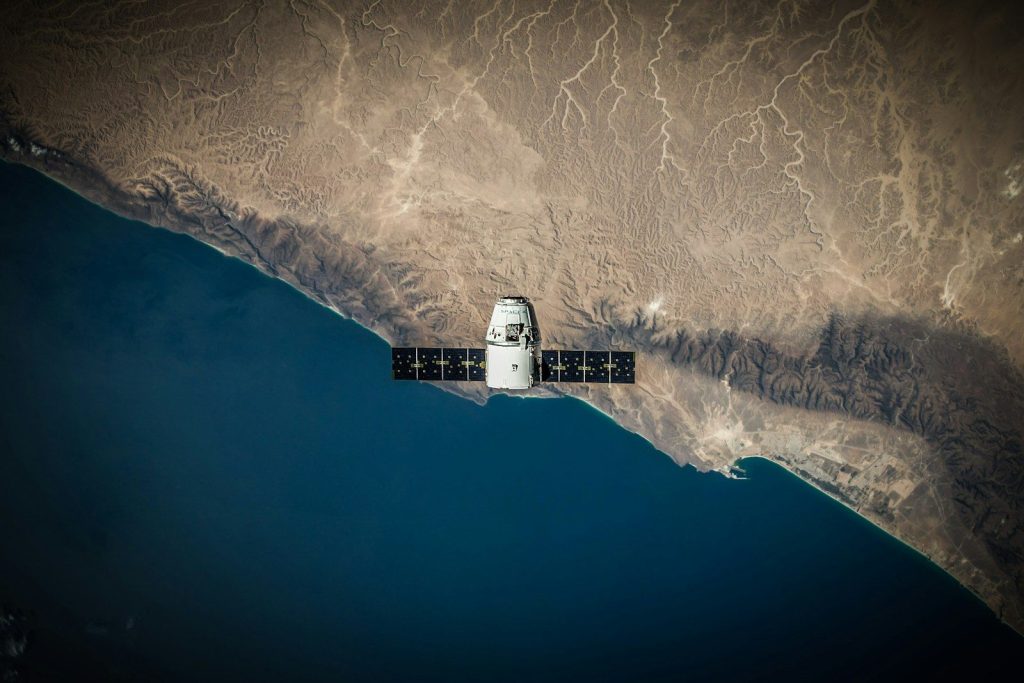
Space may feel far away, but satellites help us understand what is happening right here at home. They track storms, wildfires, drought, crops, oceans, ice, and changes in land.
NASA says Earth science data helps decision-makers respond to needs like hurricanes, wildland fires, and water supplies for farming. That makes satellites useful for safety, planning, and everyday life.
Space data helps farmers
Farmers need good information about soil, water, weather, and crop health. Satellites can spot changes across large areas faster than people can from the ground.
NASA’s Landsat program supports agriculture by giving repeated views of farmland over time. This helps track crop conditions, food security, drought, and water needs with clear, consistent data.
Solar power from orbit
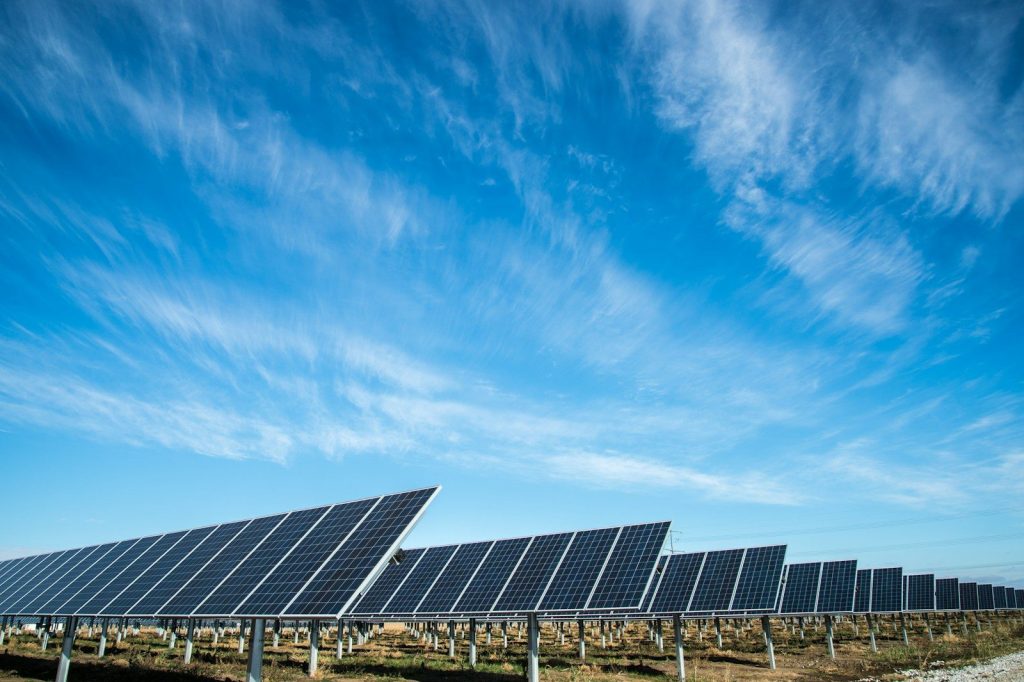
Space-based solar power sounds futuristic, but the idea is simple. Solar panels in orbit could collect sunlight and send energy down to Earth.
Supporters believe this could one day provide steady clean power, even when it is cloudy or dark on the ground. The technology still needs major testing, but it could become part of future energy planning.
Better emergency communication
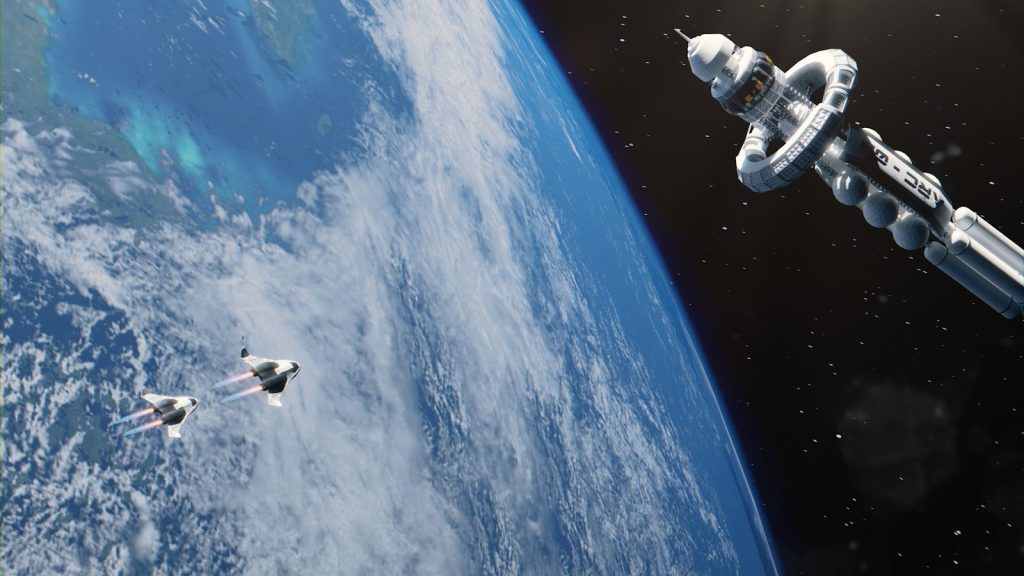
After storms, floods, fires, or other disasters, communication can fail when people need it most. Space-linked systems can help restore contact in remote or damaged areas.
The GATR inflatable satellite communication system was designed as a portable antenna that connects through geostationary satellites. It has been used for emergency relief and other critical communication needs.
Space medicine comes home
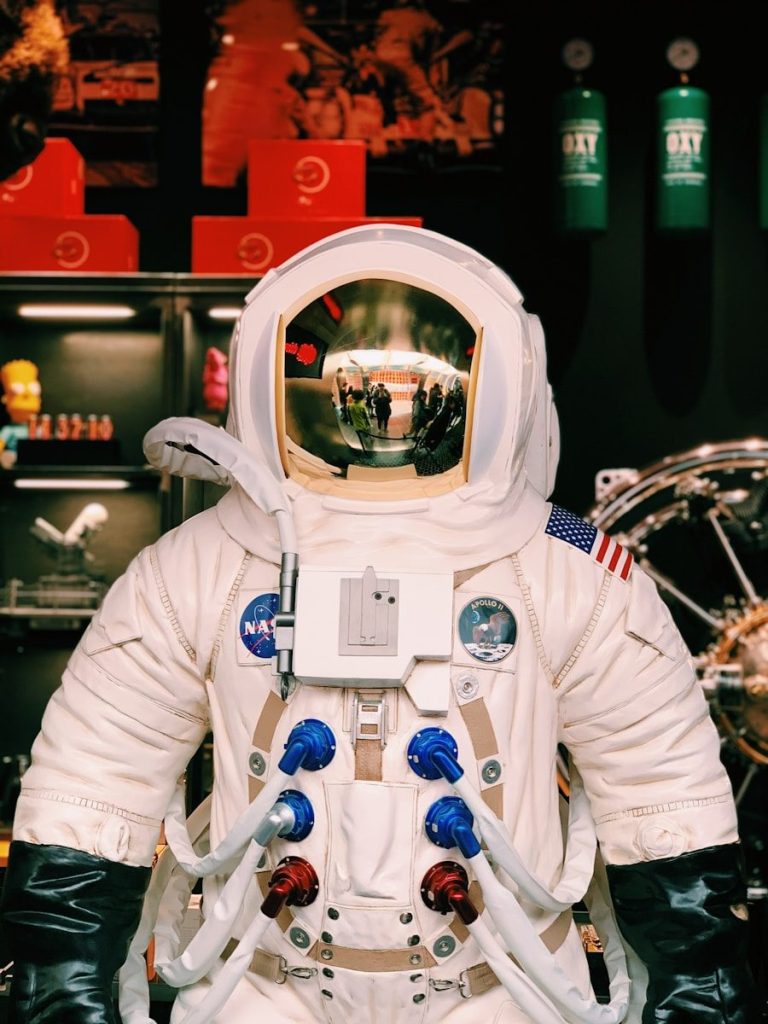
Astronauts need medical tools that are small, reliable, and easy to use far from a hospital. Those same ideas can help people in rural or hard-to-reach places on Earth.
NASA says space-based ultrasound work helped crew members with limited training capture useful medical images with support from experts on the ground. That kind of remote care can support telemedicine.
New materials improve products
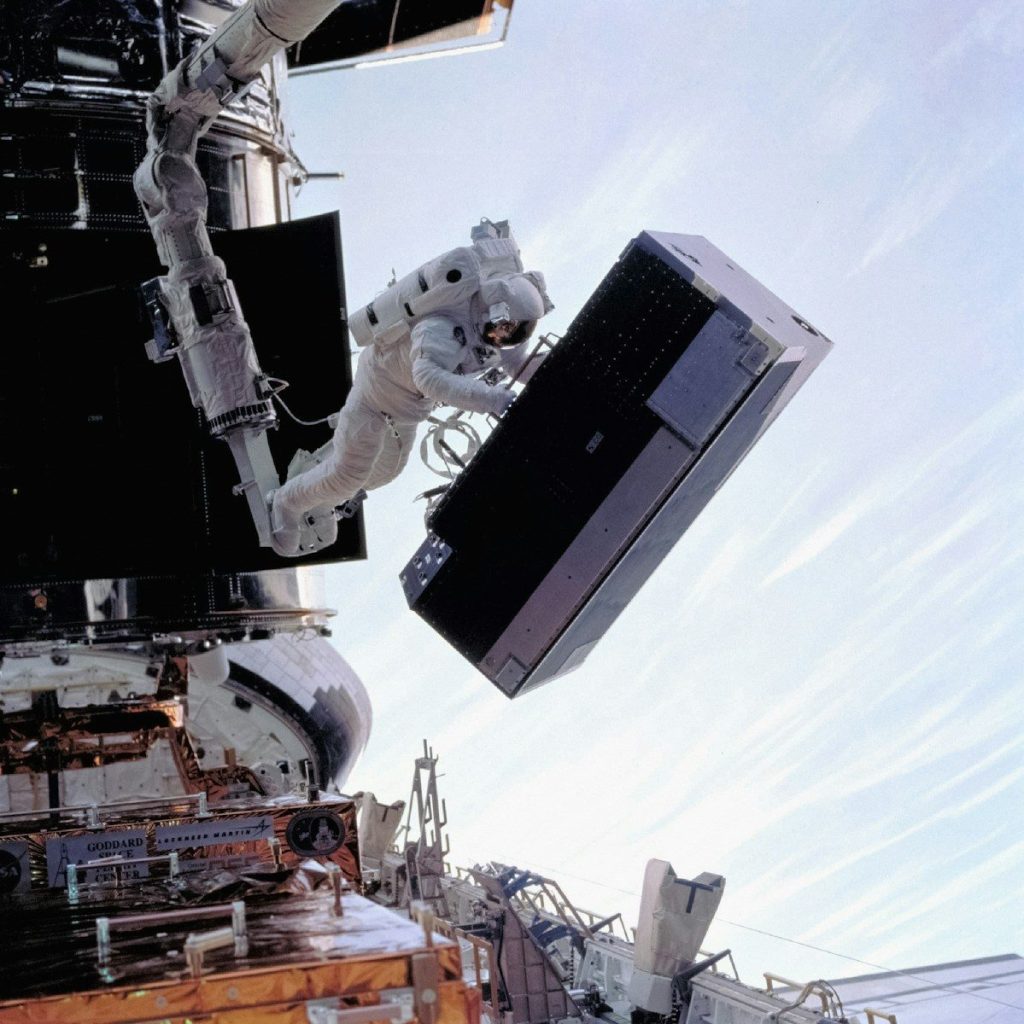
Space missions push engineers to create materials that are lighter, stronger, and better at handling heat, pressure, and stress. Those advances can later move into everyday industries.
NASA’s Spinoff program tracks technologies that began with space research and later helped life on Earth. These include commercial products in medicine, transportation, safety, energy, and more.
Space manufacturing may help
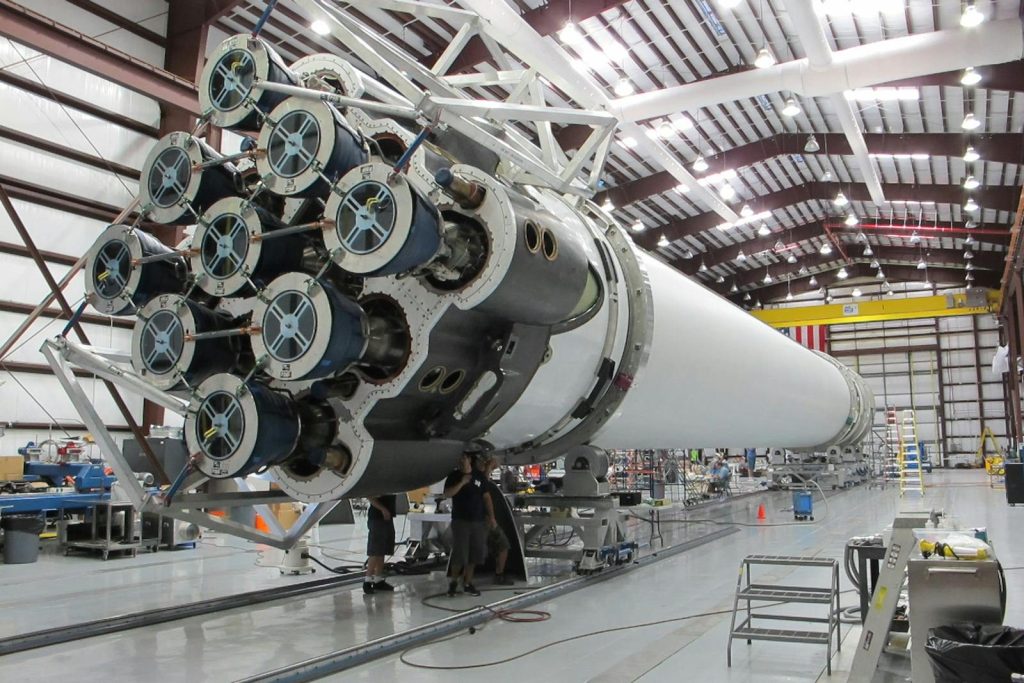
Microgravity can change how materials, crystals, and fibers form. In space, some products may be made with qualities that are difficult to create on Earth.
Researchers are exploring space manufacturing for items like advanced fibers, medical materials, and future construction parts. If costs fall, space-made products could support communications, health research, and high-performance technology.
Fs protect services

Modern life depends on satellites for weather alerts, navigation, banking time signals, internet links, and disaster tracking. Space debris can threaten those useful systems.
That is why debris tracking, collision avoidance, and future cleanup tools matter. Keeping orbit safer helps protect the satellite services people use every day, often without thinking about them.
Leave a Reply