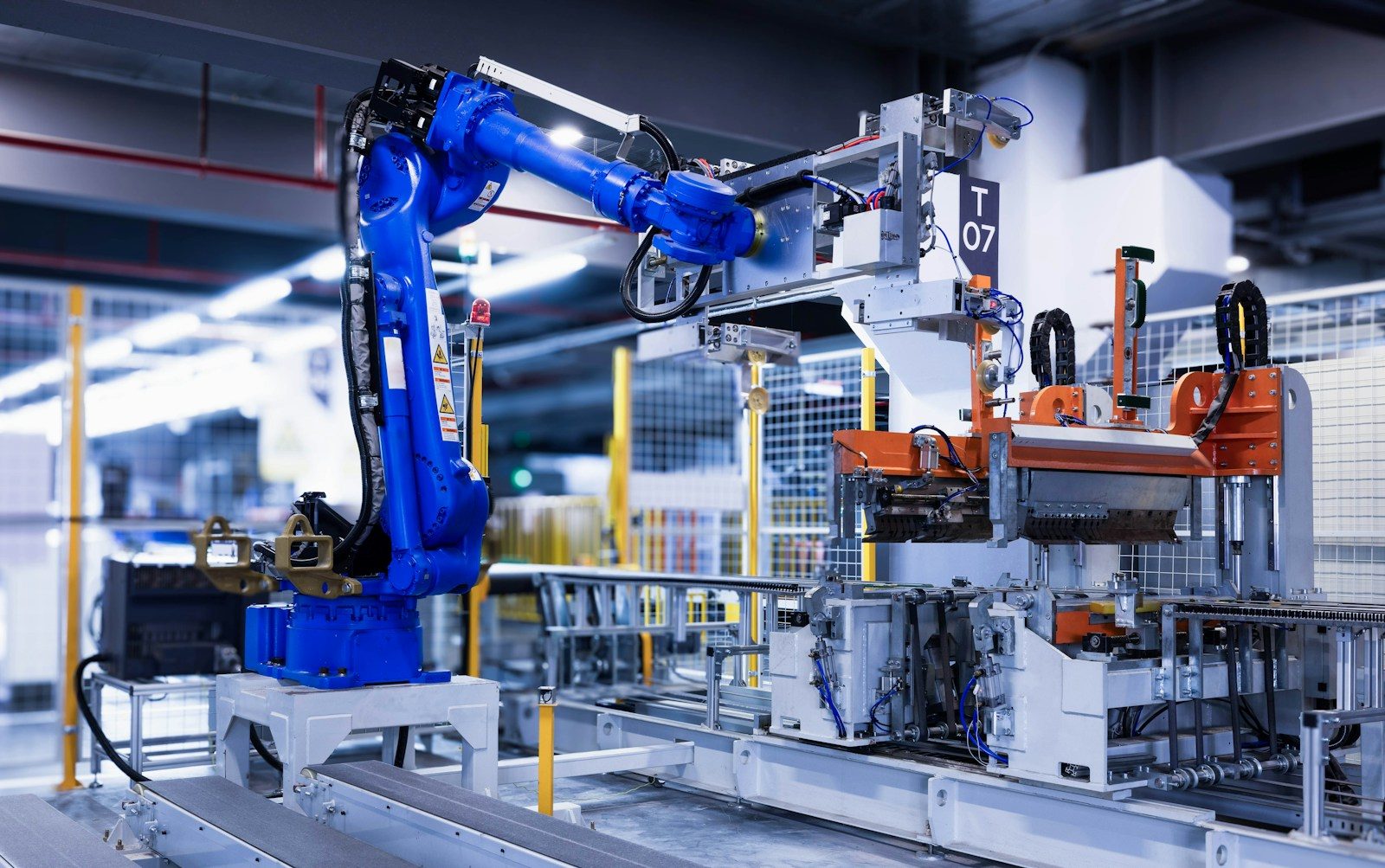
Factory work is changing, but that does not mean every person on the floor is being pushed aside. In many plants, AI is becoming a helper for planning, maintenance, quality checks, safety alerts, and training.
It can study data faster than humans, spot patterns in machine performance, and suggest fixes before small problems turn into costly shutdowns. NIST describes AI in manufacturing as a way to turn data into insight for better production, scheduling, and resource decisions.
The bigger story is not “robots versus workers.” It is how people and smart tools may work together. The World Economic Forum’s 2025 jobs report points to major workforce shifts through 2030, with technology changing both tasks and skills.
Machines spot trouble early
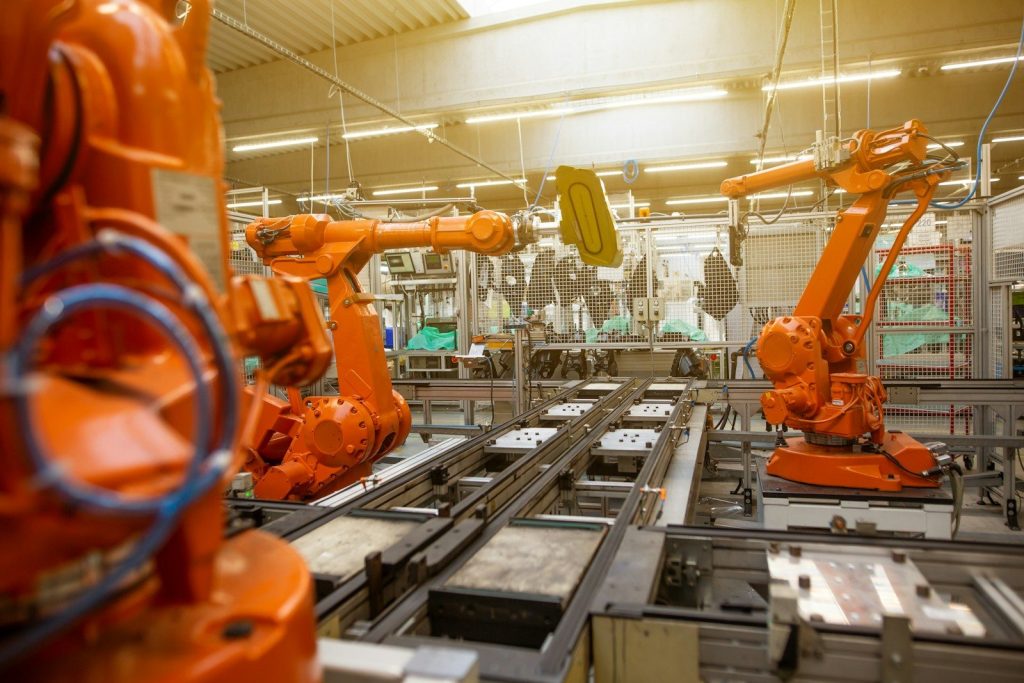
AI can help factories find signs of machine trouble before equipment breaks. Sensors collect data on heat, vibration, speed, and pressure, while AI looks for patterns that may warn of a coming problem.
That can change maintenance jobs in a big way. Instead of waiting for a machine to fail, workers may spend more time checking alerts, planning repairs, and keeping production running smoothly.
Quality checks get faster
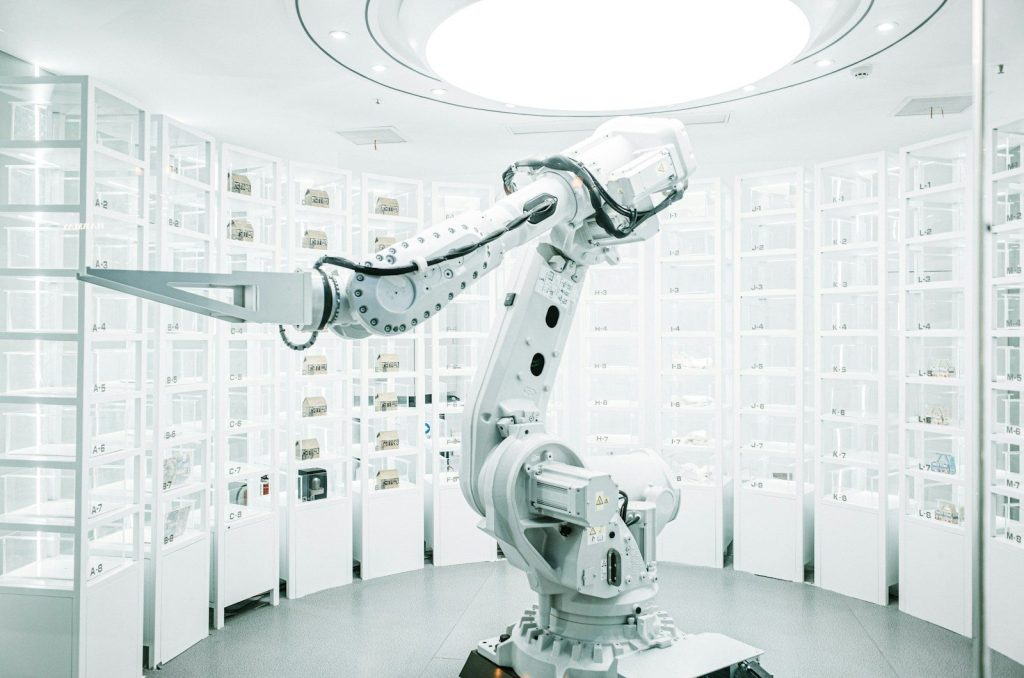
Factories often need to inspect products for tiny flaws. AI-powered cameras and software can help scan parts, packaging, or finished goods faster than manual checks alone.
This does not remove the need for skilled people. Workers still help set quality standards, review unusual cases, and decide what should happen when the system finds a problem. AI can speed up the search, while people guide the judgment.
Workers need new skills
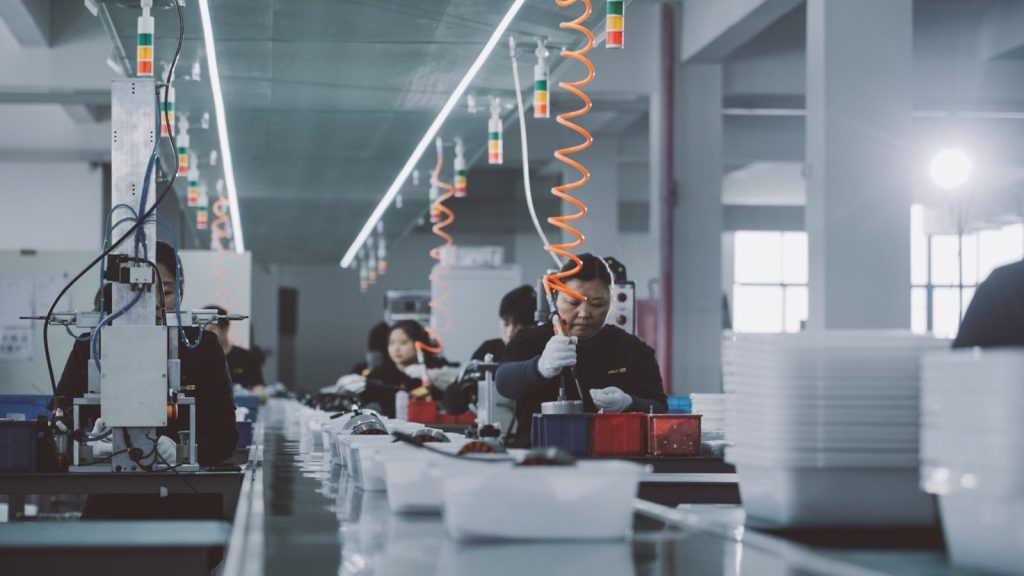
As AI tools spread, some factory jobs may require more digital comfort. Workers may need to understand dashboards, alerts, sensor readings, and simple troubleshooting steps.
That does not mean everyone needs to become a programmer. Many roles may focus on practical skills, like reading AI recommendations, checking machine data, and knowing when to call in a specialist. Training will matter as much as the technology itself.
Cobots work nearby
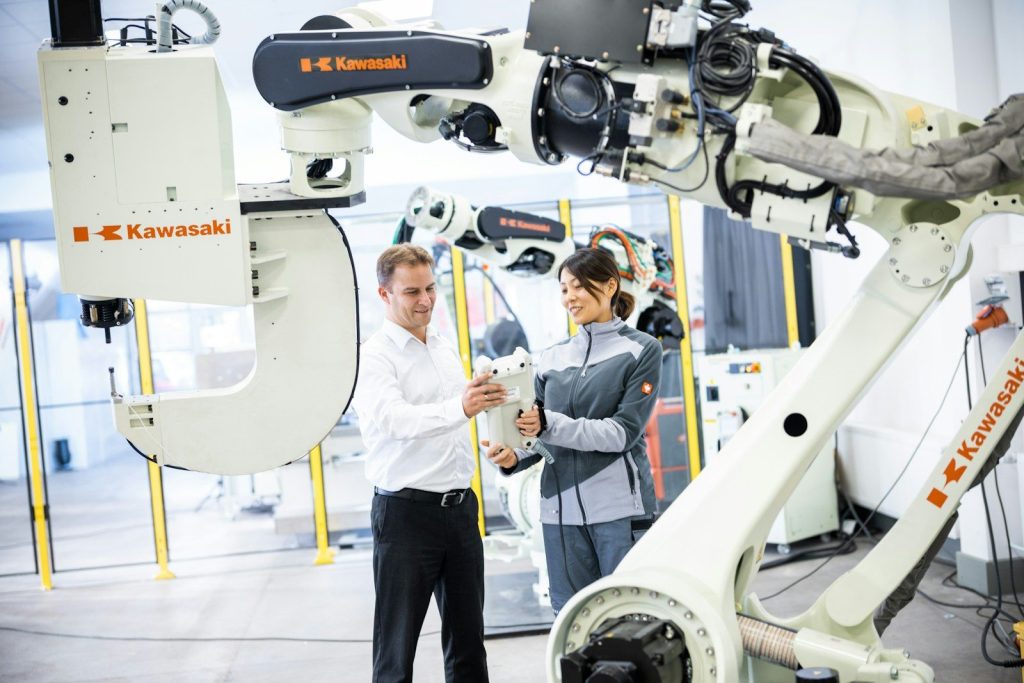
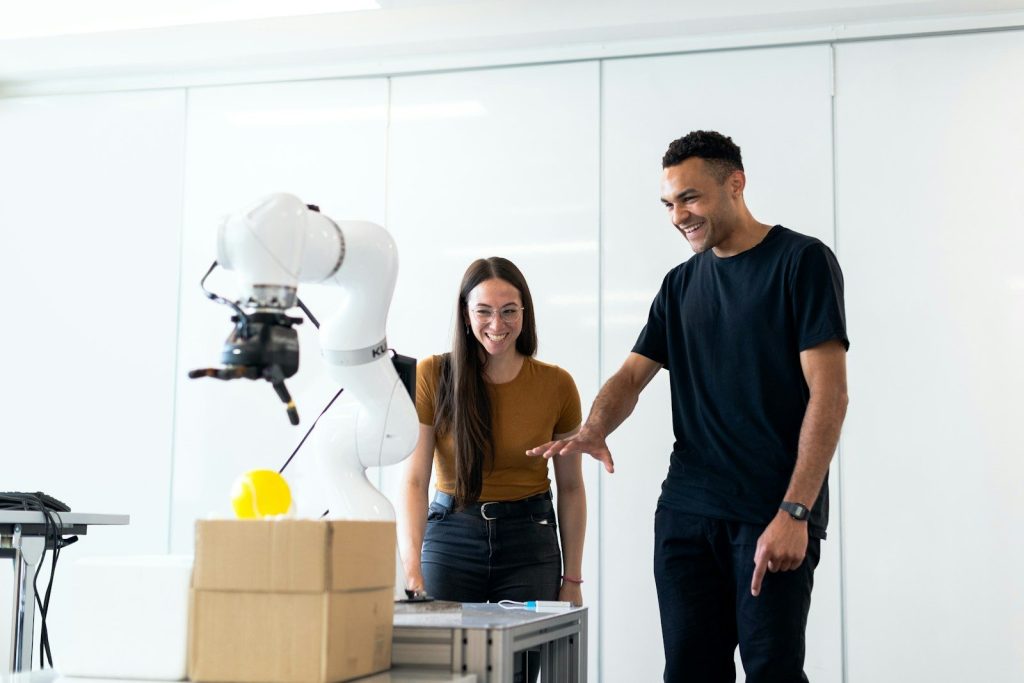
Collaborative robots, often called cobots, are designed to work around people on certain tasks. They may help with lifting, sorting, packing, or repeated motions that can be tiring over a long shift.
The International Federation of Robotics says cobots are meant to work alongside humans, and their use has grown as companies face labor shortages. That makes them tools for support, not just replacement.
Repetitive tasks may shrink
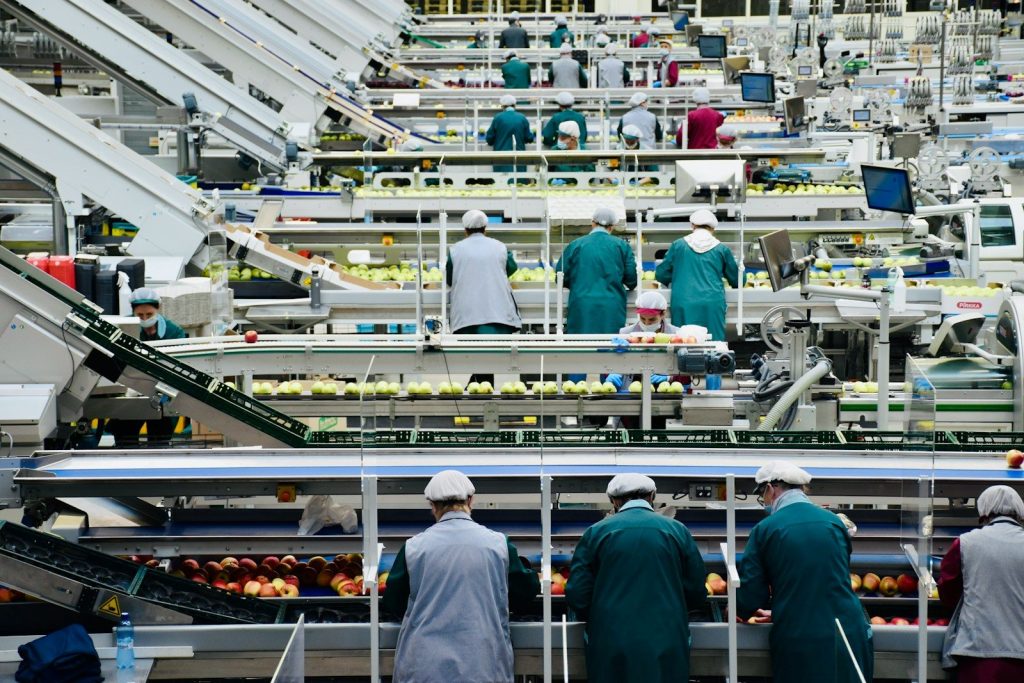
Some factory tasks are dull, repetitive, or physically demanding. AI and automation may take over parts of those jobs, especially when the steps are predictable and easy to measure.
That can free workers for tasks that need flexibility, problem-solving, and human judgment. The change may still feel stressful, so companies need clear communication and fair training plans to help people move into updated roles.
Supervisors get better data
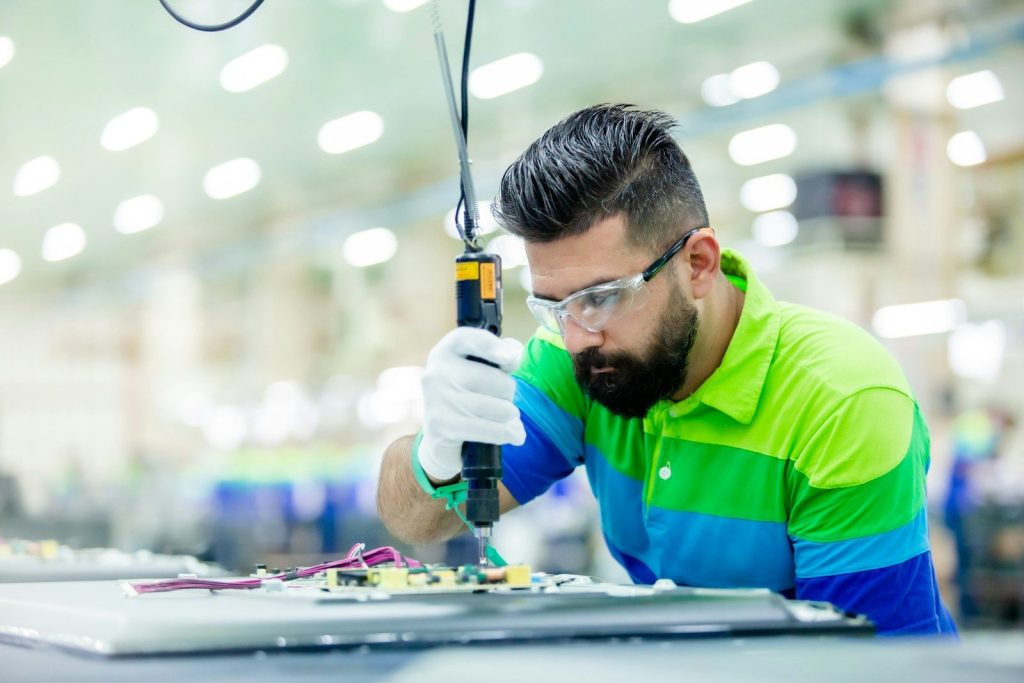
Factory supervisors often make fast decisions with incomplete information. AI can help by pulling together data from machines, orders, supply chains, and staffing schedules.
Instead of guessing where the bottleneck is, supervisors may see clearer signals on a dashboard. That can help them adjust shifts, move resources, or fix slowdowns before they affect the whole line.
Safety alerts improve
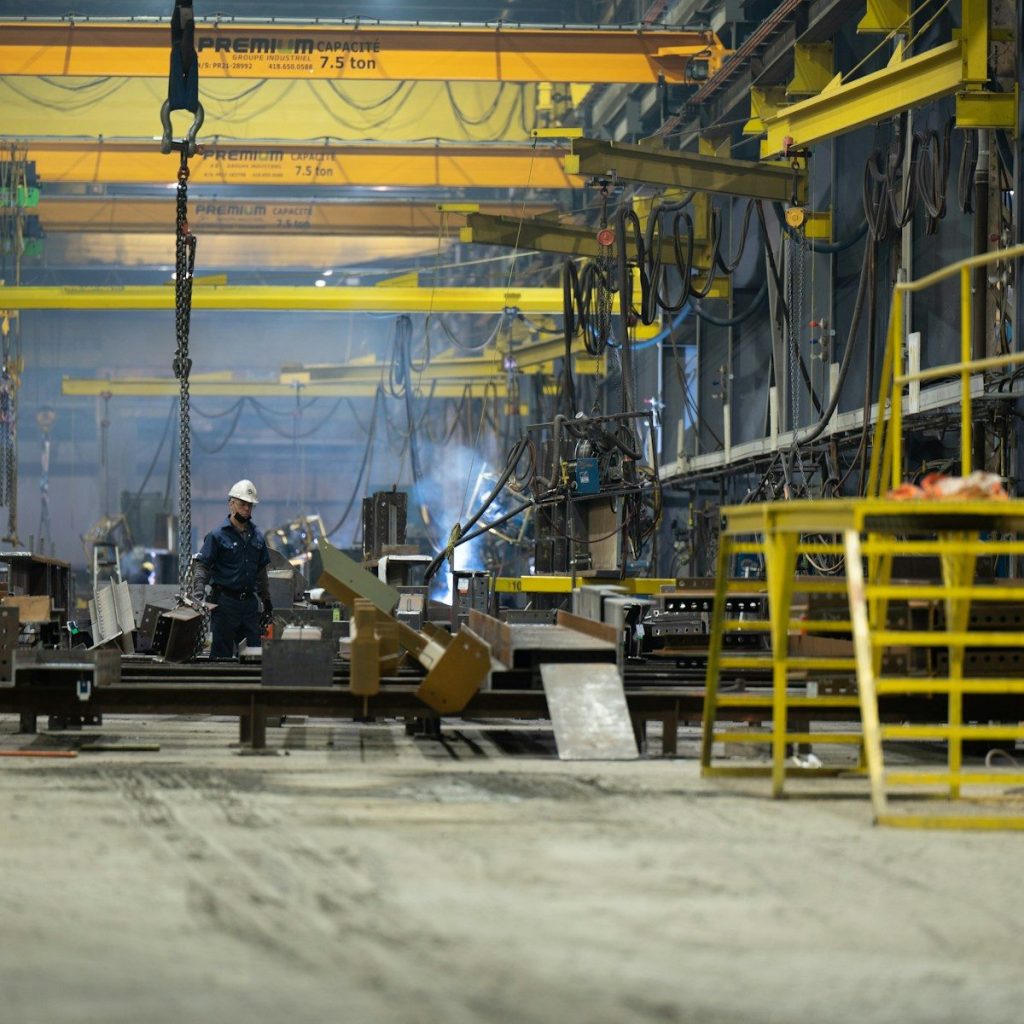
AI can support safer factories by watching for unusual machine behavior, blocked paths, missing protective steps, or unsafe patterns. It may also help track near-misses and find areas that need attention.
The goal is not to blame workers. A good safety system helps teams notice risks earlier and improve the work environment. Human safety leaders still need to review alerts and make careful decisions.
Training becomes more hands-on
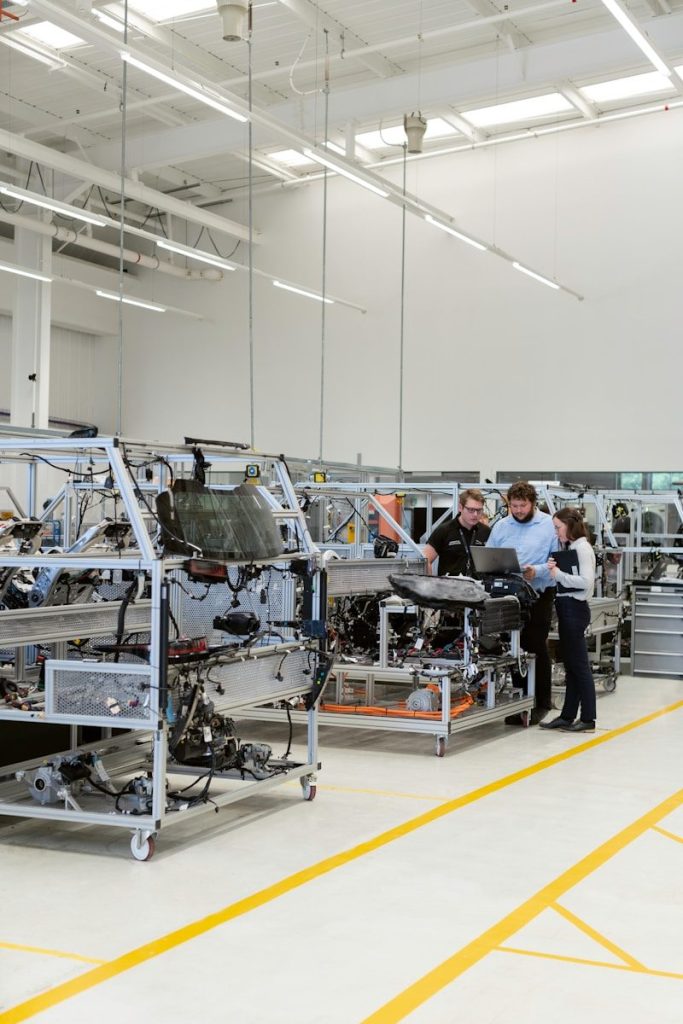
AI may change how factory workers learn. New hires could use digital instructions, smart checklists, simulations, or guided tools that explain steps while they work.
This can be useful when experienced workers retire or when plants add new equipment. Instead of learning only from manuals, workers may get real-time help that makes training more practical and less overwhelming.
Human judgment still matters
AI can find patterns, but it does not understand every factory situation the way experienced workers do. A strange noise, a rushed order, or a small process change may need human judgment.
NIST’s 2026 AI for Manufacturing workshop highlights human-AI teaming as part of future manufacturing research. That shows the focus is not only smarter machines, but better teamwork between people and systems.
The best factories will blend both
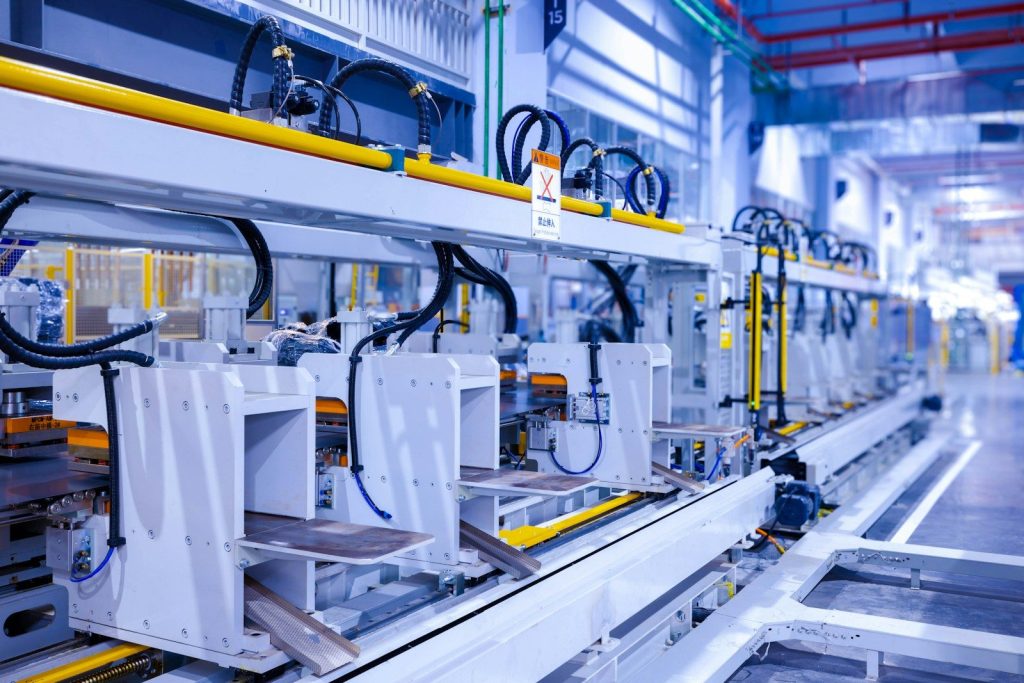
The strongest factories may not be the ones with the fewest workers. They may be the ones that use AI to support people, reduce waste, improve quality, and make jobs safer.
McKinsey has described AI’s workplace value as coming from empowering people to unlock productivity, not simply removing them from the process. For factory jobs, that means the future may depend on better tools, better training, and smarter ways to share work.
Leave a Reply