Author: Dylan

  • Why everything you were taught about the Pyramids is probably wrong

    Why everything you were taught about the Pyramids is probably wrong

    For years, we believed the Pyramids were just massive tombs built by thousands of slaves. That is the story in every textbook. But new evidence suggests that nearly everything we know might be a total myth. Archaeologists have found that the workers were, in fact, well-paid artisans. Even more shocking is that we have never found a single mummy inside the Great Pyramid itself. The accuracy of stone blocks is so perfect that a razor blade cannot fit between them. This level of mathematics was supposed to be impossible back then. Now we are looking at a mystery that points to lost technology or a much older timeline. Some experts even think that the structures were designed for energy, not burials. As we dig deeper, the ground starts to give up secrets that challenge logic. Wait until you see the truth about how they moved those massive rocks across the sand.

    The mystery of the missing mummies

    Effigy of a knight lying on a tomb.
    Photo by Andrew V on Unsplash

    If the pyramids were built as tombs, why is the Great Pyramid empty? No royal bodies were ever found inside the granite chest of the King’s Chamber. Historians often blame grave robbers, but there are no signs of forced entry in the original passages. It seems the pyramid was sealed empty from the very beginning. This has led many to believe that the “tomb” theory was just a cover-up for a much larger purpose. But the stones themselves tell an even weirder story about their alignment.

    Alignment with the stars is too perfect.

    chichen itza, mexico, pyramid, milky way, night, mayans, archaeology, archaeological site, stars, starry sky, starry night, landmark, famous, places of interest, chichen itza, mexico, mexico, mexico, mexico, mexico, pyramid
    Photo by Walkerssk on Pixabay

    The Great Pyramid is almost perfectly aligned to the true north with a tiny margin of error. It also corresponds to the positions of the stars in Orion’s Belt with dreadful accuracy. This suggests that the builders had a deep understanding of the heavens long before modern telescopes. It wasn’t merely a pile of rocks, it was a giant astronomical clock. However, the most baffling part is how they managed to cut granite without any steel tools.

    Precision cutting with lost technology

    a long hallway with paintings on the walls
    Photo by Dmitrii Zhodzishskii on Unsplash

    The King’s Chamber is built from massive red granite blocks that were shipped from 500 miles away. These blocks are so flat and square that they look machine-cut. At the time, humans only had copper saws and stone hammers. Copper is too soft to cut through granite. This suggests that the builders used a technology that has been lost to time. Some researchers are even finding circular drill marks on some of the stones. But the internal design of the pyramid is even more complex than the outside.

    Hidden chambers found with cosmic rays

    Shrine of Remembrance – Inside the pyramid” by electropod is licensed under CC BY-NC-ND 2.0

    Using advanced subatomic particles called muons, scientists have found a giant “void” inside the Great Pyramid that was never on any map. This massive hidden room is over 100 feet long. No one knows how to get inside yet, but it proves that we haven’t seen the whole picture. The pyramid is more like a giant machine than a building. Each new discovery makes the old “tomb” theory look like a fairytale. But what if the pyramid was actually a giant power plant?

    The energy generation theory

    ai generated, ancient, pyramid, temple, mystical, energy, fantasy
    Photo by ArtfulColorWorks on Pixabay

    Researchers have found that the Great Pyramid can concentrate electromagnetic energy inside its chambers. The materials used, such as limestone and dolomite, are both excellent conductors and insulators. This suggests that the structure might have been a giant wireless power station. It feels like science fiction, but the physics is beginning to check out. We might be looking at the world’s oldest battery. However, the dating of pyramids is the biggest fight in science right now.

    Rain erosion points to an older date.

    green leafed trees
    Photo by Christopher on Unsplash

    The Sphinx shows deep vertical grooves that can only be caused by thousands of years of heavy rainfall. The problem is that Egypt has been a desert for 5,000 years. This suggests the monuments were built much earlier, perhaps at the end of the last Ice Age. If this is true, our entire timeline of human history is wrong. We were advanced much earlier than we thought. But how did these early people know the exact dimensions of the Earth?

    The pyramid is a scale model of Earth.

    person walking near The Great Sphinx
    Photo by Spencer Davis on Unsplash

    If you take the height of the Great Pyramid and multiply it by 43,200, you get the polar radius of the Earth. If you multiply the base perimeter by 2, you get the Earth’s circumference. The number 43,200 is not random; it relates to the movement of the planet itself. The builders were encoding the dimensions of the world into stone. This level of knowledge is beyond the reach of “primitive” people. But the final secret is hidden in the very sand beneath our feet.

    Thousands of years of sand still hide secrets

    a lone plant in the middle of a desert
    Photo by JF Martin on Unsplash

    We have excavated only about 10 percent of the Giza plateau. Satellite scans show that dozens of other structures are still deep under the sand. We see only the tip of the iceberg. The real story of the pyramids is still to be uncovered. Every scoop of dirt could change everything we know about our past. Are you ready for the reality-bending truth about how your own brain tricks you?

    Featured Image: Photo by Walkerssk on Pixabay

  • Is your brain lying to you? The “Mandela Effect” examples that will haunt you

    Is your brain lying to you? The “Mandela Effect” examples that will haunt you

    Have you ever been 100 percent sure about a memory, only to find out the entire world says you are wrong? Millions of people share identical “false” memories of things that never happened. Thistex called the Mandela Effect. It got its name when people around the world swore they remembered Nelson Mandela dying in prison in the 1980s. In reality, he lived until 2013. This isn’t just a simple mistake; it’s a mass psychological phenomenon that makes people question the fabric of reality. Is it a glitch in the matrix, a parallel universe, or a manufacturing flaw in the human brain? As we look at these famous examples, you will start to feel the ground shift beneath you. You won’t believe how many things you have “remembered” perfectly that never existed.

    The Monopoly Man lost his monocle.

    family playing board games
    Photo by National Cancer Institute on Unsplash
    Picture the Monopoly man in your head right now. Does he have a monocle? Most people say yes. They remember him as a fancy gentleman with a small glass lens over one eye. Check your old game boxes. He has never worn a monocle in any game. People might be confusing him with Mr. Peanut, but the memory is so strong that many swear they saw it on the box last week. But wait until you see what happened- Nistar, the famous electric mouse.

    Pikachu has a plain yellow tail.

    A yellow toy with eyes and a nose pointing at something
    Photo by Rainer Eli on Unsplash
    Millions of Pokémon fans remember Pikachu having a black tip on his tail. They can even draw it from memory. But if you look at any official artwork from the last 25 years, his tail is solid yellow with a bit of brown at the base. There is no black tip. Fans have searched through every episode and every card, but the black-tipped tail is nowhere to be found. It is a shared memory that has no basis in physical reality. But the grocery store holds even more disturbing surprises.

    It was always the Berenstain Bears.

    a book shelf filled with lots of children's books
    Photo by Zoshua Colah on Unsplash
    This ishumaugget has broken most people’s brains. Do you remember the “Berenstein” Bears with an “E”? Most people do. They remember the catchy song and the name on the cover ending in “stein.”x thutsi booksic pa always been spelled “Berenstain” with an “A.” People have old VHS tapes and childhood books, and “A” is always there. It feels like someone went back in time and changed a single letter. But the kitchen pantry is just as confusing.

    There is no dash in KitKat.

    brown chocolate bar on black table
    Photo by Towfiqu barbhuiya on Unsplash
    Look at a KitKat bar. Is there a dash between the “Kit” and the “Kat”? Many people remember a small hyphen connecting the two words. They remember the logo as “Kit-Kat.” But in reality, it’s always following just “KitKat” with no dash at all. It looks naked and wrong to millions of people. It is a tiny detail that feels like a massive error in our collective memory. Also, movies are where the Mandela Effect really takes over.

    Darth Vader never said Luke, I am your father.

    silhouette of man during sunset
    Photo by Vesky on Unsplash
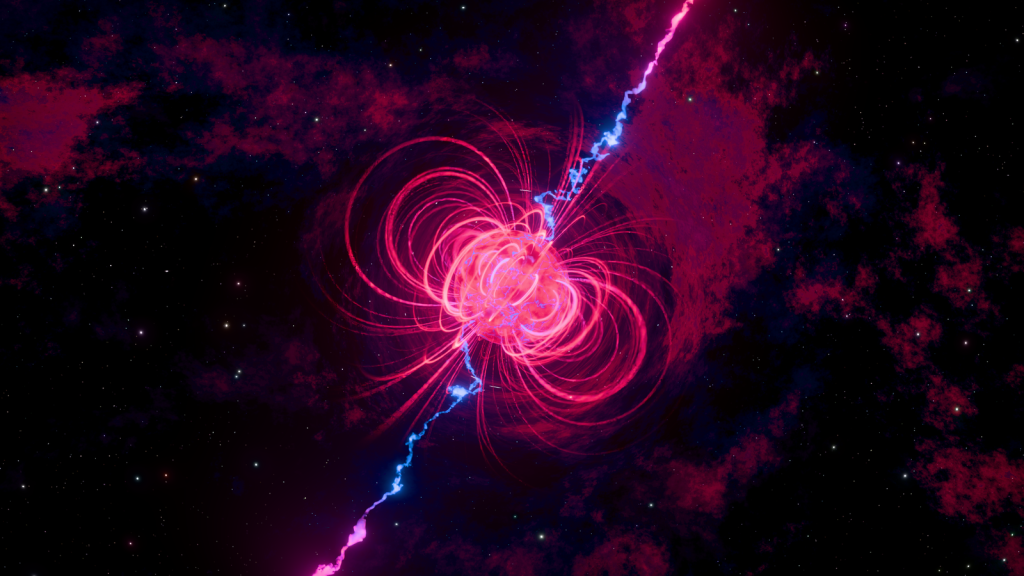
    It is the most famous movie quote of all time, and it’s wrong. Most people quote the line as “Luke, I am your father.” Even the actor who voiced it has said it that way in interviews. But in the actual movie, the line is “No, I am your father.” Darth Vader never says the name Luke during that revelation. Our brains have rewritten the movie to make the quote more recognizable. But the mirror on the wall has an even scarier secret.

    Mirror, mirror on the wall is a lie.

    Ornate gilded mirror with carved floral details
    Photo by The Cleveland Museum of Art on Unsplash
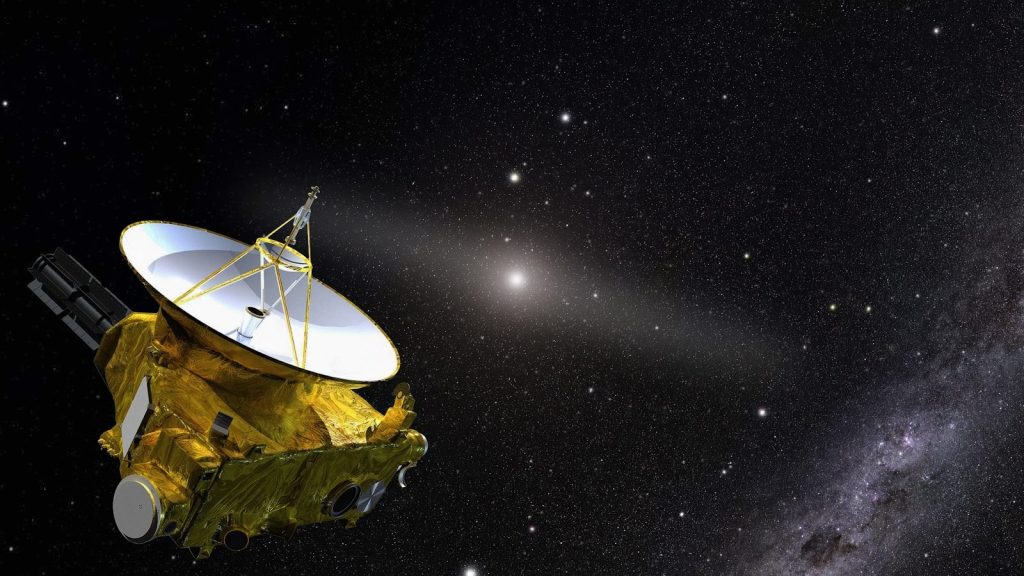
    In the Disney movie Snow White, everyone remembers the Queen saying, “Mirror, mirror on the wall.” It is a staple of childhood. But go back and watchs:// original 1937 film. The Queen actually says, “Magic mirror on the wall.” The famous “mirror, mirror” line never happens. It is a mass delusion that has replaced the original script in our minds. But are you ready to see the places on Earth that no human is allowed to visit? Multiply the Great Pyramid by 43,200, and you get the polar radius of the Earth. If you multiply the base perimeter by 2, you get the Earth’s circumference. The number 43,200 is not random; it relates to the movement of the planet itself. The builders were encoding the dimensions of the world into stone. This level of knowledge is beyond the reach of “primitive” people. But the final secret is hidden in the very sand beneath our feet.

    Featured Image: Photo by Placidplace on Pixabay

  • The 8 forbidden places on Earth that no human is allowed to visit.

    The 8 forbidden places on Earth that no human is allowed to visit.

    Earth is more connected than ever, but there are still “black spots” on the map where you can never go. These are the forbidden places—islands, caves, and vaults that are strictly off-limits to the general public. Some are guarded by the military, while others are protected by nature itself. If you try to set foot in these locations, you could face arrest, or worse, you might never come back. These spots hold secrets that the world isn’t ready to see. From deadly animals to ancient diseases, the reasons for these bans are often terrifying.

    While you can see them on Google Earth, you can never experience them in person. They are the last true mysteries of our planet. Governments and international laws keep these sites locked away to protect either us or the environment. But some of these bans aren’t for our safety—they’re meant to protect a way of life that has remained the same for 30,000 years. Let’s start with the most dangerous island in the Indian Ocean.

    The island that will kill you on sight

    Lush green island with a prominent peak under cloudy sky.
    Photo by Adam Greer on Unsplash
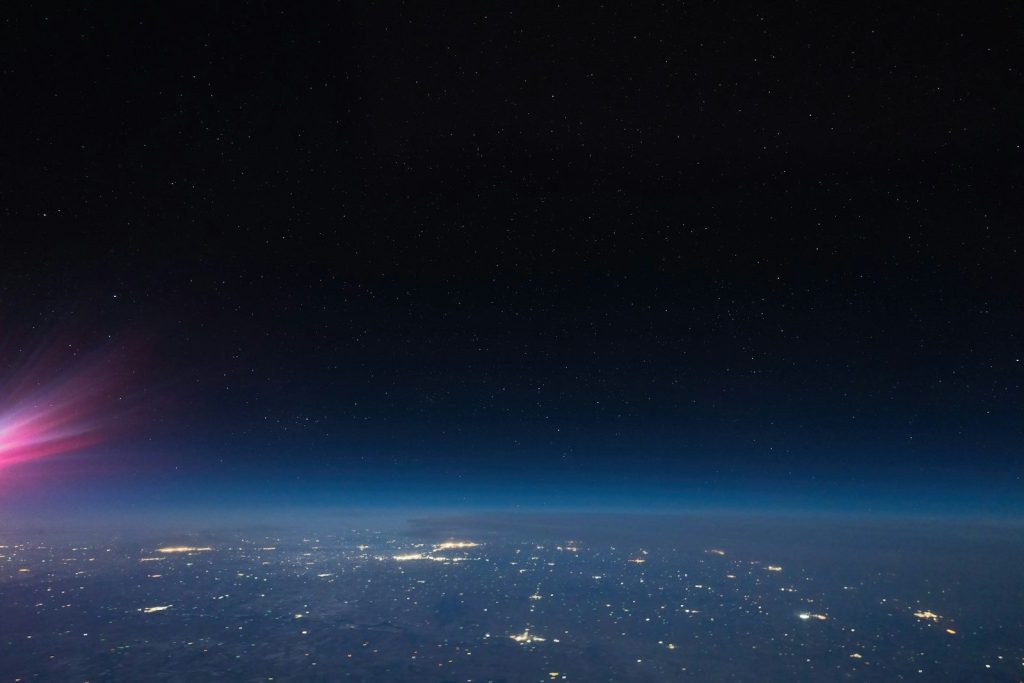
    North Sentinel Island is home to the Sentinelese people, one of the last “uncontacted” tribes on Earth. They have lived there in total isolation for tens of thousands of years. They are extremely hostile to outsiders and will fire arrows at anyone who approaches. The Indian government has banned all travel within five miles of the island to protect the tribe from our diseases and to keep travelers from being killed. It is a place where time has literally stopped. But wait until you see the island that is reserved for the birds.

    A volcanic birth that is strictly off limits

    brown and black mountain under white clouds
    Photo by Tetiana GRY on Unsplash
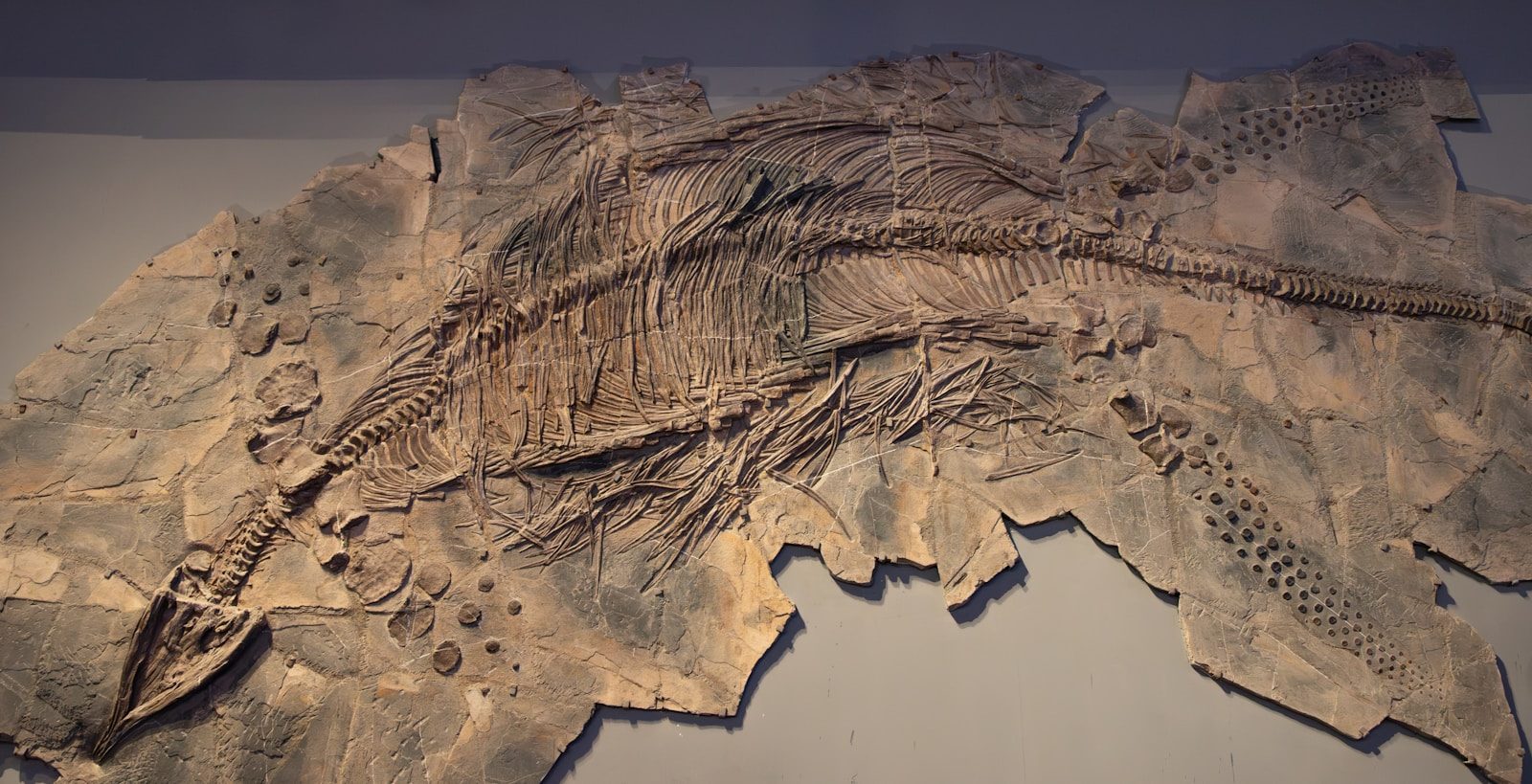
    Surtsey Island in Iceland didn’t even exist before 1963. It was created by a massive underwater volcanic eruption. Now, it is used as a giant laboratory to see how life starts on a new island without human interference. Only a few select scientists are allowed to visit, and they must follow strict rules—no seeds or bacteria may be brought in. One scientist was famously kicked out for accidentally growing a tomato plant from a discarded snack. But the next island on our list is full of literal monsters.

    The island where snakes rule the world

    green viper
    Photo by David Clode on Unsplash
    Ilha da Queimada Grande, also known as Snake Island, is located off the coast of Brazil. It is home to thousands of Golden Lancehead vipers, one of the world’s deadliest snakes. Their venom is so strong it can melt human flesh. There is roughly one snake for every square meter of land. The Brazilian Navy has banned all civilians from the island for their own safety. It is a place where you are never more than three feet away from a painful death. But some forbidden places are hidden under the ground.

    The vault was built for the end of the world

    snow covered mountains
    Photo by Zeke Tucker on Unsplash
    Deep inside a mountain on a remote island in the Arctic sits the Svalbard Global Seed Vault. It is designed to survive a nuclear war or a global catastrophe. It holds millions of seeds from every country on Earth, acting as a “backup drive” for our food supply. The vault is built to last 1,000 years and is strictly off-limits to everyone except the scientists who run it. It is the ultimate insurance policy for humanity. But some underground places are banned to save the past.

    Art that is too fragile for human breath

    a rock with a painting of a man and a dog on it
    Photo by René Riegal on Unsplash
    The Lascaux Caves in France contain some of the most beautiful prehistoric art ever found. For years, tourists flocked to see the 17,000-year-old paintings. But the carbon dioxide from human breath started to grow mold on the walls, destroying the art. The caves were permanently closed to the public in 1963. Today, a perfect replica exists nearby, but the real cave remains a silent, dark tomb for the past. But what if the forbidden place is guarded by the military?

    The most famous secret in the desert

    Winding road through a desert landscape with mountains.
    Photo by Jake Kling on Unsplash
    Area 51 is a US Air Force facility in Nevada that officially doesn’t exist on most maps. While the government says it’s just a testing ground for experimental aircraft, the high security and secret hangars have led to decades of UFO rumors. If you try to cross the border, you will be met by armed guards and high-tech surveillance. It is the most heavily guarded piece of dirt on the planet. But you won’t believe the “haunted” island that Italy had to close down.
    The island of the plague ghosts

    temple, overgrown, old, building, foggy, path, ruin, ai generated, temple, temple, temple, ai generated, ai generated, ai generated, ai generated, ai generated
    Photo by Alan_Frijns on Pixabay

    Poveglia Island in Italy has a dark history. It was used as a quarantine station for the bubonic plague and later as a mental asylum. It is rumored that 160,000 people died there, and their ashes make up 50% of the island’s soil. The Italian government has banned all tourism and travel to the island due to its dangerous ruins and dark reputation. It is widely considered the most haunted place on Earth. But wait until you see the drink you should stop having in the morning.

    Featured Image: Photo by Timon Reinhard on Unsplash

  • Why you should stop drinking coffee the second you wake up

    Why you should stop drinking coffee the second you wake up

    For millions of people the first thing they do after opening their eyes is reach for a cup of coffee. It feels like the only way to begin the day. But doctors and sleep experts are now warning that this habit actually makes you more tired. Drinking coffee the second you wake interferes with your body’s natural energy cycle. Instead of giving you a boost, it can lead to a huge crash in the afternoon. It turns out that your body has its own “natural caffeine” that you accidentally turn off.

    By changing the timing of your first cup, you can stay more alert and avoid the dreaded brain fog. It is a simple life hack that most people are doing completely wrong. If you want to maximize your energy, you have to work with your hormones, not against them. Once you understand how your body actually wakes up, you will never look at your morning brew the same way again. But the first secret lies in a hormone called cortisol.

    The cortisol spike you are missing

    woman sitting on white bed while stretching
    Photo by bruce mars on Unsplash

    When you wake up, your body releases a massive burst of cortisol. This is the “alertness hormone” that naturally wakes you up and gets you moving. When you drink caffeine during this peak, your brain thinks it doesn’t need to produce as much cortisol on its own. This makes you more dependent on coffee to feel normal. You are essentially telling your body to stop working. But wait until you see what happens to your caffeine tolerance.

    Building a wall against the buzz

    A table topped with lots of cups and saucers
    Photo by Karl Moore on Unsplash

    By drinking coffee when your cortisol is already high, you build a much faster tolerance to caffeine. This means you need more and more coffee just to get the same effect. Before you know it, you are drinking four cups a day just to keep your eyes open. This “tolerance trap” is the main reason why people feel like coffee “stops working” for them. If you wait just a little longer, the buzz will be much more powerful. But there is a hidden dehydration problem, too.

    Waking up in a desert

    three clear drinking glass on table
    Photo by Janosch Lino on Unsplash

    You have just gone 8 hours without water. Your body is naturally dehydrated when you wake up. Coffee is a diuretic, which means it makes you lose more water. Starting your day with coffee is like trying to put out a fire with gasoline. It stresses your kidneys and can lead to headaches and fatigue. Drinking a large glass of water first will actually wake you up faster than any cup of joe. But the blood sugar secret is even more shocking.

    The blood sugar roller coaster

    a plate of food and a Glucometer on a table
    Photo by Sweet Life on Unsplash

    Drinking coffee on an empty stomach can cause a massive spike in your blood sugar levels. This triggers an insulin response that can lead to weight gain and inflammation. Even if you don’t add sugar to your coffee, the caffeine itself tells your liver to release stored glucose. This creates a “sugar high” followed by a deep crash. This is the main reason you feel hungry and grumpy by 10:00 AM. But wait until you see the afternoon crash waiting for you.

    The 2 PM energy wall

    a man sitting at a desk with his head in his hands
    Photo by Vitaly Gariev on Unsplash

    Caffeine works by blocking “adenosine,” the chemical that makes you feel sleepy. When you drink coffee early, the adenosine keeps building up in the background. As soon as the caffeine wears off around lunch, all that sleepiness hits you at once. This is the “2 PM slump” that ruins your productivity. If you wait to have your coffee, you can spread out the energy boost more evenly. But what if the greatest library in history never burned down?

    The perfect time for your first cup

    white ceramic mug on white table
    Photo by Thomas Park on Unsplash

    So when should you drink it? Most experts say the sweet spot is between 9:30 and 11:30 AM. This is when your cortisol levels naturally drop. By having your coffee then, you give your body a boost when it actually needs it, rather than overriding its natural systems. You will find that you need less coffee to stay alert. It is a complete game changer for your productivity. But you will not believe how different the world would be if Alexandria’s library still stood.

    Featured Image: Photo by allison christine on Unsplash

  • What if the Library of Alexandria had never burned down? 8 ways the world would be different

    What if the Library of Alexandria had never burned down? 8 ways the world would be different

    The destruction of the Library of Alexandria is widely considered one of the greatest cultural losses in human history. It was one of the ancient world’s greatest repositories of knowledge, housing an extraordinary collection of scrolls from across the Mediterranean world. When it was lost – gradually, through war, neglect, and political upheaval – centuries of accumulated learning in science, mathematics, and medicine disappeared with it. Some popular historians and science writers have speculated that preserved ancient knowledge could have accelerated technological development by centuries, though the full extent is widely debated. Here are 8 ways the world might look unrecognizable today if that knowledge had remained safe.

    Steam power in the ancient world

    Colosseum arena photography
    Photo by David Köhler on Unsplash

    The Greeks actually invented a primitive steam engine called the aeolipile. At the time it was regarded as little more than a novelty, with no obvious practical application. But if the engineering knowledge housed in Alexandria had survived and been built upon, the principles behind it could have been developed into large-scale industrial machinery far earlier than the 18th century. We might have seen steam-powered ships and mechanized production while the Roman Empire was still at its height, potentially bypassing more than a thousand years of exclusively manual labor.

    Safe surgery 2000 years ago

    Antique tools including a mallet and calipers
    Photo by Alexandre Daoust on Unsplash

    Ancient physicians were already performing surprisingly sophisticated procedures, including early forms of brain surgery and eye operations. They had access to herbal compounds with anesthetic properties and rudimentary antiseptic techniques, knowledge that was largely forgotten for centuries after classical civilization declined. Had this foundation been preserved and developed, the understanding of infection and surgical safety could have emerged far earlier, potentially saving countless lives lost to preventable complications throughout the medieval period.

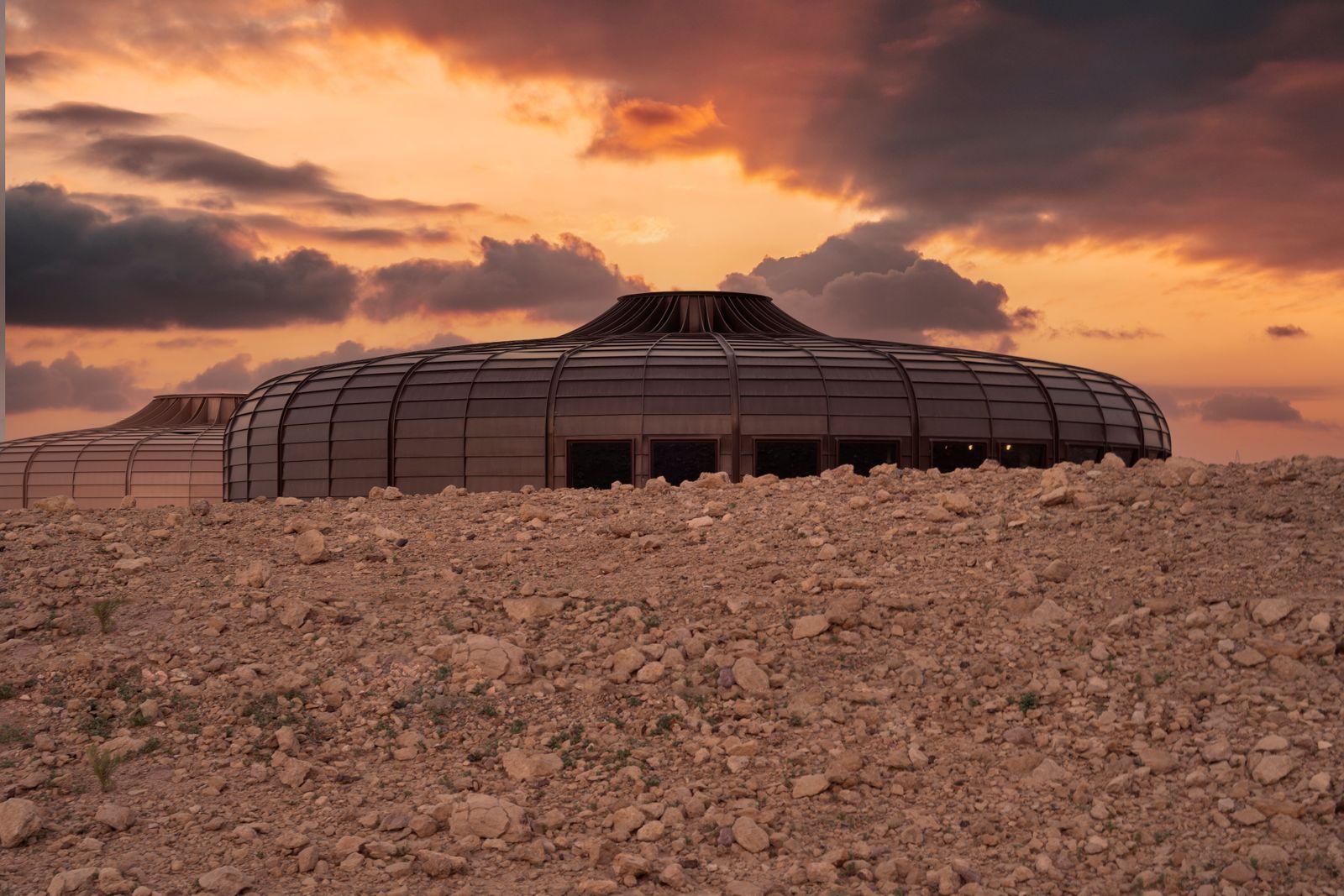
    We would be a multi-planet species.

    a group of domes sitting on top of a rocky hillside
    Photo by Dmitry Grachyov on Unsplash

    Ancient astronomers had already established that the Earth was spherical and calculated its circumference with impressive accuracy. They were making careful observations of planets and star systems. If that astronomical knowledge had been continuously developed rather than rediscovered, the tools and theories needed for advanced space exploration could have emerged centuries earlier than they did. It’s a striking thought: the cosmic journey humanity is only now beginning could have been underway long ago.

    The end of the Dark Ages

    a very old book with some writing on it
    Photo by Boudewijn Huysmans on Unsplash

    The period following the collapse of the Western Roman Empire saw the loss of practical knowledge that had underpinned classical civilization, including techniques for building with concrete, systems for water purification, and frameworks for urban governance. Much of this was not recovered for centuries. If a central repository of that knowledge had survived, the continuity of learning might never have been broken. Europe could have remained more connected, educated, and technically capable throughout the early medieval period.

    Calculus and computers in the Renaissance

    steampunk, clock, clockwork, time, ancient, history, past, round, timepiece, time machine, transient, steampunk, clock, clock, clock, time, time, time, time, time, ancient, history, history, history
    Photo by 3209107 on Pixabay

    Historians recovered a remarkable artifact known as the Antikythera Mechanism, a 2,000-year-old device of extraordinary mechanical complexity, capable of tracking astronomical cycles with precision. Nothing comparable was produced again for over a millennium. If the design principles behind such devices had been preserved and refined, the development of mechanical and eventually digital computation could have begun far earlier than it did. The implications for science, navigation, and communication are difficult to overstate.

    Planetary mapping before the compass

    map illustration
    Photo by Nik Shuliahin 💛💙 on Unsplash

    Ancient geographers had already developed sophisticated methods for mapping the known world. If that cartographic tradition had continued uninterrupted, knowledge of global ocean currents, coastlines, and trade routes could have been established well before the European age of exploration. International trade and contact between distant cultures might have become routine centuries earlier, with profound effects on how human civilization developed.

    The search for the lost scrolls

    papyrus, hieroglyphs, ancient egyptian, egyptian, writing, old, document, scroll, text, write, story, historical, papyrus, papyrus, papyrus, papyrus, papyrus, egyptian, egyptian, scroll, scroll, scroll
    Photo by WikiImages on Pixabay

    Historians note that the Library of Alexandria was not destroyed in a single catastrophic event. It declined over time through a combination of military conflict, political indifference, and deliberate suppression. Some researchers believe the most significant scrolls may have been removed before the final decline and could survive in unknown locations. Whether or not that proves true, the library’s story remains a powerful reminder of how fragile accumulated knowledge can be and how much depends on the choices societies make about preserving it.

    A reminder for today

    The story of Alexandria is more than ancient history. It raises questions that are urgently relevant now: How do we protect knowledge? Who controls access to it? What do we lose when institutions that preserve learning are neglected or destroyed? The most dangerous thing in the world may not be a weapon. It may be the erasure of an idea.

    Featured Image: Photo by micheile henderson on Unsplash