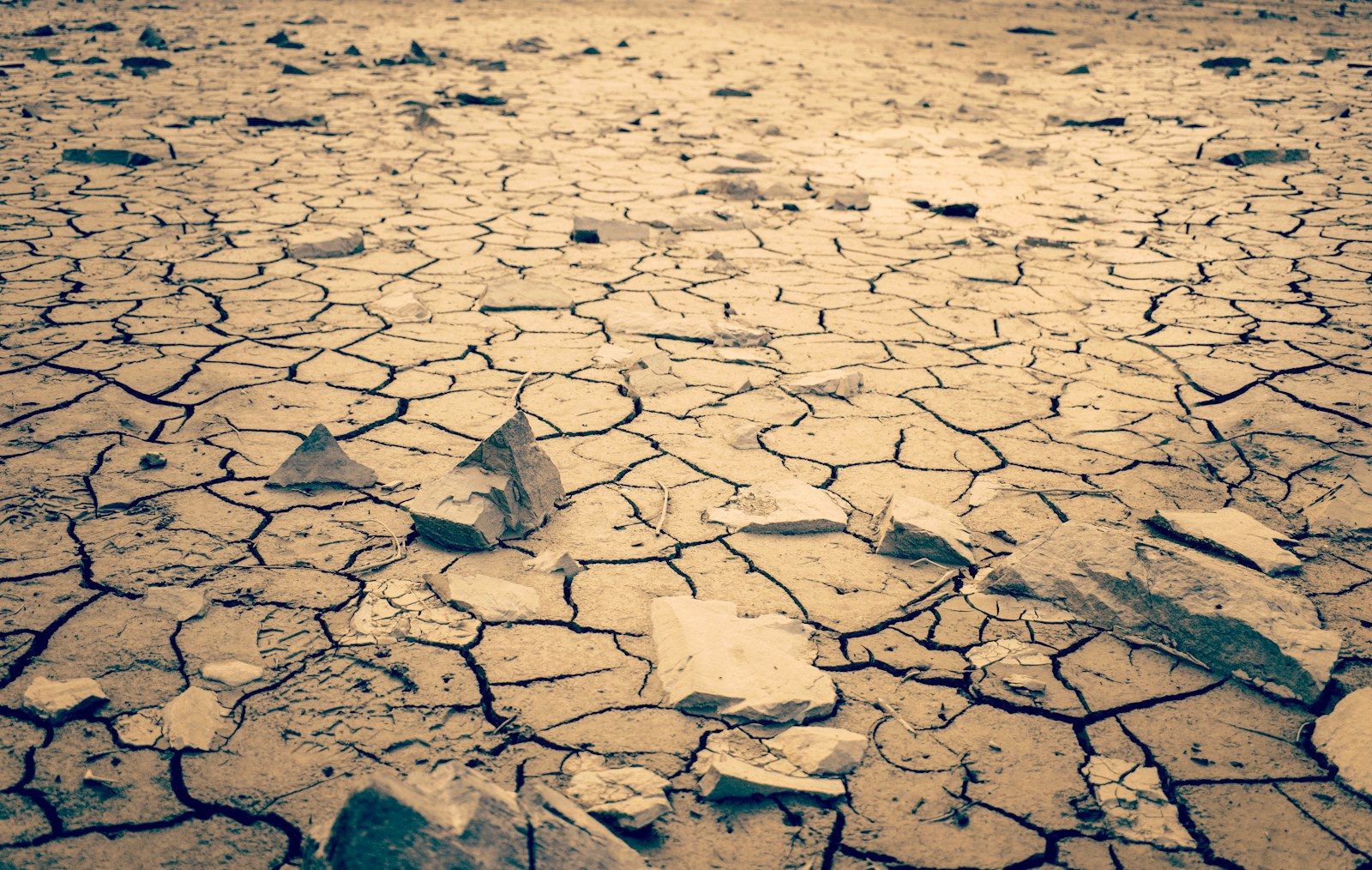
Most people assume that mass extinction events only happen during rare asteroid impacts or volcanic catastrophes. We think of ancient dinosaurs disappearing millions of years ago.
But biological surveys reveal that Earth is currently undergoing a massive loss of species driven by human activity. Leading ecologists warn that a global biodiversity crisis is happening right now.
Scientists Compare Modern Extinction Rates With the Fossil Record

Biologists track how quickly species disappear by comparing present loss rates to historic fossil records. The baseline natural rate is normally very low. According to research published in Science Advances, vertebrate extinction rates over the last century are up to one hundred times higher than normal. Species disappear every year. But understanding the main drivers of this drop required deep ecological studies.
Habitat Loss Is Driving Wildlife Populations Down
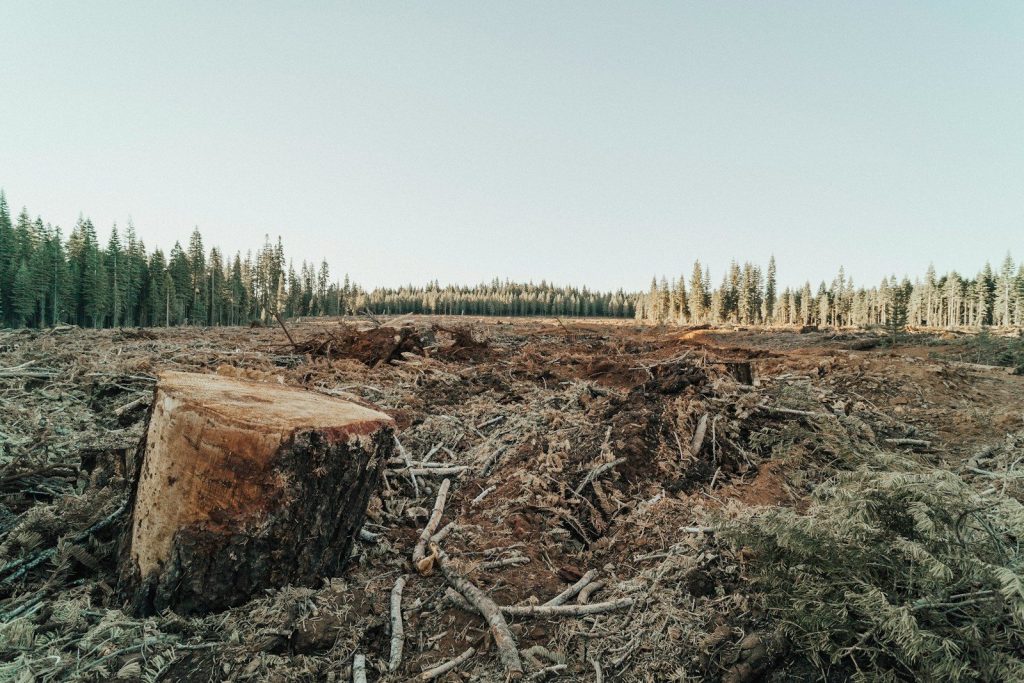
Forests, grasslands and wetlands are converted into farmland and urban centers at an unprecedented pace. Wild animals lose the space needed to feed and reproduce. According to report findings from the World Wildlife Fund, habitat destruction remains the single largest driver of global wildlife decline. Natural ecosystems are shrinking. Yet habitat fragmentation creates secondary problems that accelerate species loss.
Losing Pollinators and Predators Disrupts Food Webs

When key predator or pollinator species vanish, entire ecosystems lose structural stability and balance. Small changes trigger cascading die-offs across interconnected biological webs. According to ecological papers in Proceedings of the National Academy of Sciences, losing insects severely impacts bird populations worldwide. Food chains are fragile. But climate shifts are compounding these environmental pressures even further.
Climate Change Is Pushing Species Beyond Their Limits
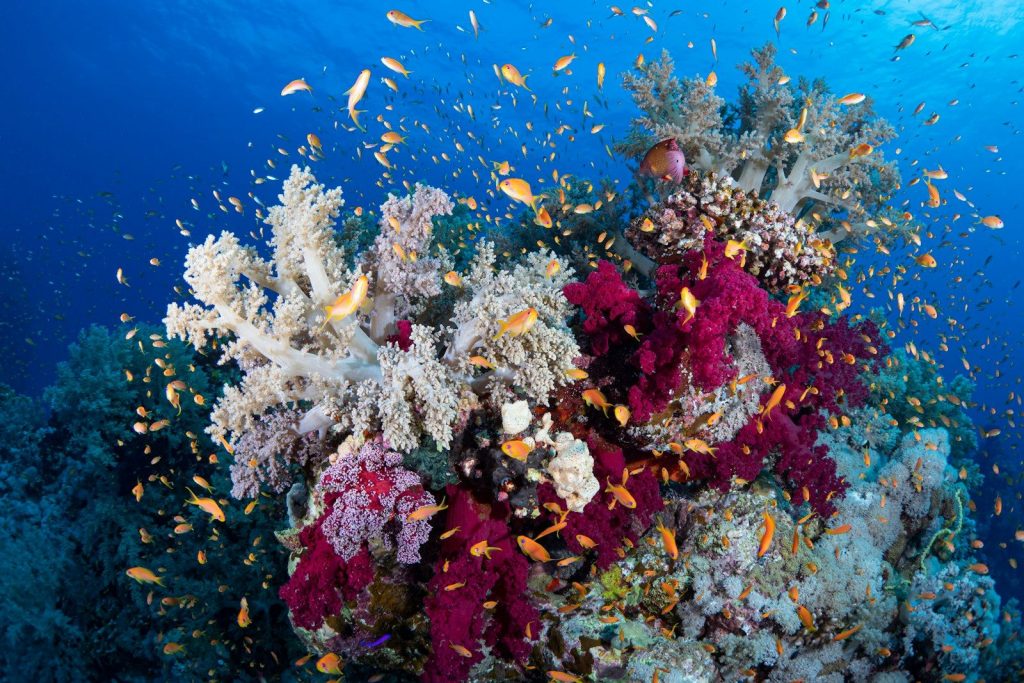
Rapidly changing weather patterns force animals to migrate into new territories to survive rising temperatures. Species unable to adapt fast enough face steep population crashes. According to climate reports from the Intergovernmental Panel on Climate Change, ocean warming is causing widespread coral bleaching worldwide. Marine life suffers greatly. Yet pollution adds another severe toxic layer to ocean environments.
Pollution Threatens Wildlife in Oceans, Rivers, and Soil

Industrial agricultural runoff and plastic waste choke waterways and alter soil chemistry globally. Microplastics accumulate inside marine life forms from plankton to whales. According to research from the United Nations Environment Program, chemical pollutants endanger thousands of freshwater aquatic species today. Toxins spread through water. But invasive species also threaten isolated native wildlife ecosystems.
Invasive Species Overwhelm Native Plants and Animals
Global shipping transports non-native plants and animals across natural geographical barriers into fragile habitats. Local species often lack defenses against foreign predators or diseases. According to biological survey reports, invasive species played a major role in nearly half of all recorded animal extinctions. Native populations collapse rapidly. Yet conservation biologists argue that stopping this decline remains entirely possible.
Protected Habitats and Wildlife Corridors Support Recovery
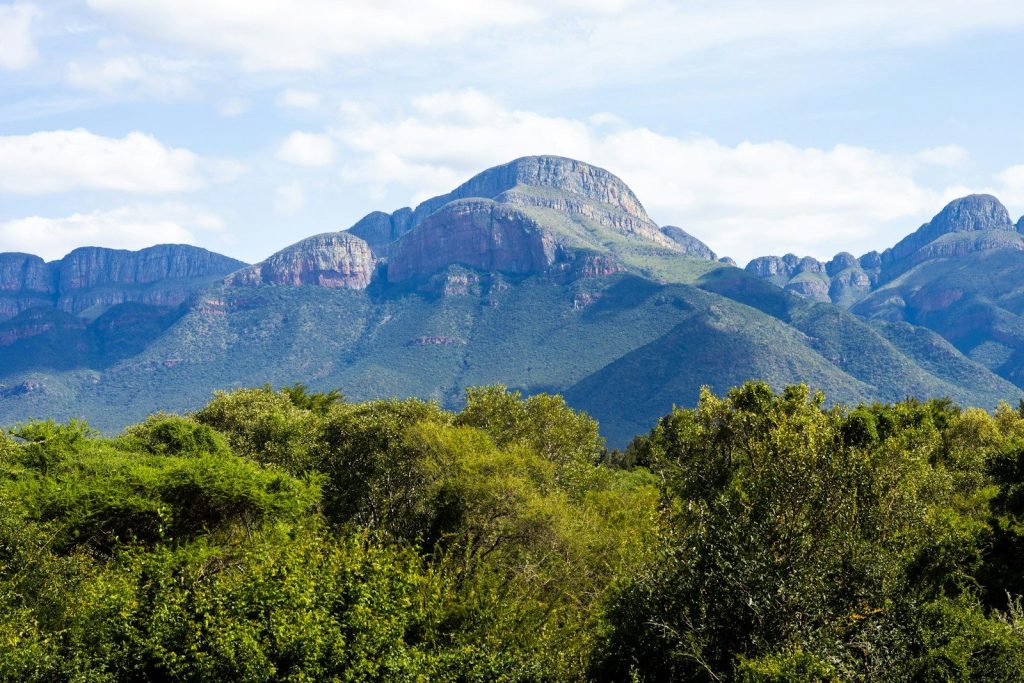
Protecting critical habitats through expanded nature reserves gives threatened wildlife a chance to recover naturally. Reforestation projects help rebuild lost biological corridors. According to policy agreements from the UN Biodiversity Conference, nations aim to protect thirty percent of land and oceans by 2030. Restoration efforts are underway. But saving Earth’s biodiversity requires immediate sustained global cooperation.
Conservation Has Prevented Some Species From Disappearing

Recognizing the warning signs of a sixth mass extinction gives humanity the knowledge needed to alter our impact on the biosphere. Protecting biodiversity secures clean water, food systems, and stable planetary climate systems for future generations. According to global ecological assessments, targeted conservation actions have already saved dozens of rare animal species from total extinction. This article is for informational purposes only.
Featured Image: Photo by Joshua Woroniecki on Unsplash
Leave a Reply