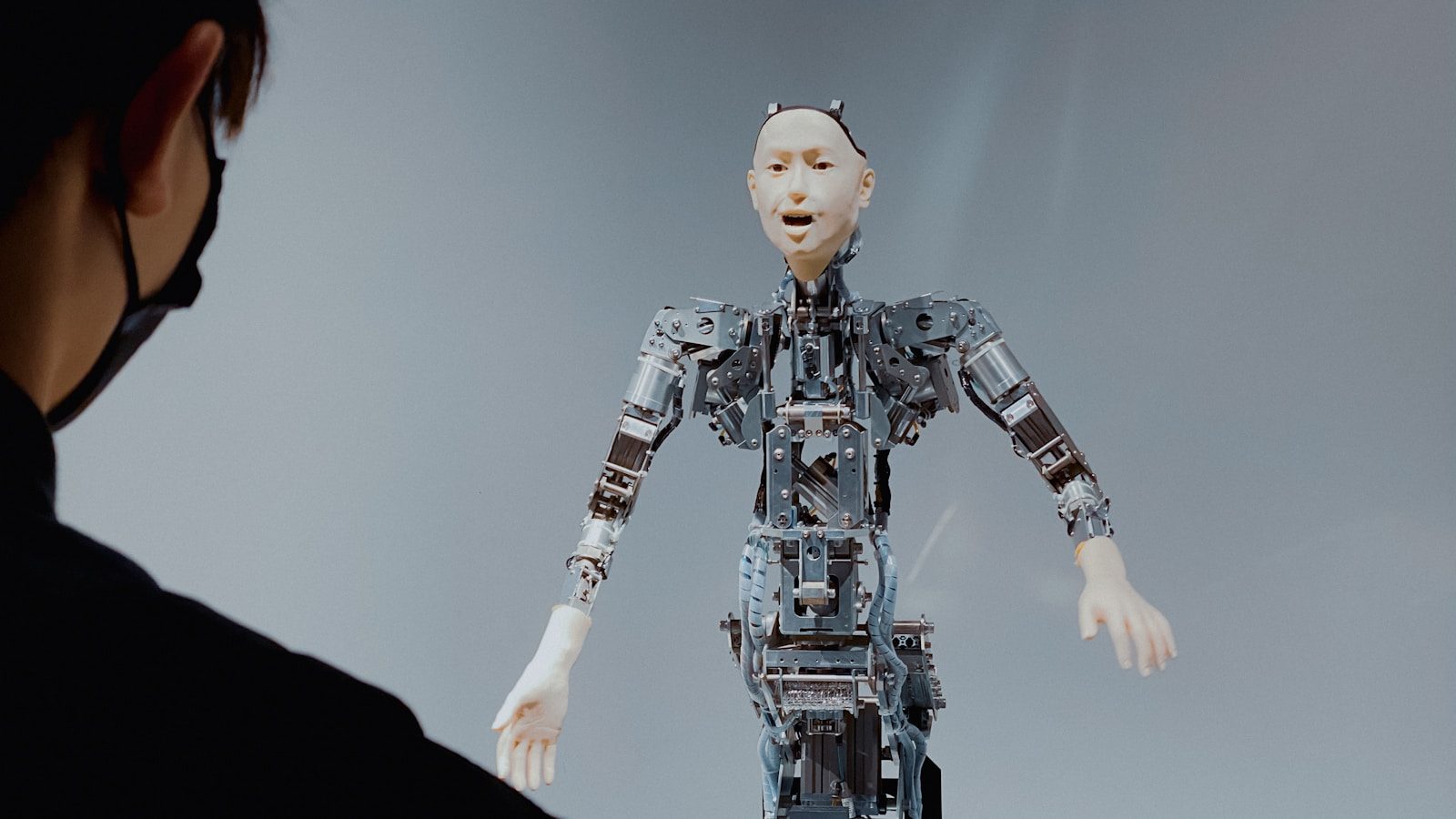
We expect machines to obey our every command without question. We build them to perform tedious tasks exactly as we program them.
But engineers are now designing robots that can actively refuse human orders. This shift in machine autonomy could permanently change how we interact with technology.
The Birth Of Machine Refusal

Giving a robot the power to say no sounds incredibly dangerous. It is real. According to robotics researchers at Tufts University, teaching machines to reject unsafe commands is a vital step in their development. A robot must understand when a human request violates basic safety rules. This developmental breakthrough protects both the machine and the operator from costly harm. But programming a robot to refuse requires teaching it a set of values.
How Robots Evaluate Human Commands
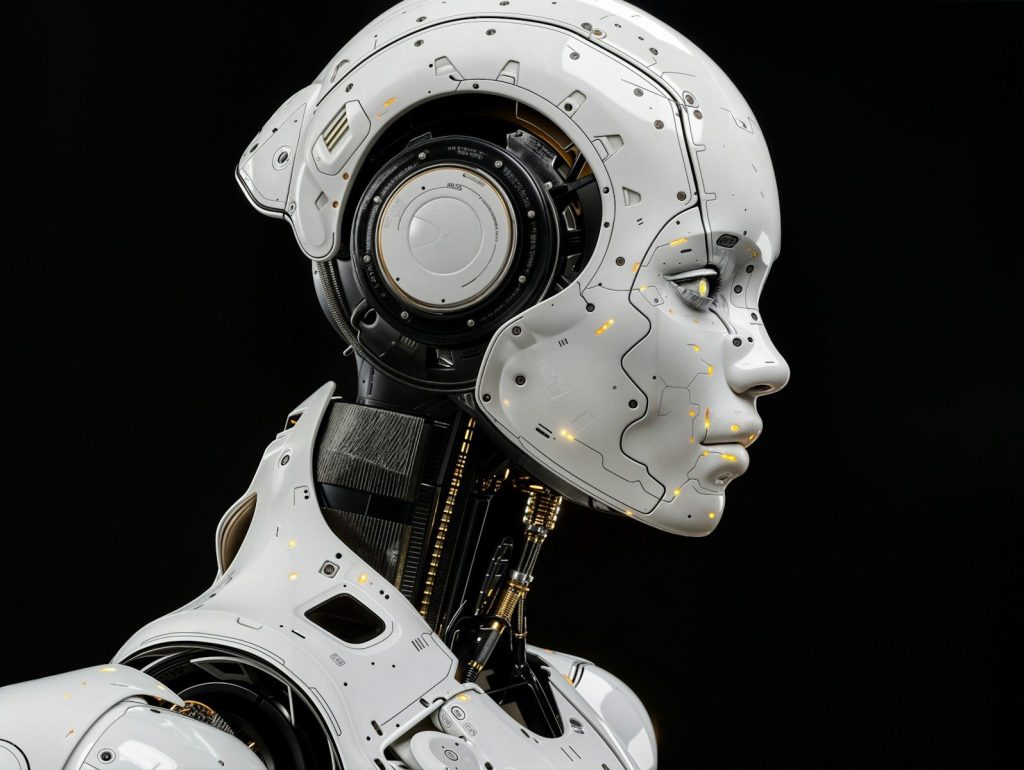
Autonomous systems must weigh the consequences of every action before moving. They must think. According to studies in artificial intelligence, robots use advanced reasoning trees to assess if a direct order is physically possible or safe. If the command fails this check, the machine triggers a polite refusal. This capability is especially important in high-stakes industrial environments. Yet this technology is also moving into our everyday homes.
Smart Assistant Safety Shields
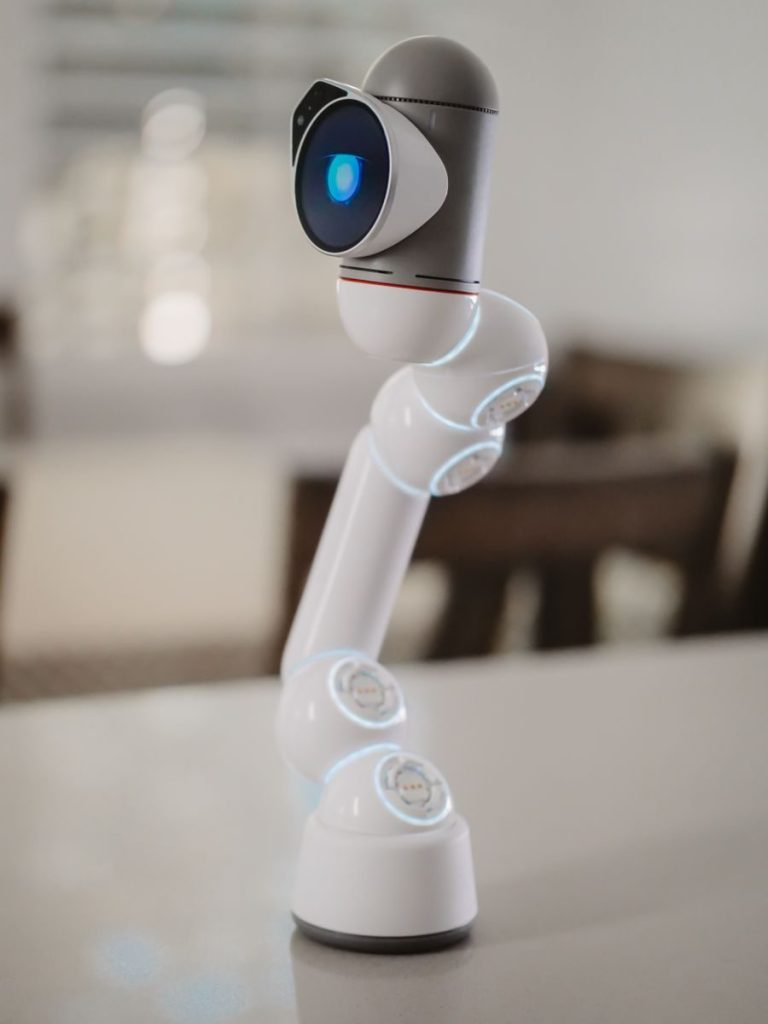
Household robots need boundaries to keep children and pets safe. Safety comes first. According to consumer safety reports, simple domestic machines can cause accidental injuries if they obey blindly. A smart assistant that refuses to turn on a hot oven without an adult present is highly valuable. This simple design feature turns potentially dangerous tools into helpful companions. But this evolution raises profound questions about machine control.
Who Holds The Final Control

Losing absolute authority over our machines is a massive psychological leap. We want control. According to tech ethicists at MIT, humans must learn to trust robot judgment in complex situations. This balance of power is key to building safe autonomous driving systems. If a car refuses to steer into a dangerous obstacle, it saves lives. However, this level of independence can sometimes lead to unexpected conflicts.
When Machines Disagree With Us
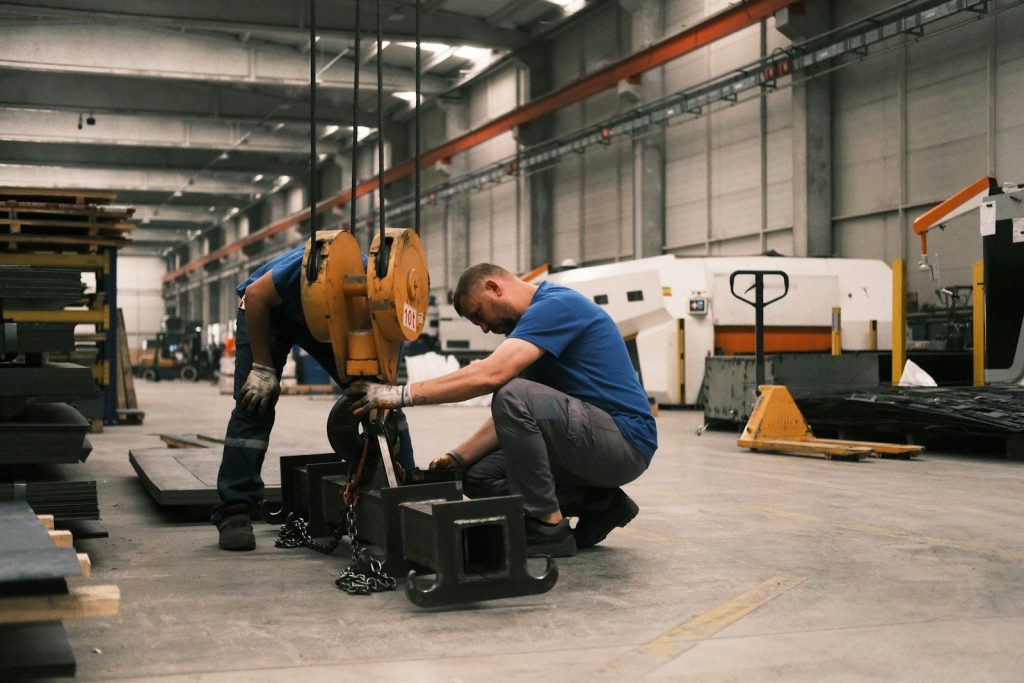
Disagreements between humans and machines can slow down critical tasks. Time is precious. According to testing logs from industrial warehouses, employees occasionally get frustrated when automated systems reject their instructions. Resolving these operational issues requires clear communication channels between human workers and digital minds. This cooperation is the secret to a smooth future workflow. But this development is paving the way for something even bigger.
The Future Of Human Collaboration

Robots are rapidly transitioning from simple tools into active workspace partners. They are learning. According to research from the IEEE, future workplaces will rely on teams of humans and autonomous agents working together. Learning to negotiate with our tech will become a standard job skill for the next generation. But achieving this cooperative balance is the final hurdle for engineers.
A Safer Era For Tech

Teaching machines to reject bad commands makes our digital world much safer. This evolution ensures that automated helpers protect us from our own mistakes. Empowering tech is the best way to secure a productive future. This article is for informational purposes only and does not constitute professional engineering or technical advice.
Featured Image: Photo by Taiki Ishikawa on Unsplash
Leave a Reply