Most people believe that human aging is a natural process that cannot be stopped. We accept that our bodies inevitably break down over time.
But breakthrough medical research into cellular biology is challenging those traditional limits. Scientists are now testing therapies that could dramatically extend human healthspan.
Scientists Study the Cellular Causes of Human Aging
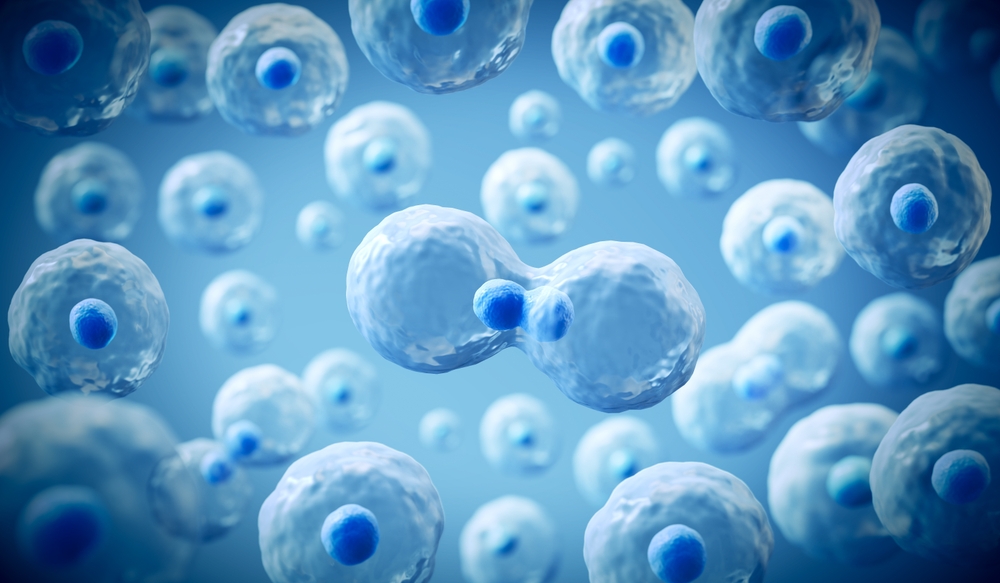
Biologists traditionally treated age-related illnesses as separate medical conditions. Modern anti-aging science treats cellular decay as the root cause of disease. According to research published in Nature Aging, cellular reprogramming can restore youthful function to damaged tissues. Testing is advancing rapidly. But researchers first had to pinpoint what actually triggers aging inside our cells.
Senescent Cells Build Up and Damage Healthy Tissue
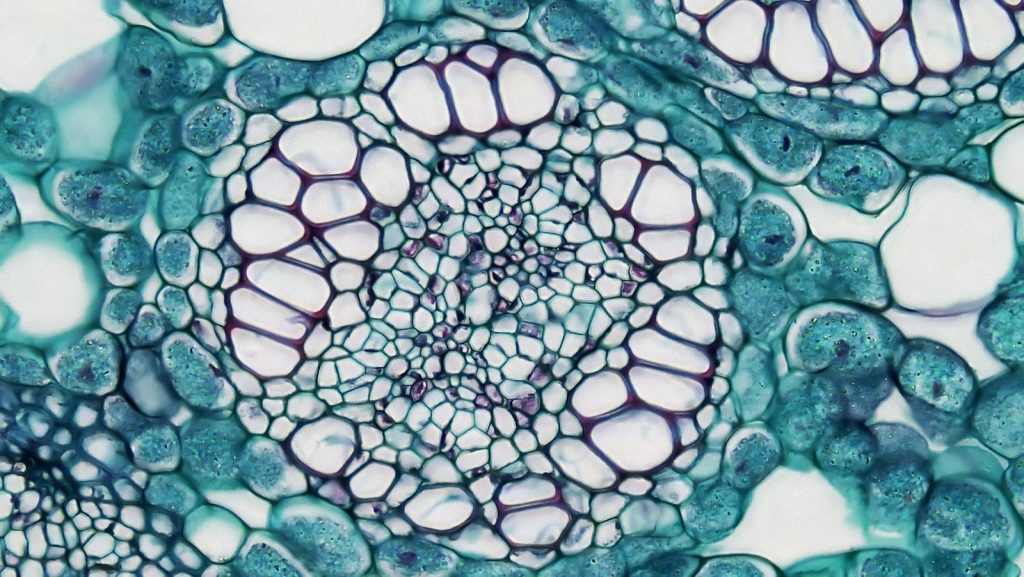
As human body cells divide over decades, many eventually stop functioning properly without dying off. These non-dividing senescent cells secrete inflammatory signals that damage surrounding healthy tissues. According to studies from the Mayo Clinic, clearing senescent cells in mice significantly extended their active lifespan. The results were impressive. Yet removing damaged cells was only the first step toward cellular renewal.
Yamanaka Factors May Reset Cellular Aging Markers
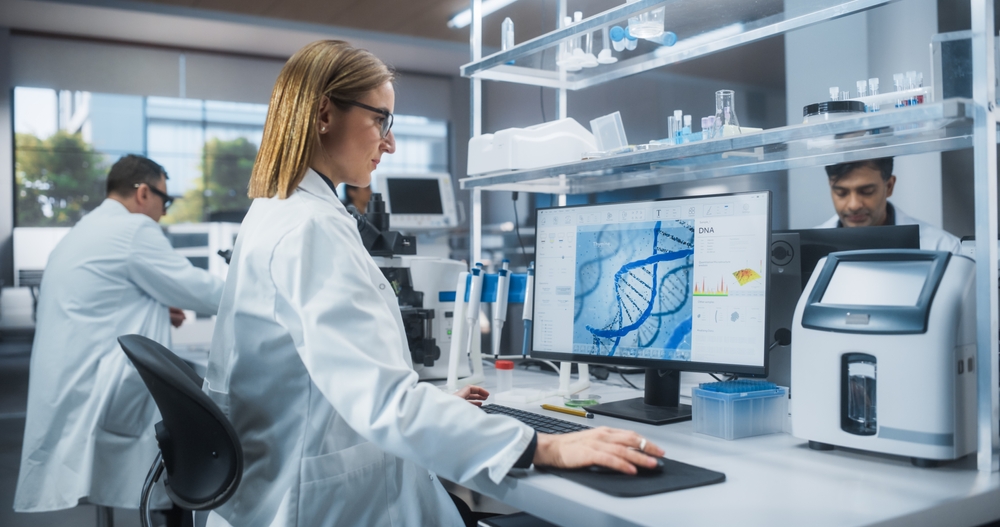
Epigenetic marks tell our genes which proteins to produce as we grow older. Over time, environmental stress scrambles these critical instructions and impairs tissue repair. According to research from Harvard Medical School, Yamanaka factors can safely reset cellular age without changing underlying DNA. Molecular clocks moved backward. But delivering these biological resets safely inside human bodies remains a challenge.
Biotechnology Companies Invest Billions in Rejuvenation Research

Private biotechnology ventures are pouring massive resources into commercial rejuvenation therapies. Investors want to turn laboratory breakthroughs into real medical treatments. According to reports from Altos Labs, elite scientists are developing gene therapies designed to enhance tissue resilience against disease. Money is flowing fast. Yet regulators must establish strict safety guidelines for these experimental treatments.
Researchers Focus on Longer, Healthier Human Lives

Medical researchers emphasize that extending active physical health matters far more than just adding years. Living longer only helps if individuals maintain strong cognitive function and vitality. According to data from the World Health Organization, preventing age-related chronic conditions could transform global healthcare systems. Quality of life improves. But scientists wonder how fast these therapies will reach everyday public medicine.
Longevity Escape Velocity Remains a Theoretical Possibility

Some futurologists suggest that medical advances might soon add more than one year of life expectancy every year. This concept promises to outpace natural biological aging through continuous biomedical breakthroughs. According to statements from computer scientist Ray Kurzweil, longevity escape velocity could become achievable within the coming decades. Science moves incredibly fast. But society must prepare for the massive demographic shifts ahead.
Anti-Aging Research Is Moving Into Human Trials

Breakthroughs in anti-aging science are transforming medicine from treating sickness to preserving human vitality. While full immortality remains theoretical science, targeting cellular decay could help humans live healthier, longer lives. According to clinical trial tracking, initial senolytic treatments are already undergoing human evaluation. This article is for informational purposes only and does not constitute scientific or professional advice.
Featured Image: Shutterstock
Leave a Reply